Dogs communicate constantly through a rich language of body movements, sounds, and behaviors that most owners only partially understand. Learning to read these signals more accurately can transform the relationship between a pet and their person in meaningful ways. Every tail movement, ear position, and vocalization carries a specific meaning that reflects your dog’s emotional and physical state. The more attuned you become to these cues, the better equipped you are to meet their needs before problems escalate.
Whale Eye

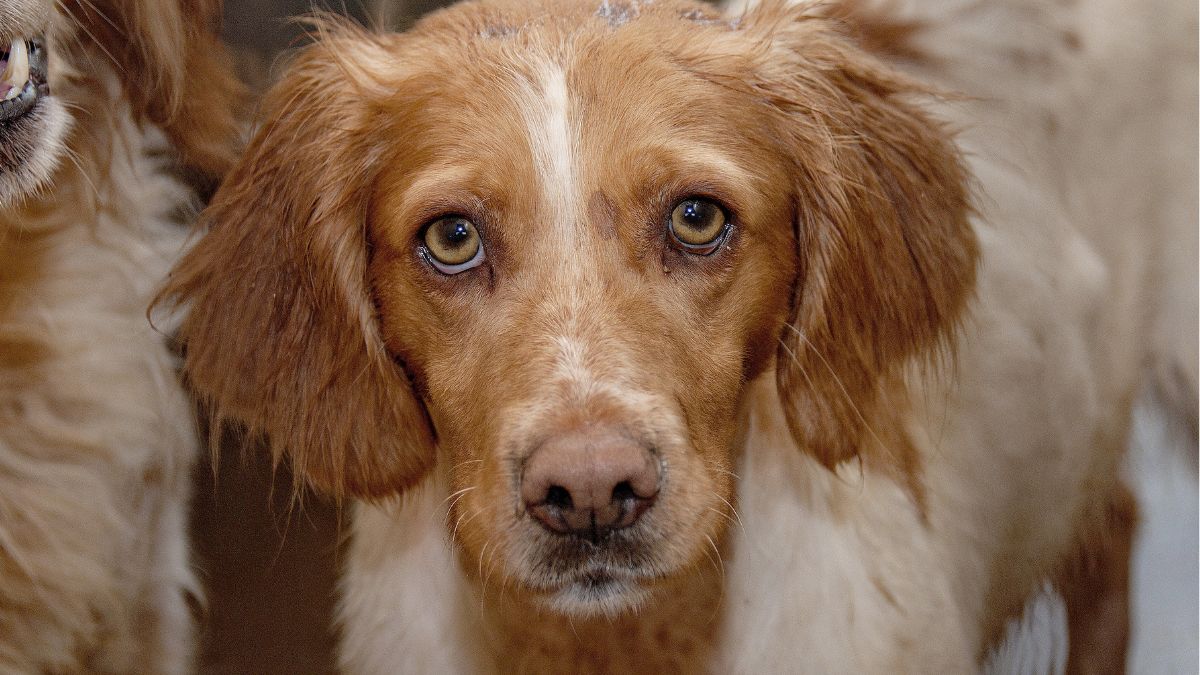
When a dog shows the whites of their eyes in a crescent shape, it is a signal of discomfort or anxiety in the current situation. This expression often appears when a dog feels cornered, overstimulated, or uncertain about what is happening around them. It frequently goes unnoticed because people tend to focus on the mouth or tail rather than the eyes. Recognizing this look early allows you to remove the dog from a stressful environment before tension escalates.
Yawning

A yawn outside of a tired context is one of the most commonly misread signals in canine communication. Dogs use yawning as a calming signal to de-escalate tension in themselves or in others around them. It often appears during training sessions, vet visits, or interactions with unfamiliar people or animals. If your dog yawns repeatedly in a social setting, they are likely signaling that they need a moment to decompress.
Tail Position
The position and movement of a dog’s tail communicates a great deal about their emotional state at any given moment. A tail held high and wagging quickly typically signals excitement or alertness, while a low or tucked tail suggests fear or submission. A slow, stiff wag can actually indicate tension rather than friendliness, which surprises many dog owners. Paying attention to the full arc and speed of tail movement gives a much clearer picture of how your dog is feeling.
Ears Pinned Back
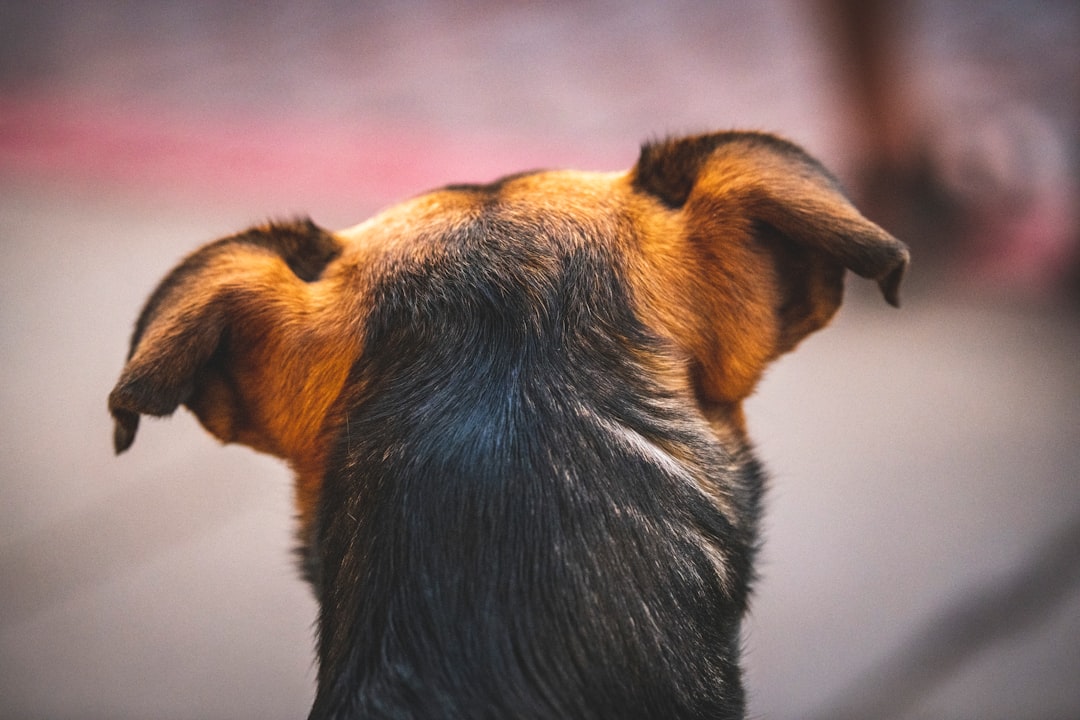
Flattened ears pressed close to the head are a clear indicator that a dog is feeling anxious, frightened, or submissive. This posture often appears alongside other stress signals such as lowered body posture or avoiding eye contact. In some dogs, pinned ears accompany appeasement behaviors like licking the air or rolling onto their back. Understanding this signal helps owners respond with reassurance rather than pushing the dog further into an uncomfortable situation.
Pawing at You
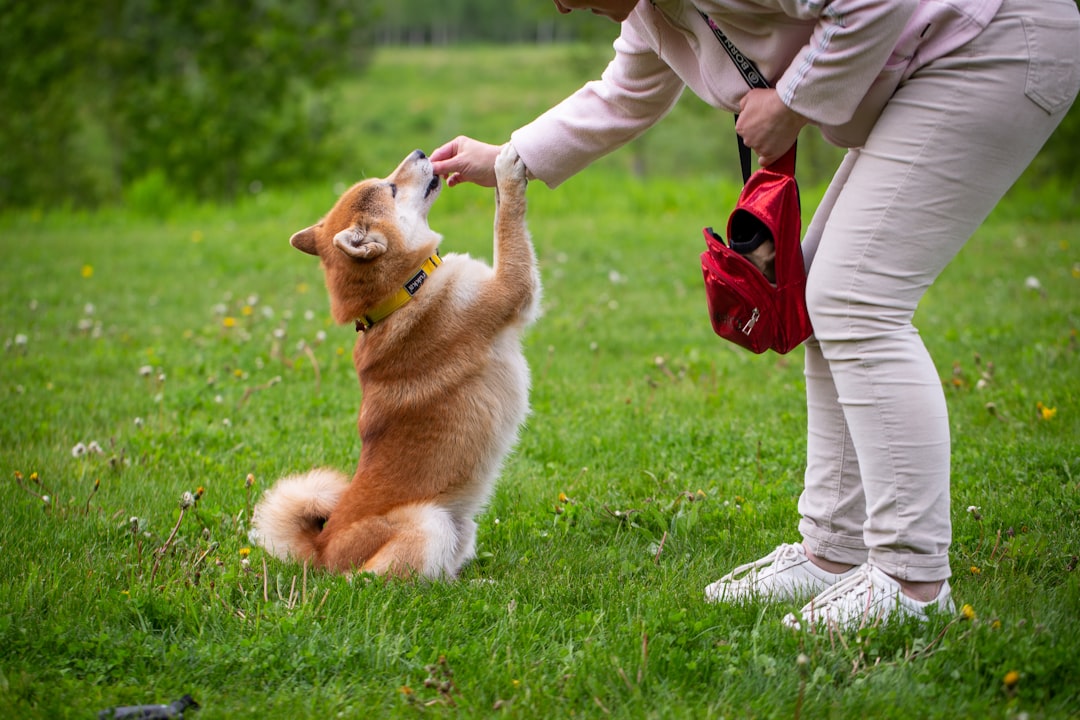
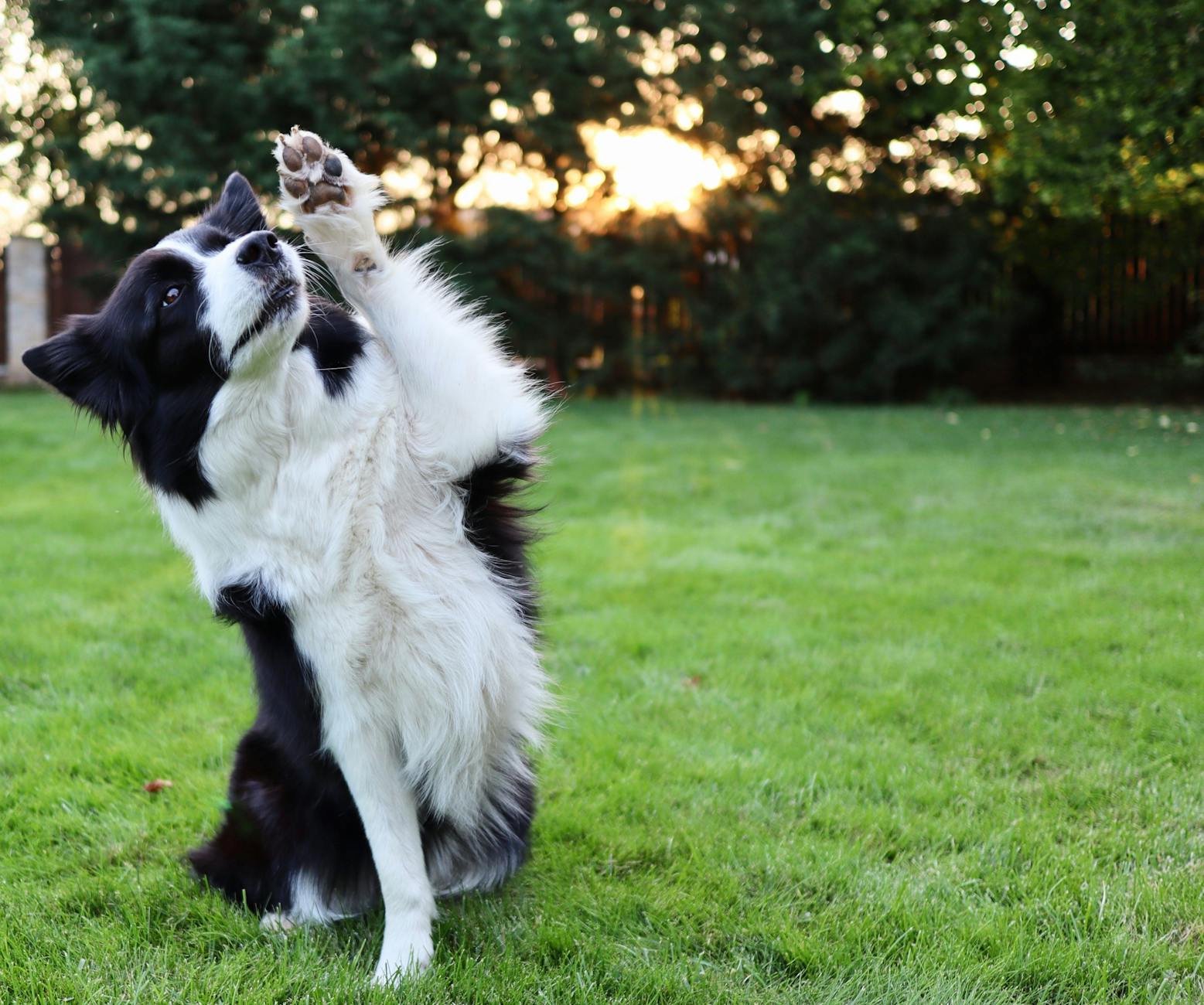
When a dog repeatedly places a paw on you, they are actively seeking attention or connection in a very deliberate way. This behavior is often a continuation of the same impulse behind nose nudging, used when softer signals have been ignored. Dogs who paw frequently may be asking for food, affection, play, or simply your presence and acknowledgment. It is one of the more direct and intentional forms of communication dogs use with the people they trust.
Bringing You Objects
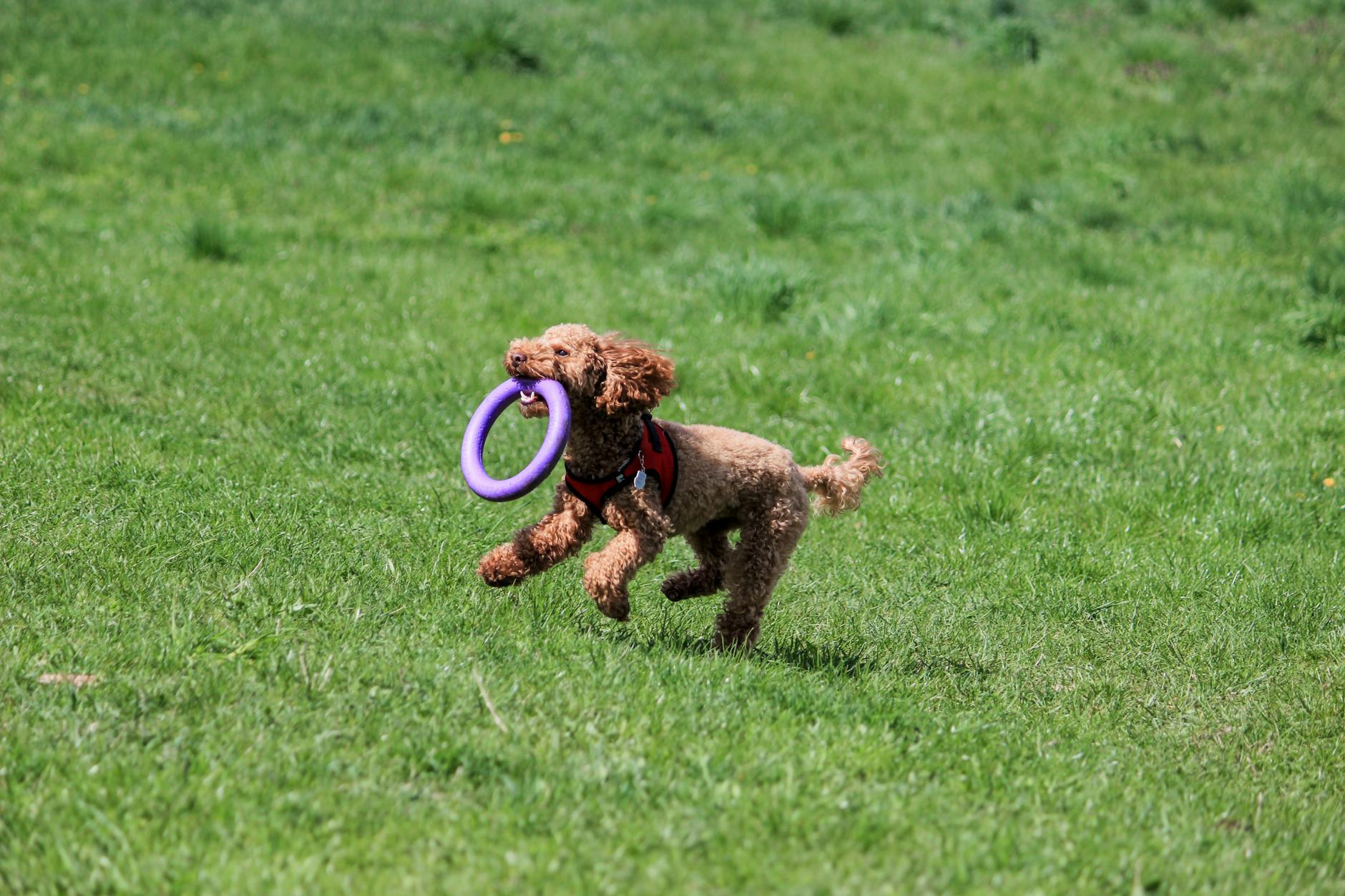
A dog who consistently brings toys, socks, or random household items to you is engaging in a bonding and communication ritual. This behavior is often rooted in the retrieval instinct but carries a clear social component tied to sharing and offering. Some dogs bring objects as a greeting when owners return home, while others do it as an invitation to interact or play. The specific object chosen can sometimes reflect what the dog is feeling or what they most associate with positive experiences.
Staring at You
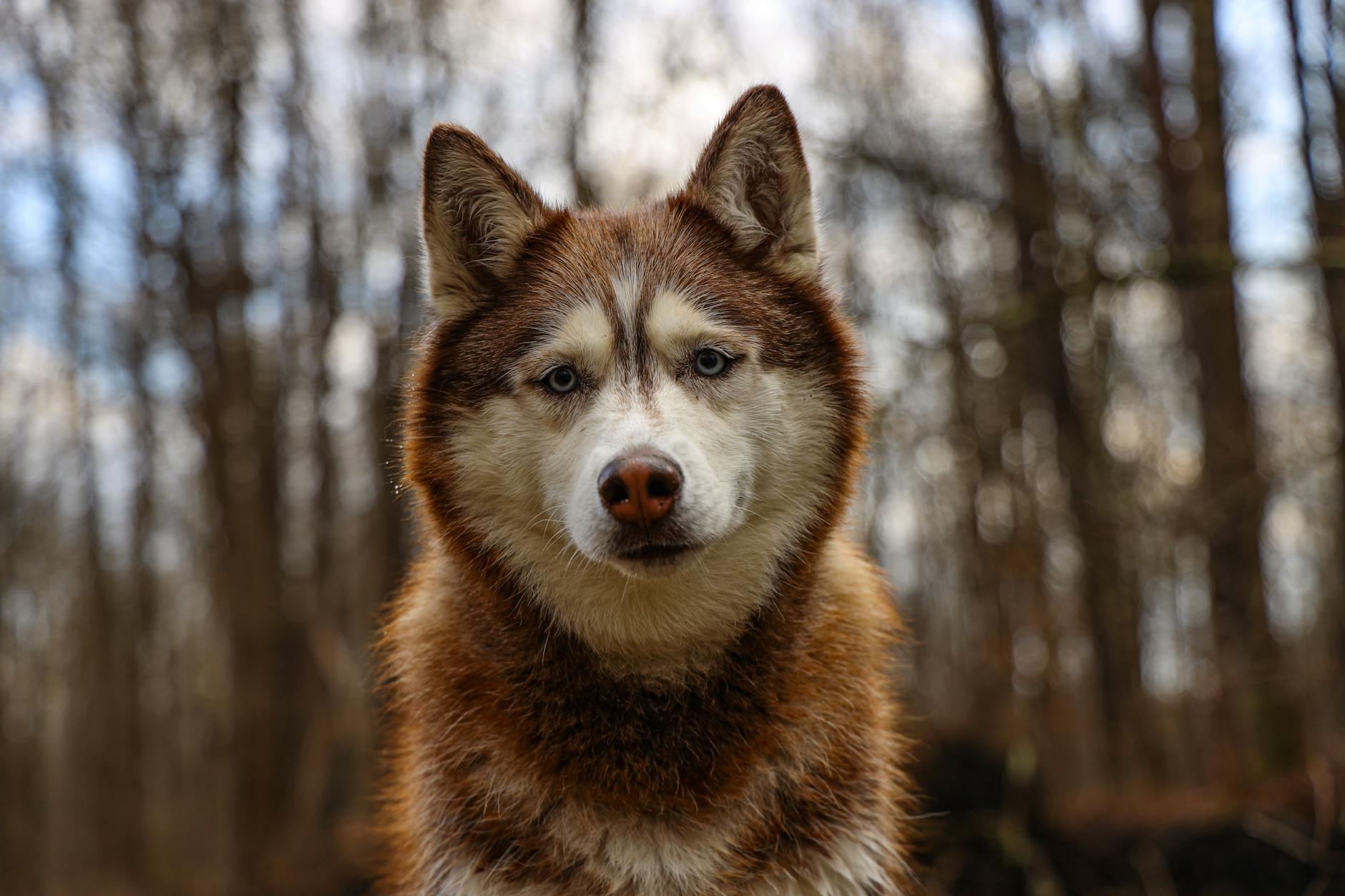
Prolonged, soft eye contact from a dog is a sign of deep trust and emotional attunement with their person. Research has shown that mutual gazing between dogs and humans triggers the release of oxytocin in both species. However, a hard, unblinking stare directed at someone unfamiliar is a very different signal that communicates challenge or discomfort. Learning to distinguish between a loving gaze and a tense stare is an important part of understanding your dog’s communication.
Leaning Against You
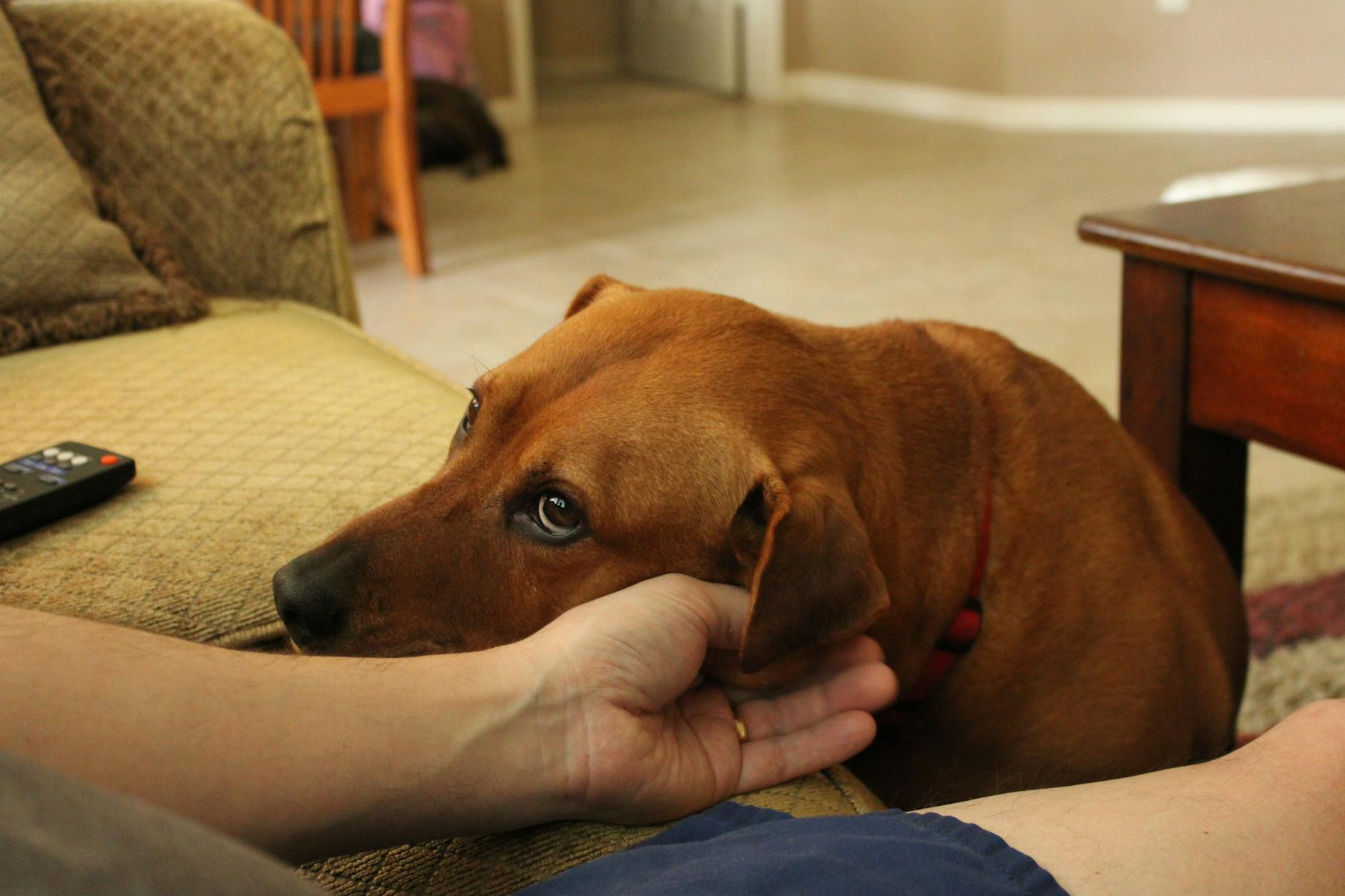
A dog who presses their body weight against your legs or side is seeking physical connection and closeness. This behavior is particularly common in larger breeds but appears across all sizes as a form of comfort-seeking. It can signal that the dog wants reassurance during a stressful moment or simply desires closeness as part of their attachment to you. Dogs who lean regularly are demonstrating a high level of trust and reliance on their human companion.
Following You Everywhere
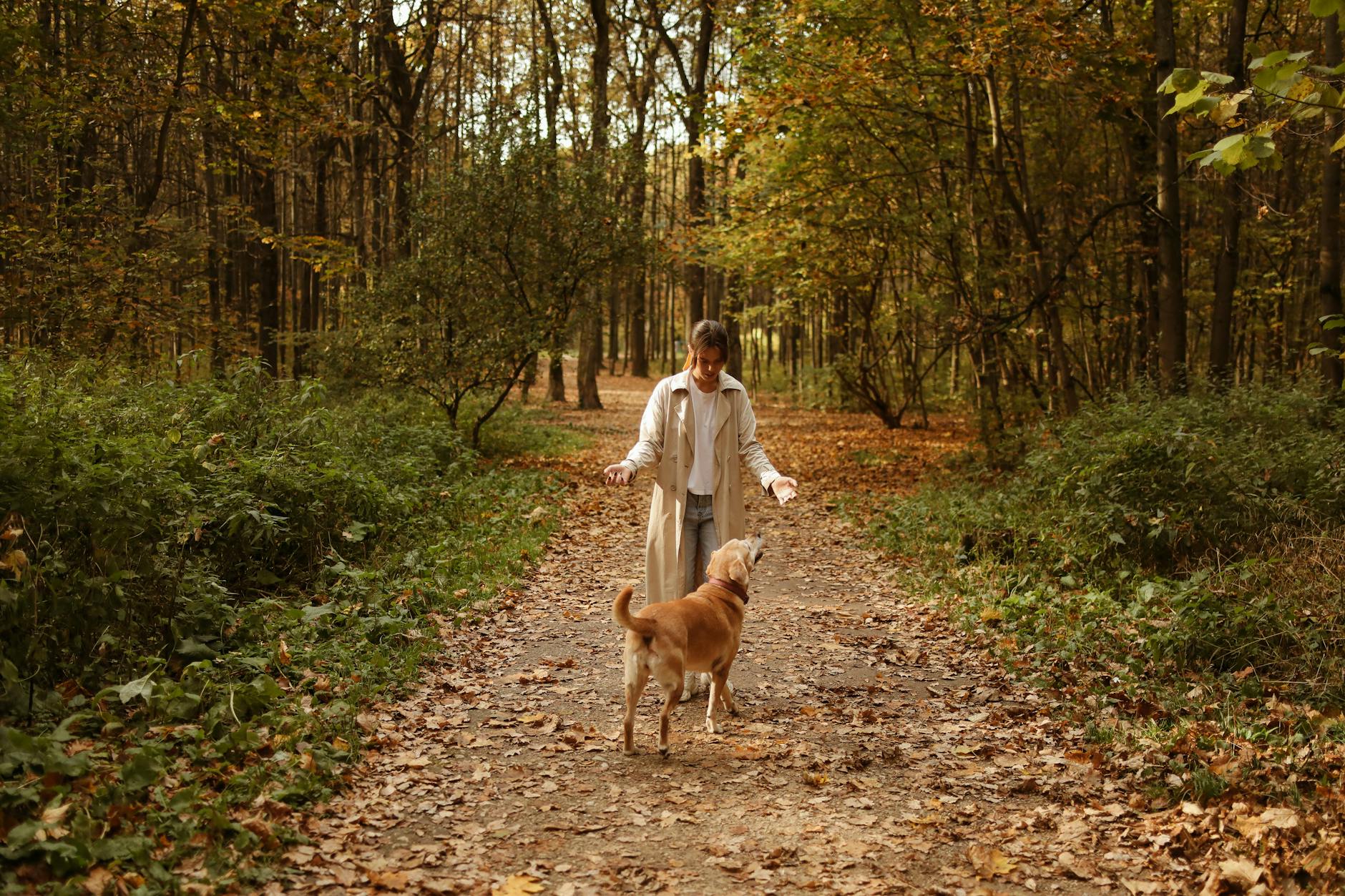
A dog who shadows your every move throughout the home is communicating a strong attachment and desire for proximity. While this behavior is endearing, it can sometimes indicate separation anxiety or insecurity rather than pure affection. Dogs with healthy attachment will follow closely but can also settle comfortably when left alone for reasonable periods. The context in which the following occurs helps distinguish normal bonding behavior from something that may need gentle behavioral support.
Licking Your Face
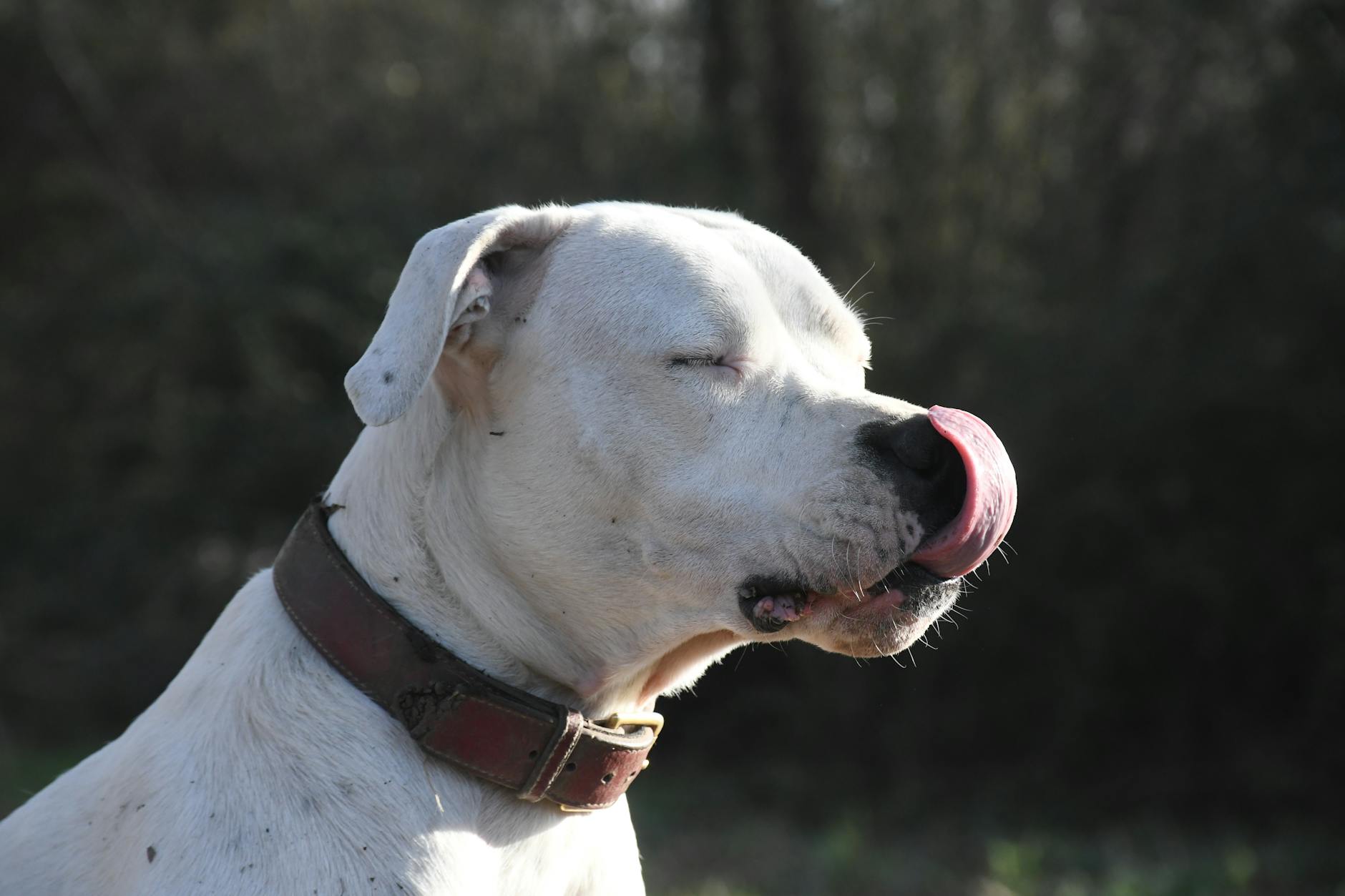
Face licking is a behavior rooted in early puppyhood when pups would lick the mouths of adult dogs to solicit food and affection. In domestic dogs, this behavior carries into adulthood as a greeting ritual, a sign of submission, or an expression of affection toward trusted humans. Some dogs lick as a self-soothing mechanism when they are anxious or overstimulated in a social situation. The frequency and context of licking offer clues about whether the behavior is driven by affection, stress, or habit.
Showing Their Belly
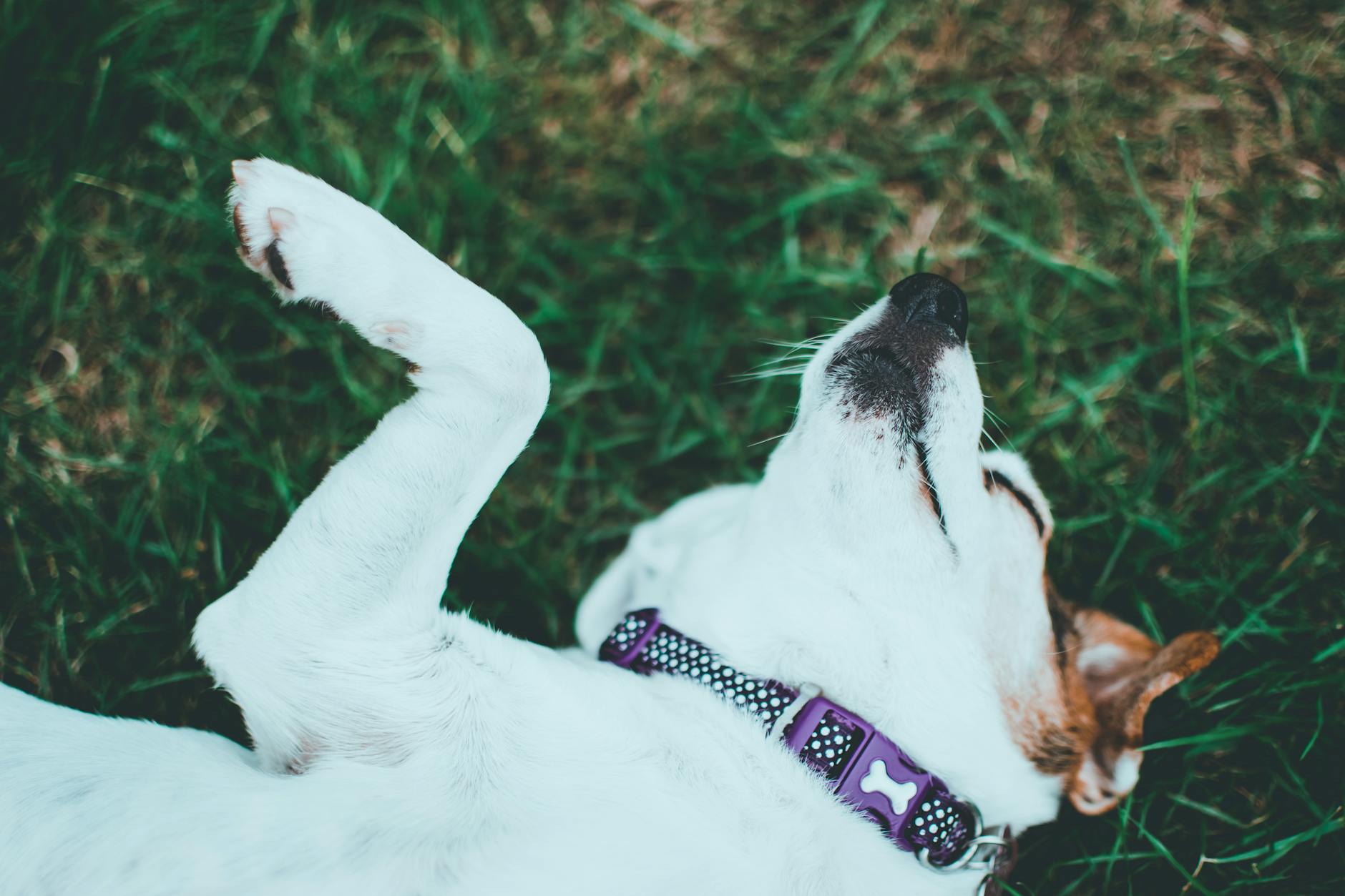
Rolling onto their back and exposing the abdomen is one of the most well-known canine communication gestures, but its meaning varies by context. In a relaxed, playful moment, it is an invitation for belly rubs and signals complete comfort and trust. In tense situations, it is an appeasement signal that communicates non-threat and submission to avoid conflict. Understanding the surrounding circumstances helps you interpret whether your dog is asking to play or asking for space.
Zoomies
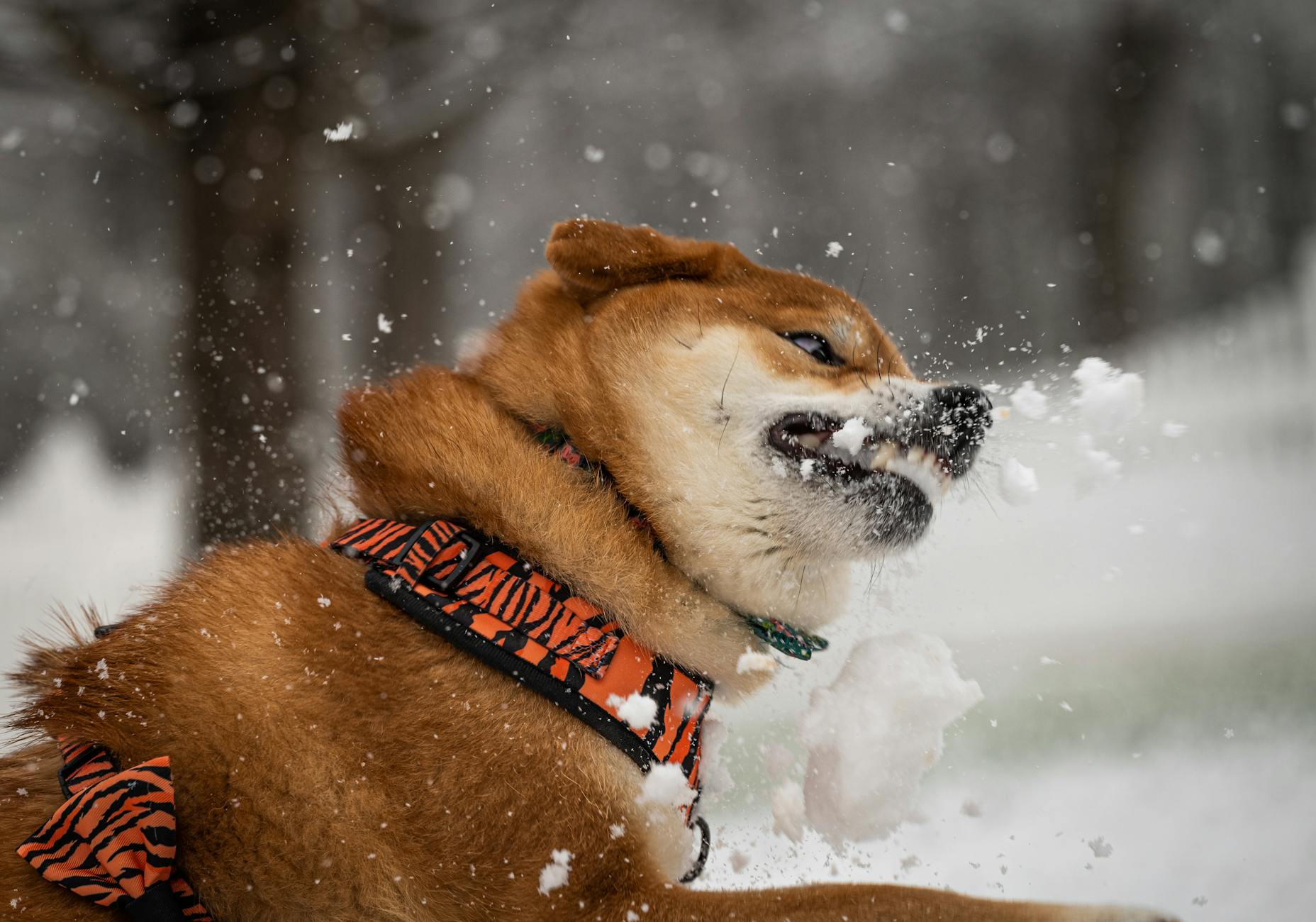
Those sudden bursts of frantic running that dogs do are formally known as frenetic random activity periods and carry a specific communicative function. They most often occur after a bath, a period of confinement, or a tense experience as a way of releasing pent-up energy and emotion. The behavior is generally a sign that the dog is feeling relief or overstimulation rather than simple excitement. Recognizing what triggers your individual dog’s zoomies can help you identify patterns in how they process their environment.
Sniffing the Ground Excessively

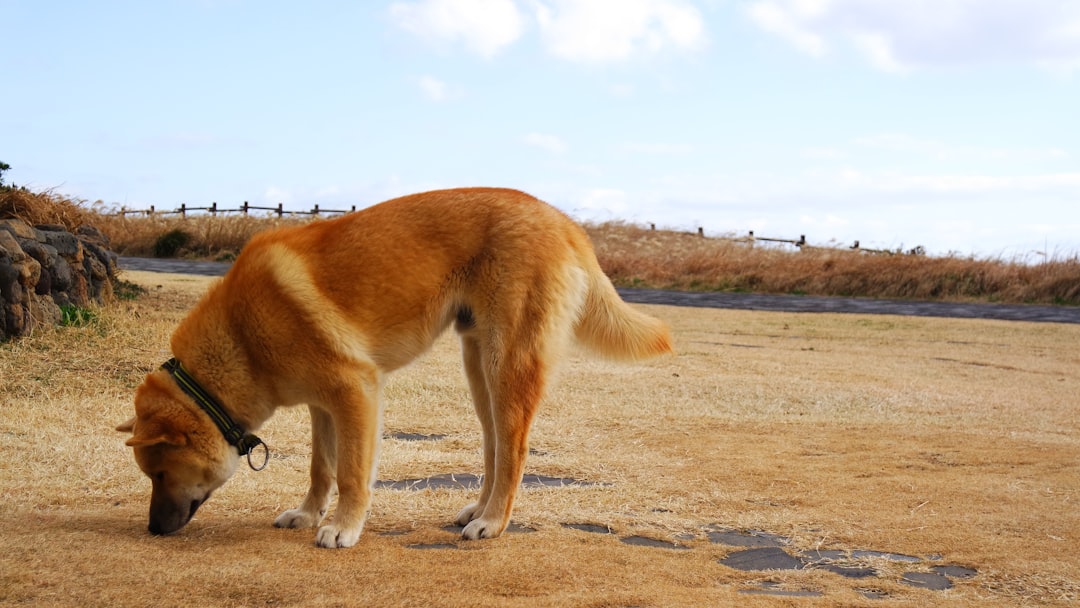
When a dog drops their nose to the ground during a walk or social interaction, they are often using scent-gathering as a displacement behavior. This is a calming signal commonly used when a dog feels uncertain or wants to communicate non-confrontation to another animal or person. It is also a way dogs temporarily disengage from a situation that feels overwhelming or overstimulating. Respecting this signal during social encounters gives the dog the space they need to regulate their own emotions.
Chewing and Destructive Behavior
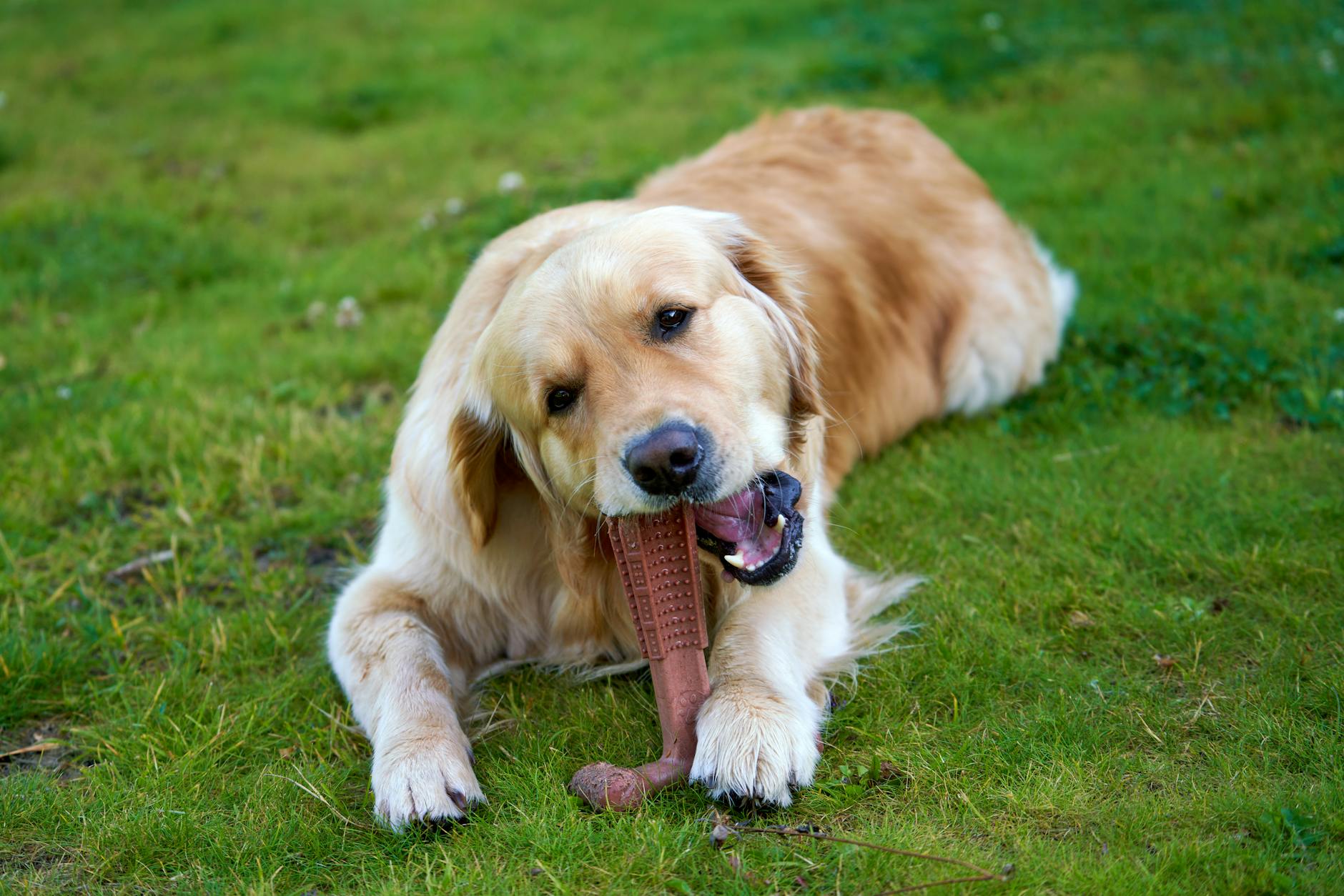
Chewing that goes beyond puppyhood is almost always a communication of an unmet need rather than simple misbehavior. Dogs who chew furniture, shoes, or household items are frequently signaling boredom, insufficient exercise, or anxiety about being left alone. The location and timing of the chewing often reveals what specifically prompted it, such as items near the door suggesting separation distress. Addressing the underlying need consistently reduces the behavior far more effectively than correction alone.
Excessive Barking
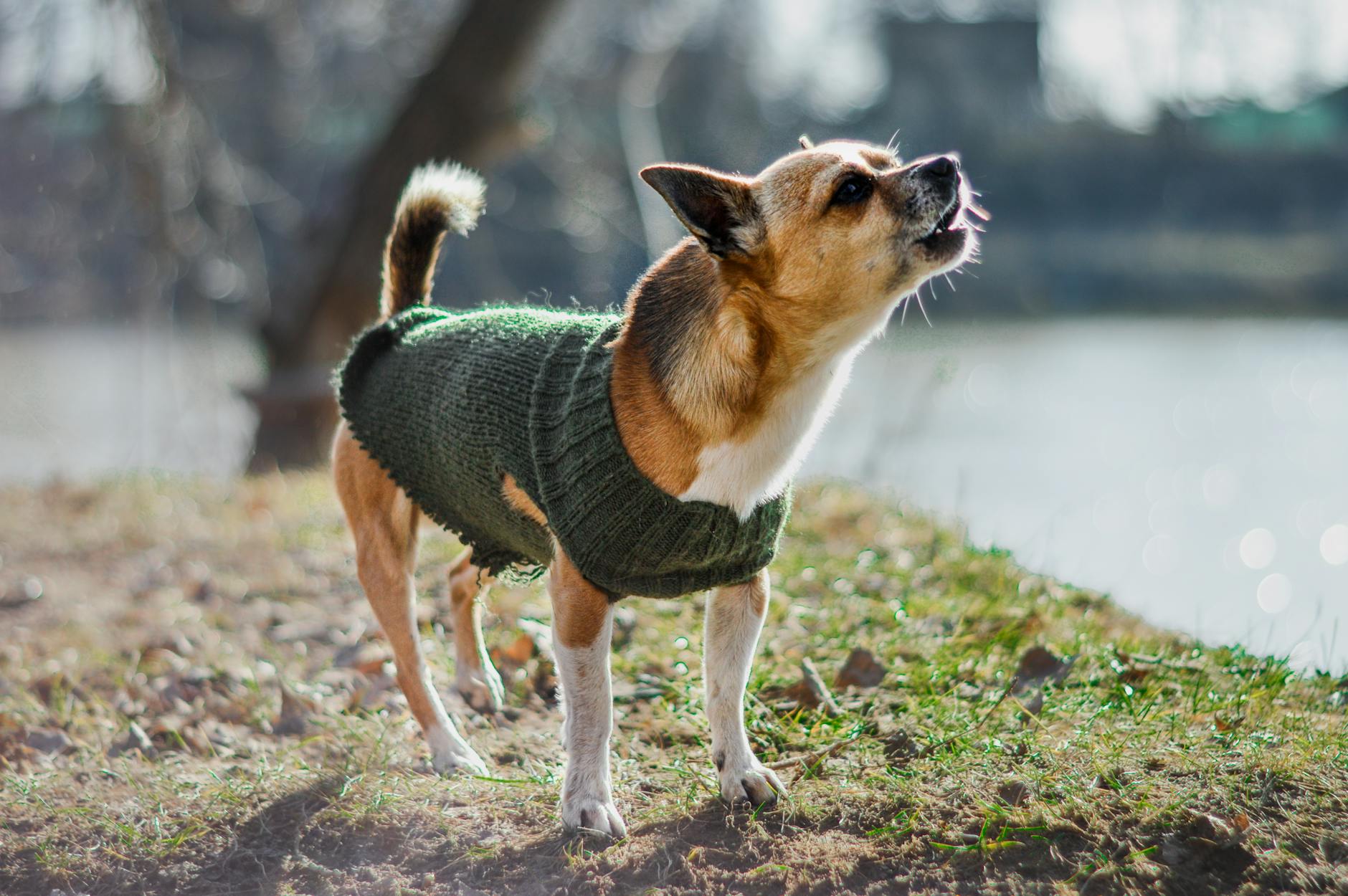
While barking is a natural form of canine vocalization, an increase in frequency or urgency is a dog’s way of escalating a message that has not been heard. Different bark patterns correspond to different emotional states including alarm, boredom, frustration, and the desire for social interaction. Dogs who bark persistently at the same trigger every day may be communicating that the exposure to that trigger feels unmanageable for them. Identifying the specific pattern and context of the barking is the first step toward understanding what your dog needs.
Whining
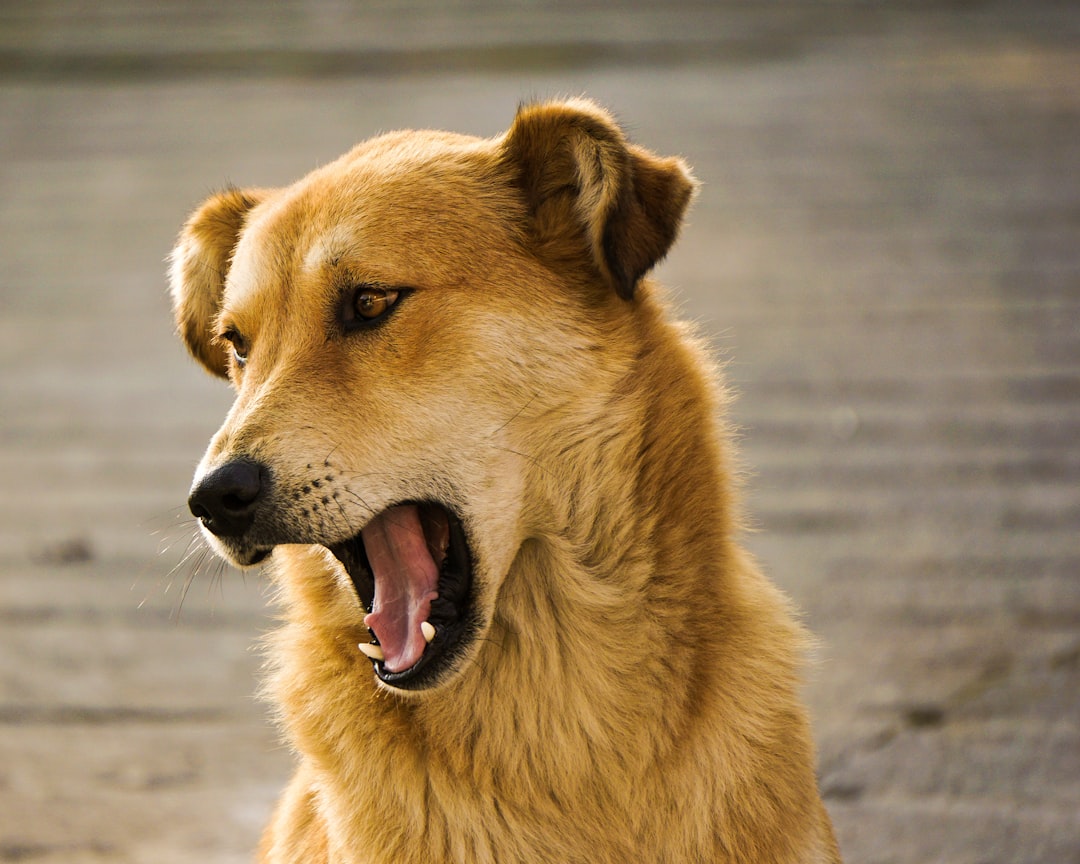
Whining is one of the most emotionally expressive vocalizations in a dog’s communicative repertoire and carries a wide range of meanings. It can signal physical discomfort, emotional distress, anticipation, or a request for something the dog wants and cannot access. Puppies use whining as a primary communication tool, and many dogs retain it into adulthood with their closest humans. A sudden increase in whining in an adult dog who does not typically vocalize this way often warrants a closer look at their health and environment.
Hackles Raised
The involuntary raising of fur along the spine and shoulders, known as piloerection, is a physiological response that communicates heightened arousal. This response does not always signal aggression and can appear during excitement, play, or moments of intense focus as well. When hackles rise slowly and are accompanied by a stiff body and fixed gaze, the signal leans much more toward threat or extreme discomfort. Reading hackles in combination with other body language gives the most accurate interpretation of what the dog is experiencing.
Hiding or Avoiding
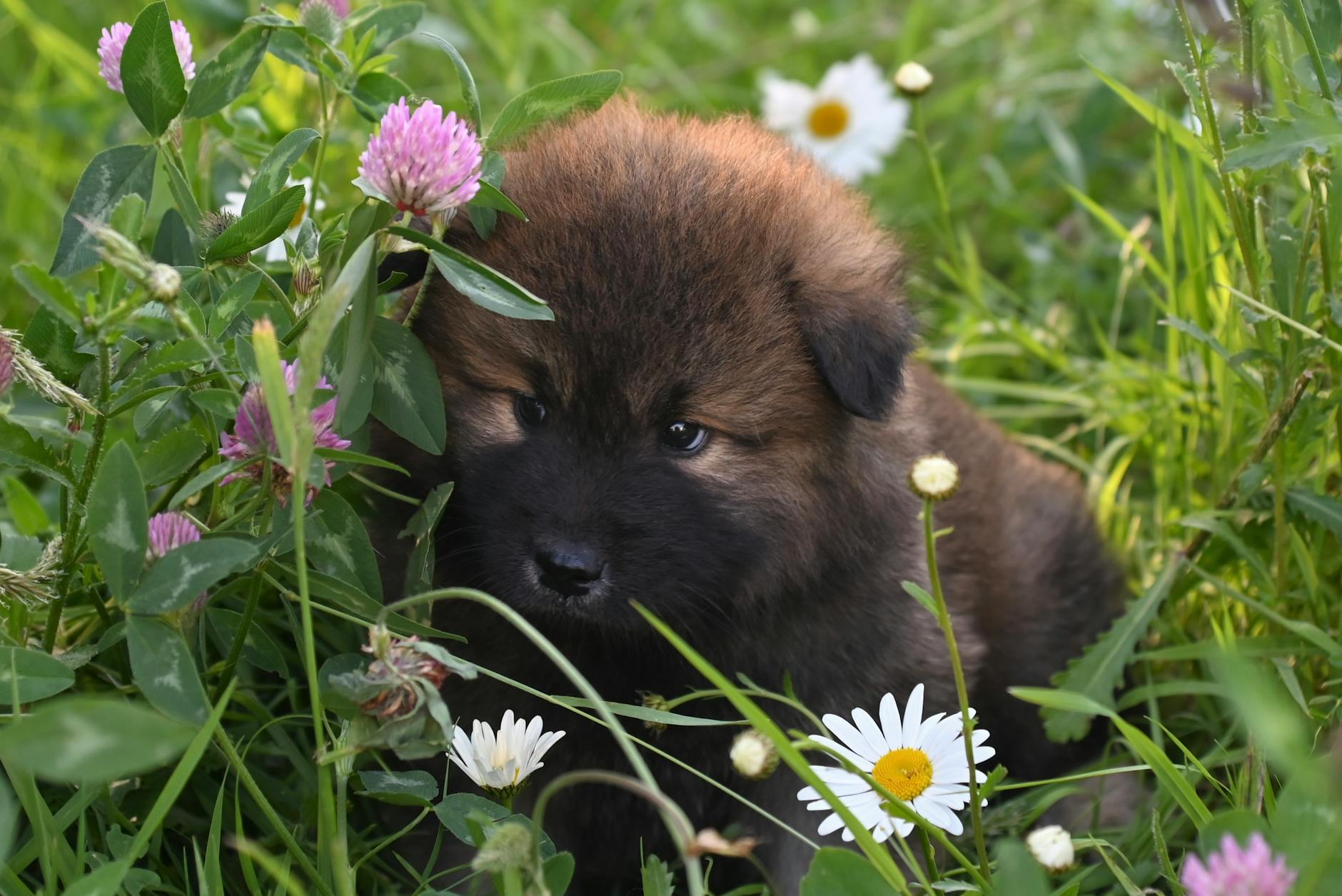
A dog who retreats beneath furniture, into closets, or behind larger objects is communicating a strong desire to feel safe and unseen. This behavior appears during thunderstorms, fireworks, unfamiliar gatherings, or after a stressful interaction in the home. Dogs who regularly seek hiding places may be telling you that certain elements of their daily environment feel overwhelming or threatening to them. Creating safe retreat spaces throughout the home allows dogs to self-regulate without resorting to more disruptive stress behaviors.
Head Tilting
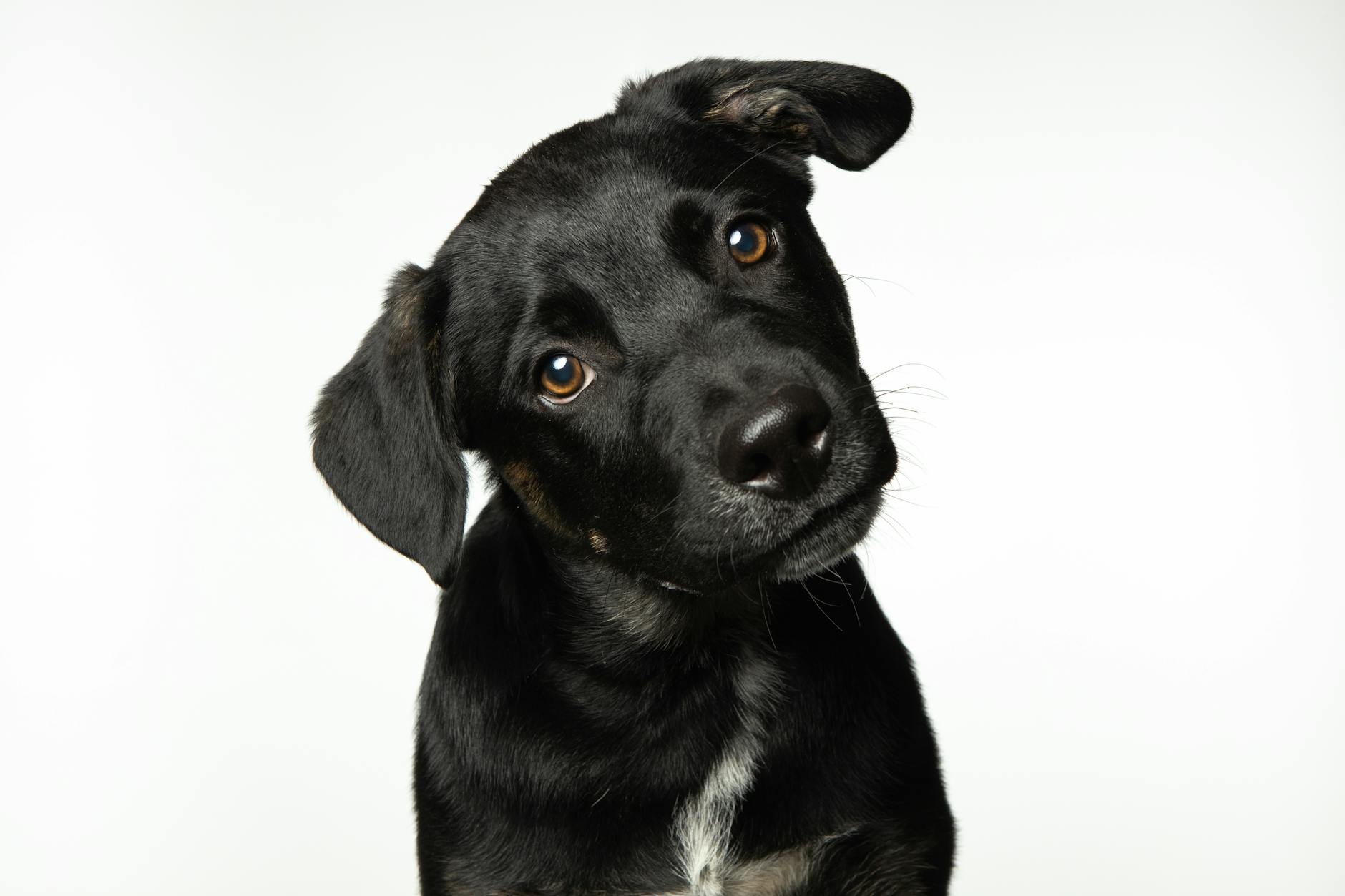
The sideways head tilt that dogs often perform in response to sounds or words is connected to both auditory processing and visual focus. Dogs tilt their heads to better locate and isolate the source of a specific sound or to see around the shape of their own muzzle. This gesture also commonly appears when a dog hears a familiar word and is actively trying to make sense of what it means in context. While visually charming, the head tilt is a genuine sign that your dog is engaged and working to understand your communication.
Sitting on Your Feet

Choosing to sit directly on your feet is a behavior that blends closeness-seeking with a mild desire for security and grounding. Unlike leaning, sitting on the feet places the dog in a position where they can feel your presence without needing to look up or maintain eye contact. Some dogs adopt this posture specifically in unfamiliar environments as a way of anchoring themselves to the person they trust most. It is a physically small gesture that communicates a significant degree of emotional reliance and attachment.
Sudden Freezing

A dog who goes completely still mid-movement is sending one of the most important signals in the canine communication spectrum. This freeze response is a final warning before a dog feels compelled to escalate to a growl or snap, and it should always be taken seriously. It appears most often when a dog is uncomfortable with being touched in a specific way or when they feel their space is being invaded without consent. Responding calmly and giving the dog distance immediately when you notice a freeze is essential to preventing escalation.
Loss of Appetite

A dog who suddenly shows disinterest in food they would typically eat enthusiastically is communicating that something has shifted. Physical illness is the most common explanation, but significant emotional disruption such as grief, anxiety, or a major household change can also suppress a dog’s appetite. When accompanied by other behavioral changes, a reduced appetite becomes a more urgent message that something in the dog’s world is not right. Tracking when the change began and what else shifted around the same time is valuable information for a veterinary conversation.
Rolling in Things
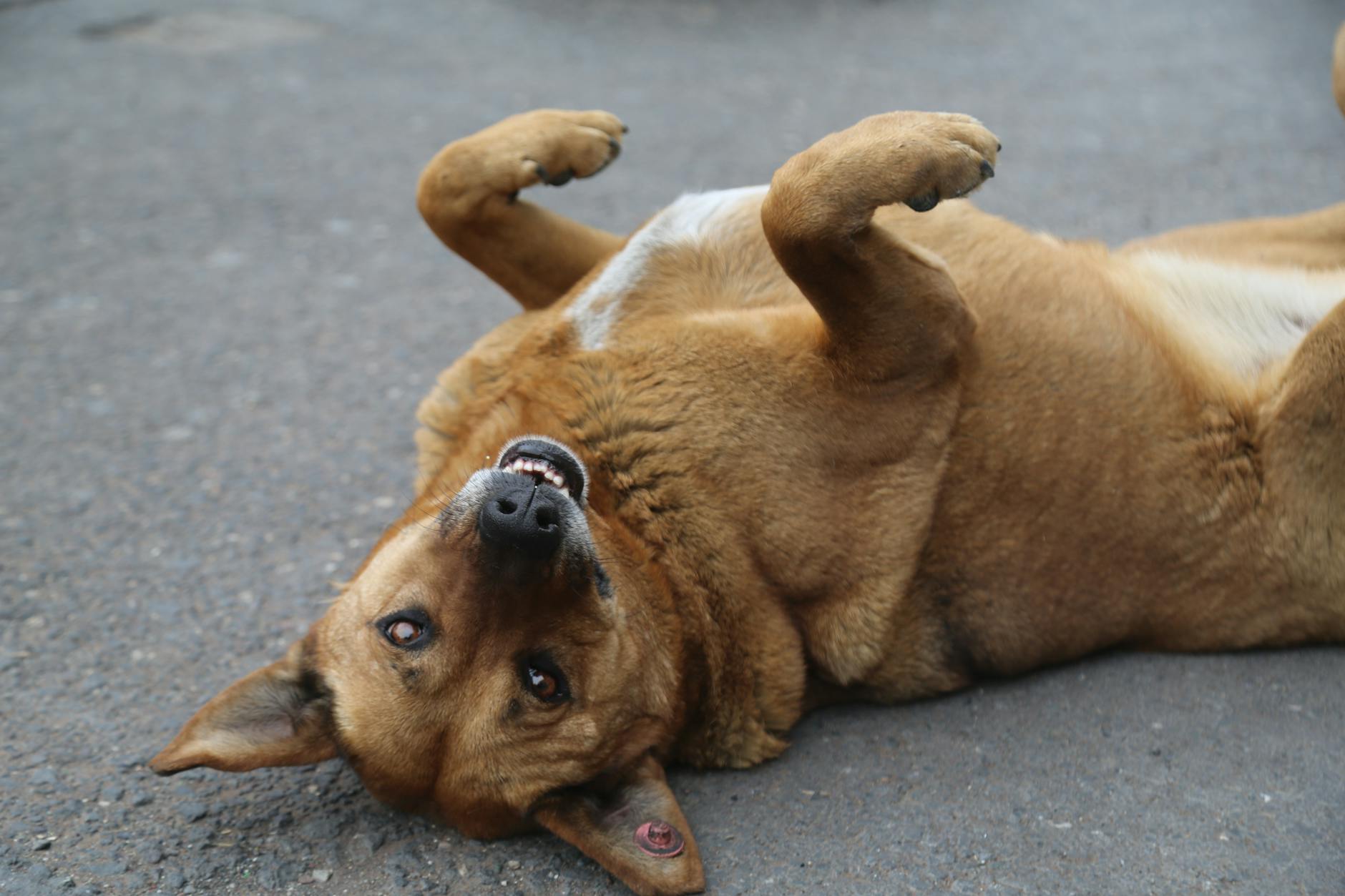
When a dog enthusiastically rolls in grass, soil, or notably unpleasant organic matter, they are engaging in a deeply instinctive behavior with communicative roots. In the wild, rolling in strong scents was a way for canines to mask their own odor or carry information back to the pack about what they encountered. Domestic dogs retain this drive even without a practical application for it in modern life. While it reads as baffling or frustrating to most owners, the behavior is the dog’s way of engaging with their environment through the sensory channel they rely on most.
Panting Without Heat or Exercise
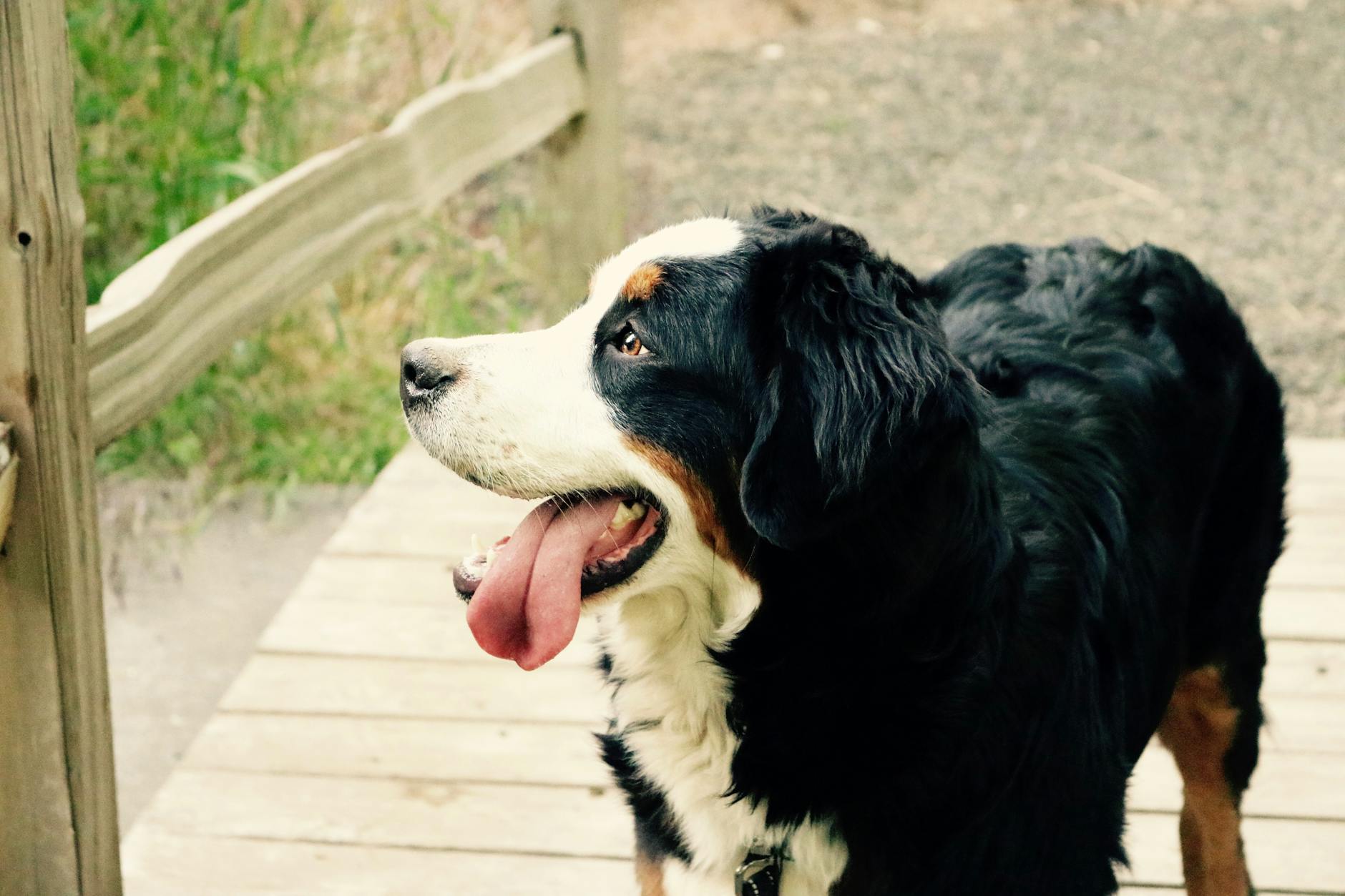
Panting that occurs when a dog is not overheated and has not been physically active is a signal that warrants close attention. This type of panting is strongly associated with stress, anxiety, or pain rather than temperature regulation. It frequently appears during car rides, vet visits, thunderstorms, and social situations that feel overwhelming to the dog. A dog who pants persistently in calm, comfortable conditions may be communicating chronic discomfort that has gone unaddressed.
Sighing

The long exhale that dogs produce as they settle onto the floor or curl into a resting position is a genuine communicative release. It typically signals contentment and the transition into a relaxed state after activity, stimulation, or time spent with their person. Some dogs use sighing as a mild expression of mild frustration when something they wanted did not happen, such as a walk being cut short. Either way, the sigh is one of the quieter and more peaceful signals dogs share with the people they feel most comfortable around.
If you have noticed any of these behaviors in your own dog, share what your experience has been like in the comments.




