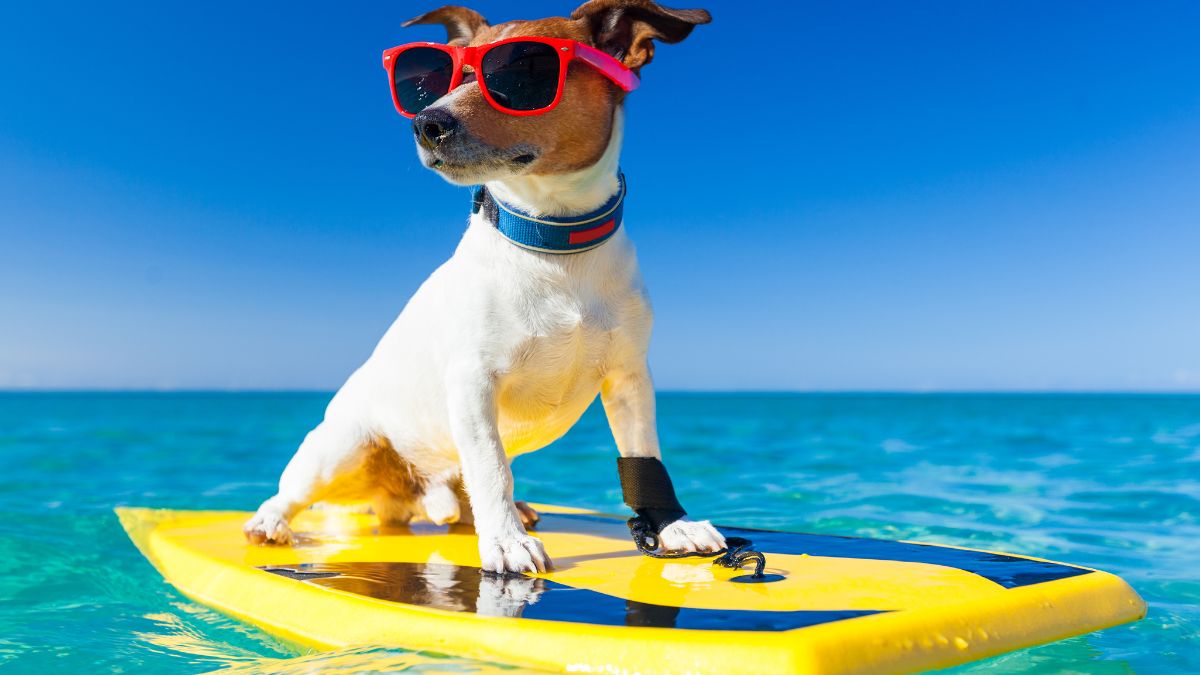
Dogs that thrive in warm and sunny environments share a set of physical and behavioral traits that make heat far more manageable for them. Short coats, lean bodies, and efficient respiratory systems all play a role in how well a breed handles high temperatures. Whether you live in a desert region, a tropical coastal area, or simply experience long scorching summers, choosing the right breed makes life more comfortable for both you and your pet. These fifteen breeds have proven themselves as reliable companions in some of the hottest places on earth.
Basenji
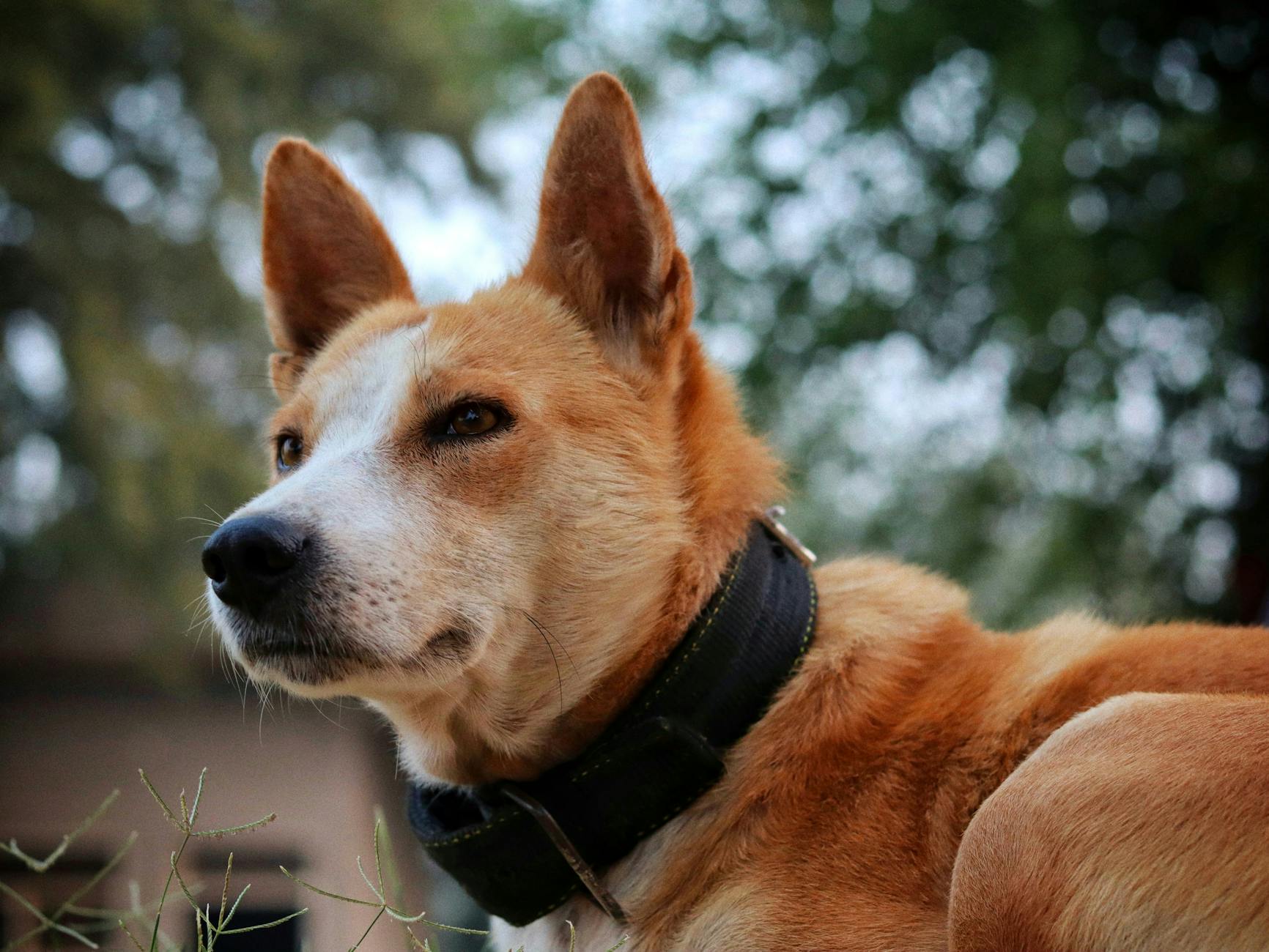
The Basenji is one of the oldest known dog breeds and originates from the hot, humid rainforests of Central Africa. Its short and fine coat does an excellent job of releasing body heat without requiring extra grooming in warm conditions. This breed is notably light on its feet and tends to self-groom much like a cat, keeping its skin clean and healthy in dusty or humid climates. Basenjis are alert, curious, and energetic dogs that love outdoor exploration even when temperatures rise. Their compact build and natural heat tolerance make them a standout choice for warm weather living.
Vizsla
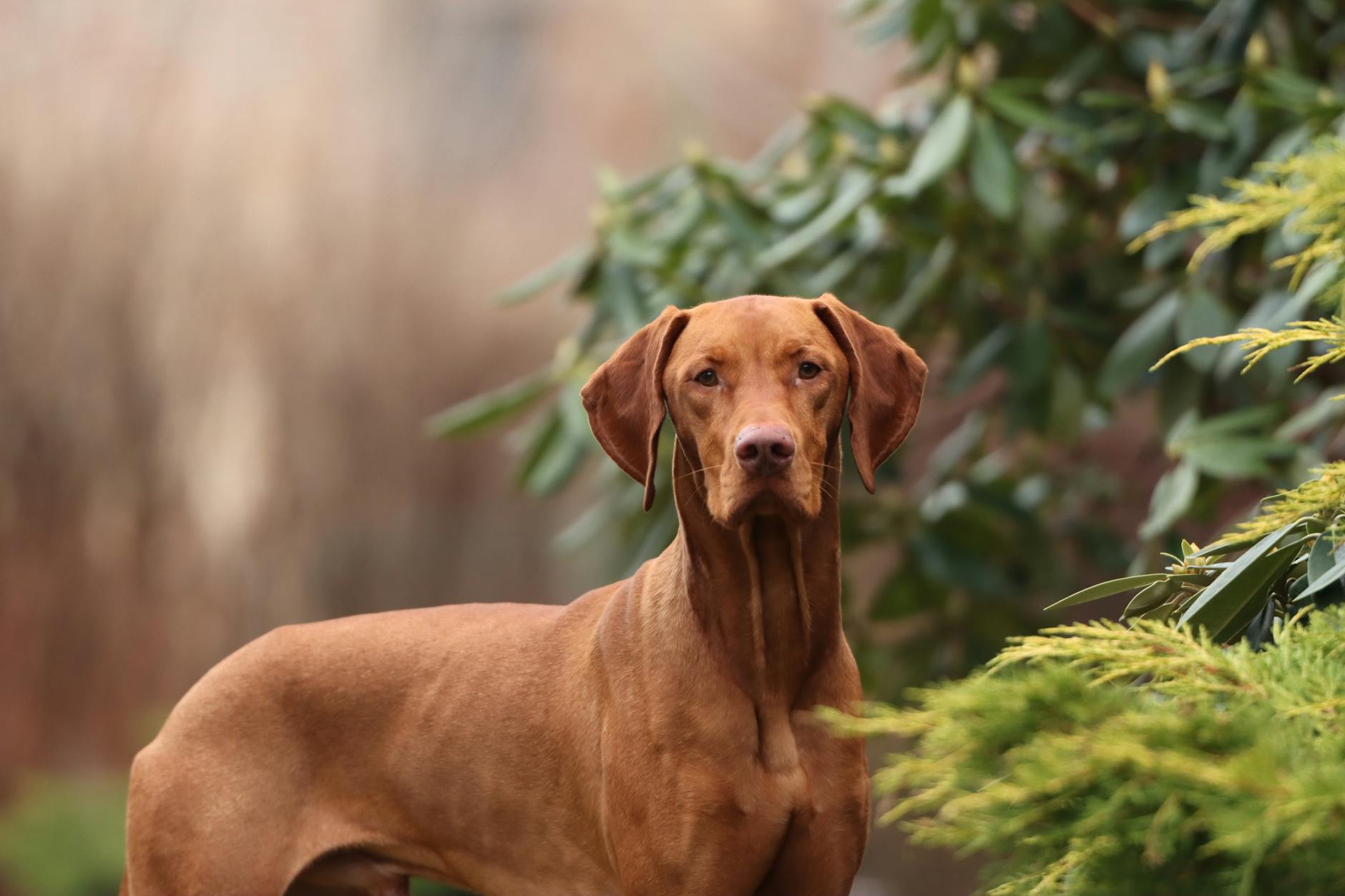
The Vizsla hails from Hungary where summers can be intensely warm, and the breed has adapted well to working and playing in the heat. Its golden rust coat is short, dense, and lies flat against the body, providing minimal insulation while offering some protection from direct sun exposure. Vizslas are athletic and enthusiastic dogs that love long runs, hikes, and outdoor activities in warm climates. They bond very closely with their owners and thrive in active households that spend plenty of time outside. Their lean, muscular frame allows body heat to dissipate efficiently even during vigorous exercise.
Ibizan Hound
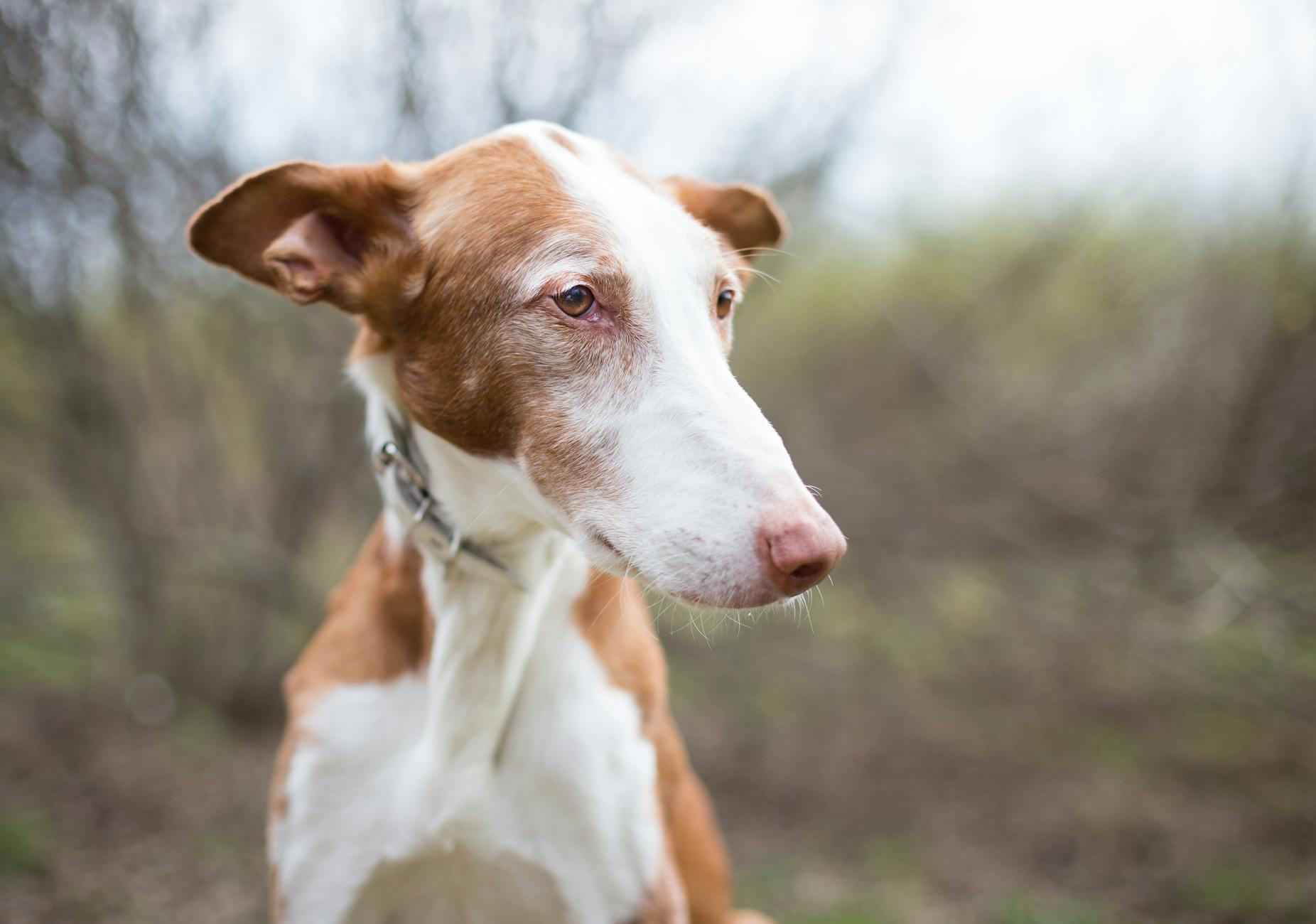
The Ibizan Hound was developed on the sun-drenched Spanish island of Ibiza and surrounding Mediterranean regions where heat is a constant presence. Its thin skin, minimal body fat, and short smooth coat allow it to stay cool even during the hottest parts of the day. This breed is known for its incredible agility and speed, traits that were developed through centuries of hunting in warm, rocky terrain. Ibizan Hounds are gentle and affectionate at home but come alive with energy during outdoor exercise. Their natural adaptation to Mediterranean summers makes them exceptionally well-suited for modern hot climate households.
Pharaoh Hound
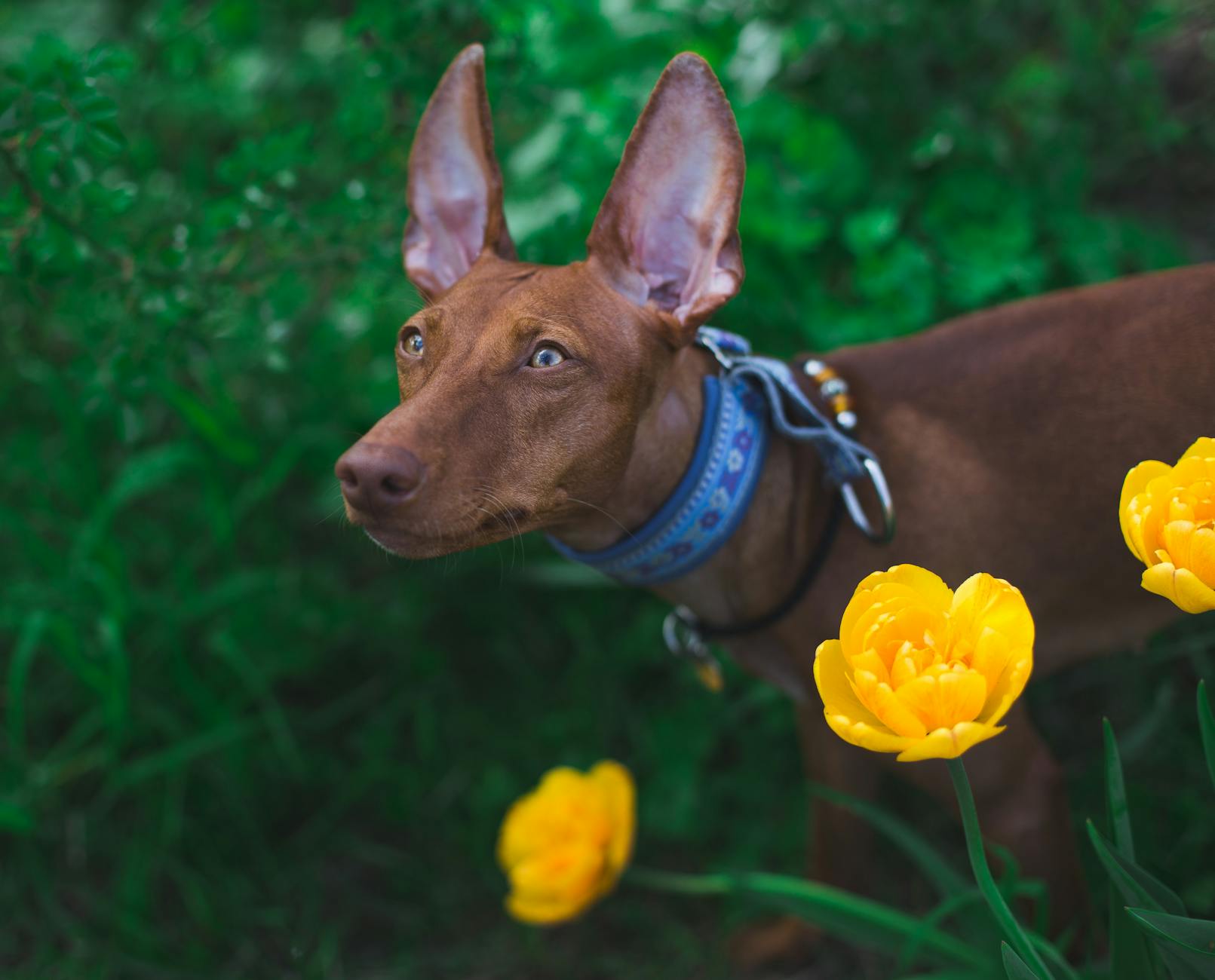
The Pharaoh Hound is one of the most ancient breeds in existence and has been thriving in the intense heat of Malta and North Africa for thousands of years. A short, glossy coat and a naturally slim physique help this breed regulate body temperature with remarkable efficiency. Pharaoh Hounds are lively and playful dogs that enjoy spending time outdoors and adapting easily to warm, sunny environments. They are highly intelligent and respond well to training, making them manageable companions even in active outdoor lifestyles. Their deep historical roots in hot climates are a clear testament to their natural heat resilience.
Dalmatian
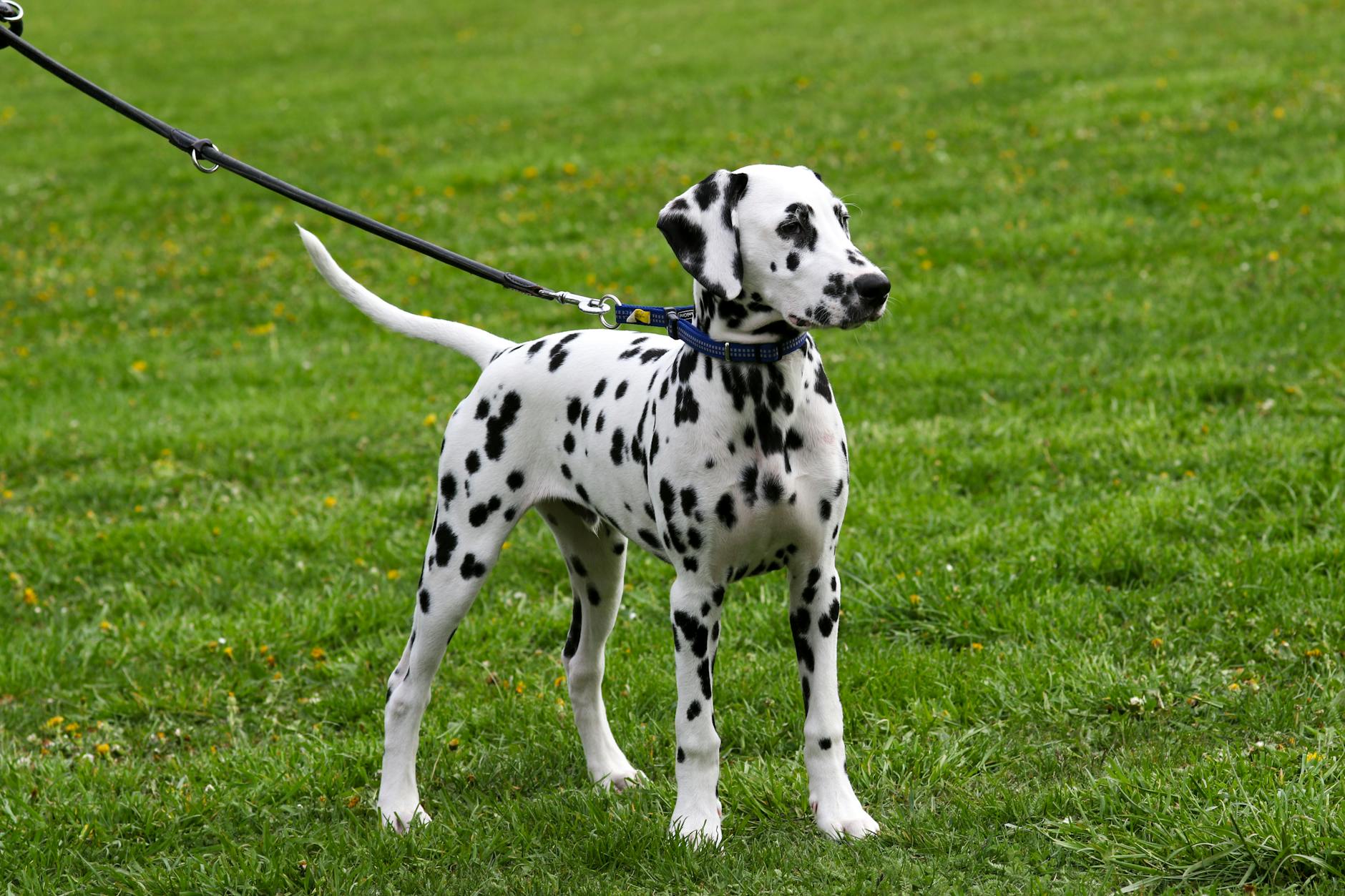
The Dalmatian is a high-energy breed with a sleek spotted coat that is well suited to warm and sunny conditions. Its short white coat reflects sunlight more effectively than darker or thicker-coated breeds, reducing the absorption of heat during outdoor activity. Dalmatians were historically bred to run alongside horse-drawn carriages for miles, giving them impressive stamina even in warm weather. They are social and playful dogs that love active time outdoors and integrate well into families with an outdoor-oriented lifestyle. Proper hydration and shaded rest areas are all this breed typically needs to stay comfortable in the heat.
Whippet
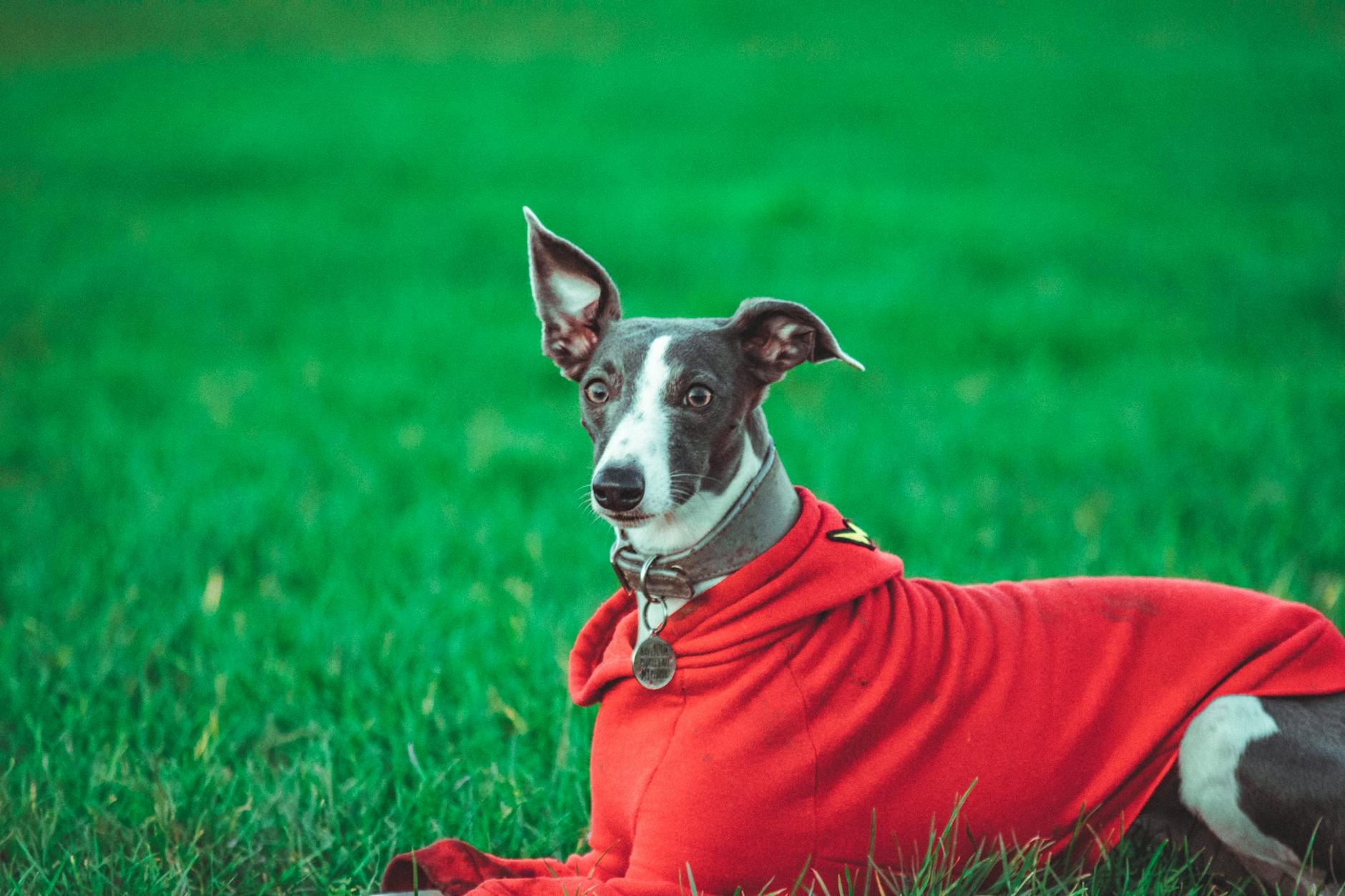
The Whippet is a slender and elegant sighthound that carries very little body fat, a feature that works in its favor when temperatures climb. Its ultra-short coat and thin skin allow heat to escape the body quickly, reducing the risk of overheating during activity. Whippets are surprisingly adaptable dogs that can shift effortlessly between short bursts of intense speed and long, calm rest periods indoors. They are affectionate and low-maintenance companions that do very well in warm climates as long as they have access to shade and fresh water. Their greyhound-like build makes them one of the most naturally heat-efficient breeds available.
Australian Cattle Dog
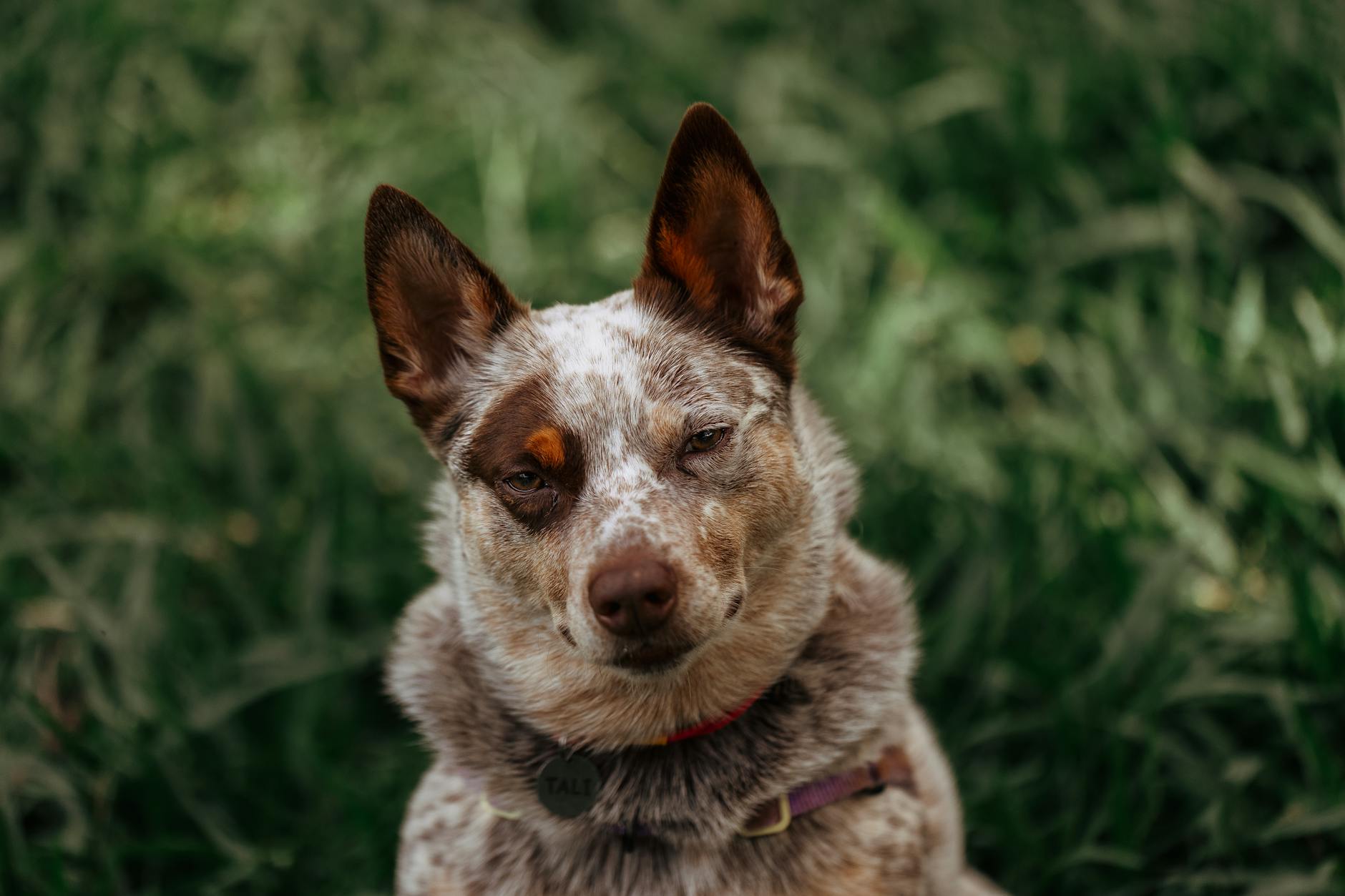
The Australian Cattle Dog was bred to work long days herding livestock across the hot, sun-baked outback of Australia. Its short double coat offers enough protection from the sun without retaining excessive body heat during outdoor work or play. This breed is exceptionally hardy, resilient, and built for endurance in conditions that would exhaust many other working dogs. Australian Cattle Dogs are highly intelligent and thrive when given regular mental and physical challenges, particularly in open outdoor environments. Their outback heritage is reflected in their natural ability to remain energetic and functional in high heat.
Airedale Terrier
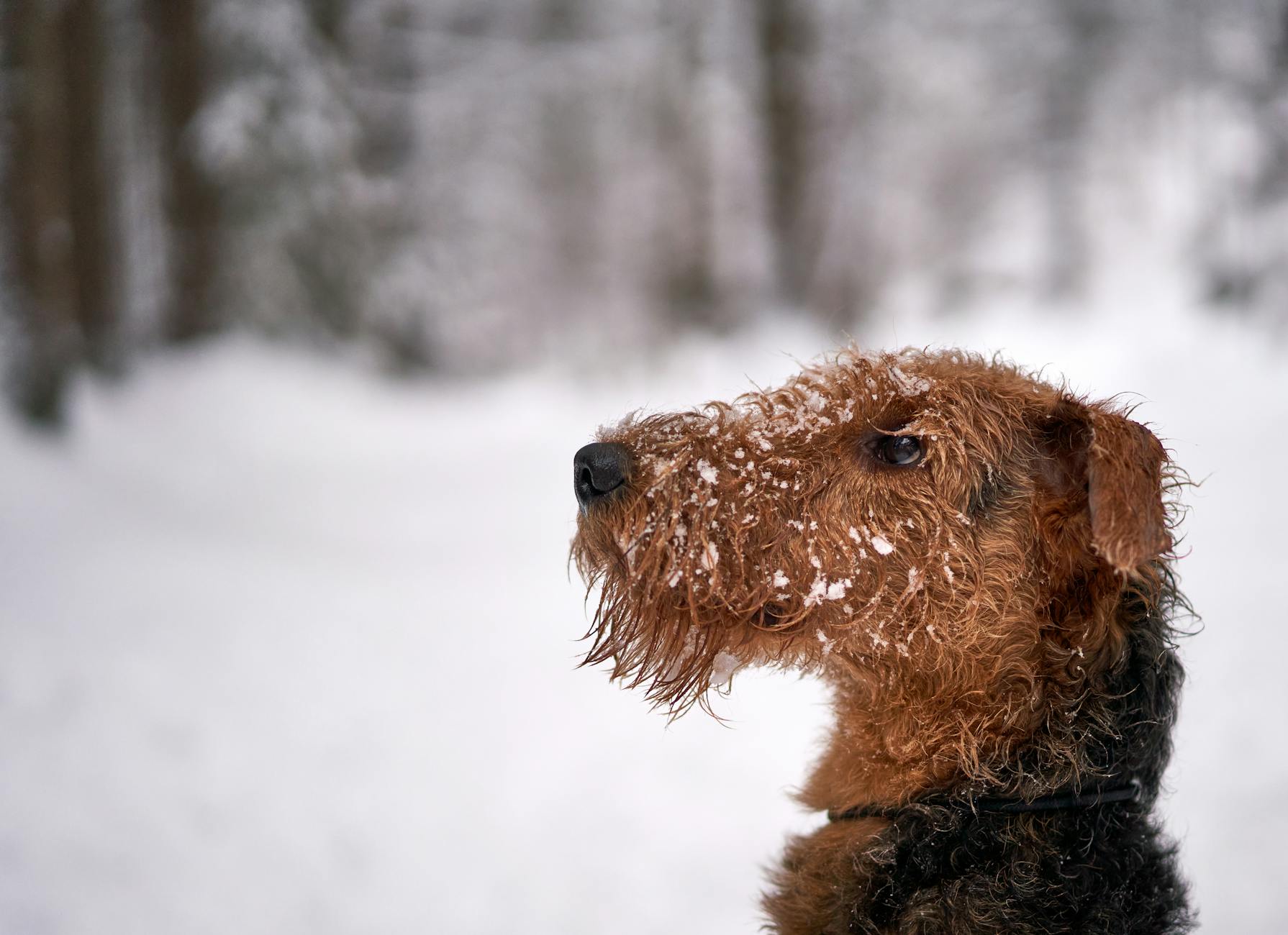
The Airedale Terrier is the largest of all terrier breeds and carries a dense but manageable wiry coat that handles warm climates better than many assume. It was originally bred for active outdoor work in varied conditions and developed a robust constitution that adapts well to heat with proper care. Airedales are confident, playful, and adventurous dogs that enjoy spending long hours outside regardless of warm temperatures. Regular coat trimming during summer months enhances their ability to stay cool and comfortable. Their versatile working background means they can handle a wide range of environmental conditions including persistent heat.
Rat Terrier

The Rat Terrier is a compact American breed with a short and smooth coat that makes it naturally suited to warm and even hot climates. Originally bred for farm work across the southern United States, this dog developed heat tolerance alongside its reputation for speed and agility. Rat Terriers are lively, inquisitive, and highly adaptable dogs that manage outdoor activity in warm weather with relative ease. Their small to medium size makes it easier for them to find shade, stay cool, and regulate body temperature throughout the day. Despite their modest size, these dogs carry a remarkable amount of confidence and energy even when the sun is at its peak.
Chihuahua

The Chihuahua is one of the world’s smallest dog breeds and originates from the hot, arid state of Chihuahua in northern Mexico. Its naturally warm body temperature and preference for heat make it one of the few breeds that actively seeks out sunny spots rather than avoiding them. Short-coated Chihuahuas in particular handle warm climates very well, staying comfortable in temperatures that other small breeds might struggle with. They are fiercely loyal and affectionate companions that flourish in households where warmth is a year-round reality. Their desert origins give them a genuine physiological edge in hot weather environments.
Italian Greyhound
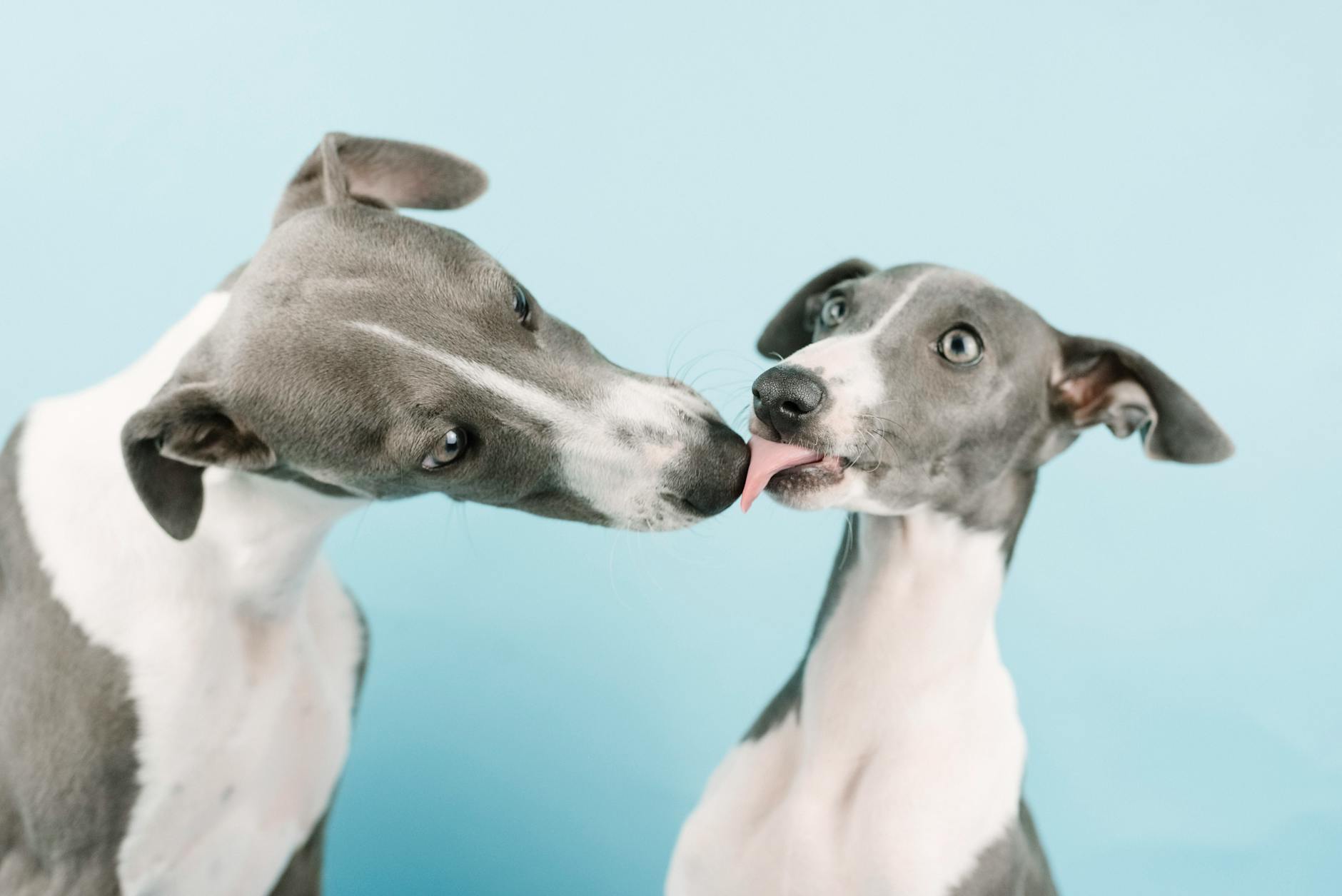
The Italian Greyhound is a miniature version of the classic sighthound and shares much of the same physique that makes the full-sized Greyhound so heat-tolerant. Its paper-thin coat, low body fat, and streamlined frame make it one of the most naturally efficient breeds when it comes to staying cool in warm conditions. Italian Greyhounds are affectionate and gentle dogs that enjoy lounging in sunny spaces and warm outdoor environments. They are well-suited to apartment living in warm urban climates where outdoor activity is limited to short but meaningful walks and play sessions. Their elegance and heat adaptability make them a popular choice in warm Mediterranean and Southern European cities.
Xoloitzcuintli
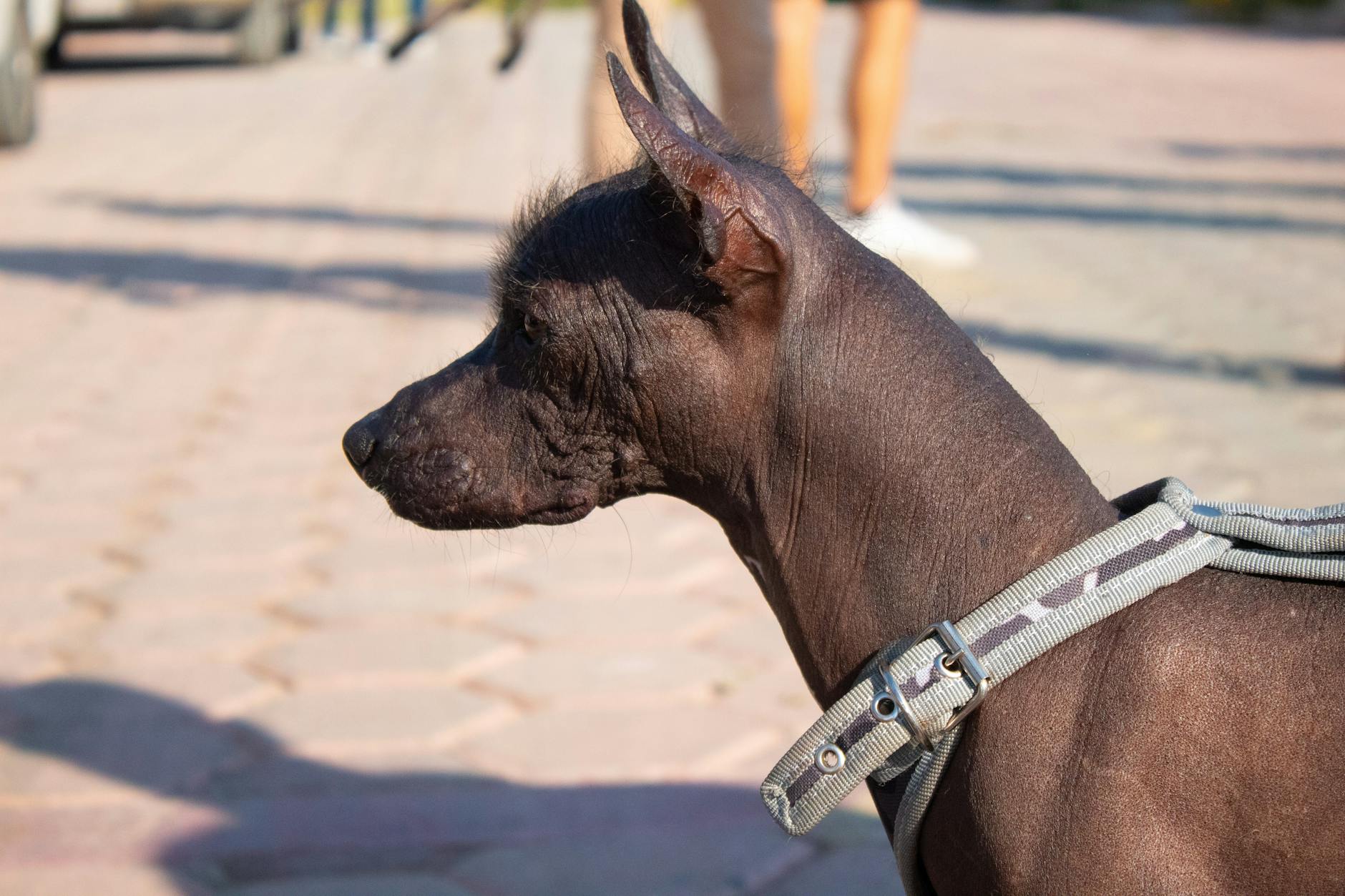
The Xoloitzcuintli, also known as the Mexican Hairless Dog, is one of the rarest and most ancient breeds in the world and is uniquely designed for warm weather living. As the name suggests, the hairless variety of this breed lacks a coat entirely, eliminating one of the main contributors to overheating in dogs. This breed comes in three sizes and has been valued for thousands of years in Mexico for its calm temperament and natural warmth. Xolos are devoted and calm companions that require sunscreen during prolonged outdoor exposure but otherwise thrive in hot, dry conditions. Their complete absence of fur makes them one of the most extreme examples of natural adaptation to heat in the canine world.
Sloughi

The Sloughi is a North African sighthound that has spent thousands of years alongside nomadic tribes across the Sahara and surrounding desert regions. Its extremely short coat, lean muscle structure, and minimal body fat create a highly efficient system for releasing heat during exercise. This breed is reserved and noble in temperament, forming deep bonds with its immediate family while remaining naturally cautious around strangers. Sloughis are not high-maintenance dogs and require relatively little grooming, which is a practical benefit in sandy or dusty hot climates. Their history in some of the world’s most extreme heat environments makes them a compelling choice for life in warm regions.
Doberman Pinscher
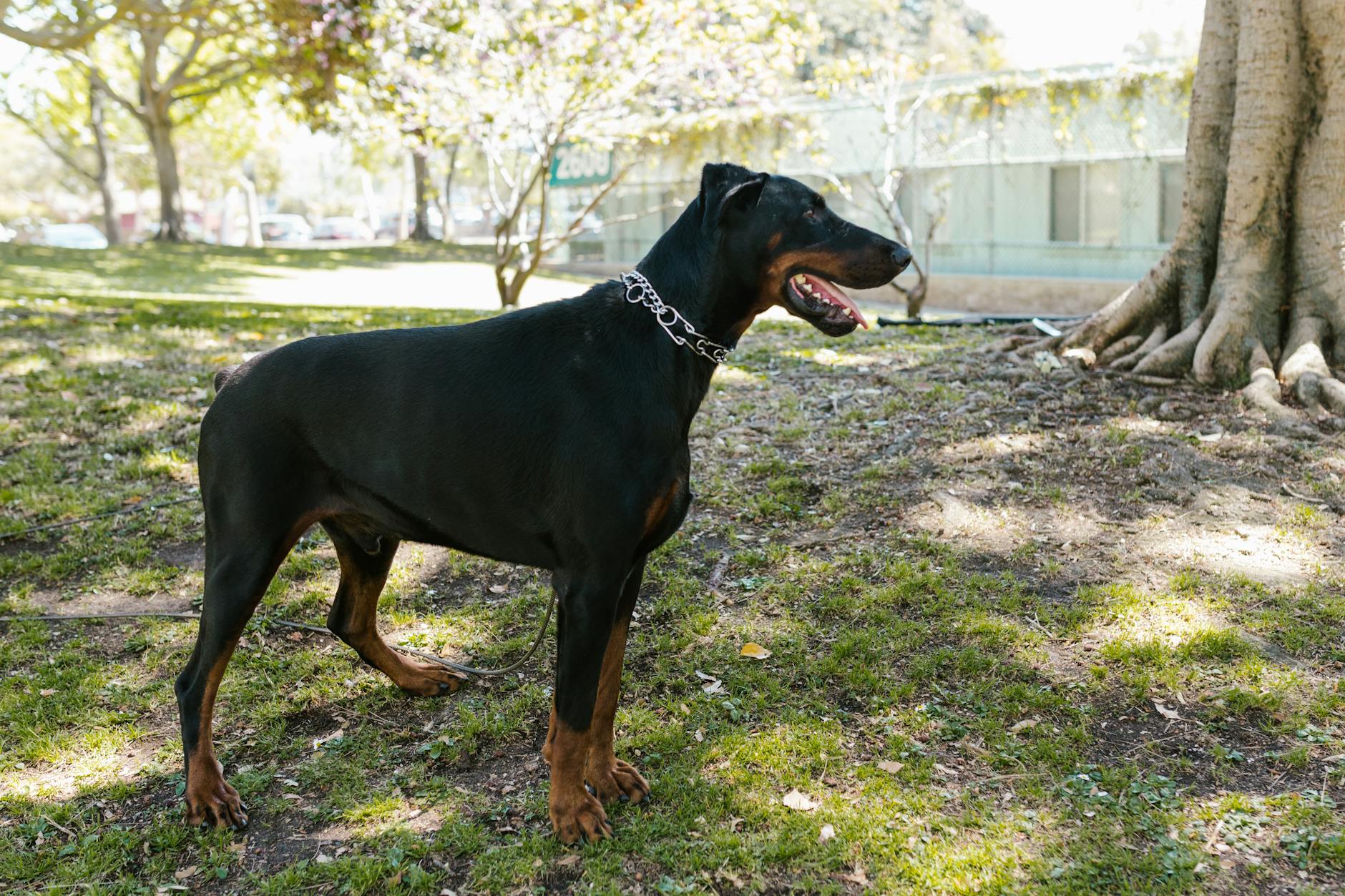
The Doberman Pinscher is a sleek and powerful breed with a tight, short coat that provides little insulation and allows body heat to escape quickly in warm weather. Originally developed in Germany but widely kept across hot climates worldwide, this breed adapts well to high temperatures when provided with water, shade, and regular exercise. Dobermans are intensely loyal, intelligent, and energetic dogs that thrive in warm climates where outdoor activity is available throughout much of the year. Their dark coat can absorb more sunlight than lighter-coated breeds, so access to shade during peak afternoon hours remains important. With proper care, the Doberman is a formidable and well-suited companion for life in persistently hot climates.
Great Dane
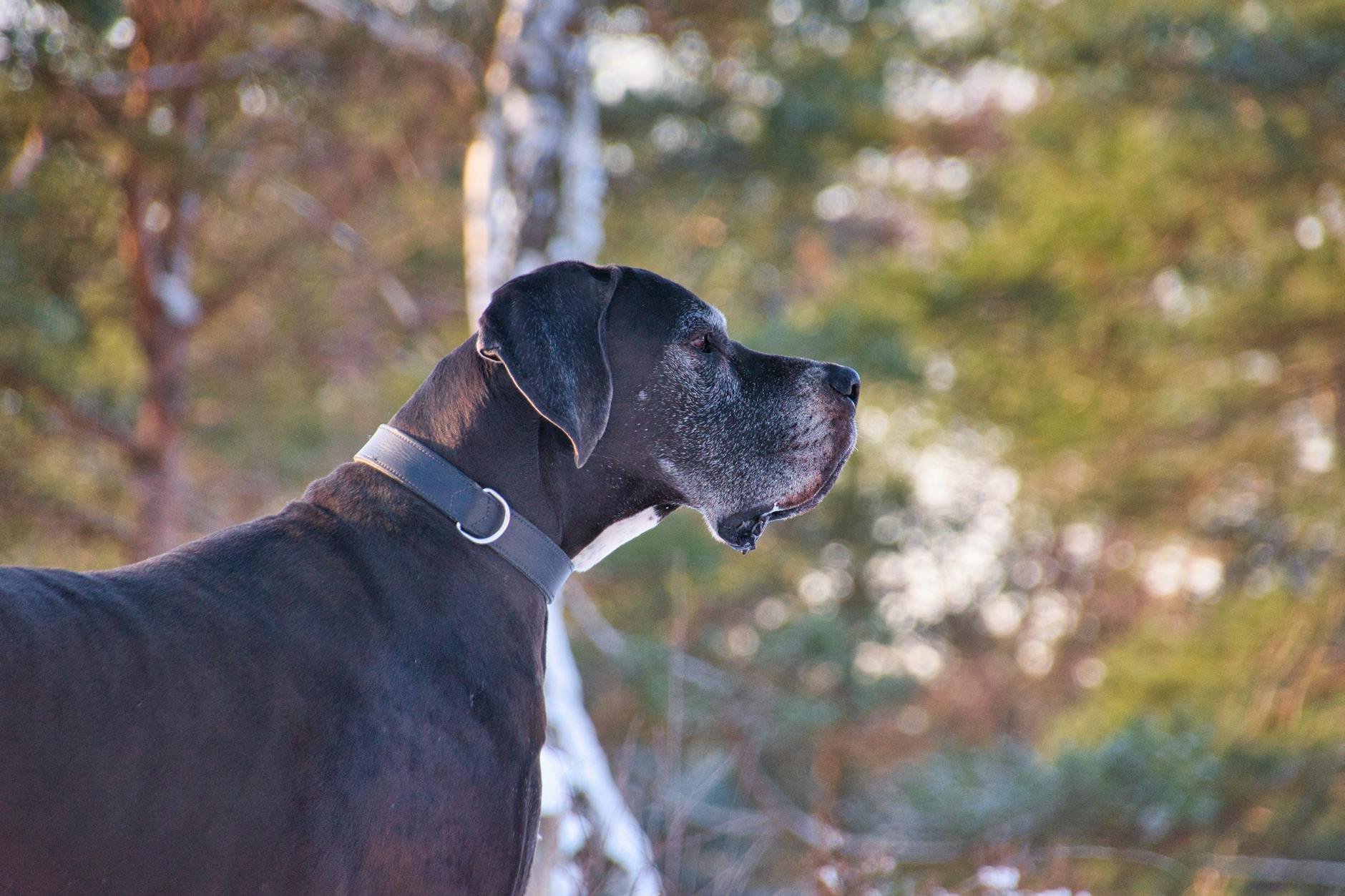
The Great Dane is a gentle giant that, despite its impressive size, handles warm climates reasonably well thanks to its short, flat coat and relatively low insulation. Originally bred in Europe but widely kept across warm regions of the world, this breed manages heat through access to shade, fresh water, and a cool indoor environment during peak hours. Great Danes are calm, affectionate, and low-energy indoors, which reduces their overall risk of overheating compared to more hyperactive large breeds. Their short coat requires minimal grooming and does not trap heat against the skin the way longer or double-layered coats do. With thoughtful care and climate management, the Great Dane proves to be a surprisingly adaptable and loving companion in warm weather households.
If you share your home with one of these heat-loving breeds or have tips for keeping dogs comfortable in a warm climate, share your experience in the comments.




