
Every home holds items worth protecting, from jewelry and cash to important documents and sentimental keepsakes. The smartest hiding spots are those that blend seamlessly into everyday life, making them invisible to anyone who does not already know where to look. A layered approach using multiple locations throughout the home offers the strongest protection against opportunistic theft. These tried and trusted spots give homeowners a practical advantage when it comes to keeping their most prized possessions safe.
Hollowed-Out Books
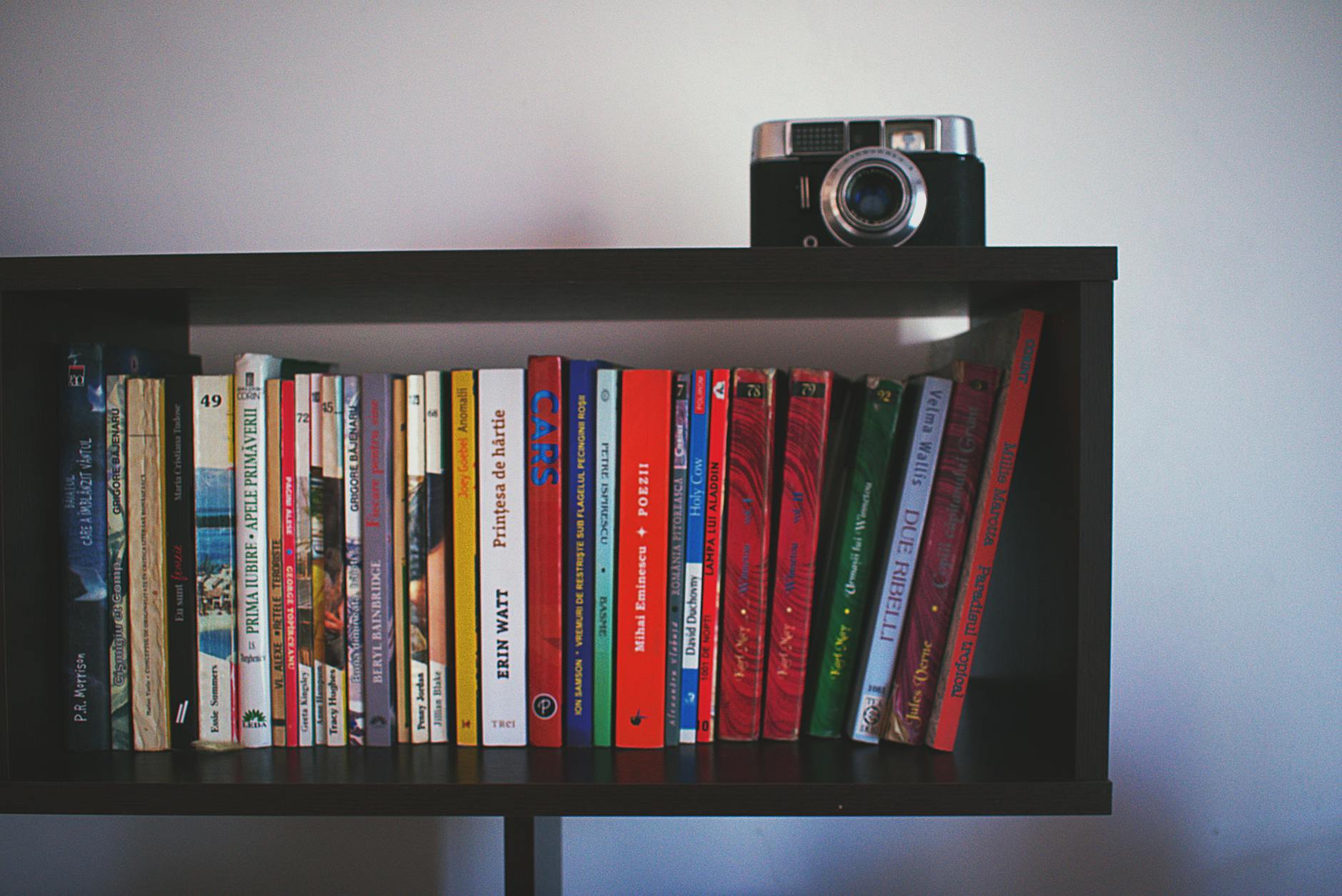
A row of books on a shelf is one of the most overlooked storage spots in any home. Hollowed-out books can be purchased ready-made or crafted from an old hardcover using a sharp blade and some patience. Placing the decoy book among a genuine collection makes it virtually indistinguishable to an intruder scanning the room quickly. Valuables such as cash, a spare key, or small jewelry pieces fit neatly inside without creating an obvious bulge on the shelf.
False Bottom Drawer
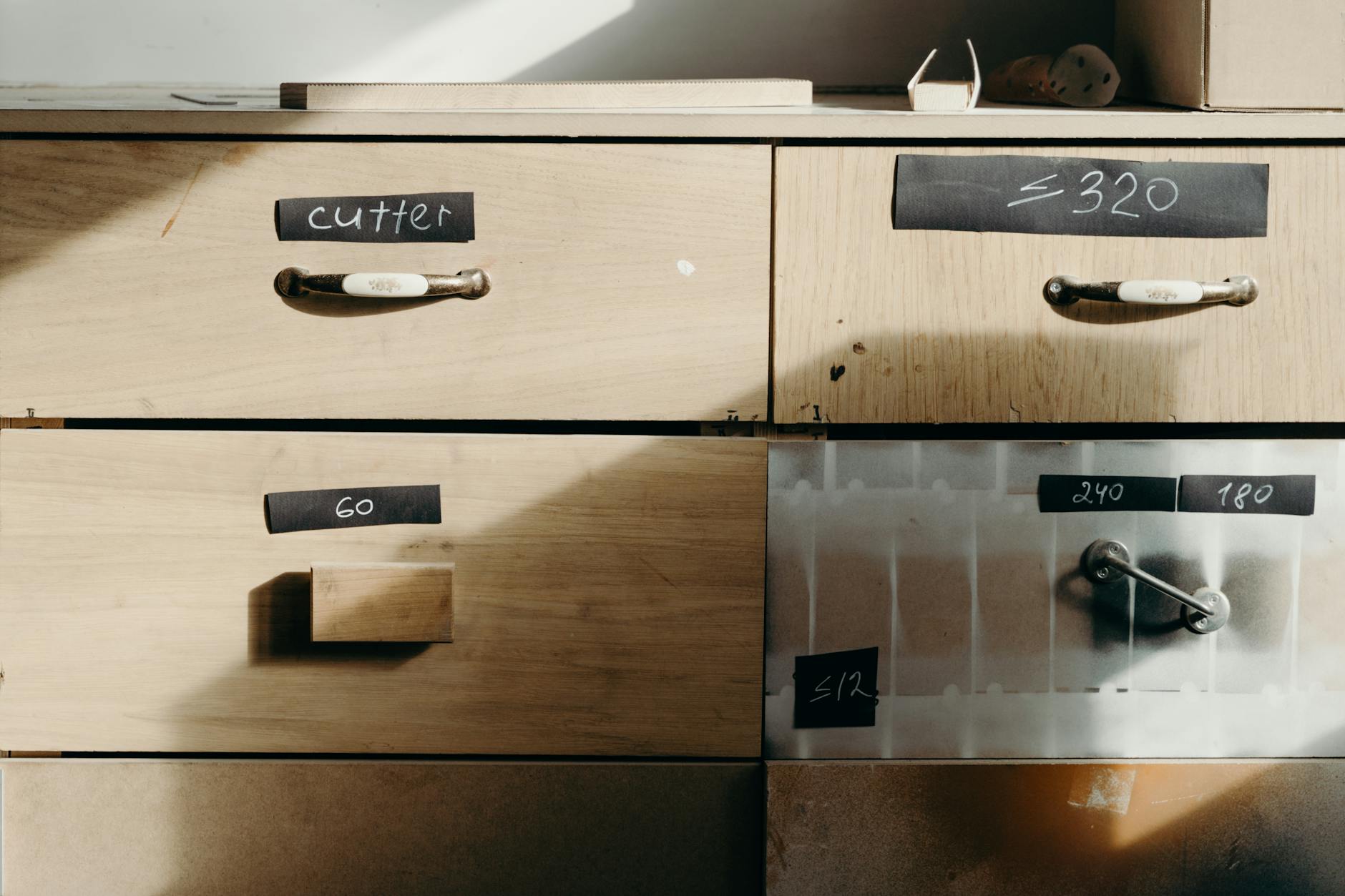
A drawer with a false bottom is a classic concealment method that continues to fool even experienced burglars. The hidden compartment sits beneath a thin wooden panel cut precisely to fit the drawer interior. Items stored underneath remain completely out of sight when the drawer is opened during a casual search. This method works especially well in a home office desk or bedroom dresser where drawers are numerous and unremarkable.
Frozen Food Containers

The kitchen freezer is rarely the first place an intruder thinks to search during a rushed break-in. Valuables sealed inside a cleaned and relabeled food container blend effortlessly among bags of vegetables and frozen meals. Waterproof wrapping around cash or documents adds an extra layer of protection against moisture and ice buildup. The cold environment also helps preserve certain items, making this a surprisingly practical dual-purpose hiding spot.
Air Vent Compartments
Decorative air vent covers can be removed and reinstalled with ease, making them ideal access points to concealed storage. A small lockbox or sealed pouch placed just inside the duct opening remains hidden behind the vent grille. Choosing a vent in a less frequented room such as a guest bedroom or hallway adds another layer of obscurity. The metal or plastic grille provides a convincing appearance that discourages closer inspection.
Inside a Potted Plant
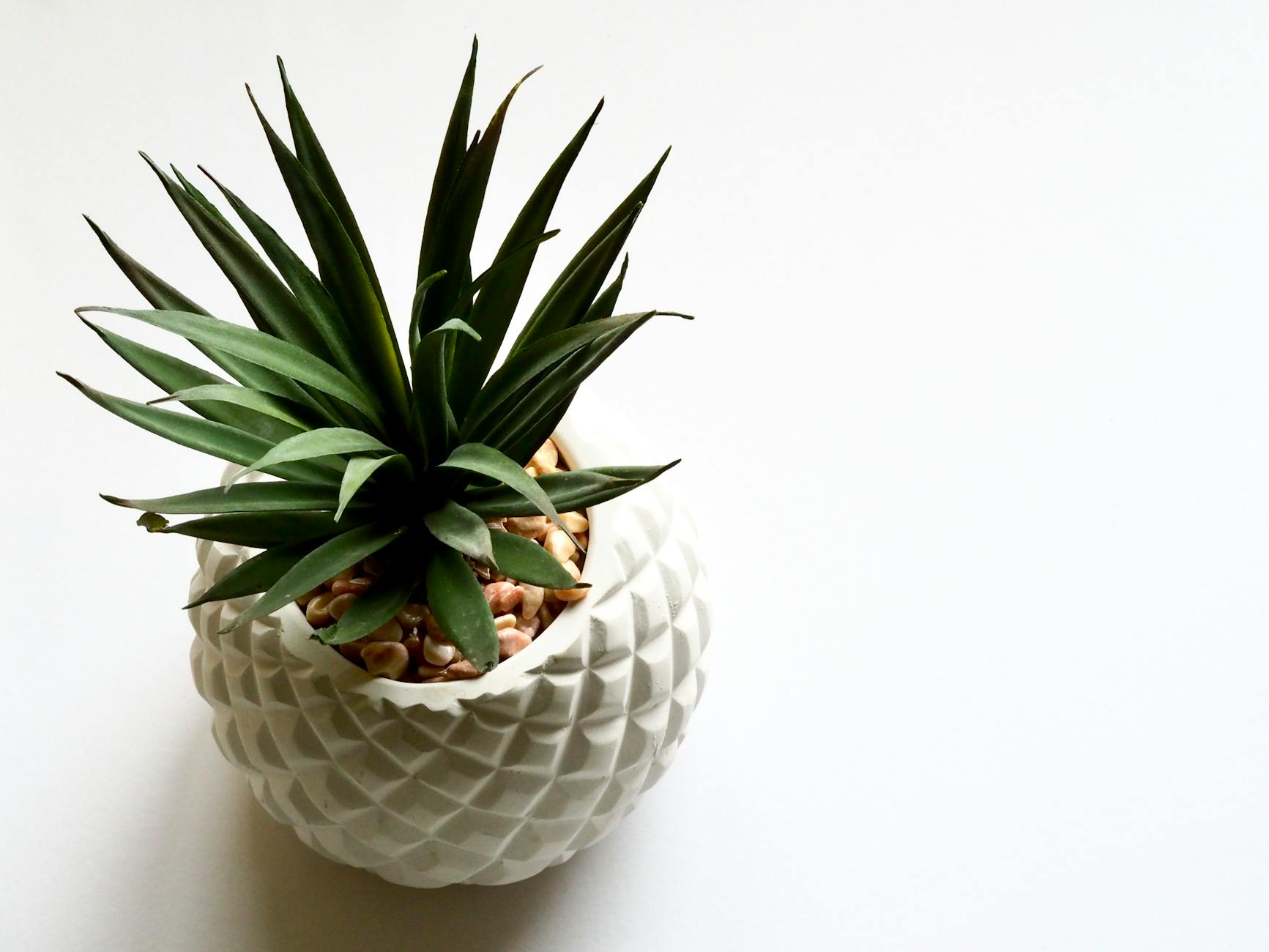
Large indoor plants with deep soil bases offer a surprisingly effective natural hiding spot. A waterproof container buried beneath the surface and covered with soil remains completely concealed from view. Items such as a spare key or rolled cash sealed in a zip bag can be tucked just deep enough to stay hidden. This method works best in a sturdy planter that is unlikely to be moved or repotted frequently.
Stair Riser Compartments
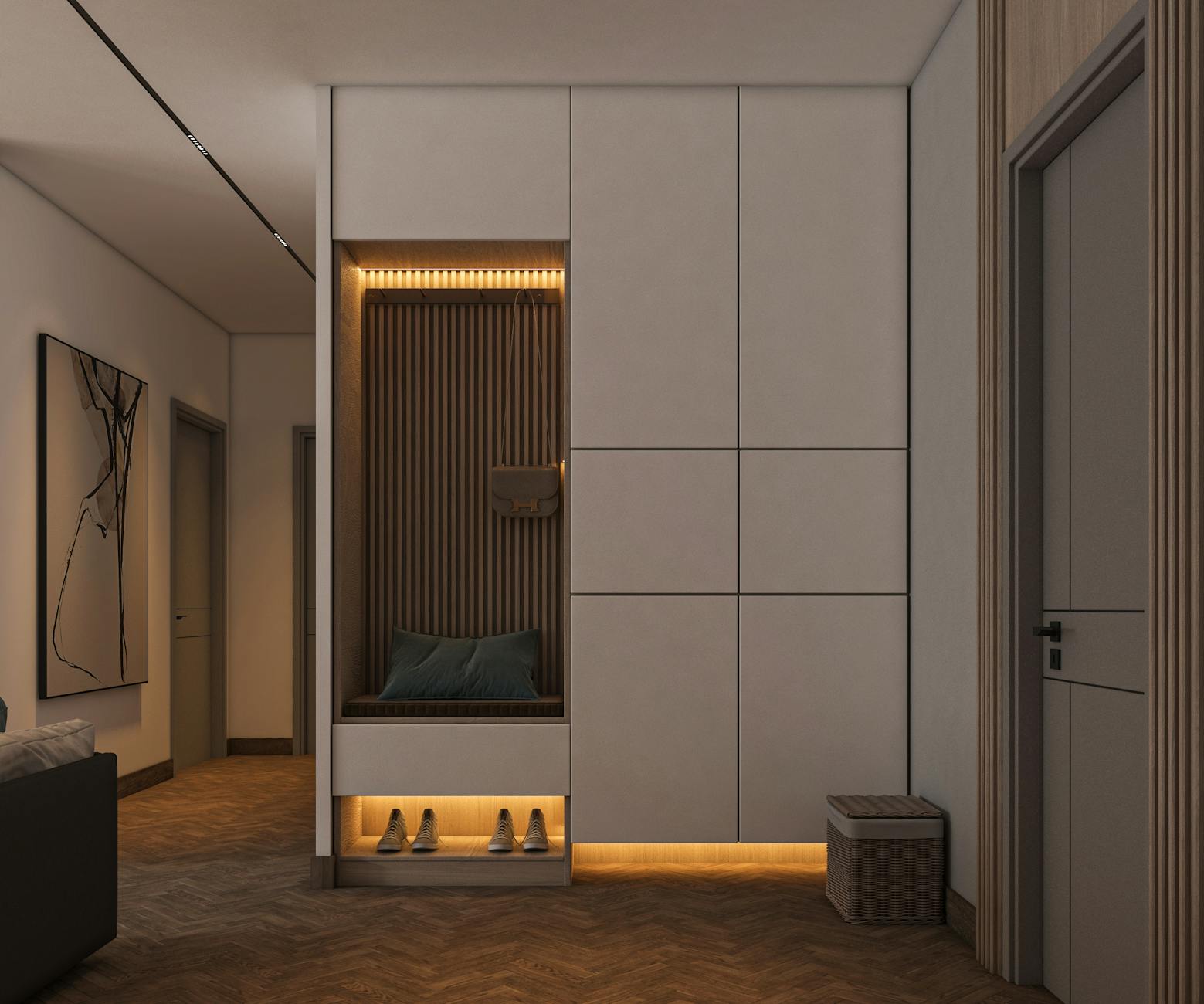
The hollow space behind a stair riser is a structural feature that most homeowners never think to exploit. A hinged or removable riser panel can be fitted discreetly to create a seamless hidden storage nook. Documents, emergency cash, or a small pouch of valuables fit neatly into the cavity without affecting the staircase’s appearance or integrity. This spot is particularly effective because it looks entirely like standard home construction to any visitor.
Behind Electrical Outlet Covers
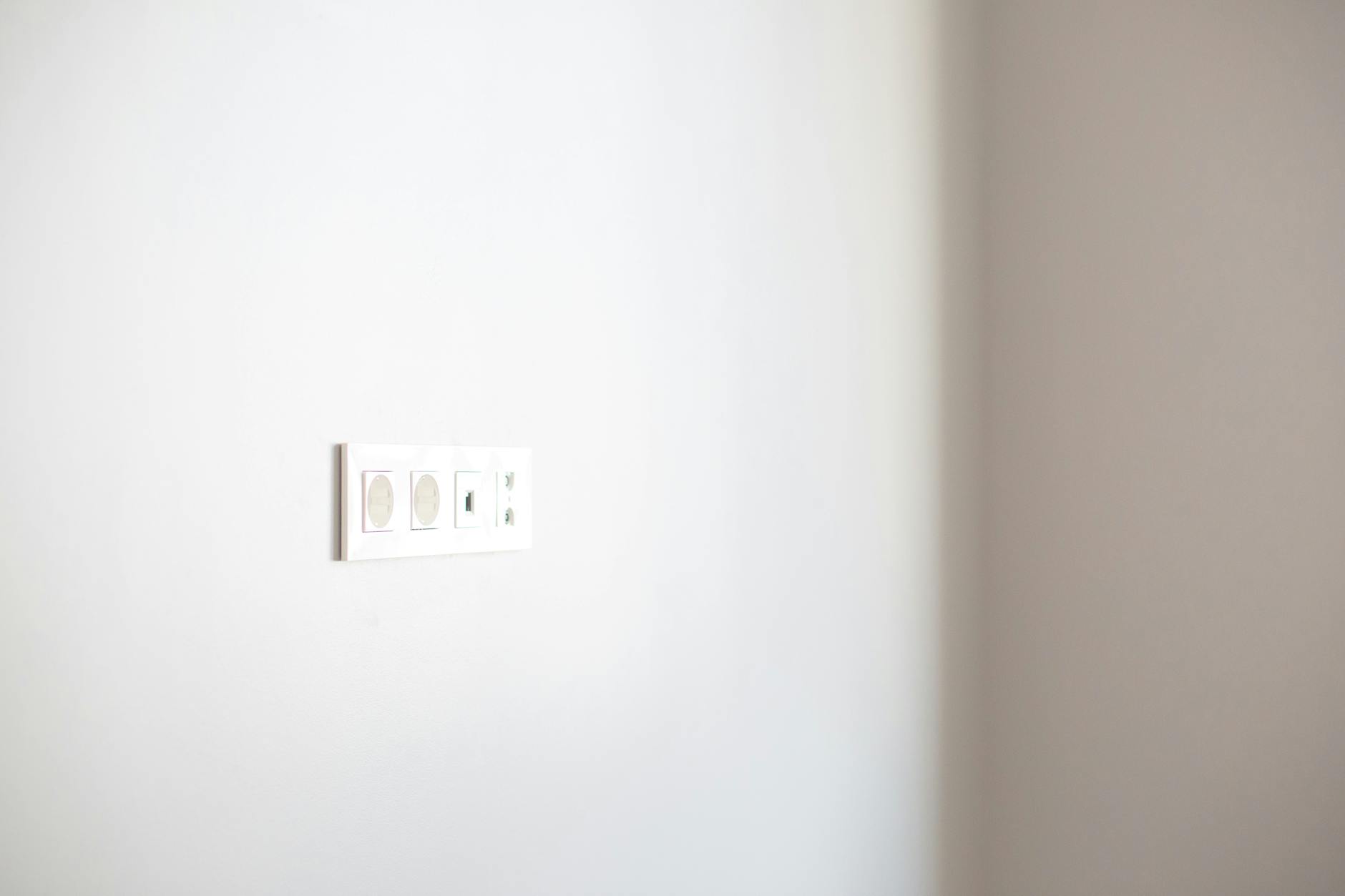
Special in-wall safes designed to look like standard electrical outlet covers are widely available and remarkably convincing. When installed correctly they are flush with the wall and completely indistinguishable from the dozens of other outlets throughout a home. Items such as folded cash, a USB drive, or a spare key sit safely within the small interior compartment. Placing this outlet in a closet or behind a piece of furniture adds a further layer of concealment.
Cereal Box Interior
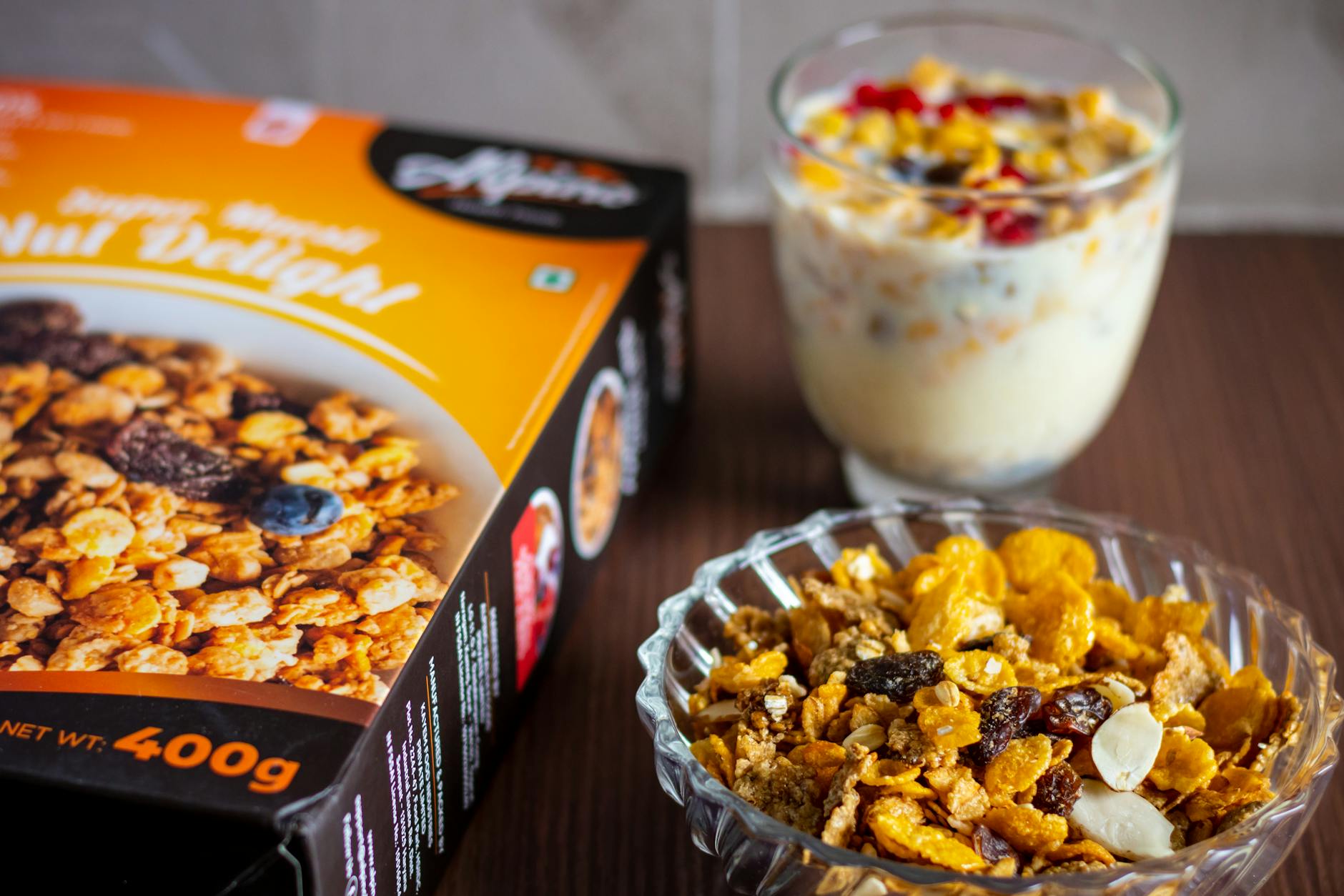
An ordinary cereal box sitting on a pantry shelf draws no attention from anyone moving quickly through a kitchen. A sealed inner bag containing valuables nestled beneath the actual cereal or a decoy liner stays completely hidden. Intruders rarely stop to rifle through food packaging when more obvious targets are available. Keeping the box in the middle of a full pantry shelf among other products enhances the camouflage even further.
Clothing in a Packed Closet
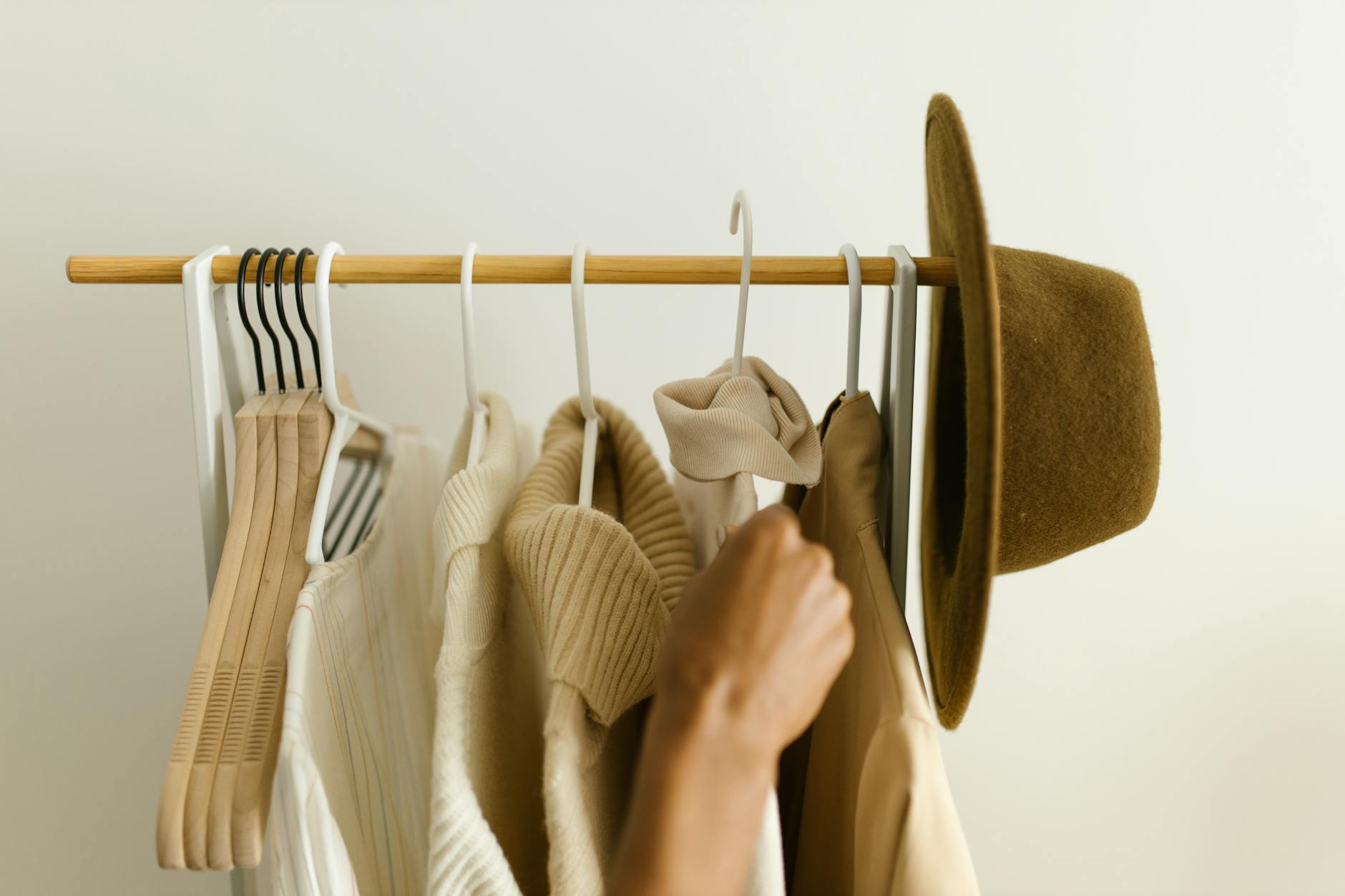
A densely packed wardrobe full of clothing, accessories, and boxes creates an environment that is tedious and time-consuming to search thoroughly. Valuables tucked into the pocket of a seldom-worn coat or zipped inside an old bag at the back of the closet are easy to overlook. Using an unassuming garment bag or a nondescript zip pouch adds another visual barrier between the item and any intruder. A crowded closet essentially uses visual noise as its primary defense mechanism.
Beneath Floorboards
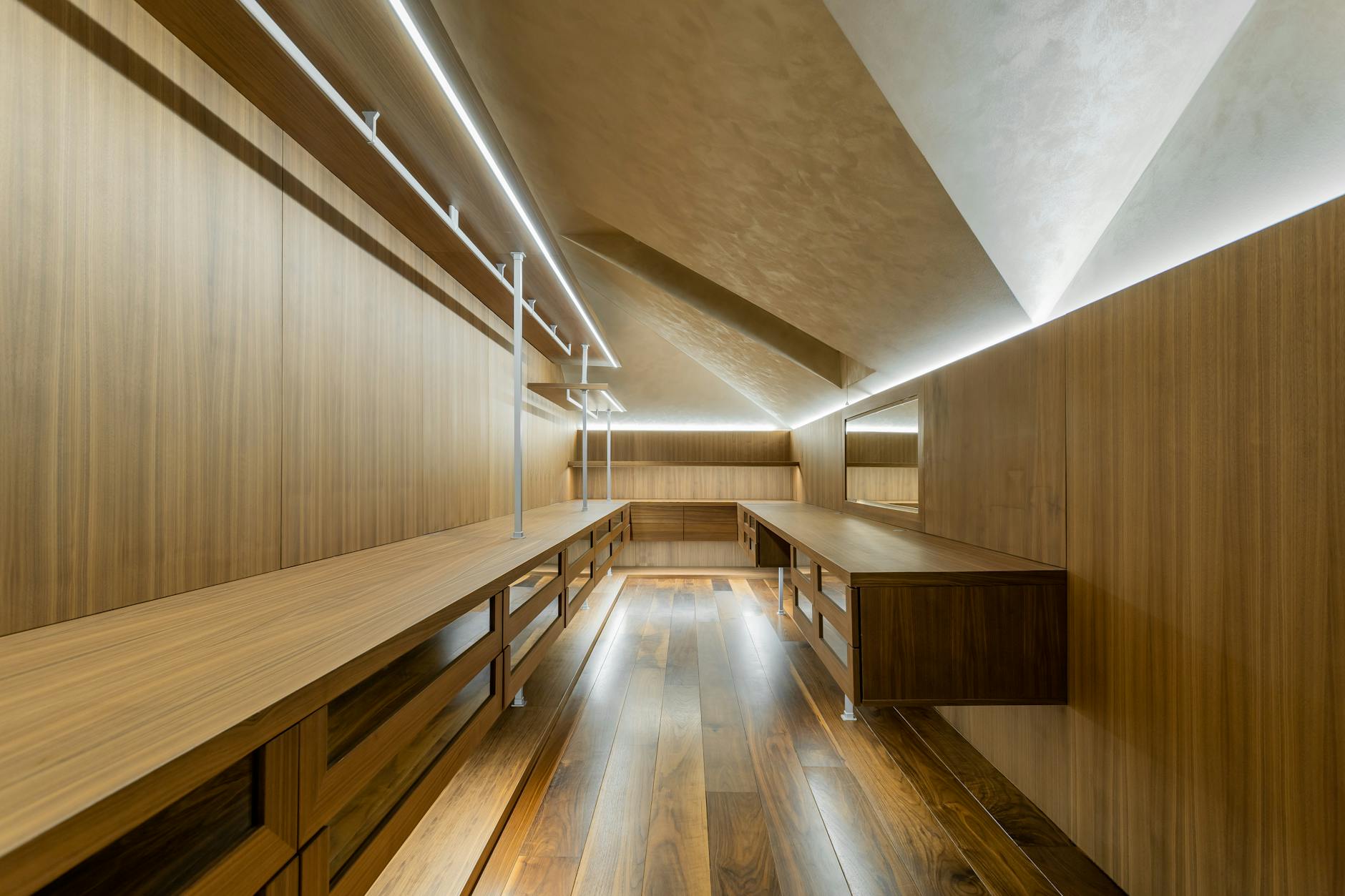
Loose floorboards in older homes can be carefully lifted to reveal a storage space beneath. A purpose-built floor safe or a sealed fireproof box placed in this cavity offers excellent protection for documents, jewelry, or emergency funds. The board should be reinstalled securely so that it feels firm underfoot and shows no visible signs of disturbance. Positioning furniture such as a rug or a heavy chest over the spot adds a final layer of misdirection.
Inside a Clock
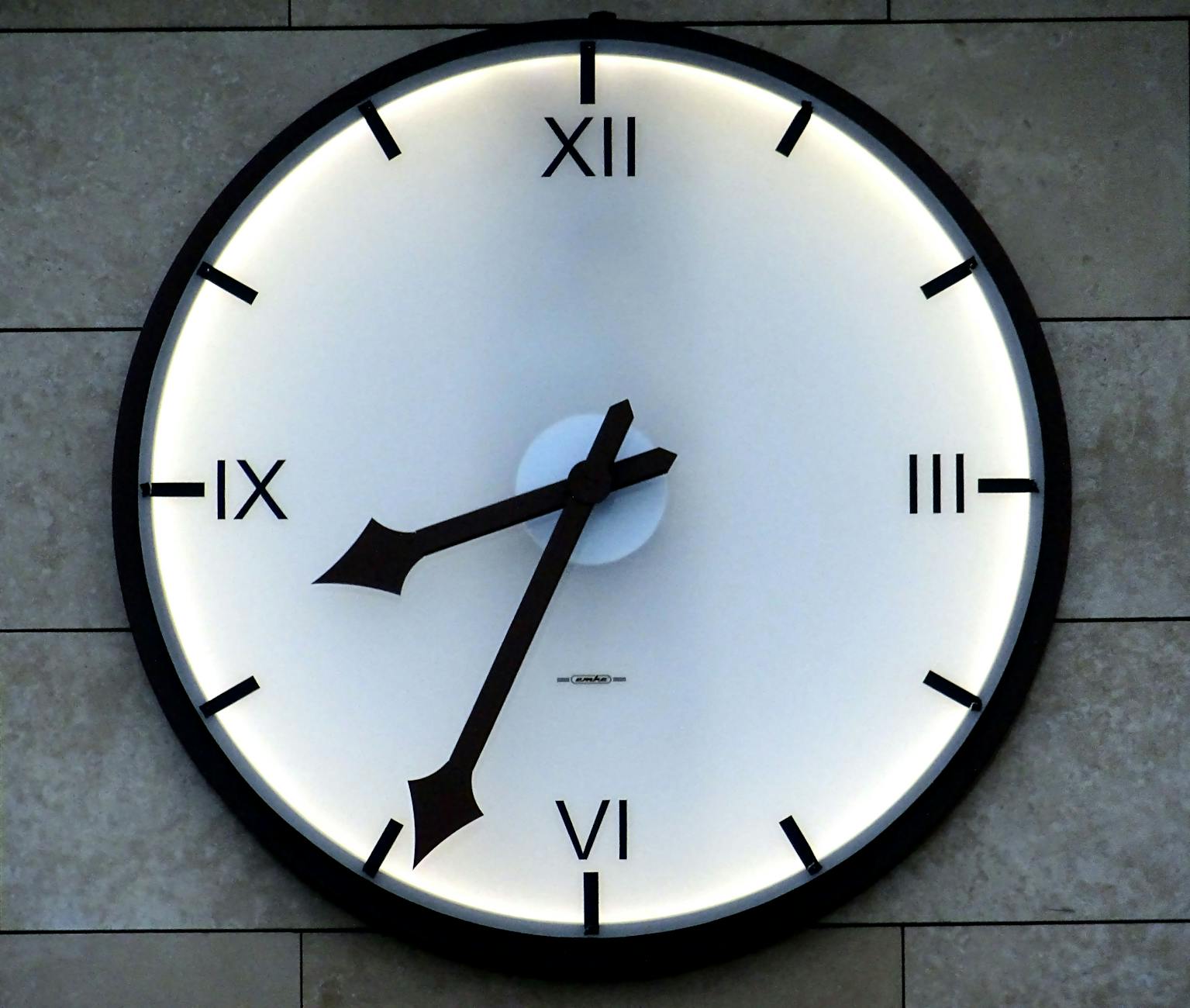
Decorative mantel clocks and large wall clocks frequently contain enough interior space to conceal small valuables. The body of the clock provides a natural enclosure that is both functional and inconspicuous within a living space. Folded bills, a key, or a small piece of jewelry can be secured inside the housing without interfering with the clock’s mechanism. Because clocks are a standard fixture in most rooms, they attract little interest from anyone casually surveying a home.
Vacuum Cleaner Canister

The interior of a vacuum cleaner is among the last places anyone would think to search for hidden valuables. A small sealed bag placed inside the dust canister or tucked within the body of the appliance remains completely invisible during a quick search. The unappealing nature of the compartment provides an added psychological deterrent. This spot works best for items that can be sealed securely against dust and debris.
Beneath a Bathroom Tile
A single bathroom tile that has been carefully loosened and re-adhered with removable adhesive creates a discreet floor or wall cavity. A small waterproof container placed behind or beneath the tile can hold cash, a spare key, or a USB drive. The tile should be recessed in a less visible area such as behind the toilet or beneath a vanity to avoid detection. Replacing it cleanly after each access ensures the spot remains undetectable to anyone unfamiliar with its existence.
Inside a Tennis Ball
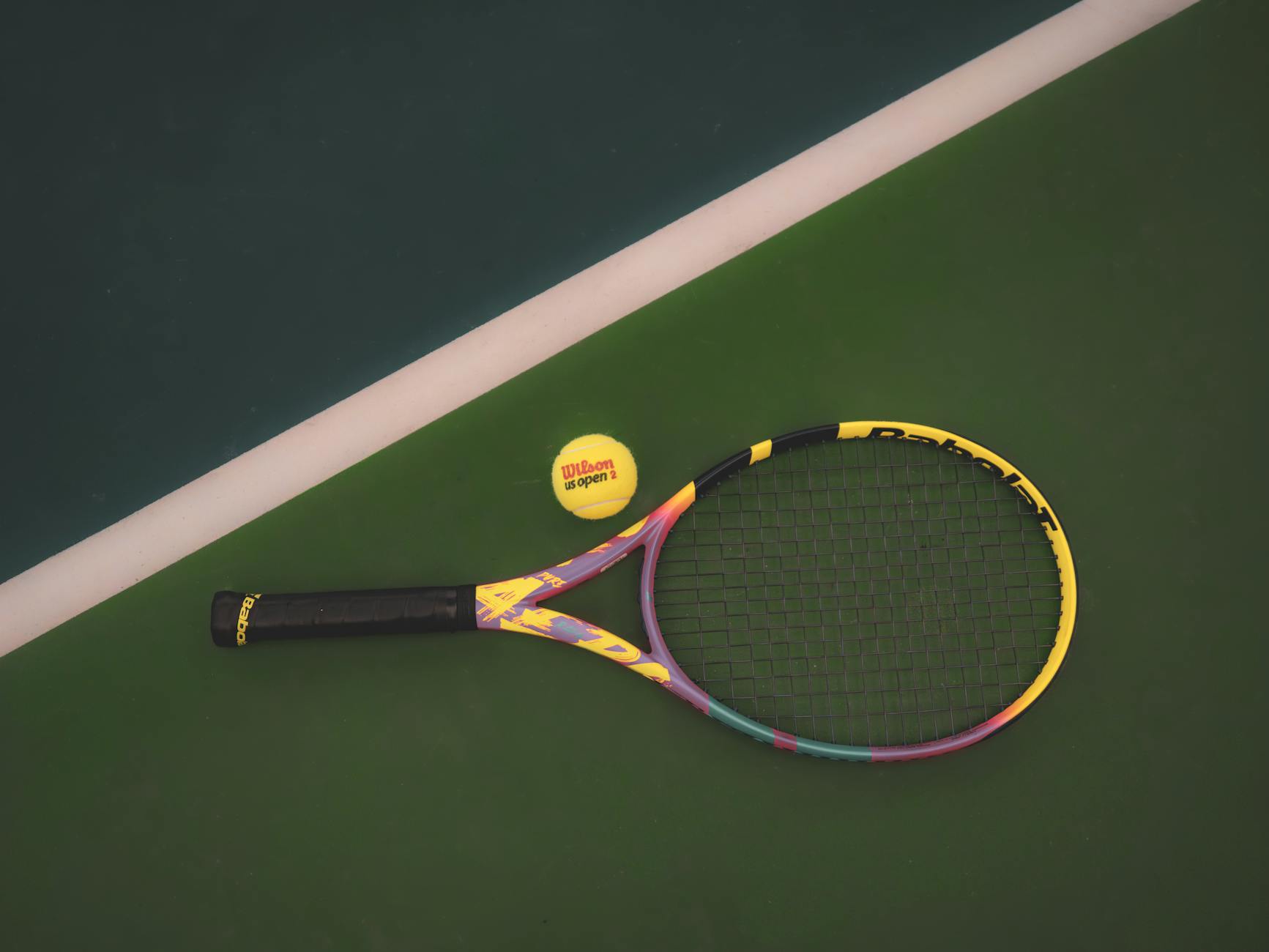
A clean slit cut into a tennis ball creates an internal pocket large enough to hold folded bills, a key, or small items. Placed in a sports bag, garage shelf, or bucket with other balls, it passes as completely ordinary sports equipment. The natural texture and color of the ball make it visually unremarkable even under closer inspection. This portable hiding spot is also easy to move from one location to another without raising suspicion.
Beneath the Bathroom Sink
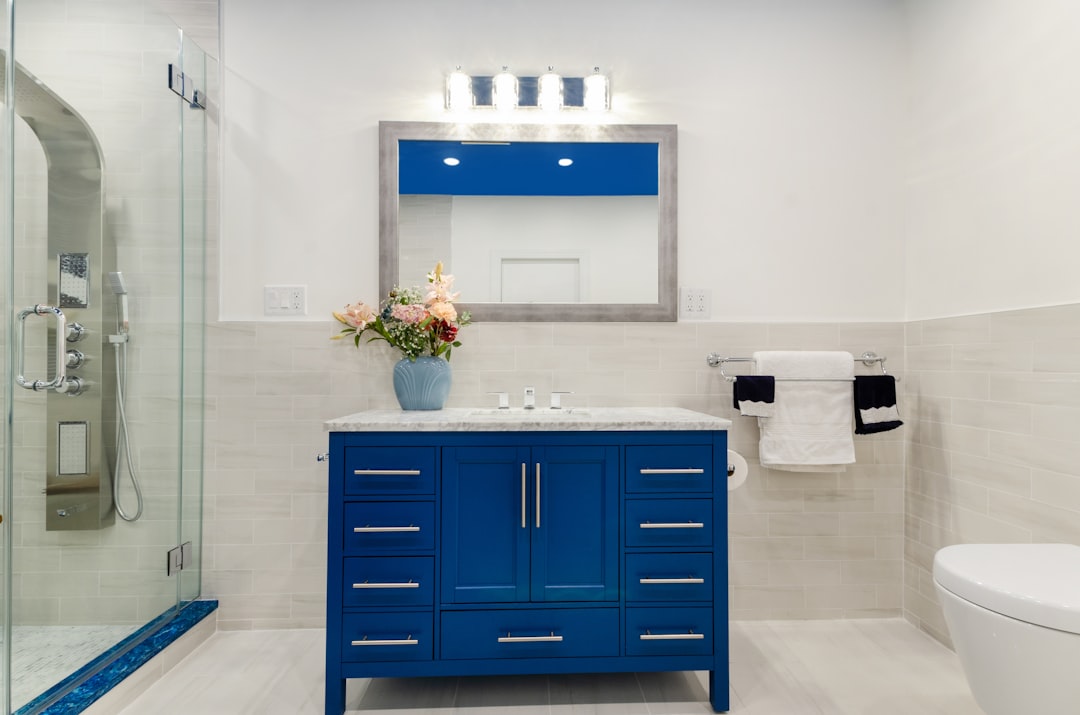
The cabinet beneath a bathroom sink is typically cluttered with cleaning products, spare toiletries, and rarely used items. A small box or bag placed behind these items at the back of the cabinet sits comfortably out of plain sight. The chaotic nature of the space makes a thorough search both time-consuming and unappealing. Using a nondescript container that matches the surrounding clutter helps the hiding spot blend in entirely.
Inside a Picture Frame
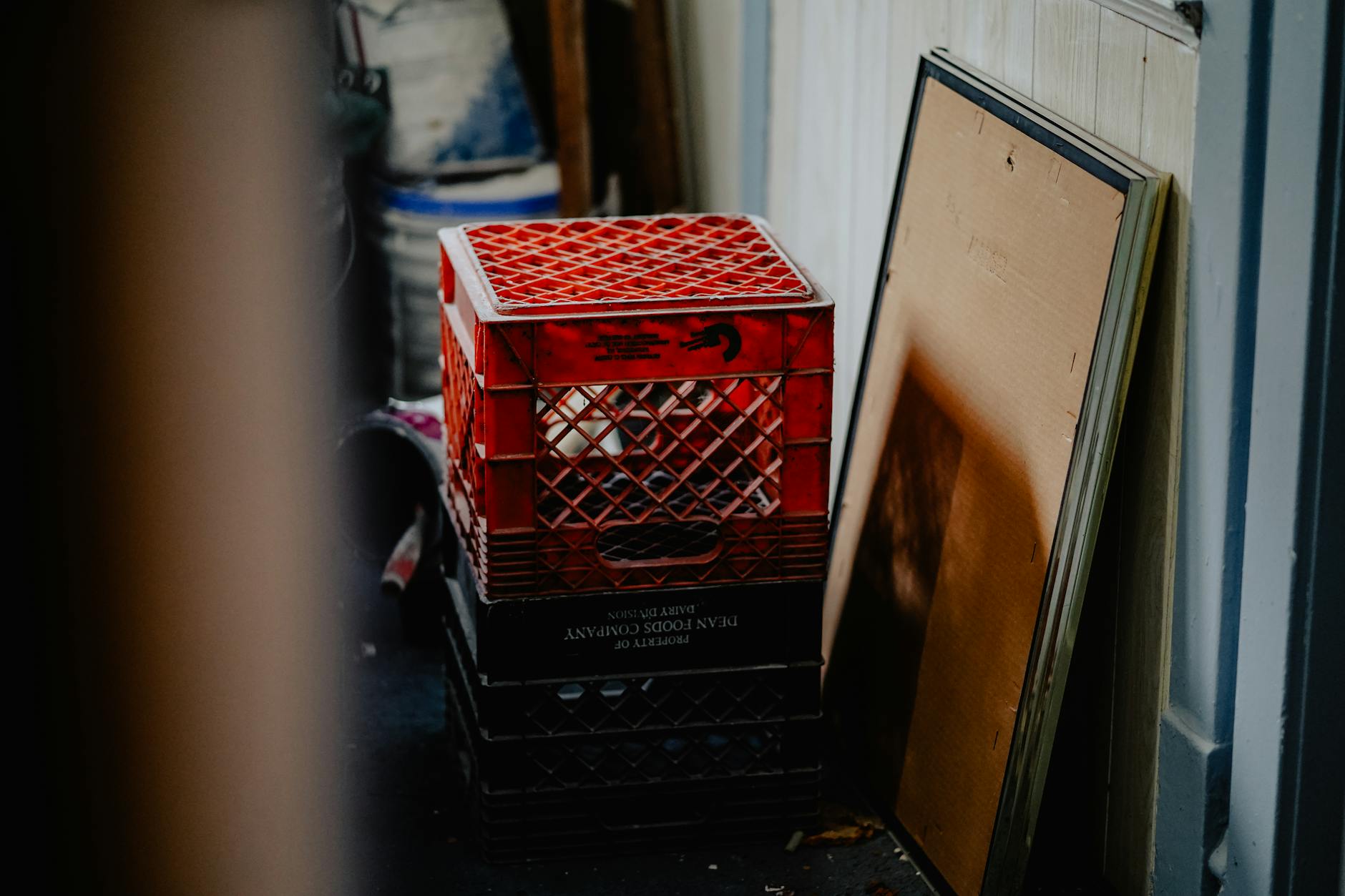
The backing of a framed picture hung on the wall can be modified to hold flat valuables such as cash, documents, or photographs. The backing is removed, the items are secured flat against it, and the frame is rehung with no visible change to its appearance. Choosing a frame that has been on the wall for years adds to its unquestioned status as ordinary decor. This method is especially effective for documents that need to be kept flat and undamaged.
Beneath a Dog Bed
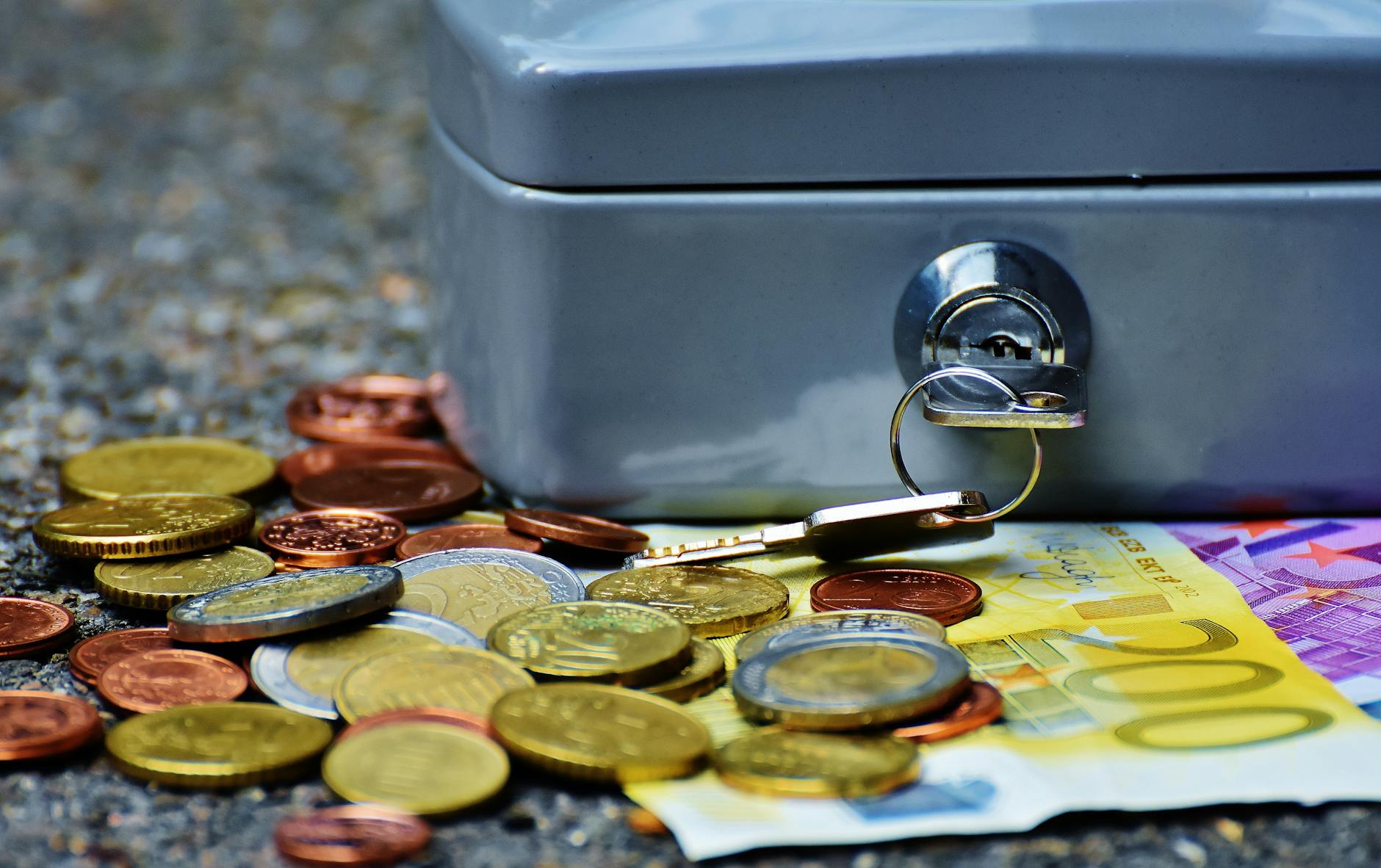
A pet bed is an unlikely target for anyone conducting a hurried search through a home. A waterproof pouch or small envelope of cash tucked beneath the removable inner cushion stays concealed in plain sight. The soft exterior gives no indication of anything stored underneath, and the location seems entirely mundane. This spot is best used for lower-value emergency items due to occasional access during regular washing of the bed cover.
Inside a Child’s Toy Chest

A large toy chest filled with stuffed animals, games, and miscellaneous toys creates a visually overwhelming search environment. A securely sealed container placed at the very bottom beneath layers of toys is effectively hidden by the sheer volume of surrounding items. The unremarkable exterior of a toy chest makes it a psychologically unlikely target for a focused search. Choosing a chest with a lock adds a physical barrier on top of the concealment advantage.
Behind a Removable Baseboard
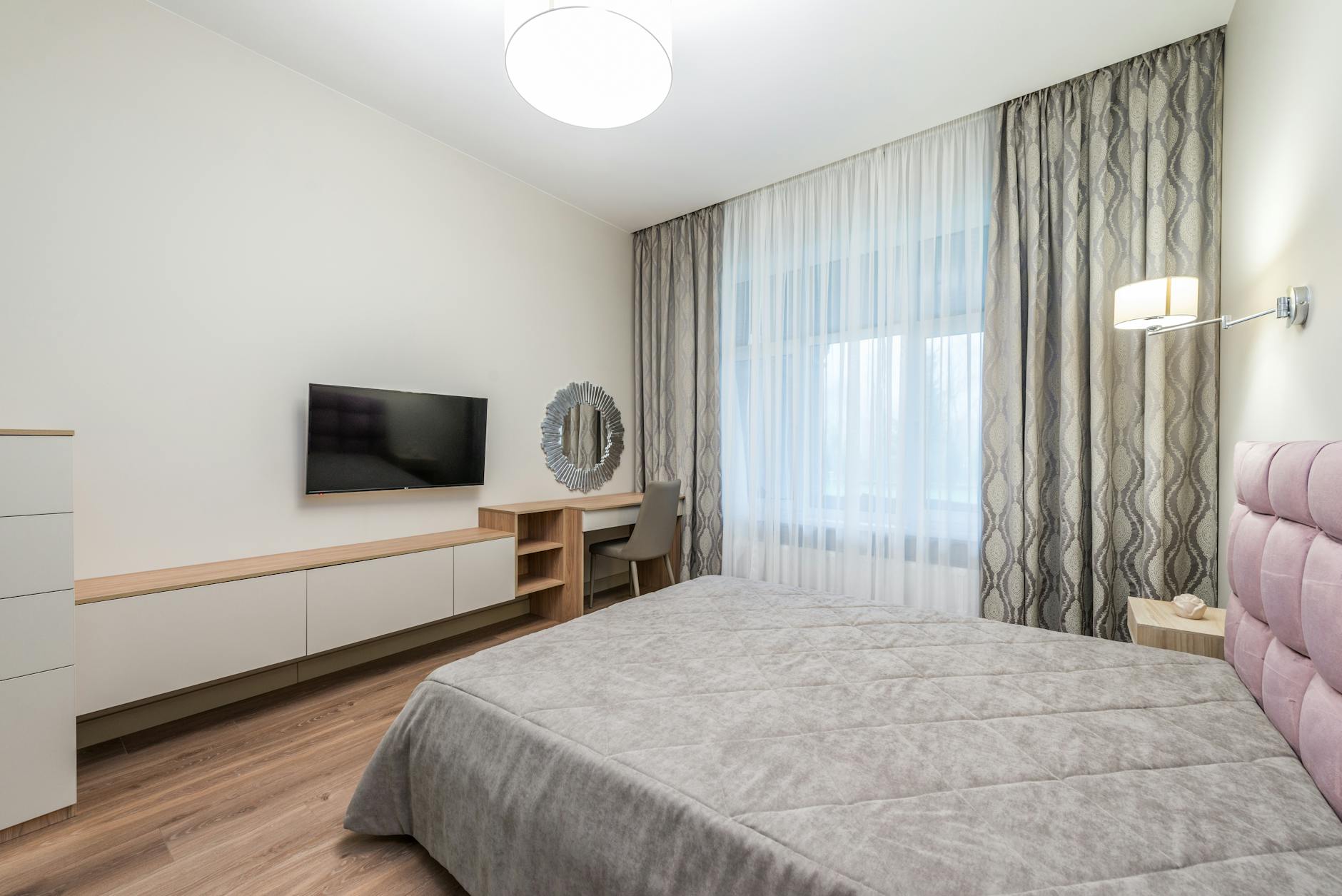
Baseboards that run along the bottom of interior walls can be carefully removed and refitted without visible damage to the surrounding area. A shallow but surprisingly usable cavity exists between the baseboard and the wall structure in many homes. Flat items such as folded documents, thin envelopes of cash, or a spare drive can be stored in this space. Selecting a section of baseboard behind a large piece of furniture increases the spot’s invisibility considerably.
Inside a Cleaning Supply Bottle
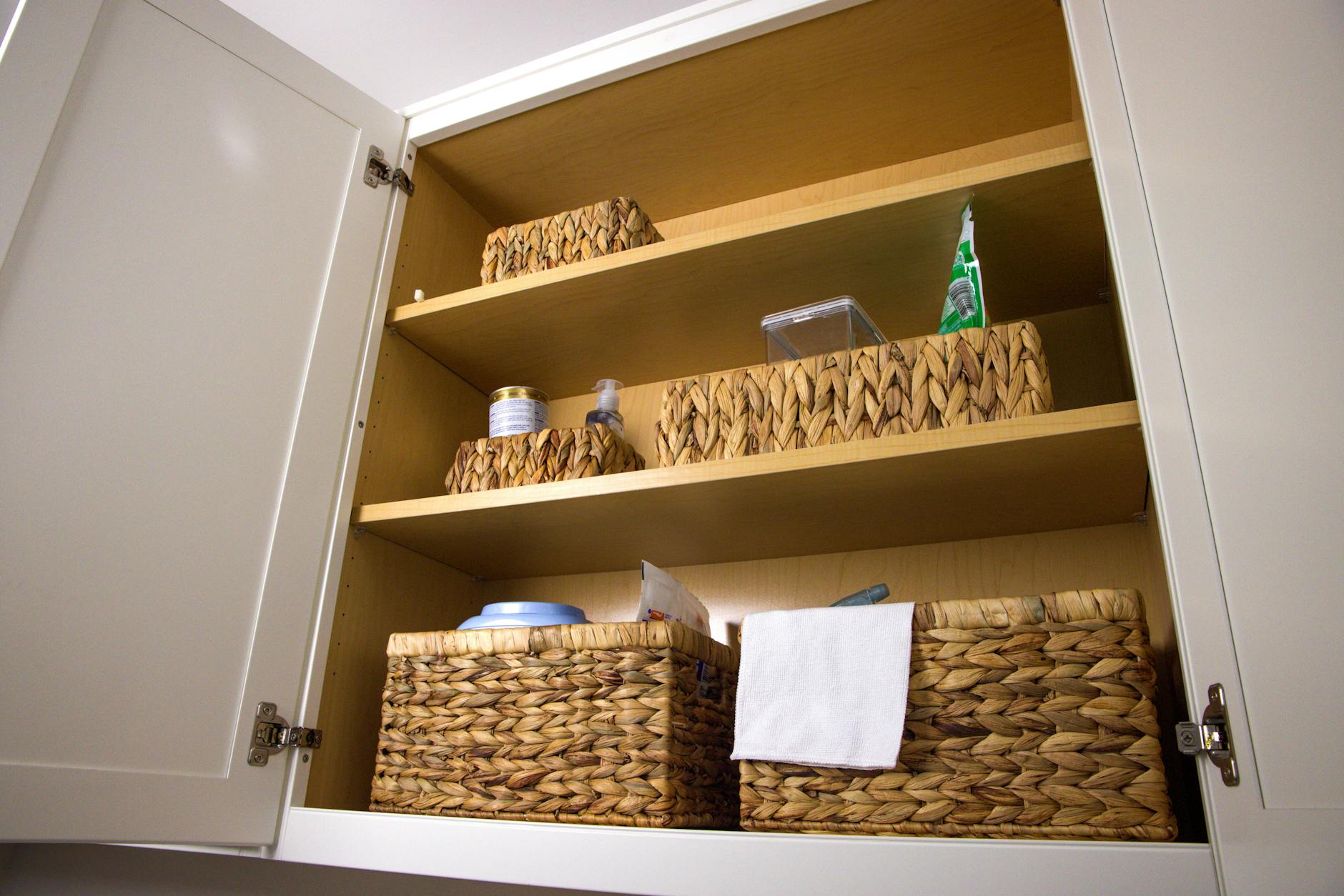
An opaque cleaning product bottle that has been thoroughly cleaned and dried provides an inconspicuous storage vessel. Rolled or folded valuables placed inside a relabeled bottle sitting among other products under the sink or in a utility closet attract no attention. The unappealing nature of the container deters casual handling and inspection. Sealing the cap securely ensures the contents stay protected from any residual moisture or cleaning product residue.
Beneath a Loose Carpet
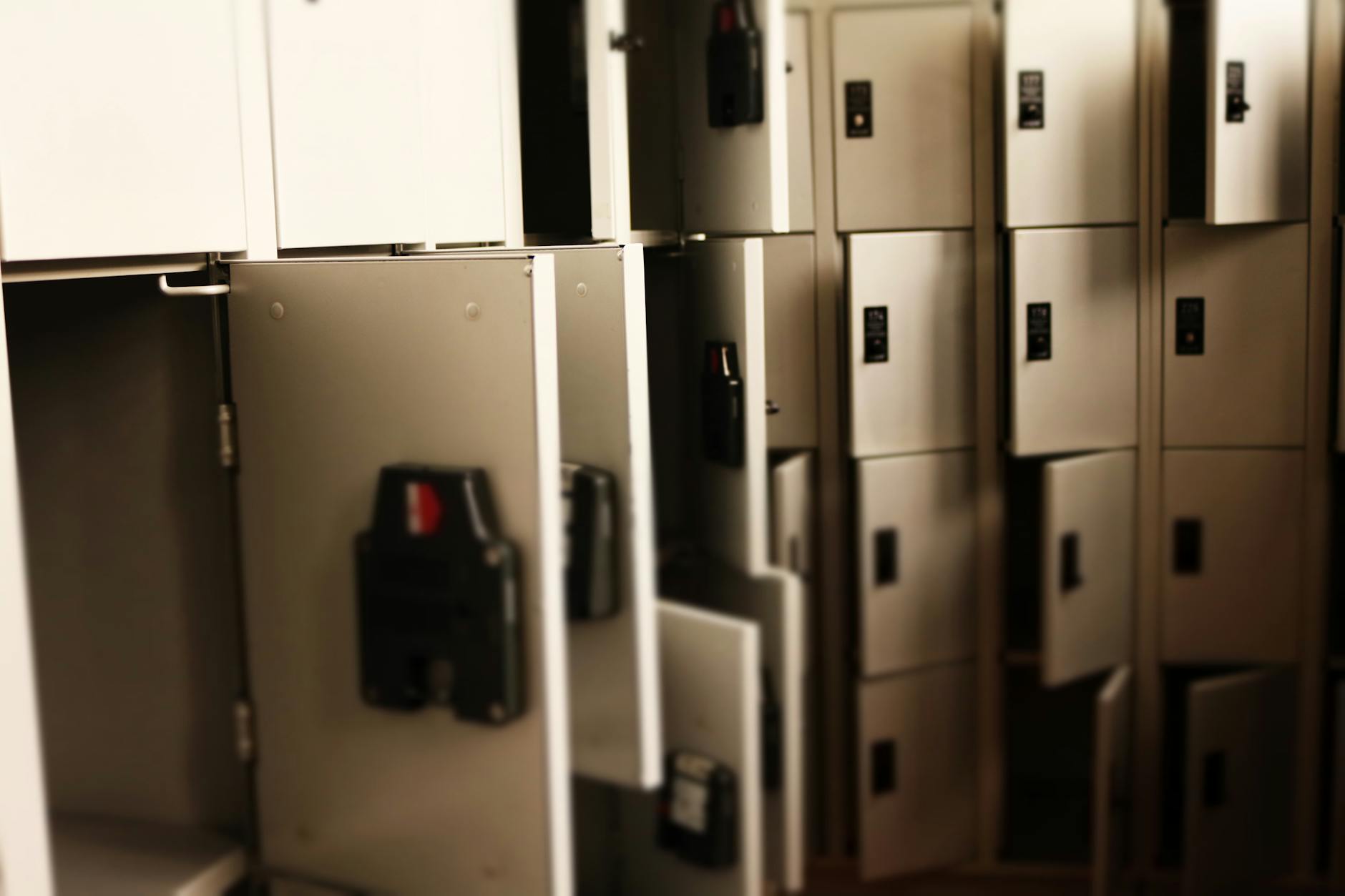
A corner of wall-to-wall carpet or a large area rug can be carefully lifted to create an accessible under-floor hiding spot. A flat envelope, document folder, or sealed pouch placed beneath the carpet lies completely flat and creates no visible bump when the carpet is laid back down. Positioning a piece of furniture over the concealment area prevents accidental discovery during routine cleaning. This method is quick to access while remaining entirely invisible during a standard walk-through of the room.
Inside a Fake Plant
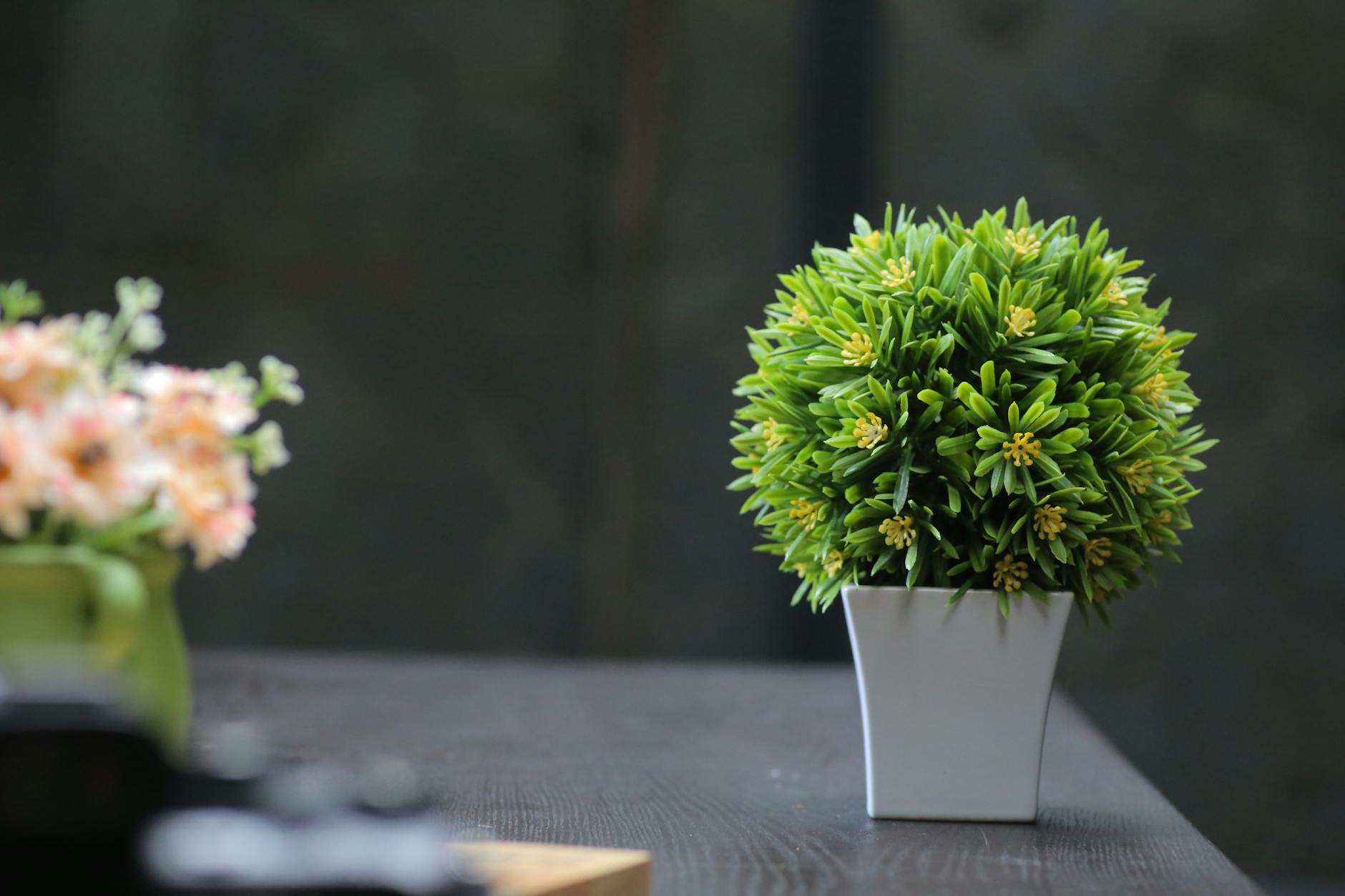
Artificial indoor plants with solid bases or removable pot inserts provide a discreet storage cavity that never requires watering or maintenance. A small container or sealed bag of valuables placed inside the base sits well out of view beneath the decorative foliage. Unlike real plants, artificial ones can be safely sealed at the base with no concern for soil or drainage interference. Placing the plant in an ordinary home setting such as a hallway or living room shelf ensures it attracts no special attention.
Inside an Old Computer Tower
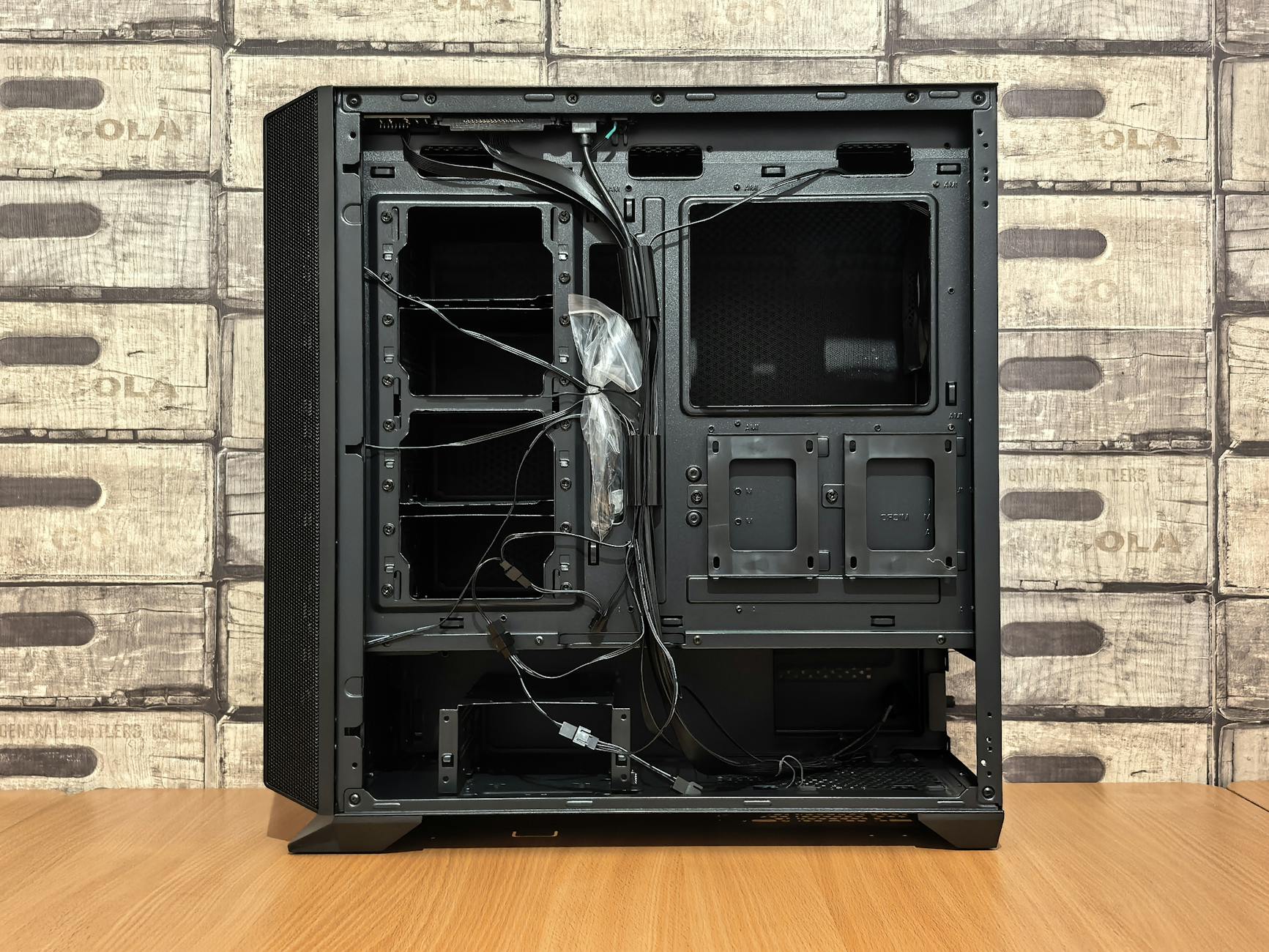
Decommissioned desktop computer towers kept in a home office or storage room are rarely opened or moved once out of use. The interior of the tower contains ample space to conceal a small lockbox, envelope, or sealed bag among the internal components. The heavy weight and technical appearance of the unit discourage casual handling by anyone unfamiliar with computer hardware. Keeping the tower among other old electronics reinforces its appearance as ordinary discarded equipment.
Behind the Water Heater
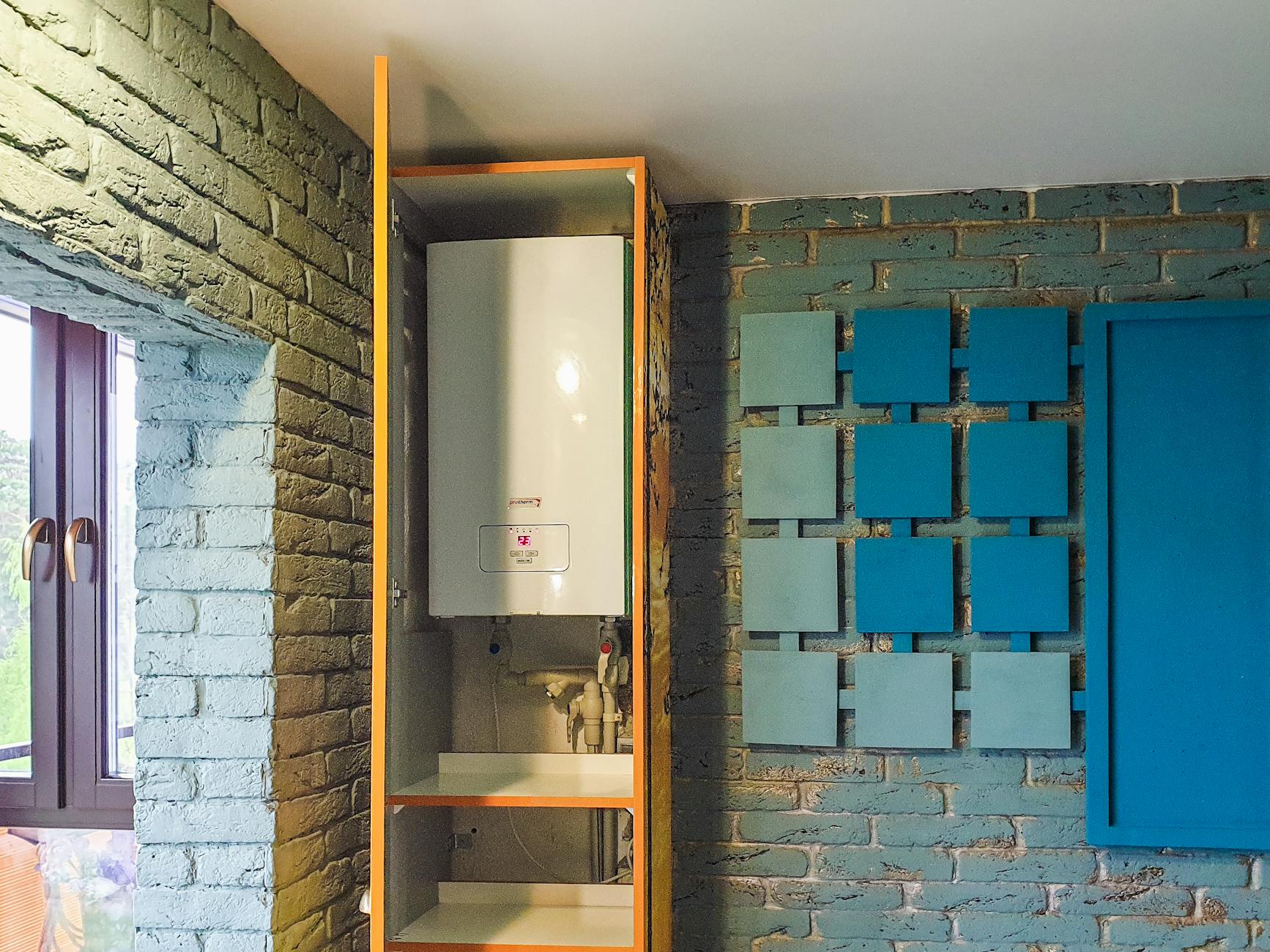
The space directly behind or beside a water heater in a utility room is typically dark, cramped, and rarely explored. A fireproof container or sealed bag of valuables placed in this area benefits from both physical concealment and the room’s general inaccessibility. The heat generated by the appliance makes the area further uninviting for a prolonged search. This location is best reserved for items that do not require frequent access.
Inside a Shoe Box
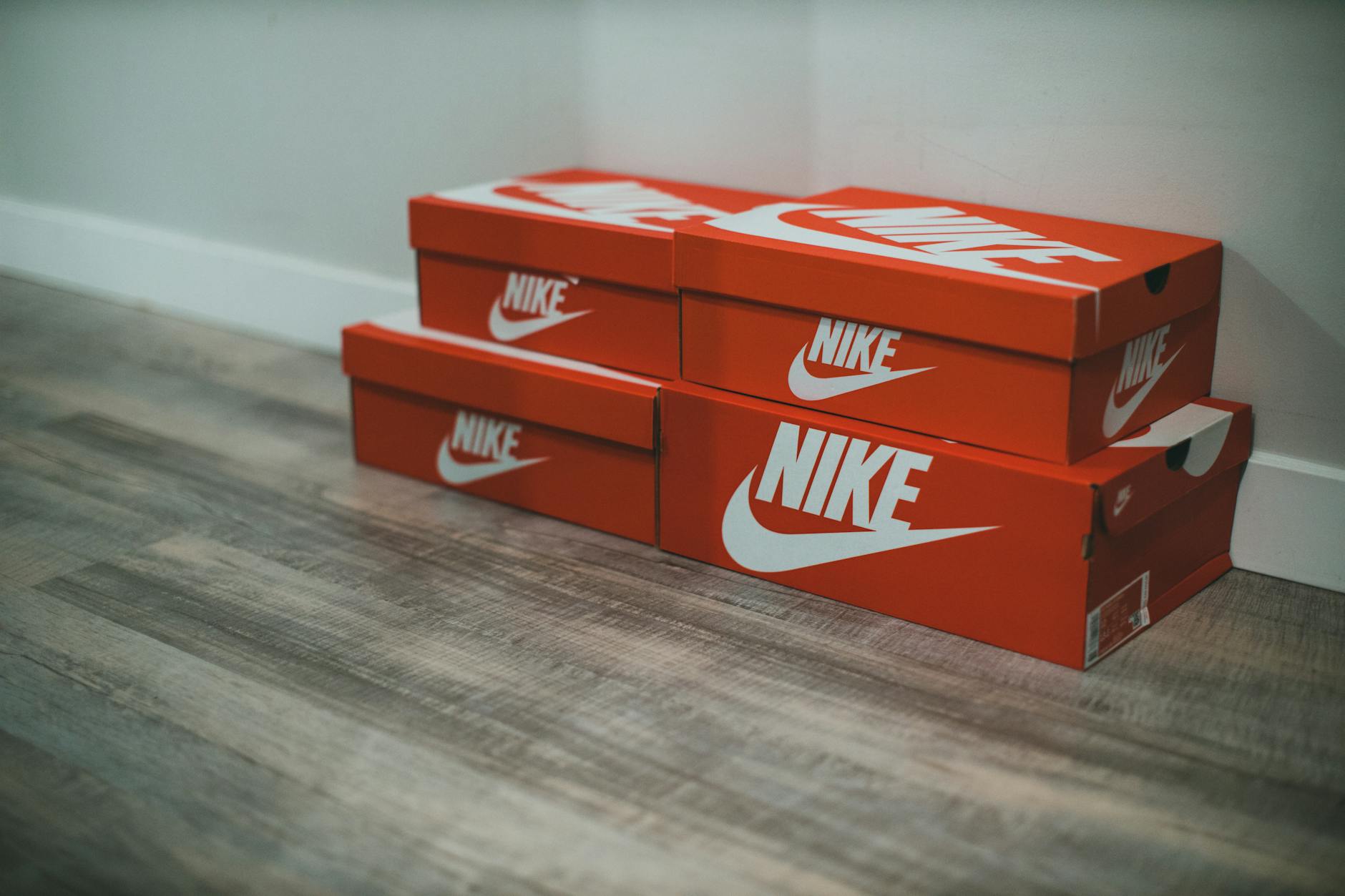
A shoe box stored among many others in a closet floor or shelf is an effective low-profile hiding spot for valuables. Placing the concealed items inside a box labeled for an unremarkable shoe style adds to its disguise within an ordinary shoe collection. A shoe box filled partially with tissue paper and a sealed inner bag creates a convincing decoy that feels authentic to the touch. The greater the number of surrounding shoe boxes, the stronger the camouflage effect.
Beneath Stacked Linens
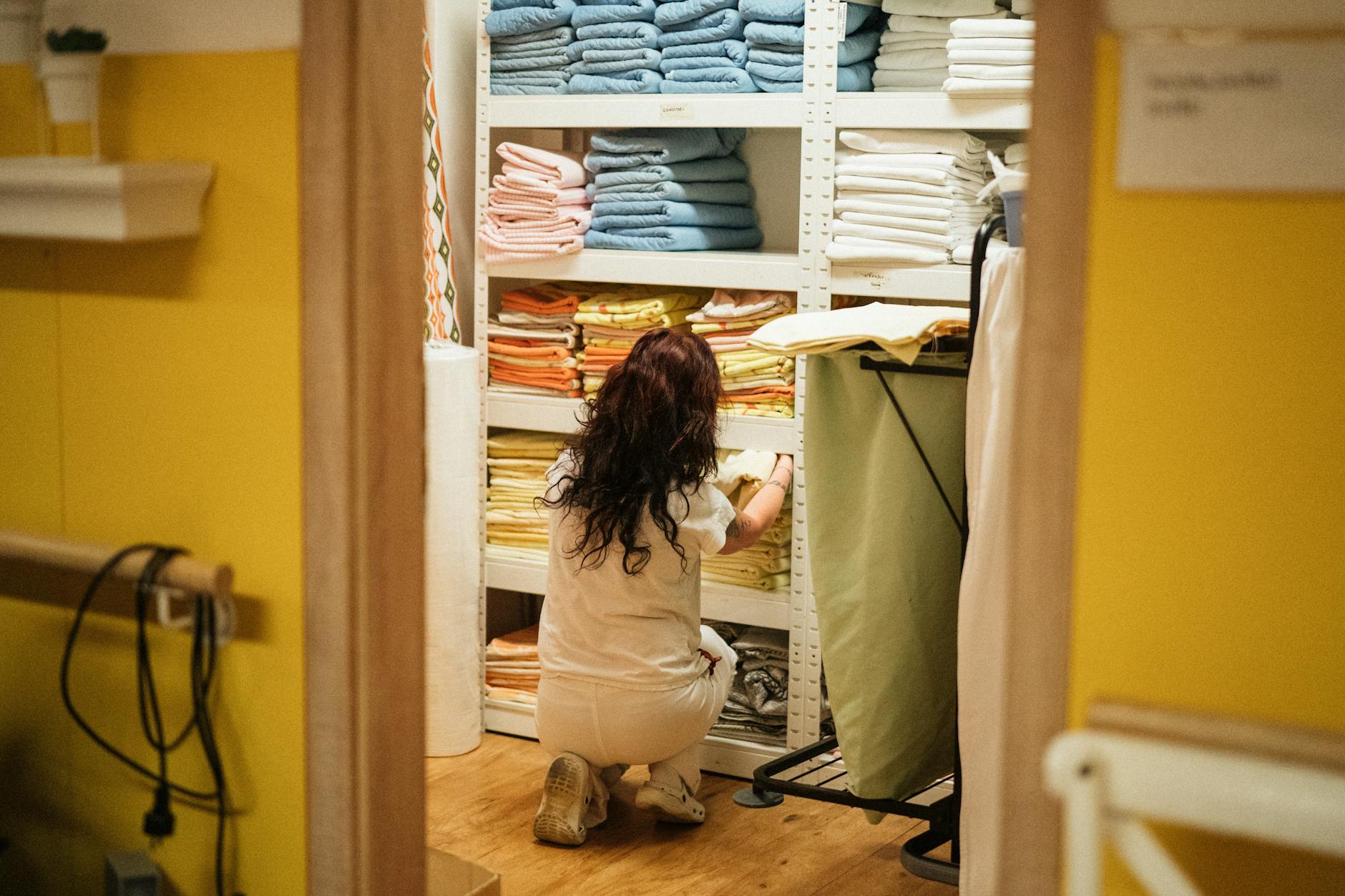
A linen closet filled with neatly folded towels, sheets, and pillowcases provides a layered and time-consuming search environment. A flat envelope or sealed pouch tucked between the layers at the back of a high shelf benefits from both height and clutter as concealment tools. Choosing a shelf that requires a step stool to reach reduces the likelihood of a casual search even further. The organized appearance of a well-maintained linen closet makes it appear unrewarding as a place to search.
Inside a Musical Instrument Case
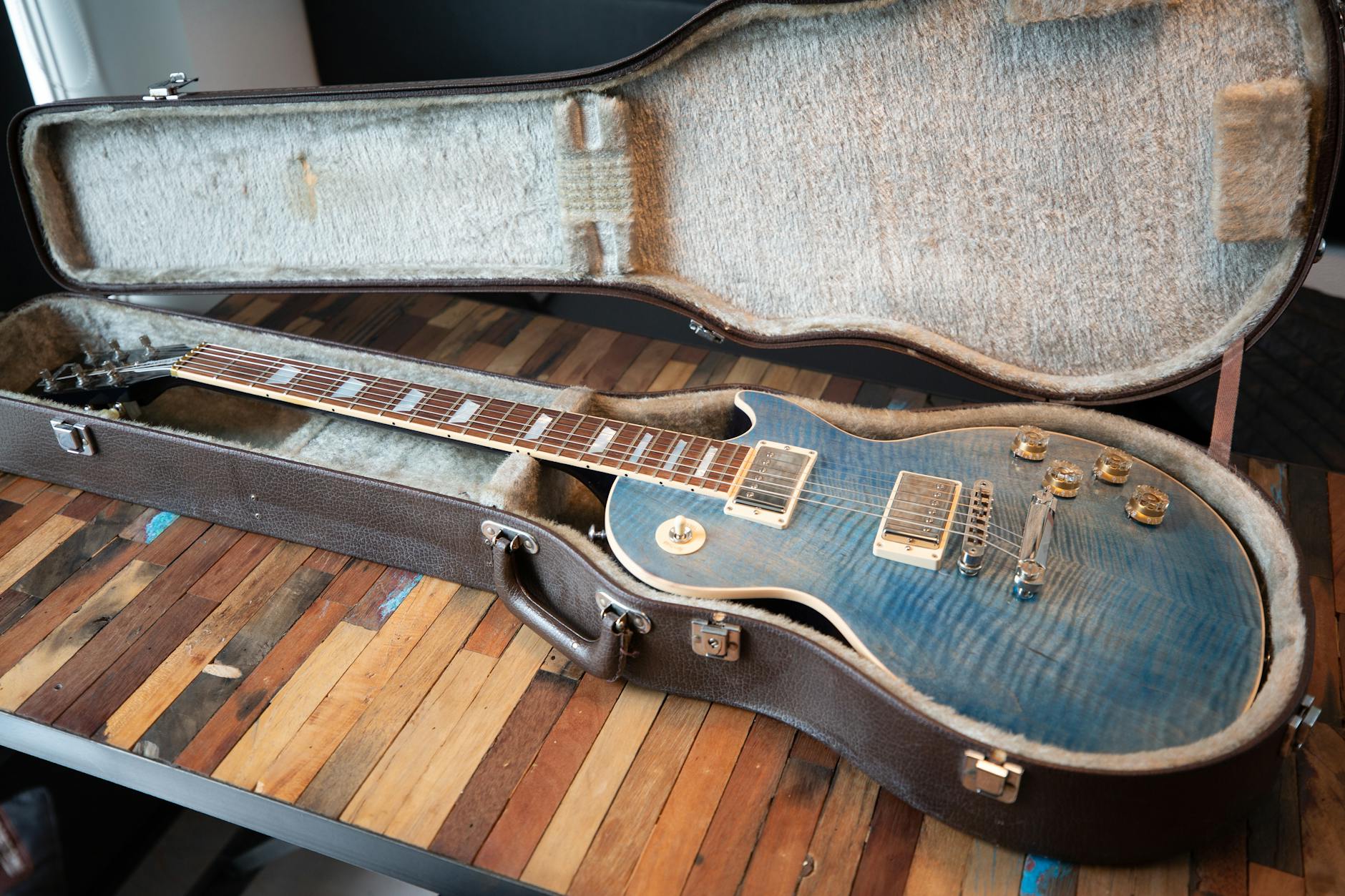
Instrument cases stored in a spare room or closet are large, sturdy, and typically overlooked by anyone not targeting specific valuables. The padded interior of a guitar case, violin case, or similar enclosure provides both cushioning and concealment for delicate items. A sealed pouch placed beneath the instrument or within a zippered accessory pocket sits completely hidden. The perceived impracticality of searching through an instrument case makes it a psychologically effective deterrent.
Beneath a Bathroom Vanity Drawer
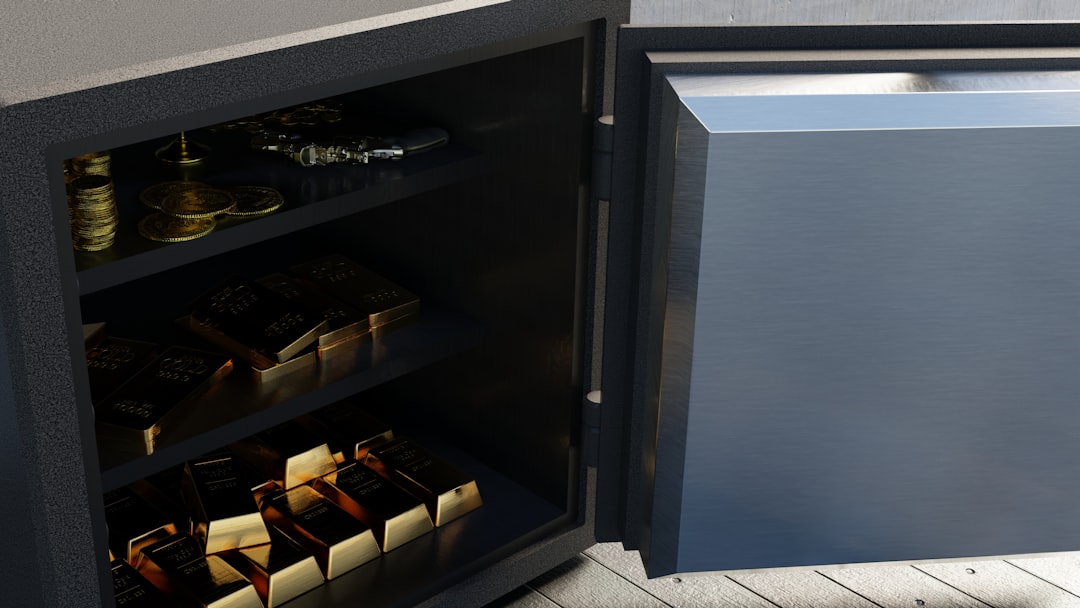
Many bathroom vanity units contain a shallow gap between the lowest drawer and the floor of the cabinet. A flat envelope or thin container taped securely to the underside of a drawer or resting in this gap remains completely invisible. The location benefits from the general busyness of a bathroom cabinet environment filled with personal care products. This spot is particularly useful for keeping a small amount of emergency cash accessible but hidden.
Inside a Fireplace
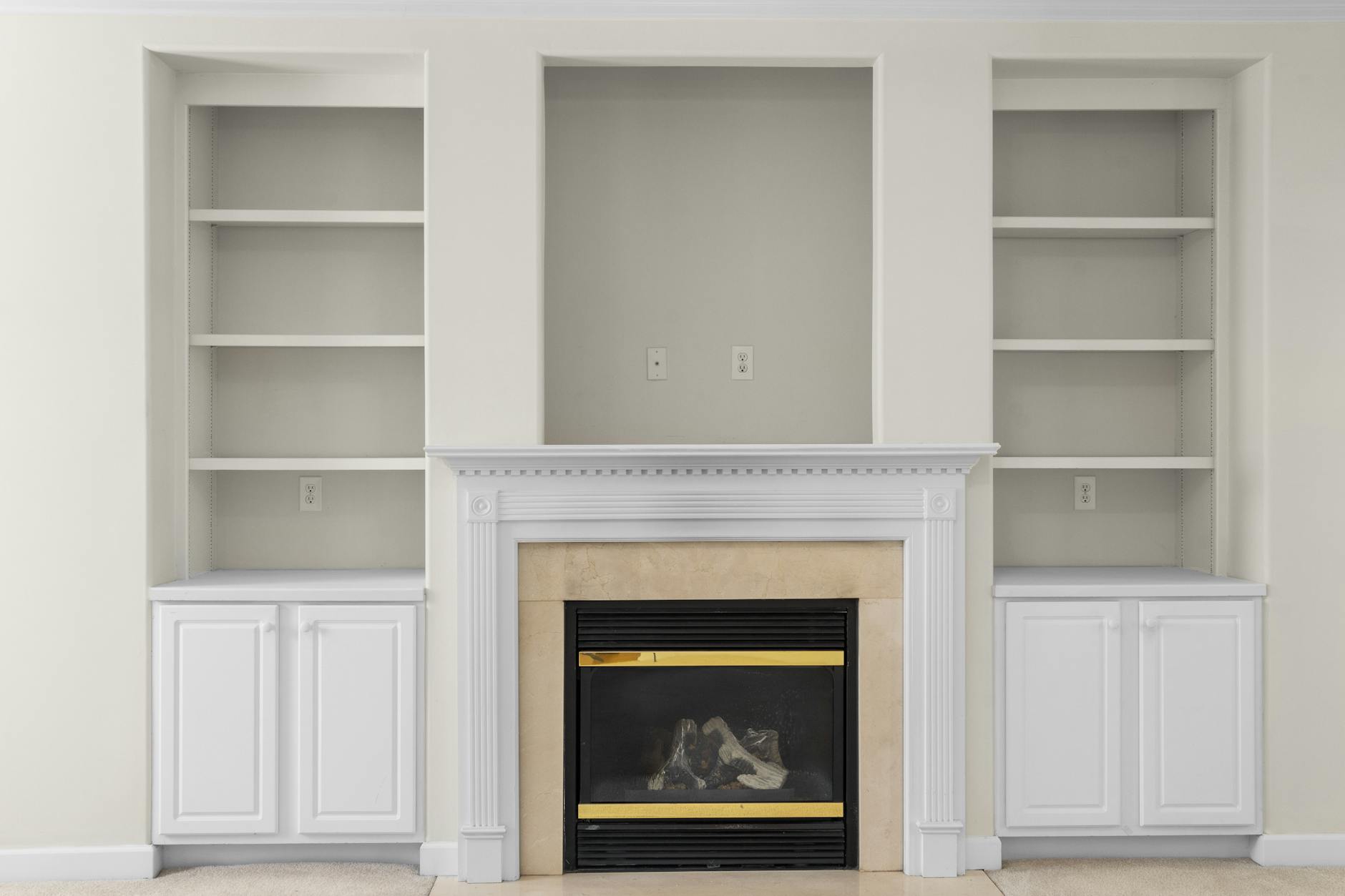
The interior shelf or side ledge of a non-operational fireplace provides a surprisingly effective and overlooked storage nook. A sealed fireproof container placed toward the back of the firebox interior or on an interior ledge stays out of sight when the fireplace is viewed from the room. The dark interior naturally obscures any objects placed within, especially when the fireplace is screened or fitted with decorative logs. This location is best suited to homes where the fireplace is used as a decorative feature rather than a functional one.
Behind Framed Wall Panels
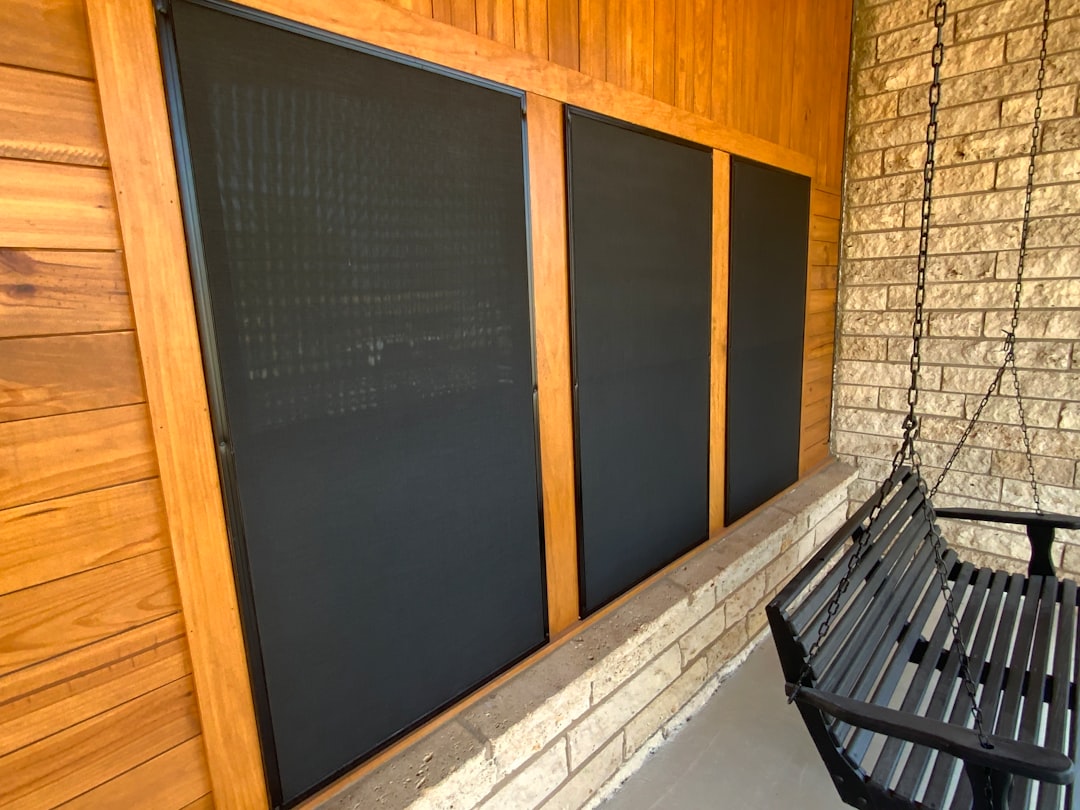
Decorative wall paneling or wainscoting that features removable sections can be adapted to conceal a shallow storage niche. A panel that lifts or pivots away from the wall to reveal a small cavity provides a nearly imperceptible hiding spot within a well-furnished room. Items placed in a moisture-resistant container within the cavity stay protected from humidity and dust. The architectural appearance of the surrounding paneling ensures the access point looks entirely structural rather than functional.
Inside a Safe Hidden Behind a Mirror
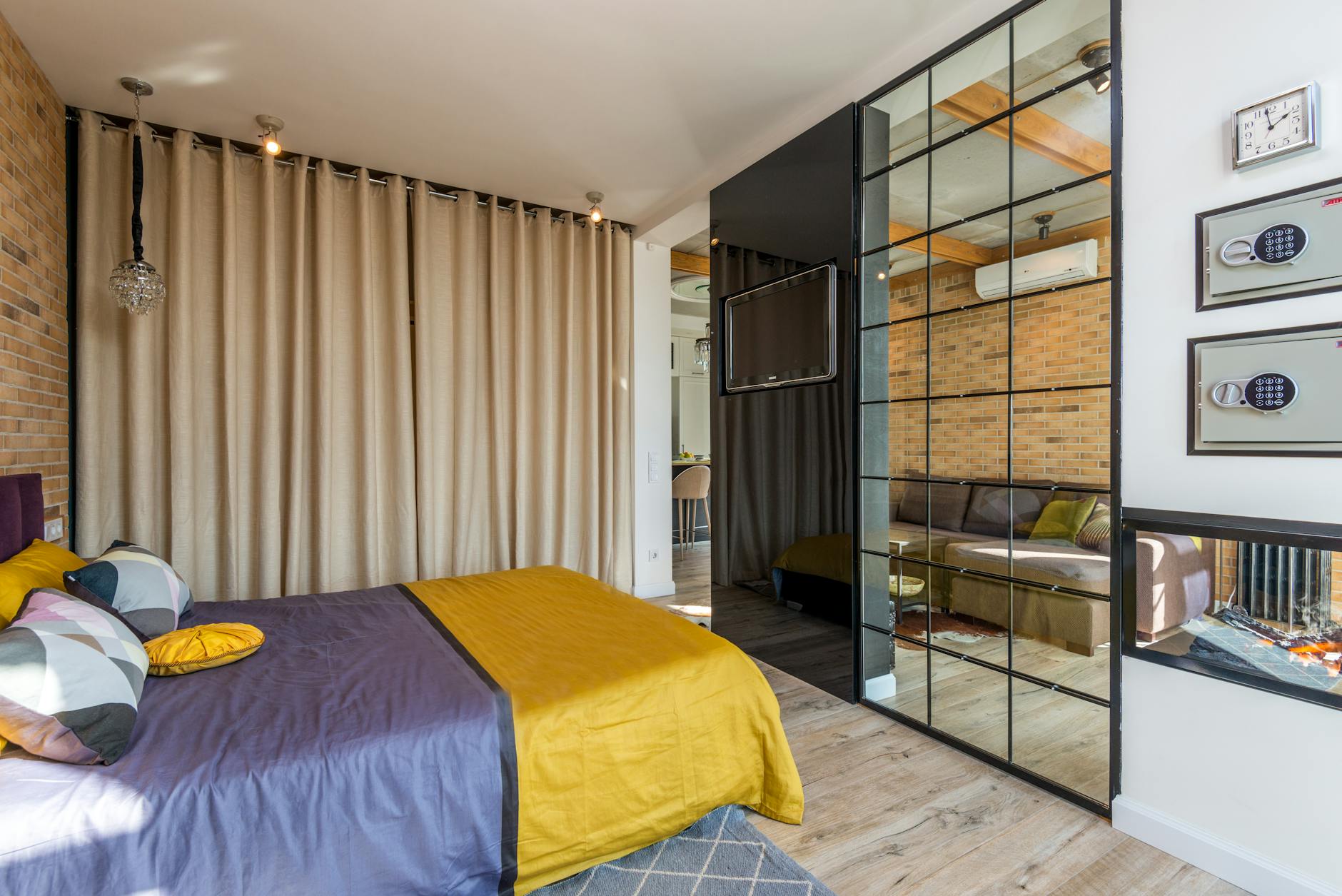
A wall safe concealed behind a hinged mirror combines the visibility of everyday decor with the security of a locked enclosure. Mirror-mounted safe options are widely available and designed to sit flush with the wall, making them completely undetectable when the mirror is in its closed position. The safe interior accommodates documents, jewelry, passports, and cash with organized compartments in most models. Mounting it in a bedroom or closet rather than a bathroom ensures it remains in a private area of the home.
In a Sealed Container in the Garden
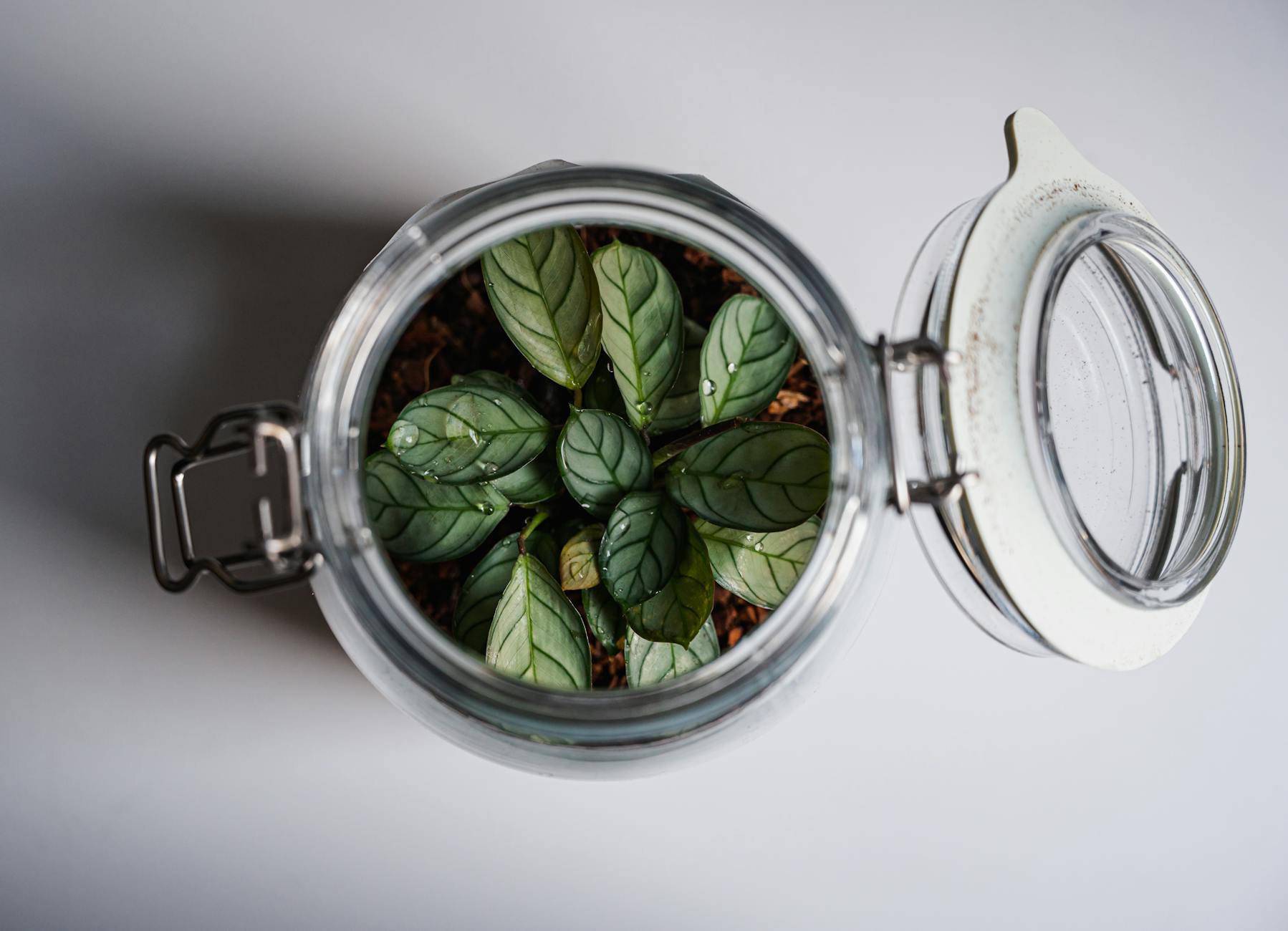
Outdoor garden beds and planters provide an unexpected extension of a home’s concealment options for durable valuables. A waterproof and airtight container buried a short distance below the soil surface in an established garden bed remains invisible year-round. Selecting a spot beneath a permanent fixture such as a large stone, ornamental feature, or established shrub adds a physical marker that only the homeowner would recognize. Items stored here should be sealed thoroughly and checked periodically to ensure the container remains intact.
Inside a Board Game Box

A household game collection on a shelf or in a cupboard provides excellent cover for a container of hidden valuables. A sealed envelope or small pouch placed beneath the board inside a seldom-played game box sits undisturbed for extended periods. The sheer variety of boxes in a typical game collection makes a targeted search impractical and time-consuming. Choosing an older or less visually appealing title adds to the camouflage, as it is less likely to be reached for during family activities.
Behind a Removable Panel in the Garage
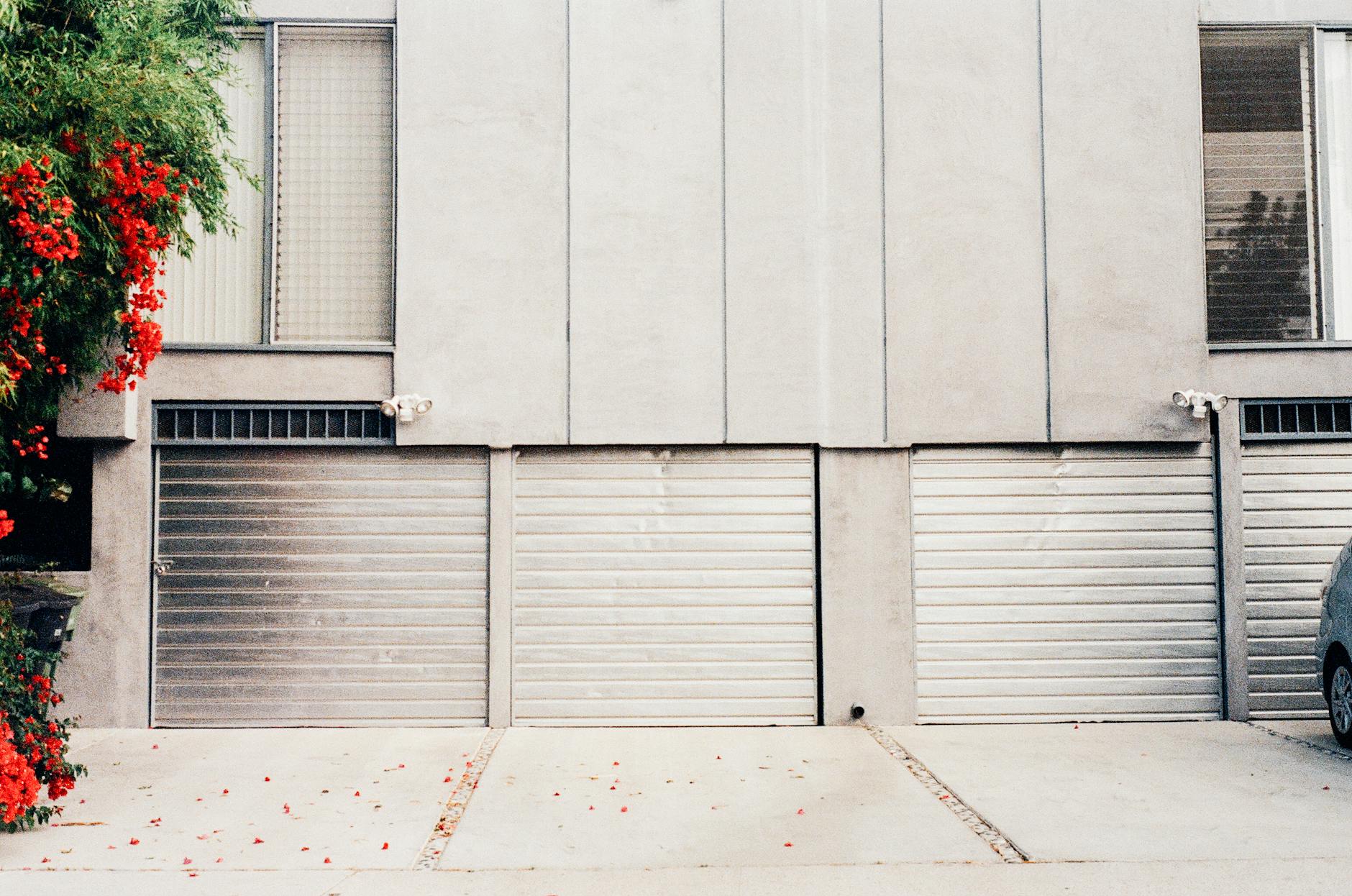
Garages frequently contain wall panels, storage unit backs, and structural cavities that are never examined closely. A removable panel section at the back of a built-in shelving unit or along an interior garage wall can conceal a small storage nook of considerable size. A sealed container placed here benefits from the general disorder and density of most garage storage environments. The working nature of a garage space makes it appear unrewarding for valuables, adding a layer of psychological misdirection.
Inside a Mattress
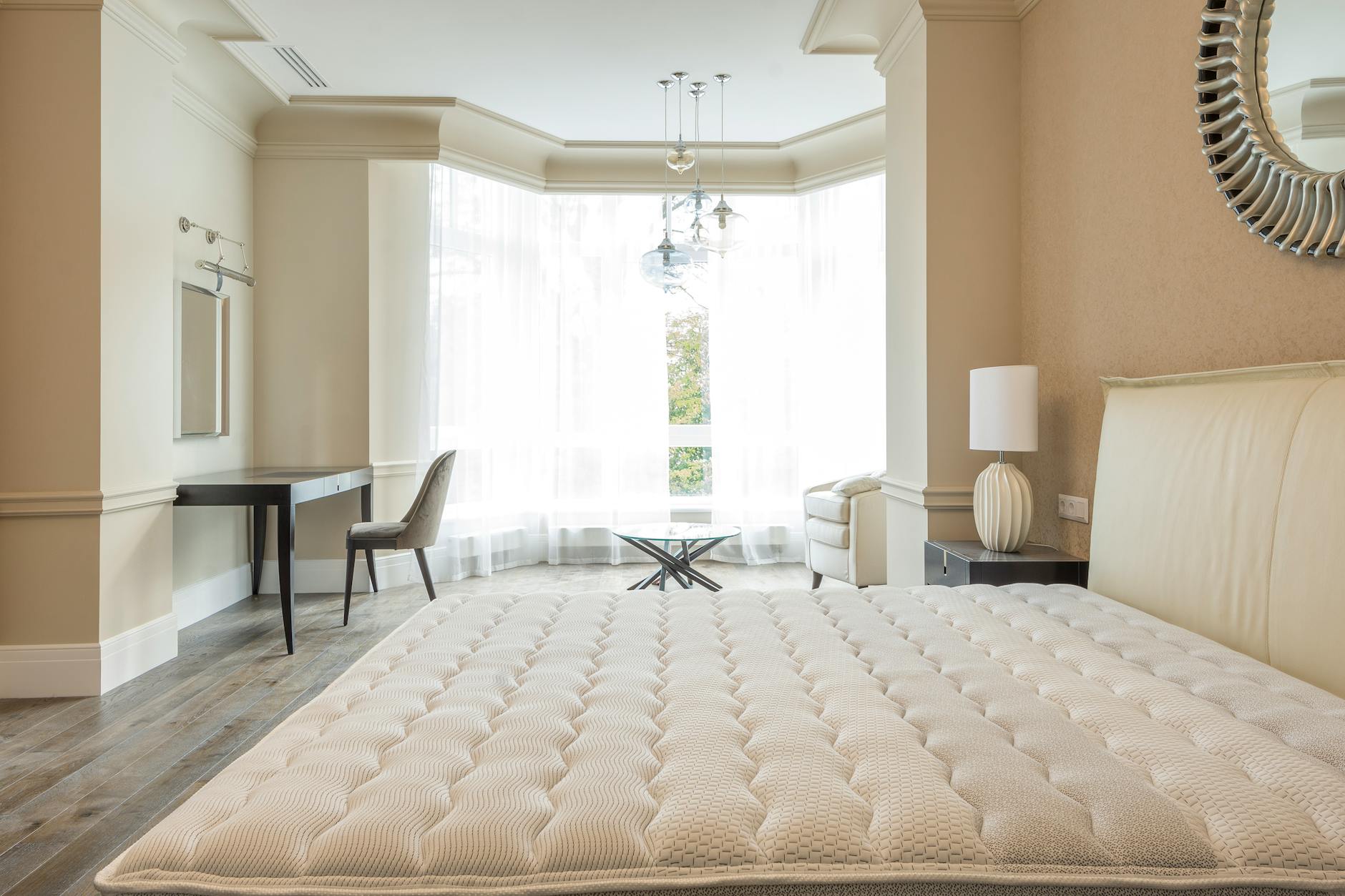
The interior of a mattress, particularly one with a zippered cover or removable pillow-top layer, can accommodate a flat envelope or slim document folder. Items placed between the mattress layers or inside the cover cavity remain invisible whether the bed is made or unmade. Unlike beneath the mattress, which is a commonly searched spot, items stored inside the actual mattress body are far less likely to be found. A medium-firm mattress with a thick profile and a removable cover offers the most practical access for this method.
What is your most creative hiding spot at home? Share your ideas in the comments.




