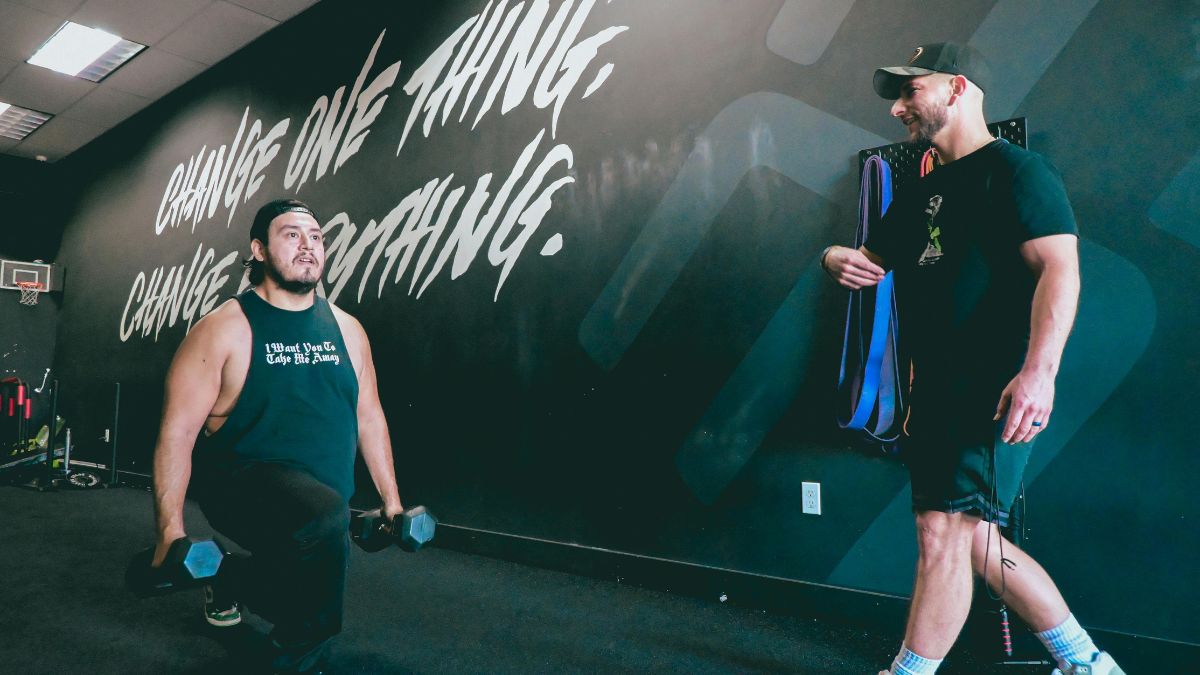
Walking into a gym means entering a shared space governed by unspoken rules that keep everyone safe, comfortable, and focused. Whether you are a seasoned regular or just starting out, certain behaviors can derail your own progress and frustrate those around you. Understanding what to avoid is just as important as knowing what to do when it comes to building a consistent and effective fitness routine.
Skipping the Warm-Up

Jumping straight into heavy lifting or intense cardio without warming up puts enormous strain on cold muscles and unprepared joints. A proper warm-up gradually increases your heart rate and improves circulation to the muscles you are about to use. Skipping this step significantly raises the risk of pulls, tears, and other painful injuries that can sideline you for weeks. Even five to ten minutes of light movement makes a measurable difference in both performance and recovery.
Hogging Equipment

Monopolizing multiple machines or benches at once during peak hours creates unnecessary congestion and frustration for other members. It is common courtesy to use one piece of equipment at a time and allow others to work in between your sets if they ask. Leaving personal items draped over machines to reserve them while you wander elsewhere is widely considered one of the most disruptive gym behaviors. Sharing space respectfully keeps the energy in the room positive and the workflow moving smoothly for everyone.
Ignoring the Re-Rack Rule
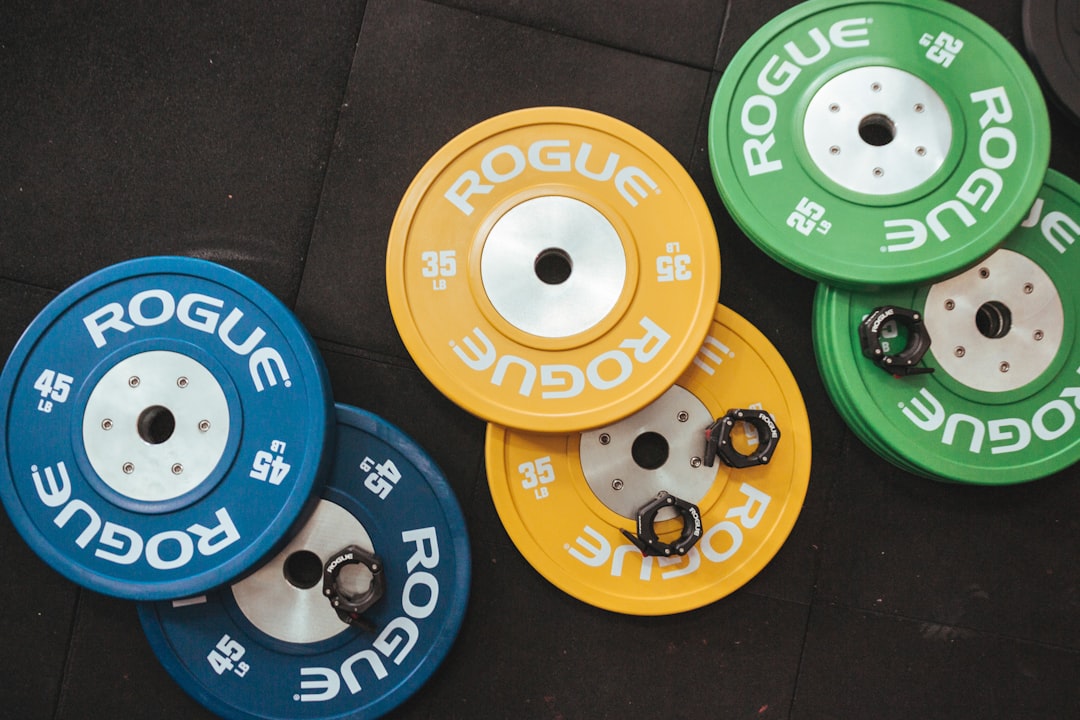
Leaving weights scattered across the floor or abandoning loaded barbells is a safety hazard that affects every person in the gym. Someone stepping over a stray dumbbell in a moment of distraction can easily trip and sustain a serious injury. Re-racking your weights also shows basic respect for the staff and fellow members who share the space with you. Returning equipment to its proper place after every set is one of the simplest and most important habits a gym-goer can adopt.
Offering Unsolicited Advice

Approaching a stranger mid-set to correct their form or suggest a different exercise is generally unwelcome and can break their concentration. Most people come to the gym with a plan or a trainer-designed program and do not need input from fellow members they have never spoken to. If someone appears to be in genuine danger of hurting themselves, a brief and polite word may be appropriate in that specific context. Otherwise, focusing on your own session and reserving commentary for those who have asked for it is the respectful approach.
Talking Loudly on the Phone

Carrying on loud personal or professional phone conversations on the gym floor is disruptive to others trying to focus or follow a training rhythm. Many gyms have designated areas for phone calls, and using those spaces is a sign of awareness and consideration. Blasting a call on speaker while walking the treadmill exposes everyone nearby to a conversation they did not consent to hear. Keeping calls brief and your voice low preserves the focused atmosphere that most members come to the gym to find.
Neglecting to Wipe Down Equipment
Leaving sweat on benches, handles, and machine pads after use is unhygienic and inconsiderate to the next person who sits down. Every gym provides spray bottles and paper towels for exactly this purpose, and using them takes less than thirty seconds. Bacteria and germs can transfer easily from wet surfaces to skin, making this a genuine health concern rather than just a matter of preference. Making it a habit to wipe down every surface you use is one of the most impactful ways to contribute to a clean and welcoming environment.
Using Your Phone Excessively

Spending long stretches between sets scrolling through social media extends your rest periods far beyond what is productive and ties up equipment others are waiting to use. Excessive phone use also breaks the mental focus that makes strength and conditioning training effective over time. Recording workout videos in busy areas can obstruct walkways and make other members feel self-conscious about being captured in the background. Being present and intentional during your session leads to better results and a more considerate gym experience for everyone around you.
Wearing Strong Fragrances
Applying heavy cologne or perfume before a workout creates an overwhelming sensory experience in an enclosed space where people are breathing hard. Many gym members have sensitivities or allergies that make strong scents genuinely uncomfortable or even physically distressing. The combination of heat, exertion, and fragrance can also trigger headaches and nausea for those nearby. Arriving at the gym fresh and fragrance-free is a small but meaningful way to show consideration for the people sharing your workout environment.
Doing Cardio in the Weight Area
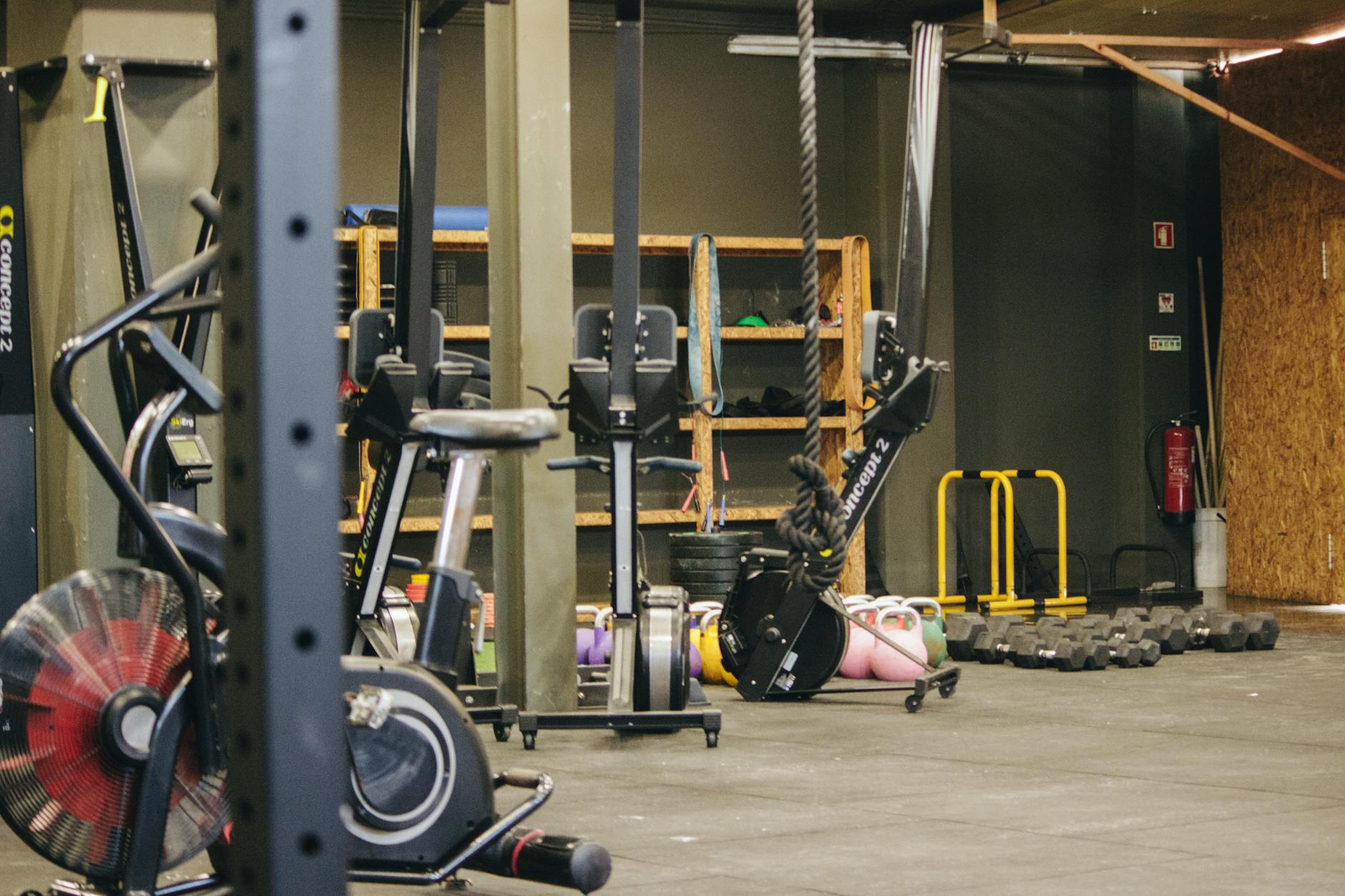
Performing jump rope, burpees, or running drills in the middle of the free weights section takes up floor space that others need to move safely around heavy equipment. Most gyms have dedicated functional training zones or open areas specifically designed for dynamic movements and bodyweight exercises. Using the wrong area for a particular type of training creates congestion and increases the risk of accidental collisions. Familiarizing yourself with your gym’s layout and using each area for its intended purpose makes the space work better for everyone.
Slamming Weights

Dropping or slamming dumbbells and barbells after every rep creates jarring noise and can damage both the equipment and the floor beneath it. While some controlled lowering is natural with very heavy Olympic lifts in designated areas, repeatedly crashing weights as a habit is disruptive and unnecessary for most training scenarios. It also suggests a lack of control during the eccentric phase of a movement, which is actually where a significant portion of muscle development occurs. Lowering weights with intention and care benefits your training results just as much as it benefits those around you.
Crowding the Dumbbell Rack

Standing directly in front of the dumbbell rack while performing exercises blocks access for anyone else who needs to select or return weights. Taking a few steps back to create room allows other members to move in and out without interrupting your set. This is one of the most frequently observed inconsiderate behaviors in gyms and one of the easiest to correct with a small adjustment in positioning. Being aware of your physical footprint in a shared space is a basic form of gym etiquette that experienced members take seriously.
Giving Unsolicited Spots

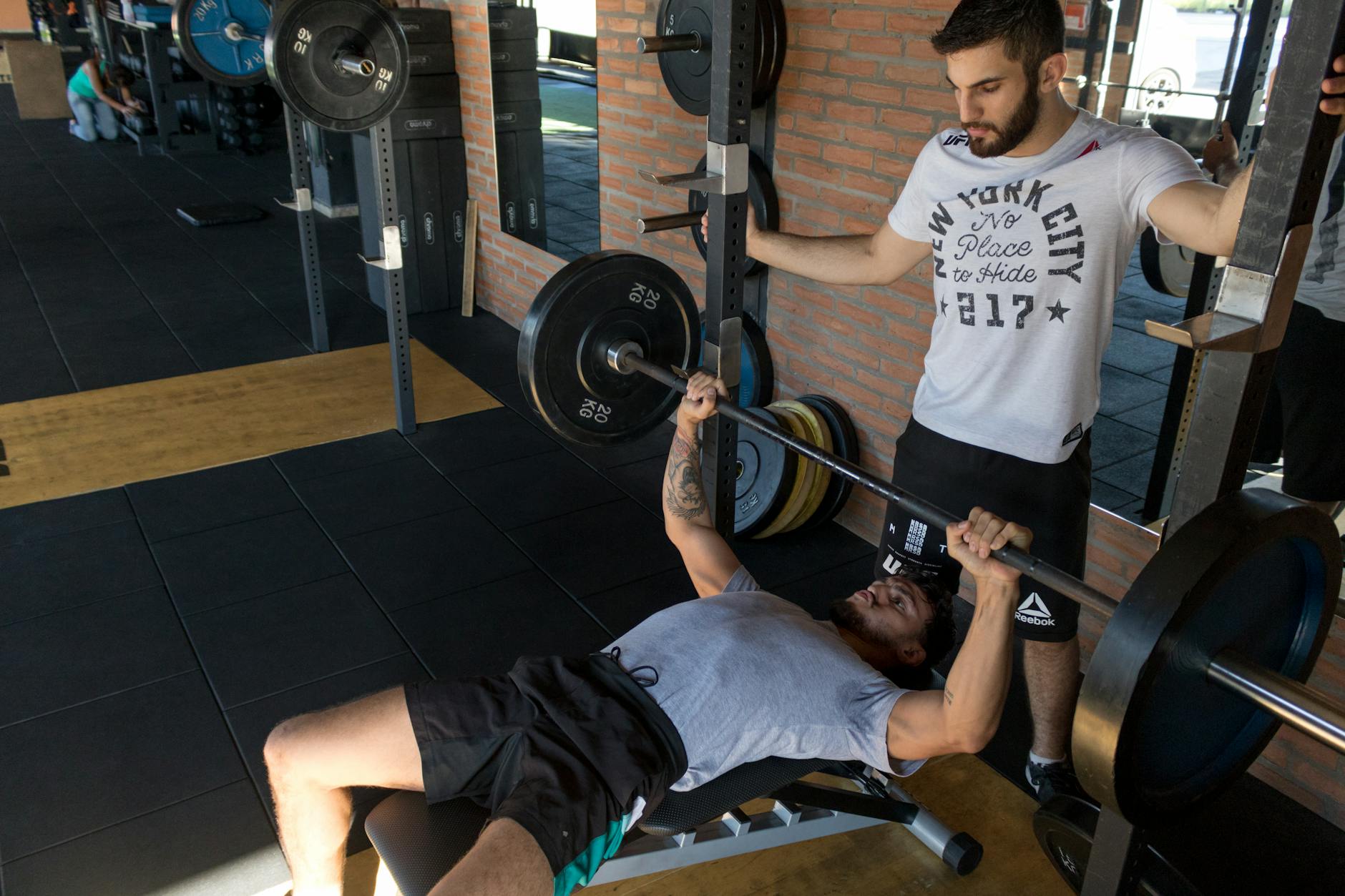
Grabbing a bar to assist someone without being asked can throw off their balance and disrupt a set they had fully under control. A proper spot begins with a clear agreement about how much assistance is wanted and at what point it should be offered. Jumping in uninvited, even with good intentions, can actually cause injury if the lifter is not expecting the contact or the shift in resistance. If you genuinely believe someone is struggling, make eye contact and ask clearly before placing your hands anywhere near the equipment.
Bringing Too Much Gear
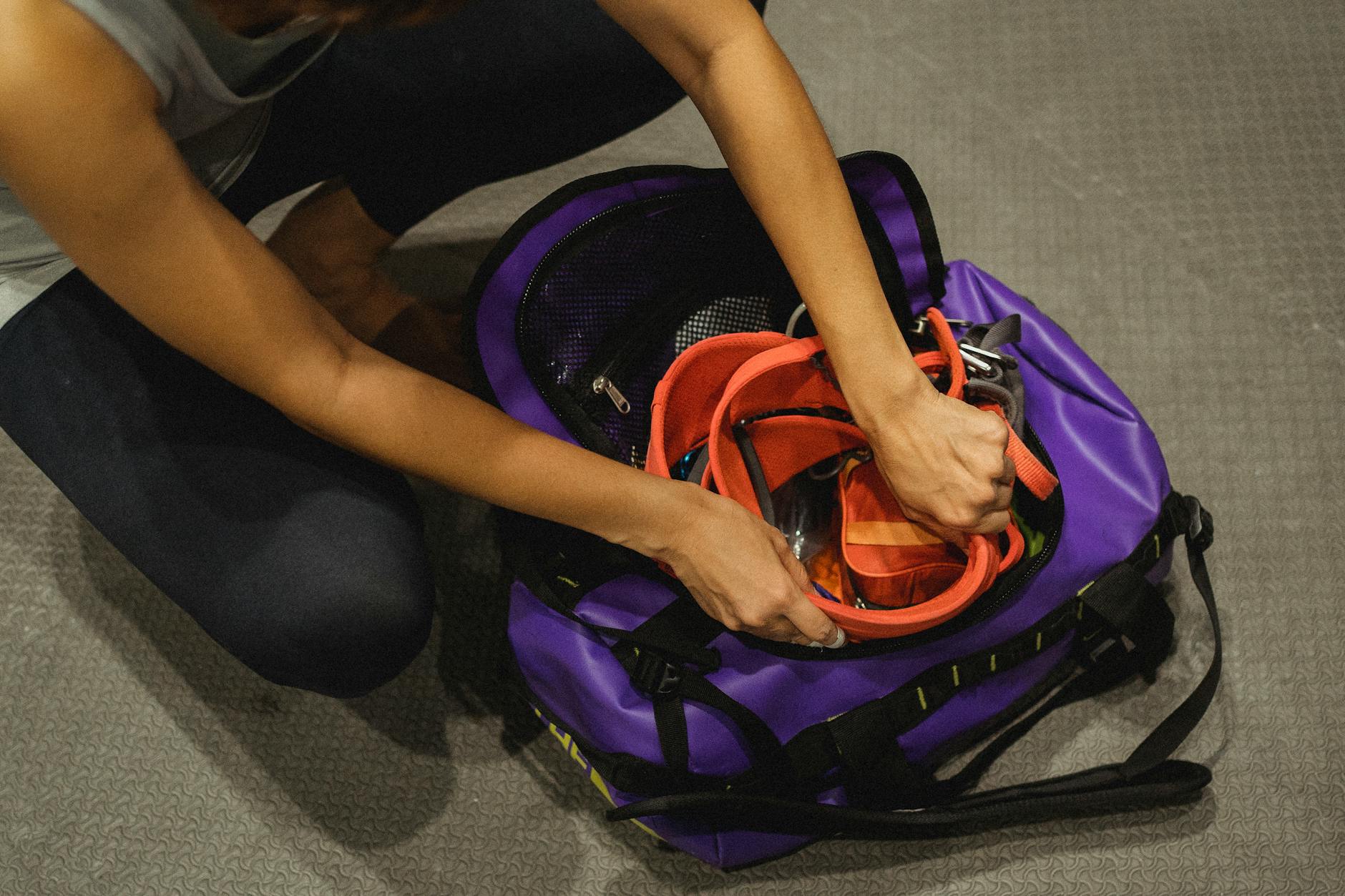
Spreading a gym bag, multiple water bottles, towels, resistance bands, and accessories across a bench or section of floor claims territory in a space that belongs to everyone. Keeping your belongings compact and stored in a locker or tucked neatly to one side respects the limited floor space available. Excessive gear also creates tripping hazards for people focused on their training and not watching the ground as closely. Arriving with what you genuinely need for your session and nothing more is a practical and considerate approach.
Training While Visibly Sick

Coming to the gym with a cold, flu, or any contagious illness puts every member and staff person in that facility at risk of getting sick. Respiratory droplets spread easily in enclosed, high-traffic spaces where people are breathing heavily and touching shared surfaces constantly. Most gym memberships include some form of session banking or flexible cancellation for exactly these situations. Choosing to rest at home when you are unwell is not only responsible to others but also far better for your own recovery timeline.
Skipping the Cool-Down
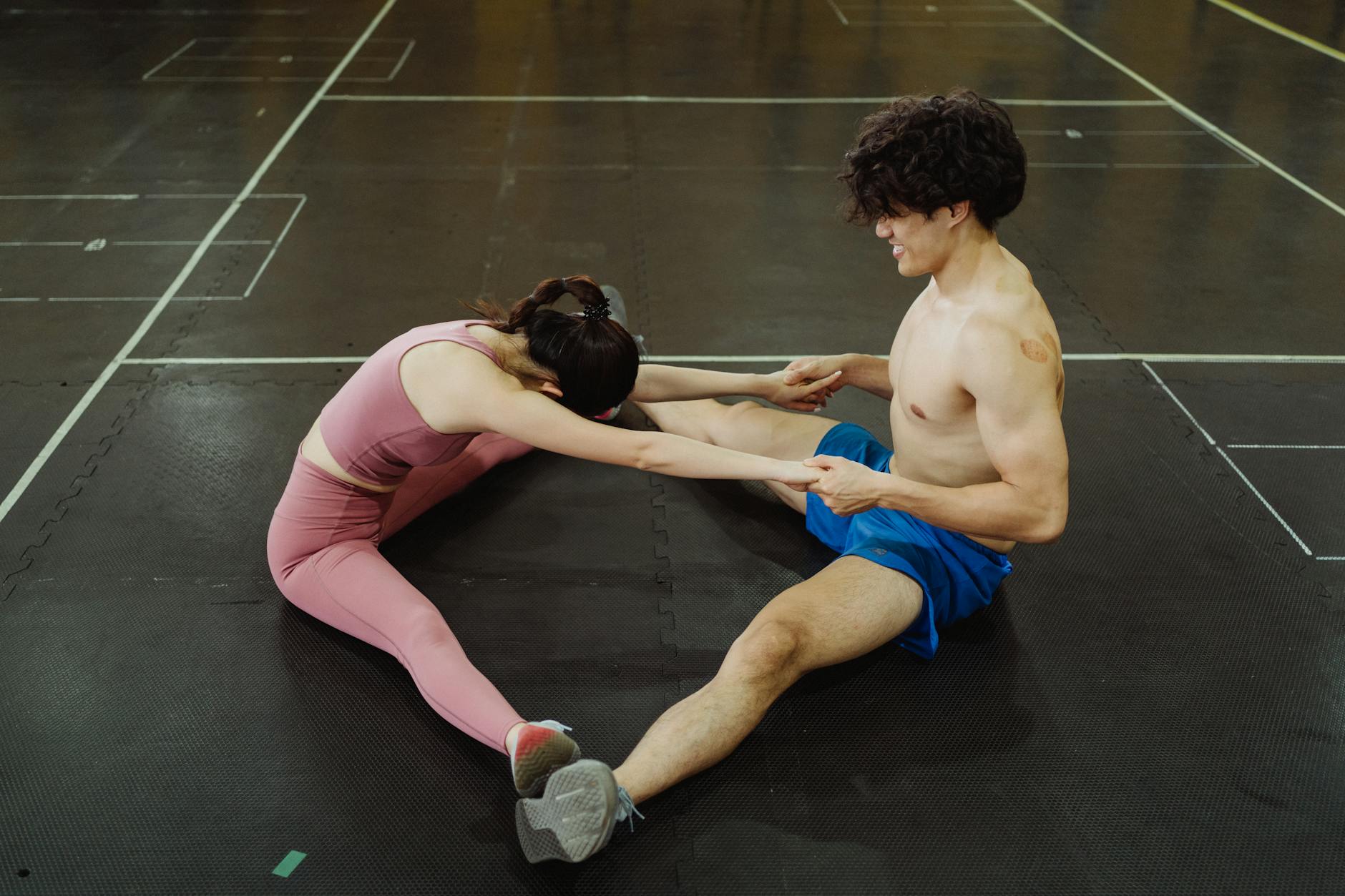
Ending a workout abruptly by gathering your things and walking out the door deprives your body of the gradual transition it needs after intense exertion. A cool-down helps bring your heart rate back to resting levels safely and begins the process of clearing metabolic byproducts from your muscles. Skipping this phase is associated with increased post-workout soreness and a higher likelihood of lightheadedness immediately after training. Even a few minutes of gentle movement and stretching at the end of every session supports long-term consistency and physical wellbeing.
What gym habits have you noticed that deserve more attention? Share your thoughts in the comments.




