Few travel experiences rival the feeling of standing in a place where ancient civilizations once thrived, great battles were fought, or world-changing ideas were born. History lovers are drawn to destinations that offer more than scenic beauty, seeking out the layers of human story embedded in stone, soil, and architecture. These twenty destinations deliver some of the most remarkable historical encounters on the planet, each one a living testament to the depth and complexity of our shared past.
Athens
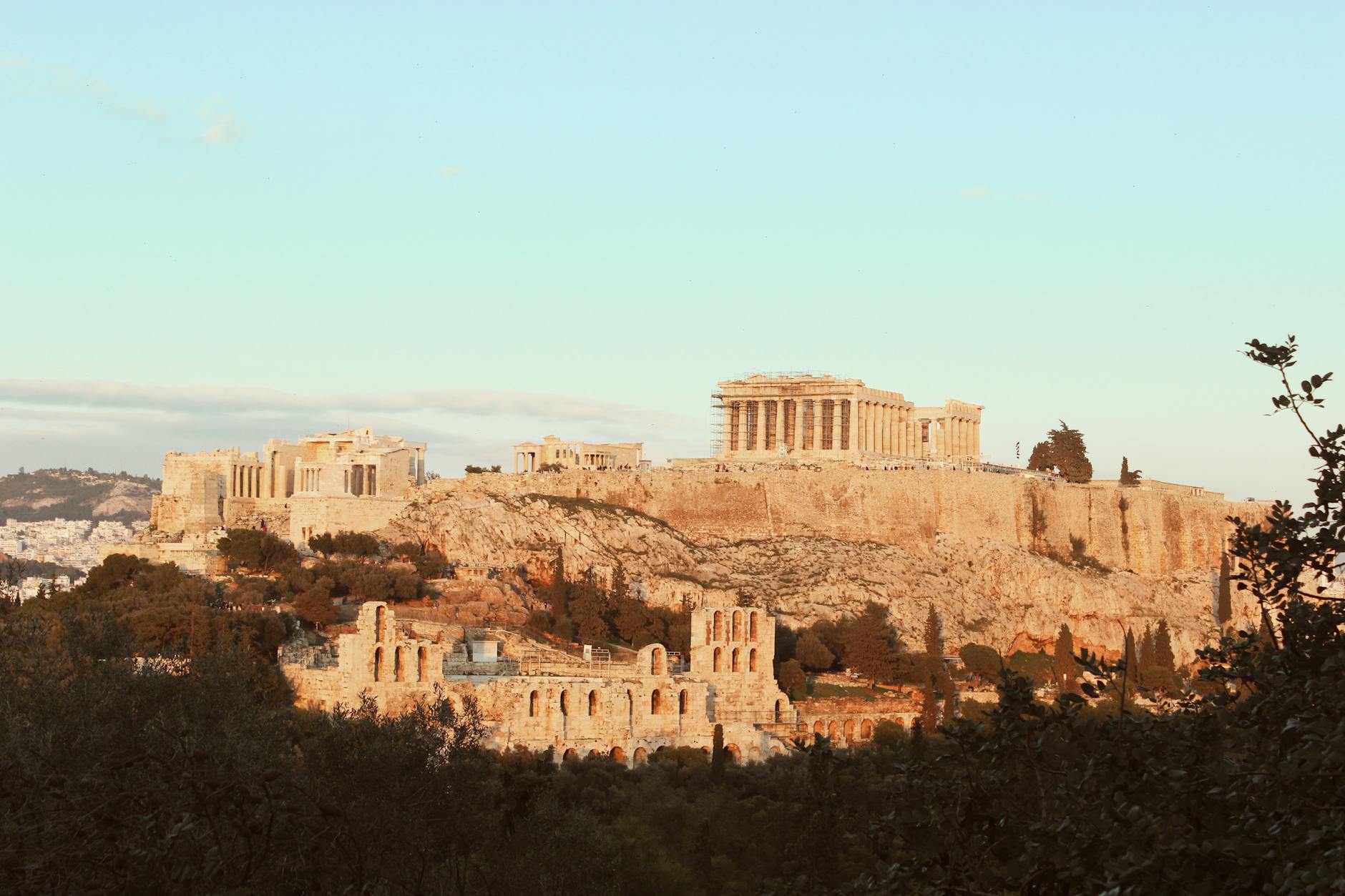
Athens is widely regarded as the birthplace of Western civilization, home to monuments that have shaped philosophy, democracy, and the arts for millennia. The Acropolis rises dramatically above the modern city, crowned by the iconic Parthenon whose marble columns have endured since the fifth century BC. The Ancient Agora below once served as the civic heart of the city, where Socrates debated and citizens gathered to shape early democratic governance. World-class museums throughout the city house an extraordinary collection of sculptures, pottery, and artifacts that bring ancient Greek life into vivid focus. Walking the streets of Athens means moving through thousands of years of unbroken human history at every turn.
Rome
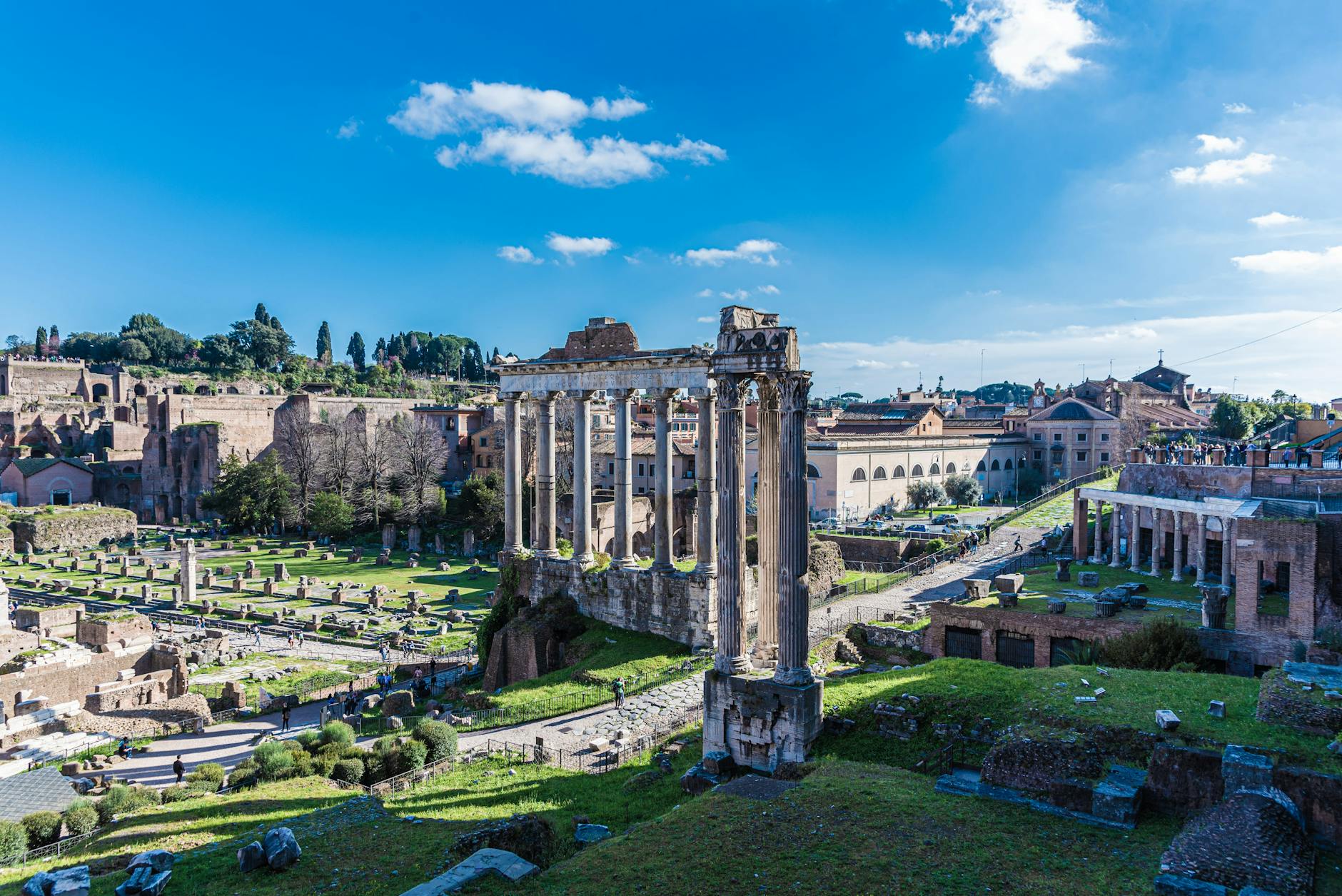
Rome earned its nickname as the Eternal City through a staggering accumulation of historical layers that stretch from the Republic through the Empire and into the medieval and Renaissance periods. The Colosseum remains one of the most recognizable structures on earth, a testament to Roman engineering and the spectacle of ancient public life. The Roman Forum, once the political and commercial center of the ancient world, is now a hauntingly beautiful stretch of ruins that rewards slow and thoughtful exploration. Vatican City sits within the city’s borders, housing some of the greatest artistic and religious treasures ever created by human hands. Rome demands multiple visits because no single trip can fully absorb everything it quietly offers the curious traveler.
Cairo
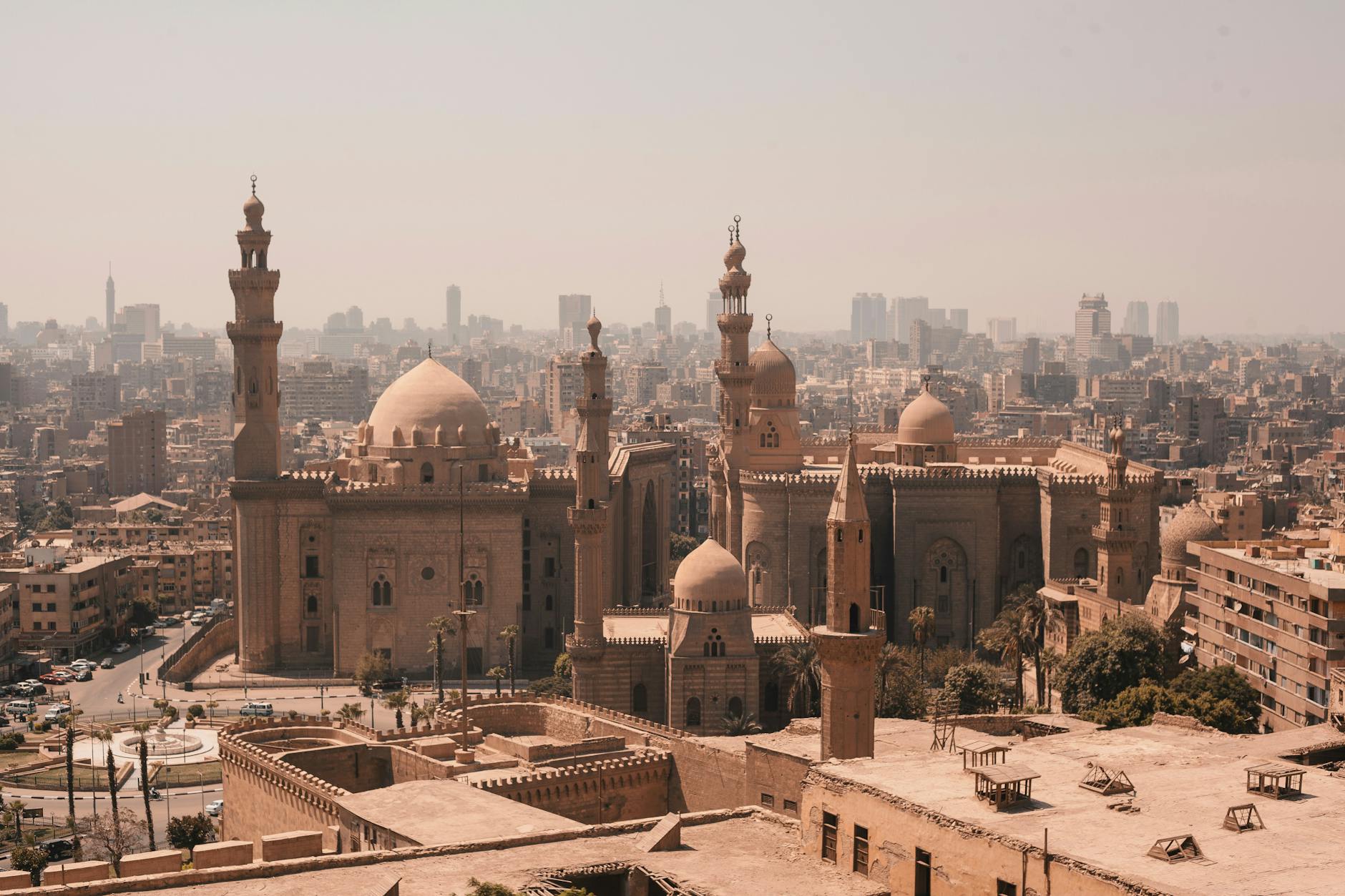
Cairo stands as the gateway to one of the oldest and most sophisticated civilizations in human history, with monuments that continue to astonish visitors from around the world. The Pyramids of Giza on the city’s outskirts are the only surviving wonder of the ancient world, constructed with a precision and scale that still baffles modern engineers and archaeologists. The Egyptian Museum in central Cairo holds the world’s most extensive collection of ancient Egyptian antiquities, including the legendary treasures of Tutankhamun. The medieval Islamic quarter of Khan el-Khalili offers a different layer of history, its narrow lanes lined with centuries-old mosques, madrasas, and bustling bazaars. Cairo is a city where the ancient and the living world exist side by side in a way that feels genuinely unlike anywhere else.
Jerusalem
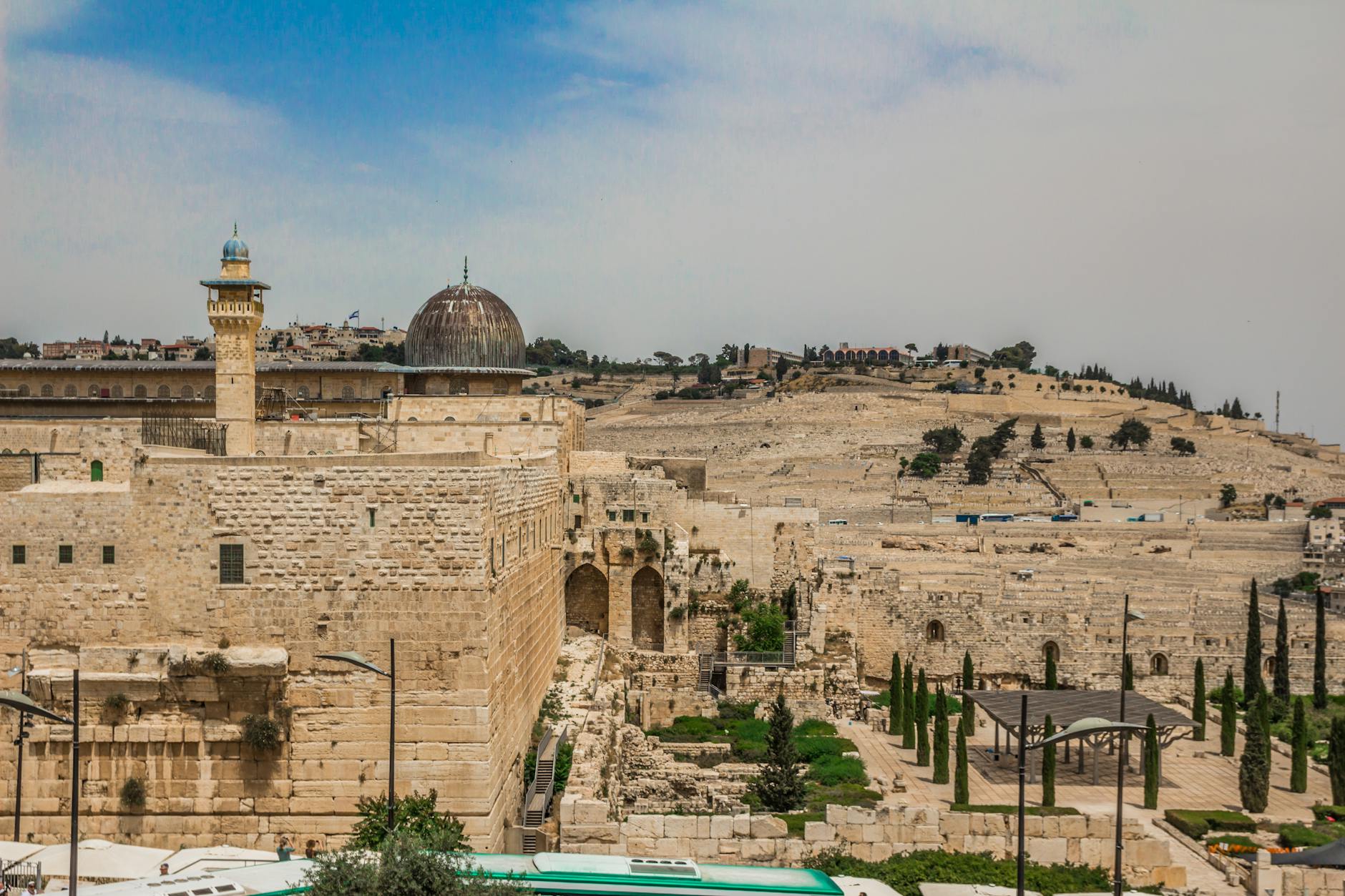
Jerusalem holds unique significance for three of the world’s major religions, making it one of the most spiritually and historically charged cities on earth. The Old City is divided into distinct quarters, each carrying its own remarkable heritage from the Jewish Quarter’s Western Wall to the Christian Quarter’s Church of the Holy Sepulchre. The Temple Mount and the Dome of the Rock represent centuries of overlapping civilizations and faiths, all layered into a single extraordinary hilltop. The city’s archaeological sites regularly yield discoveries that rewrite understanding of ancient history, and excavations continue across the urban landscape. For history lovers who are drawn to the intersection of religion, politics, and culture, Jerusalem offers an experience of unparalleled depth and complexity.
Kyoto
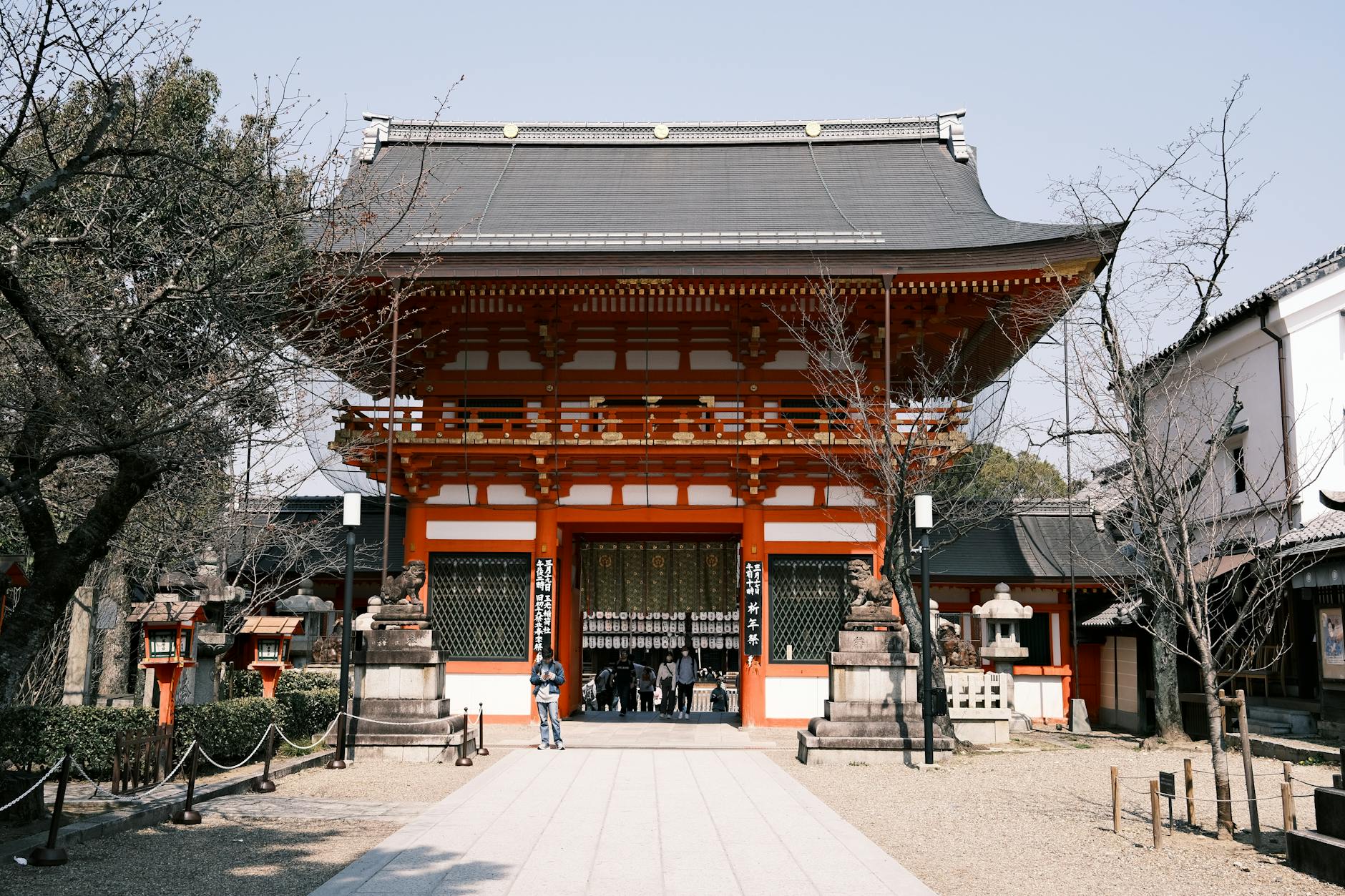
Kyoto served as Japan’s imperial capital for over a thousand years, and the city has preserved its cultural and architectural heritage with exceptional care. More than a thousand temples and shrines are scattered across Kyoto’s hills and valleys, each one reflecting a distinct era of Japanese religious and aesthetic development. The historic Gion district still feels remarkably close to the Edo-period city it once was, with traditional wooden machiya townhouses lining quiet stone-paved streets. The philosopher’s path along a canal lined with cherry trees connects some of the most revered Zen gardens and temple complexes in the country. Kyoto rewards visitors who move slowly, allowing the quiet elegance of each site to reveal its full historical meaning.
Istanbul
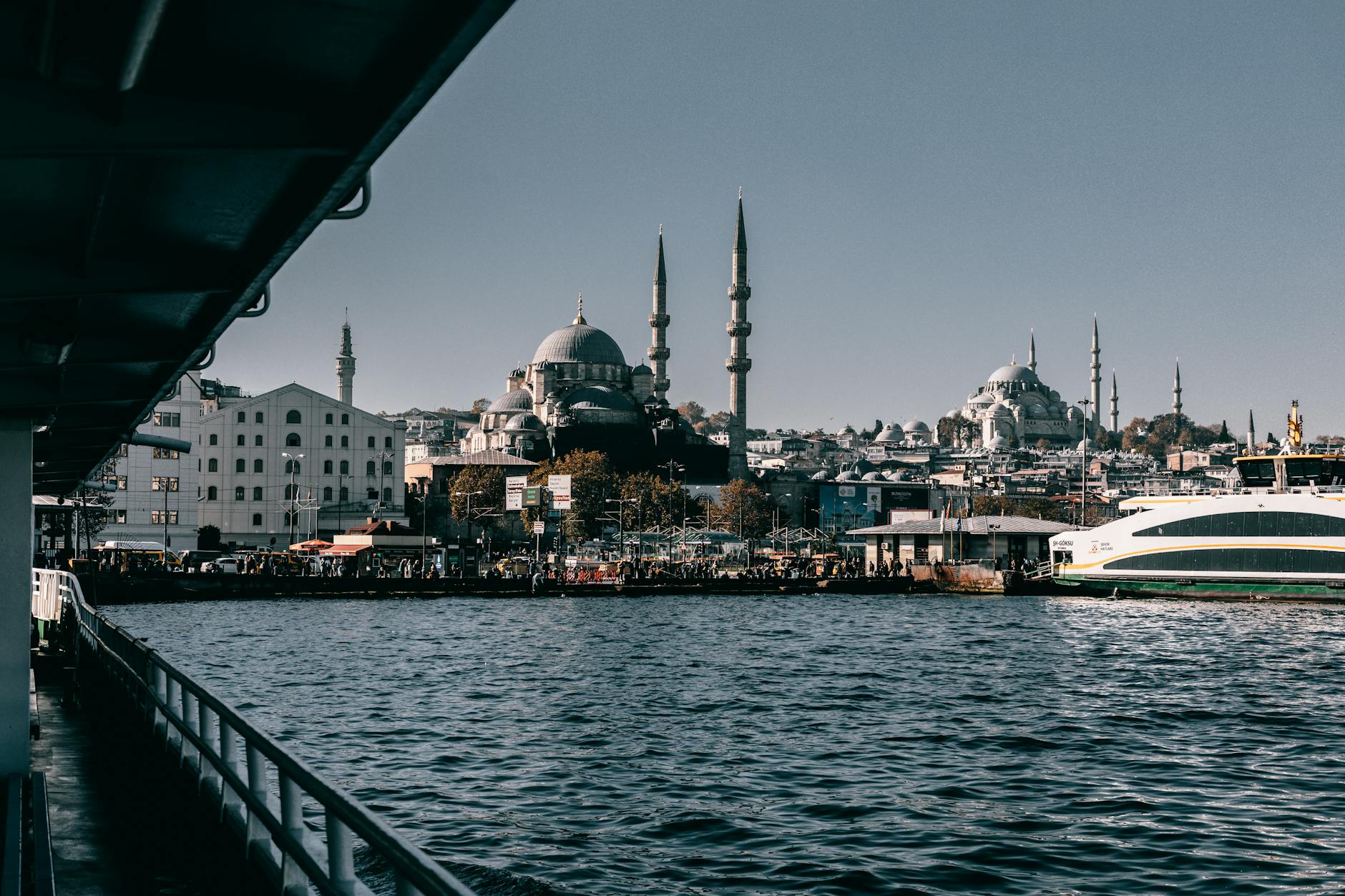
Istanbul is one of the very few cities in the world that has served as the capital of multiple great empires, including the Byzantine and Ottoman, leaving behind a layered architectural legacy of astonishing richness. The Hagia Sophia, originally a sixth-century Byzantine cathedral, later became an Ottoman mosque and stands today as a monument to the shifting tides of power and faith. Topkapi Palace offers an intimate look into centuries of Ottoman imperial life through its courts, treasury, and sacred relics. The Grand Bazaar, one of the world’s oldest covered markets, has been in continuous commercial operation since the fifteenth century. Istanbul’s position straddling two continents means that its history is a genuine meeting point of Eastern and Western civilizations across more than two thousand years.
Machu Picchu
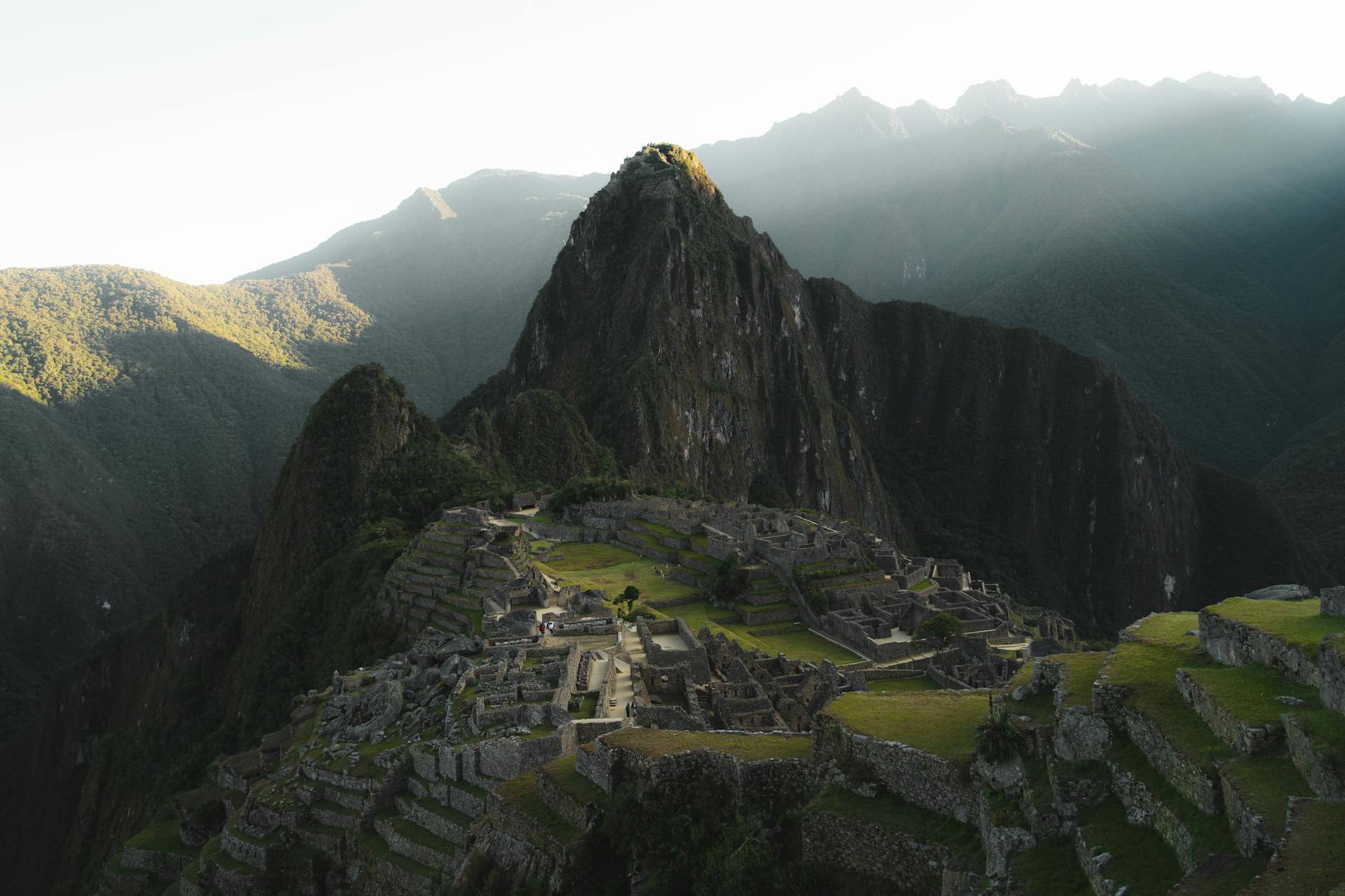
Machu Picchu is the most iconic surviving monument of the Inca civilization, perched dramatically on a mountain ridge in the Peruvian Andes at an altitude that amplifies the sense of awe upon arrival. Built in the fifteenth century and abandoned less than a century later, its precise purpose remains a subject of scholarly debate, adding a layer of mystery to its remarkable beauty. The dry stone construction technique used throughout the site required no mortar yet has withstood centuries of seismic activity and Andean weather. Agricultural terraces, ceremonial platforms, and residential quarters are laid out with an urban planning sophistication that reflects the extraordinary intellectual achievements of Inca architects. The surrounding Sacred Valley contains additional Inca sites that together paint a comprehensive picture of this remarkable pre-Columbian civilization.
Petra
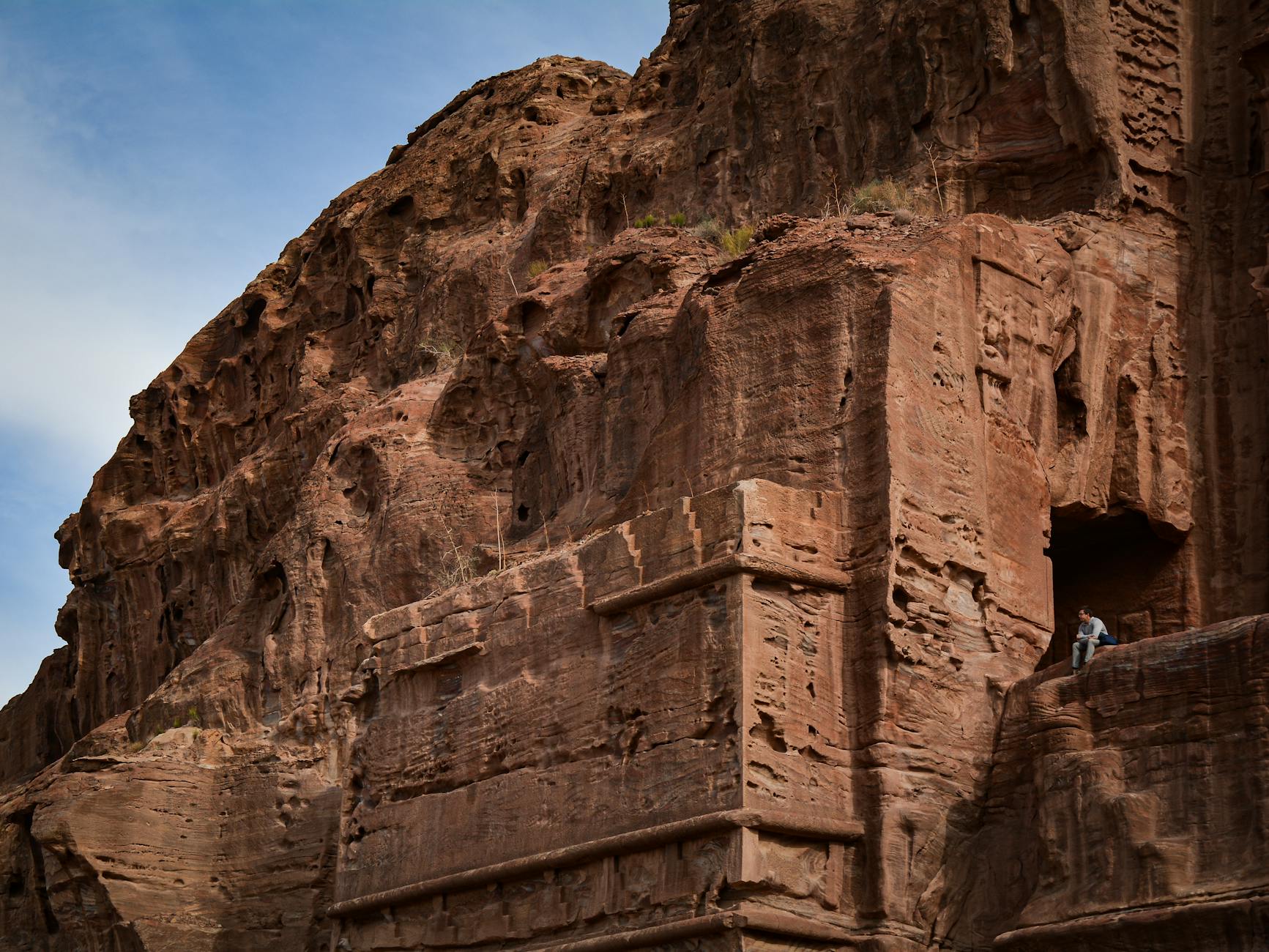
Petra is the extraordinary rock-cut city of the Nabataean civilization in southern Jordan, carved directly into rose-red sandstone cliffs with a mastery that continues to inspire wonder centuries after its construction. The iconic Treasury, known locally as Al-Khazneh, greets visitors emerging from the Siq gorge with an elaborate facade that combines Greek, Egyptian, and regional architectural traditions. At its height, Petra served as a thriving commercial hub controlling trade routes between Arabia, Egypt, and the Mediterranean world. Beyond the Treasury, the city extends for miles through canyons and plateaus containing tombs, temples, colonnaded streets, and a Roman-style theater. Walking through Petra is one of the most dramatic archaeological experiences available anywhere on earth.
Angkor
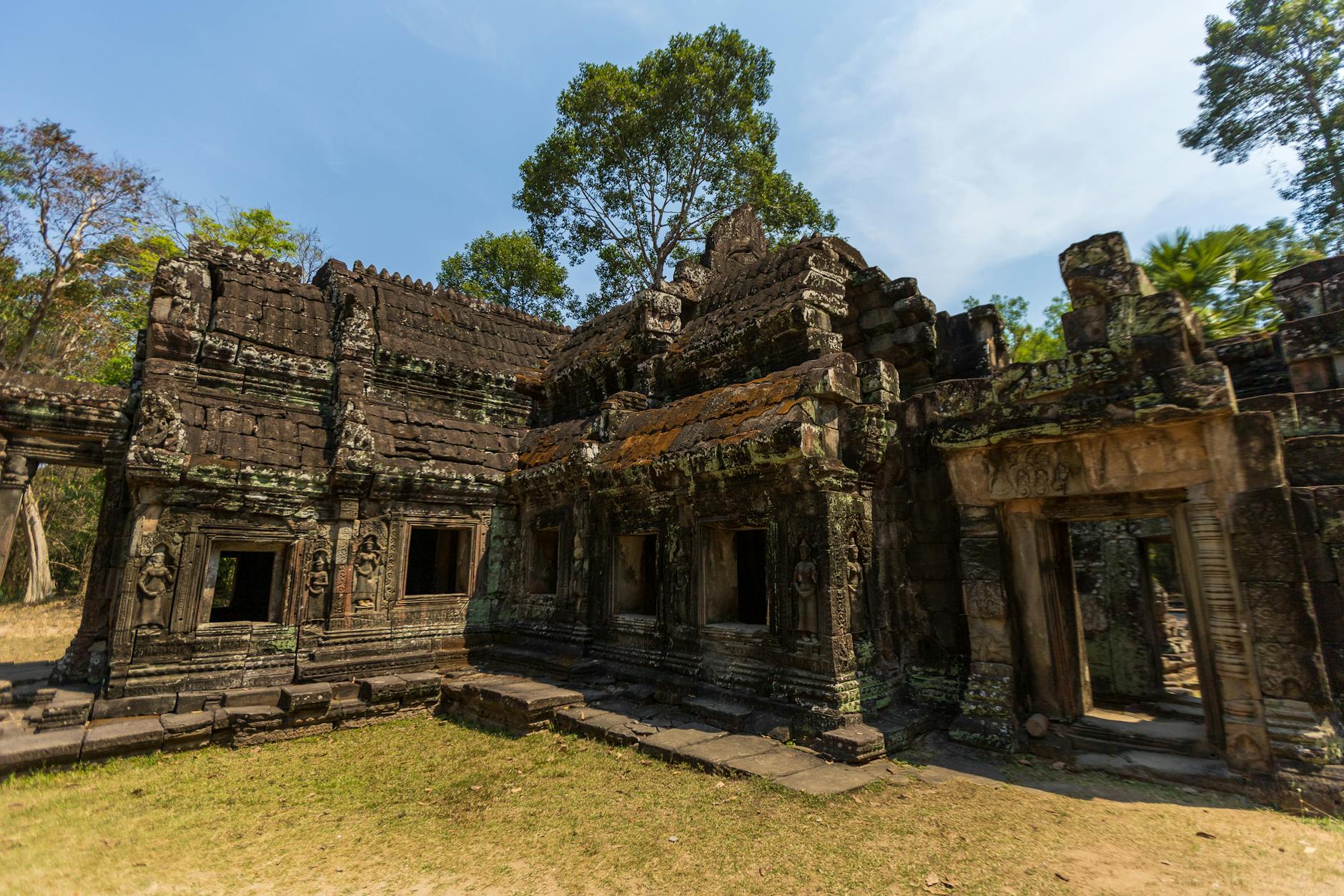
Angkor in northern Cambodia is home to the largest religious monument ever constructed, the twelfth-century Hindu and later Buddhist temple complex of Angkor Wat. Spread across a vast jungle landscape, the Angkor Archaeological Park contains hundreds of temples and structures built by the Khmer Empire at the height of its power between the ninth and fifteenth centuries. The temple of Bayon, with its iconic towers carved with giant serene faces, represents one of the most distinctive and visually arresting achievements in world architecture. Centuries of jungle growth have been partially cleared to reveal the temples while leaving enough vegetation to create an atmosphere of discovery that still feels genuinely exploratory. Angkor rewards visitors who stay for multiple days, as its full scale and complexity simply cannot be taken in during a single morning.
Pompeii
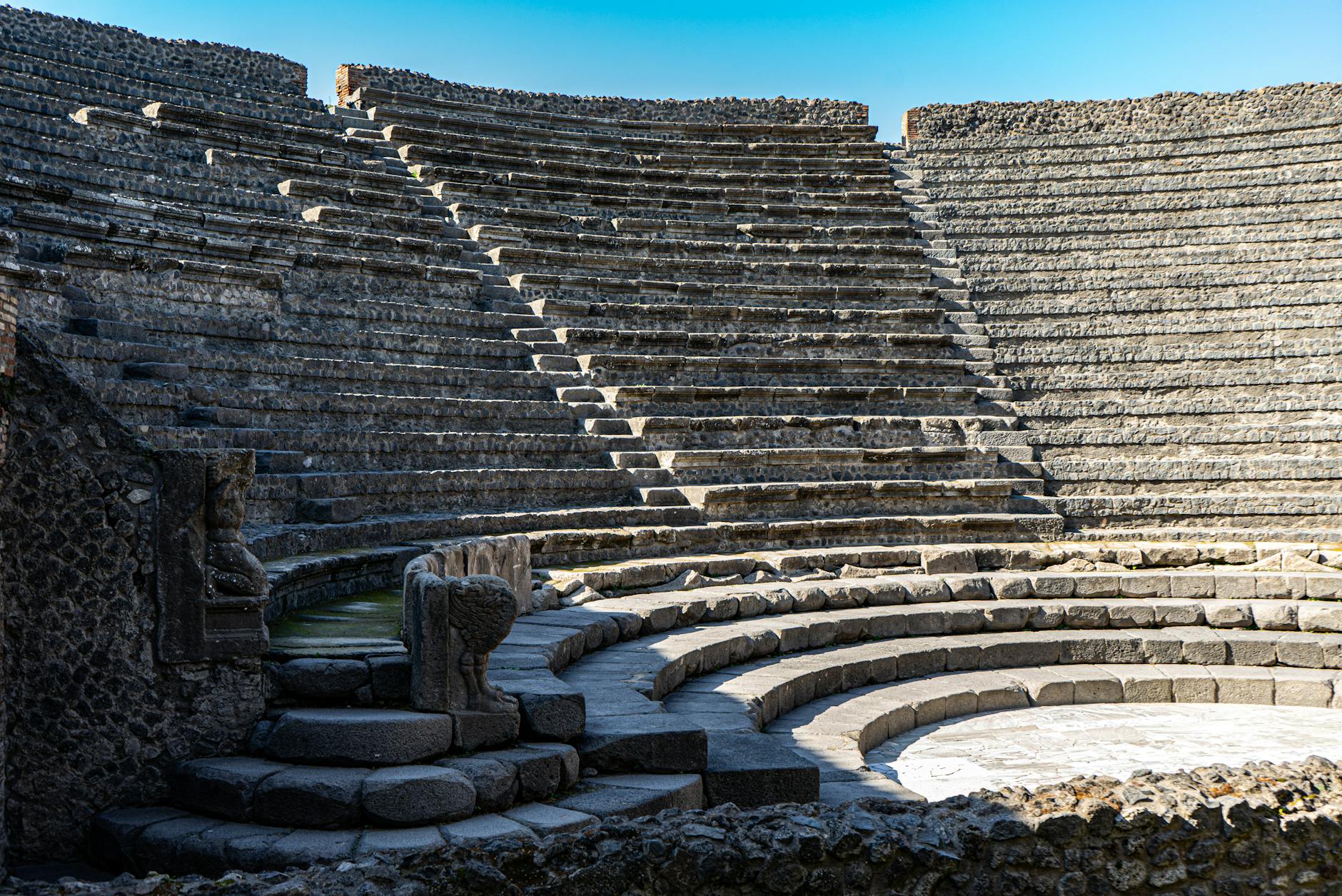
Pompeii near Naples in southern Italy offers the extraordinary experience of walking through a Roman city that was frozen in time by the eruption of Mount Vesuvius in 79 AD. The volcanic ash that buried and destroyed the city also preserved it in remarkable detail, leaving behind homes, shops, temples, and even food still sitting in its original vessels. Vivid frescoes, intricate mosaics, and everyday objects recovered from the site provide an unusually intimate portrait of daily Roman life at the height of the empire. The plaster casts made from voids left by human figures in the ash remain among the most moving and sobering artifacts in any archaeological site worldwide. The adjacent ruins of Herculaneum offer a smaller but equally well-preserved Roman town for visitors seeking a deeper understanding of the disaster and its times.
Luxor
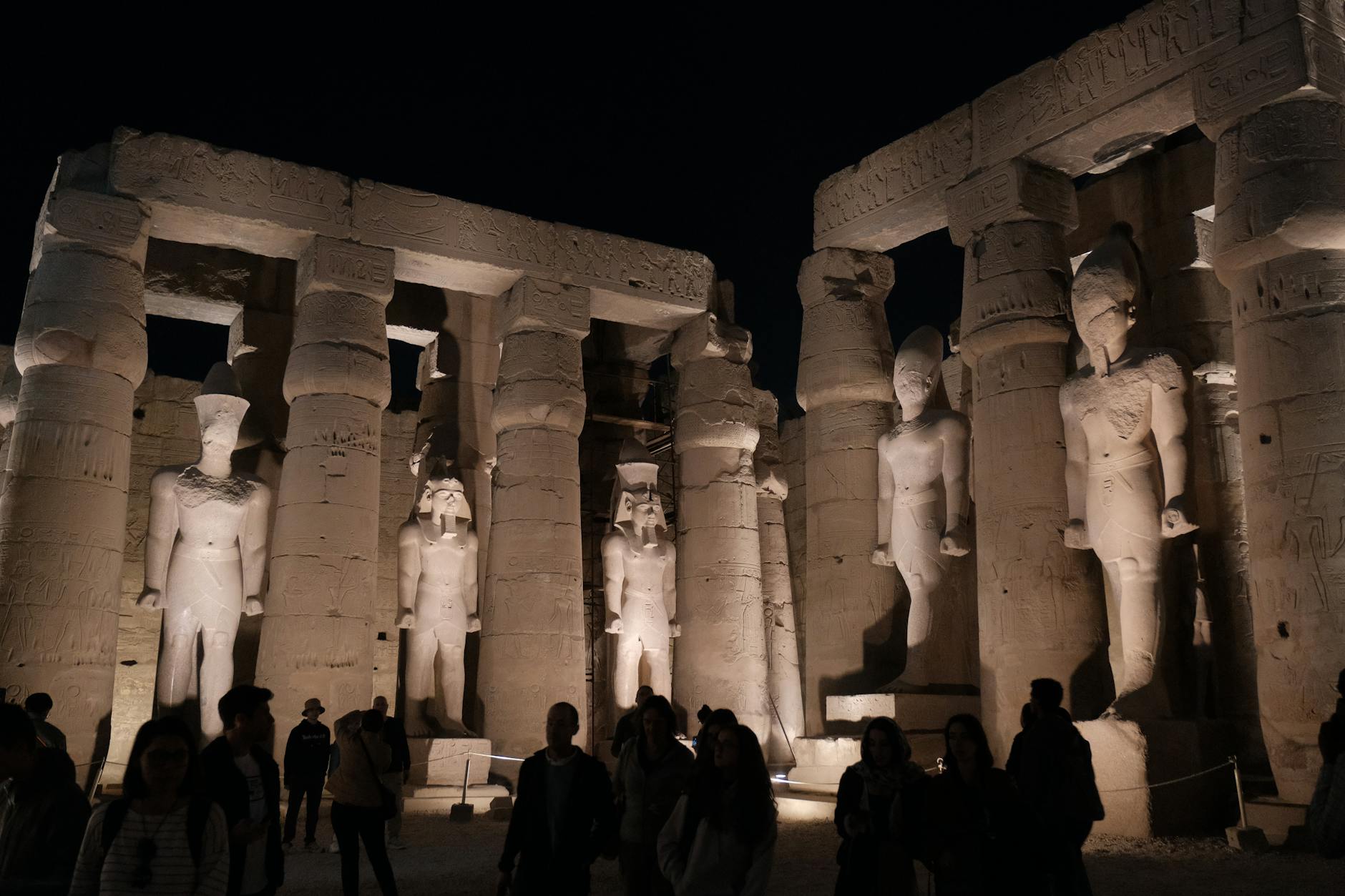
Luxor in southern Egypt stands on the site of ancient Thebes, the capital of Egypt during the height of its New Kingdom power, and is home to a concentration of ancient monuments unmatched anywhere on earth. The Karnak Temple Complex is a vast ceremonial city within a city, built and expanded by successive pharaohs over more than a thousand years to honor the god Amun. The Valley of the Kings across the Nile contains the elaborately decorated tombs of pharaohs including Tutankhamun and Ramesses the Great, their walls still vivid with hieroglyphic texts and painted imagery. The Temple of Luxor connected to Karnak by a long avenue of sphinxes has been in continuous religious use from ancient times through the Islamic period to the present day. Luxor is arguably the single most densely historical place on earth, and for serious history enthusiasts it represents a journey of a lifetime.
Cusco
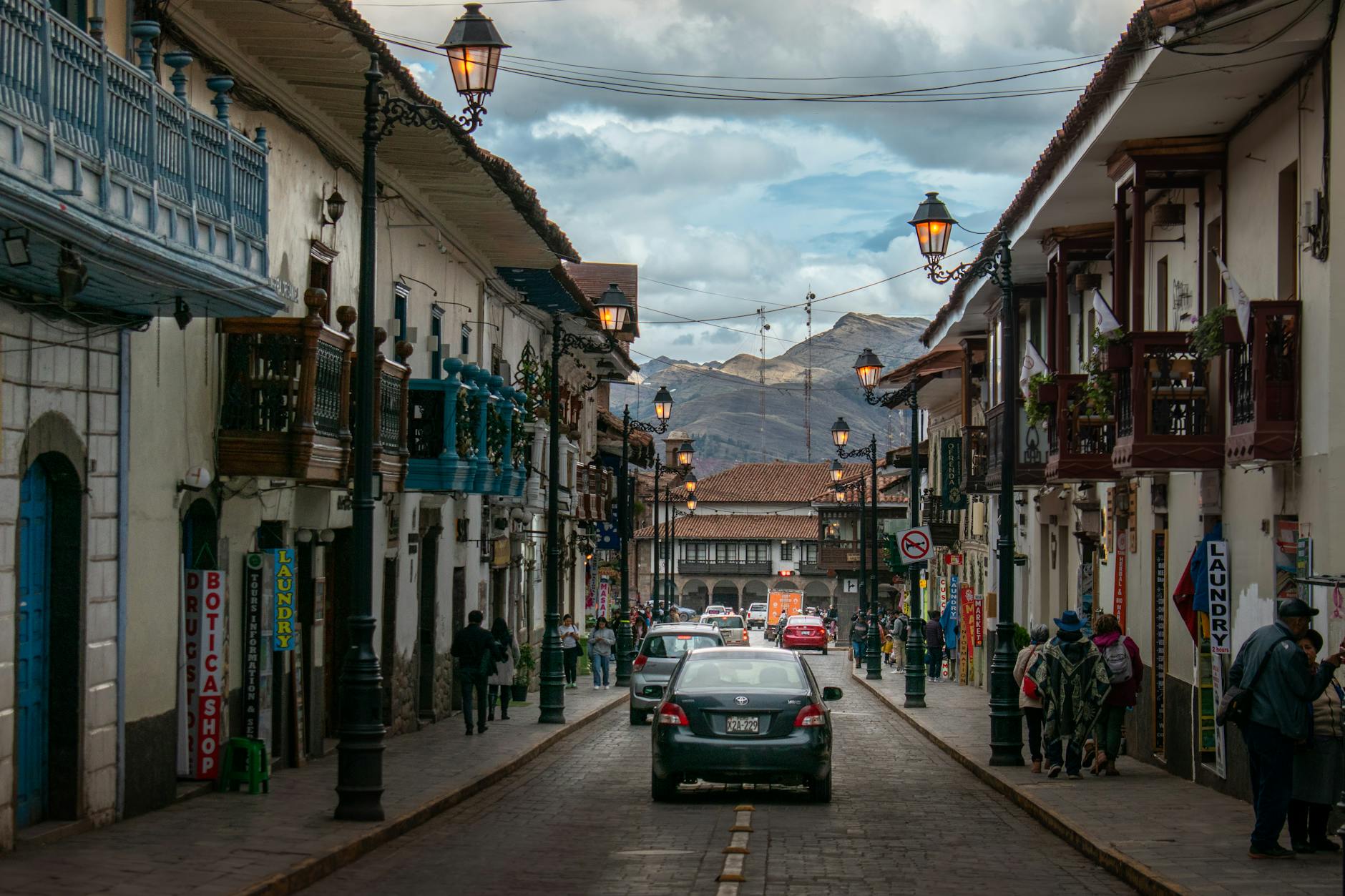
Cusco in the highlands of Peru served as the capital of the Inca Empire and remains one of the best-preserved examples of pre-Columbian urban planning in the Americas. The city’s historic center still follows the original Inca grid, with many Spanish colonial churches and palaces built directly on top of or incorporating the masterful stone foundations laid by Inca builders. The fortress of Sacsayhuaman above the city features walls constructed from stones weighing hundreds of tons, fitted together without mortar in a feat of engineering that archaeologists continue to study. The surrounding Sacred Valley contains a string of Inca sites each offering its own distinct window into the agricultural, ceremonial, and military dimensions of the empire. Cusco serves as both a magnificent historical destination in its own right and the natural starting point for deeper exploration of Inca civilization.
Florence
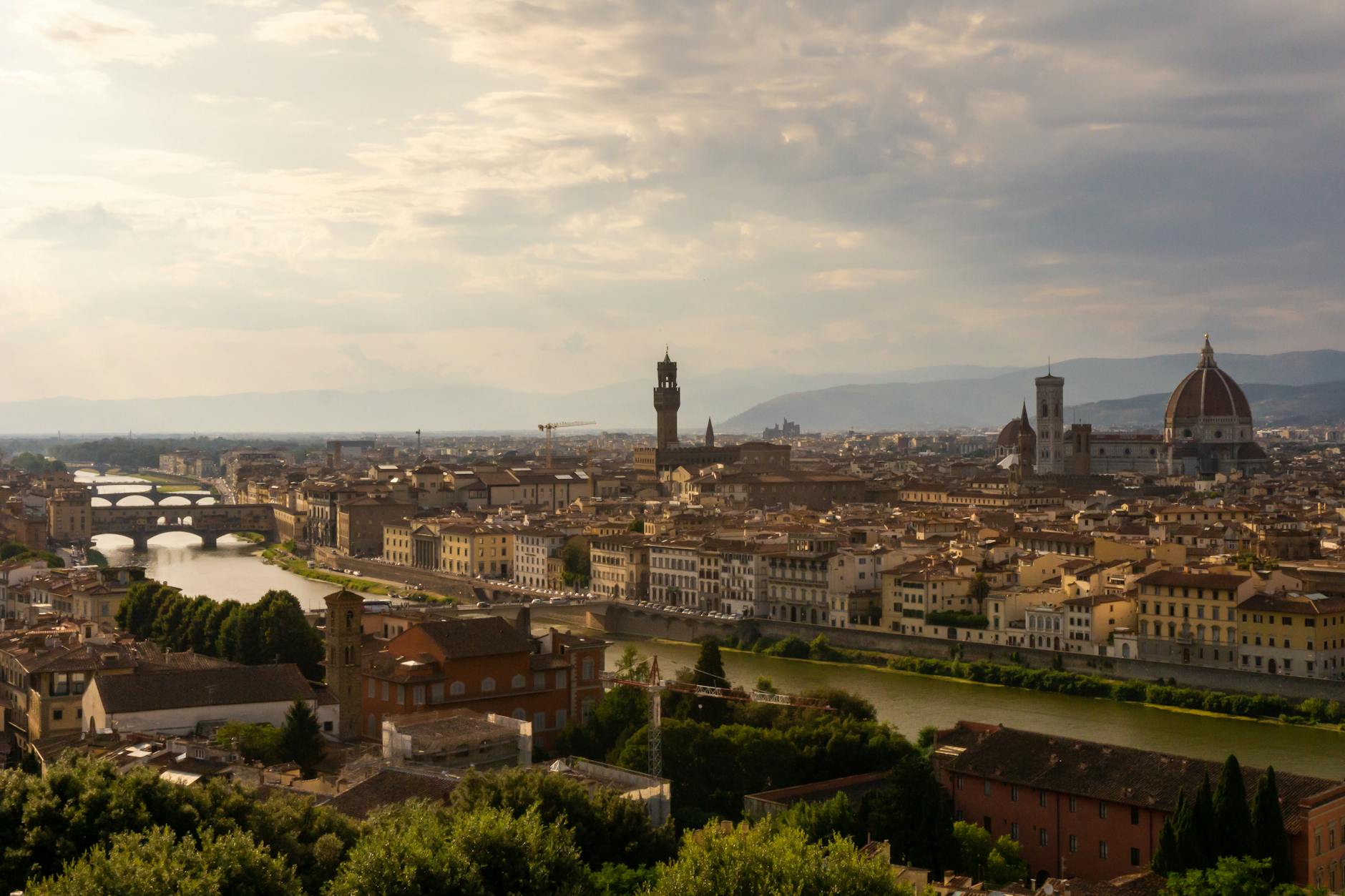
Florence is widely recognized as the birthplace of the Renaissance, the cultural and intellectual movement that fundamentally transformed European art, science, philosophy, and politics beginning in the fourteenth century. The Uffizi Gallery houses one of the greatest collections of Renaissance painting in the world, including masterworks by Botticelli, Leonardo da Vinci, and Michelangelo across rooms that feel almost impossibly rich in artistic heritage. The Duomo, completed in the fifteenth century with Brunelleschi’s revolutionary dome, remains an engineering marvel whose techniques influenced builders and architects across the Western world. The Medici family villas, palaces, and chapels scattered throughout the city tell the story of the patronage network that made the Renaissance possible in the first place. Florence is a city where every street, piazza, and building carries a chapter of one of the most transformative periods in human cultural history.
Varanasi
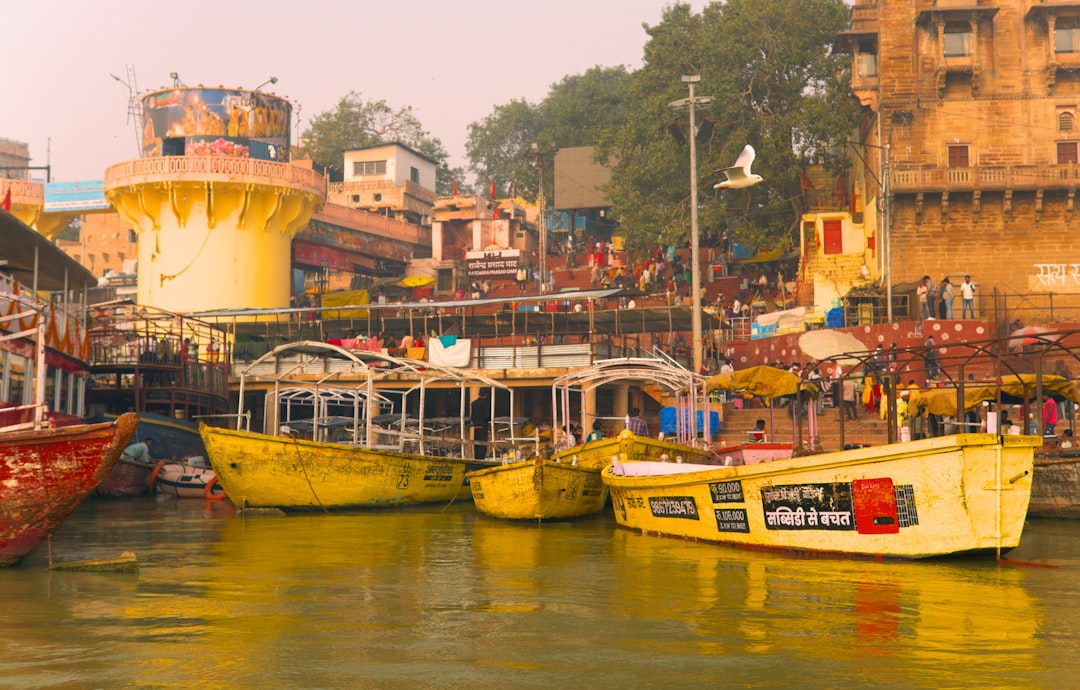
Varanasi on the banks of the Ganges River in northern India is considered one of the oldest continuously inhabited cities on earth, with a living tradition of religious and cultural practice stretching back at least three thousand years. Pilgrims arrive from across the Hindu world to bathe in the sacred river, perform rituals at the ghats, and participate in ceremonies that have remained largely unchanged for centuries. The evening aarti ceremony at Dashashwamedh Ghat is a powerful spectacle of fire, incense, and chanting that takes place every single day regardless of season or circumstance. The city’s ancient lanes wind through neighborhoods of temples, Sanskrit schools, silk weaving workshops, and cremation sites that together create an overwhelming density of living history. For history lovers interested in the continuity of human spiritual practice, Varanasi offers an experience with no real equivalent elsewhere in the world.
Chichen Itza
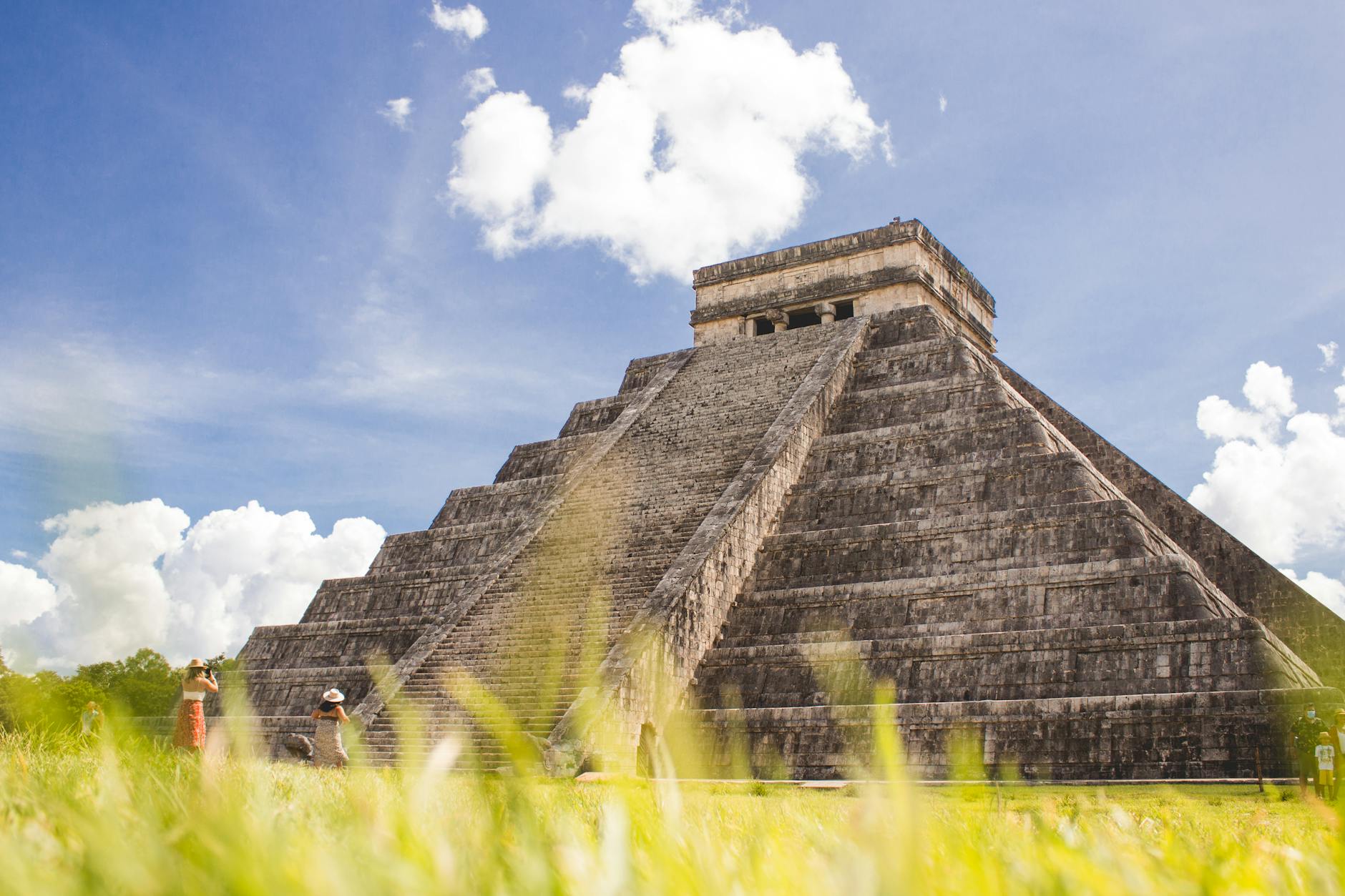
Chichen Itza in Mexico’s Yucatan Peninsula is one of the most thoroughly excavated and studied cities of the ancient Maya civilization, offering remarkable insight into their achievements in astronomy, mathematics, and urban architecture. The pyramid known as El Castillo was constructed with extraordinary astronomical precision, casting a shadow during the spring and autumn equinoxes that creates the illusion of a serpent descending its staircase. The Great Ball Court is the largest known ancient ball court in Mesoamerica, its carved reliefs depicting scenes from the ritual game that carried profound religious and political significance. The Sacred Cenote nearby served as a site of offerings and sacrifice, and archaeological dredging of its waters has revealed thousands of objects that illuminate Mayan ceremonial life. Chichen Itza represents a civilization of intellectual sophistication that continues to reveal new dimensions with every season of ongoing archaeological research.
Dubrovnik
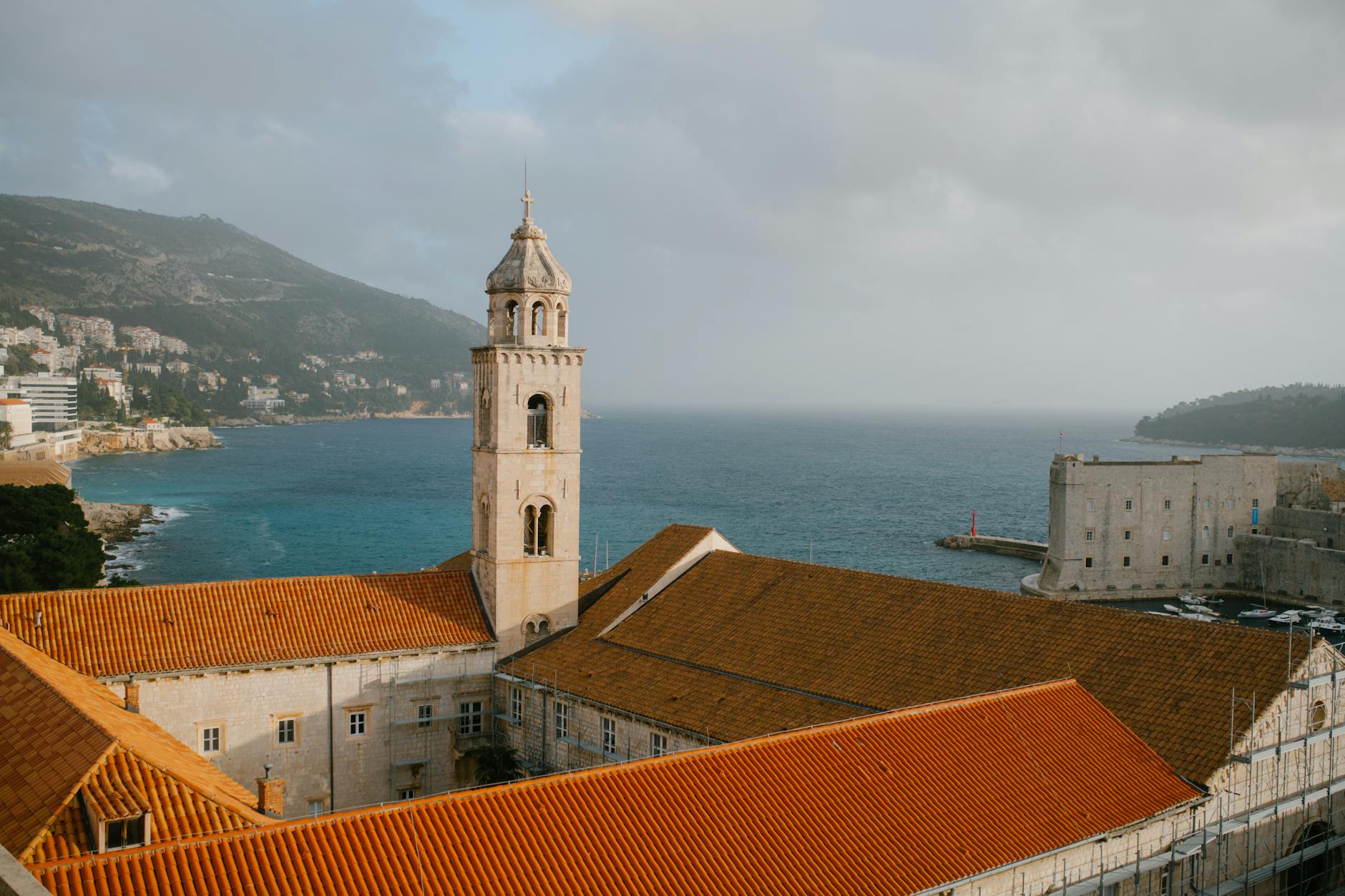
Dubrovnik on the Adriatic coast of Croatia is one of the most perfectly preserved medieval walled cities in Europe, its limestone streets and baroque architecture enclosed within formidable fortifications that have survived centuries of siege and conflict. The city’s history as the Republic of Ragusa made it one of the most important maritime trading states of the medieval Mediterranean, a diplomatic and commercial power whose influence stretched far beyond its modest size. The city walls, walkable in their entirety, offer sweeping views over the terracotta rooftops and the brilliant blue Adriatic that help convey the strategic and commercial logic behind the city’s extraordinary fortifications. The Rector’s Palace, the Franciscan Monastery with its fourteenth-century pharmacy, and the Dominican Monastery collectively tell the story of a city that balanced Renaissance humanism with deep religious tradition. Dubrovnik rewards visitors who move beyond the main promenade to explore the quieter lanes and lesser-known churches that contain equally remarkable fragments of its layered past.
Epidaurus
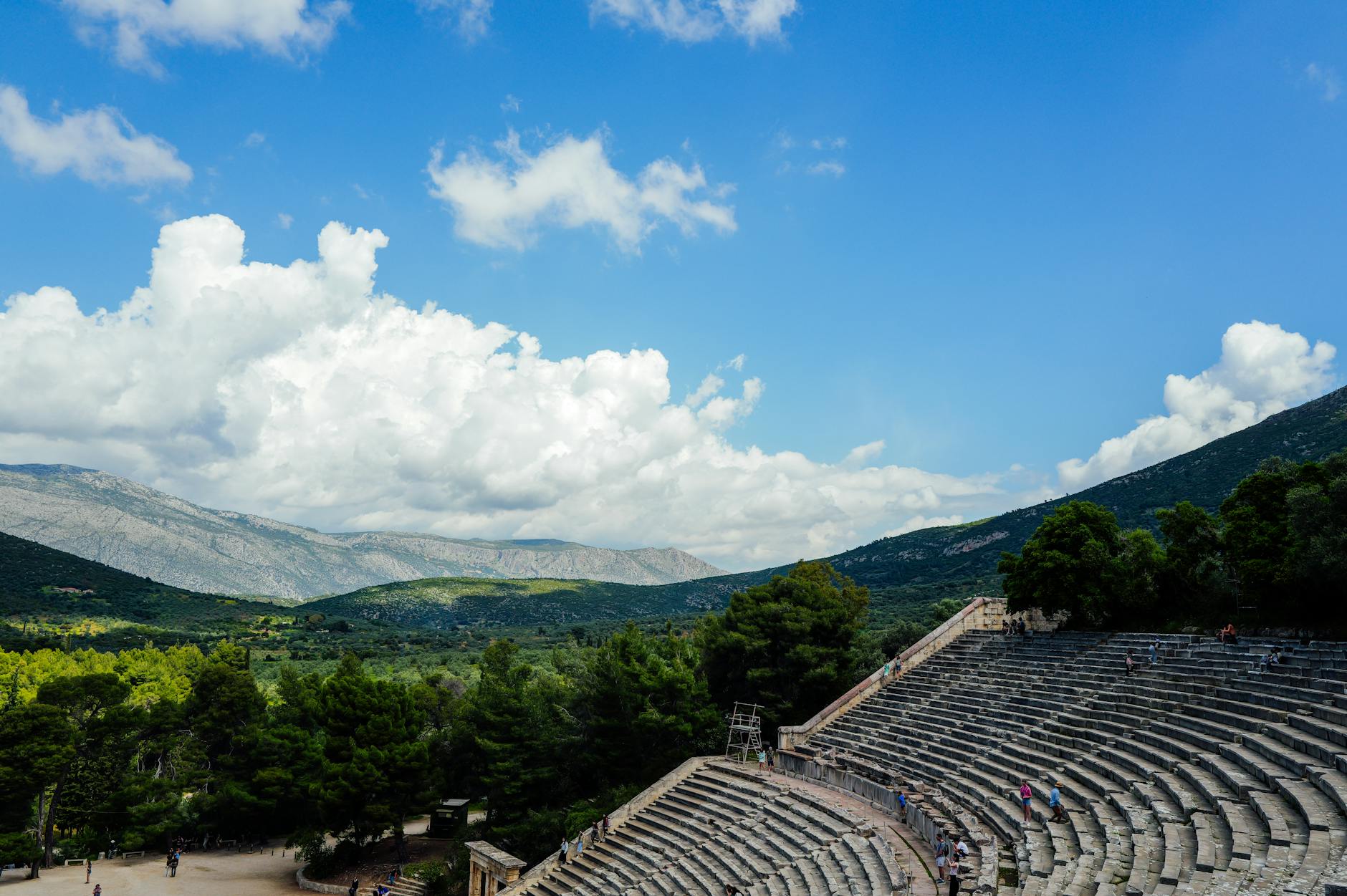
Epidaurus in the Peloponnese region of Greece is one of the ancient world’s most celebrated sanctuaries, dedicated to Asclepius, the god of medicine, drawing pilgrims seeking healing from across the Greek and Roman worlds. The sanctuary complex contains temples, bathing facilities, and a dormitory where the ill would sleep in hopes of receiving divine guidance through dreams that would guide their treatment. The ancient theater at Epidaurus is among the best-preserved in the world, capable of seating fourteen thousand spectators and renowned for its near-perfect acoustics that allow a whisper on stage to be heard at the highest tier. Archaeological excavations at the site continue to yield medical instruments, votive offerings, and inscribed testimonials from patients who recorded their experiences of miraculous cures. Epidaurus offers a uniquely personal connection to the ancient world, centered not on warfare or politics but on the enduringly human hope for health and healing.
Carthage
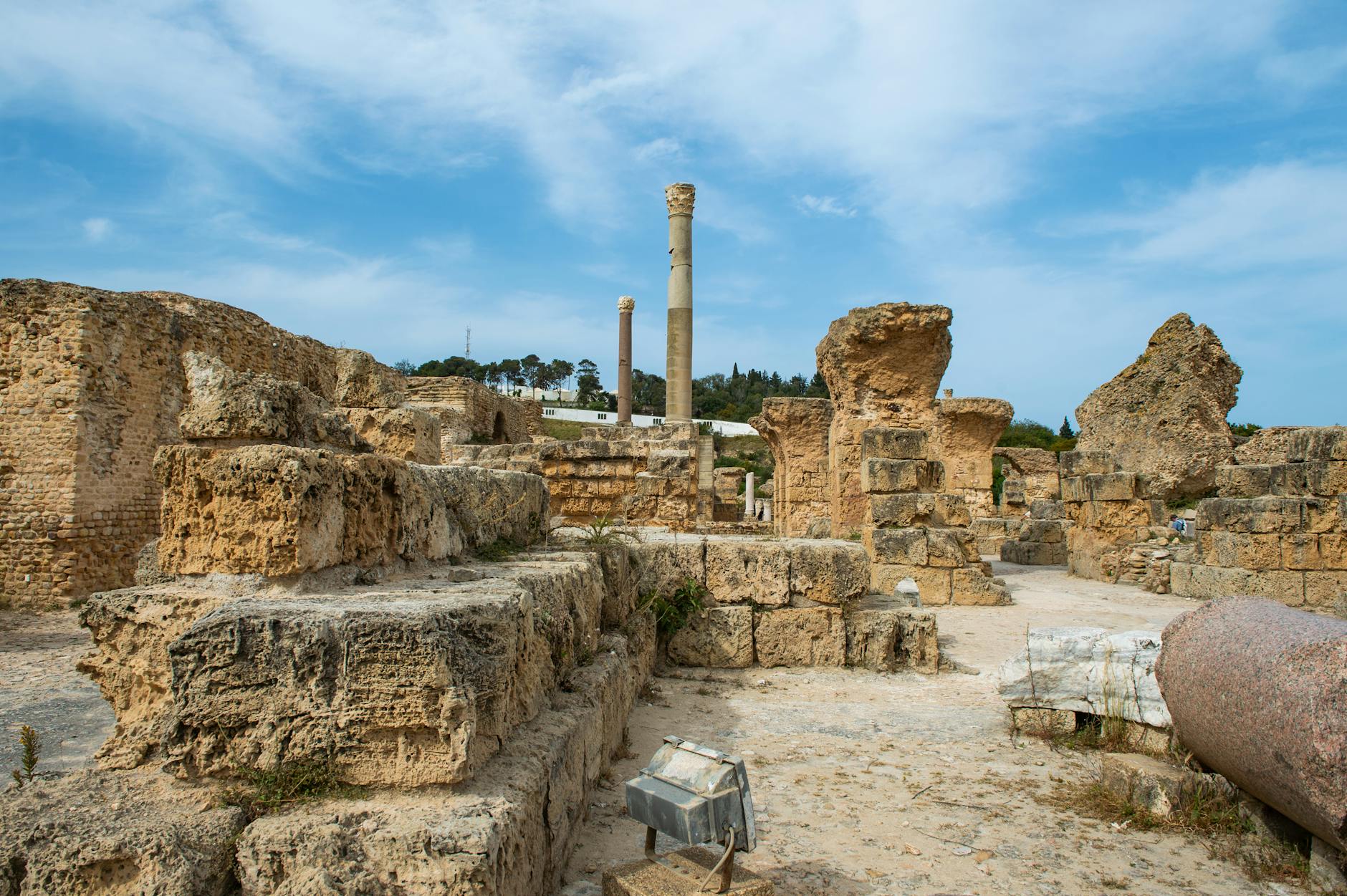
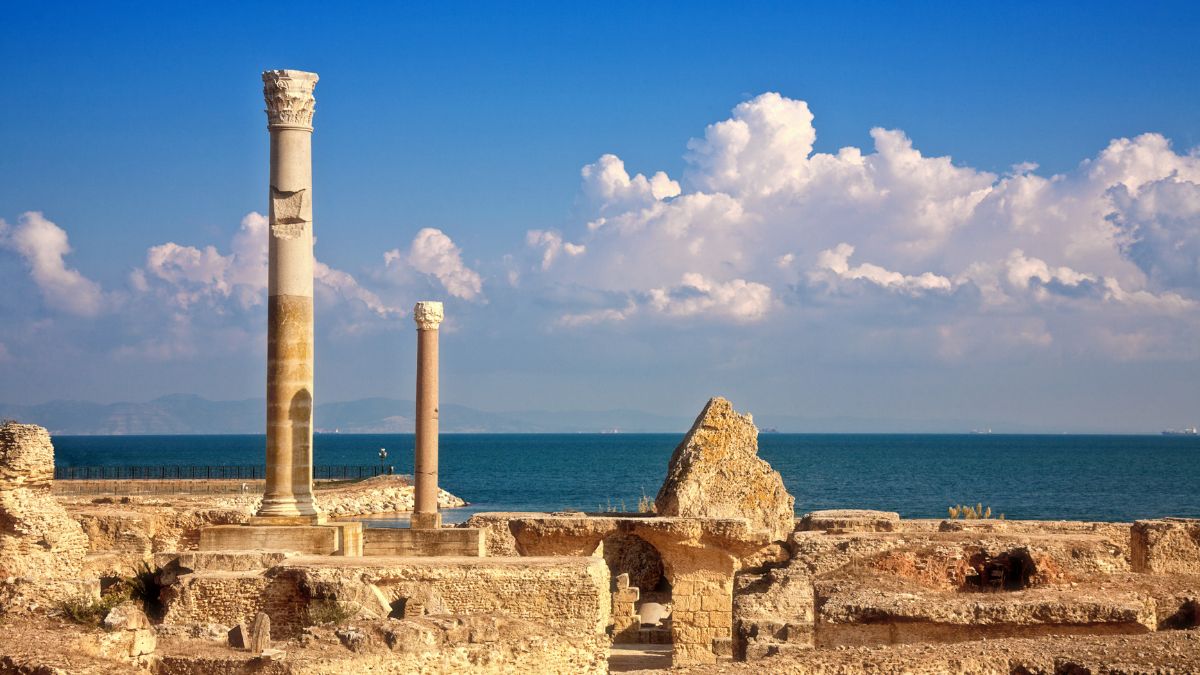
Carthage on the outskirts of modern Tunis in Tunisia was once one of the most powerful cities in the ancient Mediterranean world, the capital of a North African empire that rivaled Rome for centuries before its ultimate destruction in 146 BC. The Punic ports, reconstructed and interpreted at the archaeological site, give a vivid sense of the naval and commercial might that made Carthage the dominant maritime power of the western Mediterranean for generations. Roman Carthage was rebuilt on the ruins of the Punic city and became one of the most prosperous urban centers of the empire, its amphitheater, villas, and baths still partially visible across the site. The Bardo National Museum in Tunis houses one of the finest collections of Roman mosaics in the world, most recovered from the villas and public buildings of Carthaginian soil. Visiting Carthage means engaging with a chapter of ancient history that shaped the entire western Mediterranean yet remains far less familiar to most travelers than Rome or Athens.
Bruges
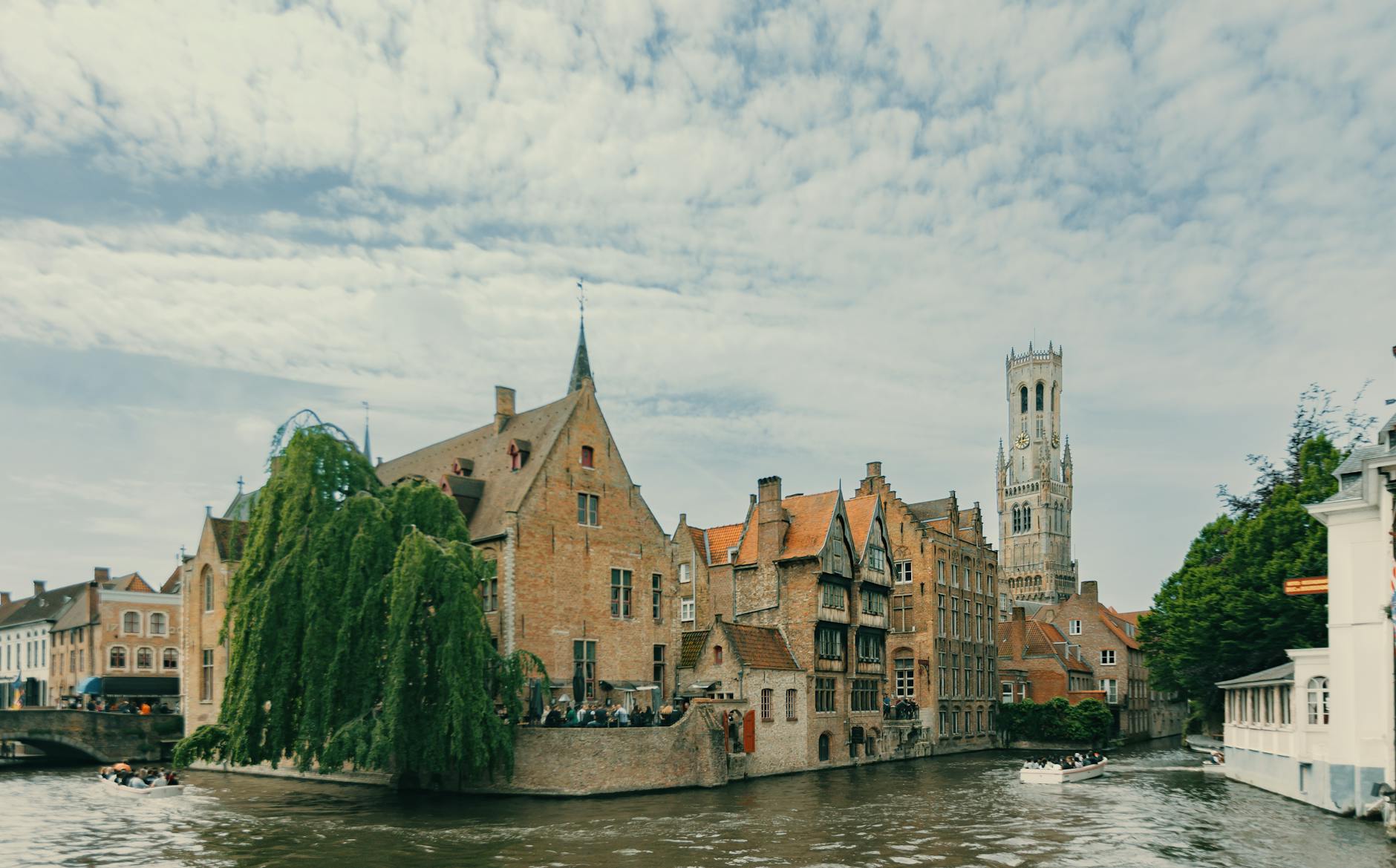
Bruges in northern Belgium is one of the best-preserved medieval cities in northern Europe, its canal-laced streets and Gothic architecture surviving largely intact from the height of its medieval prosperity. During the fourteenth and fifteenth centuries, Bruges was one of the wealthiest and most cosmopolitan cities in the world, serving as a major hub of the cloth trade and early international finance. The Groeningemuseum houses a world-class collection of Flemish Primitive paintings, including masterworks by Jan van Eyck who spent a significant portion of his career in the city. The Basilica of the Holy Blood contains what is said to be a relic brought from the Holy Land, and its veneration has been continuous since the twelfth century in a tradition that reflects the deeply layered religious history of the region. Bruges is a city that history lovers can explore at a leisurely pace, finding remarkable depth in what at first glance appears simply to be one of Europe’s most picturesque destinations.
Nara
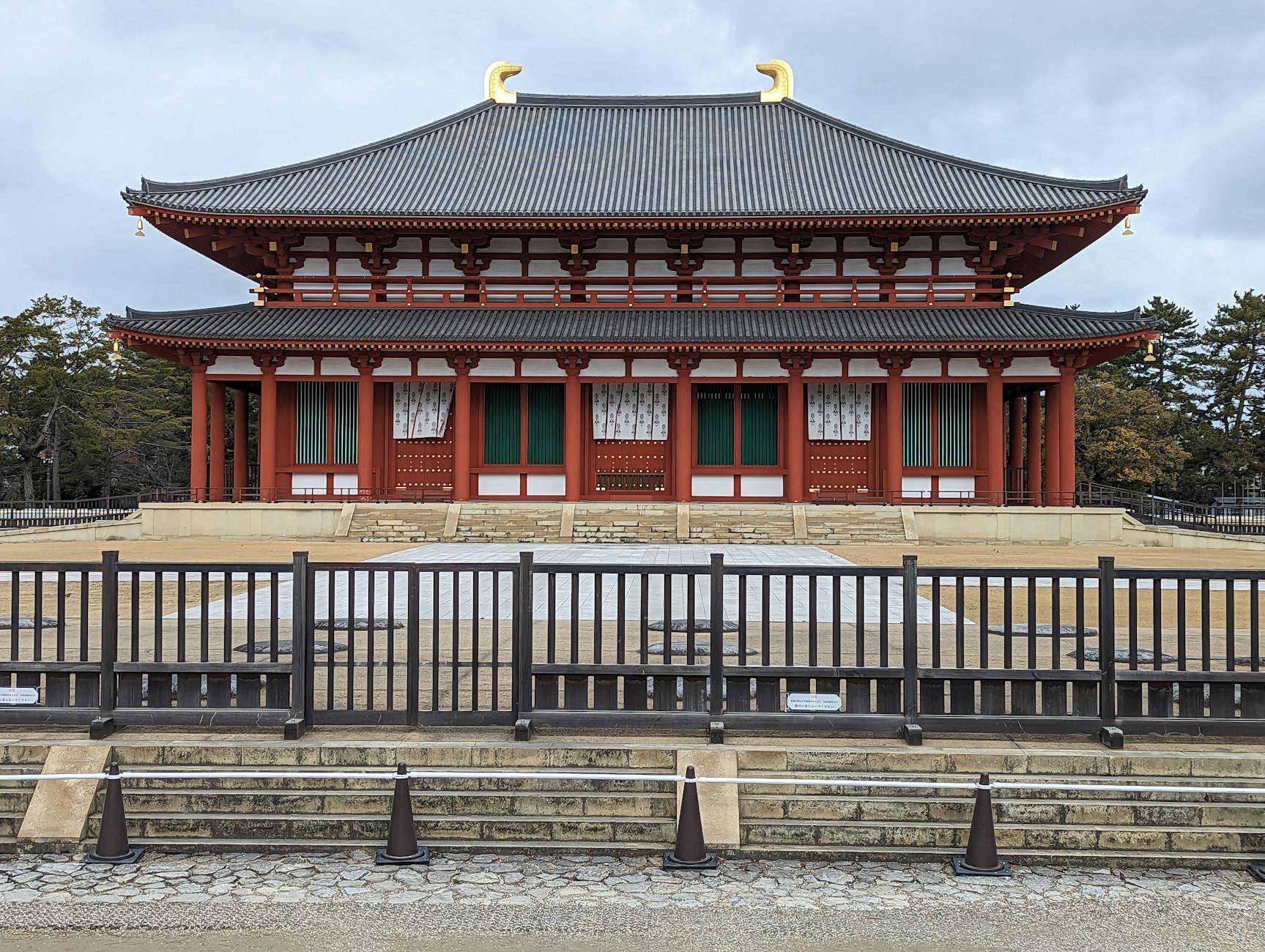
Nara in Japan served as the country’s first permanent capital during the eighth century and retains some of the most significant and oldest surviving wooden structures and Buddhist monuments in the world. The Great Buddha housed inside Todai-ji Temple is the world’s largest bronze statue of Buddha, cast in the eighth century within the world’s largest wooden building, a combination that creates one of the most genuinely awe-inspiring historical encounters in all of East Asia. The Nara basin surrounding the city contains burial mounds from the Kofun period dating back to the third century, offering a window into Japanese civilization that predates the Buddhist era entirely. The presence of hundreds of freely roaming deer throughout the city’s parklands connects to ancient religious tradition, as these animals were historically regarded as sacred messengers of the gods. Nara rewards visitors who approach it as a layered historical landscape rather than simply a day trip from nearby Kyoto, as its depth of heritage is remarkable in its own right.
Stonehenge
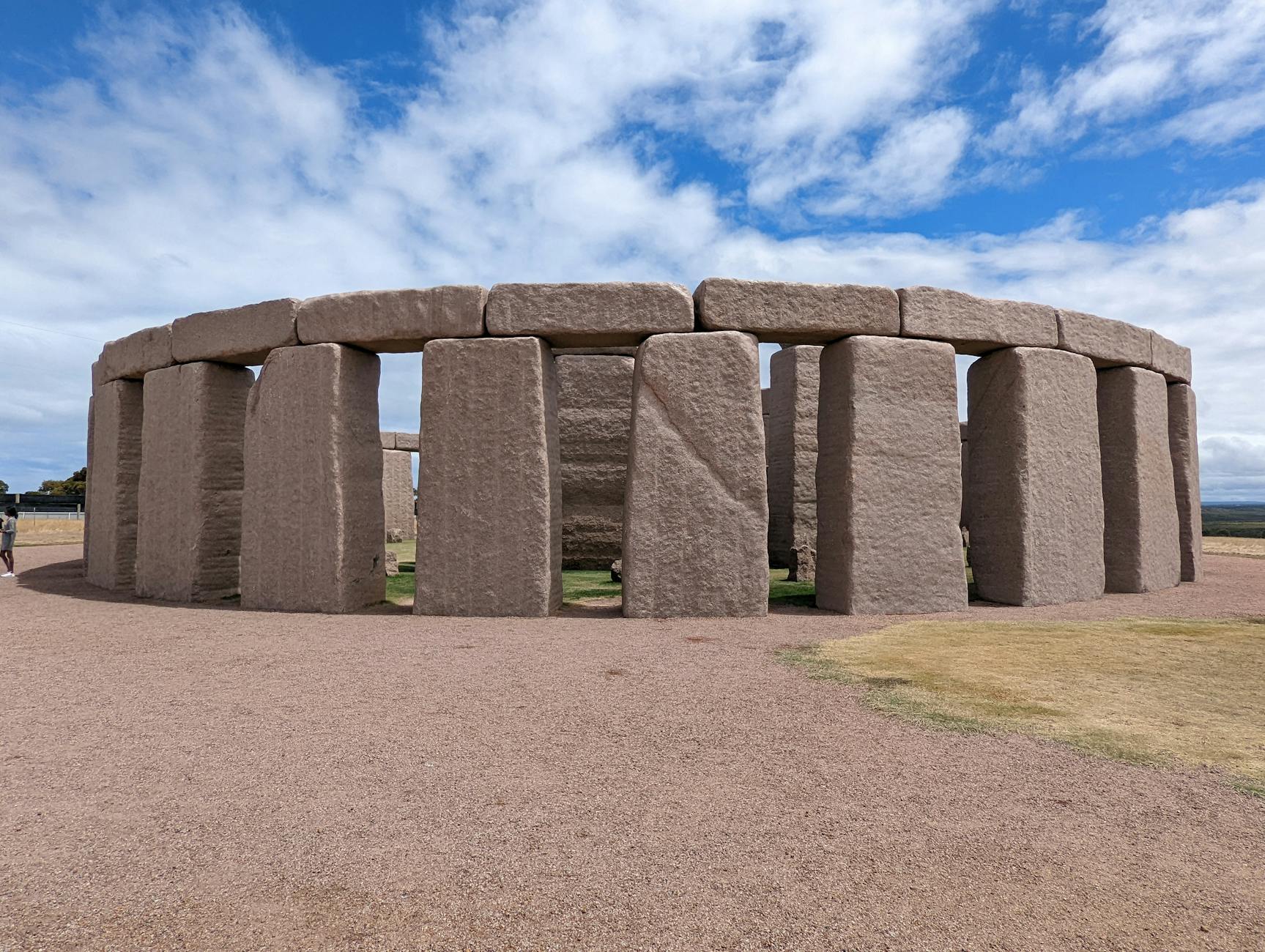
Stonehenge on Salisbury Plain in southern England is one of the world’s most mysterious and debated prehistoric monuments, its massive sarsen and bluestones arranged with a precision that continues to generate scholarly fascination and public wonder. Built in several phases beginning around five thousand years ago, the site predates the pyramids of Egypt and demonstrates a level of astronomical knowledge and organizational capacity that challenges assumptions about Neolithic societies. The alignment of the stones with the solstice sunrise and sunset suggests that the monument served complex ceremonial and calendrical functions for the communities that built and used it over many centuries. The broader Stonehenge landscape is now understood to be part of a vast ceremonial complex that includes other monuments, burial mounds, and processional avenues extending across the surrounding plain. The continuing mystery around Stonehenge’s construction and purpose is precisely what makes it so compelling, a monument that refuses easy explanation and keeps drawing both scholars and travelers back for another look.
Which of these destinations is already on your travel list, and which one surprised you most? Share your thoughts in the comments.




