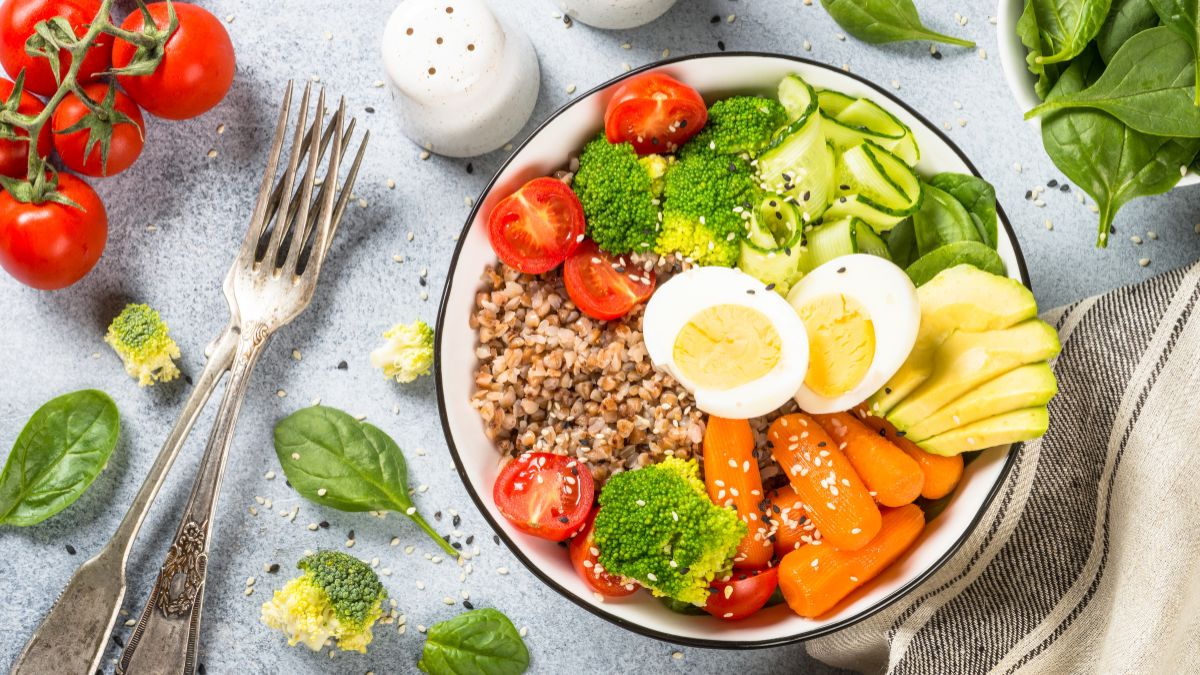
A healthy digestive system is the foundation of overall wellness, and the foods you eat play a direct role in how efficiently your body processes nutrients. Certain ingredients are packed with fiber, enzymes, and beneficial bacteria that support gut health from the inside out. Adding these foods to your regular diet can ease discomfort, reduce bloating, and keep your digestive tract functioning at its best. From fermented staples to fiber-rich fruits, these 30 foods are among the most powerful allies your gut can have.
Yogurt
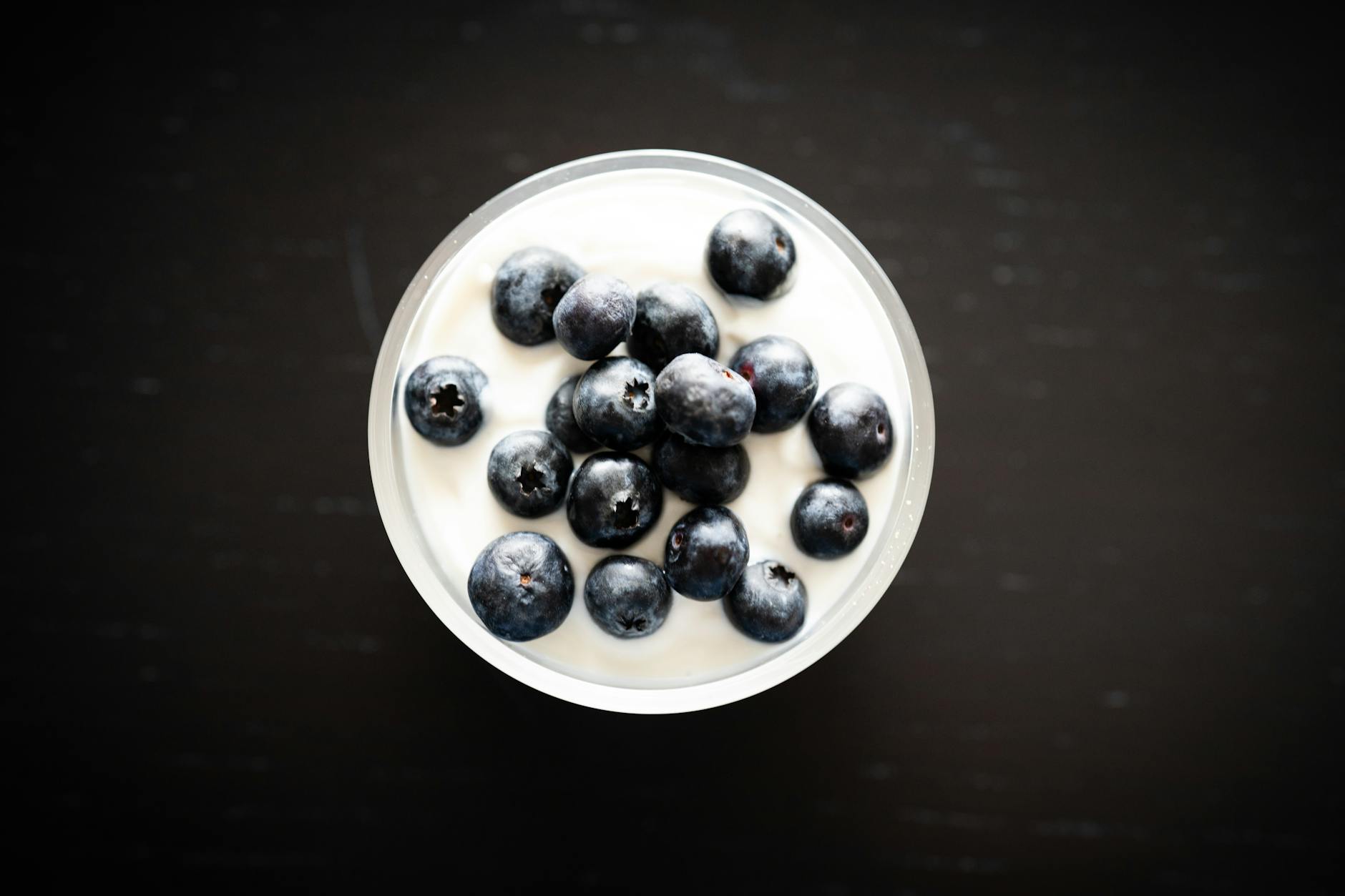
Yogurt is one of the most well-known probiotic foods available, containing live cultures of beneficial bacteria such as Lactobacillus and Bifidobacterium. These microorganisms help restore balance to the gut microbiome, which plays a central role in digestion and immune function. Regular consumption has been associated with reduced symptoms of irritable bowel syndrome and improved regularity. Choosing plain, unsweetened varieties ensures you get the maximum probiotic benefit without added sugars that can disrupt gut health.
Ginger
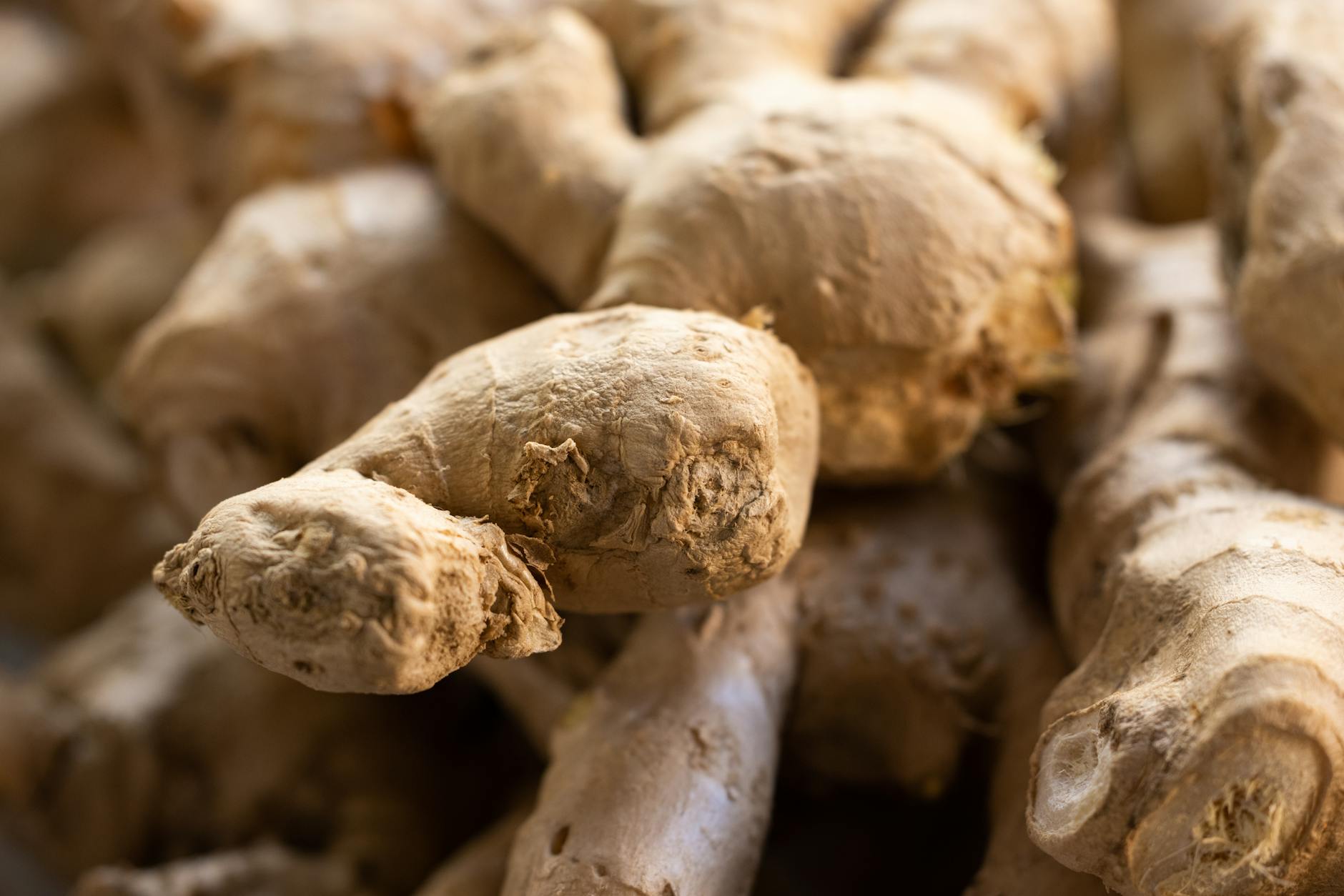
Ginger has been used for centuries across cultures as a natural remedy for digestive complaints including nausea, bloating, and indigestion. Its active compounds, gingerols and shogaols, stimulate digestive enzymes and help move food through the gastrointestinal tract more efficiently. Studies suggest that ginger can accelerate gastric emptying, which reduces the sensation of fullness and discomfort after meals. It can be consumed as fresh root, brewed into tea, or added to cooked dishes for consistent digestive support.
Kefir

Kefir is a fermented dairy drink that contains a broader and more diverse range of probiotic strains than standard yogurt. The fermentation process partially breaks down lactose, making it easier to tolerate for those with mild lactose sensitivity. It also provides a notable amount of protein and calcium alongside its gut-supporting bacteria. Research has linked regular kefir consumption to improvements in digestion, bowel regularity, and markers of gut inflammation.
Papaya
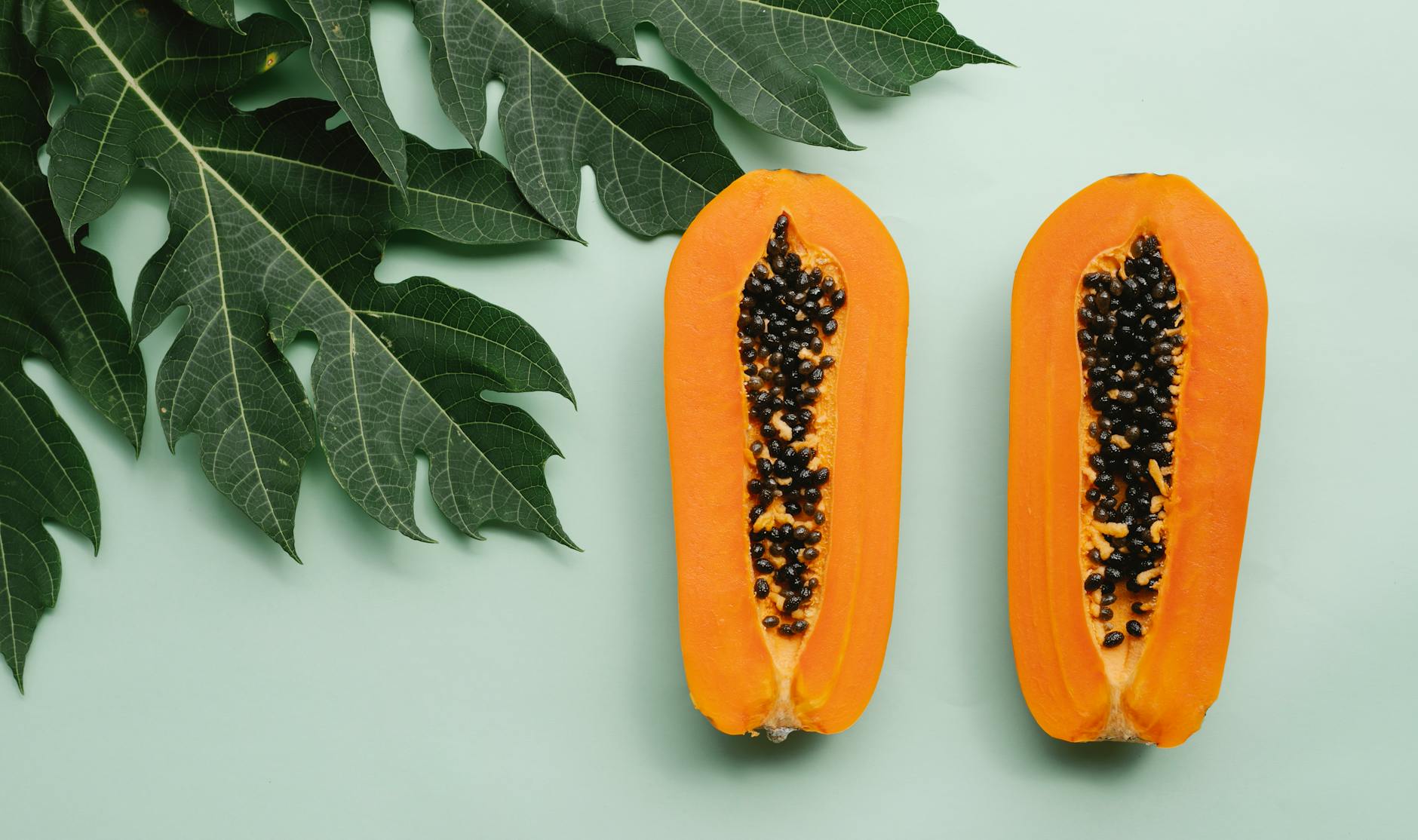
Papaya contains an enzyme called papain that actively breaks down proteins in the digestive tract, easing the workload of the stomach and small intestine. This tropical fruit is also high in fiber, which supports healthy bowel movements and prevents constipation. The combination of water content and digestive enzymes makes papaya particularly effective at soothing an irritated gut. It is most potent when eaten fresh and ripe, as enzyme activity is highest at peak ripeness.
Kimchi

Kimchi is a traditional Korean fermented vegetable dish typically made with cabbage, radish, and a blend of spices. The fermentation process generates a rich population of lactic acid bacteria that directly benefit the gut microbiome. These bacteria help crowd out harmful microorganisms and support the integrity of the intestinal lining. Kimchi also provides dietary fiber and antioxidants, making it a well-rounded addition to a gut-supportive diet.
Bananas
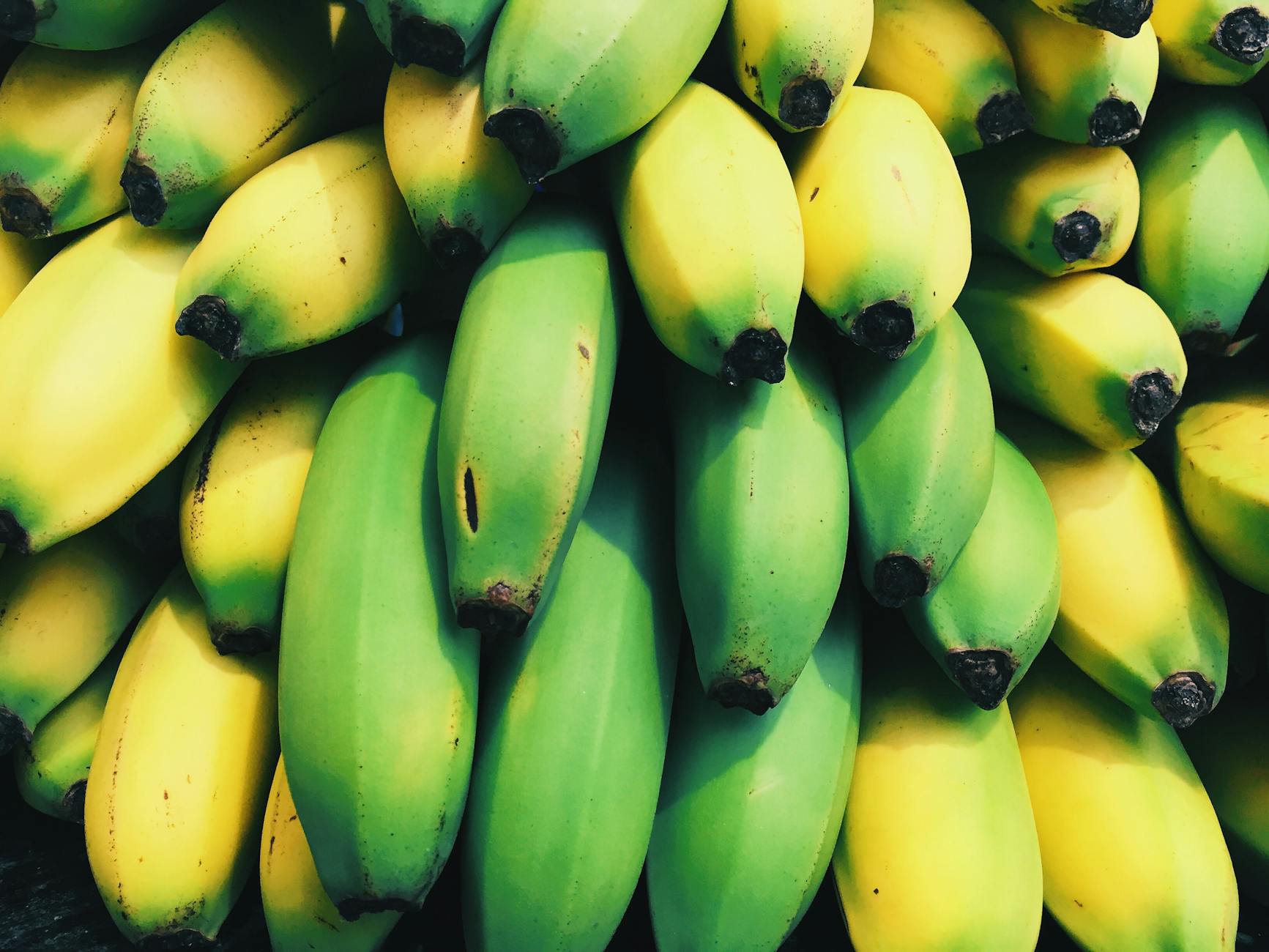
Bananas are rich in dietary fiber, particularly pectin and resistant starch, both of which feed beneficial bacteria in the colon. Unripe bananas contain higher amounts of resistant starch, which acts as a prebiotic and supports the growth of healthy gut flora. Ripe bananas are gentler on the stomach and are commonly recommended during episodes of digestive upset. Their natural potassium content also helps maintain electrolyte balance, which is important for smooth muscle function in the gut.
Whole Grains
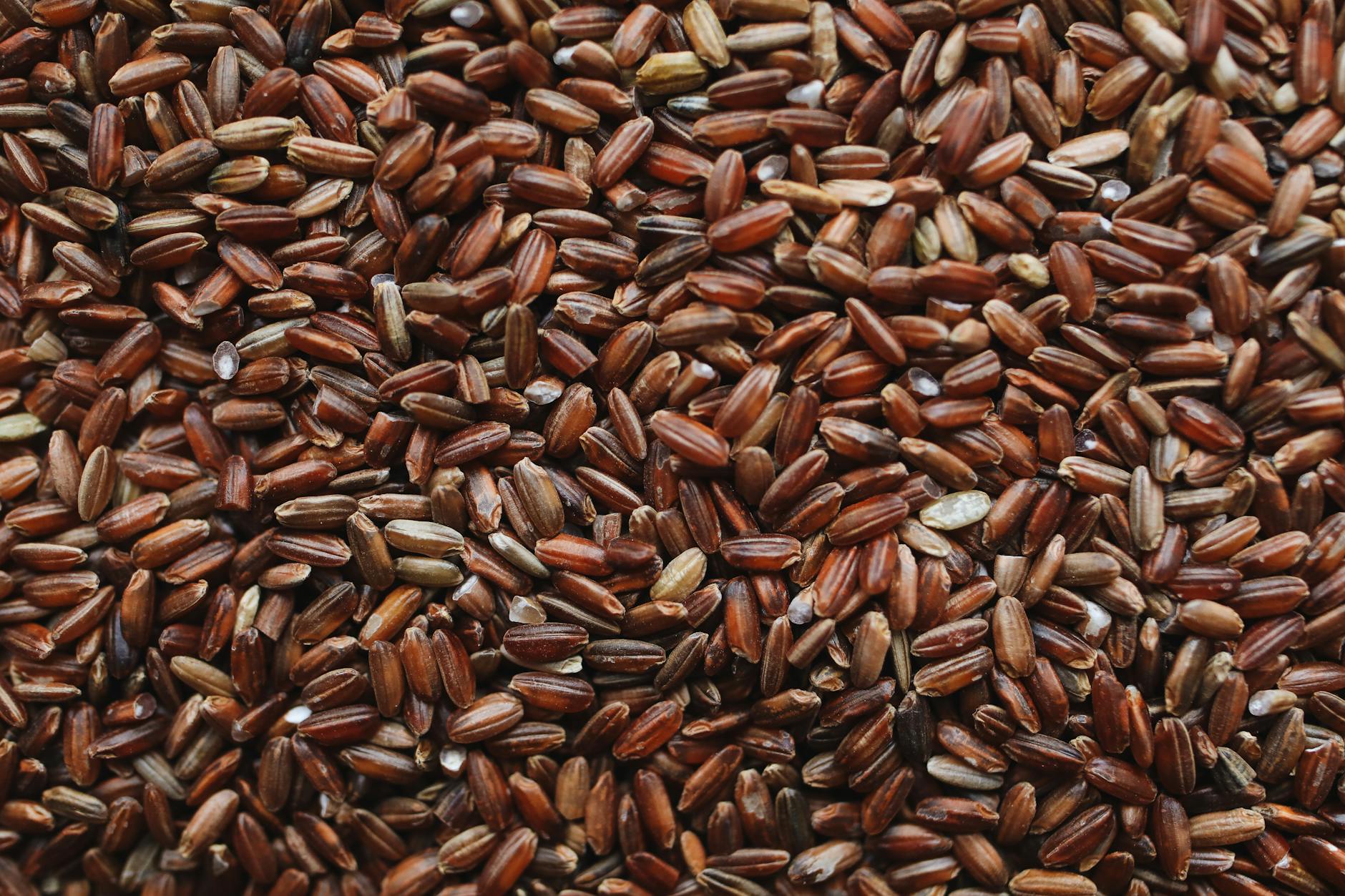
Whole grains such as oats, brown rice, and barley are excellent sources of insoluble and soluble fiber that support healthy digestion. Insoluble fiber adds bulk to the stool and promotes regularity, while soluble fiber forms a gel-like substance that slows digestion and stabilizes nutrient absorption. Oats in particular contain beta-glucan, a type of soluble fiber that feeds beneficial gut bacteria and supports immune function. Replacing refined grains with whole grain alternatives is one of the most impactful dietary shifts for long-term digestive health.
Sauerkraut
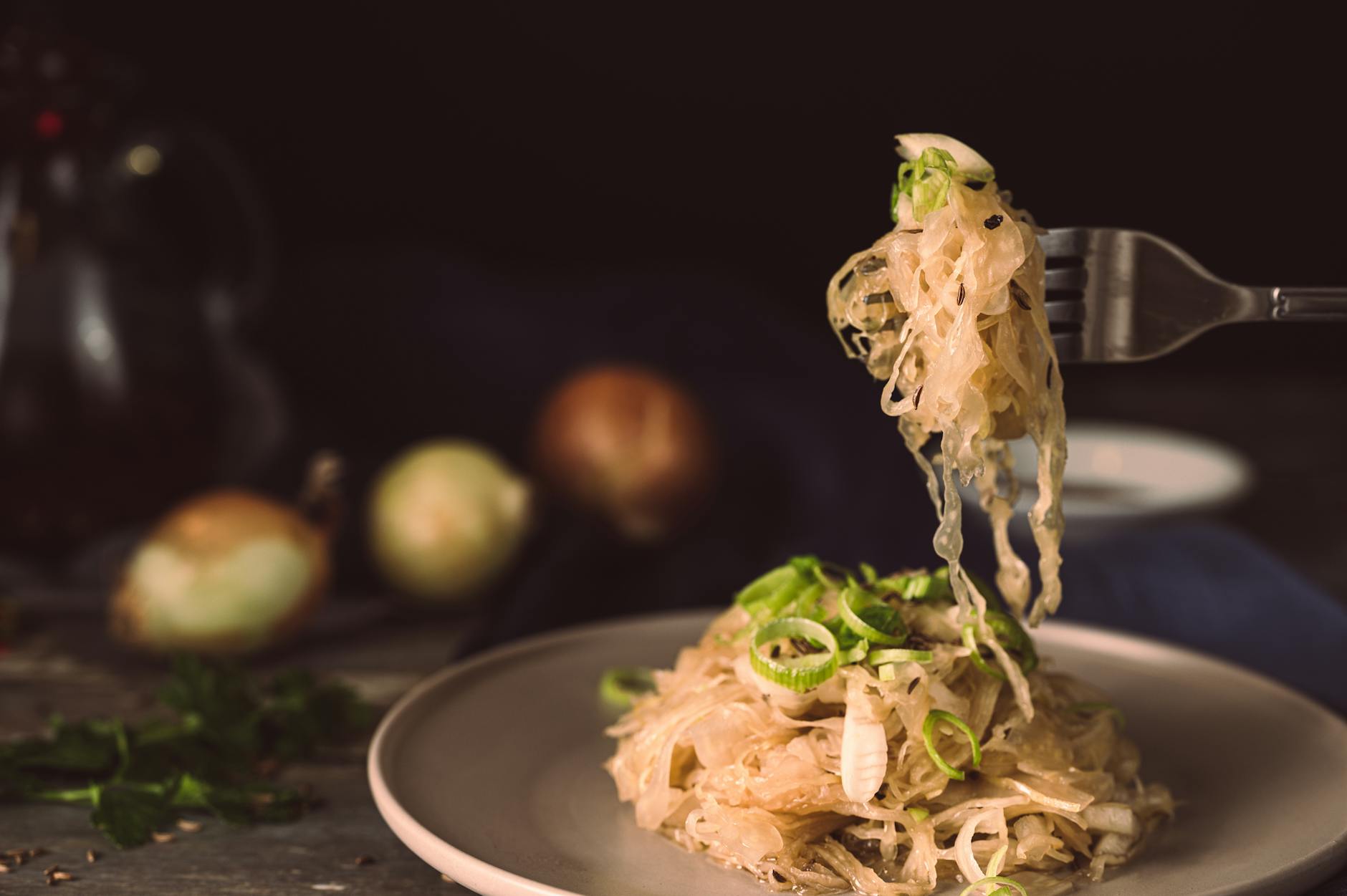
Sauerkraut is finely shredded cabbage that has been fermented by lactic acid bacteria, producing a tangy condiment rich in probiotics. The fermentation process significantly increases the bioavailability of nutrients in the cabbage, including vitamin C and various B vitamins. Raw, unpasteurized sauerkraut retains the highest levels of live cultures, as heat from pasteurization can destroy beneficial bacteria. Adding a small serving to meals regularly can contribute meaningfully to gut microbiome diversity.
Leafy Greens
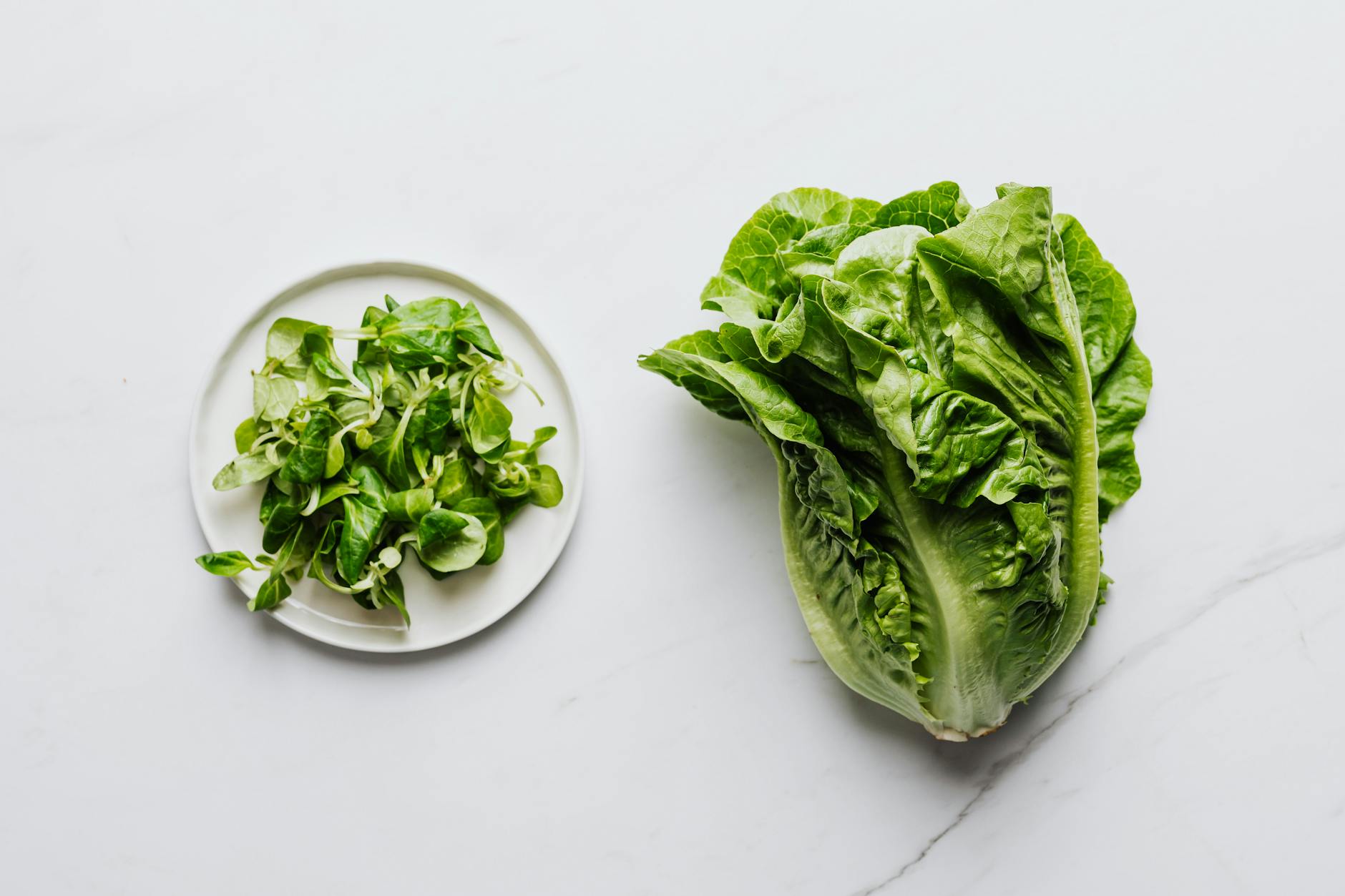
Leafy greens such as spinach, kale, and Swiss chard are high in fiber and magnesium, two nutrients that directly support healthy bowel function. They also contain a sugar molecule called sulfoquinovose, which selectively feeds beneficial gut bacteria while inhibiting the growth of harmful strains. The chlorophyll in dark leafy greens has been shown to support the health of the intestinal lining. Their high water content further aids digestion by helping move food through the digestive tract with ease.
Miso
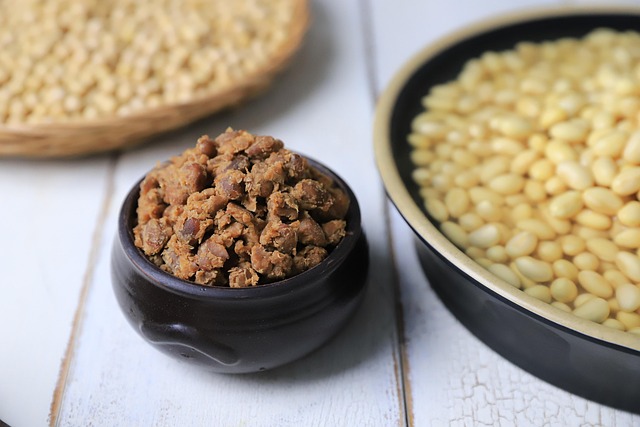
Miso is a fermented paste made from soybeans and typically salt and koji mold, used widely in Japanese cuisine. The fermentation process creates beneficial bacteria and enzymes that support the breakdown of food and promote gut microbiome diversity. Miso is also a source of essential amino acids and minerals that support overall digestive health. Because it is most commonly consumed dissolved in warm water or broth, it is a gentle and easily absorbed addition to the diet.
Apples

Apples are a significant source of pectin, a soluble fiber that acts as a prebiotic by feeding beneficial bacteria in the large intestine. This fiber also helps regulate bowel movements by adding bulk and drawing water into the colon. Research suggests that regular apple consumption is associated with increased populations of Lactobacillus and Bifidobacterium in the gut. Eating apples with the skin on maximizes fiber intake and provides additional polyphenols that have anti-inflammatory effects in the digestive tract.
Fennel
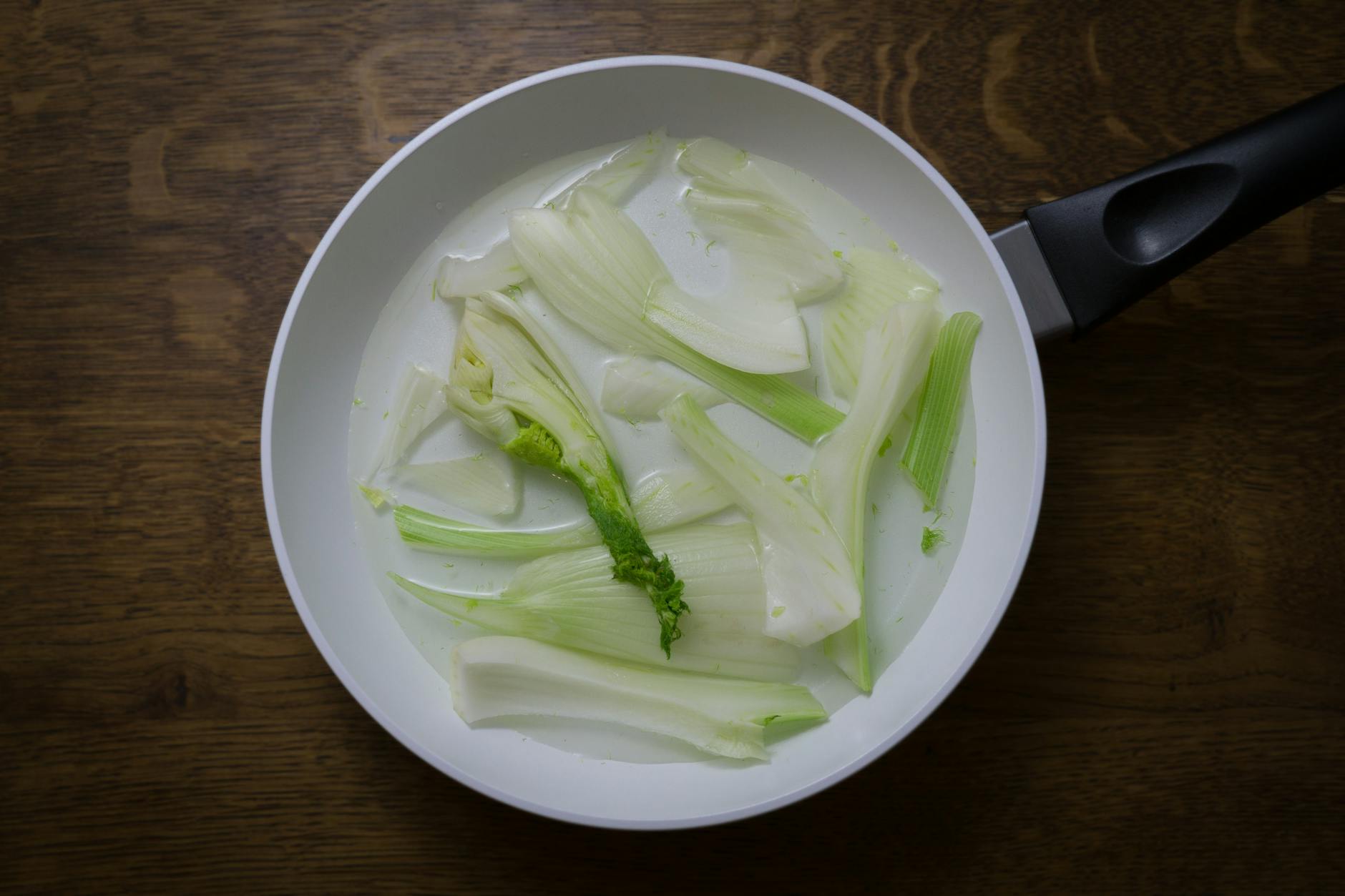
Fennel is a vegetable and herb with a mild anise-like flavor that has long been used to relieve digestive complaints including bloating, gas, and cramping. Its fiber content supports regular bowel movements and feeds beneficial gut microorganisms. Fennel contains a compound called anethole, which has been shown to relax the smooth muscles of the gastrointestinal tract and reduce spasms. Both the bulb and the seeds can be used therapeutically, with fennel seed tea being a traditional remedy for post-meal digestive discomfort.
Pineapple
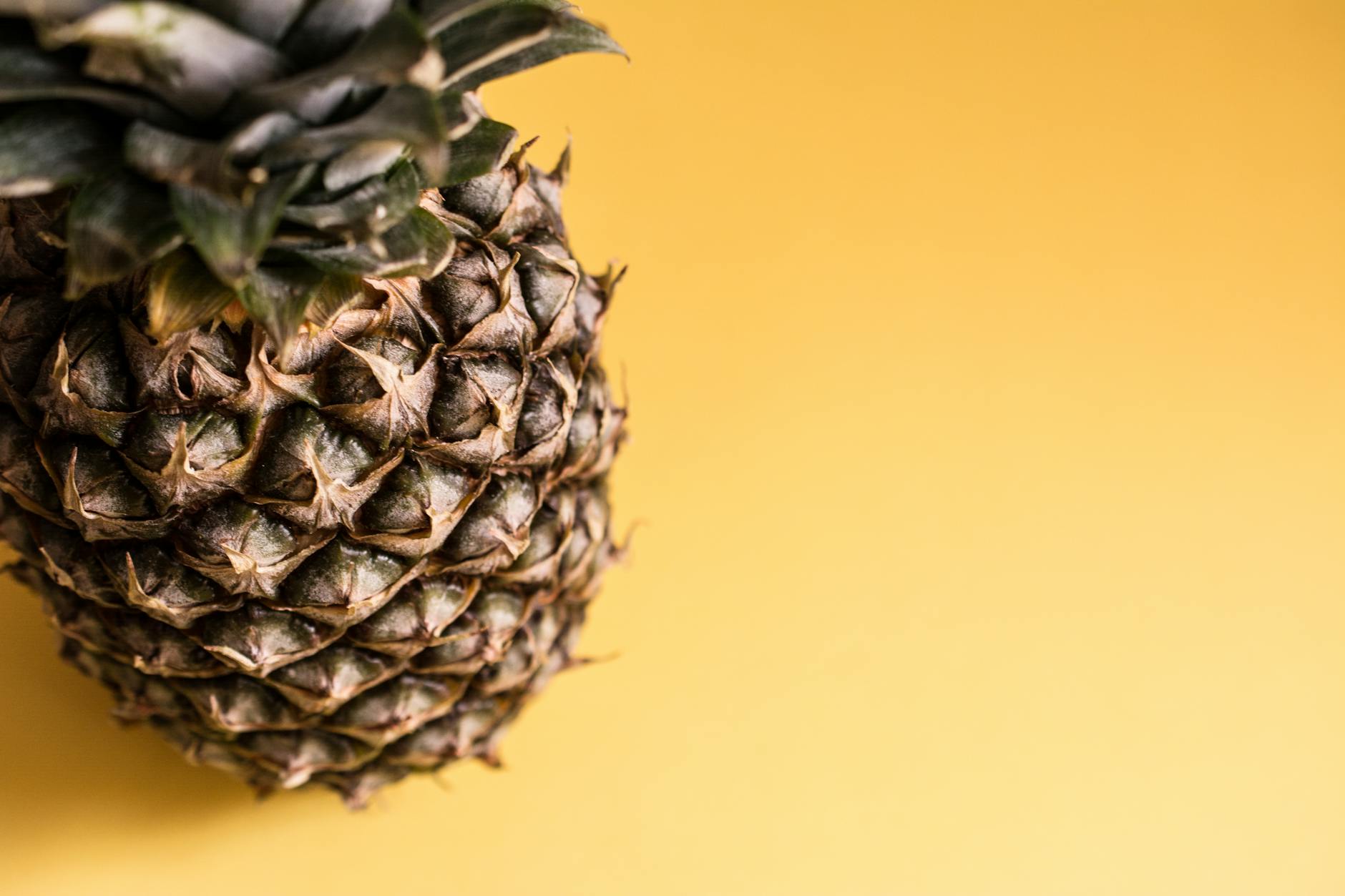
Pineapple is the primary natural source of bromelain, a powerful enzyme that breaks down proteins and supports efficient digestion in the stomach and small intestine. This enzyme has also been studied for its anti-inflammatory properties, which may benefit those who experience gut inflammation. Fresh pineapple contains significantly more active bromelain than canned versions, as heat processing reduces enzyme potency. Its high water content and natural fiber also contribute to hydration and regularity.
Tempeh
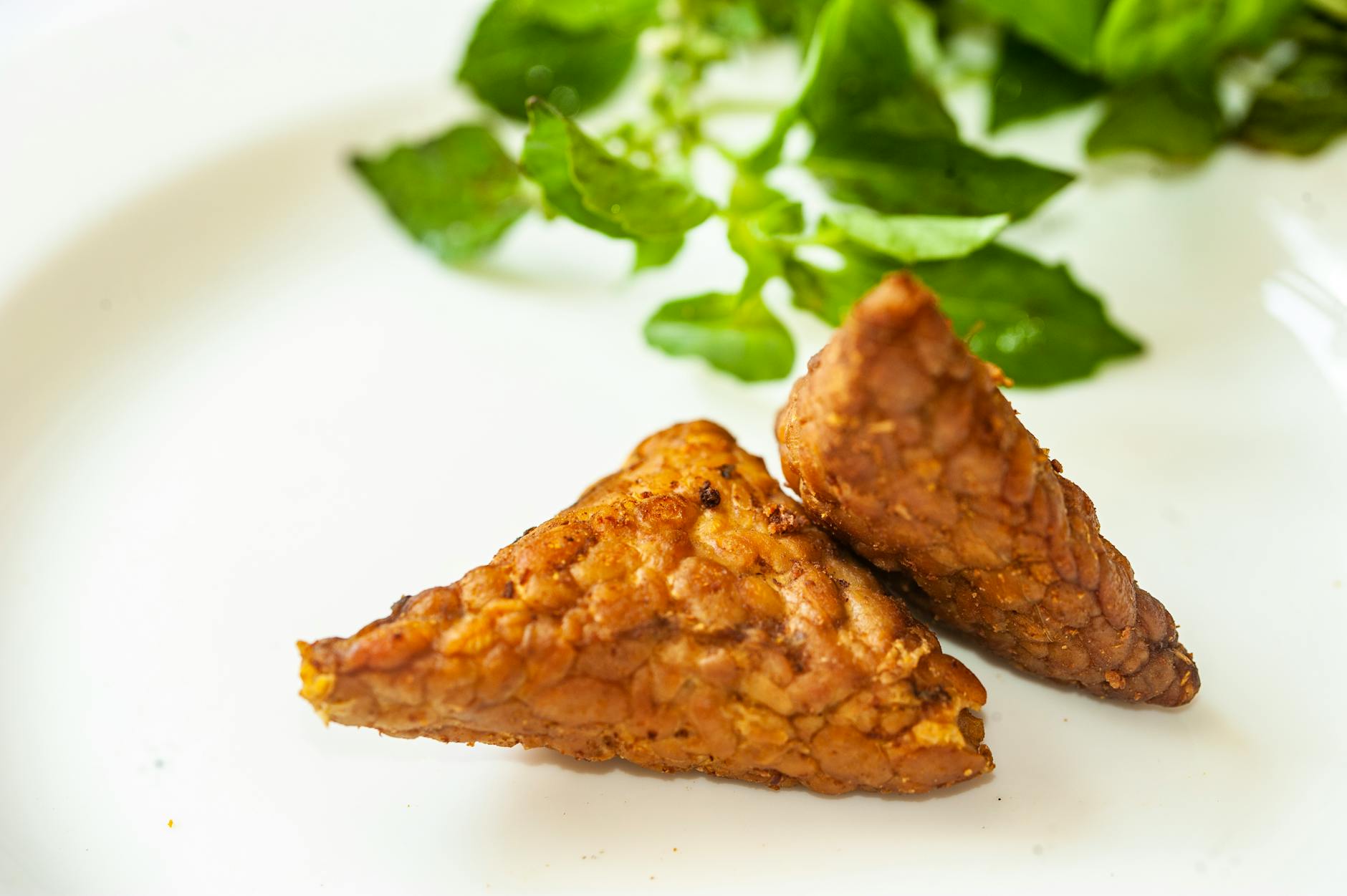
Tempeh is a fermented soy product originating from Indonesia that is dense with protein, fiber, and probiotic bacteria. The fermentation process reduces antinutrients found in soybeans, making the nutrients in tempeh more bioavailable and easier to digest. As a source of prebiotics, it also feeds beneficial bacteria already present in the gut. Its firm texture and nutty flavor make it a versatile ingredient in savory dishes while providing consistent digestive support.
Bone Broth
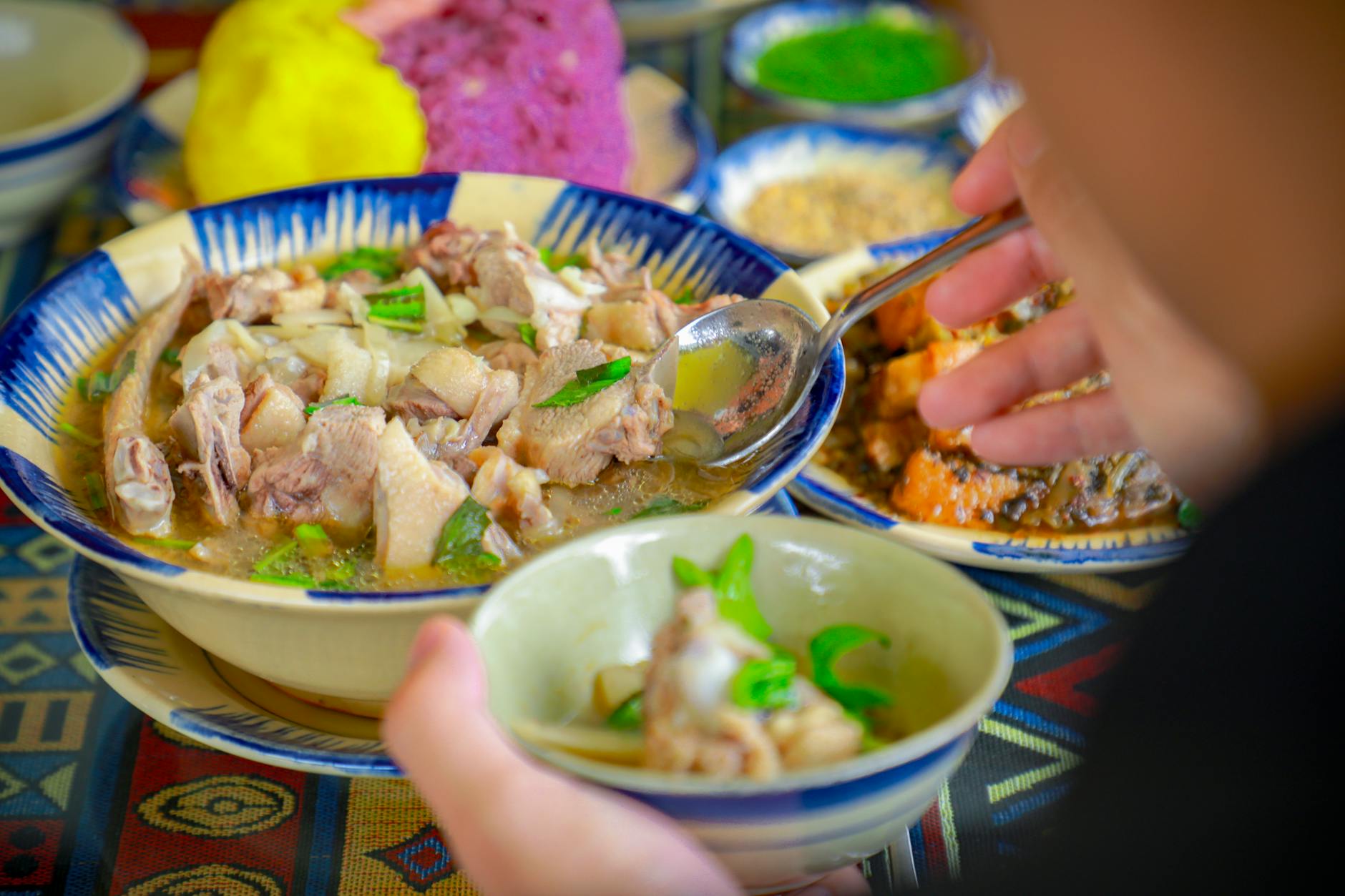
Bone broth is made by simmering animal bones and connective tissue for an extended period, extracting gelatin, collagen, and amino acids such as glutamine. Glutamine is a primary fuel source for the cells lining the intestine and plays a key role in maintaining the integrity of the gut barrier. Collagen and gelatin help soothe and repair the digestive tract lining, which is particularly beneficial for those experiencing increased intestinal permeability. Regular consumption is associated with reduced gut inflammation and improved overall digestive comfort.
Lentils
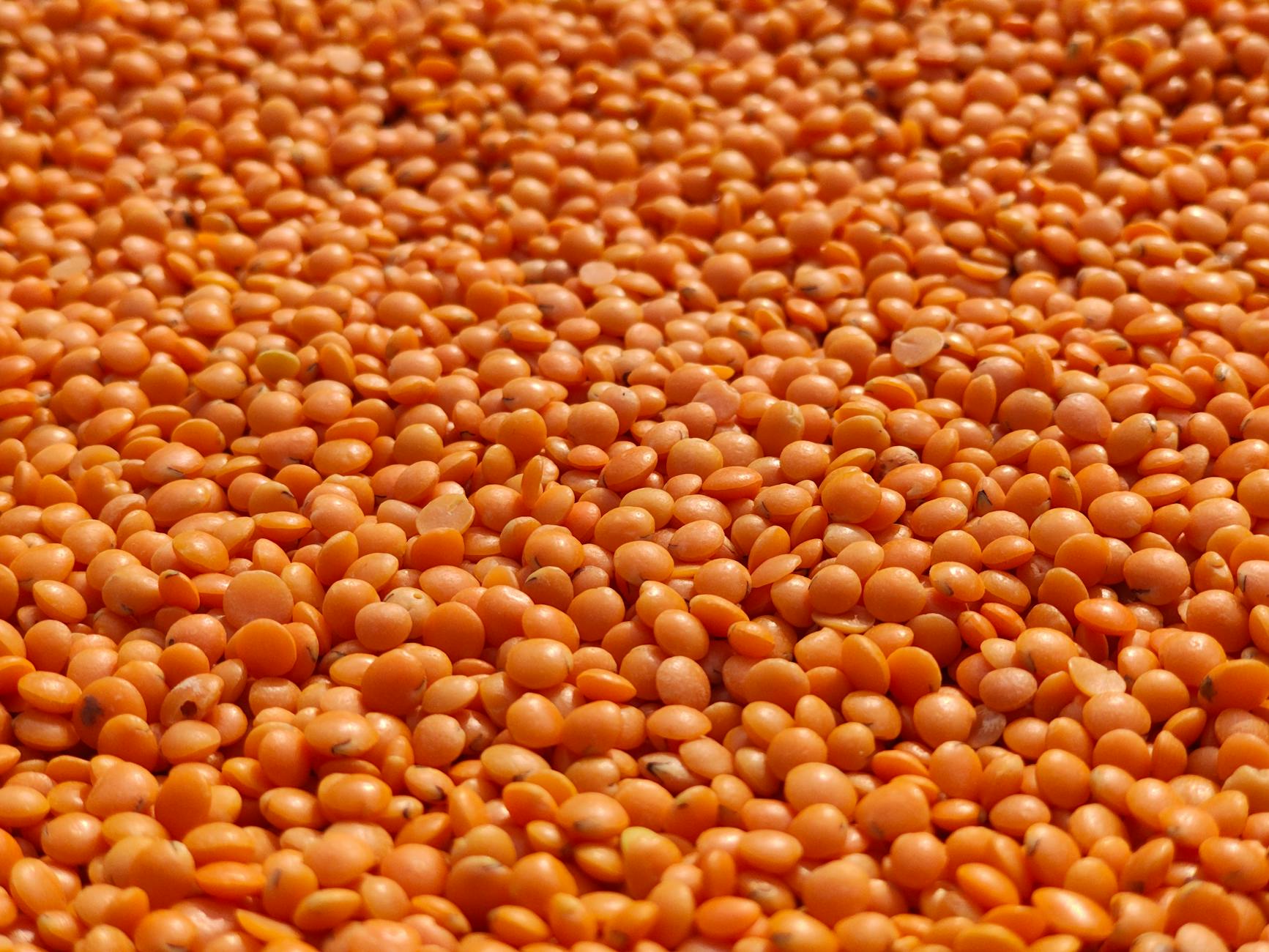
Lentils are among the most fiber-dense legumes available, providing both soluble and insoluble fiber in a single serving. Their prebiotic fiber feeds beneficial gut bacteria and contributes to the production of short-chain fatty acids that nourish the cells of the colon. Lentils are also a source of resistant starch, which bypasses digestion in the small intestine and ferments in the colon for added probiotic effect. Soaking lentils before cooking helps reduce compounds that can cause digestive discomfort in sensitive individuals.
Beets
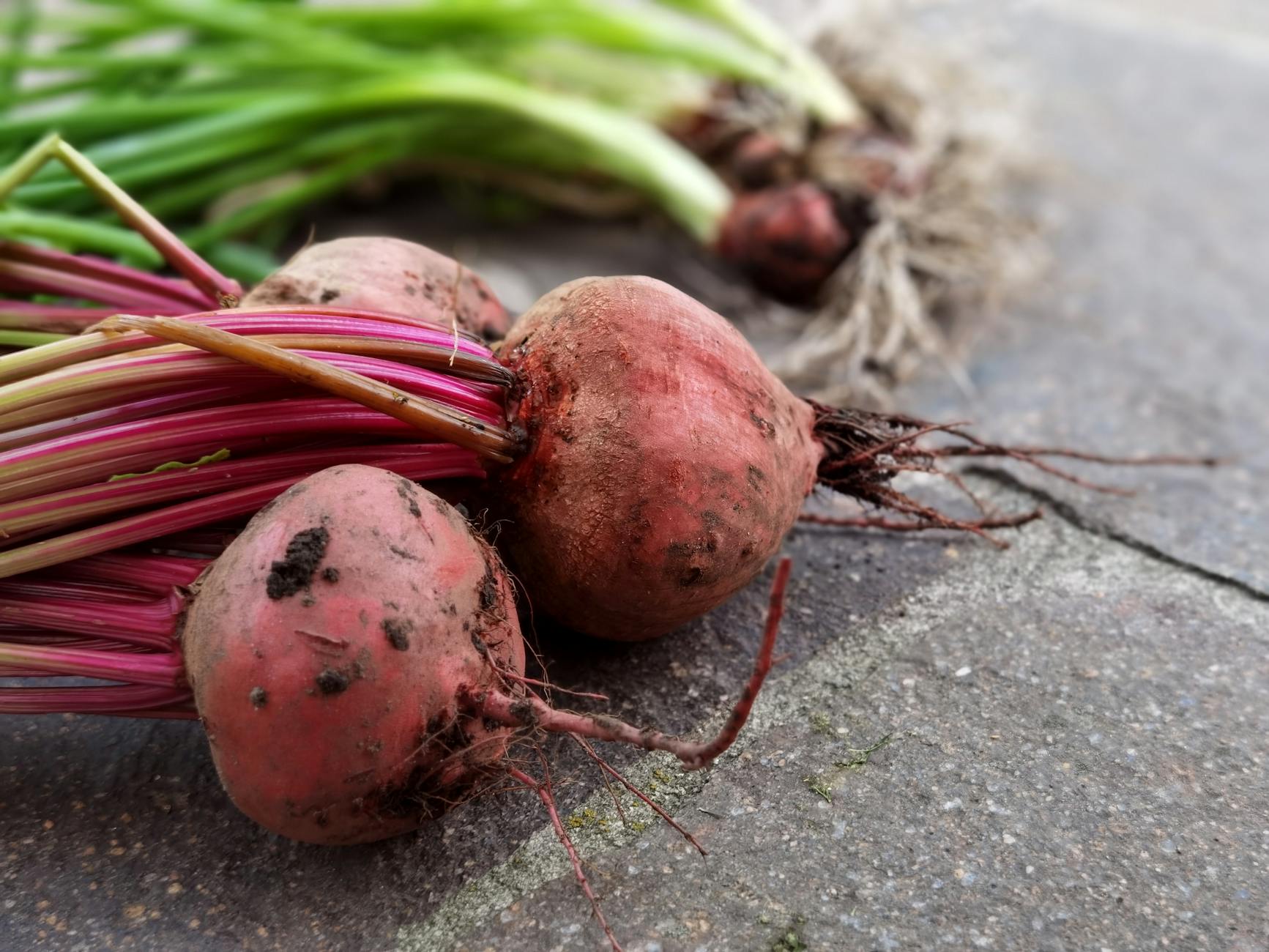
Beets are a rich source of betalains, dietary fiber, and betaine, all of which support liver function and the efficient processing of fats during digestion. Their soluble fiber content helps regulate bowel movements and feeds healthy bacteria in the gut. Betaine supports stomach acid production, which is essential for the proper breakdown of food and absorption of nutrients. Roasted, steamed, or consumed as juice, beets offer meaningful digestive benefits when eaten regularly.
Chia Seeds
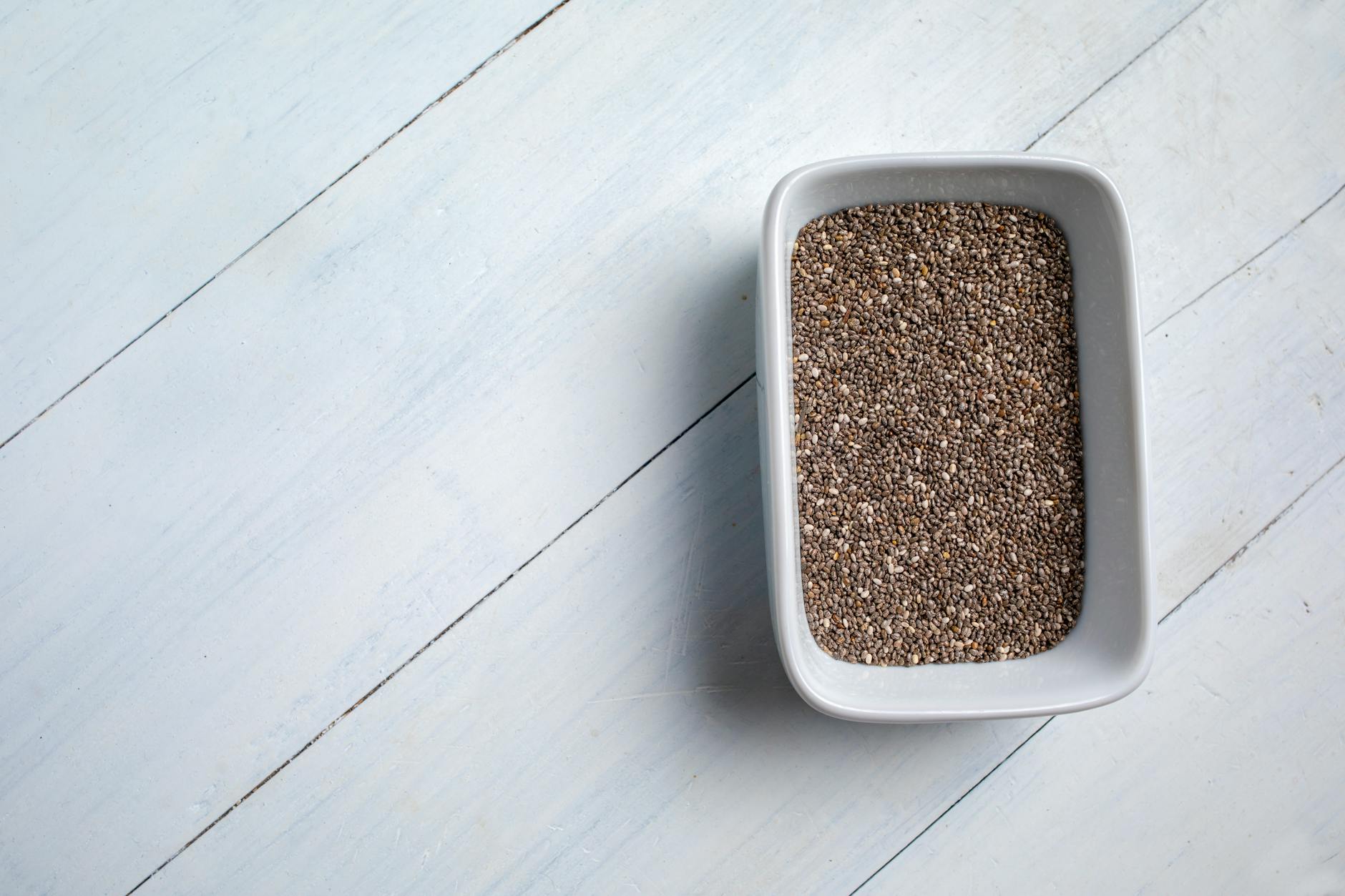
Chia seeds are one of the most concentrated plant sources of dietary fiber, with a significant portion being soluble fiber that forms a gel when mixed with liquid. This gel slows digestion, stabilizes blood sugar, and helps move food smoothly through the digestive tract. The gel-forming property also acts as a natural lubricant for the intestines, reducing the likelihood of constipation. Chia seeds are most effective when soaked before consumption, as this activates their gel-forming capability and makes them easier to digest.
Kombucha

Kombucha is a fermented tea beverage produced through the action of a symbiotic culture of bacteria and yeast. The fermentation process generates organic acids, B vitamins, and live probiotic cultures that contribute to a healthy gut environment. Regular consumption has been associated with improved digestion, reduced bloating, and enhanced microbial diversity in the gut. Choosing low-sugar kombucha varieties is important, as high sugar content can counteract some of the probiotic benefits.
Asparagus
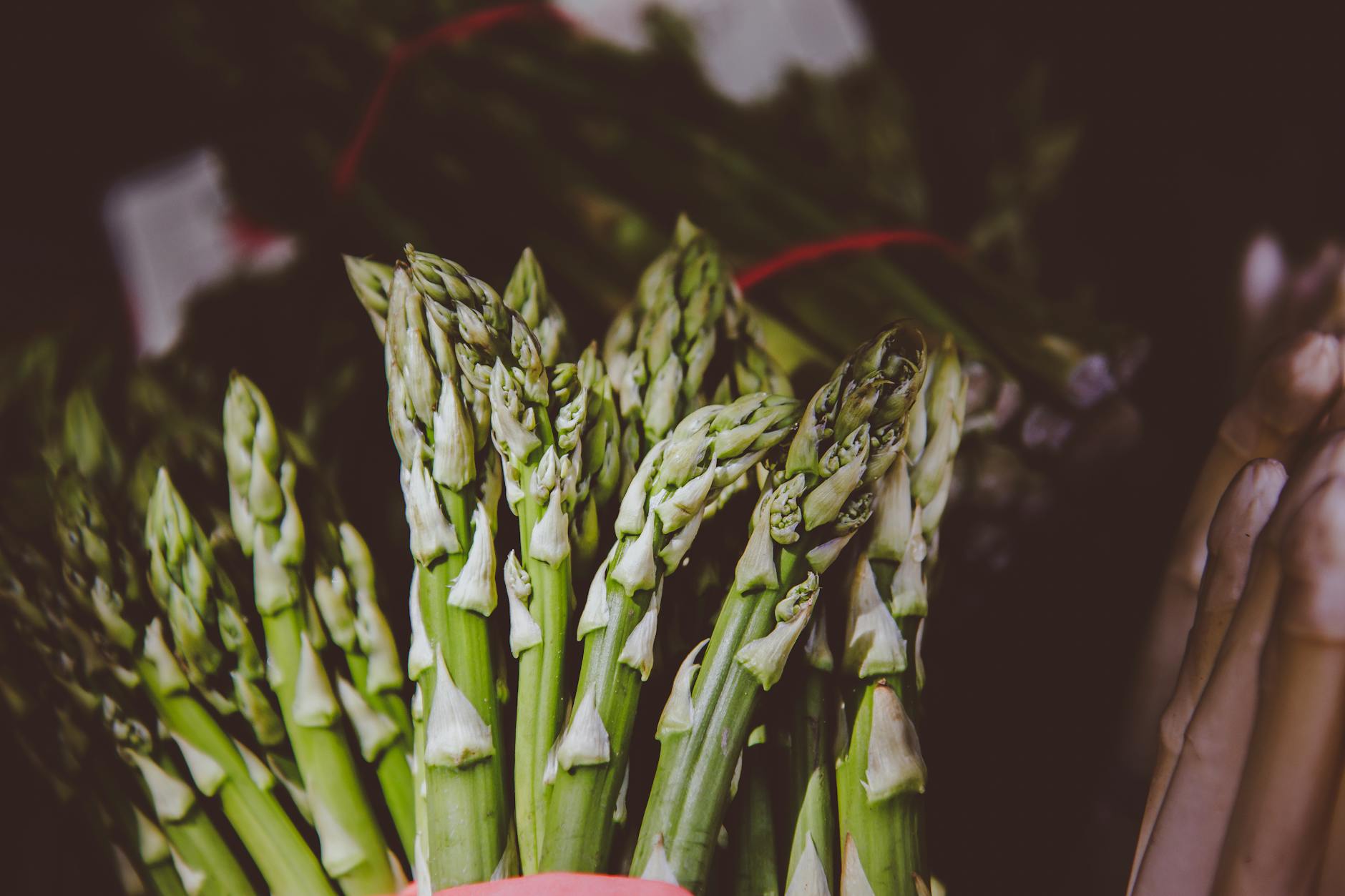
Asparagus is one of the best dietary sources of inulin, a prebiotic fiber that selectively stimulates the growth of beneficial bacteria including Bifidobacteria in the colon. It also provides folate, vitamin K, and antioxidants that contribute to overall digestive and cellular health. The fiber in asparagus supports regularity and helps feed the microorganisms responsible for producing short-chain fatty acids. Lightly steaming asparagus rather than overcooking it preserves its prebiotic fiber content and nutritional value.
Flaxseeds

Flaxseeds are high in both soluble and insoluble fiber as well as omega-3 fatty acids, all of which have beneficial effects on the digestive system. The soluble fiber forms a mucilaginous gel in the intestines that soothes the gut lining and supports smooth bowel movements. The insoluble fiber adds bulk to stool, reducing transit time and the risk of constipation. Ground flaxseeds are more bioavailable than whole seeds, as the outer hull of whole flaxseeds resists digestion.
Peppermint
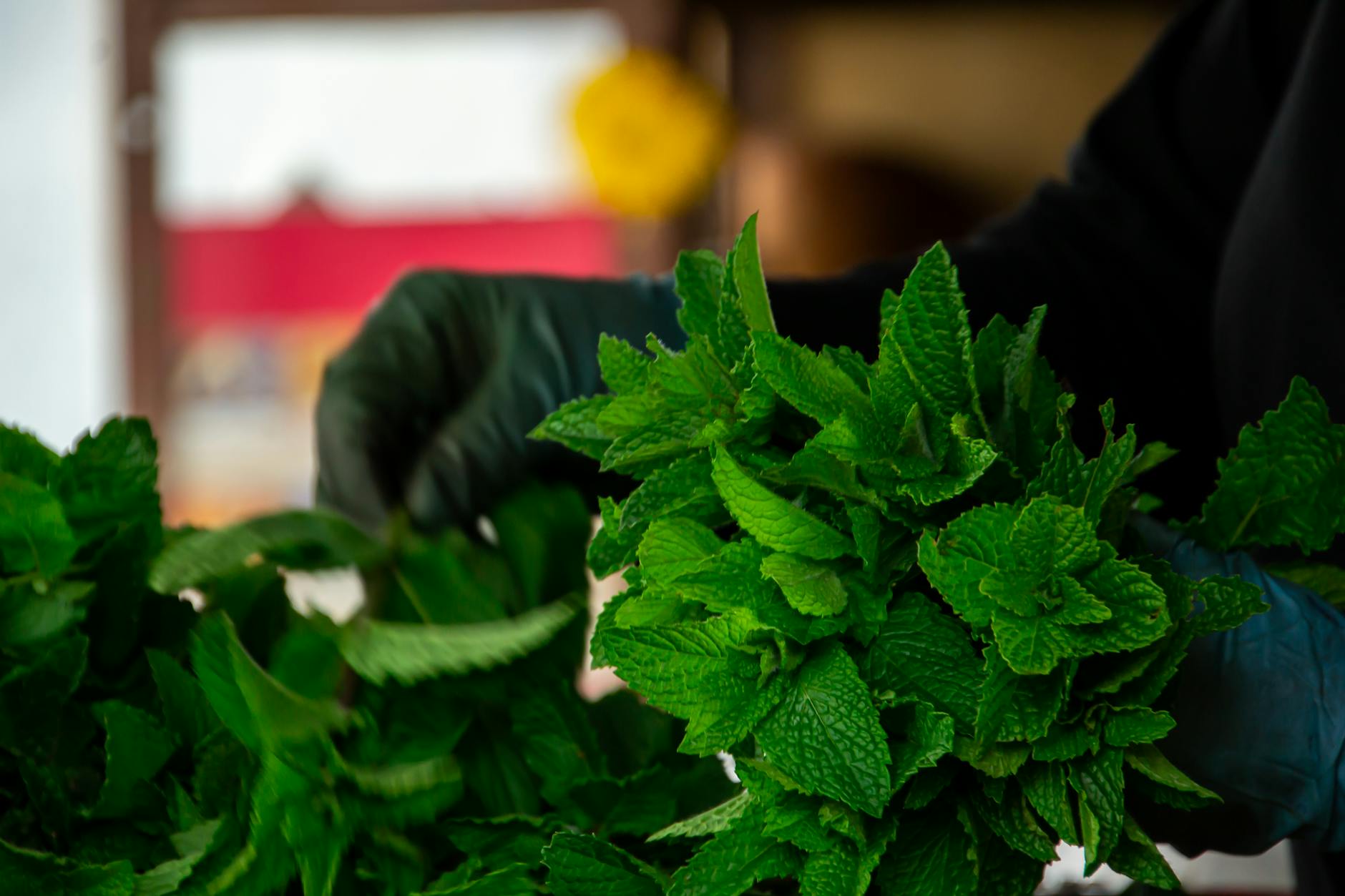
Peppermint contains a compound called menthol that relaxes the smooth muscles of the gastrointestinal tract, reducing spasms and cramping. It is one of the most well-researched natural remedies for symptoms of irritable bowel syndrome, including bloating and abdominal pain. Peppermint tea and enteric-coated peppermint oil capsules are the two most studied delivery methods for digestive relief. The carminative properties of peppermint also help expel trapped gas, making it effective for acute digestive discomfort.
Garlic
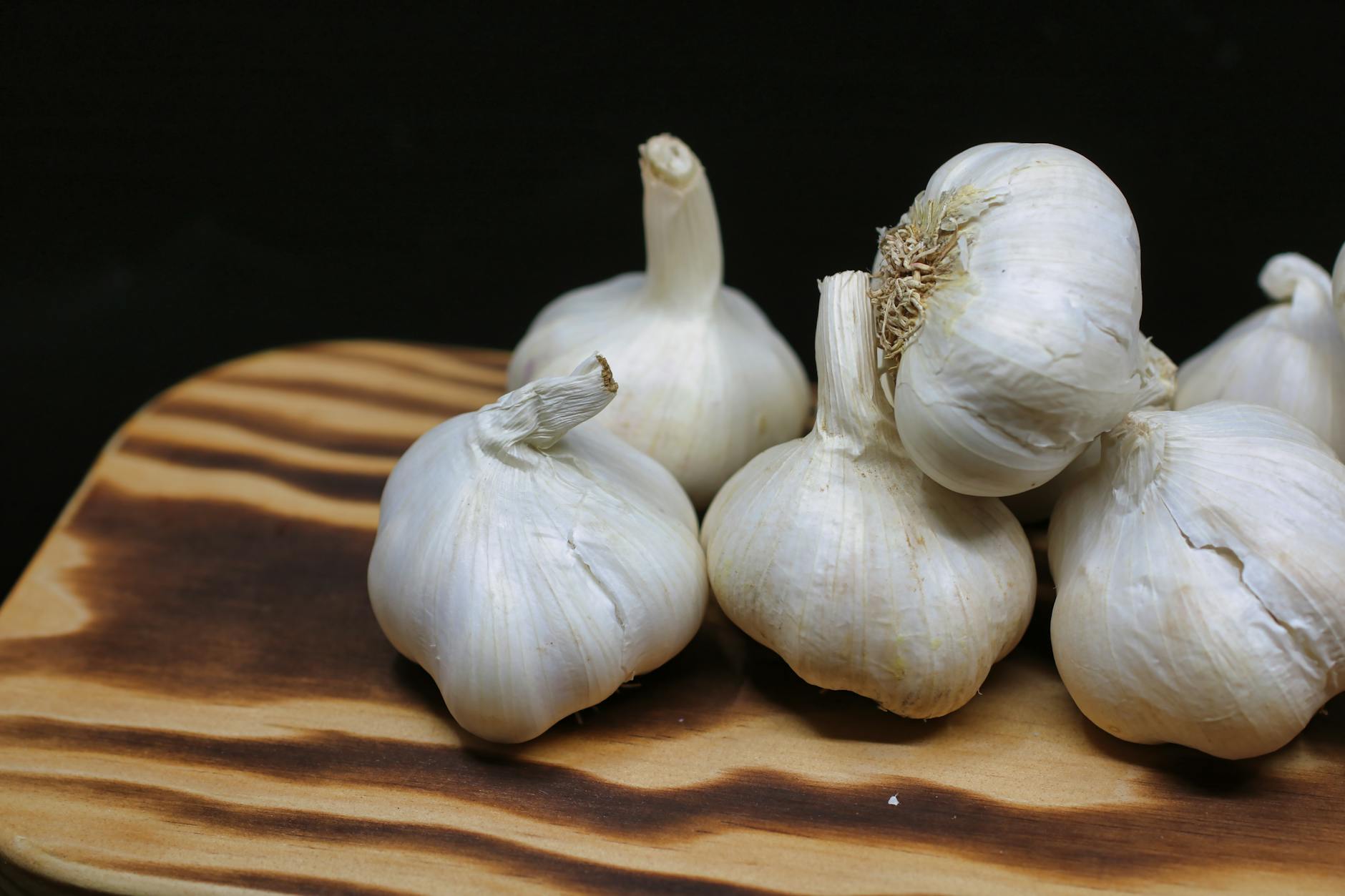
Garlic is a potent prebiotic food that contains fructooligosaccharides, a type of fiber that feeds Bifidobacteria and Lactobacillus species in the gut. Its antimicrobial properties help manage harmful bacteria while preserving the beneficial microorganisms that support digestion. Garlic also stimulates the production of digestive enzymes and enhances the breakdown of food in the stomach. Regular inclusion of raw or lightly cooked garlic in the diet is associated with improved gut microbiome diversity and overall digestive resilience.
Onions
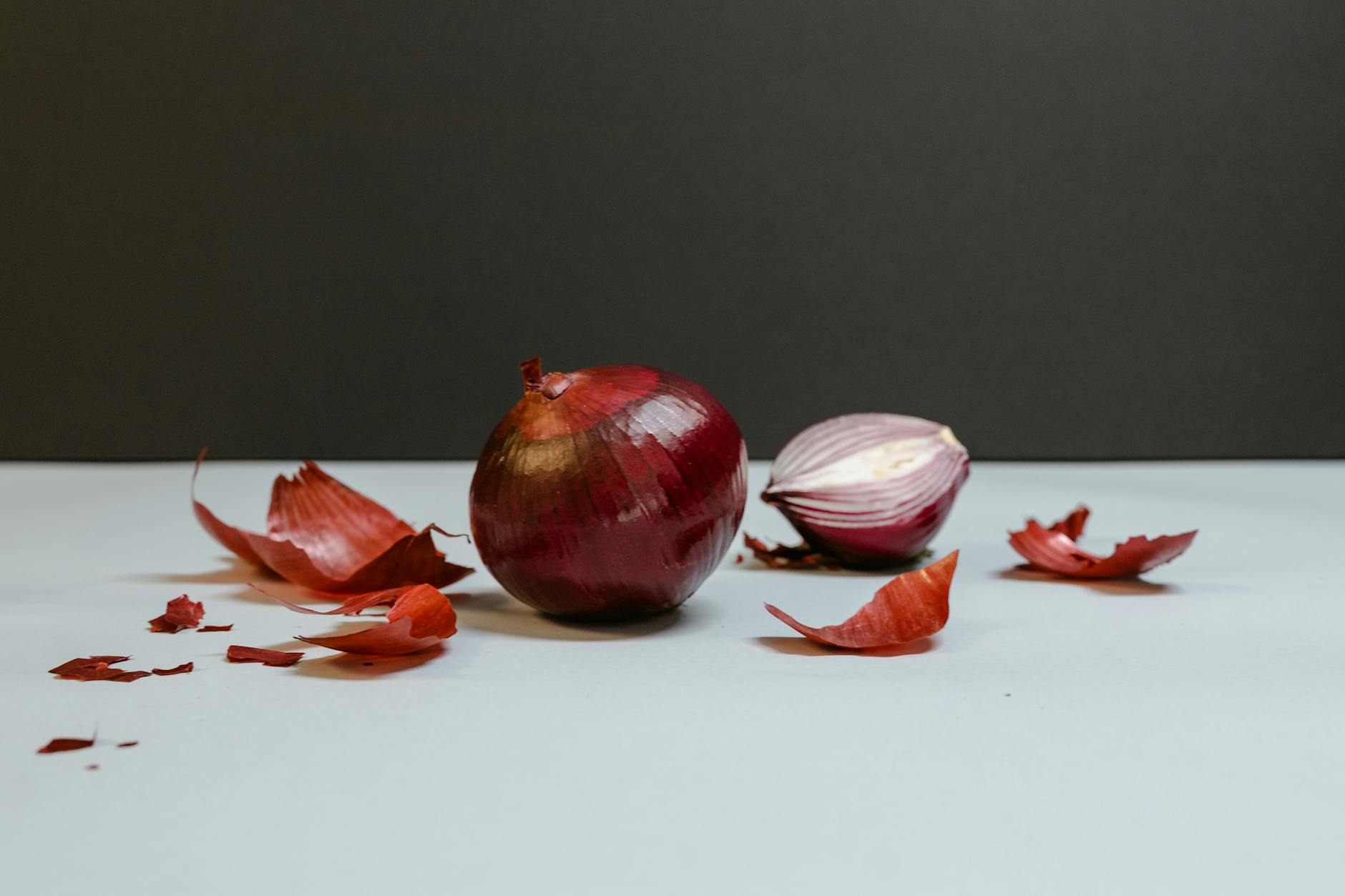
Onions are another outstanding source of fructooligosaccharides and inulin, making them highly effective prebiotics for gut health. They feed the beneficial bacteria that produce short-chain fatty acids, which are critical for colon cell health and reduced inflammation. Onions also contain quercetin, an antioxidant with anti-inflammatory properties that may help protect the gut lining. They are most effective in their raw state for prebiotic benefit, though cooked onions still provide meaningful fiber and polyphenols.
Avocado
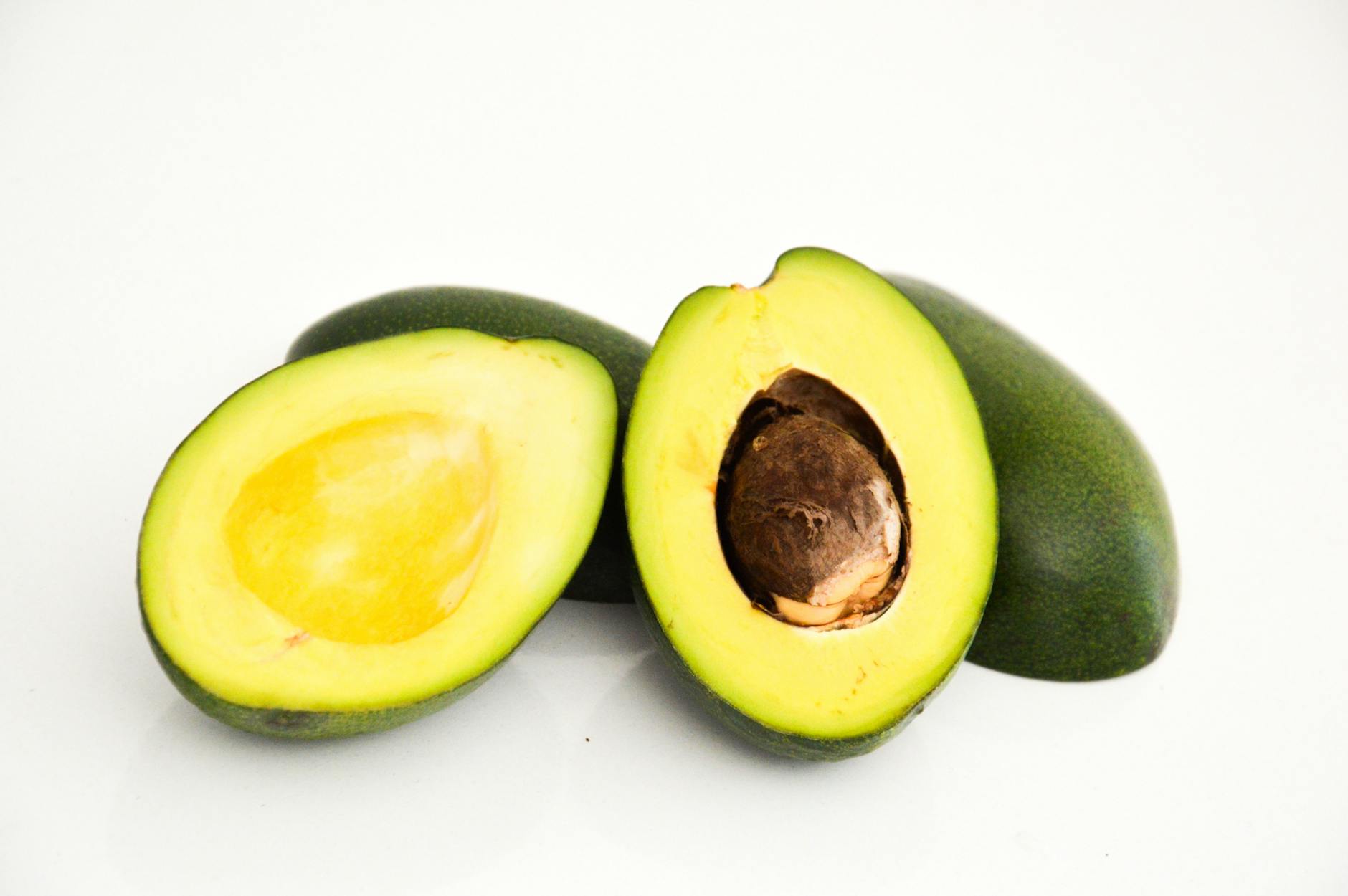
Avocado is a nutrient-dense fruit rich in dietary fiber and healthy monounsaturated fats that support smooth digestion. A single serving provides a notable amount of both soluble and insoluble fiber, contributing to regularity and feeding beneficial gut bacteria. The healthy fats in avocado also support the absorption of fat-soluble vitamins and help reduce inflammation in the gut lining. Its potassium content further supports electrolyte balance and healthy muscle contractions throughout the digestive tract.
Sweet Potatoes

Sweet potatoes are high in soluble and insoluble fiber, as well as beta-carotene, which the body converts to vitamin A to support the health of mucosal tissues in the gut. Their natural starch content includes a portion of resistant starch when cooled after cooking, which acts as a prebiotic for beneficial bacteria. The fiber in sweet potatoes promotes regular bowel movements and helps regulate the pace of digestion. They are easy to digest, making them a particularly well-tolerated food for individuals with sensitive digestive systems.
Turmeric
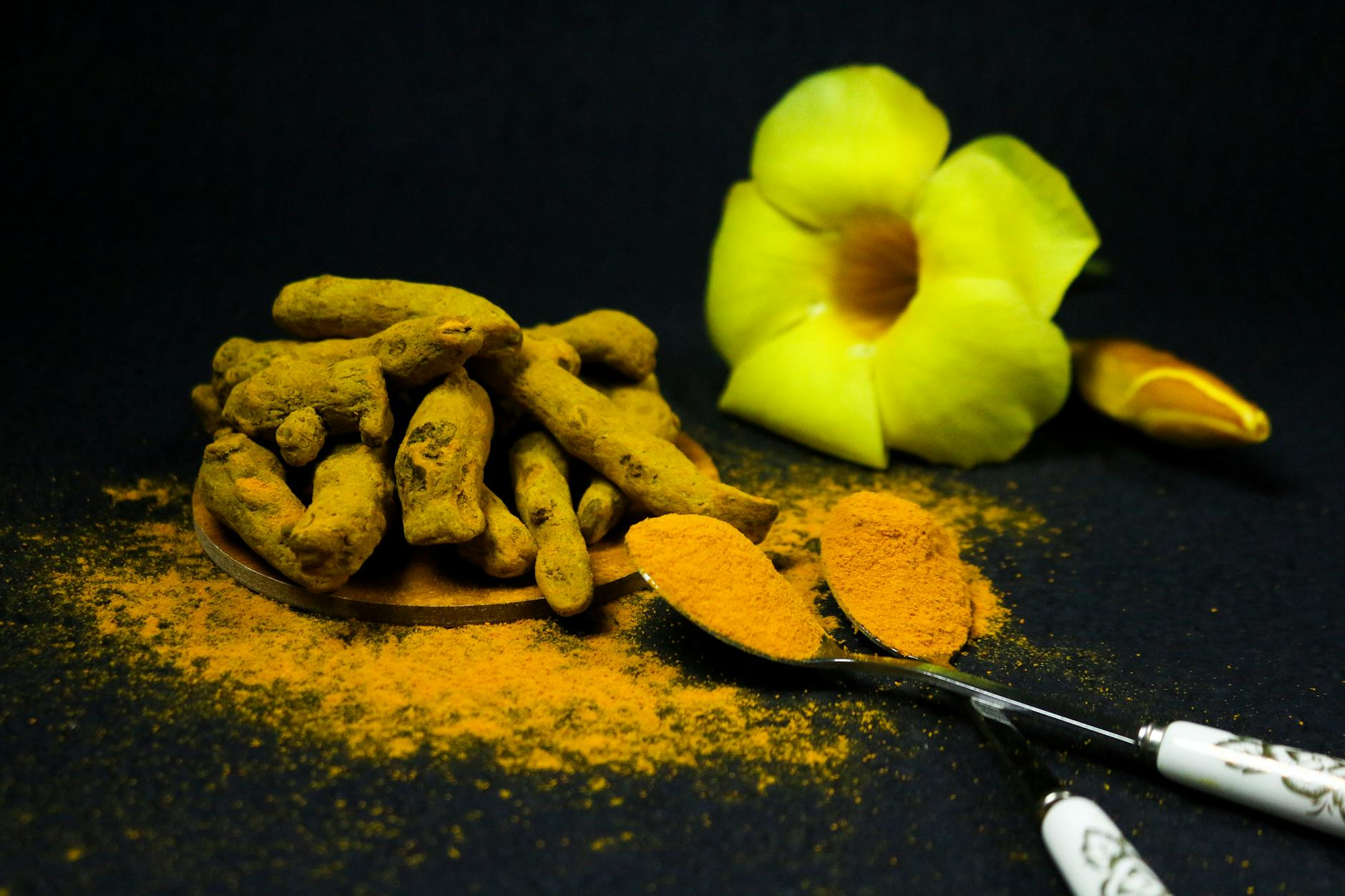
Turmeric contains curcumin, a bioactive compound with well-documented anti-inflammatory and antioxidant properties that benefit the digestive tract. It stimulates bile production in the gallbladder, which improves the breakdown and absorption of dietary fats. Curcumin has also been studied for its ability to support the gut lining and reduce inflammation associated with conditions such as inflammatory bowel disease. Pairing turmeric with black pepper significantly increases curcumin absorption, making the combination far more effective than either ingredient alone.
Cabbage
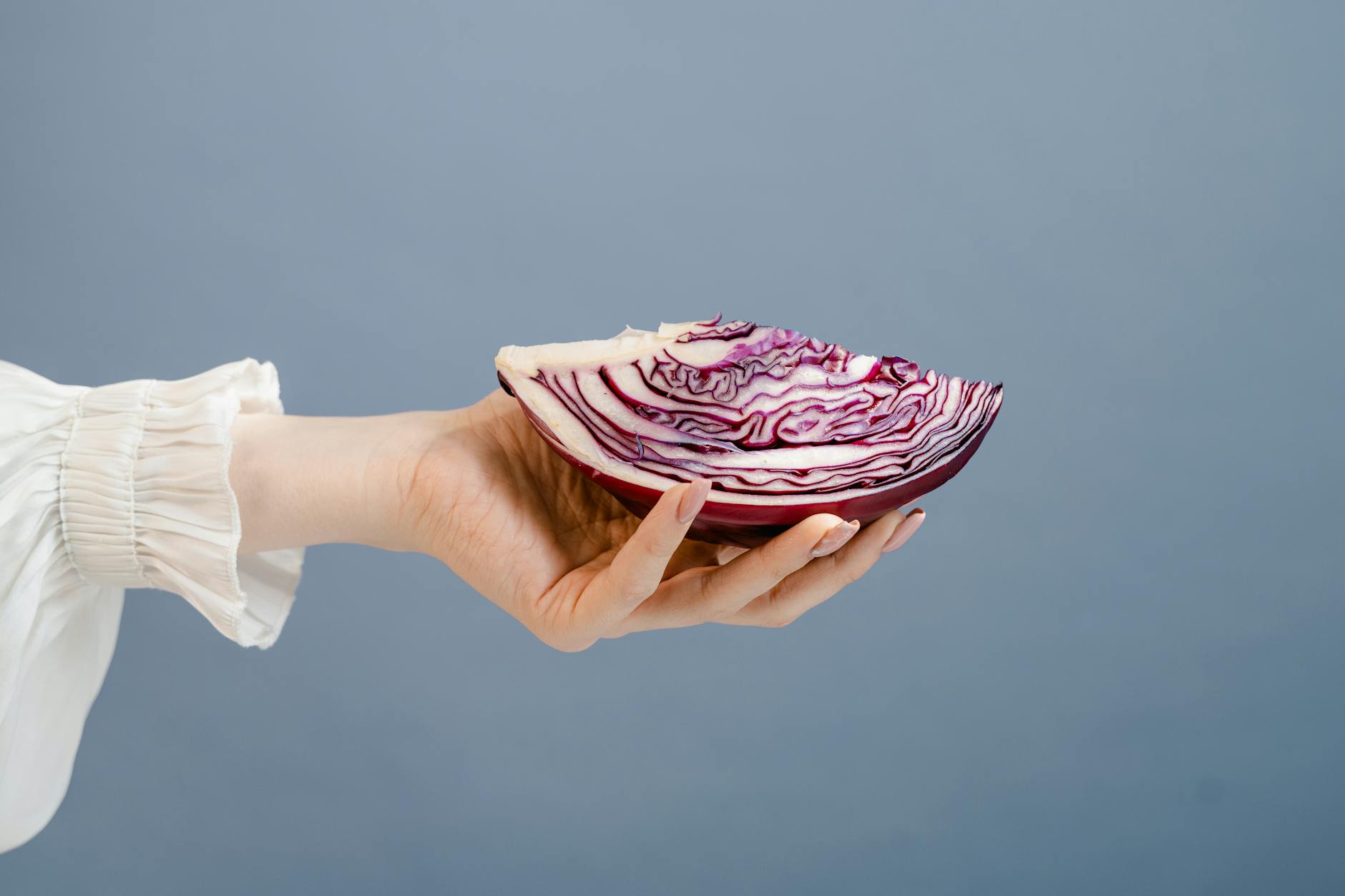
Cabbage is a cruciferous vegetable high in dietary fiber and glucosinolates, compounds that support liver function and the detoxification processes that influence digestive health. It contains glutamine, which is an essential nutrient for maintaining the integrity of the intestinal wall. Raw cabbage juice has traditionally been used as a remedy for stomach ulcers, and research suggests this benefit may be connected to its high sulfur and glutamine content. Whether eaten raw in salads or lightly cooked, cabbage is a versatile and effective food for gut support.
Prunes

Prunes are widely recognized for their ability to relieve constipation, a benefit attributed to their high fiber content and the presence of sorbitol and phenolic compounds. Sorbitol draws water into the colon, softening the stool and stimulating bowel movements. The fiber in prunes also acts as a prebiotic, feeding the beneficial bacteria that maintain healthy gut function. Research has found that consuming prunes daily is more effective at improving stool consistency and frequency than other commonly recommended fiber sources.
Almonds
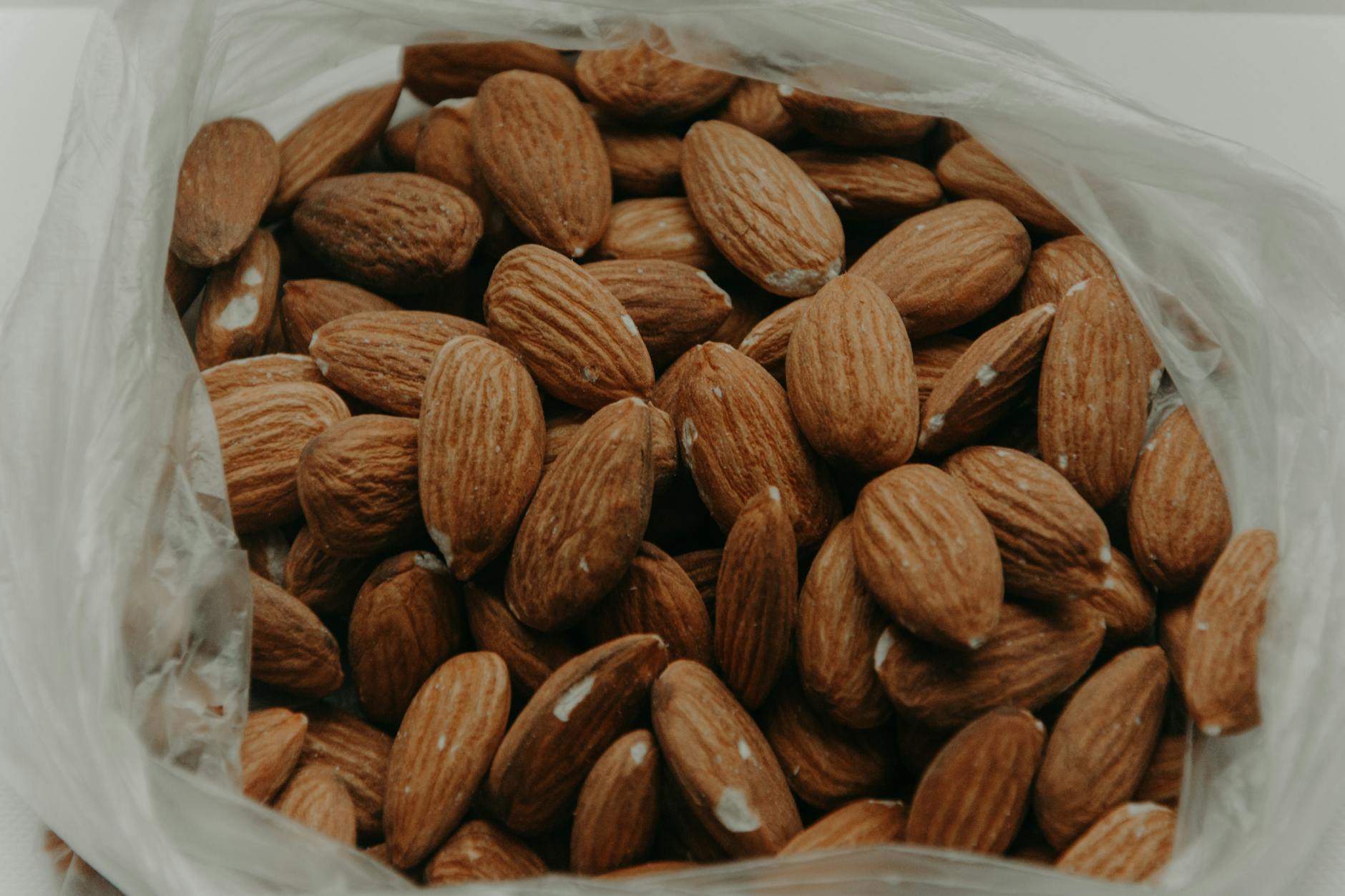
Almonds are a fiber-rich nut that provides both prebiotic benefits and a range of nutrients including vitamin E, magnesium, and healthy fats that support digestive function. Studies have shown that regular almond consumption increases the population of beneficial gut bacteria including Bifidobacterium and Lachnospiraceae. The combination of fiber and fat in almonds slows digestion in a beneficial way, supporting steady nutrient absorption and prolonged feelings of satiety. Soaking almonds overnight can further ease their digestion and improve the bioavailability of their nutrients.
Which of these gut-friendly foods do you already include in your diet, and which are you planning to add? Share your thoughts in the comments.




