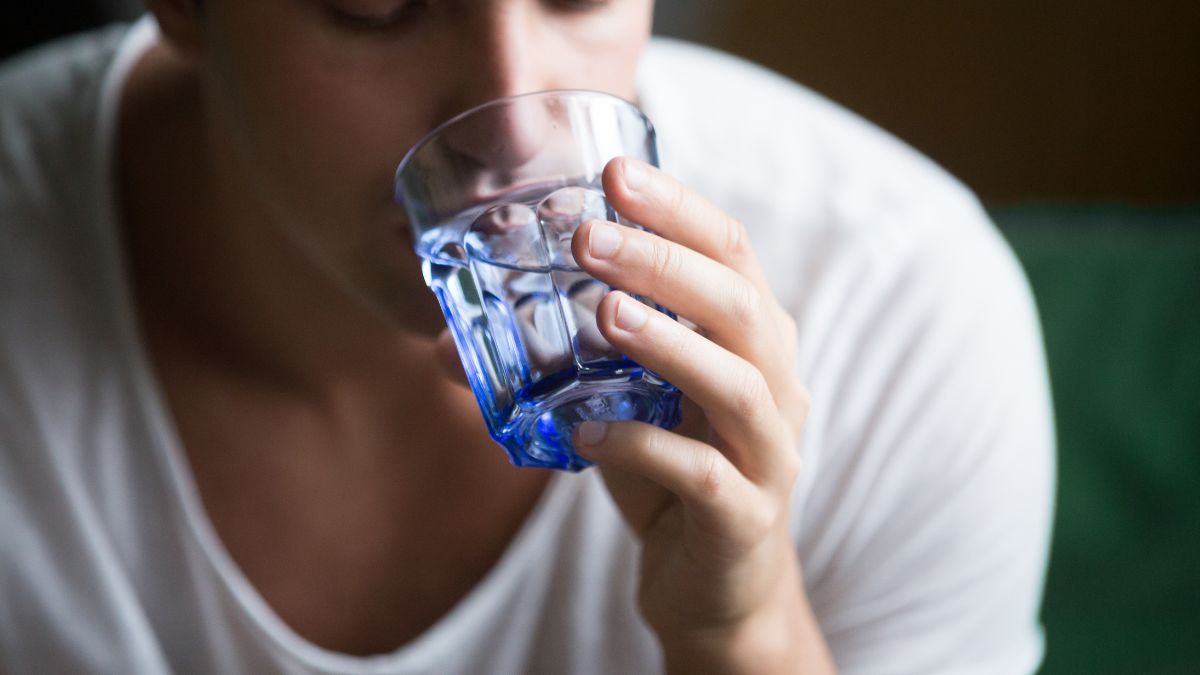
Most people wait until they feel thirsty to reach for a glass of water, but thirst is actually one of the last signals the body sends when it needs hydration. Dehydration affects nearly every system in the body and can show up in surprising and often overlooked ways. Learning to recognize the early and subtle signs means you can respond before your body reaches a state of significant water deficit. The following signs are worth paying attention to every single day.
Dark Yellow Urine
Urine color is one of the most reliable and immediate indicators of hydration status available without any testing. A well-hydrated body produces pale straw-colored urine throughout the day, while concentrated dark yellow urine signals that the kidneys are conserving water. Amber or honey-colored urine suggests a more significant fluid deficit that needs to be addressed promptly. Checking urine color regularly takes only a second and can give you real-time feedback about your daily water intake.
Dry Mouth
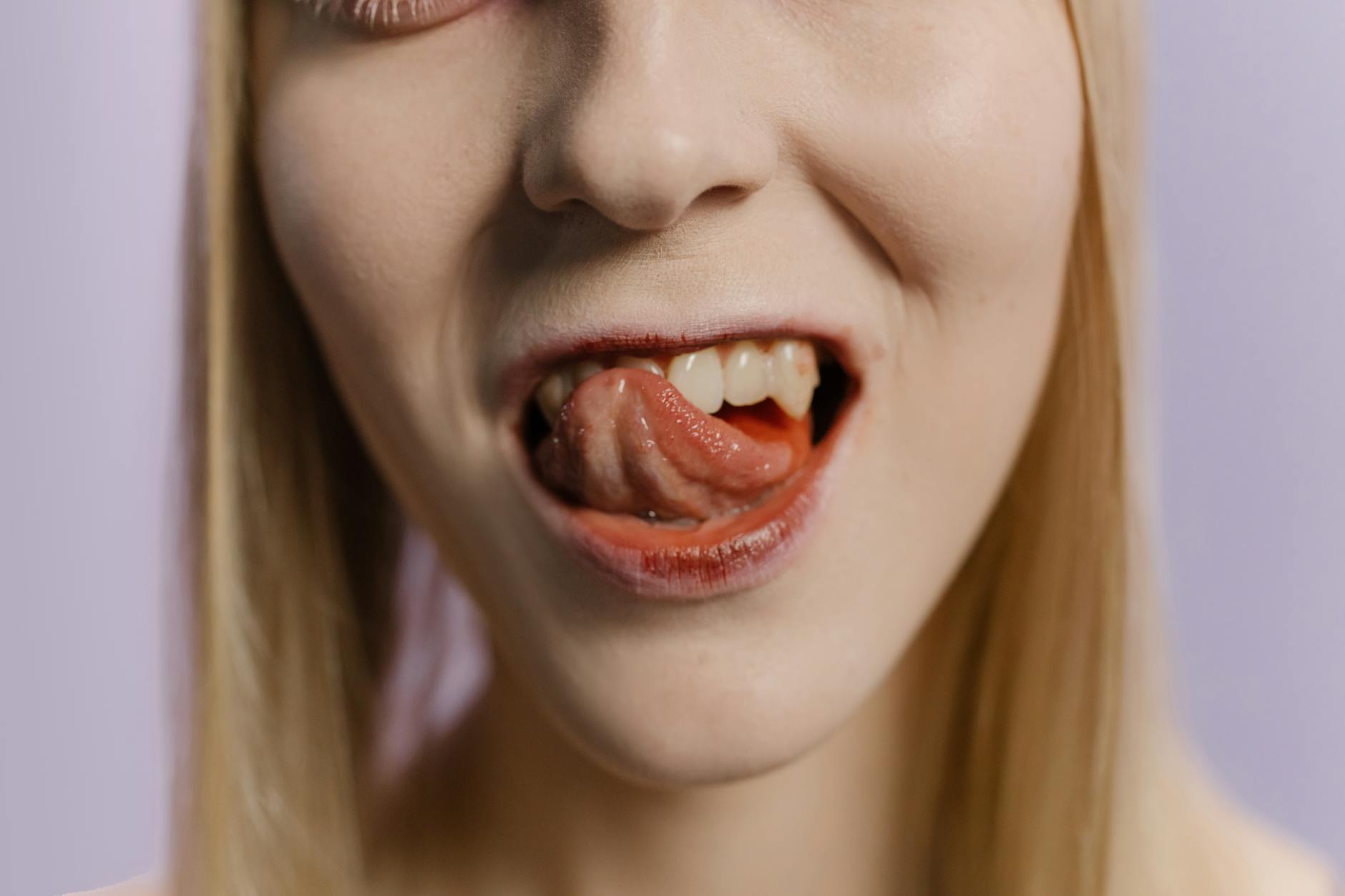
A persistently dry or sticky feeling in the mouth occurs when saliva production slows due to insufficient fluid intake. Saliva is largely composed of water and plays a critical role in digestion, oral health, and even taste perception. When the body is conserving water, one of the first places production is reduced is in the salivary glands. This dryness can also contribute to bad breath since saliva normally helps wash away odor-causing bacteria.
Fatigue
Unexplained tiredness or a general lack of energy throughout the day is a commonly overlooked symptom of mild dehydration. Water is essential for transporting nutrients and oxygen to cells, and when fluid levels drop, this process becomes less efficient. Even a fluid loss of just one to two percent of body weight has been shown to impair energy levels noticeably. Many people reach for caffeine when a large glass of water would address the root cause far more effectively.
Headaches
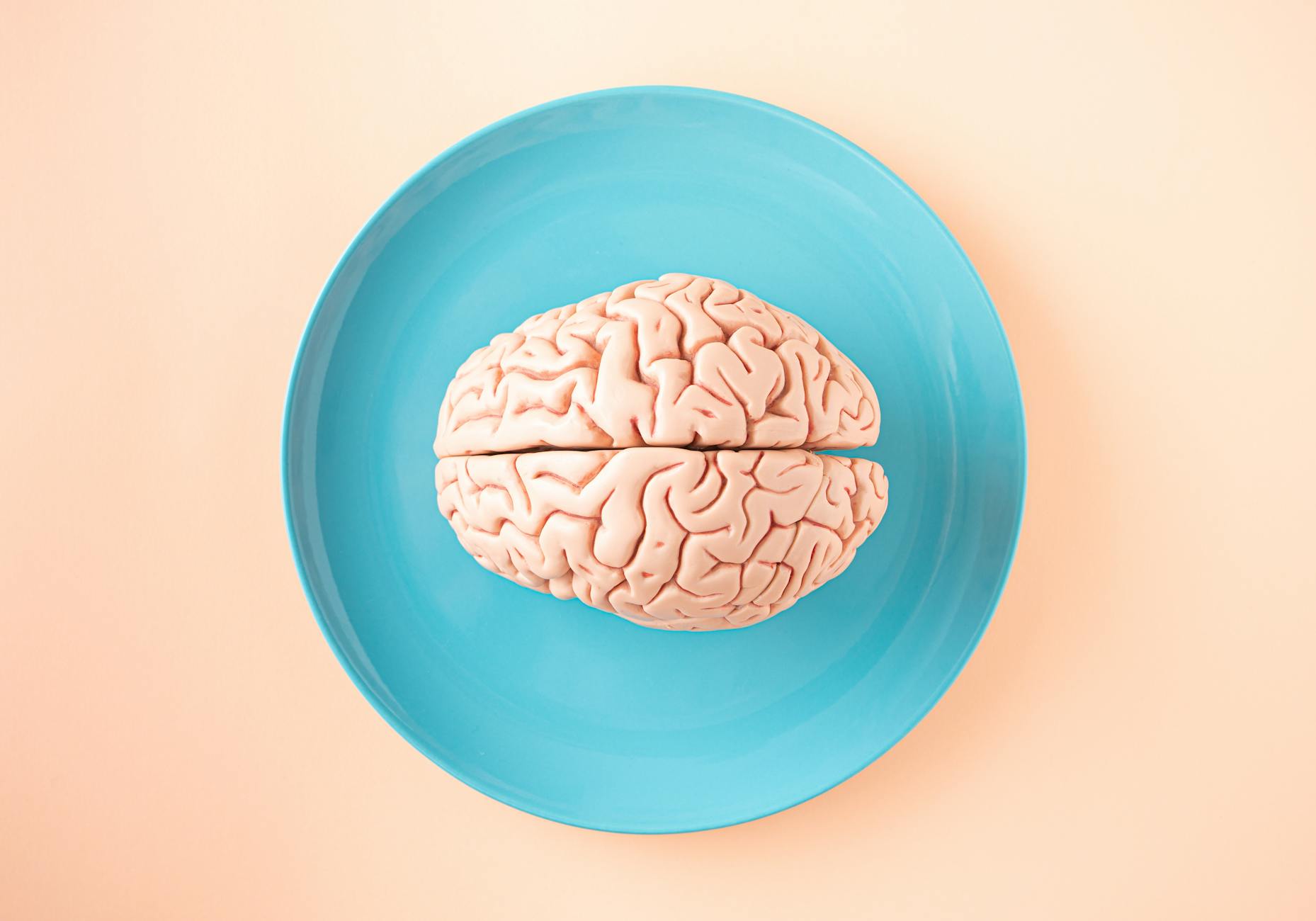
Dehydration is one of the most frequent and underappreciated triggers of tension headaches and migraines. When fluid levels fall, the brain can temporarily contract away from the skull, causing pain signals that range from dull aching to severe throbbing. Blood flow to the brain also becomes less efficient during dehydration, which compounds the discomfort. Drinking water at the first sign of a headache is often the simplest and most effective first response.
Dizziness

Feeling lightheaded or dizzy, particularly when standing up quickly, is a sign that blood pressure and circulation may be affected by low fluid intake. Dehydration reduces blood volume, making it harder for the heart to maintain adequate pressure as the body changes position. This type of dizziness is known medically as orthostatic hypotension and is closely tied to hydration status. It is particularly common in warm weather or after periods of physical activity without sufficient fluid replacement.
Dry Skin
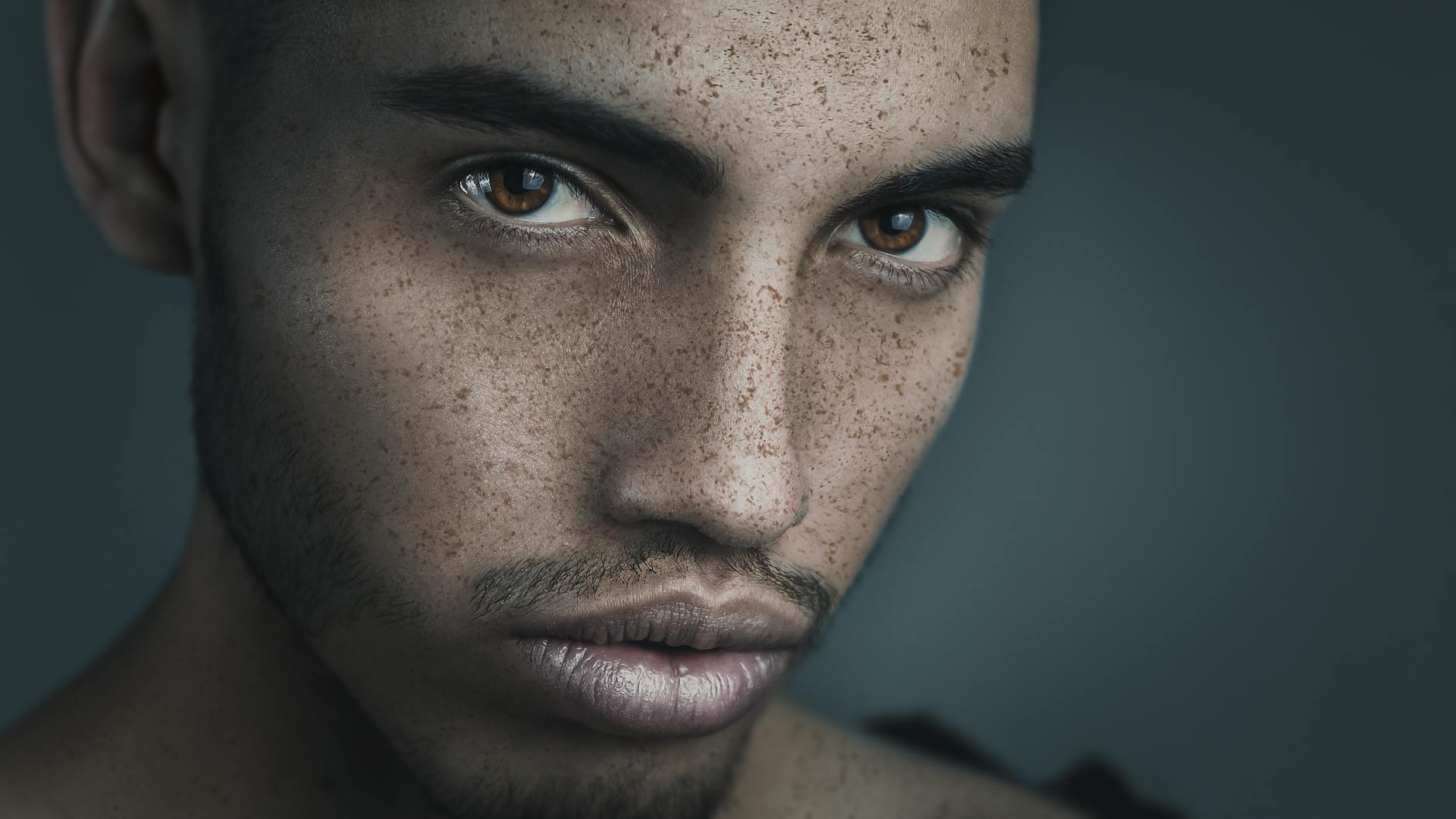
Skin that feels tight, rough, or visibly flaky can reflect chronic or acute dehydration rather than simply a lack of moisturizer. Water is a key component of the skin’s natural moisture barrier and helps maintain its elasticity and suppleness. Dehydrated skin often lacks the plumpness and glow associated with healthy hydration levels. While topical products can provide temporary relief, internal hydration is what truly supports long-term skin health.
Decreased Skin Elasticity
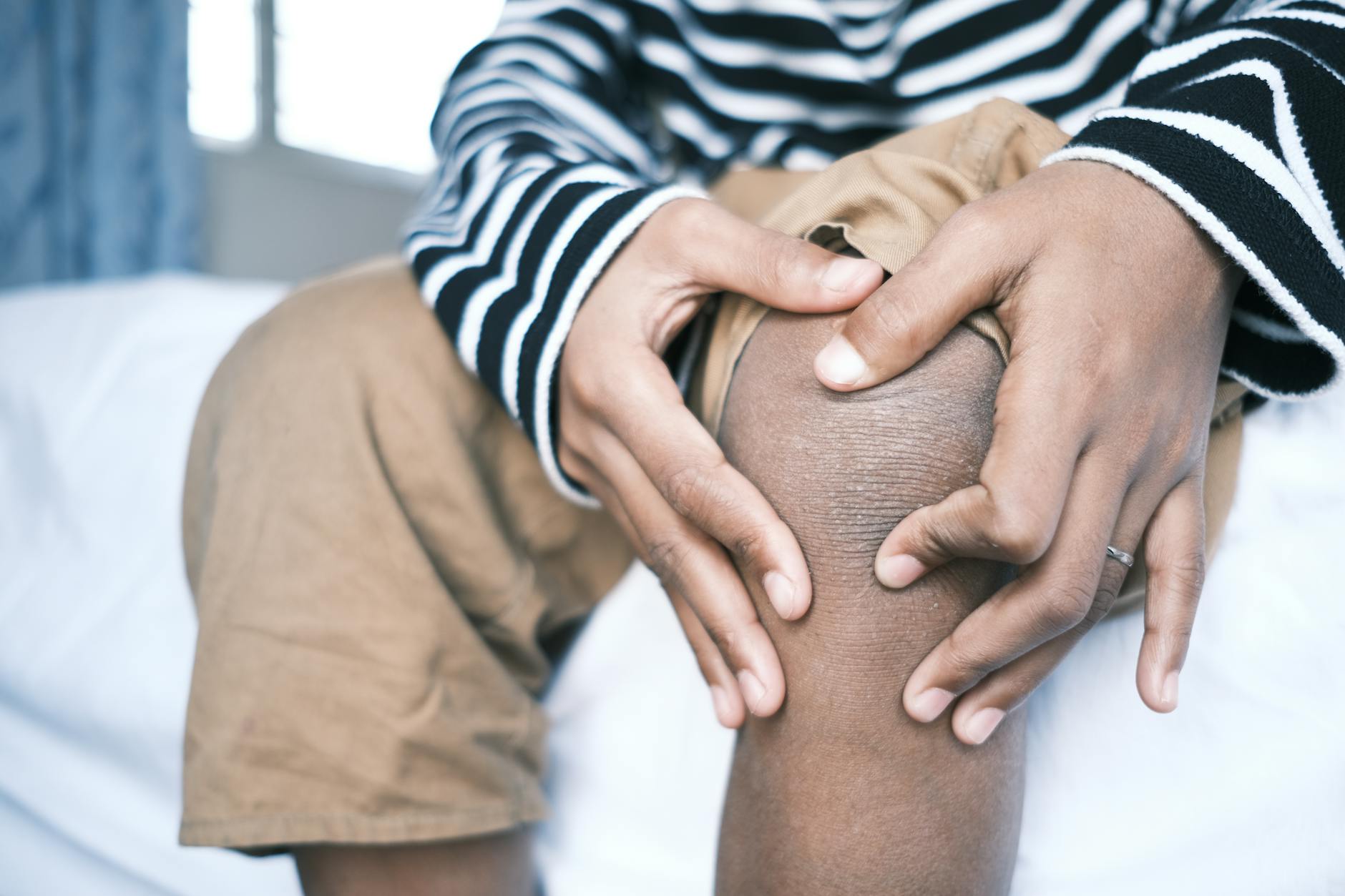
A simple pinch test can reveal a great deal about hydration status in a matter of seconds. When skin on the back of the hand or forearm is gently pinched and released, it should spring back immediately in a well-hydrated person. Dehydrated skin returns to its normal position slowly or remains slightly tented for a moment. This loss of elasticity is a reliable physical indicator used even in clinical settings to assess fluid levels.
Muscle Cramps

Sudden or recurring muscle cramps, particularly in the legs and feet, are frequently linked to dehydration and the electrolyte imbalances that accompany it. Water helps regulate muscle contractions, and when fluid levels are low, muscles become more prone to involuntary spasms. Sodium, potassium, and magnesium all play roles in muscle function and are lost through sweat alongside water. Staying hydrated before, during, and after physical activity is one of the most effective ways to reduce cramp frequency.
Constipation
The digestive system relies heavily on adequate water intake to move food efficiently through the intestines. When the body is dehydrated, the colon pulls extra water from waste material in an effort to conserve fluids, resulting in harder and more difficult-to-pass stools. Chronic constipation that does not respond to dietary fiber changes may be a sign that fluid intake needs to increase significantly. Drinking a glass of water first thing in the morning is a simple habit that supports healthy daily digestion.
Bad Breath
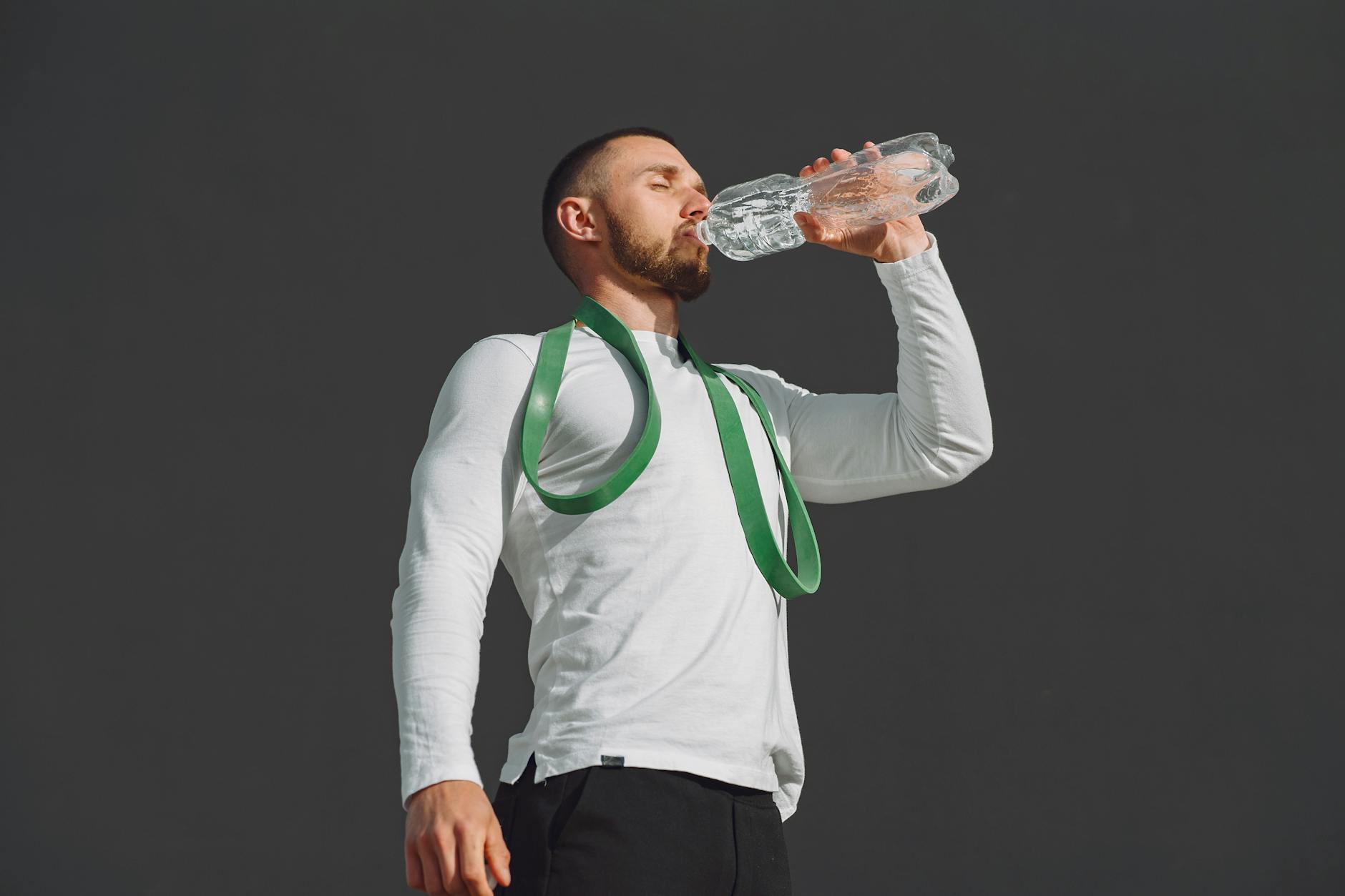
Persistent bad breath that brushing and mouthwash cannot resolve is often rooted in dehydration rather than poor oral hygiene alone. Saliva has natural antimicrobial properties that help keep odor-causing bacteria in check throughout the day. When saliva production decreases due to low fluid intake, bacterial populations in the mouth can grow unchecked. Staying consistently hydrated supports a healthier oral environment and fresher breath without relying solely on dental products.
Brain Fog
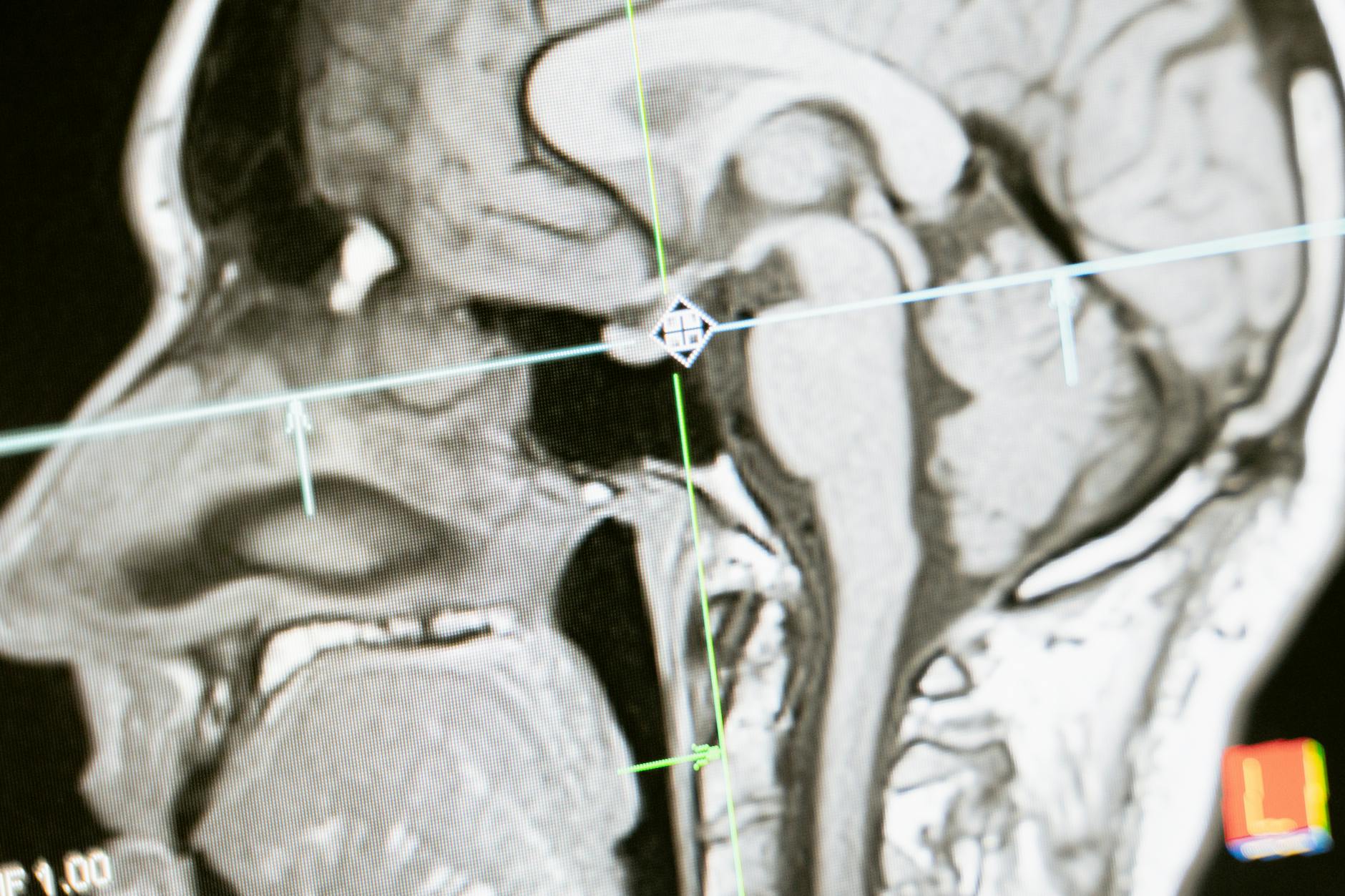
Difficulty concentrating, slow thinking, or a general sense of mental cloudiness can all be symptoms of inadequate hydration. The brain is approximately seventy-five percent water, and even mild dehydration affects its ability to function at full capacity. Tasks that normally feel straightforward may require more effort and time when fluid levels are even slightly below optimal. Research consistently shows that proper hydration supports memory, attention, and overall cognitive performance.
Irritability
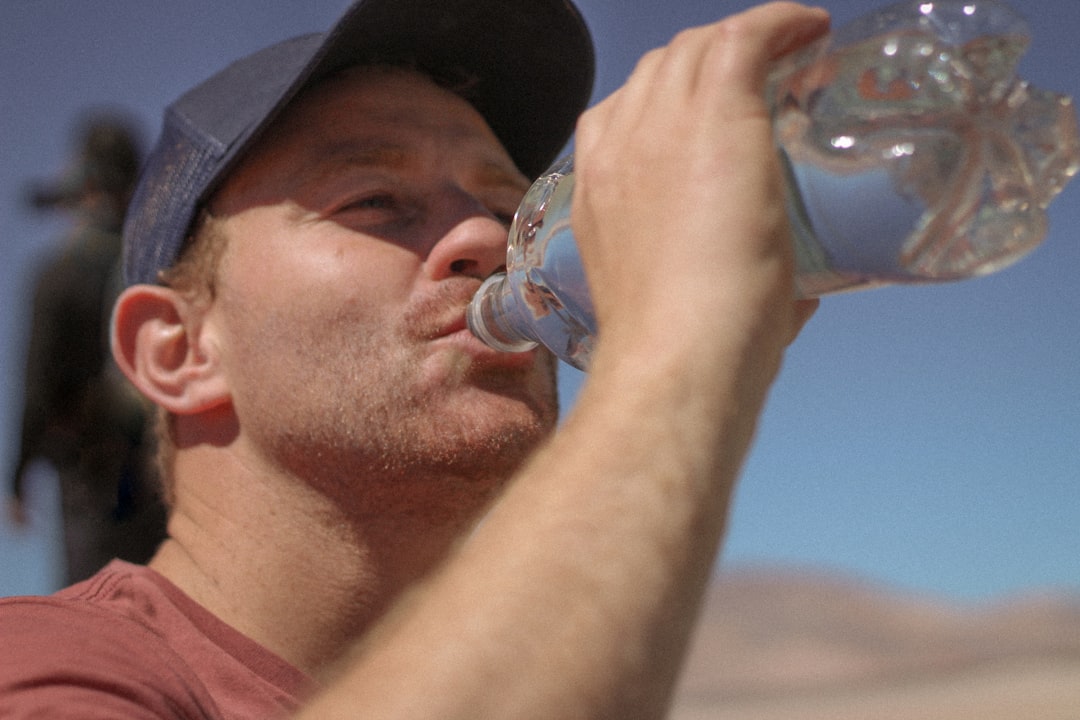
Mood changes, including increased irritability, anxiety, or a low frustration threshold, have been scientifically linked to mild dehydration in multiple studies. The brain is highly sensitive to changes in fluid balance, and even small deficits can alter neurotransmitter activity and emotional regulation. People who are chronically slightly dehydrated may find themselves more prone to mood swings without identifying water intake as a contributing factor. Addressing hydration is increasingly recognized as a straightforward and effective component of mood management.
Reduced Urination

Healthy adults typically urinate between six and eight times per day, and a noticeable reduction in frequency is a meaningful sign of dehydration. When fluid intake drops, the kidneys respond by producing less urine to conserve water for essential bodily functions. Going many hours without needing to urinate is the body signaling that it is in conservation mode. Tracking bathroom frequency is a low-effort way to monitor hydration trends across the day.
Sunken Eyes
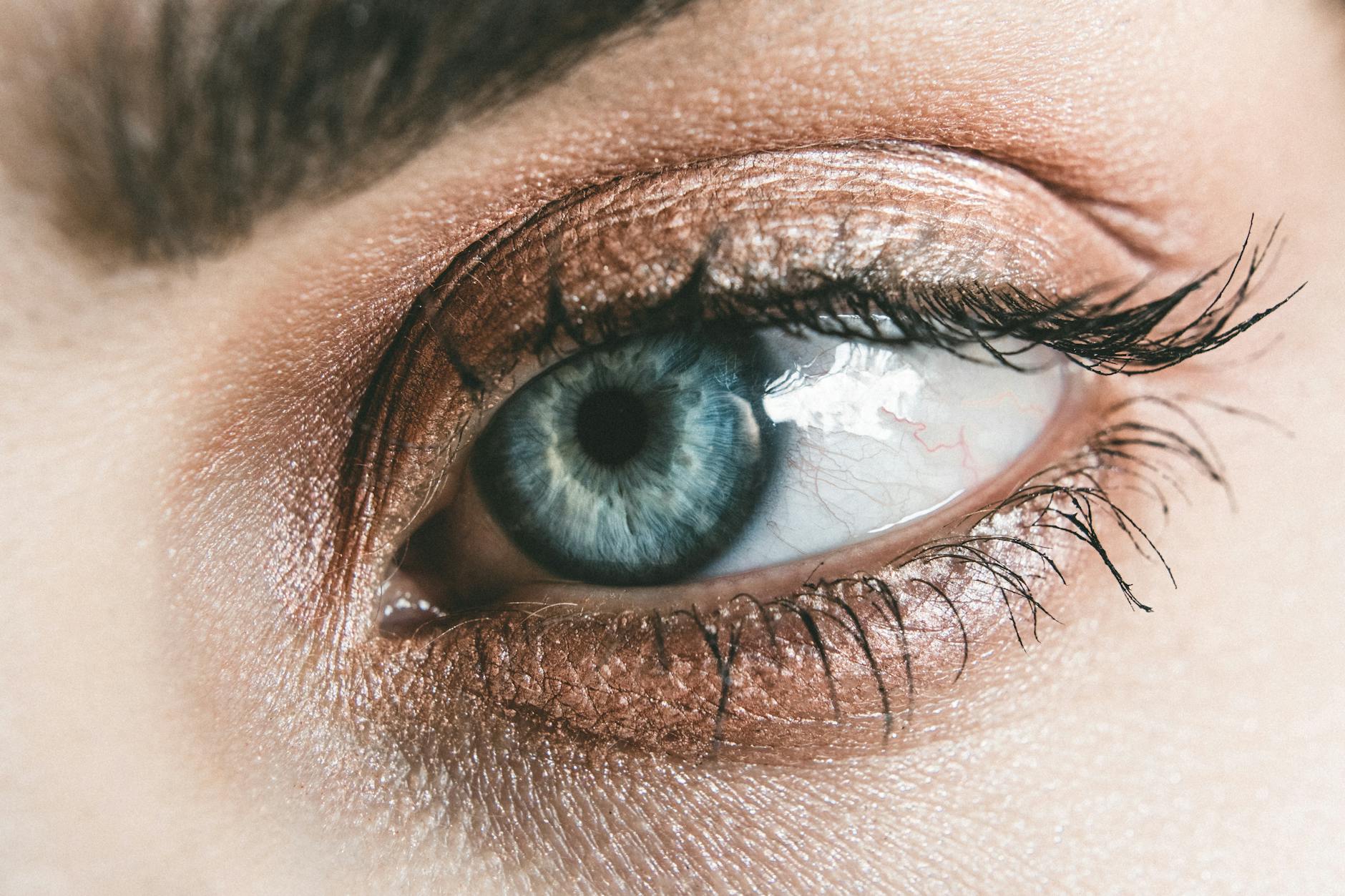
Eyes that appear more deeply set or surrounded by dark shadows than usual can indicate that the body’s tissues are lacking adequate fluid. Dehydration causes the delicate skin and soft tissue around the eyes to lose volume and plumpness fairly quickly. This appearance is often mistaken for sleep deprivation or aging when the true cause is insufficient water intake. Rehydrating consistently over several days can visibly improve the appearance of the under-eye area.
Rapid Heartbeat
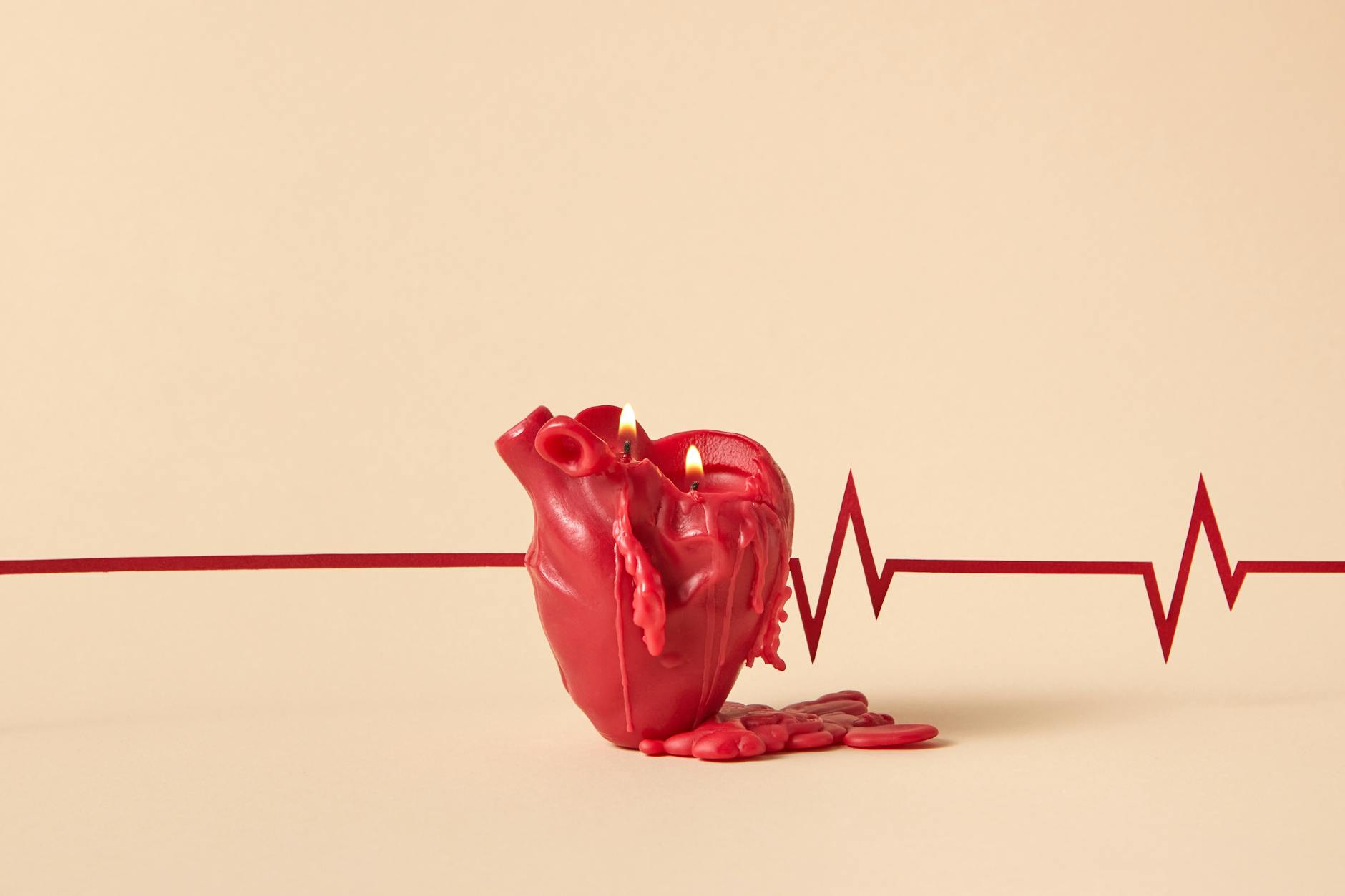
An elevated resting heart rate or heart palpitations can sometimes be traced back to dehydration rather than a cardiovascular issue. When blood volume decreases due to fluid loss, the heart must beat faster to maintain circulation and deliver oxygen to the body’s tissues. This increased workload can be felt as a fluttering sensation or a noticeably quicker pulse, particularly during light activity. If palpitations occur regularly alongside other dehydration symptoms, increasing water intake is a reasonable and important first step.
Low Blood Pressure
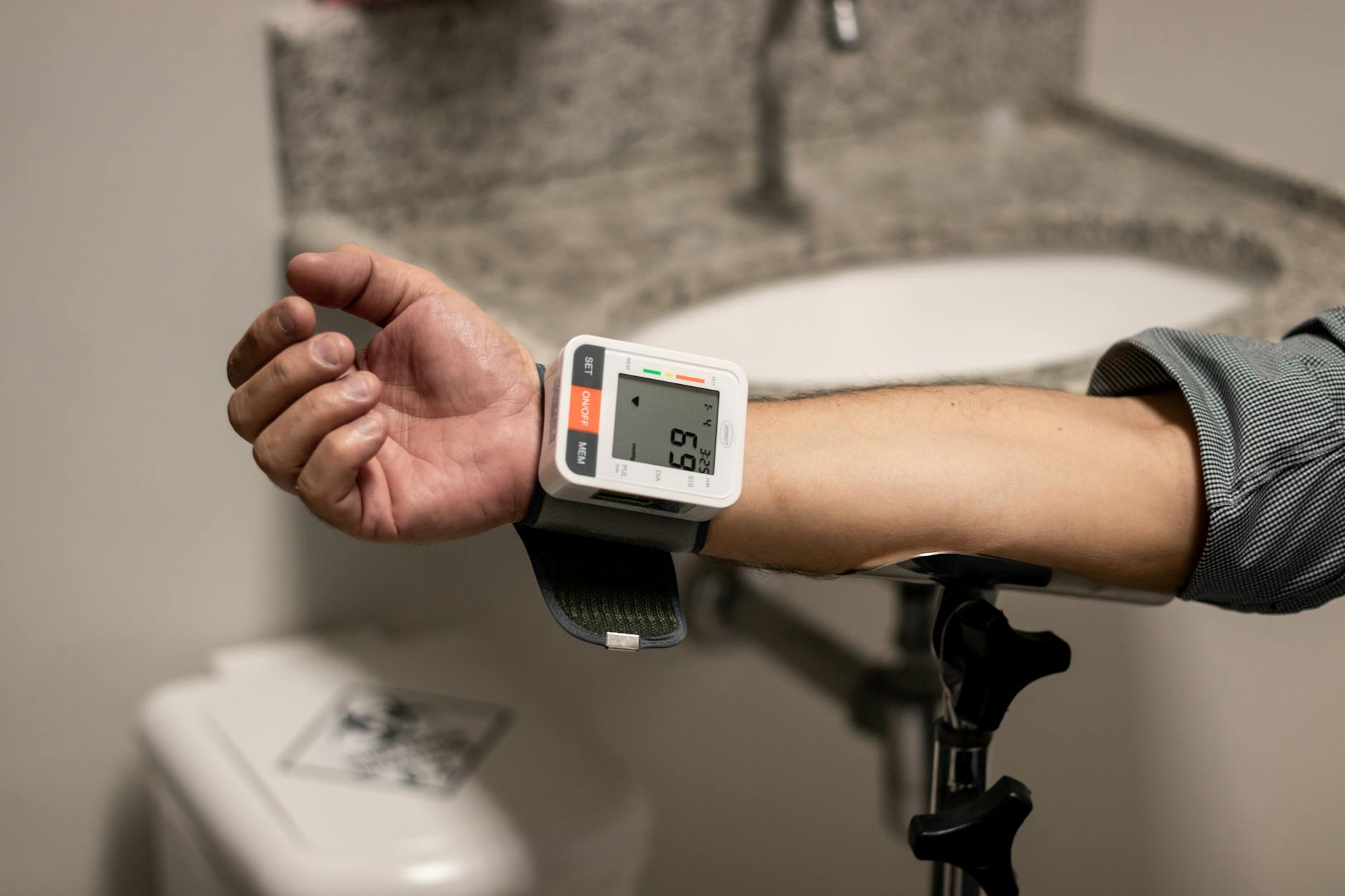
Chronically low blood pressure, particularly when accompanied by fatigue and lightheadedness, is often connected to insufficient fluid intake. Blood is largely composed of water, and dehydration reduces the overall volume circulating through the cardiovascular system. This drop in volume puts less pressure on artery walls, resulting in lower blood pressure readings. People who experience frequent low blood pressure episodes are often advised to increase their daily fluid intake as part of their management approach.
Cold Hands and Feet
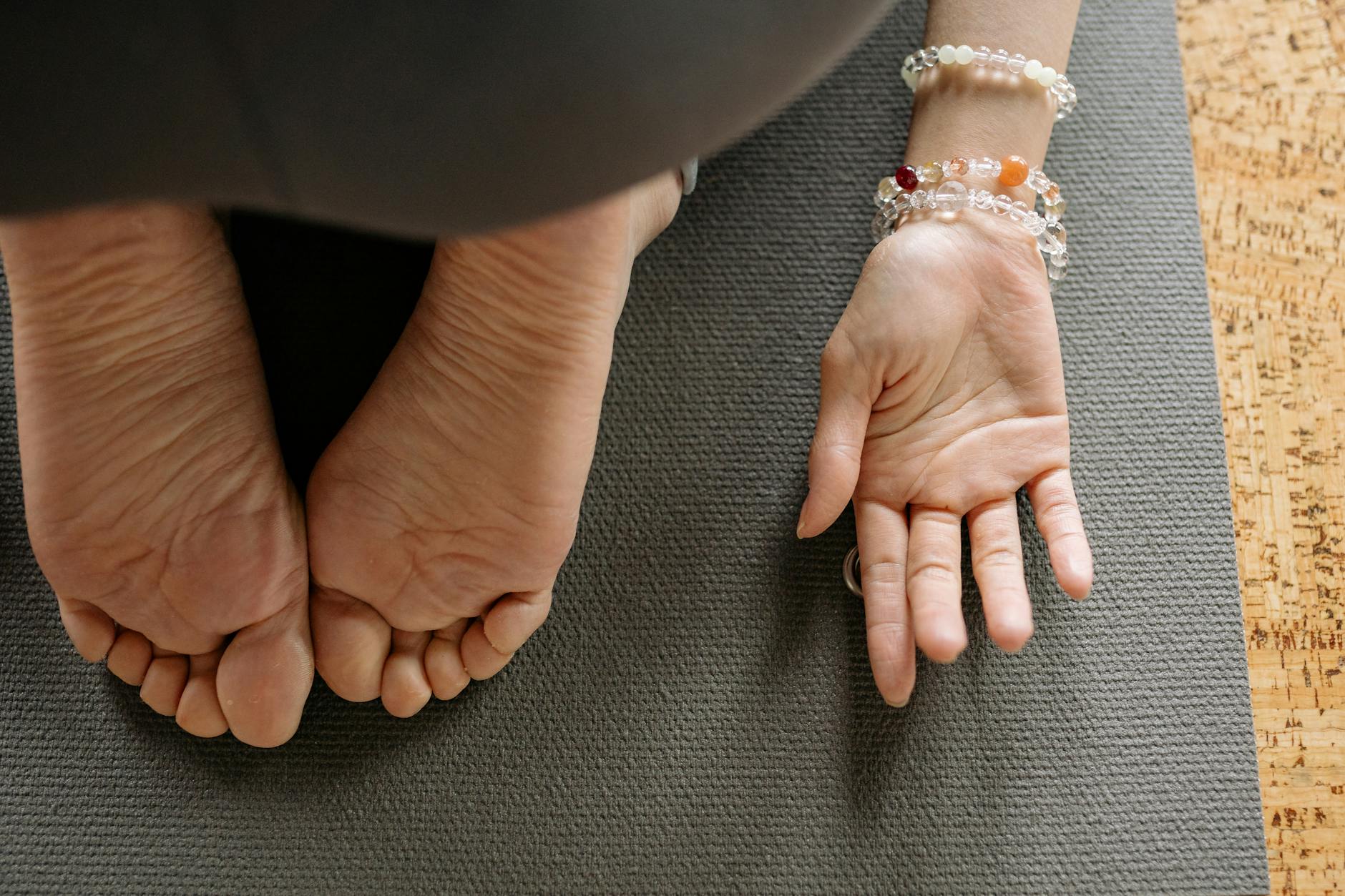
Persistent coldness in the extremities, even in warm environments, can be a sign that circulation is being compromised by low fluid levels. Dehydration reduces blood volume, which can cause the body to prioritize circulation to vital organs over the hands and feet. This peripheral vasoconstriction is a protective mechanism but can leave the extremities feeling noticeably cold and under-nourished. Warming up through hydration rather than only external heat sources may address the underlying cause more effectively.
Chapped Lips
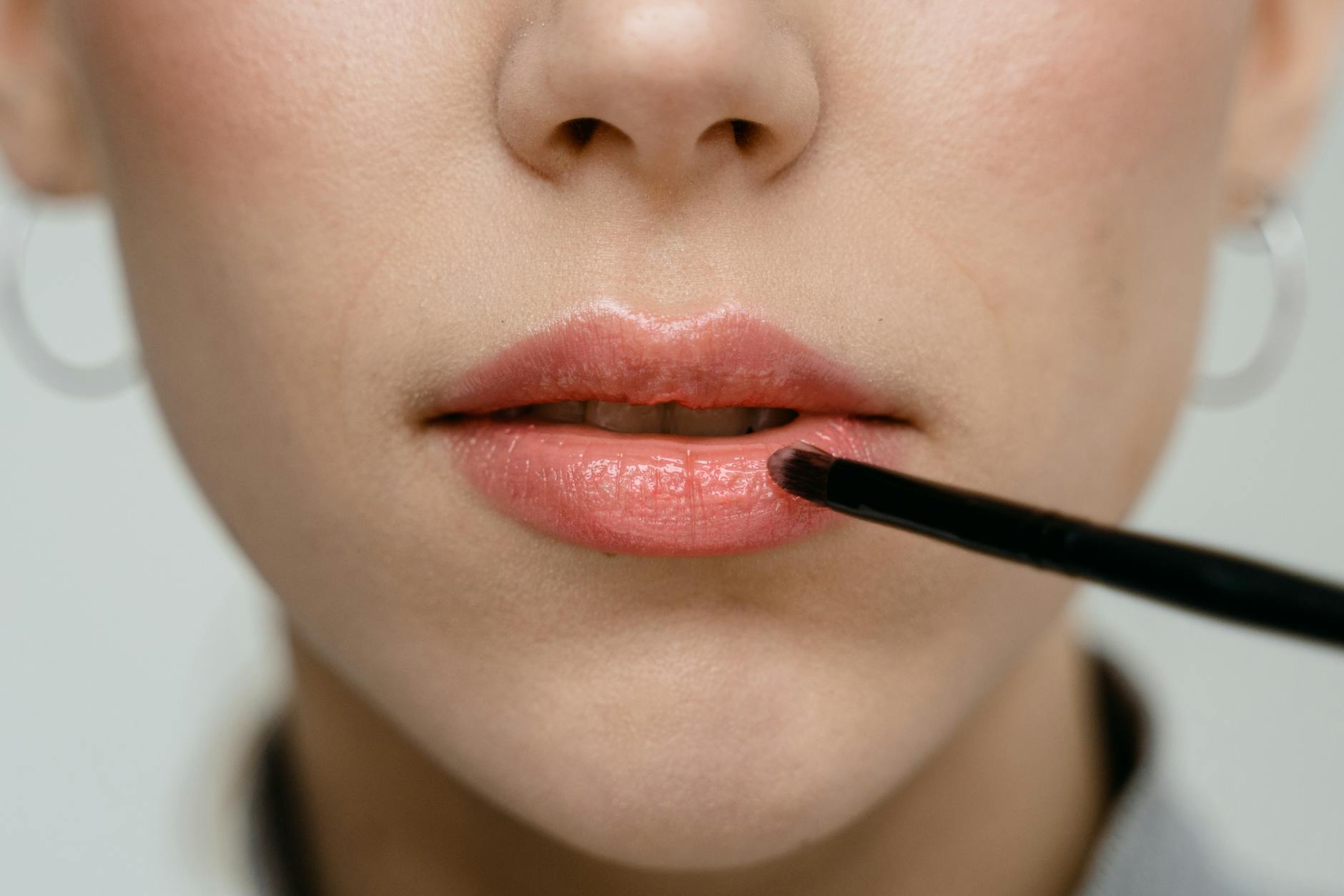
Lips that are persistently dry, cracked, or peeling despite regular use of lip balm may be signaling systemic dehydration. The lips have no sweat glands and very little moisture-retaining capacity on their own, making them particularly vulnerable to internal fluid deficits. While environmental factors like cold or wind can contribute, recurring chapping that returns quickly after applying balm is often a hydration issue. Drinking more water throughout the day frequently resolves this problem more effectively than topical treatments alone.
Sweet Cravings

Strong cravings for sugary foods or carbohydrates can sometimes be the body’s confused response to dehydration rather than genuine hunger. The liver requires water to release glycogen as usable energy, and when fluid levels are low, this process becomes less efficient. The resulting drop in available blood sugar can trigger cravings for quick energy sources like sweets and refined carbs. Drinking a glass of water before reaching for a sweet snack is a useful strategy for identifying whether the craving is truly hunger or a hydration signal.
Reduced Athletic Performance
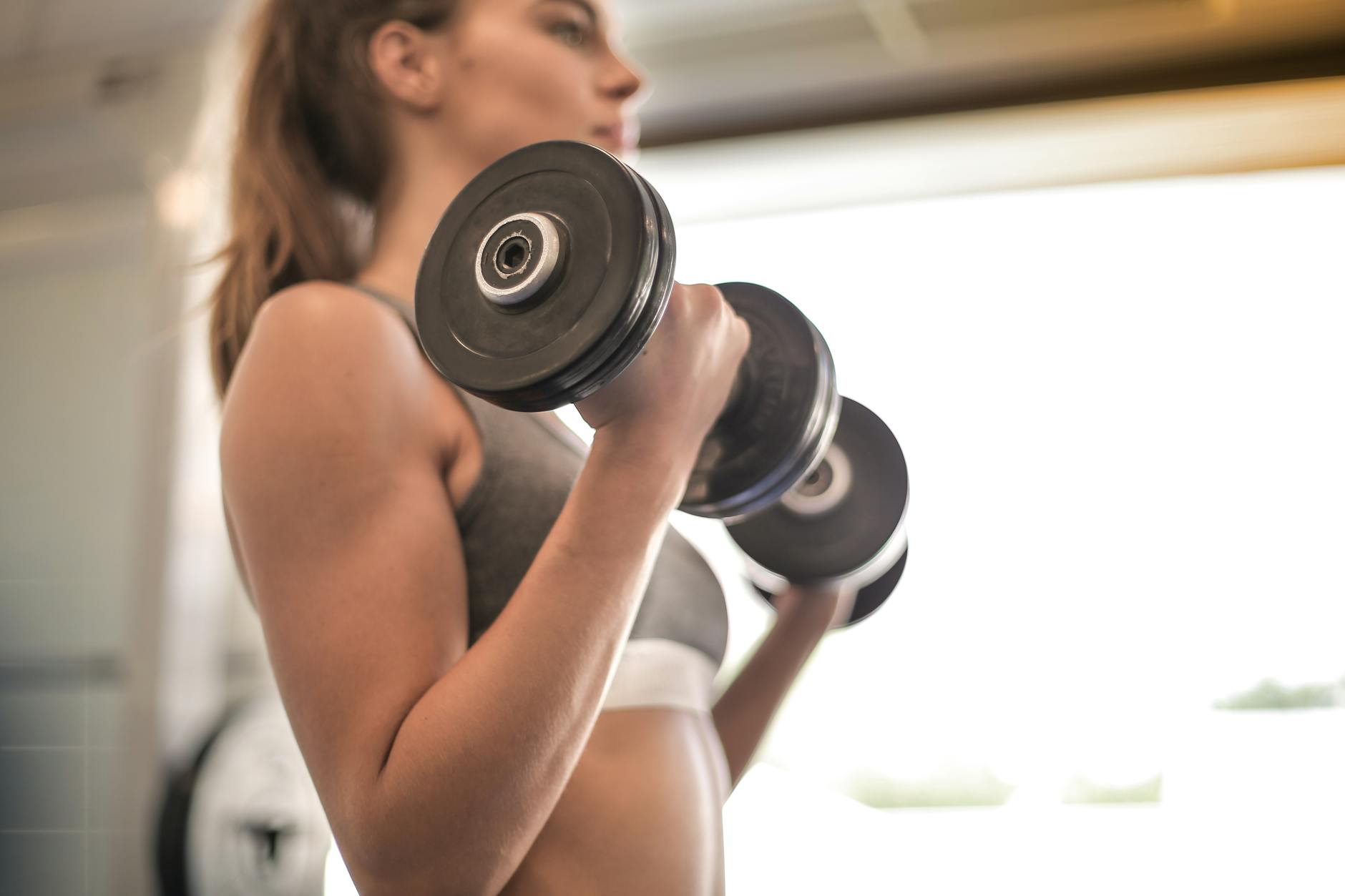
Athletes and active individuals often experience measurable declines in strength, endurance, and coordination before they notice thirst during exercise. Even a small percentage of body weight lost through sweat without replacement can impair physical performance significantly. Reaction time slows, muscles fatigue more quickly, and the perceived effort of physical tasks increases when the body is under-hydrated. Proactive hydration before and during physical activity is consistently identified as one of the most impactful performance tools available.
Joint Pain
Cartilage in the joints is largely composed of water and depends on consistent hydration to maintain its cushioning and shock-absorbing function. When the body is chronically dehydrated, cartilage can lose some of its fluid content, reducing its ability to protect joint surfaces during movement. This can manifest as increased stiffness, aching, or discomfort in the knees, hips, and other weight-bearing joints. People managing joint issues are often advised to monitor and increase water intake as part of a comprehensive approach to joint health.
Back Pain

Lower back discomfort that appears without a clear physical injury may be connected to the hydration status of the spinal discs. The intervertebral discs that cushion the spine are made primarily of water and must be regularly replenished through adequate fluid intake. When hydration is insufficient, these discs lose height and resilience, placing additional stress on surrounding structures. Chronic mild dehydration is considered a contributing factor in recurring unexplained lower back pain.
Hunger After Meals
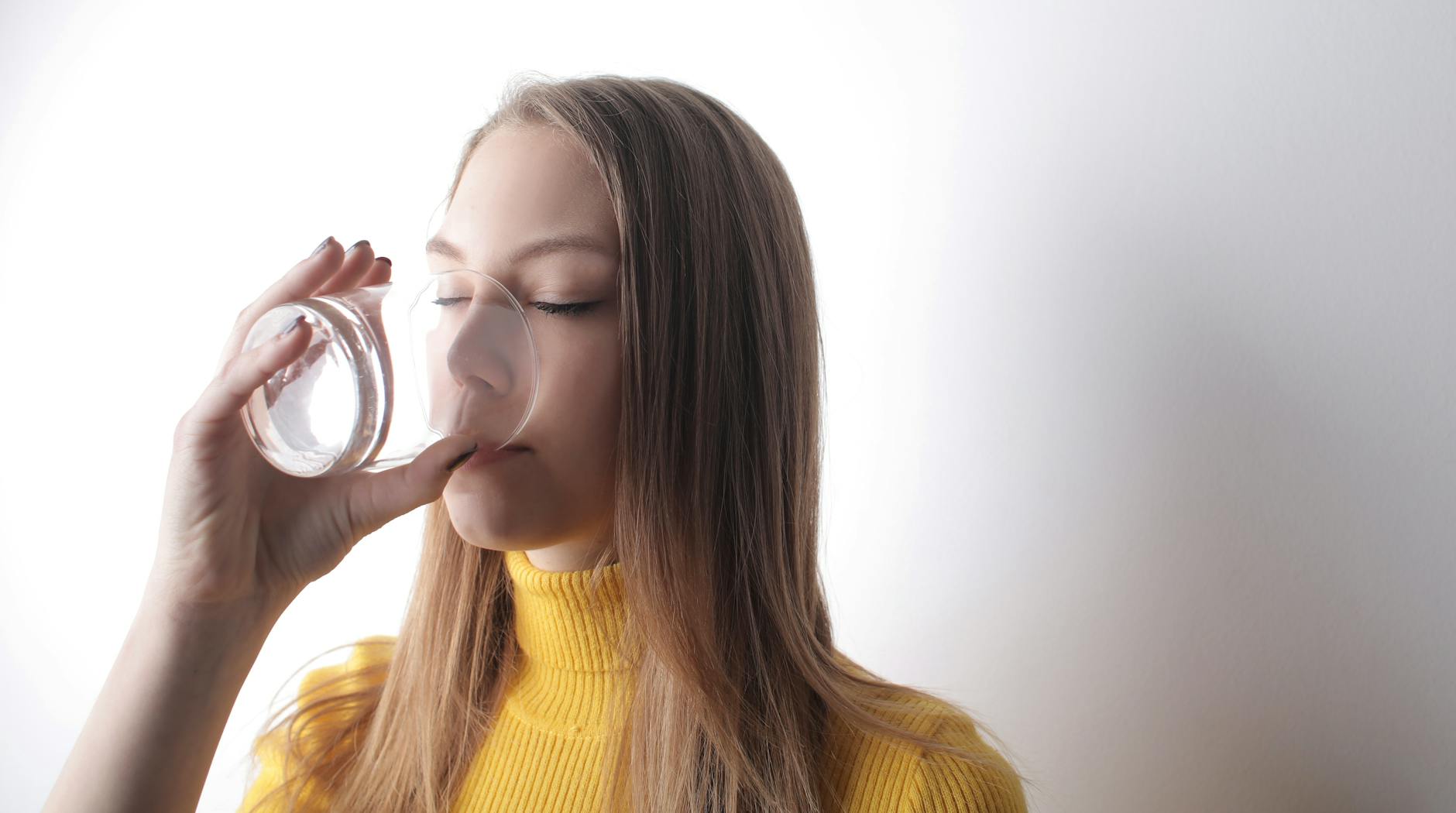
Feeling hungry again shortly after eating a full meal can sometimes be a sign of thirst being misread by the brain. The hypothalamus, which regulates both hunger and thirst signals, can sometimes send ambiguous cues that lead people to eat when what the body actually needs is water. This confusion is more common than many people realize and can contribute to overeating over time. Drinking a glass of water before and after meals is a habit that helps the body better interpret its actual needs.
Difficulty Sleeping

Dehydration can interfere with sleep quality in several interconnected ways that are not always easy to identify as hydration-related. When fluid levels are low, the body may experience increased muscle cramping at night, disrupted temperature regulation, and heightened production of histamine, all of which can fragment sleep. Snoring and sleep apnea symptoms may also worsen with dehydration due to dryness in the throat and airways. Ensuring adequate hydration throughout the day rather than drinking large amounts right before bed supports more restful sleep.
Dry Eyes
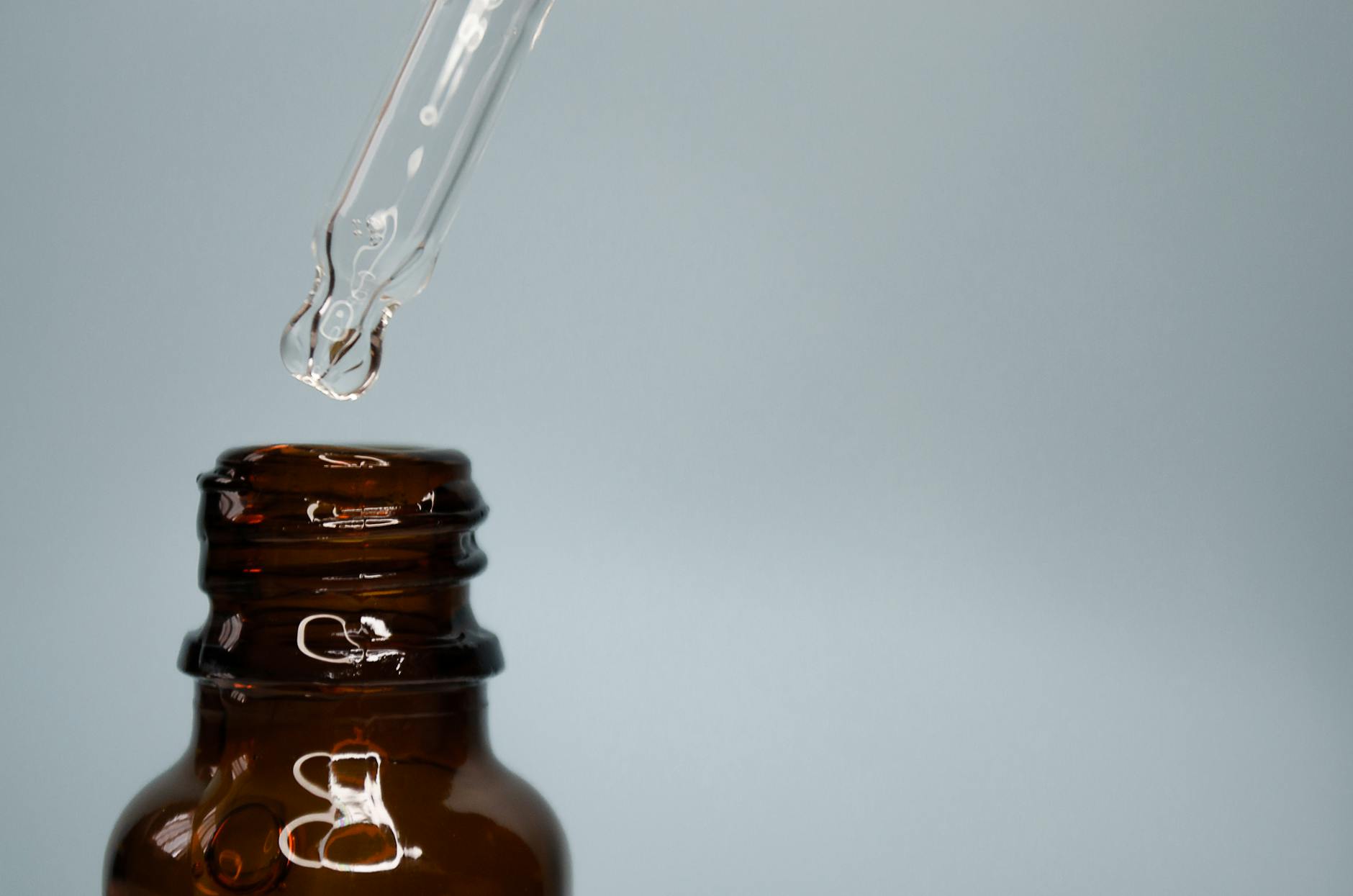
Eyes that feel gritty, itchy, burning, or uncomfortably dry throughout the day may be reflecting inadequate overall hydration. Tears are produced by glands that depend on sufficient fluid availability in the body, and chronic dehydration can reduce tear film quality. This leads to increased friction across the eye surface, light sensitivity, and a feeling of general discomfort. People who spend long hours on screens may attribute these symptoms to eye strain alone, but hydration plays a significant role in tear production and eye comfort.
Reduced Sweat During Exercise
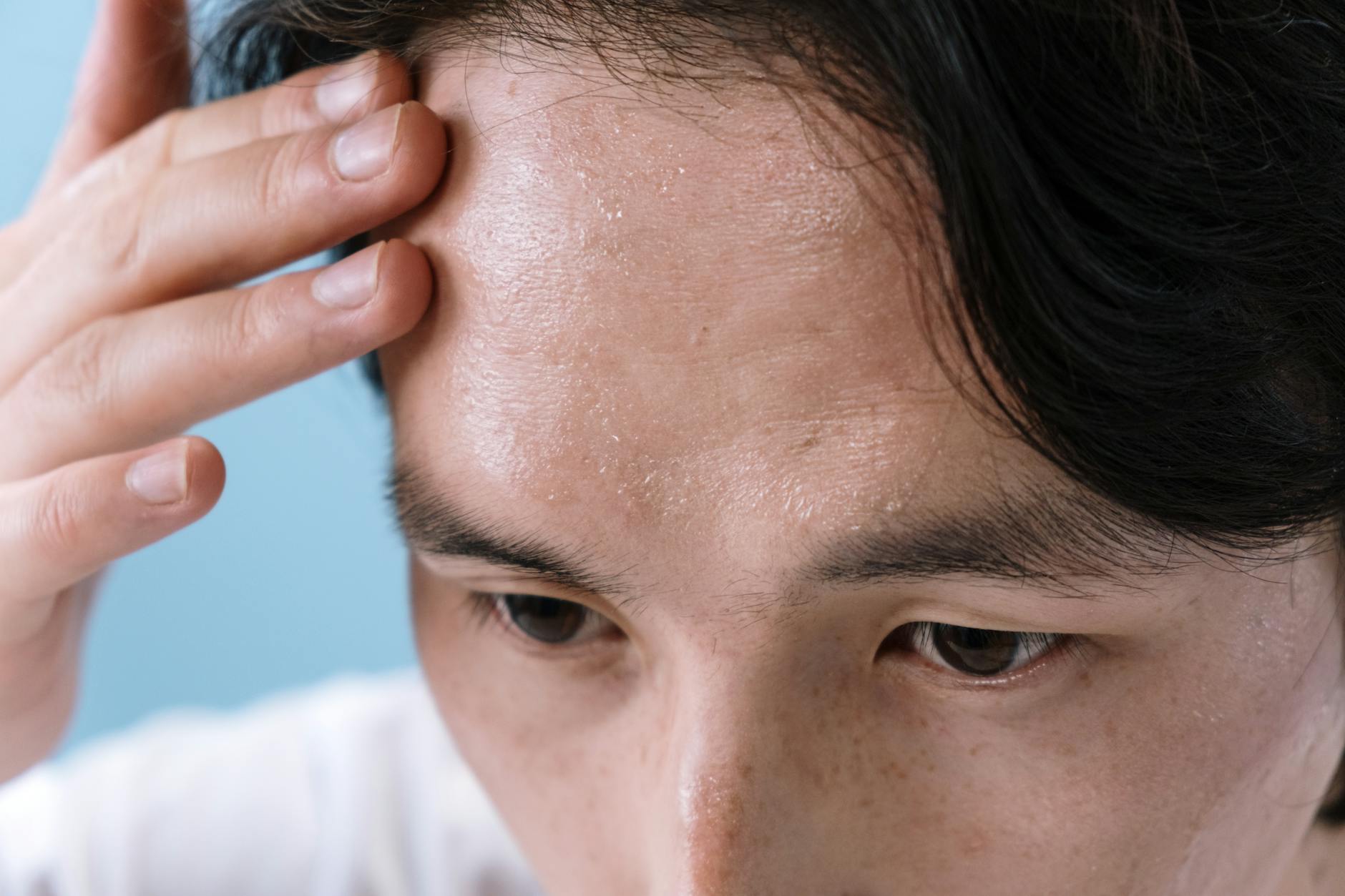
An inability to sweat adequately during physical exertion in warm conditions is a warning sign of significant dehydration that should not be ignored. Sweating is the body’s primary cooling mechanism, and when fluid reserves are critically low, this system begins to fail. Exercising in heat without sweating appropriately puts the body at serious risk of overheating and heat-related illness. If sweat production seems noticeably reduced during conditions that would normally produce it, immediate rehydration and rest are essential.
Wrinkles and Fine Lines
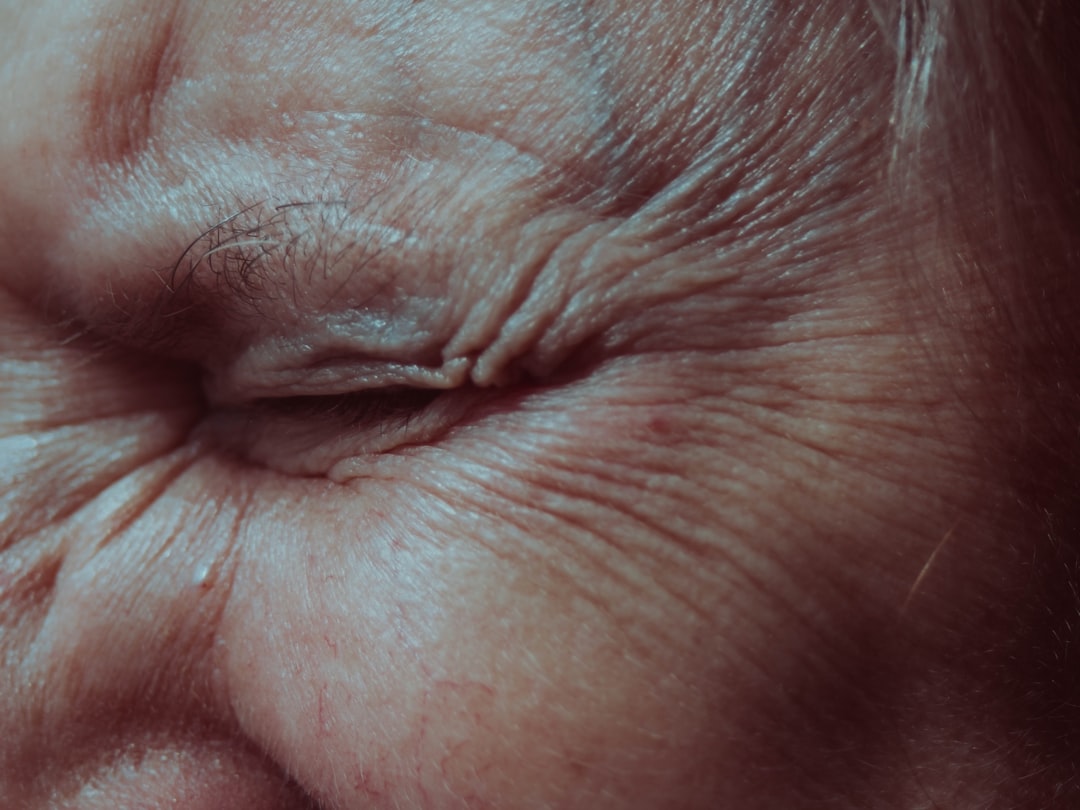
Dehydration can make existing fine lines and wrinkles appear more pronounced and the skin’s overall texture look duller than when well-hydrated. Skin cells that are properly hydrated maintain a fuller, smoother appearance that minimizes the visibility of surface irregularities. Many people invest heavily in anti-aging skincare products without first addressing the internal hydration that underpins skin structure. Consistent water intake is one of the most accessible and cost-effective tools for maintaining a more youthful skin appearance.
Slow Wound Healing
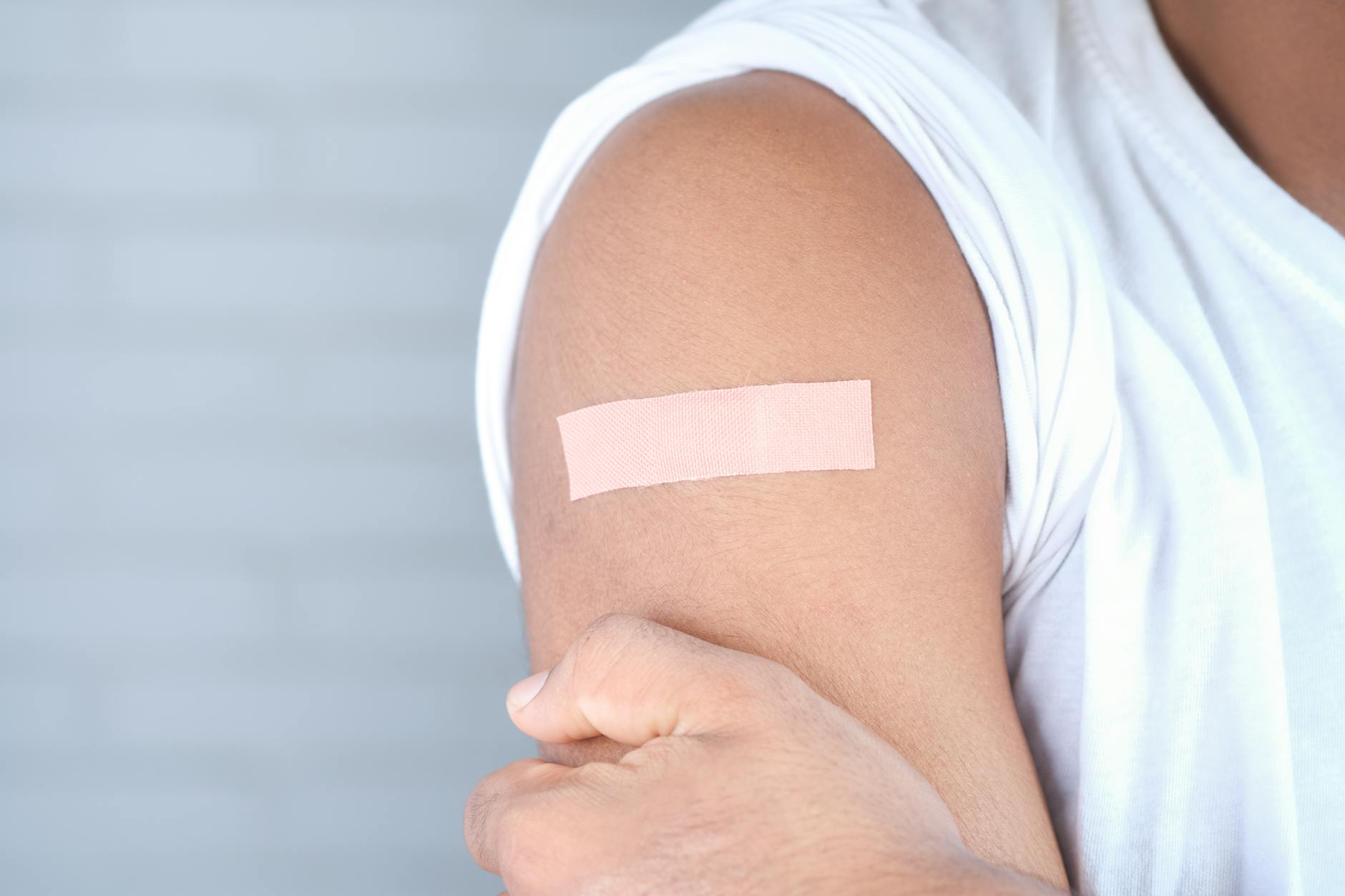
Cuts, blisters, and minor skin injuries that take longer than expected to heal can reflect underlying dehydration affecting the body’s repair processes. Cellular regeneration and immune response both require adequate water to function efficiently, and fluid deficits can slow both significantly. Blood flow to wound sites is also reduced when overall circulation is compromised by low fluid volume. Supporting healing through consistent hydration is a straightforward and often overlooked aspect of recovery.
Fever Without Illness
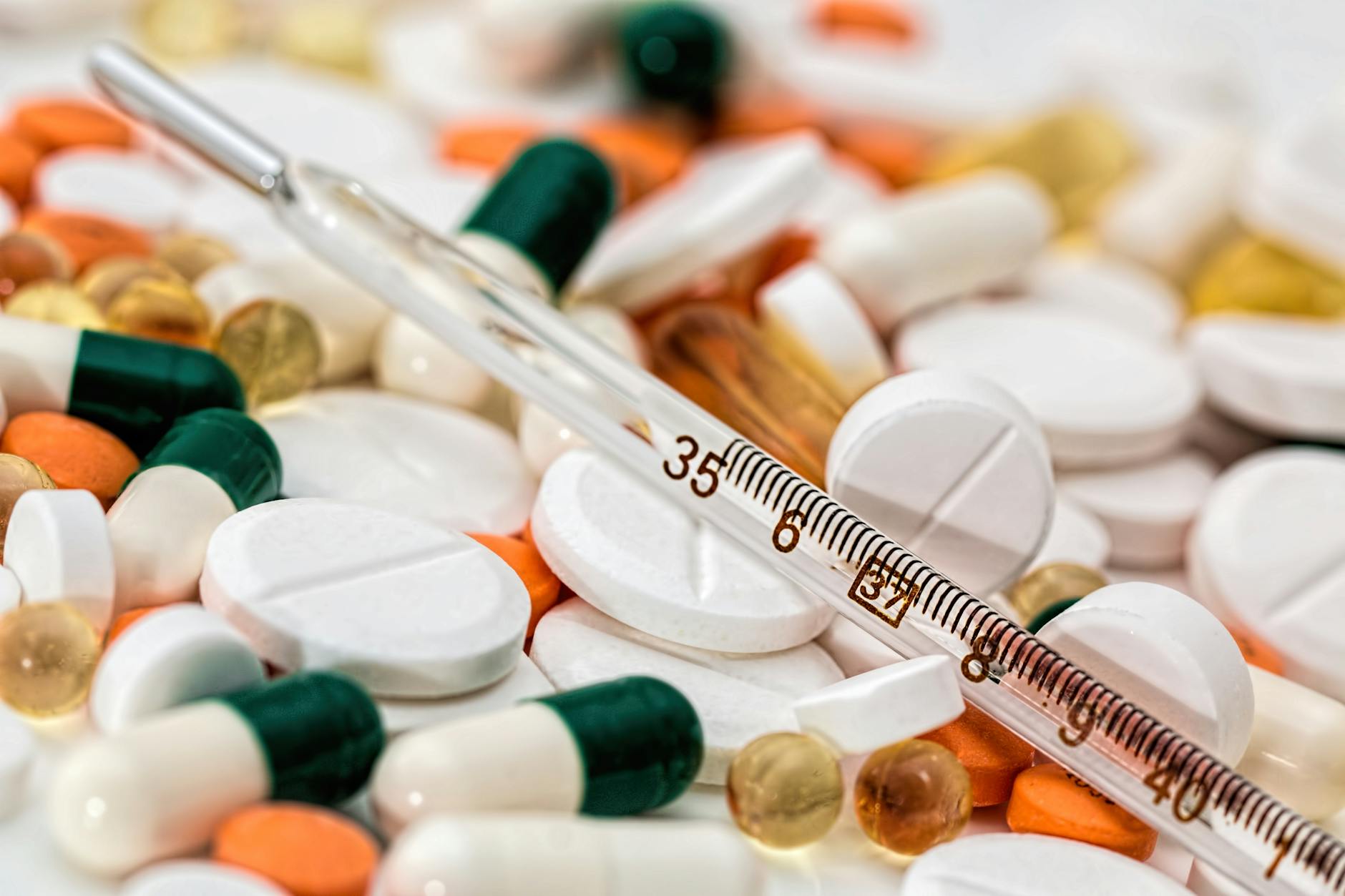
A mildly elevated body temperature without any accompanying signs of infection can sometimes be attributed to dehydration rather than illness. The body relies on adequate fluid levels to regulate core temperature through sweating and circulation. When cooling mechanisms are impaired by dehydration, body temperature can rise above its normal range. This is particularly important to recognize in hot weather or after exercise when fluid losses are highest.
Anxiety

A growing body of research connects dehydration to heightened feelings of anxiety, tension, and psychological stress. When fluid levels fall, cortisol production can increase and the body’s overall stress response becomes more easily activated. People who experience anxiety without a clear situational trigger may find that improving hydration creates a noticeable and relatively quick reduction in baseline tension. Treating hydration as a component of mental wellness alongside other strategies is an approach increasingly supported by nutritional research.
If any of these signs sound familiar, share which ones surprised you most in the comments.




