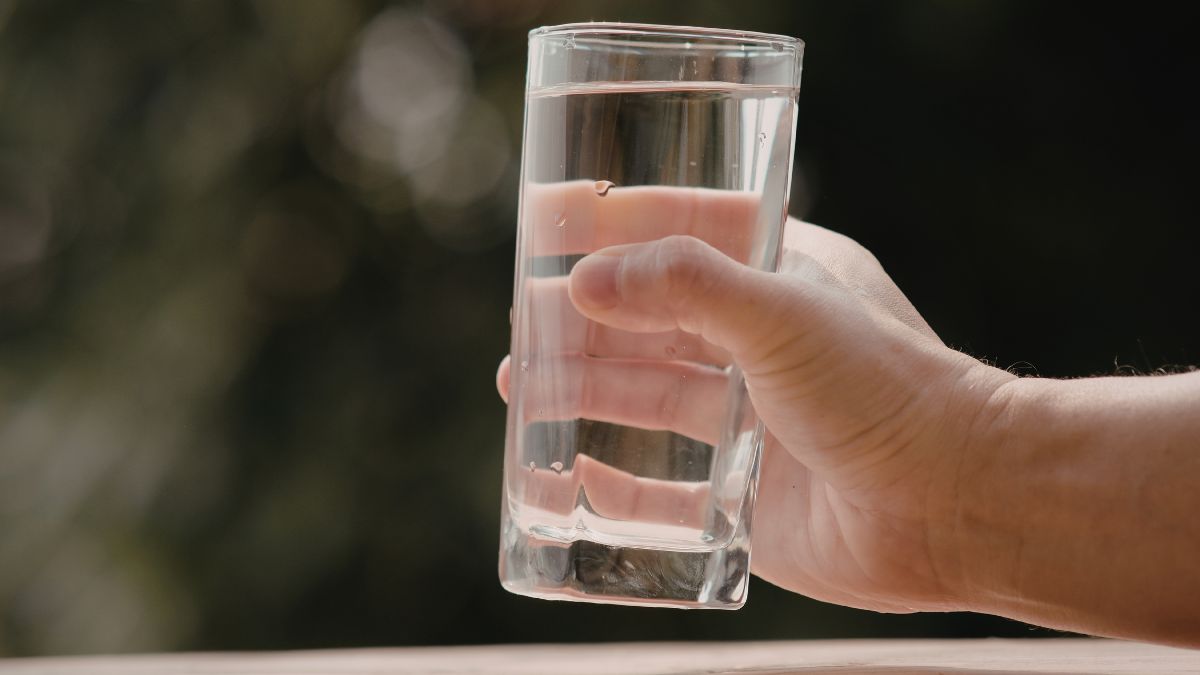
Many people turn to simple habits like drinking warm water hoping it will speed up their journey to a slimmer figure. Social media often buzzes with claims that hot or warm water boosts metabolism, melts fat, or flushes out toxins to make shedding pounds easier. However, medical experts consistently point out that these ideas stem more from trends than from solid science. The weight loss industry pushes countless quick fixes every year, but lasting results rarely come from one isolated trick. Instead, professionals emphasize that no single beverage temperature holds magical powers for dropping weight.
Dr. Mir Ali, a bariatric surgeon and medical director at MemorialCare’s Surgical Weight Loss Center, offers a straightforward response. He states there is no compelling evidence that drinking warm water promotes weight loss on its own. The notion that it stimulates metabolism enough to burn significant calories lacks support. The energy your body uses to bring water to core temperature remains negligible in clinical terms. Dr. Richele Corrado, an internist and bariatrician, echoes this view by noting nothing magical exists in warm water. She highlights how the industry profits from unproven solutions while real progress demands consistent effort.
Experts also address the detoxification angle often tied to warm water. Dr. Hans J. Schmidt, director of bariatric surgery, explains that the body relies on the kidneys and liver for natural cleansing. Hydration supports these organs, but temperature plays no special role in enhancing that process. Claims of warm water uniquely eliminating toxins fall short of scientific backing. Drinking enough water in general helps prevent dehydration, which sometimes masquerades as hunger and leads to unnecessary snacking. Staying hydrated can curb appetite and support better choices throughout the day.
Warm water does offer some practical perks unrelated to direct fat burning. It can encourage gentle muscle contractions in the digestive tract, potentially easing bloating or mild constipation for certain individuals. Starting the morning with a soothing cup feels calming and may set a positive tone. In contrast, cold water often suits exercise better by helping lower body temperature and improving performance during workouts. Dr. Peter Balazs points out that obsessing over water temperature might discourage people from drinking enough overall. The key lies in consistent intake rather than rigid rules about heat or chill.
True weight loss hinges on proven fundamentals rather than trendy sips. Increasing protein helps sustain fullness and slightly raises metabolic demands. Cutting back on sugar shifts the body toward using stored fat for energy. Choosing whole foods over processed options reduces hidden calories and unhealthy fats. Regular movement, even thirty minutes of walking most days, preserves muscle and keeps metabolism steady. Quality sleep of seven to nine hours regulates hunger hormones, while stress management prevents emotional eating from derailing efforts. When needed, consulting certified obesity specialists provides personalized guidance far superior to online fads.
Drinking water at any comfortable temperature supports these habits indirectly by promoting satiety before meals and reducing overall calorie consumption. Studies show that people who drink more water often eat less without feeling deprived. The effect stems from hydration itself, not from warmth or cold. Relying on basics like balanced eating, activity, rest, and hydration yields sustainable change. Chasing myths about warm water wastes time that could go toward building lasting routines.
What are your experiences with water temperature and weight management? Share your thoughts in the comments.




