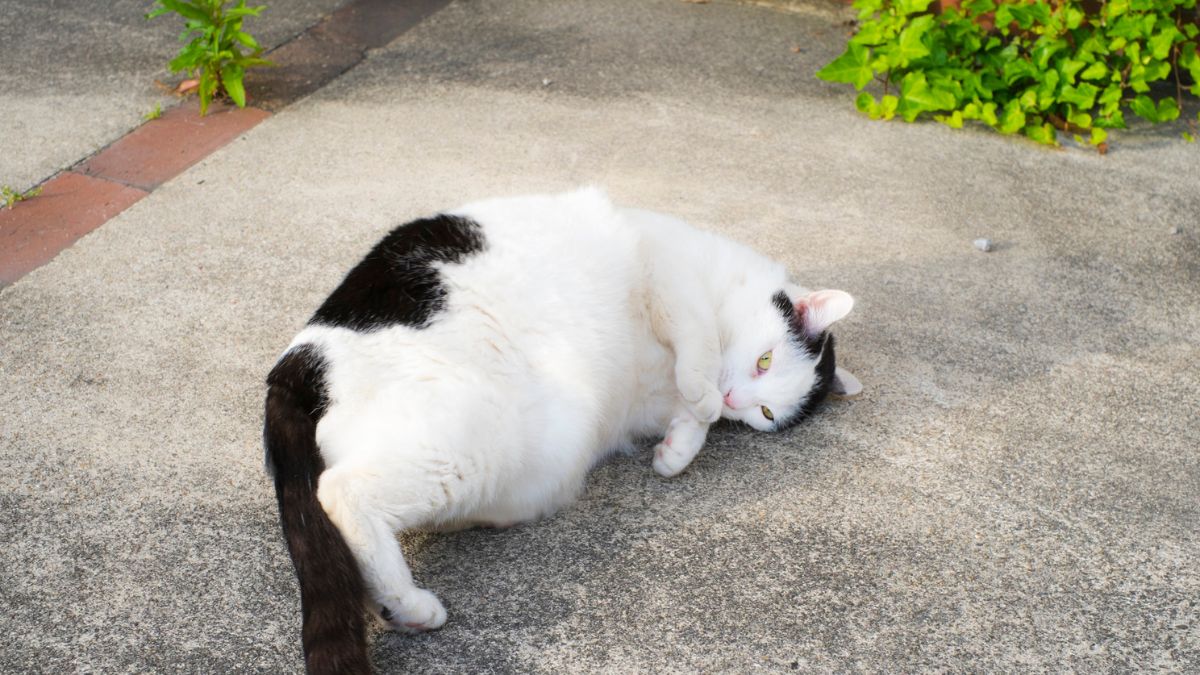
Most pet owners would do anything for the animals they love, but one of the most widespread health crises facing dogs and cats today is quietly being driven by that same love. Obesity in pets has become far more common than most people realize, and veterinary professionals are increasingly concerned about how rarely owners recognize the problem until it has already done serious damage. According to medical criteria, a pet is considered obese when its body weight exceeds its ideal mass by more than 20 percent, a threshold measured through a standardized evaluation tool known as the Body Condition Score system. The numbers are striking: research consistently shows that more than 50 percent of dogs and cats in developed countries are now overweight or obese, a figure that has been climbing steadily over the past two decades and that closely mirrors human obesity trends.
What makes this situation particularly difficult to address is that many owners simply do not see the problem. Studies have found that even when a veterinarian clearly communicates that a pet is clinically obese, a large proportion of owners walk out of the office without fully accepting that assessment. The animals they see every day at home look normal to them because the gradual weight gain happened slowly, and because the cultural image of a well-fed, round pet has become associated with being cared for rather than being at risk. This disconnect between what owners perceive and what veterinarians measure is one of the central obstacles to turning the trend around.
One of the most common contributing factors is overfeeding, and it takes several different forms. Portion sizes are frequently too large, treats are given far more often than guidelines recommend, and human food makes its way into the pet’s diet in ways that add significant hidden calories. The problem is compounded by the emotional dimension of feeding. For many owners, offering food is the primary language of affection and connection with their pet. When a dog sits at their feet with hopeful eyes, or a cat winds around their ankles at mealtime, the impulse to give a little extra is powerful and feels entirely natural. What owners often do not account for is that even small amounts of additional food, given consistently over time, create a caloric surplus that the body has no choice but to store as fat.
Physical inactivity is the other side of the equation. A pet that is not getting adequate daily exercise cannot burn the energy it consumes, no matter how thoughtfully its diet is managed. For dogs, this often comes down to walks that are too short or too infrequent, combined with long hours of lying around an apartment or backyard with little mental or physical stimulation. For cats, the issue is often the absence of any structured play, since indoor cats in particular can go weeks without meaningful physical activity if their owners are not actively engaging them. The result is a slow accumulation of excess body fat that, over months and years, crosses the threshold into genuine medical territory.
Another frequently overlooked factor involves the hormonal and metabolic changes that follow spaying or neutering. After these procedures, the metabolic rate of both dogs and cats can slow meaningfully, meaning the same amount of food that maintained a healthy weight before surgery will begin to produce gradual weight gain afterward. Many owners are not warned about this shift in a sufficiently detailed way, or they are told but do not adjust their feeding habits in response. Veterinary nutritionists recommend reducing caloric intake by roughly 20 to 30 percent following spaying or neutering, a change that most owners either never make or make only partially.
The health consequences of allowing obesity to go unaddressed are serious and well-documented. Overweight dogs and cats are significantly more likely to develop diabetes, with obese cats in particular facing dramatically elevated risk of developing diabetes mellitus. Joint problems and arthritis become far more likely as the skeletal structure bears weight it was not designed to support, leading to chronic pain and reduced mobility that owners often misread as the animal simply slowing down with age. Cardiovascular and respiratory function decline as well, and the cumulative effect on the animal’s daily experience of life is substantial. Pets that are obese have reduced capacity for play, struggle with basic movements, and in many cases live meaningfully shorter lives than their healthy-weight counterparts.
The reassuring part of this picture is that the solution, while requiring consistent commitment from owners, is not complicated. Regular veterinary check-ins that include body condition assessments, measured rather than free-fed meals, reduced reliance on food as a form of emotional bonding, and daily structured activity can all make an enormous difference. The key is recognizing that giving a pet less food, or saying no to an extra treat, is not a withdrawal of love. It is, in fact, one of the most direct expressions of it.
The Association for Pet Obesity Prevention in the United States estimates that more than 100 million pets in the country are currently overweight or obese, making it the single most common preventable disease in American companion animals. Cats are particularly susceptible to a condition called hepatic lipidosis, or fatty liver disease, which can develop within just a few days if an obese cat suddenly stops eating, making crash diets for overweight cats genuinely dangerous without veterinary supervision. And here is the detail that tends to stop people cold: a single ounce of cheddar cheese given to a 20-pound dog is the caloric equivalent of an adult human eating two and a half hamburgers in one sitting.
Does your pet struggle with weight, or have you successfully helped them get back to a healthy size? Share your experience in the comments.




