
Your metabolism is the engine that powers your body’s daily functions and energy expenditure. As you age, hormonal changes, lifestyle factors, and cellular function can all contribute to a gradual slowdown in metabolic rate. Recognizing the early warning signs allows you to take proactive steps through nutrition, movement, and lifestyle adjustments. Understanding these signals helps you distinguish between normal aging and concerning patterns that warrant attention. Here are twenty indicators that your metabolism may be working less efficiently than it once did.
Persistent Weight Gain
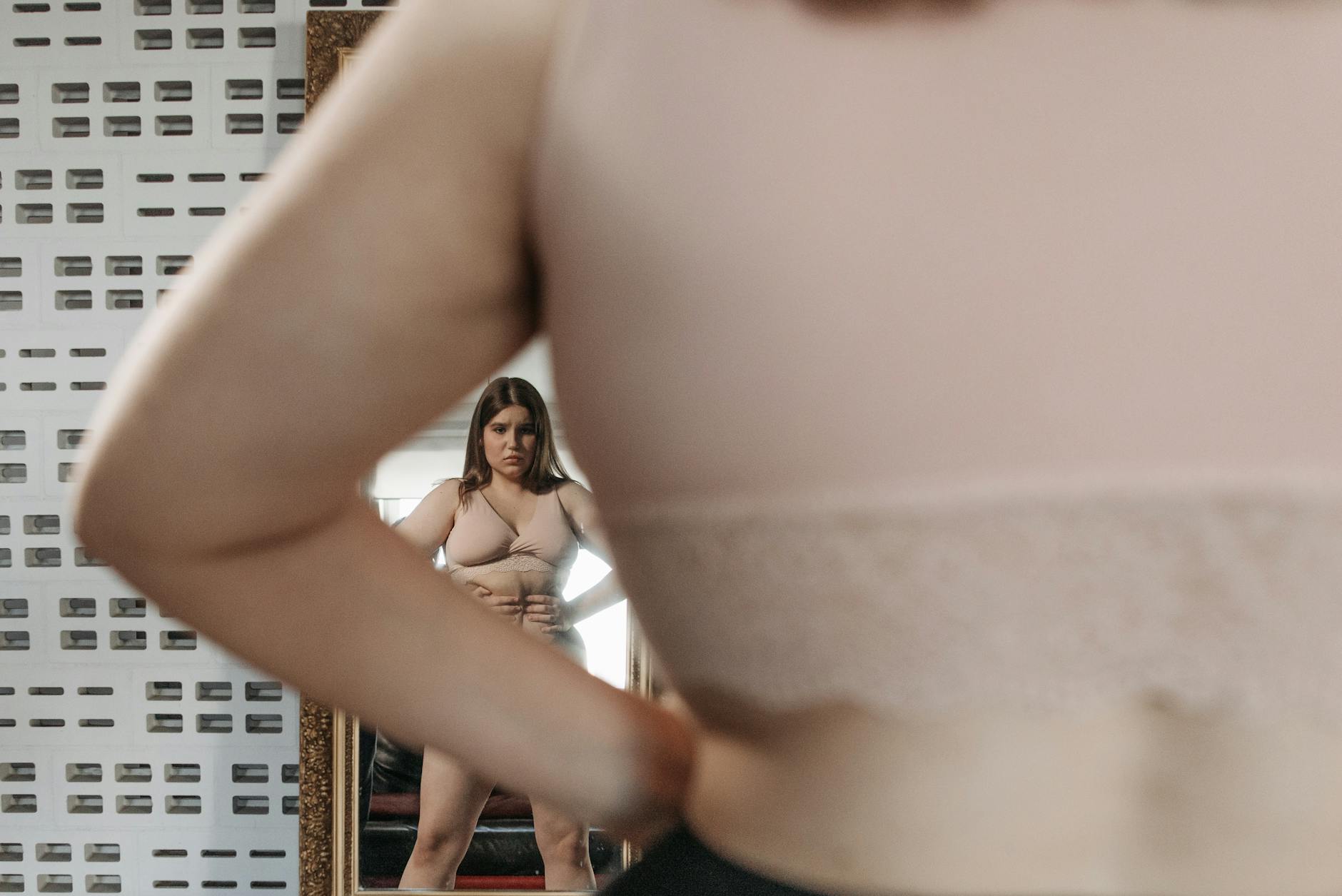
You begin gaining weight despite eating the same foods and portions you always have. This unexplained weight creep often accumulates around the midsection first as metabolism slows. The extra pounds appear without significant changes in your exercise routine or dietary habits. Your clothes fit differently even when the scale shows only a modest increase. This pattern typically signals that your body is burning fewer calories at rest than before.
Constant Fatigue

An overwhelming sense of tiredness persists even after a full night of sleep. You struggle to get through afternoon hours without feeling drained or foggy. Physical activities that once felt energizing now leave you exhausted for hours afterward. This fatigue doesn’t improve with additional rest and affects your daily productivity. The tiredness often comes without any accompanying illness or obvious explanation.
Slower Recovery After Exercise

Your muscles take longer to bounce back after workouts than they previously did. Soreness lingers for several days after relatively light activity or exercise. You feel more winded during the same physical activities that previously felt manageable. Your performance in fitness routines has noticeably declined without obvious cause. Recovery time extending beyond a few days after typical exercise suggests metabolic changes.
Cold Intolerance

You feel significantly colder than other people in the same environment. Your hands and feet become cold more easily and warm up more slowly. You find yourself reaching for sweaters and layers when others are comfortable. Cold sensitivity intensifies especially during evening and nighttime hours. This temperature sensitivity often appears without any underlying medical condition.
Hair Loss or Thinning
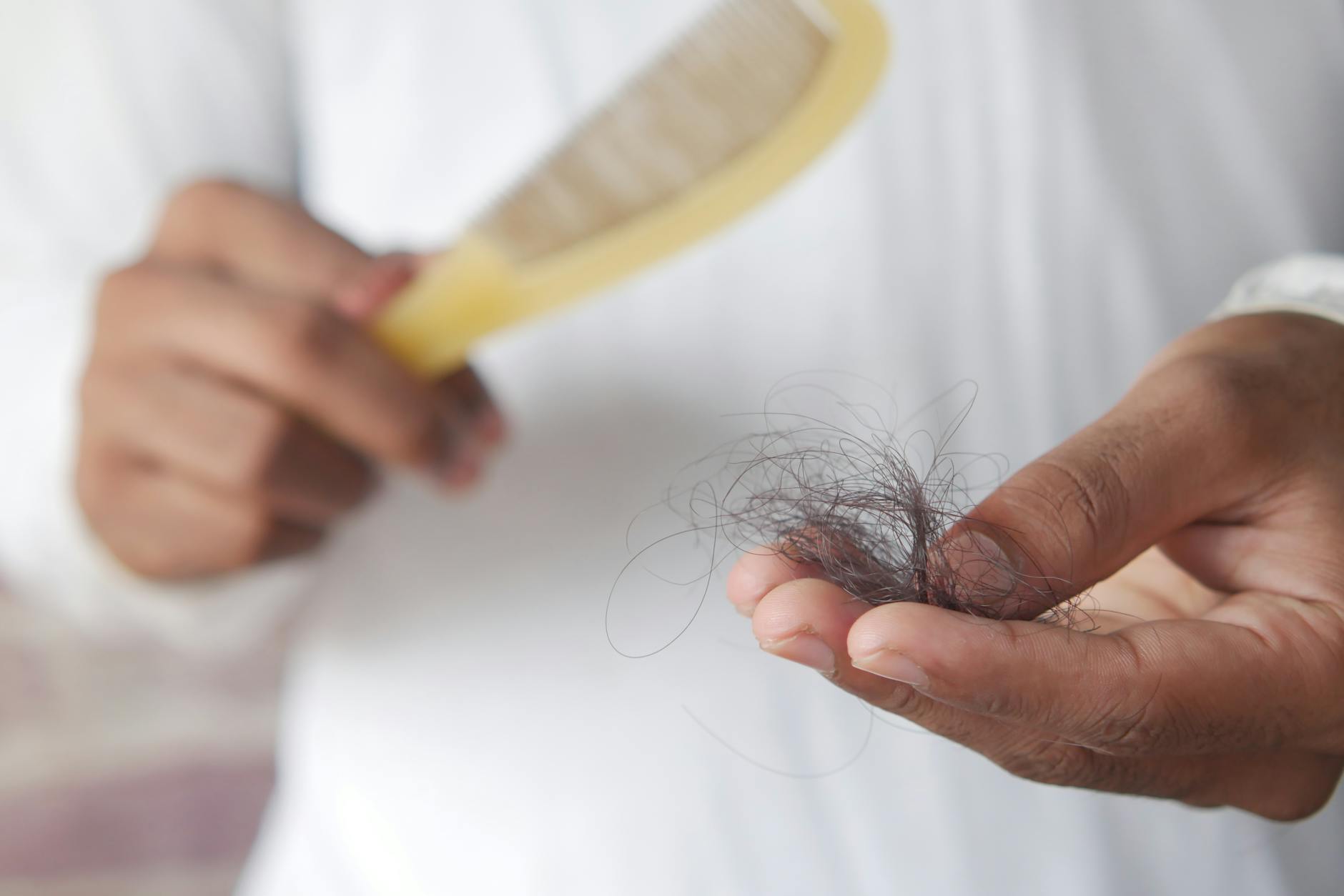
You notice more hair in your brush, shower drain, or on your pillowcase than usual. Your hair appears thinner, finer, or less voluminous throughout your scalp. Bald spots or noticeably sparse areas develop over several weeks or months. Your hairline recedes or your part line becomes more visible. This hair loss typically appears gradually and consistently over time.
Dry Skin and Nails

Your skin feels perpetually dry despite regular moisturizing efforts. Flakiness appears on your face, elbows, and other areas of your body. Your fingernails become brittle, peel easily, or break more frequently. Cuticles are dry and prone to splitting or becoming irritated. These changes persist even when you increase your water intake and skincare routine.
Difficulty Losing Weight

Weight loss becomes dramatically slower or completely stalls despite calorie reduction. Exercise that once reliably burned fat now produces minimal results. You may need to restrict calories far more severely to see any movement on the scale. Weight loss plateaus even when you follow the same methods that worked previously. Progress requires increasingly restrictive measures that feel unsustainable.
Frequent Hunger

You experience persistent hunger and cravings despite eating adequate calories. Your appetite increases even when your activity level hasn’t changed. You feel satisfied for shorter periods after eating meals than you once did. Snacking becomes necessary to manage energy levels throughout the day. This hunger feels physical rather than purely psychological or habit-based.
Mood Changes
Your mood becomes more irritable or prone to sudden emotional shifts. Depression or anxiety symptoms appear without obvious external triggers. You feel less motivated or enthusiastic about activities you once enjoyed. Emotional resilience seems diminished and stress feels more overwhelming. These mood changes don’t correspond to any significant life events or stressors.
Brain Fog and Memory Issues
You struggle to concentrate on tasks that previously required minimal effort. Your memory feels fuzzy and you forget details more easily than before. Finding words becomes difficult and you struggle with mental clarity. Processing information takes longer and multitasking feels exhausting. This cognitive slowness persists throughout the day regardless of sleep quality.
Changes in Blood Sugar
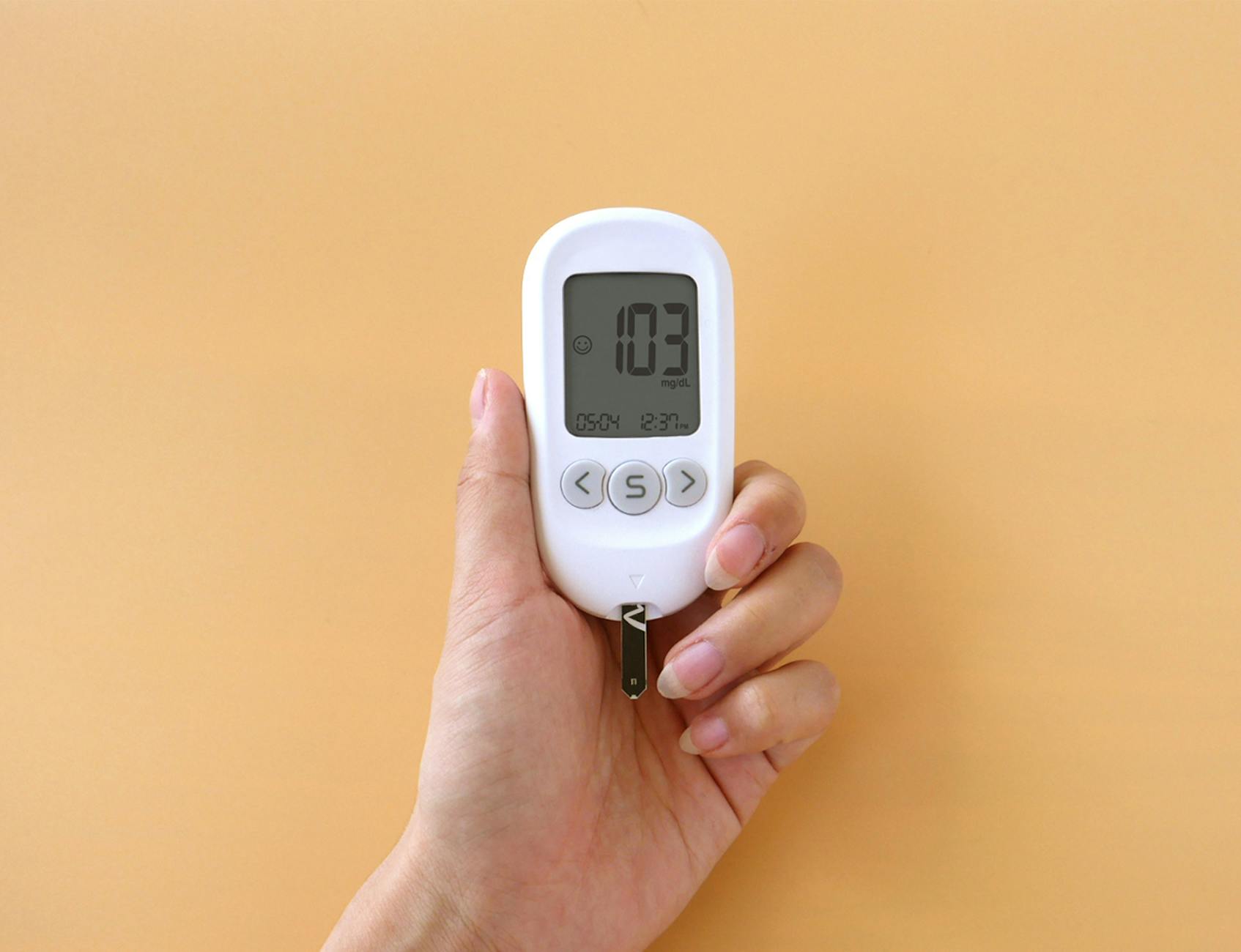
You experience sudden energy crashes followed by intense hunger or cravings. Your energy levels spike and plummet dramatically throughout the day. Afternoon slumps become more pronounced and harder to push through. You crave sweets and carbohydrates much more frequently than before. These fluctuations occur even when your meals are balanced and timed appropriately.
Hormonal Imbalances

Your menstrual cycle becomes irregular or unpredictable if you haven’t reached menopause. Hormone-related symptoms like hot flashes or night sweats intensify. Skin breakouts increase even though your skincare routine hasn’t changed. Mood swings synchronized with your cycle become more severe. These hormonal changes often accelerate as metabolism slows.
Sluggish Digestion

Your bowel movements become less frequent or more difficult to pass. Bloating occurs regularly even after eating smaller portions. Your stomach feels uncomfortable or heavy after eating the same foods as always. Constipation becomes an ongoing issue rather than an occasional problem. Digestive issues persist despite adequate fiber and water intake.
Slower Wound Healing

Minor cuts or scrapes take noticeably longer to heal than they used to. Bruises seem to appear more easily and fade more slowly. Small infections or irritations last longer and are more stubborn. Skin takes longer to recover from environmental damage like sunburn. This slow healing pattern becomes apparent through multiple minor injuries.
Reduced Muscle Mass

Your muscles appear less defined and more soft or jiggly despite maintaining weight. Strength declines even when you maintain your regular exercise routine. Your arms, legs, or back look less toned than they did a year or two ago. You struggle to lift weights or perform exercises at your previous strength levels. Muscle loss occurs gradually but becomes visibly noticeable over months.
Sleep Disturbances

You wake frequently during the night without obvious reasons like noise or discomfort. You struggle to fall asleep even when you feel tired. Your sleep feels light and unrefreshing despite spending adequate time in bed. Night sweats or temperature fluctuations disrupt your rest. Your sleep patterns shift even though your bedtime routine remains consistent.
Swelling or Puffiness
Your face, hands, or feet appear puffy or slightly swollen throughout the day. Rings that fit comfortably before now feel slightly tight. Your face looks rounder or fuller despite stable weight on the scale. This puffiness is worst in the morning and gradually improves through the day. The swelling persists even when you reduce salt intake and stay hydrated.
Low Libido

Your sexual desire or interest diminishes noticeably. Physical attraction feels less intense than it once was. Sexual function becomes more difficult or requires more effort to achieve. These changes appear gradually without obvious emotional or relationship causes. The pattern remains consistent over weeks or months.
Increased Sensitivity to Medications
Medications you’ve taken for years suddenly seem to have stronger effects. Side effects that weren’t previously noticeable become more pronounced. You require lower doses of medications to achieve the same results as before. Your body seems to process substances more slowly than it once did. These sensitivities develop gradually over months or years.
Craving for More Fuel

You feel hungrier overall despite eating regular meals and snacks. Portions that once satisfied you now feel insufficient. You need frequent eating to maintain stable energy and mood. You feel physically hungry rather than eating out of habit or emotion. This increased appetite doesn’t correlate with increased physical activity or exercise.
Share which of these signs resonate most with your own experiences in the comments.




