
Pregnancy is a transformative time filled with physical changes, emotional shifts, and heightened sensitivity. Well-meaning friends and relatives often make comments that feel dismissive, intrusive, or hurtful without realizing the impact of their words. The comments that seem innocent on the surface can add unnecessary stress and anxiety to an already vulnerable period. Understanding which remarks to avoid helps you support pregnant women with genuine compassion and respect. This guide outlines phrases and questions that are best left unsaid during pregnancy and beyond.
“You Look Ready to Pop”
This comment reduces a pregnant woman to her appearance and implies she looks enormous or overdue. It trivializes the very real physical discomfort and self-consciousness many pregnant women experience about their changing bodies. The phrase creates unnecessary worry about whether the pregnancy is progressing normally or has extended too long. Pregnant women are already hyperaware of their size and shape without external commentary on how large they appear. Focus instead on how she is feeling rather than how she looks.
“Are You Sure There’s Only One?”
Suggesting a pregnancy might involve multiples based on belly size is hurtful and insulting. Every body carries pregnancy differently due to genetics, posture, muscle tone, and other individual factors. The woman has had ultrasounds and medical supervision to confirm how many babies she is carrying. This comment implies her body looks abnormally large and creates self-doubt about normal pregnancy progression. Avoid making assumptions about anyone’s pregnancy based solely on physical appearance.
“You’re Going to Gain So Much More Weight”
Pregnancy weight gain is a normal and necessary part of supporting a developing baby. Comments predicting further weight gain trigger anxiety about postpartum body recovery and self-image. Every pregnancy is different and some women gain more while others gain less, all within healthy ranges. The focus during pregnancy should be on health and the baby’s development rather than the number on a scale. Pregnant women are already acutely aware of physical changes without unsolicited predictions about future gain.
“You’re Glowing Because You’re Pregnant”
While often intended as a compliment, this comment can feel reductive and stereotypical to pregnant women. It suggests that pregnancy alone creates beauty rather than acknowledging a woman’s natural radiance and personal choices. Some pregnant women experience acne, dullness, and skin sensitivity rather than the mythical pregnancy glow. This phrase also assumes that pregnancy is the defining characteristic of her appearance and identity. Compliment specific efforts she has made in skincare or fashion instead.
“Don’t Eat That”

Unsolicited food policing during pregnancy creates unnecessary anxiety about nutrition and fetal health. Most pregnant women have discussed dietary guidelines with their healthcare providers and make informed choices. Comments about what she should or should not eat imply she is not taking proper care of her baby. Food aversions and cravings are normal pregnancy experiences and often indicate what her body needs. Trust that she understands which foods are safe and is making responsible decisions for her health.
“Better Sleep Now Because You Won’t Sleep Later”

This comment offers neither practical help nor emotional support during an already uncomfortable stage of pregnancy. Sleep is often difficult during pregnancy due to physical discomfort, hormonal changes, and anxiety about the upcoming birth. Reminding her that sleepless nights await only amplifies her current stress and worry about parenting. Many pregnant women already struggle with insomnia and this comment dismisses their real suffering. Instead, encourage her to rest when possible and offer practical support for when the baby arrives.
“I Knew You Were Pregnant Before You Did”
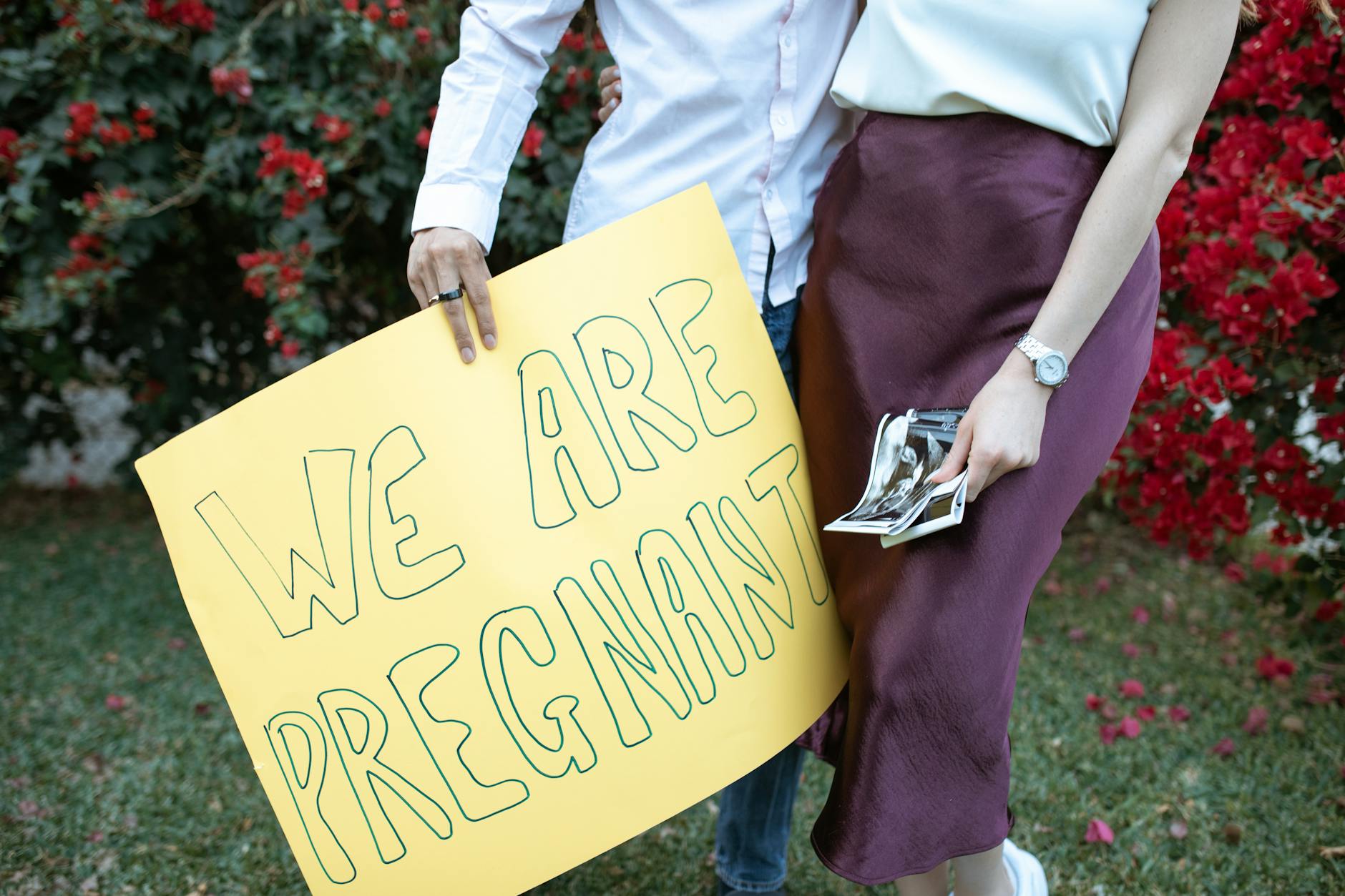
Comments claiming psychic knowledge about pregnancy based on body language or intuition feel invasive and creepy. This statement centers the other person’s perception rather than acknowledging the woman’s own experience of her body. Pregnancy announcement timing is deeply personal and should be controlled by the pregnant woman herself. Early pregnancy loss is also common and such comments can feel insensitive to those experiences. Wait for her to share her pregnancy news rather than claiming you already knew her secret.
“Was This Planned?”

This is an incredibly personal question that implies judgment about her reproductive choices. Whether a pregnancy was planned or surprised is not your business unless she chooses to share that information. The question can create shame or defensiveness around circumstances she may still be processing. A baby is coming regardless of whether the pregnancy was intentional and that is what matters most. Welcome her pregnancy without requiring her to explain or justify the circumstances of conception.
“My Labor Was So Much Worse”

Comparing labor experiences and implying hers will be easier or harder is unhelpful and dismissive. Every labor is different and shaped by countless individual factors including body, baby position, pain tolerance, and medical circumstances. This comment centers the other person’s experience rather than validating the real fear and anxiety she is experiencing. Labor stories focused on trauma or horror also increase her anxiety about what is coming. Share positive or neutral birth stories only if she specifically asks for your experience.
“You Look Tired”

Pregnancy involves significant physical demands that naturally cause fatigue and changes in appearance. Pointing out that she looks tired or unwell adds self-consciousness during a time when she is already dealing with body changes. Hormones, insomnia, nausea, and physical exertion mean she likely is exhausted and hearing it out loud does not help. This comment can feel like criticism of her appearance or grooming rather than acknowledgment of her legitimate exhaustion. Instead, offer to help with tasks so she can rest.
“Pregnancy is So Beautiful”
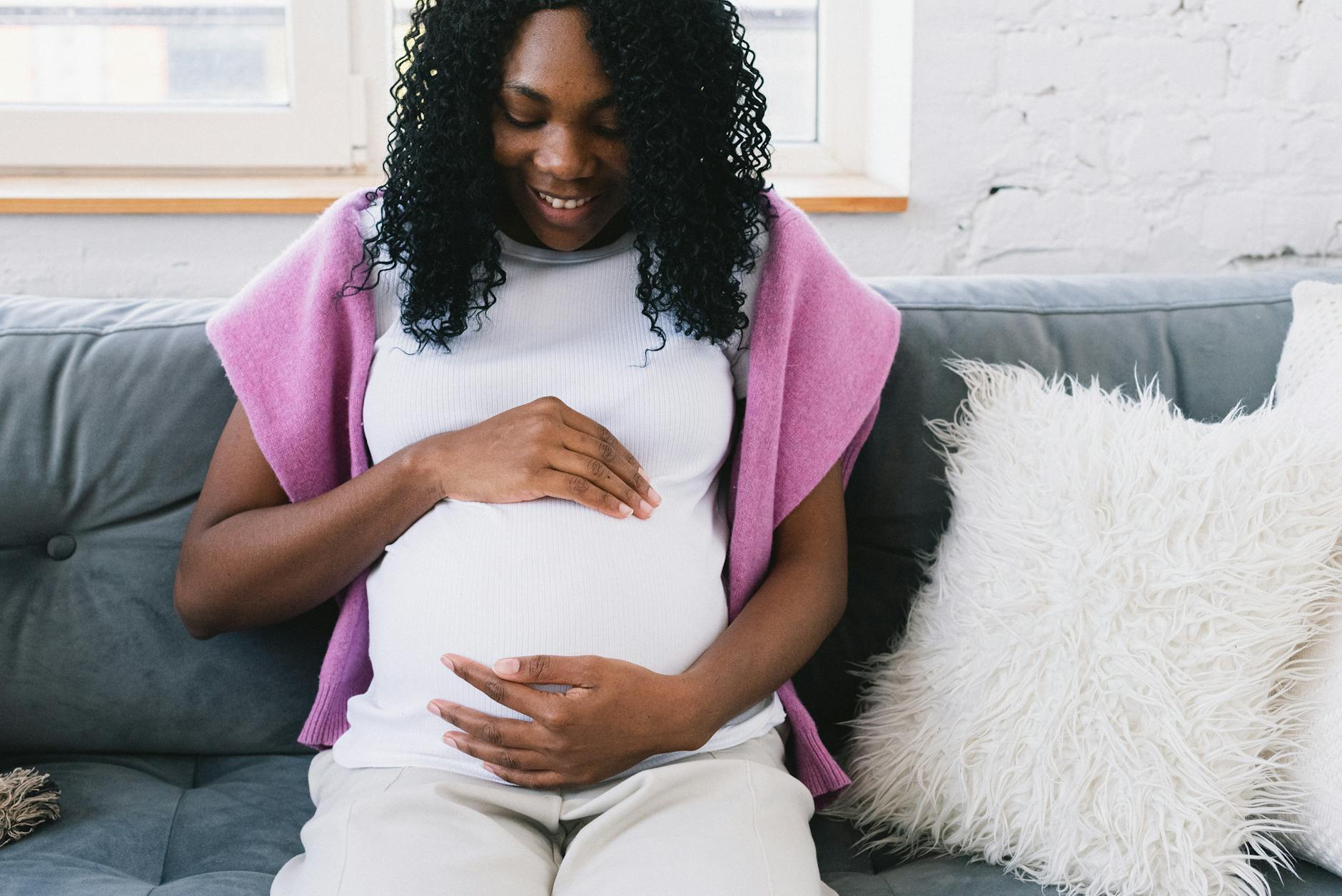
While some women embrace pregnancy, others find it uncomfortable, painful, or emotionally complicated. Not every pregnant woman experiences joy or finds beauty in this chapter of her life. This statement dismisses her right to have complicated feelings about her body and the changes it is undergoing. Some pregnancies occur in difficult circumstances and platitudes about beauty feel tone-deaf and minimizing. Acknowledge both the wonder and the challenge of pregnancy without imposing your perspective.
“You Should Breastfeed”
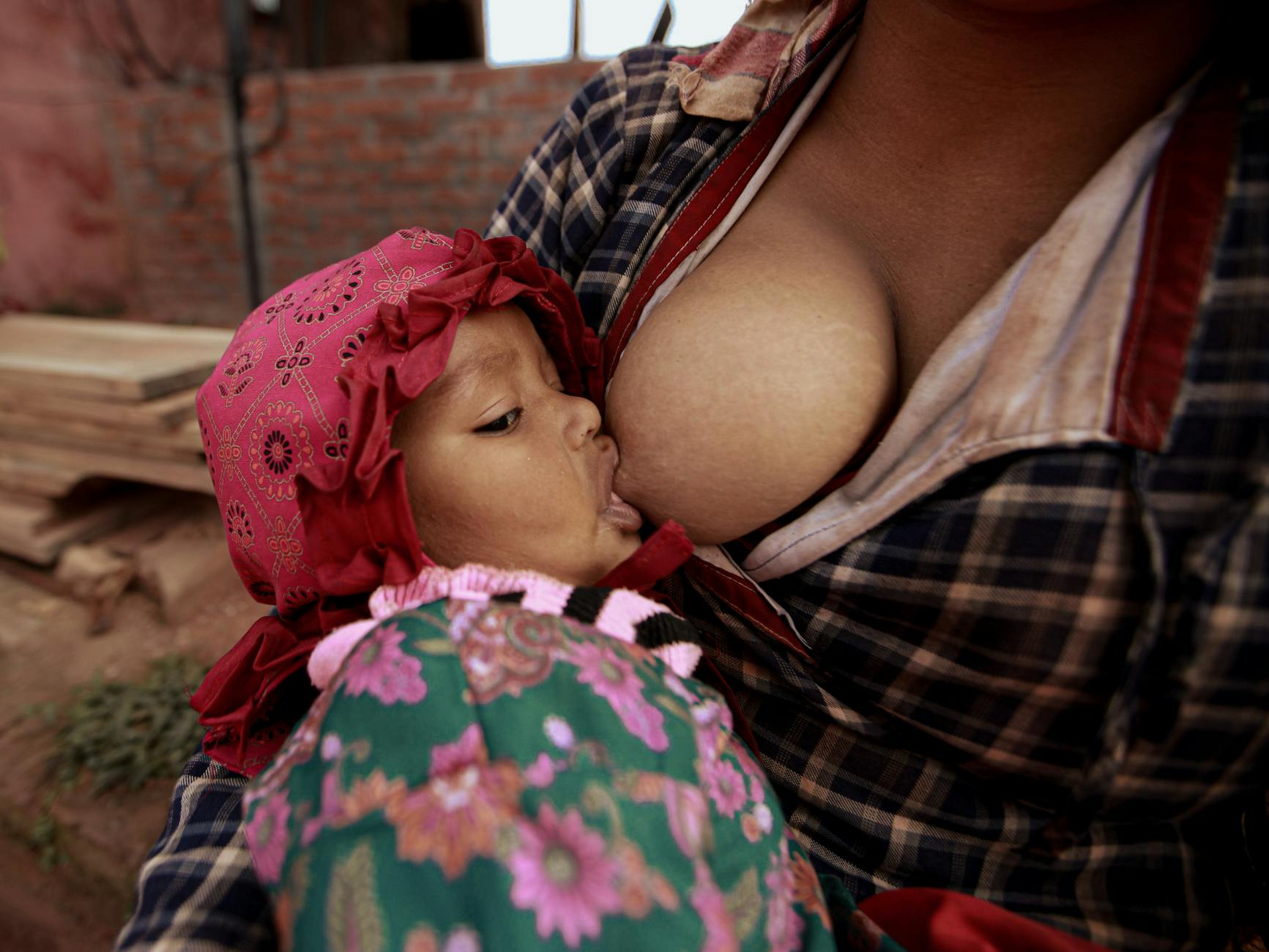
This comment implies there is one right way to feed a baby and judges women who choose or need to use formula. Feeding decisions are deeply personal and influenced by body compatibility, mental health, work circumstances, and individual preference. Many women face medical challenges that make breastfeeding impossible despite wanting to do it. Mothers deserve support for whatever feeding method they choose without unsolicited advice or judgment. The healthiest fed baby is one whose parents are supported and mentally well.
“Don’t Complain About Pregnancy”
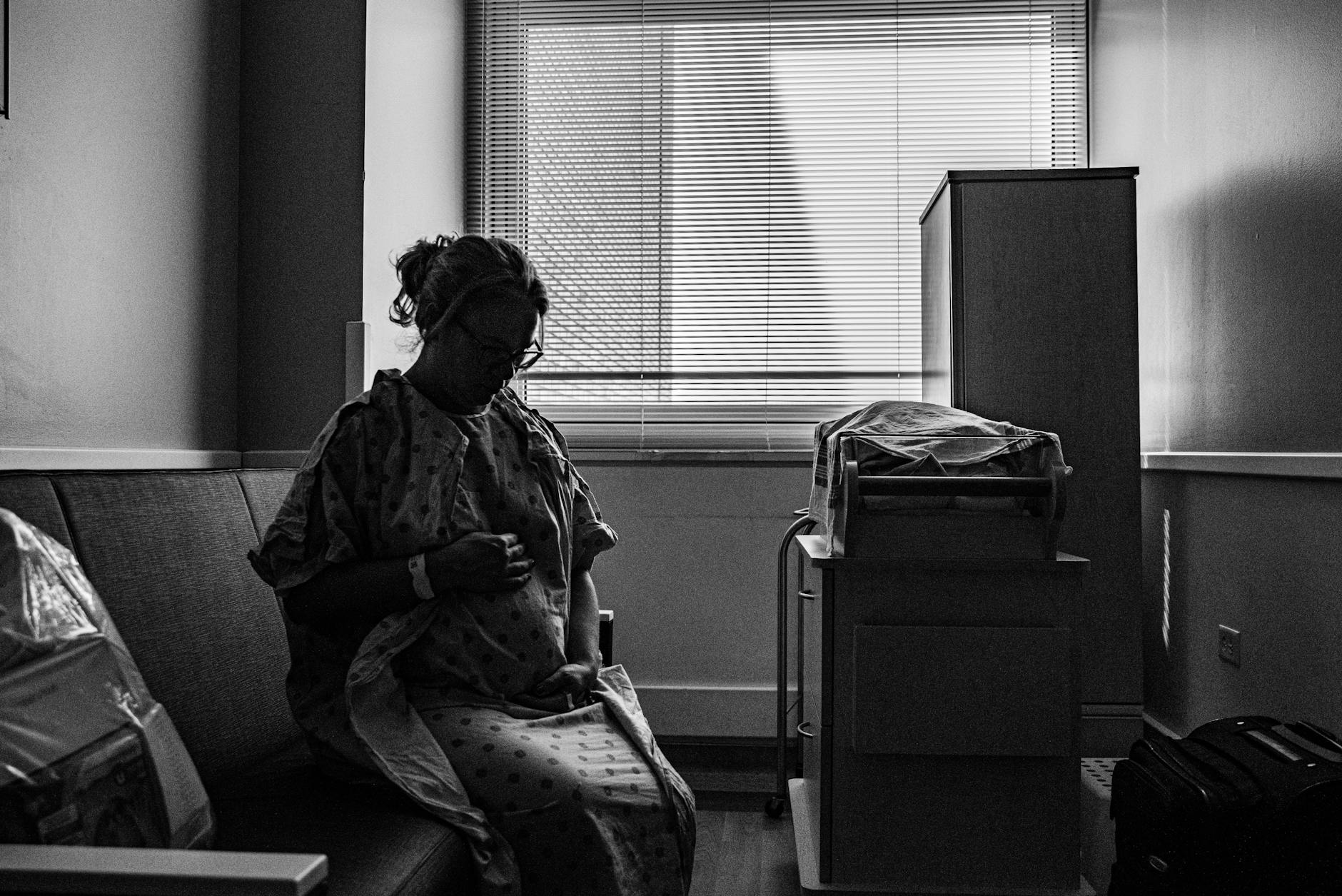
Pregnancy involves real physical pain, emotional challenges, and significant life changes that are worth discussing and processing. Telling someone not to complain dismisses her valid struggles and forces her to hide legitimate suffering in silence. People in pain have the right to express that pain and seek support from those around them. This comment suggests her discomfort is less important than maintaining a positive facade for others. Listen with empathy when she shares frustrations about the physical realities of pregnancy.
“Your Body Will Never Be The Same”

While bodies do change postpartum, this statement is unnecessarily depressing and implies permanent damage or loss of attractiveness. Many women recover well postpartum through time, physical activity, and self-care while others embrace their changed bodies. This comment centers appearance and suggests her value is tied to looking a specific way. Focusing on what her body has accomplished rather than how it has changed is more empowering. Celebrate what her body has done rather than mourning changes that are a normal part of life stages.
“I Hope Your Baby Has Your Looks”
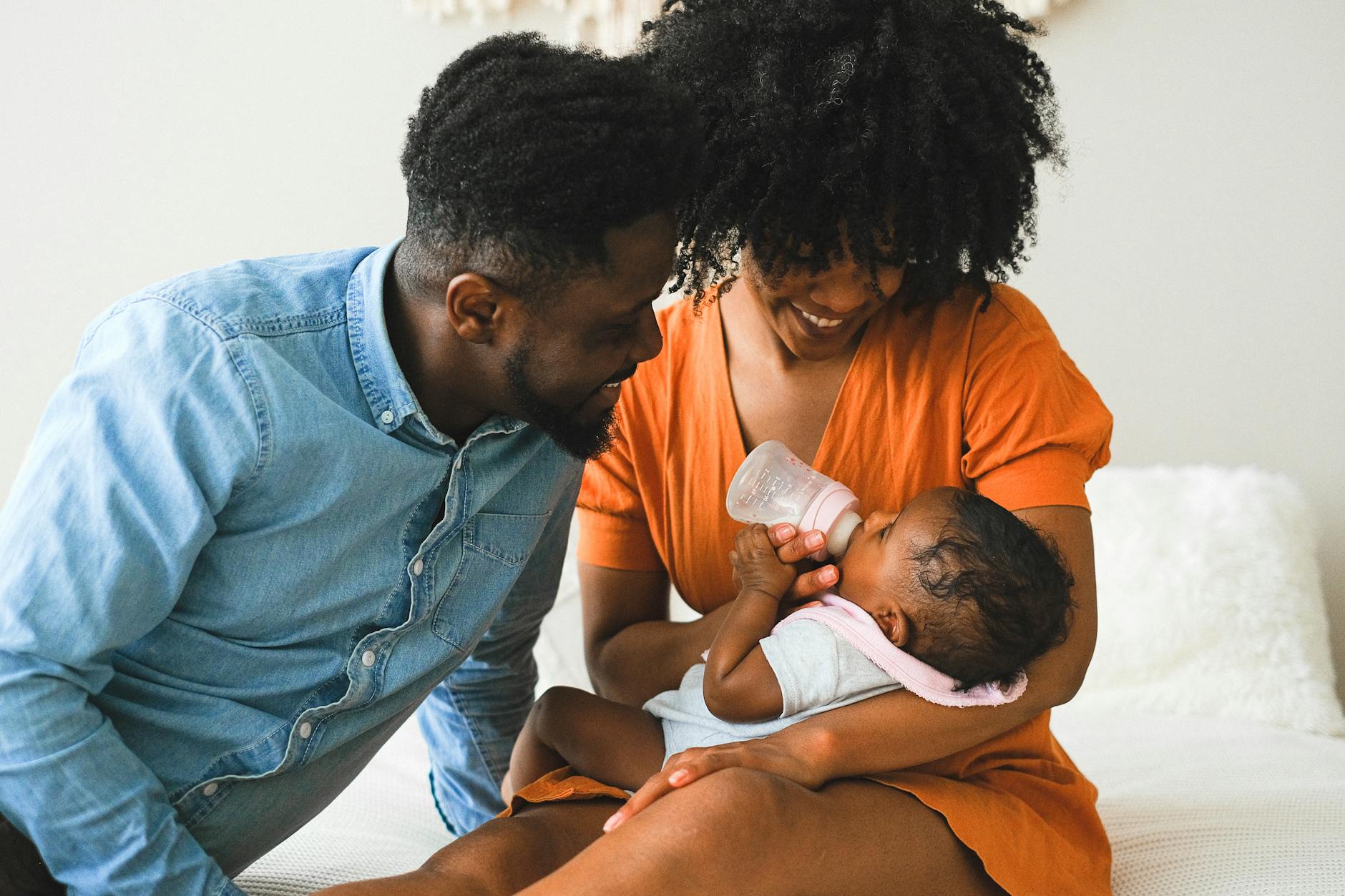
This comment, often meant as a compliment, can feel backhanded or suggest her partner is unattractive. Physical appearance is random and determined by genetics from both parents. Comments about hoping the baby looks like one parent over another can create tension in partnerships. The health and well-being of the baby matters infinitely more than whose nose or chin they inherited. A kind comment focuses on hoping the baby is healthy and beautiful rather than comparing parents.
“Don’t You Want to Find Out the Sex?”
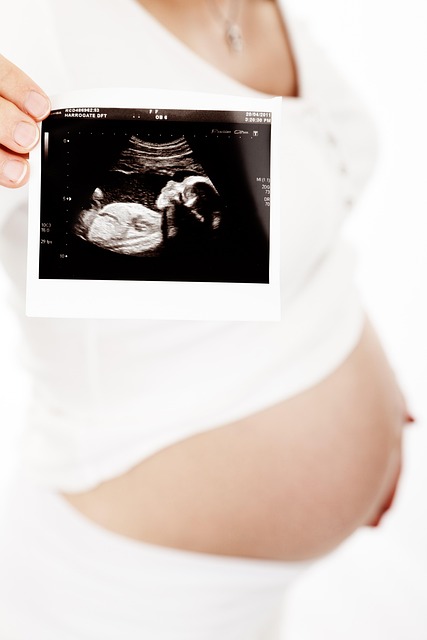
This question judges her reproductive choices and assumes everyone shares the same preferences about pregnancy planning. Some families want to know the baby’s sex while others prefer the surprise at birth. Neither choice is better and both are valid personal decisions. Pushing for her to choose based on your preference is disrespectful and can create awkwardness around the pregnancy. Accept her decision about how much information she wants to have before birth.
“You’re So Emotional”
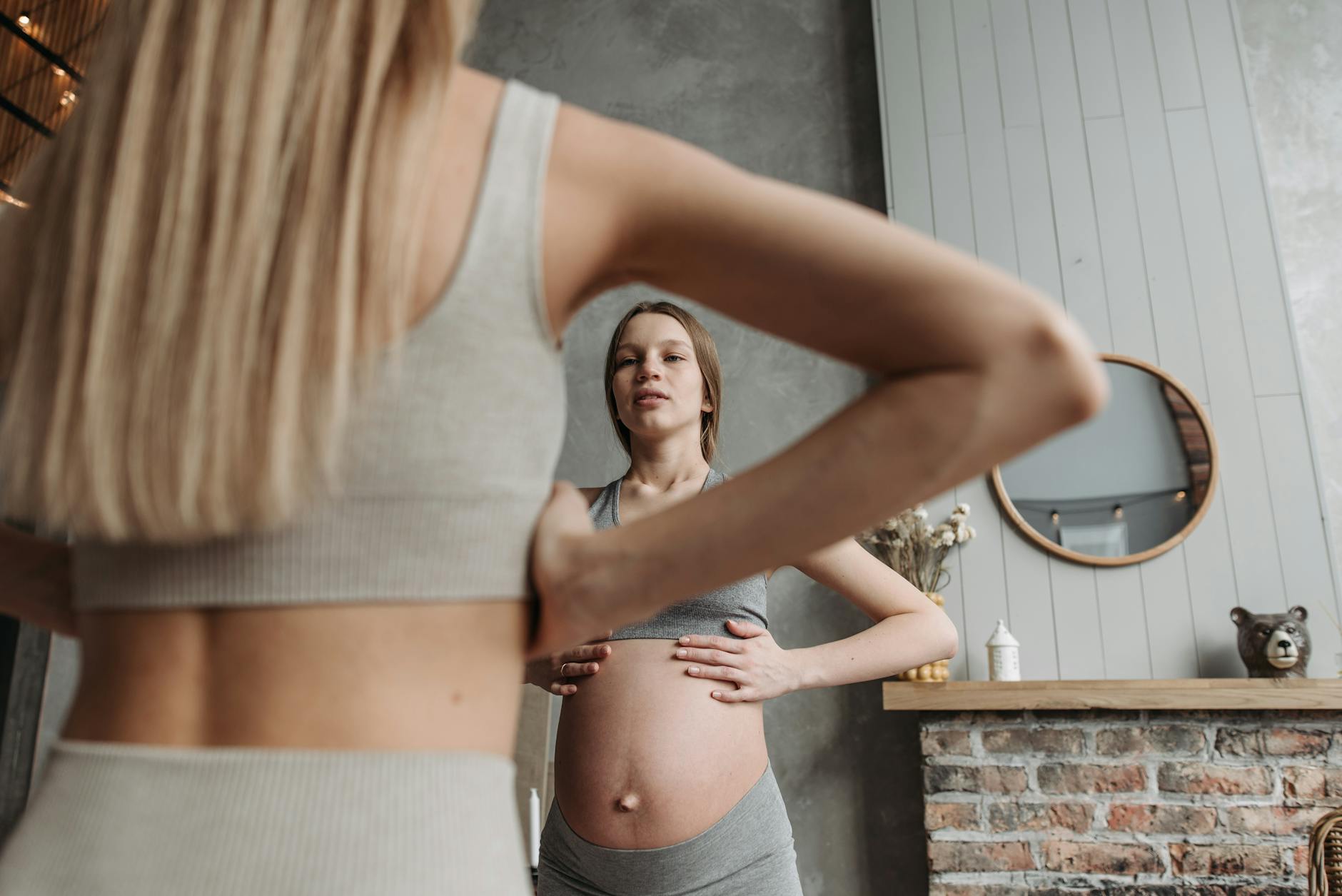
Pregnancy hormones do affect mood and emotional regulation but dismissing her feelings as purely hormonal is invalidating. She may have legitimate concerns about finances, safety, relationships, and parenting that deserve to be heard seriously. This comment reduces her to her hormones and implies her emotional experience is not rational or worthy of attention. Hormones may amplify emotions but they do not negate the validity of her feelings and concerns. Treat her emotions with the same respect you would give anyone processing major life changes.
“Pregnancy Isn’t That Hard”

This minimizing statement dismisses the real physical and emotional labor of growing a human being. Pregnancy can involve nausea, back pain, restless legs, insomnia, anxiety, and countless other uncomfortable symptoms. Some pregnancies are easy while others are extremely difficult and both experiences are valid. Downplaying her experience suggests her struggles are not real or are less significant than they truly are. Acknowledge that pregnancy requires tremendous strength and sacrifice regardless of whether she finds it easy or hard.
“You Should Work Out More”
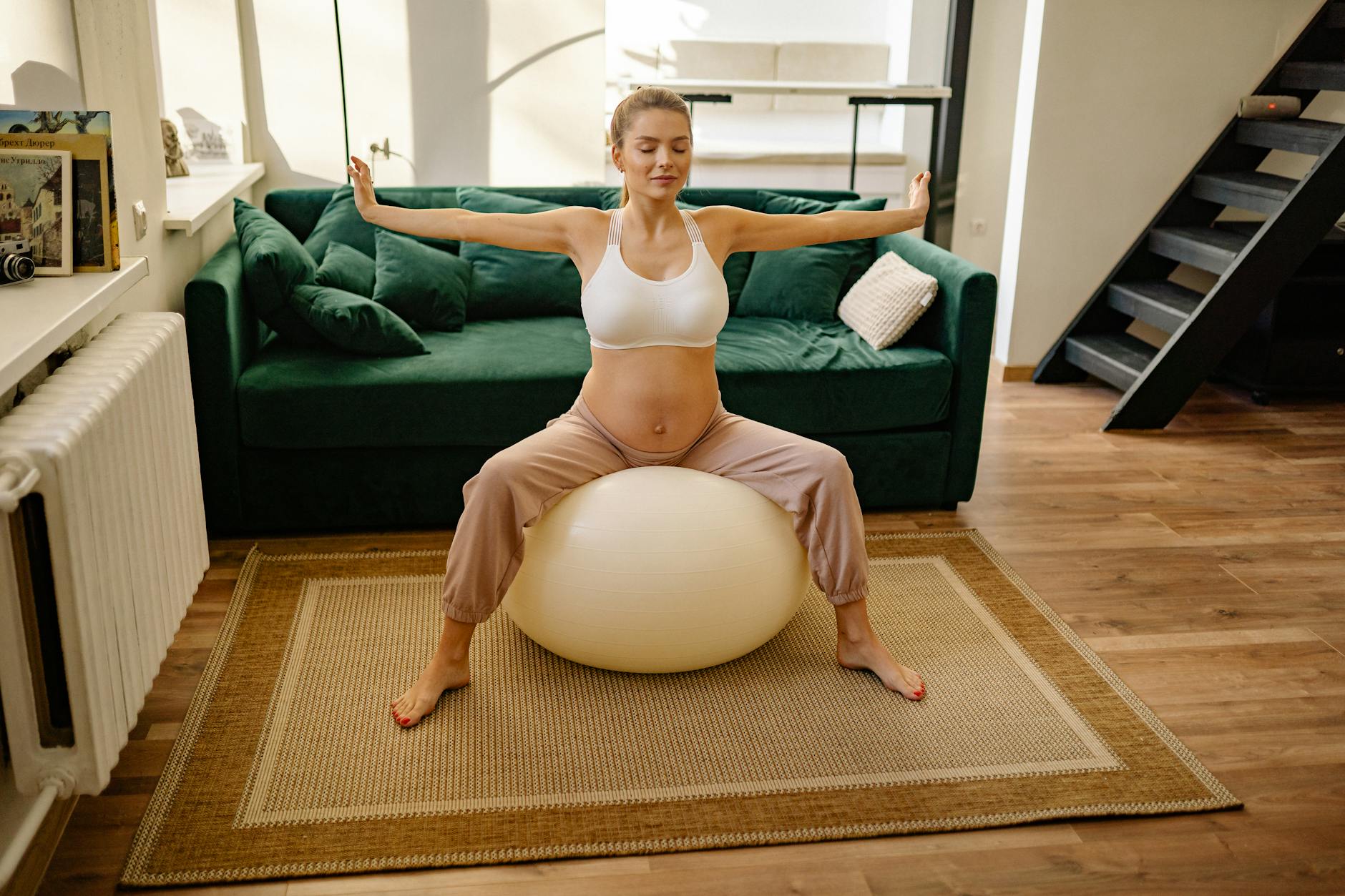
Comments about exercise during pregnancy can feel like body criticism disguised as health advice. Her healthcare provider has given her specific guidance about safe exercise based on her individual health history. Exercise capacity changes throughout pregnancy and what she is doing is likely exactly right for her. This comment implies her body or fitness level is inadequate when she is already managing significant physical demands. Support whatever movement feels good to her rather than prescribing what you think she should do.
“Natural Birth is Better”
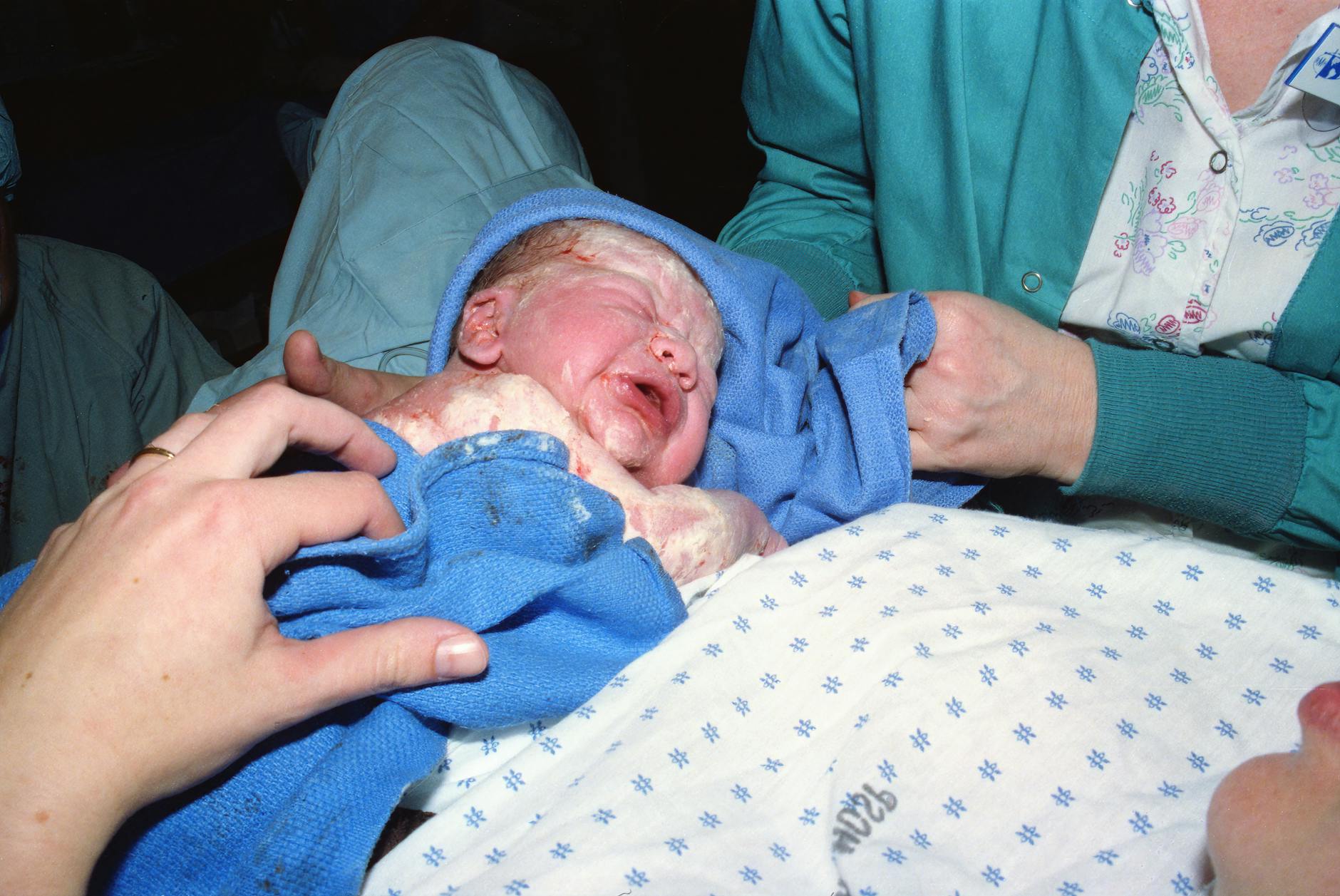
This statement creates unnecessary judgment about labor and delivery choices that are deeply personal and medical. Birth outcomes depend on countless factors including baby position, maternal health, labor progression, and medical circumstances. The healthiest birth is one that results in a healthy baby and healthy mother regardless of the method. Pushing a particular birth philosophy can increase anxiety about achieving a specific outcome. Support her birth plan whatever it may be without implying other choices are inferior.
“Get All Your Sleep Now”

This tired cliché is impossible to follow since pregnant women often struggle with insomnia and discomfort. The comment implies the upcoming newborn period will be impossibly difficult rather than offering practical encouragement. While sleep disruption is real with a newborn, many parents adapt and find new rhythms of rest. This statement centers doom rather than the joy of meeting her baby. Instead, encourage her to rest when she can and assure her that parents develop the resilience to handle sleep changes.
“Pregnancy Glow Looks Good on You”
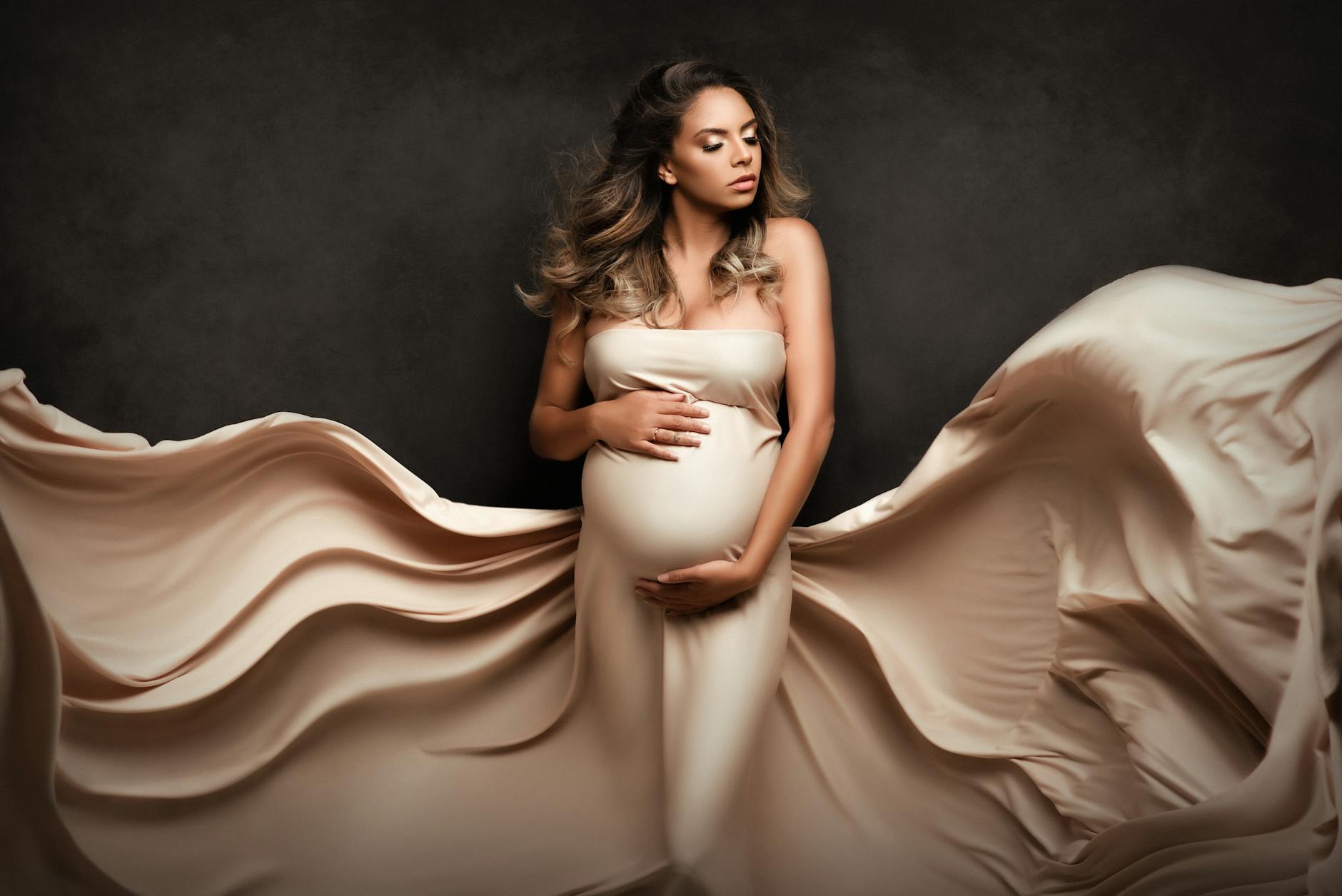
While this might sound like a compliment, it reduces her entire identity and value to her pregnant state. A woman has many dimensions beyond her reproductive function and this comment overlooks everything else about her. It also implies that pregnancy is the source of any positive changes in her appearance or demeanor. She may not want to be defined by her pregnancy or see it as the best version of herself. Compliment her as a full person rather than specifically celebrating her pregnant appearance.
“You’ll Understand When You’re a Mother”
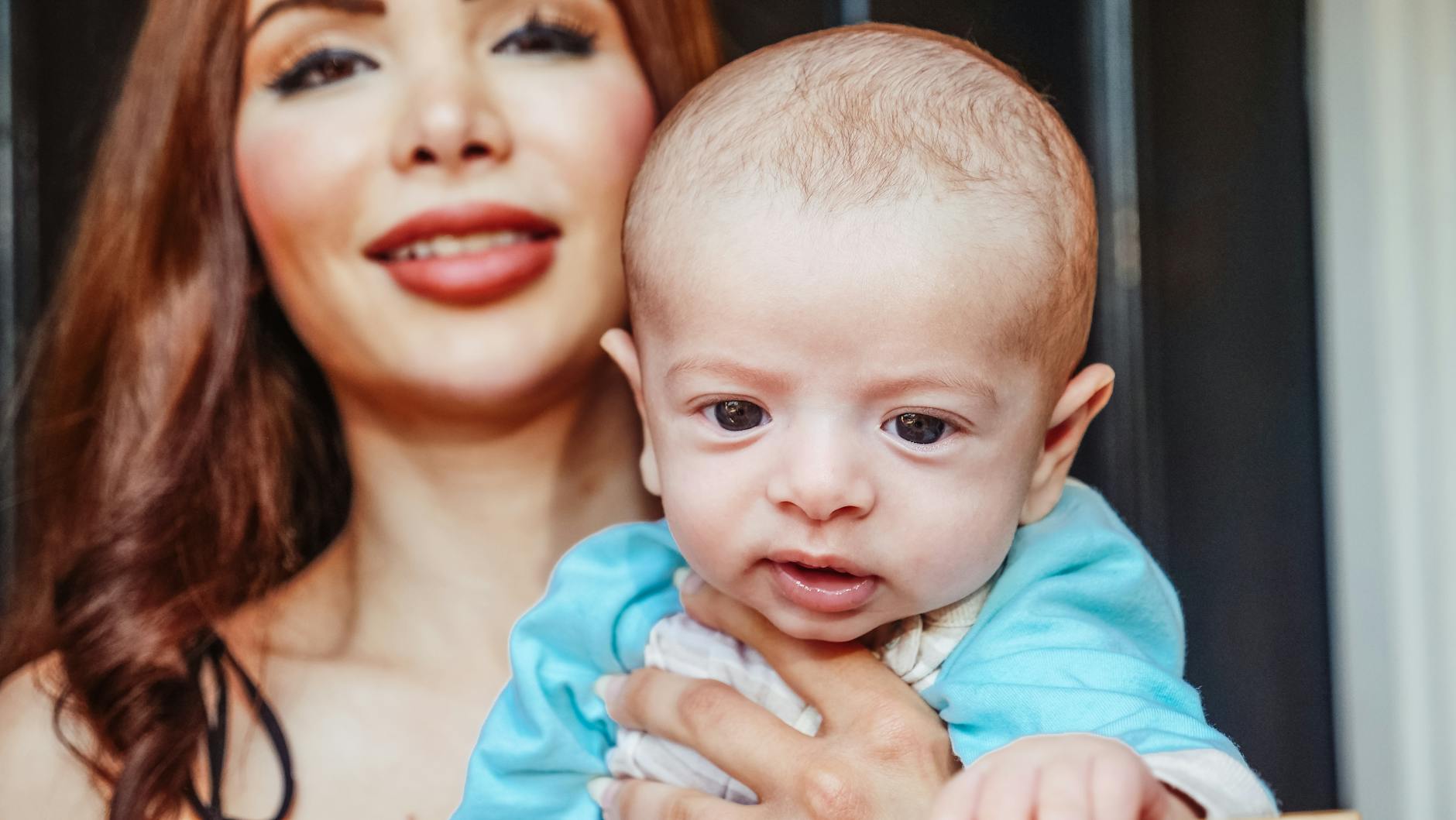
This comment gatekeeps emotional knowledge and implies she cannot have full understanding of love, sacrifice, or purpose until giving birth. Many people who do not have biological children experience profound love, purpose, and sacrifice. Implying that motherhood is a requirement for emotional maturity or understanding of certain truths is reductive. This statement can also create pressure to have certain feelings about motherhood immediately after birth. Her experiences and emotions are valid regardless of whether they match the idealized mother narrative.
“Don’t Get an Epidural”
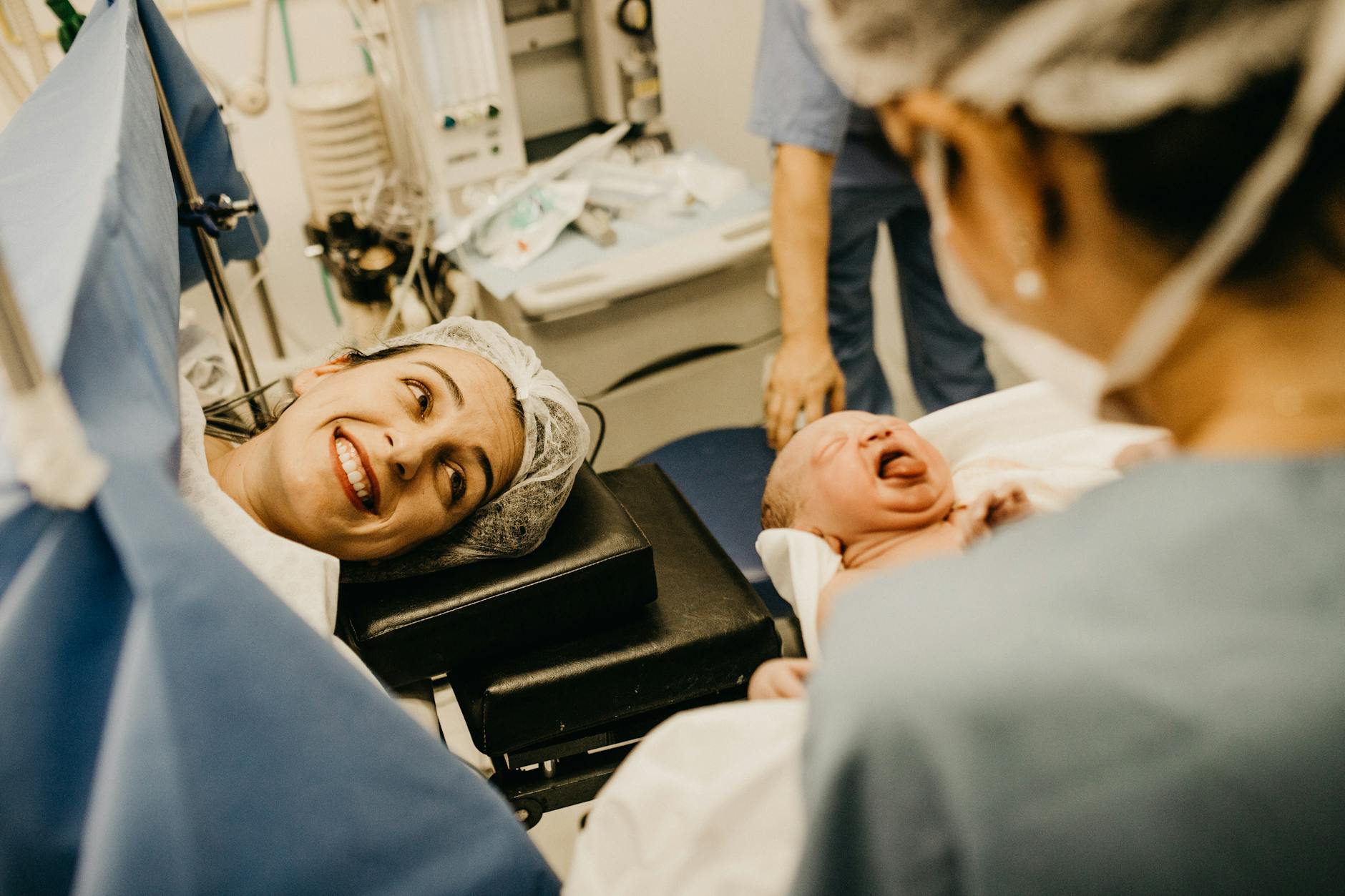
Medication decisions during labor are medical choices that should be made by her and her healthcare provider. Comments pushing against pain relief create anxiety about managing pain and may prevent her from making the choice that is right for her. Epidurals allow many women to rest, feel less pain, and have a positive birth experience. Others prefer to labor without medication and that is equally valid. Trust her to make informed decisions about her medical care without unsolicited opinions about which path is better.
“Your Partner Must Be Excited”

This comment assumes her partner’s emotional response rather than acknowledging her own experience and feelings. It also assumes she has a partner and that the partner is excited about the pregnancy. Pregnancies happen in many different family structures and not all are met with enthusiasm from all parties involved. Focusing the conversation on her partner’s reaction minimizes her own emotional journey and experience. Ask her how she is feeling and what she needs rather than projecting assumptions about her partner’s emotional state.




