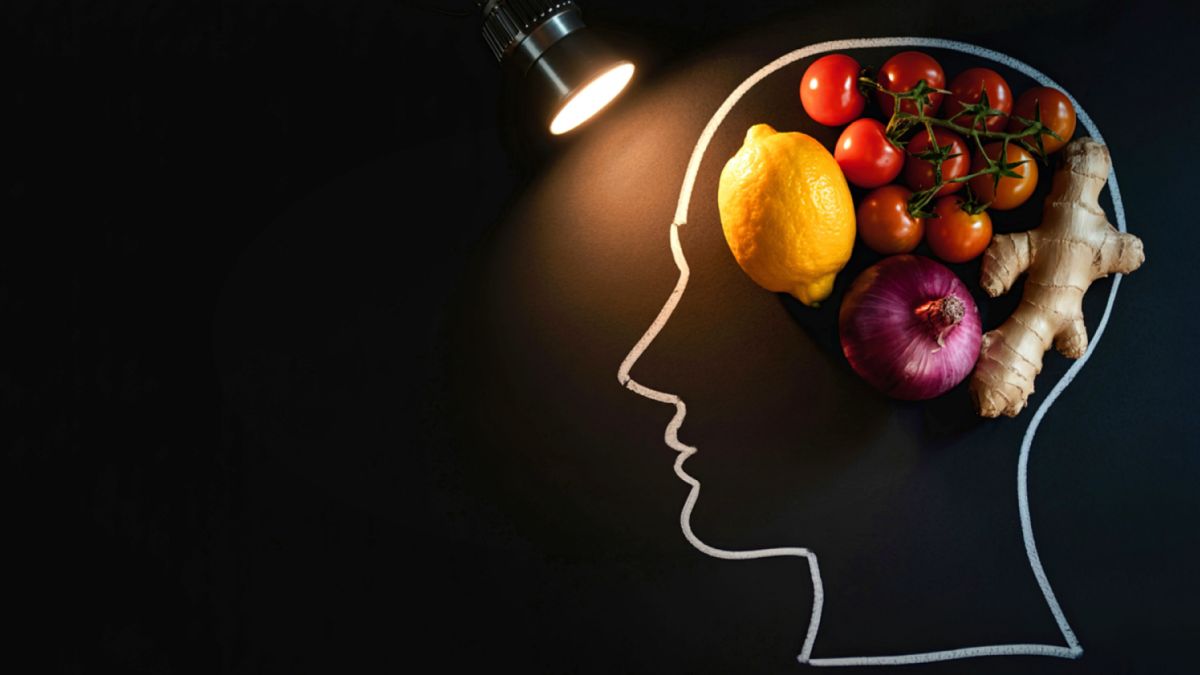
The foods we eat directly impact our cognitive function, memory, and mental clarity. A diet rich in specific nutrients can enhance focus, protect against age-related decline, and support overall brain health. Understanding which foods deliver the most powerful neuroprotective benefits helps you make informed choices at every meal. The following foods have been scientifically linked to improved brain function and deserve a regular place in your diet.
Blueberries

Blueberries contain anthocyanins, powerful antioxidants that cross the blood-brain barrier and protect neural tissue from oxidative stress. Regular consumption has been associated with improved memory retention and slowed cognitive decline in aging adults. The flavonoids in blueberries enhance communication between brain cells and may improve information processing speed. Fresh or frozen blueberries offer equal nutritional benefits, making them accessible year-round. Including a handful of blueberries in your morning routine supports long-term brain health.
Salmon

Salmon is rich in omega-3 fatty acids, essential fats that comprise a significant portion of brain cell membranes. These healthy fats support neuroplasticity, the brain’s ability to form new neural connections and adapt to new information. The EPA and DHA in salmon have been linked to reduced inflammation in the brain and improved mood regulation. Two servings of salmon weekly provides sufficient omega-3 intake for cognitive benefits. Wild-caught salmon offers slightly higher nutrient concentrations than farmed varieties.
Turmeric

Curcumin, the active compound in turmeric, crosses the blood-brain barrier and has neuroprotective properties. It reduces neuroinflammation and may help clear amyloid plaques associated with cognitive decline. Studies suggest curcumin can enhance memory formation and improve focus in regular consumers. Pairing turmeric with black pepper increases curcumin absorption significantly. Adding turmeric to curries, smoothies, or golden milk provides accessible daily intake.
Dark Chocolate

Dark chocolate contains flavonoids and phenylethylamine, compounds that enhance blood flow to the brain and improve mood. The caffeine and theobromine in dark chocolate promote alertness and sustained mental energy. Regular consumption of chocolate with 70 percent cacao or higher supports memory function and cognitive processing. Antioxidants in dark chocolate combat free radical damage that accumulates in neural tissue. A small square of quality dark chocolate daily satisfies both brain health and cravings.
Walnuts
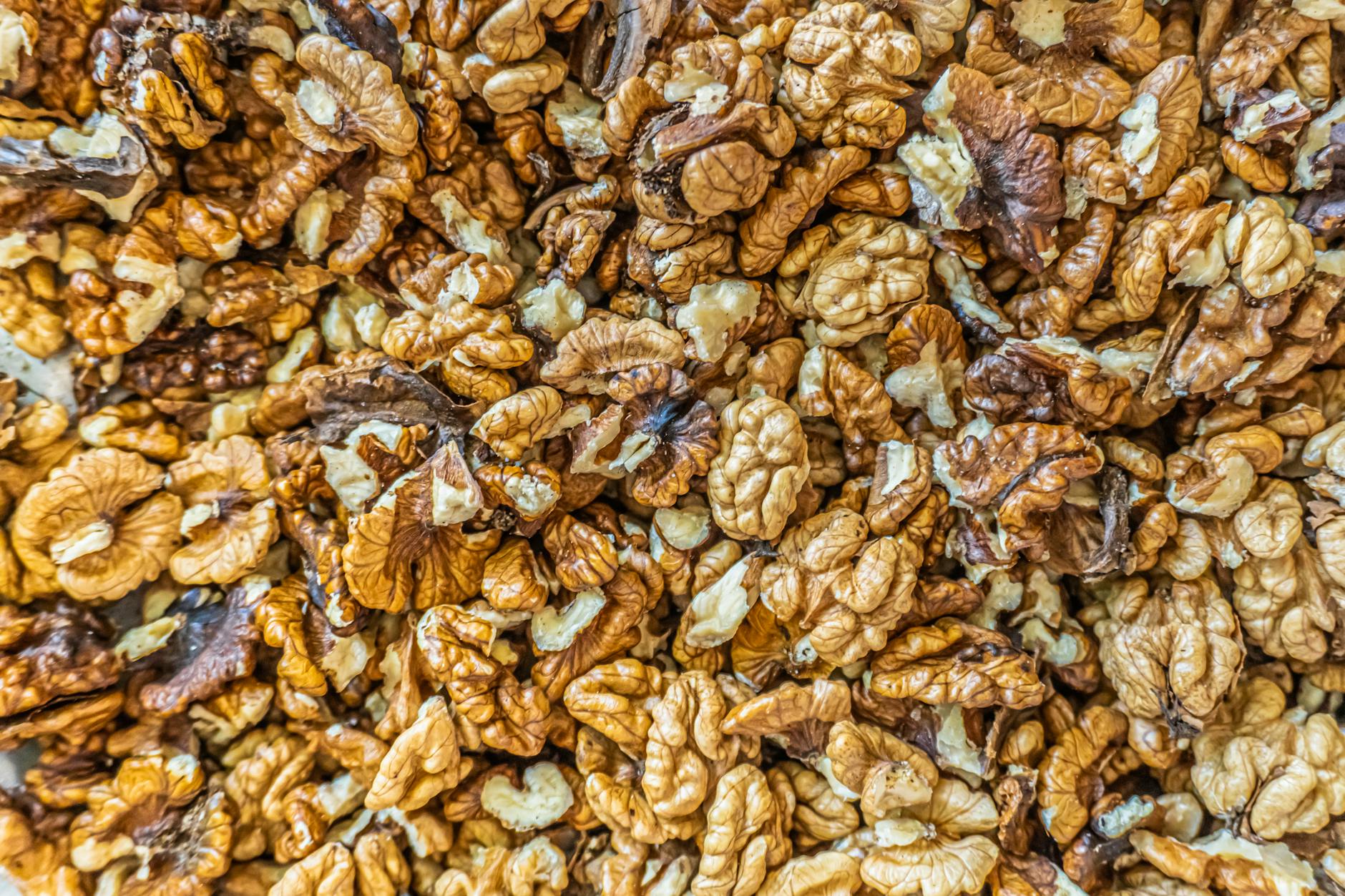
Walnuts provide high levels of omega-3 fatty acids, polyphenols, and vitamin E, all protective for brain tissue. The polyphenols in walnuts reduce neuroinflammation and may slow neurodegenerative processes. Studies show walnut consumers perform better on cognitive tests measuring memory and processing speed. A quarter-cup serving provides sufficient daily omega-3 intake from plant sources. Walnuts make an ideal snack or addition to salads and oatmeal.
Broccoli
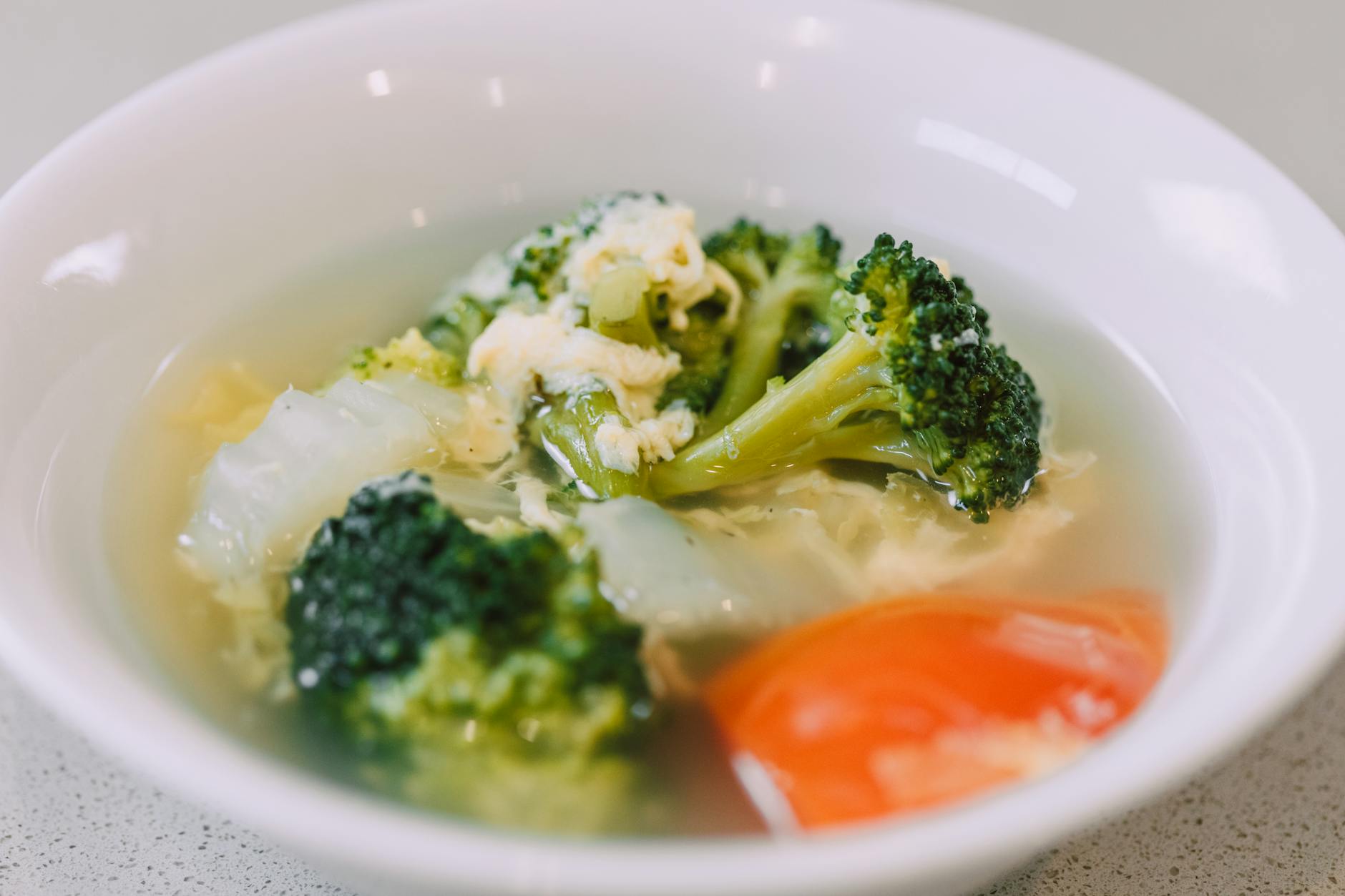
Broccoli contains sulforaphane, a compound that activates antioxidant defense systems in brain cells. Vitamin K in broccoli supports the formation of sphingolipids, fats essential for proper brain cell structure. Sulforaphane may also enhance cognitive resilience and improve recovery from brain stress. Consuming broccoli multiple times weekly ensures sustained delivery of these protective compounds. Steaming broccoli preserves more sulforaphane than other cooking methods.
Pumpkin Seeds
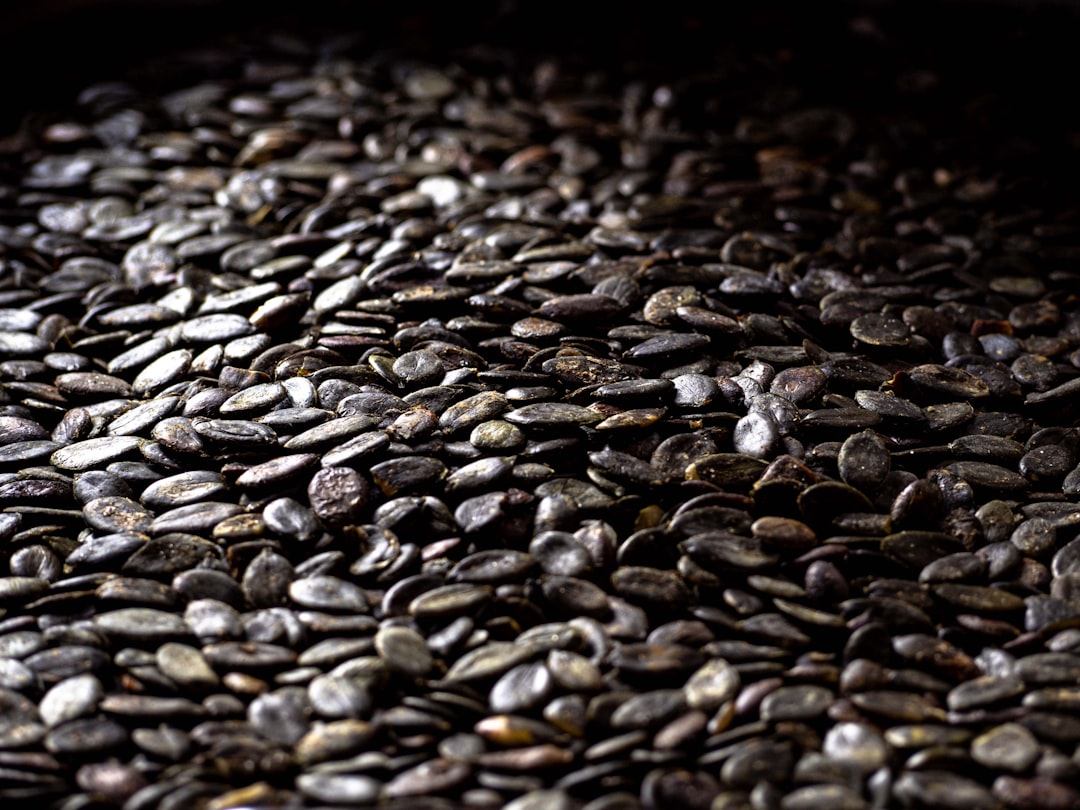
Pumpkin seeds contain magnesium, zinc, and copper, minerals critical for neurological function and brain cell communication. The antioxidants in pumpkin seeds protect against age-related cognitive decline and support memory. Magnesium specifically supports synaptic plasticity, allowing brain cells to strengthen their connections. Zinc plays a role in memory formation and may enhance learning acquisition. A quarter-cup of pumpkin seeds provides substantial mineral content for daily brain support.
Oranges
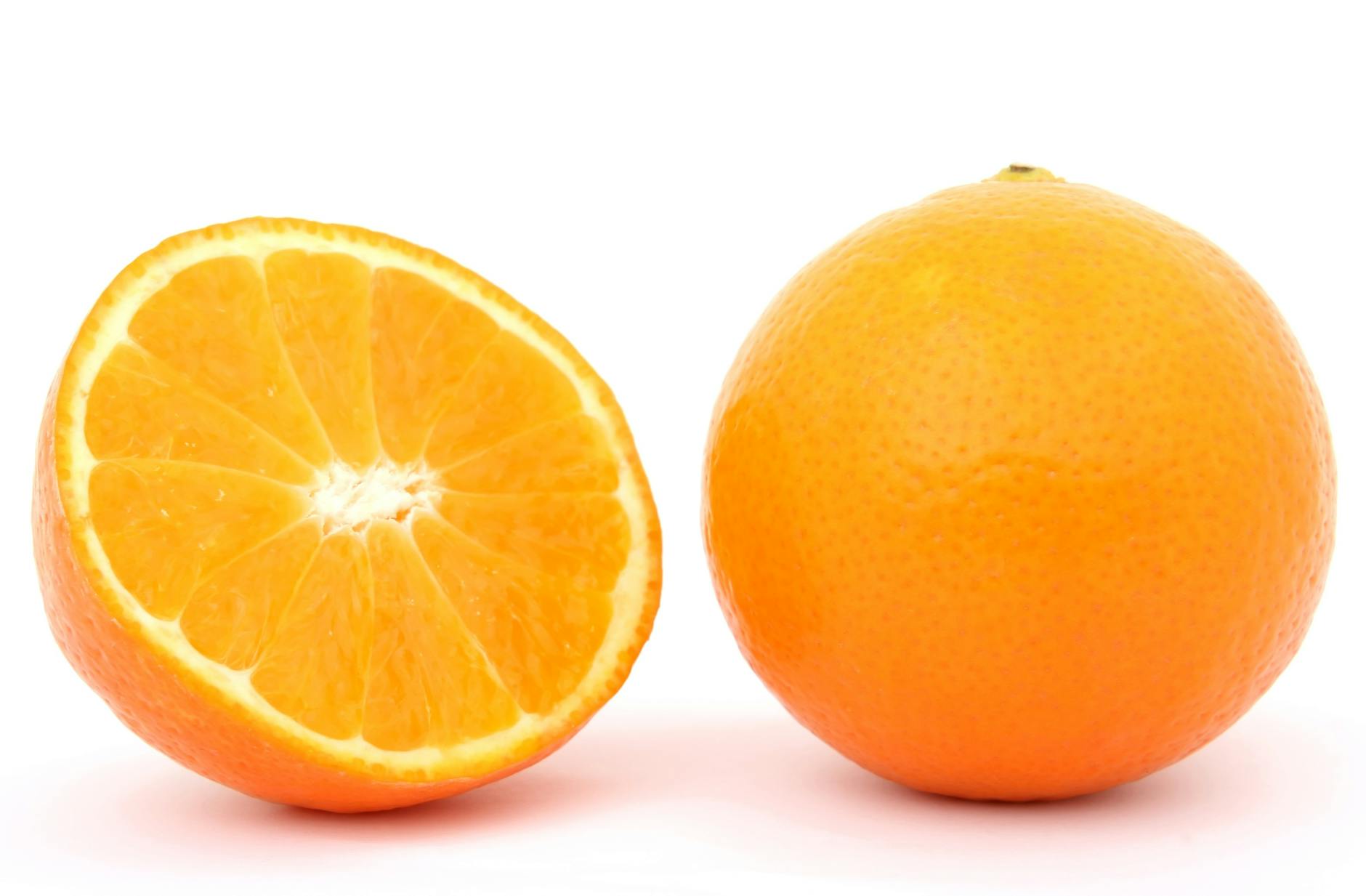
Oranges provide vitamin C, a potent antioxidant that protects brain cells from oxidative damage. Vitamin C supports the production of neurotransmitters, chemicals essential for memory and learning. The citrus flavonoids in oranges enhance blood flow to the brain and reduce neuroinflammation. Consuming oranges or fresh orange juice provides readily available vitamin C for consistent brain protection. One orange or a small glass of fresh juice daily supplies adequate vitamin C intake.
Eggs

Eggs contain choline, a nutrient essential for acetylcholine synthesis, a neurotransmitter crucial for memory and learning. The lutein and zeaxanthin in eggs accumulate in brain tissue and provide antioxidant protection. Eggs are complete proteins containing all amino acids needed for neurotransmitter production. The yolk contains the majority of beneficial compounds, so whole egg consumption is important. Two to three eggs weekly ensures adequate choline intake for optimal brain function.
Green Tea
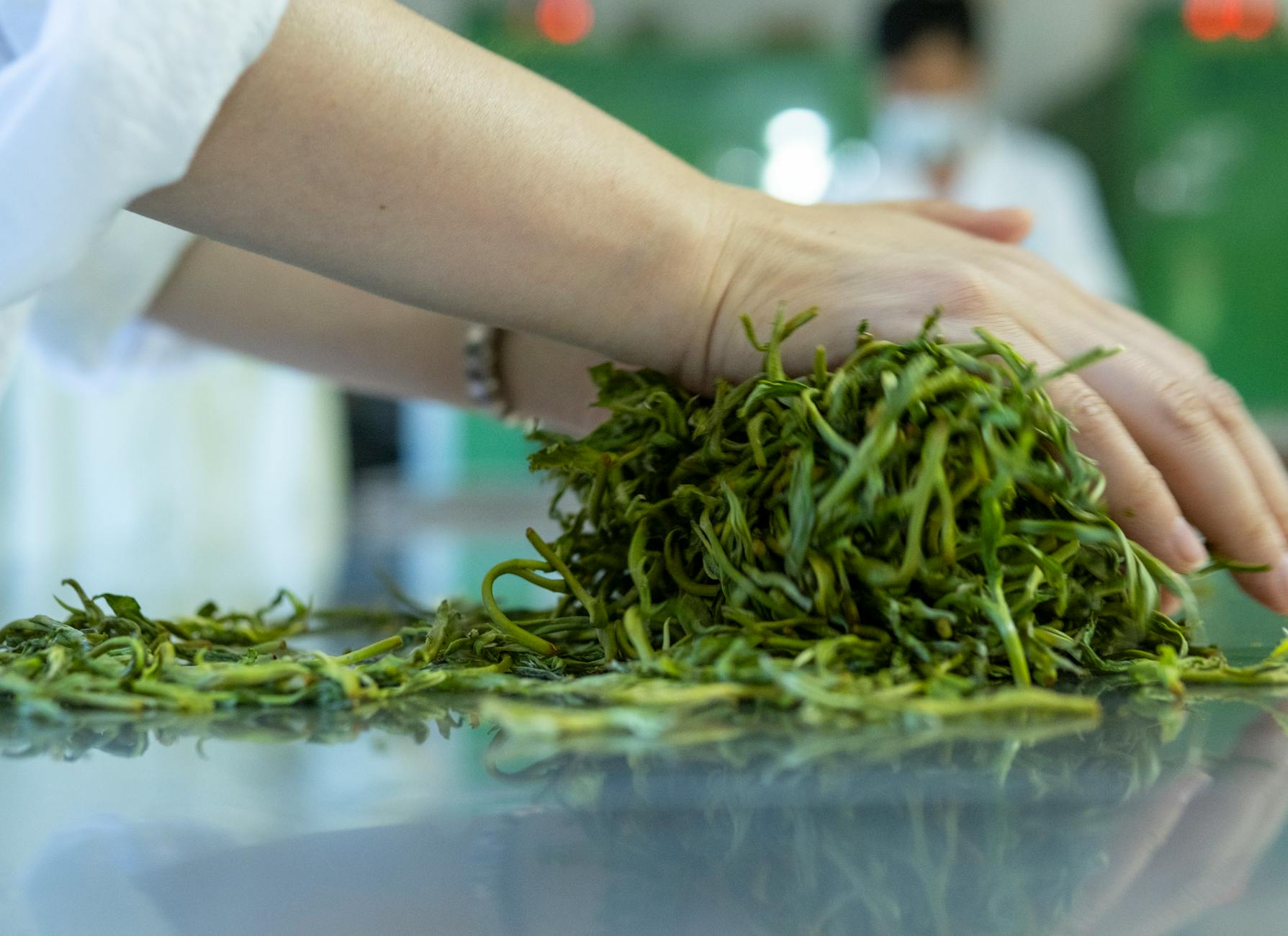
Green tea contains L-theanine and caffeine, compounds that work synergistically to improve focus and attention. Catechins in green tea cross the blood-brain barrier and provide antioxidant protection to neural tissue. Regular green tea consumption is associated with improved memory and reduced risk of age-related cognitive decline. L-theanine promotes relaxed alertness without the jitteriness of coffee-based caffeine. Two to three cups of green tea daily provides optimal concentration of beneficial compounds.
Avocados
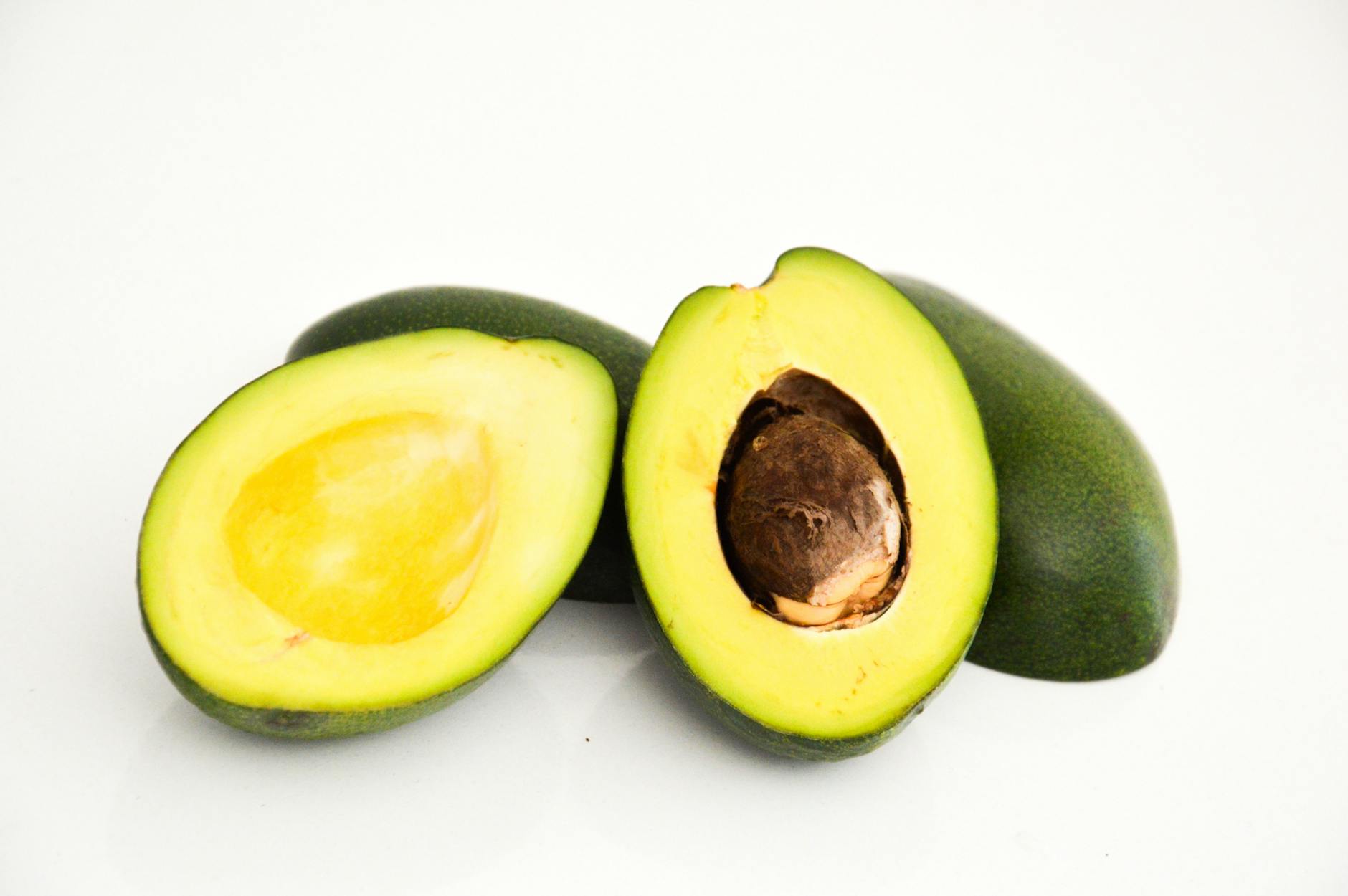
Avocados contain monounsaturated fats that support healthy blood flow to the brain and improve cognitive function. The potassium in avocados helps regulate nerve signals and supports synaptic communication. Lutein in avocados accumulates in brain tissue and protects against age-related decline. Avocados also provide folate and vitamin K, both essential for brain cell health. Half an avocado daily provides significant benefits without excessive calorie intake.
Berries
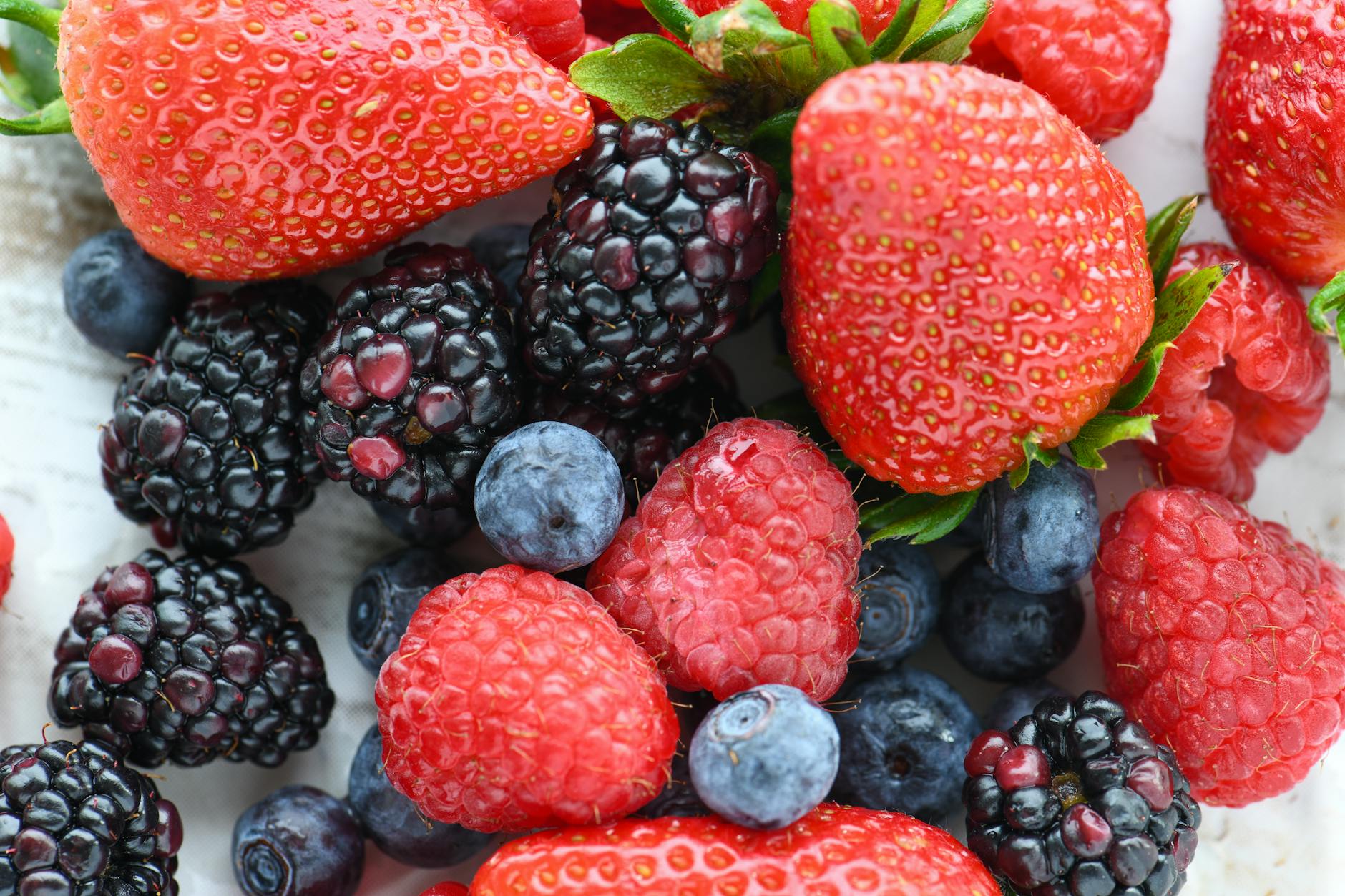
Berries including strawberries, raspberries, and blackberries contain anthocyanins and other polyphenols protective for brain tissue. The antioxidant capacity of berries exceeds that of most other fruits and vegetables. Regular berry consumption has been linked to improvements in processing speed and decision-making. Mixed berry consumption provides diverse antioxidant compounds working synergistically. A cup of mixed berries daily offers comprehensive neuroprotective benefits.
Olive Oil

Extra virgin olive oil contains oleuropein and other polyphenols that cross the blood-barrier and reduce neuroinflammation. The monounsaturated fats in olive oil support healthy blood vessel function and brain perfusion. Studies suggest olive oil consumption is associated with better performance on memory and executive function tests. The polyphenol content is highest in extra virgin varieties with minimal processing. Two tablespoons of extra virgin olive oil daily supports sustained brain protection.
Almonds
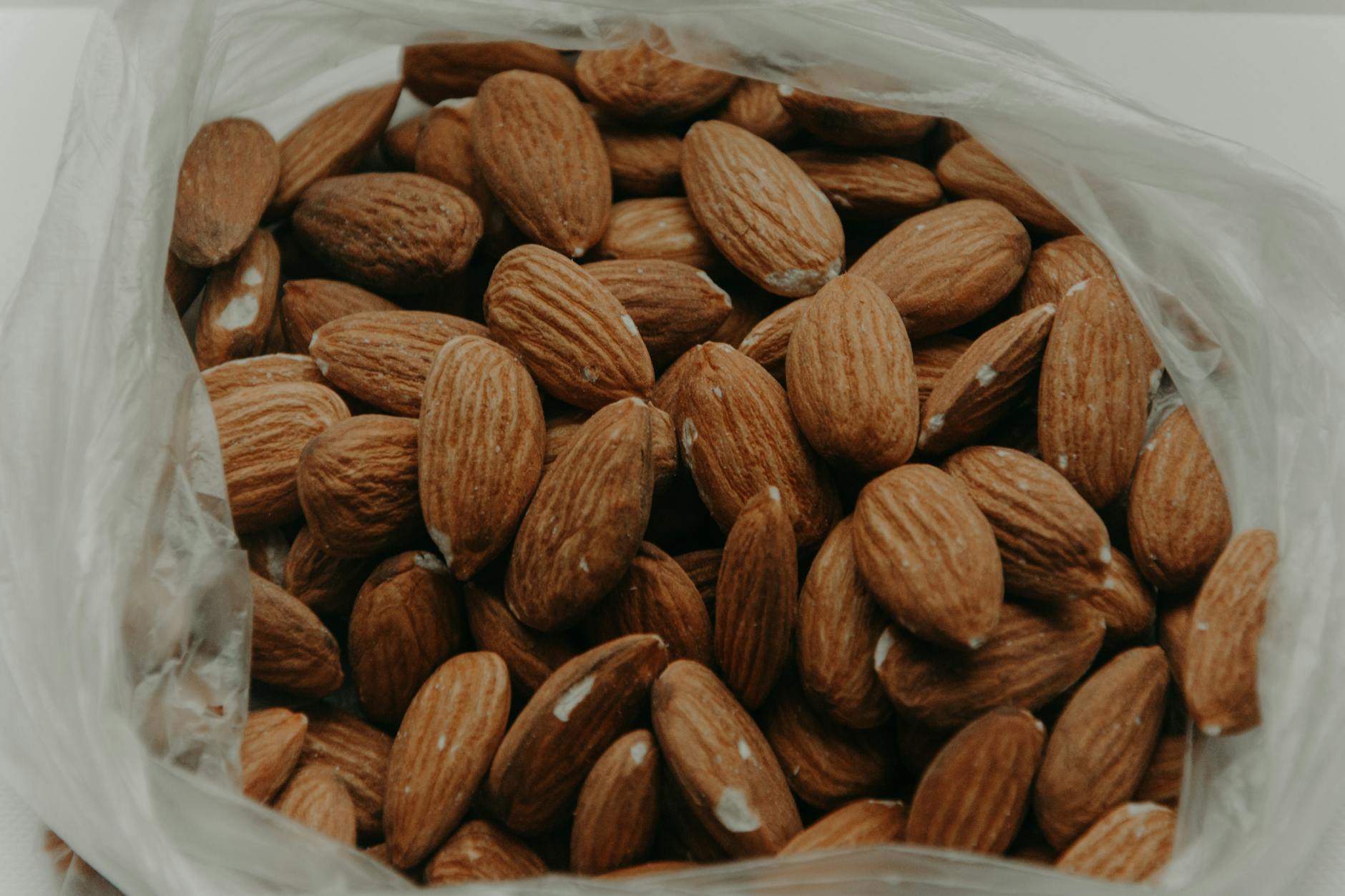
Almonds provide vitamin E, a fat-soluble antioxidant that accumulates in brain tissue and prevents oxidative damage. The magnesium in almonds supports neural transmission and proper brain cell communication. Almonds also contain polyphenols that reduce neuroinflammation and support cognitive resilience. A small handful of almonds provides substantial antioxidant and mineral content. Daily almond consumption supports long-term cognitive health and mental clarity.
Spinach
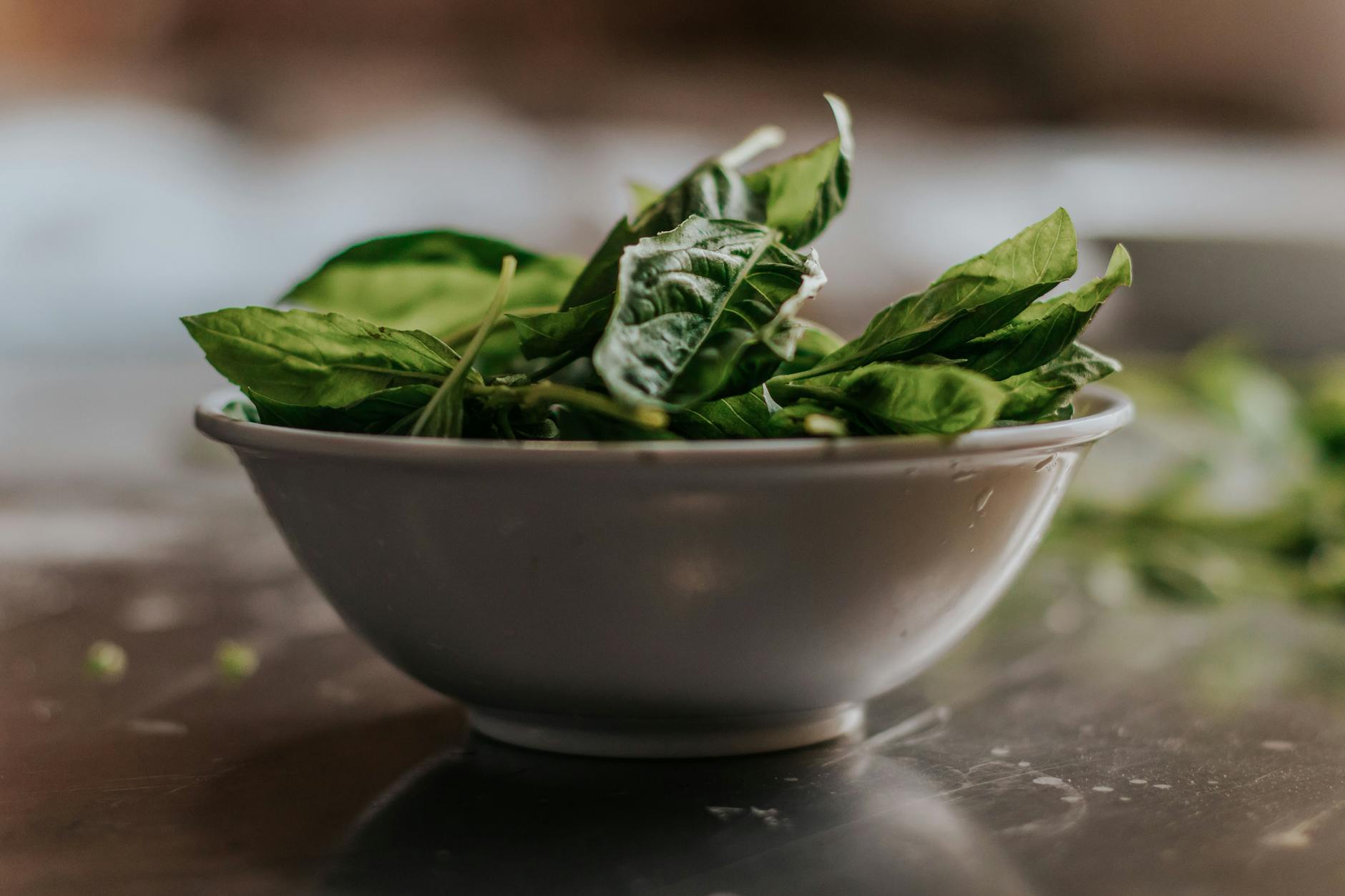
Spinach contains lutein, zeaxanthin, and folate, nutrients that protect brain tissue and support neural development. The high antioxidant content in spinach combats free radical damage that accumulates over time. Folate specifically supports the synthesis of neurotransmitters and DNA repair in brain cells. Consuming spinach raw or lightly cooked preserves delicate nutrients. A large handful of spinach daily provides sufficient lutein and folate intake.
Beets
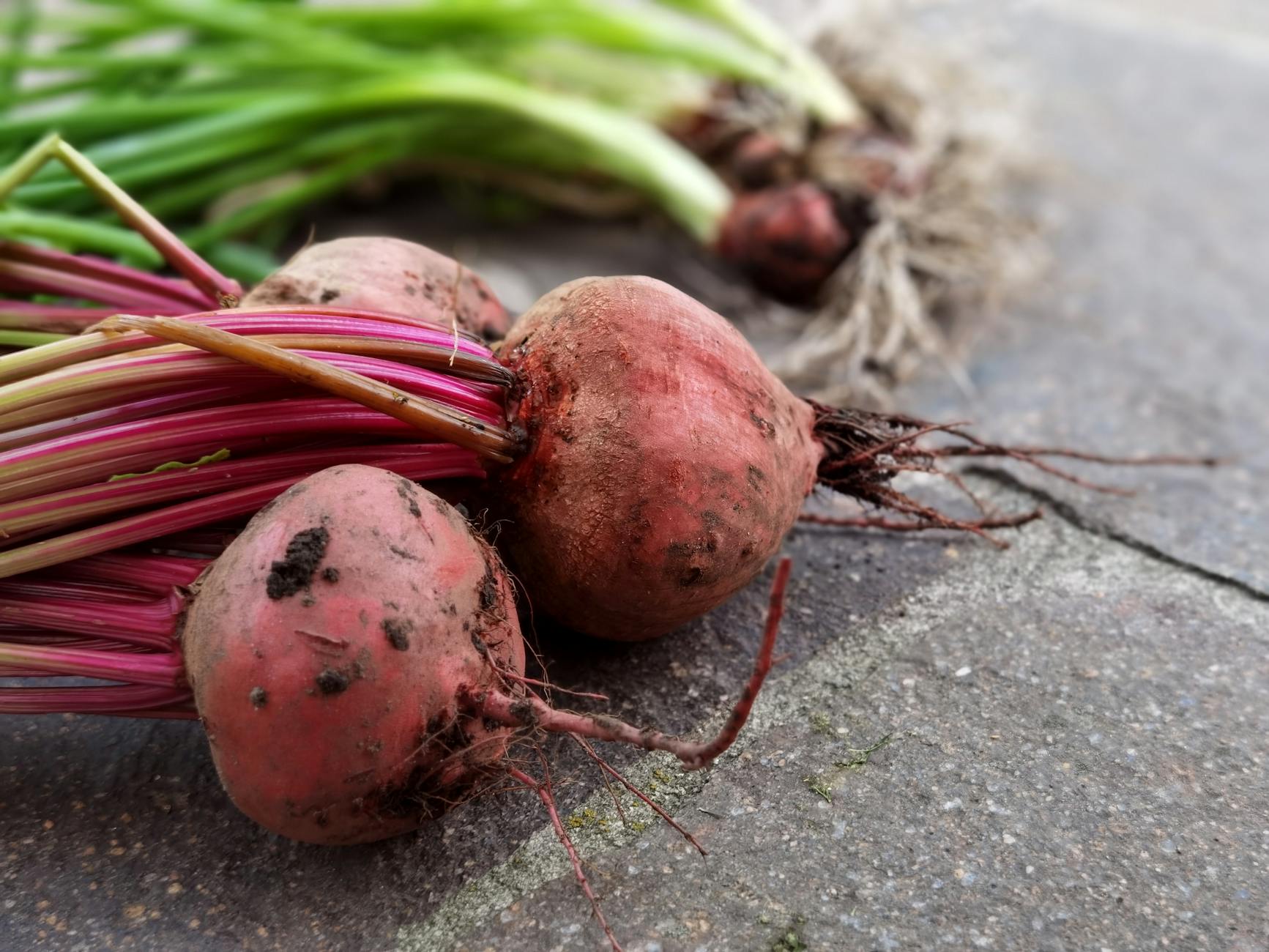
Beets contain nitrates that improve blood flow to the brain and enhance oxygen delivery to neural tissue. The betaines in beets support methylation processes critical for brain function and neurotransmitter production. Betalains in beets provide potent antioxidant and anti-inflammatory benefits for the brain. Studies show beet juice consumption improves cognitive function within hours of consumption. Including fresh or roasted beets several times weekly supports acute and chronic brain benefits.
Rosemary
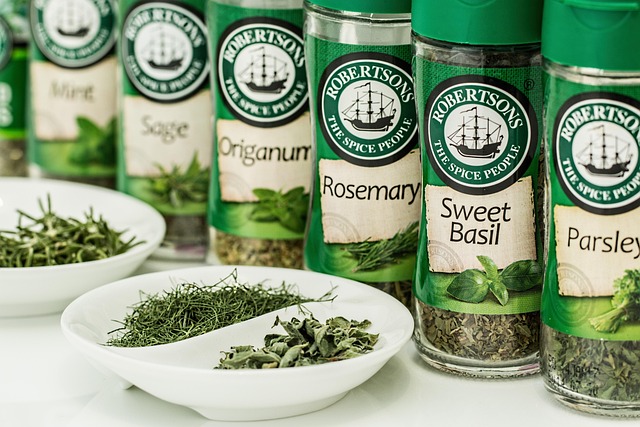
Rosemary contains carnosic acid, a compound that protects brain cells from oxidative stress and neuroinflammation. The aroma of rosemary enhances memory retrieval and improves focus during cognitive tasks. Carnosol in rosemary may prevent amyloid beta accumulation associated with neurodegeneration. Fresh or dried rosemary provides equivalent beneficial compounds. Using rosemary regularly in cooking or as a tea supports memory enhancement and brain protection.
Coffee

Coffee contains caffeine and polyphenols that enhance alertness, focus, and processing speed. The chlorogenic acid in coffee provides antioxidant protection and supports healthy brain metabolism. Regular moderate coffee consumption is associated with reduced risk of age-related cognitive decline. Caffeine enhances dopamine and norepinephrine signaling, improving attention and motivation. One to three cups of coffee daily provides cognitive benefits without excessive caffeine intake.
Flaxseeds

Flaxseeds provide alpha-linolenic acid, an omega-3 fatty acid essential for brain cell structure and function. Lignans in flaxseeds provide antioxidant and anti-inflammatory benefits for neural tissue. The fiber in flaxseeds supports gut health, which influences brain function through the gut-brain axis. Ground flaxseeds improve nutrient absorption compared to whole seeds. A tablespoon of ground flaxseeds daily supports omega-3 intake from plant sources.
Red Wine

Red wine contains resveratrol, a polyphenol that crosses the blood-brain barrier and provides neuroprotective benefits. The anthocyanins in red wine reduce neuroinflammation and support cognitive function. Moderate red wine consumption has been associated with better memory performance in older adults. The antioxidant benefits come primarily from the grape skin compounds in red wine. A small glass of red wine with meals provides resveratrol intake within healthy alcohol limits.
Whole Grains
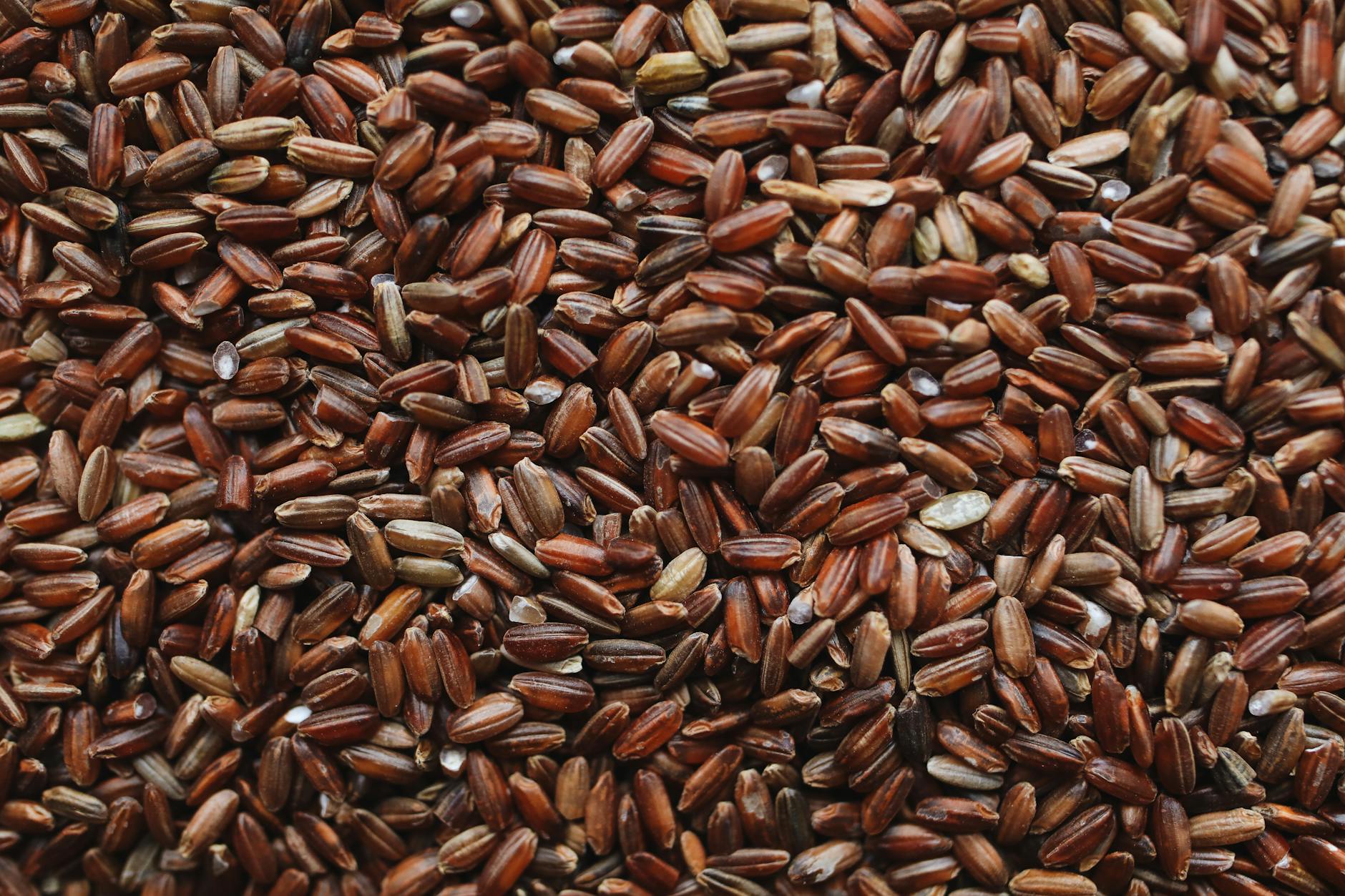
Whole grains provide B vitamins, particularly folate and B6, essential for brain function and neurotransmitter synthesis. The steady glucose release from whole grains supports sustained mental energy and focus. Antioxidants in whole grains protect against age-related cognitive decline. Refined grains lack these protective compounds, making whole grain selection important. Choosing whole wheat, oats, and quinoa ensures adequate whole grain intake throughout the day.
Tomatoes
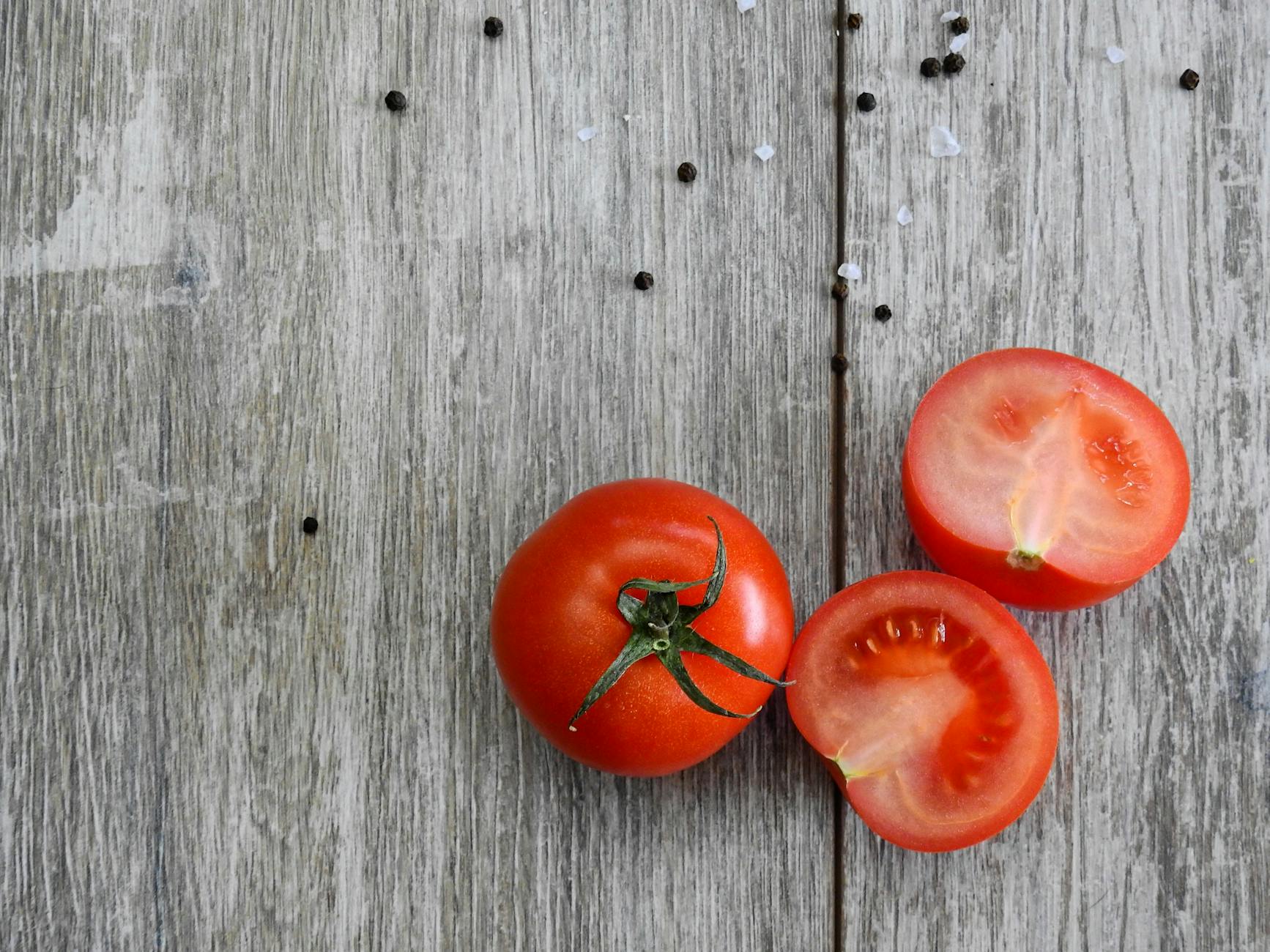
Tomatoes contain lycopene, a carotenoid that penetrates the blood-brain barrier and protects neural tissue. Lycopene reduces neuroinflammation and oxidative stress in brain cells. The bioavailability of lycopene increases when tomatoes are cooked with oil. Studies show lycopene accumulation in the brain correlates with better cognitive performance. Including cooked tomato products several times weekly ensures adequate lycopene intake.
Garlic
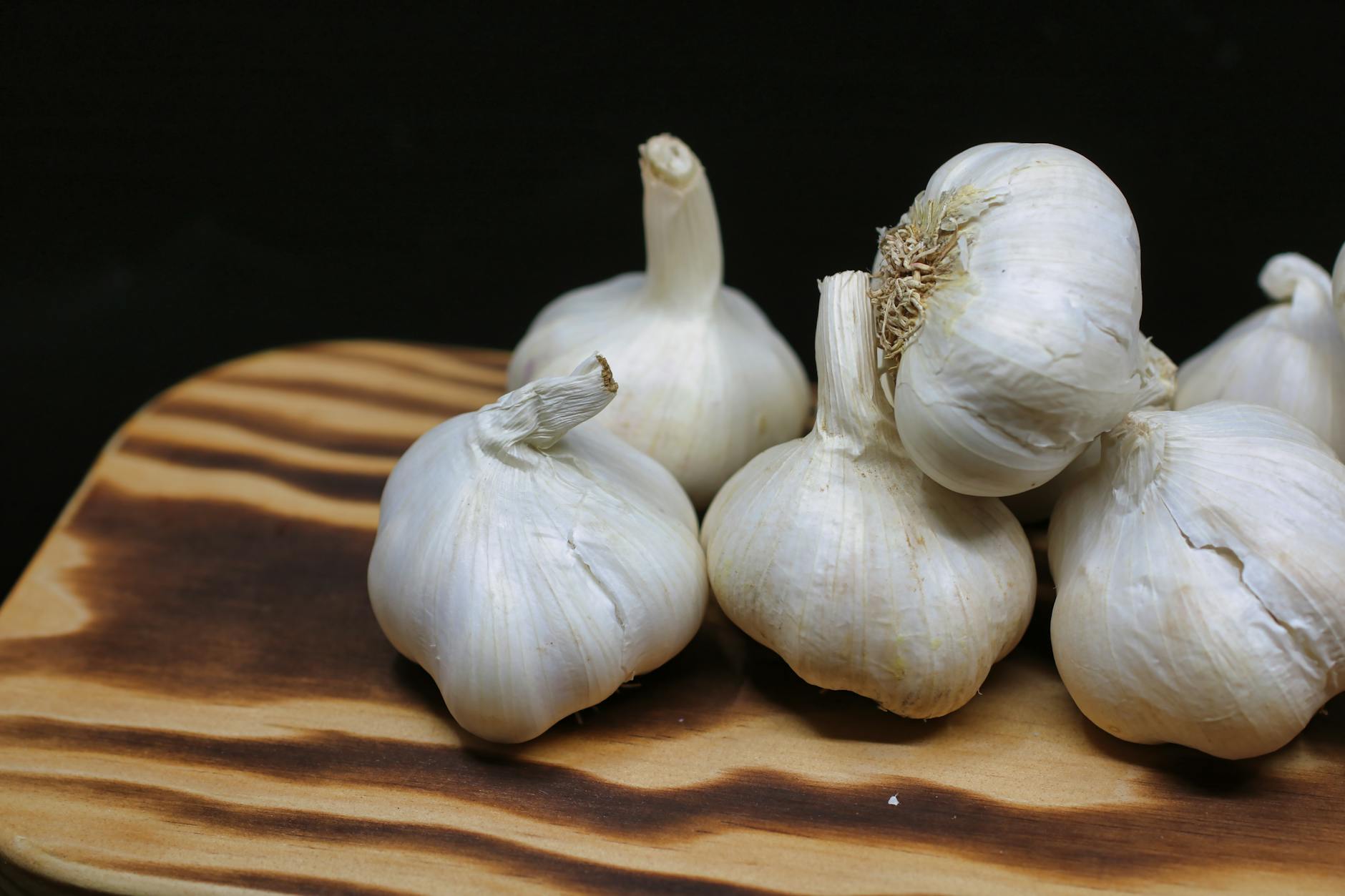
Garlic contains allicin, a sulfur compound with potent antioxidant and anti-inflammatory properties. Allicin crosses the blood-brain barrier and protects neurons from age-related damage. Aged garlic extract specifically shows enhanced neuroprotective benefits over raw garlic. Regular garlic consumption supports immune function, which indirectly supports brain health. Including fresh or cooked garlic daily in meals provides accessible sulfur compounds.
Coconut Oil

Coconut oil contains medium-chain triglycerides that provide alternative fuel for the brain. These fats support mitochondrial function and enhance cellular energy production in neural tissue. Lauric acid in coconut oil has antimicrobial properties that support a healthy brain microbiome. The polyphenols in virgin coconut oil provide additional antioxidant benefits. One to two tablespoons of virgin coconut oil daily supports brain energy metabolism.
Bell Peppers

Bell peppers are rich in vitamin C and polyphenols that support brain health and cognitive function. The variety of colors provides different antioxidants, so consuming multiple colors maximizes benefits. Quercetin in bell peppers reduces neuroinflammation and supports mental clarity. The vitamin C content supports the synthesis of neurotransmitters and collagen in brain tissue. Including bell peppers in meals several times weekly provides diverse antioxidants.
Ginger
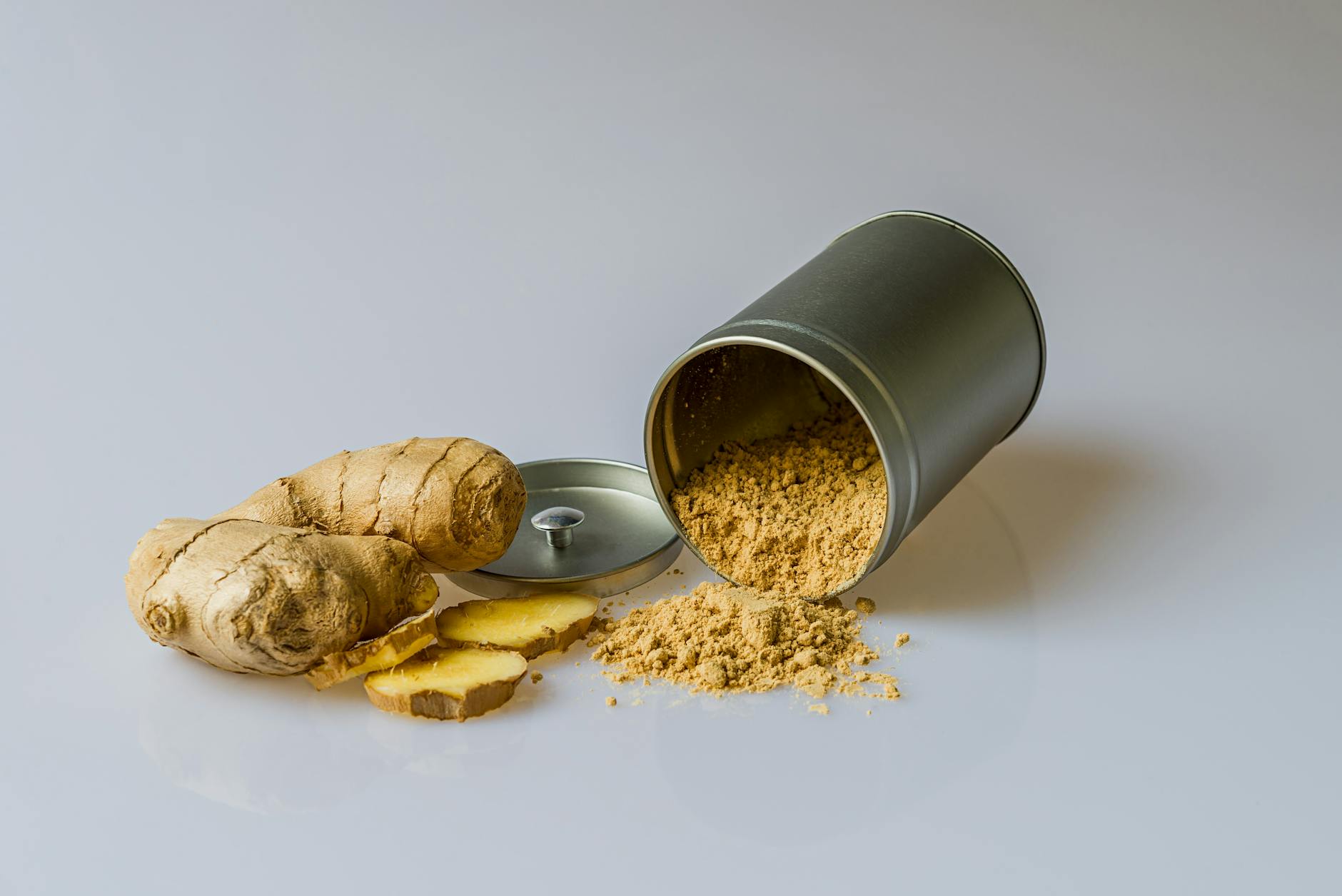
Ginger contains gingerols and shogaols, compounds that reduce neuroinflammation and support brain cell protection. Ginger enhances blood flow to the brain and may improve memory consolidation. The polyphenols in ginger work synergistically to protect against age-related cognitive decline. Fresh ginger provides stronger anti-inflammatory benefits than dried forms. Including fresh ginger in tea or meals several times weekly supports ongoing neuroinflammation reduction.
Sunflower Seeds
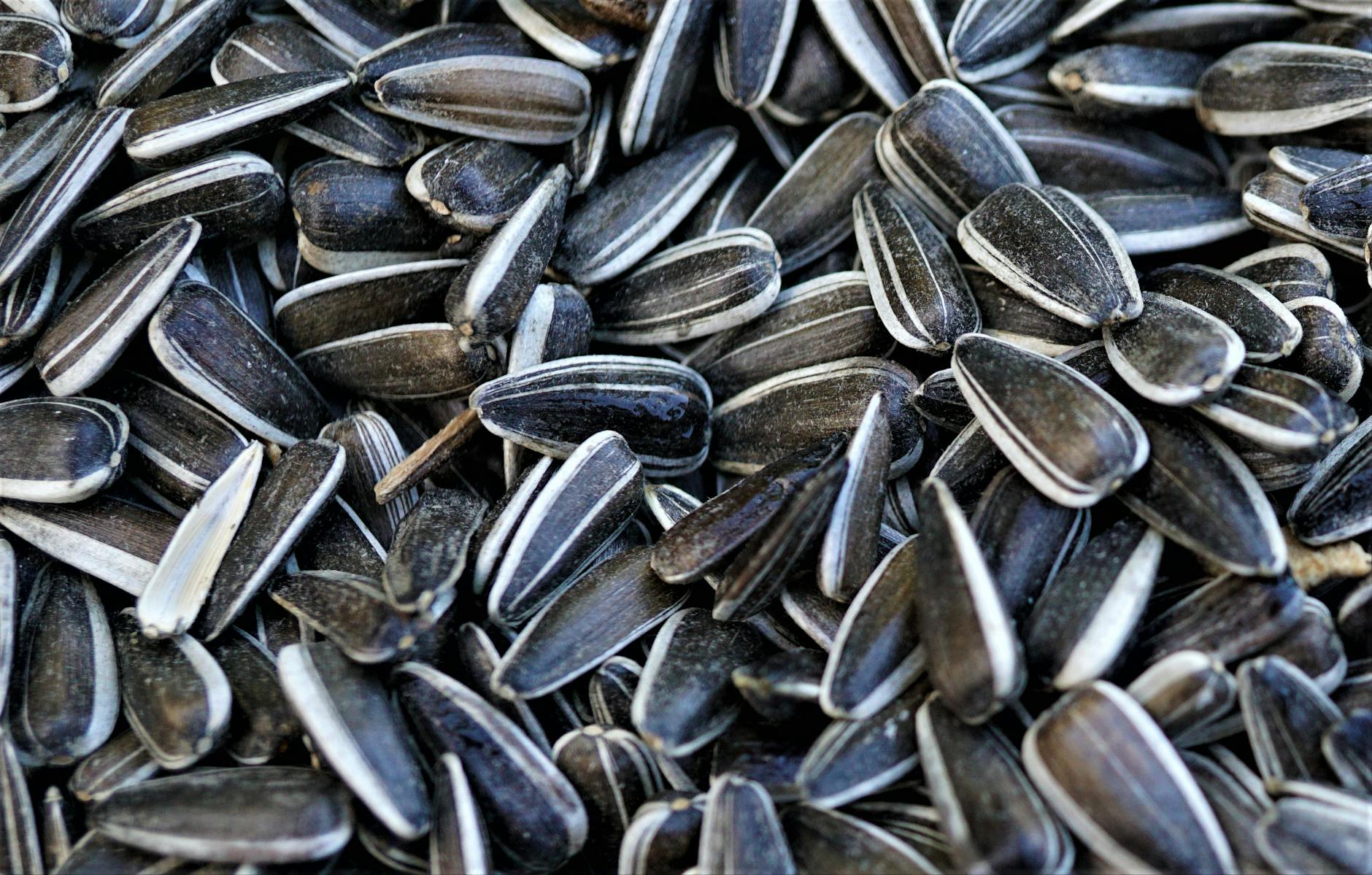
Sunflower seeds provide selenium, vitamin E, and folate, nutrients essential for brain cell protection and function. Selenium acts as a cofactor for selenoproteins that protect neural tissue from oxidative damage. The high vitamin E content accumulates in brain tissue and provides long-term antioxidant protection. Sunflower seeds also contain polyphenols that support memory and cognitive processing. A quarter-cup of sunflower seeds daily provides substantial micronutrient intake for brain health.
Kale
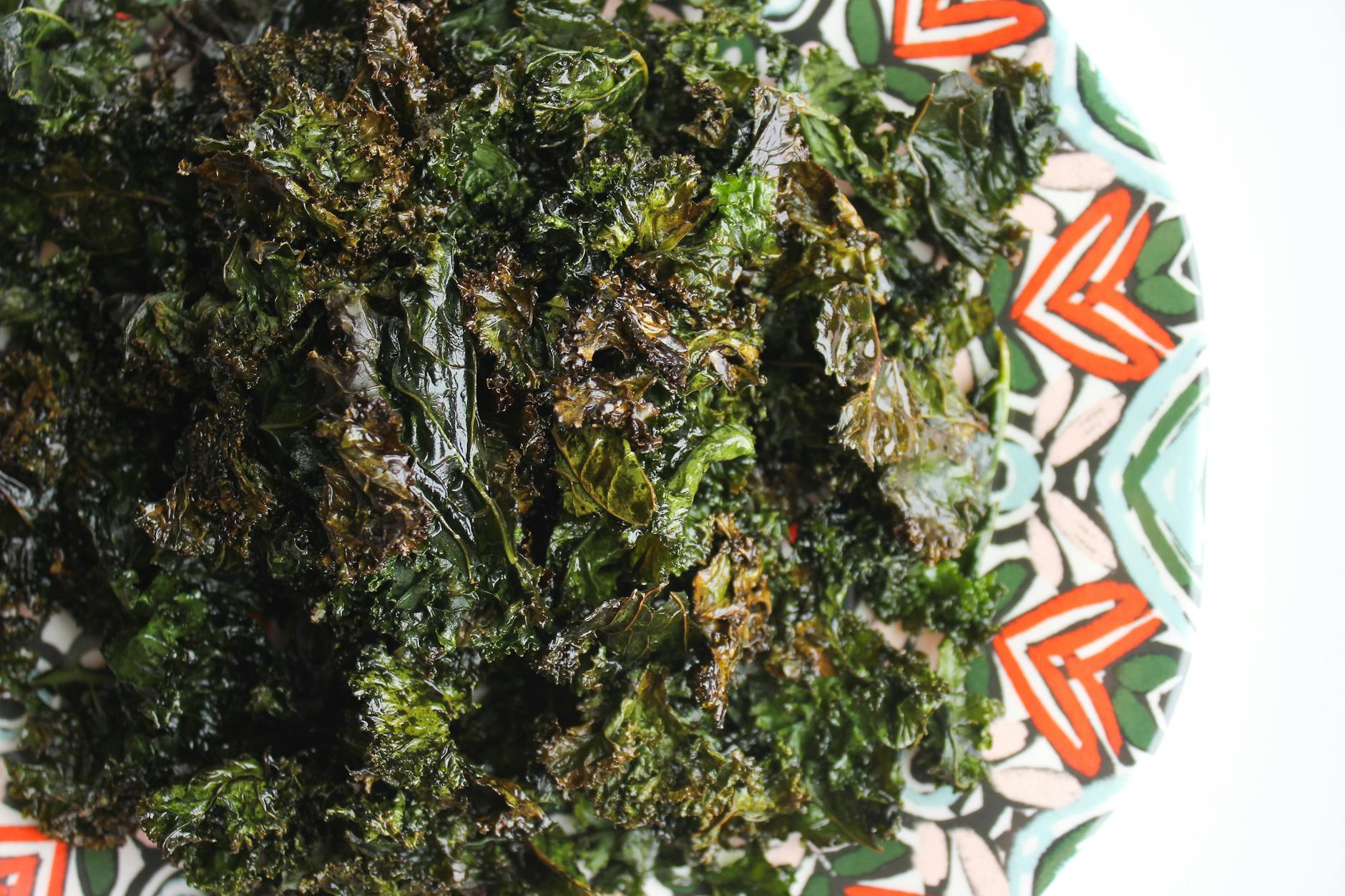
Kale contains lutein and zeaxanthin, carotenoids that accumulate in brain tissue and protect against decline. The high antioxidant content in kale combats oxidative stress at the cellular level. Folate and vitamin K in kale support neuronal development and brain metabolism. The sulfur compounds in kale support the production of glutathione, a master antioxidant. Raw or lightly cooked kale several times weekly ensures optimal nutrient preservation.
Chia Seeds
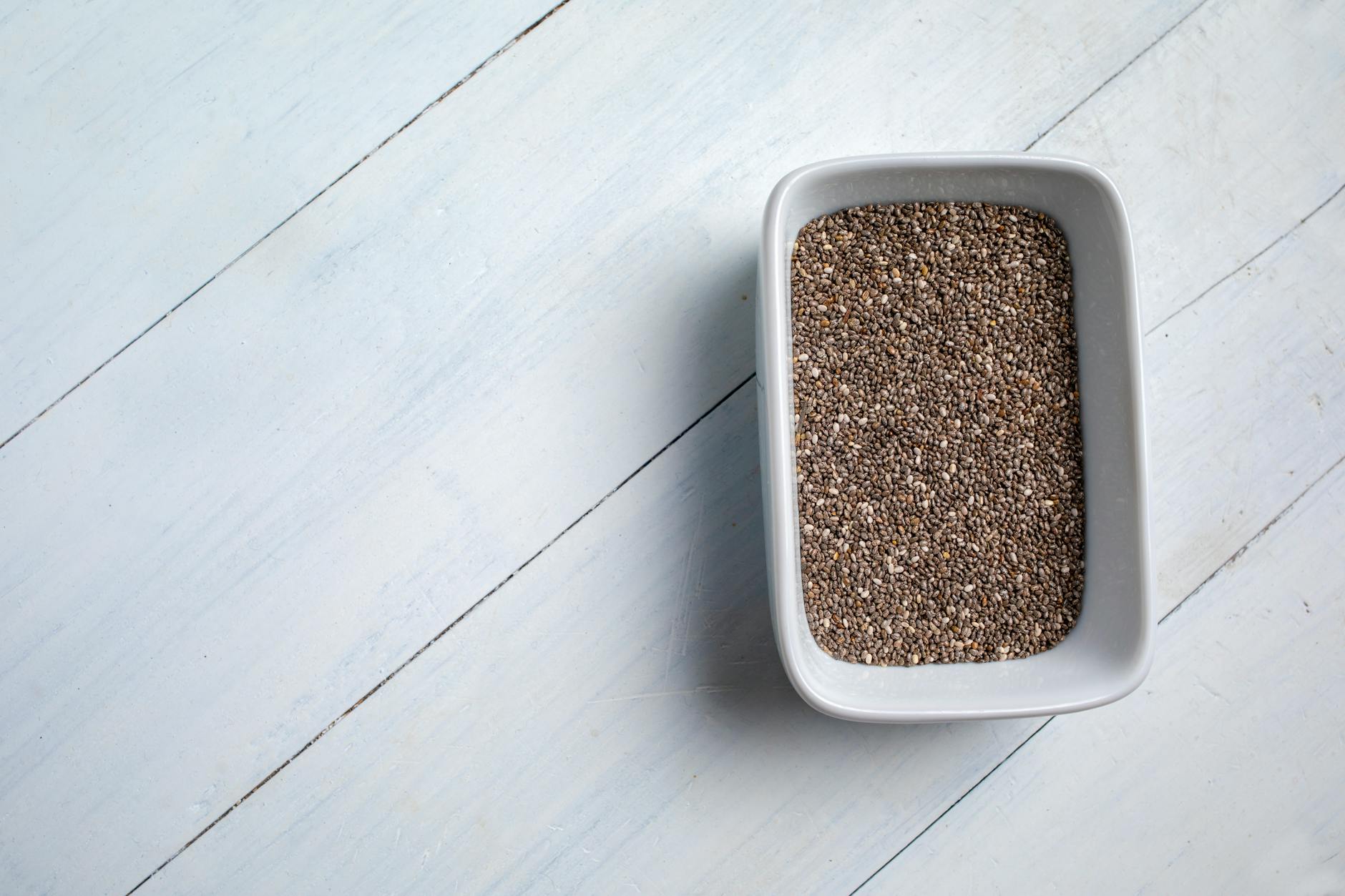
Chia seeds provide omega-3 fatty acids, fiber, and antioxidants in a small, nutrient-dense package. The high alpha-linolenic acid content supports cell membrane structure and neurotransmitter function. Chia seeds expand in liquid, promoting satiety and supporting stable blood glucose levels. The polyphenols in chia seeds provide antioxidant benefits comparable to fresh berries. A tablespoon of chia seeds daily in smoothies or yogurt provides multiple brain-supporting nutrients.
Chickpeas
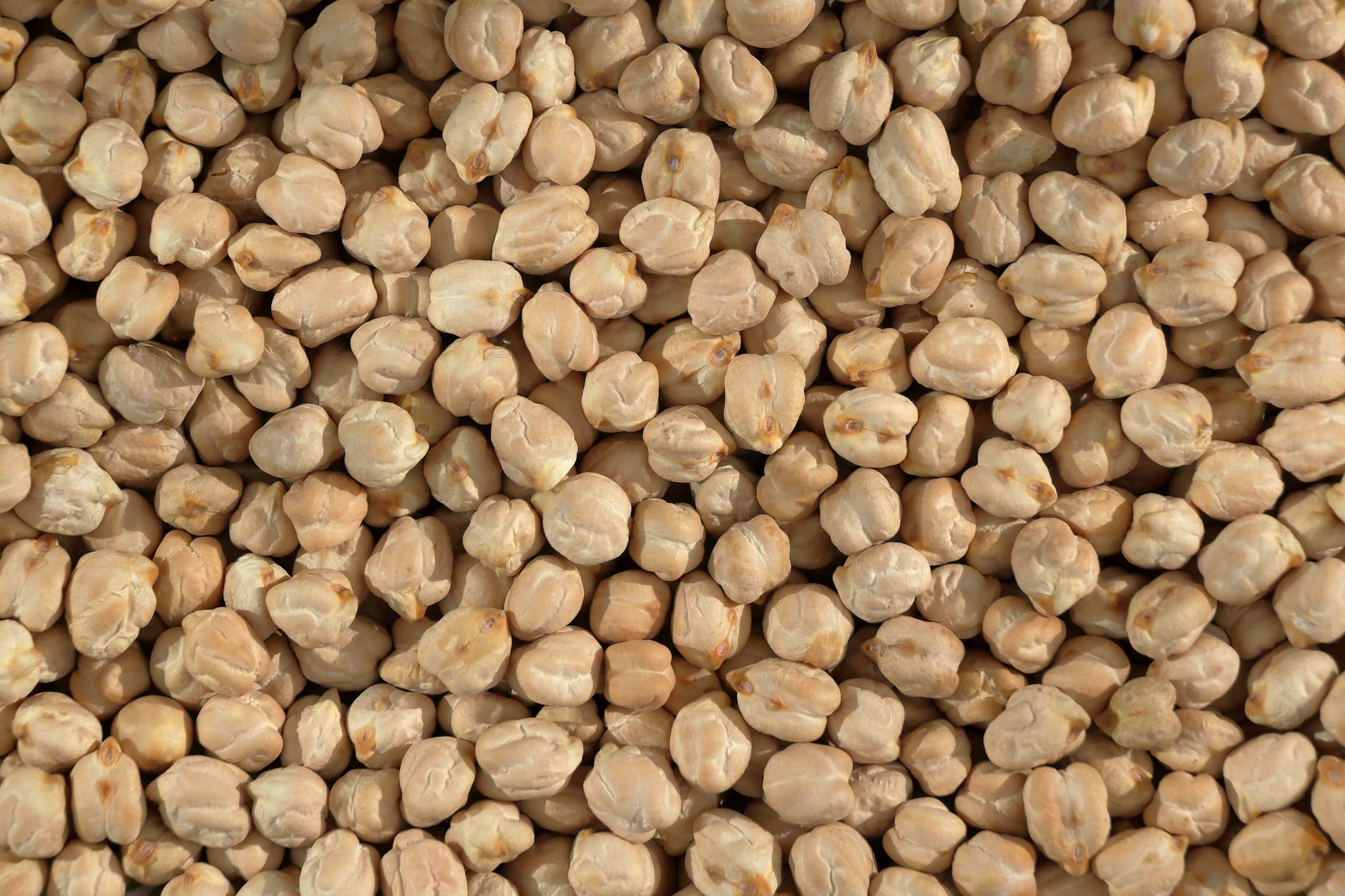
Chickpeas provide folate, a B vitamin critical for neurotransmitter synthesis and brain cell development. The protein and fiber in chickpeas support stable blood sugar, preventing cognitive fluctuations. Polyphenols in chickpeas reduce neuroinflammation and oxidative stress in neural tissue. The choline content in chickpeas supports acetylcholine production for memory formation. Including chickpeas in meals twice weekly provides substantial folate and nutrient intake.
Lentils
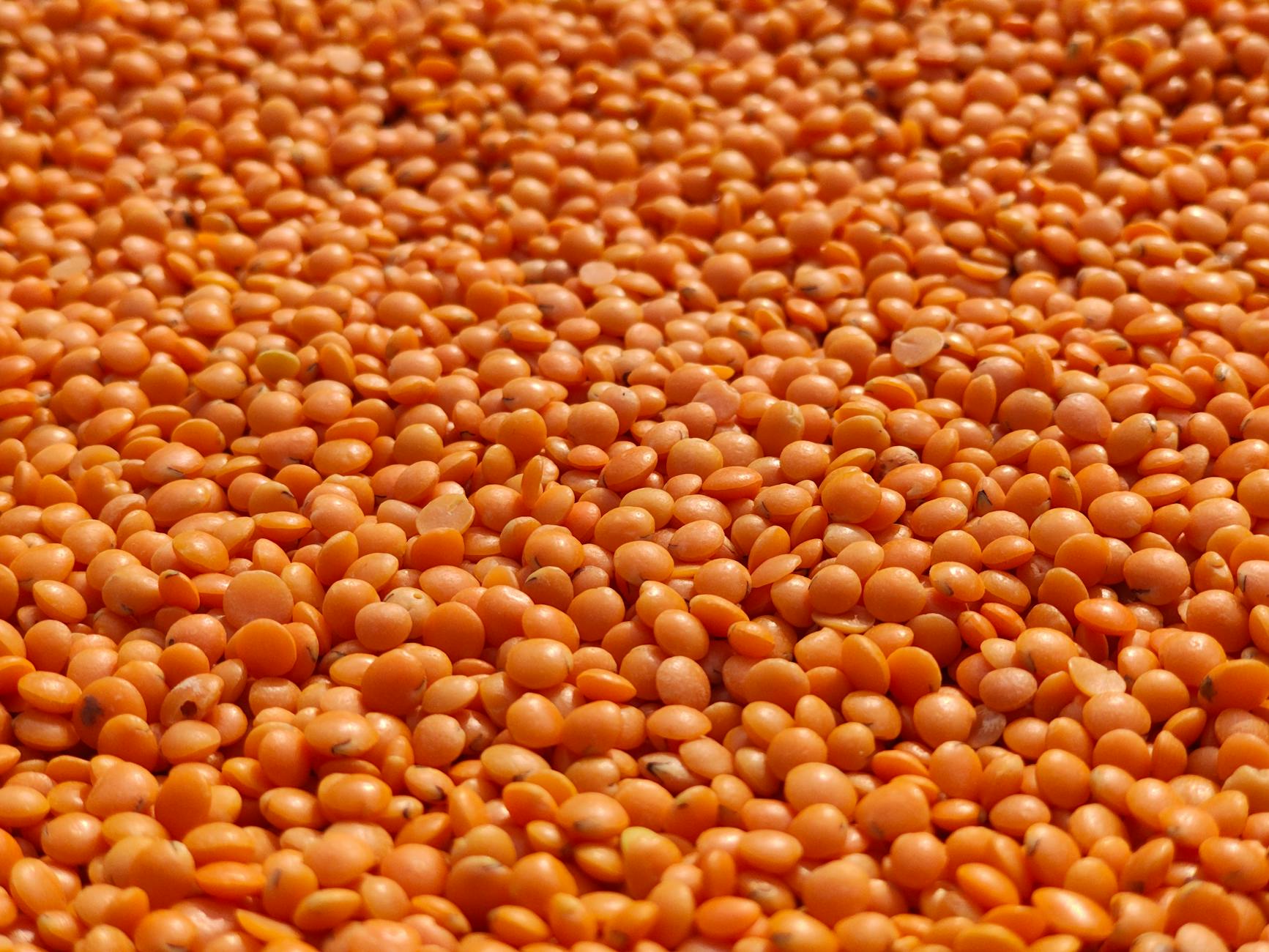
Lentils are rich in folate, iron, and polyphenols essential for proper brain function and neural development. The steady glucose release from lentils maintains mental energy and concentration. Polyphenols in lentils provide antioxidant protection and reduce neuroinflammation. Lentils also contain polysaccharides that support the growth of beneficial gut bacteria influencing brain health. A half-cup of cooked lentils weekly provides significant micronutrient contribution to brain support.
Asparagus
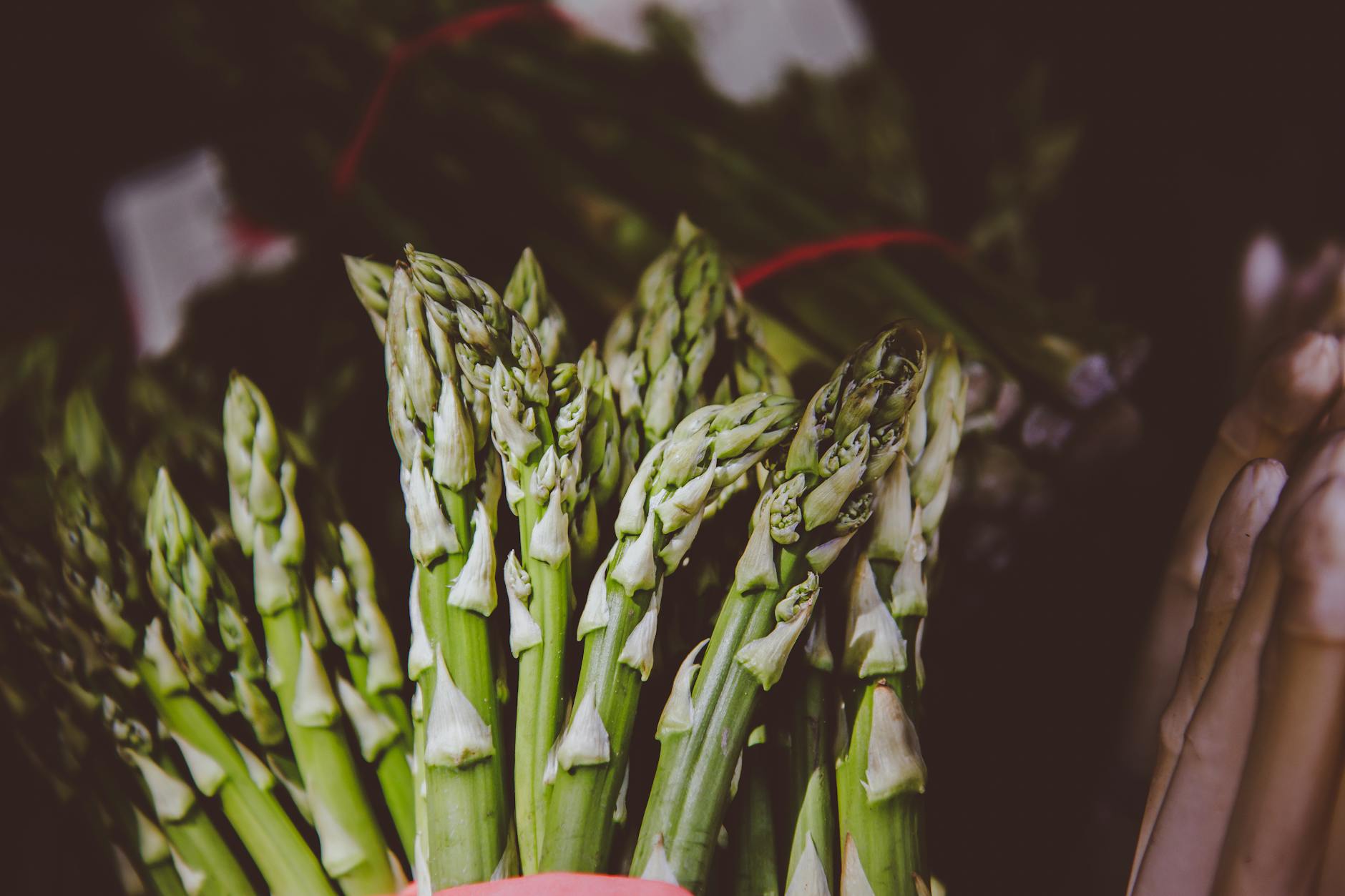
Asparagus contains folate, glutathione, and antioxidants that protect brain cells from age-related damage. Glutathione is a master antioxidant that accumulates in brain tissue and supports neuronal repair. Folate in asparagus supports the methylation processes critical for brain cell function. The prebiotic fiber in asparagus supports beneficial gut bacteria that influence brain health. Fresh asparagus several times weekly provides folate and glutathione for ongoing brain protection.
Brussels Sprouts

Brussels sprouts provide vitamin K and sulforaphane, compounds essential for brain cell structure and protection. Vitamin K supports the formation of sphingolipids critical for proper brain cell signaling. The sulforaphane content activates antioxidant defense systems and protects against neurodegenerative processes. Raw or steamed Brussels sprouts preserve maximum nutrient content. Including Brussels sprouts several times weekly ensures adequate vitamin K and sulforaphane intake.
Pomegranate
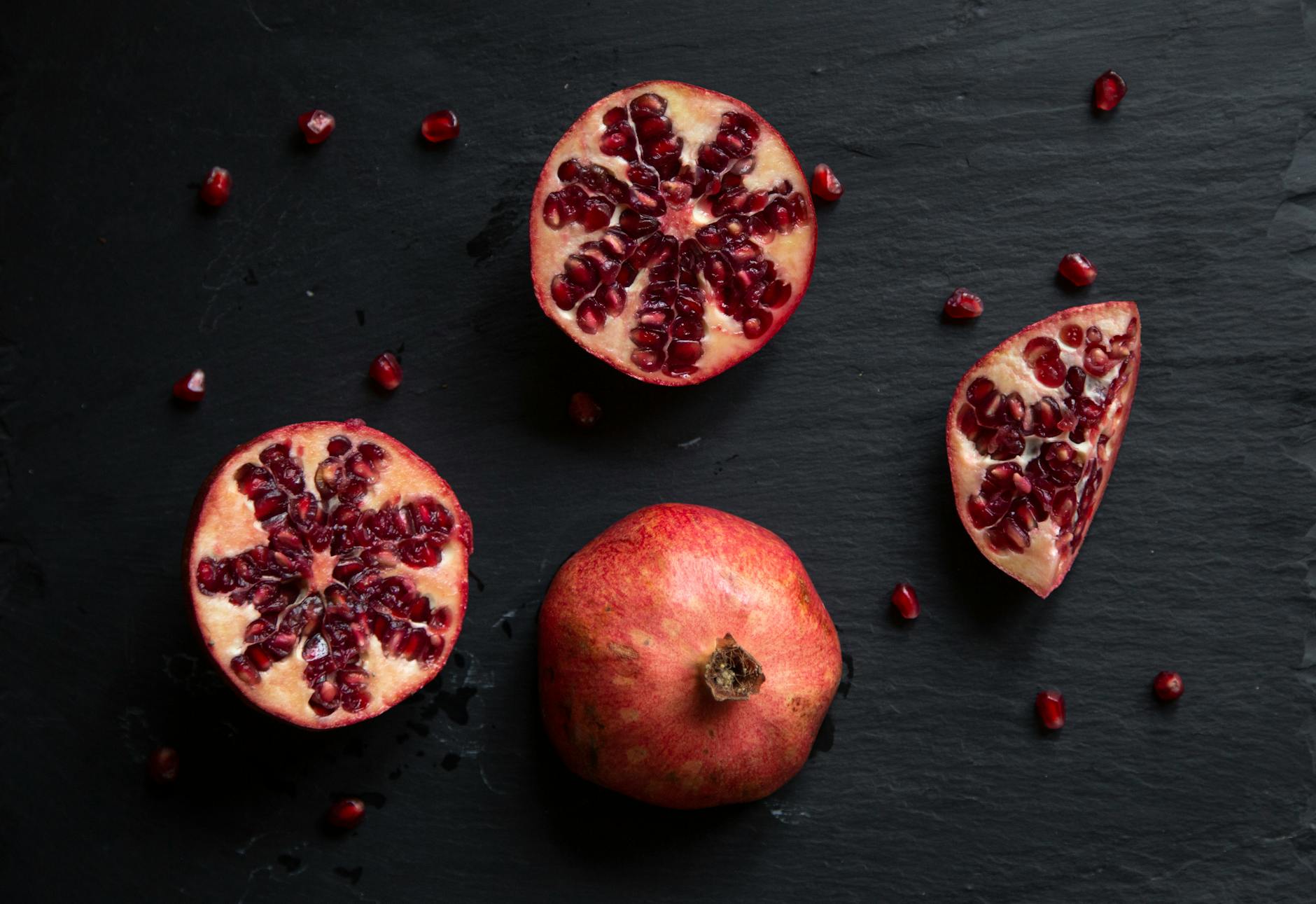
Pomegranate contains ellagic acid and punicalagins, polyphenols with exceptional neuroprotective properties. These compounds reduce neuroinflammation and improve blood flow to the brain. The antioxidant capacity of pomegranate exceeds that of most other fruits and juices. Regular pomegranate consumption is associated with improved memory and cognitive function in aging adults. Fresh pomegranate seeds or juice several times weekly provides powerful antioxidant benefits.
Sweet Potatoes

Sweet potatoes contain anthocyanins and beta-carotene, antioxidants that protect neural tissue. The complex carbohydrates in sweet potatoes provide steady glucose for sustained mental energy. Sweet potatoes also contain manganese, essential for optimal brain metabolism. The vitamin B6 in sweet potatoes supports neurotransmitter production and brain cell communication. Roasted or boiled sweet potatoes several times weekly provide diverse nutrients for brain support.
Carrots
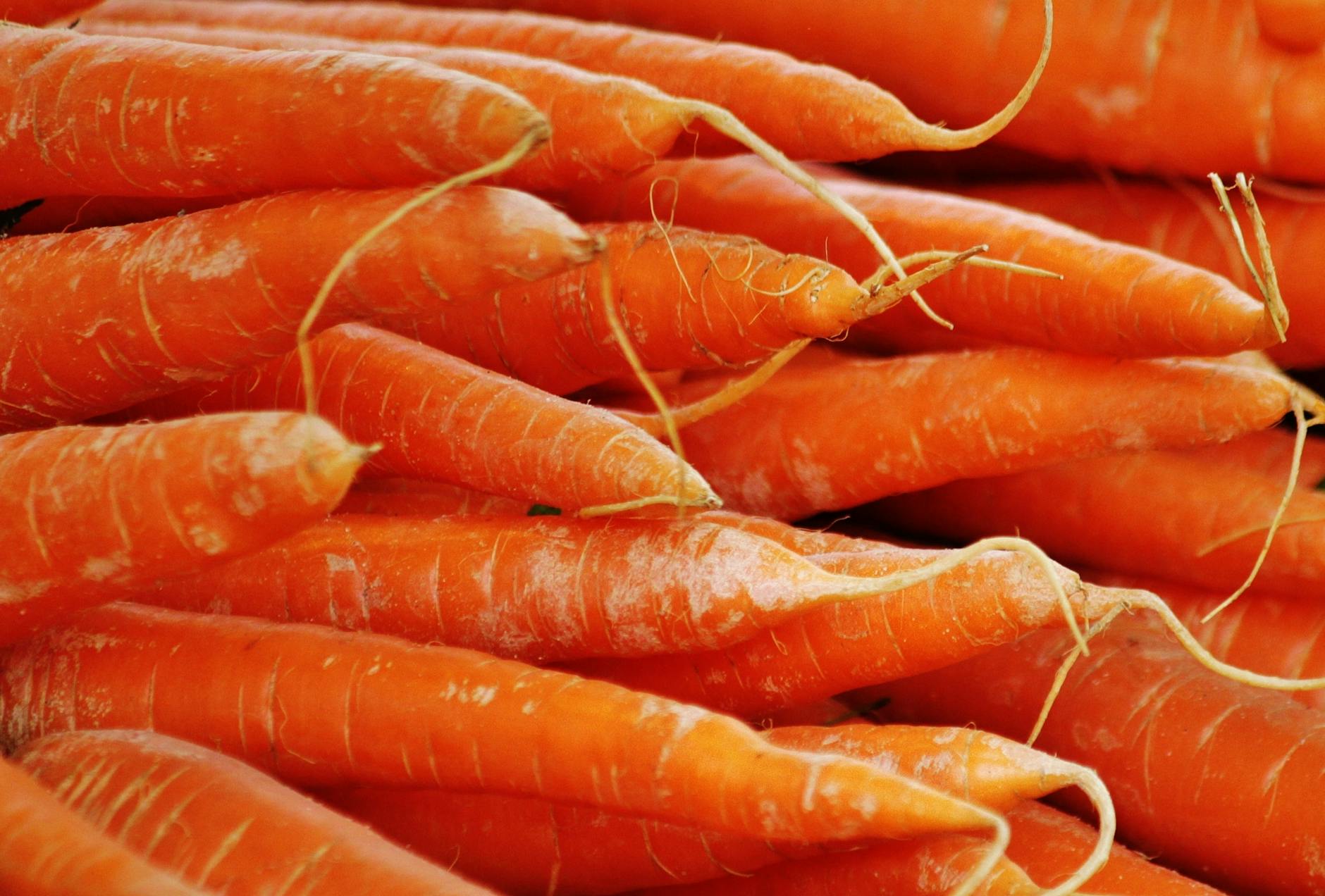
Carrots contain beta-carotene, lutein, and polyphenols that protect the brain from oxidative damage. The bioavailability of these antioxidants increases with cooking or consumption with fats. Regular carrot consumption is associated with better cognitive performance and slower age-related decline. The fiber in carrots supports gut health, indirectly benefiting brain function through the gut-brain axis. Raw or cooked carrots several times weekly provides sustained antioxidant intake.
Sardines
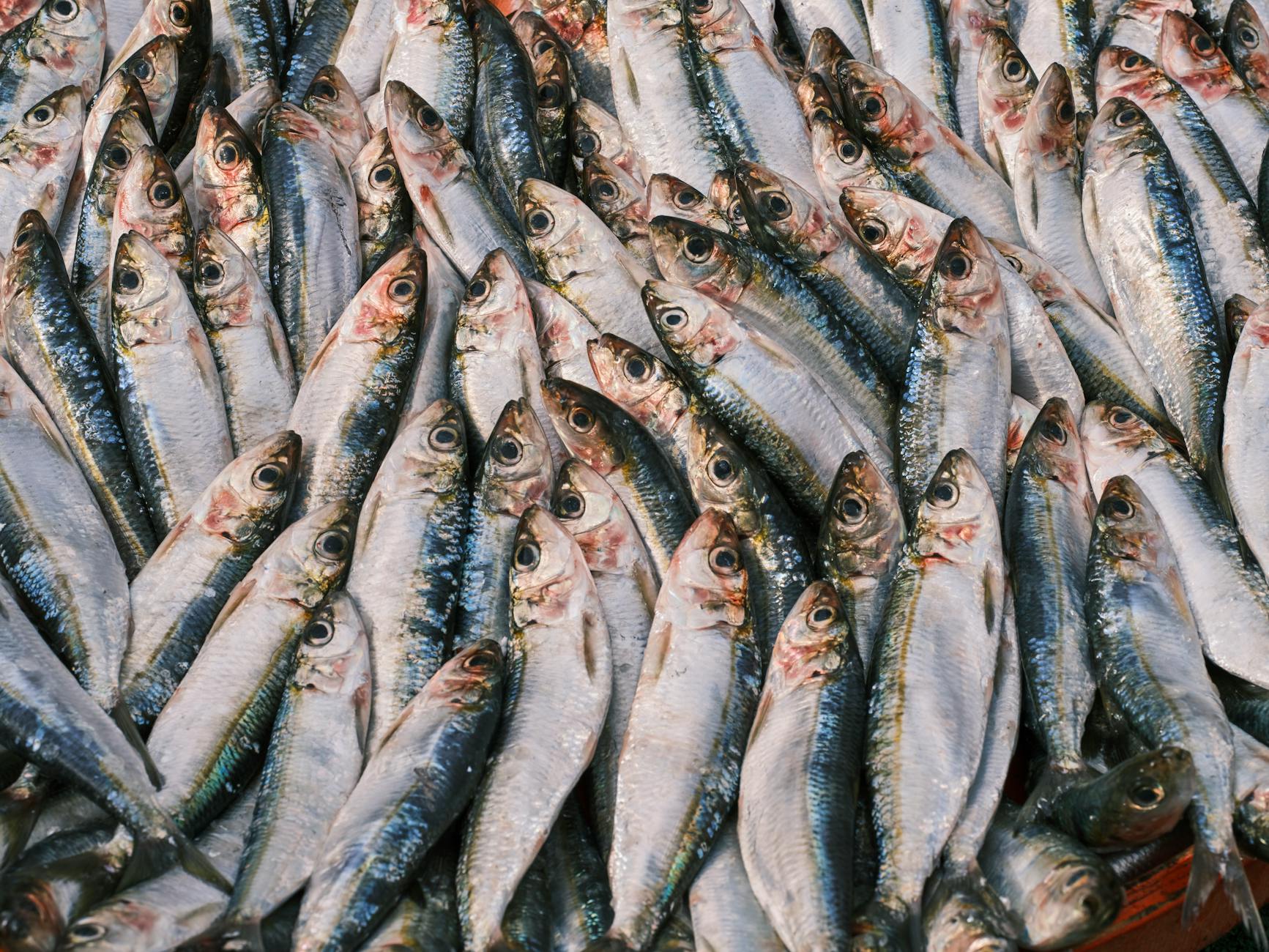
Sardines provide omega-3 fatty acids, selenium, and coenzyme Q10, all supporting brain cell health. The high bioavailability of omega-3s from fish sources exceeds that from plant sources. Selenium in sardines acts as a cofactor for antioxidant enzyme production in the brain. Sardines also contain astaxanthin, a powerful antioxidant that crosses the blood-brain barrier. Including sardines twice weekly provides superior omega-3 intake and diverse neuroprotective nutrients.
What brain-healthy foods are you already incorporating into your daily meals, and which ones will you try adding to support your cognitive health?




