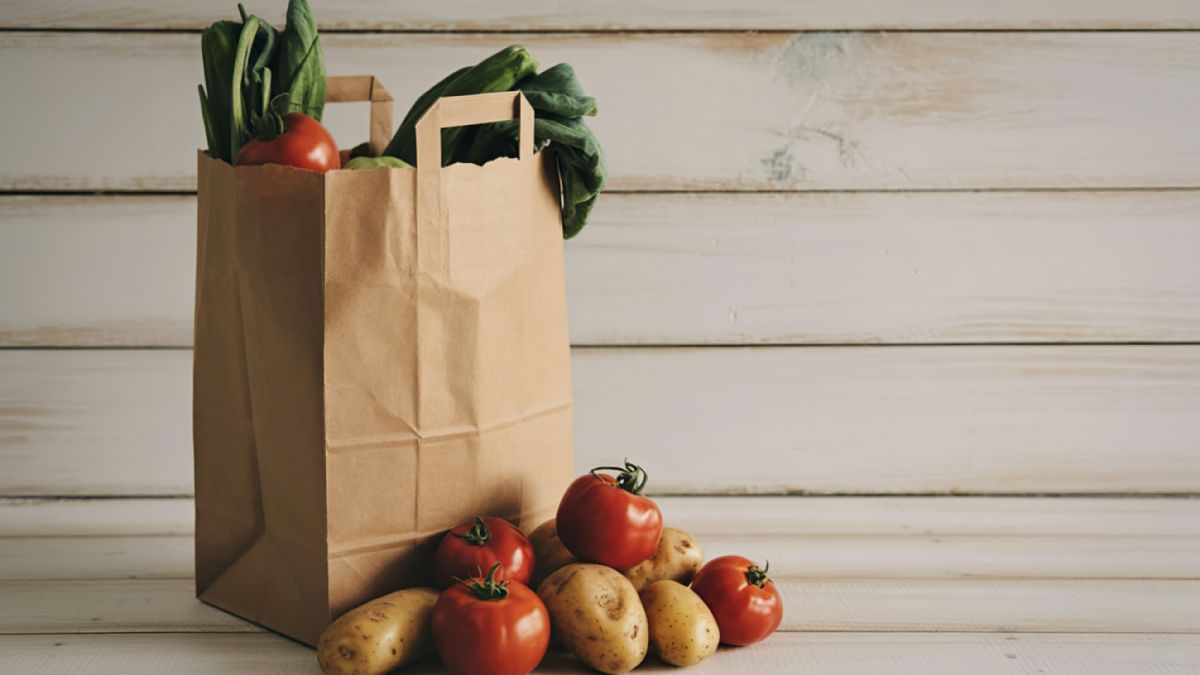
Building a grocery budget that works requires strategy and intentional shopping habits. Whether you’re feeding a family of four or just yourself, smart choices at the store can significantly reduce your monthly food expenses. The following approaches combine practical techniques with proven shopping methods that help you stretch every dollar while maintaining nutritious meals.
Plan Your Meals First

Creating a weekly meal plan before you shop ensures every ingredient has a purpose. When you know exactly what you’re cooking, you avoid impulse purchases and food waste. Spend thirty minutes on Sunday planning dinners, breakfasts, and snacks for the week ahead. This practice dramatically reduces both your spending and the amount of food that expires unused. A simple notebook or phone app makes meal planning quick and accessible.
Shop Your Pantry
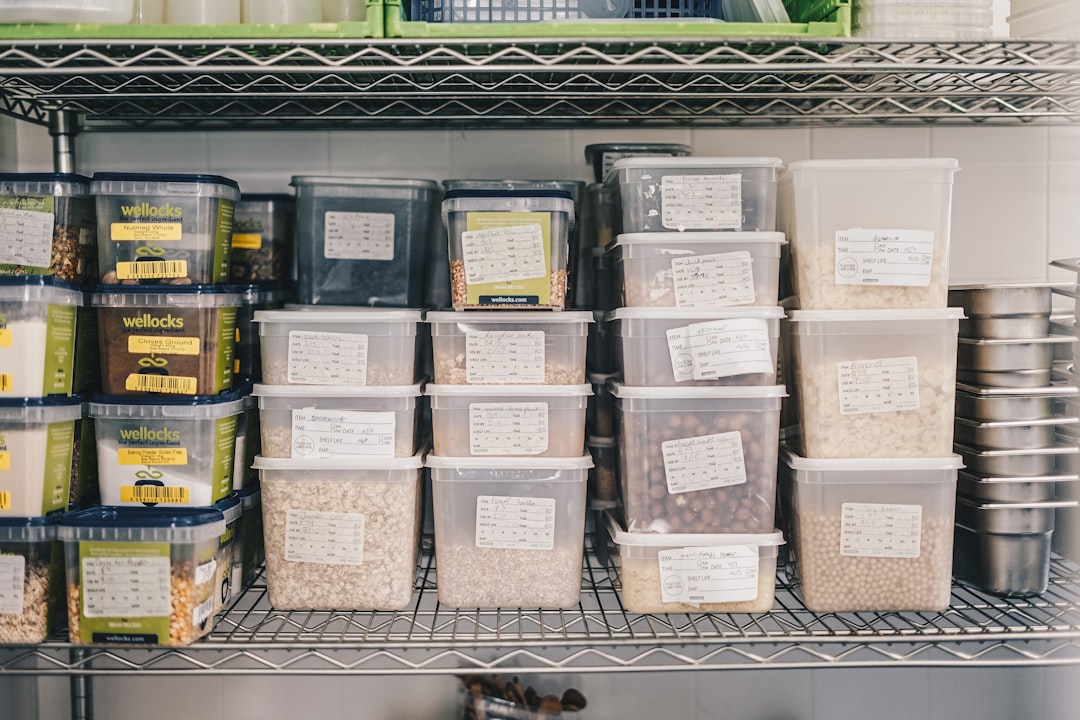
Before heading to the store, check what you already have at home. Many households contain forgotten ingredients that can be incorporated into meals throughout the week. Building meals around items you already own reduces the number of new purchases needed. This habit also prevents duplicate purchases when you can’t remember what’s already in your cabinets. A quick inventory walk-through takes just five minutes but saves significant money over time.
Make a Shopping List
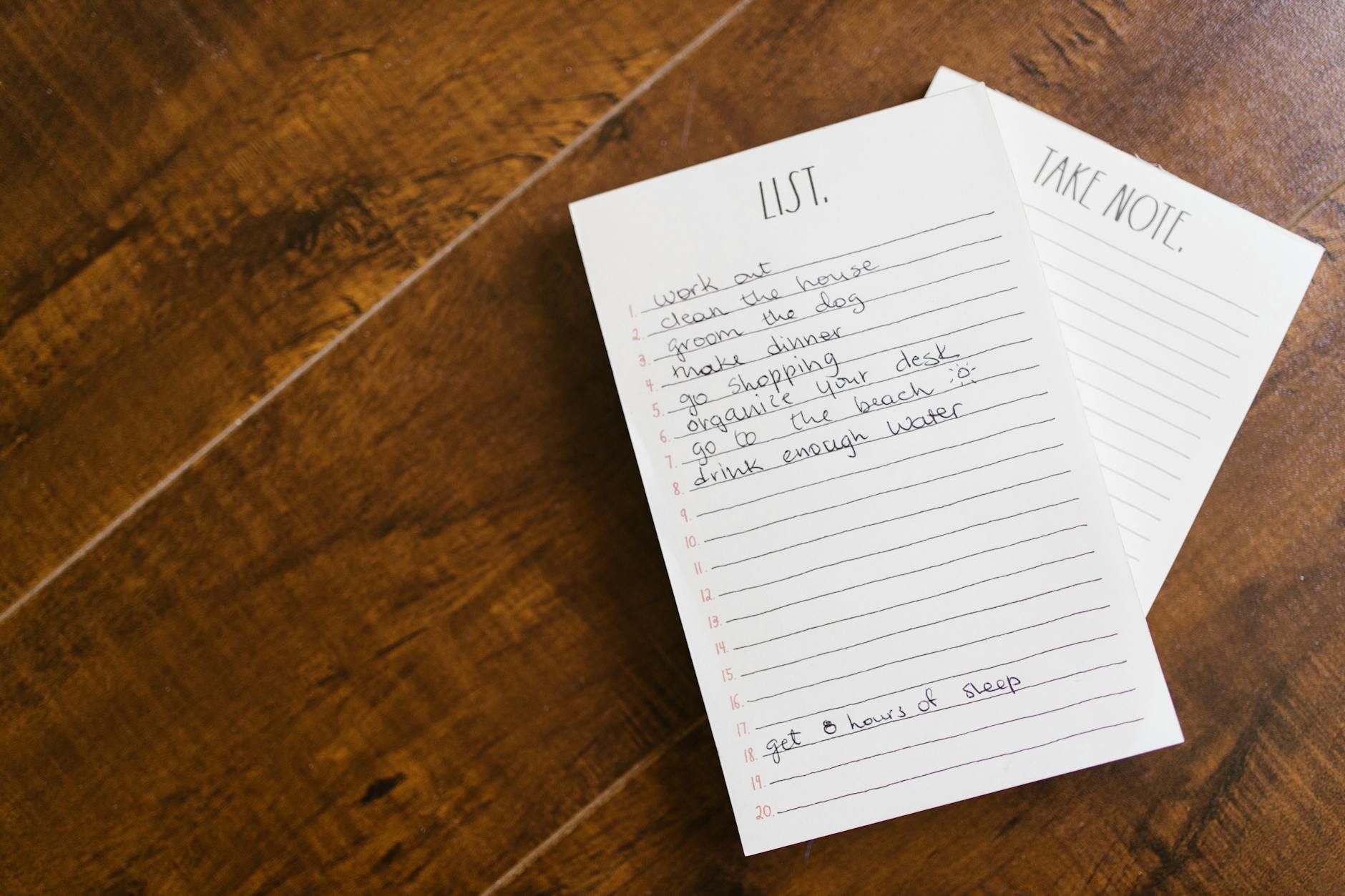
A written or digital list keeps you focused and prevents wandering through aisles you don’t need. Organize your list by store layout so you move efficiently and resist temptation. Stick to the list without adding extra items at checkout when you’re tired or hungry. Studies show that shoppers without lists spend between thirty and forty percent more than planned. A disciplined approach to your list is one of the most effective money-saving strategies available.
Buy Generic Brands
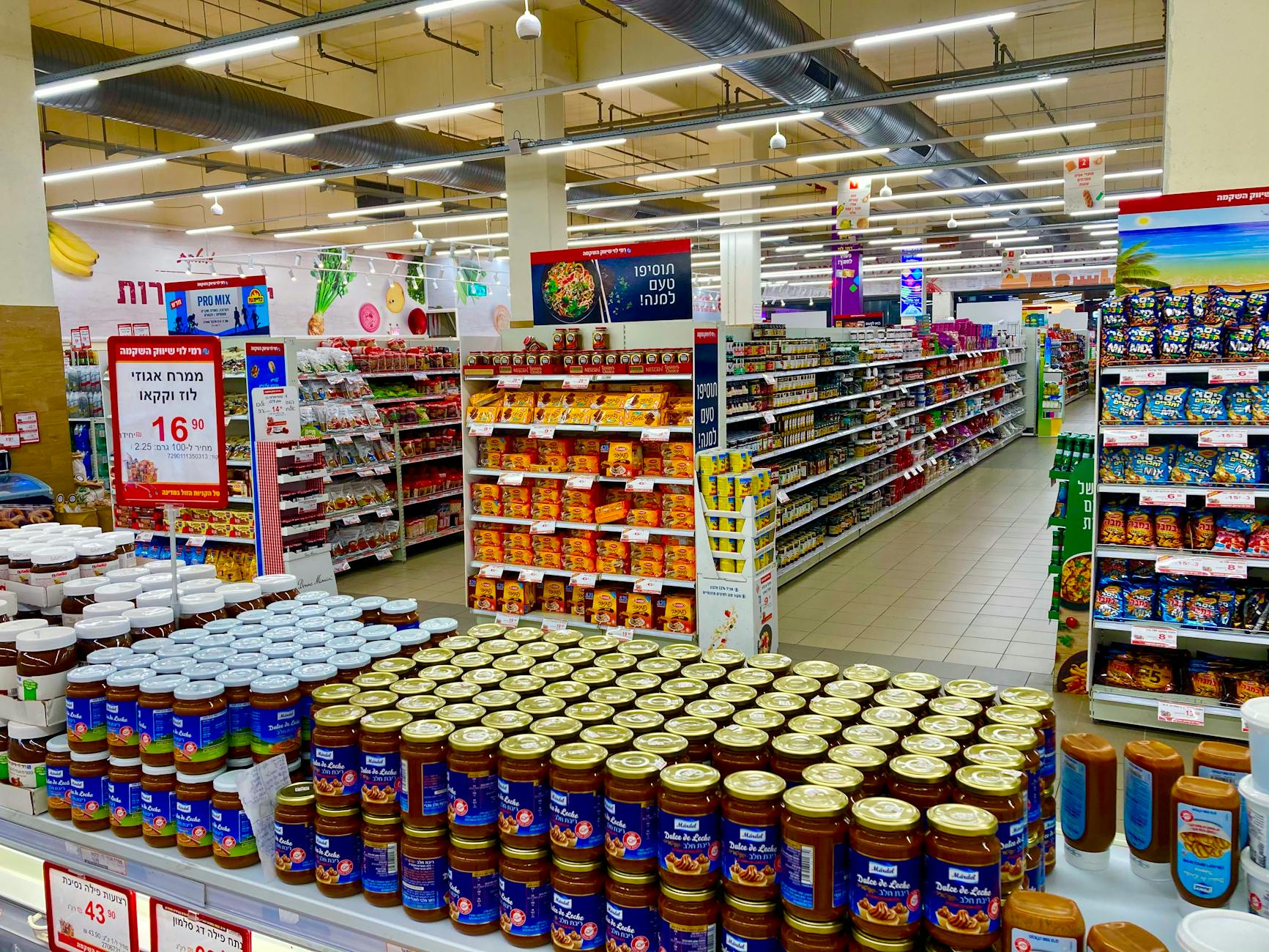
Store brands and generic options offer identical quality to name-brand products at lower prices. Manufacturers often produce both the expensive and budget-friendly versions of the same item in the same facility. Switching to generics across your grocery list can save hundreds of dollars annually. Most shoppers can’t taste a meaningful difference between premium and generic versions once they adjust. Try generic options on staples like dairy, canned goods, and pantry essentials first.
Shop Sales and Stock Up
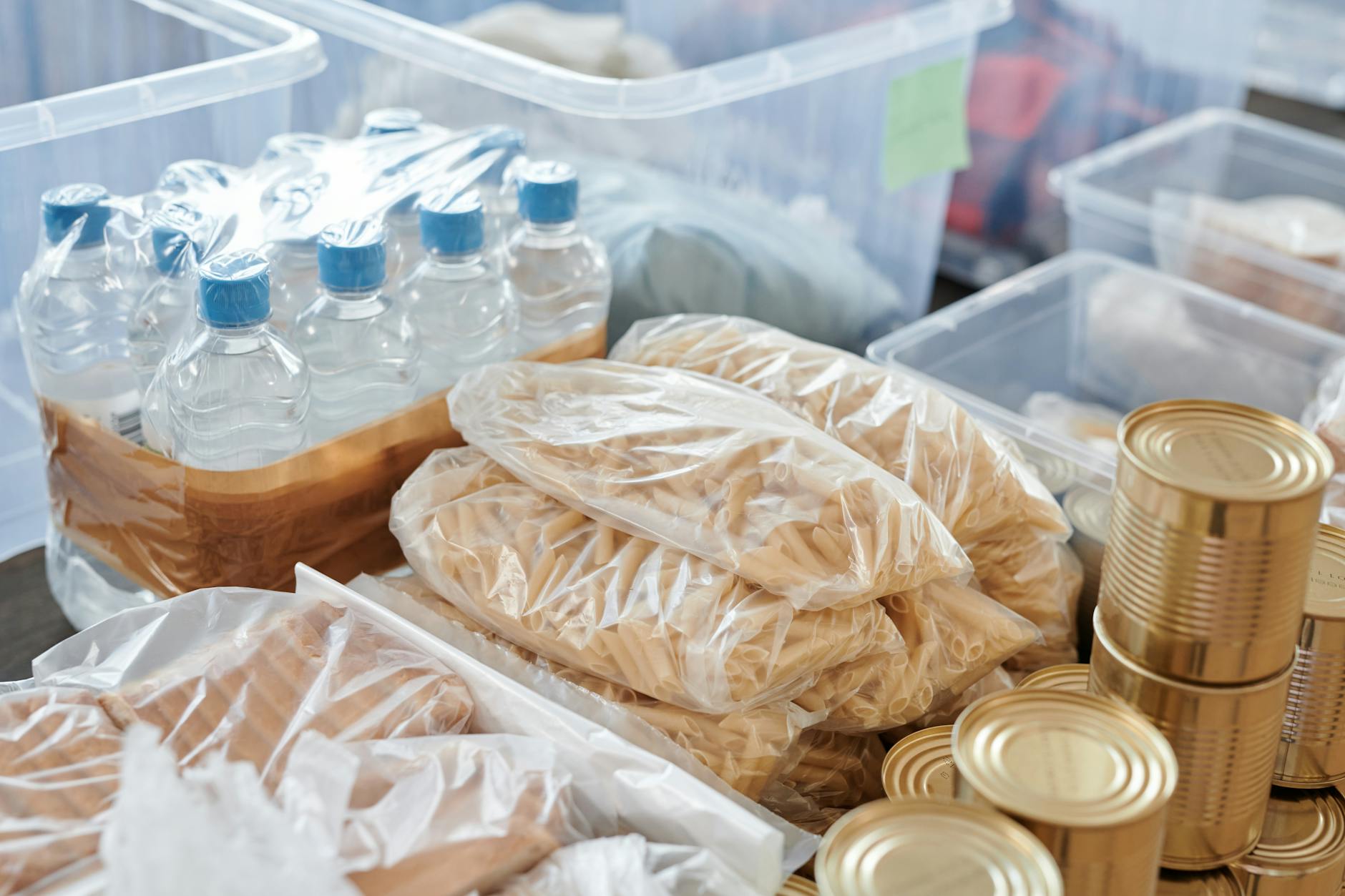
Building a stockpile of items on sale extends your savings throughout the year. Buy non-perishable items when they’re discounted, then use them over the following weeks and months. Watch for rotating sales patterns so you know when to expect deals on favorite items. Always check expiration dates when purchasing large quantities on sale. A modest pantry buffer ensures you always have staples available and reduces impulse buying.
Use Digital Coupons

Most grocery stores offer digital coupon apps and loyalty program discounts directly to your phone. Load coupons before shopping so they automatically apply to your purchase at checkout. Digital coupons don’t require clipping and are less likely to expire before you shop. Many stores offer personalized deals based on your shopping history and preferences. Combining digital coupons with sales creates significant savings opportunities throughout your shopping experience.
Buy Seasonal Produce
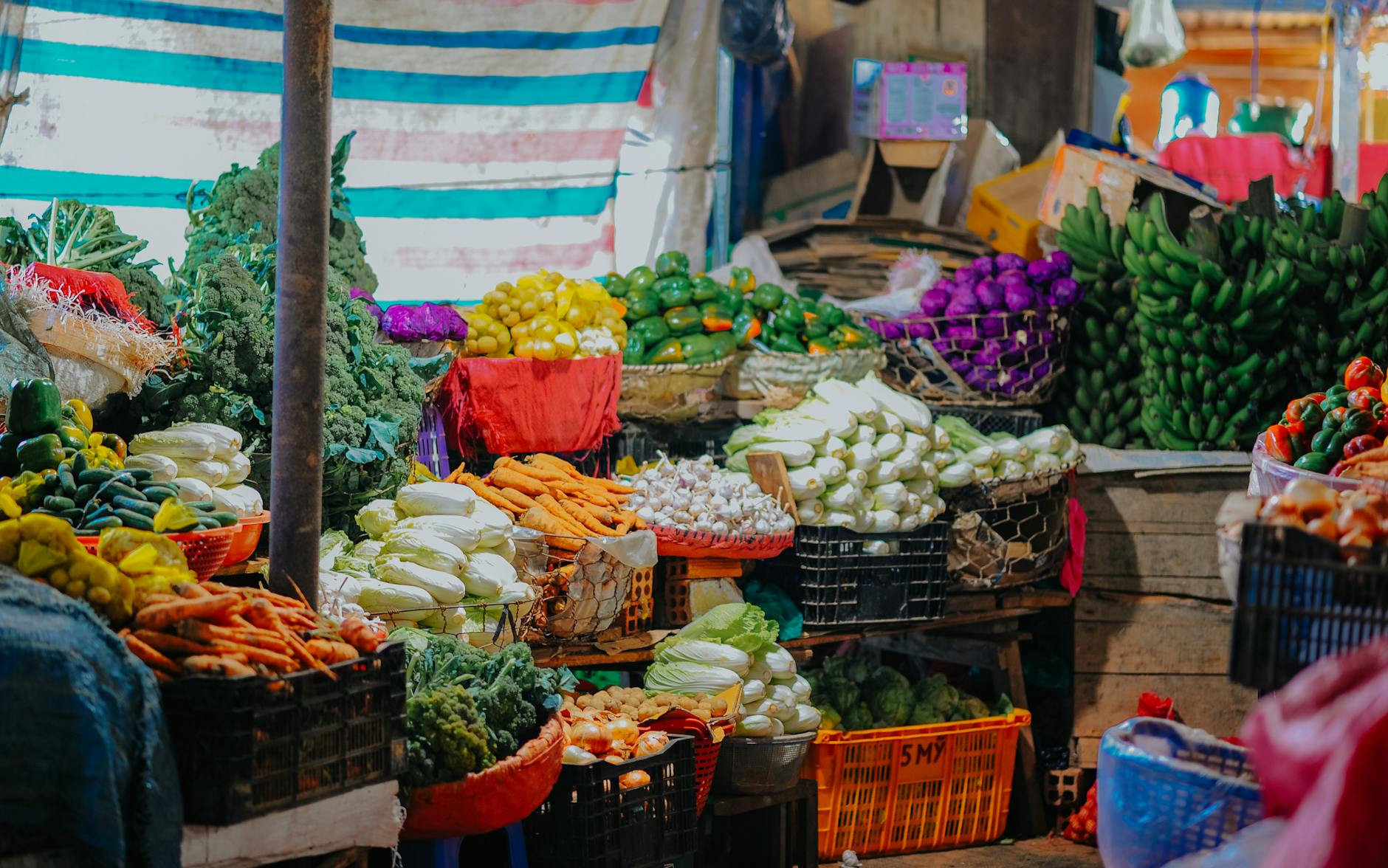
Fruits and vegetables in season cost considerably less than out-of-season imports. Shopping by season means you’re buying what’s abundant and locally available in your area. Seasonal produce tastes better and stays fresher longer because it hasn’t traveled far to reach you. Building meals around seasonal options adds variety while automatically reducing costs. Check what’s currently in season in your region and plan meals around those affordable options.
Buy Bulk Items
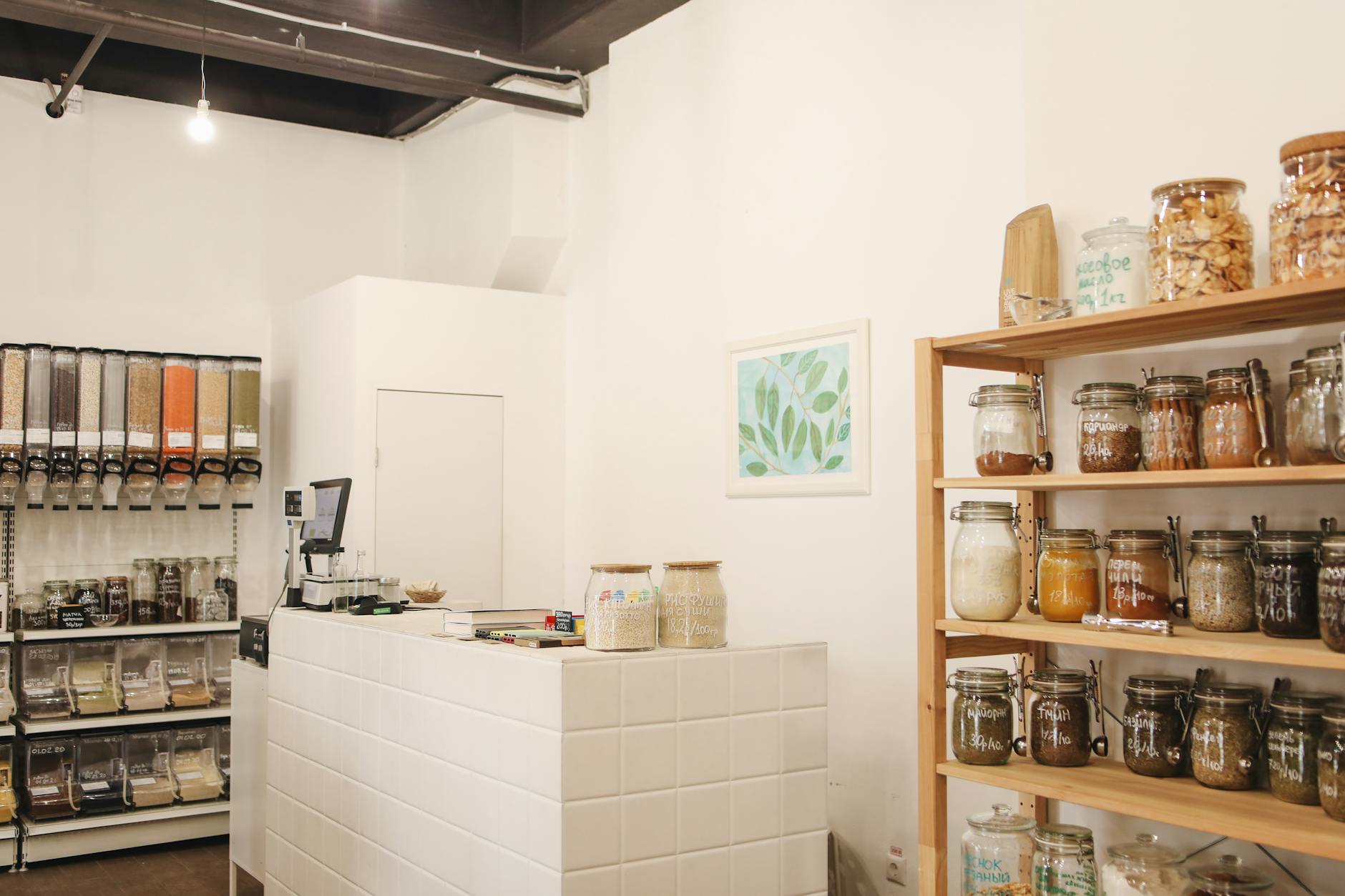
Purchasing grains, nuts, beans, and other staples in bulk significantly reduces per-unit costs. Many grocery stores have bulk bins where you can buy exactly what you need without packaging waste. Bulk purchases work best for items your household actually uses regularly. Store bulk items in airtight containers to maintain freshness for weeks or months. This approach works particularly well for families and anyone who cooks from scratch.
Compare Price Per Unit
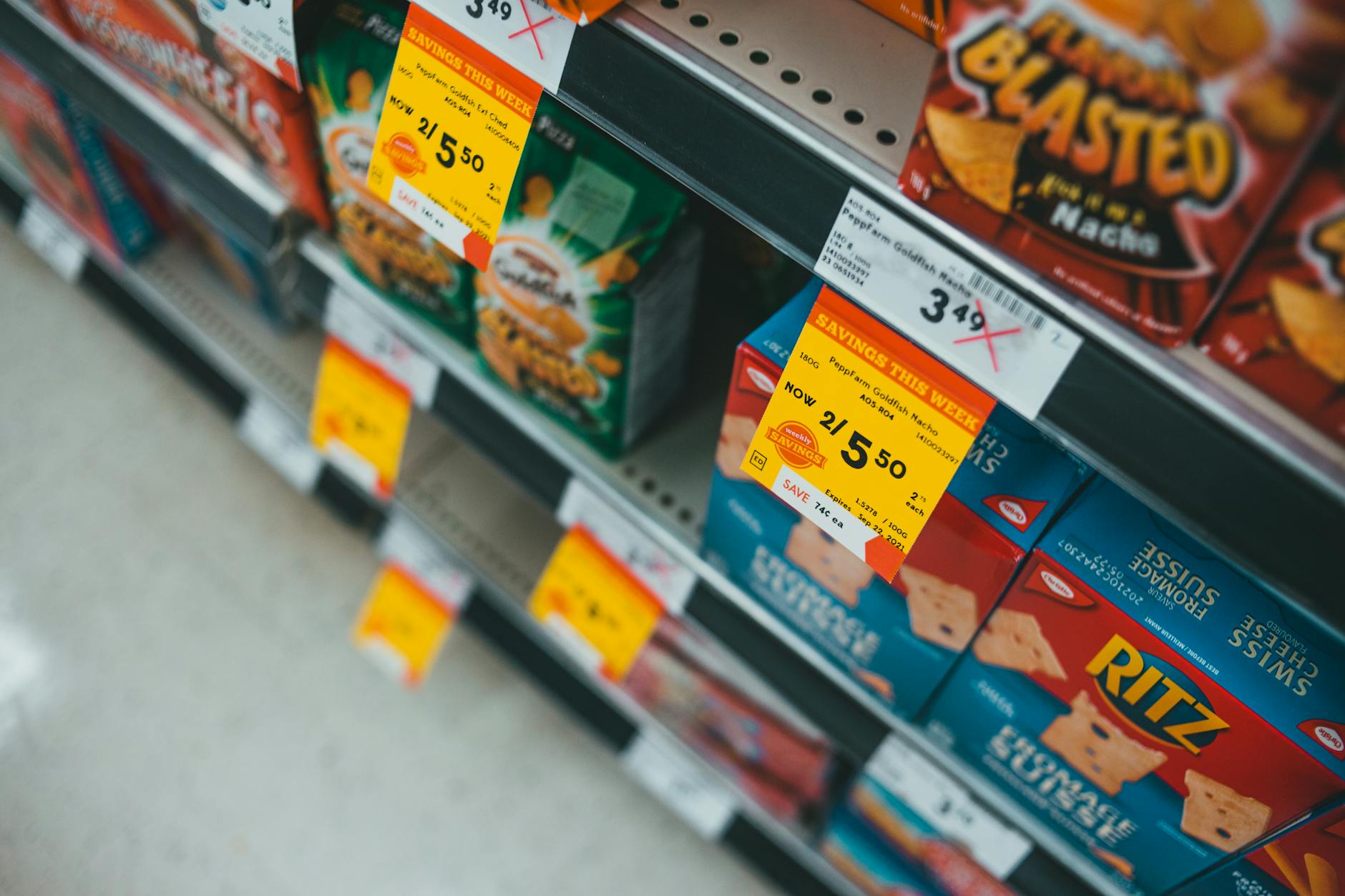
The price per pound or ounce reveals which product actually offers the best value. Larger packages seem cheaper but sometimes cost more per unit than smaller options. Check unit pricing labels on store shelves to make direct comparisons between options. Teaching yourself to read unit prices becomes automatic once you practice it a few times. This simple skill prevents expensive mistakes and helps you compare different brands fairly.
Shop After Eating

Never grocery shop when hungry because hunger overwhelms rational decision-making. Hungry shoppers add more items to their carts and gravitate toward expensive convenience foods. Eating a satisfying meal or snack before shopping ensures you make intentional, budget-conscious choices. You’ll notice you walk past tempting prepared foods more easily when you’re not hungry. Give yourself this simple advantage and shop after eating at least a light snack.
Choose Frozen Vegetables
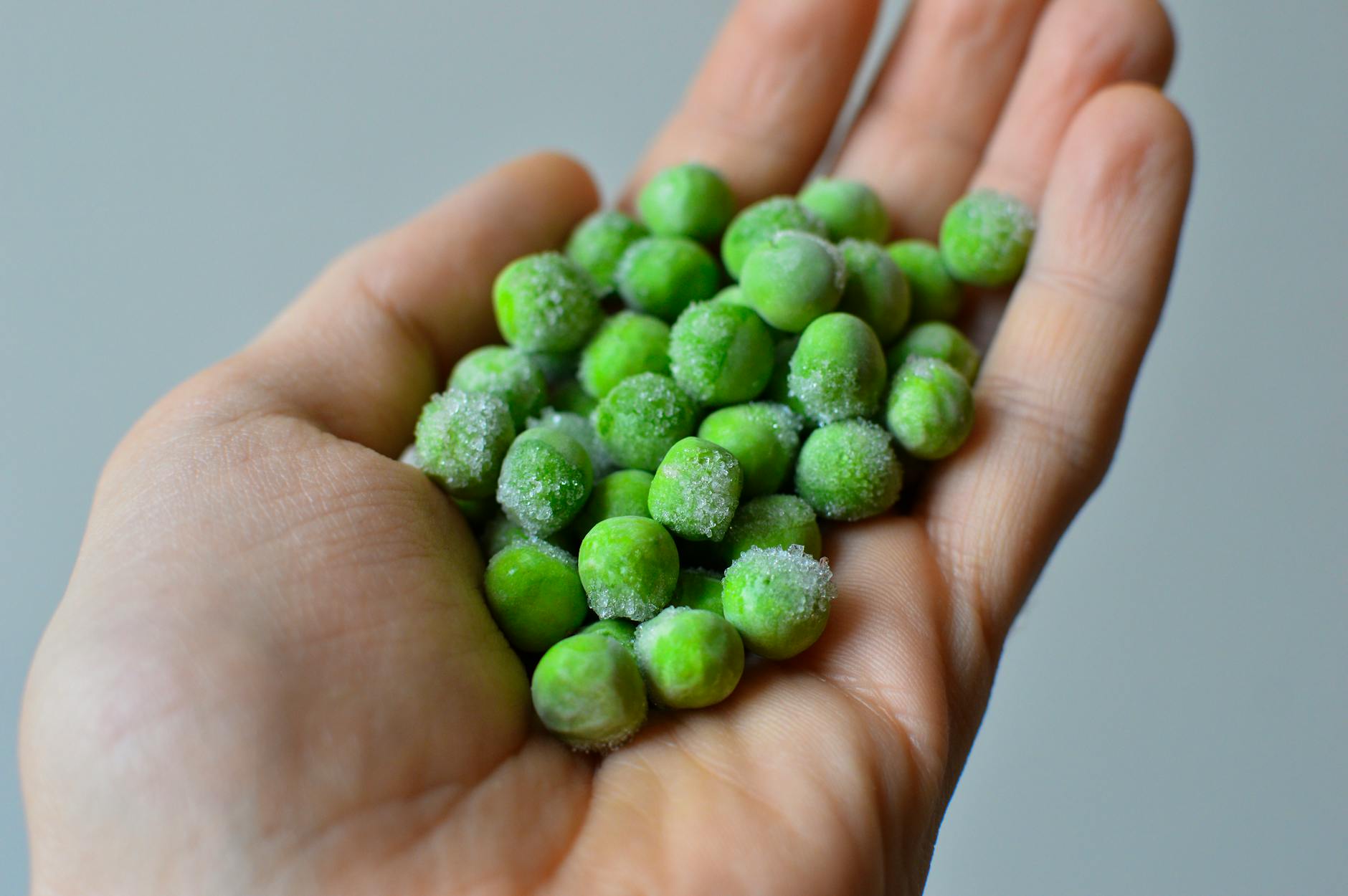
Frozen vegetables are nutritionally equivalent to fresh and often cost less per pound. Freezing happens at peak ripeness, preserving maximum nutrient content until you cook them. Frozen options reduce waste because they won’t spoil in your refrigerator. They’re convenient for cooking and eliminate the need for extra prep work. Frozen vegetables expand your recipe possibilities while keeping costs lower than fresh year-round.
Buy Eggs Over Meat
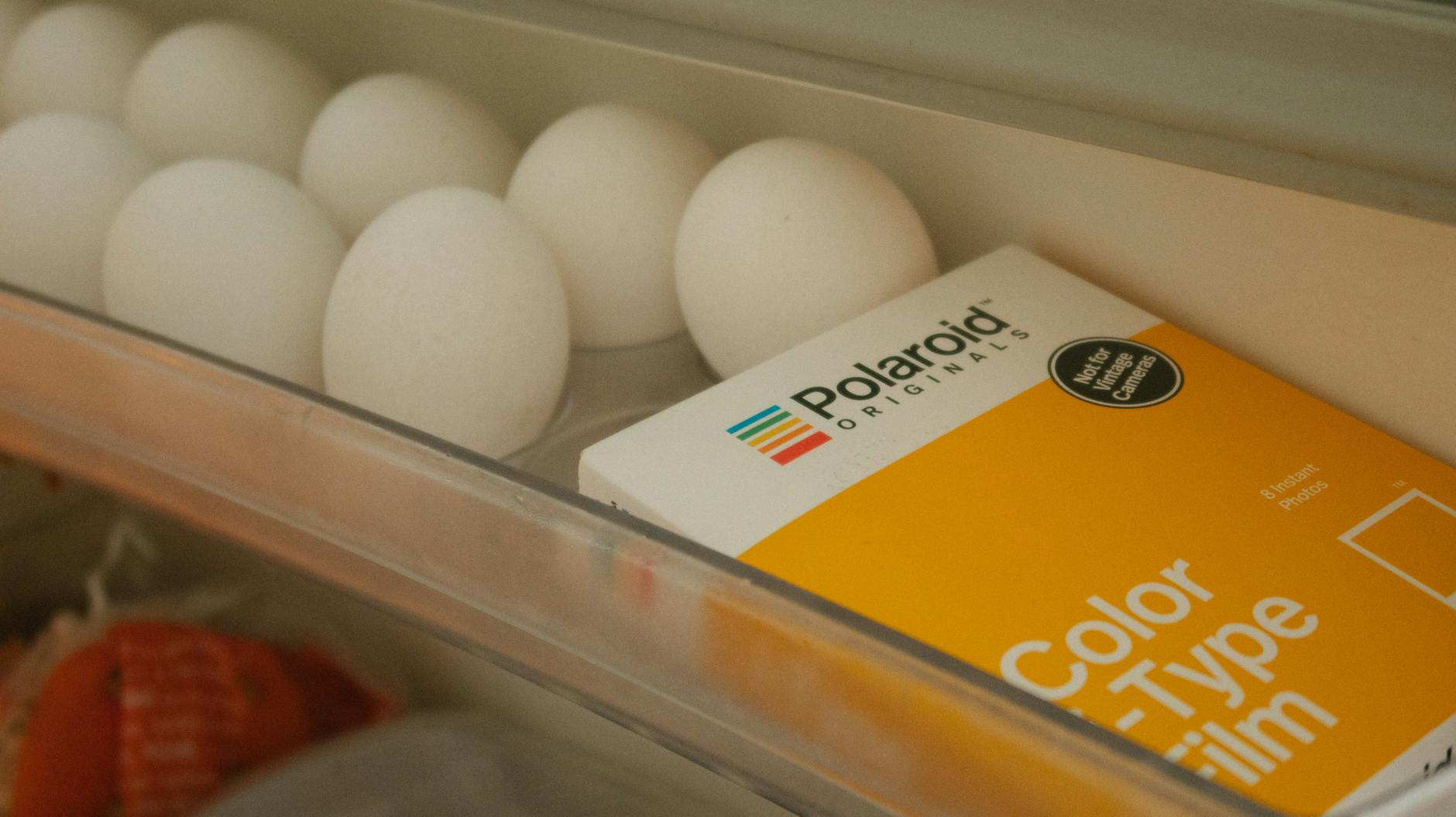
Eggs provide complete protein at a fraction of the cost of meat and poultry. One dozen eggs costs significantly less than equivalent protein from chicken or beef. Eggs work in breakfast dishes, salads, dinner entrees, and snacks throughout your week. They store well in the refrigerator and maintain quality longer than most proteins. Adding eggs to your rotation creates flexible protein options while keeping food costs down.
Prepare Your Own Coffee
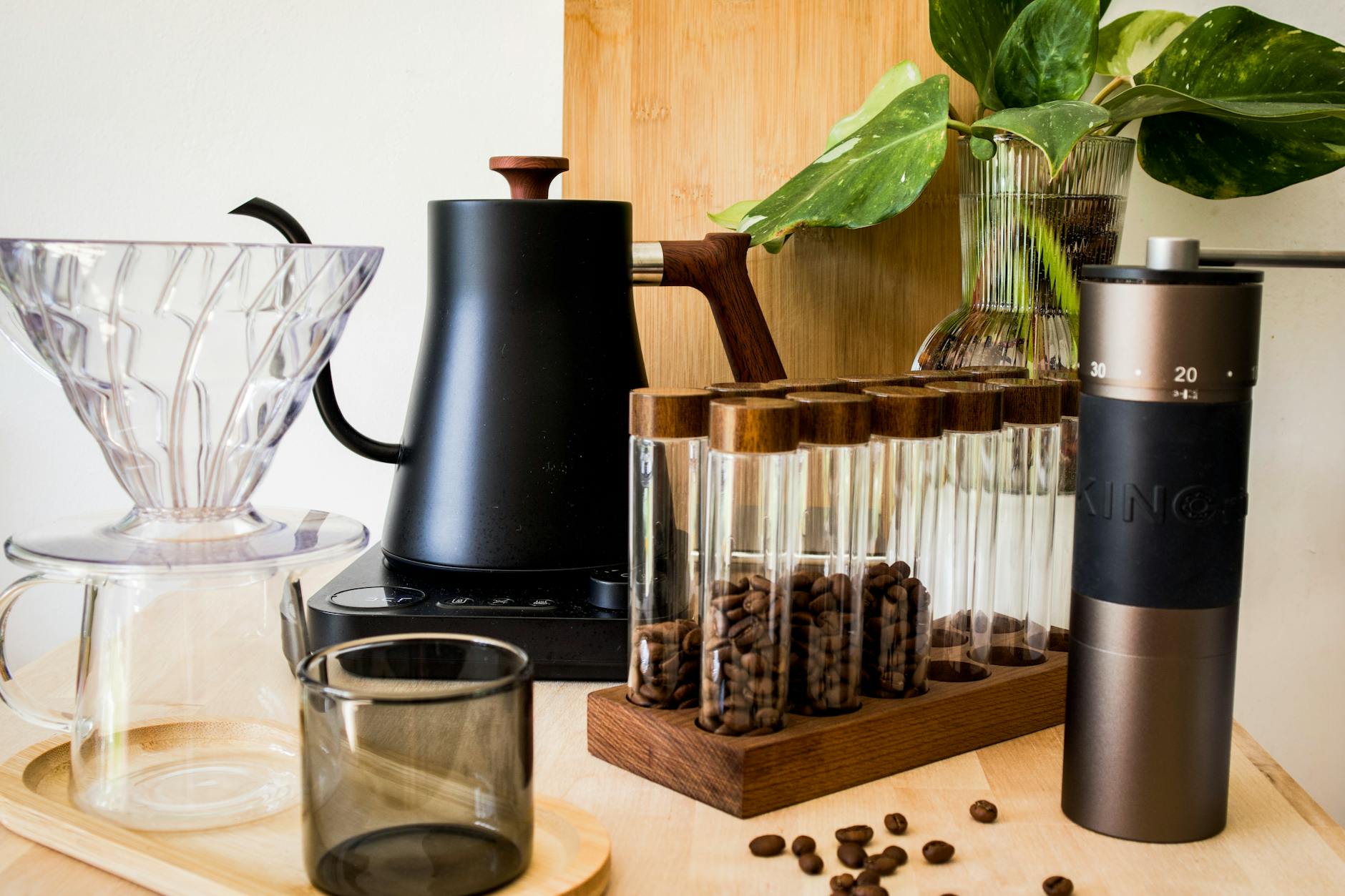
Making coffee at home costs a fraction of buying it at cafes each morning. A home coffee maker requires minimal counter space and investment to brew quality coffee. Buying whole beans in bulk and grinding at home offers the most savings. Even specialty coffee drinks made at home cost less than half the coffee shop price. Skipping daily coffee shop visits saves fifty to one hundred dollars per month for regular buyers.
Cook in Batches
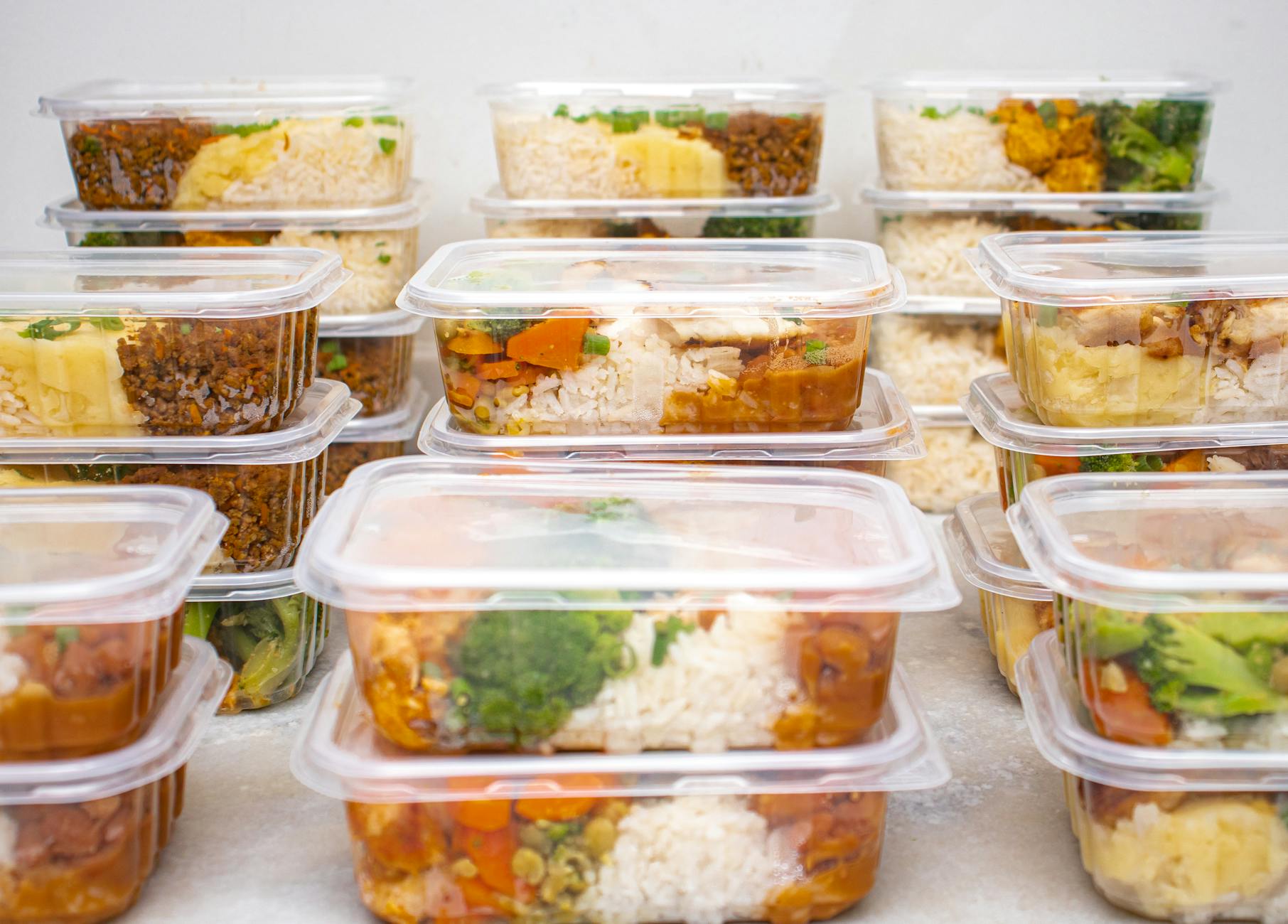
Batch cooking means preparing larger quantities and portioning meals throughout the week. This approach reduces cooking time overall and allows you to use your kitchen efficiently. Doubling recipes costs only marginally more than cooking single portions. Freezing extra portions ensures you always have ready-made meals preventing expensive takeout. Batch cooking also reduces food waste when prepared meals get eaten rather than spoiling.
Minimize Waste
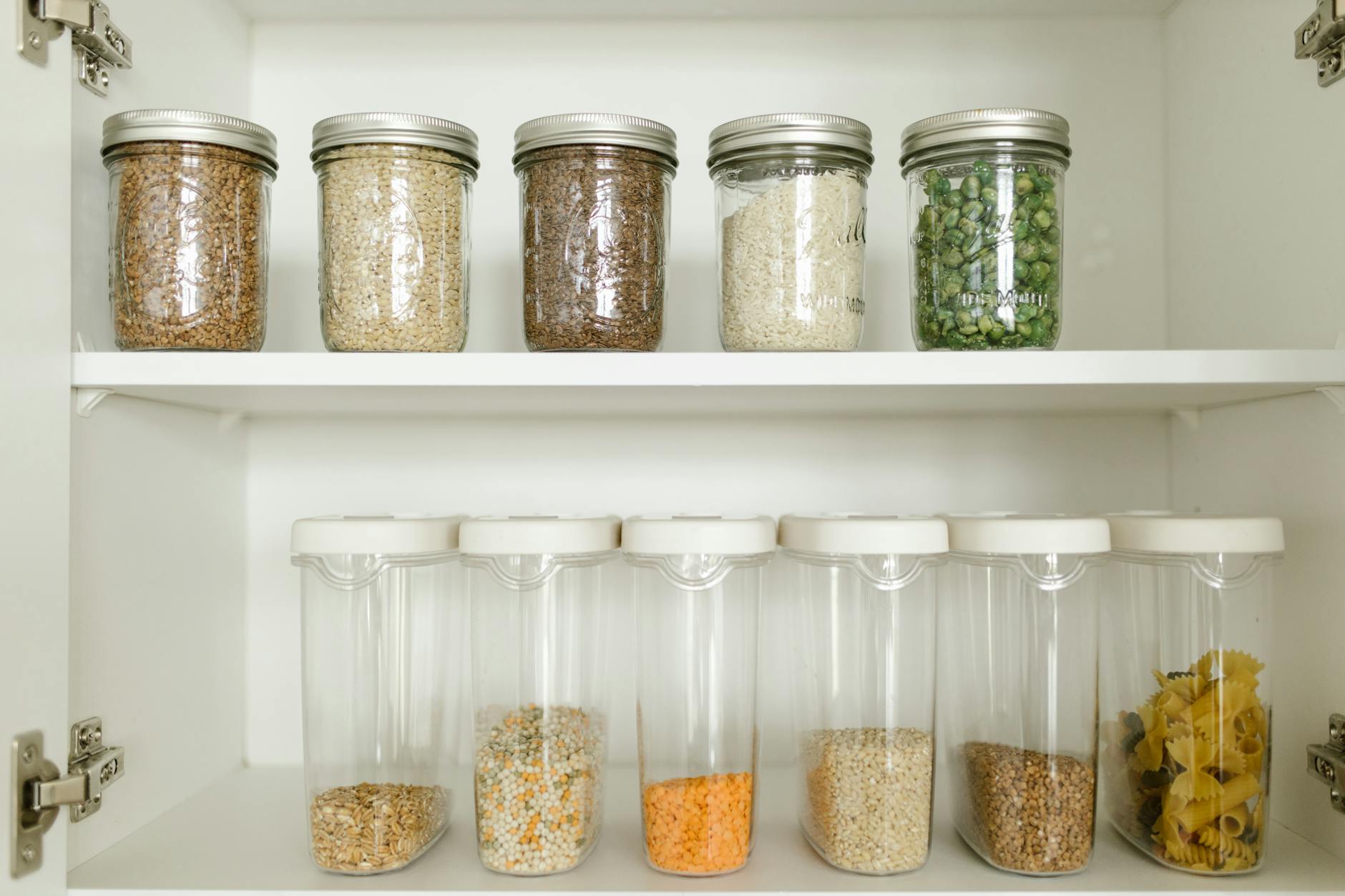
Food waste is essentially throwing money directly in the trash. Using vegetable scraps for stock, incorporating slightly soft produce into smoothies, and properly storing items all extend their usefulness. Understanding proper food storage temperatures and techniques significantly reduces spoilage. Planning meals around items nearing expiration prevents waste. Tracking what you throw away highlights patterns so you can adjust future purchases accordingly.
Avoid Pre-Cut Produce
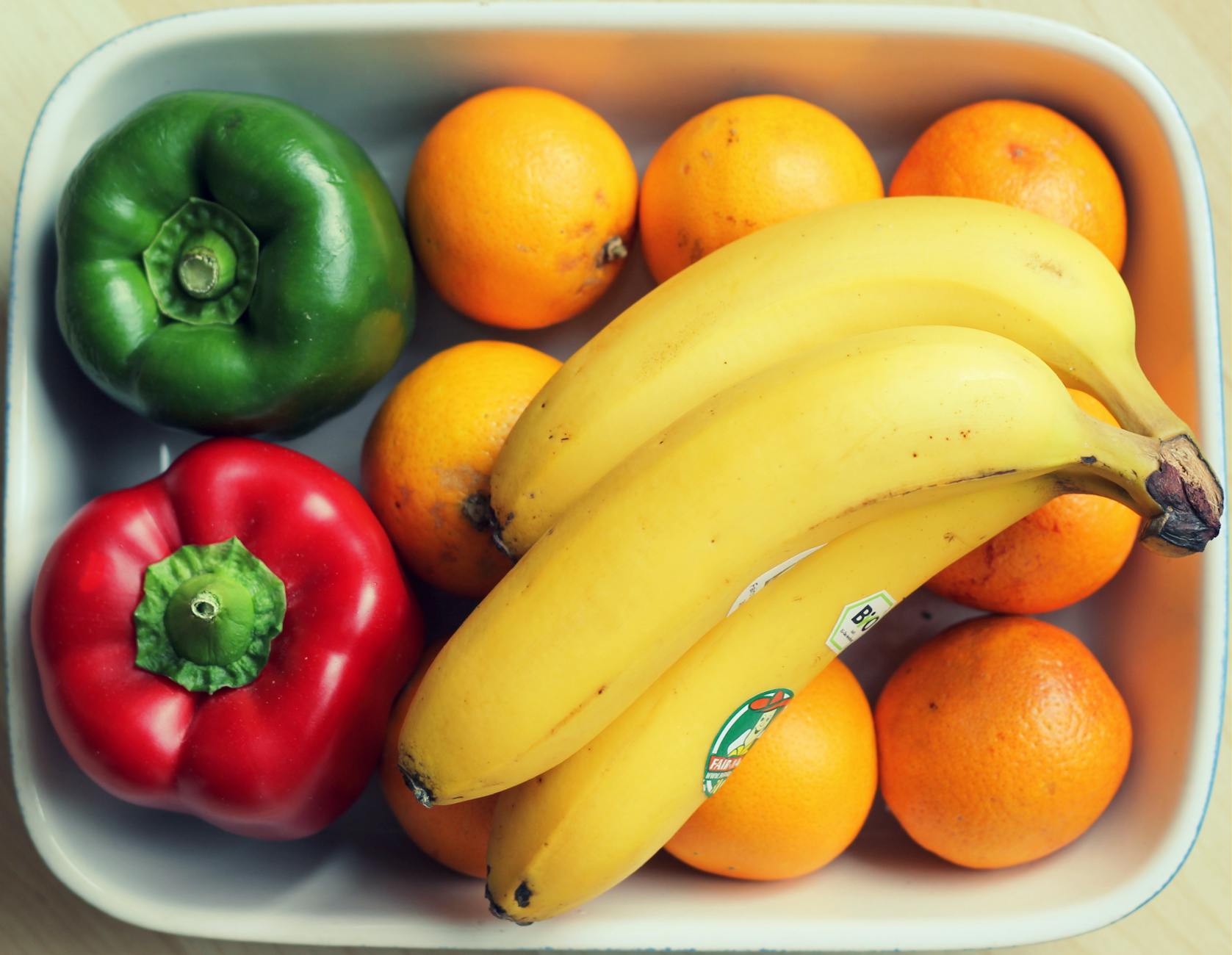
Pre-cut vegetables and fruits cost substantially more than whole versions. Cutting your own produce takes minimal time while saving significant money. Buying a whole pineapple or watermelon costs far less per ounce than pre-cut options. Most people have knife skills sufficient to chop vegetables efficiently. This simple change can reduce produce costs by up to fifty percent.
Buy Whole Chickens

A whole chicken costs less per pound than individual pieces like breasts or thighs. One whole chicken provides multiple meals through various uses of different parts. Leftover bones make flavorful homemade stock for soups and other dishes. A single whole chicken easily feeds a family of four across two to three meals. Learning to break down a whole chicken is a practical kitchen skill that maximizes value.
Skip Convenience Foods

Pre-made meals, snack packs, and processed foods carry premium pricing for convenience. The same ingredients prepared at home cost substantially less. Making your own granola, trail mix, and snack portions takes minimal effort. Convenience foods also tend to be less nutritious than home-prepared alternatives. Dedicating a few hours to snack prep each week saves money and improves your diet quality.
Buy Bread Day-Old
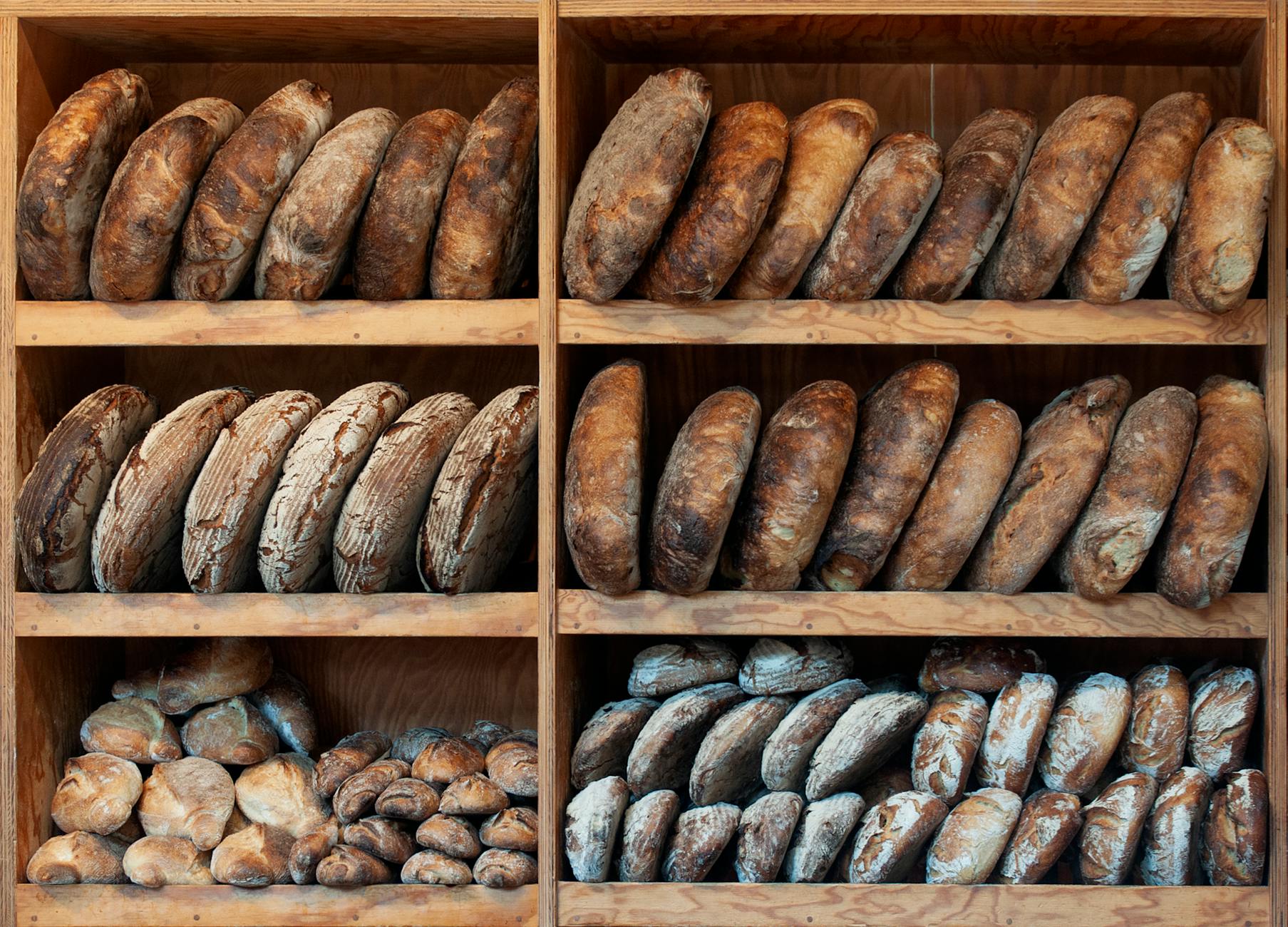
Bakery items from the previous day often sell at significant discounts. Day-old bread remains perfectly fine for eating, toasting, or cooking uses. Many stores have dedicated day-old sections or offer marked-down pricing on previous-day baked goods. Quality doesn’t diminish but your cost drops anywhere from twenty-five to fifty percent. Stocking your freezer with discounted bread ensures you always have affordable staples available.
Check Clearance Sections
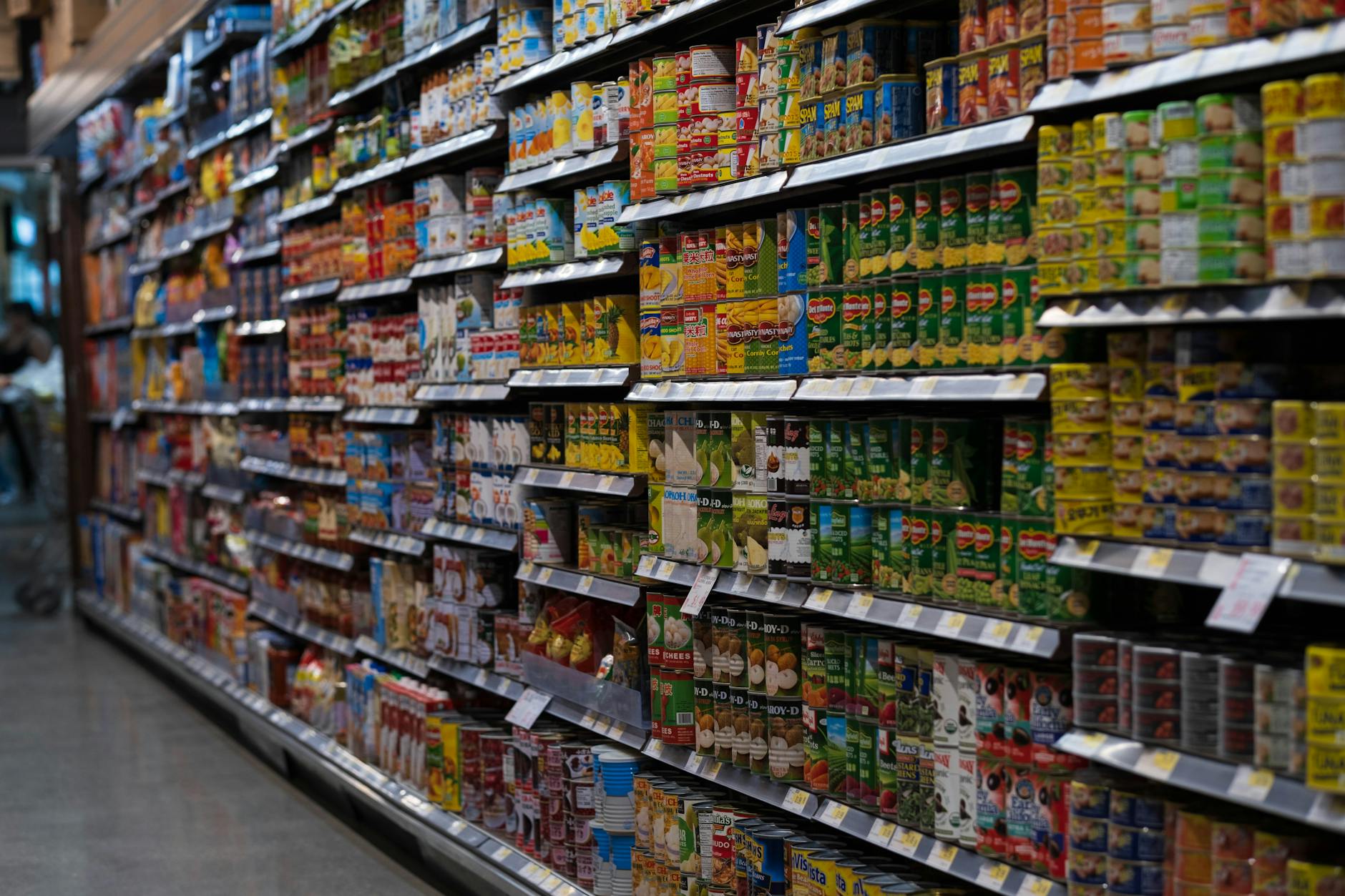
Most grocery stores have clearance or markdown sections for items nearing expiration. These areas contain perfectly good food at steep discounts because stores need to move inventory. Checking this section becomes a treasure hunt that yields unexpected savings. You’ll find marked-down meats, dairy, and bakery items several times per week. Building a habit of checking clearance ensures you catch deals before items are fully expired.
Make Bone Broth
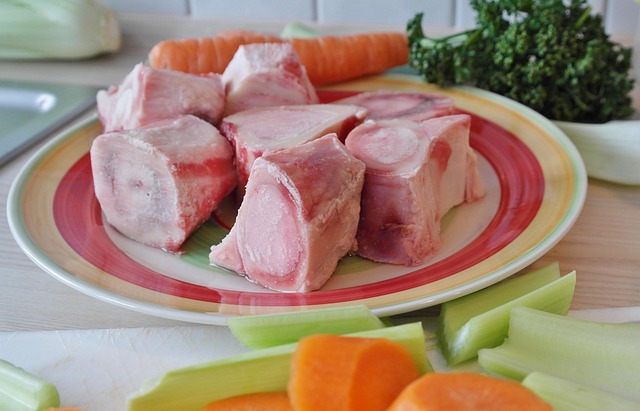
Saving bones, vegetable scraps, and herb stems creates free or nearly-free broth. Homemade bone broth costs cents compared to store-bought versions at five to ten dollars per container. Broth improves soups, adds nutrition to grains, and uses ingredients you’d otherwise discard. A slow cooker simmering overnight requires minimal supervision. This practice combines zero waste with genuine nutrition benefits.
Buy Produce Loose

Purchasing loose vegetables and fruits instead of pre-packaged options gives you pricing flexibility. You buy exactly the quantity you need rather than paying for a bag you don’t finish. Loose produce often comes from the same source as packaged options but costs less. This approach naturally reduces waste since you buy appropriate quantities. Most stores offer competitive pricing on loose produce year-round.
Join a Loyalty Program

Store loyalty programs offer digital coupons and personalized deals based on your shopping patterns. Membership is typically free and provides access to exclusive discounts throughout the year. The program data helps stores send you relevant coupons matching your actual purchases. These programs often include fuel rewards, discounts on bulk items, and special member pricing. Enrolling takes minutes and generates immediate savings on subsequent shopping trips.
Buy Dried Beans and Lentils
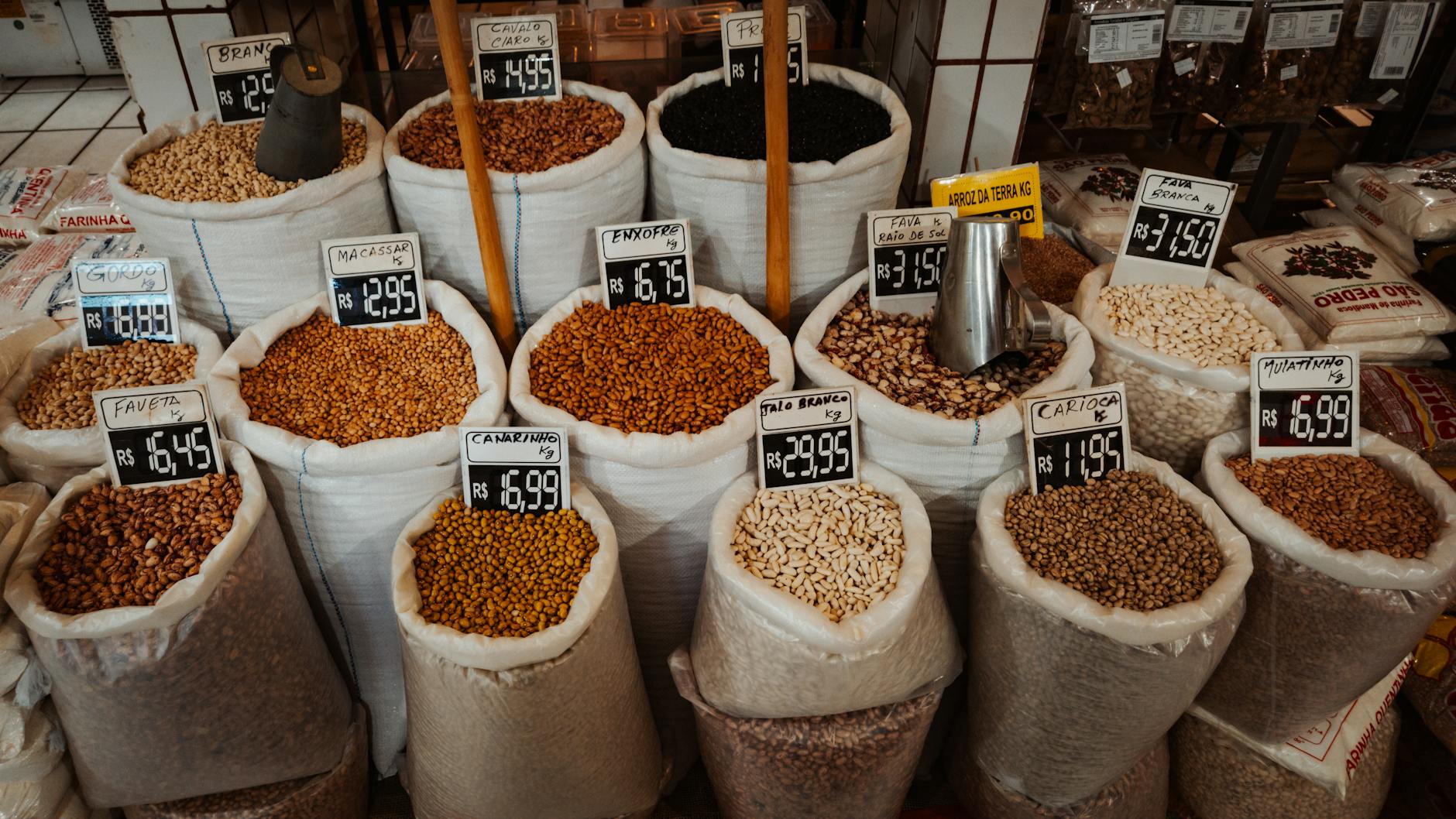
Dried beans cost less than a dollar per pound and provide substantial protein and fiber. Cooking dried beans yourself costs a fraction of canned alternatives. A large batch of cooked beans freezes beautifully for weeks of convenient protein. Beans are nutritionally dense and versatile across countless cuisine styles. Building meals around affordable beans creates budget-friendly nutrition naturally.
Reduce Specialty Items
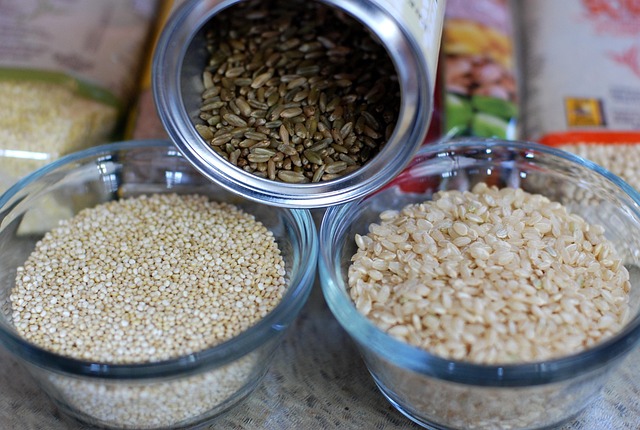
Specialty foods, imported products, and unique ingredients inflate grocery bills rapidly. Focusing on versatile staple ingredients that work across multiple recipes reduces expenses. Specialty items taste wonderful but become expensive habits over a year of shopping. Building a strong base of affordable, adaptable ingredients lets you create variety without specialty prices. Reserve specialty purchases for occasional treats rather than regular grocery staples.
Which of these money-saving strategies have you successfully used in your own grocery shopping, and which one are you most excited to try next?




