
Most people invest in good skincare and a healthy diet without realizing that certain everyday behaviors are quietly working against them. The culprits are rarely dramatic lifestyle choices but rather small, repeated actions that accumulate into visible signs of aging over time. Understanding what these habits are is the first step toward making simple but meaningful changes that your skin and body will thank you for.
Skipping Sunscreen on Cloudy Days
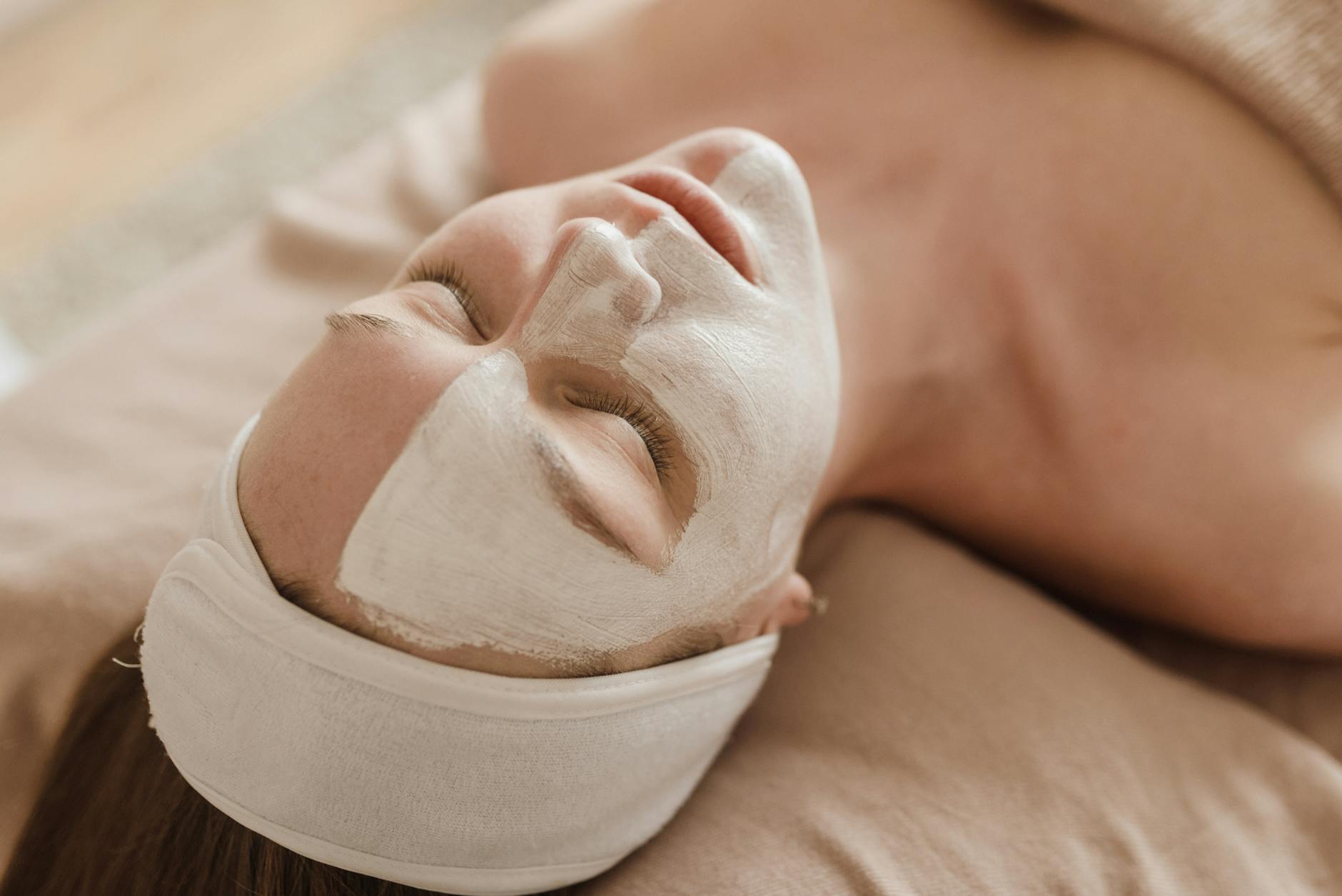
UV rays penetrate cloud cover just as effectively as they do on bright sunny days, meaning unprotected skin is exposed to photoaging damage year-round. Repeated sun exposure without SPF breaks down collagen and elastin fibers, leading to fine lines, uneven pigmentation, and a loss of skin firmness. Many people reserve sunscreen for beach days or summer months, leaving their face and hands unprotected during the majority of daily activities. Applying a broad-spectrum SPF every morning regardless of weather is one of the most impactful anti-aging steps a person can take.
Sleeping on a Cotton Pillowcase

Cotton fabric creates friction against the skin throughout the night, which over time contributes to the formation of sleep lines and accelerated surface creasing. The material also absorbs moisture from both the skin and hair, leaving them drier and more prone to irritation by morning. Silk and satin alternatives allow the face to glide smoothly during sleep, reducing mechanical stress on delicate facial tissue. Dermatologists frequently recommend this simple swap as a low-effort way to support overnight skin recovery.
Drinking Through a Straw

The repetitive pursing motion required to sip through a straw engages the same muscles around the mouth that are responsible for smoker’s lines and perioral wrinkles. Over years of daily use, this pattern of muscle contraction deepens the fine lines that form above the upper lip. Many people drink multiple beverages through straws each day without considering the cumulative effect on the surrounding skin. Drinking directly from a glass or bottle eliminates this unnecessary and repeated facial movement entirely.
Squinting at Screens

Squinting is a natural response to glare, small text, or inadequate screen brightness, but it places repeated strain on the muscles around the eyes. This consistent contraction deepens crow’s feet and furrowed lines between the brows at a faster rate than natural aging alone would produce. Many people squint for hours each day without realizing their screen settings or glasses prescription are the root cause. Adjusting screen brightness, increasing font size, and scheduling regular eye exams can significantly reduce this unconscious habit.
Not Changing Pillowcases Frequently Enough

Pillowcases accumulate oil, bacteria, sweat, and dead skin cells with each night of use, and pressing the face into this buildup for hours creates a breeding ground for inflammation and breakouts. Chronic low-grade skin irritation from unclean surfaces contributes to uneven texture and a dull, tired-looking complexion over time. Most skincare professionals recommend changing pillowcases every two to three days for those with acne-prone or sensitive skin. This straightforward hygiene habit has a measurable impact on how fresh and clear the skin appears.
Eating Excess Sugar

Dietary sugar triggers a process called glycation, in which sugar molecules attach to collagen and elastin proteins and cause them to become rigid and brittle. This breakdown results in skin that loses its bounce and elasticity, contributing to sagging and the deepening of wrinkles. High sugar intake is also linked to chronic low-level inflammation that accelerates cellular aging throughout the body. Reducing added sugars in everyday foods like sauces, cereals, and beverages can produce noticeable improvements in skin clarity and firmness over time.
Chronic Dehydration

Mild dehydration does not always produce the sensation of thirst, yet its effects on the skin are immediate and visible. When the body lacks adequate water, skin cells shrink slightly, making fine lines more pronounced and the complexion appear dull and hollow. Long-term underhydration impairs the skin’s ability to repair itself and maintain a healthy barrier function. Drinking consistently throughout the day rather than in large quantities at once helps maintain the steady internal moisture levels that support a plump and radiant appearance.
Neglecting the Neck and Hands
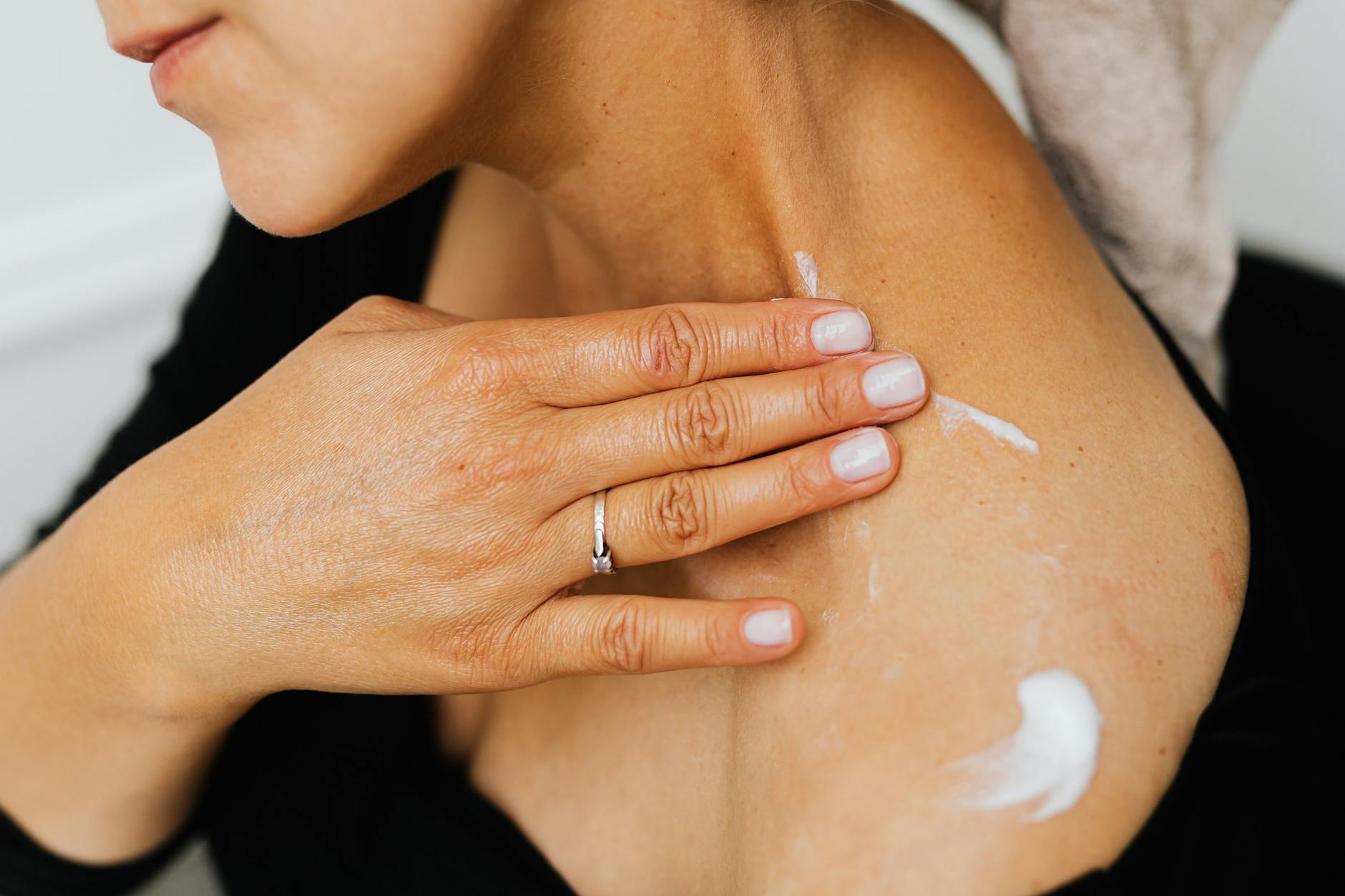
The neck and backs of the hands have thinner skin with fewer oil glands than the face, making them particularly susceptible to the signs of aging. Most people apply their moisturizer and SPF to the face and stop there, leaving these highly visible areas without protection or hydration. Sun damage, dehydration, and loss of collagen in the neck and hands can reveal age far more obviously than facial skin alone. Extending every step of the skincare routine downward and onto the hands takes only seconds and makes a significant long-term difference.
Poor Posture

Habitually slouching compresses the spine and shortens the muscles at the front of the body, creating a physical silhouette that reads as older and more fatigued than good alignment would project. Forward head posture in particular accelerates the formation of horizontal neck lines sometimes referred to as tech neck. The way a person carries themselves influences how their face and neck skin drape, with consistent forward positions contributing to premature jowling and skin laxity. Strengthening the core and posterior chain muscles through regular movement helps support an upright posture that looks and feels more youthful.
Rubbing the Eyes

The skin around the eyes is among the thinnest and most delicate on the entire body, and rubbing it repeatedly throughout the day breaks down the collagen network in that area. This habit also causes small blood vessels beneath the surface to rupture, creating dark circles that become increasingly difficult to reverse with age. Many people rub their eyes reflexively in response to tiredness, allergies, or contact lens discomfort without realizing the cumulative damage. Using a gentle patting motion instead of rubbing and addressing the root cause of eye irritation helps preserve the integrity of this fragile skin.
Inconsistent Sleep Schedules

The body performs the majority of its cellular repair and regeneration during deep sleep, and irregular sleep timing disrupts this process even when total hours are adequate. Skin that does not receive consistent overnight restoration shows it through dullness, puffiness, fine lines, and a compromised barrier that reacts more easily to external irritants. Cortisol levels rise with poor sleep quality, and chronically elevated cortisol accelerates collagen breakdown throughout the body. Maintaining a consistent sleep and wake time each day supports the circadian rhythm that governs skin cell turnover and renewal.
Overusing Heating and Air Conditioning

Both heating and air conditioning systems reduce indoor humidity significantly, creating environments that draw moisture from the skin surface over hours of daily exposure. People who spend most of their day in climate-controlled offices or homes often experience persistent dryness, tightness, and flakiness that make fine lines look more prominent. The skin’s natural moisture barrier becomes compromised with prolonged exposure to dry indoor air, accelerating transepidermal water loss. Using a humidifier in frequently occupied spaces and applying a barrier-supporting moisturizer throughout the day helps counteract this environmental depletion.
Ignoring Facial Expressions

Repeated facial expressions such as furrowing the brow, raising the eyebrows, or pursing the lips create dynamic lines that gradually become permanently etched into the skin as collagen diminishes with age. While expressions are a natural and healthy part of human communication, unconscious habitual movements driven by stress or concentration can deepen these lines unnecessarily. Many people habitually scrunch their forehead while reading or working without awareness of the constant muscular activity occurring. Bringing gentle awareness to these patterns and using stress-reduction practices can reduce the frequency of the expressions that most aggressively etch lines into the skin.
Yo-Yo Dieting

Repeatedly gaining and losing weight stretches and then deflates the skin, gradually reducing its elasticity and making it increasingly difficult to snap back with each cycle. The face is particularly vulnerable to this effect because the fat pads beneath the cheeks and around the eyes shift in volume with significant weight changes. Nutritional deficiencies that often accompany restrictive dieting also deprive the skin of the proteins, vitamins, and fatty acids it requires for structural repair. A stable and nutritionally adequate approach to eating supports the kind of consistent cellular health that keeps skin looking firm and resilient over time.
Hot Showers

Very hot water strips the skin of its natural lipid barrier, the protective film of oils that locks moisture in and keeps irritants out. Daily hot showers leave skin feeling temporarily tight and dry, and over time this repeated barrier disruption contributes to chronic dryness, sensitivity, and a dull surface appearance. The face is especially affected when hot water and steam are combined during cleansing routines. Switching to lukewarm water and limiting shower time to ten minutes or fewer helps the skin retain the protective oils that keep it supple and healthy-looking.
Skipping Moisturizer on Oily Skin
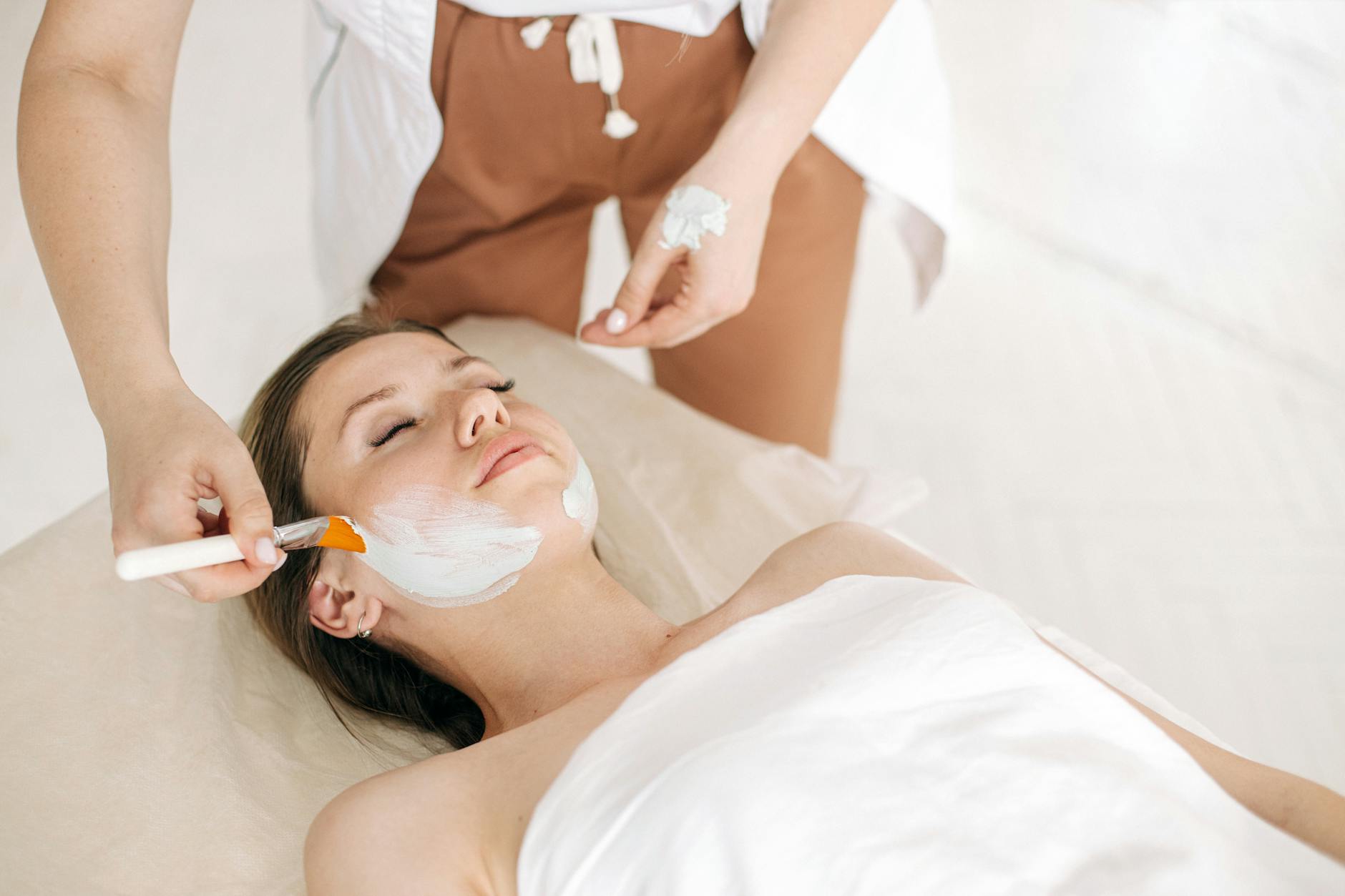
Many people with oily skin avoid moisturizer under the assumption that applying more hydration will worsen shine or breakouts. When the skin is dehydrated, however, it often compensates by producing more sebum, which can actually increase oiliness rather than reduce it. Dehydrated skin also appears dull and is more prone to the early formation of fine lines because it lacks the plumpness that adequate hydration provides. Lightweight gel-based or water-based moisturizers provide the hydration oily skin needs without contributing to congestion or excessive shine.
Excessive Alcohol Consumption

Alcohol is a potent diuretic that depletes the body and skin of hydration rapidly, leaving the complexion appearing dry, ruddy, and swollen the morning after consumption. Regular drinking dilates blood vessels persistently over time, contributing to the broken capillaries and chronic redness that are associated with a weathered appearance. Alcohol also interferes with restorative sleep cycles and depletes the body of key nutrients including zinc and vitamins A, B, and C that are essential for skin cell renewal. Reducing intake and increasing water consumption on days alcohol is consumed helps mitigate some of its most visible effects on the face.
Using Harsh Cleansers
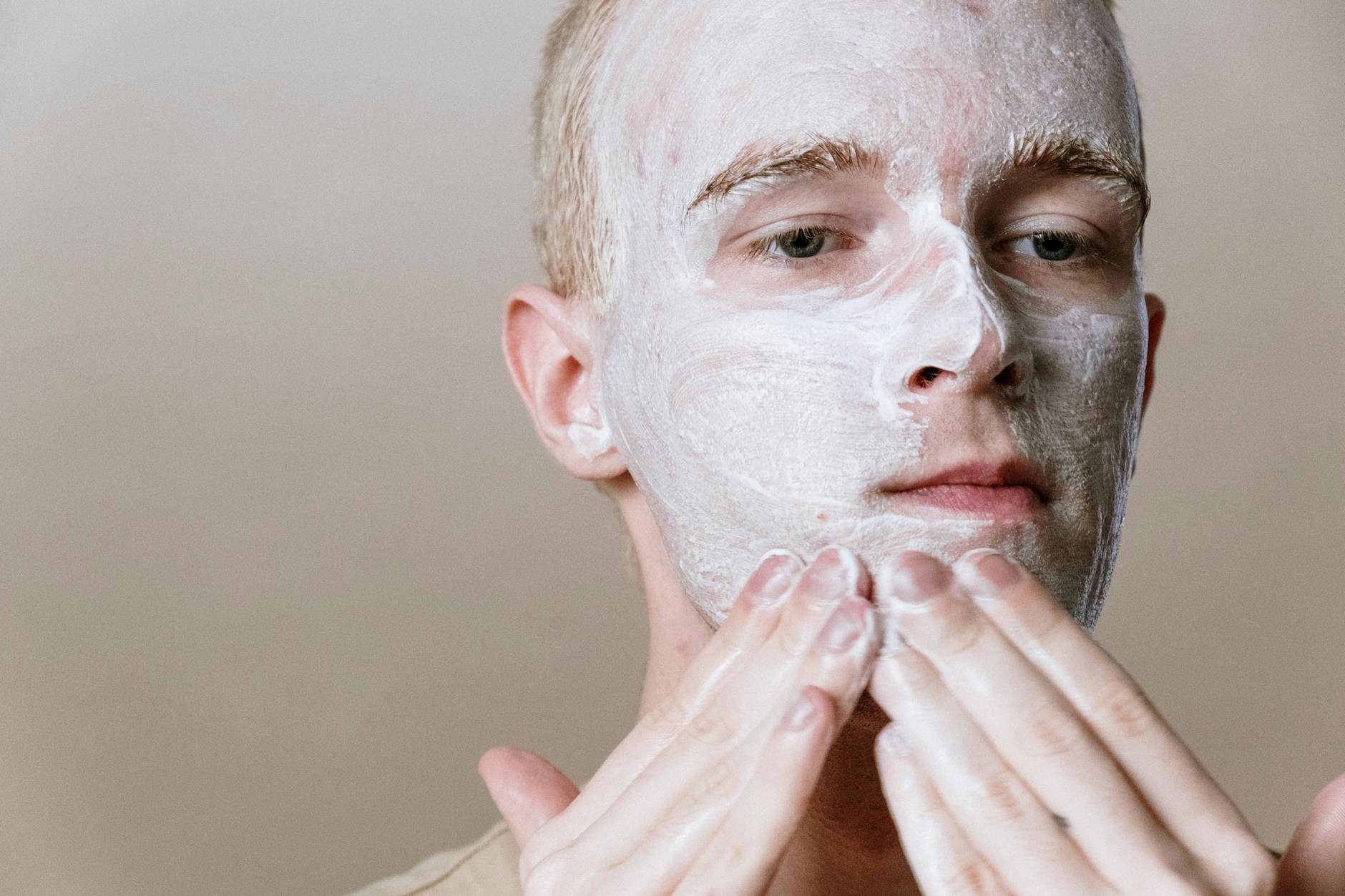
Foaming cleansers that strip the skin completely clean may feel satisfying in the moment but routinely remove the natural oils and beneficial microorganisms that make up the skin barrier. An impaired barrier allows moisture to escape easily and makes the skin more reactive to environmental stressors, both of which accelerate the visible signs of aging. People who cleanse with overly stripping products often experience cycles of tightness, redness, and overproduction of oil as the skin struggles to rebalance. Opting for a gentle low-pH cleanser that respects the barrier preserves the skin’s natural resilience and supports a healthier long-term complexion.
Sitting for Long Periods Without Movement

Prolonged sedentary behavior reduces circulation throughout the body, which limits the delivery of oxygen and nutrients to skin cells and slows the removal of metabolic waste products. Poor circulation manifests visibly as a sallow, gray, or tired-looking complexion that no amount of topical skincare can fully address. Sitting for extended periods also compresses the spine and contributes to the postural decline that physically ages a person’s silhouette. Breaking up long sitting sessions with even brief walks or standing intervals every hour supports vascular health and the kind of internal vitality that radiates through the skin.
Neglecting Lip Care
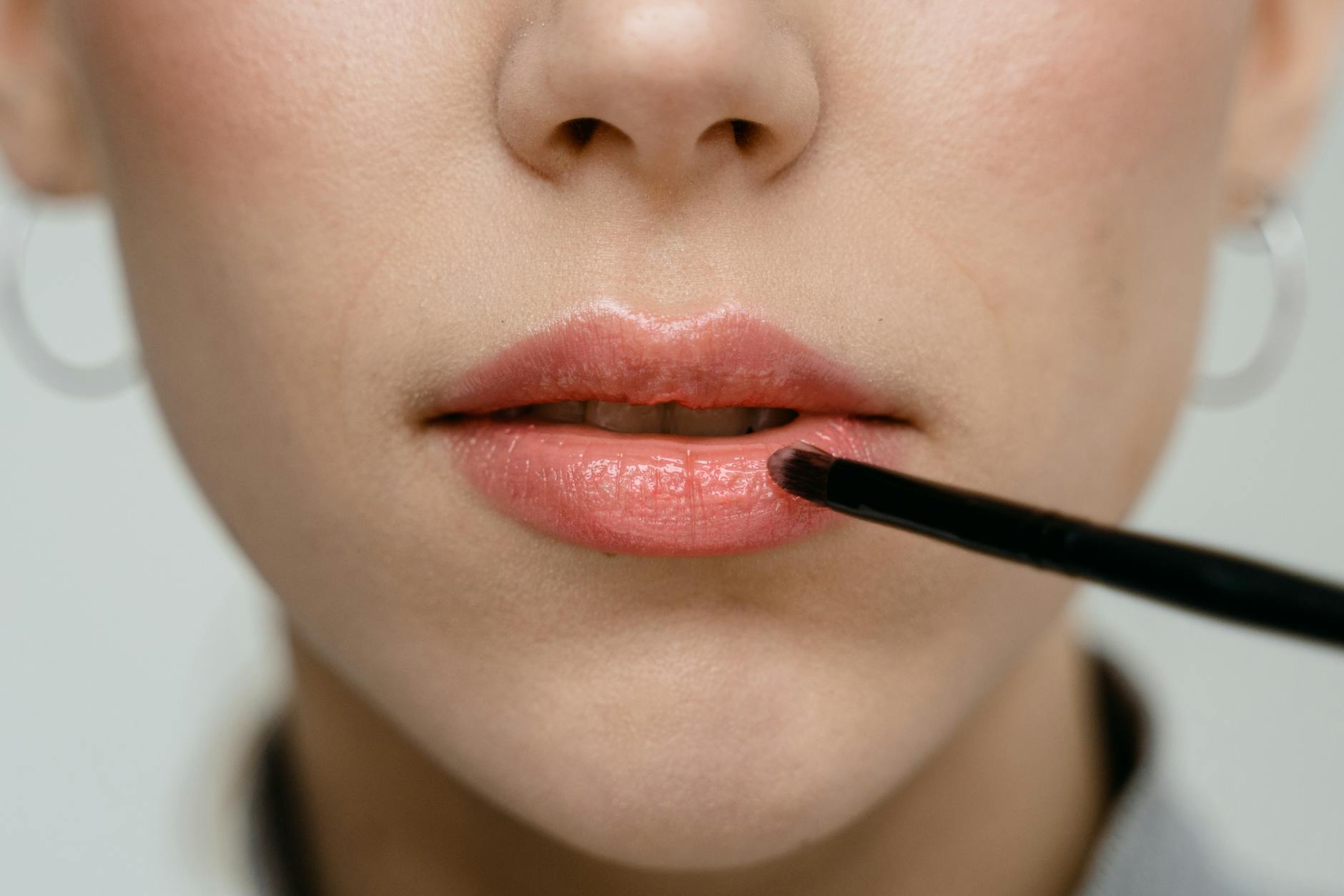
The lips have no oil glands and an extremely thin outer layer, making them one of the first areas to show dehydration, sun damage, and the early signs of aging. Most people apply SPF and moisturizer everywhere except the lips, leaving them exposed to UV damage that thins the tissue and reduces the definition of the lip border over time. Chronic dryness and the habit of licking the lips to compensate further breaks down the delicate surface and can lead to persistent flaking and discomfort. Using a nourishing lip balm with SPF as a daily non-negotiable step protects the lips from photoaging and keeps them looking full and healthy.
Share which of these habits you are working on changing in the comments.




