
When it comes to stocking a kitchen, nutritionists hold their pantries to a higher standard than most. The foods they choose to leave off their shelves reveal a great deal about what truly undermines a healthy diet. These are the 25 items that nutrition experts consistently refuse to bring through their own front doors.
Margarine

Margarine was once marketed as a heart-healthy alternative to butter but nutritionists have long since moved past that claim. Most commercial varieties are made from partially hydrogenated oils that introduce trans fats into the diet even when labels suggest otherwise. These artificially altered fats interfere with healthy cholesterol levels and promote systemic inflammation over time. Nutritionists consistently opt for whole food fats like grass-fed butter or avocado oil instead. The ingredient list on a typical margarine tub reads more like a chemistry experiment than a food product.
White Bread

White bread is produced from heavily refined flour that has been stripped of its bran and germ during processing. What remains is a starchy product that converts rapidly to sugar in the bloodstream and triggers sharp insulin spikes. The lack of fiber means it contributes little to satiety and often leads to overeating shortly after consumption. Nutritionists point out that the fortification added back into white bread is a poor substitute for the nutrients naturally lost in milling. Whole grain and sourdough options made from intact grains are far more aligned with how nutritionists eat at home.
Flavored Rice Cakes

Flavored rice cakes are often perceived as a diet-friendly snack but nutritionists take a closer look at what makes them taste appealing. The coatings used in varieties like white cheddar or caramel typically contain artificial flavoring agents and a surprising amount of added sodium or sugar. The base rice cake itself has a very high glycemic index meaning it raises blood sugar quickly without providing meaningful fiber or protein. Nutritionists note that this combination creates a snack that satisfies neither hunger nor nutritional needs. Plain whole grain crackers with nut butter deliver a far more balanced response in the body.
Sugary Breakfast Cereals

Brightly colored boxes lining grocery store shelves often contain cereals with more sugar per serving than a glazed donut. Nutritionists are particularly concerned about the way these products are marketed to children with cartoon characters and claims of added vitamins. The refined grain base combined with high sugar loads causes rapid energy crashes that can derail focus and mood for hours. Many of these cereals also contain artificial dyes and preservatives that serve no nutritional function. A bowl of oats with fruit and seeds is the kind of breakfast a nutritionist actually reaches for in the morning.
Coffee Creamers
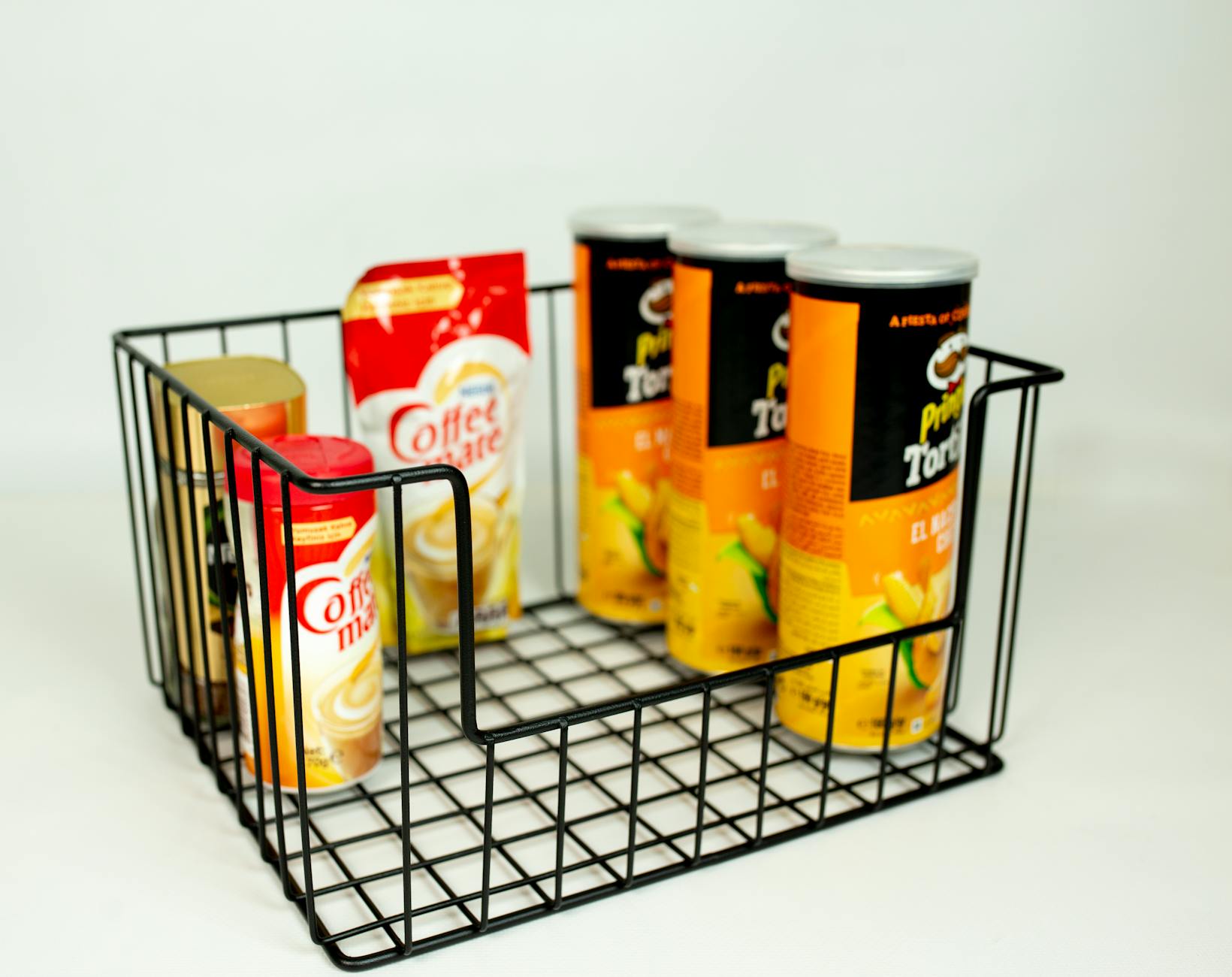
Liquid and powdered coffee creamers are a pantry staple in many households but nutritionists read their labels with serious concern. Most commercial creamers contain hydrogenated oils as a primary ingredient alongside corn syrup solids and a range of stabilizing additives. The portion sizes listed on packaging are often far smaller than what people actually pour into their coffee making the added sugar and fat intake easy to underestimate. Some varieties also contain carrageenan which certain research has linked to digestive inflammation. Nutritionists prefer whole milk whole cream or unsweetened plant milks that contain recognizable ingredients.
Instant Noodles
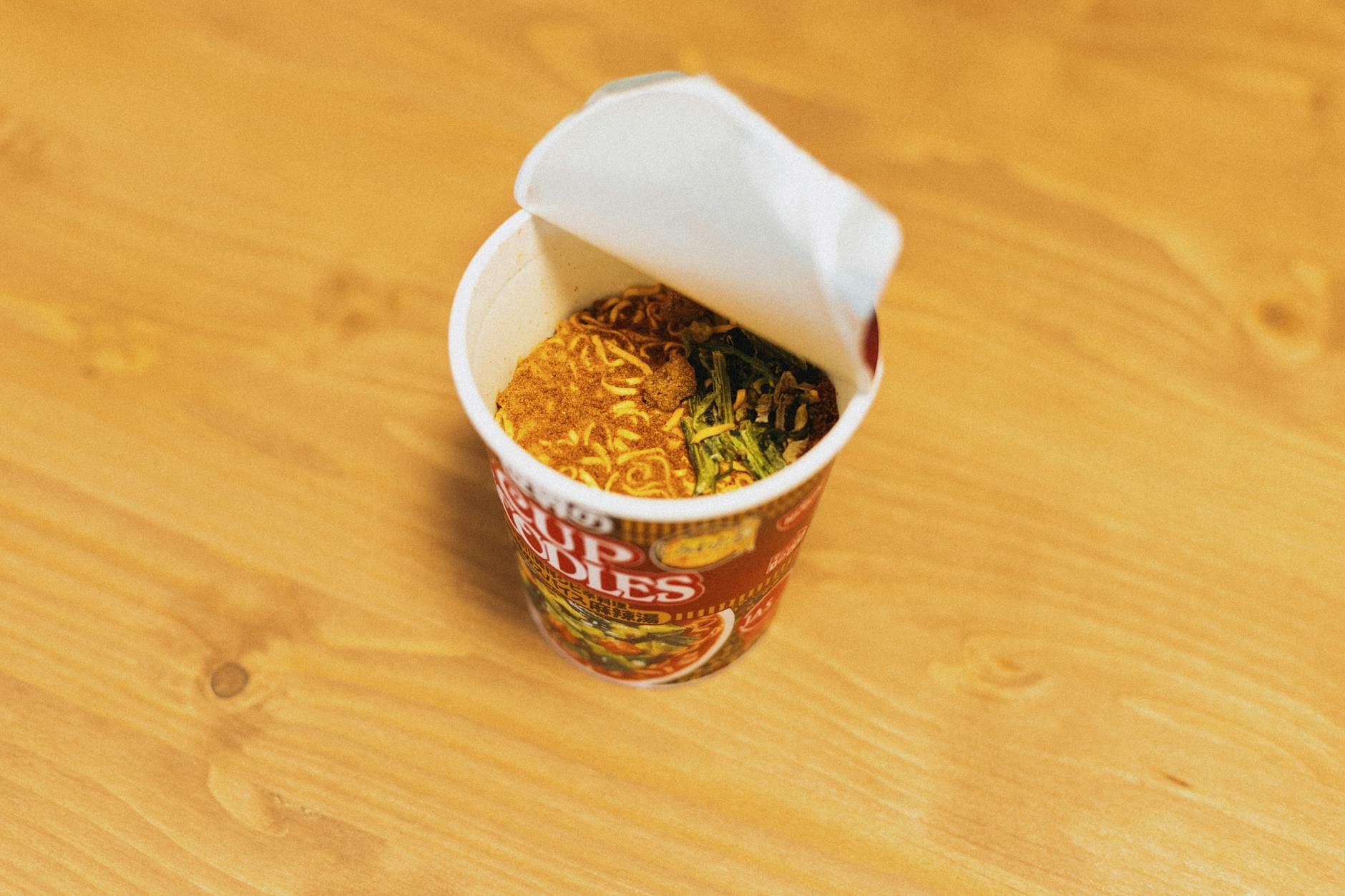
Instant noodles are a global convenience food but their nutritional profile gives nutrition professionals significant pause. A single packet frequently contains more than half of the recommended daily sodium intake before any additional seasoning is added. The noodles themselves are made from refined wheat flour and are often pre-fried during manufacturing which adds low-quality fats. They contain virtually no protein fiber or micronutrients and rely entirely on flavor packets loaded with artificial compounds. Nutritionists view them as an example of caloric density without nutritional value.
Processed Cheese Slices

Processed cheese products sold in individual plastic wrappers are technically classified as cheese food or cheese product rather than real cheese under food labeling standards. They are manufactured using a blend of natural cheese scraps emulsifying salts sodium and stabilizers to achieve a uniform texture and long shelf life. The result is a product that nutritionists consider nutritionally inferior to any minimally processed natural cheese. The emulsifying agents used in production have been studied for their potential effects on gut microbiome integrity. A block of aged cheddar or a wheel of fresh goat cheese is what tends to occupy a nutritionist’s refrigerator instead.
Vegetable Shortening
Vegetable shortening was a twentieth century kitchen staple that nutritionists have largely abandoned due to its trans fat content. Even reformulated versions that claim zero trans fats can legally contain up to 0.5 grams per serving which accumulates quickly in baked goods. The product is designed to mimic the texture of animal fats but without any of the naturally occurring beneficial fatty acids found in options like lard or butter. Nutritionists are particularly cautious about shortening used in pastries and pie crusts where large quantities are consumed in a single sitting. Coconut oil and grass-fed butter have become the trusted whole-food alternatives in nutrition-informed kitchens.
Store-Bought Salad Dressings

Bottled salad dressings are a category where misleading health claims are particularly rampant according to nutritionists. Many low-fat versions compensate for reduced fat by dramatically increasing sugar and sodium content. Even standard varieties often use refined seed oils like soybean or canola as their primary fat source which nutritionists consider nutritionally problematic in large quantities. Stabilizers thickeners and artificial flavors round out ingredient lists that can contain upward of twenty additives. Nutritionists typically make their own dressings using olive oil vinegar mustard and herbs in just a few minutes.
Microwave Popcorn

Microwave popcorn bags are engineered for convenience but the chemistry involved in their production raises flags for nutrition professionals. Many bags are lined with perfluorinated compounds used to prevent grease from soaking through the packaging material. The flavoring used in butter varieties frequently contains diacetyl or similar compounds that have been associated with respiratory concerns in manufacturing settings. Sodium levels in a single bag often exceed what nutritionists consider appropriate for a casual snack. Air-popped popcorn drizzled with olive oil and sea salt is the version found in nutritionist households.
Fruit Snacks
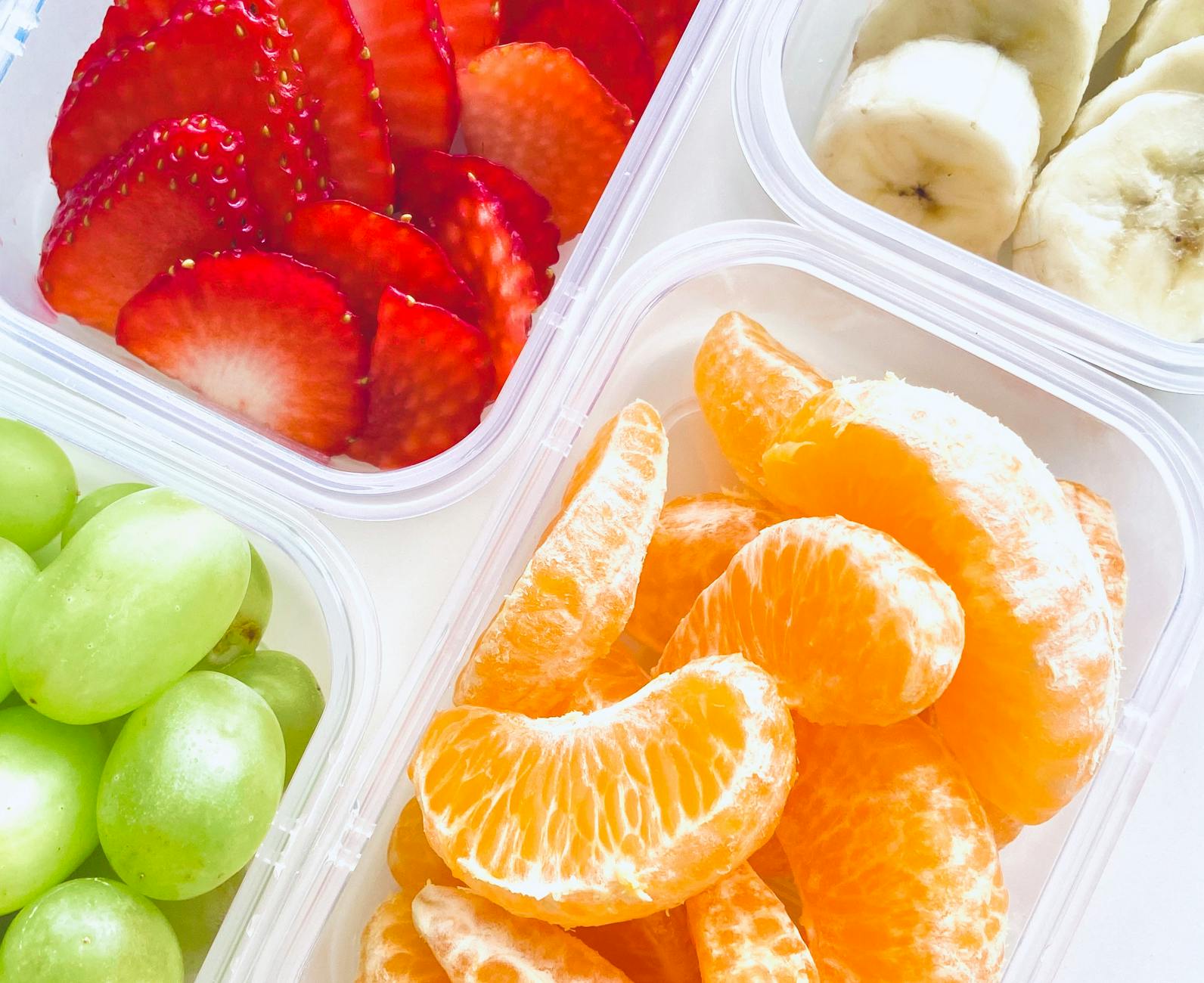
Fruit snacks occupy a confusing middle ground in the snack food market because their branding suggests they deliver the benefits of actual fruit. In practice most fruit snacks contain very little real fruit juice and are primarily composed of sugar corn syrup and gelatin or starch binders. The concentrated sweetness they deliver promotes the same blood sugar response as candy while providing none of the fiber antioxidants or water content found in whole fruit. Nutritionists also point to the sticky texture of fruit snacks which allows sugar to cling to tooth enamel and promote dental decay. A handful of fresh or dried fruit without added sugar is the obvious whole-food alternative.
Low-Fat Peanut Butter

Low-fat peanut butter sounds like a smarter choice but nutritionists consistently warn against this reformulated product. When manufacturers remove the natural fat from peanuts they must add something else to maintain palatability and texture typically in the form of added sugar and maltodextrin. The healthy monounsaturated fats present in natural peanuts are precisely what makes the product satisfying and beneficial for cardiovascular health. Removing them disrupts the nutritional balance that makes traditional peanut butter a worthwhile food. Nutritionists keep natural peanut butter with one or two ingredients on their shelves and avoid the reduced-fat versions entirely.
Canned Soup with High Sodium

Canned soups are one of the most sodium-dense foods available in an average grocery store and nutritionists treat this as a genuine health concern. A single can of popular chicken noodle or tomato soup can contain over 800 milligrams of sodium which represents a substantial portion of recommended daily intake. The vegetables and proteins used in these products are also typically overprocessed during canning which significantly diminishes their micronutrient content. Additives like monosodium glutamate and artificial flavors are used to compensate for the flatness that results from high-heat industrial processing. Nutritionists who enjoy canned soups seek out low-sodium options or prepare large batches of homemade broth-based soups to freeze.
Pancake Syrup

The maple syrup lookalike sold in the breakfast aisle bears very little resemblance to actual maple syrup from a nutritional standpoint. Commercial pancake syrups are made almost entirely from high fructose corn syrup with artificial maple flavoring and caramel color added to create the appearance of the real thing. The liver metabolizes fructose differently from glucose and nutritionists associate high-fructose corn syrup consumption with elevated triglycerides and fatty liver risk over time. A bottle of pancake syrup can sit on a shelf for years because there is almost nothing biologically active left to spoil. Nutritionists use small amounts of pure maple syrup or raw honey when sweetness is genuinely desired.
Protein Bars with Long Ingredient Lists
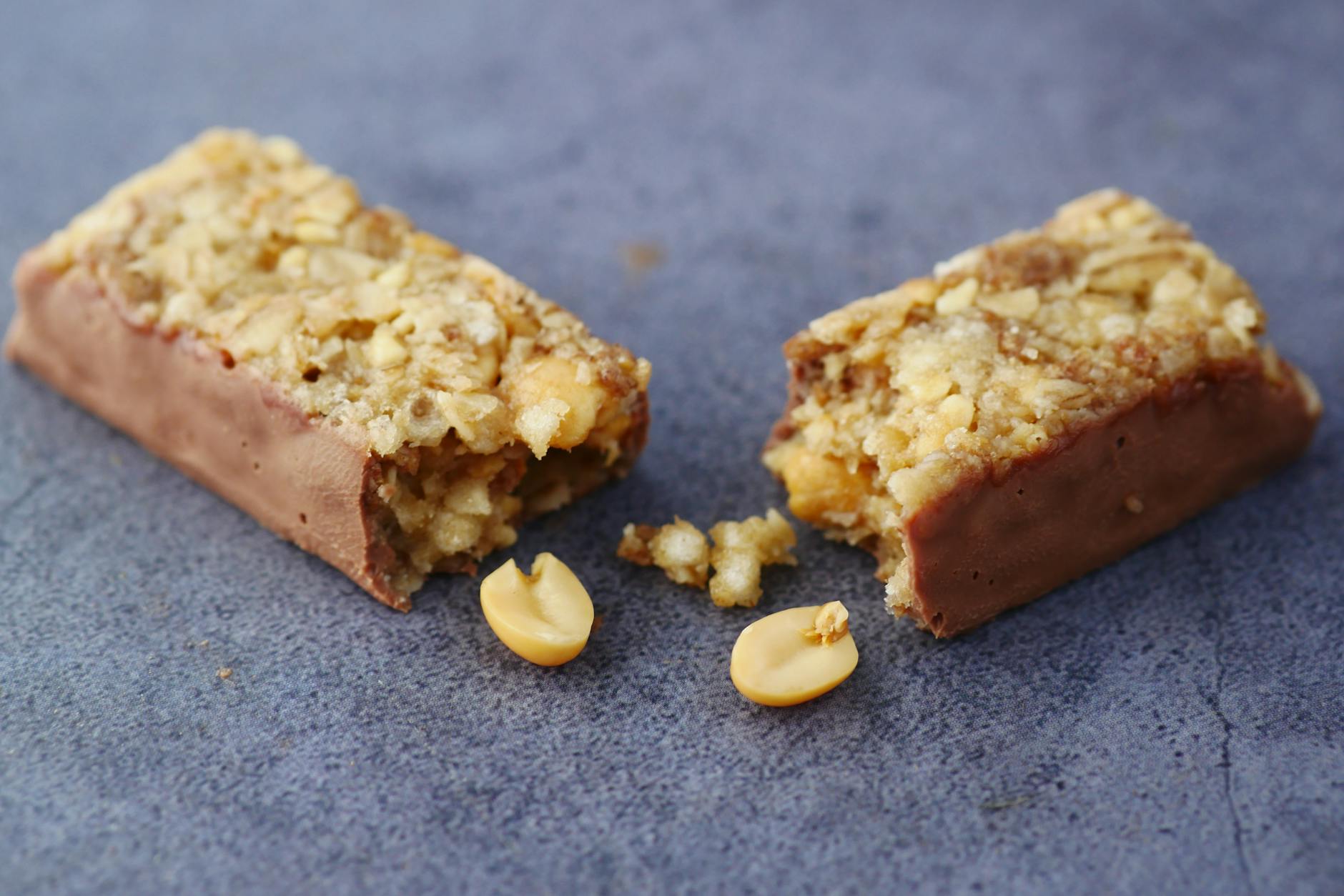
Protein bars occupy a prominent position in wellness marketing but nutritionists know how to read past the front-of-package claims. Many popular bars contain as much sugar as a candy bar alongside a processed protein isolate that is absorbed less efficiently than whole food protein sources. Synthetic vitamins are often added to justify health positioning but they do not replicate the bioavailability of nutrients from real food. Binders coatings and artificial sweeteners like sucralose and acesulfame potassium are used to achieve texture and sweetness in ways that can disrupt gut bacteria. Nutritionists who use protein bars at all keep their selections to products with five ingredients or fewer.
Bottled Smoothies
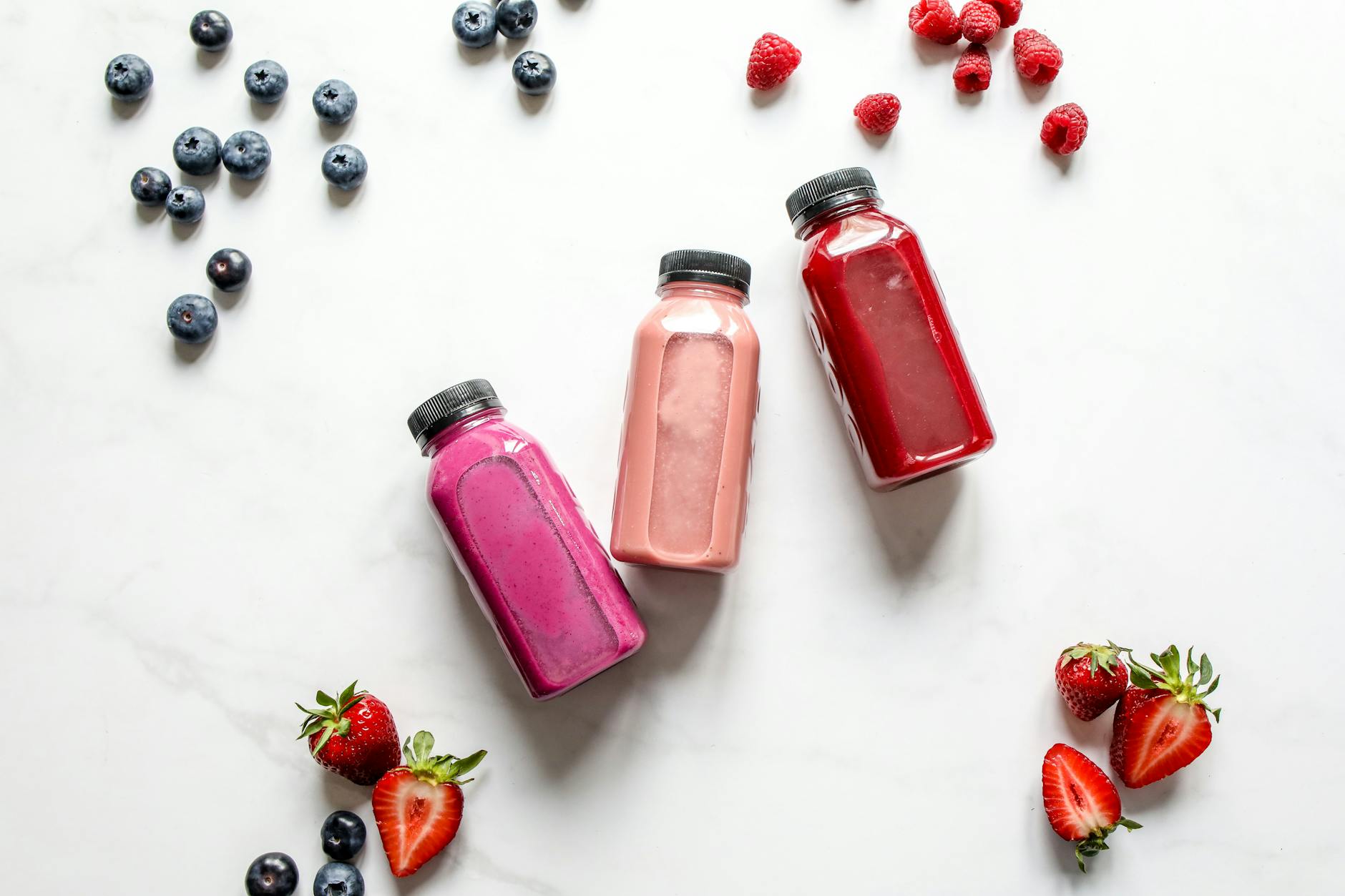
Pre-made bottled smoothies are frequently positioned as nutritious grab-and-go options but nutritionists examine their sugar content with particular scrutiny. Many commercial smoothies contain multiple servings of fruit juice concentrates that remove the fiber from whole fruit while concentrating natural sugars dramatically. Without fiber protein or fat to slow absorption these drinks produce a rapid blood sugar spike similar to soda despite their wholesome imagery. Pasteurization used to extend shelf life also destroys a portion of the heat-sensitive vitamins and enzymes present in fresh fruit. Nutritionists blend their own smoothies at home where they can control the ratio of protein healthy fat and whole fruit.
Sweetened Yogurt
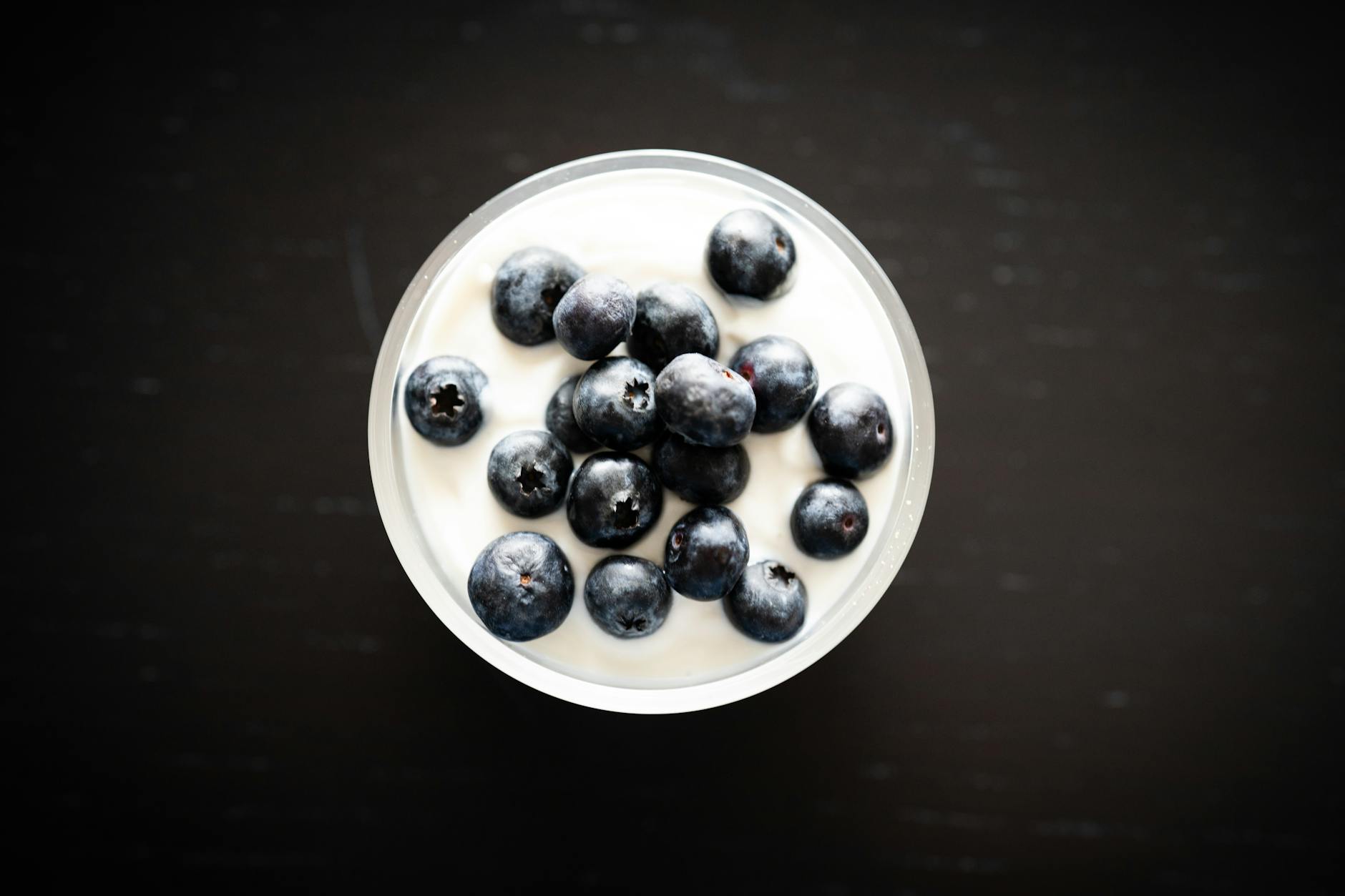
Sweetened yogurt is one of the most effectively marketed health foods in the grocery store despite what nutritionists know about its sugar content. A standard flavored yogurt can contain between 20 and 30 grams of added sugar per serving placing it in the same category as many desserts. The probiotic content that makes plain yogurt genuinely beneficial is often compromised by the added sugars which feed harmful bacteria as readily as beneficial strains. Fruit-on-the-bottom varieties typically use jam rather than real fruit meaning fiber content is negligible. Nutritionists choose full-fat plain Greek yogurt and add their own fresh fruit and a small drizzle of honey when desired.
Cooking Sprays

Non-stick cooking sprays are a common kitchen shortcut but their ingredient list is something nutritionists find hard to overlook. Most sprays are made from refined seed oils like canola or soybean that become chemically unstable at the high heat commonly used in cooking. Propellants like isobutane and propane are added to create the spray mechanism and while food-grade these are compounds with no business being in a health-conscious kitchen. The ultra-thin coating also makes it difficult to use a quantity of fat sufficient to actually cook food properly leading to sticking and burning. Nutritionists cook with a measured amount of cold-pressed olive oil coconut oil or grass-fed butter applied directly to the pan.
Instant Oatmeal Packets

Instant oatmeal packets seem like a nutritious and practical breakfast option but nutritionists look carefully at what has been done to the oats before packaging. The oats used in most flavored instant varieties are pre-cooked rolled very thin and processed to a degree that dramatically increases their glycemic impact compared to steel-cut or rolled oats. Flavored packets frequently contain substantial amounts of added sugar artificial flavors and sodium making them more comparable to a sweetened cereal than a whole grain breakfast. The single-serve portion size is also often inadequate to sustain hunger through a full morning. Nutritionists who enjoy oatmeal prepare whole rolled or steel-cut oats with nut butter seeds and whole fruit for a meal that supports stable energy.
Crackers Made from Refined Flour
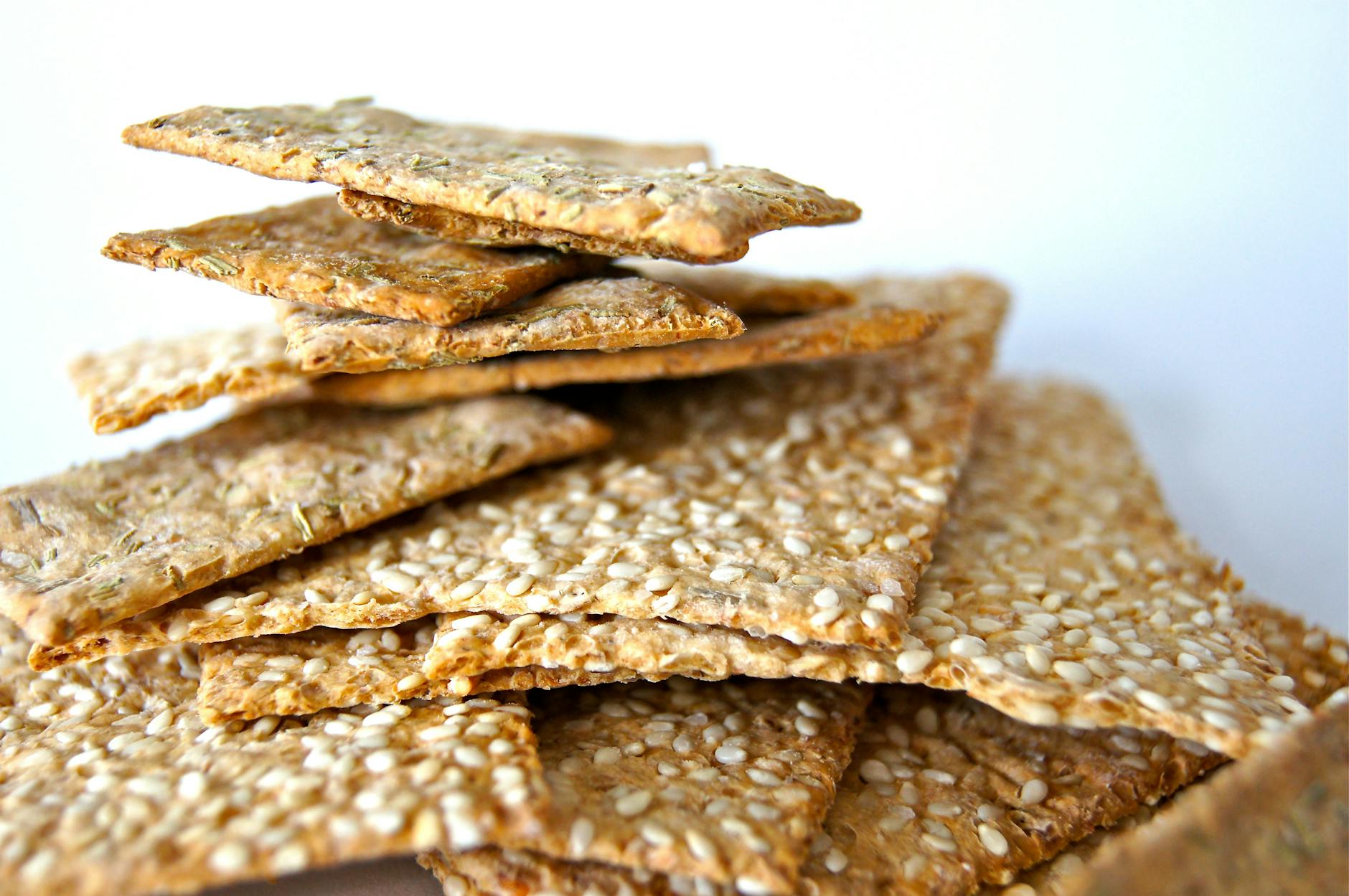
Many popular cracker brands are built on a foundation of enriched white flour partially hydrogenated oils and sodium in concentrations that nutritionists consider unnecessary. The refined flour base breaks down quickly during digestion producing the same rapid glucose response as white bread despite the dry savory format of the food. Some varieties use added sugar to enhance crunch and palatability creating a product that behaves metabolically more like a cookie than a whole food snack. Nutritionists note that crackers are often used as a vehicle for nutritious toppings like cheese and nut butter but the cracker base itself contributes little of value. Whole grain seed-based or legume-based crackers with minimal ingredients are the versions that make it onto a nutritionist’s snack shelf.
Flavored Nuts
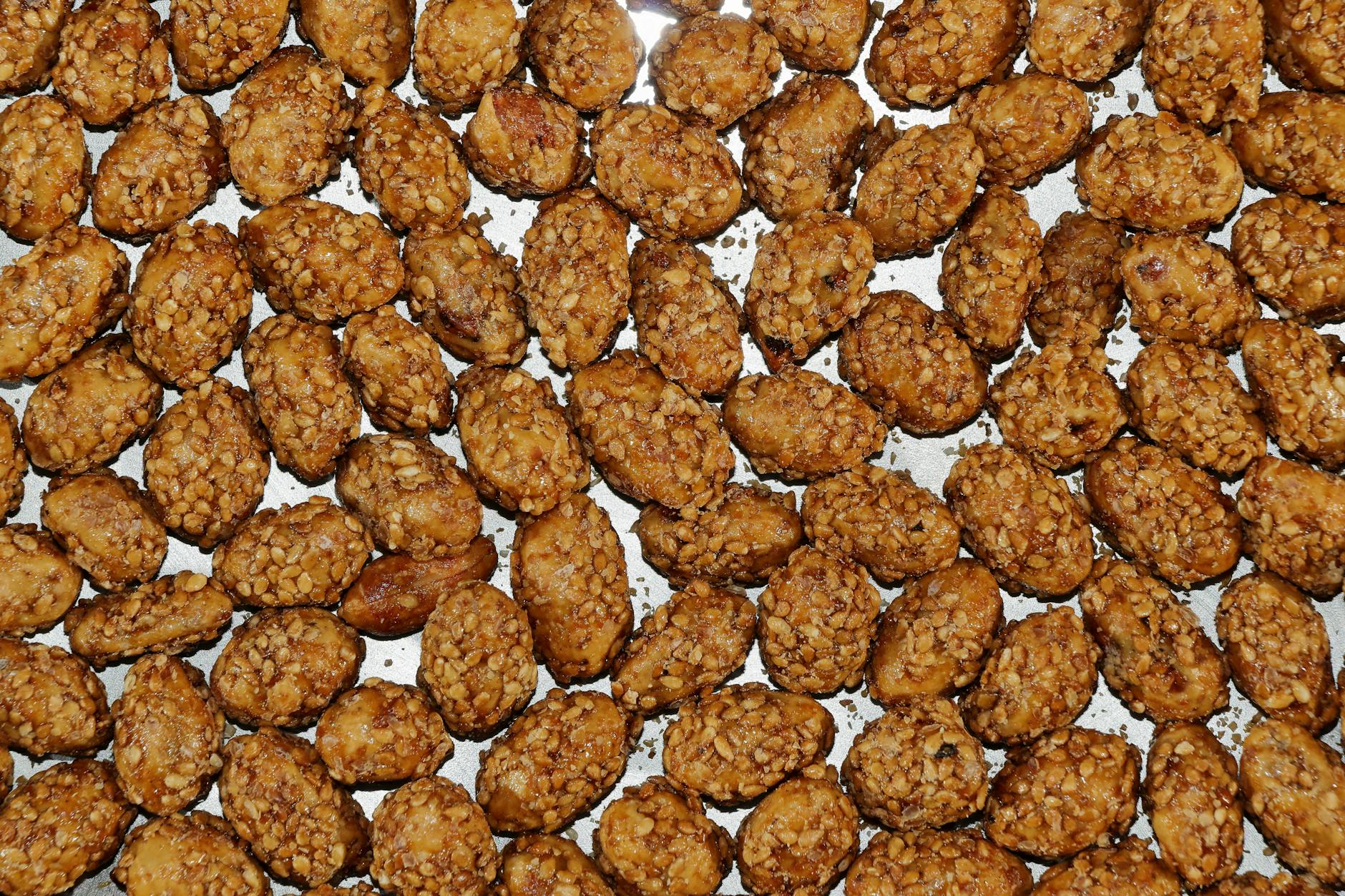
Plain nuts are among the most nutritionist-approved snack foods available but their flavored counterparts tell a very different story. Honey-roasted barbecue and ranch-seasoned nut varieties are coated with sugar salt maltodextrin and artificial flavoring agents that transform a whole food into something far more processed. The roasting temperatures used in commercial flavored nuts can also oxidize the delicate polyunsaturated fats present in varieties like walnuts and almonds reducing their nutritional benefit. Nutritionists are also cautious about portion control with flavored nuts because the added sugar and salt create a hyper-palatable quality that makes them difficult to eat in moderate amounts. Raw or lightly dry-roasted plain nuts are the pantry staple that nutritionists actually keep on hand.
Ketchup
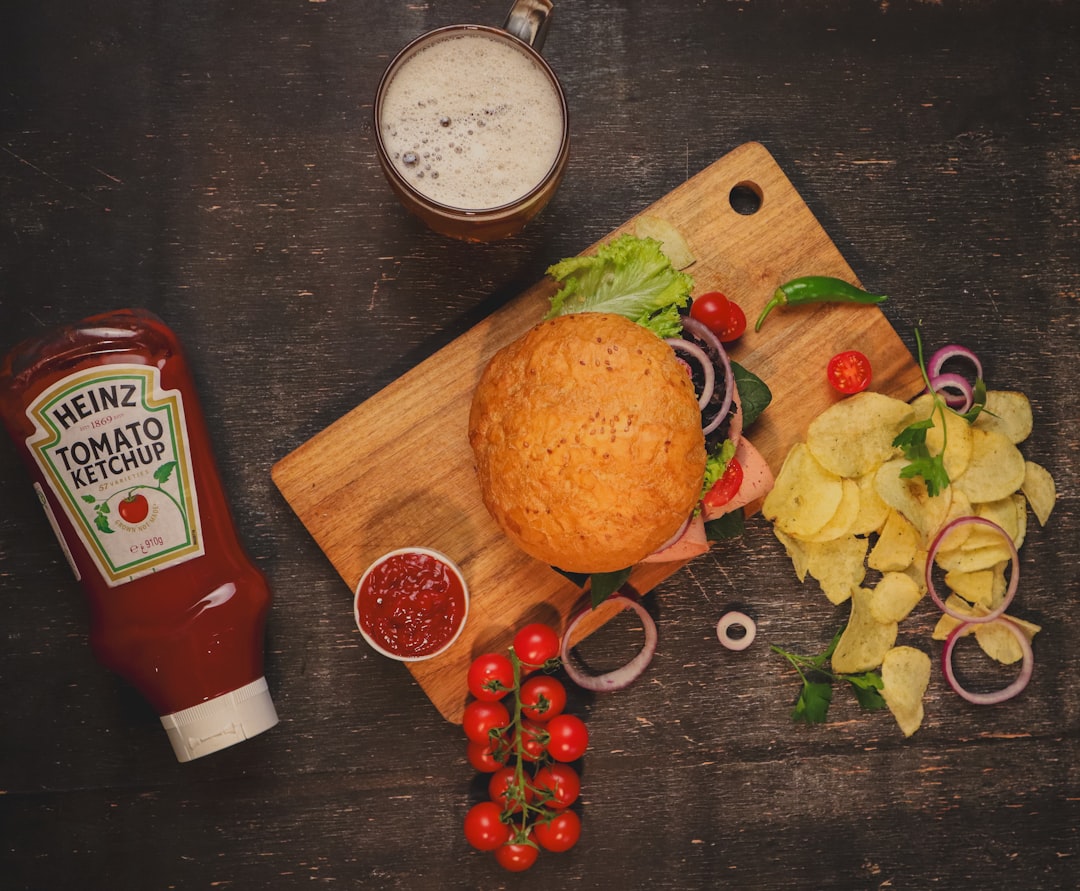
Ketchup is one of the most consumed condiments in the world and also one of the most quietly sugar-laden products in the average pantry. A single tablespoon of standard ketchup contains about a teaspoon of added sugar and very few people use just one tablespoon on a meal. High fructose corn syrup is the sweetener of choice in most mainstream brands adding to the cumulative fructose load that nutritionists work to limit. The tomato content in commercial ketchup is real but highly concentrated and processed in ways that limit the bioavailability of lycopene compared to fresh or lightly cooked tomatoes. Nutritionists who want tomato-based condiments choose those sweetened with small amounts of cane sugar or make their own using whole tomatoes.
Sports Drinks

Sports drinks were designed for endurance athletes operating at peak exertion but they have migrated into everyday casual consumption in ways that concern nutritionists greatly. A standard sports drink contains around 34 grams of sugar per bottle along with artificial dyes like Red 40 and Yellow 5 that have no physiological benefit. The electrolyte content is real but achievable through whole food sources like bananas coconut water and a pinch of mineral-rich sea salt without the accompanying sugar load. Nutritionists note that for most people engaged in moderate exercise plain water replenishes hydration just as effectively. The marketing of these drinks to children and teenagers is a particular concern given the sugar and artificial coloring involved.
Diet Soda

Diet soda avoids sugar but replaces it with artificial sweeteners that nutritionists consider equally problematic through a different mechanism. Research has increasingly suggested that artificial sweeteners like aspartame and sucralose may alter gut microbiome composition and affect the body’s insulin response even in the absence of real sugar. The phosphoric acid present in most diet sodas is also associated with reduced bone mineral density over long-term consumption. Nutritionists observe that diet soda drinkers often compensate psychologically by eating more freely elsewhere in their diet undermining any caloric benefit the drink was meant to provide. Sparkling water with a squeeze of citrus or a splash of fresh juice is the refreshing alternative that nutritionists reach for instead.
Packaged Cake Mixes

Boxed cake mixes represent a category where convenience comes at a significant nutritional cost that nutritionists are reluctant to accept. The base mix typically contains bleached flour refined sugar partially hydrogenated shortening and a suite of preservatives and artificial flavors designed to extend shelf life for months or years. Artificial colors are added to create visual appeal in flavors like funfetti or lemon while contributing nothing nutritionally. The recommended additions of eggs and oil can turn a single slice into a calorie-dense item with very little fiber protein or beneficial fat to offset the sugar content. When nutritionists bake from scratch they control every ingredient using whole grain flours natural sweeteners and quality fats that make an occasional treat a genuinely pleasurable rather than purely indulgent experience.
What foods have you stopped keeping in your pantry after learning more about nutrition? Share your own pantry clean-out experiences in the comments.




