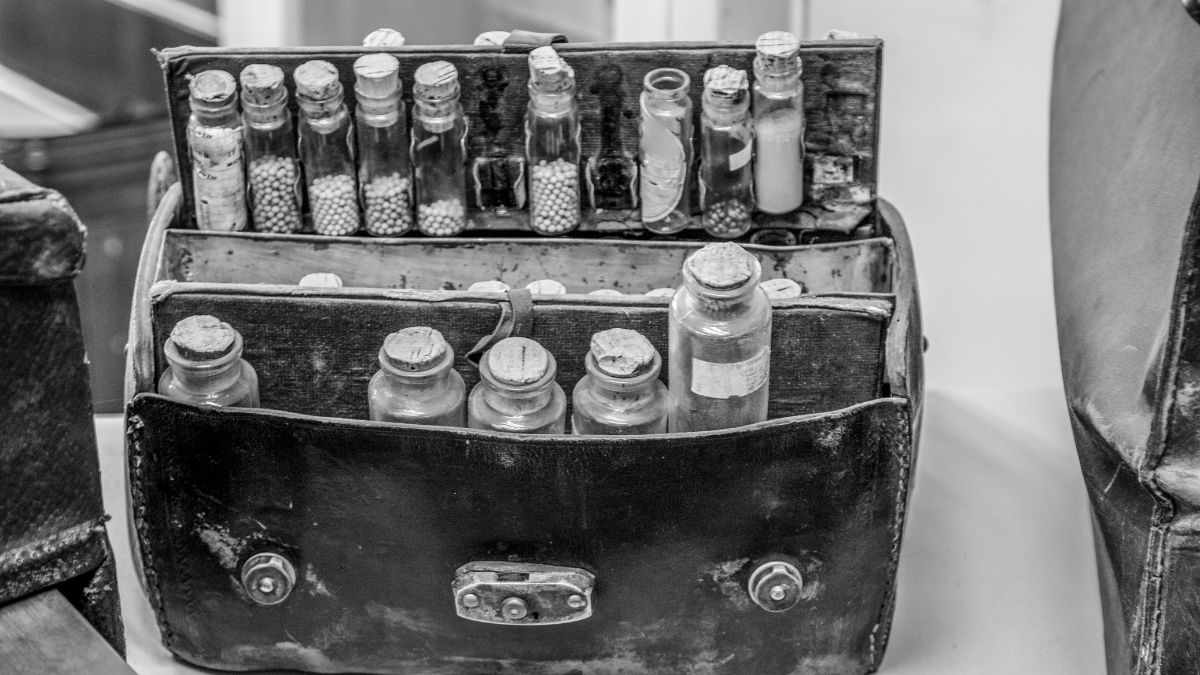
Long before modern medicine arrived with its evidence-based treatments and sterile equipment, healers and physicians worked with what they believed to be cutting-edge knowledge. The results were often alarming, occasionally fatal, and almost always deeply uncomfortable to read about today. History’s medical cabinet is filled with treatments that reveal just how far human understanding has come in a remarkably short time. From toxic tonics to surgical horrors, these practices were considered entirely legitimate by the standards of their era.
Bloodletting
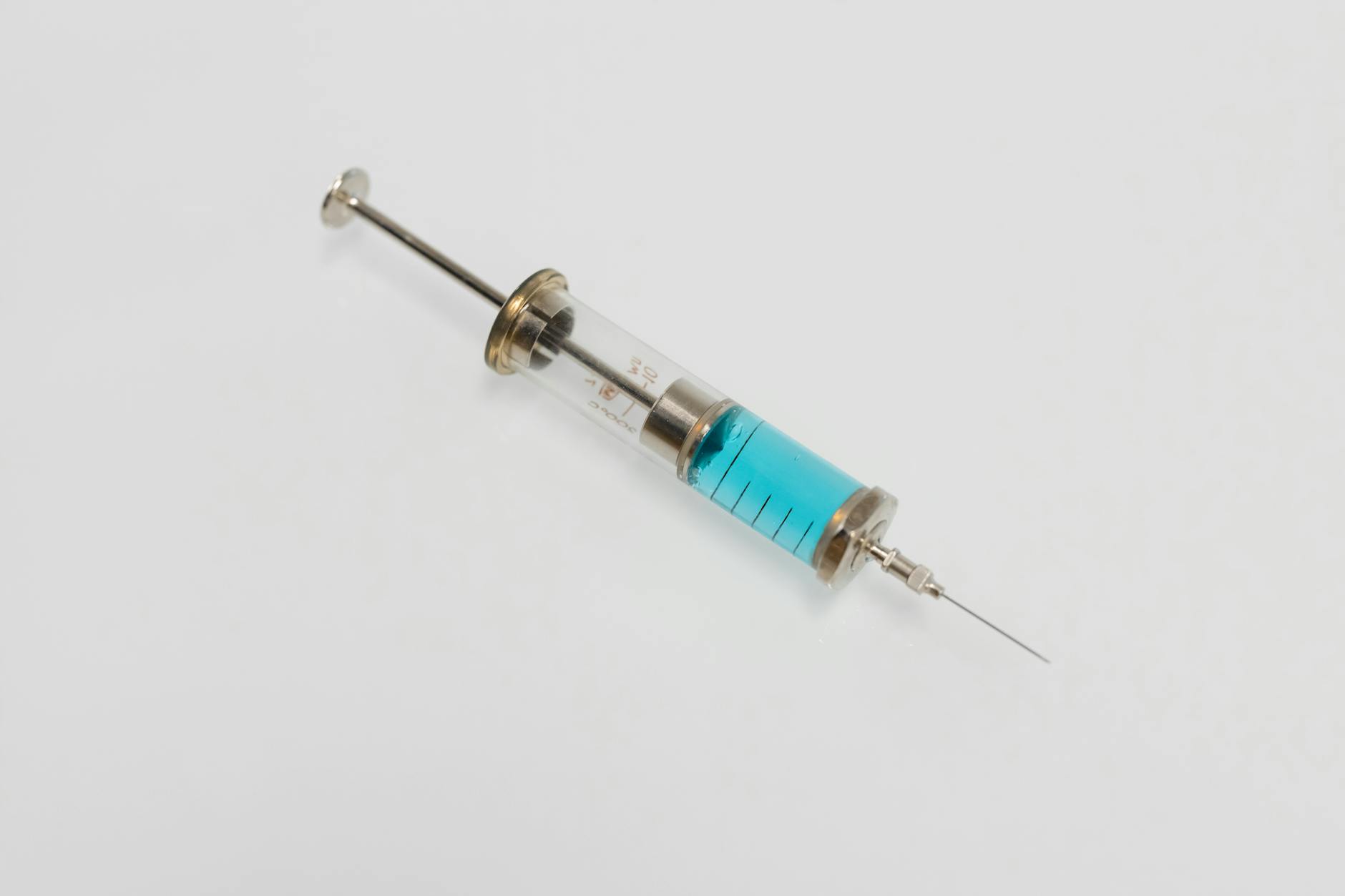
For well over two thousand years, bloodletting was one of the most widely practiced medical treatments across Europe, the Middle East, and beyond. Physicians believed the human body contained four humors and that illness resulted from an imbalance among them, with excess blood being a frequent culprit. Patients were cut with lancets or treated with leeches to drain what doctors considered dangerous quantities of fluid. The practice was applied to virtually every condition imaginable, from fevers and headaches to infections and mental illness. It is now understood that bloodletting weakened patients significantly and likely contributed to the deaths of many, including figures such as George Washington.
Trepanation

Trepanation involves drilling or scraping a hole into the skull of a living patient and stands as one of the oldest known surgical procedures in human history. Archaeological evidence suggests it was performed as far back as ten thousand years ago across cultures in Europe, South America, and Africa. Ancient practitioners believed the procedure could release evil spirits, relieve pressure, or cure conditions such as epilepsy and severe headaches. Remarkably, many patients survived the operation, as healed bone growth around the holes has been observed on numerous ancient skulls. The procedure is still performed in modern neurosurgery for specific medical reasons, though the motivations and techniques bear no resemblance to their prehistoric origins.
Mercury Treatment
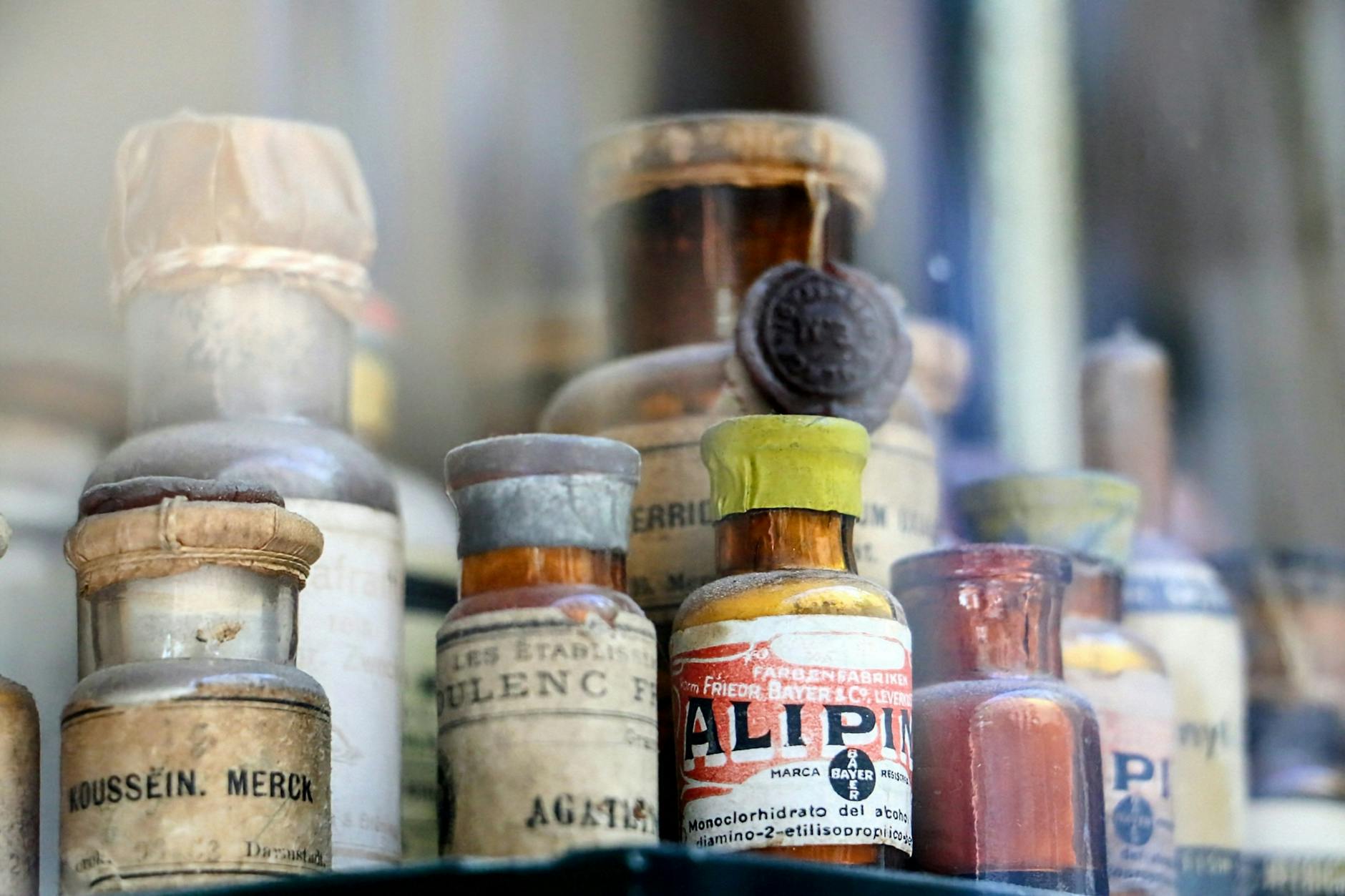
Mercury was used as a medical treatment for centuries and was prescribed for conditions ranging from syphilis to constipation and skin disorders. Physicians administered it in various forms including pills, ointments, and vapor baths, believing it would purge disease from the body through sweating, salivation, and other excretions. Patients undergoing mercury treatment often experienced catastrophic side effects including tooth loss, neurological damage, kidney failure, and severe ulceration of the mouth and gums. Despite these devastating outcomes being widely observed, the treatment remained in use from the Renaissance period well into the nineteenth century. Mercury poisoning was so common among patients treated for syphilis that it became difficult to distinguish the symptoms of the disease from those caused by the cure.
Lobotomy

The lobotomy was introduced in the 1930s as a revolutionary psychiatric treatment and was presented to the medical world as a breakthrough for severe mental illness. The procedure involved severing connections in the brain’s prefrontal cortex, initially through holes drilled in the skull and later through a technique that inserted an instrument through the eye socket. Tens of thousands of patients received lobotomies in the United States and Europe throughout the 1940s and 1950s, with many procedures performed in institutional settings with minimal oversight. Outcomes were deeply inconsistent, with patients frequently left with permanent personality changes, loss of initiative, seizures, or complete incapacitation. The procedure was largely abandoned following the development of antipsychotic medications and is now regarded as one of the most troubling chapters in the history of psychiatry.
Tobacco Smoke Enemas

Tobacco smoke enemas were a genuine resuscitation technique used in eighteenth century England and America, particularly for drowning victims pulled from rivers. Medical practitioners believed that the stimulating properties of tobacco could revive unconscious patients by introducing warm smoke into the bowel using a bellows device. The Royal Humane Society along with similar organizations along the Thames actually kept tobacco enema kits stationed at regular intervals for emergency use. The treatment was also applied to patients suffering from hernias, headaches, and typhoid fever with no demonstrable benefit. Once nicotine was identified as a toxic compound in the early nineteenth century, the practice fell rapidly out of favor and was quietly erased from medical recommendations.
Heroin as Cough Syrup

Heroin was synthesized by the Bayer pharmaceutical company in 1898 and was initially marketed as a safe and non-addictive substitute for morphine. The drug was sold over the counter in many countries and was widely prescribed for coughs, chest complaints, and respiratory conditions, including tuberculosis. Children’s cough preparations containing heroin were commercially available and advertised to parents as effective and gentle remedies. Bayer promoted the product aggressively under the brand name Heroin, a name derived from the German word meaning heroic due to the feelings it reportedly produced in clinical trials. The devastating addictive properties became undeniable within just a few years of its release, leading to eventual international restrictions and classification as a controlled substance.
Electric Shock Therapy for Beauty

Electric current was embraced enthusiastically by the Victorian medical establishment as a treatment for almost every conceivable ailment following the popularization of electrical science in the nineteenth century. Physicians invested in elaborate machines that delivered shocks to various parts of the body as treatment for paralysis, impotence, hysteria, depression, and general weakness. Beauty and wellness practitioners adopted the technology and marketed electrical facial treatments and body stimulators as rejuvenating and health-promoting. Patients sat willingly in electric baths or wore conductive garments in the belief they were receiving therapeutic benefits. While controlled electrical stimulation does have legitimate modern medical applications, the unregulated Victorian versions were largely ineffective and occasionally dangerous.
Urine Therapy

Urine therapy, which involves drinking or applying one’s own urine for medicinal benefit, has appeared in medical and folk traditions across India, China, ancient Egypt, and parts of Europe. Practitioners throughout history believed that urine contained concentrated healing compounds that could be reabsorbed by the body to strengthen immunity and treat disease. The practice was documented in texts on Ayurvedic medicine and was recommended for treating skin conditions, wounds, and digestive complaints in various cultural traditions. Certain early European texts also recommended aged urine as a topical treatment for acne and fungal conditions. Modern science finds no credible evidence that ingesting urine provides any health benefit and notes that it can reintroduce waste products the kidneys worked to eliminate.
Arsenic Complexion Wafers

Arsenic was consumed deliberately as a beauty treatment throughout the nineteenth century, with pale and luminous skin being the dominant cosmetic ideal of the era. Products marketed as complexion wafers or skin tablets contained measurable quantities of arsenic and were sold openly in pharmacies and through mail order catalogs across Europe and America. Manufacturers claimed the tablets would clear blemishes, lighten the skin, and create the fashionable translucent appearance associated with aristocratic beauty. Regular consumers built up a tolerance to the poison over time while sustaining ongoing internal damage to their organs, nervous systems, and circulation. The widespread use of arsenic in Victorian cosmetics is considered one of the more disturbing examples of dangerous beauty standards driving genuine public health harm.
Animal Dung Poultices

The application of animal dung directly to wounds and infected areas was a common treatment recommendation in ancient Egyptian, Greek, and medieval European medicine. Physicians believed that the warm and supposedly drawing properties of fresh dung would pull infection and foreign material from a wound and promote faster healing. Crocodile, donkey, and pigeon dung were among the varieties specifically cited in ancient Egyptian medical papyri for treating various conditions including eye infections and head wounds. This practice had the effect of introducing dangerous bacteria including tetanus directly into open tissue, causing severe infections in patients who might otherwise have recovered. The persistence of dung-based remedies across multiple civilizations demonstrates how thoroughly the concepts of contamination and germ theory were absent from pre-modern medical understanding.
Radium Water

Following the discovery of radioactivity in the late nineteenth century, radium was embraced by the wellness industry as a miraculous energizing substance. Manufacturers produced radium-infused drinking water dispensers, health tonics, and even suppositories that were marketed as revitalizing and life-extending products for wealthy consumers. The Radithor brand of radium water became particularly notorious after the death of a prominent socialite and athlete who consumed thousands of bottles over several years, resulting in the disintegration of his jaw and skull bones. Radium spas and clinics operated across Europe and the United States, attracting clients seeking treatments for arthritis, fatigue, and aging. The catastrophic health outcomes experienced by early radium workers and enthusiastic consumers eventually prompted public health authorities to ban the commercial use of radioactive materials in consumer products.
Surgical Removal of Teeth for Mental Illness

In the early twentieth century, a theory known as focal infection gained significant traction in psychiatric and medical circles, proposing that mental illness was caused by pockets of infection harboring bacteria throughout the body. Healthy teeth were extracted in enormous numbers from patients in psychiatric hospitals under the belief that hidden dental infections were causing or worsening conditions such as schizophrenia and depression. Some proponents of the theory extended the practice to removal of tonsils, sections of the colon, and other organs deemed likely to harbor problematic bacteria. Patients were subjected to multiple rounds of extractions and surgeries without providing consent in any meaningful modern sense, and outcomes showed no psychiatric improvement. The theory was eventually discredited in the 1930s and 1940s as clinical evidence consistently failed to support the underlying premise.
Strychnine as a Stimulant

Strychnine, the compound now recognized primarily as a deadly poison and rat killer, was used as a legitimate medical stimulant and performance enhancer throughout the nineteenth and early twentieth centuries. Physicians prescribed small doses to treat paralysis, heart weakness, constipation, and general physical debility, believing its convulsant properties had a toning effect on muscles and nerves. Athletes competing in early Olympic Games consumed strychnine as part of performance-enhancing regimens, sometimes combined with alcohol and other stimulants. Pharmacies stocked strychnine tablets and tonics as routine commercial products, and small amounts were included in various proprietary health preparations. The margin between a therapeutic dose and a lethal one was extremely narrow, and fatalities from miscalculated medical administration were not uncommon throughout its period of use.
Leeching for Eye Conditions

While leeches have made a genuine and scientifically validated return to certain surgical procedures in modern medicine, their historical use for eye conditions represents a much less evidence-based chapter in ophthalmic care. Throughout the eighteenth and nineteenth centuries, practitioners applied leeches directly to the eyelids and surrounding tissue to treat conditions including conjunctivitis, cataracts, inflammation, and deteriorating vision. The reasoning rested on the same humoral theory underlying general bloodletting, with excess blood in the head being blamed for a wide variety of ocular problems. Patients endured the procedure repeatedly as conditions failed to improve, with physicians often interpreting a lack of progress as a sign that more aggressive treatment was needed. The delicate tissues around the eye are particularly vulnerable to trauma and infection, and the practice almost certainly caused more harm to vision than it ever prevented.
Which of these historical treatments surprised you the most? Share your thoughts in the comments.




