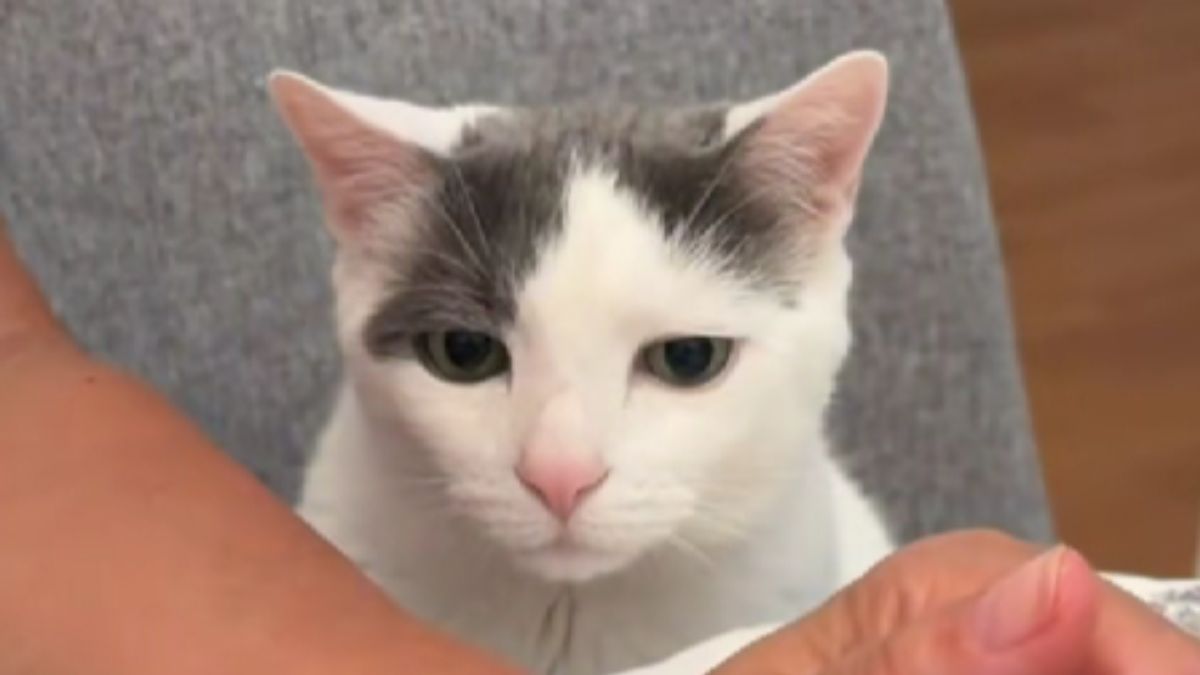
Many pet owners truly think they are giving their dogs and cats the best possible care out of pure love and dedication. Yet those same caring habits often include common practices that veterinarians see as harmful or misguided over and over again. These behaviors usually stem from longstanding myths, social media trends, or well-intentioned tips from friends and family rather than any lack of concern. Veterinarians point out that small changes in routine can make a huge difference in preventing health issues and improving overall well-being for pets.
One of the biggest mistakes involves treating pets at home without professional guidance. People reach for leftover human medications, adjust doses themselves, or follow random online suggestions when their animal seems unwell. Many drugs safe for people prove toxic to pets, such as certain pain relievers that can destroy kidneys or cause fatal damage in cats and dogs alike. Differences in metabolism mean even careful calculations rarely make it safe, so professional diagnosis always comes first.
Another frequent issue is waiting until obvious symptoms appear before scheduling a vet visit. Owners often skip routine preventive exams and only seek help when a dog limps noticeably or a cat stops eating entirely. Serious conditions like early kidney disease, heart problems, or tumors frequently show no clear signs at the start. Regular check-ups with basic exams and occasional lab work catch these issues sooner and lead to far better results.
Feeding pets scraps from the dinner table ranks high on the list of habits veterinarians want to end. A little bite here and there seems harmless and loving, but human meals pack too much salt, fat, and seasoning for animal systems to handle well. Foods including chocolate, grapes, onions, and garlic rank among proven toxins for dogs and cats. Beyond immediate risks, this habit encourages obesity, persistent begging, and unbalanced nutrition over time.
Dental care gets overlooked far too often despite being essential for long-term health. Plaque and tartar buildup leads to painful gum disease, tooth loss, and bacteria that travel through the body to affect organs like the heart and kidneys. What many call normal bad breath usually signals an underlying problem needing attention. Regular brushing with pet-safe products or professional cleanings prevents these complications effectively.
Bathing pets too frequently or with the wrong products disrupts their skin’s natural defenses. Human shampoos have a pH that irritates animal skin and can trigger itching, dryness, or infections. Veterinarians advise sticking to baths only when truly necessary and always choosing formulas made specifically for dogs or cats. This simple switch preserves the protective barrier and keeps skin healthier overall.
Viewing a slightly overweight pet as cute or normal creates ongoing problems. Extra pounds contribute to diabetes, joint strain, heart disease, and a shorter life expectancy in both dogs and cats. What looks like a happy chubby companion often hides discomfort and future medical needs. Maintaining a healthy weight through proper portions and activity supports a more active and comfortable life.
Mental stimulation deserves as much focus as physical exercise for dogs and cats. Short walks and basic toys fall short when boredom sets in, leading to anxiety, destructive habits, or behavioral changes. Providing puzzle feeders, interactive play, or new experiences keeps their minds engaged and promotes emotional balance. Veterinarians increasingly emphasize that mental health ties directly to physical wellness in pets.
Turning to social media for every health or care decision replaces expert advice with unverified trends. Viral remedies, detox plans, or homemade diets sometimes cause real harm without scientific support. Professional veterinarians rely on clinical experience and tailored plans for each individual animal. Consulting reliable sources and skipping internet fads protects pets from unnecessary risks.
Delaying spaying or neutering based on feelings rather than facts misses important benefits. These procedures lower chances of certain cancers, infections, and hormone-driven behaviors when timed appropriately. Decisions work best when guided by veterinary assessments instead of outdated concerns. Open discussions with a vet help owners choose what suits their pet’s specific needs.
Pets cannot tell us when something hurts, so they hide pain as a survival instinct. Subtle shifts in behavior, appetite, energy, or routine often serve as the only clues something is wrong. Paying close attention to these quiet signals allows for quicker intervention and better outcomes. What do you think about these common habits, and have any of them surprised you with your own pets? Share your thoughts in the comments.




