Few things derail the end of a trip quite as effectively as standing at the baggage carousel and watching it go around and around until it is empty and your bag is nowhere in sight. The process of filing a missing luggage report, waiting for updates, and hoping your belongings eventually materialize at your hotel can turn even a pleasant journey into a frustrating ordeal. Most frequent travelers simply accept this as an occasional risk of flying. What very few of them know is that one airport in the world has managed to eliminate that risk entirely, at least according to all available records: Kansai International Airport in Osaka, Japan.
Since opening in 1994, Kansai International has not recorded a single incident of lost luggage in over three decades of operation, according to Japan News. That record earned the airport the top prize in the baggage delivery category at the 2024 World Airport Awards, an international recognition program organized by the British air travel quality assessment agency Skytrax. The achievement is all the more remarkable when you consider the scale of what the airport handles. During peak periods, staff process up to 30,000 pieces of checked luggage per day, running a system that manages sorting, transport, and tracking across a facility built on an artificial island in Osaka Bay.
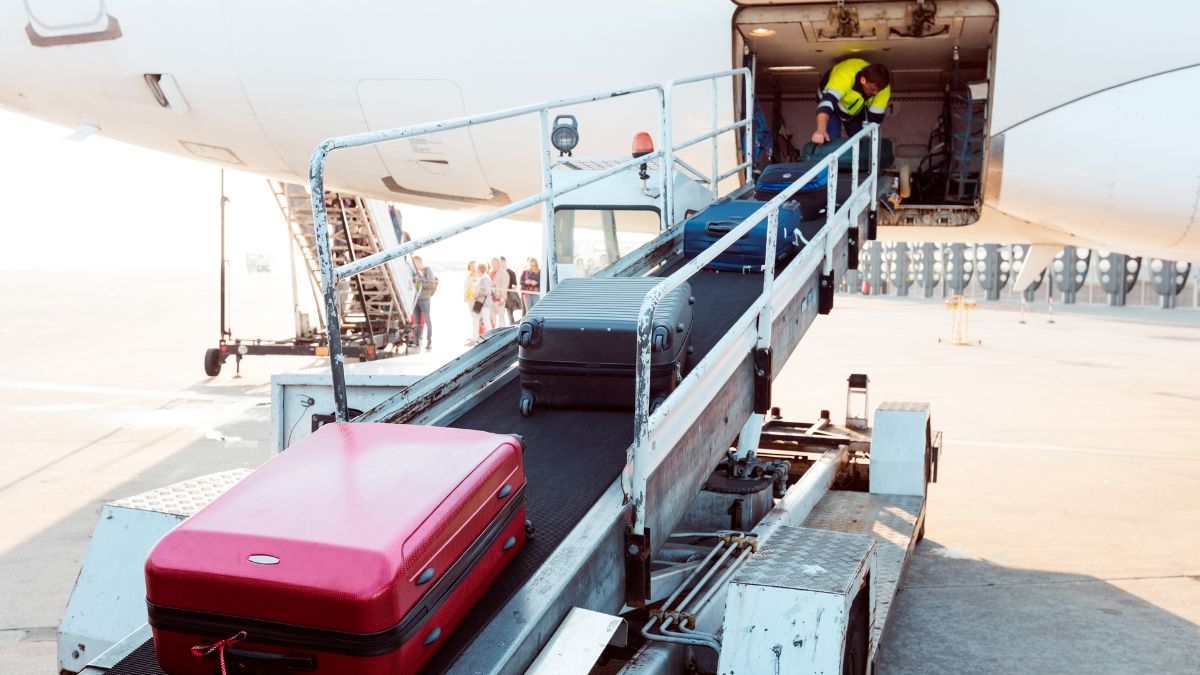
The mechanics of how Kansai achieves this are a combination of advanced technology and unusually precise human attention. Bags are sorted by destination, transported along conveyor belts, and monitored throughout the process using sensors. Staff conduct regular walkthroughs of the baggage area to check whether any piece has fallen or become stuck somewhere along the route. One detail in particular stands out as emblematic of the airport’s approach: after bags are unloaded from aircraft, ground crew manually straighten the handles of each suitcase and position them carefully on the conveyor belt before the automated system takes over. This small extra step reduces the likelihood of bags toppling, catching, or jamming, and it is the kind of human precision that no automated system alone would replicate.
The contrast with American airports makes the Japanese record feel even more striking. California-based research firm Arka analyzed global airports for their baggage handling performance and found that the worst results are concentrated in the United States. Miami International Airport topped the list of problematic airports, handling around 52 million passengers per year while losing an estimated 306 bags per million flights, which translates to roughly 5.5 bags per 1,000 passengers. Chicago O’Hare International Airport ranked second on the problematic list, with Denver International Airport in fourth place and Dallas/Fort Worth International Airport in ninth. The pattern reflects a systemic challenge at large American hub airports, where high volumes, complex connecting itineraries, and aging infrastructure create conditions for repeated failure.
An Arka spokesperson noted the broader significance of the data: “Losing your luggage can ruin your trip, and it is clear that some airports handle this challenge better than others. It is important for travelers to know where such challenges exist so they can be prepared and take additional precautions. At the same time, airports must continue investing in improving their systems to ensure that passengers’ luggage arrives safely and on time.” The gap between the world’s best and worst performers suggests that the problem is not inherent to aviation logistics but rather a matter of institutional commitment and operational discipline.
For travelers flying through airports with less reliable track records, experts recommend a few practical steps. A luggage tracker can provide peace of mind and give you real-time information if a bag goes off route. Clearly labeling every bag with personal contact information on both the inside and outside is worth the two minutes it takes. Most importantly, valuables including travel documents, medications, electronics, and anything irreplaceable should always travel in carry-on luggage rather than checked baggage. Packing a basic change of clothes and toiletries in carry-on is also a sensible habit that makes a delayed bag far less disruptive.
Kansai International Airport was built entirely on an artificial island constructed in Osaka Bay at a cost of approximately $20 billion, making it one of the most expensive infrastructure projects in Japanese history and, at the time of its completion, the largest artificial island ever built. The airport was designed by Italian architect Renzo Piano, and its passenger terminal is famously shaped like a glider from above, stretching nearly a mile in length. Japan’s broader approach to service precision, known in Japanese culture as “omotenashi,” or wholehearted hospitality, is widely cited as the cultural foundation behind operational achievements like the Kansai baggage record, suggesting that the airport’s performance reflects something deeper than technology alone.
Have you ever had luggage lost or delayed at an airport, and did it change how you travel? Share your experience in the comments.




