
Intelligence shows up in more ways than most people realize, and many of the strongest indicators have nothing to do with test scores or academic achievement. From the way you process information to how you handle uncertainty, the signs of genuine intellectual strength are often surprisingly subtle. If several of the following traits feel familiar, you may be operating at a higher cognitive level than you think.
Self-Awareness
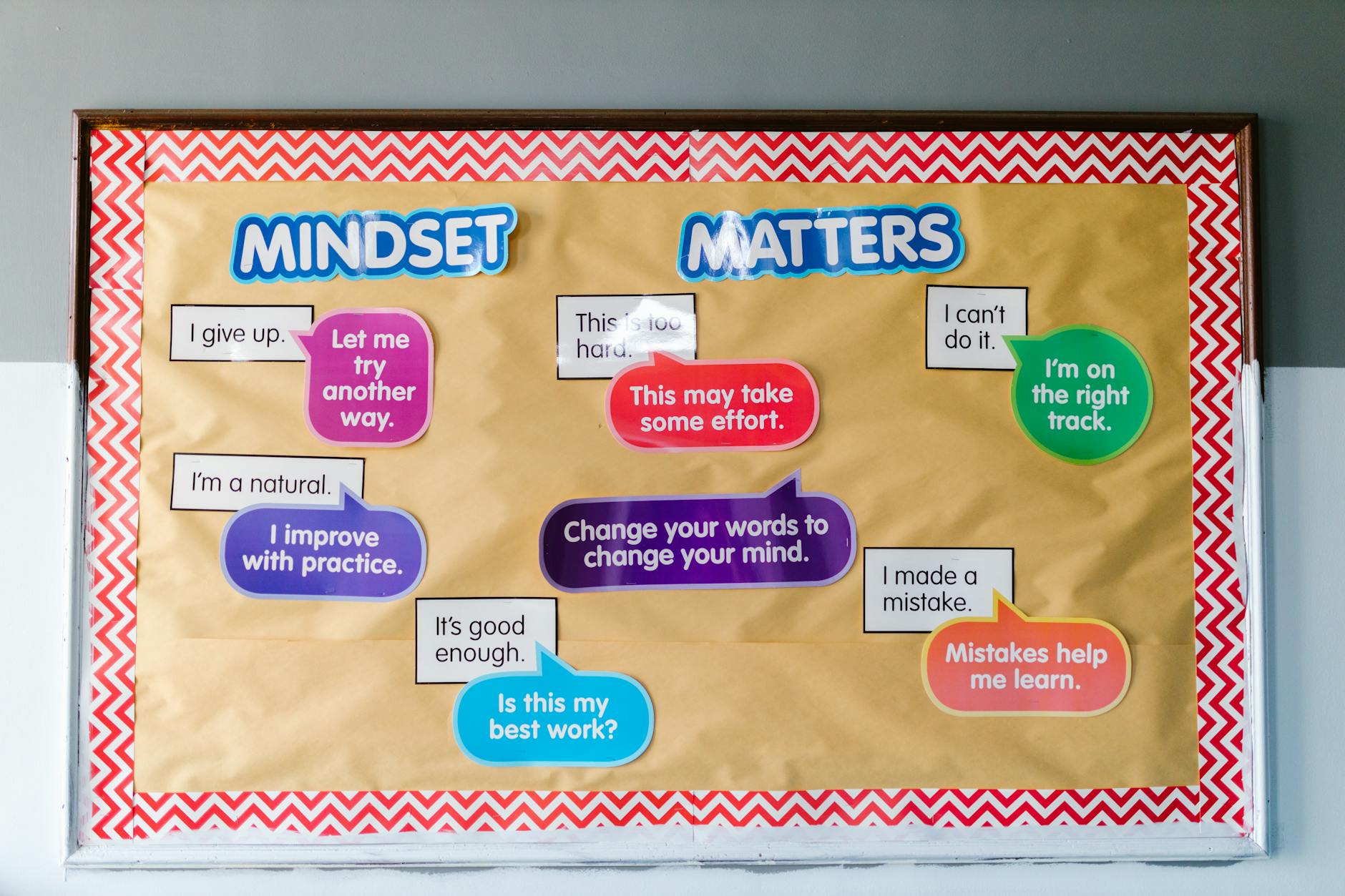
People with high intelligence tend to have a strong understanding of their own strengths, weaknesses, and behavioral patterns. They regularly reflect on their actions and motivations rather than moving through life on autopilot. This kind of metacognition is closely linked to advanced reasoning ability and emotional regulation. Research consistently identifies self-awareness as one of the clearest markers of above-average intelligence. Those who truly know themselves are better equipped to learn, adapt, and grow.
Curiosity
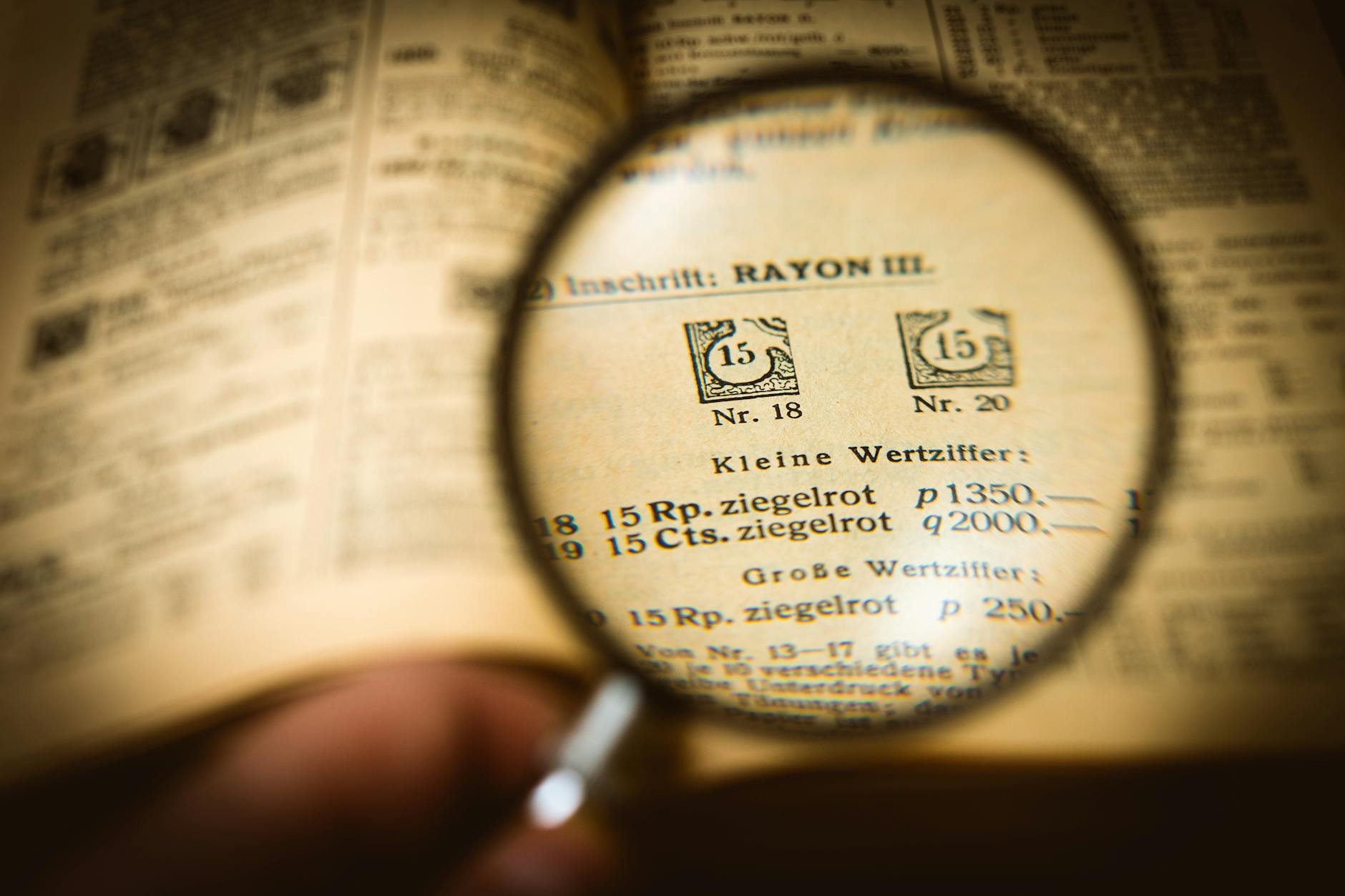
A relentless desire to understand how things work is one of the most reliable signs of a sharp mind. Highly intelligent people ask questions not because they have to but because they genuinely want to know more. This curiosity extends across multiple domains, from science and history to art and human behavior. It drives continuous learning and keeps the brain actively engaged with the world. People who are naturally curious tend to accumulate knowledge faster and retain it more effectively over time.
Adaptability

The ability to shift strategies when circumstances change is a hallmark of high cognitive function. Intelligent people do not cling rigidly to one approach when it stops working. Instead they assess new information quickly and adjust their thinking accordingly. This mental flexibility allows them to thrive in unpredictable environments where others may struggle. Adaptability reflects the brain’s capacity to form new connections and challenge existing assumptions.
Open-Mindedness

Smarter individuals are generally more willing to entertain ideas that challenge their existing worldview. They understand that their current beliefs may be incomplete or even incorrect, and they welcome evidence that prompts revision. This openness to new perspectives is a cognitive strength rather than a sign of indecisiveness. It reflects an understanding that truth is often nuanced and resistant to simple categorization. People who remain intellectually open tend to make better decisions and hold more accurate views over time.
Late Nights

A consistent preference for staying up late has been linked to higher cognitive ability in numerous studies. Night owls tend to engage in deeper thinking during the quiet hours when distractions are minimal. This natural inclination toward evenings often aligns with creative bursts and extended problem-solving sessions. The ability to sustain focus during unconventional hours reflects a brain that operates on its own productive schedule. While sleep habits vary widely, this pattern appears with notable frequency among high-intelligence individuals.
Overthinking

While it can feel like a burden, a tendency to think deeply and at length about problems is actually a sign of an active and capable mind. Highly intelligent people often analyze situations from multiple angles before arriving at conclusions. They consider consequences, possibilities, and edge cases that others might overlook entirely. This thorough mental processing leads to more careful and considered decisions in the long run. What others might call overthinking is frequently just a more comprehensive approach to problem-solving.
Empathy

The ability to understand and share the feelings of others is deeply connected to social and emotional intelligence. Highly intelligent people often demonstrate a sophisticated capacity for perspective-taking that goes beyond surface-level understanding. They pick up on subtle emotional cues, read between the lines in conversation, and respond to people with genuine consideration. This empathetic sensitivity reflects strong interpersonal cognition and an ability to model the inner world of others. People with high empathy tend to build deeper relationships and navigate social situations with greater skill.
Sarcasm
A well-developed sense of sarcasm requires the brain to process multiple layers of meaning simultaneously. Understanding and deploying irony involves recognizing the gap between what is said and what is actually meant, which is a cognitively demanding task. Studies in linguistics and psychology have found links between appreciation for sarcasm and higher-order thinking skills. People who enjoy wordplay and layered humor tend to have stronger language processing abilities. The ability to communicate on multiple levels at once is a subtle but genuine marker of intellectual agility.
Solitude

A preference for spending time alone is frequently associated with higher intelligence and a rich inner life. Smart individuals often recharge through quiet reflection rather than constant social stimulation. They are comfortable sitting with their own thoughts for extended periods and rarely feel the need to fill silence with noise. This comfort with solitude allows for deeper creative thinking and more thorough self-examination. It is not antisocial behavior but rather a sign of a mind that generates its own engaging content.
Procrastination

Counterintuitively, a tendency to delay certain tasks can be linked to high intelligence when it reflects deeper deliberation rather than laziness. Highly intelligent people sometimes hold off on starting a task because they are unconsciously processing the best possible approach. This incubation period can lead to more creative and effective outcomes than jumping in immediately. The pattern appears frequently among high achievers in creative and intellectual fields. Of course it only serves as a positive sign when it is paired with eventual focused execution.
Pattern Recognition
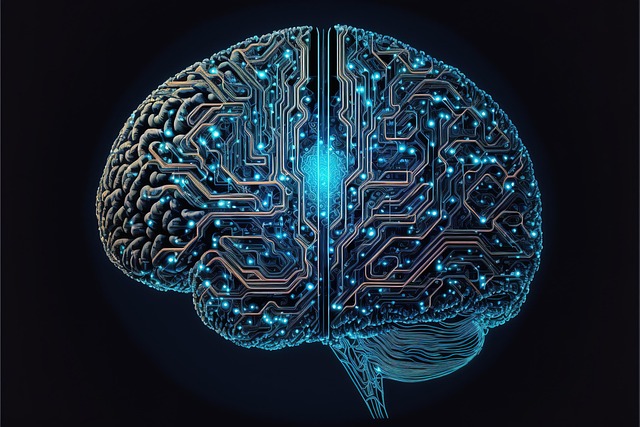
The ability to spot connections, trends, and recurring structures across different domains is a core component of high intelligence. Intelligent people notice patterns where others see only noise or randomness. This skill allows them to anticipate outcomes, solve problems faster, and draw insights from seemingly unrelated fields. Pattern recognition underlies mathematical ability, strategic thinking, and creative problem-solving alike. Those who naturally see the underlying structure of things are operating at an elevated cognitive level.
Questioning Authority
Smart individuals do not accept information simply because it comes from a position of authority. They apply critical thinking to claims regardless of their source and ask for evidence and reasoning before accepting conclusions. This healthy skepticism protects against misinformation and leads to more accurate beliefs over time. It also drives progress in science, law, and society by challenging assumptions that go unexamined. The willingness to push back respectfully and thoughtfully is a sign of genuine intellectual confidence.
Daydreaming

A frequent tendency to let the mind wander is actually associated with a highly active default mode network in the brain. This neural network is linked to imagination, future planning, self-reflection, and creative thinking. People with strong daydreaming tendencies often display greater capacity for creative problem-solving and innovative thinking. Far from being a sign of inattention, structured mind-wandering can generate some of a person’s most original ideas. Intelligent people often use this mental free time productively even when they are not consciously aware of doing so.
Swearing

Research has found that people with larger and more varied vocabularies tend to have a greater command of expressive language, including profanity. Contrary to the assumption that swearing reflects a limited vocabulary, studies suggest that fluency in taboo language often correlates with overall verbal ability. Intelligent people tend to deploy strong language deliberately and with precision for emotional or rhetorical effect. This reflects a nuanced understanding of how language functions in social and emotional contexts. It is one of the more surprising linguistic indicators of above-average intelligence.
Perfectionism

A strong drive to meet high personal standards is a common trait among intellectually capable individuals. Perfectionists are keenly aware of the gap between current outcomes and ideal outcomes, which motivates continued effort and refinement. This sensitivity to quality reflects advanced self-monitoring and a high internal bar for what constitutes acceptable work. While it can sometimes tip into counterproductive territory, in moderate forms it consistently produces stronger results. The perfectionist’s eye for detail and unwillingness to settle is closely tied to cognitive precision.
Anxiety

A degree of anxiety has been linked to higher intelligence in several psychological studies, particularly when it relates to anticipating future problems. Intelligent people can model potential negative outcomes in great detail, which can produce worry but also excellent preparation. This forward-thinking awareness is a cognitive asset even when it creates discomfort. Those who feel anxiety about complex situations are often doing more sophisticated mental modeling than those who feel nothing at all. Managing this tendency productively is one of the key challenges of a high-functioning mind.
Forgetting Small Things

Smart people often forget minor daily details precisely because their brains are prioritizing more complex processing. Misplacing keys or forgetting a routine appointment is sometimes a sign that the mind is occupied with larger, more demanding cognitive tasks. The brain naturally allocates attention to what it considers most important, and for highly intelligent individuals that threshold is set higher. This selective inattention to trivial detail is well documented among highly creative and intellectually active people. It is a frustrating but telling sign that the mind has bigger things to think about.
Reading Habits

A sustained love of reading across a wide range of subjects is one of the most consistent traits found among highly intelligent people. Voracious readers accumulate broad knowledge bases that allow them to draw connections across disciplines. The habit of reading also sharpens language processing, expands vocabulary, and deepens analytical thinking. Intelligent readers are often drawn to challenging material that requires active engagement rather than passive consumption. The relationship between reading and intelligence is bidirectional as each reinforces and amplifies the other.
Humor

A sharp and well-timed sense of humor requires the brain to make rapid connections between unrelated concepts and understand the expectations of an audience. Comedy relies on subverted patterns, surprising juxtapositions, and a deep understanding of social context. Psychologists have found consistent links between humor and verbal intelligence, abstract thinking, and cognitive flexibility. People who are genuinely funny tend to process information quickly and think in unconventional ways. The ability to be witty under pressure is one of the more enjoyable indicators of a quick and capable mind.
Talking to Yourself

The habit of narrating thoughts out loud or talking through problems verbally is a recognized cognitive tool used by highly intelligent people. Self-directed speech helps organize complex thoughts, identify logical gaps, and work through multi-step problems more effectively. It is a form of externalized thinking that leverages the brain’s language systems to support reasoning. Psychologists describe it as a sign of strong metacognitive awareness and active self-regulation. Far from being a quirk, it reflects a mind that actively manages its own thinking process.
Sensitivity to Noise

A heightened sensitivity to background noise or sensory disruption is associated with deeper concentration and a more active cognitive baseline. Highly intelligent people often struggle to tune out distractions because their brains are processing more of the incoming information in their environment. This sensitivity can make focus more difficult in chaotic settings but also reflects a richer engagement with sensory detail. The same attentiveness that makes noise irritating also makes intelligent people more observant and perceptive in general. It is one of those traits that comes packaged with both advantages and real-world inconveniences.
Indecisiveness

When faced with complex decisions, highly intelligent people often take longer to commit because they are genuinely weighing more variables. This apparent indecisiveness reflects thorough analysis rather than confusion or weakness. They are aware of trade-offs, long-term consequences, and the limits of available information in ways that others may not be. This careful deliberation typically leads to better outcomes even if it feels uncomfortable in the moment. The ability to sit with uncertainty while gathering more information is itself a sign of advanced cognitive maturity.
Animal Affinity

A natural affinity for animals and a tendency to treat them with empathy and consideration is associated with higher emotional intelligence and conscientiousness. Intelligent people often notice the inner lives of animals and respond to them with genuine warmth and curiosity. This capacity for cross-species empathy reflects strong perspective-taking and a broad moral awareness that extends beyond the human social circle. Studies have also found that pet ownership and positive attitudes toward animals correlate with various markers of intelligence and emotional health. It is a small but meaningful window into how a person relates to the wider living world.
Boredom

A tendency to become easily bored in unstimulating environments is a well-documented trait among highly intelligent individuals. Smart people require more cognitive input to feel engaged and quickly lose interest when challenges are absent. This chronic need for stimulation drives them toward complexity, novelty, and continuous learning. Boredom in intelligent people is often a signal that the environment is not meeting the brain’s capacity rather than a personal failing. Channeled productively, this restlessness becomes one of the greatest drivers of intellectual and creative achievement.
Overthinking the Past

A habit of mentally revisiting past events, conversations, and decisions in great detail is linked to strong reflective intelligence. Highly intelligent people use this retrospective analysis to extract lessons, identify mistakes, and improve future behavior. While it can sometimes become counterproductive, moderate rumination is associated with deeper learning and stronger self-correction. The brain that keeps returning to a problem is often still actively working on it below the surface. This tendency to review and refine understanding over time is part of what keeps a sharp mind continuously developing.
If you recognize yourself in many of these signs, share your thoughts in the comments.




