History is far stranger than most people realize, and the moments buried in its pages often read more like the plots of fantasy novels than real events. The past is filled with tales of coincidence, absurdity, and sheer human audacity that defy all reasonable expectation. From ancient empires to modern wars, the timeline of human civilization is peppered with occurrences so bizarre they seem impossible. These verified historical facts prove that reality has always had a flair for the dramatic.
Napoleon Bonaparte
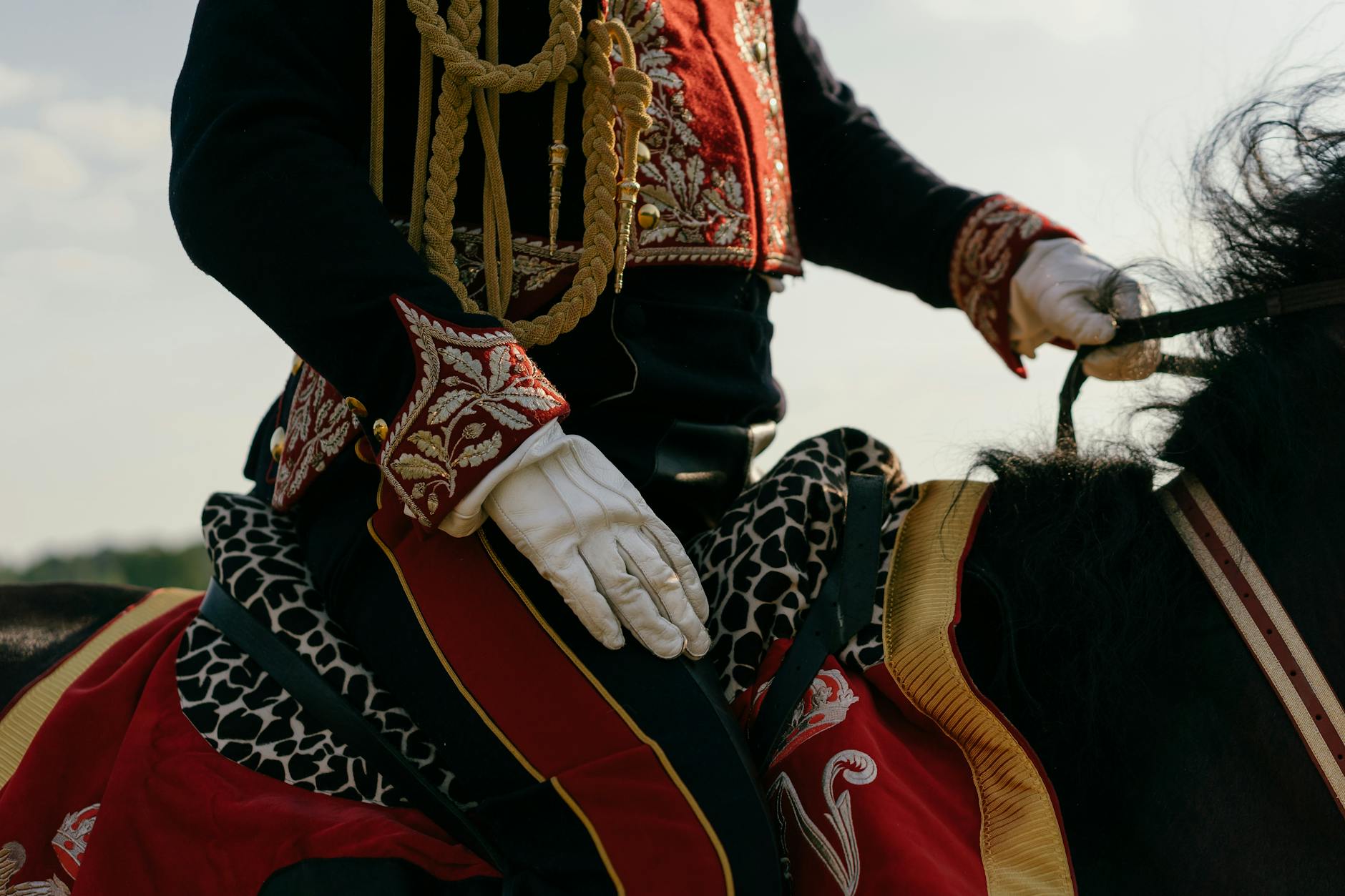
Napoleon Bonaparte stood around five feet seven inches tall, which was actually average for a man of his era. The myth of his extreme shortness was largely the result of British propaganda cartoons designed to mock and diminish him. A confusion between French and English measurement units further cemented the misunderstanding in the public imagination. He was considered a normal height among his peers and was even nicknamed “le petit caporal” as a term of affection, not a reference to his stature. The legend of the tiny tyrant is one of history’s most successful and enduring smear campaigns.
Oxford University

Oxford University is older than the Aztec Empire, a fact that stops most people cold when they first encounter it. Teaching at Oxford began around 1096 AD, and the university developed rapidly from 1167 onward. The Aztec city of Tenochtitlan was not founded until 1325, placing it centuries behind the English institution. This means that students were sitting exams in Oxford long before the great Mesoamerican civilization had even laid its first stone. It is a remarkable illustration of just how differently history unfolded across the globe simultaneously.
Cleopatra

Cleopatra lived closer in time to the Moon landing than to the construction of the Great Pyramid of Giza. The pyramids were built around 2560 BC, while Cleopatra ruled Egypt around 51 BC. The Moon landing took place in 1969, making the gap between Cleopatra and astronauts far smaller than the gap between her and the pyramid builders. She is often imagined as an ancient figure existing alongside the pyramids, yet she was separated from them by more than 2,500 years. History’s sense of scale is consistently more mind-bending than most people expect.
The Great Fire
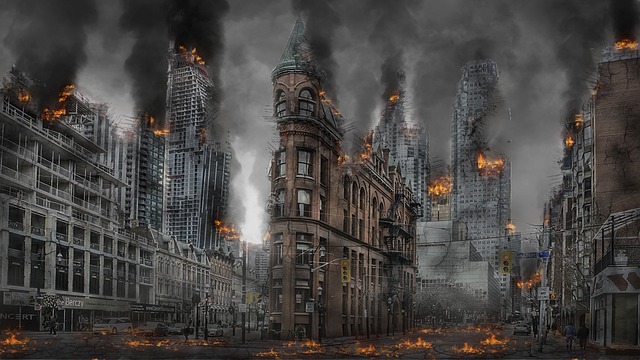
The Great Fire of London in 1666 burned for four days and destroyed over 13,000 houses and 87 churches. Despite the catastrophic scale of destruction across the medieval city, the official death toll recorded at the time was only six people. Historians still debate whether this number was accurate or a dramatic undercount given the chaos of the event. Many believe that the deaths of poorer citizens were simply not documented or recorded by authorities. The fire ultimately led to a complete reimagining of the city’s architecture and fire safety standards.
Viking Sunstone
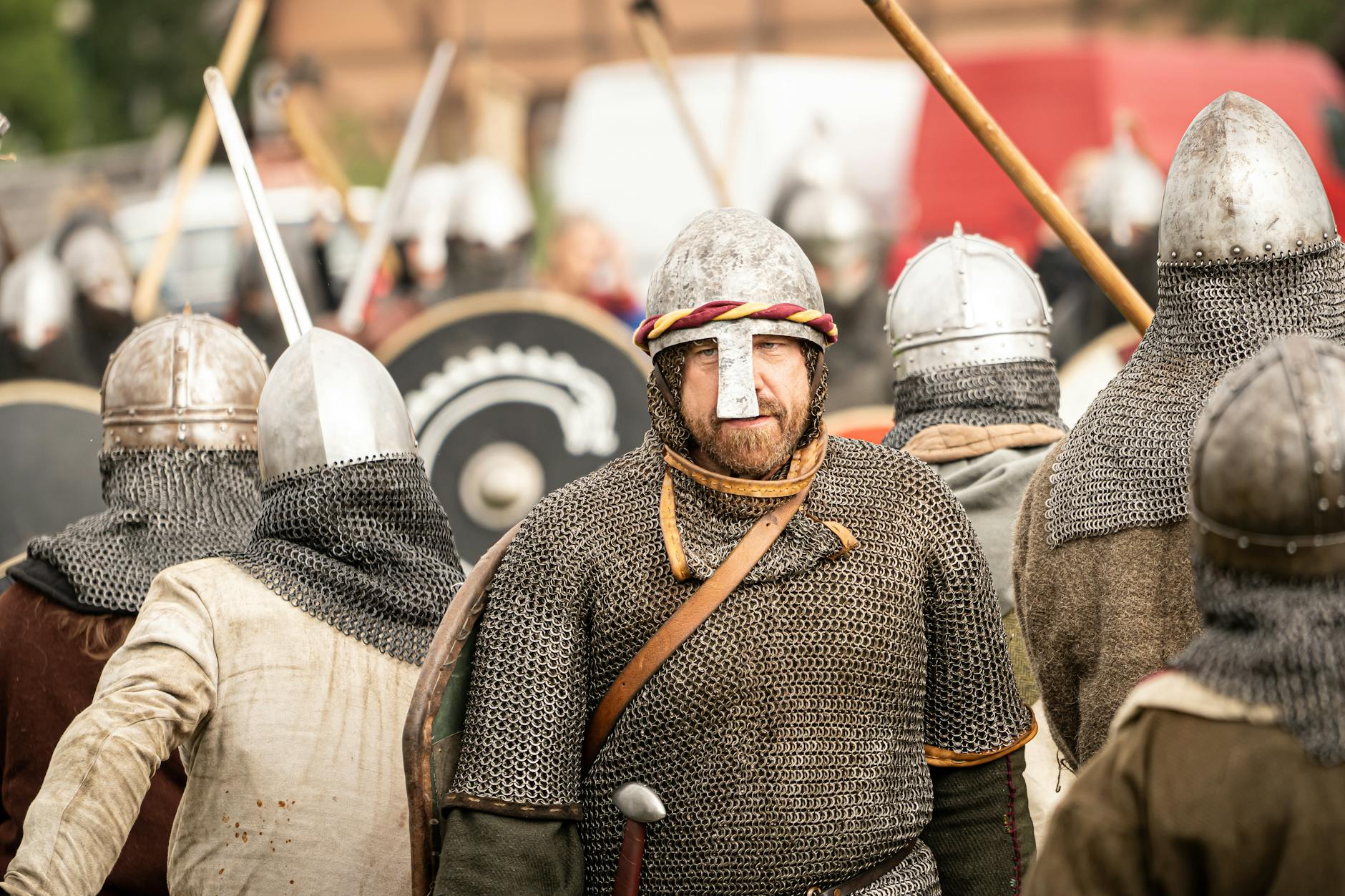
Vikings navigated the open ocean using a crystal called a sunstone long before the invention of the magnetic compass. This translucent calcite crystal allowed sailors to locate the sun even on cloudy or overcast days by analyzing polarized light. Scientists spent decades doubting this claim, considering it more legend than fact. A crystal discovered in a sixteenth-century shipwreck was later confirmed to have exactly the optical properties described in ancient Norse sagas. The find validated an entire navigational tradition that had been dismissed as mythology for centuries.
Abraham Lincoln

Abraham Lincoln was inducted into the National Wrestling Hall of Fame in 2003 after a remarkably successful career as a wrestler in his youth. Before entering politics, he was considered one of the finest wrestlers in his county and reportedly lost only one match in approximately 300 contests. His long arms and powerful frame gave him a natural physical advantage over most opponents. The future president was also known for his strength in feats like lifting and carrying extraordinarily heavy objects. Few images clash quite as strikingly as that of the statesman philosopher and the frontier grappler.
The Dancing Plague

In 1518 in Strasbourg, a woman named Frau Troffea began dancing uncontrollably in the street and could not stop for several days. Within a month, around 400 people had joined her in the frenzied and involuntary dancing. The afflicted danced day and night, with many dying from exhaustion, heart attacks, and strokes. Physicians of the time prescribed more dancing as a cure, believing the condition needed to run its course. The Dancing Plague of 1518 remains one of the most baffling and well-documented episodes of mass hysteria in recorded history.
The Roman Concrete

Ancient Roman concrete has proven more durable than modern concrete and is still confounding engineers and scientists today. The Romans mixed seawater, volcanic ash, and lime to create a material that actually strengthens over time as it interacts with seawater. Structures like the Pantheon and numerous harbor walls built by the Romans are still standing after two thousand years. Modern concrete, by contrast, begins to degrade within decades under similar environmental conditions. Researchers have only recently begun to understand the chemical processes responsible for this extraordinary longevity.
Woolly Mammoths
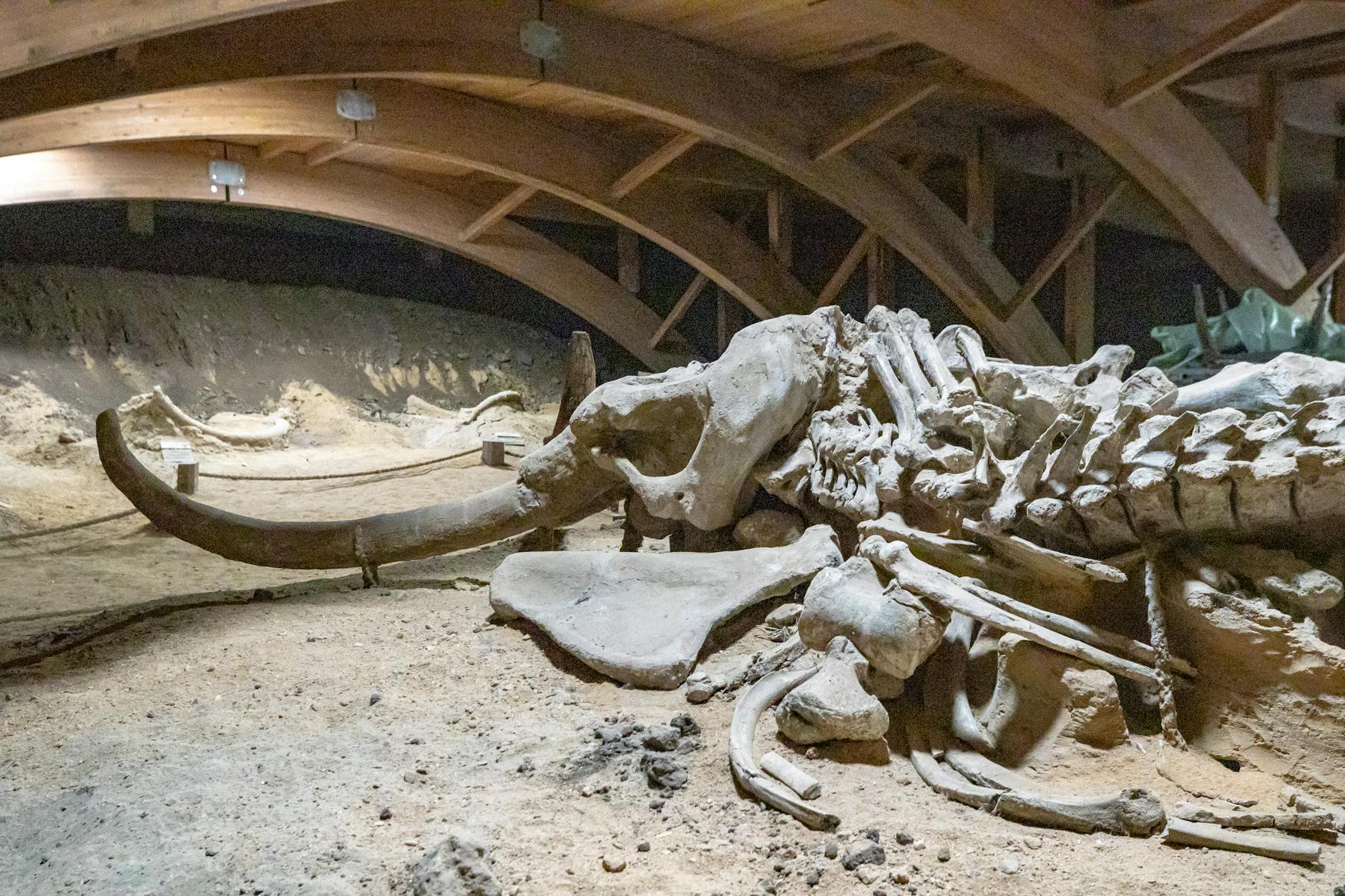
Woolly mammoths were still alive on a remote Arctic island when the ancient Egyptians were already building the pyramids. A small isolated population survived on Wrangel Island until approximately 1650 BC. By that point, Egyptians had been constructing monumental stone architecture for almost a thousand years. The creatures most people associate with the Ice Age were therefore contemporaries of one of the world’s most sophisticated ancient civilizations. This overlap in timelines is a stunning reminder of how recently megafauna disappeared from the Earth.
Nikola Tesla

Nikola Tesla once claimed to have received a signal from outer space while working at his Colorado Springs laboratory in 1899. He believed he had intercepted a transmission from Mars or another intelligent civilization beyond Earth. Scientists later suggested the signals were likely interference from Jupiter or another astronomical source. Despite the rational explanation, Tesla never abandoned his belief that he had made first contact with an extraterrestrial intelligence. The incident speaks both to his extraordinary sensitivity as an inventor and his willingness to entertain theories far beyond the mainstream.
The Eiffel Tower

The Eiffel Tower grows taller in summer and shrinks in winter due to the thermal expansion of its iron structure. The tower can grow by up to six inches on the hottest summer days as the metal expands in the heat. When temperatures drop in winter, the iron contracts and the tower returns to its original height. Gustave Eiffel was well aware of this phenomenon and factored thermal expansion into his engineering calculations. The tower is a living structure in a literal physical sense, responding to its environment across every season.
Benjamin Franklin

Benjamin Franklin was once proposed as the inspiration for the turkey to become the United States’ national bird rather than the bald eagle. Franklin wrote in a letter to his daughter that the bald eagle had bad moral character and that the turkey was a more respectable bird. He called the bald eagle a bird of bad moral character that depended on more industrious birds for its food. The letter was written satirically and was never an official proposal, but the story has taken on a life of its own in American popular history. Franklin’s wit and eccentricity made him one of the founding era’s most colorful and quotable figures.
The Hundred Years War
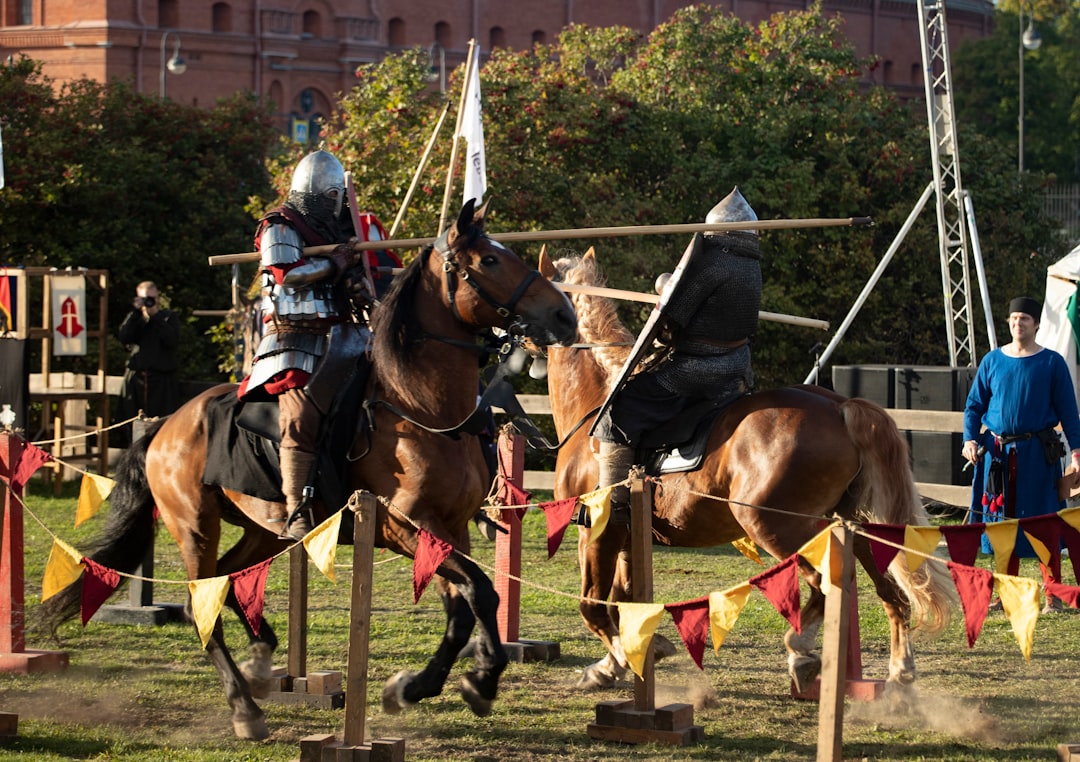
The Hundred Years War between England and France did not actually last one hundred years. It was a series of conflicts fought on and off between 1337 and 1453, spanning a total of 116 years. The name was not used during the conflict itself and was only coined by historians in the nineteenth century looking back at the period. The war involved multiple truces, shifting alliances, and entirely different generations of soldiers on both sides. It is less a single war and more a long pattern of recurring hostility given a tidy retrospective label.
Ancient Egyptians
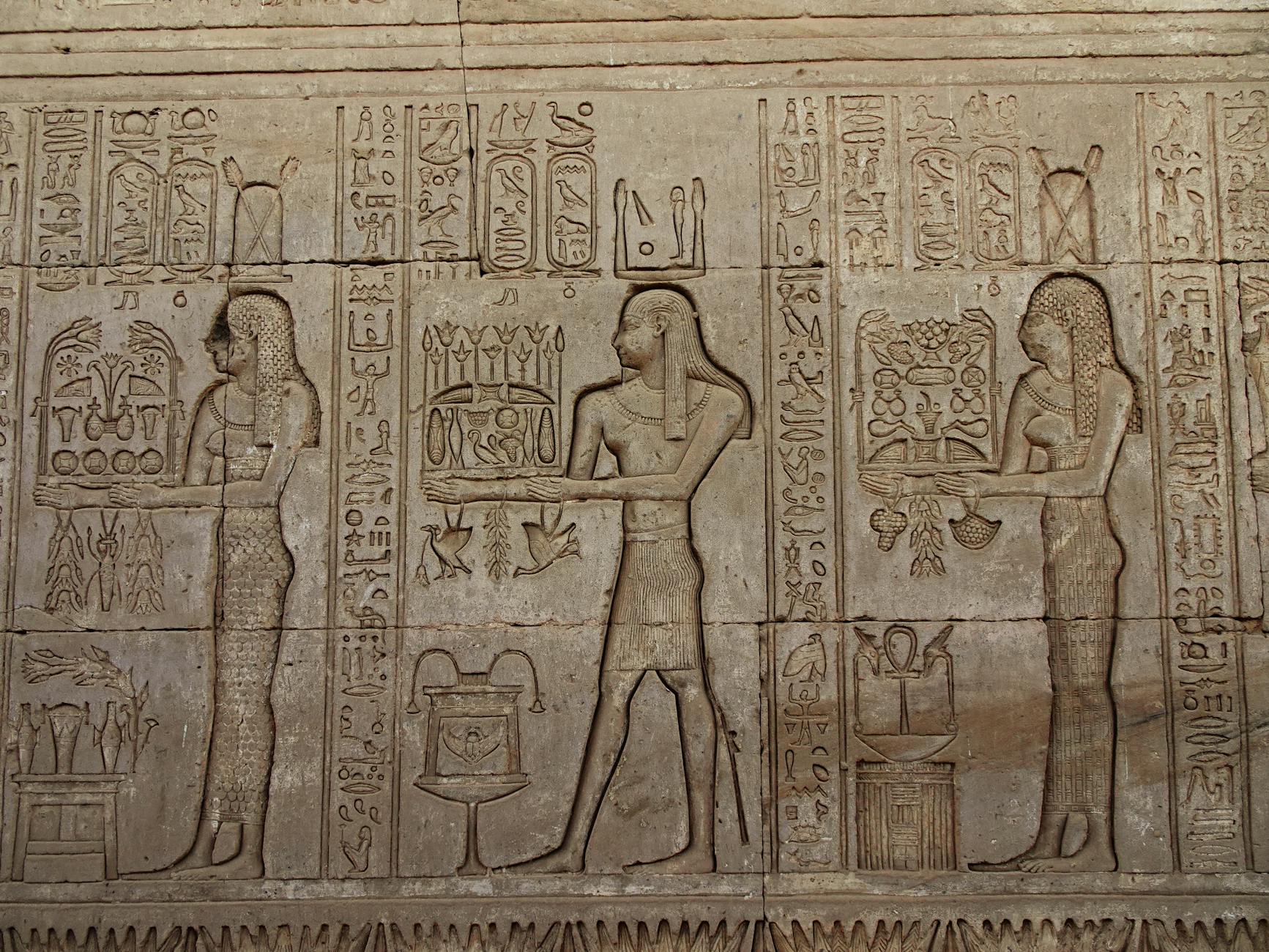
Ancient Egyptians used moldy bread as an early form of antibiotic treatment for infected wounds. They would press the bread directly onto wounds, and the mold appears to have had genuine medicinal properties in many cases. This practice was recorded in ancient medical texts and was not simply superstition. Modern science has confirmed that certain molds produce antibiotic compounds, the most famous of which was isolated by Alexander Fleming thousands of years later. The Egyptians stumbled upon a genuinely effective treatment through observation rather than formal scientific understanding.
The Great Wall

The Great Wall of China is not actually visible from space with the naked eye, despite being one of history’s most repeated claims. Astronauts including Chinese astronaut Yang Liwei have confirmed they could not see the wall during their orbits. The wall is simply too narrow relative to its length to be distinguishable from that altitude without optical aids. The myth became so widely believed that it appeared in encyclopedias and school textbooks for decades. It is one of the most stubborn geographic misconceptions in modern popular culture.
Vending Machines

Vending machines were invented in ancient Egypt and used to dispense holy water in exchange for a coin. The Greek mathematician Hero of Alexandria designed a machine in the first century AD that accepted a coin and released a measured amount of water. The coin would fall onto a pan attached to a lever and tip it, opening a valve that released the liquid. When the coin slid off, the lever would return and the flow would stop. This device predates the modern vending machine concept by nearly two thousand years.
Pope Gregory IX
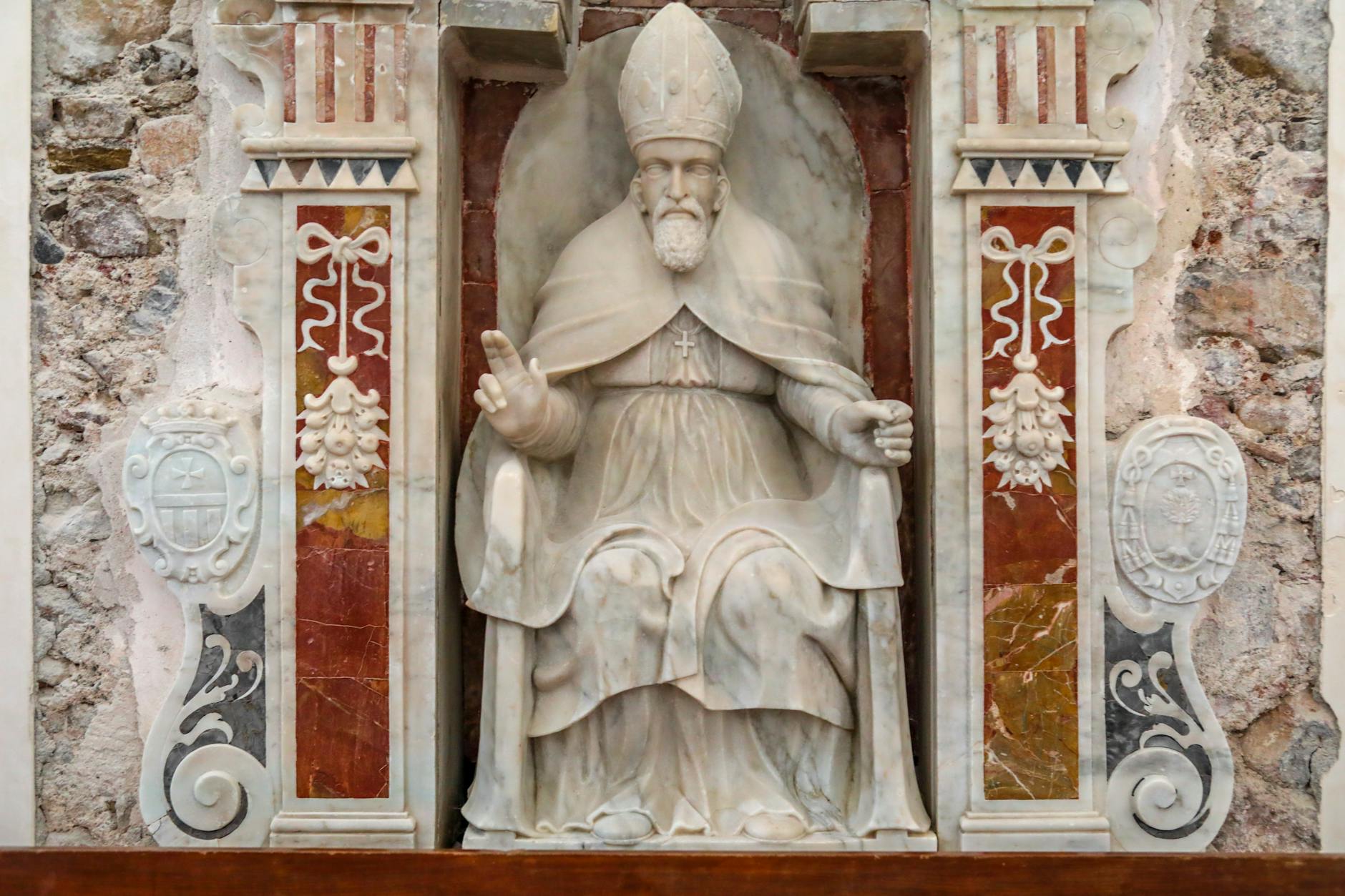
Pope Gregory IX issued a papal decree in the thirteenth century declaring that cats were diabolical and linked to devil worship. The decree led to mass killings of cats across Europe, particularly black cats, which were seen as the most suspect. Historians believe this drastic reduction in the cat population may have contributed to the explosion of the rat population that helped spread the Black Death. The plague that later devastated Europe killing tens of millions of people may have been indirectly worsened by a religious edict against felines. It is one of the most consequential acts of misguided superstition in recorded history.
The Black Death

The Black Death killed so many people across Europe that it may have actually improved the standard of living for survivors. With a dramatically reduced population, surviving peasants and laborers suddenly had more bargaining power over wages and working conditions. Land became more available and food supplies stretched further among fewer people. This unintended economic shift accelerated the decline of the feudal system and contributed to the eventual rise of the middle class. The plague was an unimaginable catastrophe that paradoxically planted seeds of social transformation.
Hannibal Barca

Hannibal Barca crossed the Alps with war elephants in one of antiquity’s most audacious military maneuvers. He led an army of around 40,000 soldiers and 37 war elephants across a mountain range most commanders would have considered impassable. The crossing took approximately two weeks and resulted in catastrophic losses from cold, exhaustion, and difficult terrain. Despite this, Hannibal descended into Italy and proceeded to inflict a series of devastating defeats on the Roman army. He remains one of the most tactically gifted commanders in the history of warfare.
Greek Fire

Byzantine soldiers used a mysterious incendiary weapon called Greek Fire that burned on water and could not be extinguished by conventional means. The weapon was deployed from ships through bronze tubes in a manner resembling a flamethrower. Enemies who attempted to douse the flames with water found that it only intensified the burning. The precise chemical formula was kept such a closely guarded secret that it has been lost entirely to history. Modern chemists and historians have proposed numerous theories about its composition but have never conclusively reproduced it.
Marie Curie

Marie Curie’s notebooks from the late 1800s and early 1900s are still radioactive and are stored in lead-lined boxes in Paris. Anyone who wishes to view them must sign a liability waiver acknowledging the health risks involved. The notebooks will remain dangerously radioactive for approximately 1,500 more years based on the half-life of the elements they contain. Curie handled radioactive materials directly throughout her career at a time when the dangers were completely unknown. Her personal belongings including her furniture and cookbooks are also too radioactive to be handled safely.
The Shortest War

The shortest war in recorded history lasted between 38 and 45 minutes. The Anglo-Zanzibar War was fought on August 27 1896 between the British Empire and the Sultanate of Zanzibar. After the pro-British sultan died and was replaced by a ruler unfriendly to British interests, the Royal Navy issued an ultimatum. When negotiations failed, British warships opened fire on the sultan’s palace and the conflict was over in under an hour. Zanzibar surrendered and even had to pay Britain for the cost of the shells used to shell the palace.
Albert Einstein
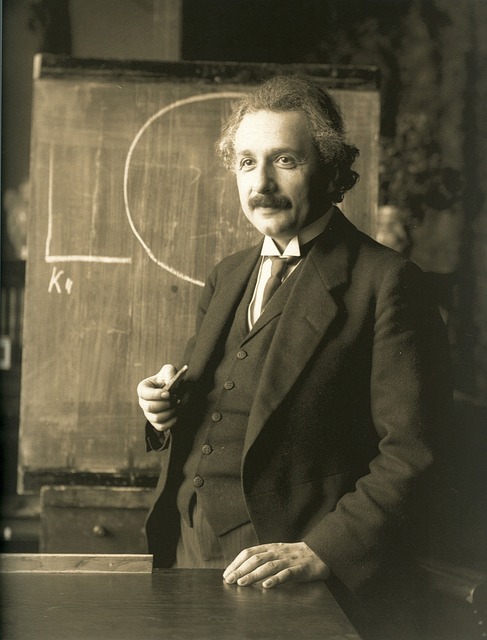
Albert Einstein was offered the presidency of Israel in 1952 following the death of the country’s first president Chaim Weizmann. Einstein politely declined the offer, saying he lacked the natural aptitude and experience required for dealing with people in an official capacity. He acknowledged the honor deeply but felt that at his age and with his temperament he was not suited to the demands of political leadership. The offer was entirely genuine and was extended by Prime Minister David Ben-Gurion with the full backing of the Israeli government. History came remarkably close to having one of its greatest scientists as a head of state.
Ancient Rome
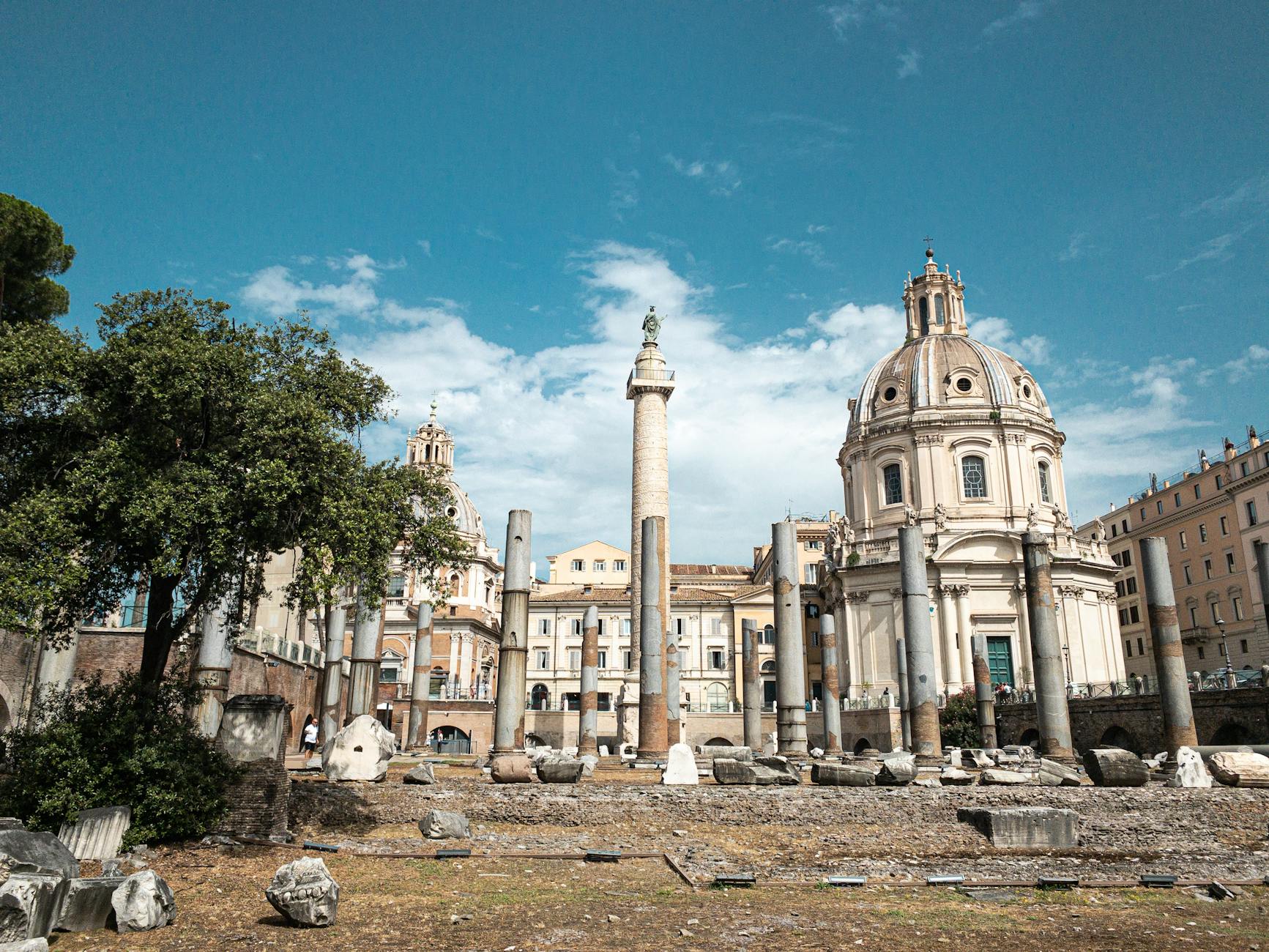
Ancient Romans used crushed mouse brains as toothpaste in their oral hygiene routines. They also experimented with mixtures including powdered hooves, charcoal, bark, and oyster shells as dental cleaning agents. Some Roman tooth-cleaning preparations were actually effective due to their mildly abrasive properties. The Romans were also known to use urine as a mouthwash because of its ammonia content which they believed whitened teeth. Urine was such a common cleaning agent in Rome that the government imposed a tax on its collection and trade.
The Phaistos Disc
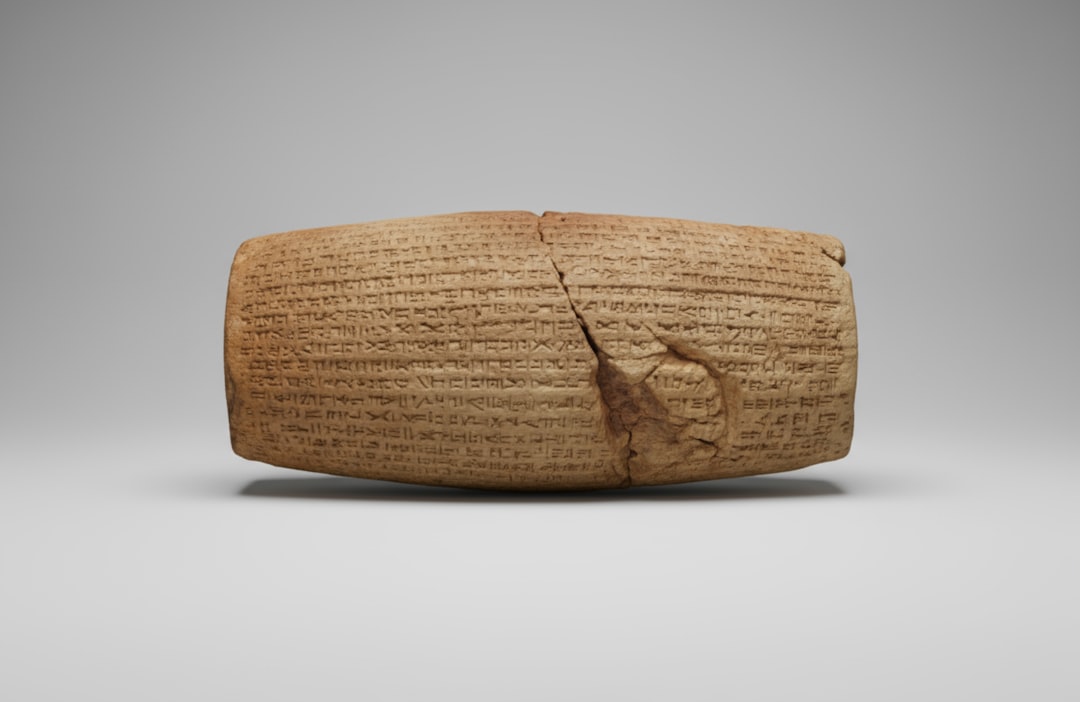
The Phaistos Disc is a circular clay tablet covered in mysterious stamped symbols discovered in Crete in 1908 and dated to around 1700 BC. Despite over a century of serious academic effort it remains completely undeciphered. The symbols appear to be a form of writing stamped into wet clay using individual seals pressed in sequence. No other example of the same writing system has ever been found anywhere in the world. The disc is either one of the most significant undeciphered texts in history or possibly an elaborate ancient forgery.
Isaac Newton

Isaac Newton spent more of his life studying alchemy and biblical prophecy than he ever spent on mathematics or physics. He wrote over a million words on alchemy and believed he was uniquely positioned to decode the hidden secrets of the universe from ancient religious texts. He calculated specific dates for the end of the world based on his interpretation of scripture. The figure celebrated as the father of modern science was simultaneously one of the most dedicated occult researchers of his era. His private papers were largely suppressed after his death and only became available to scholars in the twentieth century.
The Library of Alexandria

The Library of Alexandria was not destroyed in a single dramatic fire but declined gradually over several centuries through a series of different events. Julius Caesar accidentally burned part of it during a battle in 48 BC. Mark Antony later gifted Cleopatra a rival library’s 200,000 scrolls as partial compensation. The library suffered further damage during various political upheavals and eventually faded through neglect and reduced funding. The romantic story of one catastrophic burning is far more compelling than the mundane reality of institutional slow decline.
The Trojan War
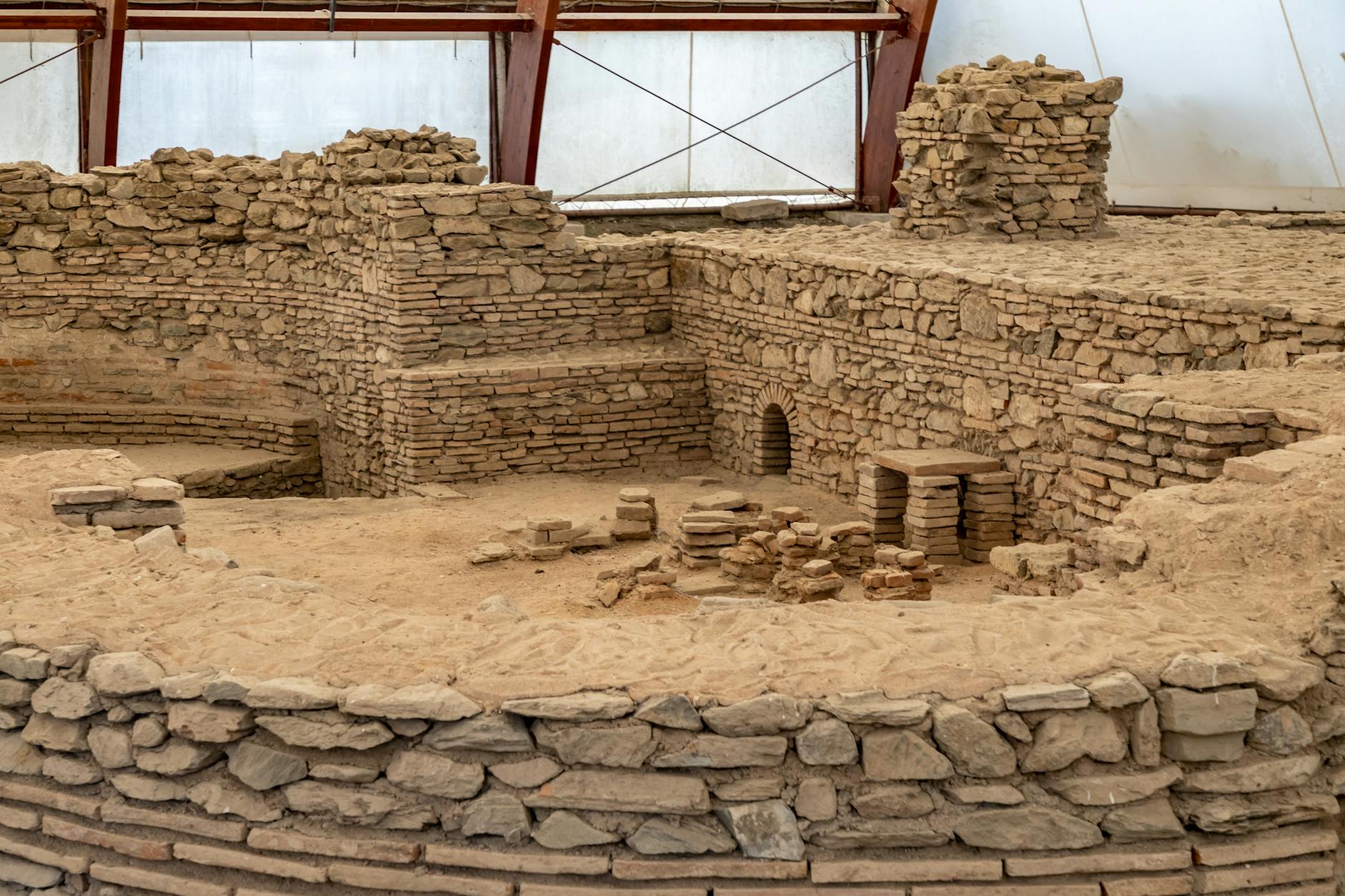
The Trojan War was long considered pure mythology until archaeologist Heinrich Schliemann excavated a site in modern Turkey in the 1870s and found evidence of a real ancient city. He found not one but nine successive layers of civilization at the site now known as Hissarlik. The layer corresponding roughly to the timeframe of the Trojan War showed evidence of significant destruction and burning. Schliemann famously and controversially identified one layer’s treasures as those of the legendary King Priam. Whether Homer’s epic was based on actual events remains debated but the existence of Troy as a real place is no longer in serious question.
Napoleon’s Chickens

Napoleon Bonaparte was reportedly terrified of chickens and suffered from alektorophobia according to historical accounts. He was one of the most militarily dominant figures in European history yet allegedly became distressed and agitated around common barnyard fowl. The contradiction between his formidable battlefield composure and this particular phobia has fascinated historians and biographers for generations. Several anecdotes from members of his household describe his discomfort when chickens were present in his vicinity. It is a reminder that even the most powerful historical figures were subject to entirely ordinary human vulnerabilities.
The Pony Express

The Pony Express operated for only 18 months before being rendered obsolete by the completion of the transcontinental telegraph line. Despite its remarkably short operational life it became one of the most iconic symbols of the American frontier. The service ran approximately 2,000 miles from Missouri to California using a relay system of riders and fresh horses stationed every ten to fifteen miles. A letter could travel from one coast to the other in approximately ten days at a time when the same journey by stagecoach took weeks. Its legend far outgrew its actual commercial impact.
Genghis Khan
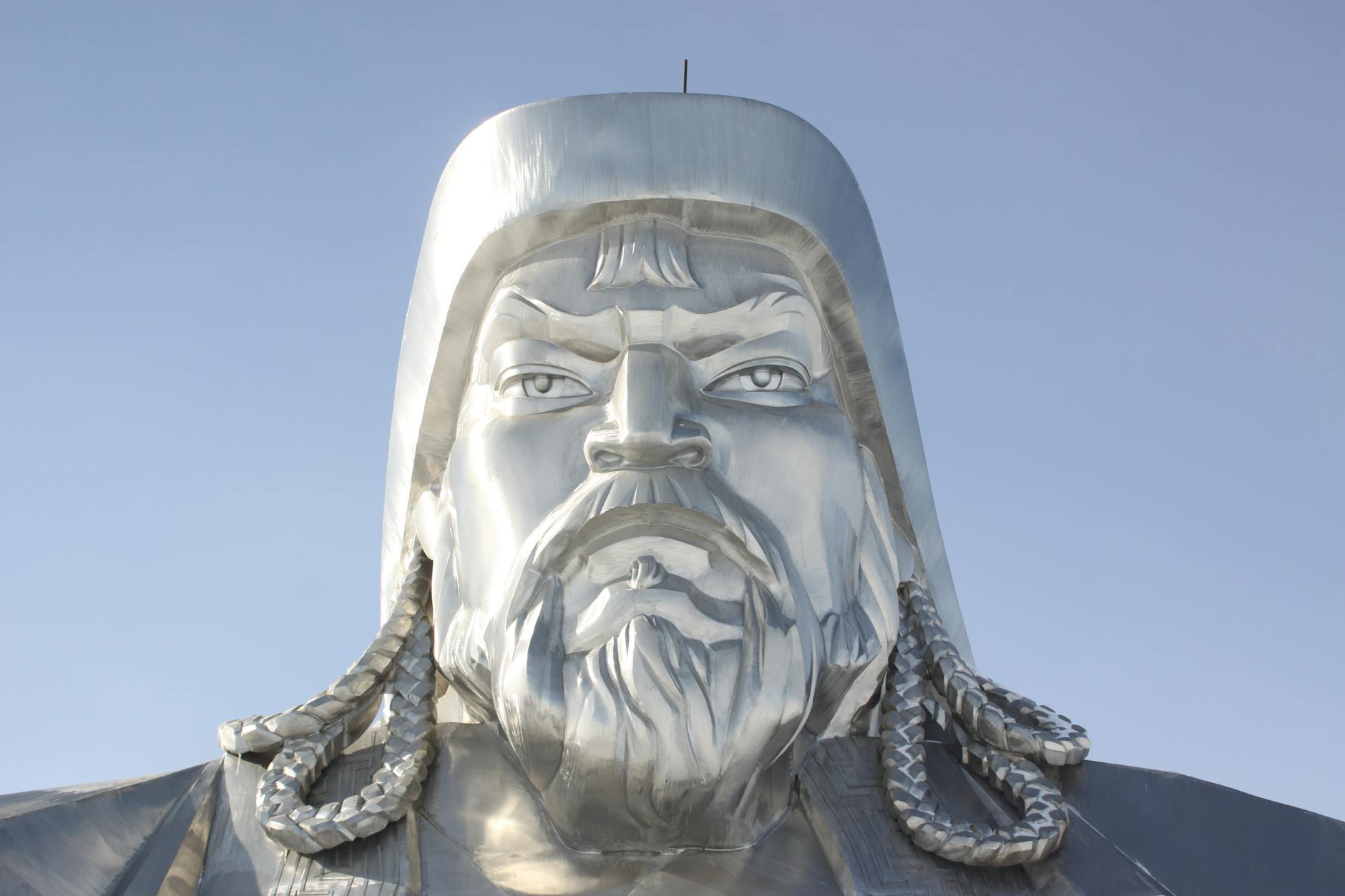
Genghis Khan is believed to be a direct ancestor of approximately 16 million men alive today, making him one of the most genetically influential individuals in human history. His empire stretched across the largest contiguous land mass ever governed by a single ruler. The sheer scale of Mongol territorial conquest brought with it widespread impact on populations across Asia and Eastern Europe. Genetic studies have traced a particular Y-chromosome lineage back to a single ancestor living approximately a thousand years ago in the region of Mongolia. The biological legacy of his reign is written into the DNA of populations across a vast stretch of the world.
The Samurai

The last known samurai to formally surrender and accept the end of the feudal era in Japan did so in 1935. Hiroo Onoda was a Japanese soldier who continued fighting in the Philippine jungle until 1974 because no one had informed him the war had ended. However the actual last samurai of the traditional era lived well into the twentieth century as living links to an ancient warrior culture. The samurai class was officially abolished in 1871 but many of its members lived for decades afterward. The gap between the mythologized era and the modern world was far narrower than popular culture suggests.
The US Patent Office

A chief examiner at the US Patent Office allegedly submitted his resignation in 1899 with the reasoning that everything that could be invented had already been invented. The story has been repeated countless times as a famous example of failed foresight. Historians have never been able to verify the original source of this quotation and it may be entirely apocryphal. Nevertheless it circulated widely enough that it became part of the popular narrative about technological hubris at the turn of the century. Whether true or invented it captures a real and recurring human tendency to mistake the present moment for the end of all progress.
The Antikythera Mechanism
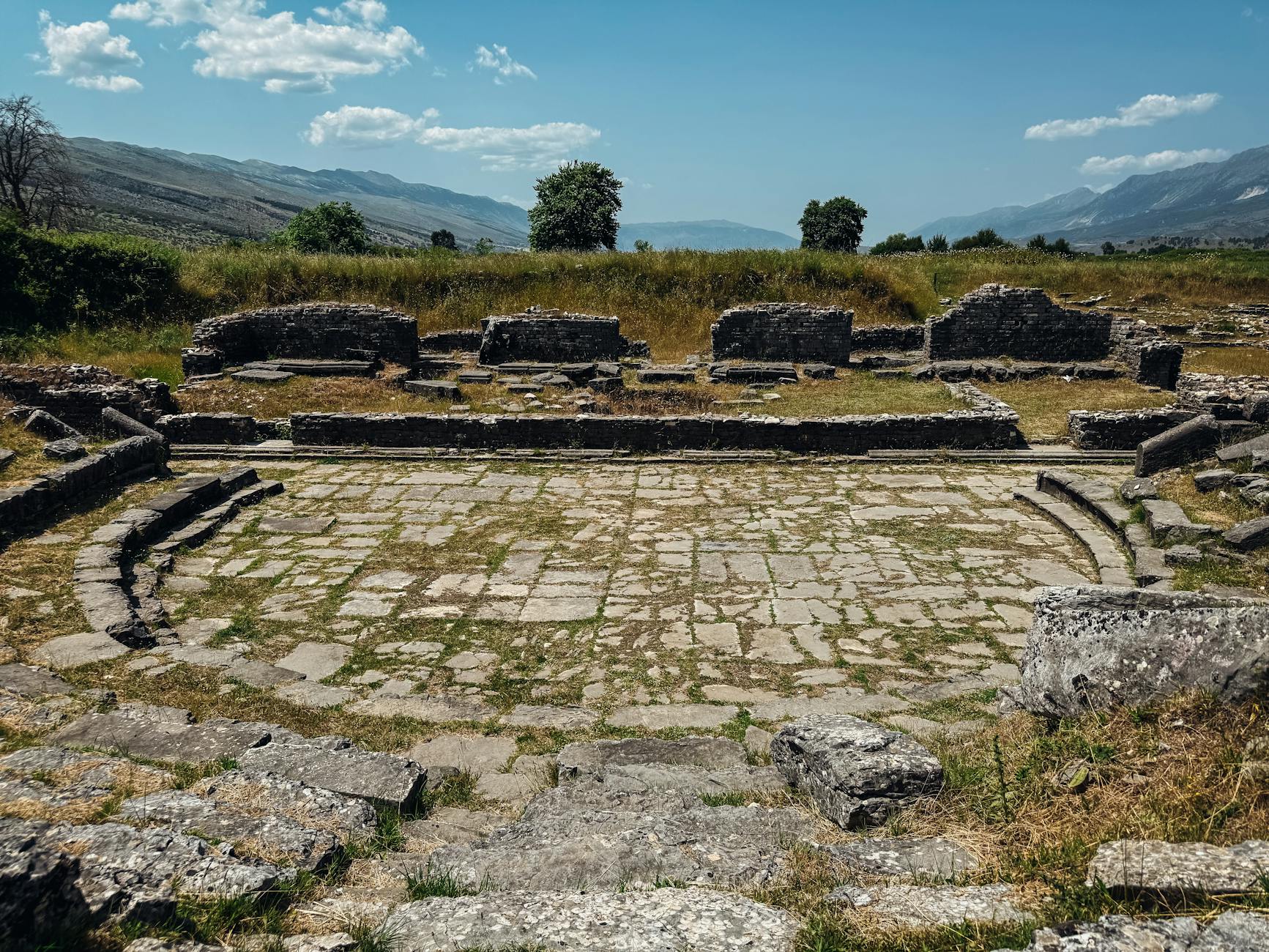
The Antikythera Mechanism is an ancient Greek analog computer built approximately 2,000 years ago and capable of predicting astronomical events with remarkable accuracy. It was discovered inside a shipwreck off the Greek island of Antikythera in 1901 and baffled scientists for decades. The device contains at least 30 interlocking bronze gears and could calculate the positions of the sun and moon and predict eclipses. Nothing of comparable mechanical complexity appears again in the historical record for over a thousand years. It suggests that ancient Greek technological achievement may have reached heights that were subsequently lost entirely.
The First Computer Bug

The first actual bug ever found in a computer was a real moth discovered trapped in the circuitry of a Harvard Mark II computer in 1947. Technician Grace Hopper taped the moth into the computer’s logbook alongside the notation that they had found an actual bug in the system. The logbook page still exists and is held at the Smithsonian Institution as one of computing history’s most treasured artifacts. While the term “bug” to describe a technical problem had been used informally before this moment, this moth made the metaphor literal. Grace Hopper went on to become one of the most consequential pioneers in the history of computer science.
Joan of Arc
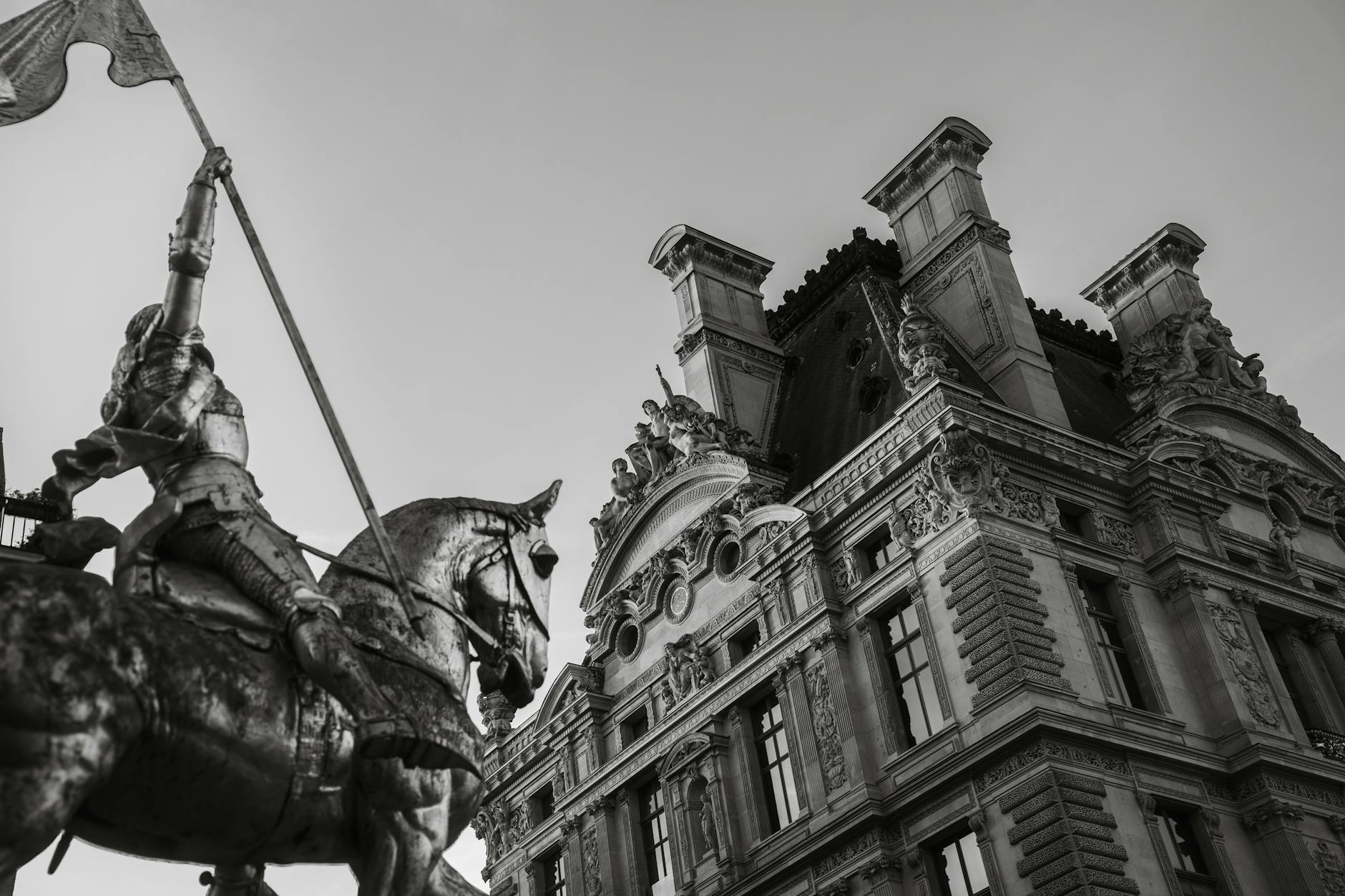
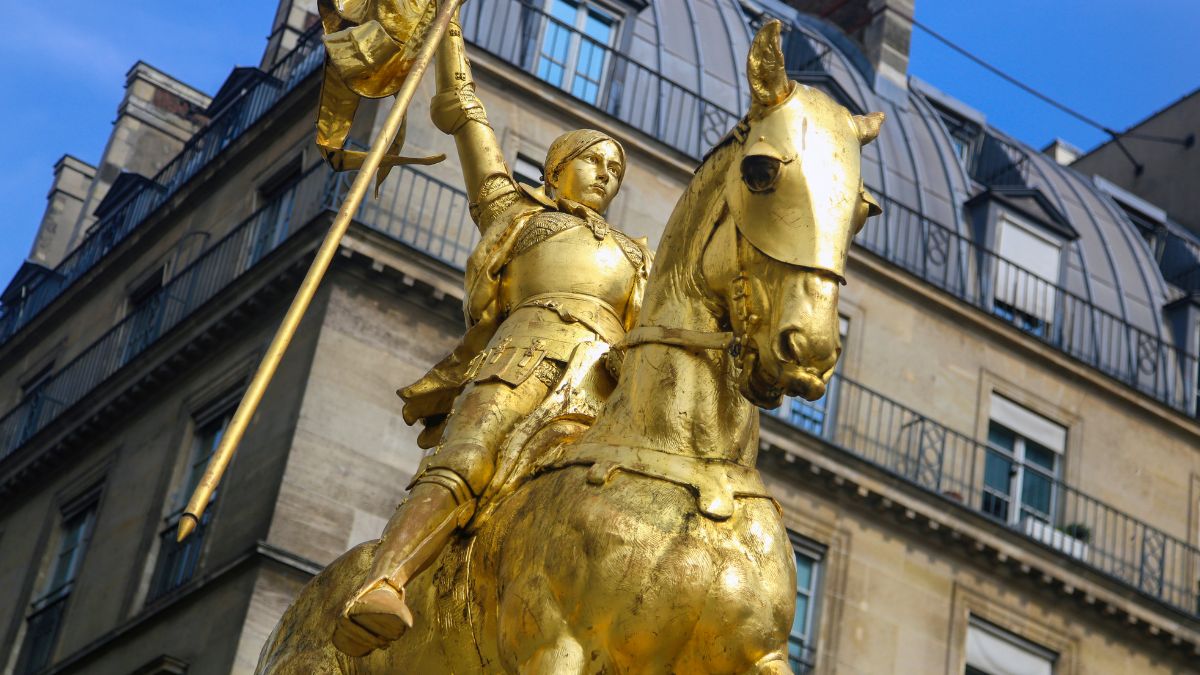
Joan of Arc was only around 17 or 18 years old when she led the French army to a decisive victory at the Siege of Orleans in 1429. She had no military training or background and presented herself to the French court on the basis of claimed divine visions. Despite enormous institutional skepticism she was granted command and proceeded to inspire a series of dramatic military successes. She was captured the following year and executed at the age of approximately 19. Within 25 years of her death a retrial formally declared her innocent and she was eventually canonized as a saint by the Catholic Church in 1920.
Which of these facts surprised you most? Share your reaction in the comments.




