Many of the objects people use without a second thought today were born from entirely unrelated experiments, accidents, or problems that had nothing to do with their eventual purpose. Scientists, engineers, and inventors stumbled upon solutions while chasing completely different goals, and the results permanently changed everyday life. From the kitchen to the medicine cabinet to the toy chest, the true backstories behind these familiar items are far more surprising than most people realize. This collection of twenty-five ordinary objects reveals how curiosity, frustration, and happy accidents shaped the modern world in ways no one could have predicted.
Post-it Notes

The adhesive behind Post-it Notes was invented in 1968 by Spencer Silver, a chemist at 3M who was attempting to create an extra-strong glue for the aerospace industry. His formula produced a pressure-sensitive adhesive that stuck lightly and could be removed without leaving residue, which was considered a failure at the time. For years the adhesive sat unused until a colleague named Art Fry realized it would make an ideal bookmark for his hymnal. The product was eventually developed into the now-iconic sticky notepad and launched commercially in 1980. Today Post-it Notes are one of the bestselling office supply products in the world.
Bubble Wrap
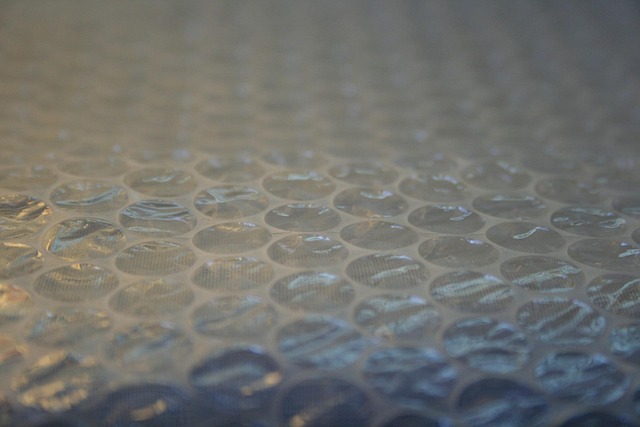
Bubble Wrap was invented in 1957 by engineers Alfred Fielding and Marc Chavannes, who were originally trying to create a textured wallpaper by sealing two shower curtains together with air pockets trapped inside. The wallpaper idea never gained traction with interior decorators, and the inventors briefly considered marketing the material as greenhouse insulation instead. IBM eventually recognized its potential as a protective packaging material when it began shipping its 1401 computer units. The product has since become the standard solution for cushioning fragile items during shipping and transport. Its secondary reputation as a satisfying stress-relief tool has only added to its cultural staying power.
Play-Doh
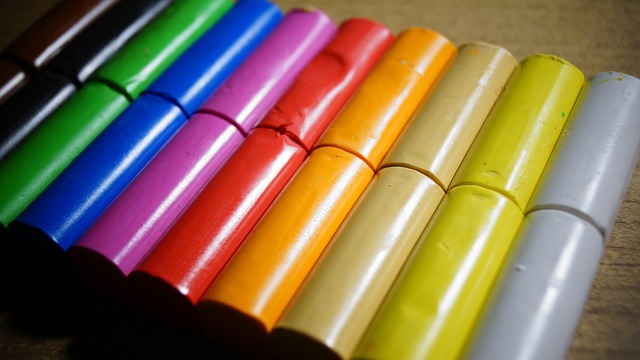
Play-Doh was first developed in the early 1950s not as a children’s toy but as a wallpaper cleaning compound designed to remove coal residue from interior walls. The soft, pliable material was created at a time when coal heating was common in American homes and left a persistent film on surfaces. When homes switched to natural gas heating, demand for the cleaner dropped significantly and the product faced discontinuation. A nursery school teacher named Kay Zufall discovered the compound could be used by children for art projects and brought the idea to the manufacturer. The product was repackaged as a modeling clay toy and became one of the most recognizable play products in history.
WD-40

WD-40 was formulated in 1953 by chemists at the Rocket Chemical Company who were developing a rust-prevention solvent for the American aerospace industry. The name itself stands for Water Displacement and the 40th formula, reflecting the number of attempts it took to perfect the product. It was originally used to protect the outer skin of the Atlas missile from rust and corrosion during storage and transport. Workers at the company reportedly liked the product so much they began taking it home for personal use, which eventually inspired its consumer market launch. Today it is found in workshops, kitchens, and garages worldwide as a general-purpose lubricant and protectant.
Microwave

The microwave oven was not designed with cooking in mind when engineer Percy Spencer first noticed its heating properties in 1945 while working for Raytheon on radar technology using magnetrons. Spencer discovered that a chocolate bar in his pocket had melted while he was standing near an active radar set, and he immediately began experimenting with other foods to confirm his theory. The first commercial microwave oven was released in 1947 and stood nearly six feet tall, weighing over 700 pounds. It was marketed primarily to restaurants and commercial kitchens for the first two decades of its existence. Consumer-sized versions became widely available in the 1970s and fundamentally transformed the way households prepare and reheat food.
Coca-Cola
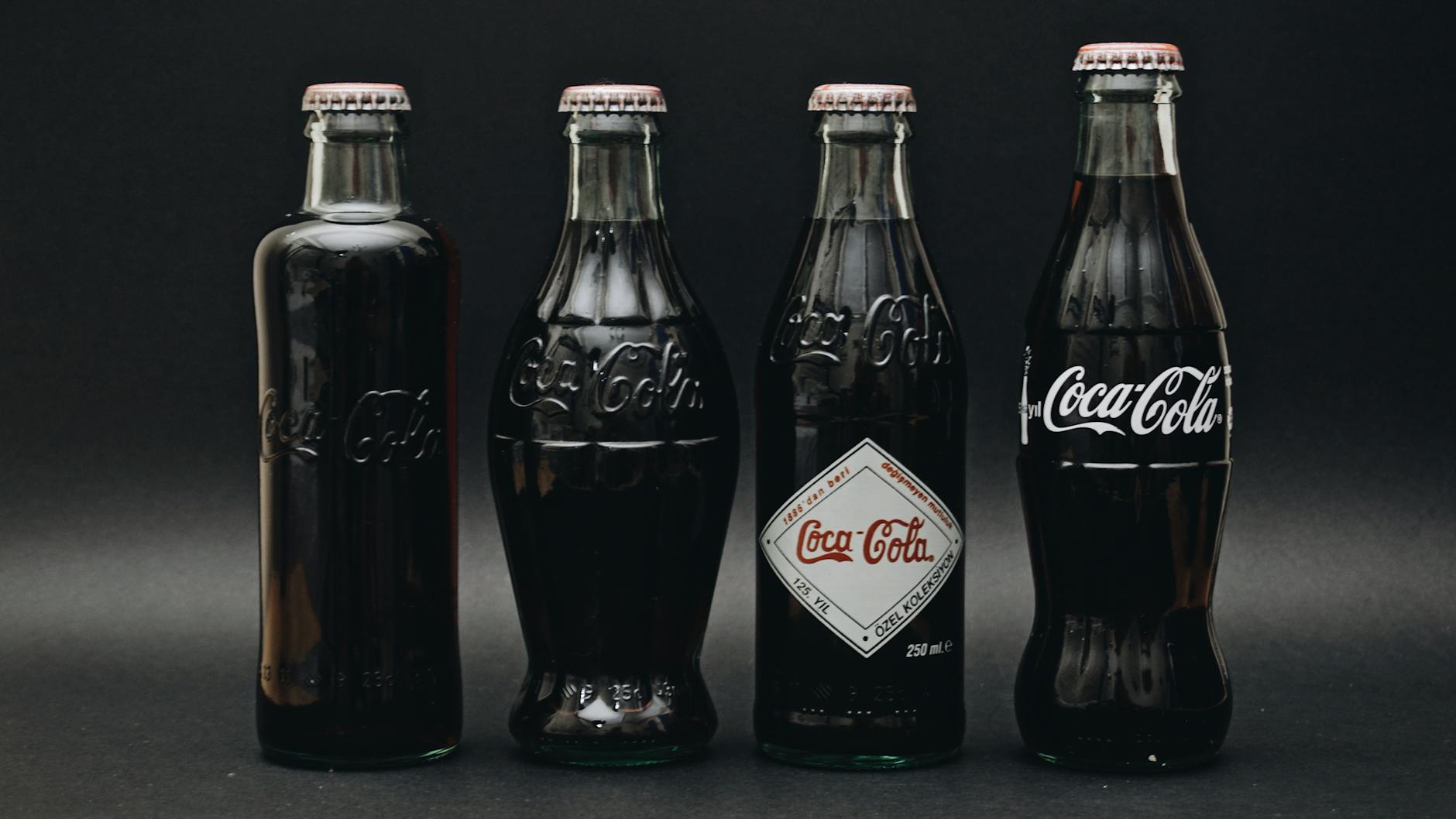
Coca-Cola was originally formulated in 1886 by pharmacist John Pemberton as a medicinal syrup intended to treat headaches, fatigue, and nervous disorders. The early recipe contained extracts from coca leaves and kola nuts, which provided stimulating effects that were marketed as genuine health benefits at the time. Pemberton sold the syrup at pharmacies mixed with still water until a pharmacist’s assistant accidentally combined it with carbonated water instead. The resulting fizzy drink proved far more popular than the original medicinal version and demand quickly outgrew the pharmacy counter. The brand grew into one of the most recognized beverage companies in the world, leaving its pharmaceutical origins far behind.
Listerine
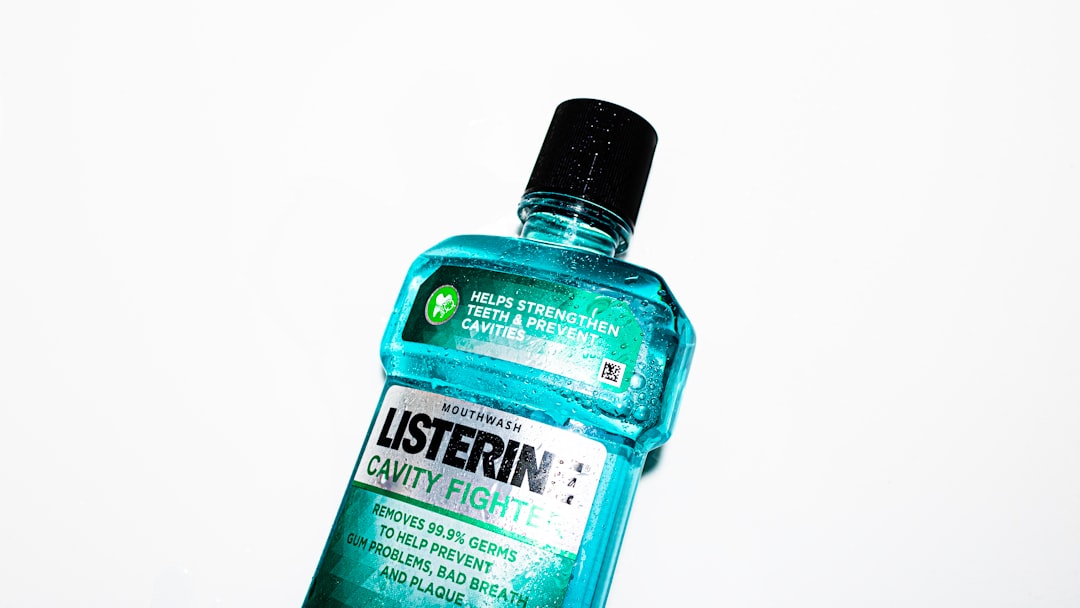
Listerine was developed in 1879 by Dr. Joseph Lawrence as a surgical antiseptic intended for use in operating rooms, based on the germ theory research of British surgeon Joseph Lister. The formula was powerful enough to kill bacteria on surgical instruments and was later sold to dentists and doctors who used it to treat a remarkably wide range of conditions. In the 1920s the company began marketing Listerine directly to consumers as a cure for bad breath, even helping to popularize the clinical term halitosis in its advertising campaigns. The strategy created widespread anxiety about oral odor that had not previously been considered a social problem. Mouthwash became one of the most profitable segments of the personal care industry largely as a result of this cultural shift.
Cornflakes
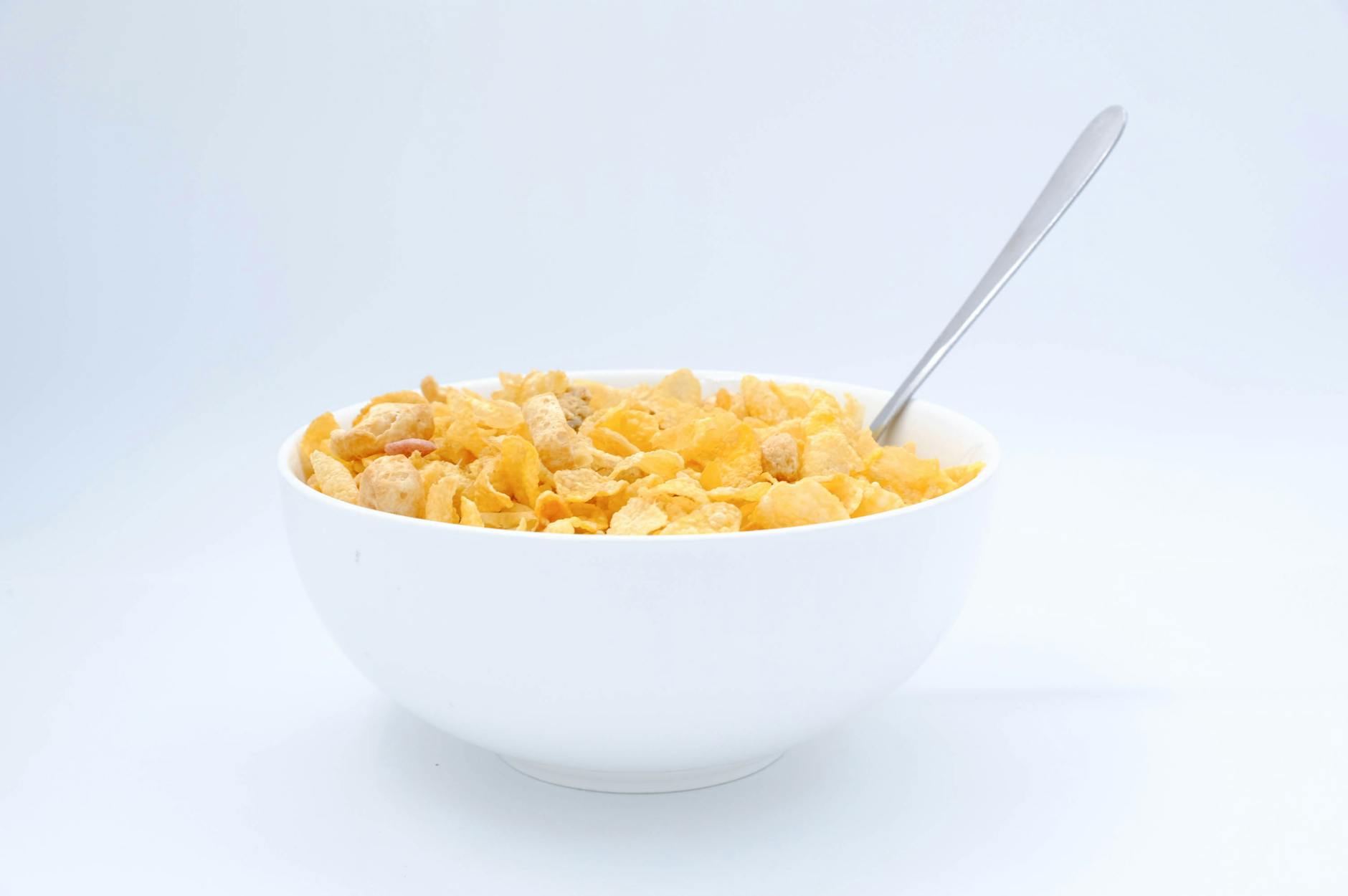
Cornflakes were created in 1894 by Dr. John Harvey Kellogg, a physician who ran a sanitarium in Battle Creek, Michigan, and developed the cereal as a bland dietary food for his patients. He believed that a simple, grain-based diet would suppress unhealthy appetites and improve the digestive health of those in his care, giving the product an unmistakably clinical origin. The recipe was part of a broader dietary philosophy that discouraged the consumption of meat, spices, and stimulating foods of any kind. His brother Will Keith Kellogg later added sugar to the recipe to improve its taste and mass-marketed the product over John’s strong objections. What began as a sanitarium medical intervention became one of the most consumed breakfast cereals in the world.
Vaseline
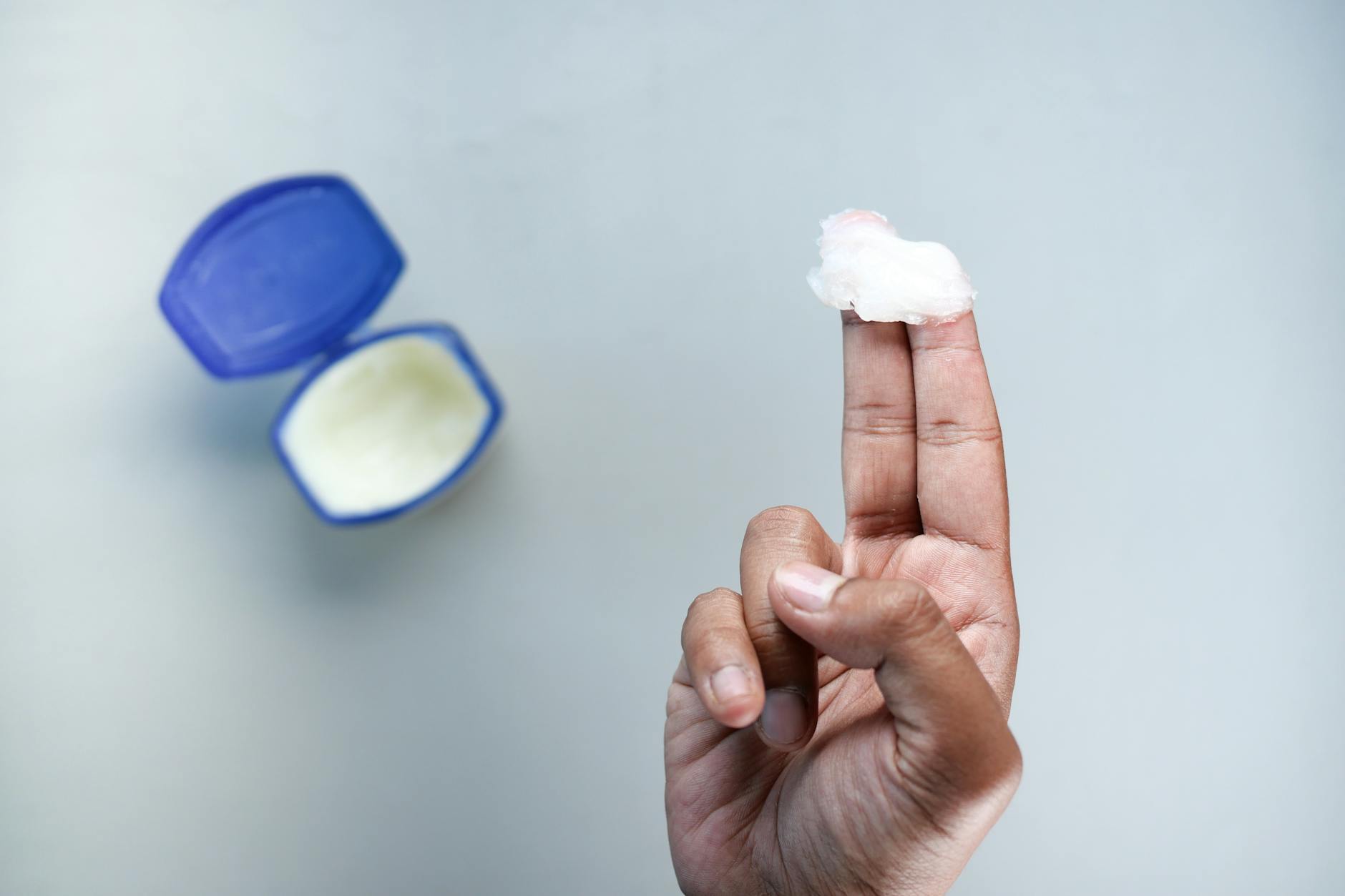
Vaseline was discovered in 1859 by Robert Chesebrough, a young chemist who traveled to Pennsylvania oil fields after the kerosene industry that had employed him collapsed. He noticed that oil workers were routinely using a waxy residue called rod wax, which formed naturally on drilling equipment, to heal their cuts and burns. Chesebrough collected samples, refined the substance in his laboratory, and began developing what he eventually called petroleum jelly. He famously demonstrated the product’s healing properties by intentionally inflicting cuts and burns on his own skin in public and showing how quickly the wounds healed with Vaseline applied. The product was patented in 1872 and has remained a household staple for skin care and minor wound treatment ever since.
Super Glue
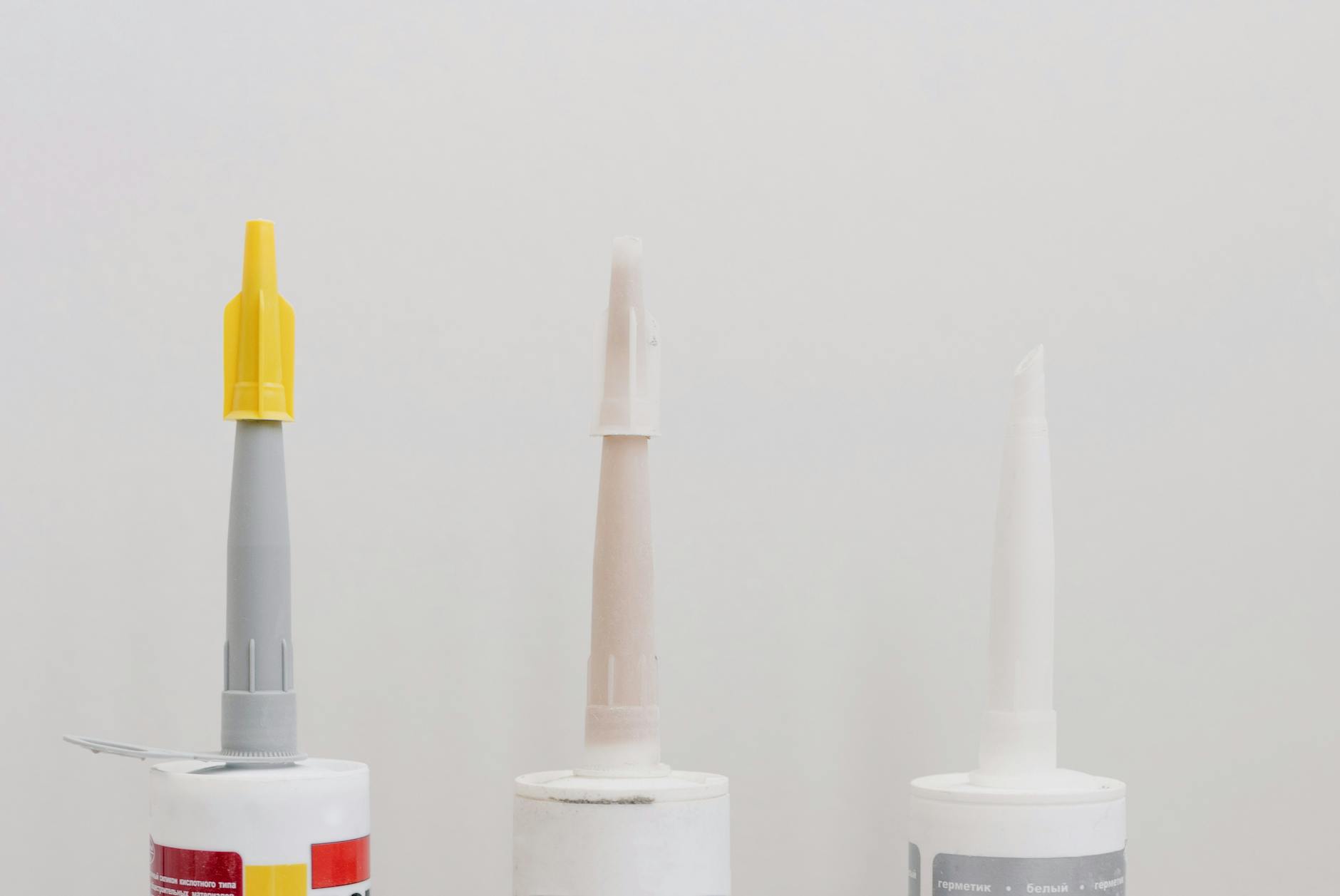
Super Glue was discovered in 1942 when chemist Harry Coover was working at Eastman Kodak on developing a clear plastic for use in precision gun sights during World War II. While testing cyanoacrylate compounds, he found that they bonded instantly and powerfully to everything they touched, rendering his equipment useless and the experiment a failure. He dismissed the substance as impractical and moved on with his research without recognizing its commercial potential. Nearly a decade later, a colleague rediscovered the compound while working on heat-resistant coatings for jet cockpit canopies and immediately understood what it could become. Super Glue was introduced to the public in 1958 and quickly became one of the most powerful adhesives available in hardware and home supply stores.
Teflon

Teflon was discovered in 1938 by chemist Roy Plunkett at DuPont, who was working on developing new refrigerant gases intended for use in cooling systems. While experimenting with tetrafluoroethylene gas stored in pressurized cylinders, he found that one of the tanks had polymerized overnight into a white waxy solid that was extraordinarily slippery and highly resistant to heat and chemical reactions. The material was first used in military applications during World War II, including components connected to the Manhattan Project, due to its unique chemical inertness. It was not applied to cookware until the 1950s, when a French engineer named Marc Gregoire used it to coat his fishing equipment before his wife convinced him to apply it to her cooking pans. Non-stick cookware became one of the most widespread domestic applications of a material that began as a refrigerant research byproduct.
Velcro
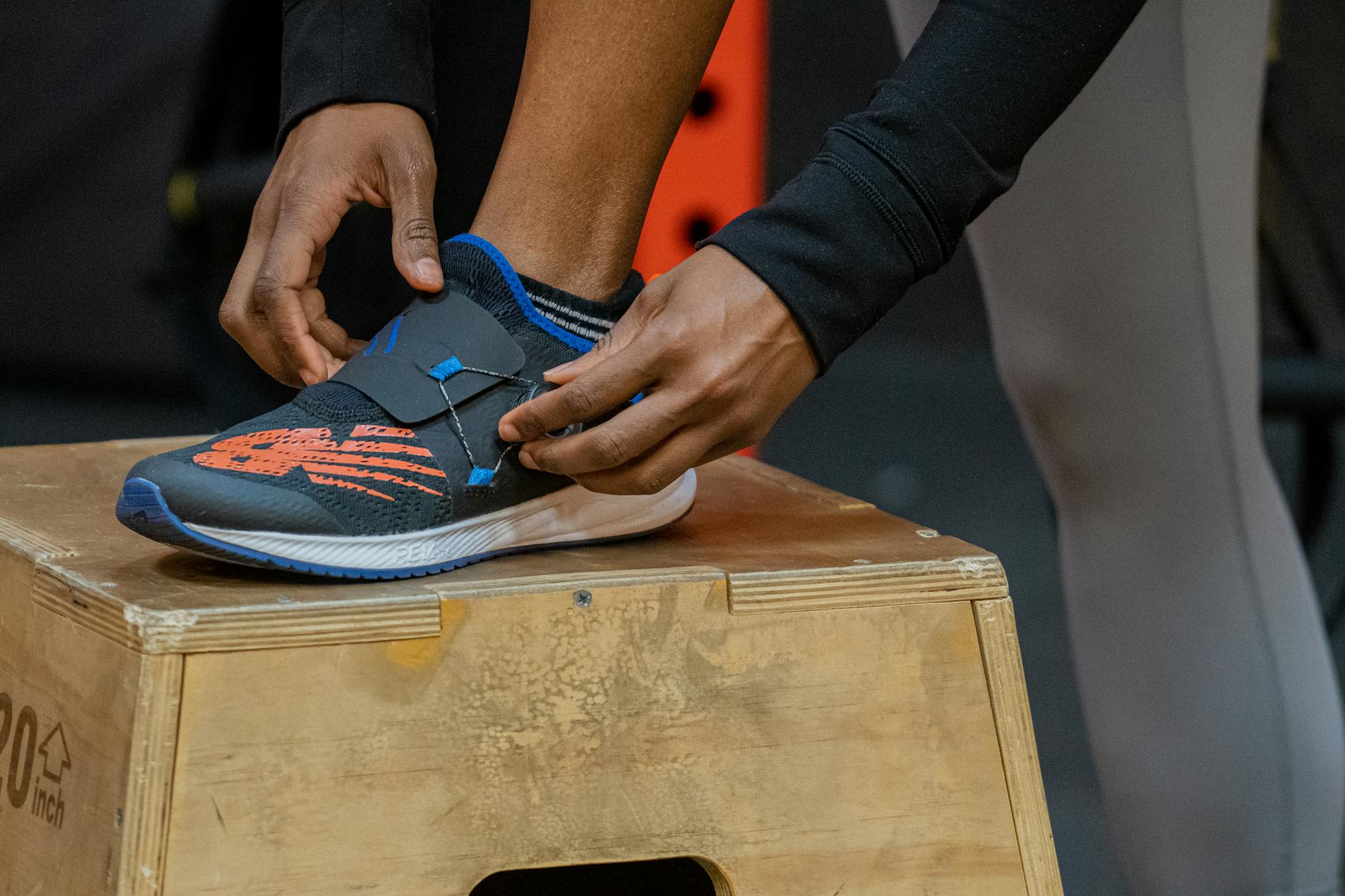
Velcro was invented in 1941 by Swiss engineer Georges de Mestral after he returned from a walk in the Alps and found that burrs from burdock plants had attached themselves stubbornly to his jacket and his dog’s fur. He examined the burrs under a microscope and discovered tiny hooks that caught on loops of fabric and animal fur with surprising tenacity and consistency. De Mestral spent years perfecting a synthetic fabric that replicated this natural fastening mechanism before patenting the product in 1955. NASA later adopted Velcro extensively for use in spacesuits and spacecraft, which brought the material to widespread public awareness during the Space Age. Today it is used in footwear, medical devices, military gear, and household products around the world.
Slinky
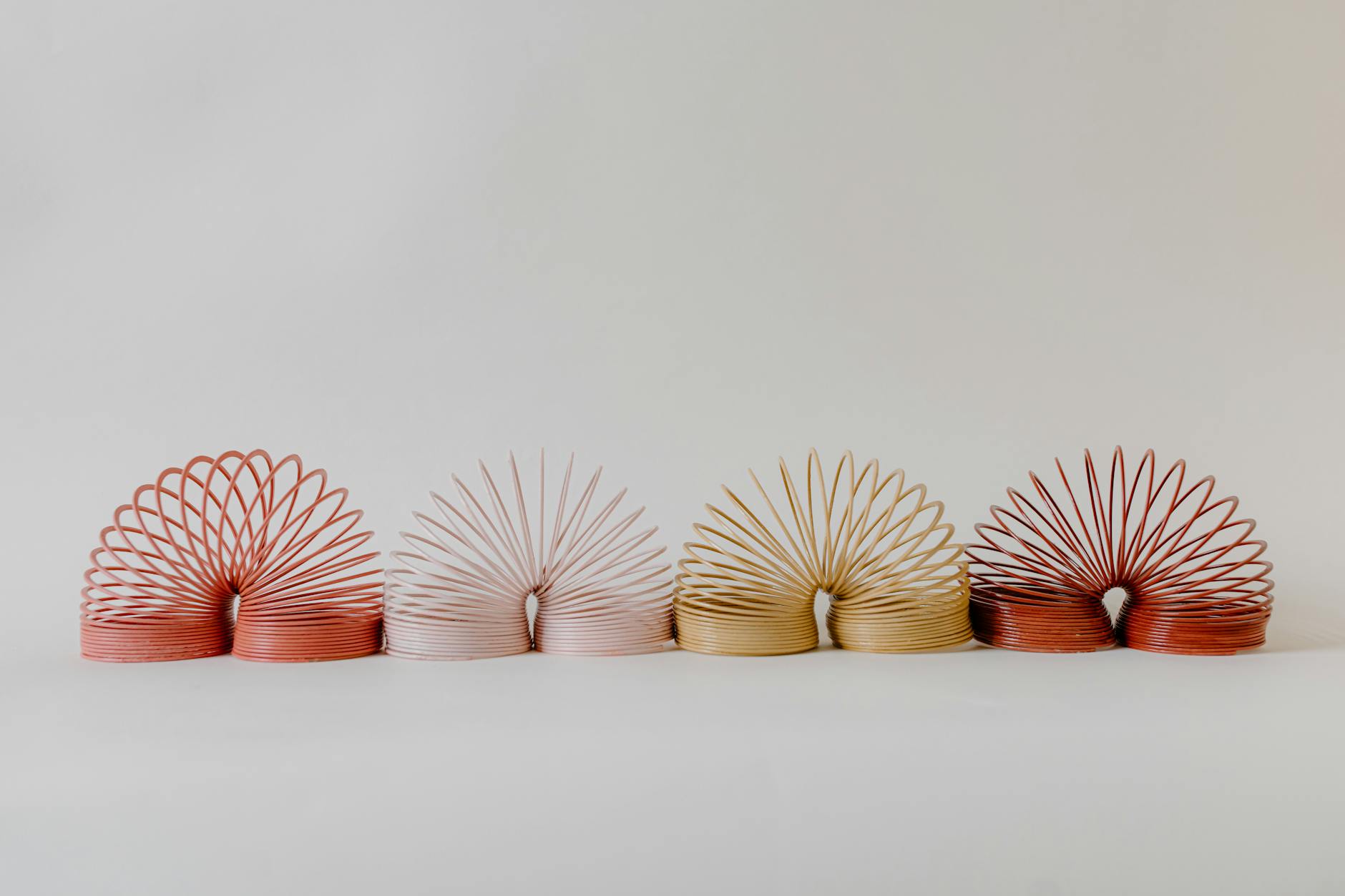
The Slinky was invented by naval engineer Richard James in 1943 while he was working on developing tension springs designed to stabilize sensitive instruments aboard ships at sea. When one of the springs accidentally fell off a shelf, it continued moving in a fluid, coiling motion across the floor rather than simply clattering to a halt. James brought it home to show his wife Betty, who immediately saw its potential as a children’s toy and helped name it using a Swedish dictionary. The Slinky debuted at Gimbels department store in Philadelphia in 1945 and sold 400 units in just ninety minutes. It remains one of the most iconic and enduring toys in American retail history.
Silly Putty
Silly Putty was created during World War II when General Electric engineer James Wright was searching for a synthetic rubber substitute that could help support the Allied war effort. He combined boric acid and silicone oil and produced a substance that bounced, stretched, and snapped in fascinating ways but had no practical industrial application as a rubber replacement. The material was shared with scientists around the world in hopes that someone could find a useful purpose for it, but no viable application emerged for several years. A toy store owner named Ruth Fallgatter and marketing consultant Peter Hodgson eventually packaged the material as a novelty toy sold in plastic eggs. Silly Putty became one of the most successful impulse-purchase toys of the twentieth century.
ChapStick

ChapStick was originally created around 1880 by physician Dr. Clarence Huse as a medical treatment for severely chapped lips, distributed to patients through pharmacies in small tin foil parcels. For decades the product was considered a clinical remedy rather than a personal care item, and it was sold primarily in drugstores and medical supply contexts. Fleet Laboratories acquired and refined the formula in the 1950s and introduced it in the now-familiar cylindrical stick format. The redesigned product gradually moved from pharmacy shelves into mainstream retail, repositioning itself as an everyday consumer essential rather than a medical necessity. This shift transformed ChapStick from a niche clinical solution into one of the most recognized lip care brands in the world.
Frisbee

The Frisbee traces its origins to the Frisbie Pie Company in Bridgeport, Connecticut, whose metal pie tins college students began tossing between themselves in the 1940s as a spontaneous form of entertainment. Entrepreneur Walter Morrison later developed a plastic version of the flying disc and sold the design to Wham-O in 1957 for commercial production. The toy was initially marketed as the Pluto Platter to capitalize on the public fascination with flying saucers and UFOs during the early Space Age. Wham-O renamed it the Frisbee the following year, and it became one of the most popular recreational outdoor toys in history. The disc eventually inspired the organized sports of Ultimate Frisbee and disc golf, both of which now have international competitive followings.
Bubble Gum

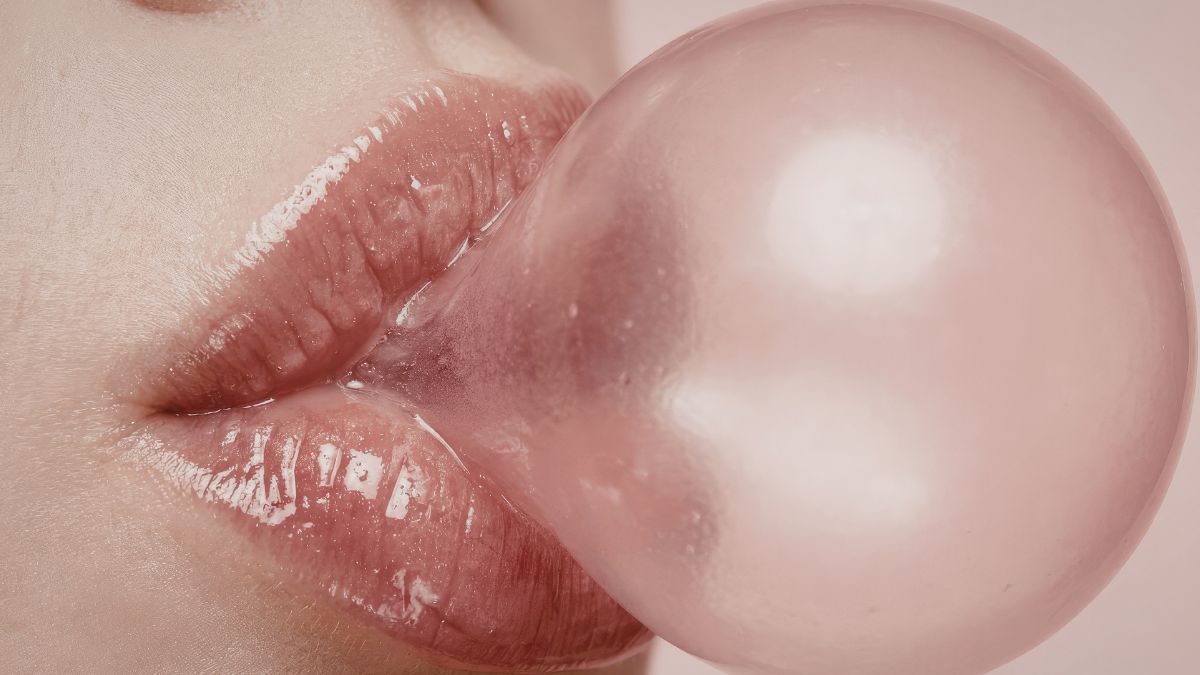
Bubble gum was invented in 1928 by Walter Diemer, an accountant at the Fleer Chewing Gum Company who had no formal scientific training and was experimenting with gum base recipes purely out of personal curiosity. He accidentally produced a mixture that was far less sticky than regular chewing gum and stretchy enough to be blown into bubbles without immediately deflating. The original batch was dyed pink simply because that was the only food coloring available in the factory at the time, which is why most bubble gum still comes in pink to this day. Fleer sold 1.5 million pieces within a single day of its retail debut. Bubble gum became a defining element of childhood candy culture and a major category in confectionery retail for generations.
Saccharin
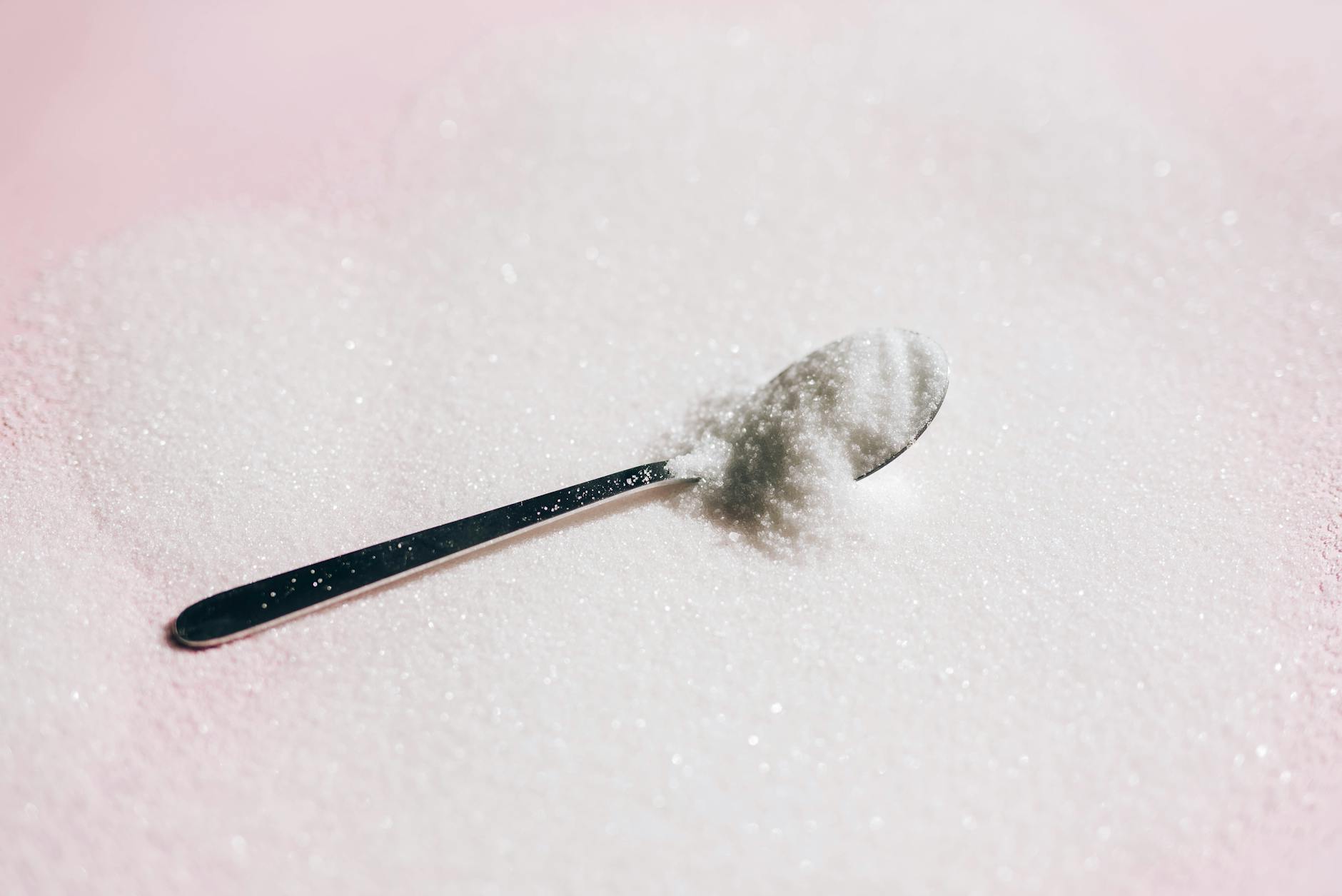
Saccharin was discovered in 1879 by chemist Constantin Fahlberg, a researcher at Johns Hopkins University who had been studying the chemical derivatives of coal tar for entirely unrelated industrial purposes. After a long day in the laboratory, Fahlberg sat down to dinner and noticed an unusually intense sweet taste on his hands that had nothing to do with his food. He traced the sweetness back to a compound he had been handling earlier and returned to the lab to isolate and identify it. Saccharin was initially used as a food preservative and antiseptic before its potential as a sugar substitute was widely recognized. It became one of the first artificial sweeteners used at commercial scale and remains an ingredient in many low-calorie food and beverage products today.
Band-Aid
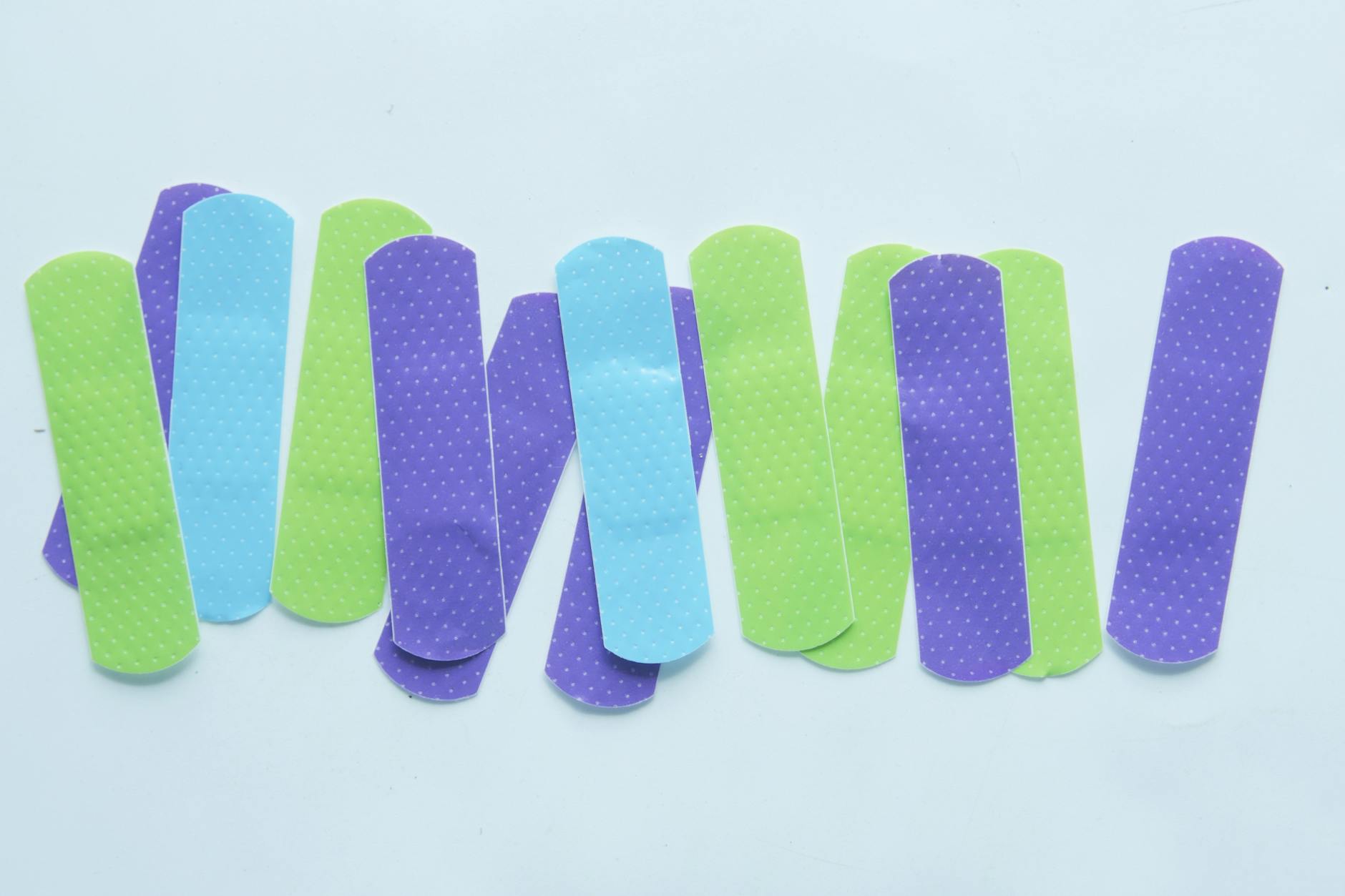
The Band-Aid was invented in 1920 by Earle Dickson, a cotton buyer at Johnson and Johnson, whose wife Josephine frequently cut and burned herself while preparing meals. Dickson began pre-assembling small strips of surgical tape with squares of cotton gauze placed at the center so she could dress her own wounds without assistance. He showed his improvised solution to his employer, who recognized its commercial potential and immediately began planning a retail version. The first Band-Aids were made entirely by hand and measured eighteen inches long, intended to be cut to size by the user. They were later manufactured in pre-cut sizes and became the most widely used wound care product in the world.
Stethoscope

The stethoscope was invented in 1816 by French physician René Laennec, who was reluctant to place his ear directly against a young female patient’s chest in the traditional manner of the time to listen to her heart sounds. He rolled several sheets of paper into a firm tube, placed one end against her chest and the other to his ear, and found that the sound transmission was actually clearer than with direct contact. This improvised paper tube became the foundation for one of the most enduring diagnostic instruments in medical history. Early versions were solid wooden monaural cylinders before the binaural design with two earpieces became standard during the mid-1800s. The stethoscope remains a universal symbol of the medical profession and a primary diagnostic tool for clinicians around the world.
Pacemaker

The cardiac pacemaker was invented accidentally in 1956 when engineer Wilson Greatbatch was building a circuit intended to record heart rhythms and reached into a box of resistors and installed the wrong component entirely. The circuit he inadvertently created produced electrical pulses at a rhythm that closely mimicked a natural human heartbeat rather than simply measuring one. Greatbatch immediately recognized the significance of what had happened and spent the next two years refining the device into an implantable unit small enough to be placed inside the human body. The first implantable pacemaker was successfully placed in a human patient in 1958 by surgeon William Chardack. The device has since saved millions of lives and stands as one of the most consequential accidental discoveries in the history of medicine.
X-Ray
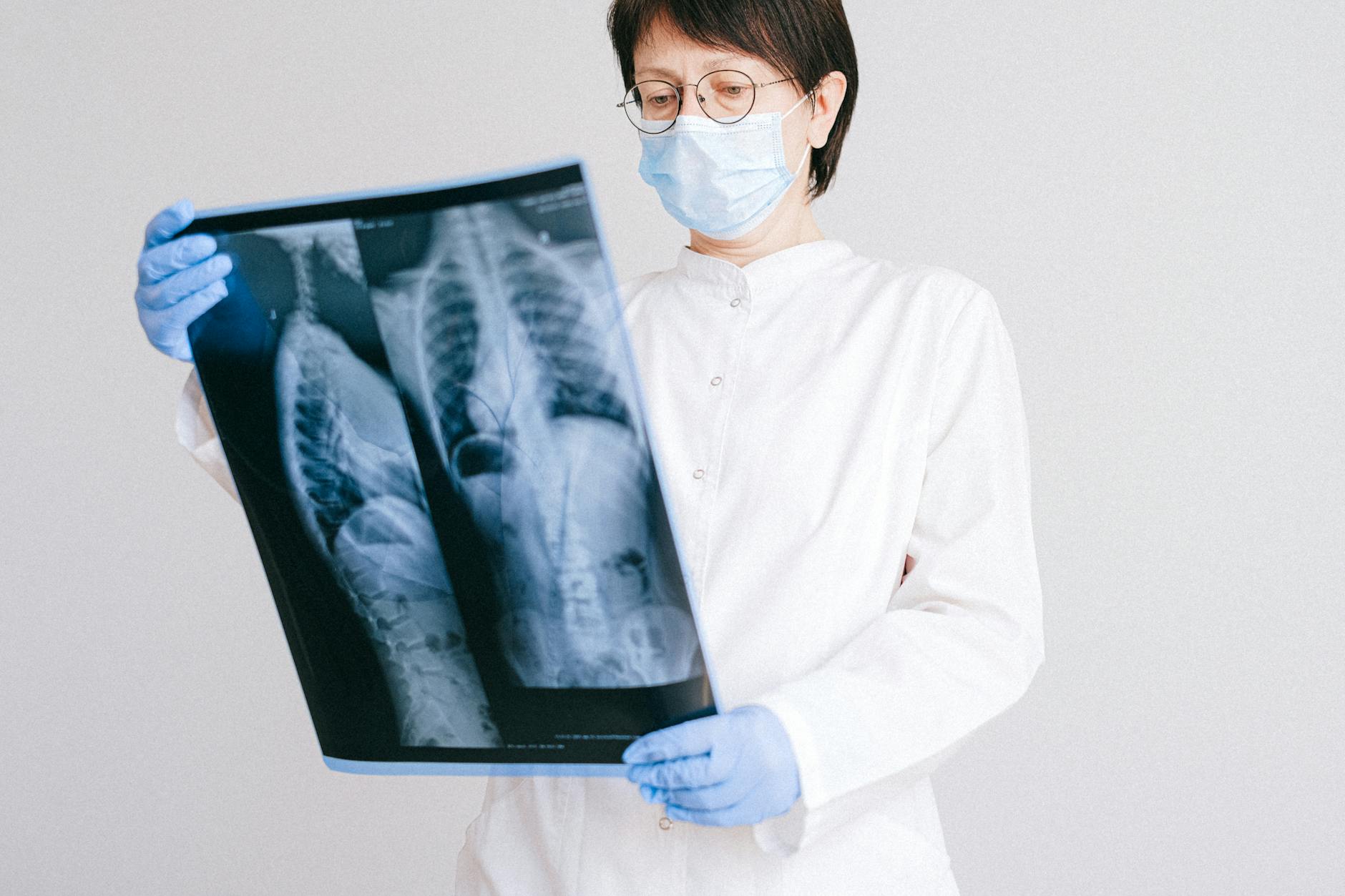
X-rays were discovered in 1895 by German physicist Wilhelm Roentgen while he was conducting experiments with cathode ray tubes in his laboratory, with no intention of finding a new form of radiation. He noticed that a fluorescent screen on the far side of the room began to glow even when it was positioned well outside the path of the cathode rays, suggesting that something was passing through the walls of the tube and across the room invisibly. Roentgen named the phenomenon X-radiation to denote its unknown nature and began systematically testing it on various materials, famously capturing the first skeletal image using his wife’s hand. Medical institutions around the world rapidly adopted the technology once its ability to reveal internal structures without surgery became clear. X-ray imaging transformed diagnostic medicine and became the foundational technology behind the entire field of medical imaging.
Penicillin
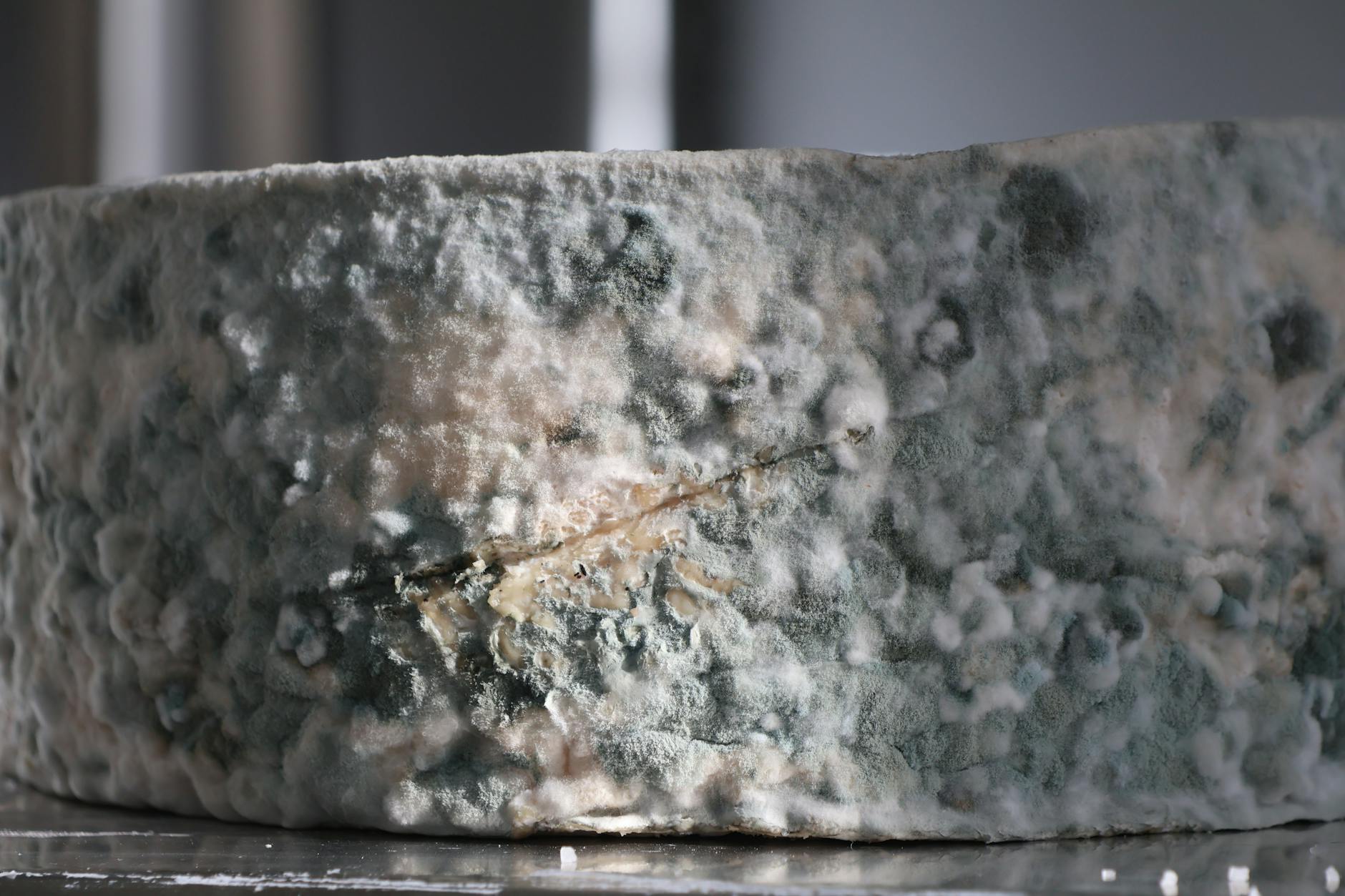
Penicillin was discovered in 1928 by Scottish bacteriologist Alexander Fleming when he returned from vacation to find that a mold had contaminated one of his petri dishes and was killing the surrounding bacteria in a clearly defined ring. Fleming had been researching bacterial infections for years but had no intention of discovering an antibiotic on that particular morning. He identified the mold as belonging to the Penicillium genus, documented its antibacterial properties in detail, and published his findings, though wide interest was slow to develop. Further research and development by Howard Florey and Ernst Boris Chain during World War II transformed the substance into a medicine that could be mass-produced and administered to patients. Penicillin became the world’s first widely used antibiotic and is credited with saving hundreds of millions of lives across the decades since.
Safety Pin
The safety pin was invented in 1849 by American mechanic Walter Hunt, who was looking for a quick way to repay a fifteen-dollar debt and sat down with a single piece of coiled wire to see what he could devise. Over the course of approximately three hours, he twisted the wire into a design with a coiled spring at one end and a clasp at the other that covered and secured the sharp point. The result was far safer than the straight pins commonly in use at the time and required no separate clasp or fastener to stay in place. Hunt sold the patent for a modest sum to the creditor he owed, earning nothing further from one of the most universally used inventions of the industrial era. The safety pin went on to become an indispensable tool found in sewing kits, nurseries, clothing, and emergency repairs worldwide.
Potato Chips
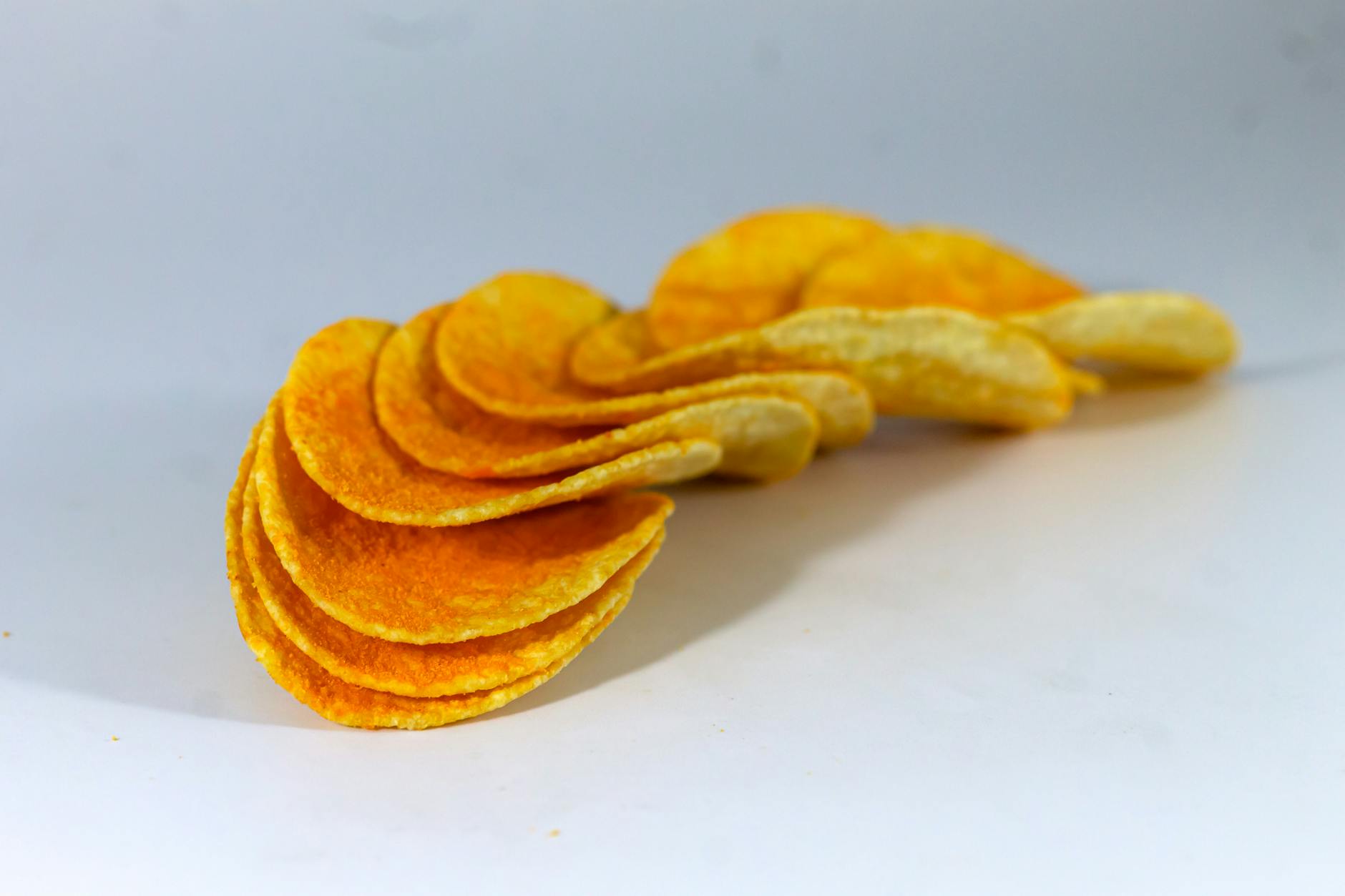
Potato chips were created in 1853 by chef George Crum at Moon’s Lake House restaurant in Saratoga Springs, New York, reportedly out of frustration with a particularly demanding customer. The guest repeatedly sent back his plate of fried potatoes, complaining they were too thick and insufficiently crispy, and Crum responded by slicing the potatoes paper-thin, frying them until they shattered, and heavily salting them. To his great surprise, the customer was delighted, and the dish quickly became one of the most requested items on the menu. The snack was made fresh in restaurants for decades before packaged versions emerged in the early twentieth century and distribution scaled nationally. Potato chips became one of the best-selling snack foods in the world and spawned an entire industry of flavored, baked, and specialty varieties that continues to expand today.
Which of these origin stories surprised you the most? Share your thoughts in the comments.




