Some of the most transformative discoveries in human history were never planned at all. A forgotten petri dish, a spilled chemical, a malfunctioning machine — these small moments of apparent failure gave birth to technologies and products that now shape everyday life across the globe. The inventors behind these breakthroughs were often working on something else entirely when fate intervened in the most unexpected ways. From the laboratory to the kitchen to the battlefield, accidental genius has proven time and again that curiosity and observation matter more than any carefully laid plan.
Penicillin
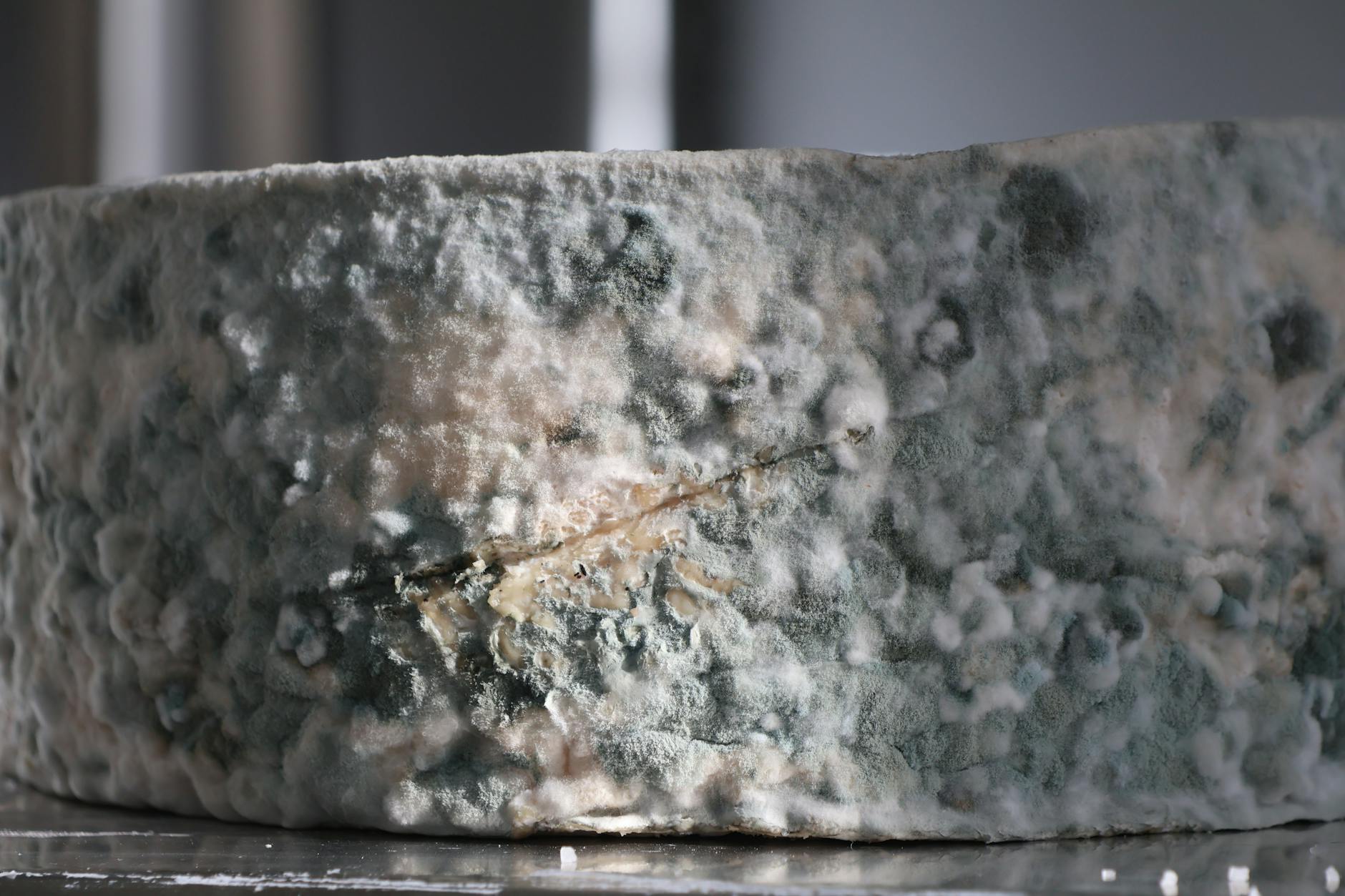
Alexander Fleming noticed a strange mold growing on a contaminated petri dish in his London laboratory in 1928. Rather than discarding the ruined sample, he observed that the mold appeared to be killing the surrounding bacteria. That moment of curiosity led to the development of the world’s first antibiotic, penicillin. The drug went on to save hundreds of millions of lives by treating infections that had previously been fatal. It fundamentally transformed modern medicine and gave rise to the entire field of antibiotics.
Microwave Oven

Percy Spencer was testing a radar-related magnetron for Raytheon when he noticed that a chocolate bar in his pocket had melted without any direct heat source. Intrigued rather than alarmed, he began experimenting with other food items and discovered that microwave radiation could cook food rapidly from the inside out. The first commercial microwave oven was introduced in 1947 and stood nearly six feet tall. Decades of refinement eventually produced the compact countertop appliance found in kitchens around the world today. It permanently changed how people approach cooking and reheating meals at home.
Post-it Notes

Spencer Silver at 3M was attempting to develop a super-strong adhesive when he accidentally created one that was remarkably weak and repositionable. The formula sat unused for years until his colleague Art Fry realized it would be perfect for bookmarking pages in his hymnal without causing damage. The two men collaborated to turn the idea into a practical office product, and the Post-it Note was launched commercially in 1980. It quickly became one of the best-selling office supplies in the world. Today billions of the little sticky squares are sold annually across more than 100 countries.
Velcro

Swiss engineer George de Mestral returned from a hiking trip in 1941 and noticed that burrs from the burdock plant had attached themselves firmly to his clothing and his dog’s fur. Under a microscope he observed tiny hooks on the burrs latching onto the loops of fabric, and he spent years replicating that mechanism using nylon. The resulting fastening system was patented in 1955 under the name Velcro. It was initially dismissed by the fashion industry but found early success with NASA and the military. It is now used in everything from children’s shoes to spacecraft components.
Safety Glass
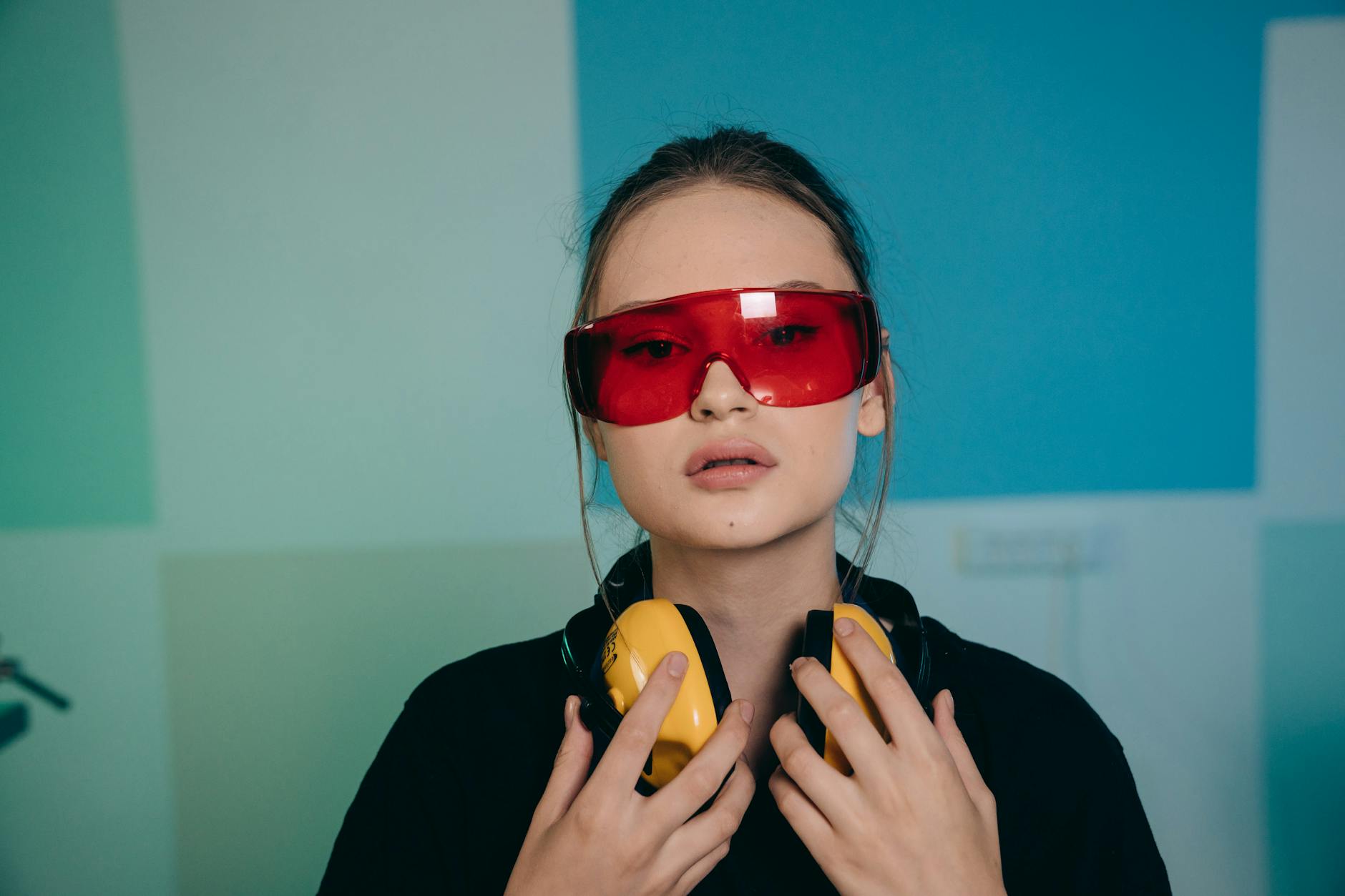
Édouard Bénédictus accidentally knocked a glass flask off a shelf in his Paris laboratory in 1903 and was astonished to find that it shattered without breaking apart. He discovered that the flask had previously held cellulose nitrate solution which had evaporated and left a thin transparent film coating the interior. Inspired by reports of car accident injuries caused by shattering windshields, he developed a laminated safety glass using that same principle. The invention took decades to gain widespread automotive adoption but eventually became mandatory in vehicle windshields worldwide. It has since prevented countless serious injuries and fatalities in road accidents.
Teflon

Roy Plunkett was working for DuPont in 1938 trying to develop a new refrigerant gas when a canister of tetrafluoroethylene unexpectedly polymerized overnight. The result was a waxy white solid with an almost frictionless surface that resisted heat and chemical reactions. DuPont recognized its potential and patented polytetrafluoroethylene, which would eventually be marketed under the name Teflon. The material was first used industrially and later adapted for non-stick cookware that became a kitchen staple in the 1960s. It is now also used in aerospace engineering, medical devices, and waterproof clothing.
X-rays
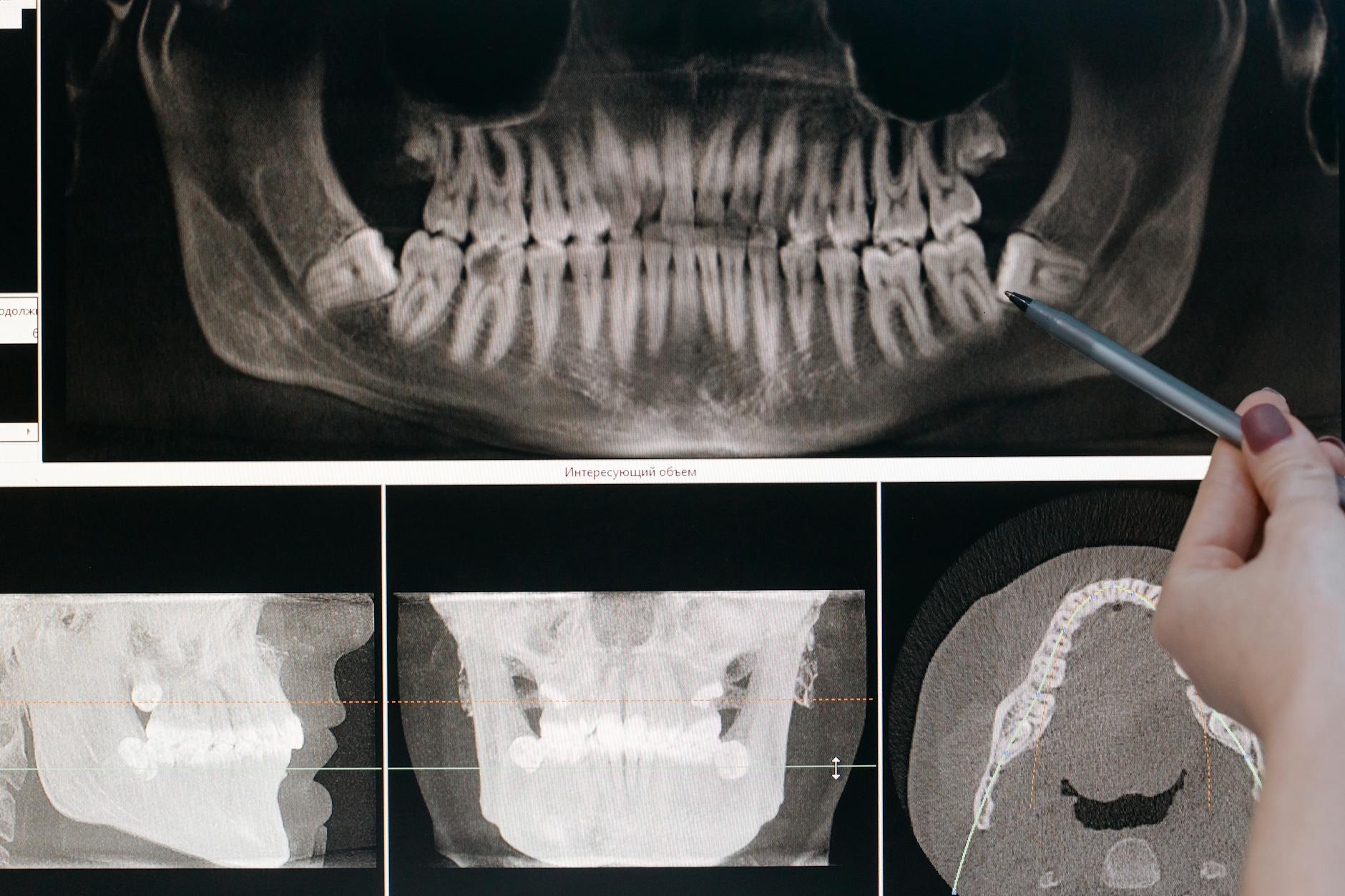
Wilhelm Röntgen was experimenting with cathode ray tubes in his darkened laboratory in 1895 when he noticed that a fluorescent screen across the room began to glow even though it was not in the direct path of the rays. Further investigation revealed that an unknown form of radiation was passing through solid materials including human tissue. When he placed his wife’s hand in front of the beam and captured an image on a photographic plate, the bones were clearly visible beneath the skin. He named the phenomenon X-rays to denote their mysterious nature, and within a year hospitals were using the technology. Medical imaging was forever changed by that single unexpected glow.
Corn Flakes
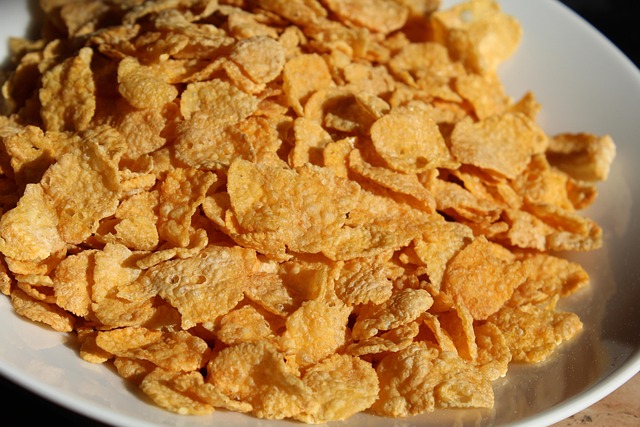
John Harvey Kellogg and his brother Will Keith were running a sanitarium in Michigan and accidentally left a batch of boiled wheat sitting out overnight. When they rolled the stale dough through their processing machine the next day it broke into thin flakes rather than forming a single flat sheet. Intrigued, they baked the flakes and served them to patients, who responded enthusiastically. The brothers soon experimented with corn and created the breakfast cereal that would carry their name around the world. The Kellogg Company went on to become one of the largest food corporations in history.
Saccharin
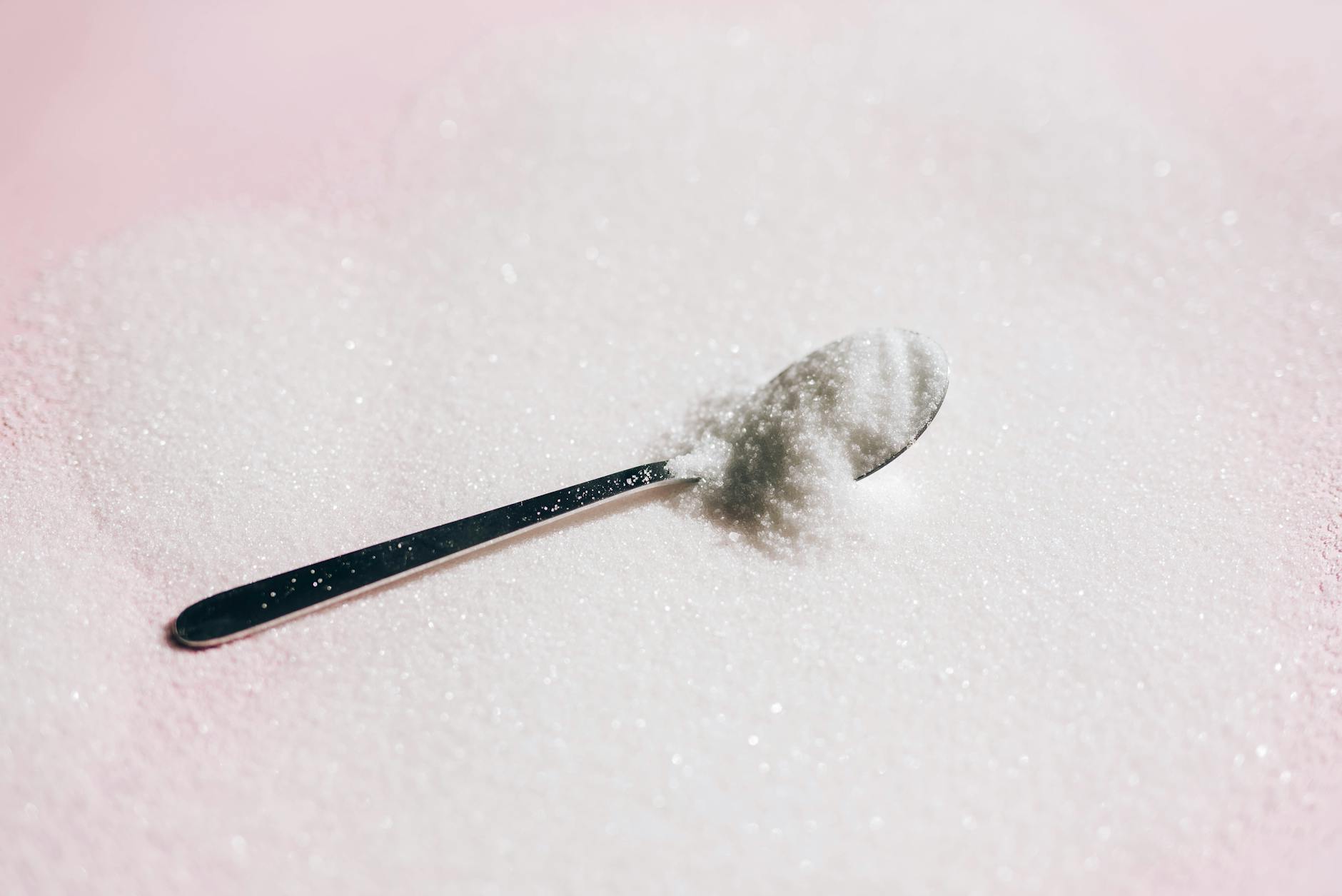
Constantine Fahlberg was a chemist at Johns Hopkins University working with coal tar derivatives in 1879 when he sat down to eat dinner without washing his hands. He noticed that everything he touched tasted unusually sweet and traced the sensation back to a compound called benzoic sulfimide he had been handling in the lab. Recognizing its potential as a calorie-free sweetener, he patented and commercialized the substance under the name saccharin. It became widely used during sugar shortages in both World Wars and later found massive popularity as an artificial sweetener in diet foods and beverages. It remains one of the oldest and most widely used sugar substitutes in the world.
Super Glue
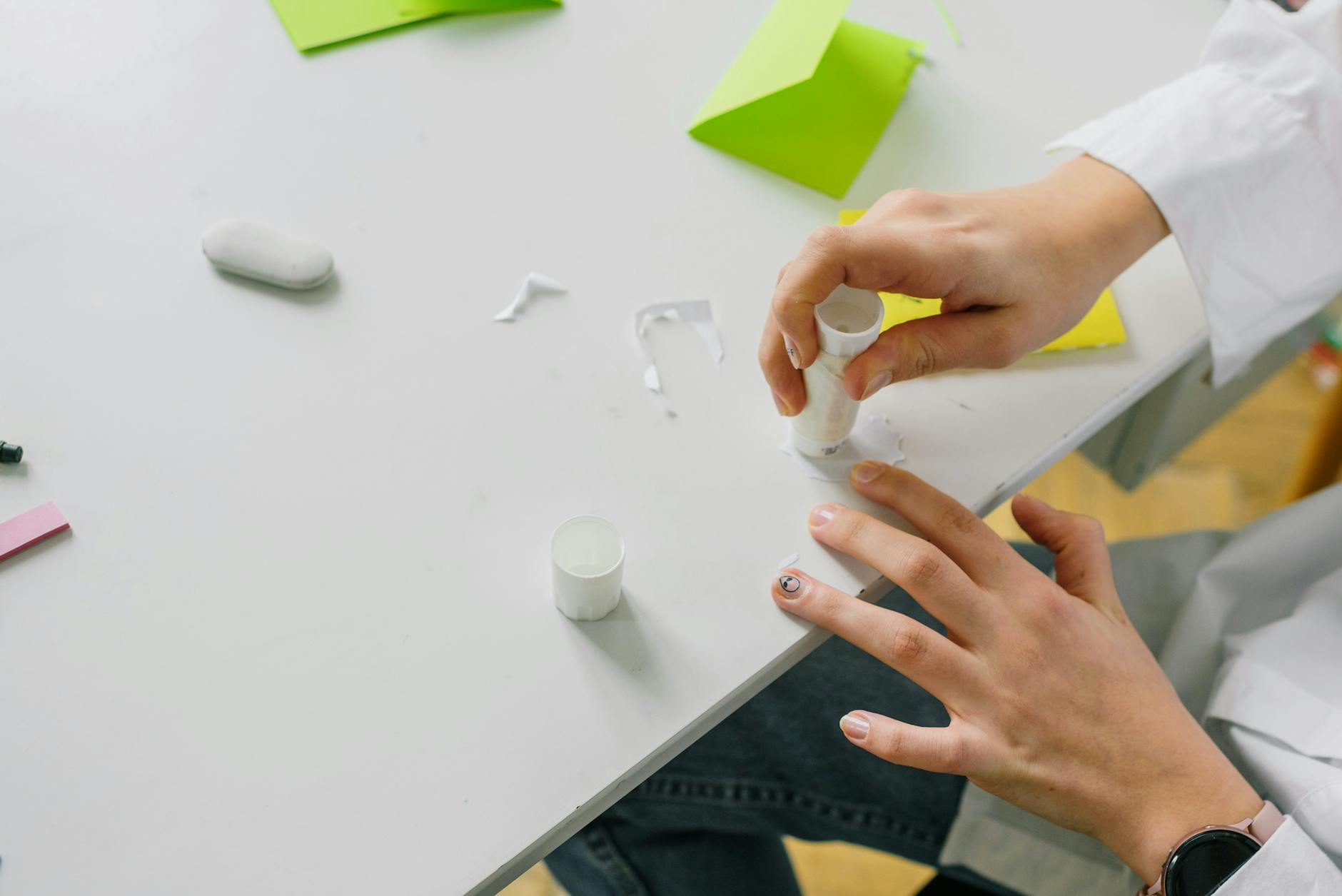
Harry Coover at Eastman Kodak first encountered cyanoacrylate in 1942 while searching for a clear plastic suitable for precision gun sights. The substance bonded immediately to everything it touched and was deemed too adhesive to be useful for its original purpose. The discovery was shelved until 1951 when Coover revisited it and realized that its extraordinary bonding strength was itself the product. Super Glue was introduced to consumers in 1958 and quickly became a household staple around the globe. It is now also used in surgical applications to close wounds without traditional stitches.
Vulcanized Rubber

Charles Goodyear spent years obsessively trying to stabilize natural rubber, which became brittle in cold weather and sticky in heat, rendering it nearly useless. In 1839 he accidentally dropped a rubber and sulfur mixture onto a hot stove and discovered that the resulting material was durable, flexible, and resistant to temperature extremes. He named the process vulcanization after Vulcan, the Roman god of fire. The invention made possible rubber tires, waterproof clothing, industrial gaskets, and countless other products. It laid the foundation for the modern automotive industry and transformed global transportation.
Dynamite

Alfred Nobel was working in his family’s factory in Sweden experimenting with ways to make the highly unstable explosive nitroglycerin safer to handle and transport. He accidentally discovered that mixing it with diatomaceous earth produced a stable paste that could be shaped, stored, and detonated only when intended. He patented the invention as dynamite in 1867 and it was quickly adopted for use in mining, tunneling, and large-scale construction. The invention accelerated the building of railways, canals, and roads across entire continents. Nobel later used the fortune it generated to establish the prizes that bear his name.
Champagne

Dom Pérignon, a Benedictine monk managing the wine cellars of a French abbey, discovered carbonation in wine almost entirely by accident in the late 17th century. The cold winter temperatures had halted fermentation prematurely, and when spring arrived the fermentation resumed inside sealed bottles, creating bubbles. Early results were explosive and dangerous, as bottles frequently shattered under the pressure. Refinements in glassmaking and corking techniques eventually made the controlled production of sparkling wine possible. What began as an unpredictable nuisance became one of the most celebrated and prestigious beverages in the world.
Plastic
Leo Baekeland was searching for a synthetic substitute for shellac in 1907 when he combined phenol and formaldehyde under heat and pressure and produced a material unlike anything previously known. The substance was hard, durable, non-conductive, and could be molded into almost any shape. He named it Bakelite and it quickly found applications in electrical insulation, telephones, radios, and consumer goods. It was the world’s first fully synthetic plastic and opened the door to an entirely new category of materials. The age of plastic that followed has shaped manufacturing, packaging, and design across virtually every industry.
Warfarin

Scientists at the University of Wisconsin were investigating an outbreak of unexplained cattle deaths in the 1940s when they traced the cause to moldy sweet clover hay that had caused fatal internal bleeding. Biochemist Karl Link isolated the responsible compound, dicoumarol, and his team later developed a more potent synthetic version they named warfarin. It was initially introduced as a rat poison before researchers recognized its potential as a controlled blood-thinning medication in humans. It was approved for medical use in 1954 and became a cornerstone treatment for preventing strokes and blood clots. It remains one of the most prescribed anticoagulant medications in the world.
Potato Chips
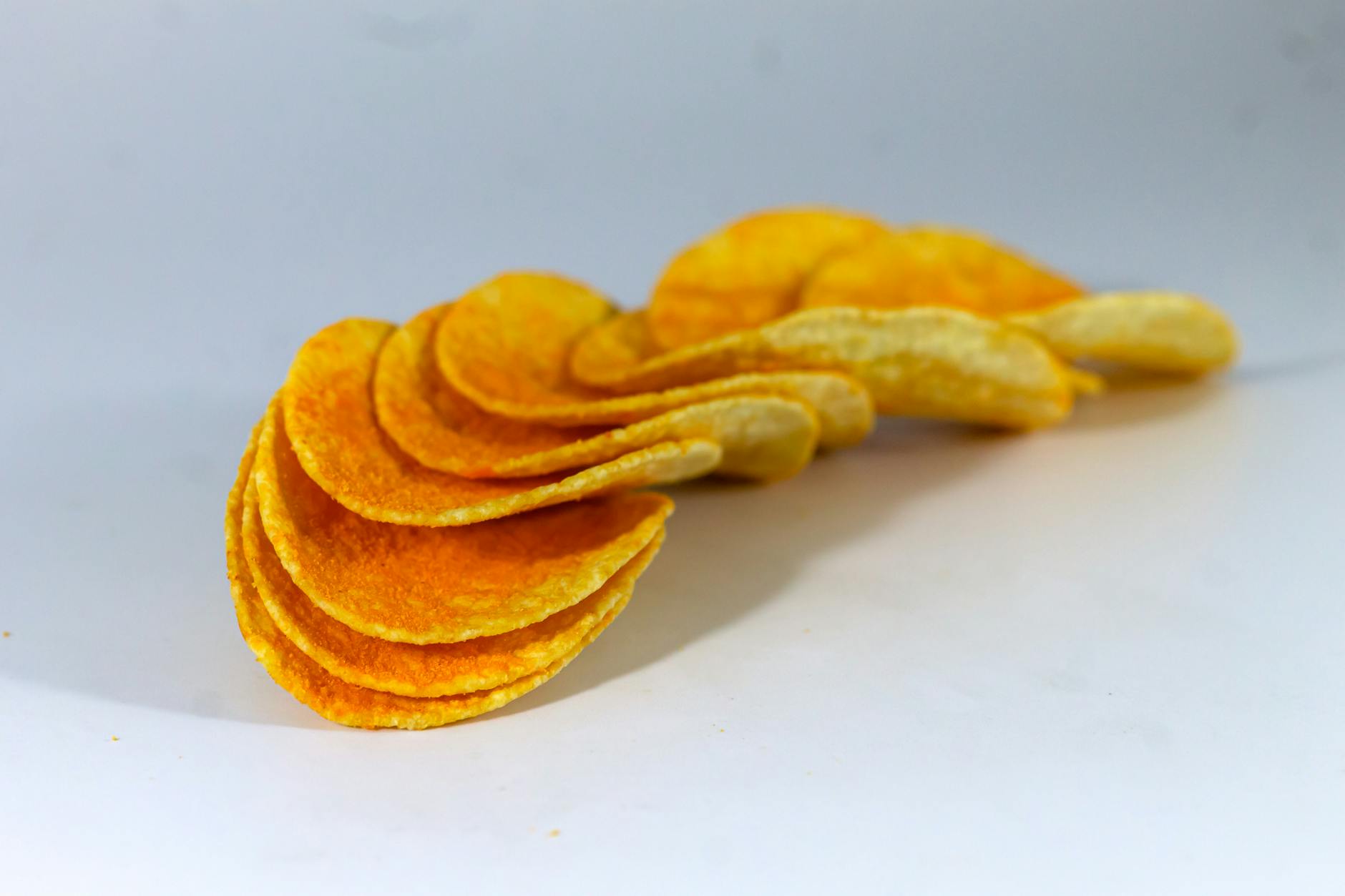
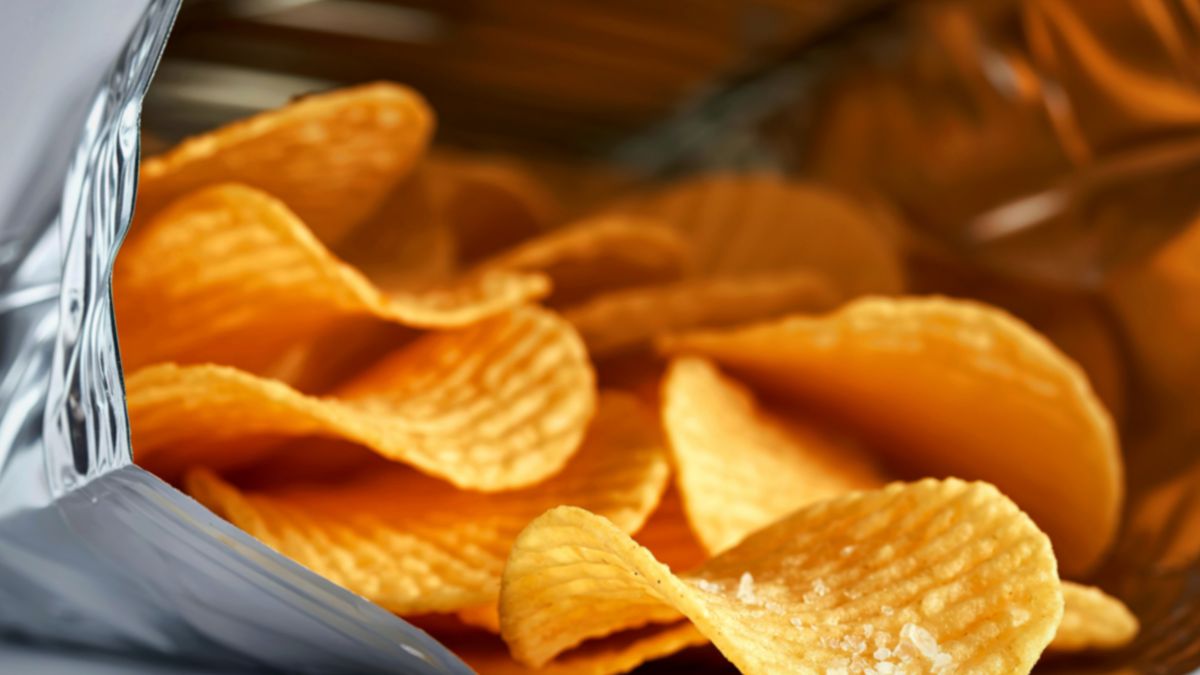
George Crum was a chef at a resort in Saratoga Springs, New York, in 1853 when a customer repeatedly complained that his French-fried potatoes were too thick and soggy. Frustrated by the repeated complaints, Crum sliced the potatoes paper-thin, fried them until crisp, and salted them heavily as a form of culinary revenge. The customer loved them and the dish quickly became the most popular item on the menu. The snack spread to other restaurants and eventually entered mass production in the 20th century. Potato chips are now one of the most consumed snack foods in the world, generating billions of dollars in annual revenue.
Pacemaker

Wilson Greatbatch was attempting to build a heart rhythm recording device in 1956 when he accidentally installed a resistor of the wrong size into his circuit. The resulting device pulsed with a rhythm that closely mimicked a normal human heartbeat rather than simply recording one. He immediately recognized the potential implications and spent the next two years miniaturizing the design for implantation inside the body. The first successful human implant took place in 1960 and permanently changed cardiac medicine. The pacemaker has since been implanted in millions of patients worldwide and continues to save lives every day.
Ink-jet Printing
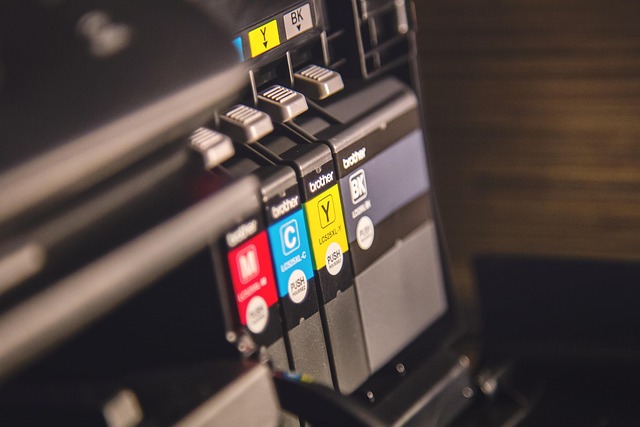
A Canon engineer in the 1970s accidentally rested a hot soldering iron against a syringe filled with ink and was startled when a small amount of ink immediately ejected from the needle. The rapid heating had created a tiny pressure burst that expelled the liquid with precision. Canon and Hewlett-Packard independently pursued the concept, developing technology that used microscopic heating elements to propel ink droplets onto paper at high speed. The resulting inkjet printer revolutionized home and office printing when it reached consumers in the 1980s. It remains the most common type of printer in households around the world.
Stainless Steel

Harry Brearley was a metallurgist in Sheffield, England, hired in 1912 to develop an erosion-resistant steel alloy for gun barrels. After months of failed experiments he discarded dozens of test alloys into a scrap heap in his yard. Weeks later he noticed that one particular batch had not rusted while all the others around it had corroded significantly. Analysis revealed that the rust-resistant sample contained a high proportion of chromium. He refined the formula and what became known as stainless steel went on to transform cutlery, surgical instruments, architecture, and food processing equipment across the globe.
Matches
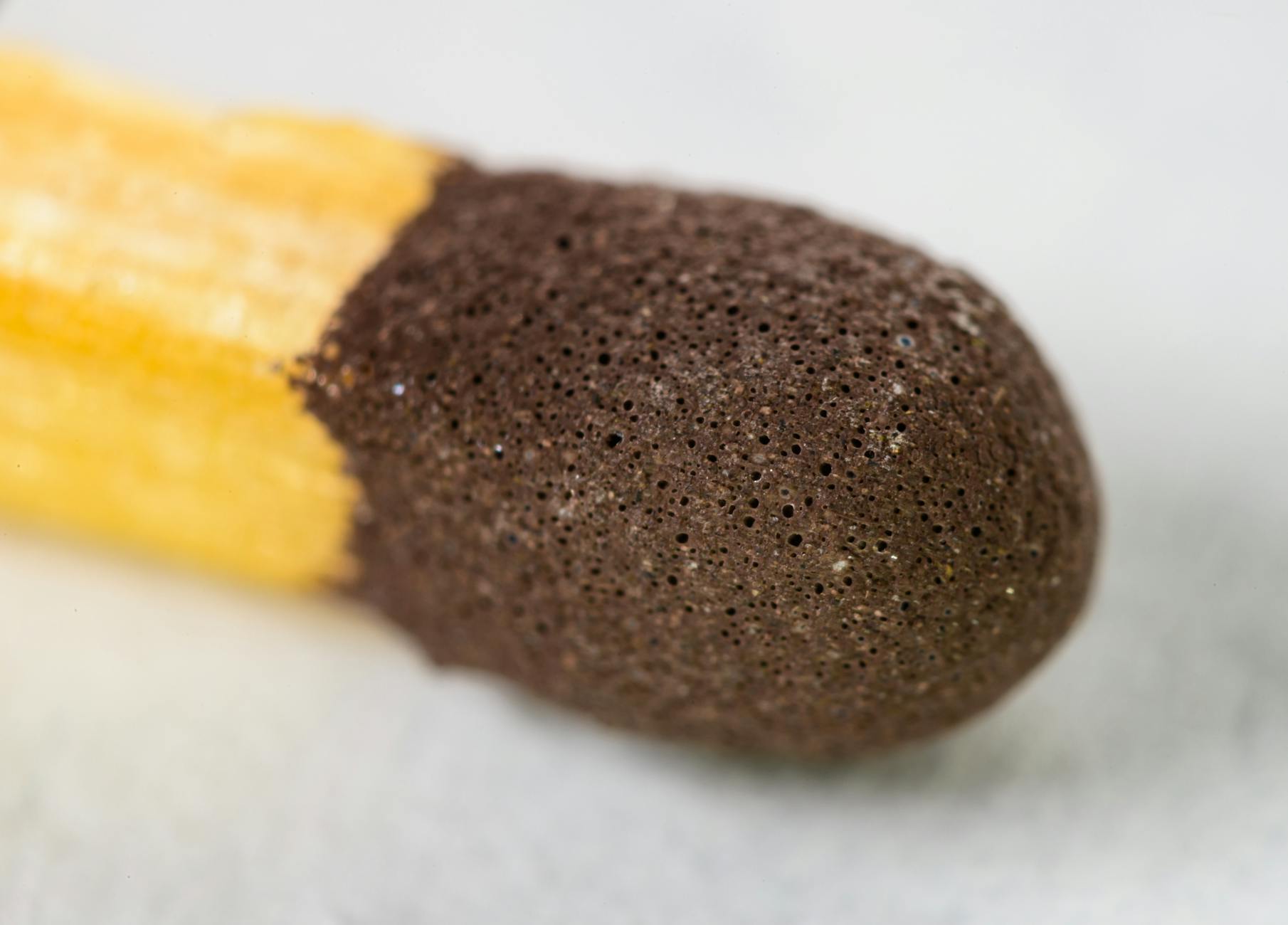
John Walker, a chemist and druggist in Stockton-on-Tees, England, was stirring a pot of chemicals in 1826 when he tried to scrape a dried residue off the end of his mixing stick against the stone floor. The stick instantly burst into flame. He recognized the commercial potential and began selling his friction lights, as he called them, wrapped in paper tubes. He chose not to patent the invention, allowing others to refine and mass-produce it. The humble match transformed fire-starting from a laborious process into an instant, portable act and changed domestic life worldwide.
Nitrous Oxide
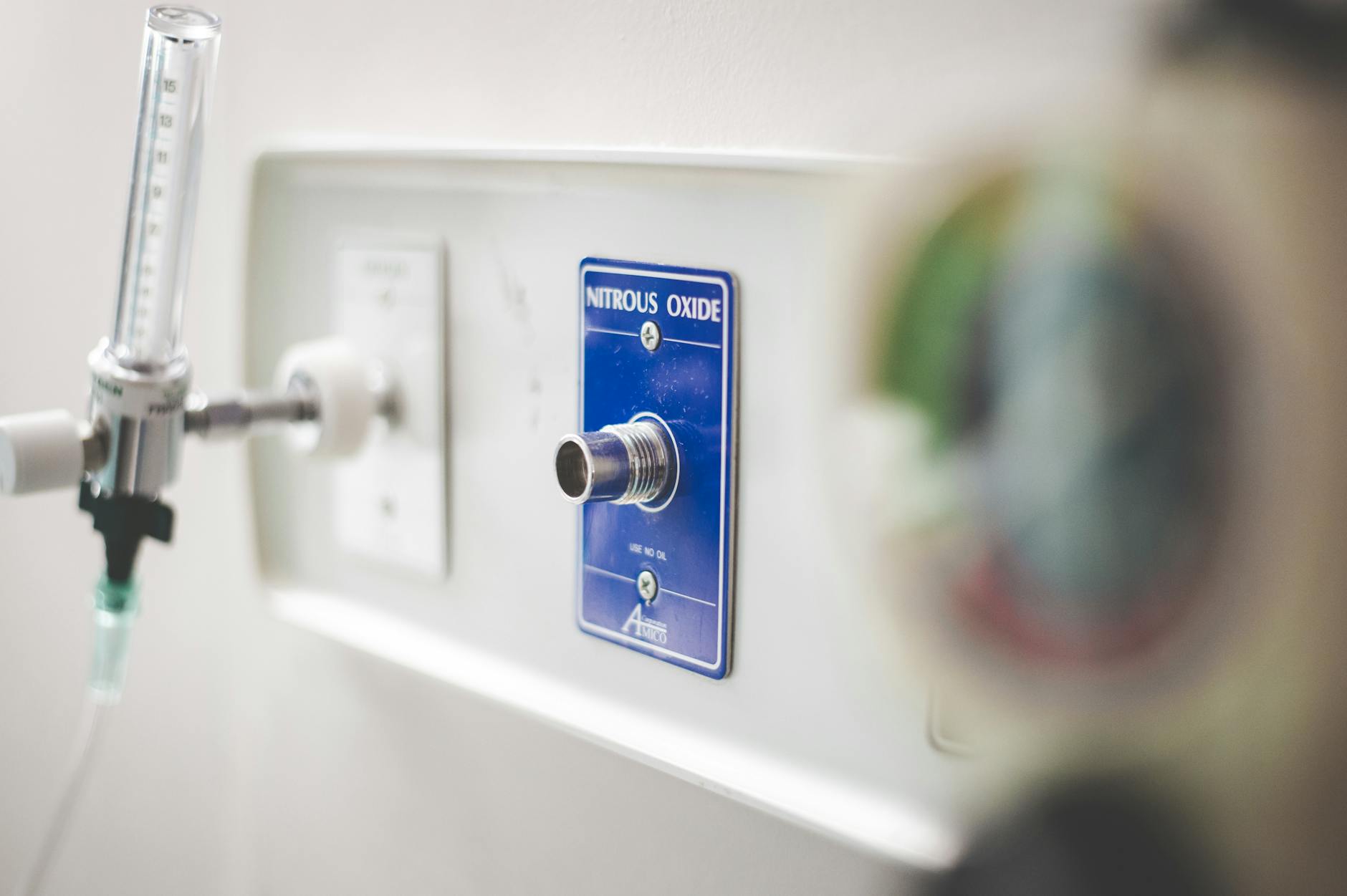
Humphry Davy began experimenting with nitrous oxide at the Pneumatic Institution in Bristol in the 1790s, initially studying it for its potential medical properties related to breathing disorders. He and his colleagues discovered that inhaling the gas produced feelings of euphoria and uncontrollable laughter, earning it the nickname laughing gas. Davy noted in his writings that the substance appeared to eliminate pain during minor surgical procedures but he did not pursue that application seriously. Decades passed before dentists and surgeons began using it as an anesthetic in the 1840s. It remains in use today as a safe and effective pain management tool in both dental and obstetric medicine.
Synthetic Dye
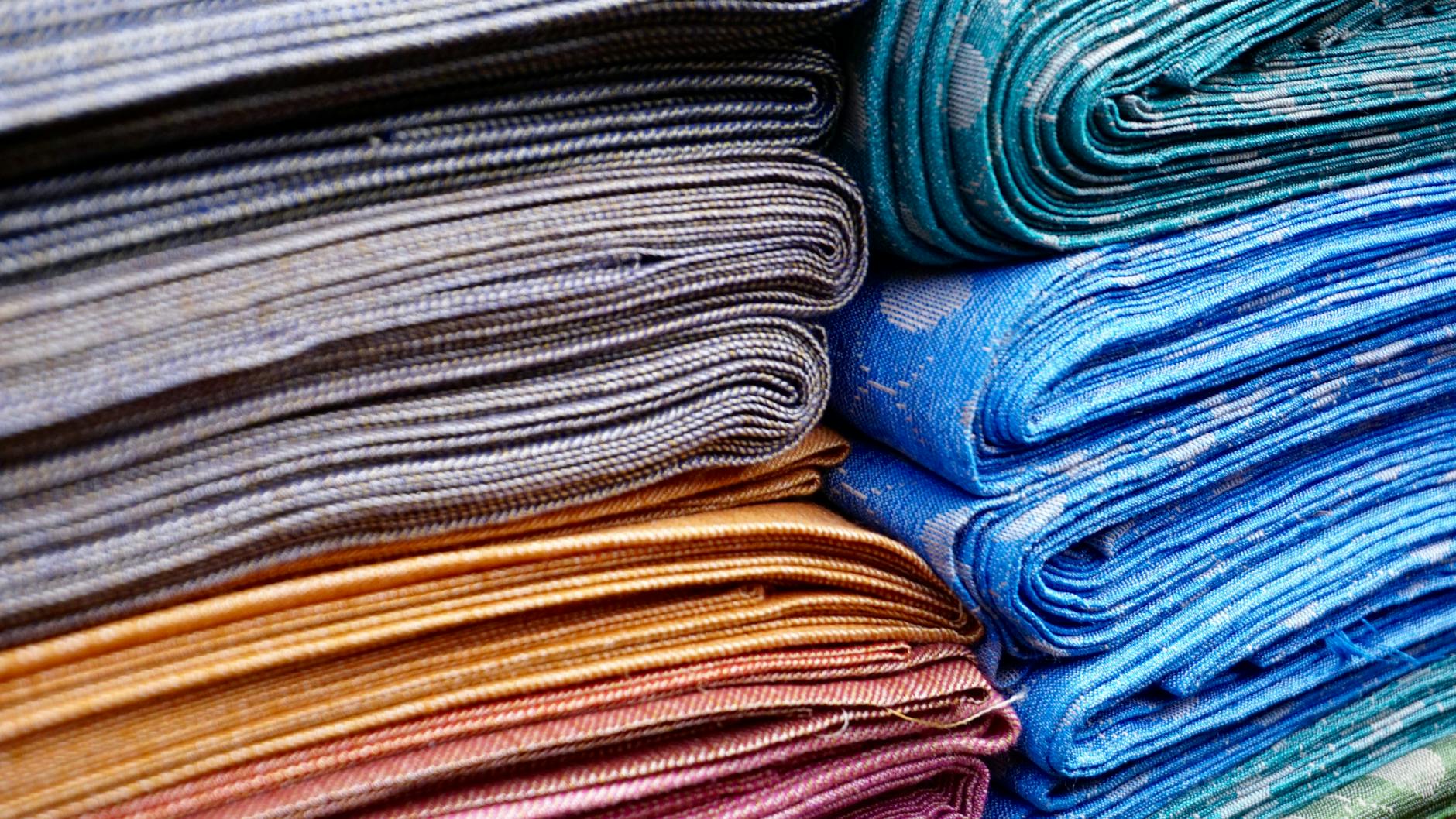
William Perkin was an 18-year-old chemistry student in London attempting to synthesize quinine for treating malaria in 1856 when his experiment produced only a dark, useless-looking sludge. While cleaning his flask with alcohol he noticed the residue dissolved into a striking purple solution that dyed fabric brilliantly and permanently. He named the color mauveine, later shortened to mauve, and it became an immediate sensation in the fashion world. The discovery launched the entire synthetic dye industry and ended humanity’s reliance on expensive natural pigments from plants and insects. It also gave birth to modern organic chemistry and the pharmaceutical industry that followed from it.
Radioactivity
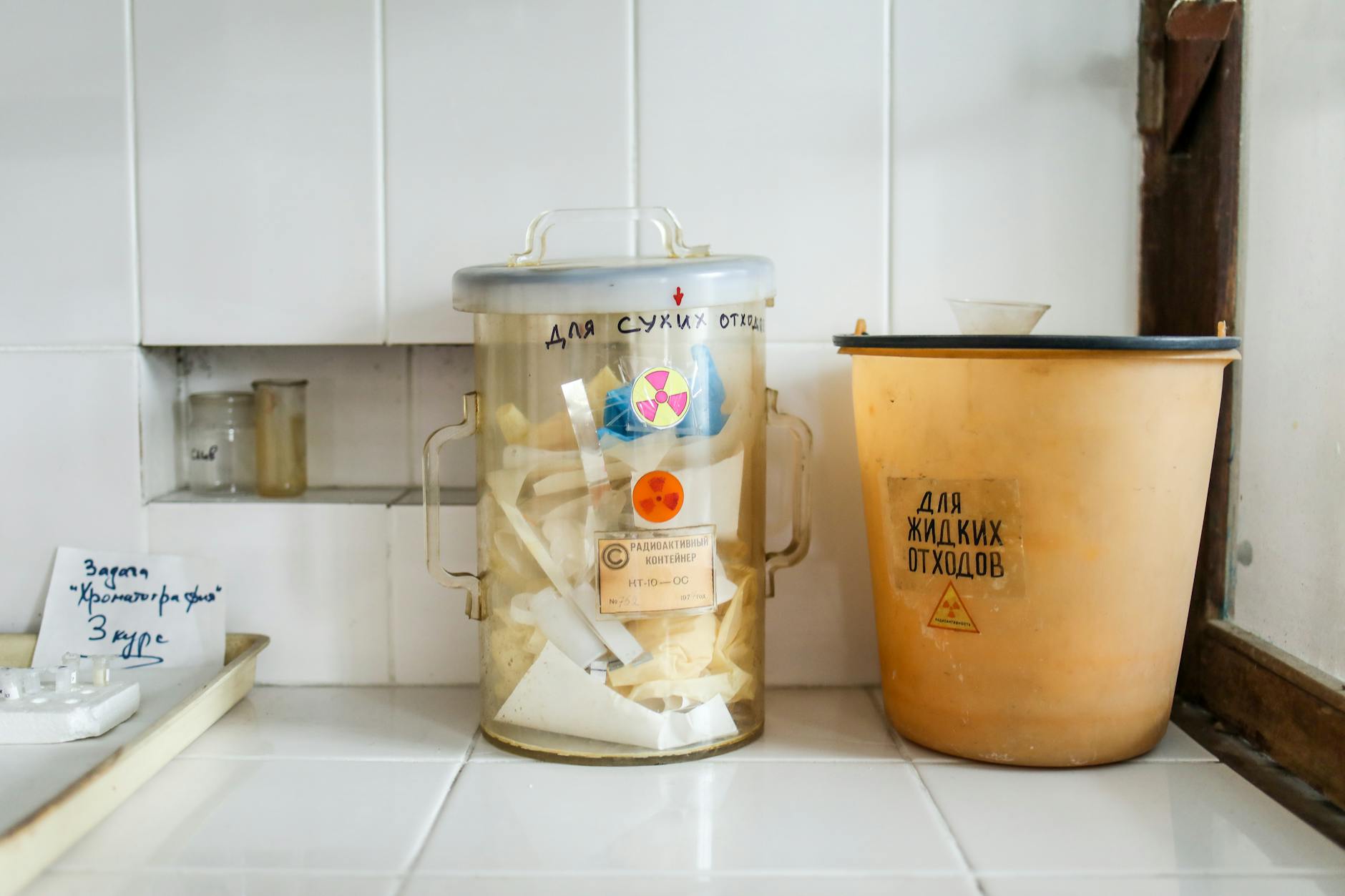
Henri Becquerel was studying the relationship between phosphorescent materials and X-rays in 1896 and planned to expose uranium salts to sunlight before placing them on photographic plates. Cloudy Parisian weather foiled his plan and he stored the materials in a drawer on top of unexposed photographic plates. Days later he developed the plates expecting to find faint images and instead found dark, detailed impressions that could only have been produced by radiation emanating from the uranium itself without any sunlight. He had accidentally discovered radioactivity, a phenomenon that transformed physics, chemistry, and medicine. Marie and Pierre Curie built on his discovery to unlock entirely new understandings of atomic structure.
Cellophane
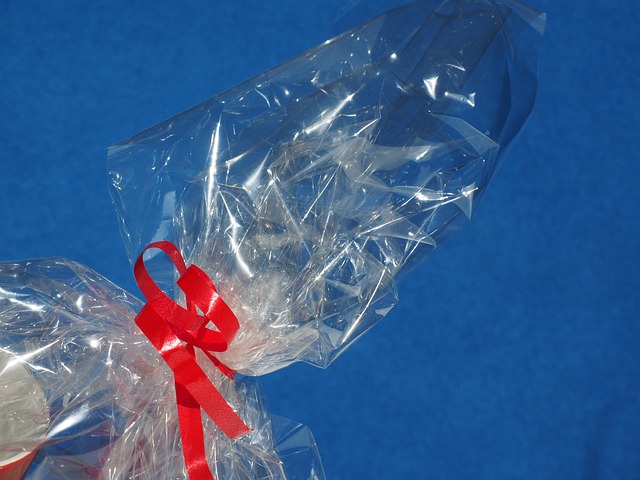
Jacques Brandenberger was a Swiss chemist trying in 1900 to create a stain-proof coating for tablecloths by applying liquid viscose to fabric. The coating made the cloth too stiff to be practical, but it peeled off easily as a thin, transparent, flexible film. He spent a decade perfecting the material and eventually invented a machine to produce it in sheets. By the 1920s cellophane was being used for packaging food, flowers, and luxury goods, dramatically extending shelf life and transforming retail presentation. It was the world’s first flexible transparent packaging material and changed the food industry permanently.
Vaseline
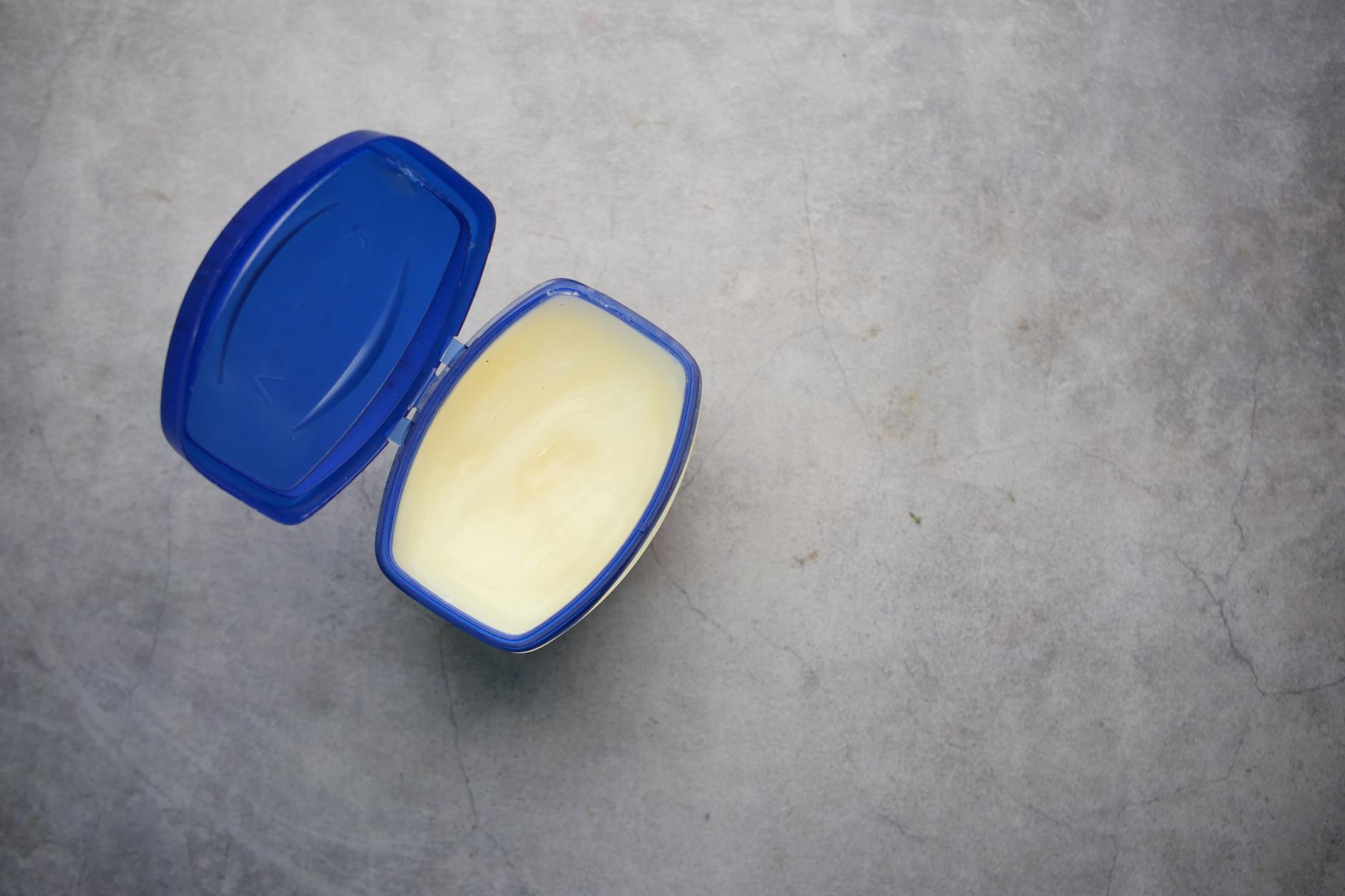
Robert Chesebrough was a young chemist who traveled to Pennsylvania oil fields in 1859 after his own business selling kerosene was threatened by the growing petroleum industry. He noticed that oil workers were using a waxy residue that formed on drilling rods to soothe cuts and burns on their skin. He collected samples, purified the substance through a series of distillation steps, and began testing it on his own cuts and burns. He was so confident in the product that he toured New York state demonstrating its healing properties by burning his own skin and then applying the ointment. Vaseline petroleum jelly has since been sold continuously for over 150 years and remains a global first-aid and skincare staple.
LSD

Albert Hofmann was a Swiss chemist working at Sandoz Laboratories in 1943 synthesizing compounds derived from ergot fungus when he accidentally absorbed a small amount of lysergic acid diethylamide through his fingertips. He soon experienced an unexpectedly intense alteration of consciousness and later deliberately took a measured dose to confirm the source of his experience. His discovery sparked decades of psychiatric research into the compound’s potential for treating anxiety, depression, and addiction. While regulatory restrictions eventually halted most formal research, interest has surged again in the 21st century as clinical trials explore its therapeutic applications. Its accidental synthesis fundamentally changed the scientific understanding of human consciousness.
Smoke Detector

Duane Pearsall and Stanley Peterson were testing an experimental air conditioning device in a Colorado laboratory in 1965 when they noticed that tobacco smoke from a cigarette was triggering unexpected interference in the device’s ionization chamber. They traced the interference to the smoke particles disrupting the electrical current flowing between two charged plates. Rather than troubleshoot around the effect they recognized it as the basis for a practical fire detection system. The ionization smoke detector they developed became commercially available in the 1970s and rapidly spread to homes and businesses across North America. Building codes eventually made smoke detectors mandatory and they are now credited with saving thousands of lives annually.
Synthetic Rubber

Walter Reppe at BASF in Germany accidentally discovered in the 1920s that acetylene gas under pressure could be transformed into a range of useful chemical building blocks while investigating industrial processes. One pathway led to a material with elastic properties similar to natural rubber, which was a strategically critical material increasingly difficult to source. The development of synthetic rubber became a matter of national urgency during World War II when Japanese forces cut off access to natural rubber plantations in Southeast Asia. The United States launched a massive government-funded program that produced workable synthetic rubber at industrial scale within two years. Today synthetic rubber accounts for the majority of global rubber production and is essential to automotive, aerospace, and manufacturing industries.
Insulin Potential Discovery

Frederick Banting was a relatively unknown Canadian physician who in 1920 read a medical journal article about the pancreas and became convinced that a hormonal extract from it could treat diabetes. Working with very limited resources at the University of Toronto, he and his team accidentally discovered that tying off pancreatic ducts in dogs caused certain cells to degenerate while leaving the insulin-producing islets intact. This incidental surgical observation allowed them to isolate functional insulin from the remaining tissue for the first time. The first human trial in January 1922 transformed a death sentence into a manageable condition for diabetics worldwide. Banting received the Nobel Prize in Physiology or Medicine in 1923 for a discovery that changed the prognosis of diabetes forever.
Play-Doh
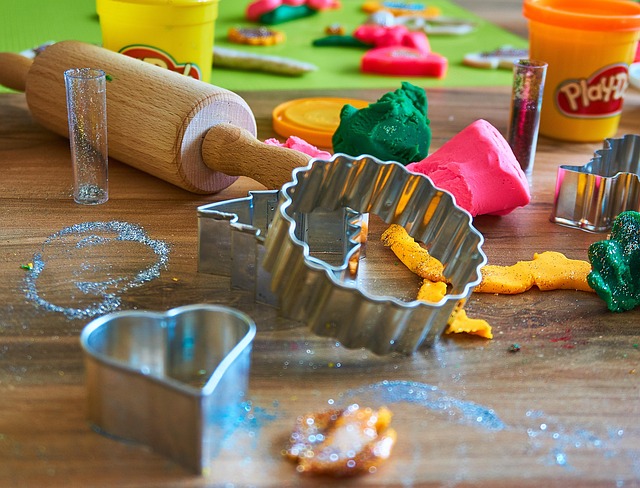
Noah McVicker created a pliable non-toxic compound in the early 1950s intended as a wallpaper cleaning putty that could be rolled over surfaces to pick up soot from coal-burning furnaces. As homes transitioned to cleaner heating fuels the product became commercially obsolete almost immediately. His sister-in-law, a nursery school teacher, brought some to her classroom and discovered that children adored modeling with it. The compound was reformulated in softer colors and rebranded for the toy market in 1956 under the name Play-Doh. It has since sold in excess of three billion cans worldwide and remains one of the most recognized children’s creative toys in history.
Silly Putty
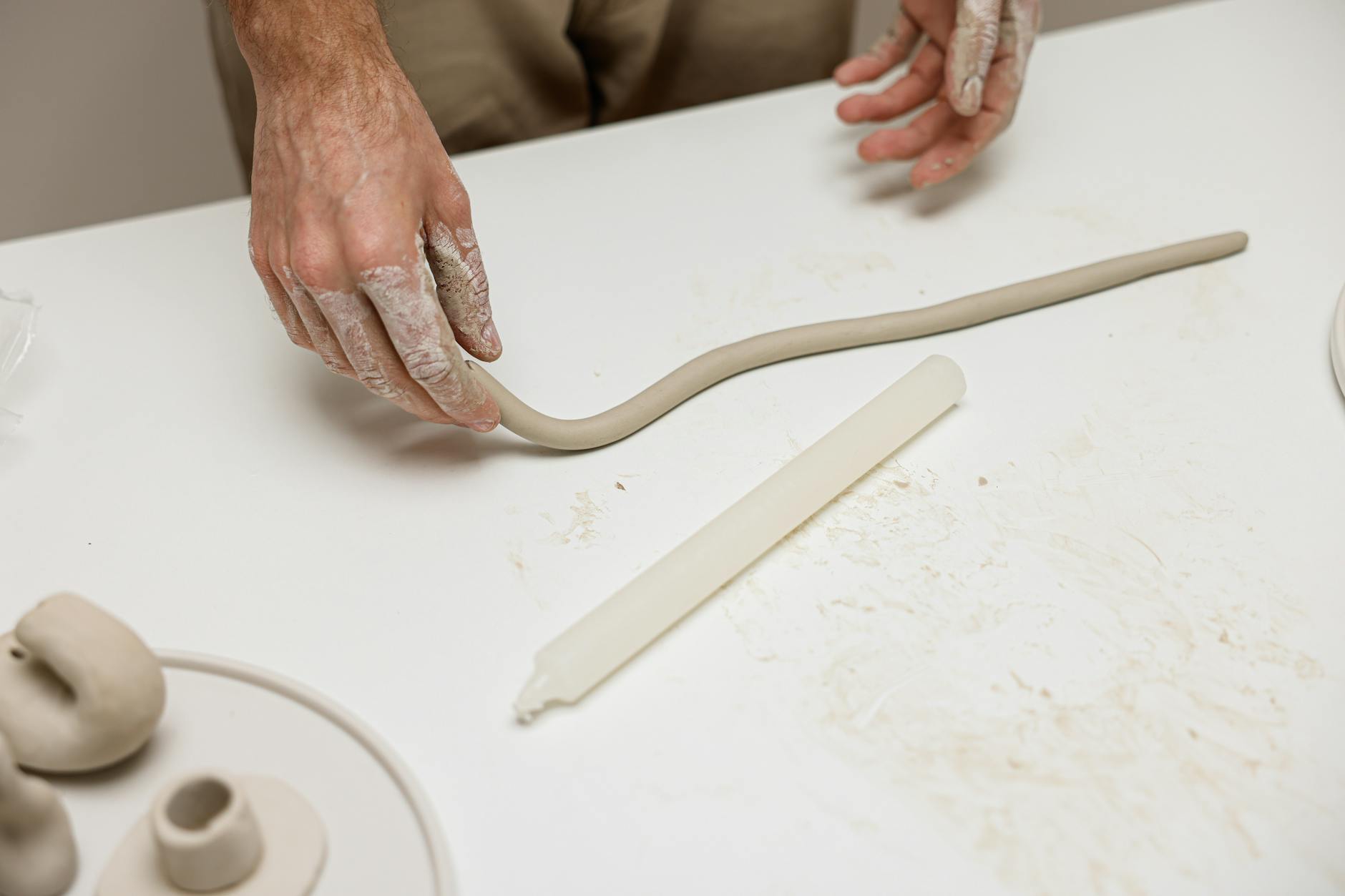
James Wright was a General Electric engineer assigned during World War II to find a synthetic alternative to rubber by experimenting with silicone compounds. In 1943 he combined boric acid with silicone oil and produced a bouncy, stretchy, moldable substance that was unlike anything previously catalogued. It could bounce higher than rubber, stretch without breaking, and copy images from newsprint but had no obvious industrial application. The material languished in GE labs for years until an entrepreneur named Peter Hodgson spotted it at a party, purchased the rights, packaged it in plastic eggs, and sold it as a toy in 1950. Silly Putty became one of the best-selling novelty toys of the 20th century and is now also used in physical therapy and stress relief.
What accidental invention surprises you the most — share your thoughts in the comments!




