
The human body is constantly communicating, even when words say nothing at all. Researchers and behavioral experts have long studied the silent signals people send through posture, gesture, and micro-expressions. These cues can reveal everything from hidden discomfort to genuine enthusiasm and deep attraction. Understanding them gives you a powerful tool for reading any room, navigating relationships, and picking up on truths that polite conversation tends to conceal. Here are 25 of the most telling body language signs that expose what someone is really thinking.
Lip Compression
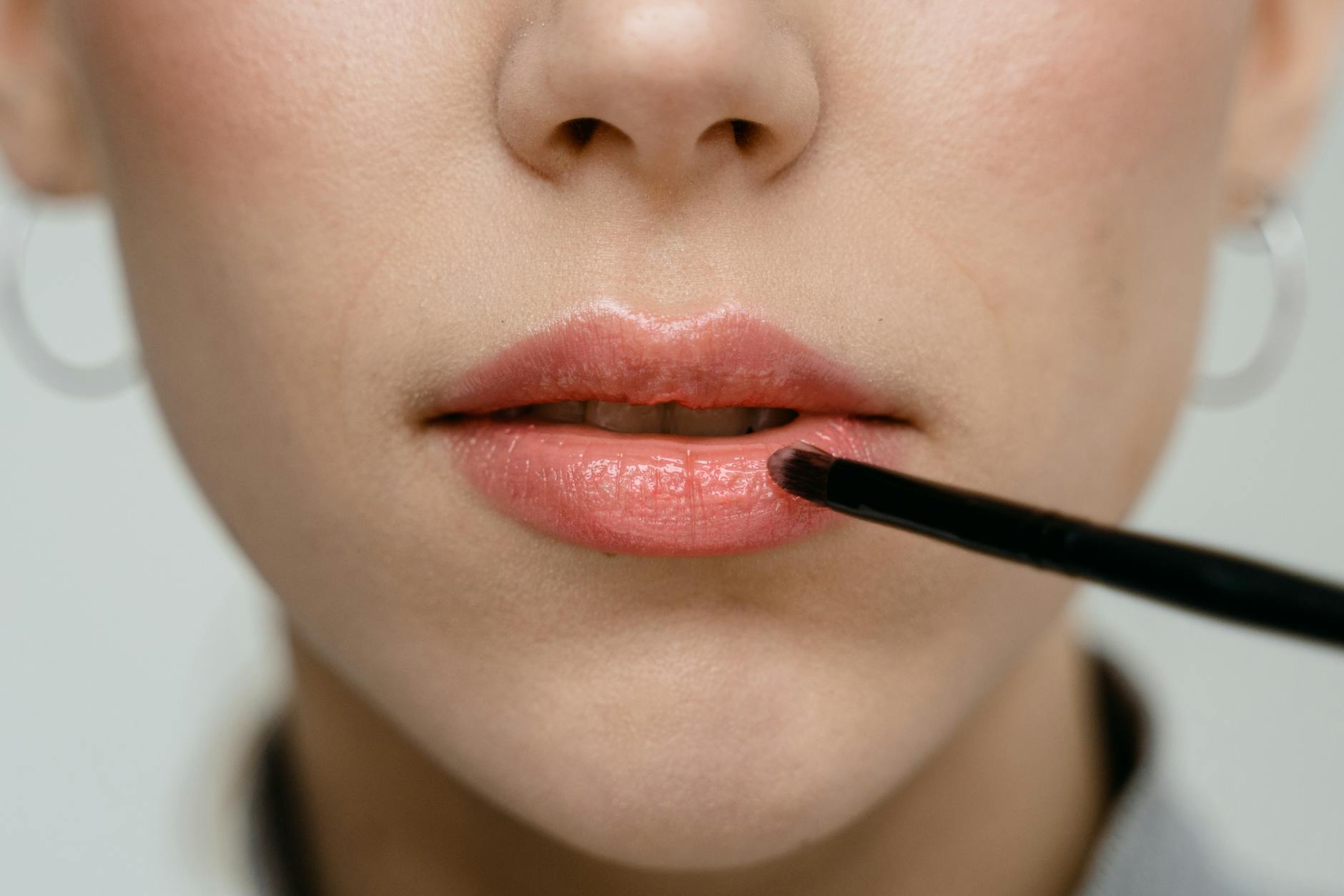
When someone presses their lips together tightly, they are often holding back something they want to say. This gesture commonly appears during disagreements or tense exchanges when a person feels it is safer to stay silent. It signals suppressed frustration or an opinion being consciously withheld. The tighter and more prolonged the compression, the stronger the unexpressed emotion tends to be. Paying attention to this cue in meetings or conversations can tell you when someone disagrees but has chosen not to speak.
Microexpression Flash

A microexpression is a fleeting facial movement that lasts only a fraction of a second before being consciously suppressed. These involuntary flashes occur because the brain briefly reveals a genuine emotion before the social mask snaps back into place. Common microexpressions include a flash of disgust, contempt, or fear that contradicts whatever is being said verbally. They are notoriously difficult to fake and nearly impossible to fully control. Trained observers and interviewers often rely on these rapid signals to detect deception or concealed emotional reactions.
Feet Direction

The direction a person points their feet is one of the most honest signals the body can give, largely because most people forget to control it. When someone’s feet are angled toward the door, they are psychologically ready to leave the conversation. If their feet point toward another person, genuine interest and engagement are typically present. Crossed ankles or feet tucked under a chair can suggest nervousness or a desire to appear smaller. Unlike facial expressions, foot direction is rarely rehearsed and therefore rarely deceiving.
Eye Blocking
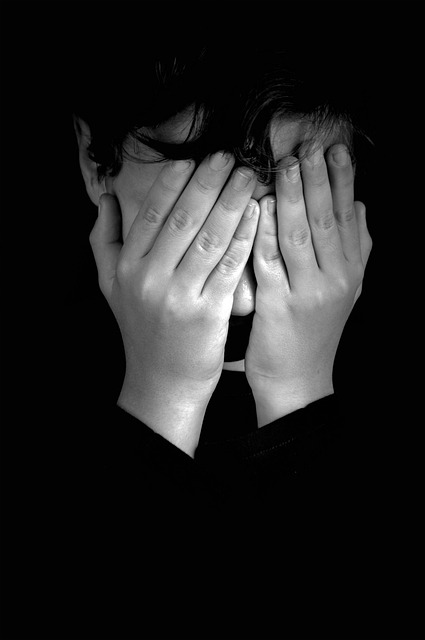
Covering the eyes, rubbing them, or letting the eyelids drop for longer than a normal blink are all forms of eye blocking behavior. This instinctive response emerges when the brain wants to shield itself from something unpleasant, threatening, or unwelcome. It often appears when someone hears bad news or is asked a question they would rather not answer. The behavior traces back to the brain’s deep-rooted threat response system. Frequent eye blocking during a conversation is a reliable sign that discomfort or disapproval is being experienced.
Neck Touching

Self-touching around the neck or throat is a strong indicator of stress, insecurity, or anxiety. Women often touch the suprasternal notch at the base of the throat when they feel threatened or uncertain. Men more commonly rub or scratch the sides of the neck or tug at their collar in moments of pressure. The neck is a vulnerable area of the body, and touching it subconsciously provides comfort when the nervous system is activated. A sudden spike in this behavior during a conversation often signals that the person has been genuinely rattled by something.
Jaw Clenching
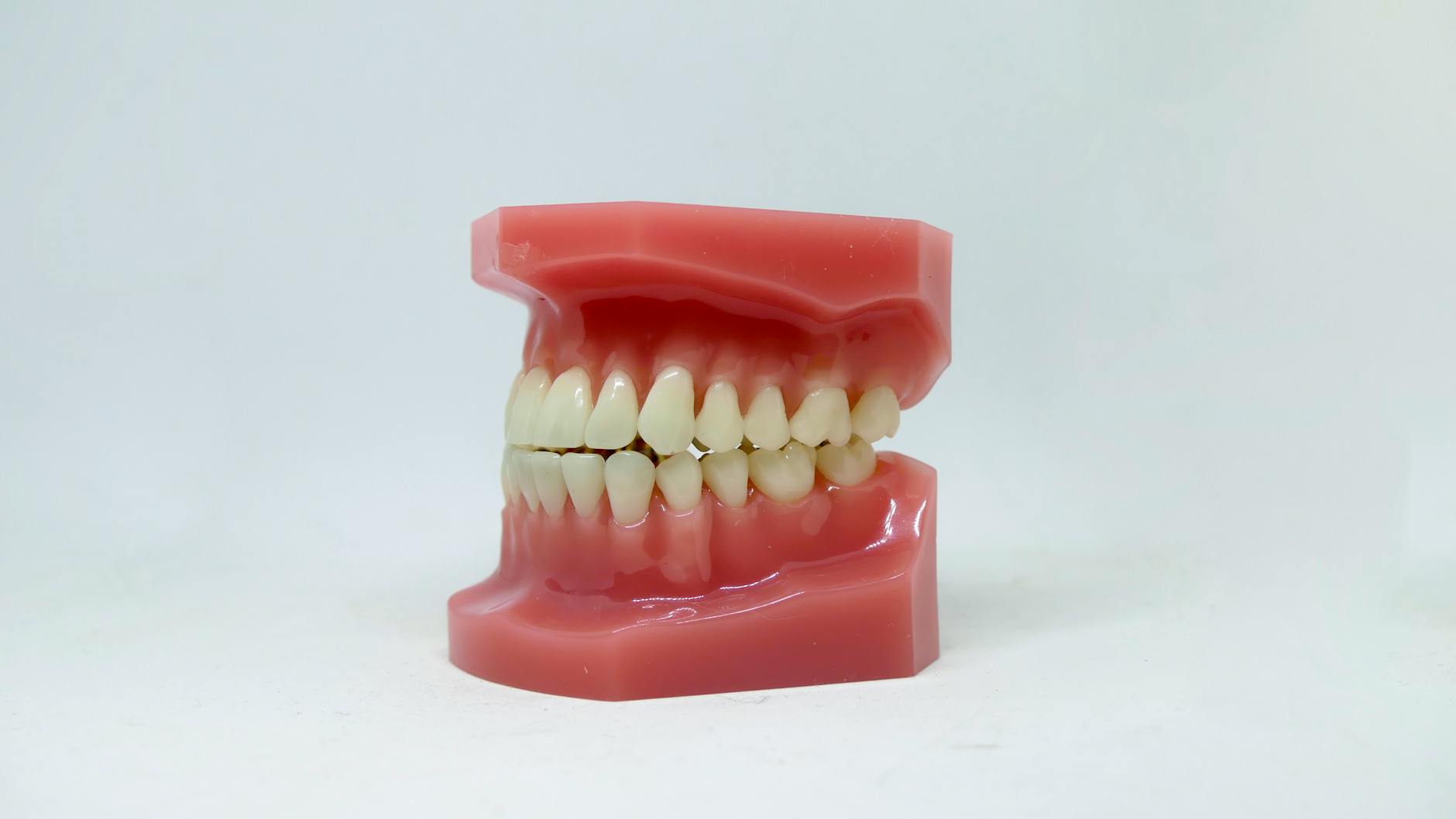
A tightened jaw is one of the body’s most telling signs of held tension, anger, or frustration. The masseter muscles along the sides of the jaw visibly contract and harden when someone is working hard to contain a strong emotion. This often happens when a person feels they cannot express what they are feeling in a given social context. It is particularly common in situations involving power imbalance where speaking up feels risky. The slow release of the jaw after a tense moment usually signals that the emotional peak has passed.
Nose Touch
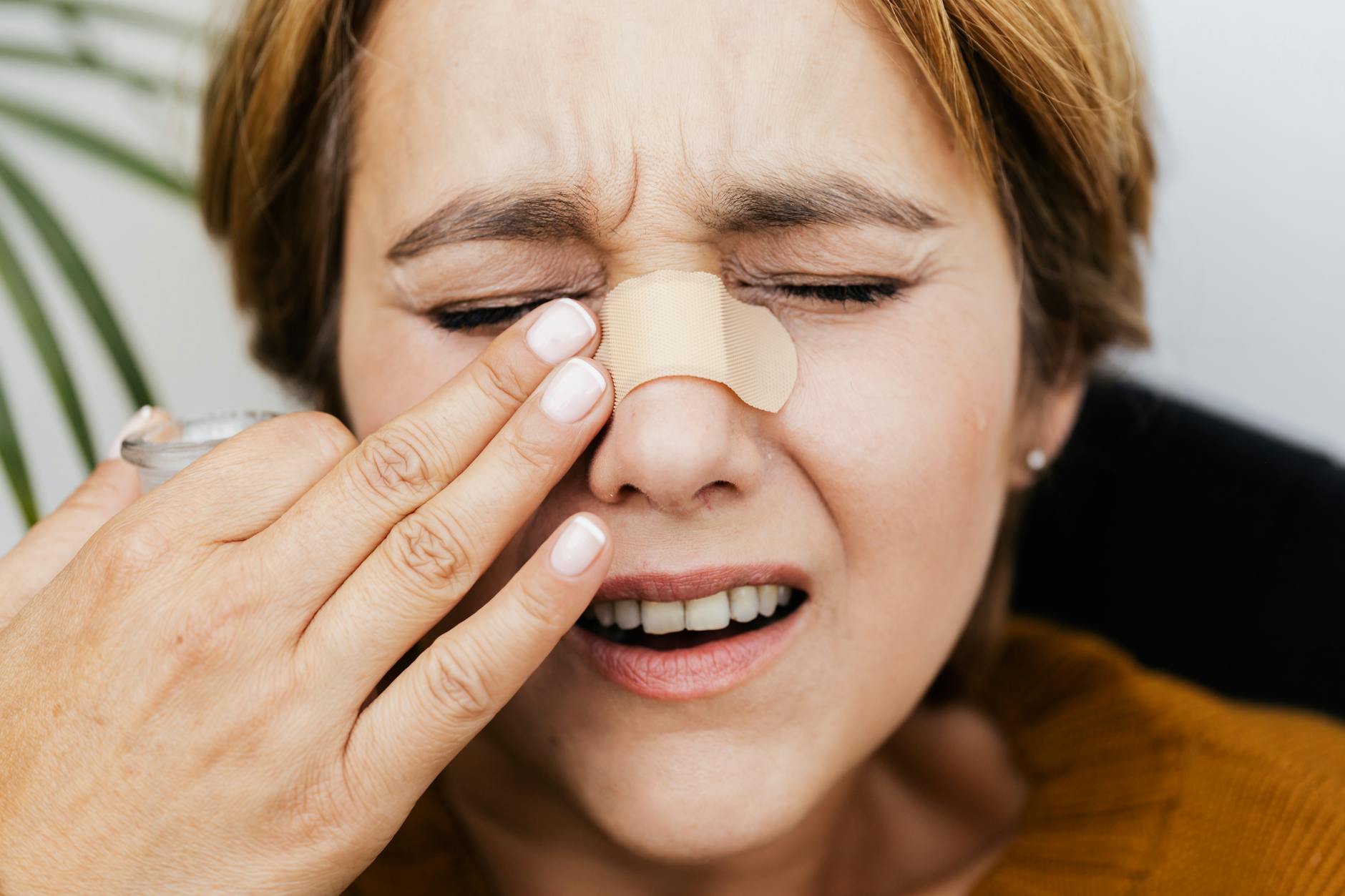
Touching the nose briefly during conversation has long been studied as a potential indicator of deception or discomfort. When someone tells a lie or hears something they do not believe, blood pressure subtly rises and nasal tissue can become slightly inflamed and itchy. This physiological response triggers a very quick, almost imperceptible nose touch or rub. It is important to note that the gesture alone is not proof of dishonesty but it does indicate that something in the exchange is creating internal friction. Clusters of this behavior alongside other deceptive cues are worth taking note of.
Forehead Wrinkling

A deeply furrowed brow most commonly signals confusion, concern, or intense concentration. When the inner corners of the eyebrows are pulled together and upward, genuine sadness or worry is being communicated. A symmetrical furrowing across the entire forehead typically indicates that someone is working hard to process information. This expression is very difficult to fake convincingly, making it a reliable emotional signal. Noticing it in someone who is nodding and verbally agreeing often means they are not as confident about the situation as their words suggest.
Head Tilting

Tilting the head to one side during conversation is generally a signal of genuine curiosity and active engagement. It exposes the neck, which in behavioral terms reflects a degree of trust and comfort with the person speaking. Dogs display the same instinctive response when they are processing something unfamiliar, suggesting the gesture is deeply wired into social animals. A person who consistently tilts their head while listening is emotionally invested in what is being said. The absence of this gesture in someone who normally uses it can indicate detachment or reduced interest.
Pupil Dilation

The pupils naturally expand when someone sees or hears something that genuinely excites or attracts them. This is an entirely involuntary response controlled by the autonomic nervous system, making it one of the most honest signals the body can produce. Advertisers and card players have long been aware of this phenomenon and use it strategically. Dim lighting also causes dilation, so context matters when interpreting this cue. When all environmental factors are constant and the pupils visibly widen, authentic interest or pleasure is almost certainly present.
Mirroring

When someone unconsciously mirrors the posture, gestures, or speech rhythm of another person, it signals deep rapport and emotional attunement. This behavior emerges naturally when individuals feel genuinely connected to one another. It is one of the clearest nonverbal indicators of liking and trust in interpersonal communication. Therapists and skilled negotiators often deliberately use mirroring to build connection and establish safety. Noticing that someone begins to mirror your body language is a strong sign they are positively engaged with you.
Shoulder Shrugging
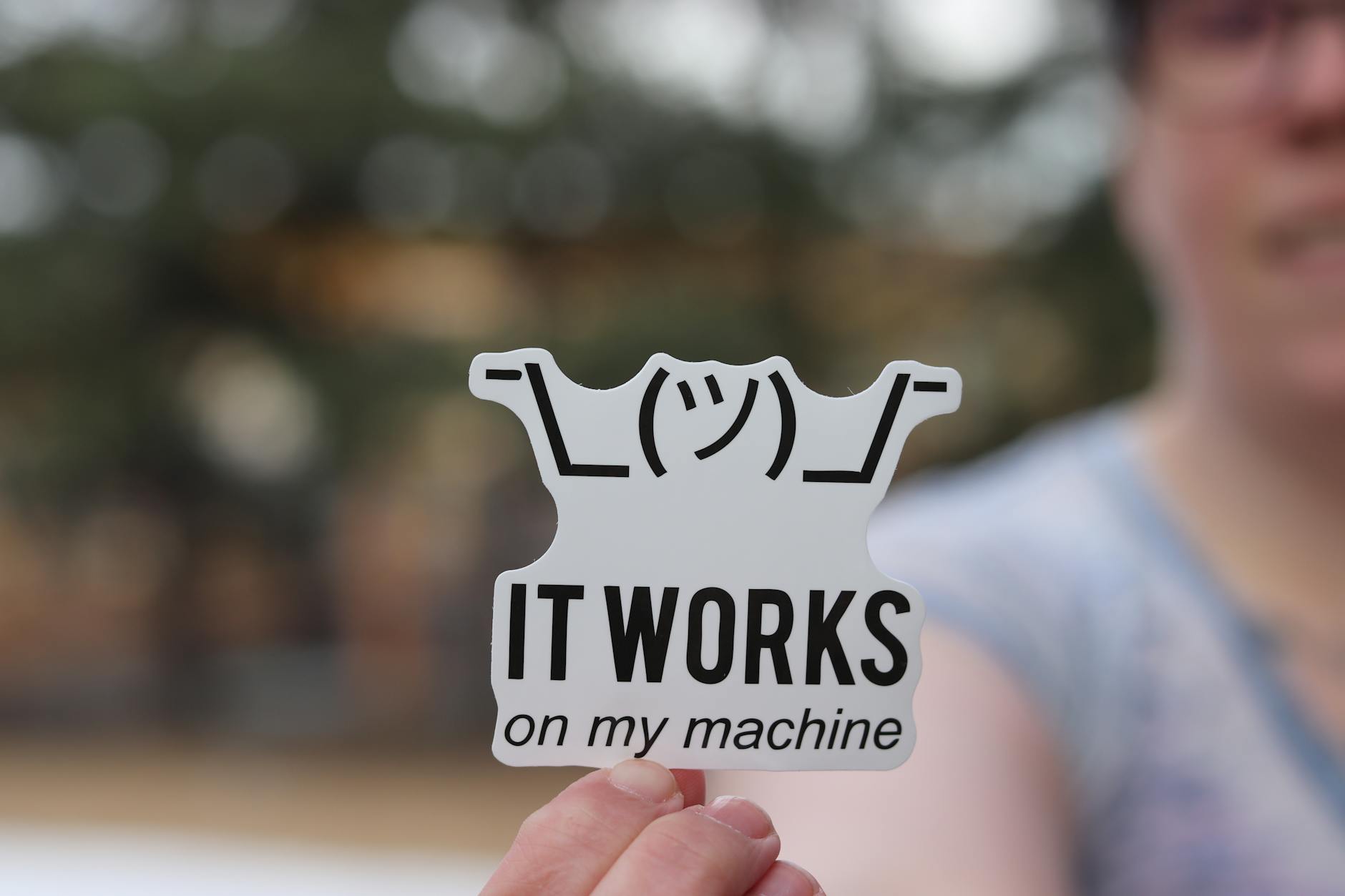
A quick, involuntary shrug of both shoulders often surfaces when someone is uncomfortable with what they are saying or feeling uncertain about the truth of their own words. It is different from a deliberate, expressive shrug used to convey indifference. The unconscious version tends to appear mid-sentence or at the end of a statement as a kind of physical disclaimer. Behavioral analysts pay particular attention to shoulder shrugs that contradict the confident tone of what is being verbally stated. Even a partial shrug where only one shoulder rises slightly carries meaningful weight as a deception signal.
Nostril Flaring

Flared nostrils are a reliable sign that the body is preparing for action or experiencing a surge of heightened emotion. The nose flares to take in more oxygen when the nervous system shifts into a state of arousal, whether from excitement, anger, or attraction. This gesture is reflexive and happens too quickly to be consciously controlled in most people. In confrontational situations, nostril flaring can precede an outburst or an assertive action. Watching for it in high-stakes conversations can give you an early warning that someone’s emotional temperature is rising fast.
Steepling

Steepling is the gesture of pressing the fingertips together with the palms apart to form a pointed arch, like a church steeple. It is strongly associated with confidence, authority, and a sense of certainty in one’s own knowledge or position. Business leaders and attorneys often display this gesture when they believe they hold the strongest position in a negotiation. It signals that the person feels in control of the situation and is not experiencing self-doubt. When someone transitions from open hand gestures to steepling during a discussion, it often marks the moment they feel their argument has become unassailable.
Grooming Gestures

Sudden self-grooming behaviors such as straightening hair, smoothing clothing, or adjusting accessories tend to emerge in the presence of someone a person finds attractive. These instinctive preening signals are rooted in the same evolutionary impulse that drives grooming behavior across most social species. They are generally unconscious and often appear the moment an attractive individual enters the room or joins a conversation. Repeated grooming gestures directed toward a specific person make the attraction even clearer. Recognizing them can help decode the unspoken romantic dynamics unfolding in any social setting.
Eyebrow Flash

A rapid double raise of both eyebrows lasting only a fraction of a second is known as the eyebrow flash, and it is considered a universal signal of recognition and positive acknowledgment. It appears instinctively when people spot someone familiar whom they regard positively. In social encounters it serves as a nonverbal greeting that communicates openness and friendliness before a single word is exchanged. The absence of an eyebrow flash when two people who know each other make eye contact can signal tension, discomfort, or dislike. Cultures around the world have been observed using this gesture spontaneously, underscoring how deeply it is embedded in human interaction.
Crossed Arms

While crossed arms are commonly associated with defensiveness or closed-off energy, the context in which the gesture appears matters enormously. When someone crosses their arms while their body leans forward and they maintain steady eye contact, comfort rather than resistance may actually be present. However, arms crossing tightly against the chest alongside backward leaning and avoiding eye contact does reliably indicate psychological withdrawal. It is most telling when it appears suddenly in response to a specific statement or question during a conversation. Watching for the trigger that causes the arms to cross can reveal exactly what topic has made someone uncomfortable.
Palm Display
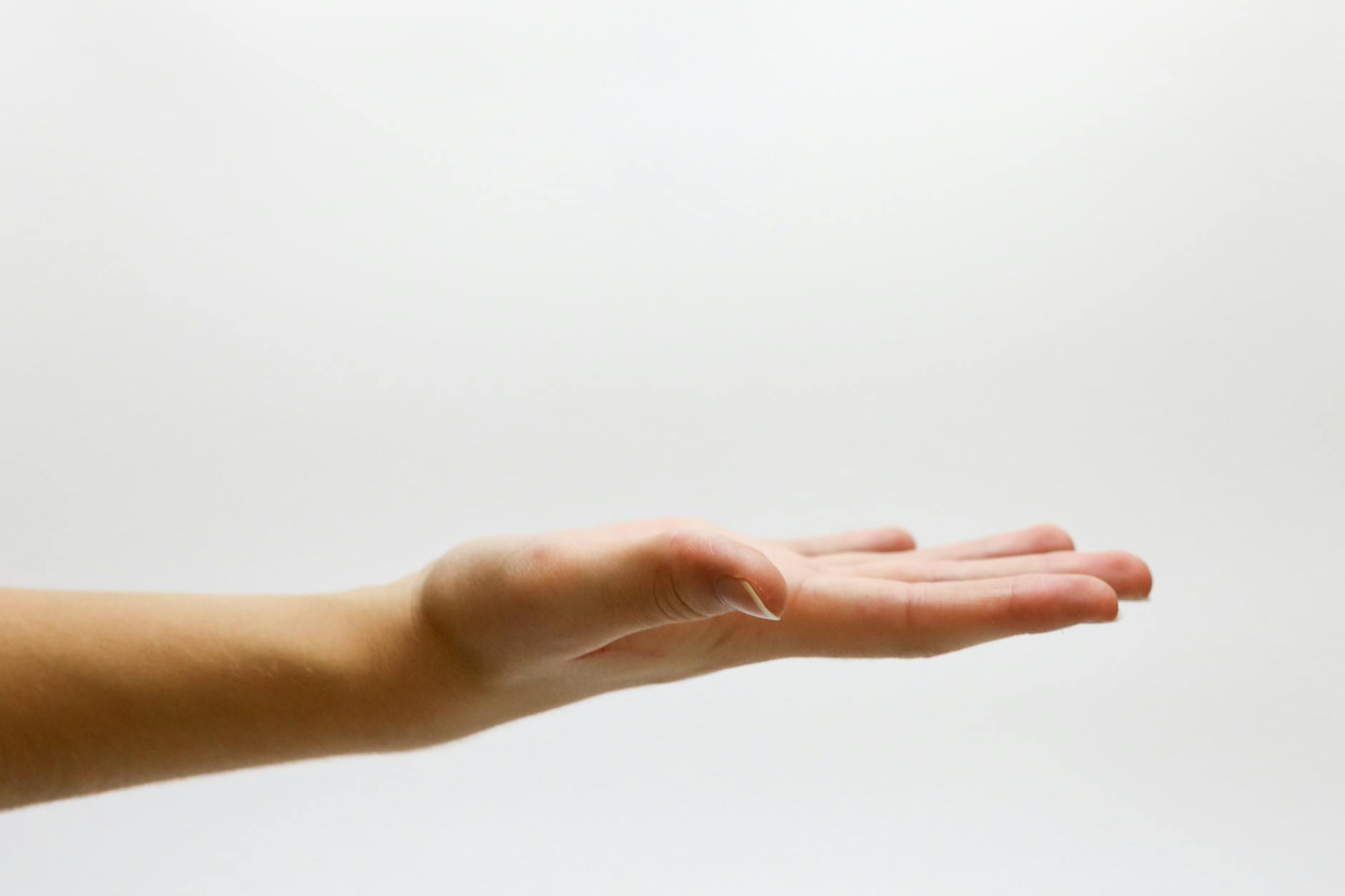
Showing the palms openly during conversation is one of the most ancient and universal gestures of honesty and non-threat. Open palms signal that a person has nothing to hide and is approaching the interaction with transparency and goodwill. Negotiators, diplomats, and charismatic speakers use deliberate palm displays to establish trust with their audiences. When someone habitually keeps their palms hidden during a tense discussion, it can suggest they are concealing something or feeling guarded. Observing the shift from concealed palms to open displays within a single conversation often marks the moment trust begins to form.
Lip Licking

A quick dart of the tongue across the lips is a common response to anxiety, anticipation, or attraction. The nervous system dries out mucous membranes under stress, making lips feel dry and prompting this reflexive response. It frequently appears before someone is about to say something difficult or during moments of heightened tension. When it occurs in the context of attraction rather than stress, it is usually accompanied by other positive engagement signals such as dilated pupils and prolonged eye contact. Like most body language cues, it is most meaningful when interpreted alongside the full behavioral picture.
Head Nodding

The speed and rhythm of someone’s head nodding carries meaningful information beyond simple agreement. A slow, deliberate single nod typically signals considered understanding and genuine accord. Rapid, continuous nodding often communicates impatience and a desire for the speaker to finish so the listener can interject. A nod combined with raised eyebrows suggests polite acknowledgment without real conviction. Behavioral experts note that the timing of a nod relative to the content being spoken can reveal whether agreement is sincere or purely social and performative.
Belly Exposure
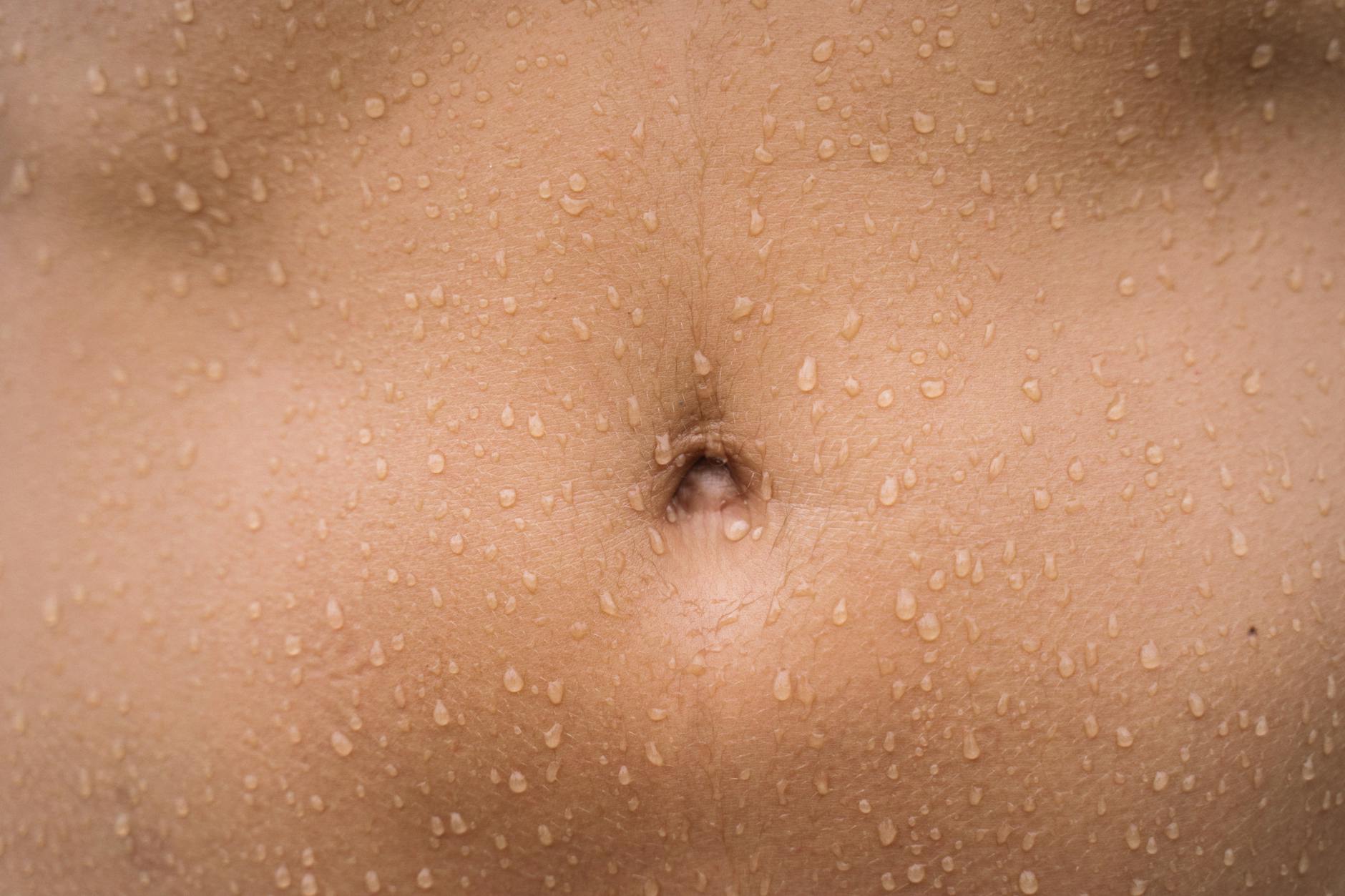
The degree to which someone orients their torso toward or away from another person is a powerful measure of their psychological comfort level. Turning the full front of the body including the stomach toward someone signals deep trust and positive regard. Angling the torso away while continuing to make eye contact is a subtle distancing signal indicating partial disengagement. The belly is one of the body’s most vulnerable areas and people instinctively protect it by rotating away from perceived threats or discomfort. Reading torso direction alongside other cues offers a reliable map of where someone’s genuine allegiance lies in any social setting.
Ear Touching
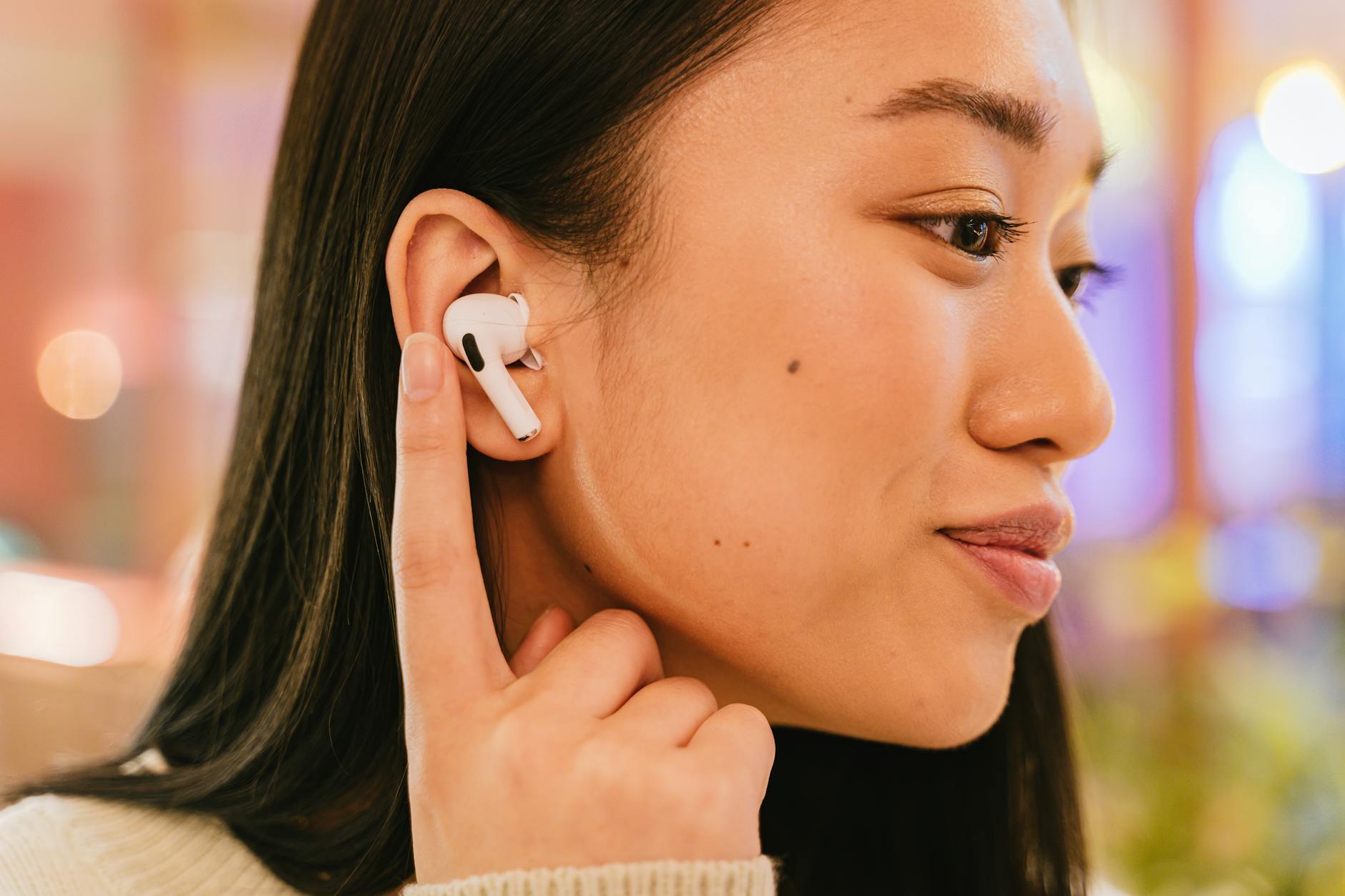
Rubbing or pulling at the ear is classically linked to hearing something the brain finds unpleasant or difficult to accept. It may also appear when someone is undecided or internally conflicted about what to say next. Some behavioral analysts refer to it as a self-soothing gesture that the nervous system uses to manage overstimulation. In interview settings or negotiations, it often surfaces at the precise moment a difficult truth or unreasonable request has been communicated. Spotting it early allows the perceptive observer to recalibrate their approach before the discomfort deepens.
Postural Freezing

When a person suddenly becomes very still and rigid in the middle of a conversation, their nervous system may have shifted into a freeze response. This happens when the brain perceives a subtle but real threat and briefly suspends movement as a primitive survival mechanism. It is one of the subtlest and most overlooked body language signals in everyday social interaction. In practice it can look like someone becoming unusually composed or unnaturally controlled in their stillness. A sudden drop in fidgeting and micro-movements during a high-pressure exchange is worth paying close attention to as a sign of genuine alarm or concealment.
Genuine Smiling
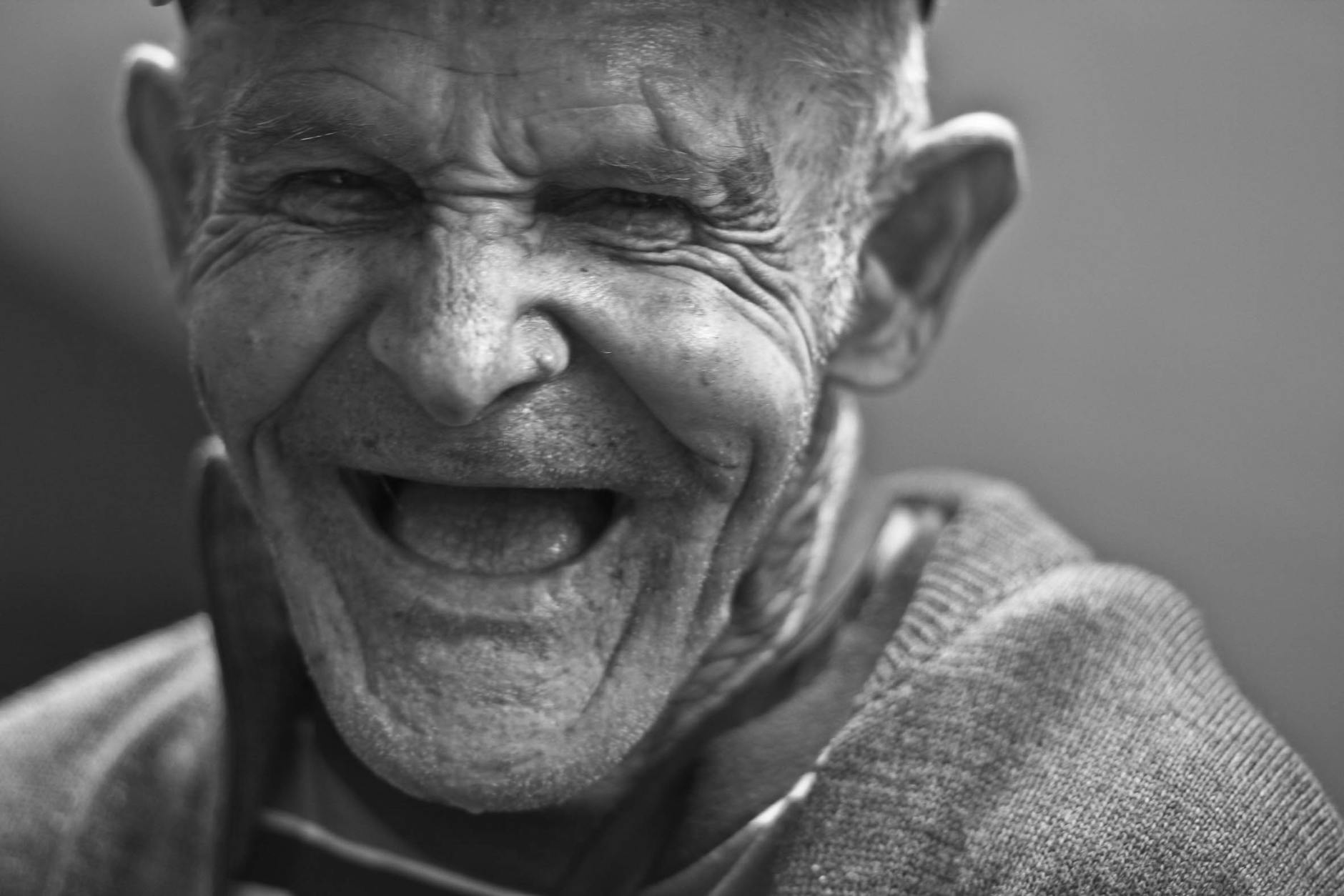
The difference between a genuine smile and a polite social smile is written clearly across the face for those who know what to look for. A real smile engages the orbicularis oculi muscle around the eyes, creating fine wrinkles at the outer corners and a subtle lifting of the cheeks. A performed smile typically involves only the mouth and leaves the eyes completely flat and expressionless. These two types of smiles are neurologically distinct and originate in different parts of the brain. Learning to distinguish between them is one of the most practically valuable body language skills in both personal and professional life.
Space Claiming

The amount of physical space a person occupies is a direct reflection of their internal confidence and psychological state. Someone feeling powerful and secure will naturally spread out, extend their limbs, and take up room without thinking about it. A person experiencing insecurity or submission tends to contract, pulling arms close to the body and keeping their physical footprint as small as possible. Space claiming behaviors are particularly revealing in group settings such as meetings or social gatherings where unspoken status dynamics are constantly in play. Watching how someone carries themselves the moment they enter a room can tell you almost everything about how they perceive their own standing in that situation.
Body language is a language anyone can learn to read with a little practice and genuine curiosity. Share which of these signs you have noticed in real life in the comments.




