
It is surprisingly easy to bleed money through everyday routines that feel completely innocent in the moment. These small financial leaks rarely trigger any alarm bells because each individual expense seems too minor to worry about. Over weeks and months though, these overlooked patterns quietly chip away at savings and keep financial goals frustratingly out of reach. Identifying them is the first step toward redirecting that money somewhere that actually matters.
Streaming Services
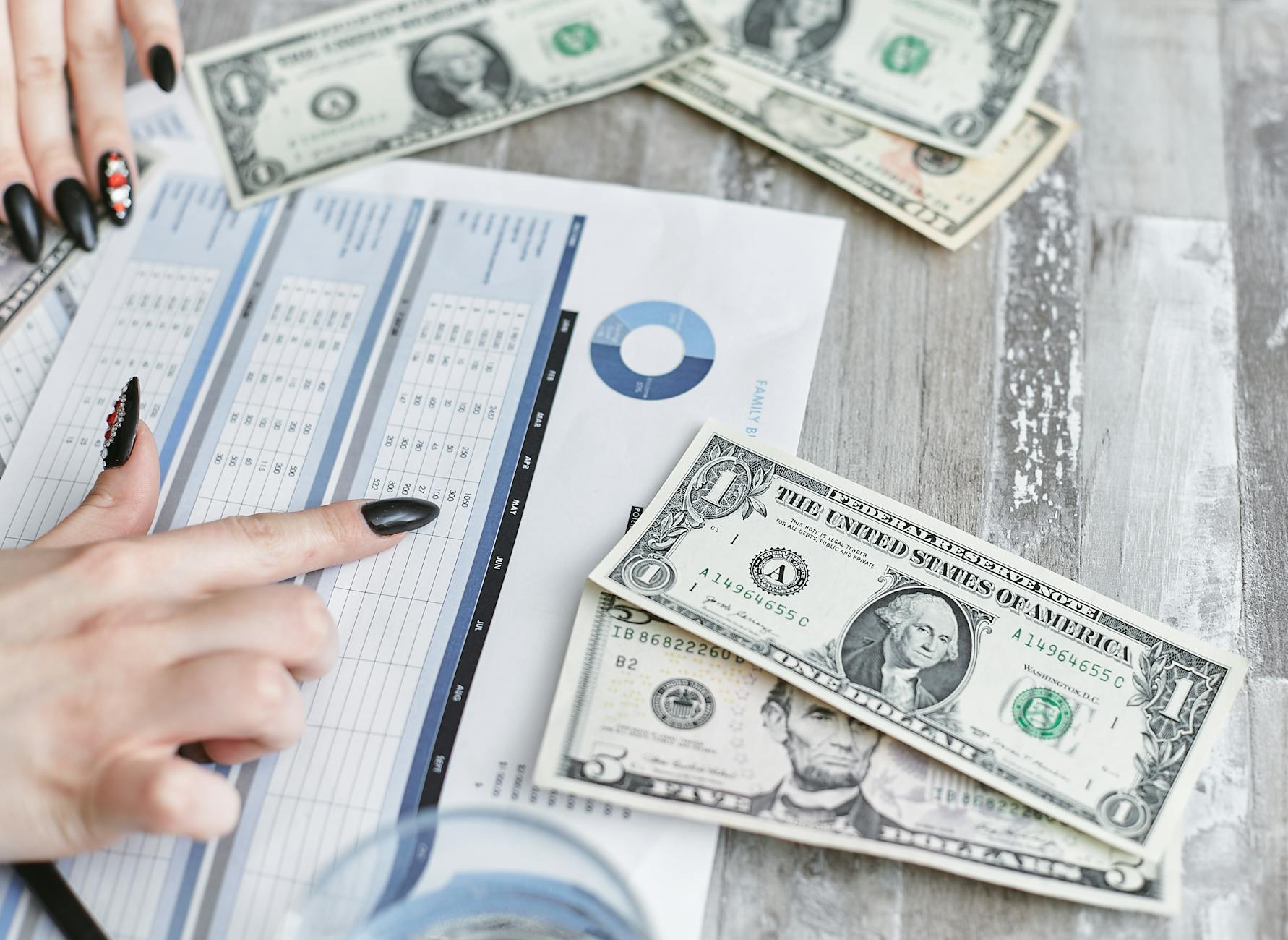
Most households subscribe to far more streaming platforms than they realistically use on a regular basis. A few dollars here and a few dollars there adds up to a significant monthly sum across four or five separate subscriptions. Many services raise their prices quietly with little fanfare and customers often do not notice the increase on their bank statements. Auditing your active subscriptions every few months can reveal surprising amounts of money going nowhere fast.
Daily Coffee

Buying a specialty coffee drink every morning is one of the most quietly expensive habits a person can maintain. A single cup from a café can cost four to seven dollars depending on the order and the location. Five days a week across an entire year turns that small pleasure into a four-figure annual expense with very little to show for it. Making coffee at home even a few days a week creates meaningful savings without requiring much sacrifice.
Grocery Delivery
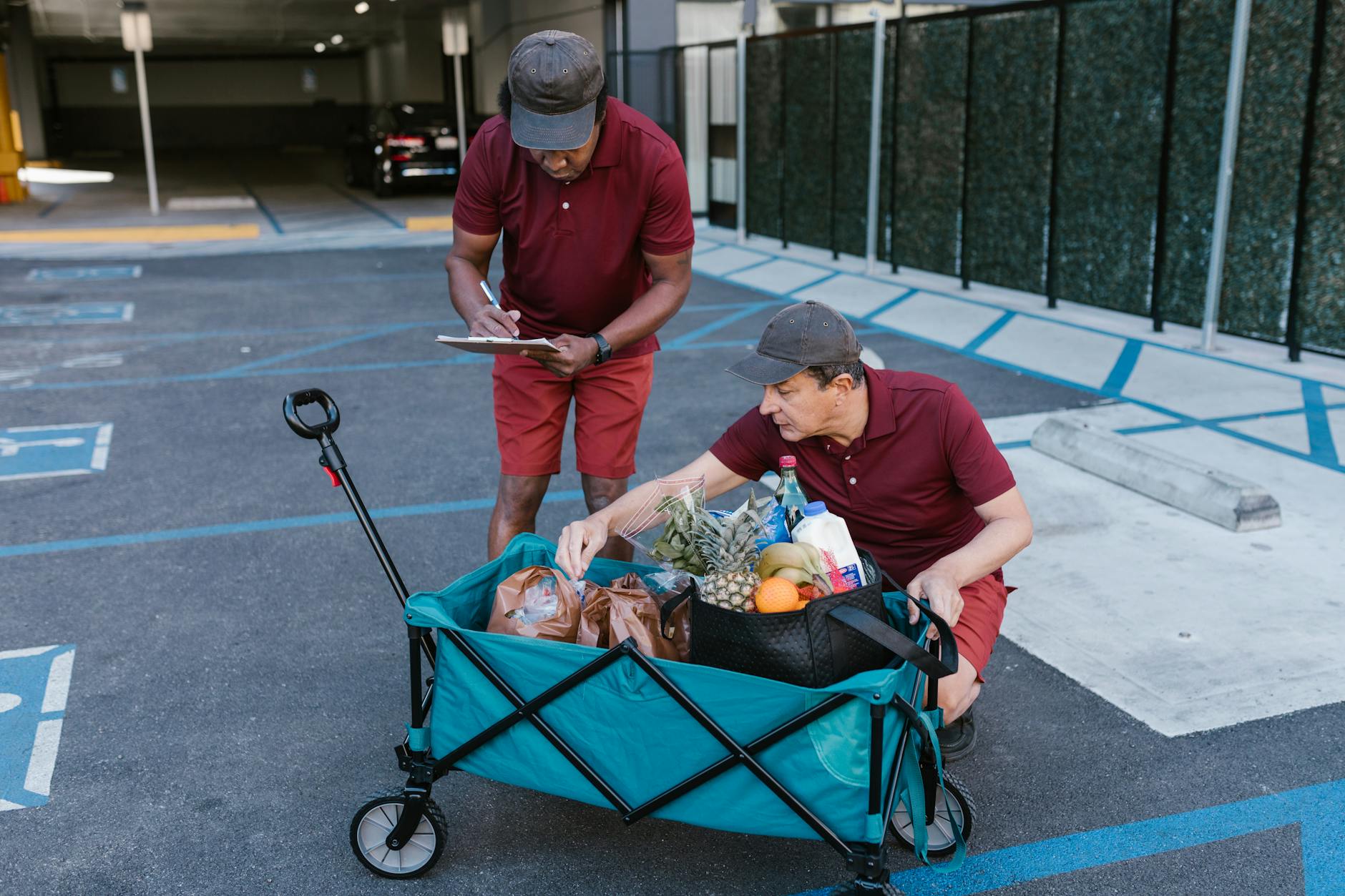
Paying for grocery delivery feels like a reasonable convenience fee until the charges are added up across an entire month. Most services charge a delivery fee on top of a monthly membership and then apply a service fee at checkout as well. Items on delivery platforms are often priced slightly higher than their in-store equivalents without customers realizing it. The occasional use that these apps were originally intended for frequently turns into a default habit that inflates the grocery budget significantly.
Unused Gym Membership

A gym membership purchased with the best intentions can become one of the stealthiest fixed costs in a monthly budget. Many people continue paying for memberships they use fewer than four times a month simply because canceling feels like admitting defeat. Fitness studios and large chains count on this psychology when designing their membership contracts and cancellation policies. Honest tracking of actual gym visits often reveals that the cost per session is far higher than any reasonable alternative.
Bottled Water

Buying single-use bottled water regularly is an expense that adds up faster than most people expect over a calendar year. A reusable filtered water bottle purchased once can eliminate the need for bottled water entirely within a matter of weeks. The environmental cost aside, spending a dollar or two per bottle daily creates a surprisingly large annual outlay. Many office buildings, gyms, and public spaces now offer filtered water refill stations that make carrying a reusable bottle entirely practical.
Impulse Online Shopping
Late-night browsing through retail apps has a well-documented tendency to end in purchases that feel urgent in the moment but unnecessary by morning. Retailers use personalized recommendations, countdown timers, and easy one-click purchasing to reduce the friction between browsing and buying. Saving items to a wish list and waiting forty-eight hours before purchasing filters out a significant percentage of impulse decisions. The items that still feel worth buying after two days are far more likely to represent genuine value.
ATM Fees
Using out-of-network ATMs is an easy habit to develop when convenience takes priority over cost. Each transaction can attract a fee from the ATM operator and a separate fee from your own bank at the same time. A person who withdraws cash this way several times a month can rack up thirty to fifty dollars in unnecessary fees without keeping track. Switching to a bank that reimburses ATM fees or simply planning cash withdrawals in advance eliminates this expense entirely.
Subscription Boxes

Monthly subscription boxes feel like a treat but they often deliver products that do not align well with actual personal preferences or needs. The initial novelty of receiving a curated package tends to wear off within three or four months while the billing continues quietly in the background. Many boxes are designed to be difficult to cancel through intentionally convoluted online processes. Evaluating whether the contents genuinely justify the monthly cost is an exercise most subscribers discover they have been avoiding.
Food Waste

Buying more fresh produce and ingredients than a household realistically consumes each week is a money drain disguised as healthy living. The average household throws away a notable portion of the food it purchases simply because meal planning was not approached realistically. Paying for food that ends up in the trash is financially equivalent to throwing cash away on a weekly basis. Planning meals before shopping and buying only what fits within those plans dramatically reduces waste and grocery spending simultaneously.
Extended Warranties

Purchasing extended warranties on small electronics and household appliances is rarely the financially sound decision it is presented as at checkout. The failure rates for most modern consumer electronics within the standard warranty window are statistically quite low. Retailers earn a substantial margin on these products and they are priced well above the actual risk they cover. Setting aside the money spent on warranties into a dedicated repair or replacement fund delivers far better long-term value.
Premium Gas
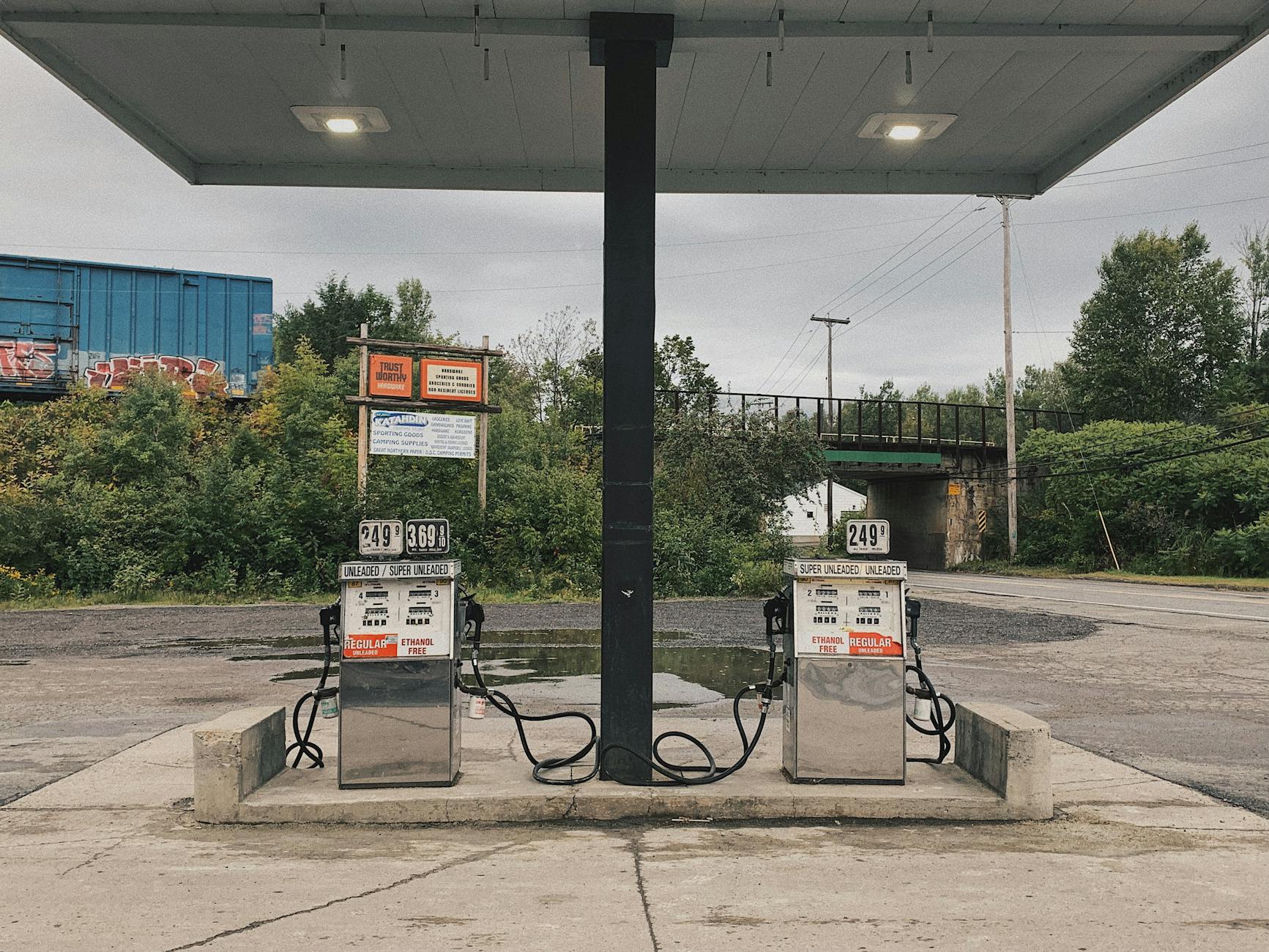
Filling a vehicle with premium fuel when the manufacturer specifies regular unleaded is a habit many drivers maintain based on an outdated belief that premium performs better. Modern engines designed for regular fuel are not engineered to extract any performance or efficiency benefit from premium grades. The price difference between fuel grades multiplied across dozens of fill-ups per year represents a real and entirely unnecessary annual expense. Checking the owner’s manual confirms exactly what grade a vehicle requires and puts an end to unnecessary spending at the pump.
Brand Name Products
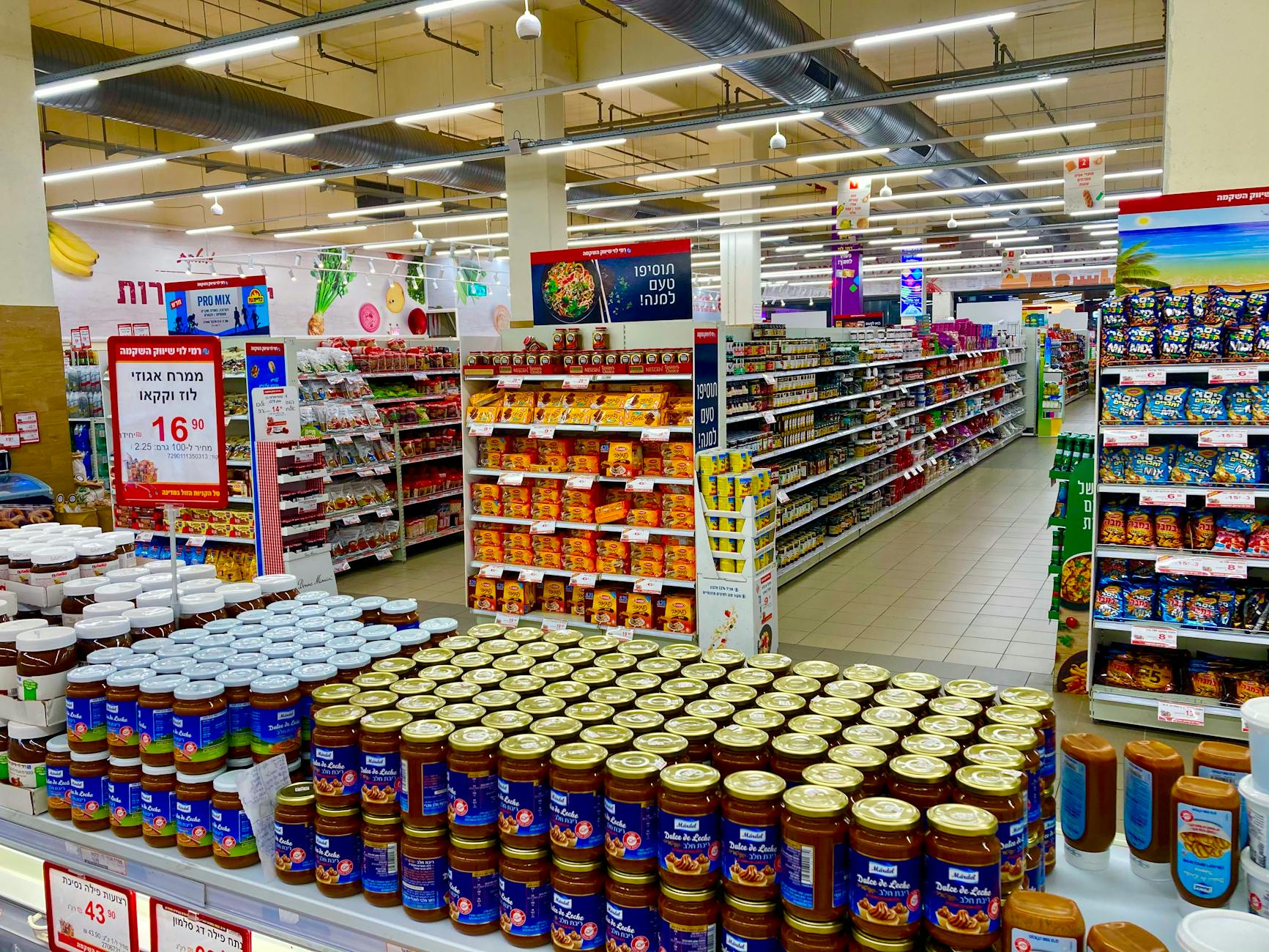
Reaching for brand name products across every category of grocery and household shopping adds a consistent premium to the weekly spend. Many generic and store brand products are manufactured in the same facilities and to the same specifications as their branded counterparts. The marketing, packaging, and brand recognition built into the price of name brand items contributes nothing to the quality of the actual product inside. Systematically switching categories to store brands and comparing quality can reduce grocery bills substantially with almost no lifestyle impact.
Phone Upgrades

Upgrading to the latest smartphone on a two-year cycle has become a cultural norm that phone manufacturers actively encourage through trade-in deals and financing schemes. Most mid-cycle upgrades offer marginal camera and performance improvements that make no practical difference to everyday usage. Carrier financing makes each upgrade feel affordable in the short term while locking users into monthly payments that extend indefinitely. Stretching a phone upgrade cycle to three or four years is one of the simplest ways to reclaim hundreds of dollars annually.
Dining Out Frequently

Eating out for lunch on workdays is a habit so normalized in professional culture that many people never stop to calculate what it costs annually. A ten to fifteen dollar lunch purchased five days a week amounts to well over two thousand dollars across a year. Meal prepping even two or three lunches per week introduces a meaningful reduction in this category without requiring a dramatic lifestyle change. Treating restaurant meals as a deliberate social activity rather than a default option shifts dining out from an expense into an experience.
Cable Add-Ons
Holding onto bundled cable packages that include dozens of channels nobody in the household watches is a relic of an earlier era of television consumption. Providers automatically roll customers into expanded packages after promotional periods end with minimal notification. The inertia of staying on a plan rather than calling to renegotiate or downgrade costs cable subscribers a surprising amount each year. Reviewing the current plan and calling customer service to request a reduction or switch to a leaner package almost always yields immediate savings.
Cloud Storage Upgrades

Paying monthly fees for expanded cloud storage across multiple platforms is a cost that many users accept without exploring alternatives. Duplicated photos, redundant app backups, and files from years ago consume gigabytes of storage that could be cleared with a short audit session. Many free storage tiers are generous enough to accommodate the actual needs of most users once unnecessary data has been removed. Consolidating storage across one provider and clearing old files regularly eliminates the need for most paid upgrades.
Fast Fashion
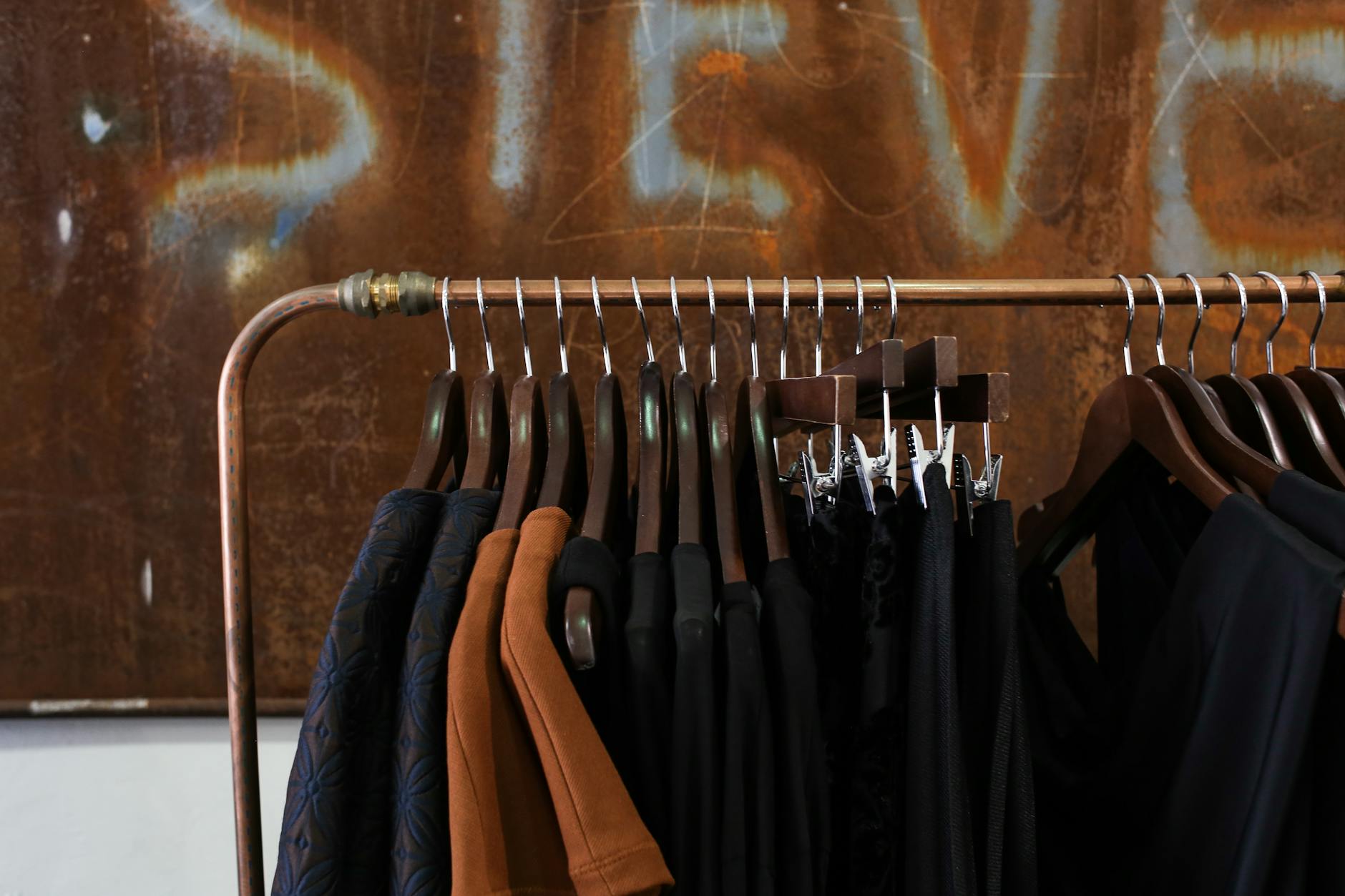
Purchasing inexpensive clothing items frequently because the low price makes each purchase feel inconsequential is one of the most effective ways to quietly overspend. Fast fashion items are priced to encourage volume buying and are manufactured with a lifespan designed to prompt repeat purchases. A wardrobe built on a high volume of low-cost items ultimately costs more than a smaller collection of better-quality pieces purchased thoughtfully. Tracking clothing spending for a single month often produces a number that surprises even the most budget-conscious shoppers.
Lottery Tickets
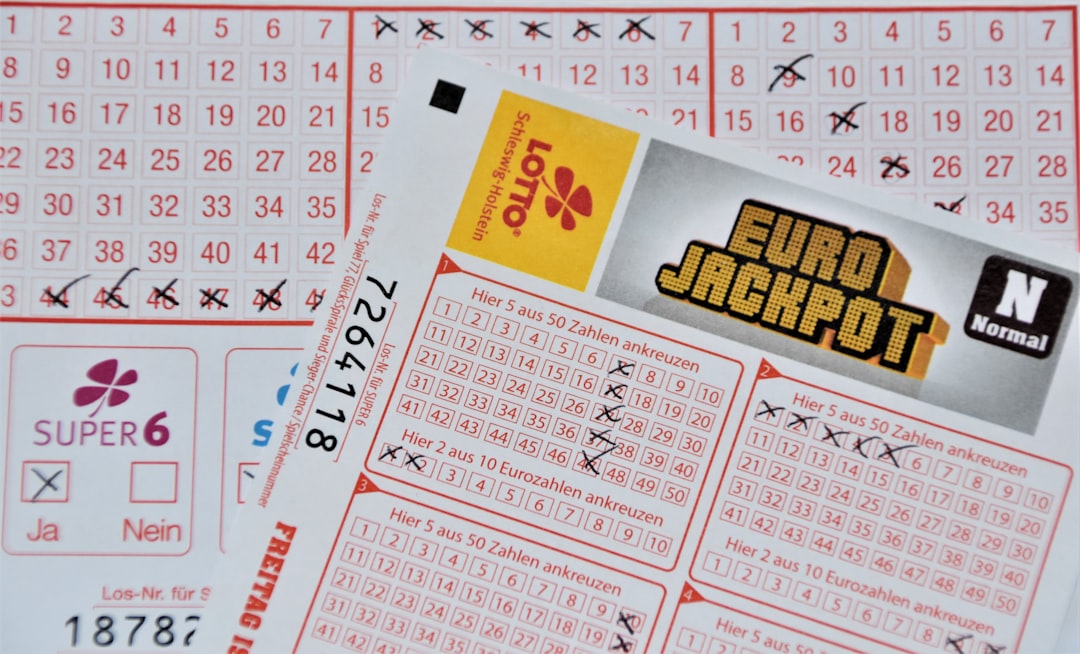
Buying lottery tickets regularly is framed culturally as harmless fun but the mathematics of repeated participation work consistently against the buyer. Even modest weekly spending on tickets accumulates into hundreds of dollars per year with an expected return that is objectively far below the amount spent. The occasional small win reinforces the habit while obscuring the net negative outcome over time. Redirecting that weekly amount into even a basic savings account produces a guaranteed positive return that no lottery ticket can match.
Parking Tickets
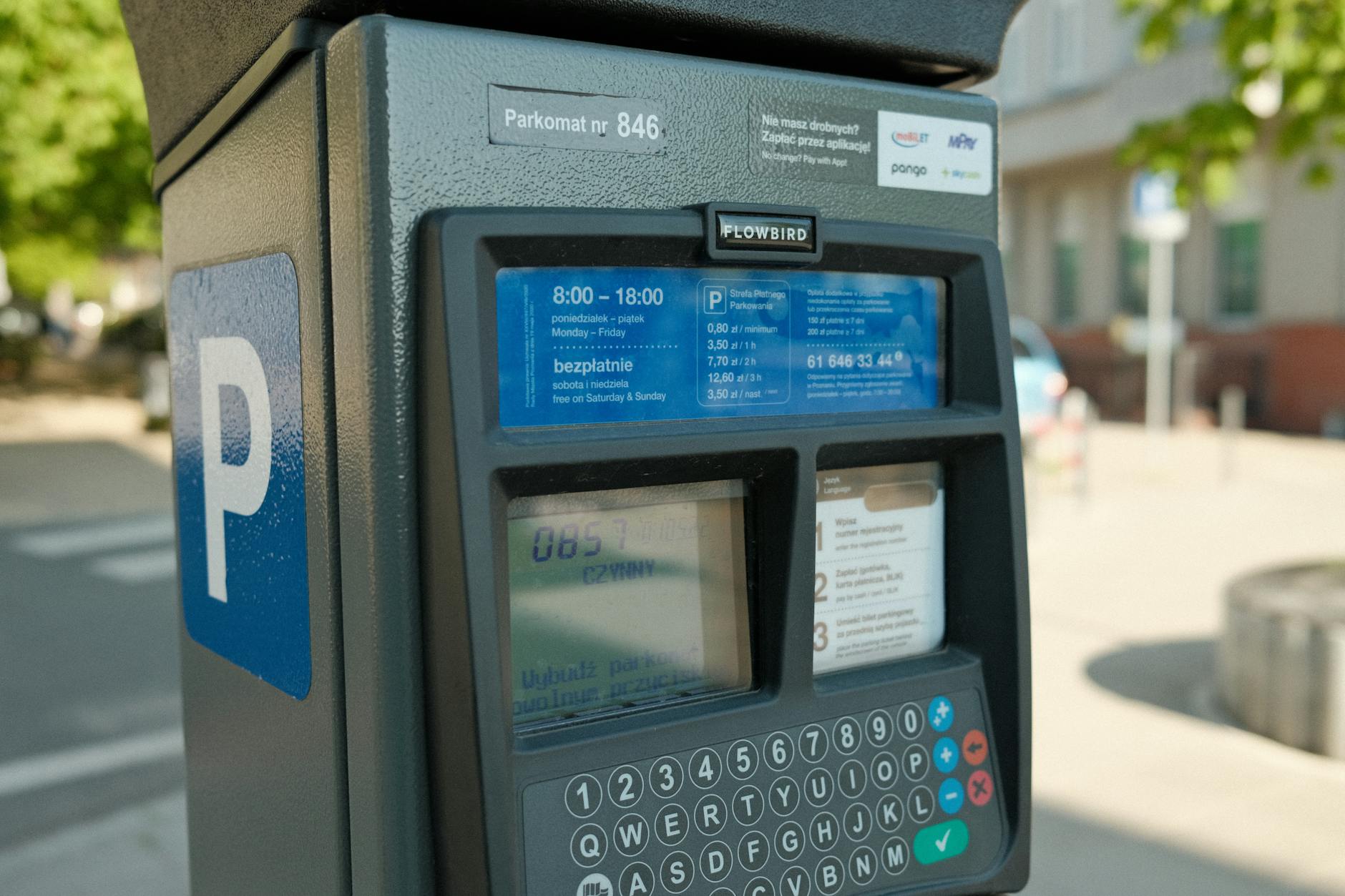
Habitually parking in marginal situations and accepting the occasional ticket as part of the cost of convenience is a pattern that erodes financial discipline. Parking fines in most cities now carry penalties that dwarf the cost of nearby legal parking options by a wide margin. Beyond the fine itself, accumulating unpaid tickets in some jurisdictions can lead to vehicle registration issues or additional fees. Building a few extra minutes into any outing to locate proper parking eliminates this entirely avoidable budget leak.
App Microtransactions

Making small in-app purchases for games, productivity tools, or creative applications is an expense that flies well under the financial radar. Individual transactions of ninety-nine cents or a dollar ninety-nine feel negligible but accumulate rapidly across multiple apps and platforms. App stores do not make it particularly easy to track total spending across all purchases in one clear view. Reviewing app spending through your device’s account settings typically surfaces a monthly total that motivates more deliberate decisions going forward.
Premium Loyalty Upgrades
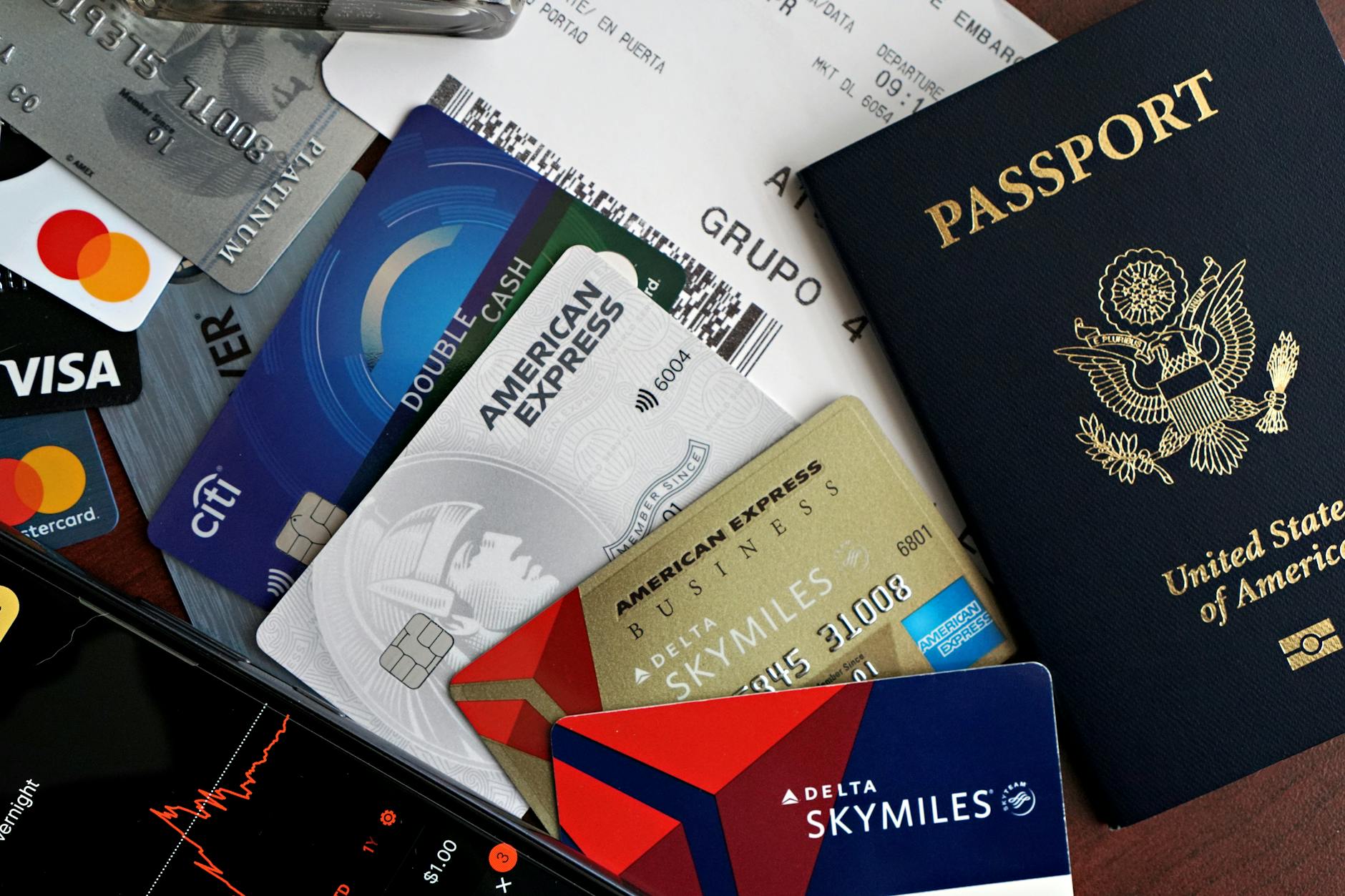
Signing up for premium tiers of loyalty and rewards programs in exchange for perks that are never actually used represents a quiet and recurring cost. Coffee chains, airlines, and retail brands all offer paid membership tiers built around the appeal of status and benefits that look attractive at signup. Members who do not visit frequently enough to use the included benefits are effectively subsidizing those who do. Calculating how often the specific perks of a premium loyalty tier are actually redeemed against the annual cost puts the value proposition in clear perspective.
Forgotten Free Trials
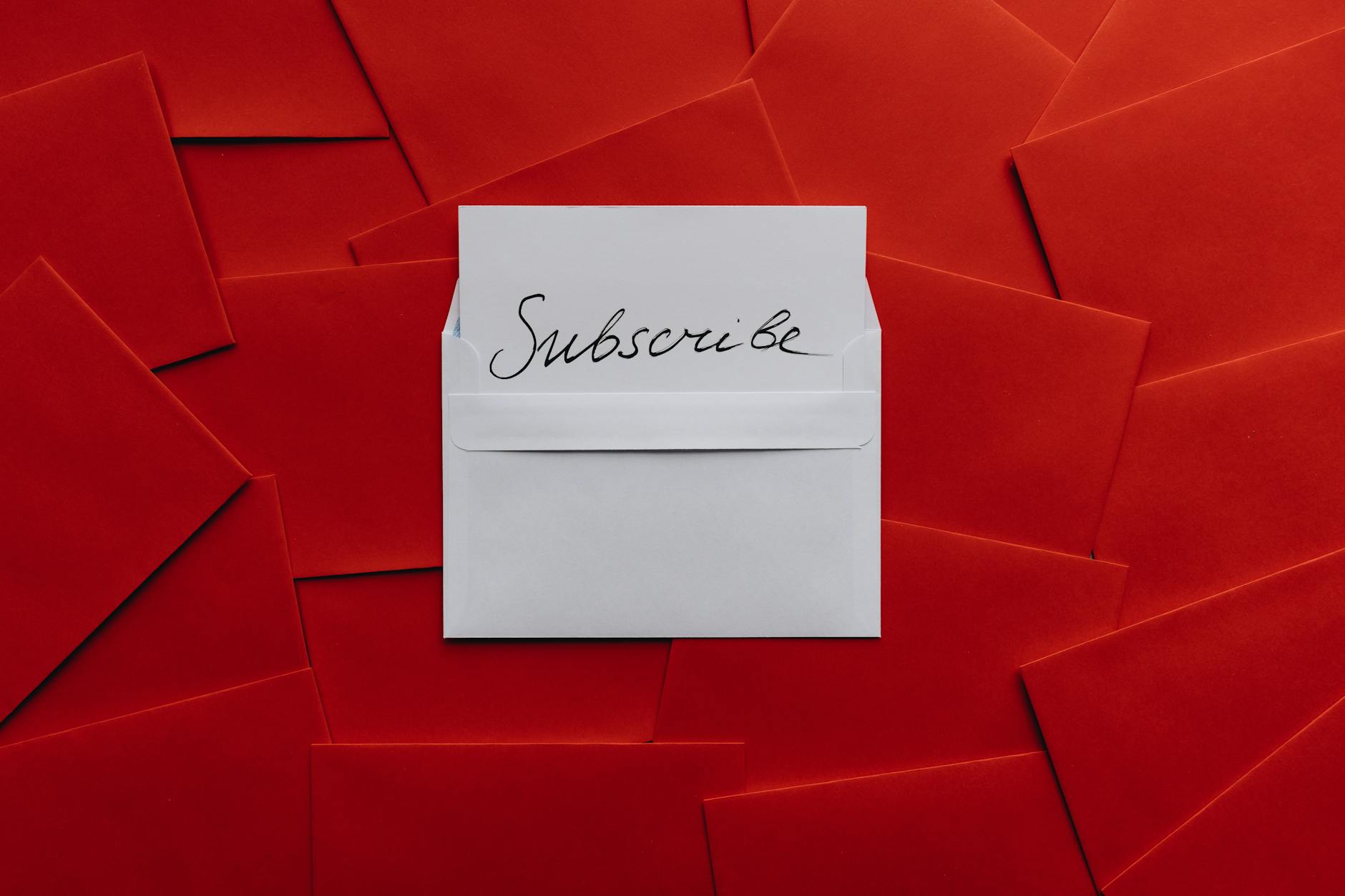
Starting free trials for software, news subscriptions, or entertainment services and forgetting to cancel before the billing date is one of the most common modern money leaks. Trial periods are deliberately short and the conversion to paid billing is designed to happen with as little friction and as little notice as possible. A single forgotten trial may only cost ten or fifteen dollars but multiple active trials across different services compound quickly. Setting a calendar reminder on the day of signup to cancel before the trial ends prevents the charge entirely.
Overbuying in Bulk

Purchasing in bulk feels like savvy financial behavior but it only delivers savings when the items are guaranteed to be used before they expire or deteriorate. Food items bought in large quantities frequently spoil before they are finished and the apparent savings dissolve into the same food waste problem. Non-perishables and household products genuinely do benefit from bulk purchasing when storage space is available. The discipline is in distinguishing between items where bulk buying makes mathematical sense and items where it simply flatters a desire to feel financially responsible.
Unused App Subscriptions
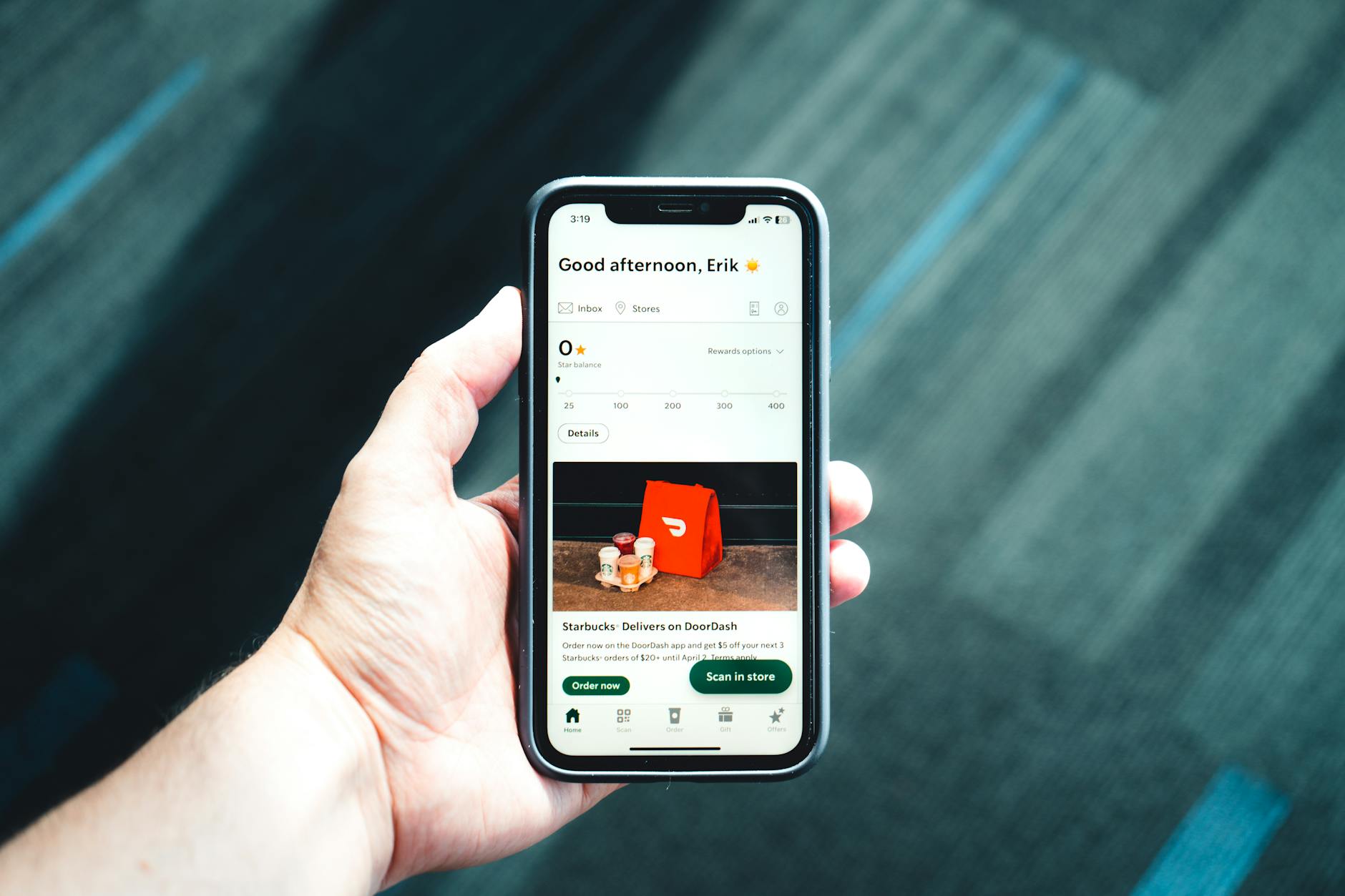
Paying monthly or annual fees for apps downloaded during a specific project or season and then never opened again is more common than most users realize. The app purchase or subscription recurs reliably each billing cycle regardless of whether the app has been touched in months. Annual subscriptions in particular are easy to forget because they appear on bank statements only once a year. A periodic review of all active app subscriptions and honest assessment of which ones serve a current purpose can free up a surprising amount of money with almost no practical impact on daily life.
Convenience Store Markup
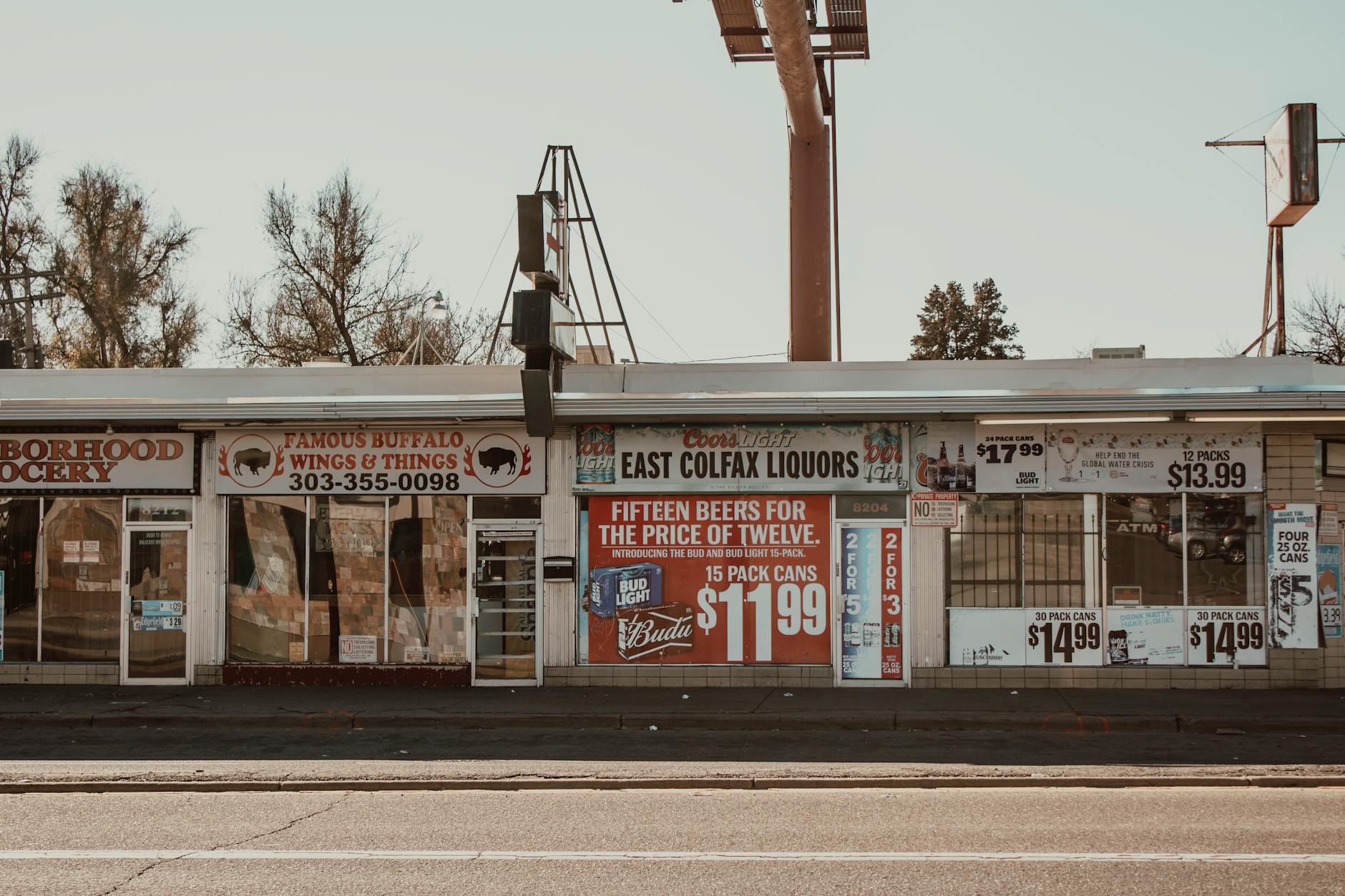
Stopping at a convenience store for snacks, drinks, or basic household items rather than waiting for a regular grocery run is a habit with a real and consistent price premium attached. Items at convenience stores are priced significantly higher than their supermarket equivalents across almost every category. A bottle of water, a bag of chips, and a candy bar purchased at a convenience store can easily cost three times what the same items would cost at a grocery store. Keeping a small stash of snacks and drinks accessible at home or in a bag reduces the temptation and need to stop at convenience stores for overpriced essentials.
If any of these habits hit a little too close to home, share which ones you are working on eliminating in the comments.




