Many homeowners are surprised to discover that some of the most common indoor plants are quietly working overtime to improve the air quality in their living spaces. Beyond their decorative appeal, these green companions absorb harmful toxins, release fresh oxygen, and help regulate humidity levels throughout the home. Scientists and horticulturalists have long studied the remarkable ability of certain species to filter out pollutants commonly found in household materials and cleaning products. Whether you’re a seasoned plant parent or just getting started, adding these varieties to your space is one of the easiest wellness upgrades you can make.
Peace Lily
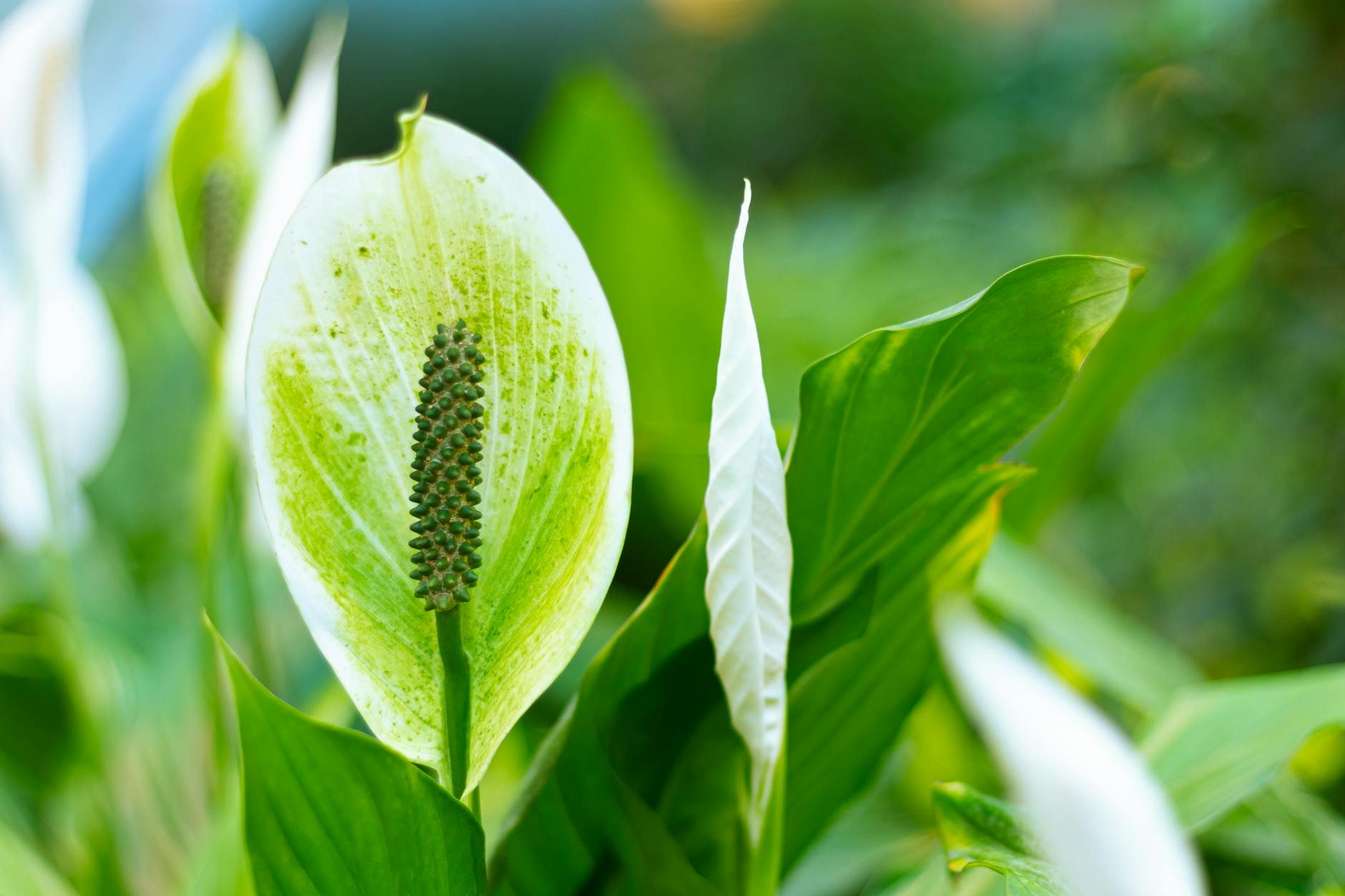
The peace lily is one of the most effective air-purifying plants available for indoor environments. It actively filters out volatile organic compounds including benzene, formaldehyde, and ammonia that can accumulate indoors from paint, furniture, and cleaning agents. This plant thrives in low-light conditions, making it ideal for bedrooms, hallways, and offices that receive minimal sunlight. It also helps regulate moisture levels in the air, which can ease dry skin and respiratory discomfort during winter months. Its elegant white blooms make it a beautiful and functional addition to any room.
Spider Plant
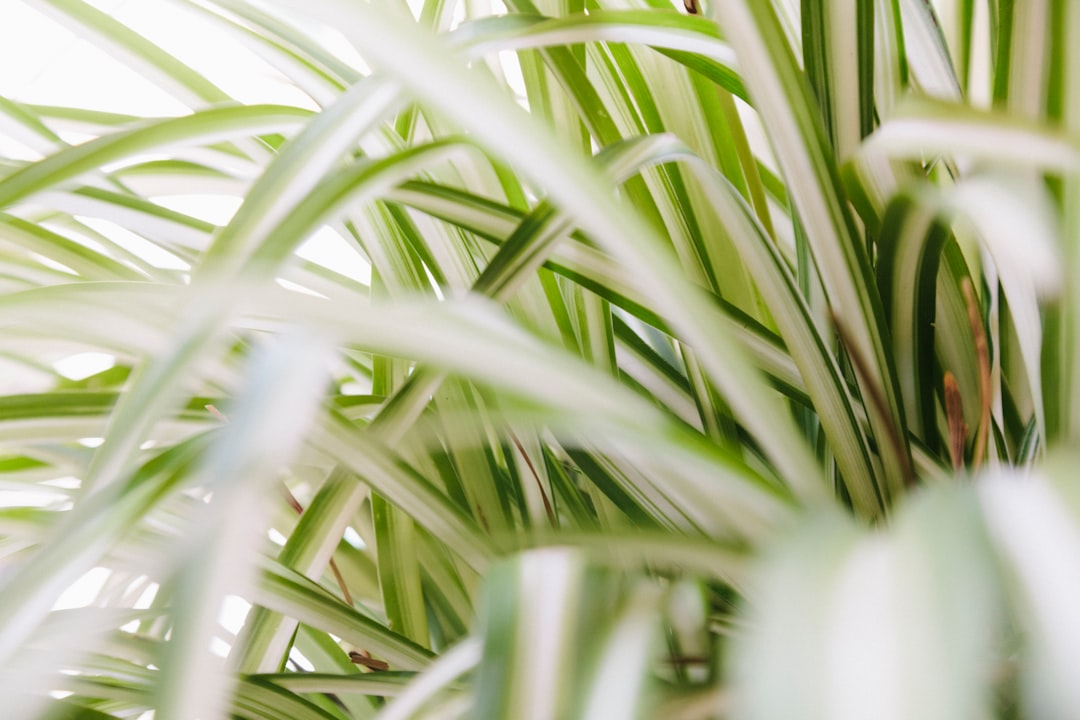
The spider plant is a resilient and low-maintenance species that has been widely recognized for its impressive ability to absorb carbon monoxide and nitrogen dioxide. It is particularly effective in kitchens and living areas where gas appliances and everyday activities introduce pollutants into the air. This plant reproduces quickly by sending out long shoots tipped with smaller plantlets, making it easy to propagate and share. It thrives in indirect light and requires only occasional watering, making it accessible even for beginners. Its arching green and white striped leaves add a fresh, lively texture to any shelf or hanging planter.
Snake Plant

The snake plant stands out among air purifiers because it continues to release oxygen even during the night, making it particularly well-suited for bedroom placement. It targets formaldehyde and benzene, two chemicals frequently emitted by synthetic building materials and household furnishings. This hardy species can survive weeks without water and tolerates a wide range of lighting conditions from bright indirect sunlight to near-total shade. Its upright, architectural form fits seamlessly into modern and minimalist interiors. Few plants offer such a powerful combination of air-cleaning capability and near-zero maintenance demands.
Pothos

Pothos is a trailing vine known for its remarkable ability to reduce levels of formaldehyde, xylene, and toluene in indoor environments. These chemicals are commonly released by adhesives, paints, and certain types of flooring materials found in most homes. Pothos grows vigorously even in low-light and low-humidity conditions, and it requires very little attention to flourish. Its cascading vines make it a popular choice for high shelves, bookcase tops, and hanging baskets throughout the home. The plant’s heart-shaped leaves come in a range of green and golden varieties, adding warmth and visual interest to interior spaces.
Boston Fern
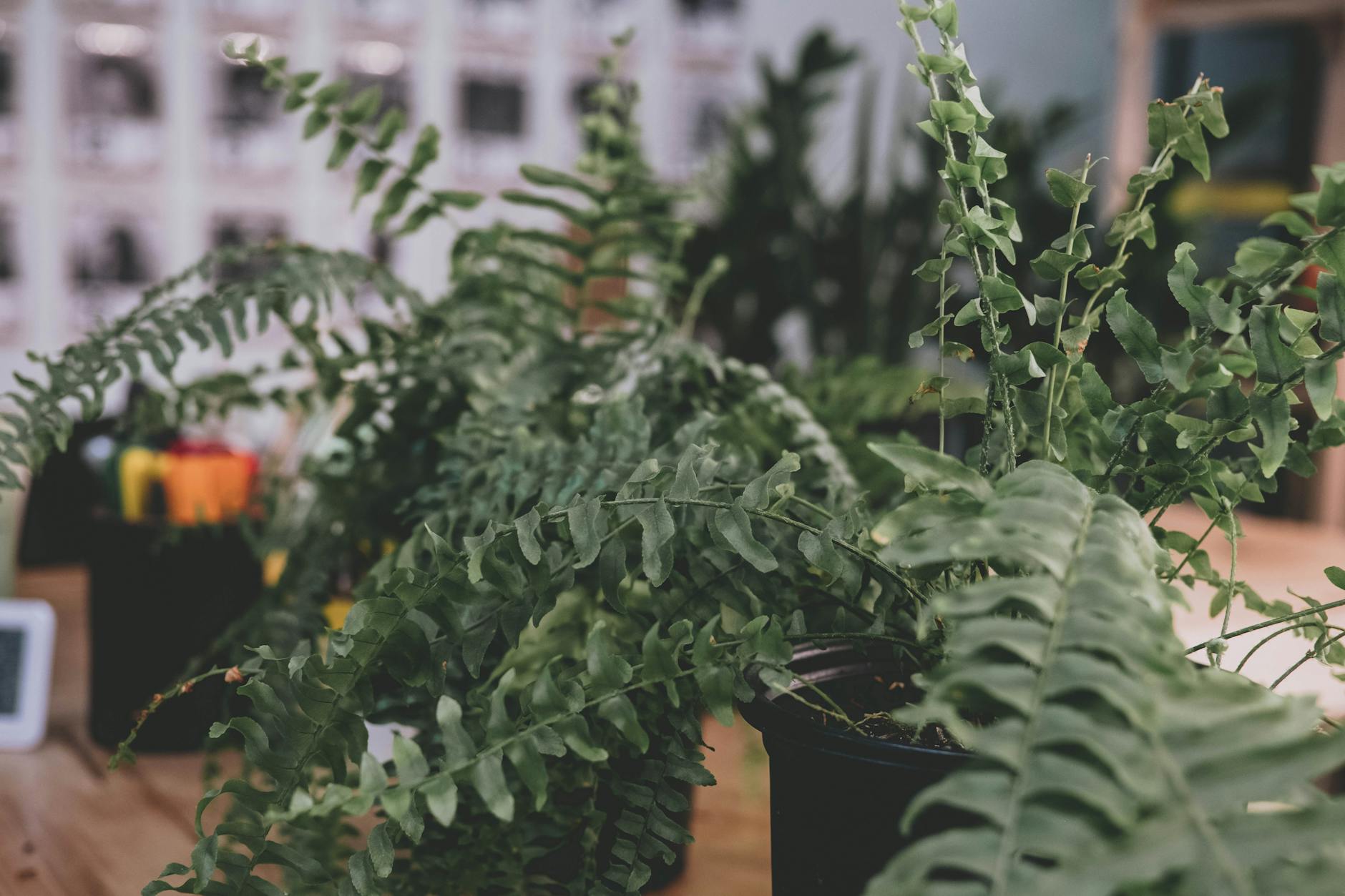
The Boston fern is one of the most efficient natural humidifiers among all houseplants, releasing moisture into the air as it filters out pollutants. It is particularly effective at removing formaldehyde and xylene, making it a smart placement near entryways where outdoor chemicals can be tracked inside. This lush, feathery plant prefers indirect light and consistently moist soil, thriving best in bathrooms and kitchens where humidity levels are naturally higher. Its full, arching fronds bring a rich tropical aesthetic to both traditional and contemporary interiors. Regular misting helps keep the foliage vibrant and maximizes its air-purifying performance.
Rubber Plant
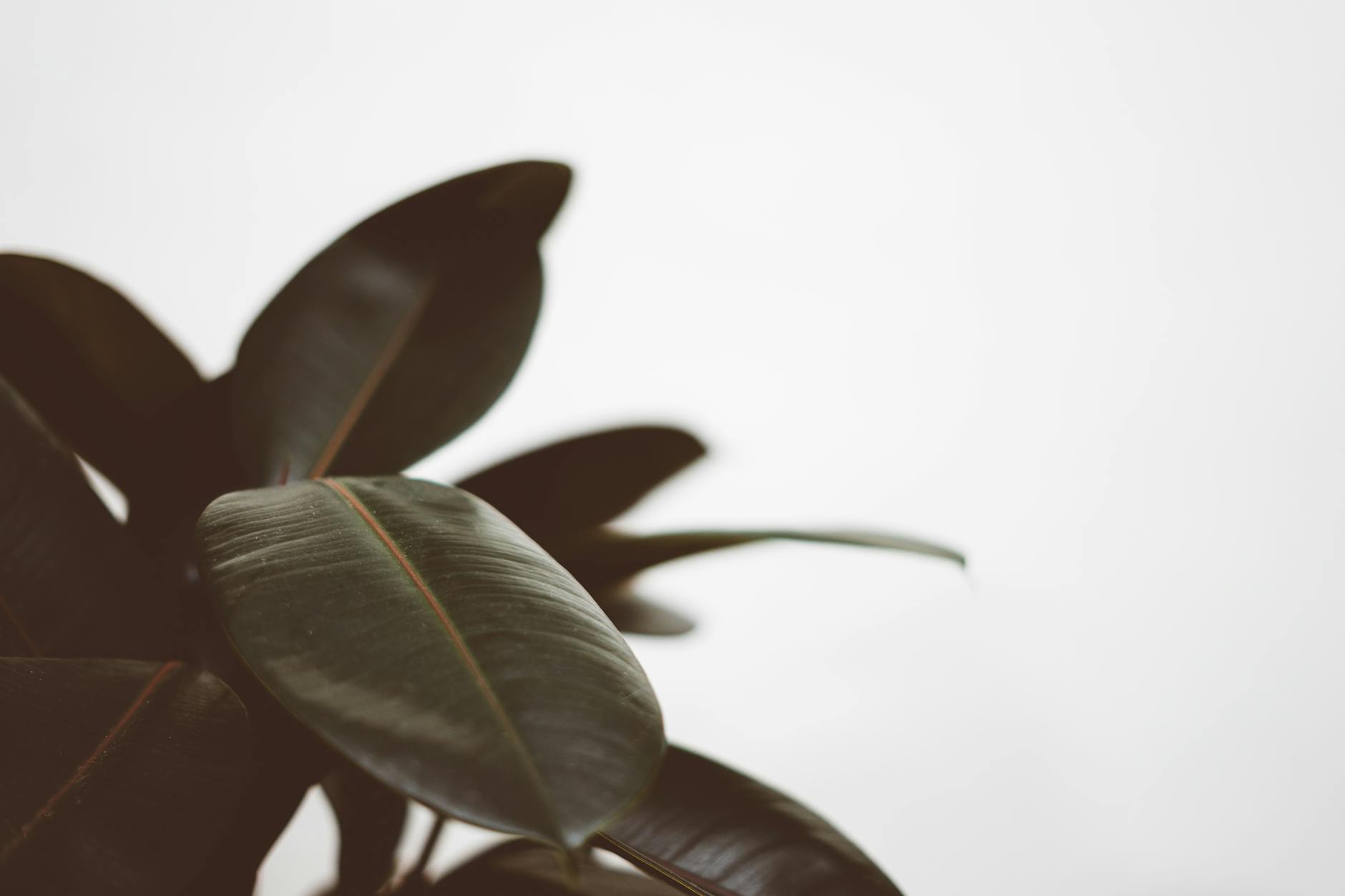
The rubber plant is a bold and striking species with large, glossy leaves that are highly efficient at absorbing airborne toxins including formaldehyde. It works especially well in living rooms and spaces with new furniture or freshly applied paints where chemical off-gassing tends to be highest. This plant grows tall and upright over time, eventually becoming an eye-catching focal point in larger rooms. It prefers bright indirect light and moderate watering with good drainage to stay healthy and effective. The deep burgundy and dark green varieties are particularly popular in design-forward interiors.
Aloe Vera
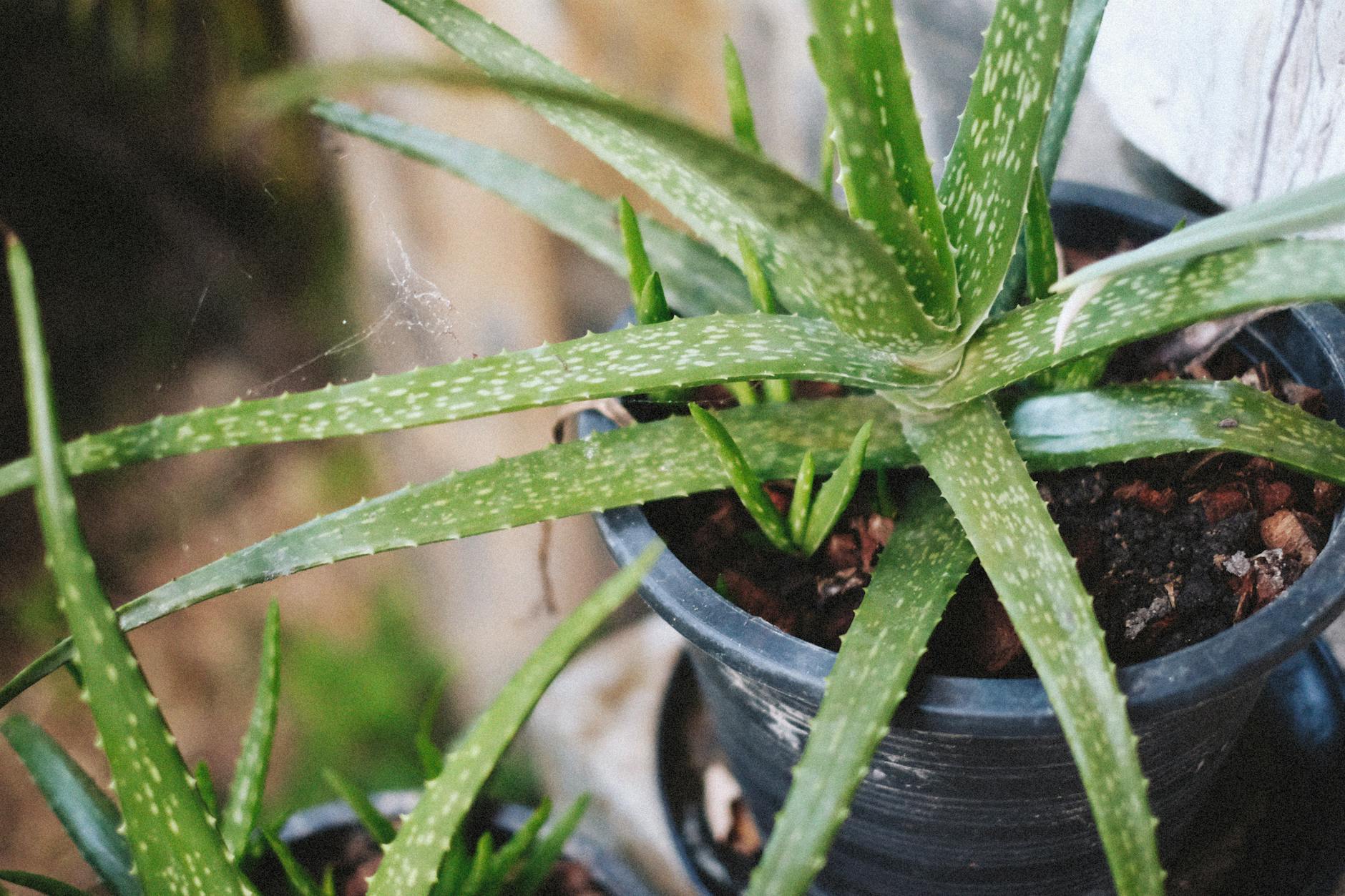
Aloe vera is best known for its healing gel, but its air-purifying properties deserve equal recognition in any conversation about indoor plants. It effectively removes formaldehyde and benzene from the surrounding air, chemicals that are frequently introduced through cleaning products and personal care items. Aloe thrives in sunny windowsills and requires very infrequent watering due to its succulent nature and ability to store water in its thick leaves. The plant signals when air pollutant levels become unusually high by developing brown spots on its leaves, acting as a natural environmental indicator. Its compact size and clean aesthetic make it a practical addition to kitchens and bathrooms alike.
Bamboo Palm

The bamboo palm is one of the top-rated plants for filtering out trichloroethylene and benzene, which are commonly associated with furniture varnishes and dry-cleaning chemicals. It performs best in bright indirect light and can grow to impressive heights indoors, making it a natural statement piece in larger rooms and entryways. Unlike many tropical plants, the bamboo palm adapts well to indoor temperatures and moderate humidity levels typical of most homes. It also naturally adds moisture to the air as it transpires, helping to counteract the dryness caused by heating systems in winter. Its graceful, feathery fronds create a calm and tropical ambiance in any living space.
Chrysanthemum
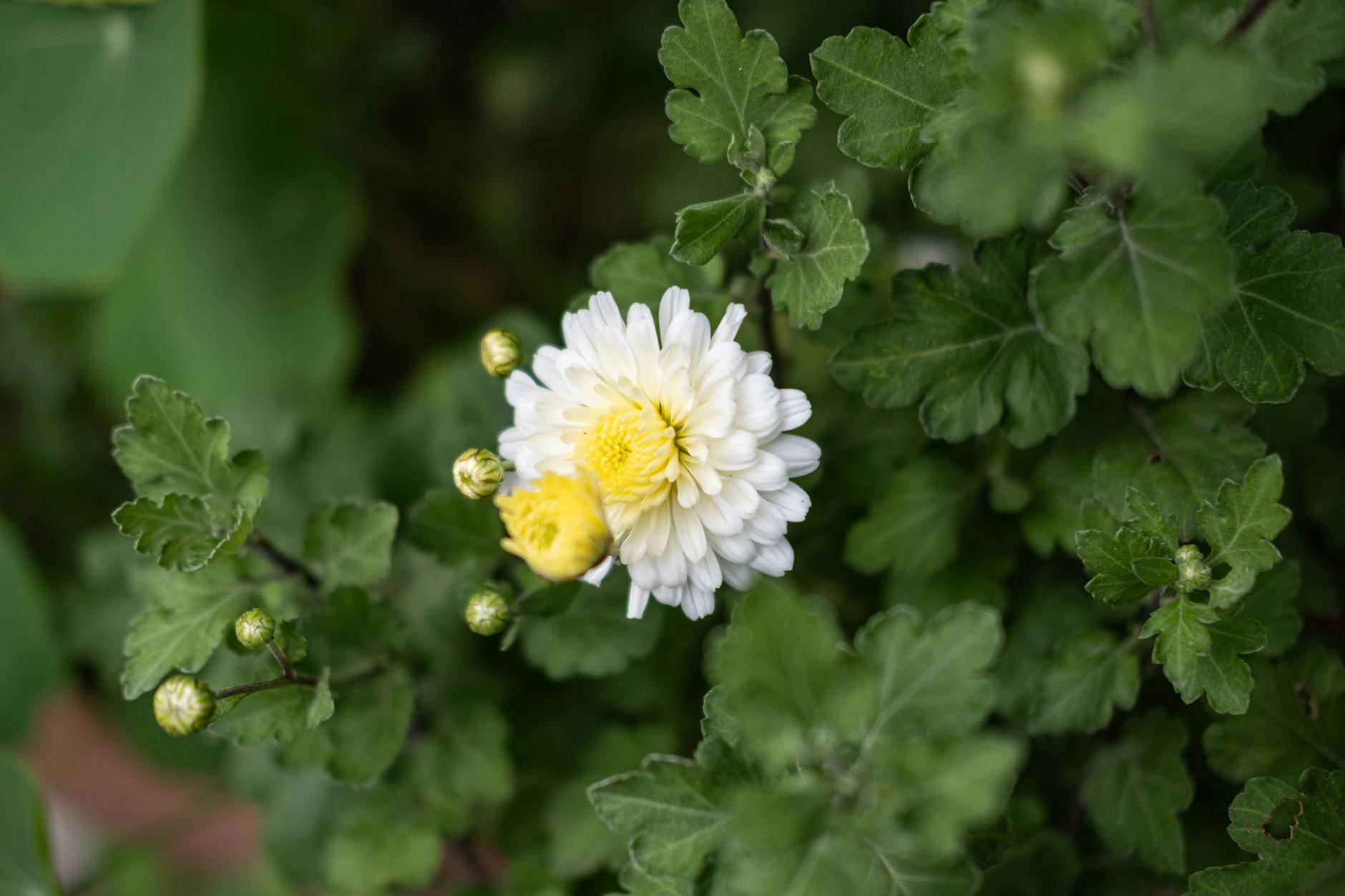
The chrysanthemum is not only one of the most colorful flowering houseplants but also one of the most capable air purifiers for indoor environments. It is particularly effective at filtering out ammonia and benzene, two chemicals commonly found in plastics, detergents, and glues used throughout the home. This plant produces vibrant blooms in shades of red, yellow, white, and pink that brighten up any room while quietly cleaning the surrounding air. It thrives in bright natural light and benefits from regular watering and deadheading to extend its blooming season. Placing a chrysanthemum near laundry areas or cleaning product storage zones maximizes its toxin-absorbing capabilities.
Weeping Fig
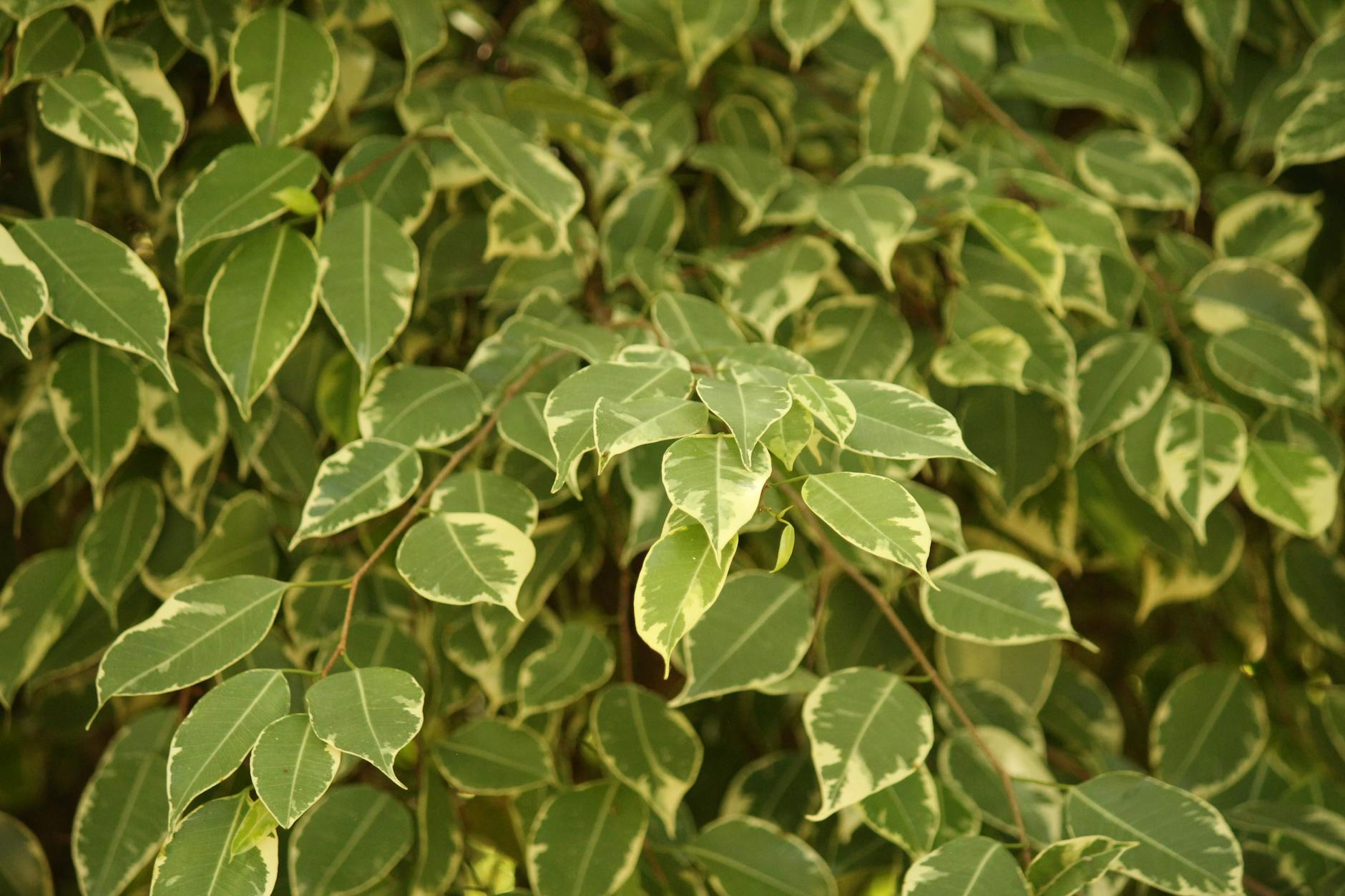
The weeping fig has long been a staple of indoor plant collections and brings impressive air-filtering abilities along with its elegant, tree-like form. It is highly effective at reducing levels of formaldehyde, benzene, and trichloroethylene in enclosed spaces, all of which are common byproducts of synthetic materials and household furnishings. This plant prefers stable conditions with consistent indirect light and does not respond well to being moved frequently, which can cause leaf drop. Once settled in a bright corner or open room, it grows steadily and creates a lush green canopy effect overhead. Its refined appearance suits both classic and contemporary home interiors with equal ease.
Dracaena
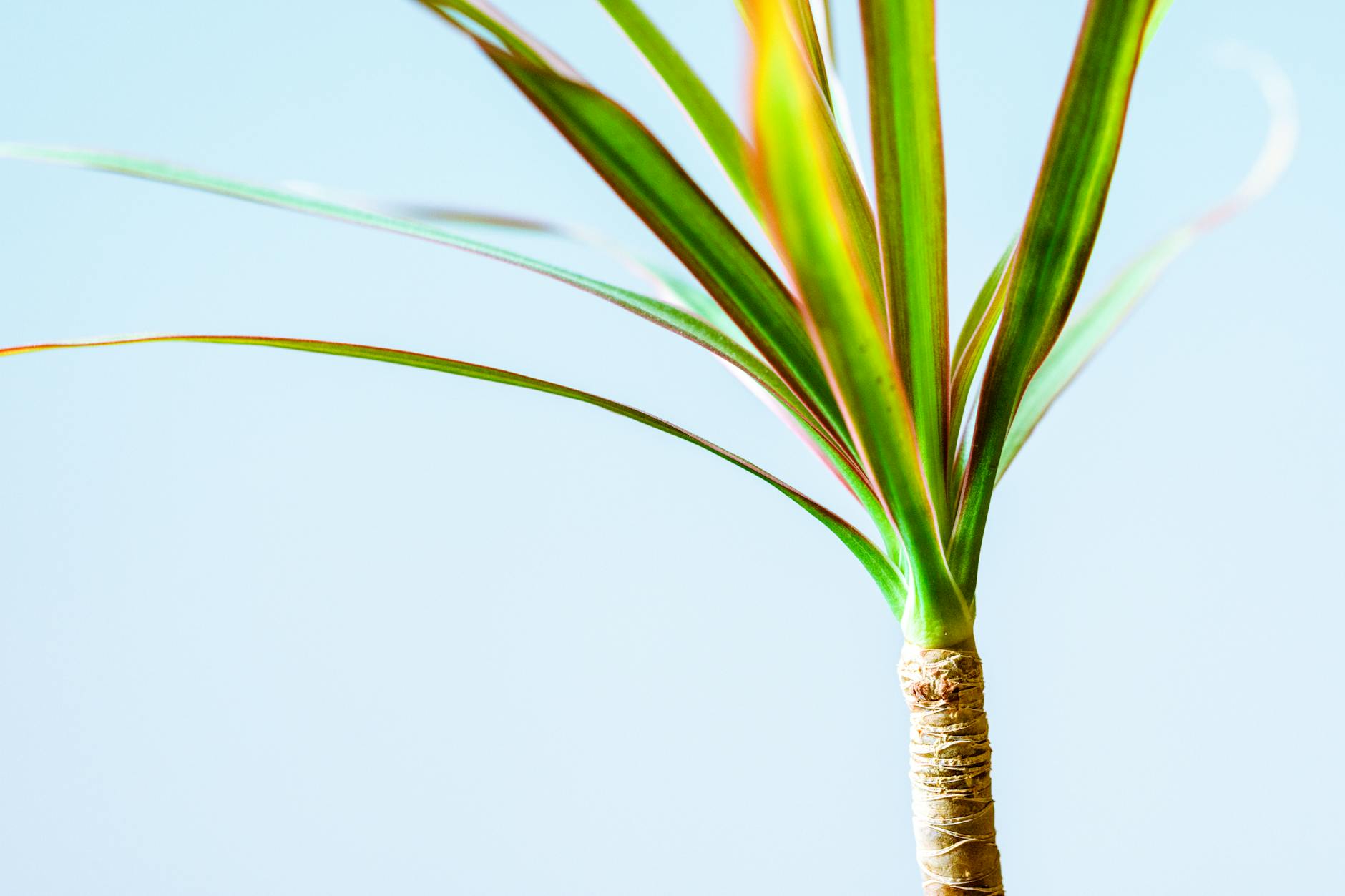
Dracaena is a diverse genus of plants that includes many species particularly talented at filtering out xylene, trichloroethylene, and formaldehyde from indoor air. Its long, strap-like leaves come in a wide range of colors and patterns, from deep green to red-edged varieties, making it one of the more visually versatile air-purifying options available. Dracaena does well in medium to bright indirect light and requires only moderate watering, as it is sensitive to overwatering and fluoride in tap water. It grows slowly and steadily, making it a long-lasting investment in both home aesthetics and indoor air quality. Bedrooms and living rooms are ideal settings where its filtering abilities can have the greatest daily impact.
Flamingo Lily
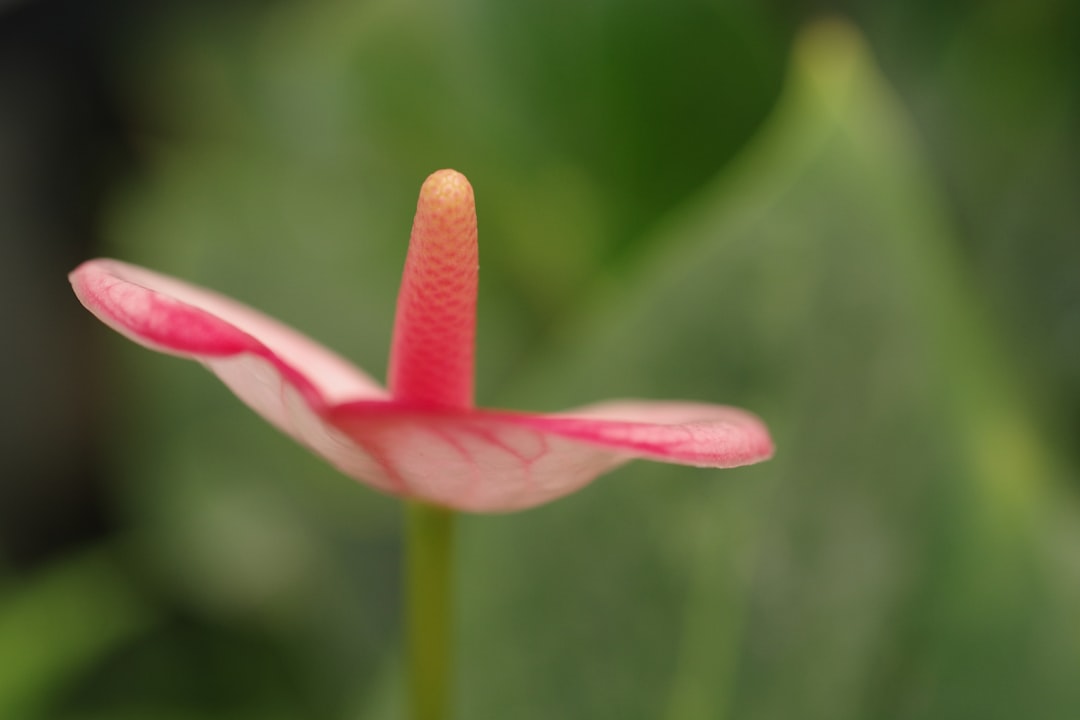
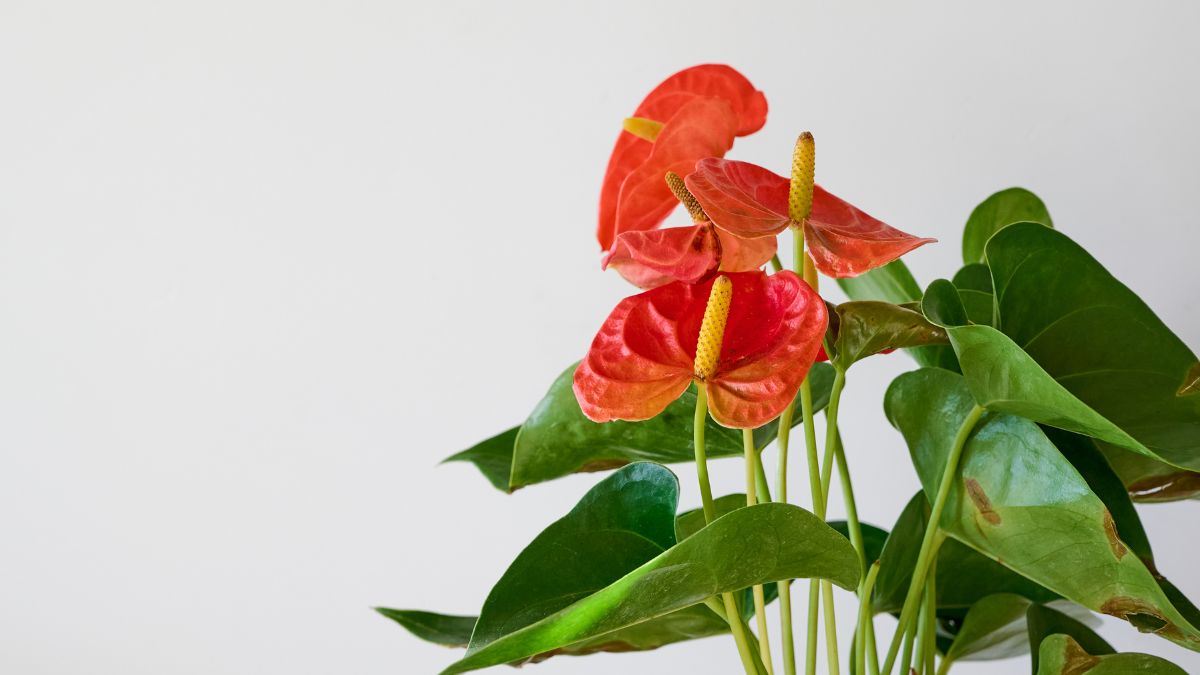
The flamingo lily is a stunning tropical plant with waxy red or pink blooms that does far more than simply decorate a space. It effectively removes ammonia, toluene, and xylene from the air, pollutants that are often linked to household cleaning products and wood finishes. This plant thrives in high humidity and indirect light, making bathrooms and shaded kitchen windowsills its ideal home environments. Its heart-shaped spathe and glossy leaves bring a bold, exotic touch to interior design while its air-cleaning work happens continuously in the background. Regular misting and proper drainage are key to keeping the flamingo lily healthy and performing at its best.
English Ivy
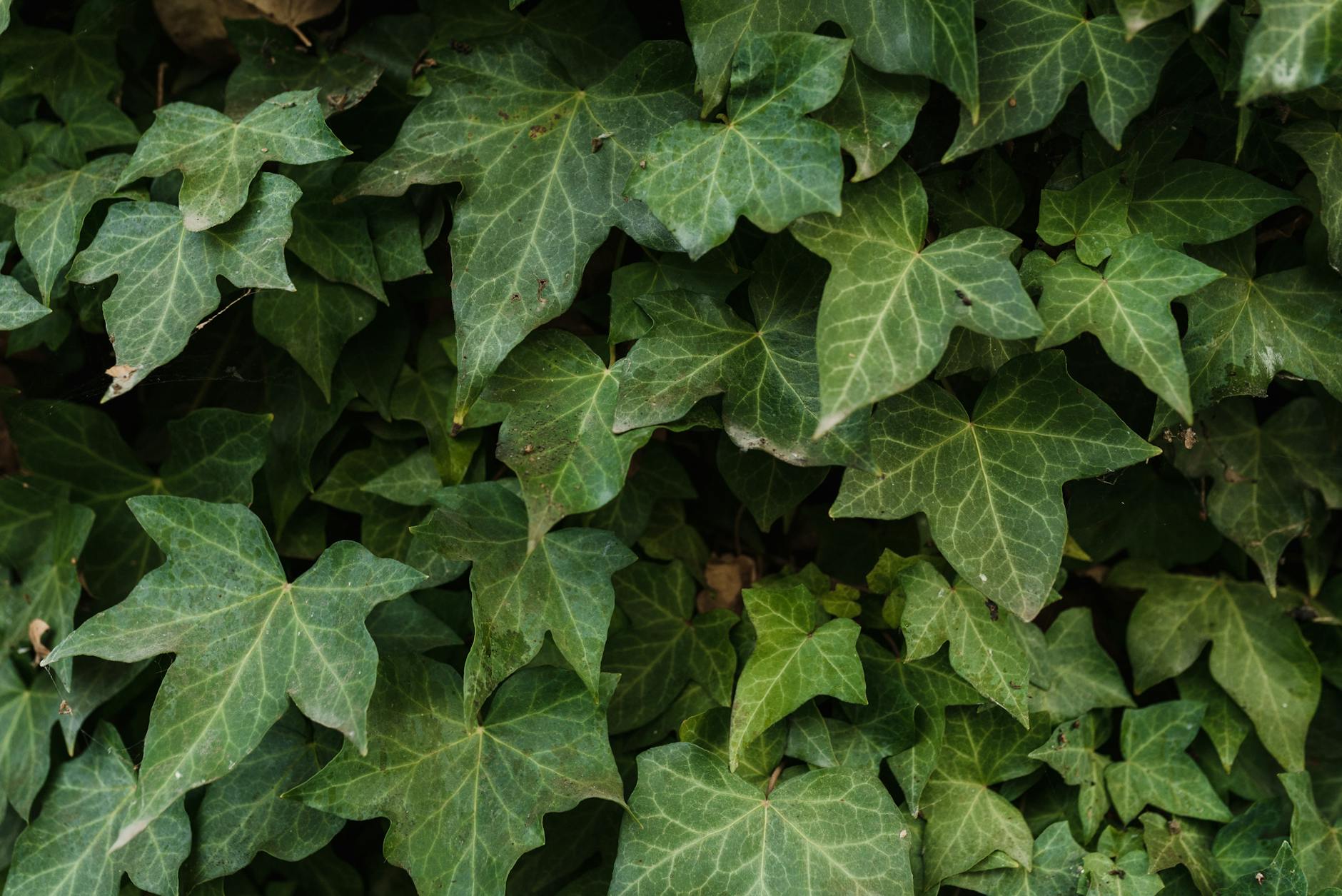
English ivy is a classic trailing plant with a well-documented ability to reduce airborne mold particles and filter out formaldehyde and benzene indoors. Studies have highlighted its particular effectiveness in spaces prone to dampness or mold growth, such as bathrooms, basements, and laundry rooms. It grows readily in a variety of light conditions and can be trained to climb, trail, or fill hanging baskets depending on the aesthetic preferences of the space. Its dense, variegated foliage creates a lush and layered look that complements both rustic and contemporary interiors. Keeping the soil moderately moist and the leaves clean helps optimize its air-purifying performance throughout the year.
Chinese Evergreen

The Chinese evergreen is one of the most adaptable and resilient air-purifying plants available for indoor use, tolerating low light and irregular watering with ease. It filters out benzene and formaldehyde from the surrounding air, making it an especially practical choice for offices and interior rooms with limited natural light exposure. Its broad, patterned leaves come in shades of green, silver, red, and pink, offering considerable decorative versatility across different room styles. This plant grows steadily without demanding much attention and can thrive for years with minimal intervention. Its combination of beauty and air-cleaning functionality makes it a favorite among interior designers and plant enthusiasts alike.
Gerbera Daisy
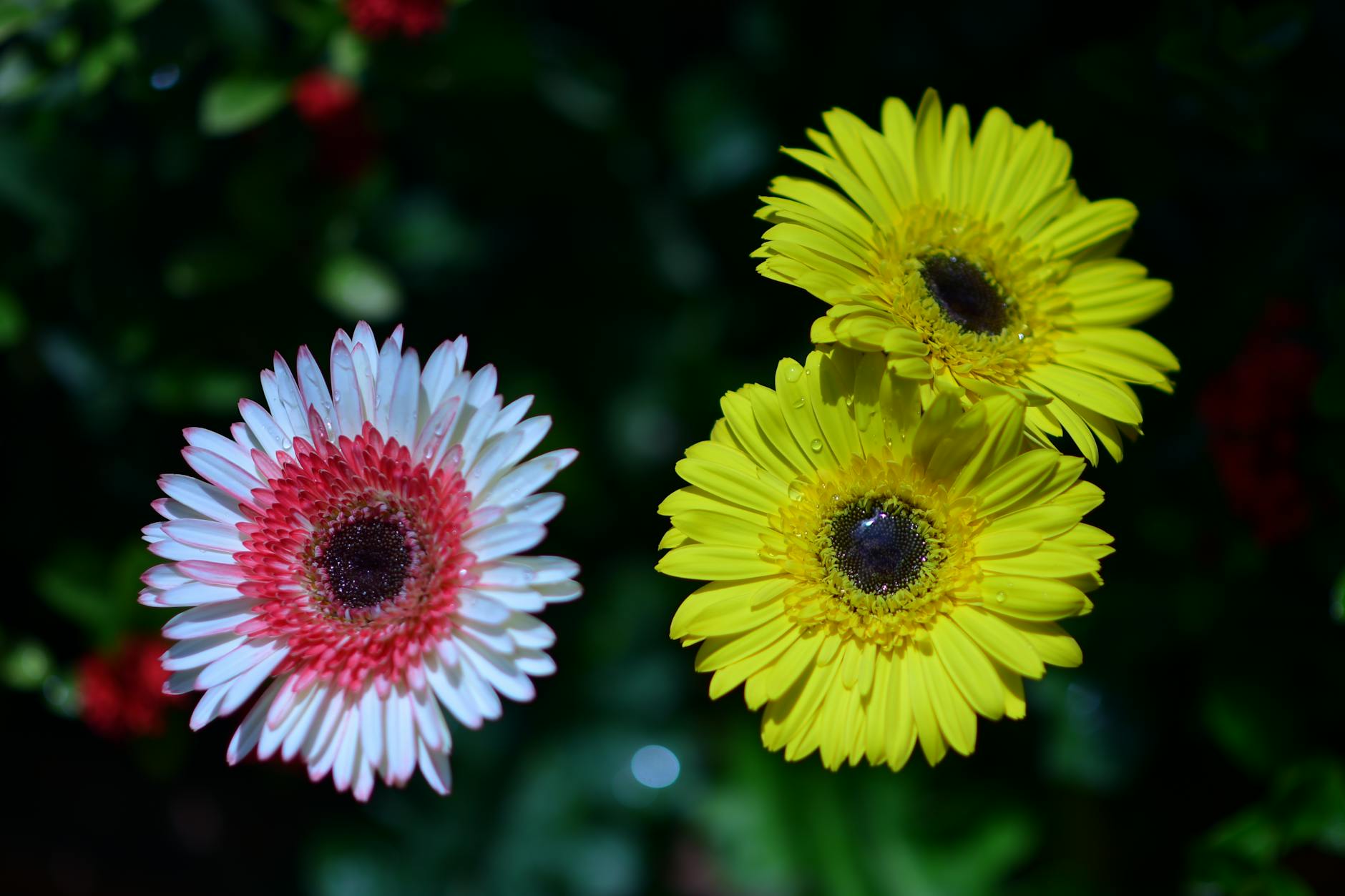
The gerbera daisy brings cheerful color and impressive air-purifying power to any indoor setting. It is one of the few flowering plants that continues to release oxygen at night, making it a particularly valuable addition to bedrooms and sleeping spaces. This plant is highly effective at filtering out trichloroethylene and benzene, pollutants commonly associated with synthetic fabrics and dry-cleaning chemicals. Gerbera daisies thrive in bright natural light and prefer well-drained soil with regular watering to maintain their vibrant blooms. Rotating the pot periodically ensures even light exposure and keeps the plant looking its fullest and most colorful throughout its blooming season.
Which of these air-purifying plants do you already have at home, and which ones are you planning to add next? Share your thoughts in the comments.




