History is full of gaps that no amount of research, excavation, or modern technology has managed to close. Some of the world’s most compelling puzzles have defied the brightest minds across generations, leaving scholars, scientists, and curious readers endlessly fascinated. These are the stories that remind us how much of the human past remains tantalizingly out of reach. From vanished civilizations to inexplicable artifacts, the following mysteries continue to spark debate and wonder in equal measure.
Roanoke Colony
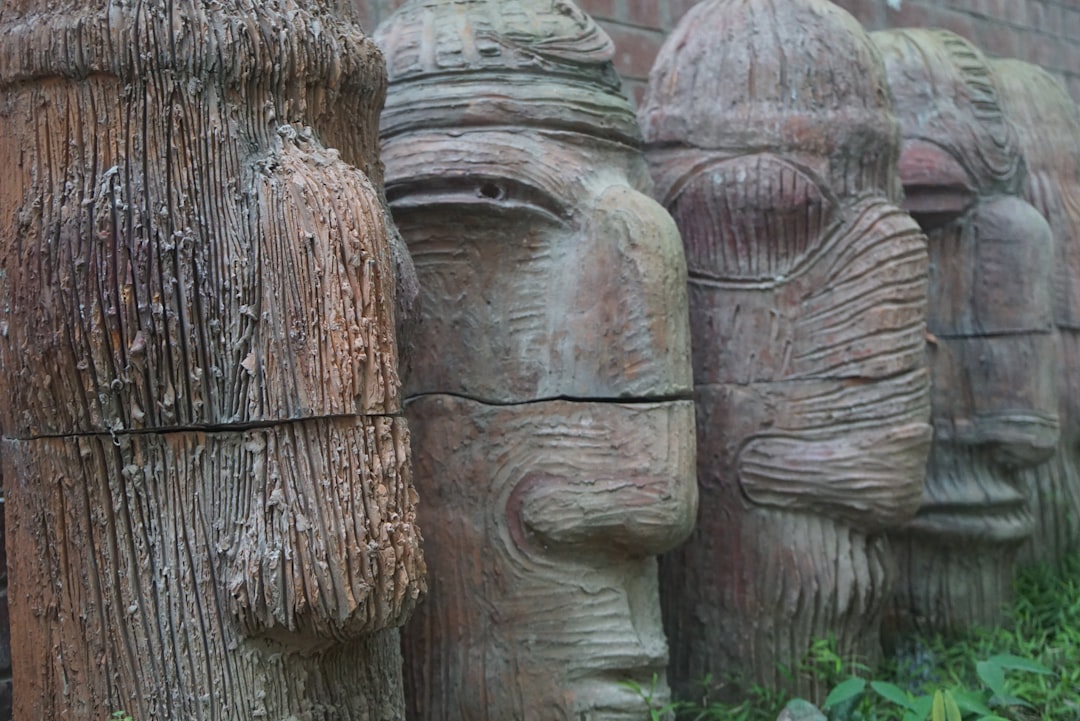
In 1590, English explorer John White returned to the Roanoke Island settlement in present-day North Carolina to find every colonist had completely disappeared. The only clue left behind was the word “CROATOAN” carved into a wooden post, with no signs of struggle or distress. Over 115 men, women, and children had vanished without leaving a clear trail. Theories range from absorption into a local Indigenous tribe to starvation or violent conflict. No definitive evidence has ever confirmed what truly became of England’s first attempted settlement in the Americas.
Voynich Manuscript
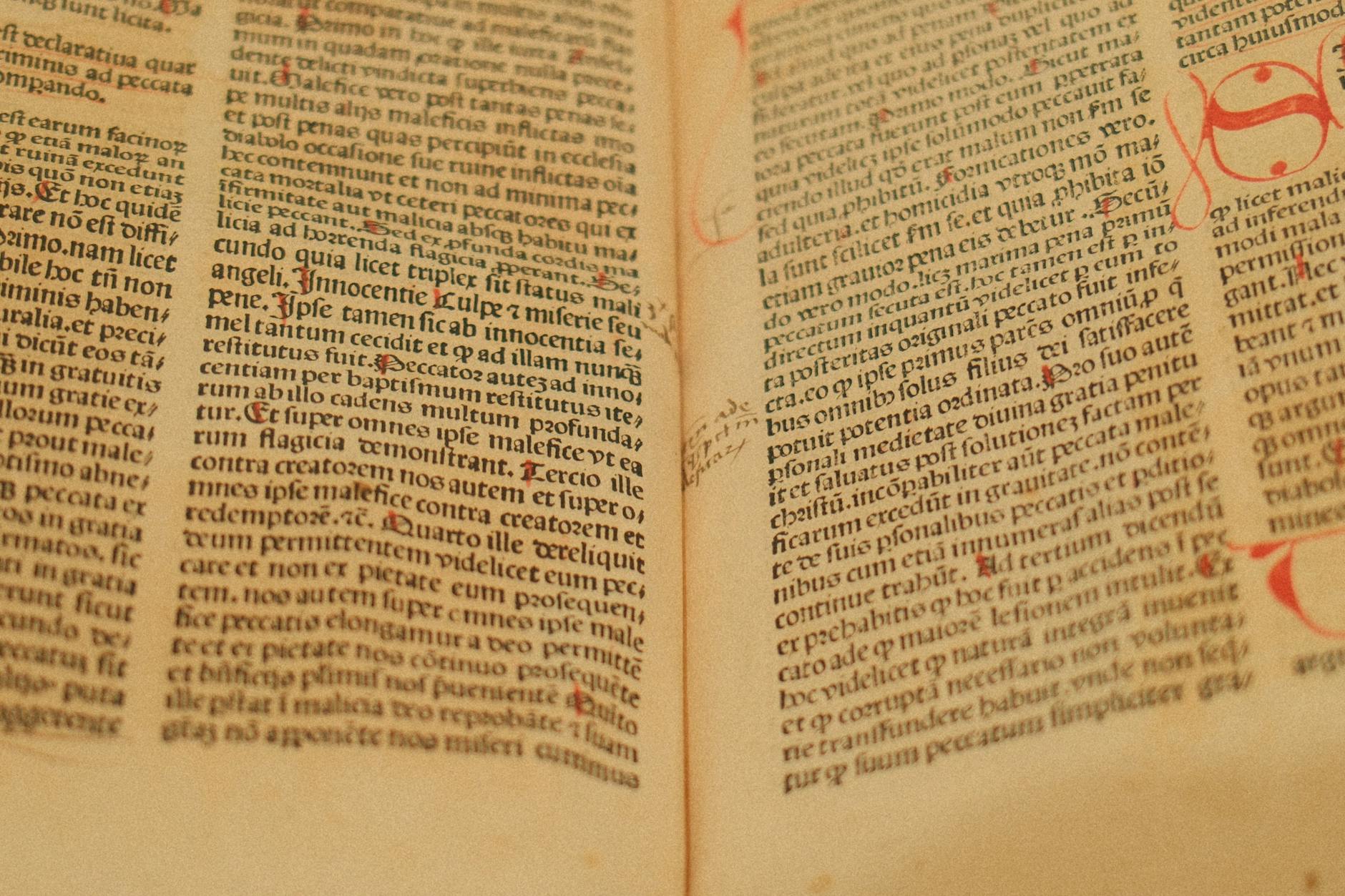
This illustrated handwritten book dates to the early fifteenth century and is written in a language or cipher that no expert has ever successfully decoded. Its pages contain detailed illustrations of unknown plants, astronomical diagrams, and bathing figures that do not correspond to any known medieval text. Carbon dating has confirmed the parchment’s age, but the meaning of its contents remains completely unknown. Hundreds of linguists, cryptographers, and historians have attempted to crack the code over the decades. Whether it is an elaborate hoax, a lost language, or an encoded medical text is still entirely unresolved.
The Nazca Lines
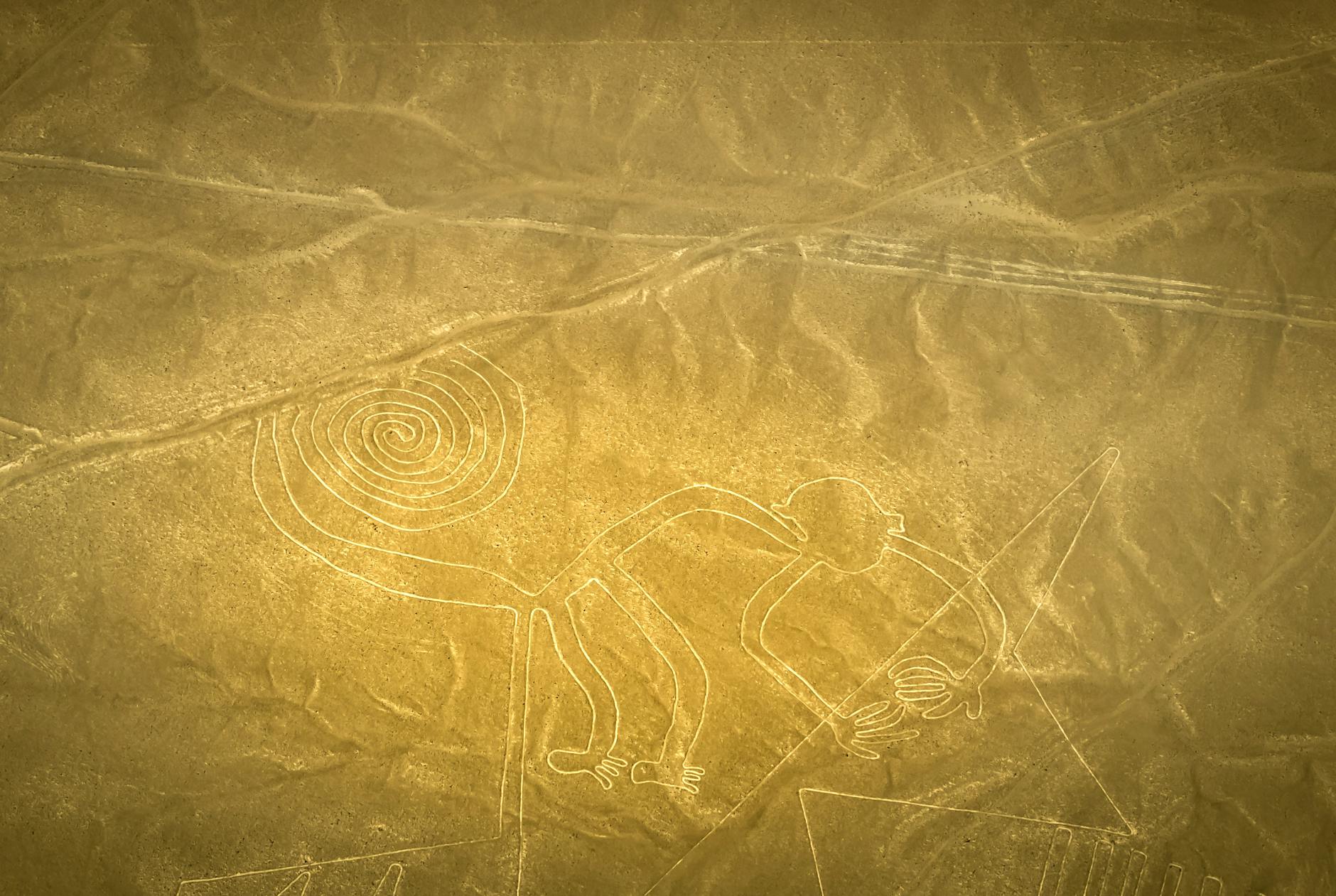
Etched into the arid Peruvian desert over two thousand years ago, these enormous geoglyphs depict animals, plants, and geometric shapes that are only fully visible from the air. The Nazca people created them by removing the reddish surface pebbles to reveal lighter ground beneath, a painstaking process requiring remarkable precision. What makes them so puzzling is that the creators had no known means of viewing their work from above. Theories suggest they may have been ritual offerings to the gods, astronomical calendars, or markers for underground water sources. No single explanation has ever gained universal acceptance among researchers.
The Tunguska Event

In June 1908, a massive explosion flattened approximately 2,000 square kilometers of remote Siberian forest near the Tunguska River. The blast was estimated to be over a thousand times more powerful than the atomic bomb dropped on Hiroshima. No impact crater was ever found, which ruled out a straightforward meteorite strike. Scientists have proposed theories involving a comet, an asteroid that exploded in the atmosphere, or even antimatter. More than a century later, the exact nature of the object and the precise mechanism of the event remain scientifically contested.
DB Cooper

In November 1971, a man using the alias Dan Cooper hijacked a Northwest Orient flight, extorted $200,000 in ransom, and parachuted from the plane somewhere over the Pacific Northwest. Despite one of the longest and most intensive investigations in FBI history, his true identity was never established. A small bundle of the ransom money was found along the Columbia River in 1980, but it raised more questions than it answered. Dozens of suspects have been investigated over the decades and none have been conclusively identified as Cooper. The case remains the only unsolved commercial aircraft hijacking in American history.
The Antikythera Mechanism
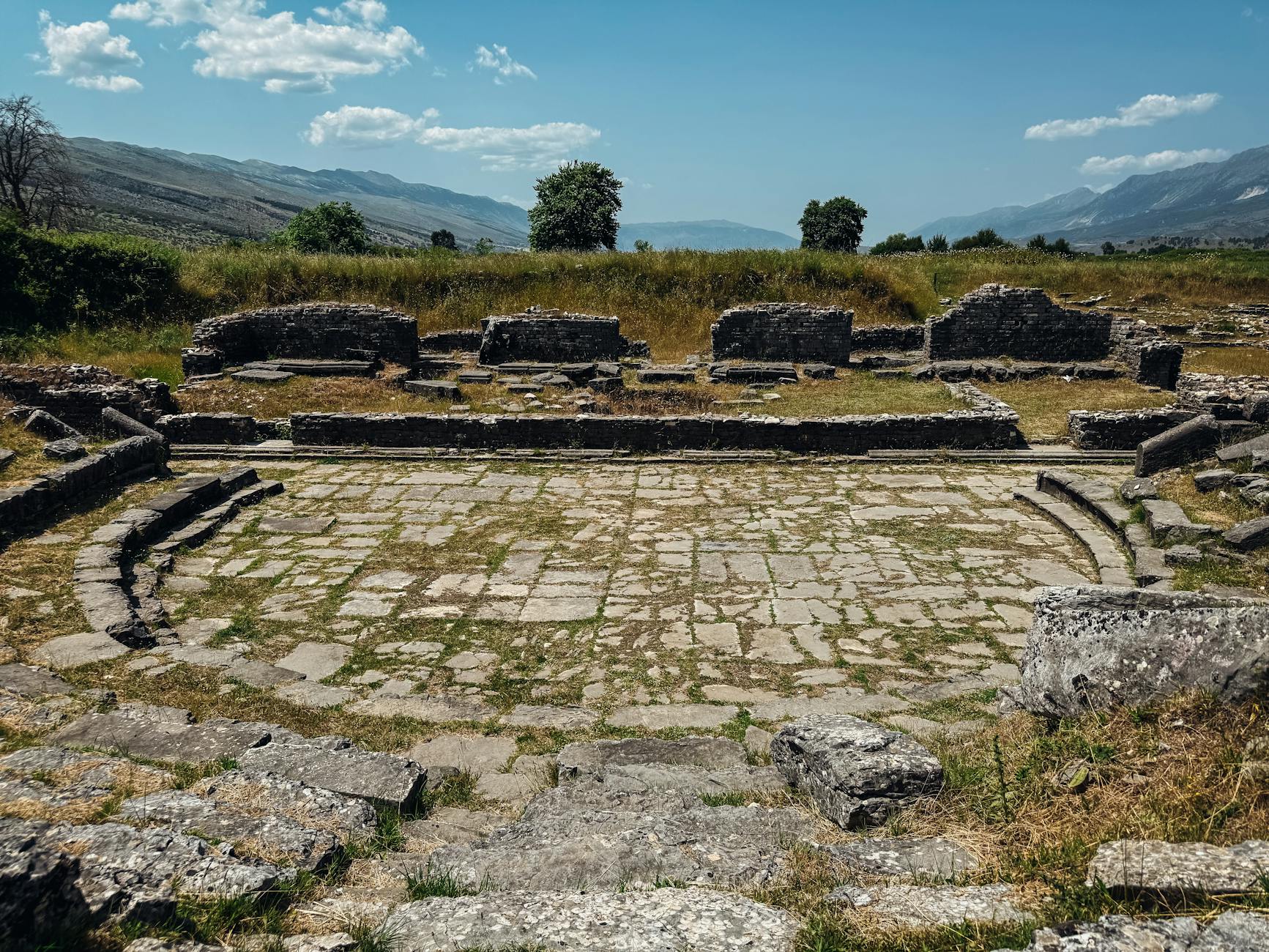
Recovered from an ancient Greek shipwreck off the coast of the island of Antikythera, this corroded bronze device dates back to around 100 BCE. It is widely considered the world’s oldest known analog computer, capable of tracking astronomical positions and predicting eclipses with extraordinary accuracy. What confounds historians is that nothing comparable appears in the archaeological record for over a thousand years after it was made. The level of mechanical sophistication it demonstrates was not thought to exist in the ancient world at that time. Exactly who designed it, where it was made, and what became of the tradition that produced it remains unknown.
Oak Island
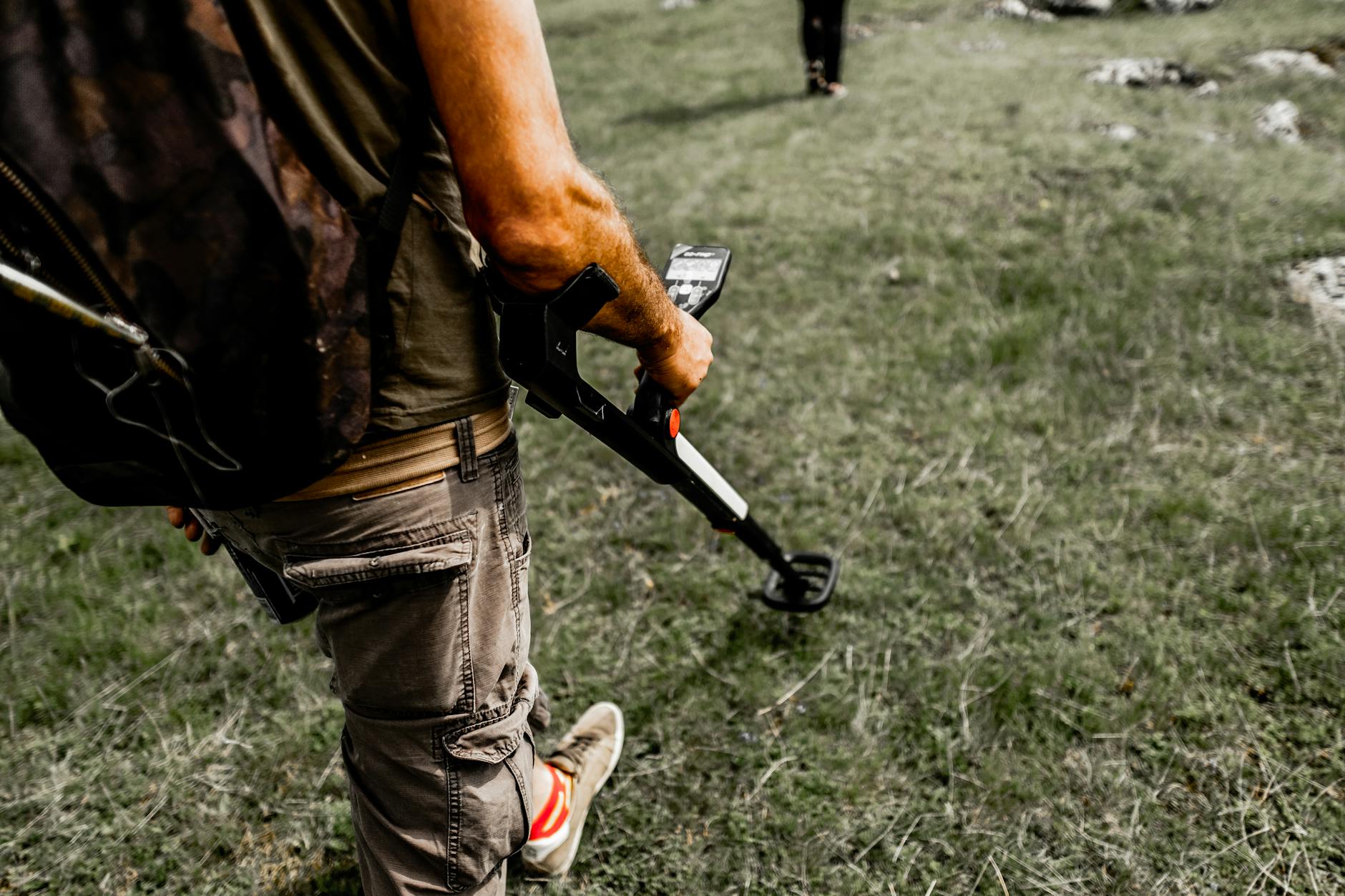
For over two centuries, treasure hunters have been digging on this small island off the coast of Nova Scotia in search of a legendary buried treasure. The so-called “Money Pit” was first discovered in 1795 and is said to be protected by a series of elaborate booby traps that flood the shaft with seawater. Countless excavations have recovered fragments of wood, coconut fibers, and other tantalizing artifacts. Theories about what lies at the bottom range from pirate gold to the lost manuscripts of Francis Bacon. Despite millions of dollars spent and several lives lost in the search, no treasure has ever been conclusively recovered.
The Wow Signal

On August 15, 1977, a radio astronomer at the Big Ear Observatory in Ohio detected a strong narrowband radio signal from deep space that lasted 72 seconds. It matched the expected profile of a potential extraterrestrial transmission so precisely that he circled it on a printout and wrote “Wow!” in the margin. The signal has never been detected again despite numerous efforts to listen for it. Its origin point in the constellation Sagittarius and its characteristics remain deeply puzzling to astronomers. Whether it was a natural cosmic phenomenon, human-made interference, or something more extraordinary is still hotly debated.
The Sea Peoples
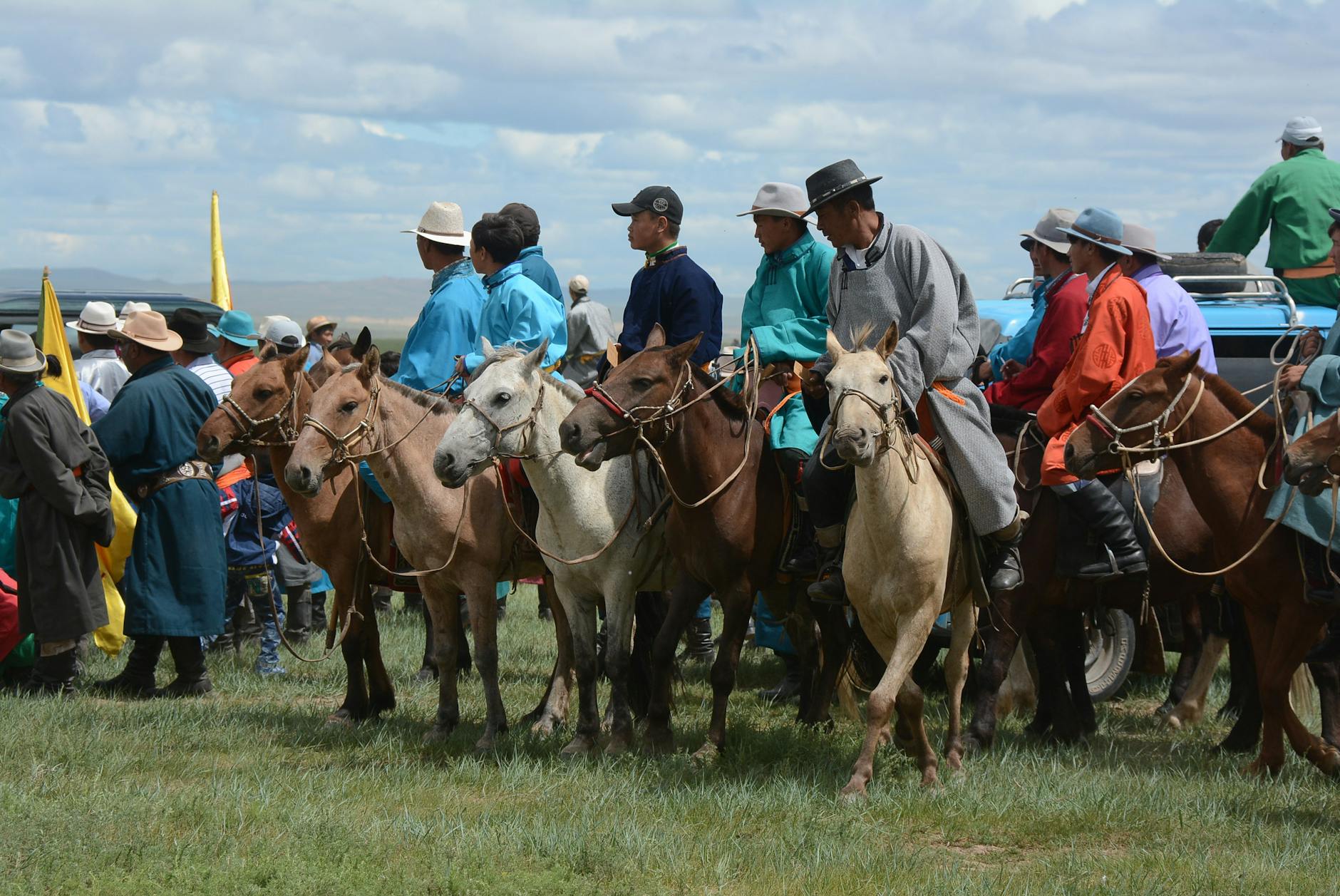
Around 1200 BCE, a confederation of mysterious seafaring raiders known as the Sea Peoples swept across the Eastern Mediterranean with devastating effect. They are credited with contributing to the collapse of several major civilizations including the Hittite Empire and the Mycenaean Greeks. Egyptian inscriptions from the reign of Ramesses III describe fierce battles with these invaders but provide no clear information about their origins. Scholars have proposed they came from regions as far apart as Anatolia, the Aegean, and even the Italian peninsula. Their true identity and homeland remain one of the most fiercely debated questions in ancient history.
The Zodiac Killer
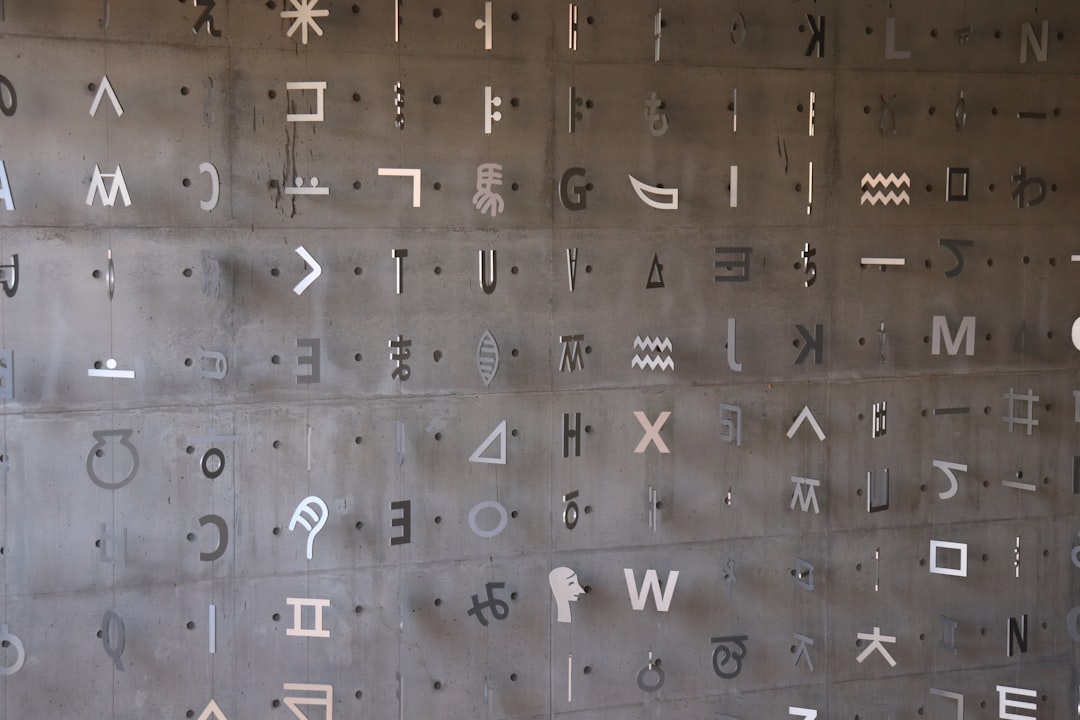
Between the late 1960s and early 1970s, a serial killer operating in Northern California taunted police and the press with a series of cryptic letters and coded ciphers. He claimed responsibility for 37 murders, though only five victims were definitively linked to him by investigators. The killer was never caught and was never definitively identified despite one of the most extensive investigations in California law enforcement history. One of his four ciphers remained unsolved for over 50 years until a team of amateur codebreakers cracked it in 2020. His identity and true victim count remain officially unresolved to this day.
Göbekli Tepe
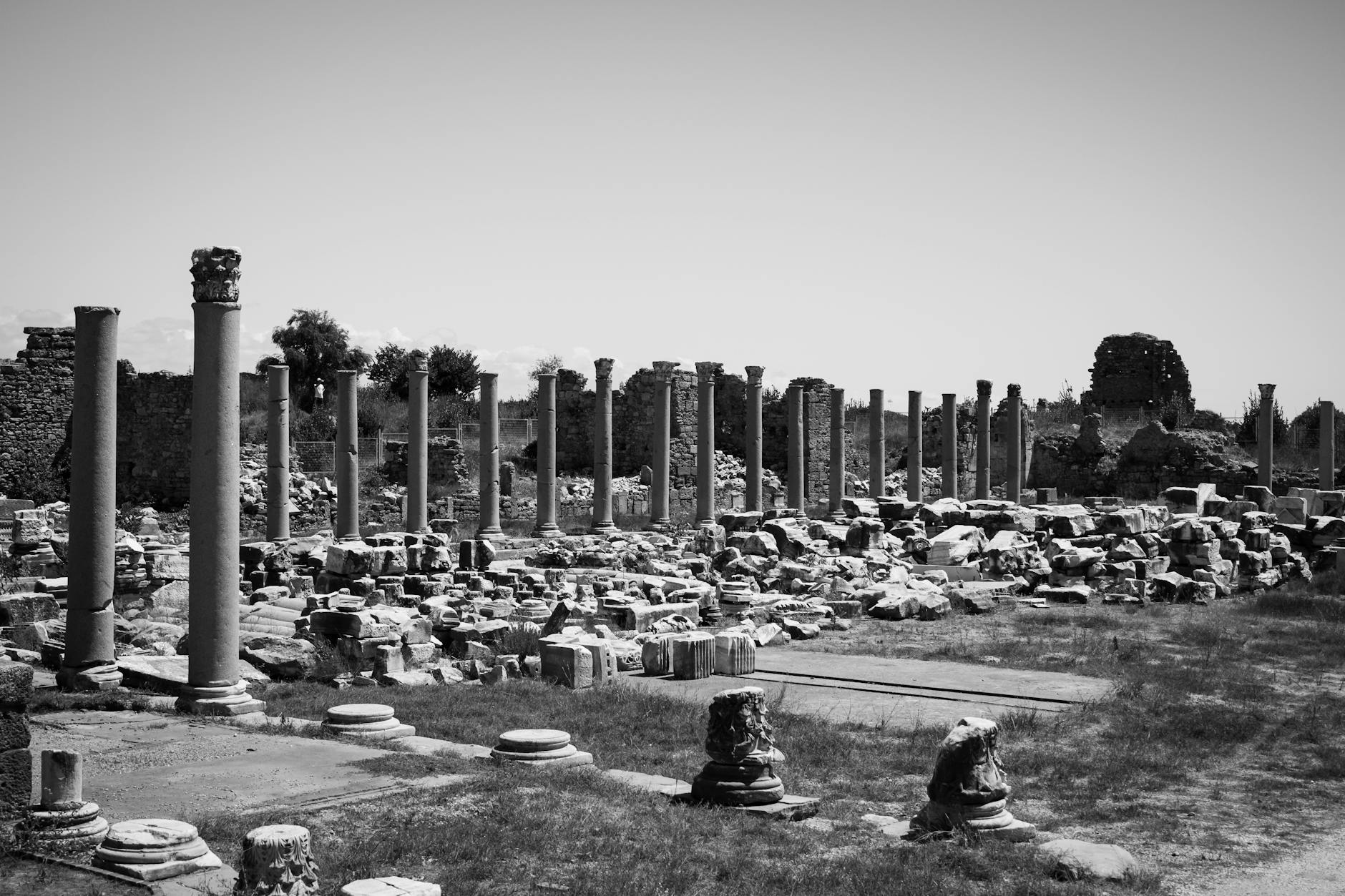
Discovered in southern Turkey in the 1960s but not properly excavated until the 1990s, this site contains massive stone pillars arranged in circles and is estimated to be over 12,000 years old. It predates Stonehenge by roughly 6,000 years and challenges the long-held belief that organized religion and monumental construction required settled agricultural societies. The people who built it appear to have been hunter-gatherers with no permanent settlements nearby. What rituals took place there, what belief system it served, and how such a large coordinated construction effort was organized without a complex social hierarchy remains deeply unclear. Much of the site is still unexcavated, meaning the full picture may not emerge for decades.
The Dancing Plague

In the summer of 1518, residents of Strasbourg began dancing uncontrollably in the streets and could not stop for days or even weeks at a time. At its peak, hundreds of people were reportedly dancing simultaneously and some collapsed from exhaustion or died from heart attacks. Local physicians at the time attributed it to overheated blood and city officials bizarrely responded by hiring musicians to keep the dancers going. Modern theories have proposed mass psychogenic illness, ergot poisoning, or extreme stress following years of famine and disease. No satisfying medical or sociological explanation has fully accounted for the scale and duration of the event.
The Lost City of Atlantis
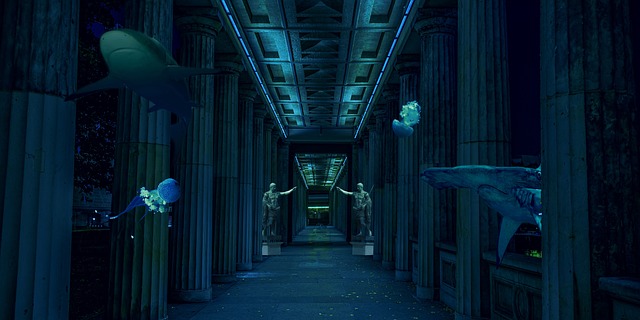
First described by the ancient Greek philosopher Plato around 360 BCE, Atlantis was said to be a powerful and advanced civilization that sank into the ocean in a single catastrophic day and night. Plato presented it as a cautionary tale, yet the level of geographic and cultural detail he included has led generations of scholars to wonder whether it was based on a real place. Numerous locations have been proposed as the inspiration, including the Mediterranean, the Atlantic Ocean, and even Antarctica. No archaeological evidence of the city as described has ever been found. Whether Atlantis was pure philosophical fiction, a legend rooted in a real disaster, or something else entirely remains unresolved.
Jack the Ripper

In the autumn of 1888, a series of brutal murders in the Whitechapel district of London gripped the world’s attention and terrified the city’s East End. At least five women were killed in a short period and the murders bore hallmarks suggesting the perpetrator had some anatomical knowledge. The killer was never caught and the case generated hundreds of thousands of pages of investigation and speculation over the following century. More than 100 suspects have been named over the years by historians, criminologists, and amateur investigators. Despite modern forensic re-examination of surviving evidence, no suspect has ever been conclusively and universally accepted as the Ripper.
The Indus Valley Script
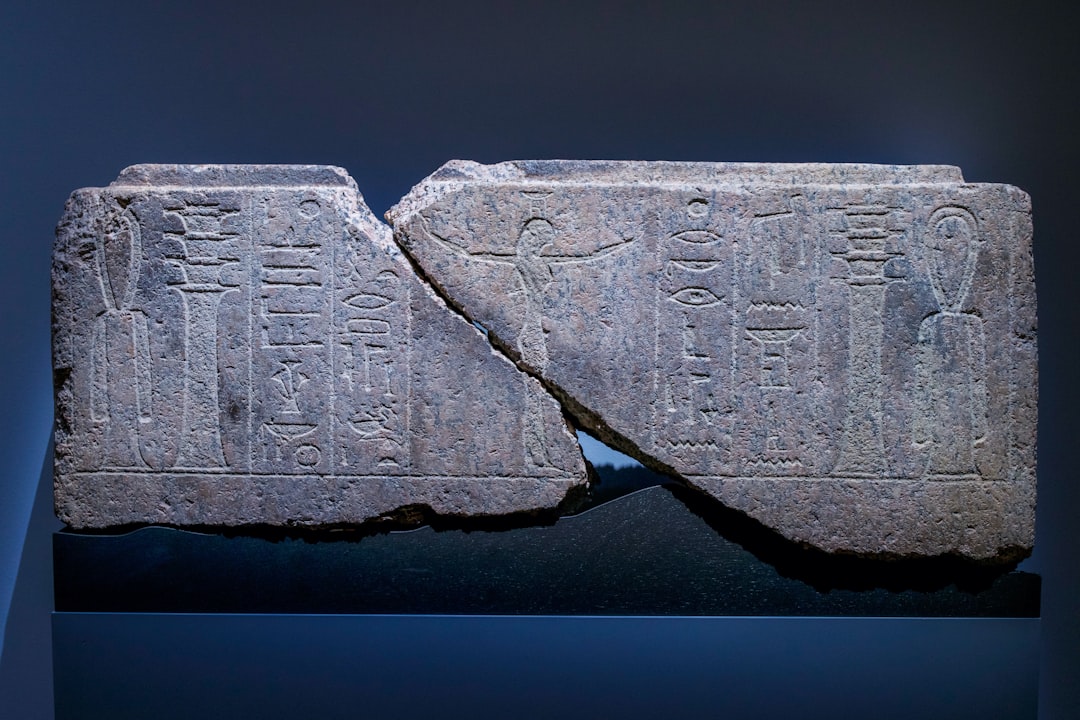
The Indus Valley Civilization flourished across parts of modern-day Pakistan and India between roughly 3300 and 1300 BCE and was one of the ancient world’s largest and most sophisticated urban cultures. Its people left behind thousands of inscribed seals, tablets, and other objects featuring a script that has never been deciphered. Unlike Egyptian hieroglyphics or Mesopotamian cuneiform, there is no bilingual key such as the Rosetta Stone to help researchers unlock its meaning. Scholars do not even agree on whether the symbols represent a true writing system or a set of non-linguistic signs. Without a breakthrough discovery, the language and inner life of this remarkable civilization may remain permanently beyond our understanding.
What is your favorite unsolved mystery from history and why does it captivate you? Share your thoughts in the comments.




