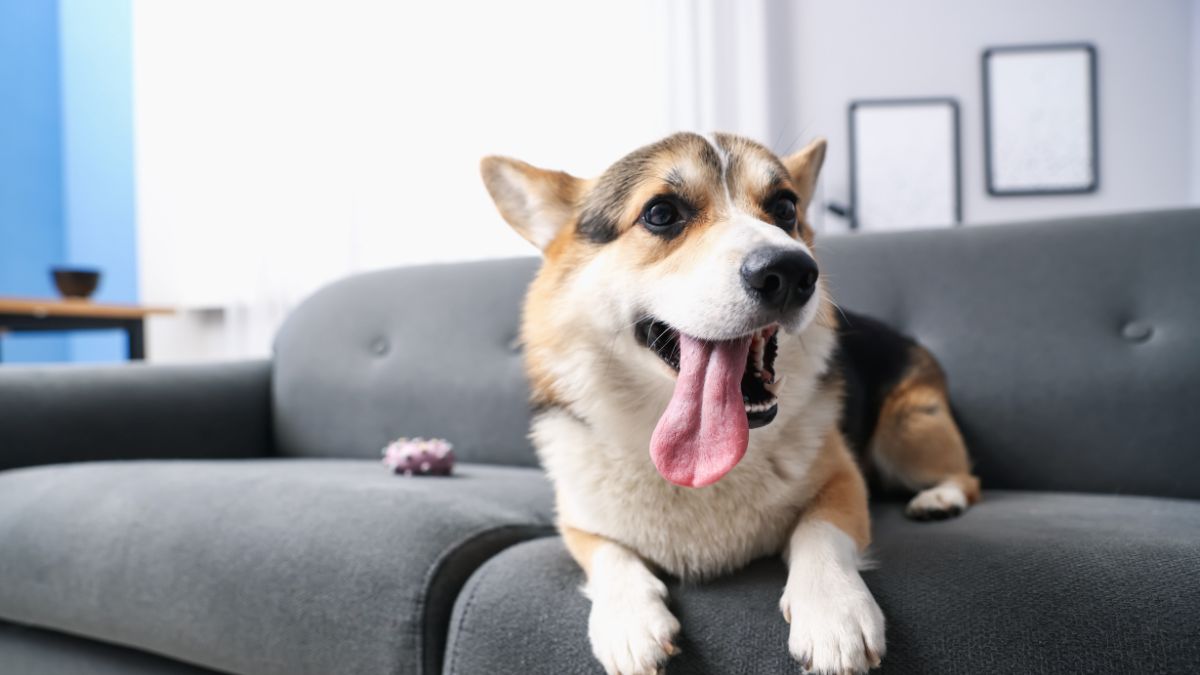
Dogs are endlessly fascinating creatures whose quirky behaviors often leave their owners puzzled, amused, or slightly concerned. From spinning in circles before lying down to staring blankly at a wall, the things dogs do can seem bizarre without context. Understanding the instincts and communication signals behind these actions deepens the bond between humans and their four-legged companions. Once you decode the language of dog behavior, their seemingly strange habits begin to make perfect sense.
Tail Chasing
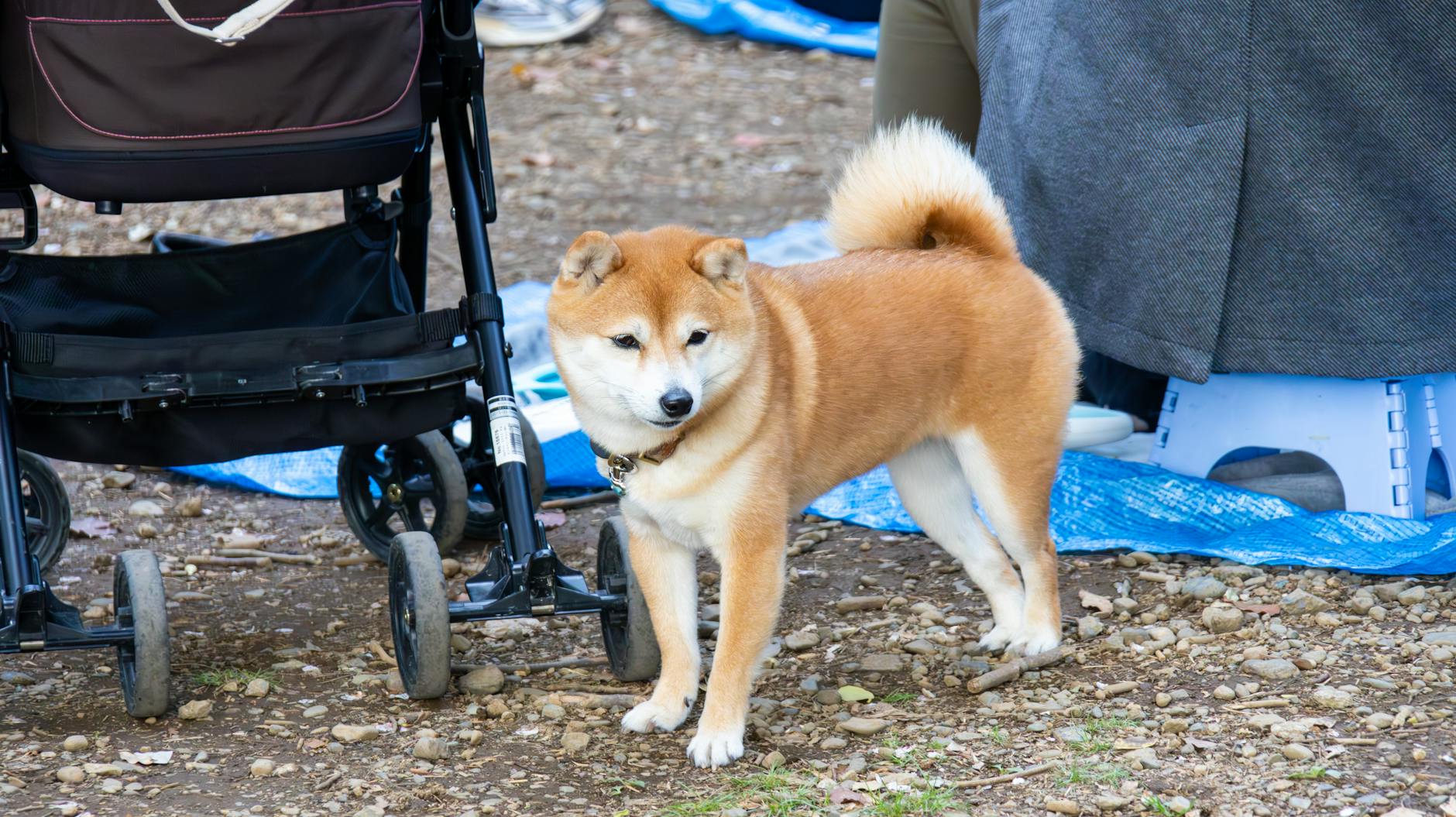
Dogs chase their tails for a variety of reasons rooted in instinct, boredom, or overstimulation. Puppies especially engage in this behavior as they discover and explore their own bodies for the first time. In adult dogs, occasional tail chasing is usually harmless and simply a response to pent-up energy needing an outlet. When the behavior becomes repetitive or obsessive, it may signal anxiety or a compulsive disorder worth discussing with a vet.
Zoomies
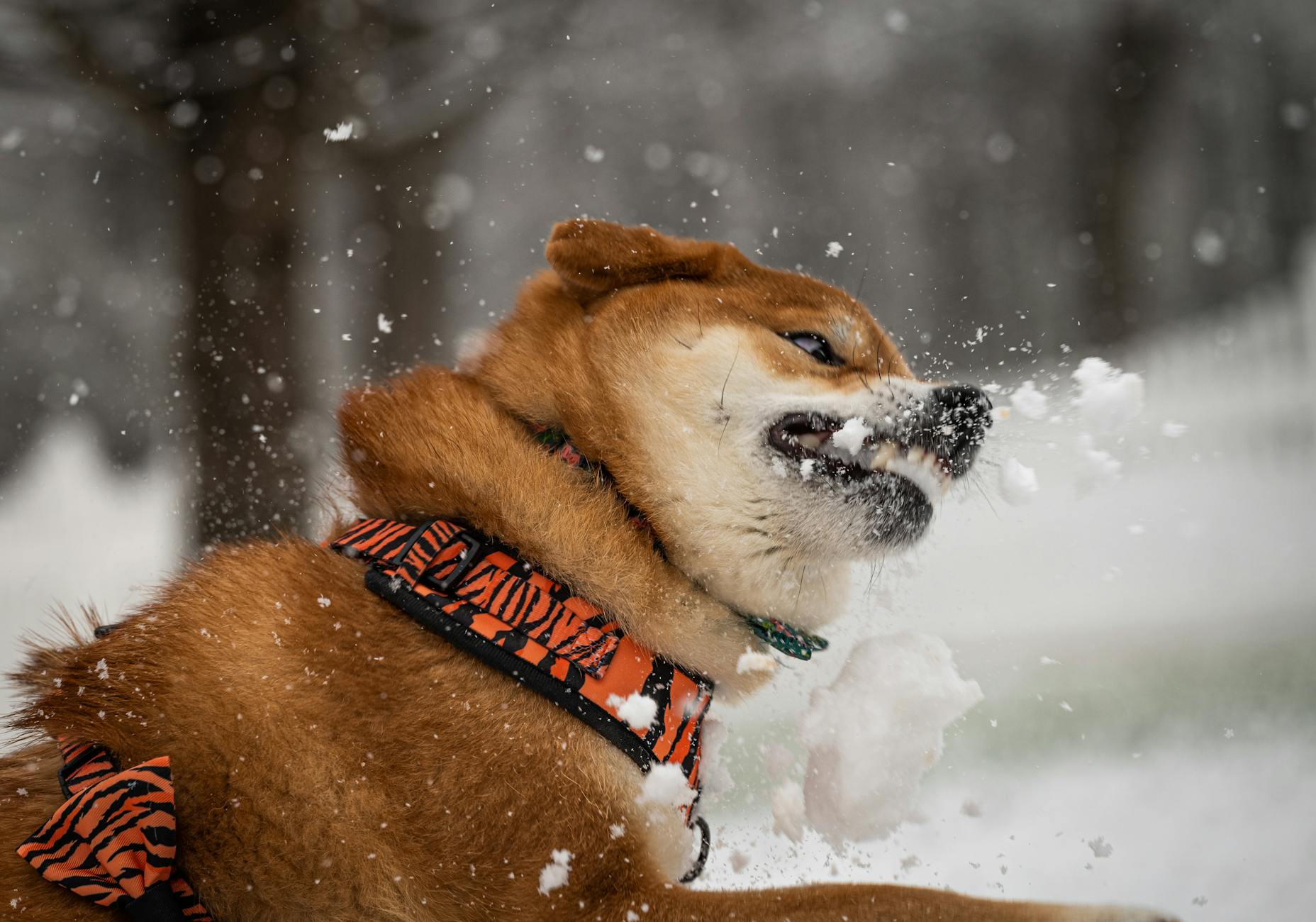
The sudden burst of frantic running in circles that dogs experience is officially known as a frenetic random activity period. This explosive release of energy typically strikes after a bath, a long nap, or a period of confinement. It is the body’s natural way of discharging built-up physical and emotional tension in one joyful explosion of movement. Zoomies are completely normal and generally a sign that your dog is healthy, happy, and full of life.
Wall Staring
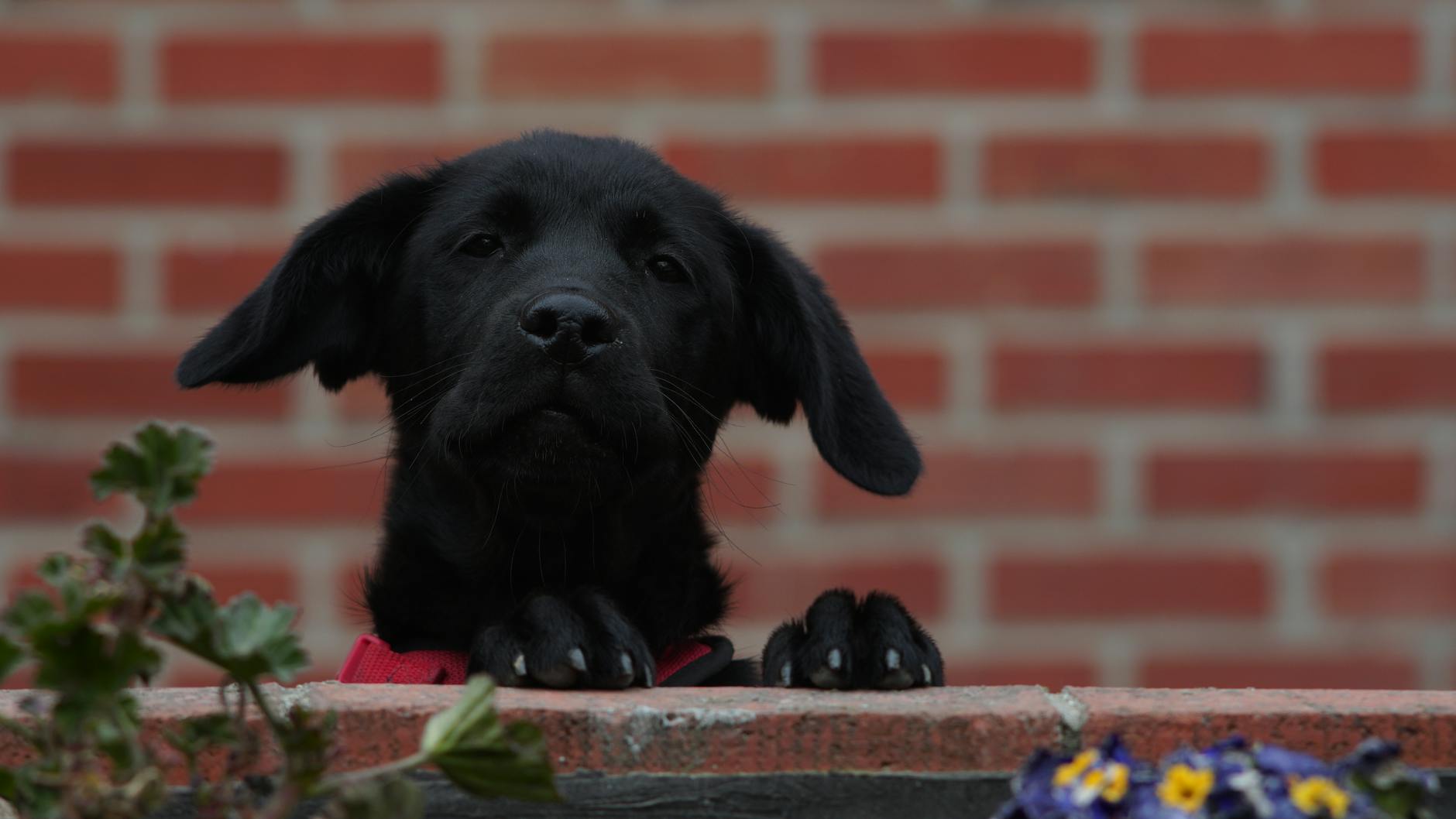
When a dog stands motionless and stares at a blank wall, it can look unsettling to anyone watching. Dogs have far more sensitive hearing than humans and may be detecting sounds within the walls such as insects or shifting pipes. Their powerful sense of smell also allows them to pick up on scents that pass completely unnoticed by human noses. In older dogs, this behavior occasionally points to cognitive changes and is worth monitoring if it becomes frequent.
Pre-Sleep Circling
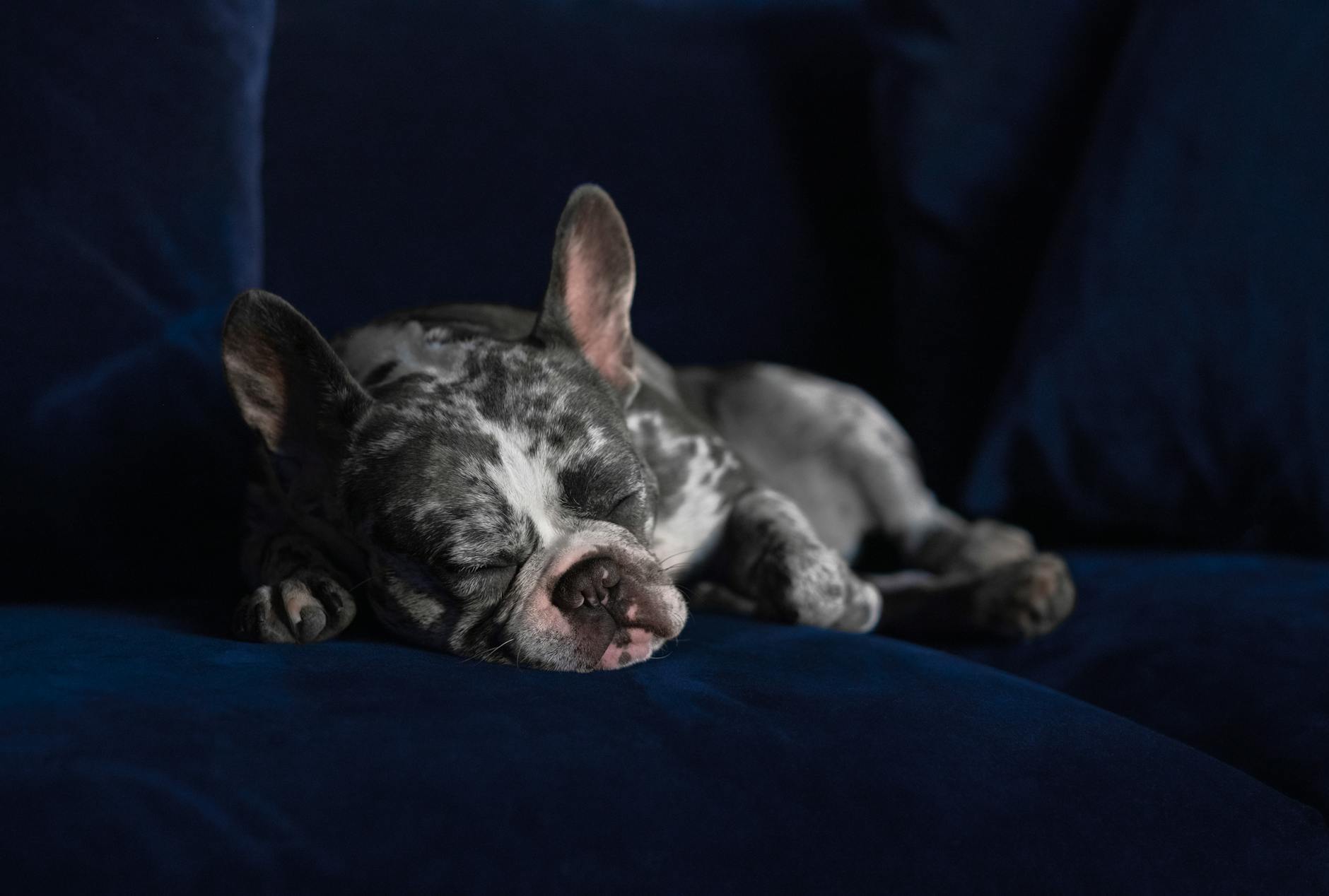
The act of turning in circles multiple times before lying down is one of the most ancient canine behaviors still present in domestic dogs today. In the wild, their ancestors would trample down grass and vegetation to create a flat and comfortable sleeping surface. The motion also helped to check the surrounding area for hidden threats before settling in for rest. Modern dogs retain this deeply ingrained ritual even though their beds require no flattening whatsoever.
Butt Scooting
A dog dragging its rear end along the floor is almost always trying to relieve discomfort in the anal area. The most common cause is full or impacted anal glands that need to be expressed by a veterinarian or groomer. Parasites such as tapeworms can also trigger this behavior alongside visible irritation around the tail region. It is a clear signal that something physical needs attention and should not be dismissed as simply odd or amusing.
Eating Grass
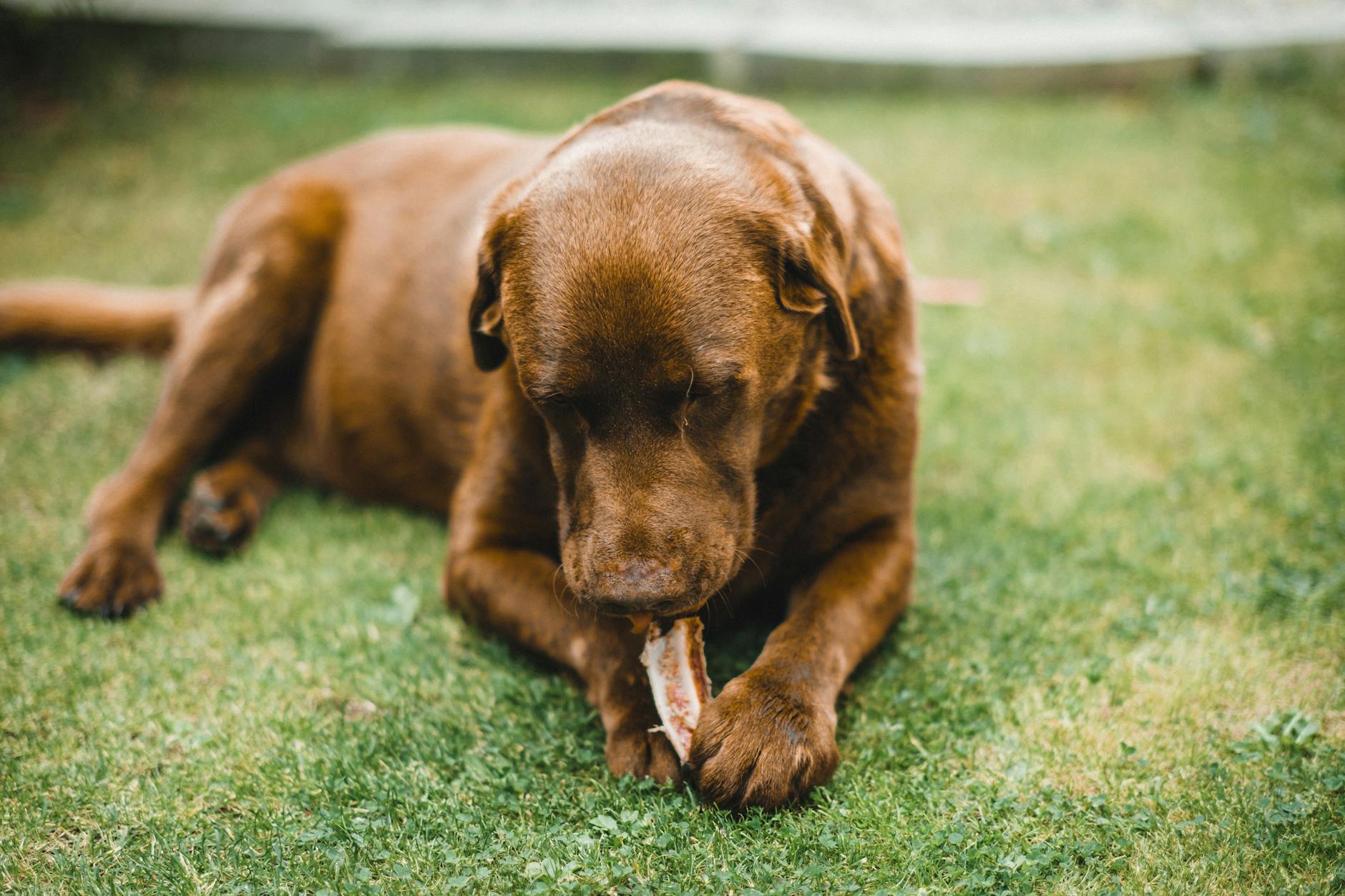
Grass consumption is one of the most common and debated behaviors seen in domestic dogs around the world. Some researchers suggest that dogs eat grass instinctively to induce vomiting when their stomach feels unsettled. Others believe it may simply reflect a nutritional gap in their diet or a desire for more fiber. In most cases, occasional grass eating is harmless as long as the grass has not been treated with pesticides or herbicides.
Head Tilting
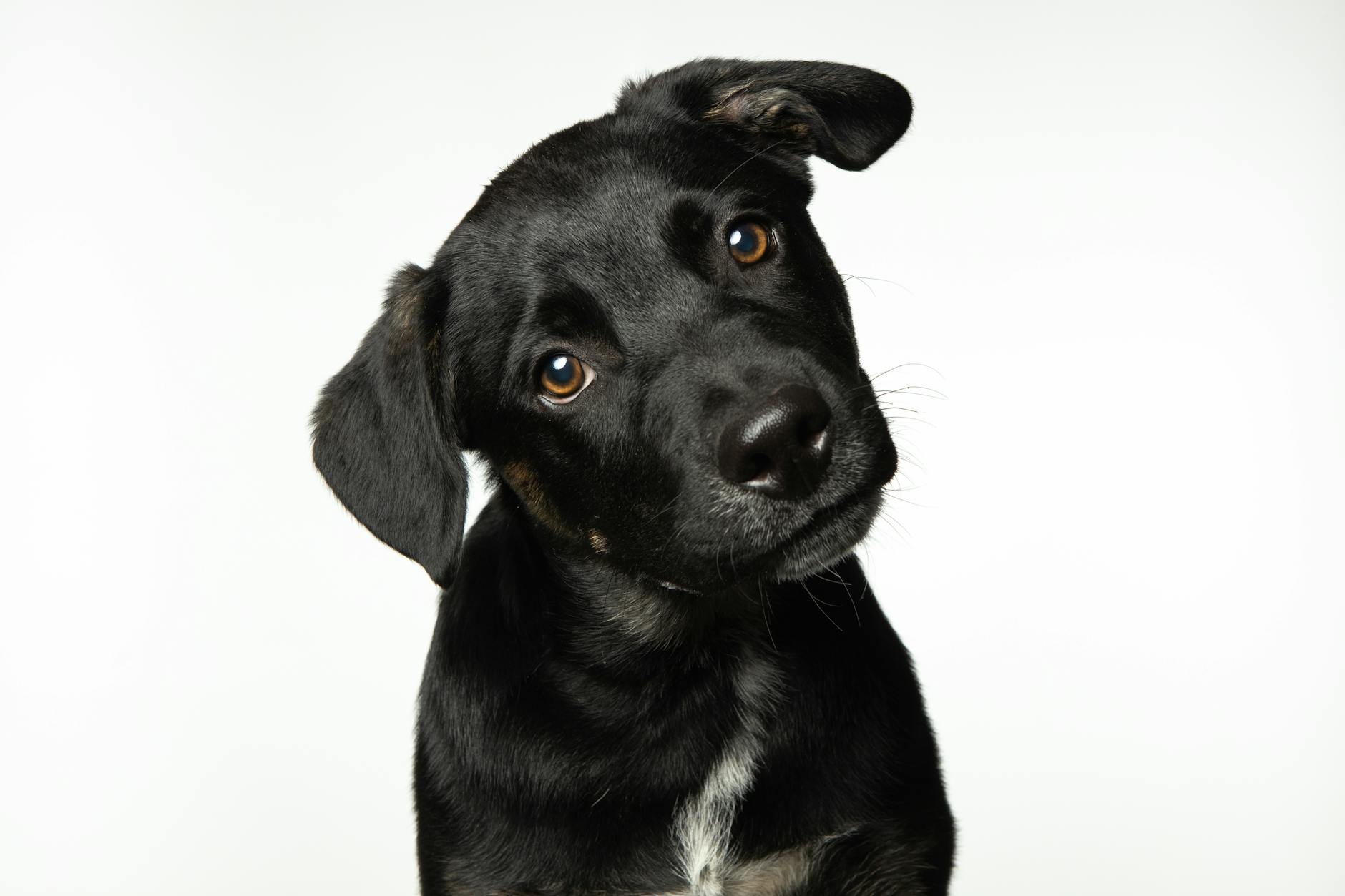
The head tilt is one of the most endearing gestures a dog can offer and it actually serves a practical purpose. Dogs tilt their heads to better localize sounds and improve their ability to understand human speech patterns and tones. The shape of their muzzle can partially block their field of vision and tilting adjusts their perspective to see a face more clearly. It is also a learned behavior that dogs repeat when they notice it consistently earns positive reactions from their owners.
Toy Shaking
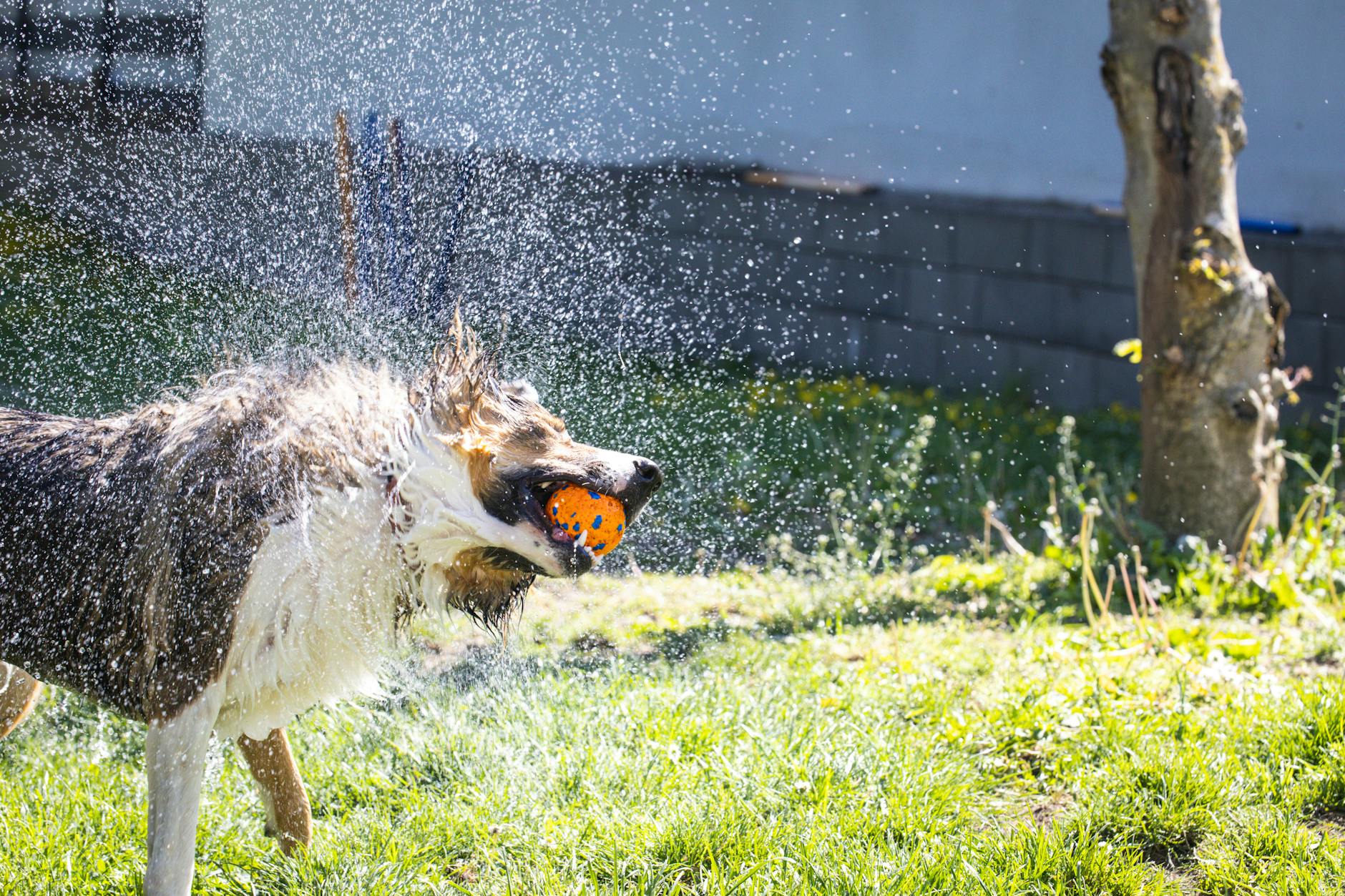
When a dog grabs a toy and vigorously shakes it back and forth, the behavior traces directly back to predatory instinct. In the wild, this motion was used to kill small prey quickly by snapping the neck with a rapid lateral movement. The toy serves as a modern stand-in for that prey and the behavior is a completely natural expression of hunting drives. Providing plenty of toys for this activity gives dogs a healthy outlet for instincts they are hardwired to express.
Face Rubbing
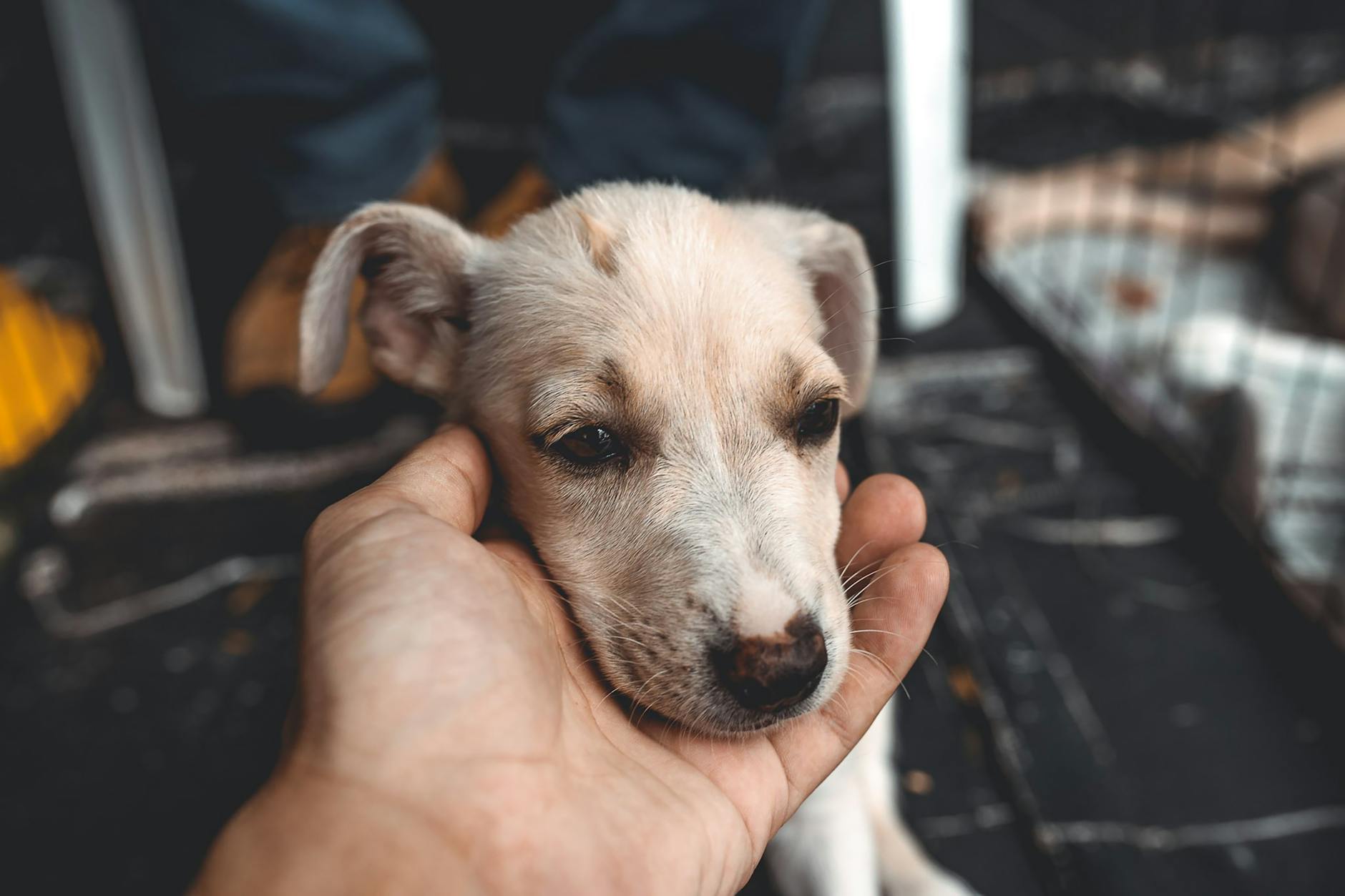
Dogs that rub their face along the carpet or furniture after eating are engaging in a scent-related behavior with deep roots in animal instinct. One theory suggests they are trying to remove the smell of food from their muzzle to avoid attracting attention from predators or competitors. Another interpretation is that they are deliberately spreading their scent onto objects as a form of territorial marking. The behavior is generally harmless though persistent face rubbing around the eyes or ears can sometimes indicate allergies or irritation.
Sitting on Feet
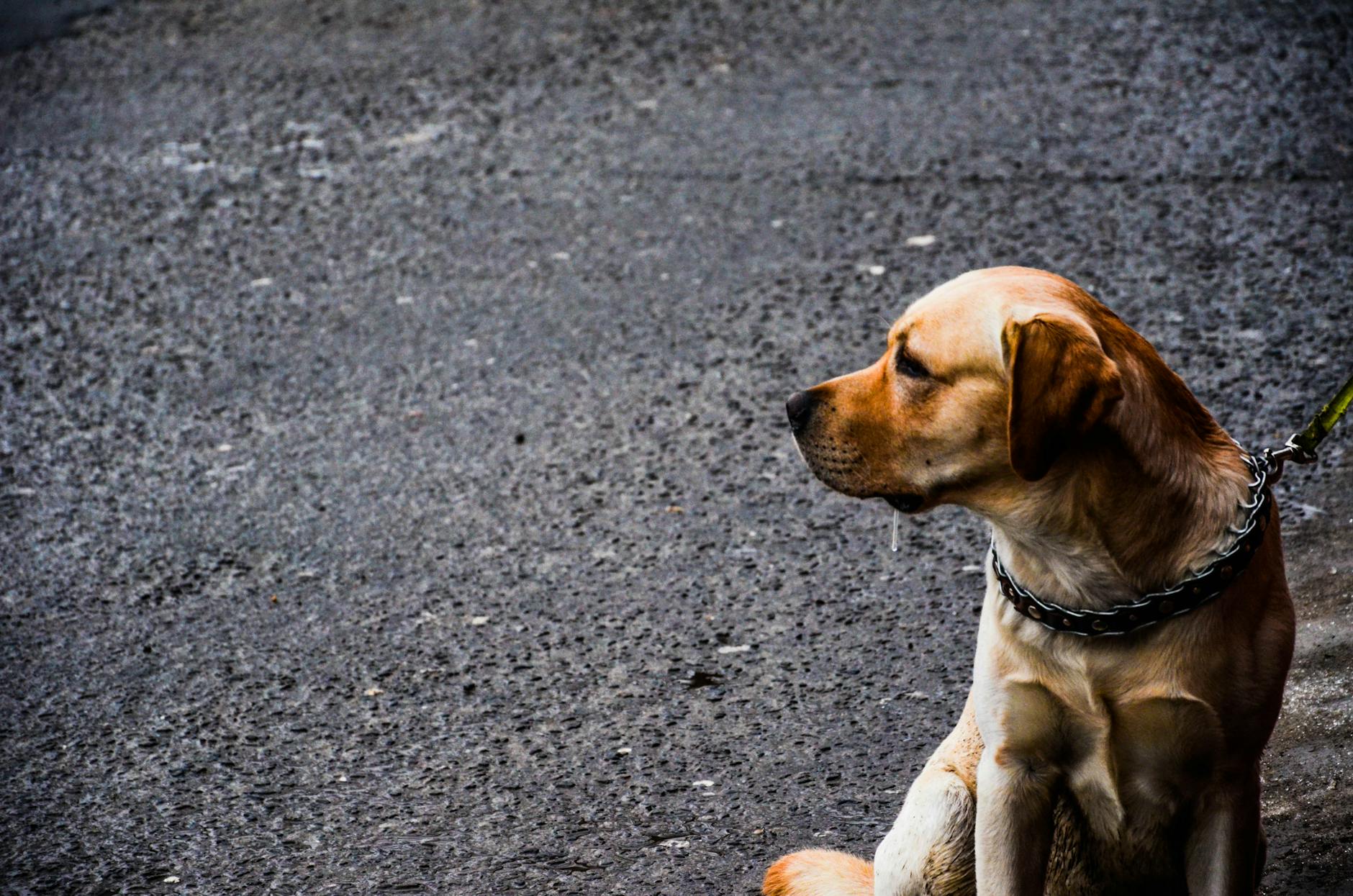
A dog that plants itself directly on your feet or presses its full weight against your legs is communicating a strong sense of attachment and trust. This behavior echoes the way pack animals huddle together for warmth, safety, and social bonding in the wild. It can also be a mild expression of resource guarding where the dog signals to others that this particular human belongs to them. While sweet, encouraging the behavior constantly in anxious dogs can sometimes reinforce over-dependence.
Reverse Sneezing
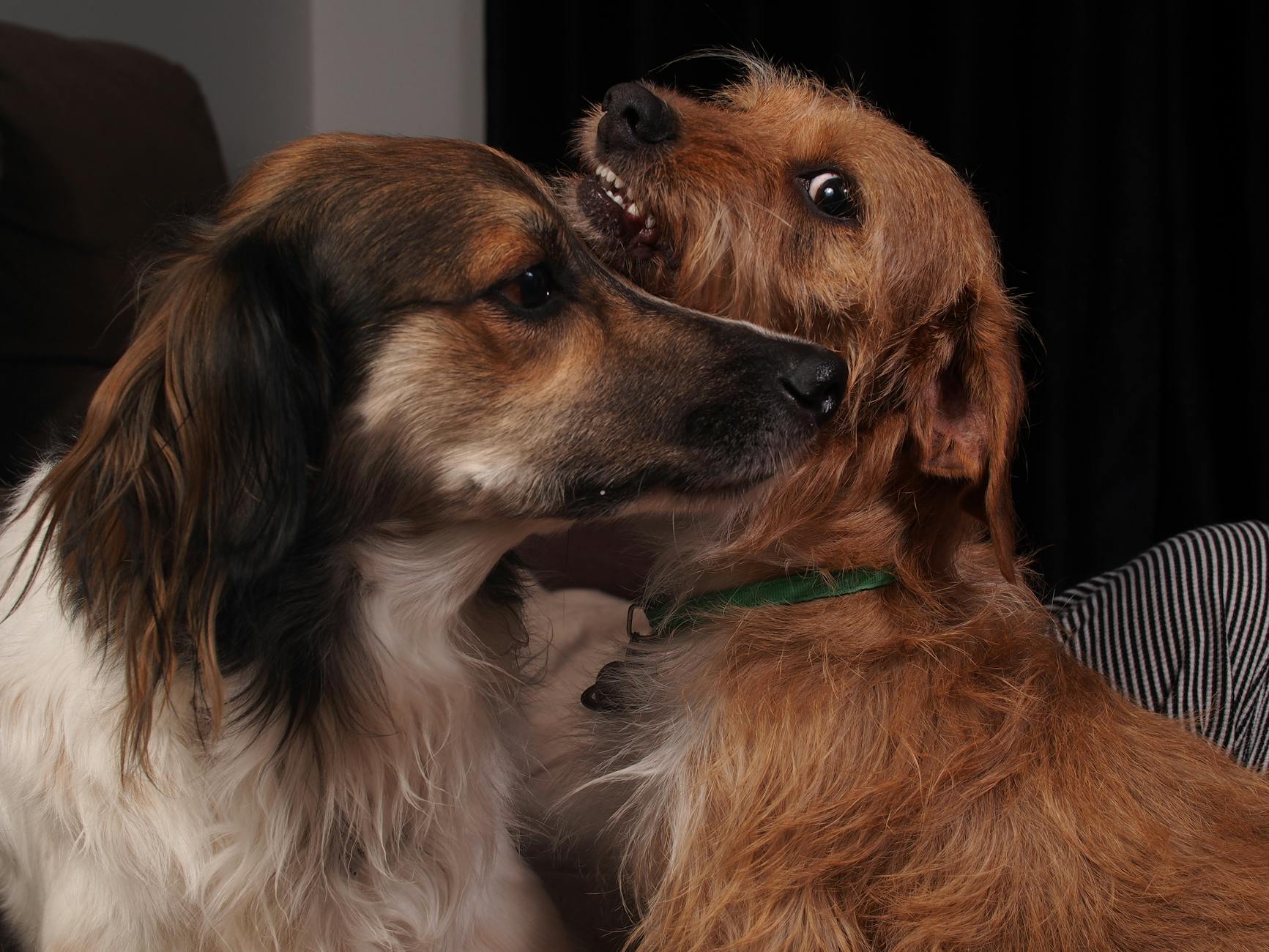
The sudden rapid inhaling snort that sounds somewhere between a sneeze and a gasp startles many dog owners who have never encountered it before. This reflex known as reverse sneezing occurs when the soft palate becomes temporarily irritated and triggers a spasm in the throat muscles. Common triggers include excitement, eating too fast, strong odors, or inhaling an airborne irritant. The episode typically lasts only a few seconds and is not dangerous though dogs prone to frequent episodes should be evaluated for respiratory sensitivities.
Licking Feet
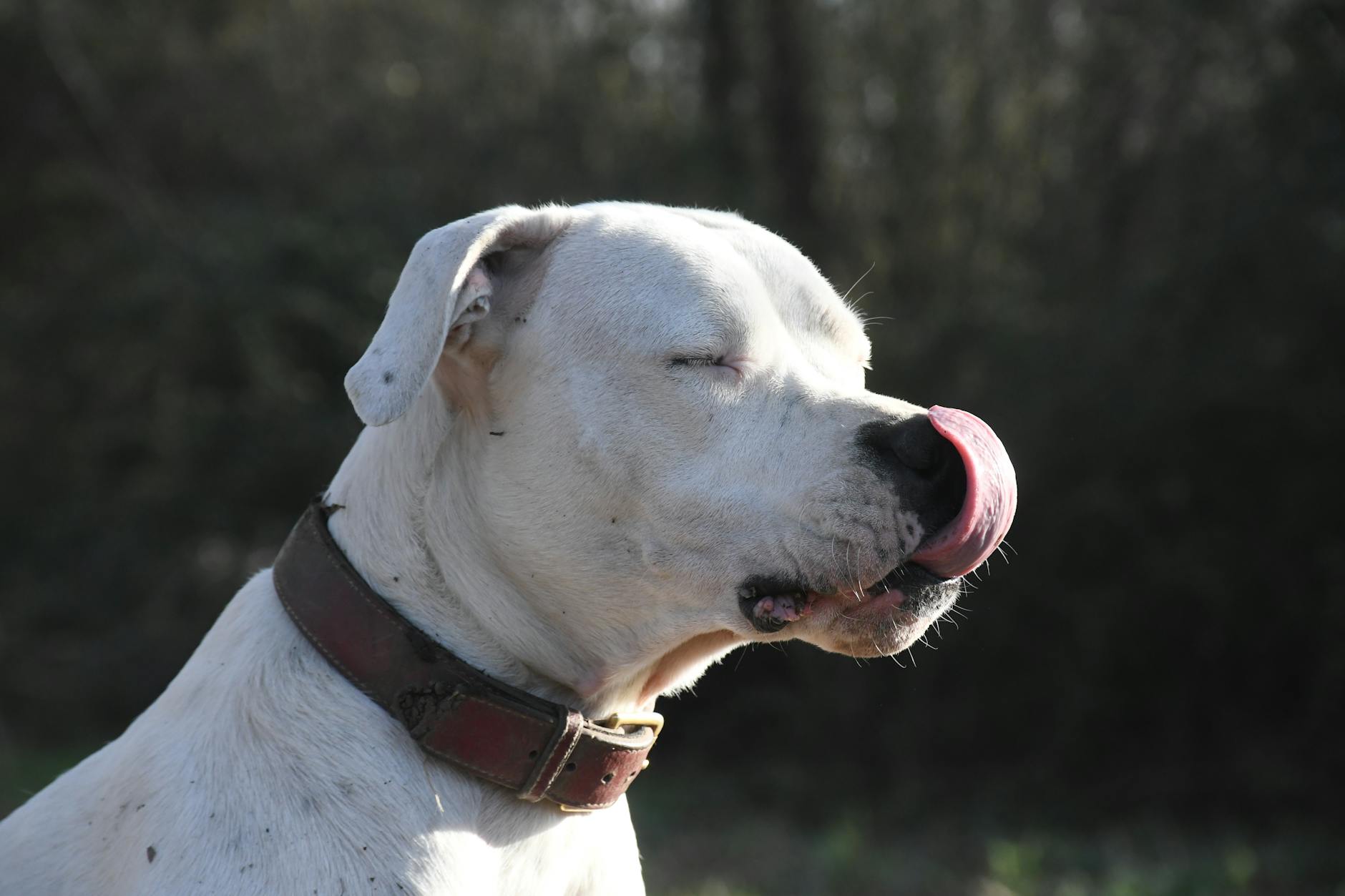
Dogs that lick their own paws excessively are most commonly responding to an itch or irritation caused by environmental allergies. Grass, pollen, cleaning products, and certain flooring materials can all trigger a topical reaction that concentrates between the toes. When a dog licks the feet of its owner, the motivation shifts entirely toward social bonding and a desire for salt found on human skin. Chronic paw licking that leads to redness or discoloration warrants a visit to the veterinarian.
Sleep Twitching
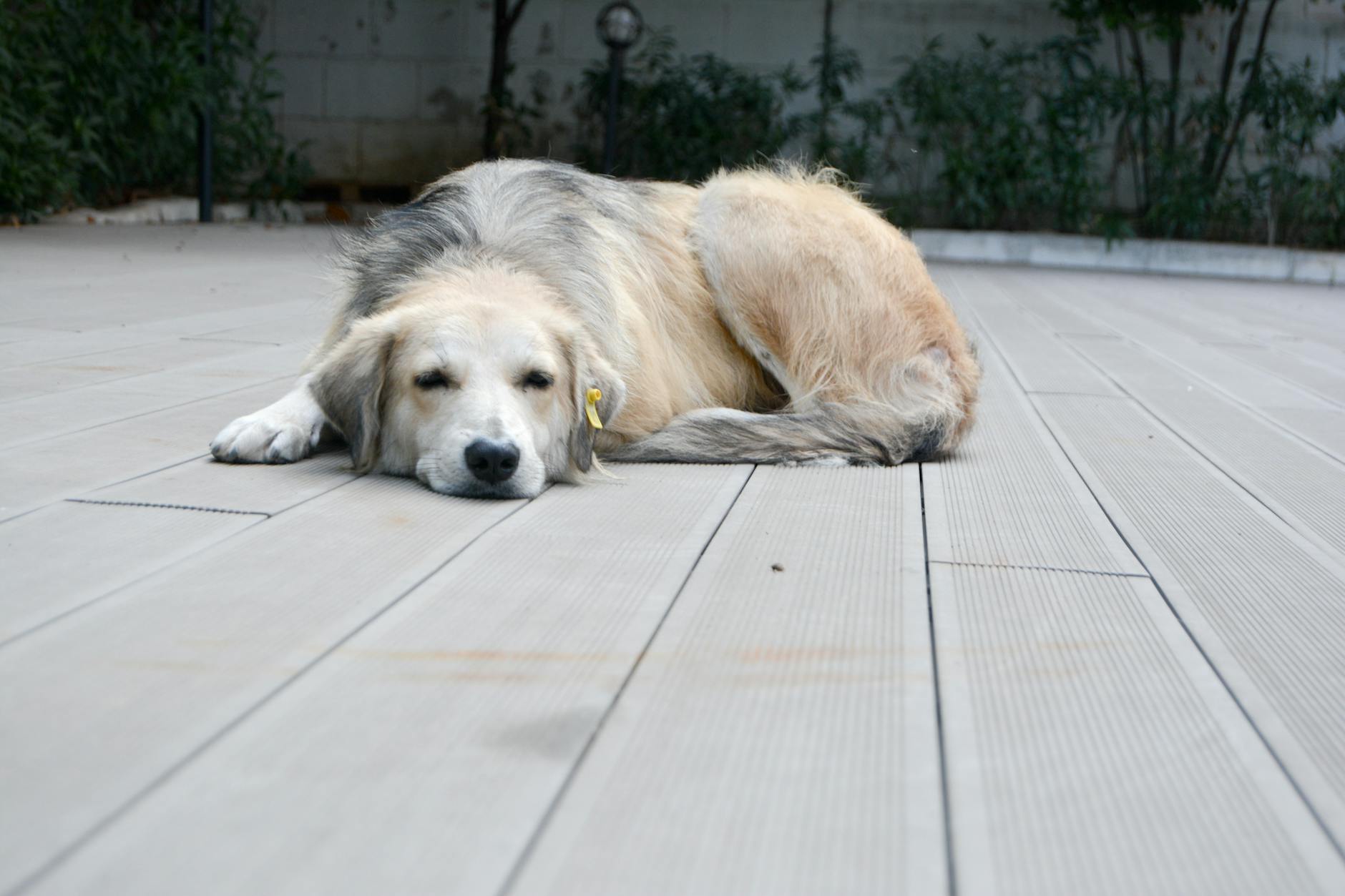
The little kicks, whimpers, and muscle spasms dogs display during sleep indicate that they are in the REM stage of the sleep cycle. Research suggests that dogs dream in ways similar to humans and that their sleeping movements correspond to activity playing out in the dream. Puppies and senior dogs tend to twitch more visibly than middle-aged dogs due to differences in brain activity during rest. Waking a dog mid-dream is generally harmless but can cause momentary disorientation and is best avoided unless necessary.
Object Humping

Humping behavior in dogs is far less about sexuality than most people assume and is rooted in social and emotional communication. Intact dogs hump primarily for reproductive reasons but the behavior in neutered dogs most often reflects excitement, stress, or a bid for social dominance. It can also emerge in play situations as a way of testing boundaries within a social group. Consistent redirection and basic obedience training are usually enough to manage the behavior in domestic settings.
Urine Rolling
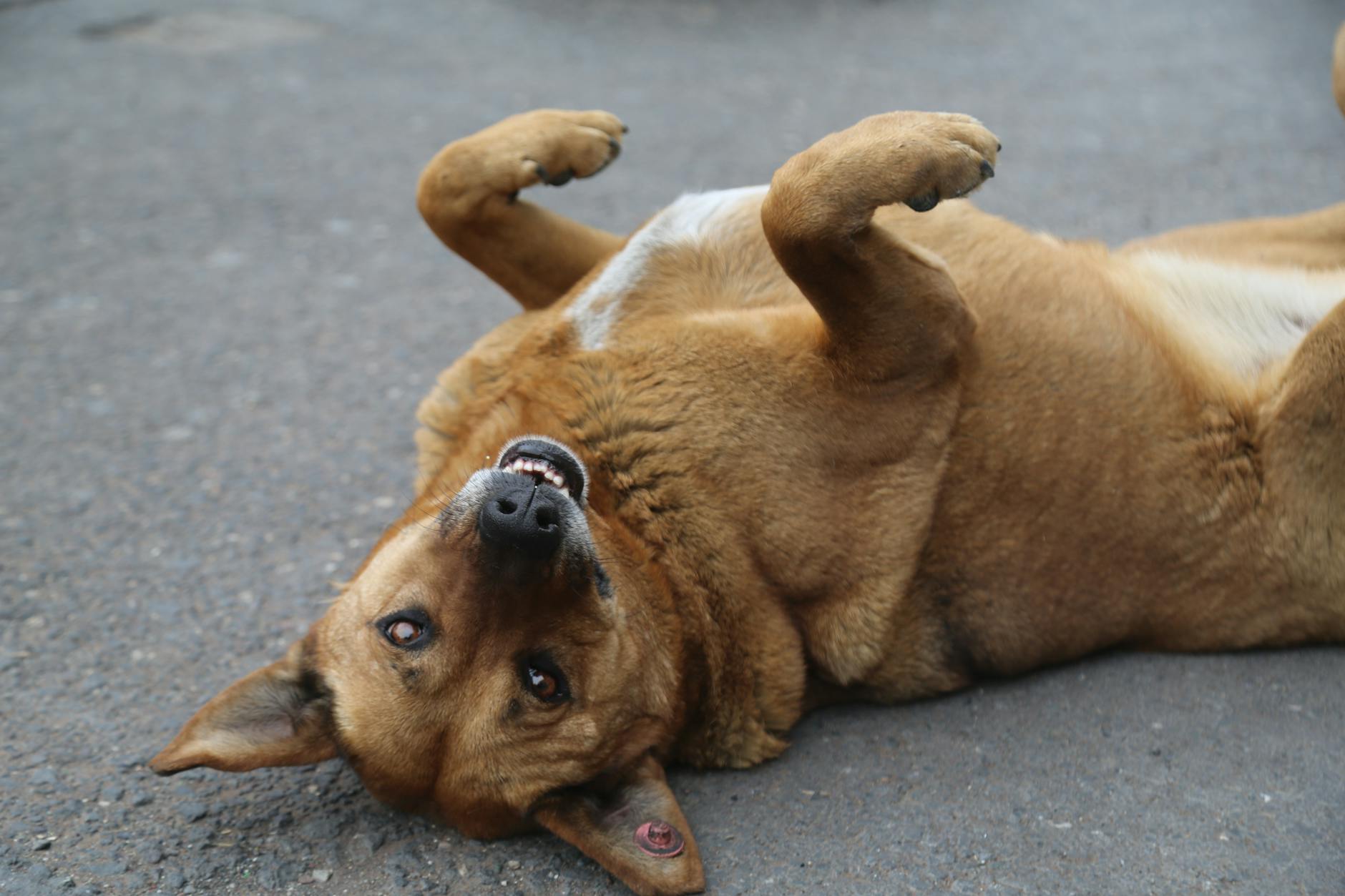
The sight of a dog enthusiastically rolling in something foul-smelling stops most owners dead in their tracks. This behavior is believed to stem from an ancient instinct used by predators to mask their own scent with that of another animal or carcass. By disguising their smell, ancestral dogs could approach prey more closely without triggering an alarm response. While evolution has moved domesticated dogs far beyond the need for this strategy, the instinct remains stubbornly and memorably intact.
If your dog does any of these things or you have spotted an even stranger habit worth decoding, share your experience in the comments.




