Social media can feel like an open diary, but what gets shared online has a way of lingering far longer than most people expect. From personal details to emotionally charged updates, certain types of content can damage reputations, relationships, and even safety in ways that are difficult to undo. Understanding where the line falls between sharing and oversharing is one of the most valuable digital skills anyone can develop today. These are the things that should always stay off your feed.
Home Address
Sharing your exact home address on any public platform is one of the most serious privacy mistakes a person can make. Even a casual post tagging your neighborhood or showing identifiable landmarks near your home can give strangers enough information to locate you. This kind of exposure puts not only you but everyone in your household at risk. Keeping your precise location private is a basic but essential layer of personal security online.
Bank Details

Posting anything related to your financial accounts is an open invitation for fraud and identity theft. Screenshots of transactions, account numbers, or even complaints directed at your bank that reveal partial details can all be exploited by bad actors. Scammers are highly skilled at piecing together fragments of information shared across multiple platforms. Financial matters should always be handled through secure and private channels rather than social feeds.
Vacation Plans

Announcing upcoming travel while your departure date is still in the future tells potential burglars exactly when your home will be empty. Real-time check-ins at airports or hotels compound the problem by confirming you are already away. Many home break-ins have been directly linked to information gathered from public social media profiles. Save the travel photos for after you return so the memories can be shared without the risk.
Login Passwords
This may seem obvious, yet passwords and security question answers regularly appear in casual social media posts and viral challenge trends. Games that ask users to share their first pet’s name or their mother’s maiden name are often designed to harvest exactly the kind of data used in account recovery. Once that information is public, it can be used to access email accounts, banking portals, and other sensitive platforms. Treat every piece of security-related information as strictly confidential at all times.
Children’s School Name

Parents naturally want to celebrate milestones and share pride in their children’s lives, but naming a specific school creates a direct link between a child’s identity and their daily location. Combined with a child’s full name or photo, this information can be used to construct a detailed profile that poses genuine safety concerns. Many schools actively advise parents against tagging or identifying the institution in any public post. Protecting a child’s routine and whereabouts should always take priority over sharing the moment.
Relationship Arguments

Airing disputes or grievances about a partner, ex, or family member in a public forum rarely leads to resolution and almost always causes lasting damage. These posts tend to be written in moments of high emotion and are often regretted once the situation has cooled. Other people’s perceptions of those involved can shift permanently based on a single heated exchange played out online. Private conflicts deserve private conversations rather than a public audience.
Salary Information
Sharing your income or commenting on what others earn can create tension in professional environments and personal relationships alike. Employers may monitor social media, and visible salary discussions can affect negotiations, promotions, and workplace dynamics in unpredictable ways. Financial comparisons also tend to invite unwanted commentary and unsolicited advice from acquaintances. Compensation is a personal matter that is best discussed confidentially with trusted individuals rather than broadcast broadly.
Medical Records

Detailed health information shared online can affect insurance eligibility, employment prospects, and personal privacy in ways that are difficult to anticipate. While raising awareness about health journeys can be meaningful, posting actual diagnoses, test results, or prescription details crosses into territory that carries real consequences. Once this information is indexed online, it becomes part of a permanent digital record that is nearly impossible to erase. General wellness content and specific medical documentation are two very different things and should be treated accordingly.
Other People’s Secrets

Sharing information about someone else without their knowledge or permission is a breach of trust that can cause serious personal and professional harm. Even when the intent is to vent or seek advice, publishing private details about a third party removes their right to control their own narrative. The person affected may face judgment, embarrassment, or real-world consequences as a result of exposure they never agreed to. If someone confided in you privately, that conversation belongs offline.
Workplace Complaints
Posting frustrations about a job, a colleague, or a manager might feel cathartic in the moment but can have significant professional repercussions. Many employers have social media policies in place, and violations can result in disciplinary action or termination. Even posts made on personal accounts during off hours have led to job losses when they were brought to the attention of employers. Professional grievances are far better addressed through proper internal channels or with the support of a trusted mentor.
Passport Photos
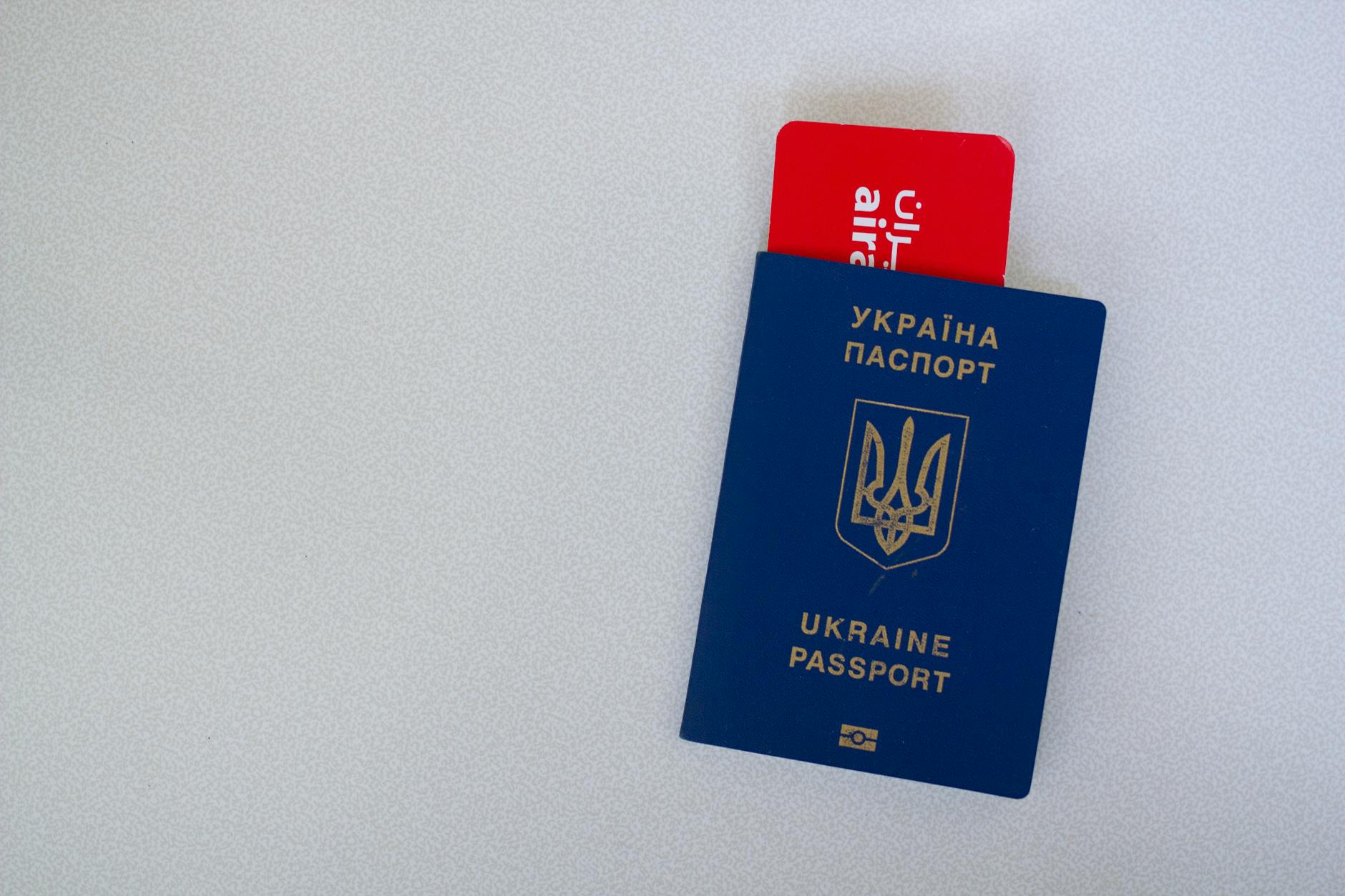
Images of passports, driver’s licenses, or any government-issued identification should never appear on social media under any circumstances. The information contained on these documents is more than enough for an identity thief to open credit accounts, apply for loans, or commit fraud in your name. Even a partially obscured document can reveal enough detail to be dangerous. Identity documents should be stored securely offline and never used as content.
Drunk or Impaired Photos

Images or videos posted while intoxicated or under the influence can surface years later in professional, legal, or personal contexts where they cause significant damage. Employers, academic institutions, and public figures routinely conduct social media screenings, and this type of content is among the most damaging to professional reputations. What feels like harmless fun in the moment can create lasting impressions that are difficult to shake. Sober judgment is always the best filter before anything goes live.
Political Rants

Expressing strong political opinions without nuance or factual grounding can alienate friends, family members, and professional contacts in ways that are difficult to repair. Online political discourse tends to escalate quickly, and posts made in frustration rarely reflect the complexity of the issues involved. Employers and business partners increasingly review public social profiles before making decisions, and divisive content can influence those outcomes negatively. Thoughtful engagement with political topics is always more constructive than reactive outbursts.
Real-Time Location
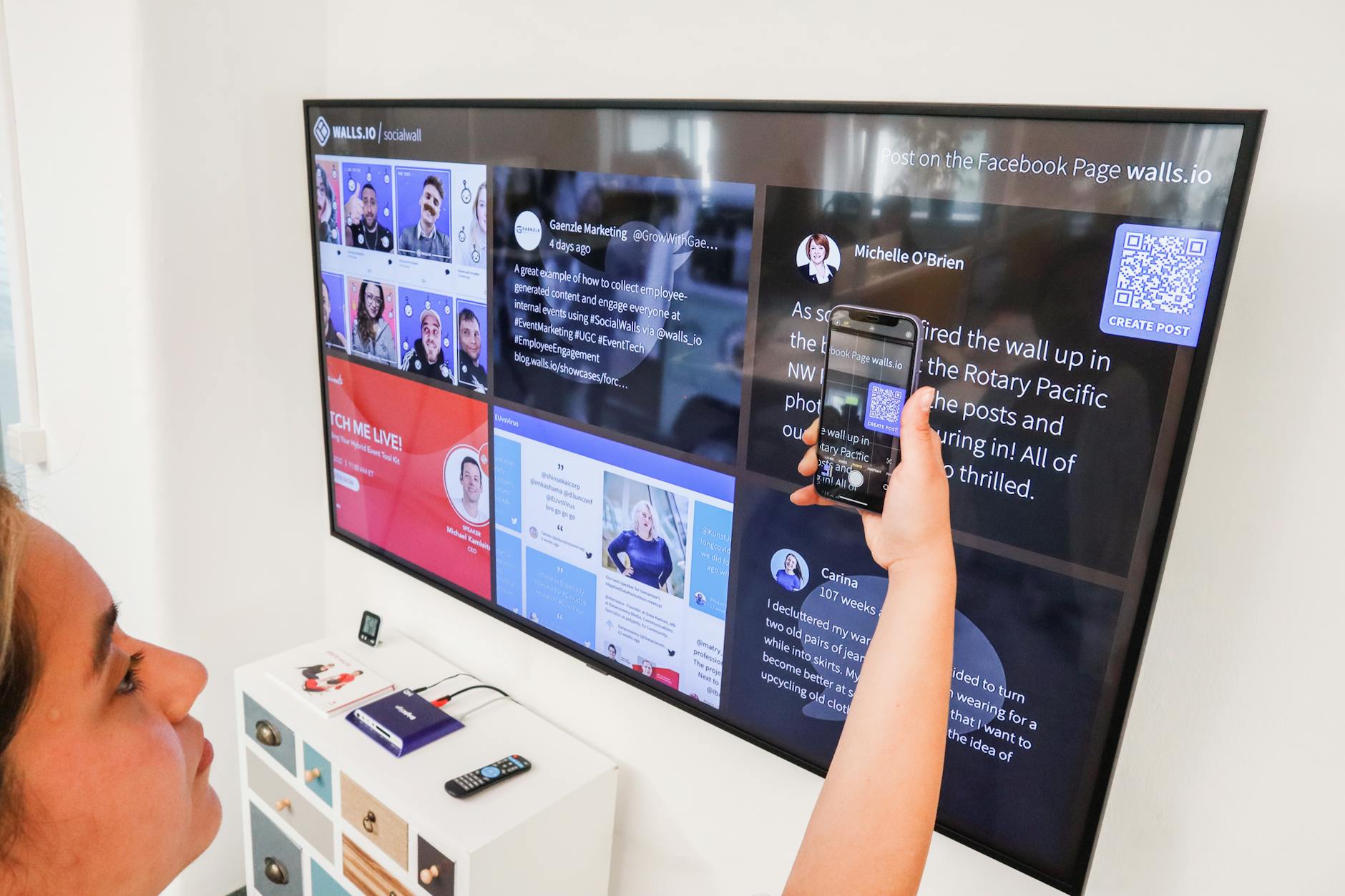
Sharing your precise location in real time through check-ins, stories, or live streams lets anyone who views the post know exactly where you are at that moment. This is particularly risky for people who have public accounts or who are experiencing any form of personal conflict with someone who follows them online. Stalking and harassment cases have frequently involved location data that was voluntarily posted and then misused. Waiting until you have left a location before posting is a simple habit that meaningfully reduces risk.
Grieving Posts About the Deceased

Announcing a death or sharing deeply personal grief content without the knowledge and consent of the immediate family is a profound breach of sensitivity and respect. Family members often deserve to be notified privately before any information about a loved one’s passing is shared publicly. Rushing to post condolences or tributes can inadvertently spread unverified information and cause additional pain to those already grieving. Honoring someone’s memory is best done in close consultation with the people who knew and loved them most.
Social media is a powerful tool for connection and self-expression, but it works best when used with intention and care. What would you add to this list? Share your thoughts in the comments.




