Fast food seems simple on the surface, but the processes behind your favorite drive-through meals are far more complex and carefully engineered than most people realize. From temperature controls to ingredient sourcing, the industry operates with a level of precision that would surprise even the most frequent fast food customer. These behind-the-scenes facts pull back the curtain on one of the world’s most efficient food production systems.
Flash Freezing
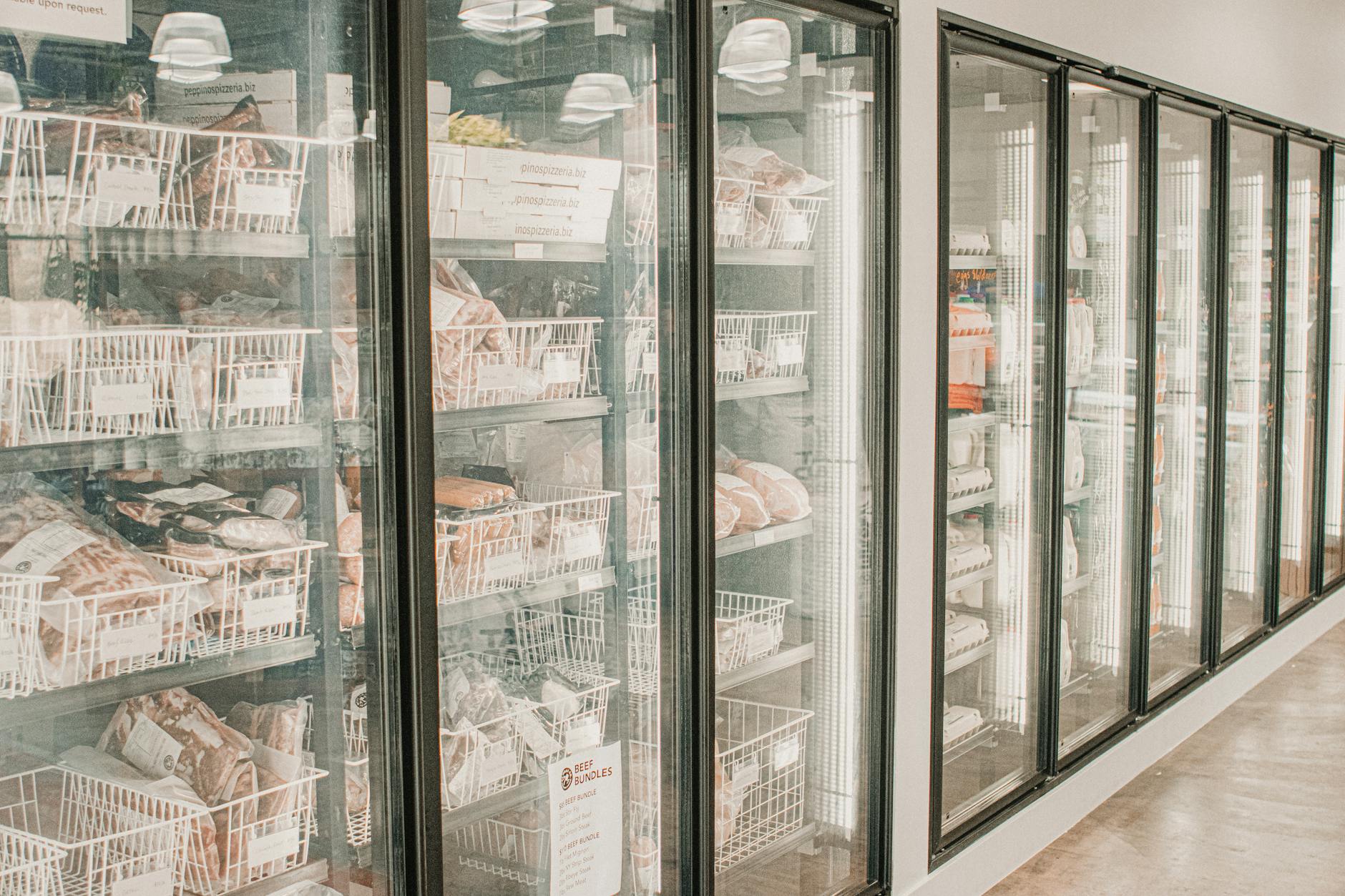
Many fast food proteins are flash frozen immediately after processing at temperatures well below standard freezing points. This technique locks in moisture and texture far more effectively than traditional freezing methods. The process happens within seconds of the meat reaching the packaging stage. It is one of the reasons why a burger patty can taste consistent whether you order it in one city or across the country.
Shake Machines

Milkshake machines at major chains operate continuously throughout the day and are cleaned on a strict schedule mandated by food safety regulations. The thick consistency of a fast food shake comes from a carefully calibrated mix of dairy solids, stabilizers and flavoring agents. These mixtures are delivered pre-blended in sealed bags that connect directly to the machine. The temperature inside the machine is constantly monitored to maintain both food safety and ideal texture.
Lettuce Processing

The shredded lettuce on your burger or taco goes through an industrial washing and drying process before it ever reaches a restaurant. Massive centrifuge machines spin the lettuce dry after a multi-stage rinse to reduce moisture and extend shelf life. The leaves are then packed in modified atmosphere bags that slow oxidation and browning. This method allows shredded lettuce to stay crisp for several days after processing.
Bread Proofing
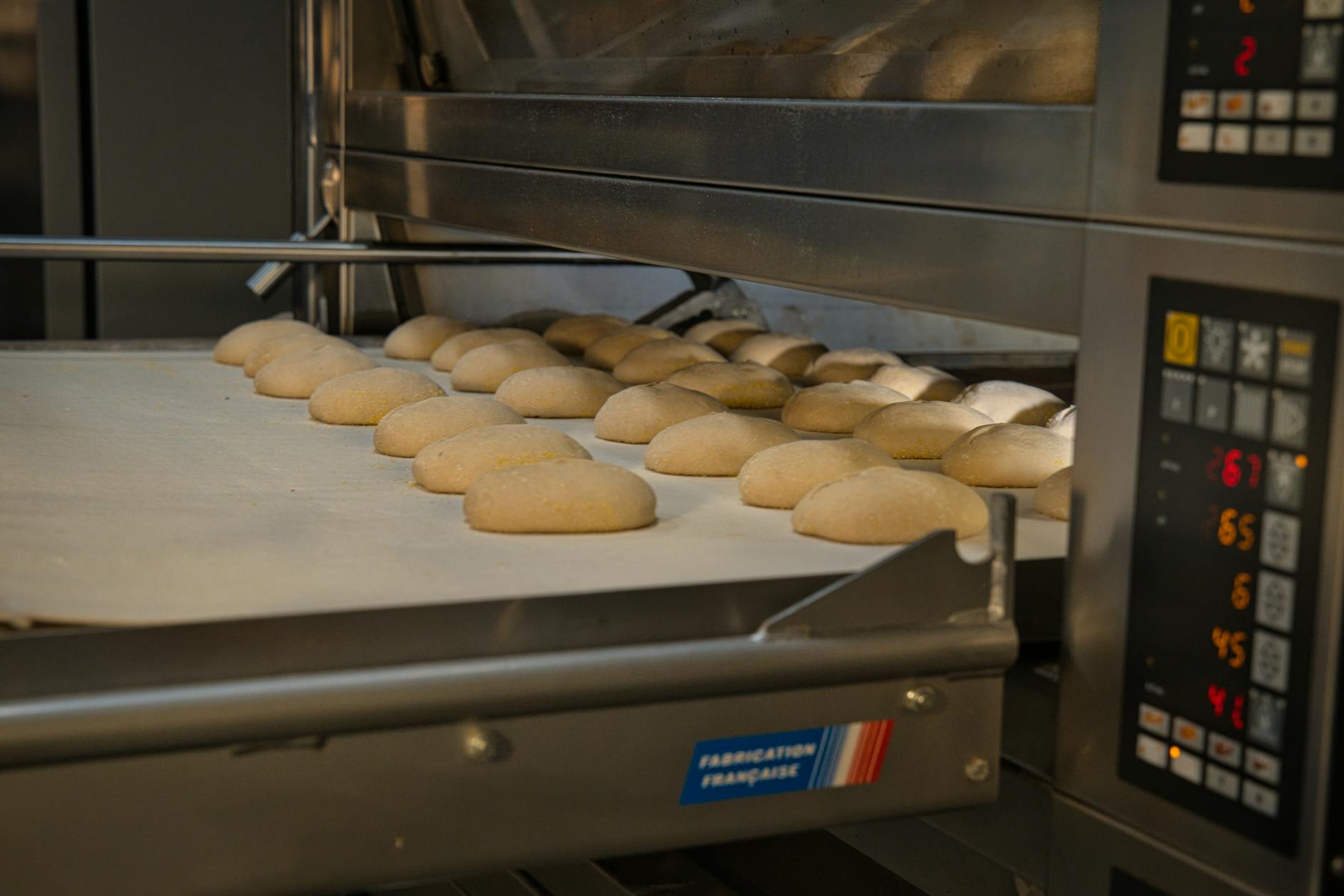
Fast food buns are baked using high-speed tunnel ovens that can produce thousands of units per hour at large commercial bakeries. The dough goes through an accelerated proofing process using controlled humidity chambers that speed up yeast activity. Sugar content in the dough is carefully calibrated to produce a consistent golden-brown color through caramelization. The finished buns are sliced, packaged and delivered to restaurants within a narrow freshness window.
Sauce Dispensers
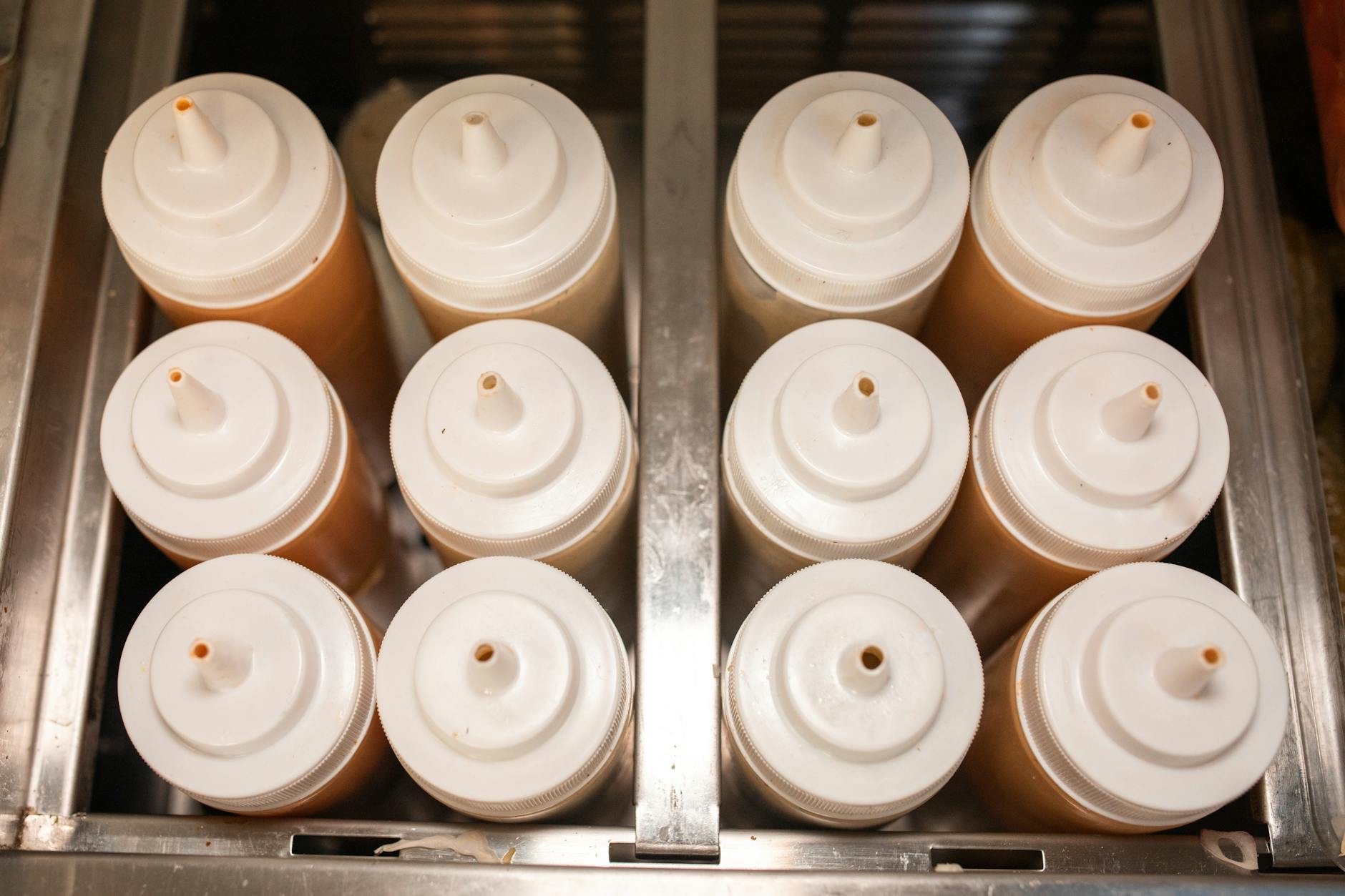
Condiment dispensing systems in fast food kitchens are calibrated to release a precise gram weight of sauce with every trigger pull. This consistency is not accidental as it ensures every sandwich meets the same flavor profile regardless of which employee assembles it. The machines are cleaned and recalibrated regularly to prevent clogging and cross-contamination. Viscosity and temperature of the sauce affect how the dispenser performs so both are closely monitored.
Fry Timers
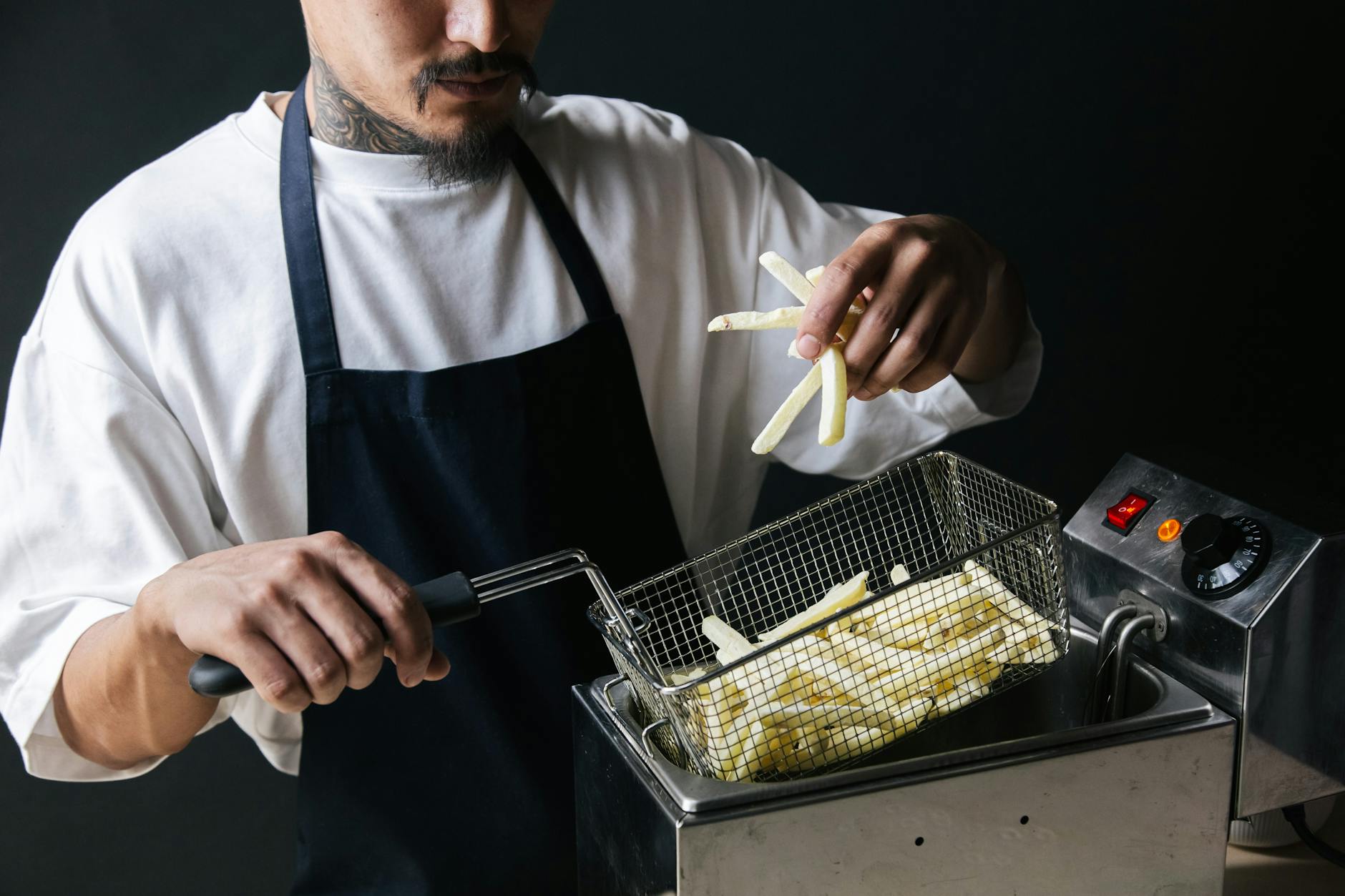
Commercial fryers in fast food kitchens are connected to digital timers that alert staff the moment a basket needs to be lifted. Oil temperature is maintained within a very narrow range to ensure fries cook evenly without absorbing excess grease. Each fryer basket holds a standardized weight of frozen fries measured by a dedicated scoop. When the timer signals completion the fries are salted immediately so the seasoning adheres before surface moisture evaporates.
Chicken Marination
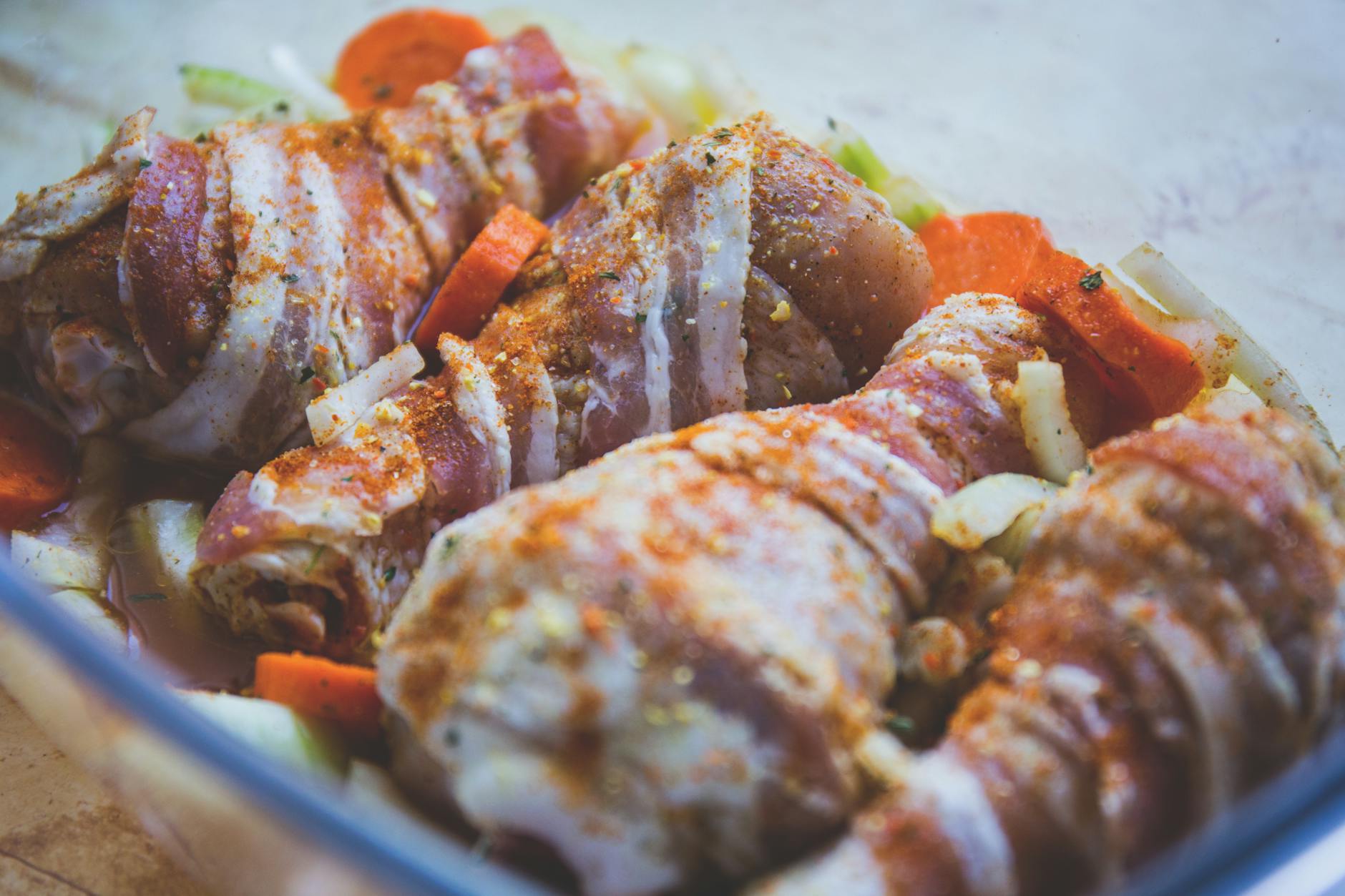
Fast food chicken is typically marinated in large industrial tumbling machines that massage seasoning deep into the muscle fibers. The process can last several hours and uses a vacuum or pressure environment to improve ingredient absorption. Phosphate compounds are sometimes included in the marinade to improve water retention and juiciness during cooking. This is why chain restaurant chicken often has a noticeably different texture and flavor than home-cooked equivalents.
Egg Patties
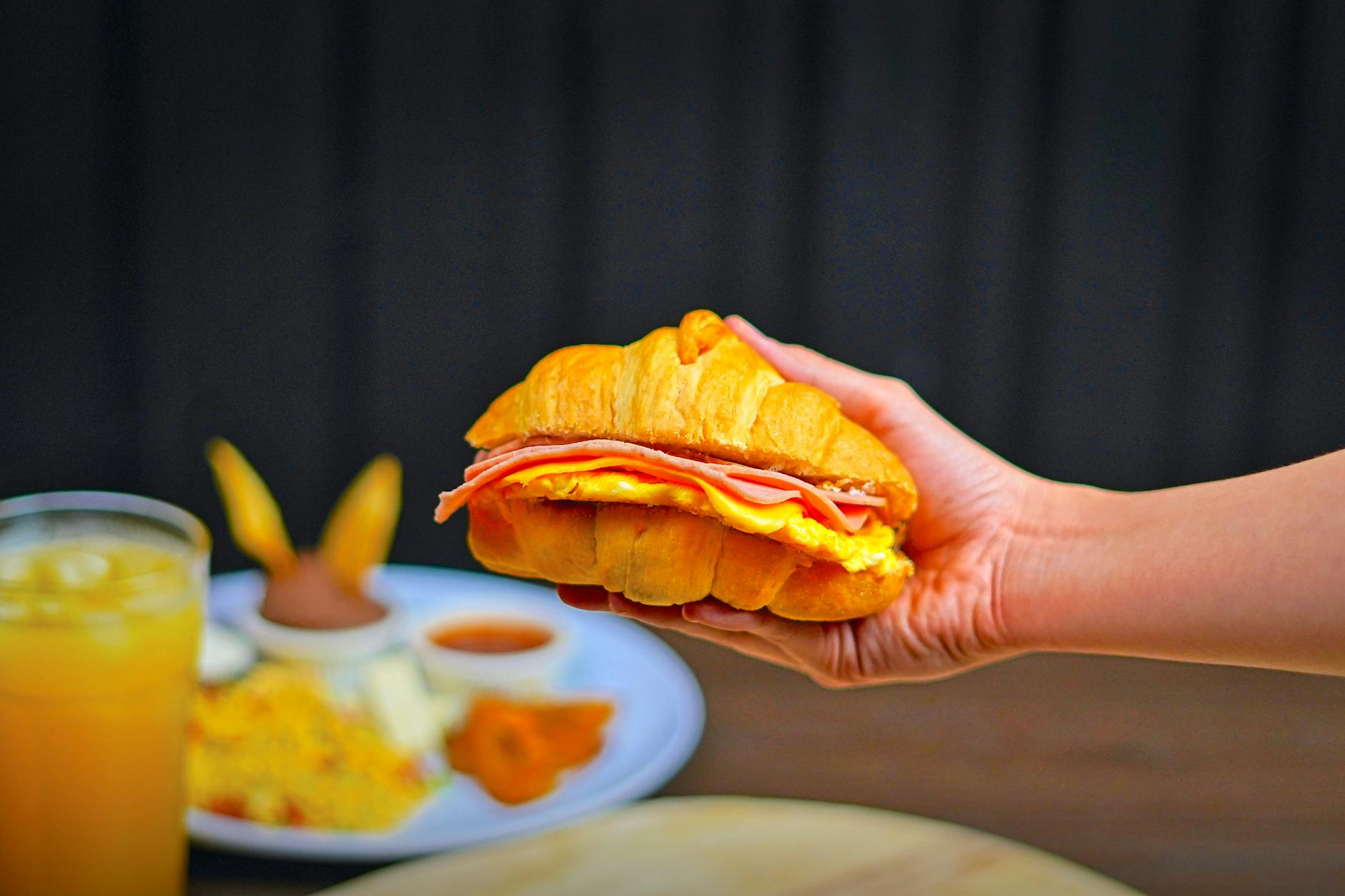
The perfectly round egg patties served on breakfast sandwiches are not cracked to order at most major chains. They are pre-cooked in large flat sheets using industrial steam ovens and then cut into uniform portions. The eggs are blended before cooking to ensure a smooth and consistent texture throughout. Some chains use liquid whole egg while others use a blend that includes additives to improve structure and shelf life.
Tomato Slicing
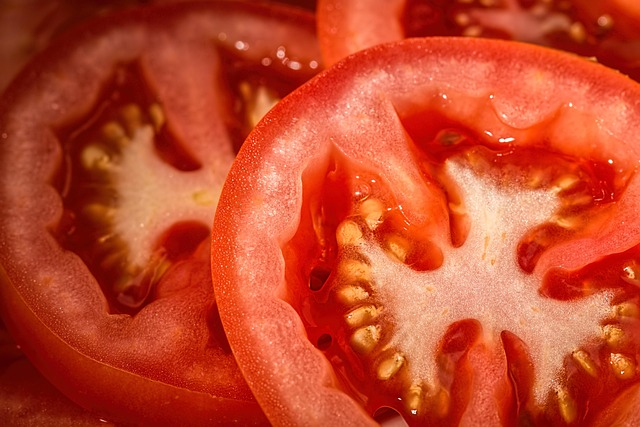
Roma tomatoes are the variety most commonly used in fast food because of their firm flesh and low moisture content. Industrial slicers cut tomatoes into uniform rounds at processing facilities rather than at the restaurant level in many cases. The slices are layered between absorbent sheets and packed in temperature-controlled containers to prevent sogginess. Consistent thickness is critical so that each tomato slice adds the same amount of moisture to the final sandwich.
Beef Blending
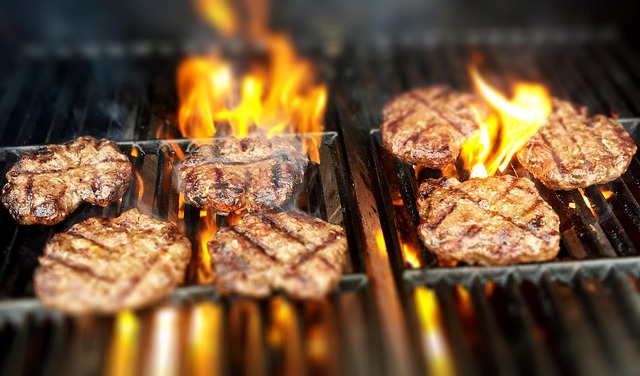
Fast food beef patties are made from a blend of cuts rather than a single muscle group. Trimmings from multiple parts of the animal are combined to achieve a specific fat-to-lean ratio that ensures juiciness and flavor. The blended meat is formed into patties under hydraulic pressure so each one has exactly the same diameter and thickness. Patties are then individually quick-frozen on conveyor belts before being stacked and shipped to locations.
Packaging Lines
The packaging used for fast food items is designed using food science principles to maintain temperature and moisture balance during the brief window between assembly and consumption. Containers for items like fries use vented designs that release steam so the food does not become soggy. Burger wrappers contain a food-safe coating that reflects heat back toward the food. Every material choice is tested extensively before it enters a restaurant system.
Frying Oil
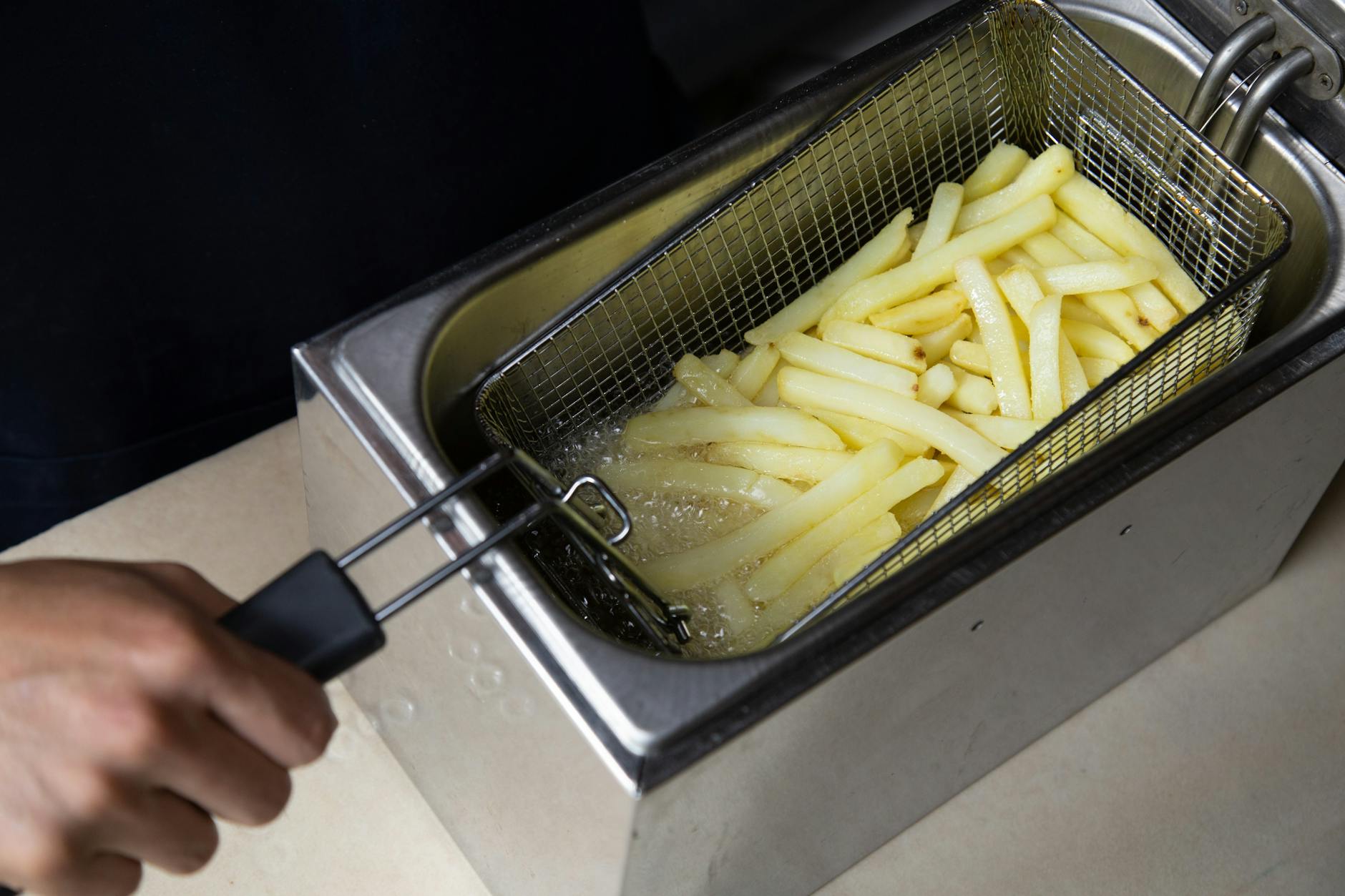
Fast food chains use highly refined oils with high smoke points specifically chosen to handle continuous high-temperature cooking. The oil is filtered multiple times daily using built-in filtration systems connected directly to the fryer. Sensors track oil degradation in real time and alert staff when the oil needs to be changed entirely. Some chains have moved toward blended oils that include a percentage of more stable fats to extend usability and reduce waste.
Cheese Slices
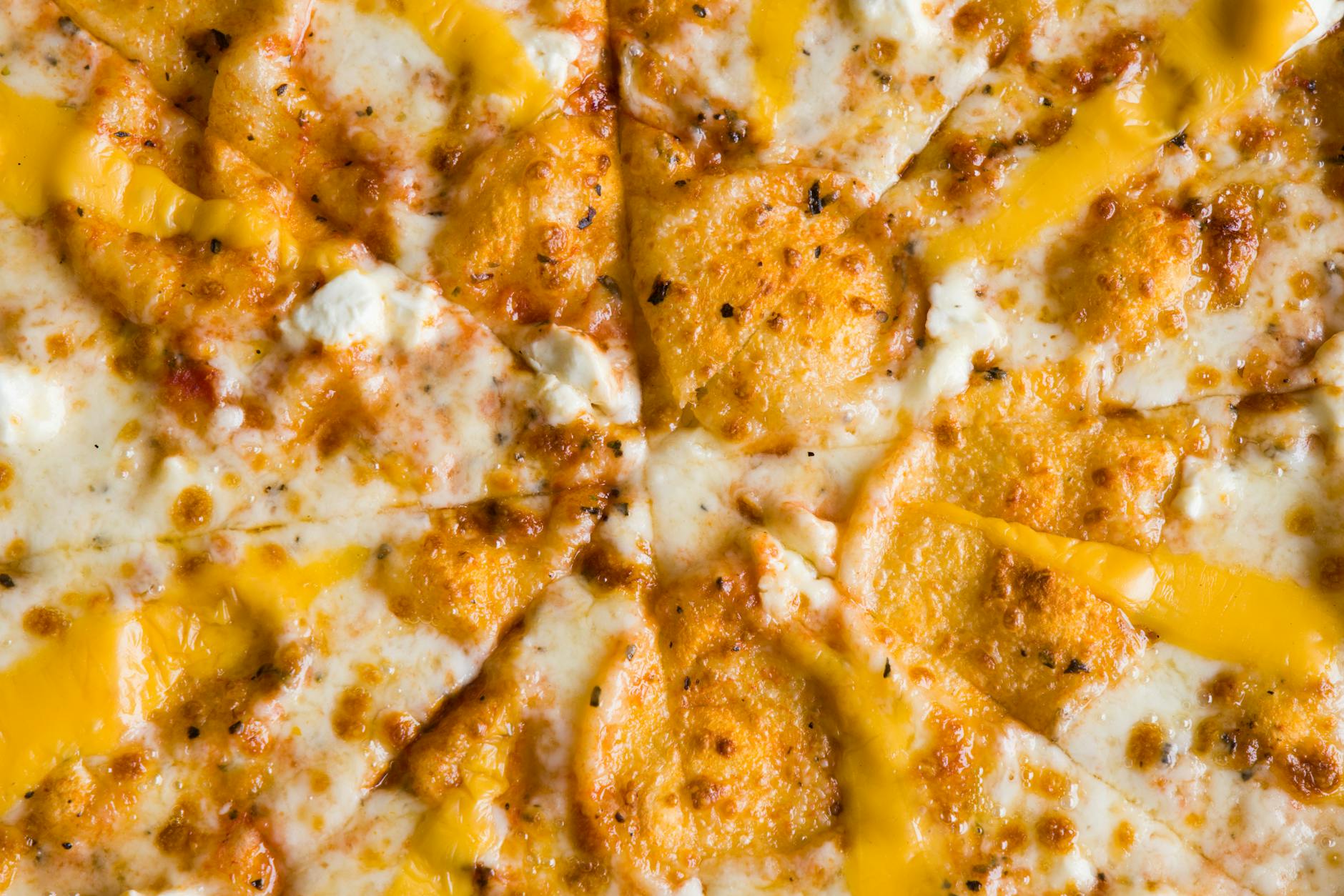
Processed cheese slices used in fast food are engineered to melt at a very specific temperature range that matches cooking line conditions. They contain emulsifying salts that keep the fat and protein from separating during the melting process. This is what creates that smooth glossy appearance rather than the greasy or clumpy melt of natural cheese. The slices are manufactured in sheets and cut to precise dimensions so they cover the patty consistently every time.
Soft Drink Systems
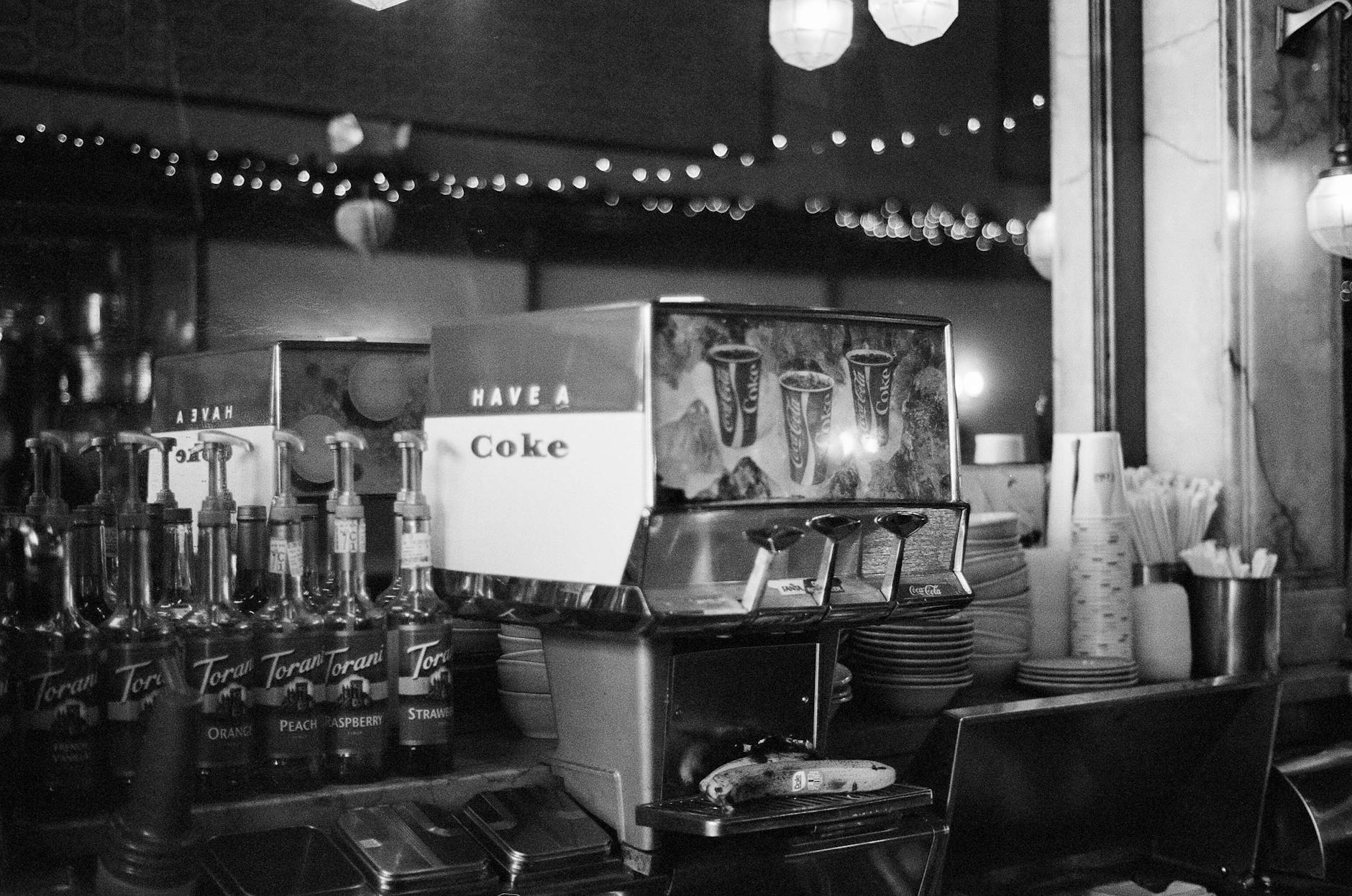
Fountain drink machines at fast food restaurants receive syrup concentrate in sealed bag-in-box containers that connect directly to the dispensing system. Water is filtered and chilled on-site before being mixed with the syrup at the nozzle at a calibrated ratio. Carbonation levels are adjusted for local water chemistry to ensure the drink tastes identical across different regions. Coca-Cola and other major brands supply chains with proprietary formulations that differ slightly from what you buy in a bottle.
Drive-Through Headsets

The audio systems used at drive-through windows are sophisticated two-way radio networks designed to filter out ambient kitchen noise. Staff wear headsets that use noise-cancelling microphones so orders are captured clearly even in loud environments. Orders are simultaneously displayed on screens at both the register and the kitchen preparation stations. This technology significantly reduces order errors and directly affects how quickly food is assembled and dispatched.
Pickle Brining

Fast food pickles undergo a commercial brining process that differs significantly from artisan or home pickling. Cucumbers are submerged in large vats of brine containing vinegar, salt, sugar and stabilizers for a set period of time. The resulting pickle has a uniform flavor and crunch level that is replicated across every batch. Slice thickness is also standardized so that the pickle-to-sandwich ratio remains consistent.
Heat Lamps
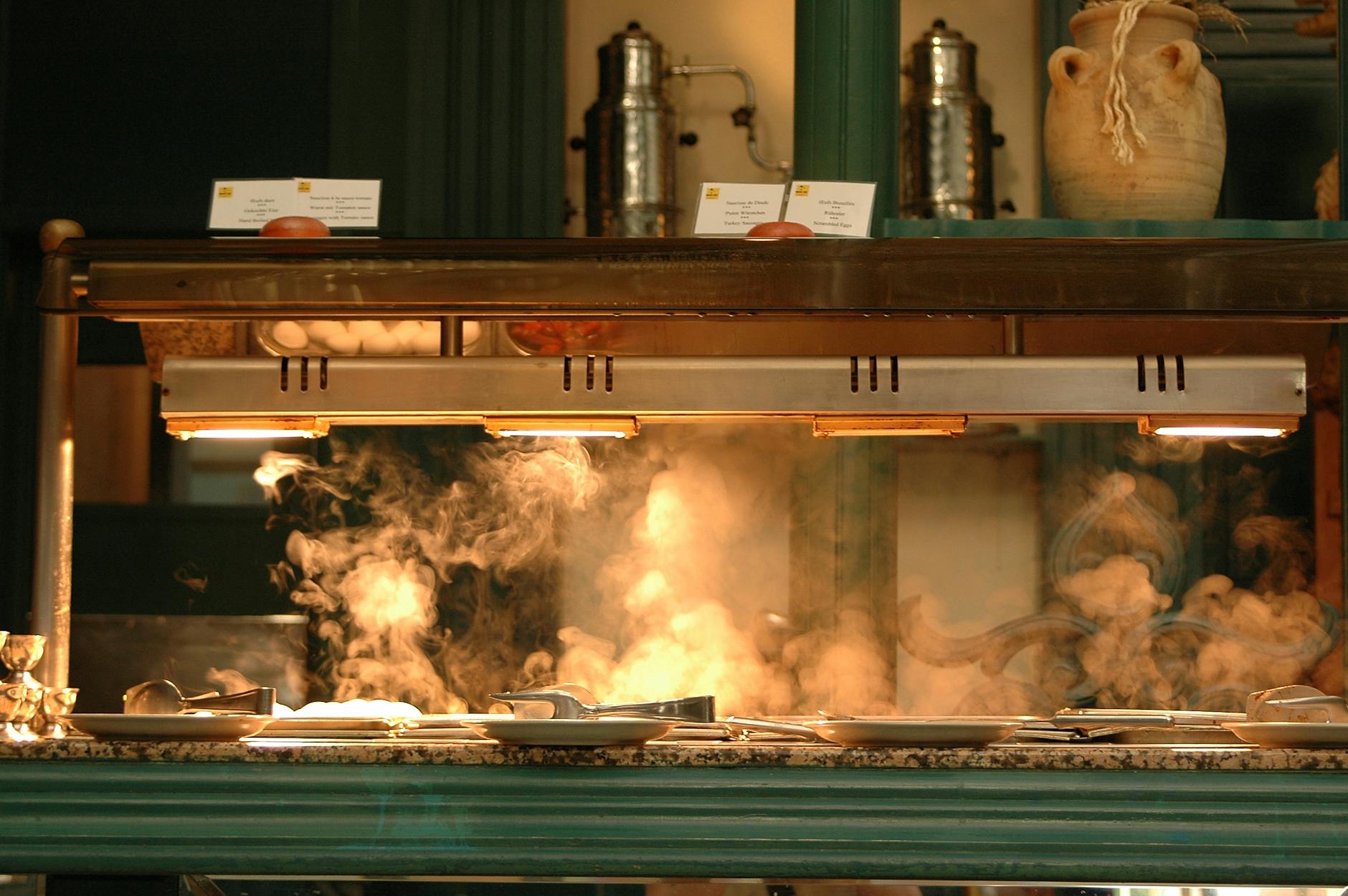
Finished food items that are not immediately handed to a customer are held under infrared heat lamps that maintain serving temperature without continuing to cook the food. The lamps are positioned at a specific height above the food to ensure even heat distribution. Each item has a designated hold time after which it must be discarded if not served. This system is one of the most regulated parts of fast food operation and is subject to regular health inspection scrutiny.
Onion Rehydration

The diced or minced onions used on many fast food items begin as dehydrated flakes that are rehydrated on-site. Dried onion flakes are soaked in water for a controlled period of time before being used in assembly. This method allows restaurants to maintain a consistent onion supply without the spoilage risk of fresh product. The rehydration process is timed carefully because over-soaking creates a mushy texture that affects the final eating experience.
Batch Cooking
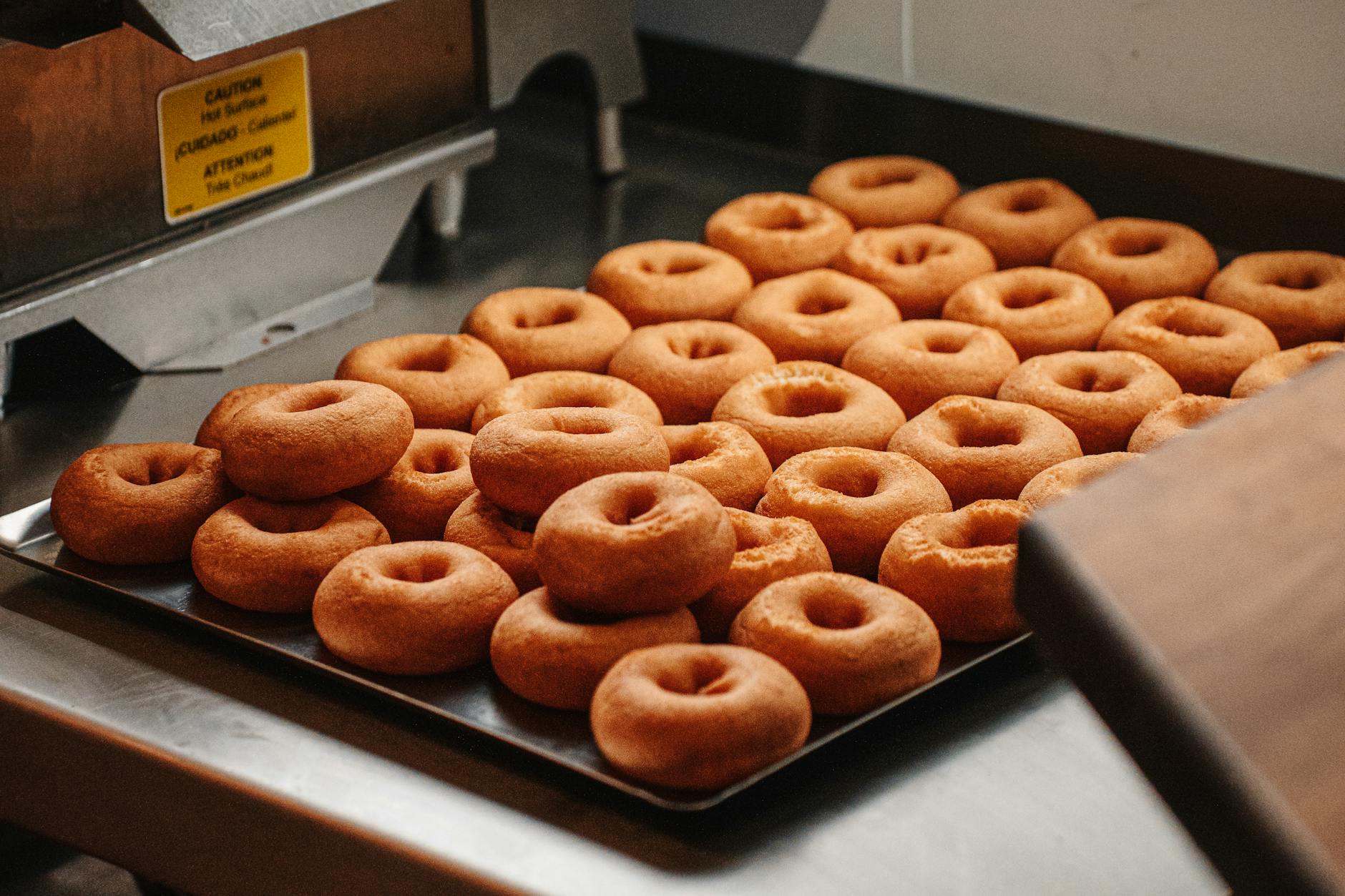
Grilled and broiled items are produced in standardized batches rather than cooked individually to order at most chains. Commercial broilers run continuously during operating hours and cook patties on a moving conveyor belt in a process called chain broiling. The belt speed determines the internal temperature of the finished product and is set according to food safety requirements. This method allows chains to produce large quantities of cooked product in a very short period of time.
Supply Chain Timing

The logistics behind fast food ingredient delivery operate on precise schedules that coordinate bakeries, meat processors, produce suppliers and dairy facilities. Most restaurants receive deliveries multiple times per week with each product category arriving on a dedicated schedule. Temperature-controlled trucks use GPS tracking and refrigeration monitoring to ensure product integrity from warehouse to restaurant. The timing of these deliveries is staggered so that storage capacity at the restaurant level is never overwhelmed.
Menu Testing

Before any new menu item reaches the public it goes through an extensive testing phase in dedicated culinary labs staffed by food scientists and chefs. Ingredients are evaluated for shelf stability, preparation consistency and compatibility with existing kitchen equipment. Prototypes are tested across dozens of regional markets before a national rollout is approved. The entire process from concept to launch can take between one and three years depending on the complexity of the item.
Salt Calibration

Sodium levels in fast food items are not accidental additions but carefully calculated components of the overall flavor profile. Food scientists use a process called flavor mapping to determine how much salt is needed to make each ingredient in a dish more perceptible to the palate. Salt also functions as a preservative and texture modifier in many processed components beyond its role as seasoning. Regulatory pressure in some countries has pushed chains to reformulate products with lower sodium targets while maintaining a similar flavor experience.
Kitchen Layout

Every fast food kitchen is designed using a discipline called kitchen flow engineering to minimize the distance staff need to travel between preparation stations. Equipment placement is planned around the most frequently prepared menu items to reduce bottlenecks during peak service. Floor markings and color-coded stations help new employees learn the workspace quickly and reduce assembly errors. The layout is often updated when new menu items are introduced to account for changes in production volume.
Ice Machines

Commercial ice machines in fast food restaurants produce a specific type of ice called nugget or pellet ice that is preferred for fountain drinks because it chills quickly and is easy to chew. The machines operate continuously and are connected to filtered water lines to prevent mineral buildup. Sanitation protocols for ice machines are among the most strictly enforced in the industry because contaminated ice is a common source of foodborne illness. Staff are trained to handle ice using dedicated scoops rather than cups or bare hands to prevent cross-contamination.
Portion Scales
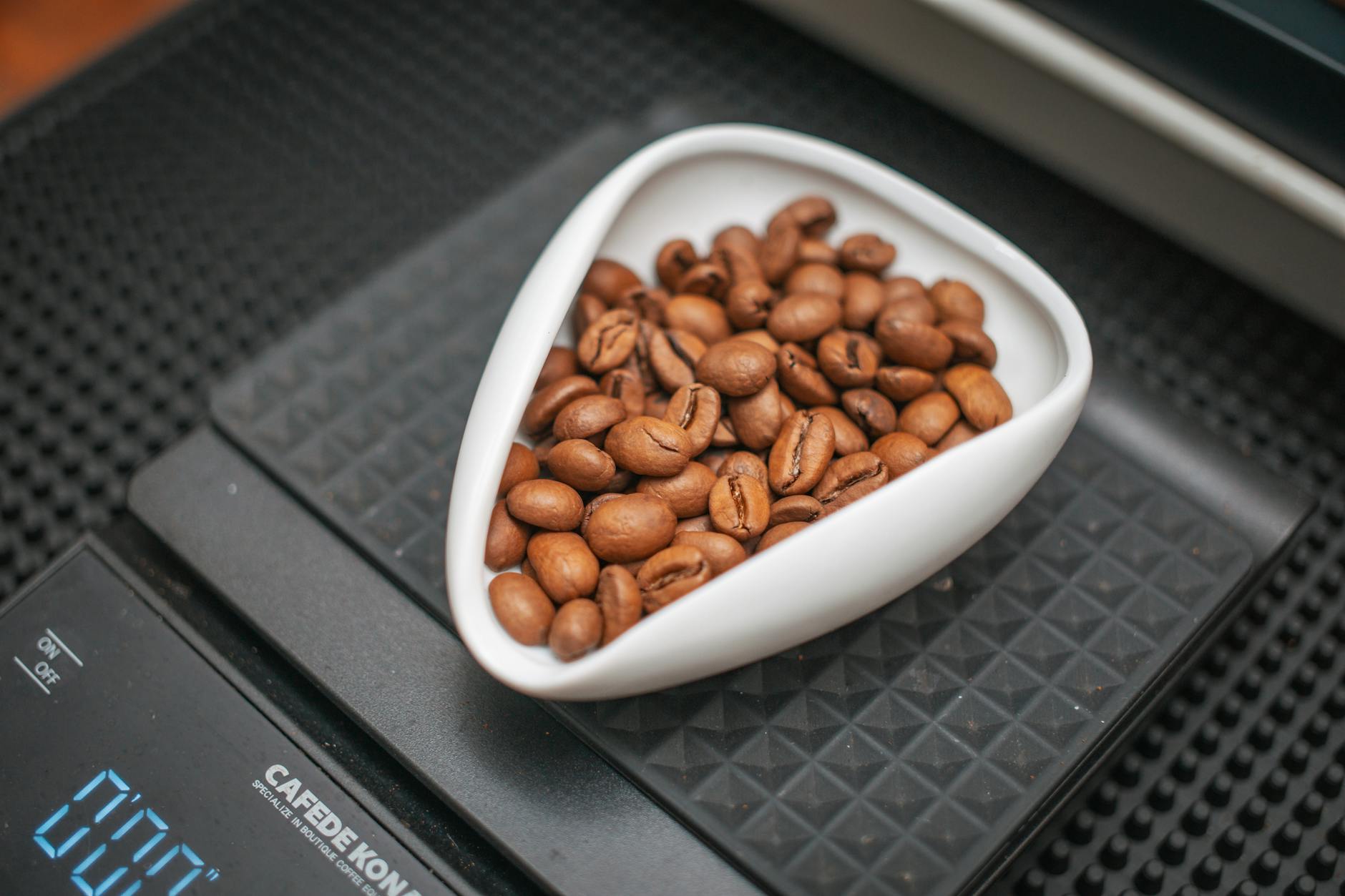
Digital portion scales are used throughout the fast food kitchen to ensure that ingredients like shredded cheese, diced toppings and protein portions meet exact weight specifications. These scales are calibrated regularly and are a key component of cost control as well as quality consistency. Every gram of overpour across thousands of daily transactions represents a significant financial loss at scale. The precision involved in fast food portioning is comparable in rigor to pharmaceutical compounding in terms of the tolerance for deviation.
If any of these facts surprised you then share your thoughts in the comments.




