For those who find themselves drawn to the darker chapters of human history, the world is filled with haunting locations that bring infamous cases and chilling events to life. From the sites of unsolved mysteries to the preserved scenes of history’s most notorious crimes, these destinations offer a deeply immersive way to connect with the stories that have captivated the public for generations. True crime tourism has grown into a thriving niche of travel, attracting curious minds who want to stand where history’s most disturbing moments unfolded. Whether you prefer guided tours, self-directed exploration, or atmospheric museum visits, each of these places delivers an unforgettable experience steeped in dark history.
Alcatraz Island
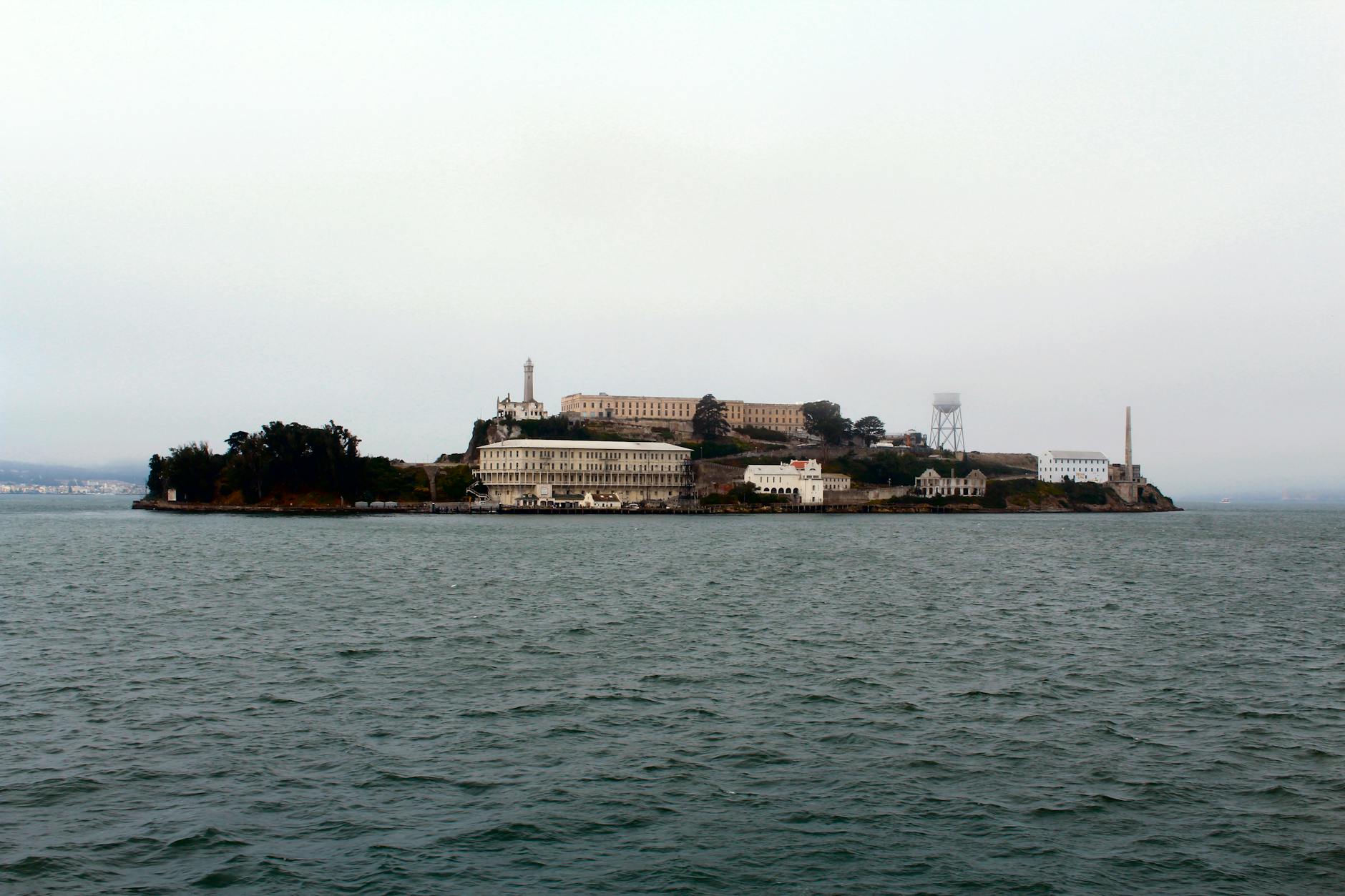
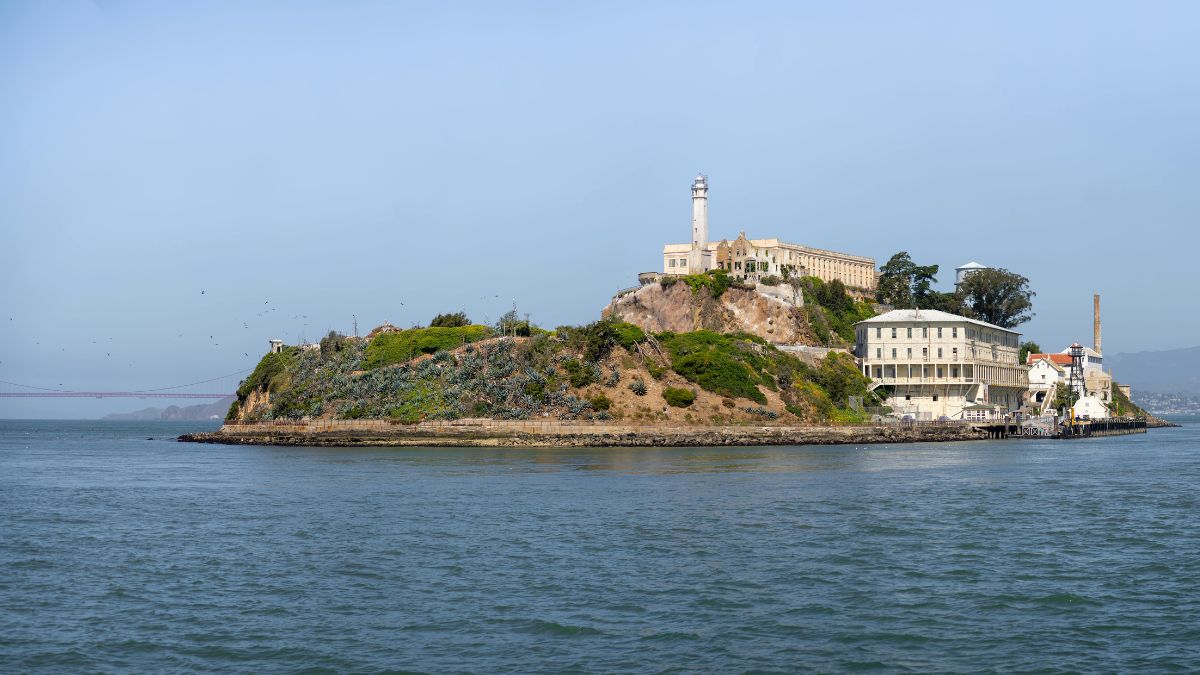
Sitting in the cold waters of San Francisco Bay, Alcatraz Island served as one of America’s most feared federal penitentiaries from 1934 to 1963. The prison housed some of the country’s most dangerous criminals, including Al Capone and George “Machine Gun” Kelly. Its remote location and treacherous currents made it virtually inescapable, though the famous 1962 escape by Frank Morris and the Anglin brothers remains one of the most debated cold cases in American history. Today the island operates as a national park and museum, drawing over a million visitors each year. Audio tours narrated by former inmates and guards give the experience a deeply personal and eerie quality.
Eastern State Penitentiary
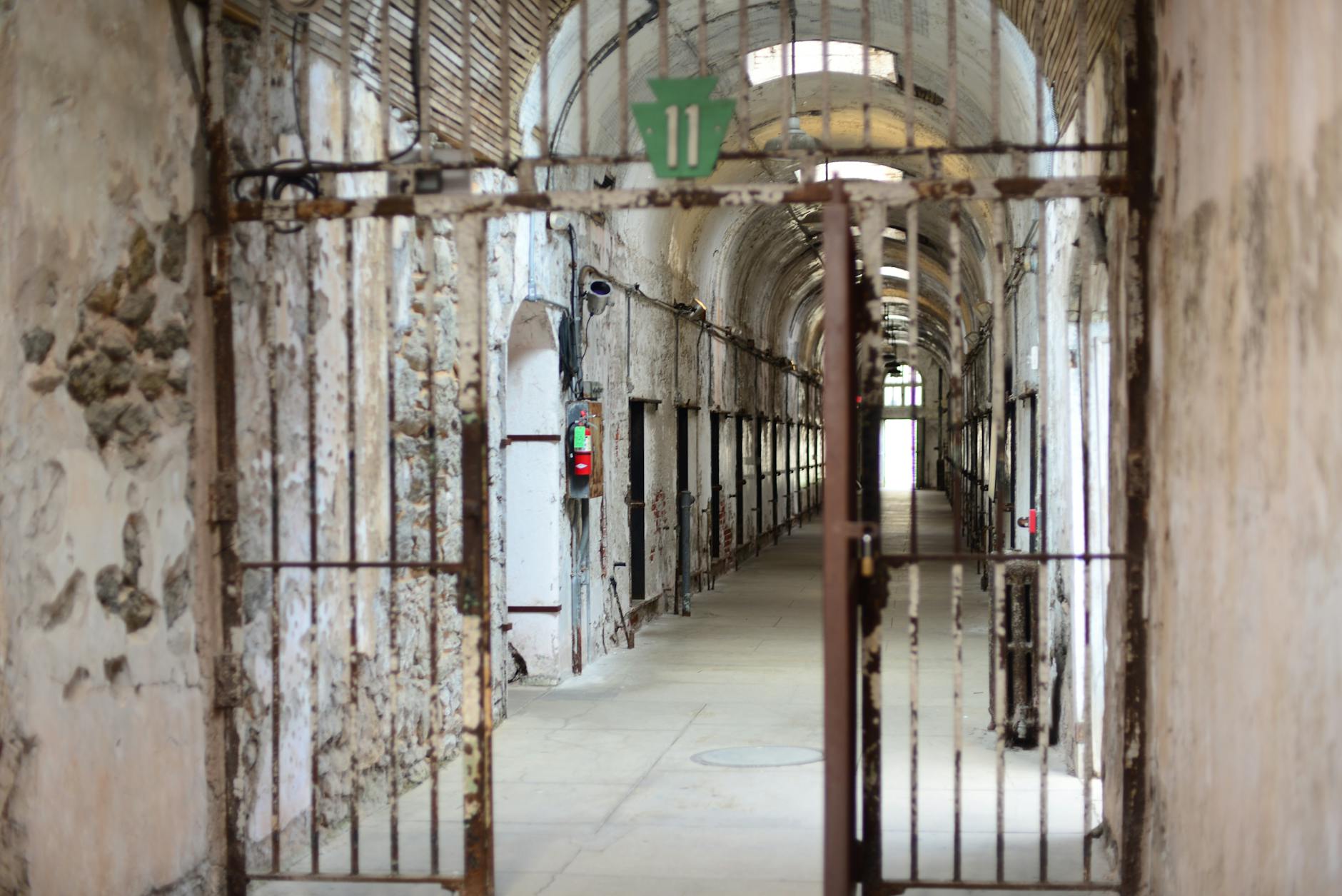
Located in Philadelphia, Eastern State Penitentiary was once the most famous and expensive prison in the world when it opened in 1829. Its revolutionary design forced inmates into solitary confinement as a means of rehabilitation, a practice that was widely condemned as psychologically brutal. Al Capone was famously held here, and his relatively luxurious cell has been carefully preserved for visitors to see. The crumbling gothic structure has been partially restored and now offers public tours that explore its architecture, its inmates, and its legacy. It also hosts one of the country’s most acclaimed Halloween events, blending history with theatrical horror.
Jack the Ripper Sites
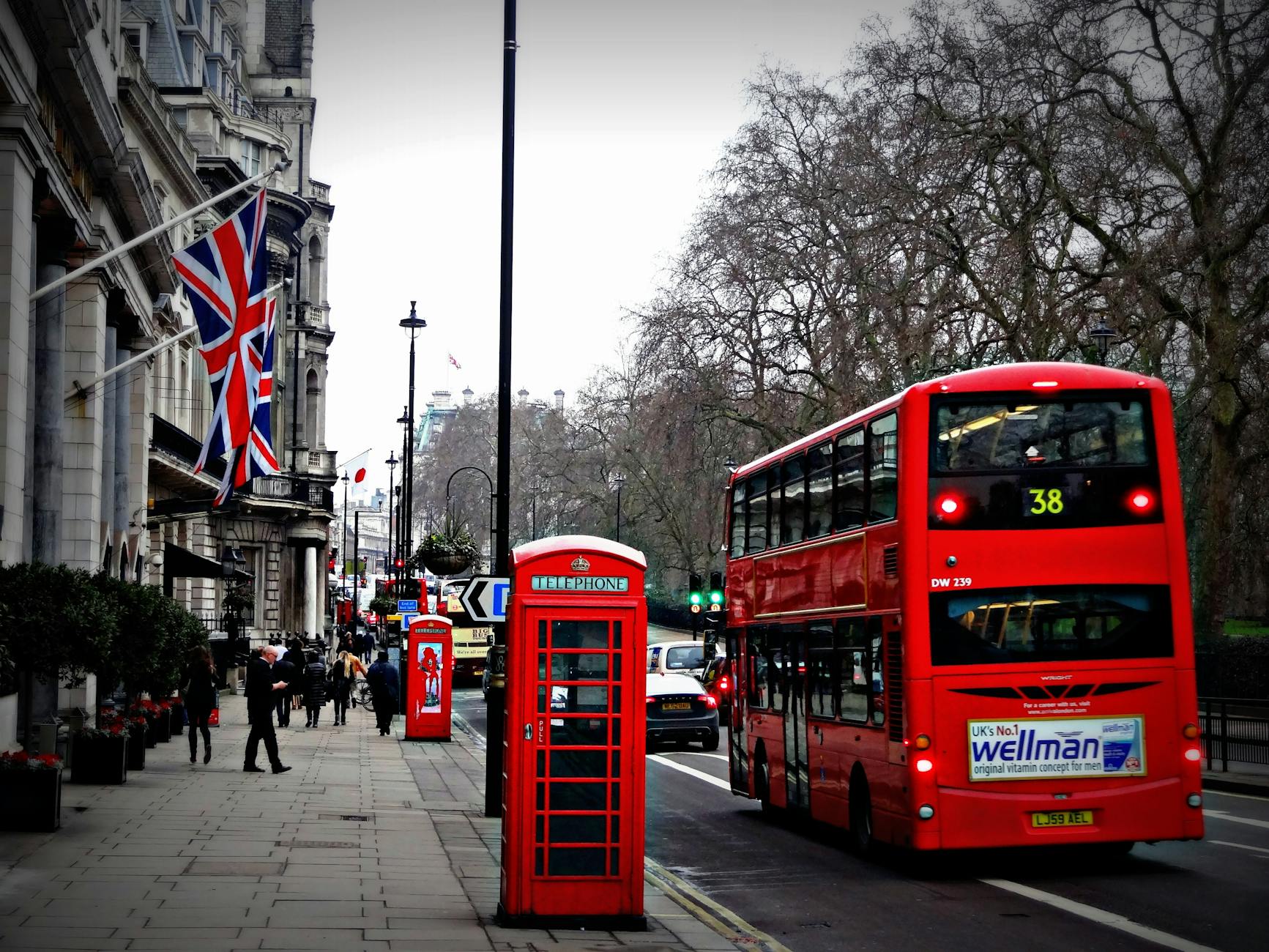
The East End of London holds the haunting geography of one of history’s most infamous unsolved murder cases. In the autumn of 1888, an unknown killer known as Jack the Ripper murdered at least five women in the Whitechapel district, sending shockwaves through Victorian society. Sites including Mitre Square and Durward Street mark the locations where victims were discovered, and many of the original streets still exist in recognizable form. Dozens of walking tours depart nightly from the area, guided by historians who explore both the evidence and the many competing theories about the killer’s identity. The Whitechapel Gallery and local museums also hold exhibitions dedicated to the case and its enduring cultural impact.
H.H. Holmes Hotel
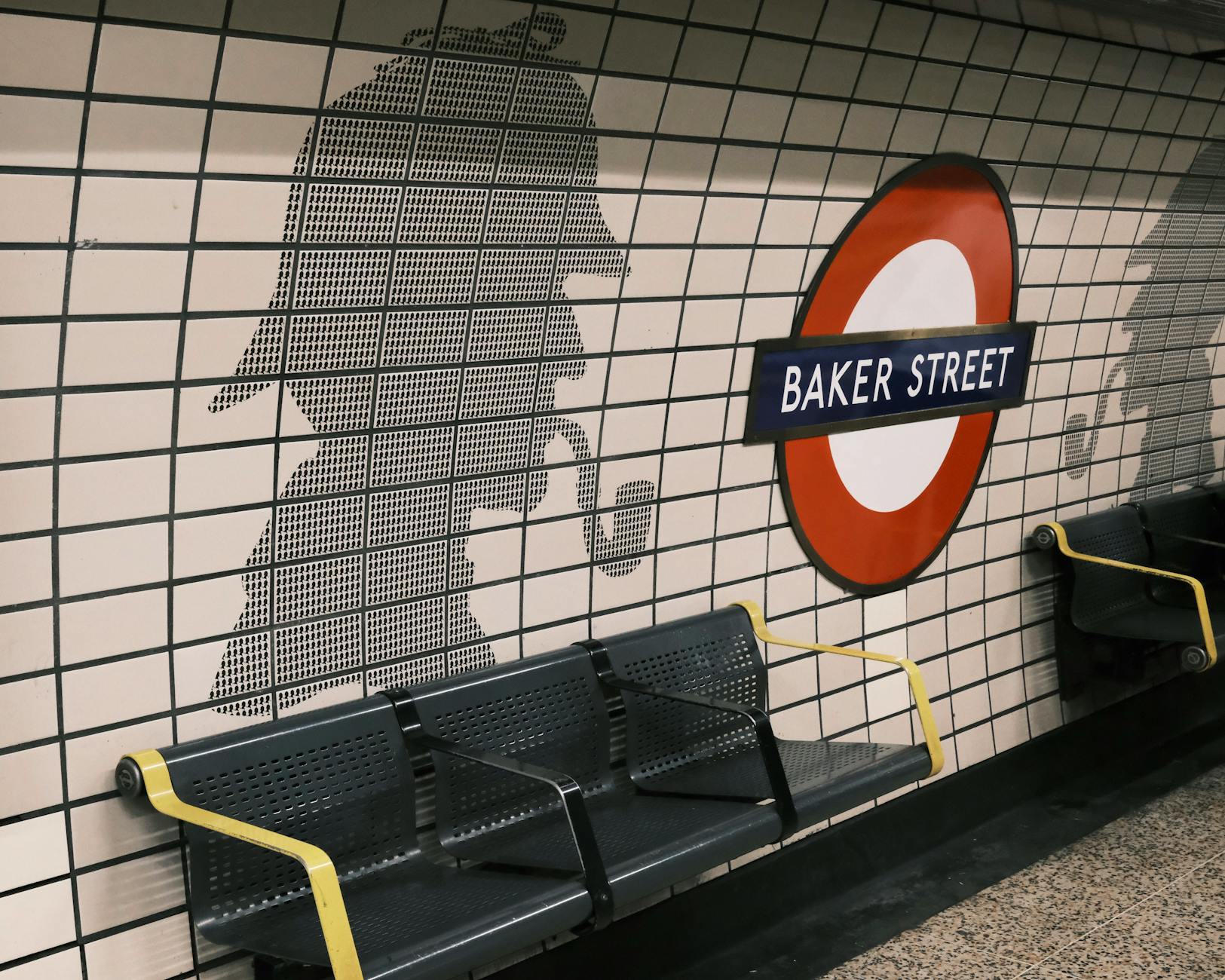
Chicago’s so-called Murder Castle was the site of some of the most chilling crimes in American history, constructed by serial killer H.H. Holmes during the 1893 World’s Fair. Holmes designed the building himself with hidden rooms, secret passages, and a basement equipped with a kiln, reportedly to conceal the evidence of his crimes. Though the original structure no longer stands, the South Englewood neighborhood where it once loomed is a destination for true crime enthusiasts familiar with the story. A post office now occupies the site, and guided tours of the broader area recount Holmes’s methods, his victims, and the investigation that eventually led to his arrest. Erik Larson’s bestselling book about the case has made this location one of the most sought-after dark tourism stops in the Midwest.
Lizzie Borden House

The Lizzie Borden House in Fall River, Massachusetts, is one of the most recognizable addresses in American true crime history. In August 1892, Andrew and Abby Borden were found brutally murdered in the family home, and their daughter Lizzie stood trial for the killings in a case that riveted the nation. Lizzie was ultimately acquitted, and the true identity of the killer has never been established with certainty. The house has been preserved as a bed and breakfast and museum, with original furnishings and detailed exhibits about the family and the investigation. Overnight guests can sleep in the very rooms where the victims were killed, making this one of the most immersive dark tourism experiences in the United States.
The Myrtles Plantation
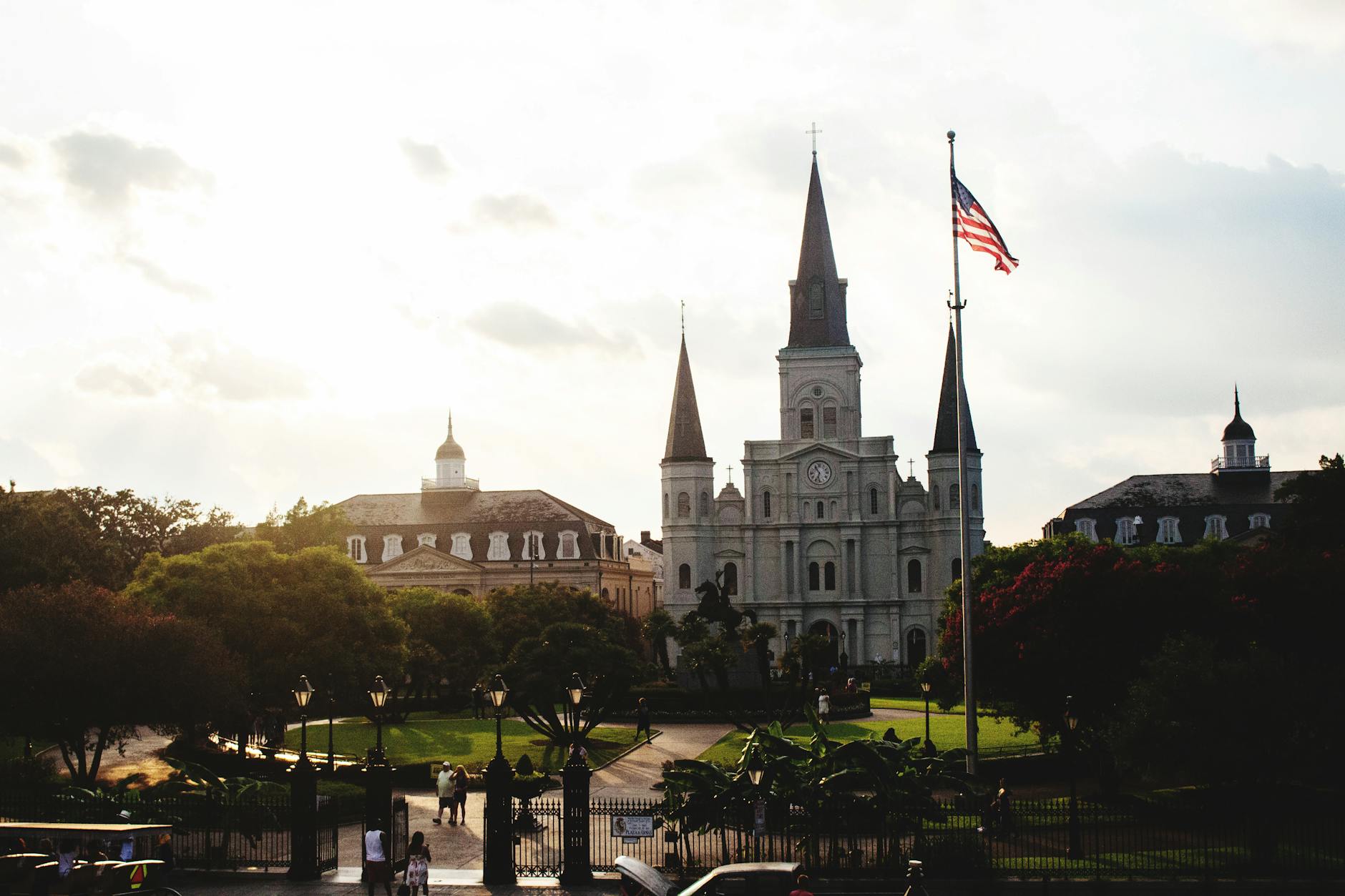
Set along the banks of the Mississippi River in St. Francisville, Louisiana, The Myrtles Plantation carries a deeply troubled history tied to the violence of the antebellum South. The estate was the site of at least one documented murder, and it is widely considered among the most historically complex and haunted plantations in the country. Several of its occupants died under mysterious or violent circumstances, and accounts of unusual activity in the house have been reported for well over a century. The plantation now operates as a bed and breakfast and offers guided tours that cover both its documented history and its darker legends. Visitors interested in the intersection of true crime and Southern history will find this property particularly compelling.
Ted Bundy Sites
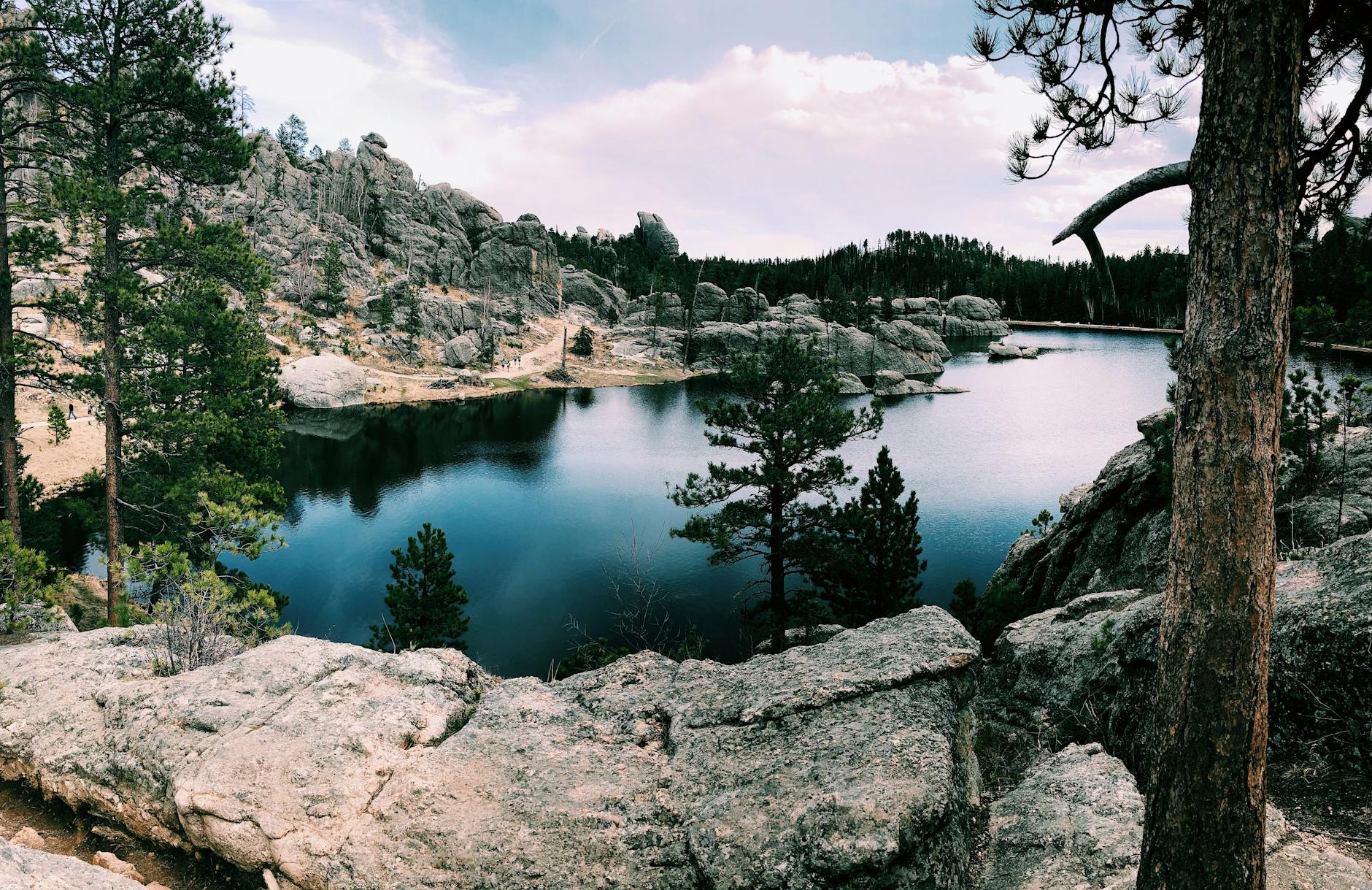
The Pacific Northwest holds a grim trail of locations connected to serial killer Ted Bundy, one of the most studied criminals in American history. Sites including Lake Sammamish State Park in Washington, where two women disappeared in 1974, have become stops on dark tourism routes through the region. Bundy operated across multiple states, and areas in Utah, Colorado, and Florida are also associated with his crimes and eventual capture. The Chi Omega house at Florida State University in Tallahassee, site of one of his most violent attacks, is among the locations referenced in documentaries and tour guides. True crime enthusiasts who trace Bundy’s timeline across the country gain an unsettling sense of the scale and duration of his crimes.
Newgate Prison
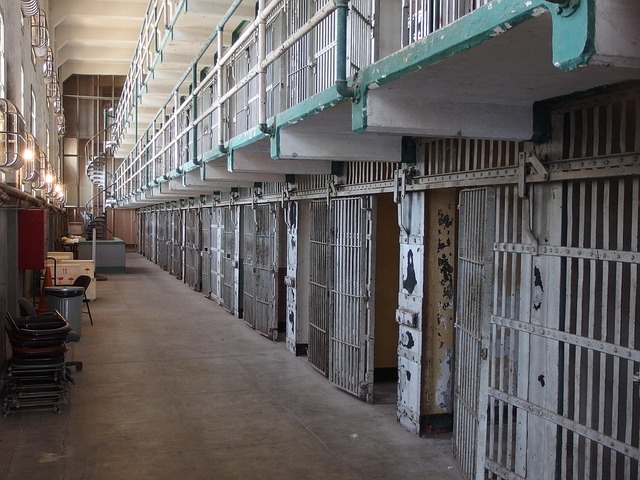
Newgate Prison in London served as the city’s primary place of detention and execution for over seven centuries, making it one of the most historically significant crime sites in the world. From its origins in the twelfth century to its demolition in 1902, the prison held notorious figures including Jonathan Wild, Jack Sheppard, and Oscar Wilde. Public hangings at Newgate drew massive crowds and were considered civic spectacles throughout much of the prison’s history. The site is now occupied by the Old Bailey criminal court, which still operates as England’s central criminal court today. Visitors can view the exterior and access archives at the London Metropolitan Archives to research the prison’s extensive records.
Auschwitz
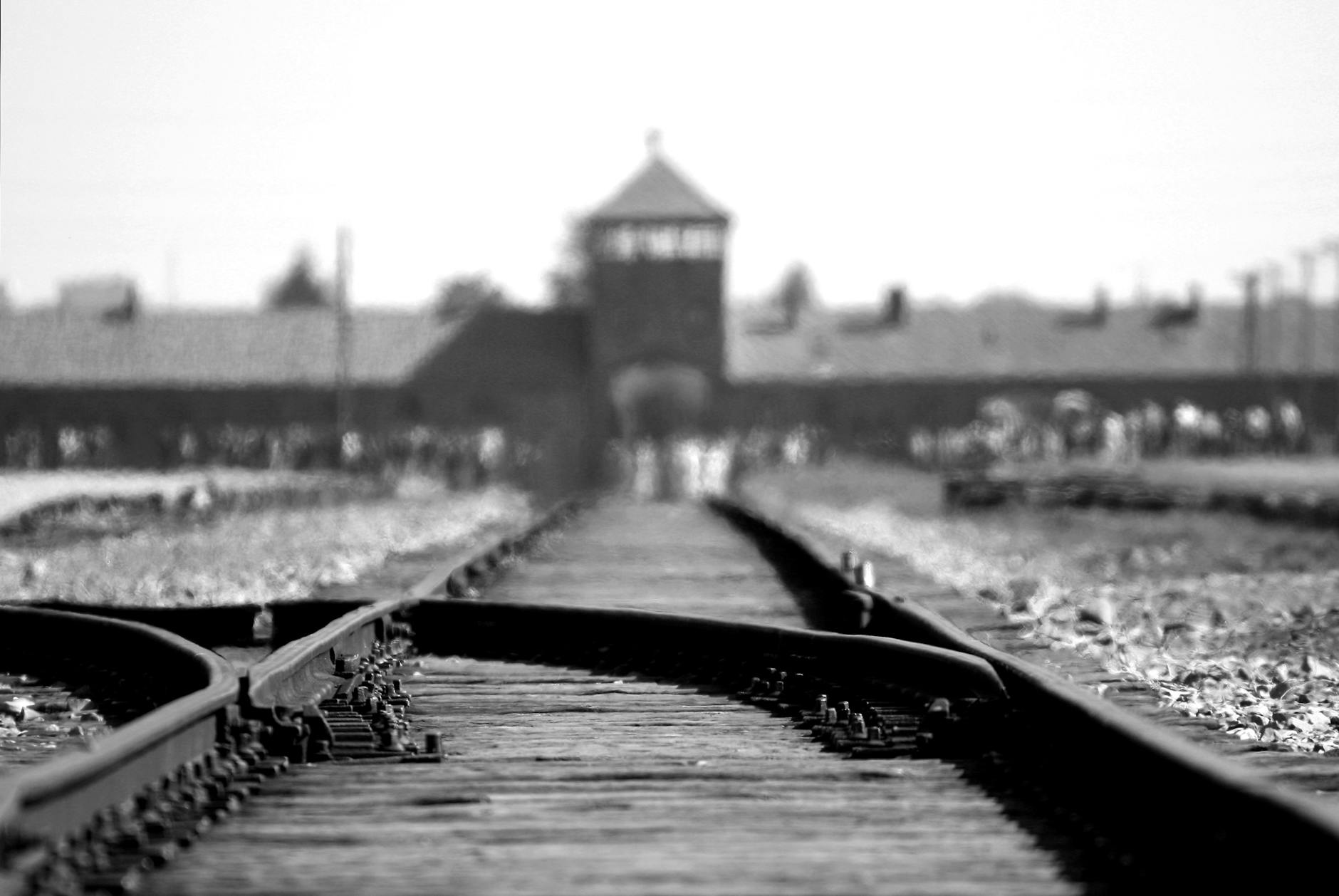
Located in Oswiecim, Poland, the Auschwitz-Birkenau concentration camp complex is the site of some of the most documented crimes against humanity in history. Established by the Nazi regime in 1940, the camp became the largest site of mass murder during the Holocaust, where an estimated 1.1 million people were killed. The grounds and structures have been carefully preserved as a UNESCO World Heritage Site and memorial museum, drawing over two million visitors annually. Guided tours led by trained educators navigate the barracks, gas chambers, and the infamous gatehouse inscription with sobriety and historical depth. A visit to Auschwitz is a profoundly difficult but essential experience for anyone committed to understanding the darkest moments of the twentieth century.
Lorraine Motel
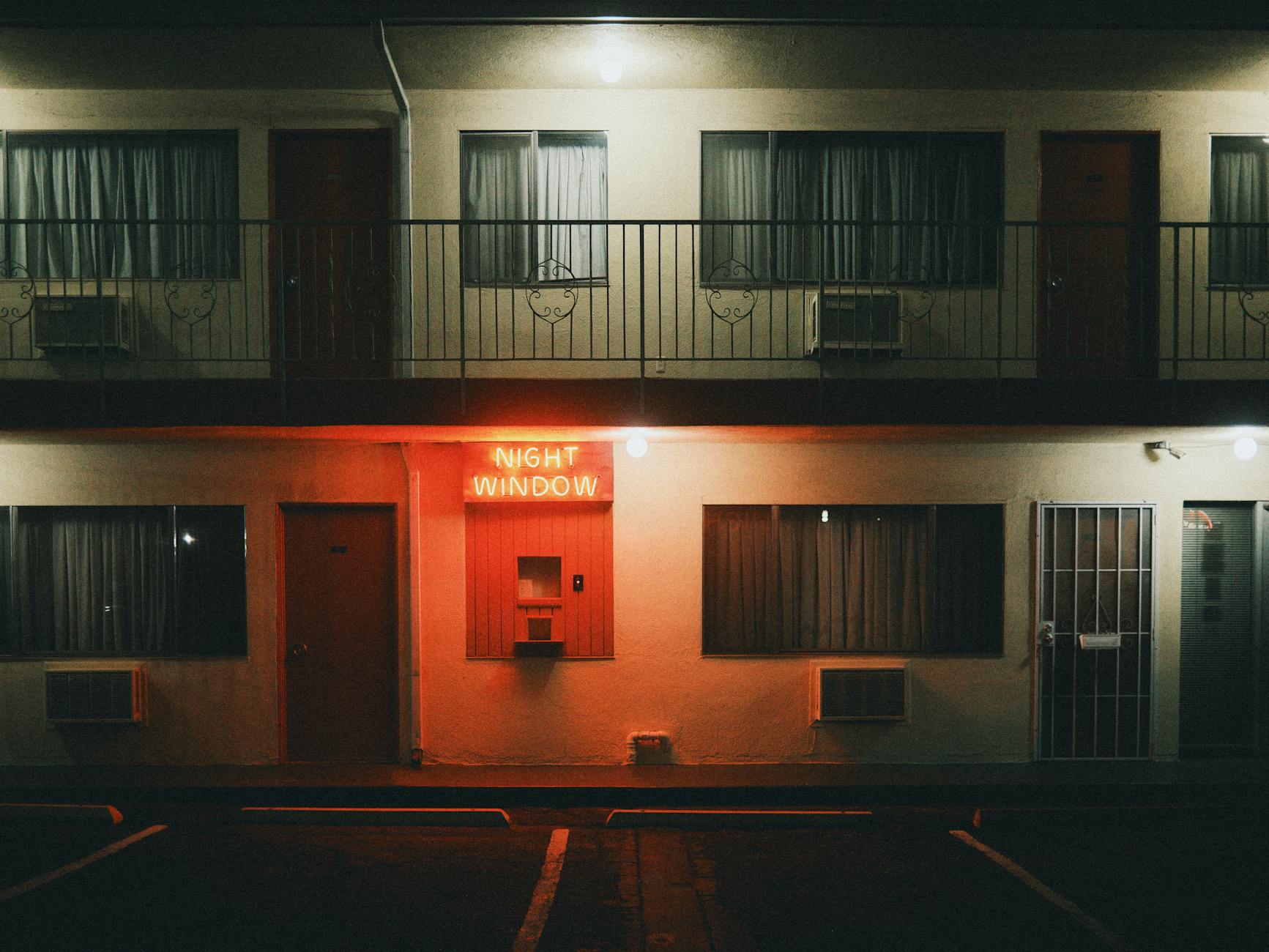
The Lorraine Motel in Memphis, Tennessee, is the site where civil rights leader Martin Luther King Jr. was assassinated on April 4, 1968. The balcony where he was shot has been preserved exactly as it appeared that day, and a wreath marks the precise location where he fell. The motel now forms the centerpiece of the National Civil Rights Museum, which uses the site and surrounding buildings to tell the broader story of the American civil rights movement. James Earl Ray was convicted of the assassination, though conspiracy theories and questions about the case have persisted for decades. The museum’s combination of historical documentation and architectural preservation makes it one of the most powerful crime sites in America.
Eastern Europe’s Communist Prisons
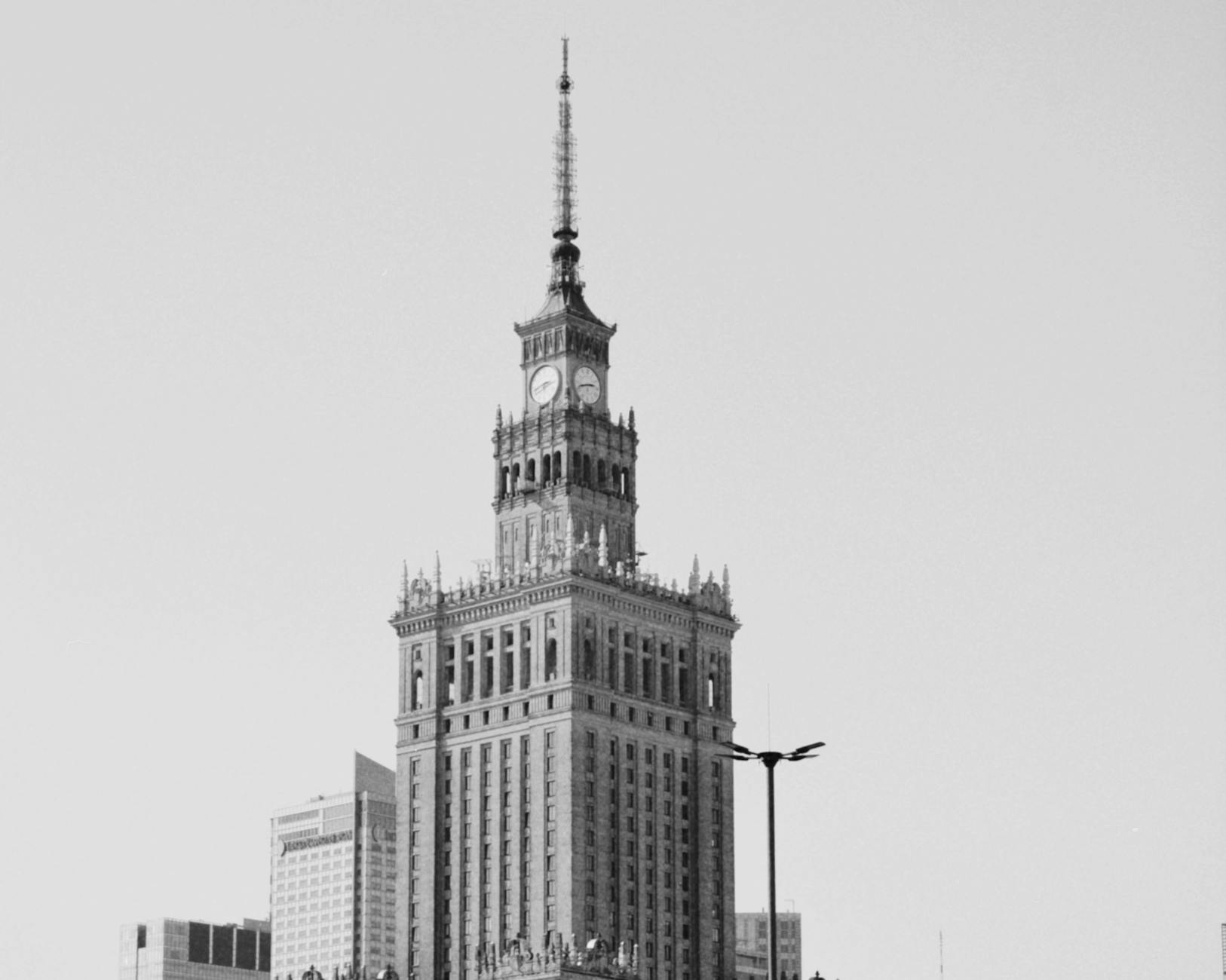
Cities across Eastern Europe house former secret police detention facilities that bear witness to the political crimes of the Soviet era. Destinations such as Tallinn’s Viru Hotel in Estonia, the KGB Museum in Vilnius, Lithuania, and the Securitate detention centers in Romania attract visitors drawn to the history of state-sponsored surveillance and repression. These locations document systematic human rights abuses, forced disappearances, and political assassinations carried out under communist regimes throughout the twentieth century. Many of the sites have been converted into museums with original equipment, interrogation rooms, and personal testimonies preserved for public viewing. For those interested in crime on a governmental and institutional scale, these Eastern European sites offer deeply sobering and historically rich experiences.
The Clink Prison
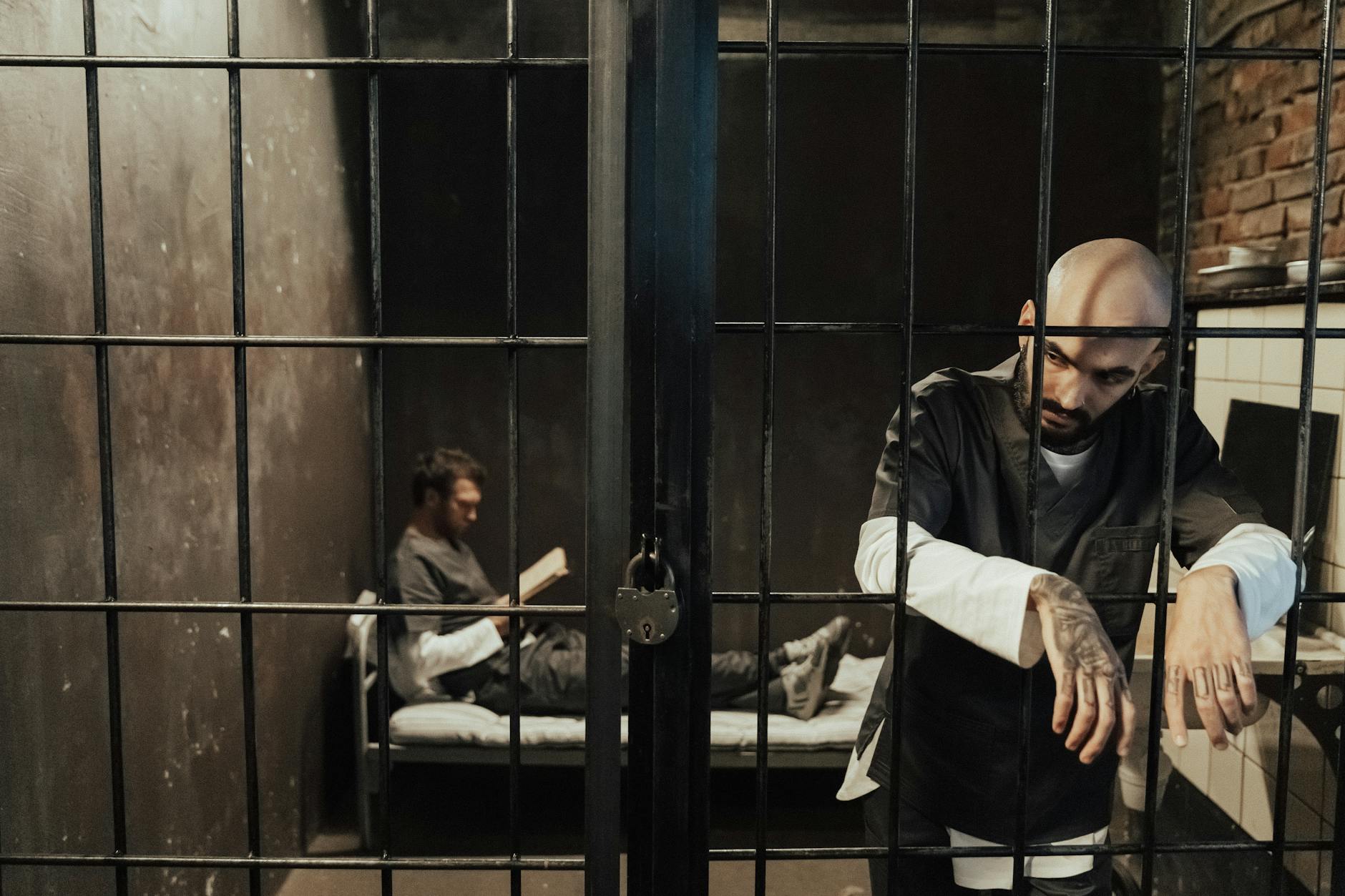
Situated on the south bank of the Thames in London, The Clink Prison Museum occupies the site of one of England’s oldest and most notorious jails. The original Clink operated from the twelfth century until it was burned down in 1780 during the Gordon Riots, and the word itself became a common slang term for prison in the English language. The museum uses the original foundations and recreated cells to illustrate conditions endured by inmates across multiple centuries. Exhibits cover everything from medieval torture devices to the social conditions that filled the prison with debtors, heretics, and convicted criminals. Its central location in the Borough Market area makes it an easy addition to any London itinerary focused on dark history.
Villisca Axe Murder House
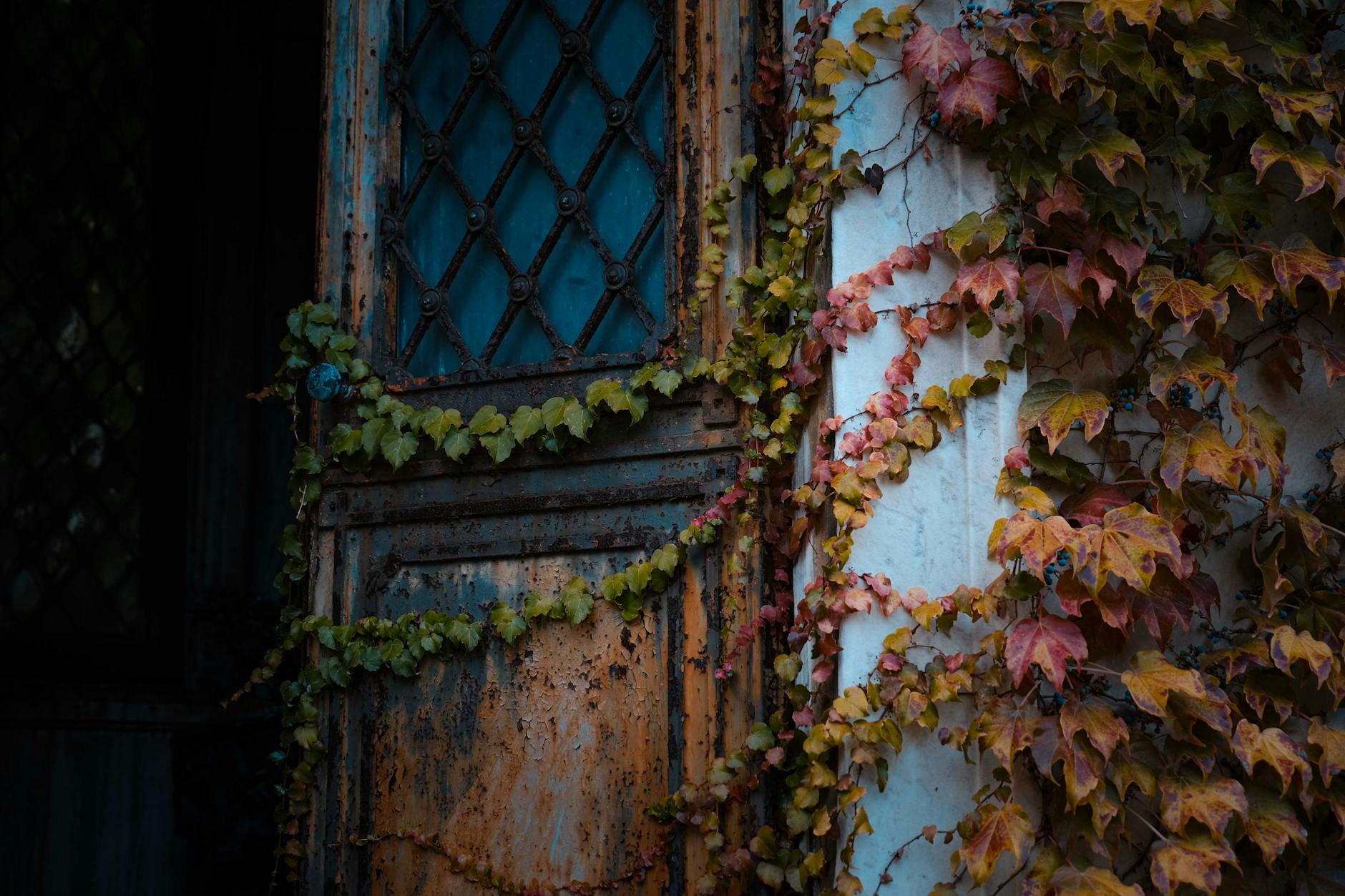
The small town of Villisca, Iowa, is home to one of the most haunting unsolved mass murder cases in American history. In June 1912, eight people including six children were found bludgeoned to death in their beds with an axe, and the killer was never definitively identified. The house has been meticulously preserved to reflect its 1912 appearance, with period furniture and detailed historical exhibits about the investigation. Visitors can tour the home during the day or book overnight stays for an experience that many describe as profoundly unsettling. The case has attracted criminologists, paranormal investigators, and true crime enthusiasts for over a century, and it remains officially unsolved.
Dealey Plaza

Dealey Plaza in downtown Dallas, Texas, is the site of one of the most analyzed crimes in modern history. On November 22, 1963, President John F. Kennedy was assassinated while traveling through the plaza in a presidential motorcade, an event that shocked the world and spawned decades of investigation and debate. The Sixth Floor Museum is located in the former Texas School Book Depository, the building from which Lee Harvey Oswald is believed to have fired the fatal shots. The museum holds an extensive archive of photographs, films, and documents related to the assassination and its investigation. The grassy knoll, the triple underpass, and the painted street markers indicating the location of the shots make Dealey Plaza a deeply affecting open-air historical site.
Leap Castle
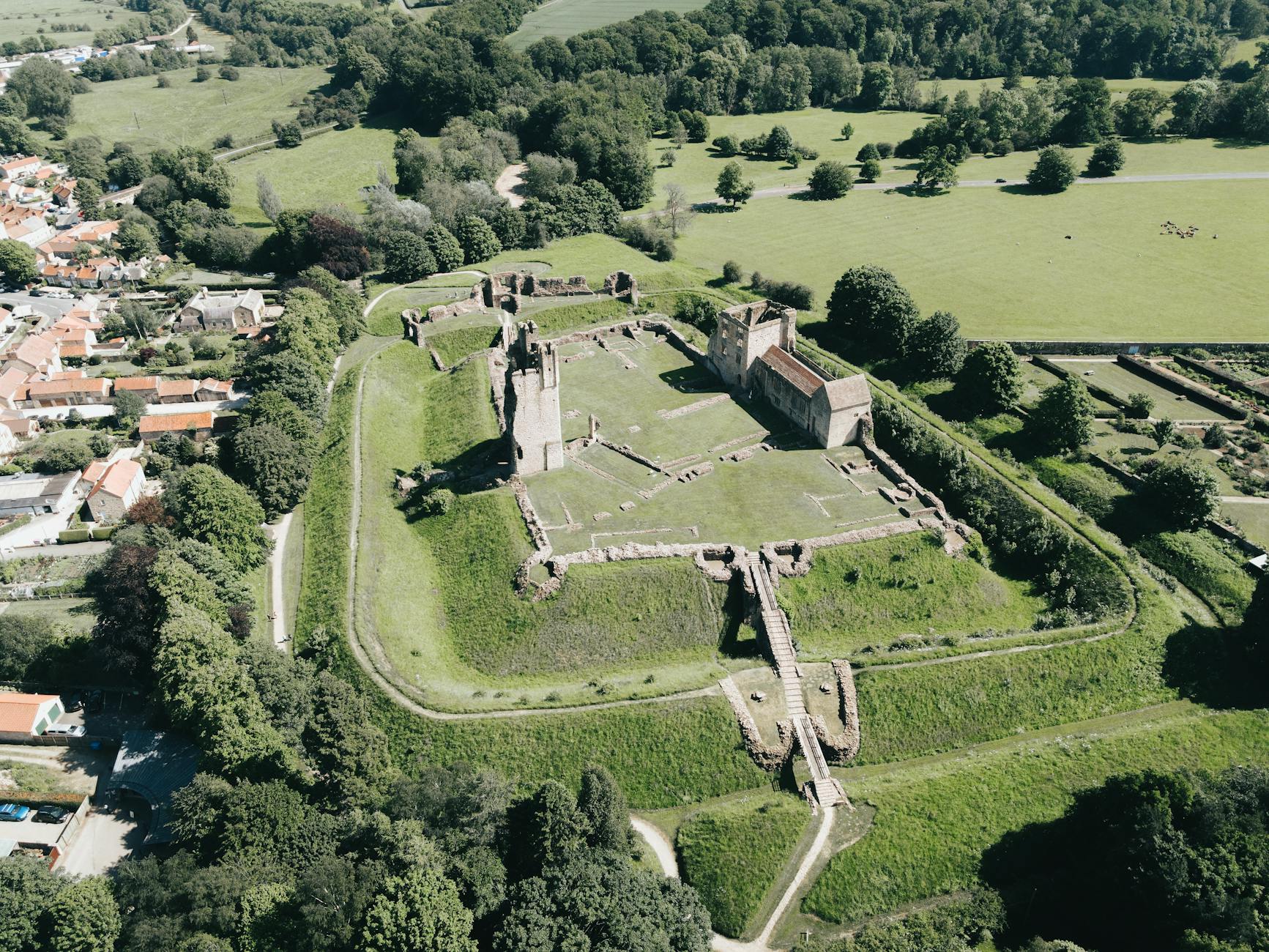
Located in County Offaly, Ireland, Leap Castle is widely regarded as one of the most violent and blood-soaked buildings in Europe. The castle served as the seat of the O’Carroll clan, a family notorious for its brutal internecine conflicts, and the site of a notorious massacre of rival clan members in the castle’s chapel during the fifteenth century. A hidden dungeon discovered during renovations in the early twentieth century reportedly contained the remains of hundreds of victims. The castle remains privately owned but offers limited tours that explore its violent history, its architectural history, and the various legends that have grown up around it. For those interested in medieval crime and violence, few destinations in the British Isles are more evocative.
Charles Manson Sites
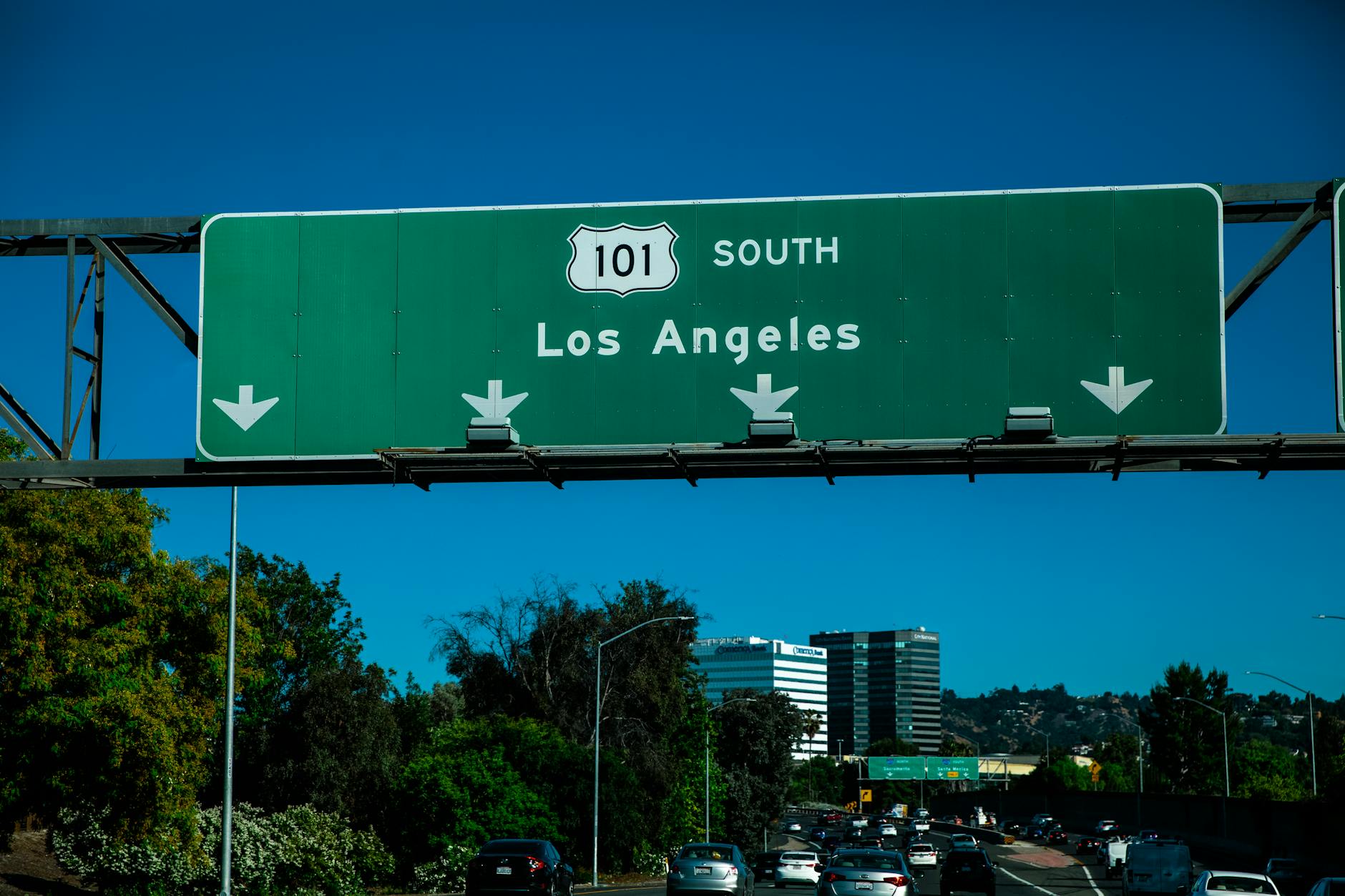
Los Angeles holds a collection of locations tied to the Manson Family murders of August 1969, one of the most infamous criminal events in American cultural history. The site of the Tate murders on Cielo Drive, where actress Sharon Tate and four others were killed, is now occupied by a private residence built after the original home was demolished. The LaBianca house on Waverly Drive, where two more murders took place the following night, still stands and is visible from the street. Spahn Ranch, the desert property where the Manson Family lived, has been largely destroyed by fire and is located in the hills north of Los Angeles. Guided true crime tours of these locations run regularly from Hollywood, offering historical context and detailed accounts of the investigation and trial.
The Tower of London
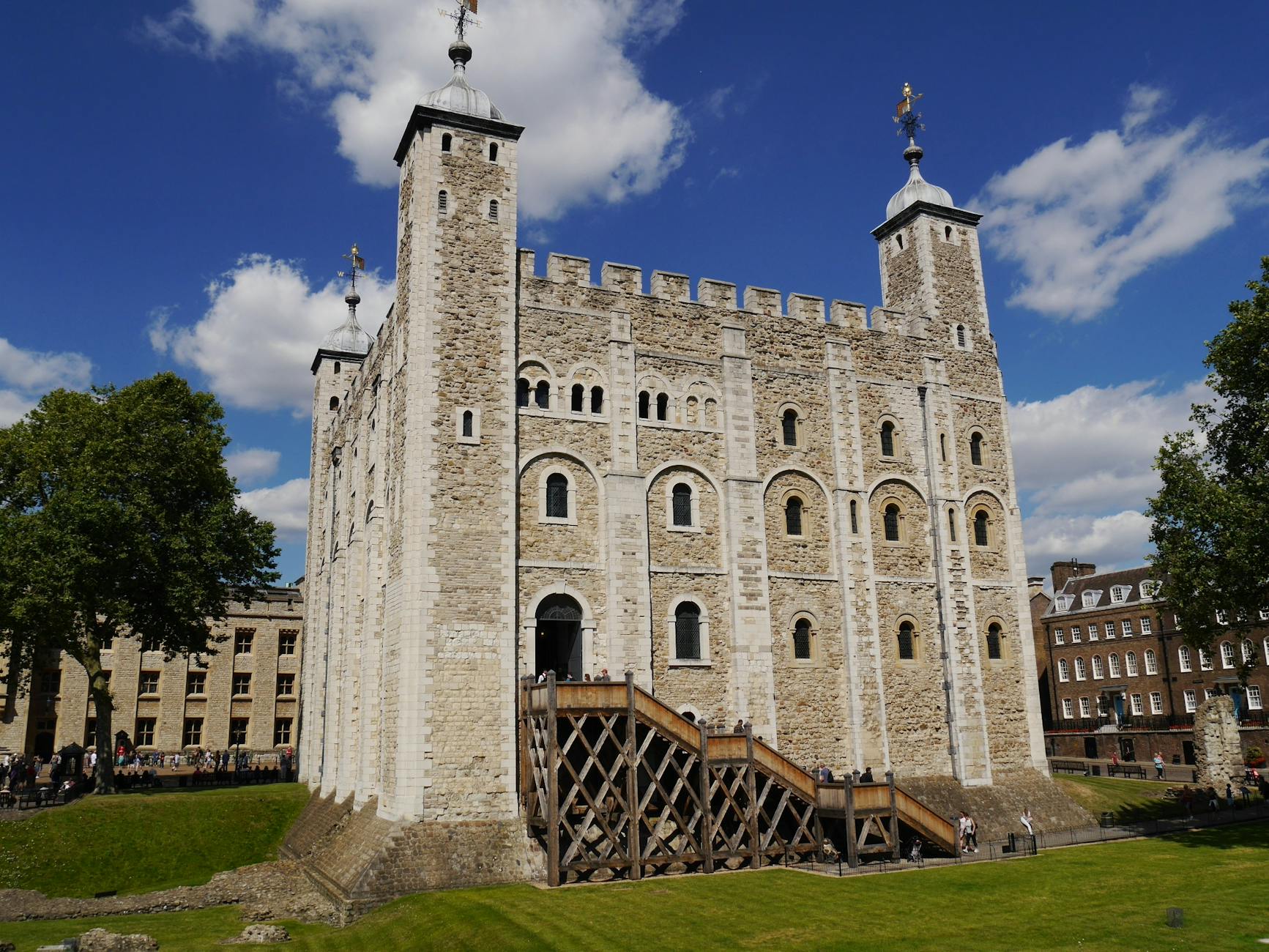
The Tower of London is among the most historically layered crime sites in the world, with a recorded history of imprisonment, torture, and execution stretching back nearly a thousand years. Figures including Anne Boleyn, Catherine Howard, and Sir Thomas More were all held and executed within its walls, and the tower served as a state prison for enemies of the English crown for centuries. The site is particularly associated with the unsolved disappearance of the Princes in the Tower, the two young sons of Edward IV who vanished in 1483 and were never seen again. Yeoman Warder tours provide vivid accounts of executions, betrayals, and conspiracies drawn from centuries of documented history. The tower remains one of the most visited attractions in Britain, and its collection of royal armor and the Crown Jewels coexist with its deeply dark criminal legacy.
Green River Trail
The Green River area in King County, Washington, is hauntingly connected to Gary Ridgway, one of America’s most prolific serial killers. Ridgway confessed to murdering 49 women between 1982 and 1998, though he is suspected in many additional deaths, and the region’s industrial roadsides and river banks became notorious recovery sites during the lengthy investigation. The case remained unsolved for over two decades before DNA evidence finally linked Ridgway to the crimes in 2001. The King County Sheriff’s Office and the families of victims have worked to ensure the case is not forgotten, and a number of memorial efforts exist in the area. Visitors to the region who follow the documented history of the case gain an appreciation for the scale of law enforcement failures and the determined work that eventually led to Ridgway’s capture.
Ford’s Theatre
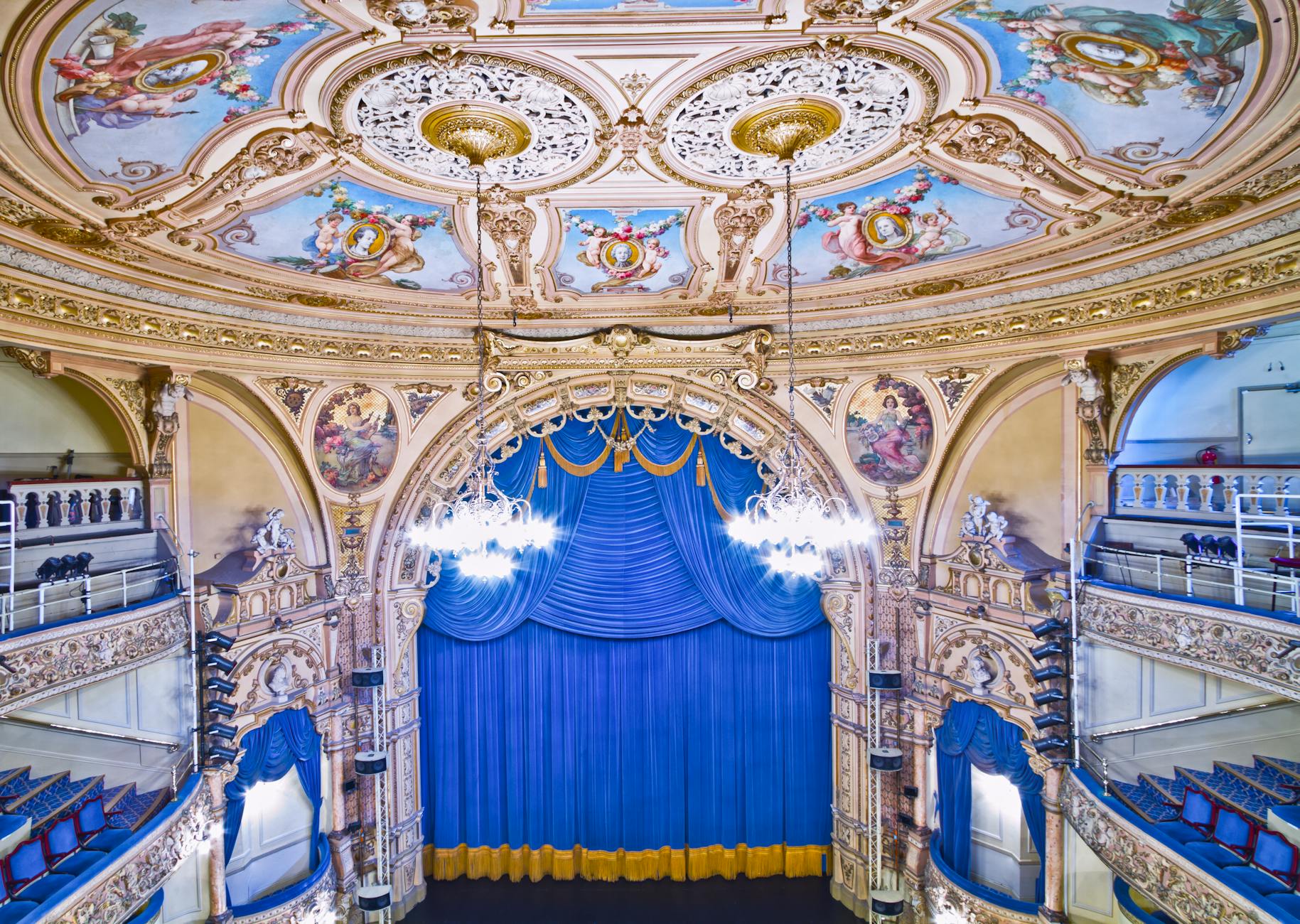
Ford’s Theatre in Washington D.C. is the site of the assassination of President Abraham Lincoln on the night of April 14, 1865. John Wilkes Booth fired the fatal shot in the presidential box during a performance of “Our American Cousin,” and Lincoln died in a nearby boarding house the following morning. The theatre has been preserved and restored as a working venue and national historic site, with the presidential box maintained in its period appearance. The museum beneath the theatre holds extensive exhibits about Lincoln, Booth, the conspiracy, and the aftermath of the assassination. The Petersen House across the street, where Lincoln took his last breath, is also open to the public and adds a final somber chapter to the experience.
Rikers Island History
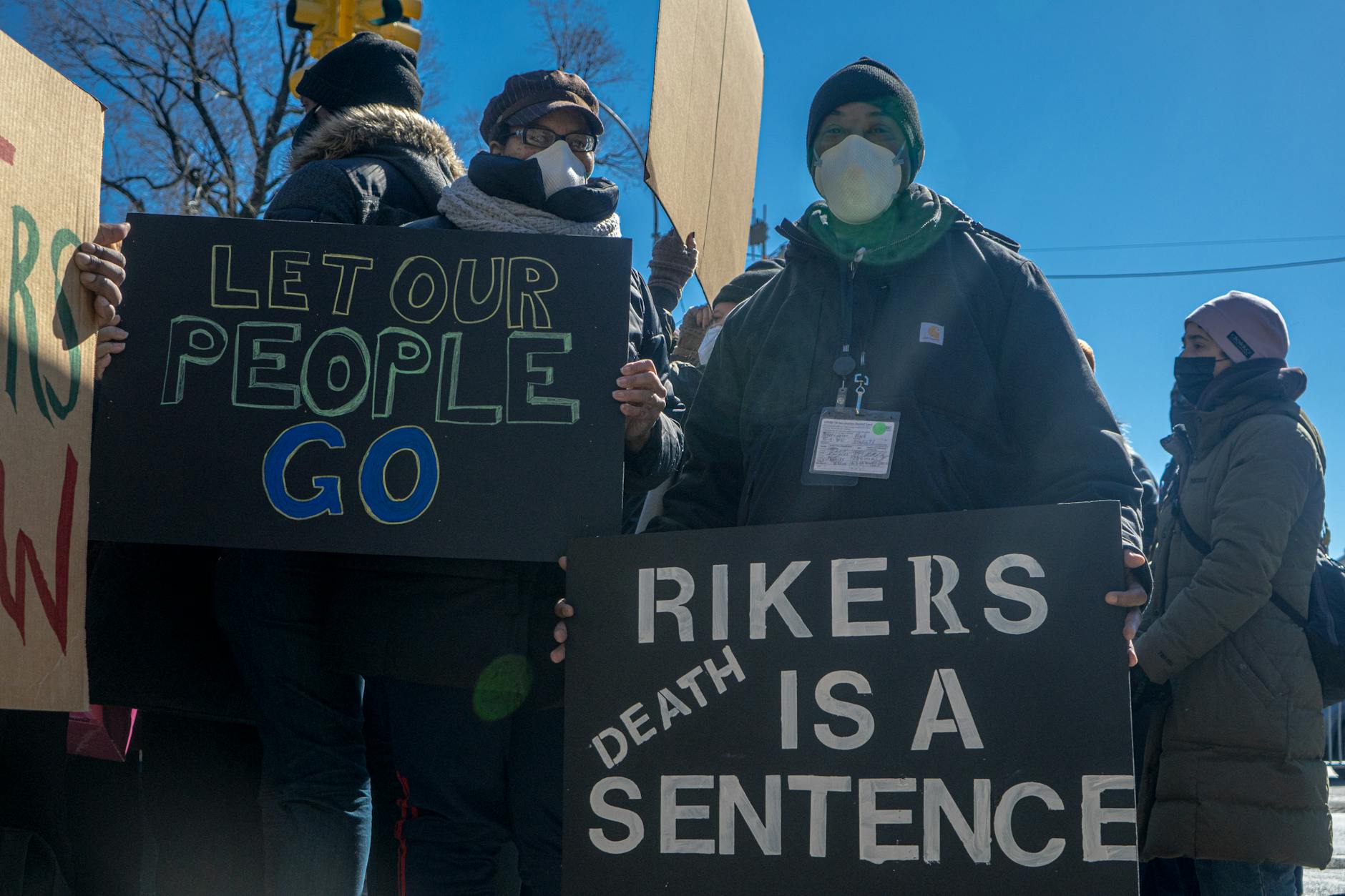
The history of Rikers Island in New York City represents one of the most documented accounts of institutional abuse and criminal mismanagement in American corrections history. The island jail complex has housed some of New York’s most notorious defendants over the decades and has been the subject of major investigations into guard violence, inmate abuse, and administrative corruption. Advocates and journalists have documented the facility extensively, producing a substantial body of reporting and documentary film about conditions inside. While the facility itself is not open to public tours, the broader history of Rikers is accessible through the New York City Museum’s archives and several published investigations. The city has committed to closing Rikers and replacing it with borough-based jails, marking the end of a deeply troubled chapter in urban criminal justice history.
Broadmoor Hospital
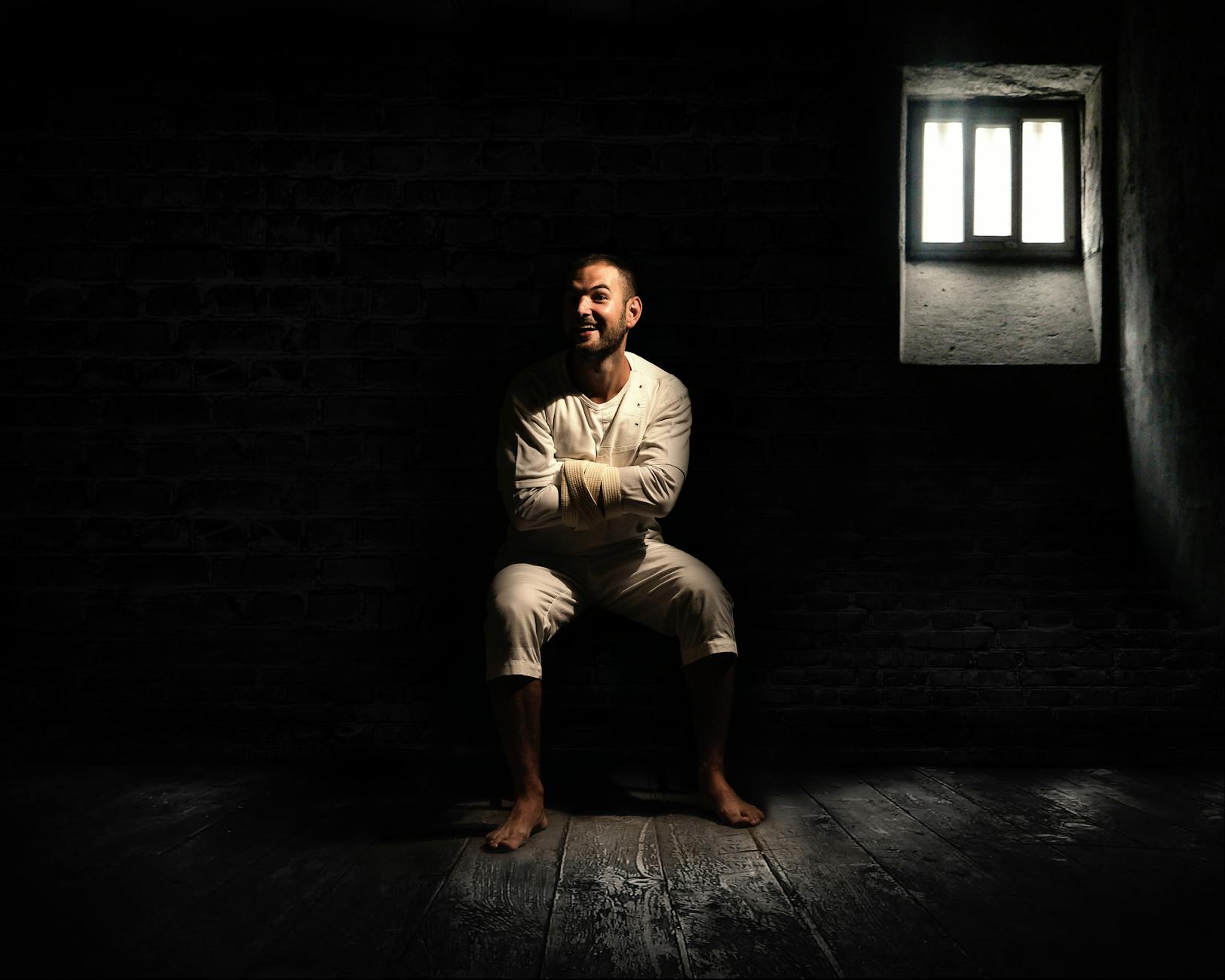
Located in Crowthorne, Berkshire, Broadmoor is England’s oldest and most famous high-security psychiatric hospital, housing some of the country’s most notorious offenders since its founding in 1863. Patients have included serial killers Peter Sutcliffe and Robert Maudsley, as well as Charles Bronson, one of Britain’s most violent prisoners. The Victorian Gothic buildings and the institution’s policy of indefinite detention for the criminally insane have made it a subject of intense public fascination. While the hospital does not offer public tours due to its operational status, it is well documented in books, documentaries, and academic studies that explore the relationship between crime, mental illness, and justice. The surrounding area of Crowthorne retains an atmosphere shaped by the institution’s long presence, and the hospital remains a major reference point in any study of British criminal history.
Salem Village
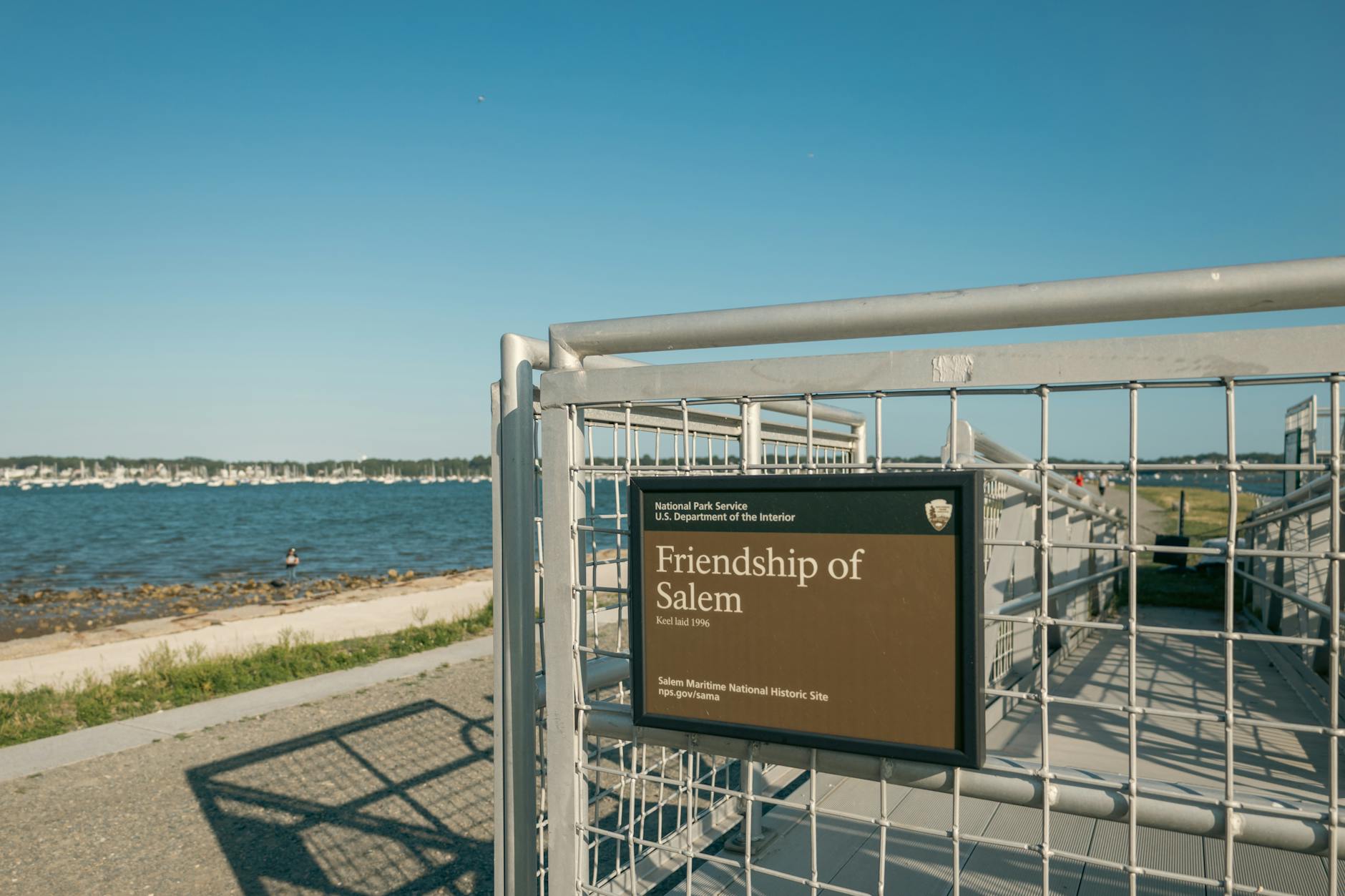
Salem, Massachusetts, occupies a unique place in American criminal history as the site of the infamous witch trials of 1692, in which twenty people were executed following accusations of witchcraft. The town has preserved multiple sites connected to the hysteria, including the Salem Witch Trials Memorial, the Peabody Essex Museum, and the Witch House, the home of trial magistrate Jonathan Corwin. The Danvers area, which was the actual Salem Village where many of the accusations originated, also holds significant historical markers for serious researchers. What makes Salem compelling from a true crime perspective is the documented social mechanisms of false accusation, mass hysteria, and institutional failure that led to wrongful executions. The town embraces its history year-round, with particularly extensive programming and tourism during the month of October.
Château de Peyrelade
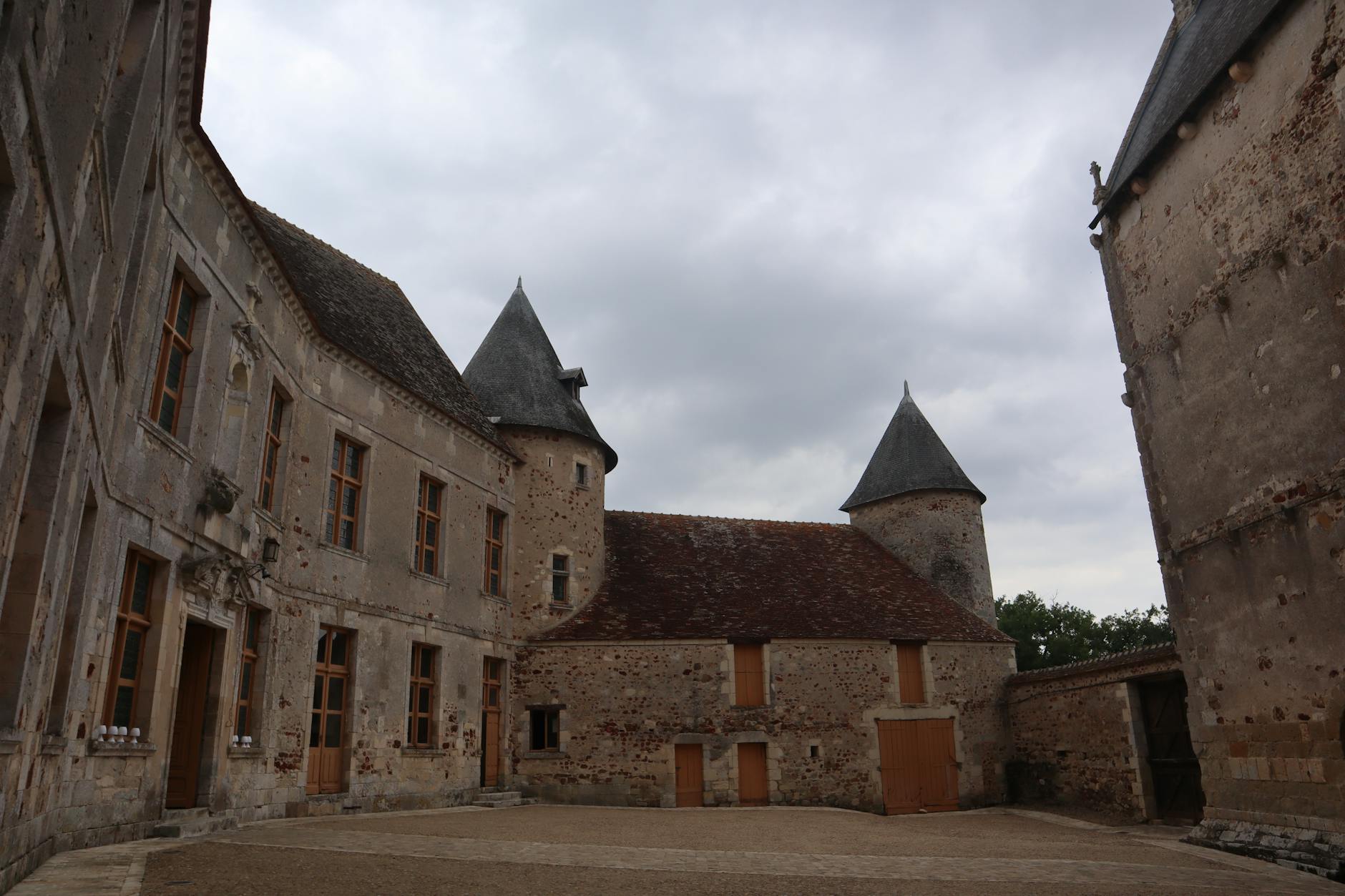
Perched above the Tarn Gorge in southern France, Château de Peyrelade is associated with the Calas Affair, one of the most consequential miscarriages of justice in European history. In 1762, Protestant merchant Jean Calas was tortured and executed on the accusation of murdering his son to prevent his conversion to Catholicism, a charge for which no credible evidence existed. The case was taken up by philosopher Voltaire, who campaigned publicly for the posthumous exoneration of Calas, eventually achieving a reversal of the verdict in 1765. The affair stands as a landmark moment in the development of concepts such as legal presumption of innocence and freedom of religion. Visitors to the region can trace the historical geography of the case and visit the local museum dedicated to Calas and the Enlightenment principles his case helped shape.
The Old Melbourne Gaol
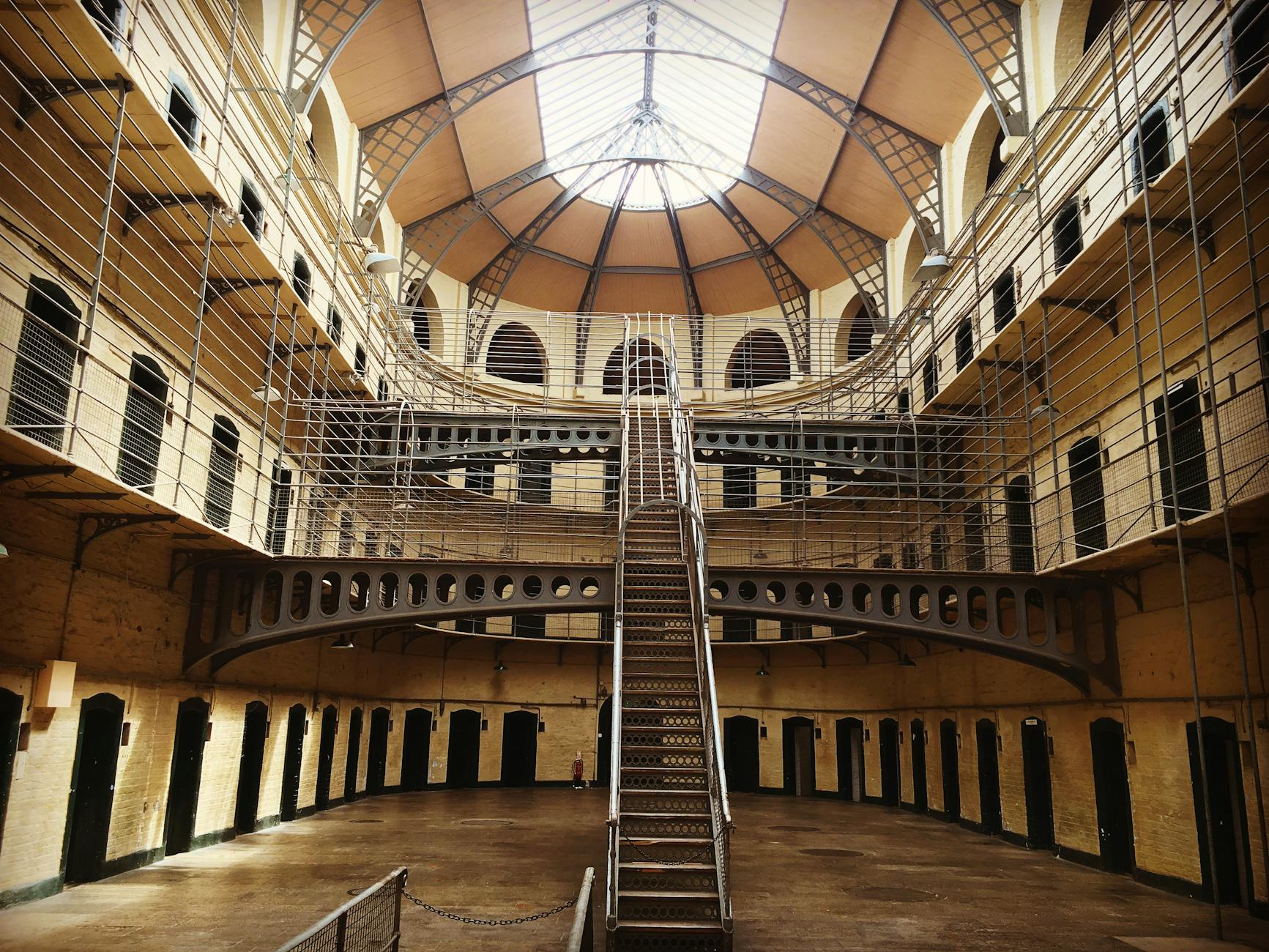
Melbourne’s oldest surviving prison, the Old Melbourne Gaol, is most famous as the place where bushranger Ned Kelly was hanged in November 1880, but its history extends far beyond that single event. The bluestone prison housed hundreds of prisoners from the gold rush era through the late nineteenth century, and its death masks of executed criminals are among the most haunting objects in any Australian museum. The gaol operated as a prison until 1924 and has since been carefully preserved and opened as a museum with extensive exhibits on colonial crime and punishment. Night tours conducted by costumed guides offer a dramatically atmospheric take on the prison’s most infamous stories. The site is consistently ranked among the top historical attractions in Australia and forms a centerpiece of any true crime tour of Melbourne.
Holmesburg Prison
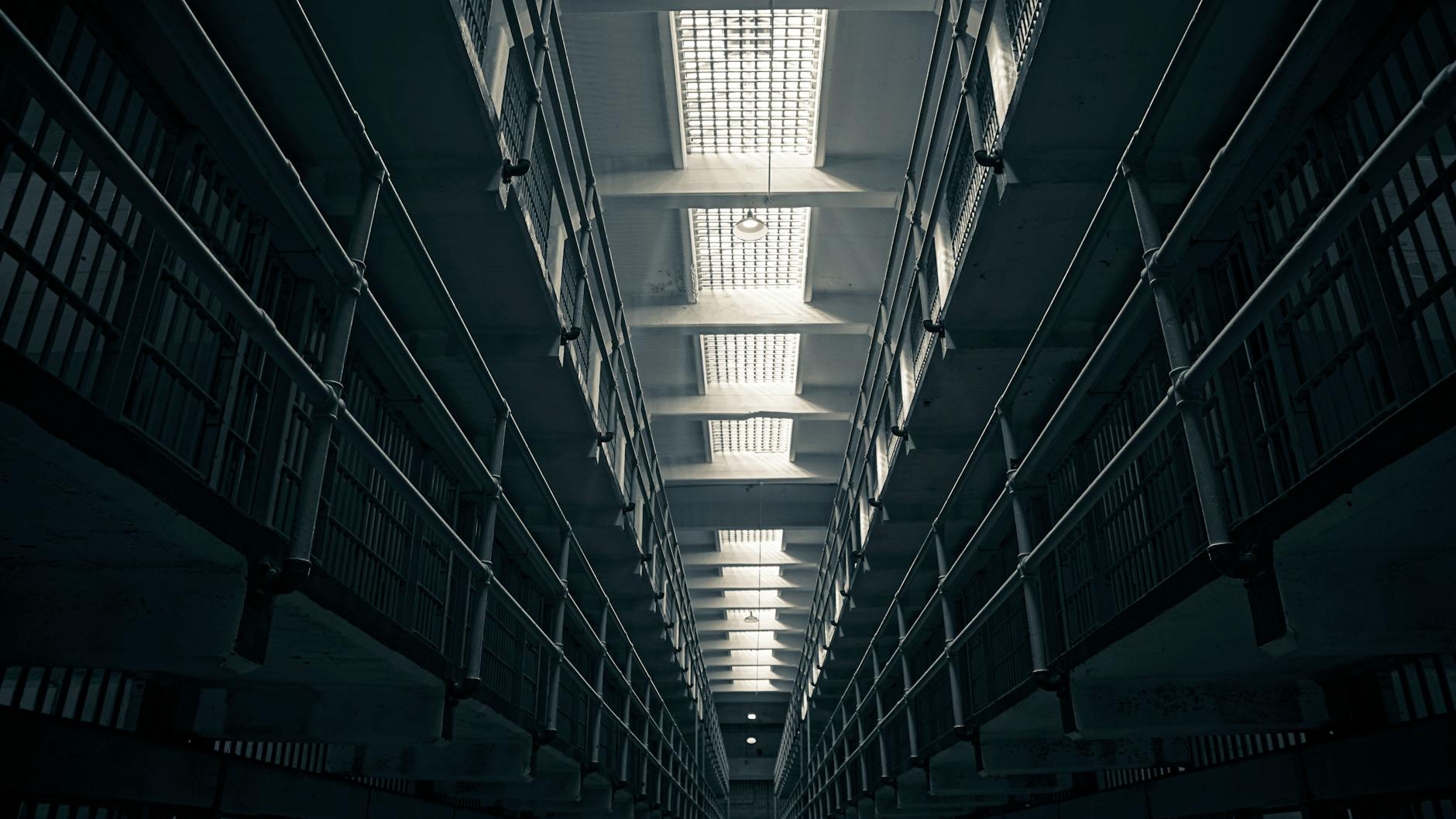
Holmesburg Prison in Philadelphia is the site of one of the most disturbing documented cases of human experimentation in American history. From the 1940s through the 1970s, dermatologist Albert Kligman conducted medical experiments on inmates without their informed consent, testing pharmaceuticals, cosmetics, and chemical agents including dioxin on the prison population. The prison was closed in 1995 and has been largely abandoned since, though its hulking fortress architecture and documented history make it a significant dark tourism landmark. Survivor testimonies and investigative journalism have kept the story in public consciousness, and calls for formal memorialization of the victims have grown in recent years. The site is located in the Holmesburg neighborhood of Northeast Philadelphia and is periodically accessible through organized historical tours.
Rillington Place
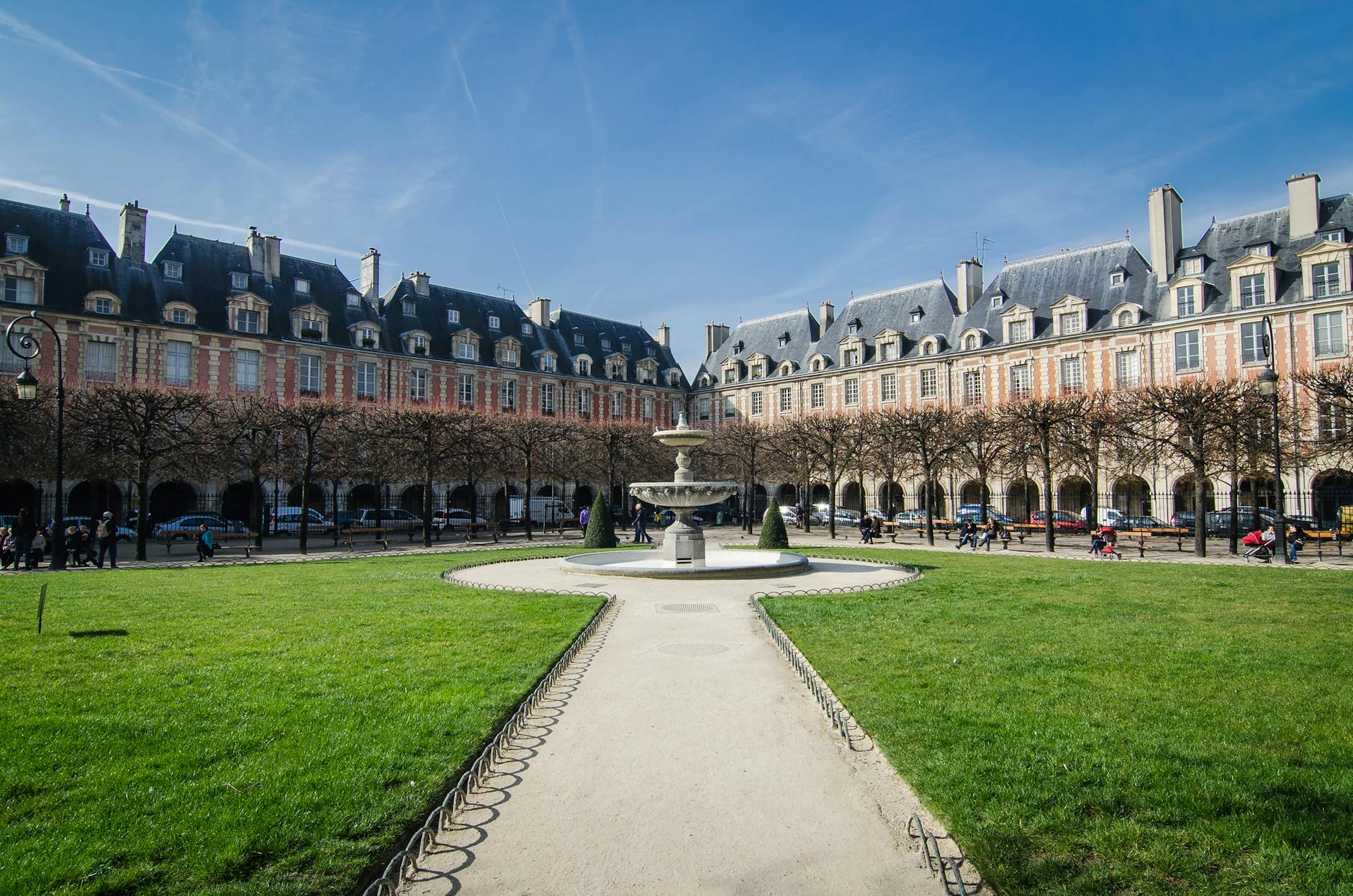
Rillington Place, now renamed Ruston Close, is a quiet street in Notting Hill, London, that was once the address of one of England’s most disturbing serial killers. John Reginald Christie murdered at least eight people in his ground-floor flat at 10 Rillington Place between 1943 and 1953, concealing several bodies within the walls and garden of the property. The case became doubly significant when it emerged that Timothy Evans, who had lodged in the same house, had been wrongfully hanged in 1950 for the murder of his wife and child. Evans’s posthumous pardon in 1966 played a major role in the abolition of capital punishment in the United Kingdom. The street itself has been redeveloped, but the general area and the broader story remain essential reading and visiting for anyone interested in the intersections of criminal justice and wrongful conviction.
La Santísima Trinidad de Parana
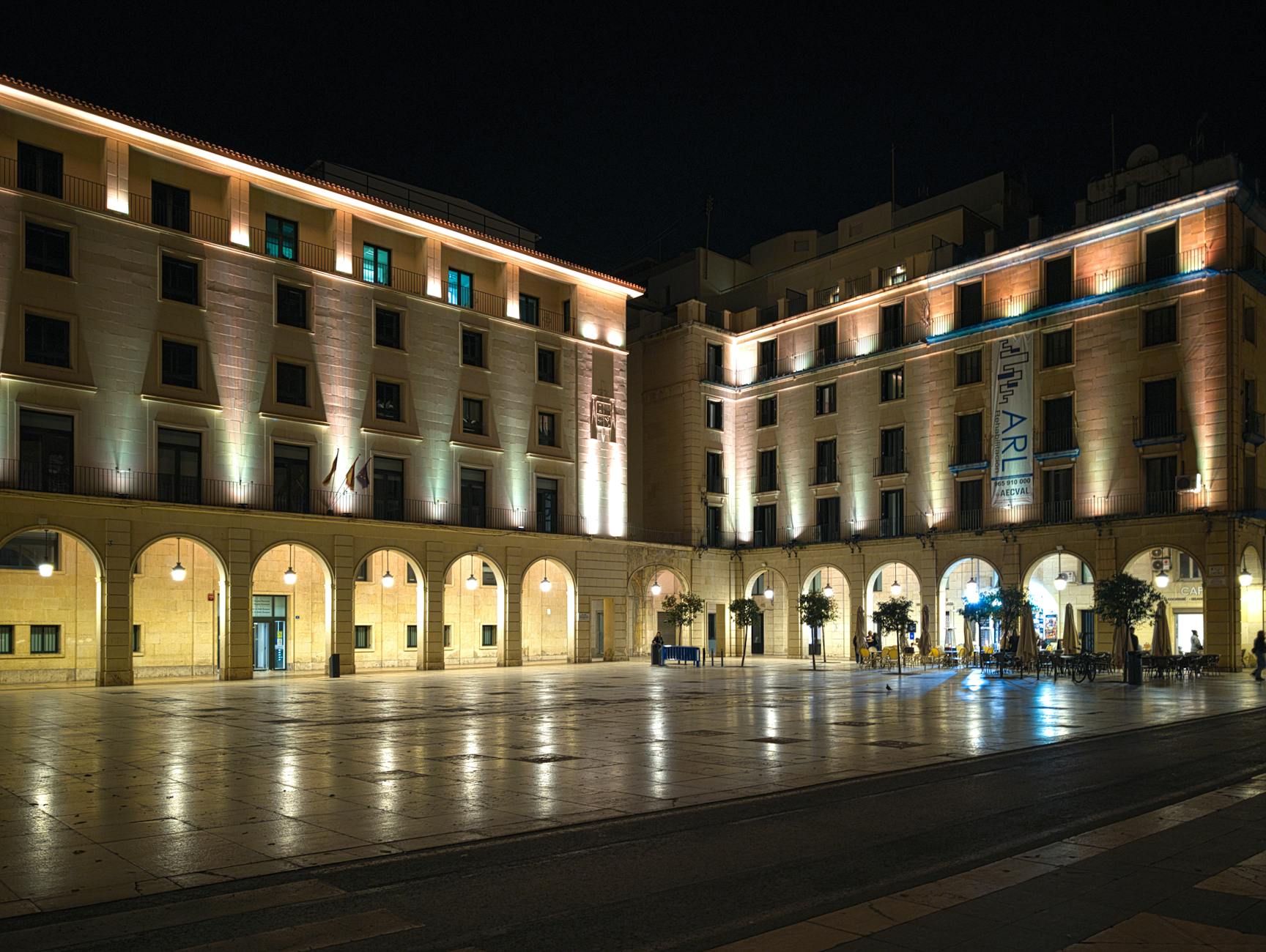
The ruins of this Jesuit mission in Paraguay, now a UNESCO World Heritage Site, are connected to the broader history of colonial exploitation, forced labor, and the eventual violent suppression of indigenous communities across South America. While the missions were established with stated religious aims, the system they created became entangled with forced displacement and the structural violence of colonial rule, culminating in the Jesuit expulsion of 1767 and the subsequent collapse of the communities they had built. The ruins themselves are extraordinarily well preserved, offering a remarkable window into the architectural ambition of the mission period. For visitors interested in crimes committed by institutions rather than individuals, the broader Jesuit Missions Circuit connects dozens of sites across Paraguay, Argentina, and Brazil. The site serves as a powerful reminder that criminal history is not confined to sensational individual acts but is often embedded in systems of power.
Bodmin Jail
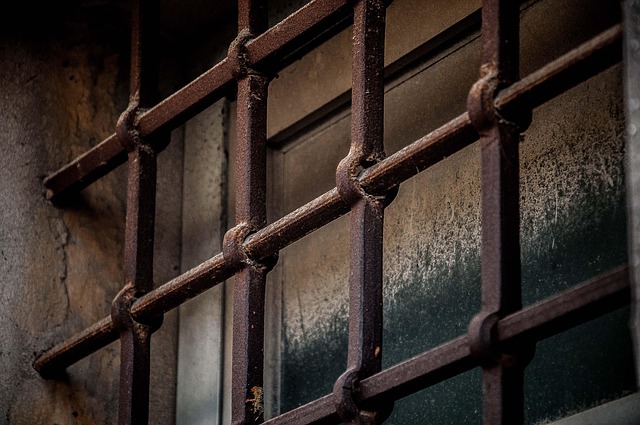
Bodmin Jail in Cornwall, England, is one of the best-preserved examples of Georgian prison architecture in Britain and the site of over fifty public executions. The jail was operational from 1779 to 1927 and housed a variety of prisoners, from local criminals to French and American prisoners of war captured during the Napoleonic and American Revolutionary wars respectively. The facility held the Domesday Book and Crown Jewels for safekeeping during the First World War, adding an unusual chapter to its already layered history. A major redevelopment project completed in recent years transformed the site into a heritage attraction with immersive exhibits, a hotel, and underground tours exploring the darkest corners of the facility. Its location on the edge of Bodmin Moor gives it an appropriately atmospheric backdrop for exploring stories of crime and punishment.
Dakota Building
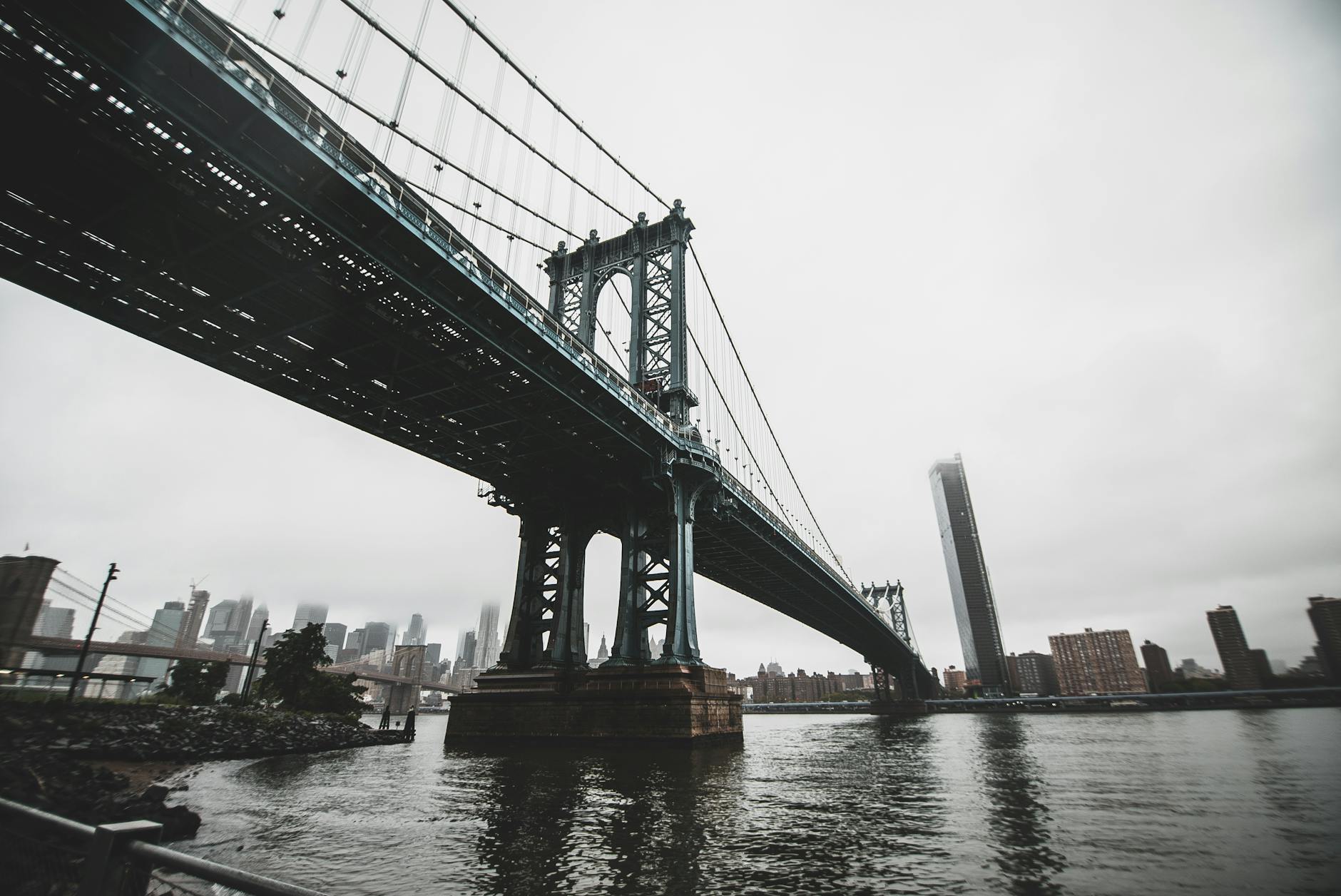
The Dakota Building on the Upper West Side of Manhattan is permanently associated with one of the most shocking celebrity murders in American history. On the evening of December 8, 1980, John Lennon was shot and killed outside the building’s entrance by Mark David Chapman, who had been waiting for him to return home. Chapman was arrested at the scene and later pleaded guilty to second-degree murder, receiving a sentence of twenty years to life. The archway where the shooting occurred still draws visitors from around the world, and Strawberry Fields, the memorial garden directly across the street in Central Park, serves as the primary site of remembrance. The building itself remains one of the most famous private residences in New York, and its dark history is inseparable from the story of its most famous former resident.
National Museum of Crime and Punishment
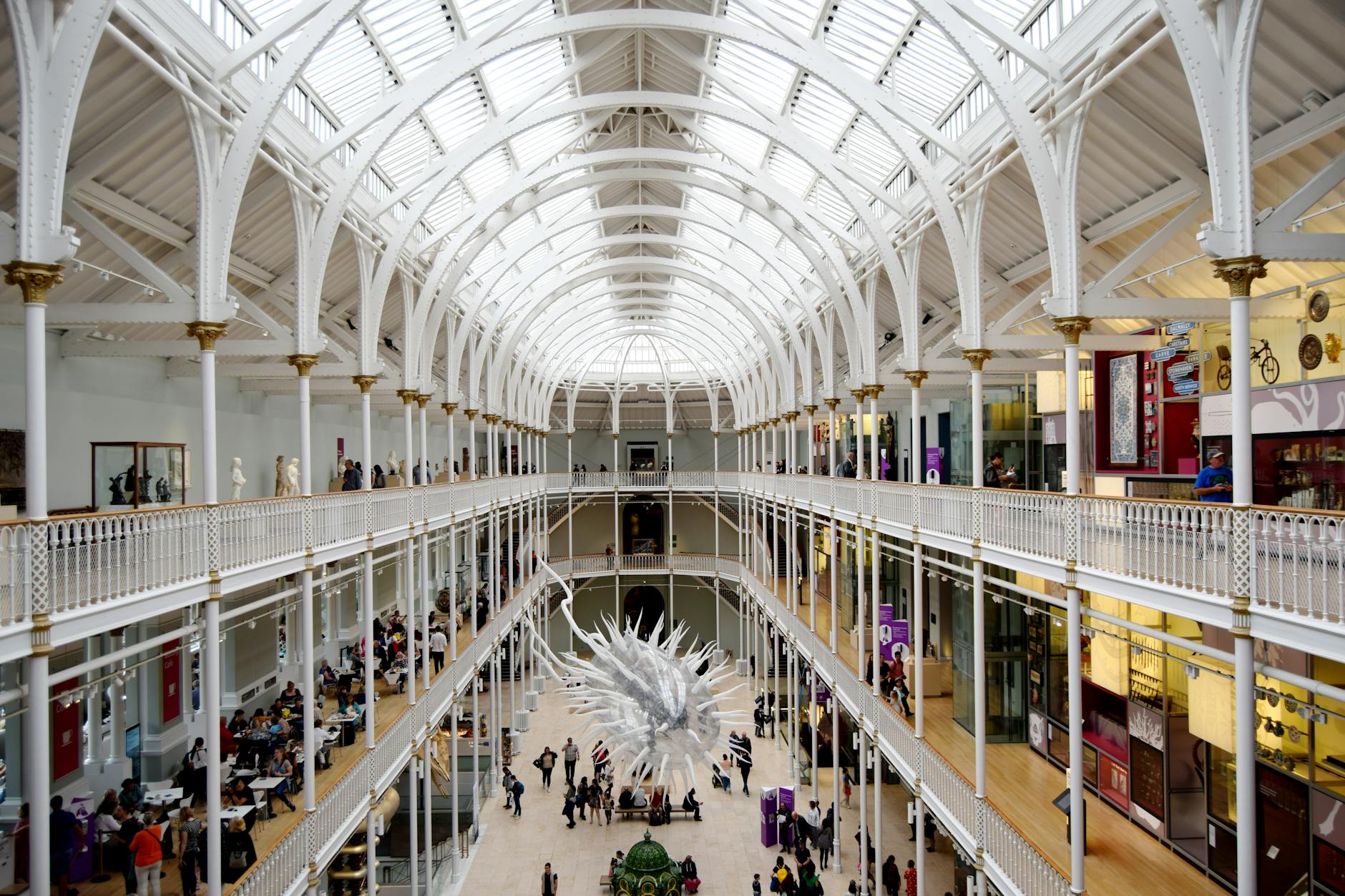
Located in Washington D.C., the National Museum of Crime and Punishment is one of the most comprehensive institutions dedicated to the history of American criminal justice. The museum’s exhibits cover everything from the history of serial killers and pirates to the evolution of forensic science and law enforcement technology. Interactive displays include a forensic laboratory, a CSI crime scene, and driving simulators used in police training, giving visitors a hands-on perspective on criminal investigation. Special exhibits have examined cases including the Zodiac Killer, Bonnie and Clyde, and the development of the FBI’s behavioral science unit. For true crime enthusiasts seeking a broad and well-curated introduction to American criminal history, the museum provides an ideal starting point.
Austurvöllur Square
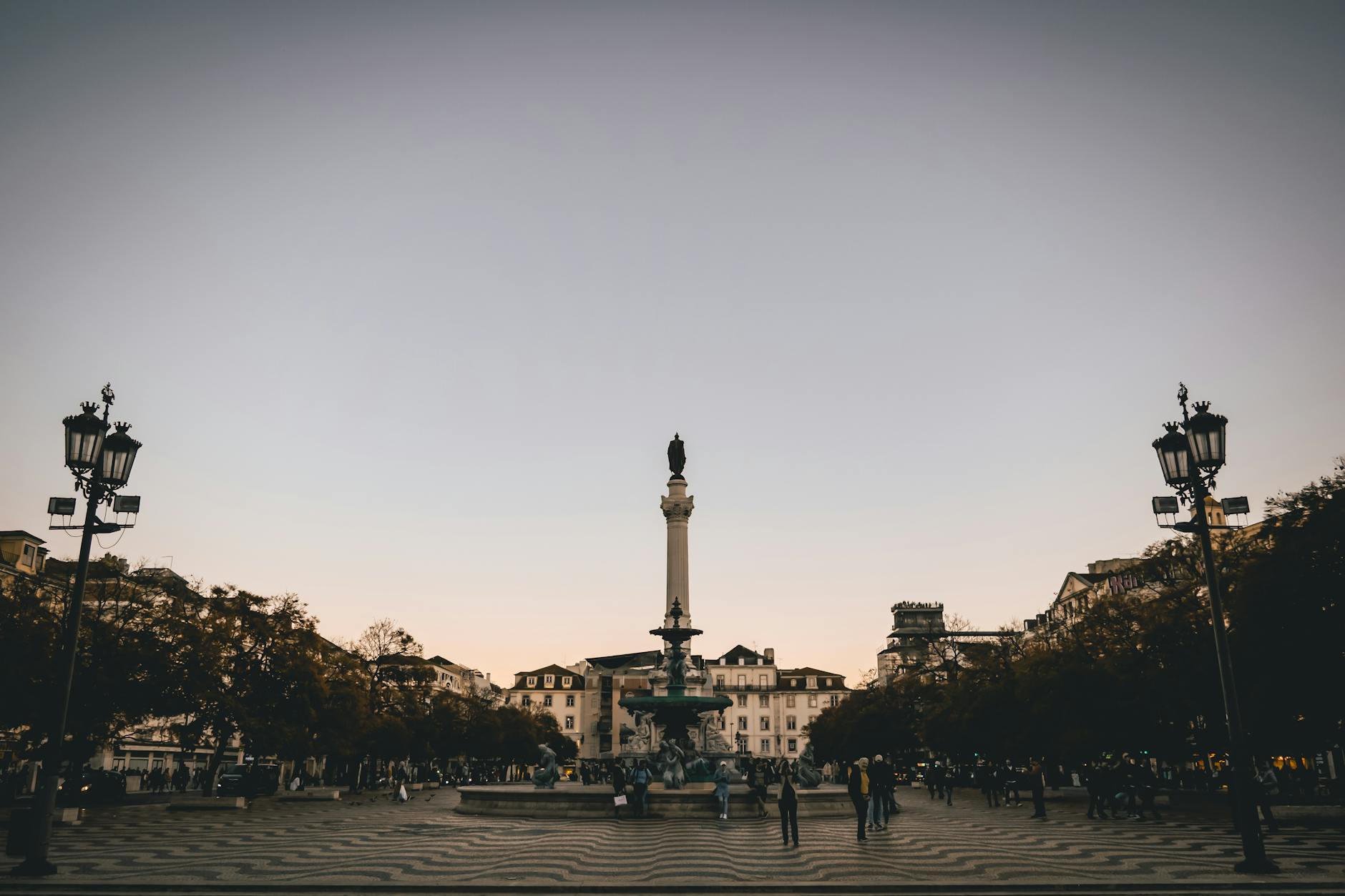
Austurvöllur Square in Reykjavik, Iceland, was the site of a murder that remains one of the most notorious criminal cases in Icelandic history, the killing of Gudmundur Einarsson in 1974. The case, known in Iceland as the Gudmundur and Geirfinnur case, led to the wrongful conviction of six individuals who spent years in prison before their convictions were eventually overturned following a review that identified severe flaws in the original investigation. The case drew international attention and inspired the Netflix documentary series “The Reykjavik Confessions,” which examined how false confessions were extracted under psychological pressure. Iceland’s small size meant the case affected the entire national community, and the exonerations have prompted significant reflection on the country’s justice system. The area around the square and the original investigation sites are part of guided true crime tours offered in the Icelandic capital.
Whitechapel Gallery
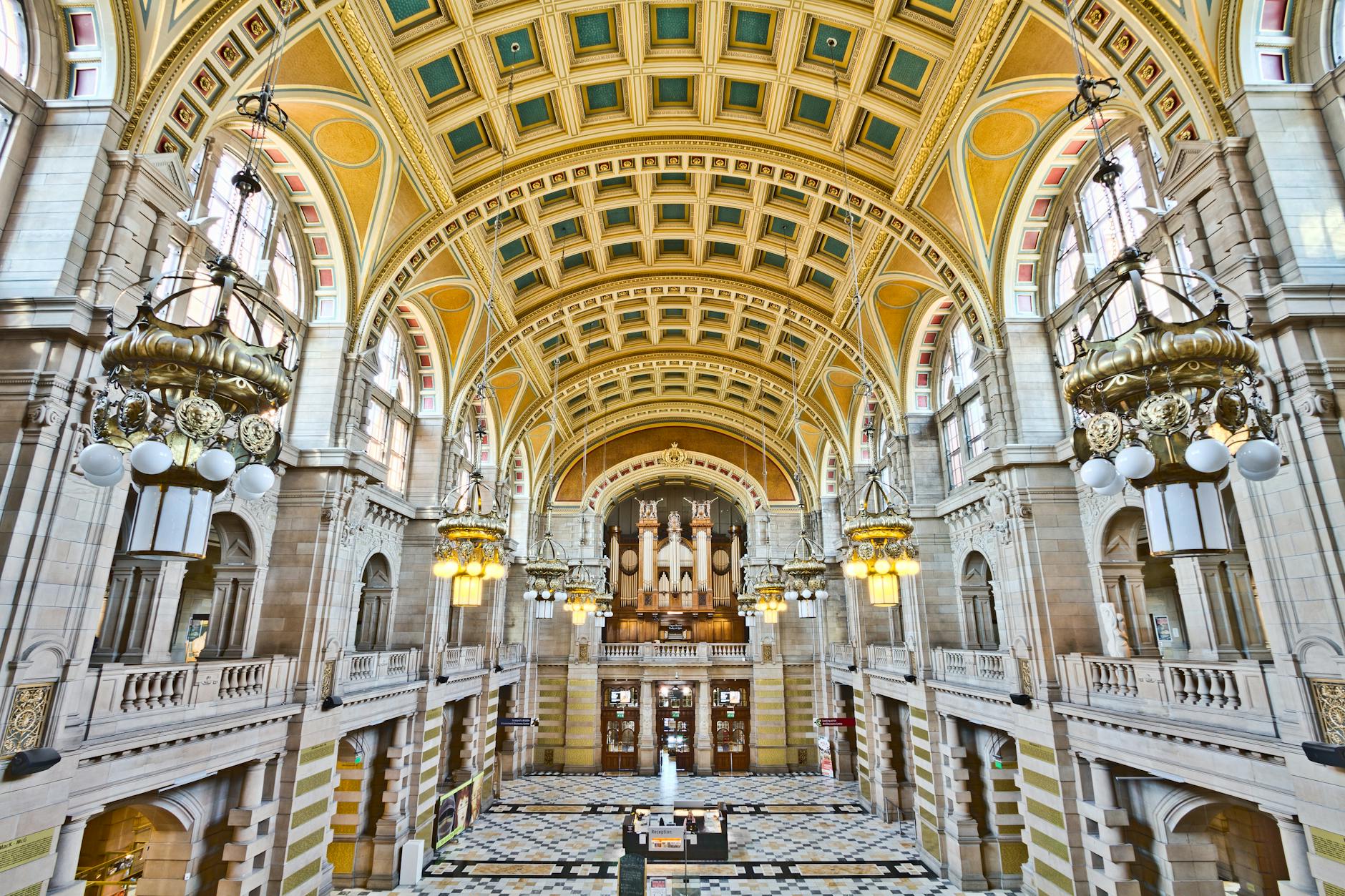
The Whitechapel Gallery in East London occupies a site at the heart of the district that became synonymous with poverty, crime, and the Jack the Ripper murders of 1888. While the gallery itself is an internationally respected art institution, it stands within walking distance of every major Ripper murder site and serves as an anchor for the area’s extensive true crime tourism infrastructure. The broader Whitechapel neighborhood retains much of its Victorian street layout, and dedicated walking tours weave through the alleyways and courtyards connected to the case. The Ten Bells pub on Commercial Street, frequented by several of the victims in the weeks before their deaths, has been carefully preserved and still operates as a working pub. For visitors wishing to understand both the historical geography of the case and the social conditions of Victorian London, Whitechapel remains the definitive destination.
Cherry Hill Prison
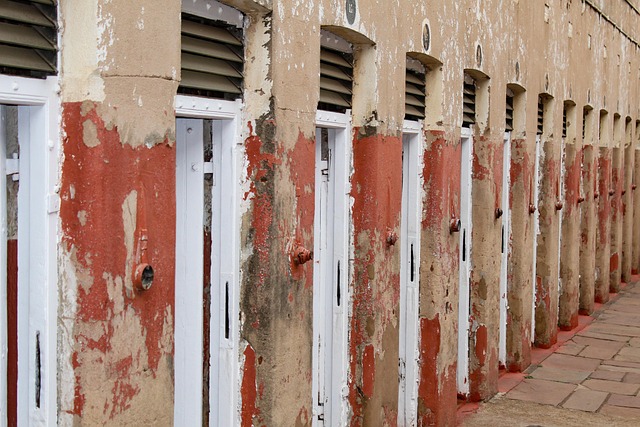
The Cherry Hill section of Philadelphia is home to the Eastern State Penitentiary, but the broader neighborhood is also associated with a layered history of urban crime, policing, and community trauma that spans the twentieth century. The neighborhood’s documented history intersects with the rise of organized crime in Philadelphia, the development of the city’s narcotics trade, and several high-profile law enforcement scandals. Local historians and walking tour operators have developed detailed routes through the area that contextualize individual crimes within the broader patterns of urban inequality and criminal justice policy. The experience of walking through a neighborhood shaped by generations of crime and policing offers a different kind of true crime education than a prison museum or crime scene tour. Philadelphia’s frankness about its own difficult history makes Cherry Hill a compelling stop for those who want more than a curated exhibit.
Père Lachaise Cemetery
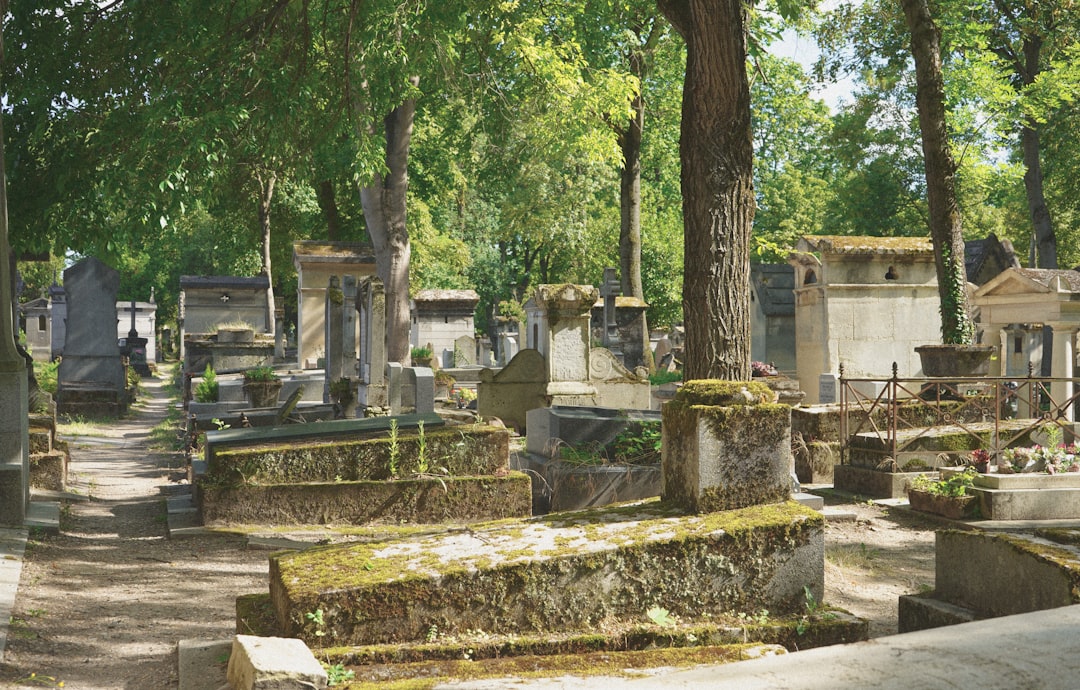
Père Lachaise in Paris is the city’s most famous cemetery and the burial place of several figures whose lives and deaths intersect with criminal history in significant ways. Edith Piaf, Oscar Wilde, and Jim Morrison are among its most visited graves, but the cemetery also holds the remains of figures associated with some of the most dramatic political violence in French history. The Mur des Fédérés, or the Federalists’ Wall, marks the spot where the final communards of the 1871 Paris Commune were executed by firing squad, one of the largest mass killings of political prisoners in modern French history. The cemetery’s extraordinary density of history, combined with its hauntingly beautiful landscape, gives it a resonance that extends well beyond its function as a burial ground. A guided tour focused on the criminal and political violence associated with the cemetery offers one of the most distinctive true crime experiences available in Europe.
Hannibal, Missouri
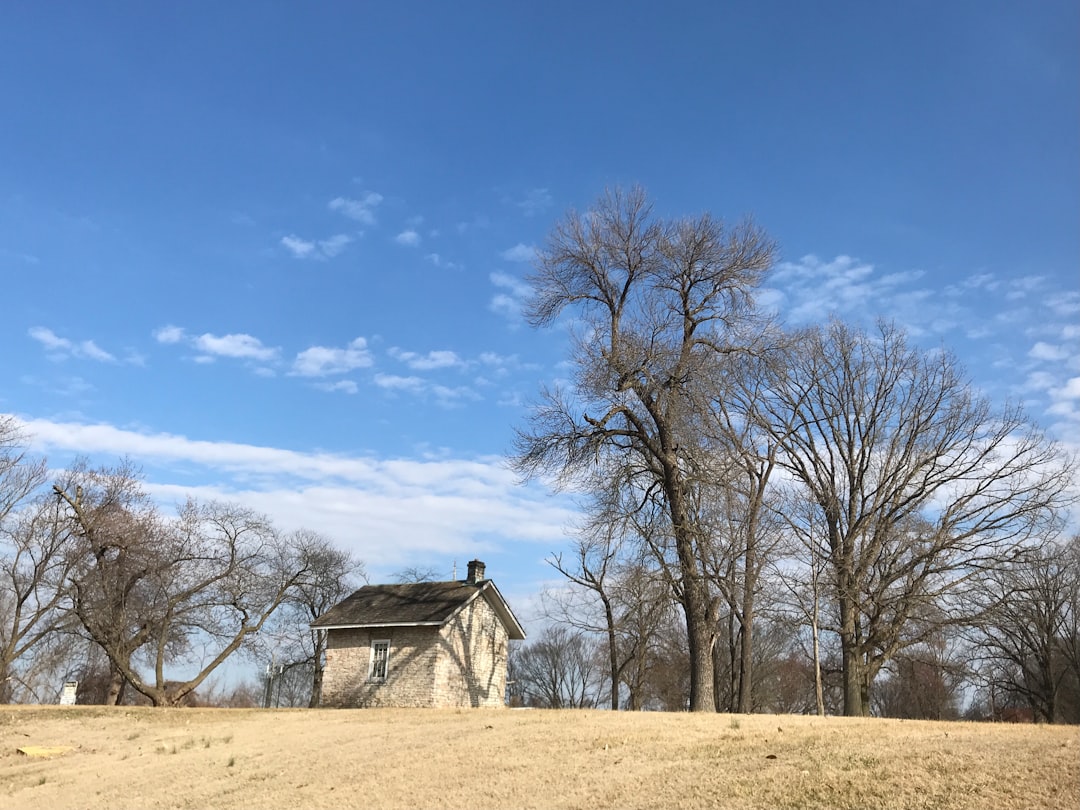
The town of Hannibal, Missouri, is known primarily as the birthplace of Mark Twain, but its nineteenth-century history is also bound up in a real criminal case that is believed to have inspired elements of “The Adventures of Tom Sawyer.” In 1874, a series of murders in the area drew on the same Gothic atmosphere of caves, rivers, and social tensions that Twain would later weave into his fiction. The Injun Joe Cave, now a tourist attraction, takes its name directly from Twain’s fictional villain and sits within the broader landscape of documented criminal history from the region’s frontier period. Historians of American crime have used Hannibal as a case study in the relationship between crime, storytelling, and mythology. Visitors who approach the town through a true crime lens discover a layered and fascinating intersection of literary history and documented violence.
Gilles de Rais Estate
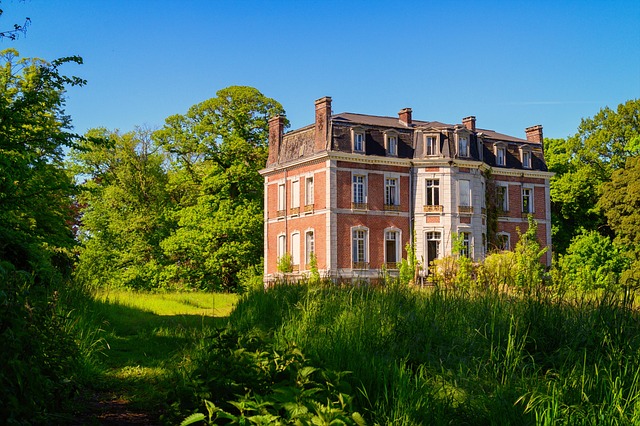
The Loire Valley of France holds the estates associated with Gilles de Rais, a fifteenth-century nobleman and former companion-in-arms of Joan of Arc who was tried and executed in 1440 for the abduction, torture, and murder of hundreds of children. The case is widely considered one of the earliest documented serial murder trials in European history, and de Rais’s fall from celebrated military hero to condemned criminal remains one of the most dramatic in medieval Europe. The ruins of the Château de Tiffauges in the Vendée region and the broader Loire Valley châteaux associated with de Rais attract visitors drawn to this extreme case of aristocratic crime. Some historians have questioned the fairness of the original trial, arguing that political and financial motivations may have influenced the proceedings. The combination of medieval architecture, documented atrocity, and unresolved historical debate makes this region a genuinely compelling destination for true crime historians.
Graceland Cemetery
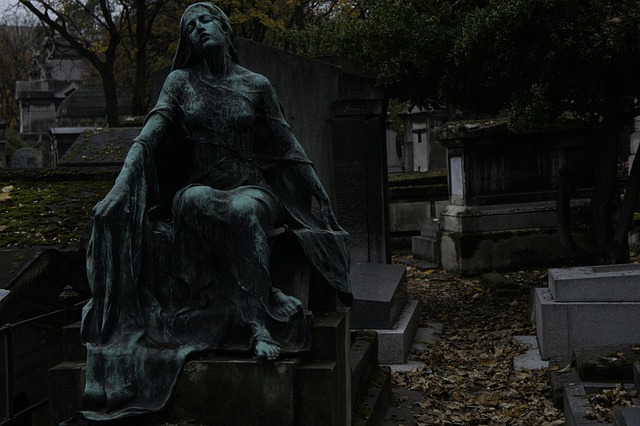
Graceland Cemetery in Chicago is a historic burial ground that serves as the final resting place of many figures connected to the city’s long and turbulent criminal history. Architect Louis Sullivan is buried here, but so are industrialists and politicians whose careers intersected with corruption, organized crime, and the violent history of Gilded Age Chicago. The cemetery’s landscape design is considered among the finest in North America, and its monuments serve as a record of the ambitions and moral compromises of the city’s elite over two centuries. Chicago has one of the most extensively documented criminal histories of any American city, encompassing the Prohibition-era mob, political assassinations, and the systemic violence associated with decades of gang activity. A visit to Graceland in the context of a broader Chicago true crime tour adds a reflective and historically grounded dimension to the experience.
If you’re passionate about true crime history and have visited any of these remarkable locations, share your experience in the comments.




