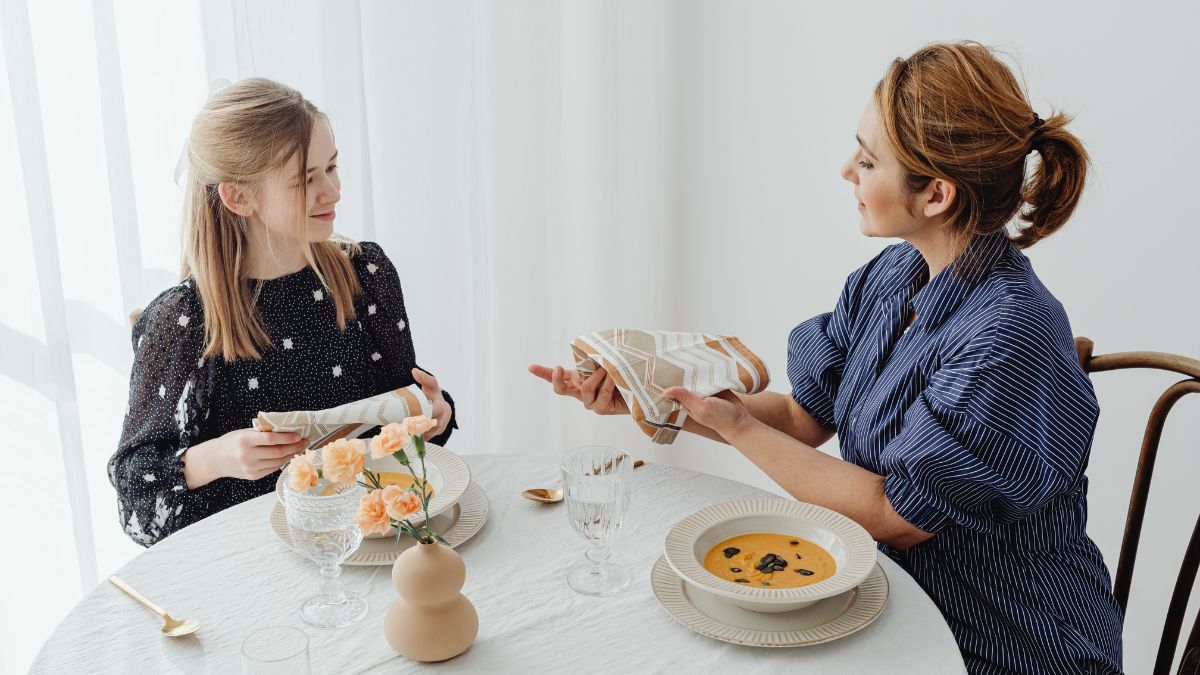
There was a time when common courtesy was simply part of daily life, woven into every interaction from morning greetings to evening farewells. Many of the etiquette rules practiced by previous generations have quietly faded from modern culture, often replaced by the convenience of technology or the rush of busy schedules. But manners are never truly out of style, and revisiting these timeless social customs can improve relationships, build trust, and create a more considerate world. From handwritten notes to the art of a proper introduction, these forgotten practices deserve a place in contemporary life.
Handwritten Letters
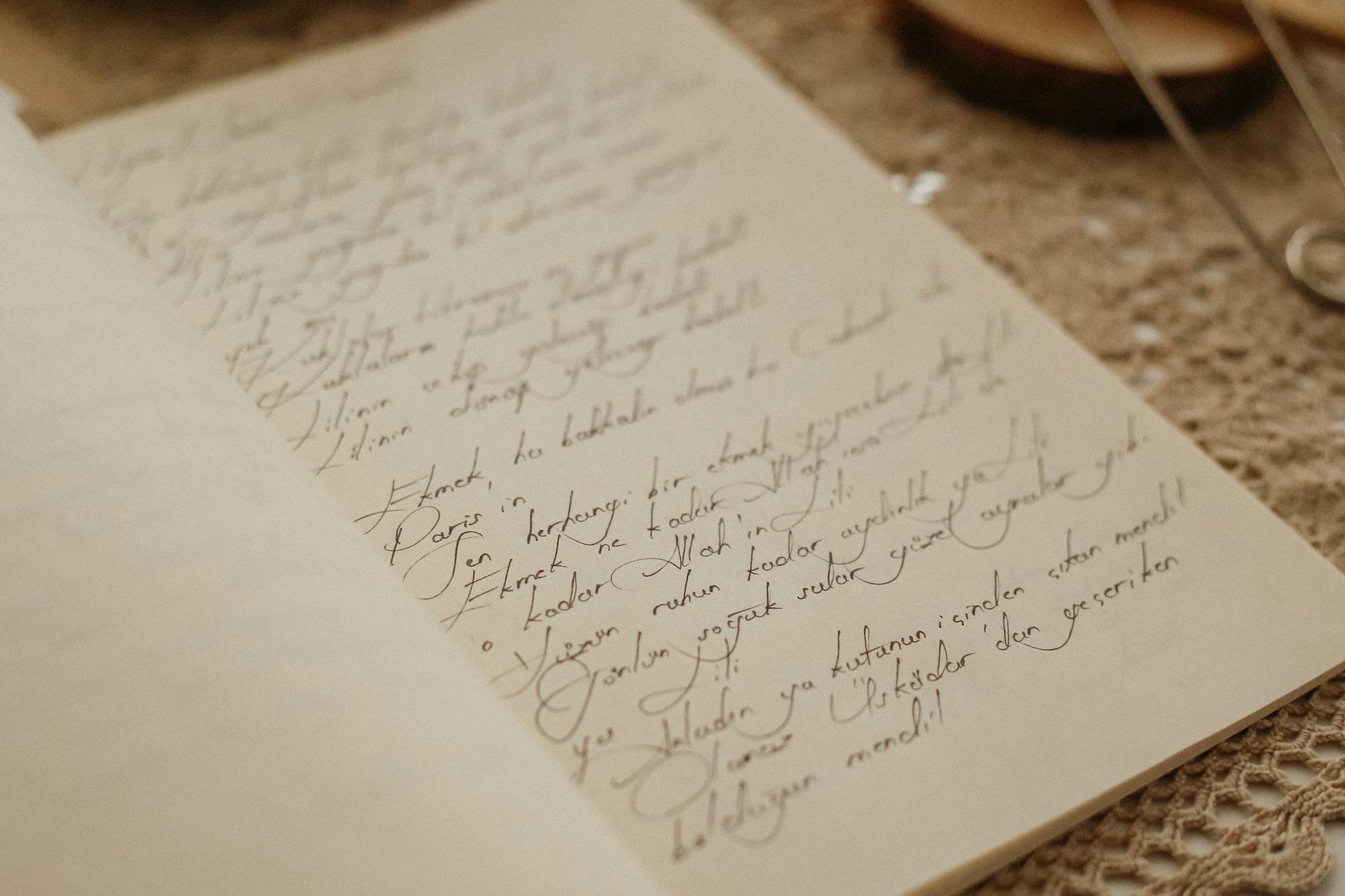
Sending a handwritten letter carries a weight and warmth that no email or text message can replicate. The act of putting pen to paper shows deliberate thought and genuine effort on behalf of the sender. Handwritten correspondence was once considered the most personal form of communication between friends, family members, and colleagues. Receiving a physical letter in the mail creates a memorable experience in an age of overflowing digital inboxes. Even a short note of gratitude or congratulations means far more when written by hand.
RSVP Etiquette
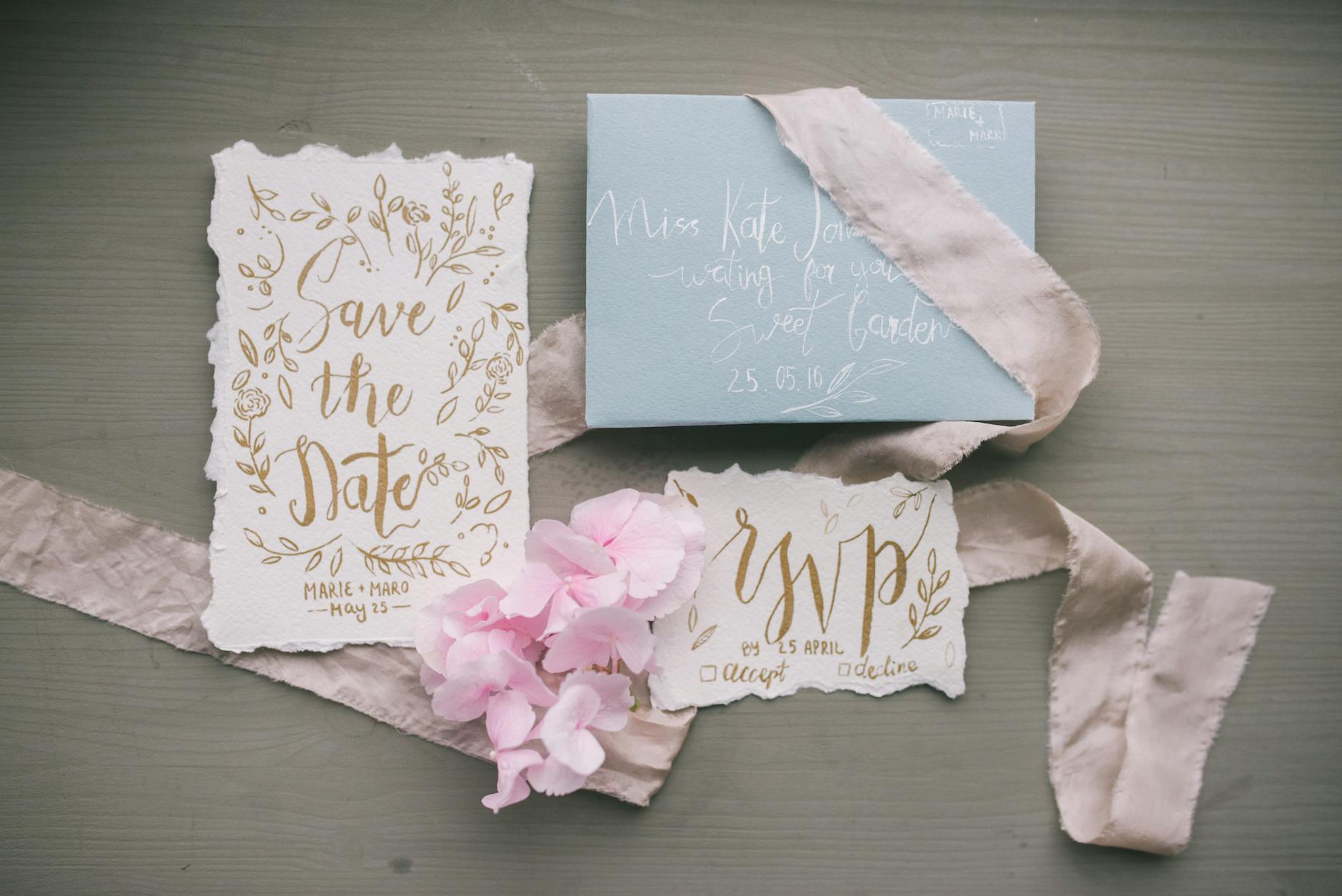
Responding to an invitation promptly and honestly was once considered a basic social obligation. Hosts rely on accurate headcounts to plan food, seating, and logistics for any gathering large or small. Failing to reply or canceling at the last minute creates unnecessary inconvenience and signals a lack of respect for the host’s effort. A simple and timely response, whether accepting or declining, demonstrates reliability and consideration. Reviving this practice would make event planning far less stressful for everyone involved.
Thank You Notes
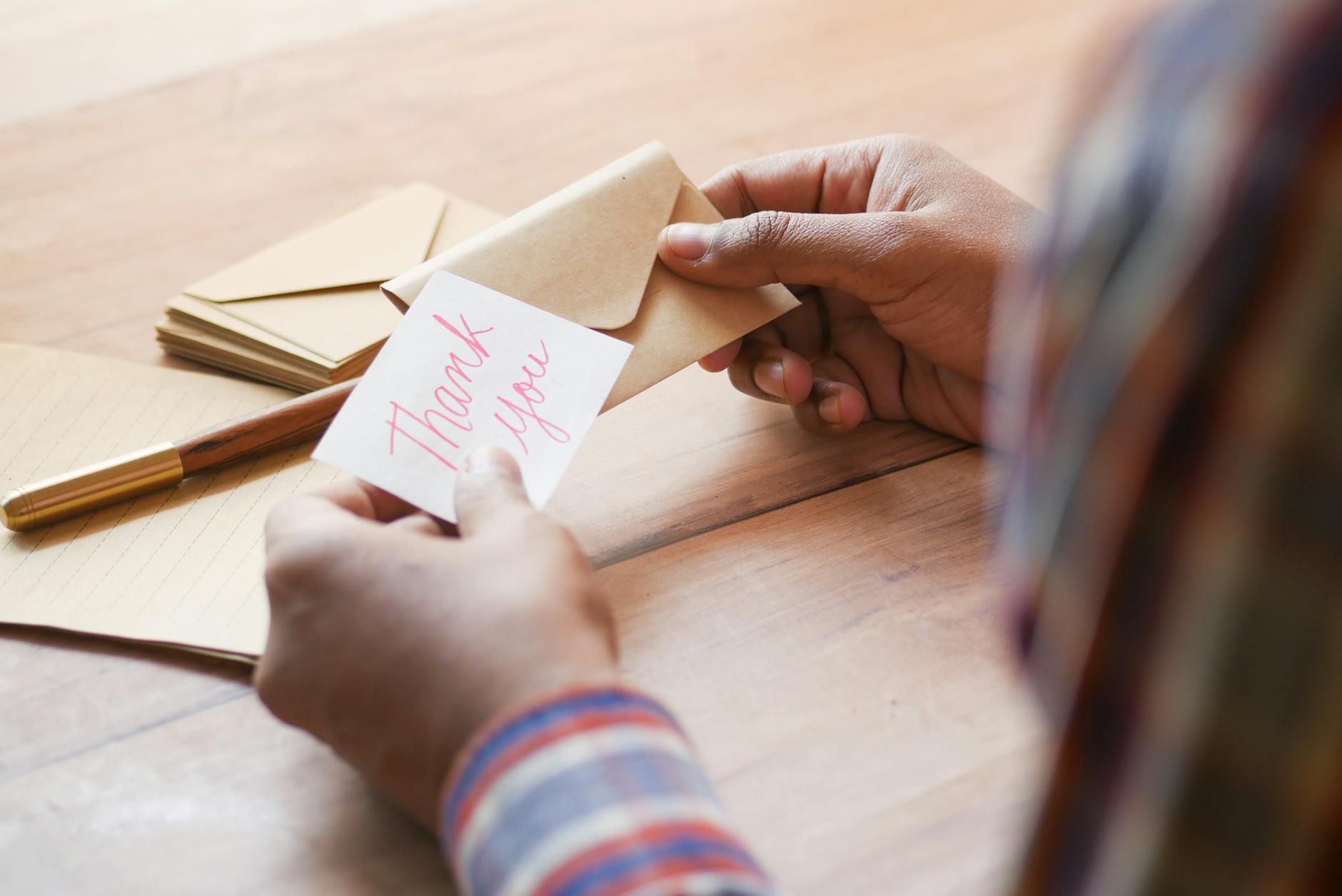
A written thank you note sent after receiving a gift or attending a dinner was once a non-negotiable social expectation. It acknowledges the time, effort, or expense another person invested on your behalf. The gesture communicates genuine appreciation in a lasting and tangible way that a verbal thank you or emoji reaction simply cannot match. Thank you notes were traditionally sent within a few days of the occasion to ensure the sentiment felt fresh and sincere. Bringing this custom back would cultivate deeper gratitude and strengthen personal connections.
Formal Introductions

Introducing people to one another with full names and a brief context was a cornerstone of polite social interaction. Rather than allowing awkward silences or vague mutual nods, a proper introduction gives both parties a starting point for conversation. The traditional format included first and last names along with a simple connection between the two individuals being introduced. This small gesture signals social awareness and makes guests feel acknowledged and valued in any setting. Reviving formal introductions at gatherings would dramatically improve the quality of first impressions.
Table Manners
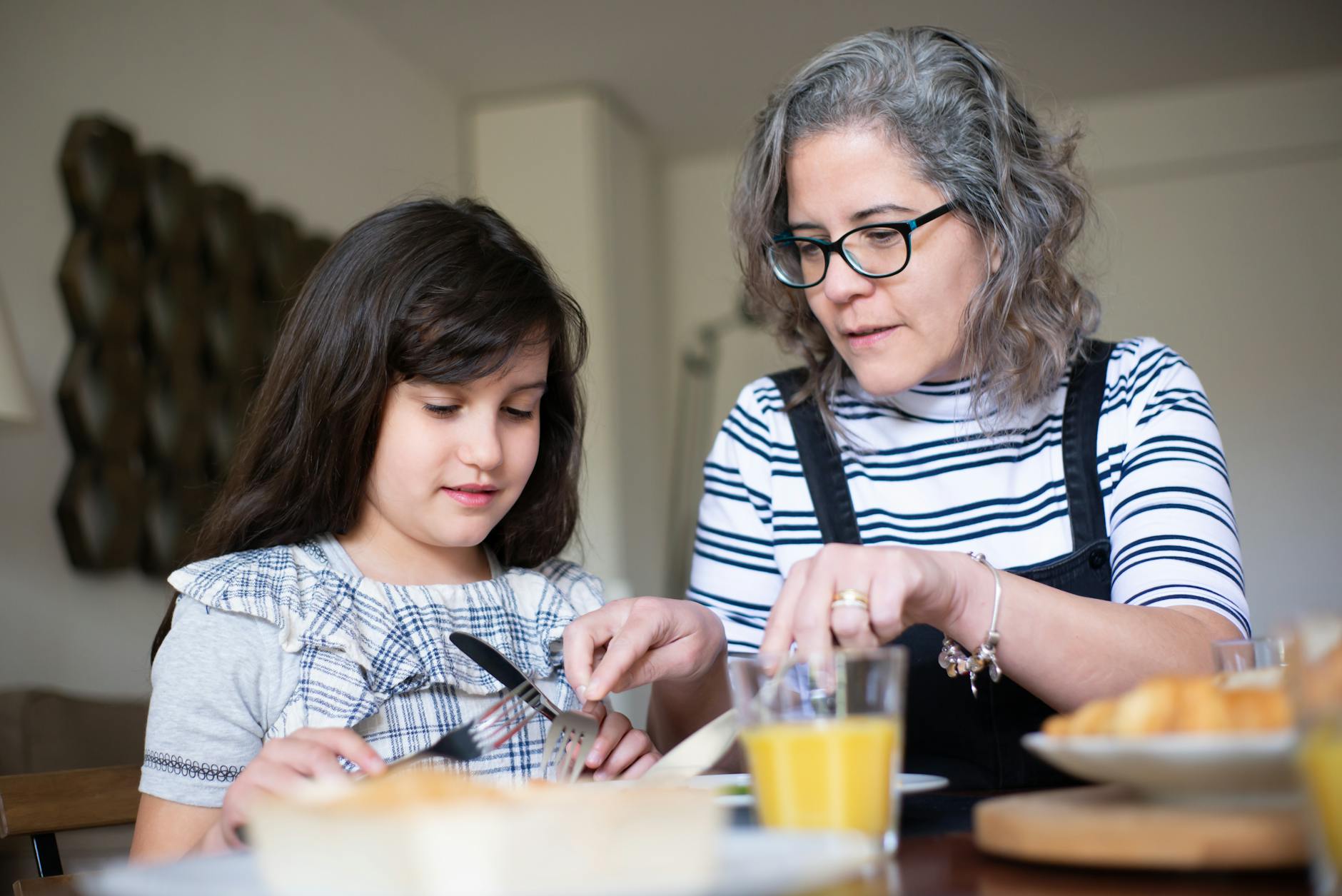
Proper table manners were once taught from childhood and considered a reflection of upbringing and character. Keeping elbows off the table, chewing with a closed mouth, and waiting for all guests to be served before eating are all habits that demonstrate respect for dining companions. These conventions create a shared sense of order and civility during meals shared with others. Placing devices away during dinner is the modern extension of this same principle of undivided attention and courtesy. Mindful table behavior transforms an ordinary meal into a genuinely communal experience.
Door Holding

Holding a door open for the person behind you was once an automatic and universal gesture of consideration. It requires only a moment of attention but communicates awareness of and respect for others sharing your space. The practice applies equally to all people regardless of age, gender, or physical ability and reflects a fundamental sense of community. In busy urban environments where strangers pass one another constantly, this small act can serve as a meaningful moment of human connection. Reestablishing door holding as a default behavior would cost nothing and offer a great deal in return.
Standing Greetings

Rising from a seated position when greeting someone who enters the room was historically a sign of honor and acknowledgment. It communicates that the arriving person is worthy of your full attention and physical presence. The practice was especially common in professional settings, formal gatherings, and when meeting someone for the first time. Standing to greet someone signals engagement and signals that the interaction matters to you. Bringing this custom back into business and social settings would elevate the quality of first encounters considerably.
Punctuality

Arriving on time to appointments, dinners, and engagements was once treated as a matter of personal integrity. Being punctual shows that you value the other person’s time at least as much as your own. Habitual lateness was historically viewed not merely as inconvenient but as a reflection of disorganization or indifference. In professional contexts, timekeeping was considered one of the most basic and observable measures of reliability. A renewed cultural commitment to punctuality would reduce frustration and build trust across personal and professional relationships alike.
Phone Etiquette

Excusing yourself before taking a phone call in the presence of others was a widely observed rule of polite behavior. Conversations were not considered more important than the person physically present with you at the time. The tradition of stepping away from the table or the room to handle a call honored the attention owed to companions. Keeping calls brief in public spaces and speaking at a considerate volume were equally important expectations. Restoring these habits would go a long way toward reducing the social friction created by constant digital interruption.
Sympathy Calls

Reaching out personally to someone experiencing grief or hardship through a phone call or visit was once a fundamental act of community support. A brief and heartfelt message of condolence delivered in your own voice carries far more comfort than a comment or reaction left on a social media post. The tradition acknowledged that human connection during difficult moments requires more than passive acknowledgment. Simply saying that you are thinking of someone and asking how they are doing can provide meaningful emotional relief. Reviving the habit of the personal sympathy call would strengthen the bonds of friendship and family during the moments that matter most.
Correspondence Cards

Keeping a small supply of personal correspondence cards for quick written messages was once a hallmark of social preparedness. These cards were used to send brief notes for any number of occasions including congratulations, condolences, thinking of you gestures, and invitations. The cards often featured a person’s name or monogram and were considered a refined extension of one’s personal identity. Sending a simple correspondence card required thought and intention in a way that a digital message rarely demands. Incorporating this practice into modern life adds a layer of elegance and sincerity to personal communication.
Dress Codes
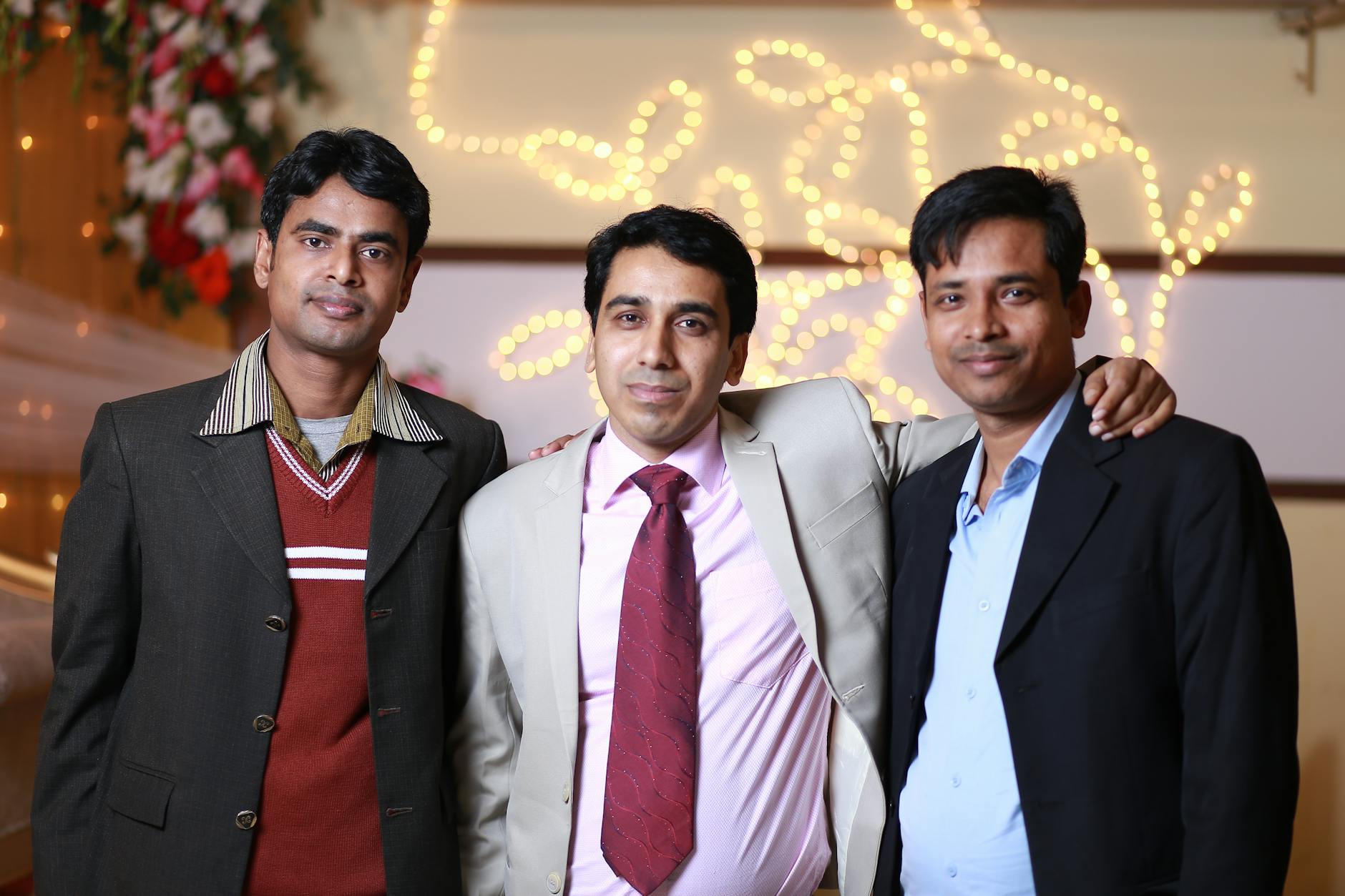
Dressing appropriately for the occasion was once understood as a form of respect toward the host and other attendees. Different events called for different levels of formality and arriving dressed accordingly communicated awareness and effort. The tradition was not about vanity but about honoring the occasion and the people sharing it with you. Whether attending a wedding, a dinner party, or a religious service, thoughtful attire signals that you take the gathering seriously. Revisiting the habit of intentional dressing would restore a sense of occasion and mutual respect to shared social events.
Hosting Gifts

Bringing a small gift when invited to someone’s home for a meal or gathering was once considered an essential social courtesy. Wine, flowers, chocolates, or a specialty food item were common offerings that acknowledged the host’s effort and generosity. The gesture did not need to be extravagant but it did need to be thoughtful and presented upon arrival. Arriving empty handed was historically viewed as an oversight in social grace regardless of how well you knew the host. Reviving the hosting gift tradition is a simple and meaningful way to express gratitude for an invitation.
Eye Contact

Maintaining comfortable and steady eye contact during conversation was once considered a basic mark of respect and attentiveness. Looking away repeatedly or glancing at a screen while someone speaks communicates disinterest and disrespect. The tradition emphasized that the person speaking to you deserves your full and present attention during the exchange. Eye contact also builds trust and signals confidence in both personal and professional interactions. In an age of constant screen distraction, restoring this practice to everyday conversation would transform the depth and quality of communication.
Apology Etiquette

Offering a genuine and direct apology when you have caused inconvenience, hurt, or offense was once treated as a matter of personal honor. A proper apology involved acknowledging the specific action, accepting responsibility, and expressing sincere regret without deflection or excuses. The tradition recognized that relationships require accountability and that repairing harm is a fundamental social obligation. Vague non-apologies that shift blame or minimize impact were considered socially unacceptable in most circles. Returning to the practice of clear and honest apology would do a great deal to repair and deepen trust in relationships of all kinds.
Listening Etiquette

Allowing someone to finish speaking without interrupting was once an ironclad rule of respectful conversation. Interrupting was considered a sign of poor upbringing and a failure to value the thoughts of the other person. Attentive listening meant not only staying quiet but also resisting the urge to formulate your response while the other person was still mid-sentence. The tradition positioned listening as an active and generous act rather than a passive pause. Reviving this discipline would dramatically improve the quality of both personal and professional dialogue.
Quiet Hours

Respecting designated quiet hours in shared living spaces and neighborhoods was once a widely observed social norm. Playing music loudly, entertaining guests at late hours, or conducting noisy activities during designated rest times was considered a significant breach of community etiquette. The tradition acknowledged that shared environments require mutual restraint and consideration for those around you. Neighbors were expected to communicate openly and respectfully if disruptions occurred rather than resorting to passive resentment. Restoring a culture of quiet hour awareness would greatly improve the harmony of urban and suburban communities.
Letter Salutations

Opening personal correspondence with a proper salutation and closing with a polite sign-off was a standard expectation in written communication. Addressing the recipient by name and using appropriate titles where relevant demonstrated respect and formality. Closings such as warm regards, sincerely, or yours truly were not considered overly formal but simply courteous and complete. The structure of a proper letter communicated that the writer took both the recipient and the message seriously. Returning these conventions to professional and personal correspondence would restore a tone of intentionality and warmth to written exchange.
Waiting in Line
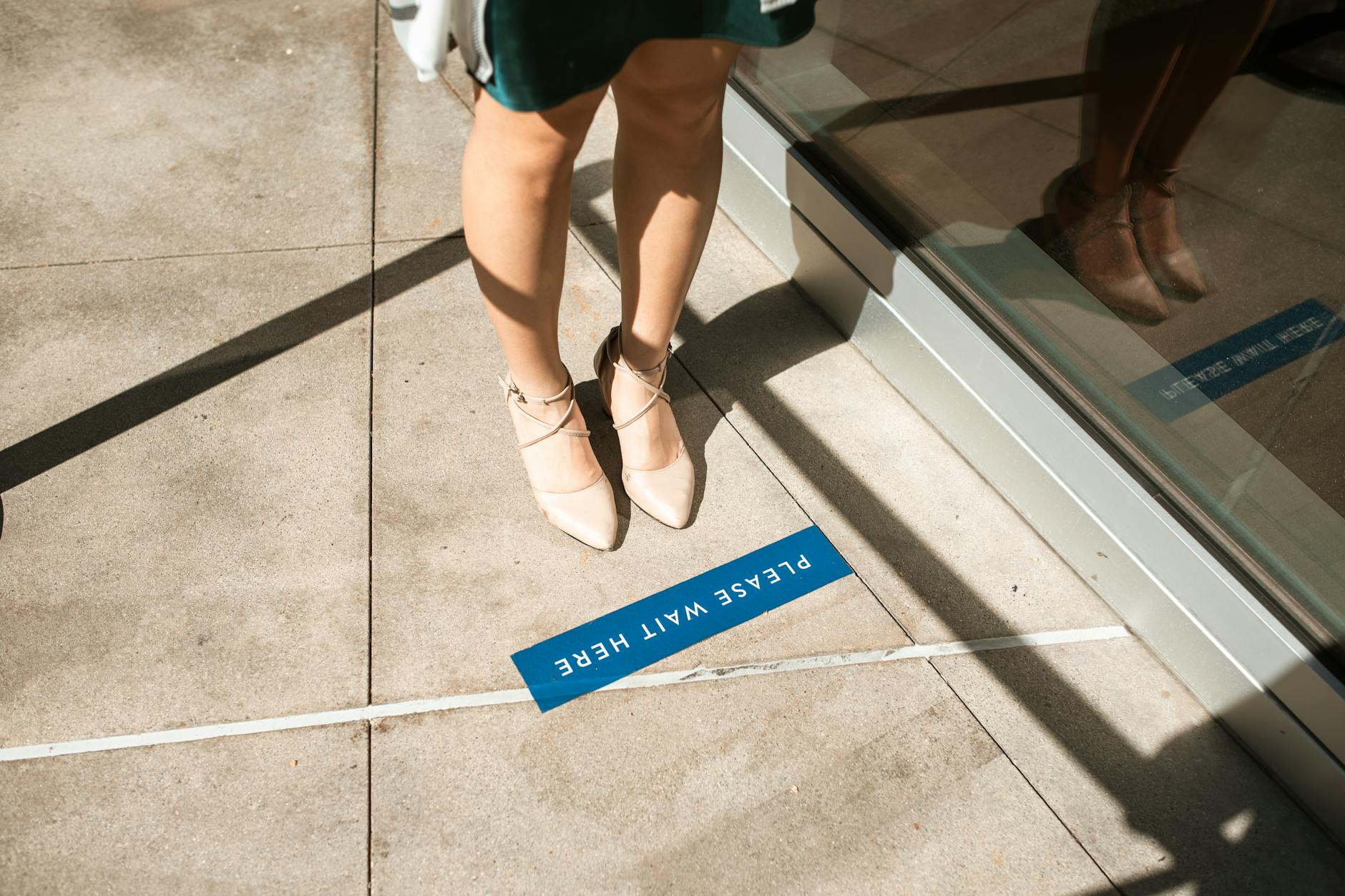
Patiently and orderly waiting in queues without pushing ahead, hovering too closely, or loudly expressing impatience was once a near-universal social expectation. Queue etiquette recognized that everyone’s time is equally valuable and that fairness requires cooperative behavior in shared public spaces. Cutting in line or aggressively claiming spots was historically treated as a serious breach of public decorum. Acknowledging and respecting the invisible social contract of the queue demonstrates civic-mindedness and basic courtesy. Reviving genuine patience and orderliness in public lines would reduce tension and improve the communal experience considerably.
Compliment Acceptance

Accepting a compliment gracefully by saying thank you rather than deflecting or immediately returning one was once taught as a social skill in its own right. Dismissing a compliment was considered impolite because it implied the giver had poor judgment. The tradition encouraged a simple and warm acknowledgment that honored both the giver’s observation and your own self-assurance. Accepting praise with ease also makes the interaction feel more natural and complete for both parties involved. Bringing back this lost art would make everyday compliments more meaningful and socially satisfying.
Phone Announcements

Informing those present when you needed to take a call or check a message was once considered a minimum courtesy in social settings. Simply picking up your phone without a word of acknowledgment was viewed as dismissive and inconsiderate of the people around you. The brief announcement signaled awareness that your attention was temporarily shifting and that you valued the company you were in. Keeping the interruption as short as possible and returning your full focus to those present was equally expected. Reintroducing this small announcement habit would restore a sense of social awareness to device use in shared spaces.
Condolence Visits

Visiting someone in person after a loss or difficult life event was once a deeply important expression of communal support and human solidarity. Bringing food, sitting in quiet company, or simply showing up demonstrated a level of care that digital messages cannot approximate. The tradition recognized that presence is one of the most profound gifts one person can offer another during times of grief. Condolence visits required no eloquent words or solutions but simply a willingness to share in another’s difficulty. Returning to this practice would restore depth and meaning to the way communities care for one another through hardship.
Formal Farewells

Taking proper leave of a host or group before departing rather than simply slipping out unannounced was once considered an essential courtesy. The farewell acknowledged the gathering and expressed gratitude directly to the people who organized or attended it. Leaving without saying goodbye was viewed as abrupt and dismissive regardless of the size or formality of the event. A brief and warm farewell allowed the host to feel appreciated and the interaction to end on a complete and positive note. Reviving the formal farewell as a default social habit would restore closure and courtesy to every shared occasion.
Visiting Cards

Leaving a small personal or professional card when calling on someone who was not available to receive you was once a refined and practical social convention. The card communicated your name, affiliation, and the implicit message that you had made the effort to visit in person. It allowed the recipient to follow up at their convenience while honoring the intention behind the original call. In professional circles, the visiting card also served as a marker of personal presentation and attention to detail. Bringing back the thoughtful use of personal cards in both social and business contexts would add elegance and intention to first impressions.
Gracious Disagreement

Disagreeing with someone’s opinion without dismissiveness, mockery, or raised voices was once treated as one of the highest markers of social intelligence. The tradition held that it was entirely possible to hold opposing views while still treating the other person with dignity and genuine respect. Phrases that acknowledged the other perspective before offering an alternative were considered the mark of a thoughtful and confident communicator. Public disputes conducted without grace were historically viewed as embarrassing to all parties involved. Reviving the art of gracious disagreement would transform modern discourse at every level from dinner tables to public debate.
Meal Waiting
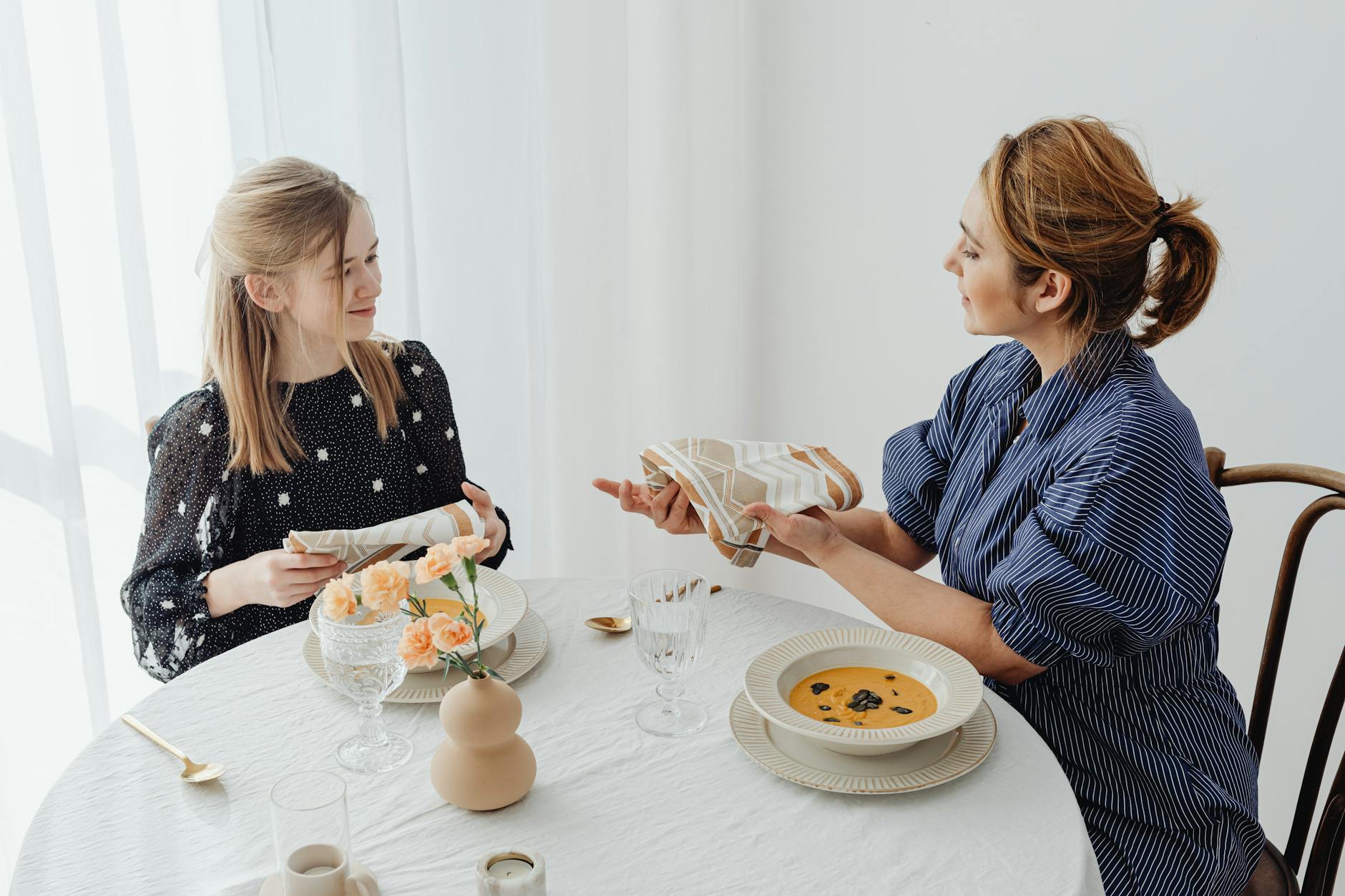
Waiting for all guests at the table to be served before beginning to eat was once one of the most fundamental rules of shared dining. The practice ensured that no one felt rushed or excluded and that the meal began as a unified and communal experience. It was especially important when dining as a guest in someone’s home or at a formal event where the host set the tone. The rule applied whether the gathering involved two people or twenty and required only a brief moment of patience and awareness. Returning this simple habit to everyday meals would restore a sense of togetherness and consideration to the shared table.
Which of these etiquette rules do you think deserves the strongest comeback? Share your thoughts in the comments.




