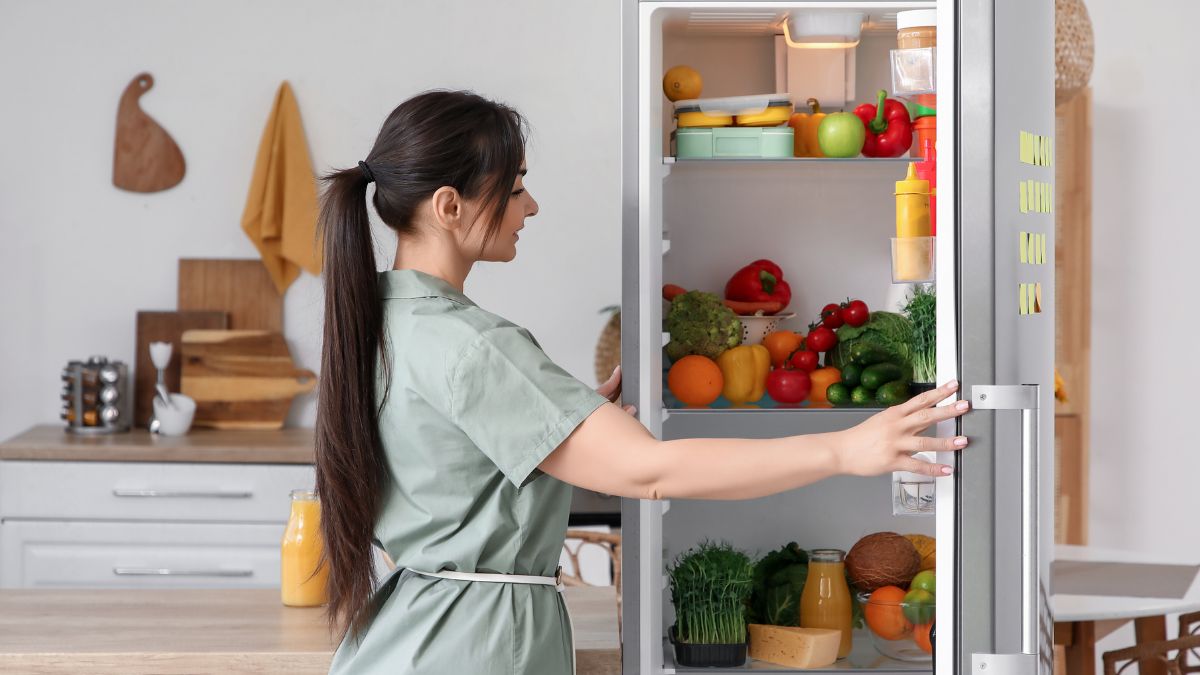
Refrigerator space is precious, and it turns out many people are filling it with items that not only survive perfectly well at room temperature but actually taste better and last longer when stored elsewhere. The cold, humid environment of a fridge can alter textures, dull flavors, and even speed up spoilage for certain foods. Knowing what belongs in the pantry instead is one of the simplest kitchen upgrades you can make. These 20 everyday staples have been chilling unnecessarily, and it is time to set them free.
Whole Bread
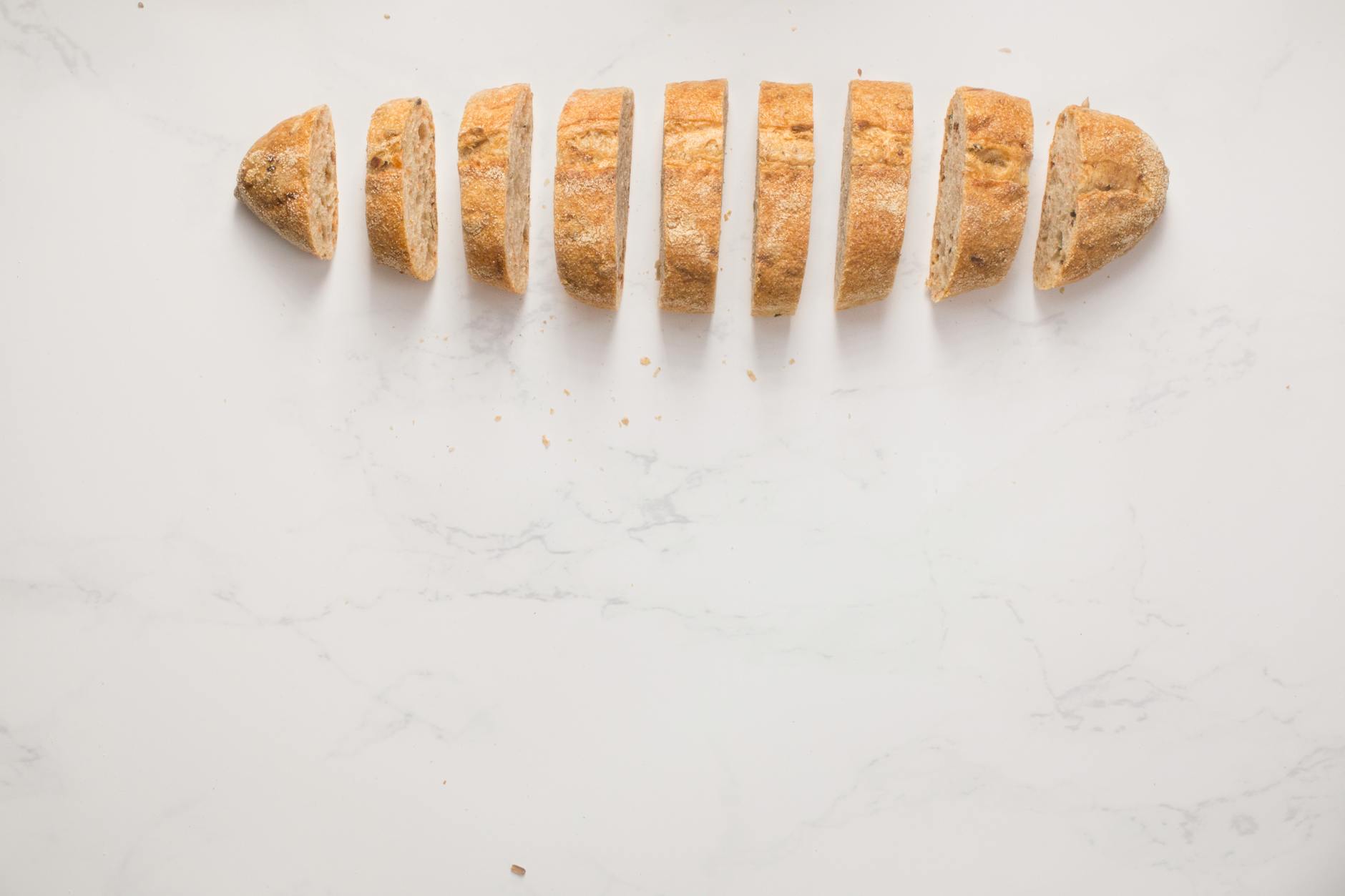
Bread stored in the refrigerator tends to dry out and go stale far faster than bread kept at room temperature. The cold environment causes the starch molecules to recrystallize, resulting in a tough, chewy texture that most people find unpleasant. A bread box or a paper bag on the counter will keep a loaf fresh for several days without compromising its soft crumb. If you need longer storage, the freezer is actually a far better option than the fridge.
Hot Sauce
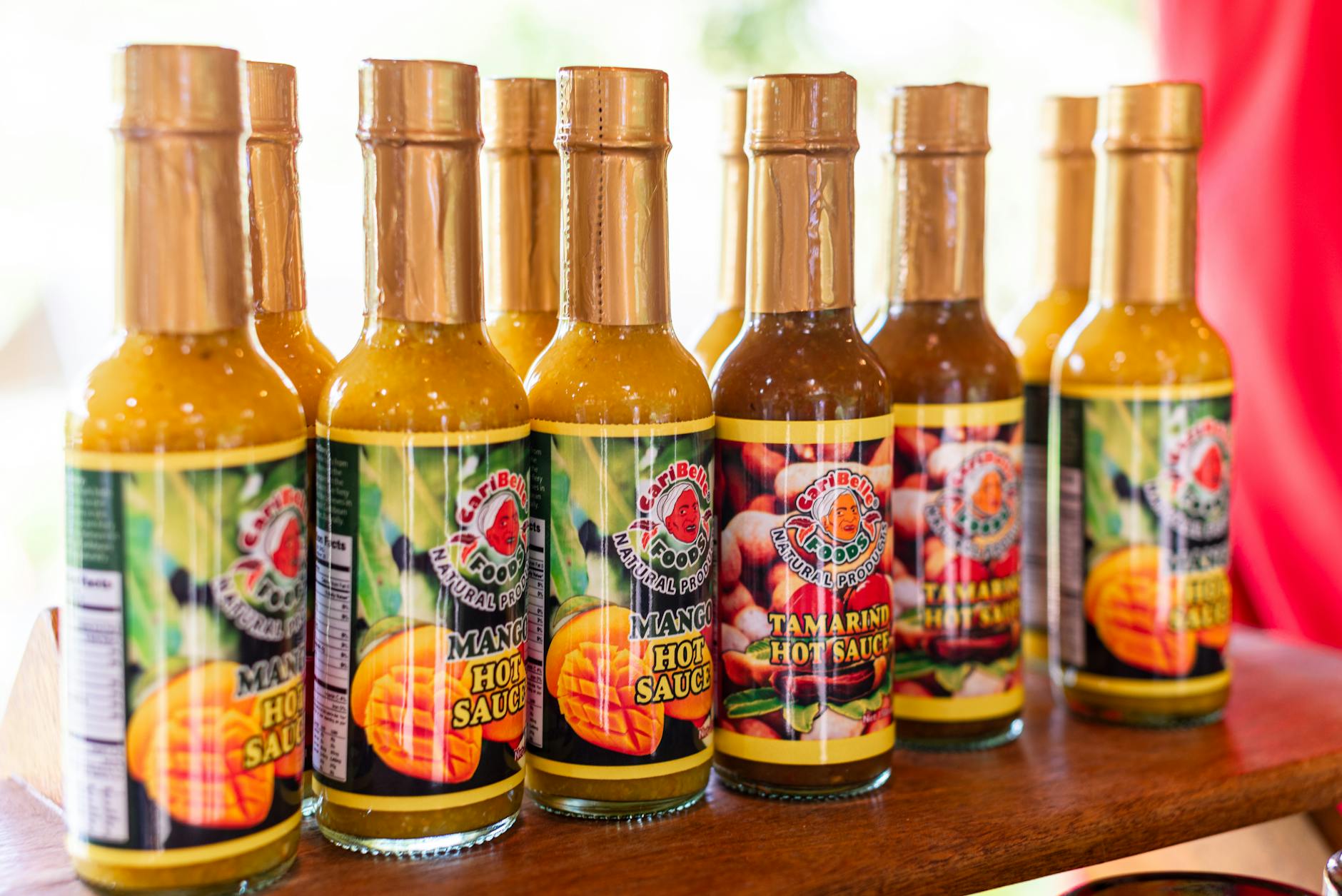
Most commercially produced hot sauces are packed with vinegar and salt, two natural preservatives that make refrigeration entirely unnecessary. Keeping hot sauce in the pantry allows the flavors to remain vibrant and the sauce to stay at a pourable consistency. An opened bottle stored in a cool, dark cupboard will remain perfectly safe and delicious for at least a year. The acidity level alone creates an environment where harmful bacteria simply cannot thrive.
Olive Oil
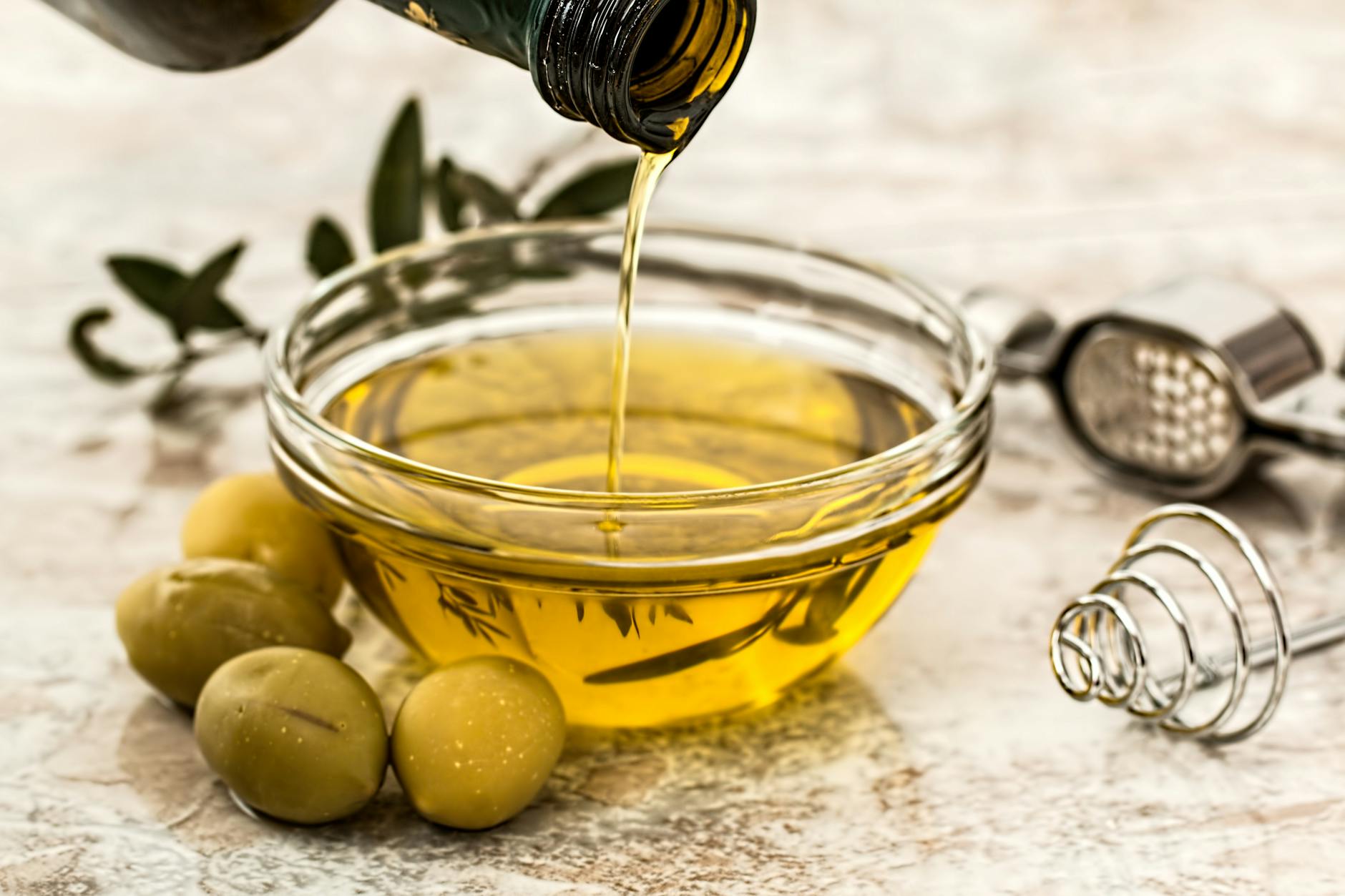
Storing olive oil in the refrigerator causes it to solidify into a cloudy, thick paste that makes pouring and measuring a frustrating experience. The cold temperatures do not damage the oil permanently, but repeated warming and chilling can gradually degrade its quality over time. A dark, cool pantry shelf away from the stove is the ideal home for olive oil. It will stay fresh for up to two years when properly stored away from heat and light.
Potatoes
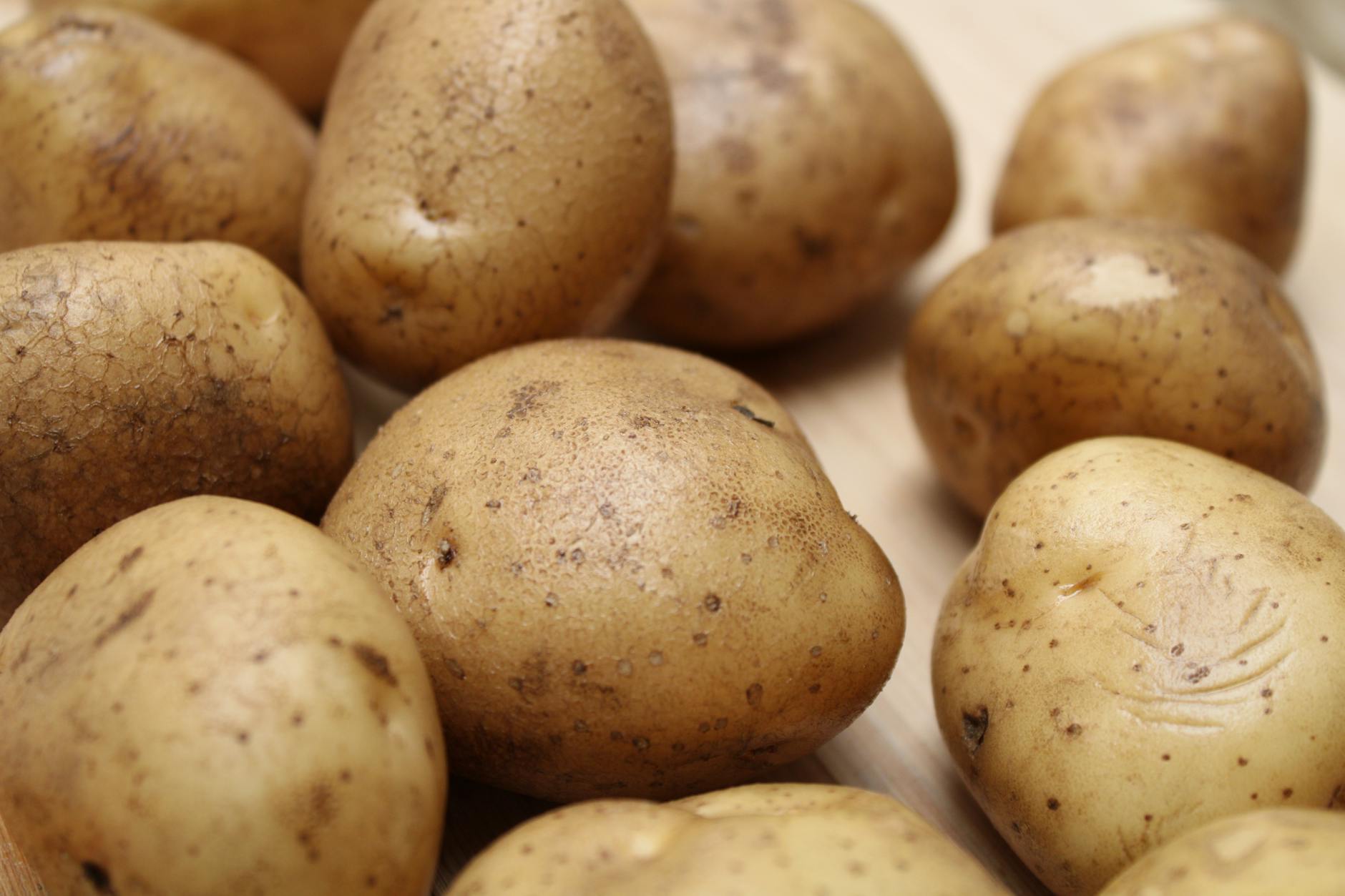
Cold temperatures convert the natural starches in potatoes into sugars at an accelerated rate, which leads to an overly sweet flavor and a gritty texture when cooked. Refrigerated potatoes can also produce higher levels of acrylamide when fried or roasted. A cool, dark pantry drawer or a paper bag kept away from onions is the perfect storage solution. Kept this way, potatoes will remain firm and flavorful for several weeks.
Onions
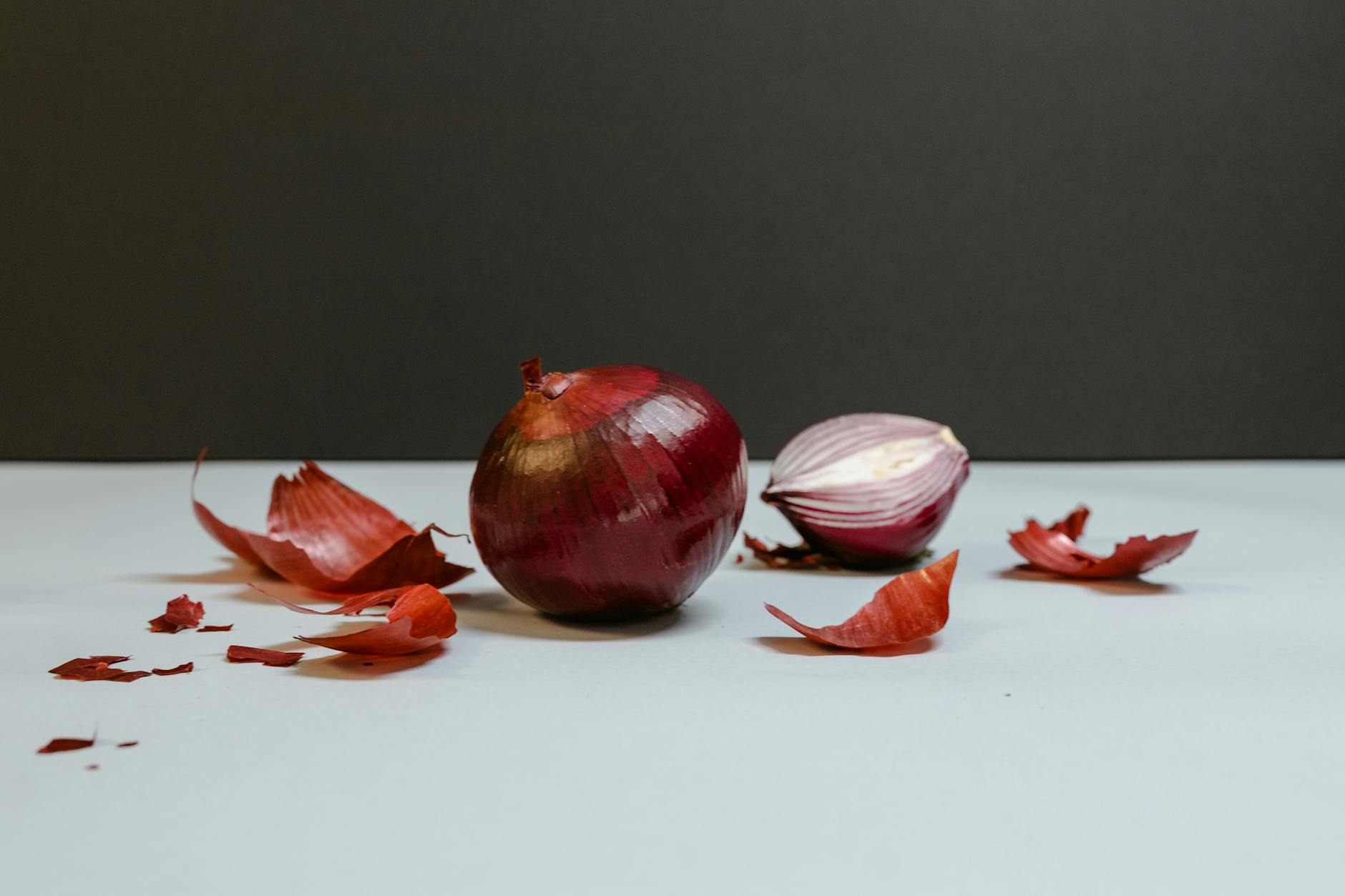
Onions need airflow to stay fresh, and the enclosed, humid environment of a refrigerator causes them to become soft and moldy relatively quickly. The cool moisture also tends to transfer their pungent odor to surrounding foods. A mesh bag or an open basket in the pantry allows air to circulate freely around the bulbs. Keep them away from potatoes, as the two vegetables release gases that cause each other to spoil faster.
Garlic
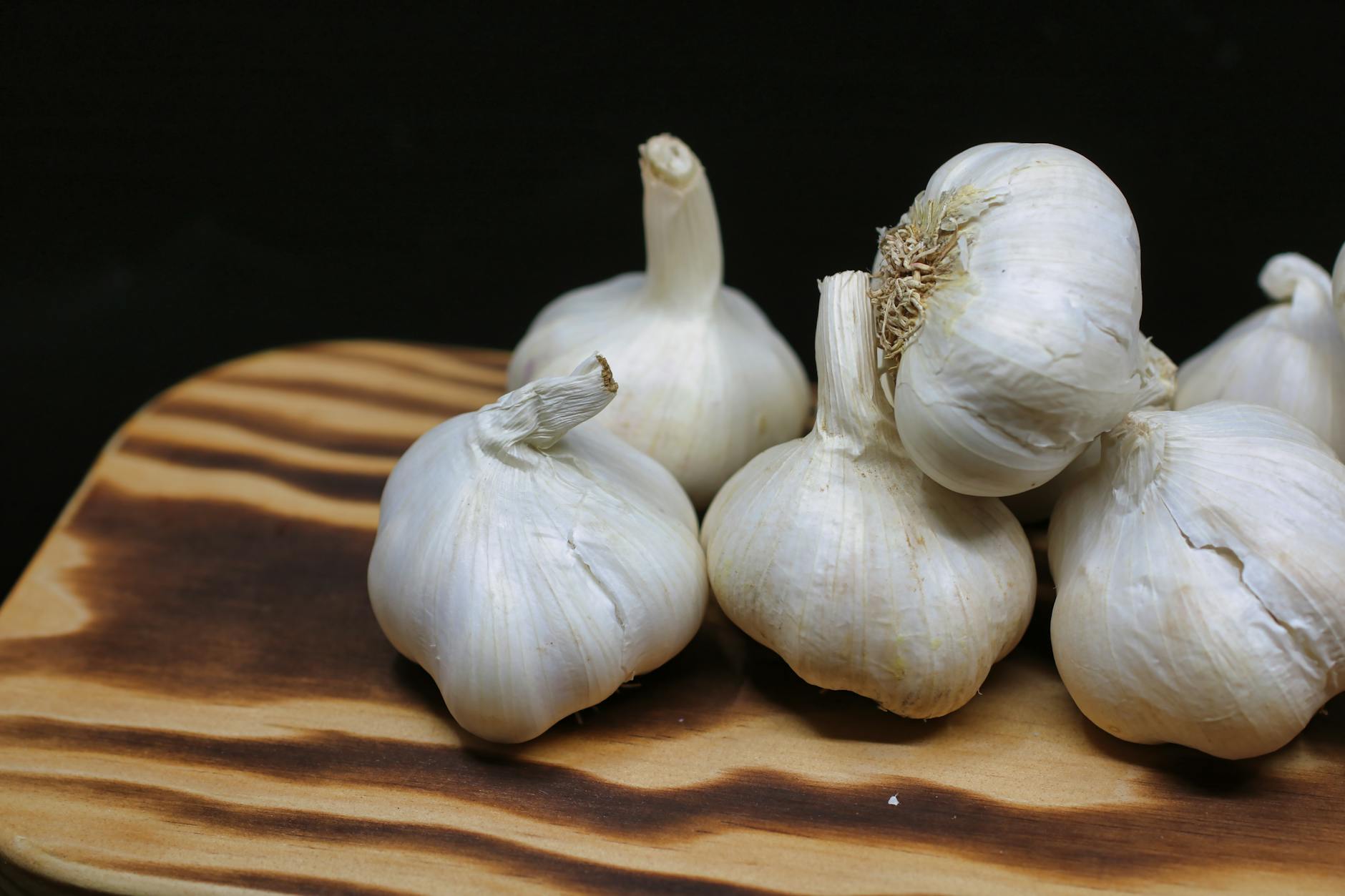
A whole, unpeeled head of garlic will keep for up to two months stored in a dry, ventilated spot in the pantry. The fridge introduces too much moisture, which encourages mold to form between the cloves and causes premature sprouting. Room temperature also keeps the paper-thin outer skin intact, which acts as a natural protective layer. Once a head has been broken open, individual cloves can sit in a small bowl on the counter for several days before use.
Honey
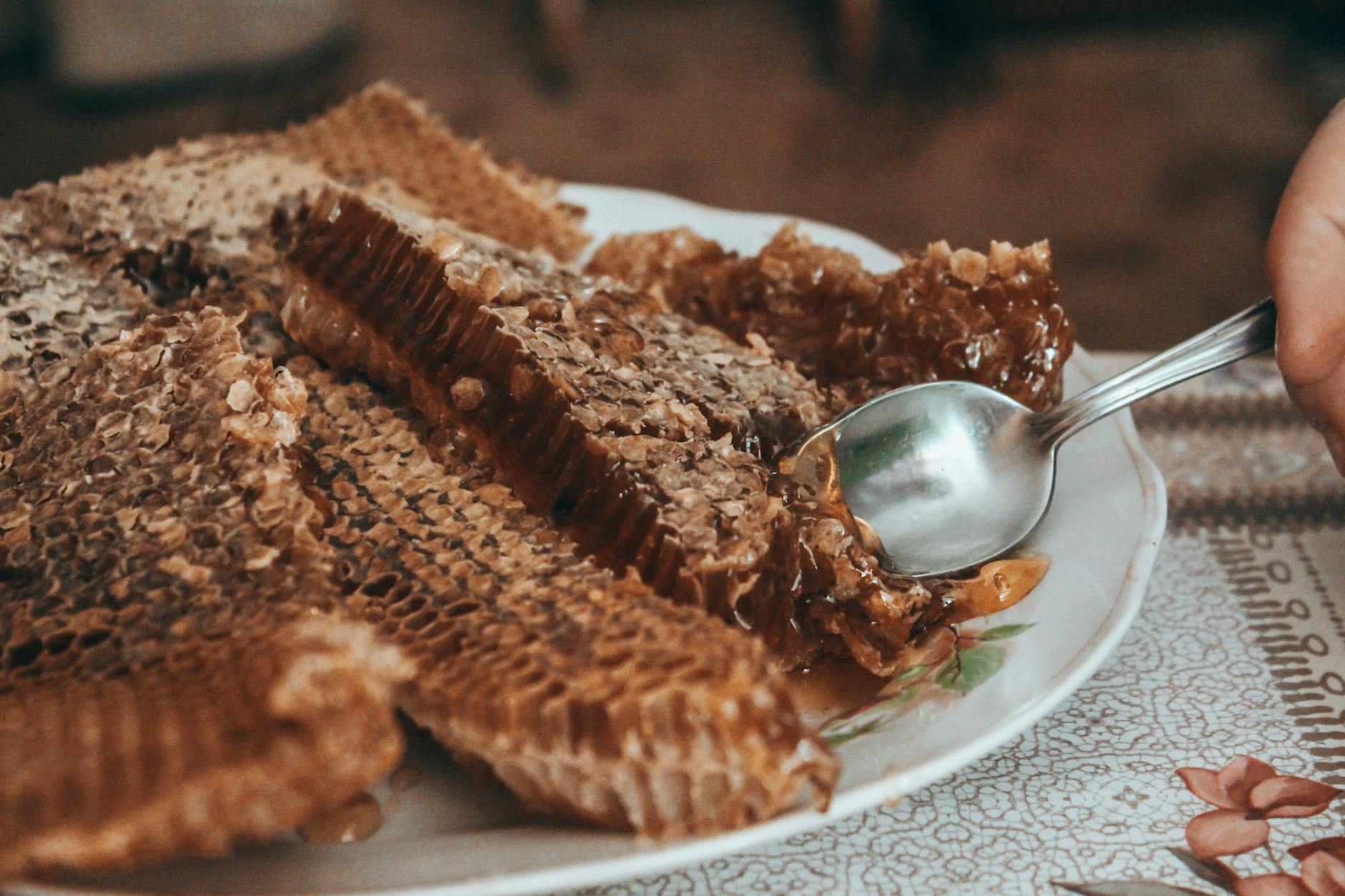
Honey is one of the most shelf-stable foods in existence and has no biological need for refrigeration whatsoever. Cold temperatures cause honey to crystallize and become extremely thick and difficult to work with. A sealed jar of honey kept in the pantry can technically last indefinitely due to its low moisture content and naturally antimicrobial properties. Simply store it in a tightly sealed container away from direct sunlight and it will remain smooth and pourable.
Soy Sauce
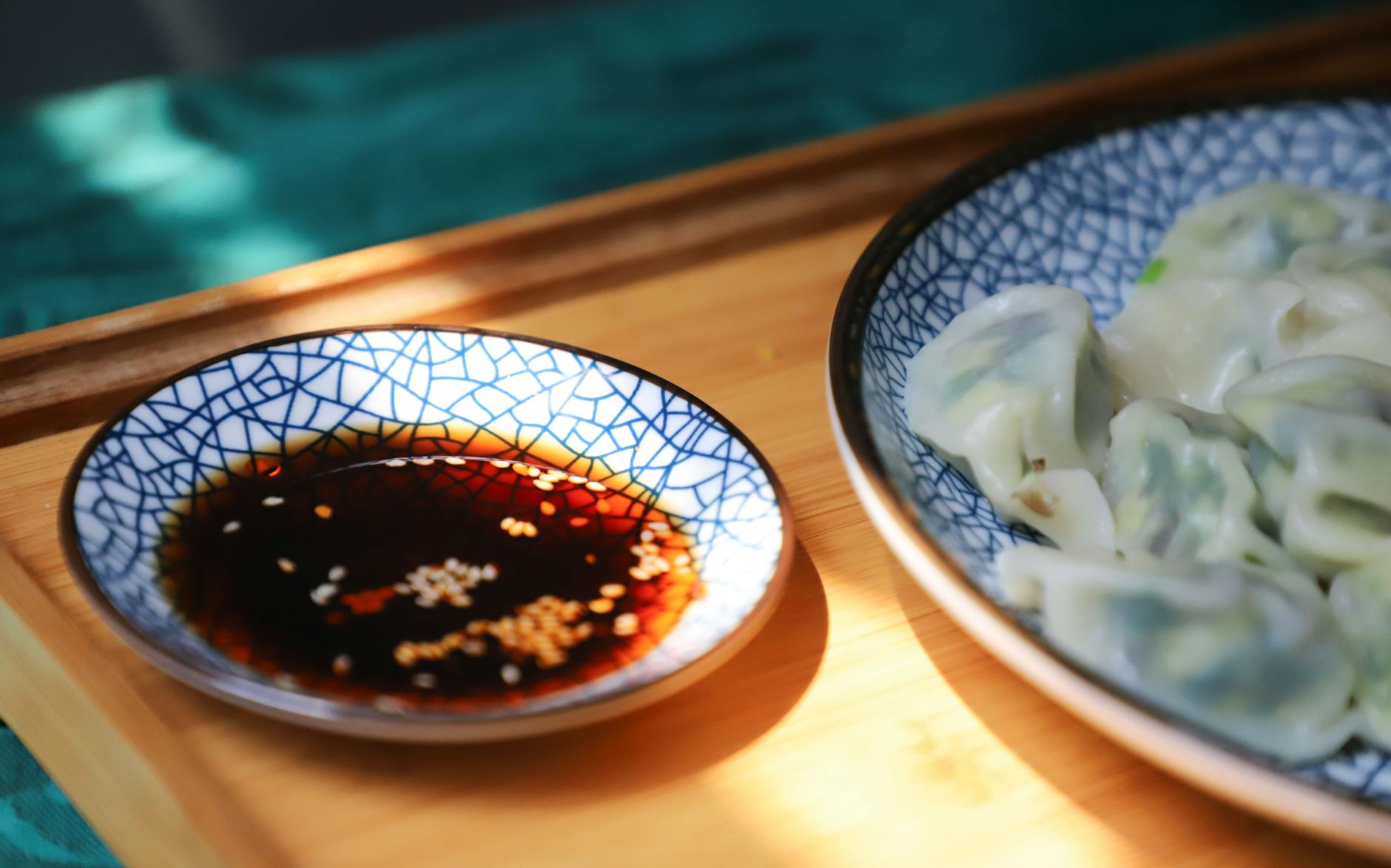
Commercial soy sauce contains enough salt to act as its own preservative, making refrigeration an unnecessary step after opening. The high sodium content prevents bacterial growth effectively even at room temperature. A bottle stored in the pantry will maintain its quality and flavor for at least a year without any drop in safety. Keeping it on the counter near the stove also makes it easier to incorporate into cooking on a daily basis.
Peanut Butter
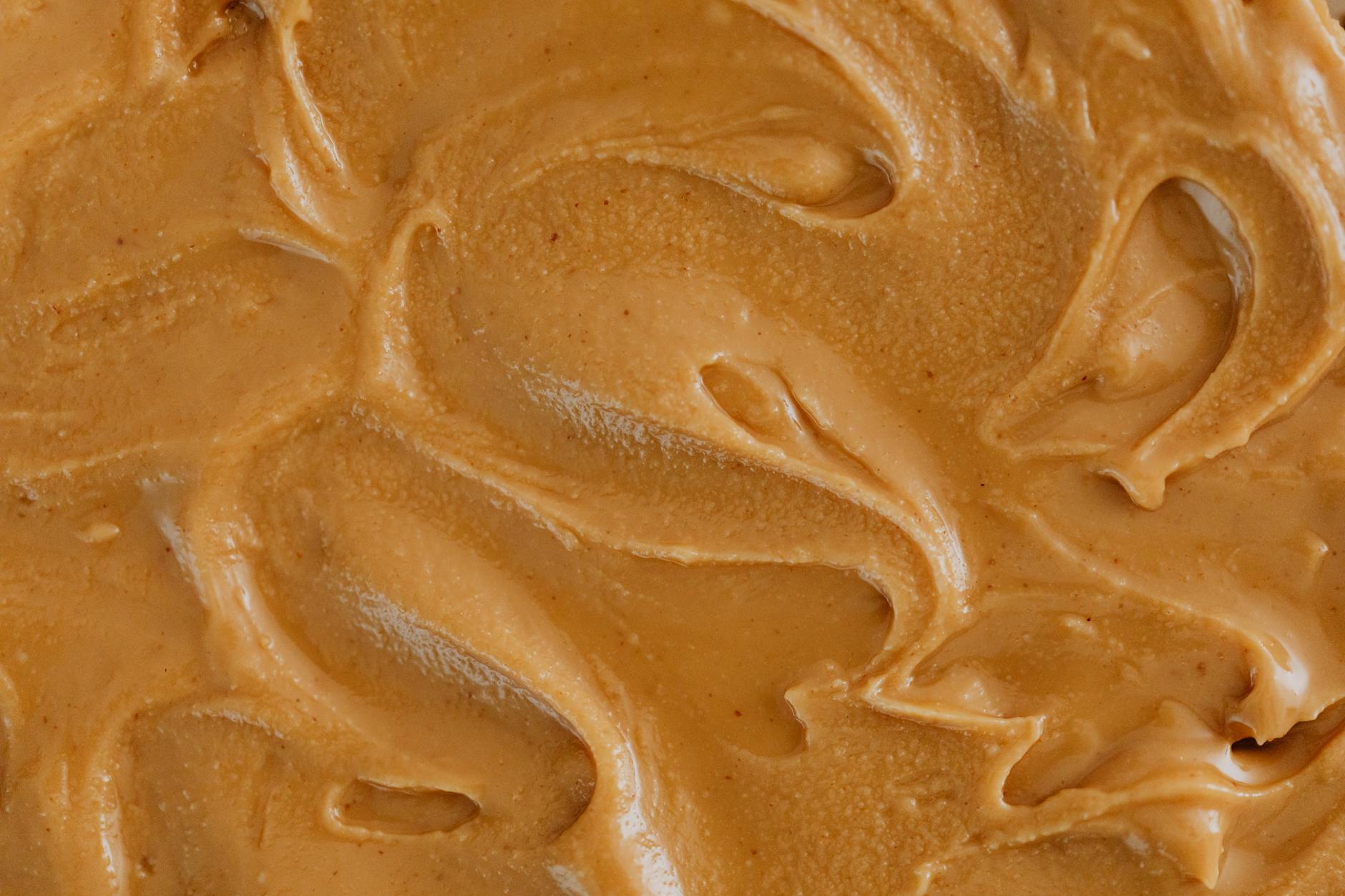
Natural peanut butter may benefit from refrigeration to slow oil separation, but most conventional peanut butter contains stabilizers that make pantry storage perfectly safe. Cold peanut butter becomes stiff and nearly impossible to spread directly from the jar. Keeping an opened jar in the pantry for up to three months is considered safe by food storage guidelines. The key is to ensure the lid is tightly sealed after each use to prevent oxidation.
Tomatoes
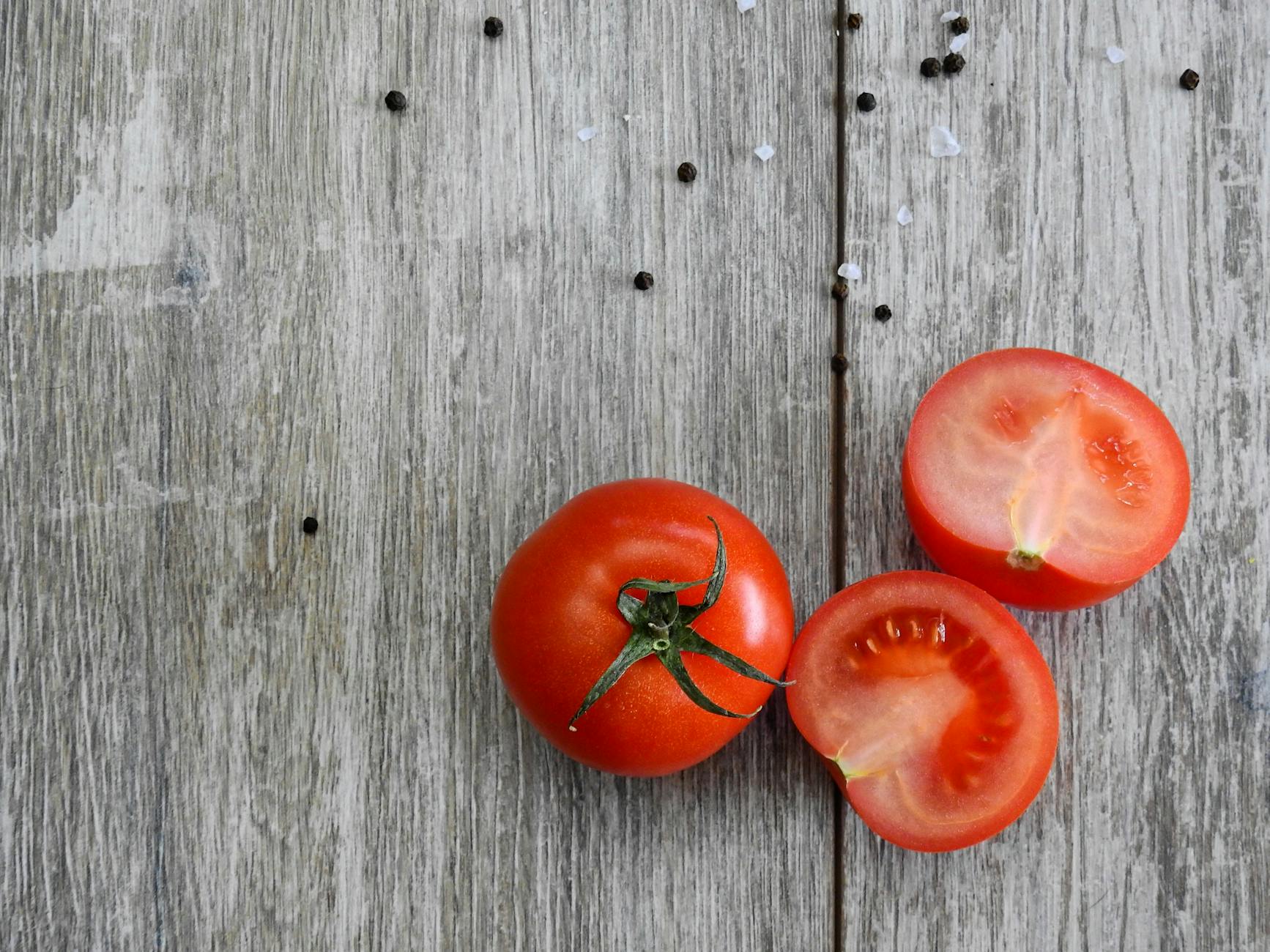
Tomatoes undergo a dramatic texture change when refrigerated, as the cold breaks down the cell walls and creates a mealy, flavorless result. Even ripe tomatoes are far better off sitting on the counter at room temperature for a few days. The flavor compounds responsible for that rich, summery taste are also suppressed by cold temperatures and may not fully recover once the tomato warms back up. For the best eating experience, store tomatoes stem-side down on the countertop.
Avocados
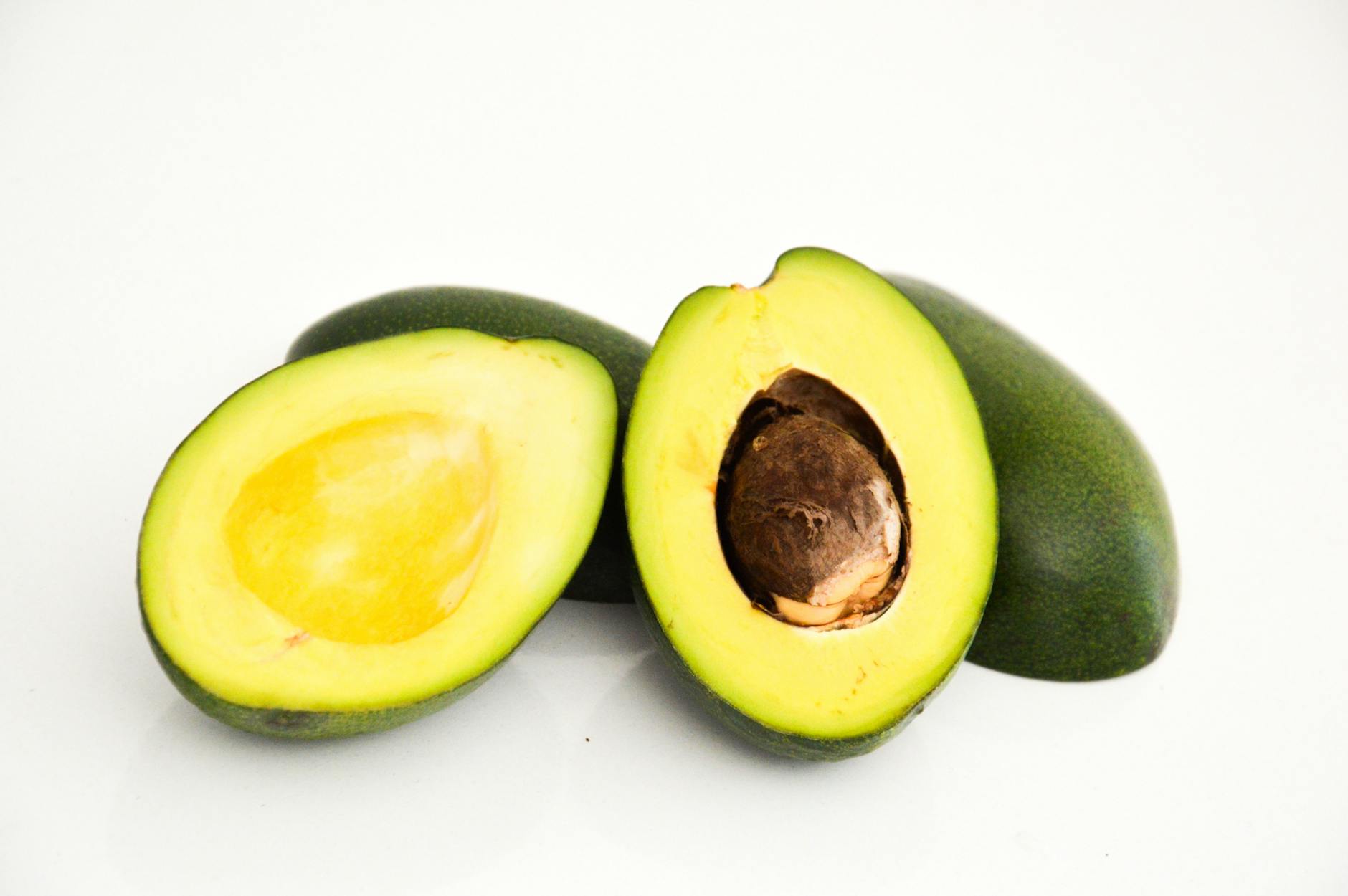
An unripe avocado should never go into the fridge, as the cold halts the ripening process entirely and can cause dark spots to develop in the flesh. A firm avocado needs to ripen at room temperature on the counter for a day or two before it reaches peak creaminess. Once cut and partially eaten, wrapping the remaining half tightly in plastic wrap and storing it briefly is fine, but whole unripe fruit belongs on the counter. Placing an avocado in a paper bag with a banana can speed up the ripening process naturally.
Coffee

Ground coffee and whole beans stored in the refrigerator are exposed to moisture and absorb the odors of neighboring foods, which noticeably degrades the flavor. The condensation that forms when a cold container is brought out to room temperature is particularly damaging to the delicate oils in coffee. A sealed, airtight container kept in a cool pantry cupboard is the optimal storage method for beans used regularly. Bulk quantities can be frozen in a sealed bag, but everyday coffee is best kept pantry-fresh.
Ketchup
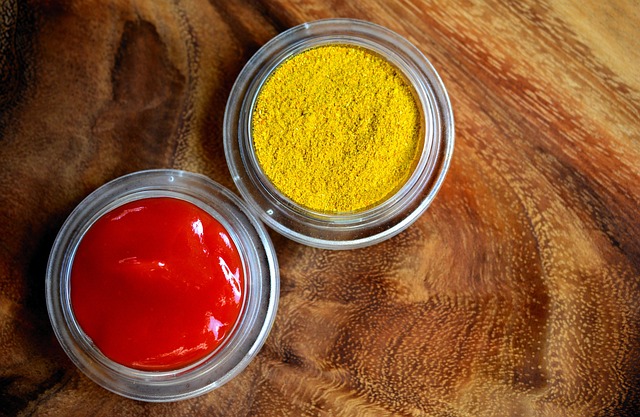
Ketchup is heavily acidic and contains enough vinegar and sugar to remain shelf-stable for up to a month after opening without refrigeration. Restaurant condiment stations around the world leave ketchup bottles unrefrigerated for hours at a time with no safety concerns. The pantry is a perfectly acceptable home for a bottle of ketchup that your household goes through within a reasonable time frame. Refrigerating it is a personal preference rather than a food safety requirement.
Winter Squash
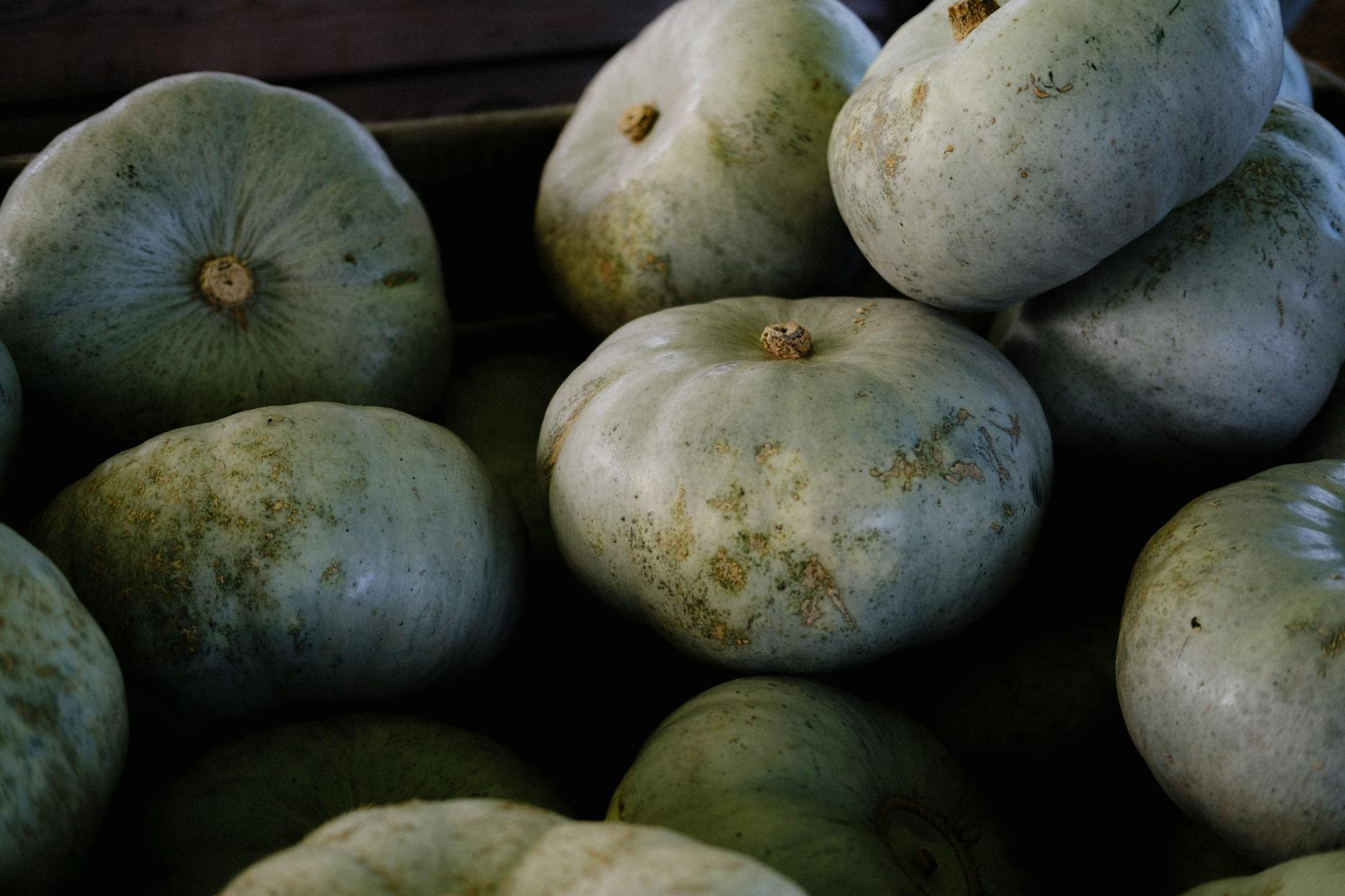
Butternut squash, acorn squash, and other hard-skinned winter varieties are designed by nature to be stored at room temperature for extended periods. The thick outer skin acts as a natural protective barrier that keeps the flesh inside fresh without the need for cold storage. A cool, dry spot in the pantry or a kitchen counter away from direct sunlight can keep an uncut squash fresh for up to three months. Refrigerating an uncut squash can actually damage the flesh and cause it to deteriorate more quickly.
Nuts
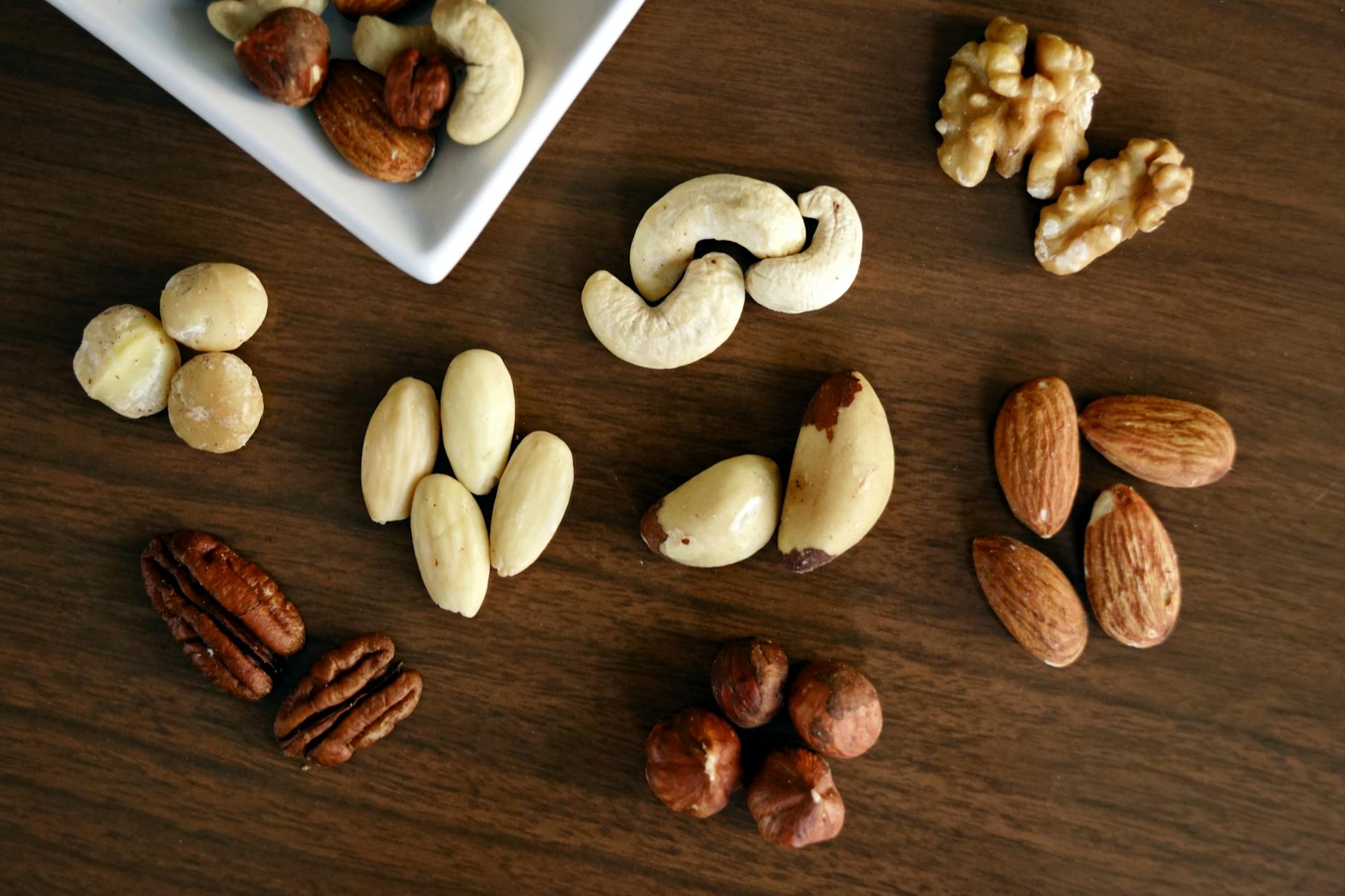
While refrigerating nuts can extend their shelf life slightly, most people consume them quickly enough that pantry storage is entirely practical and preferable. Cold nuts have a muted flavor profile compared to those stored at room temperature, which allows their natural oils to remain loose and aromatic. A sealed container in a cool, dark pantry will keep most nuts fresh and flavorful for several months. The only exception is very large quantities purchased in bulk, which may benefit from freezer storage to prevent rancidity.
Vinegar

Vinegar is one of the most acidic substances in a standard kitchen, and its low pH makes it completely self-preserving at room temperature. No opened bottle of vinegar, whether white, apple cider, balsamic, or red wine, requires refrigeration at any point. Stored in a sealed glass bottle in the pantry away from direct light, vinegar maintains its quality indefinitely. Its natural acidity is so high that it actually functions as a preservative for other foods rather than needing one itself.
Worcestershire Sauce
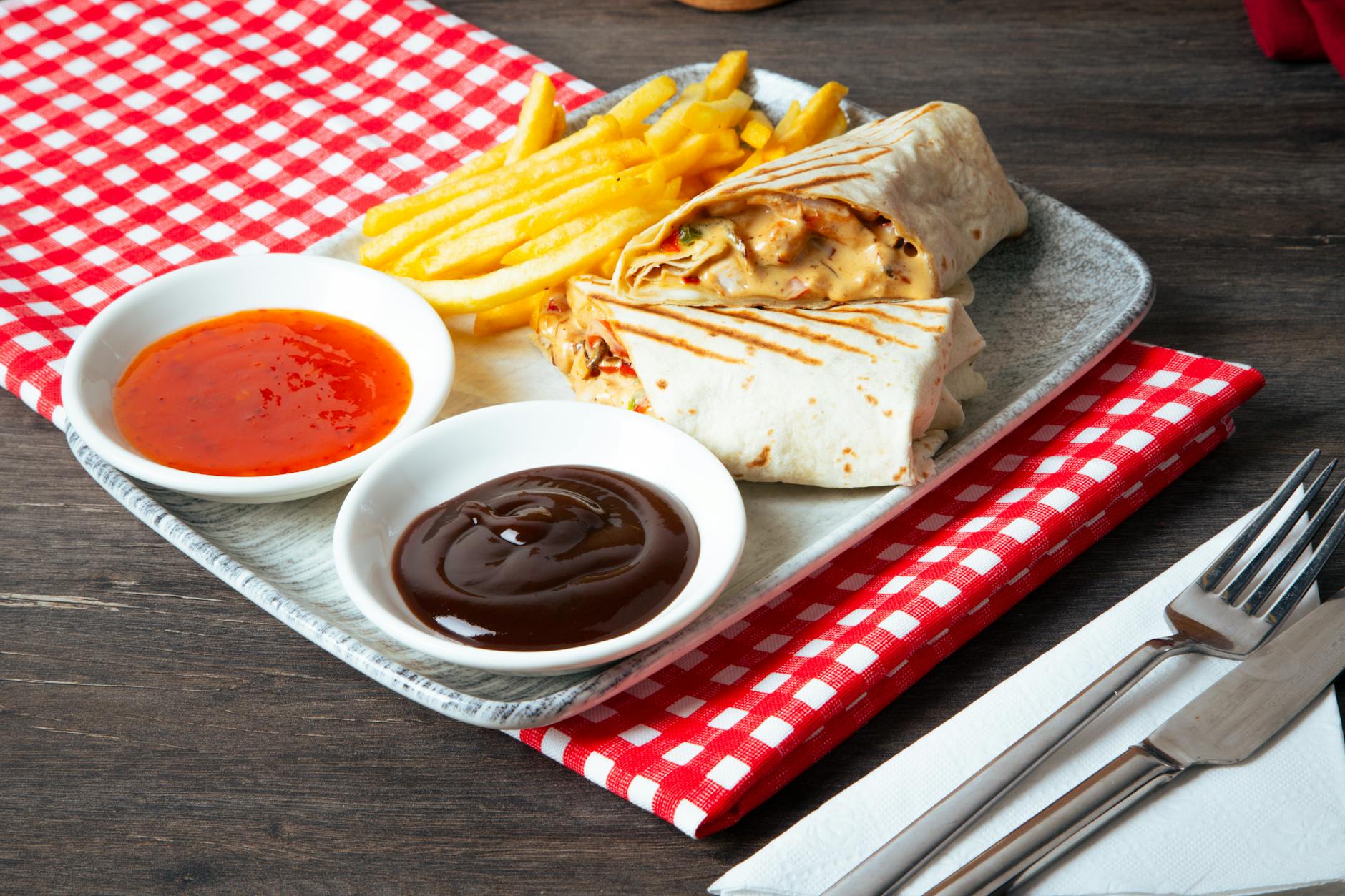
Worcestershire sauce is a fermented, vinegar-based condiment that remains completely stable at room temperature for at least a year after opening. The combination of vinegar, tamarind, molasses, and anchovies creates an environment that is inhospitable to bacteria even outside of the refrigerator. Keeping it in the pantry with other condiments makes it easily accessible and ready to use without the stiffness that can come from cold storage. The flavor actually tends to meld more harmoniously when the sauce is kept at room temperature.
Stone Fruit
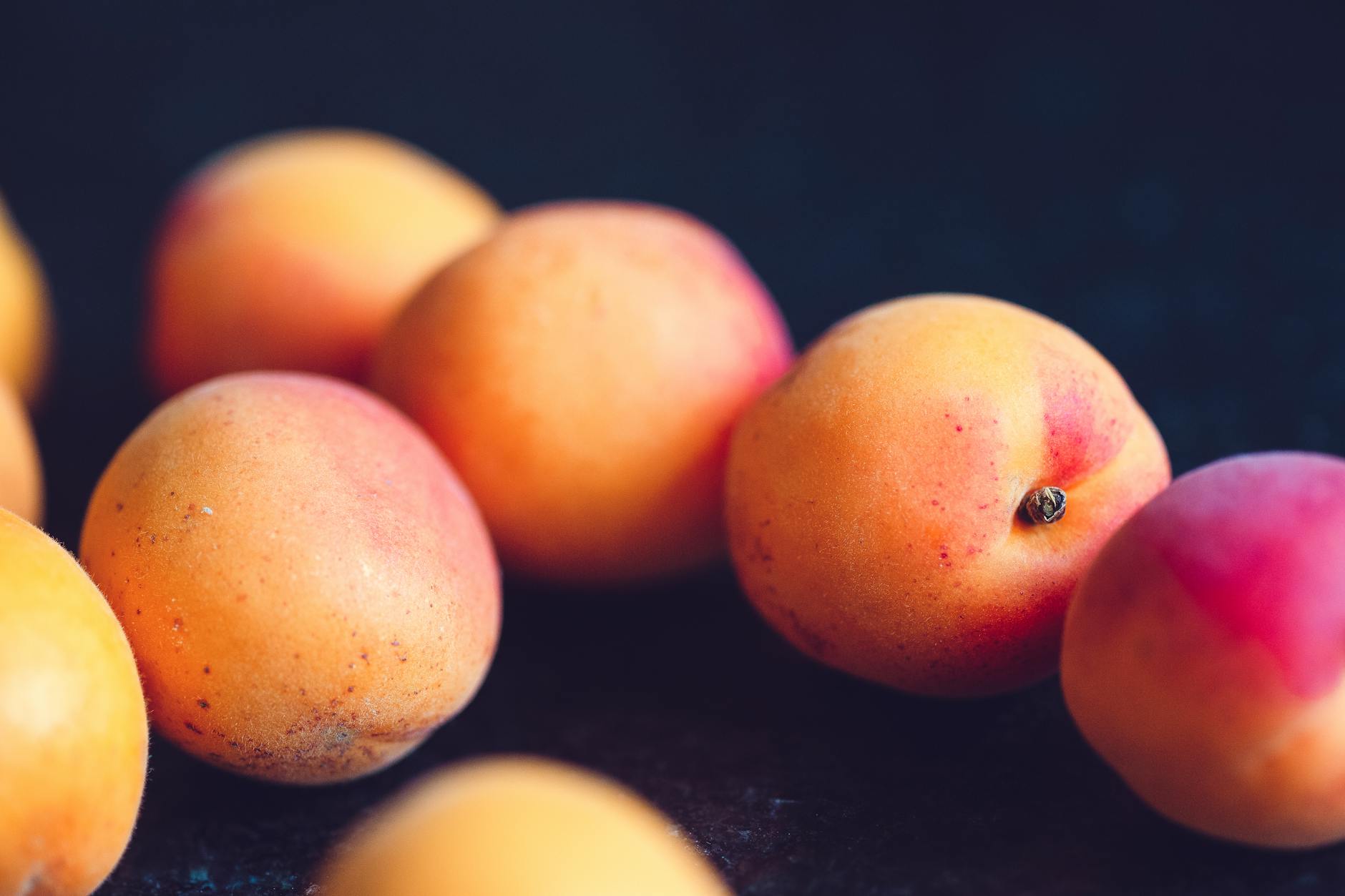
Peaches, plums, nectarines, and cherries all lose their texture and flavor quickly when refrigerated before they are fully ripe. The cold temperatures prevent the natural enzymes from completing the ripening process, leaving the fruit permanently mealy and flavorless on the inside. Resting stone fruit on the counter until it yields slightly to gentle pressure gives it the chance to develop its full sweetness and juicy texture. Once fully ripe, a brief stint in the fridge for a day or two is acceptable if you need to slow further softening.
Maple Syrup
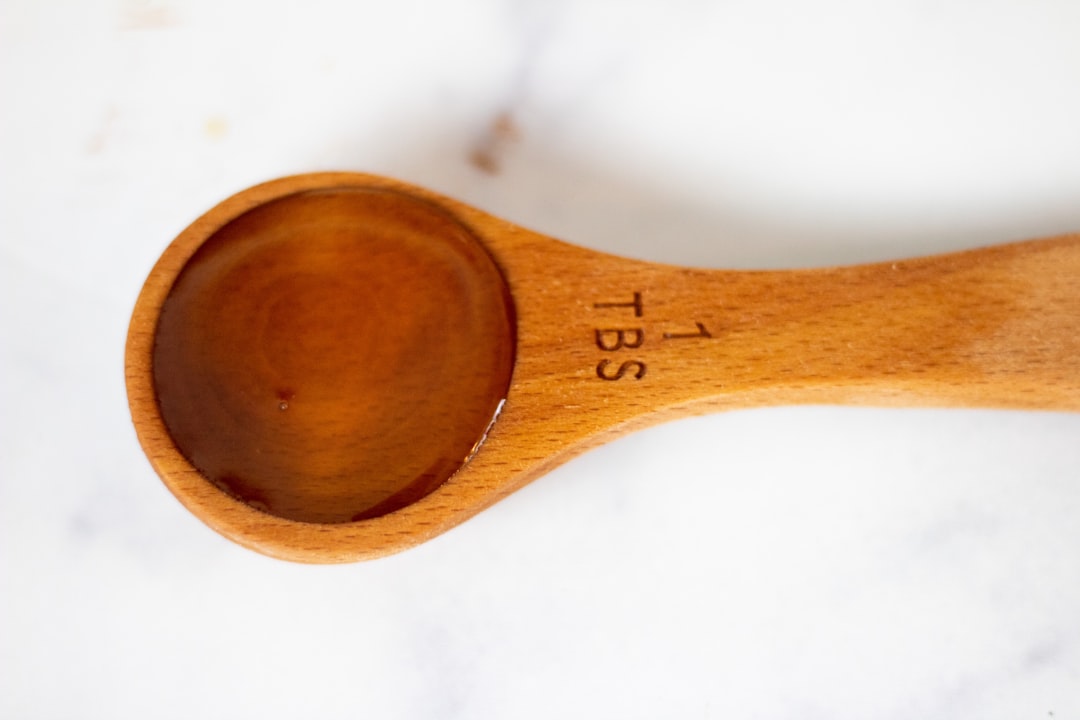
Pure maple syrup does not require refrigeration if it is going to be consumed within a month or two of opening. The dense sugar concentration creates an environment that strongly inhibits bacterial growth at room temperature. A tightly sealed bottle kept in the pantry is perfectly safe and has the added benefit of remaining pourable and ready to drizzle straight from the bottle. Long-term storage of larger quantities benefits from the fridge or freezer, but a frequently used bottle belongs right in the cupboard.
Banana
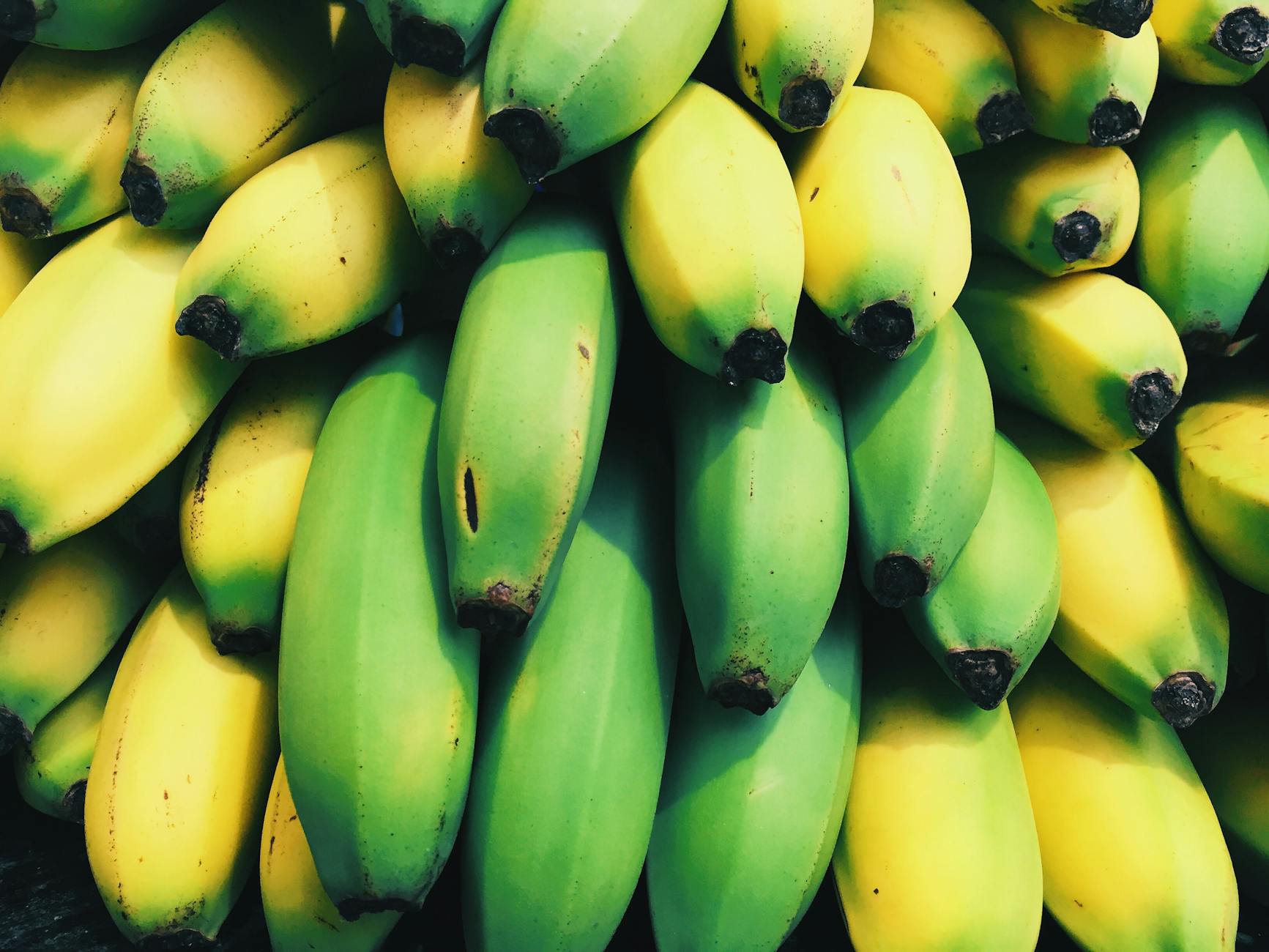
Bananas are one of the most commonly refrigerated fruits despite being notoriously poorly suited to the cold. The chilly environment causes the enzymes responsible for ripening to trigger rapid blackening of the skin, while the flesh inside remains disappointingly hard and starchy. Bananas should sit on the counter or hang from a fruit stand where airflow keeps them ripening at a natural, even pace. If you want to slow down an already-ripe banana, placing it in the fridge at that exact point is acceptable as the sweetness will already be locked in.
Share your own surprising pantry swaps in the comments and let us know which fridge habit you are finally ready to break.




