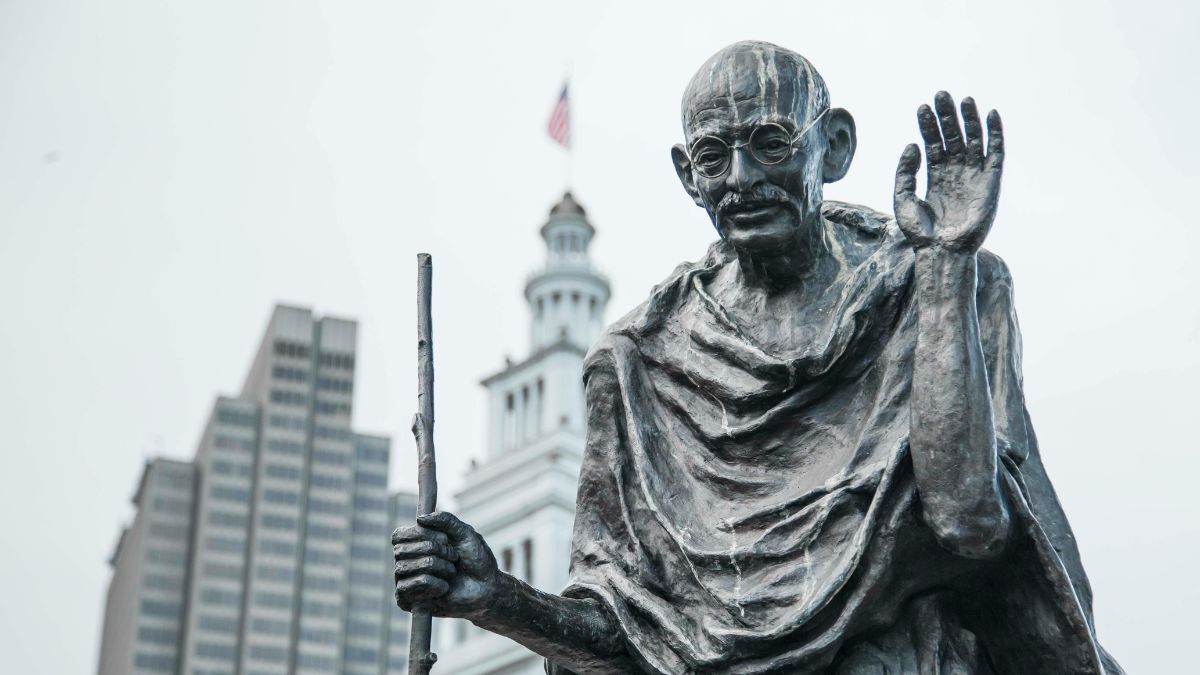
History has a way of softening its most celebrated names over time, leaving behind polished legacies that often obscure deeply troubling truths. Many of the figures who appear on currency, in textbooks, and on the walls of government buildings were responsible for acts of extraordinary cruelty, exploitation, and moral failure. Peeling back the mythology reveals a far more complicated and often disturbing picture of the people the world has long admired. These ten figures are widely regarded as great by mainstream history, yet the full record of their lives tells a very different story.
Christopher Columbus
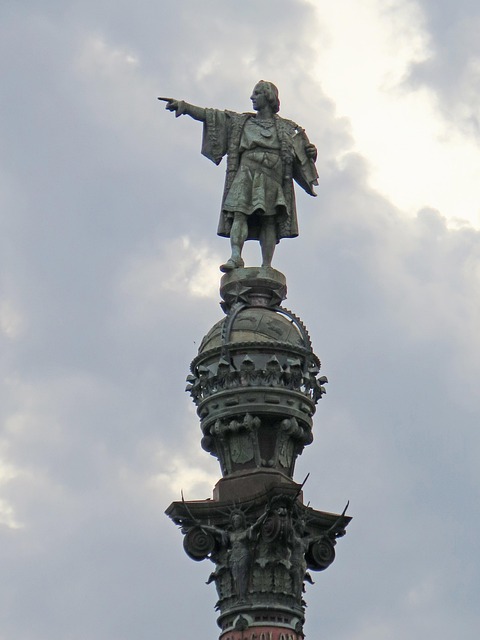
Christopher Columbus is frequently credited with opening up the Americas to the wider world, but the reality of his governance was catastrophic for the people already living there. He oversaw a brutal regime in the Caribbean that enslaved Indigenous populations and instituted systematic violence against those who failed to meet gold quotas. His own journals and letters document the deliberate mutilation of people as a tool of control and terror. Spanish authorities eventually arrested him for his cruelty toward both Indigenous people and Spanish colonists under his command. His arrival marked the beginning of one of the largest population collapses in human history.
Thomas Jefferson

Thomas Jefferson authored some of the most celebrated words in the history of democracy, yet he enslaved more than six hundred people over the course of his lifetime. He continued to purchase and exploit enslaved people even as he privately expressed reservations about the institution of slavery in his writings. He fathered children with Sally Hemings, an enslaved woman who had no legal capacity to consent to any relationship with him. Despite opportunities to act on his stated beliefs, he chose personal wealth and comfort over meaningful action toward abolition. His contradictions were not merely philosophical but had devastating consequences for real human beings.
Winston Churchill
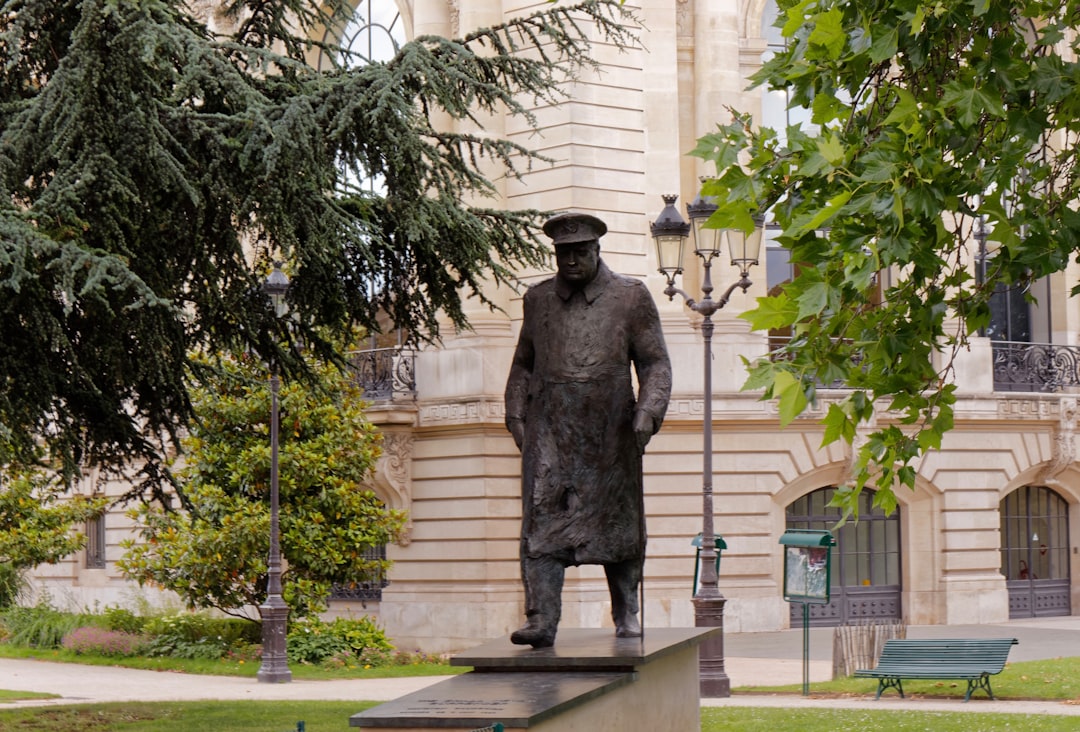
Winston Churchill is remembered in much of the Western world as the defining hero of the Second World War, yet his record outside of Europe was deeply troubling. He held openly white supremacist views and expressed contempt for the people of India, Africa, and the Middle East throughout his career. His policies during the 1943 Bengal Famine contributed directly to the deaths of an estimated two to three million people, as food continued to be exported from India while the population starved. He opposed Indian independence fiercely and used brutal force to suppress uprisings across British colonial territories. His celebrated wartime leadership coexisted with a worldview that regarded much of humanity as inherently inferior.
Napoleon Bonaparte
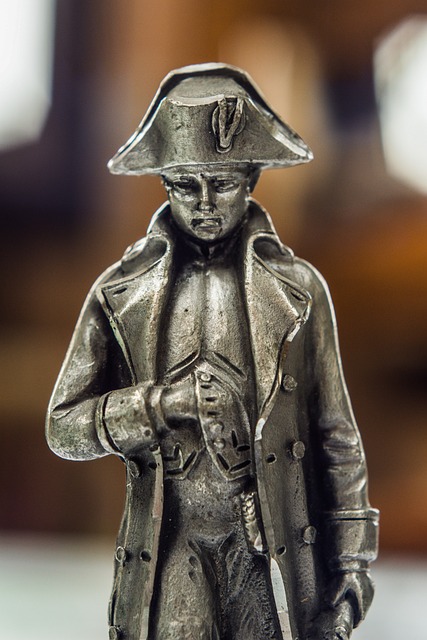
Napoleon Bonaparte is celebrated as a military genius and a modernising force in European governance, but his legacy carries profound darkness. He reinstated slavery in French colonies after it had been abolished during the Revolution, condemning hundreds of thousands of people back into bondage for the sake of economic interests. His wars of expansion caused the deaths of millions of soldiers and civilians across an entire continent over more than a decade. He pursued campaigns with a willingness to absorb catastrophic human losses that his contemporaries found shocking even by the standards of the era. His legal reforms, while influential, existed alongside an authoritarian rule that crushed political opposition and press freedom.
Henry Ford
Henry Ford transformed American industry and made the automobile accessible to ordinary people, but he was also a passionate and influential antisemite. He published a newspaper called The Dearborn Independent that ran years of virulent antisemitic content, which was later compiled and distributed internationally. Adolf Hitler kept a portrait of Ford on the wall of his office and cited him directly in his writings as a source of inspiration. Ford used his enormous platform and wealth to spread conspiracy theories about Jewish people at a time when those ideas were gaining dangerous traction across the world. He received the Grand Cross of the German Eagle from the Nazi government in 1938, an honour he accepted without public objection.
Roald Dahl

Roald Dahl is beloved by generations of children for creating some of the most imaginative and joyful stories in the literary canon, yet he expressed antisemitic views repeatedly and publicly throughout his life. He made overtly bigoted statements in interviews and written work that went far beyond casual prejudice, linking Jewish people to conspiratorial narratives in ways that echoed dangerous historical rhetoric. He also had a troubling record of conducting affairs and treating women with a documented callousness that those around him frequently noted. His behaviour toward his first wife during her medical crisis was widely described by family members and biographers as cold and controlling. The complexity of separating his celebrated creative legacy from his deeply objectionable personal views continues to generate significant debate.
Mahatma Gandhi
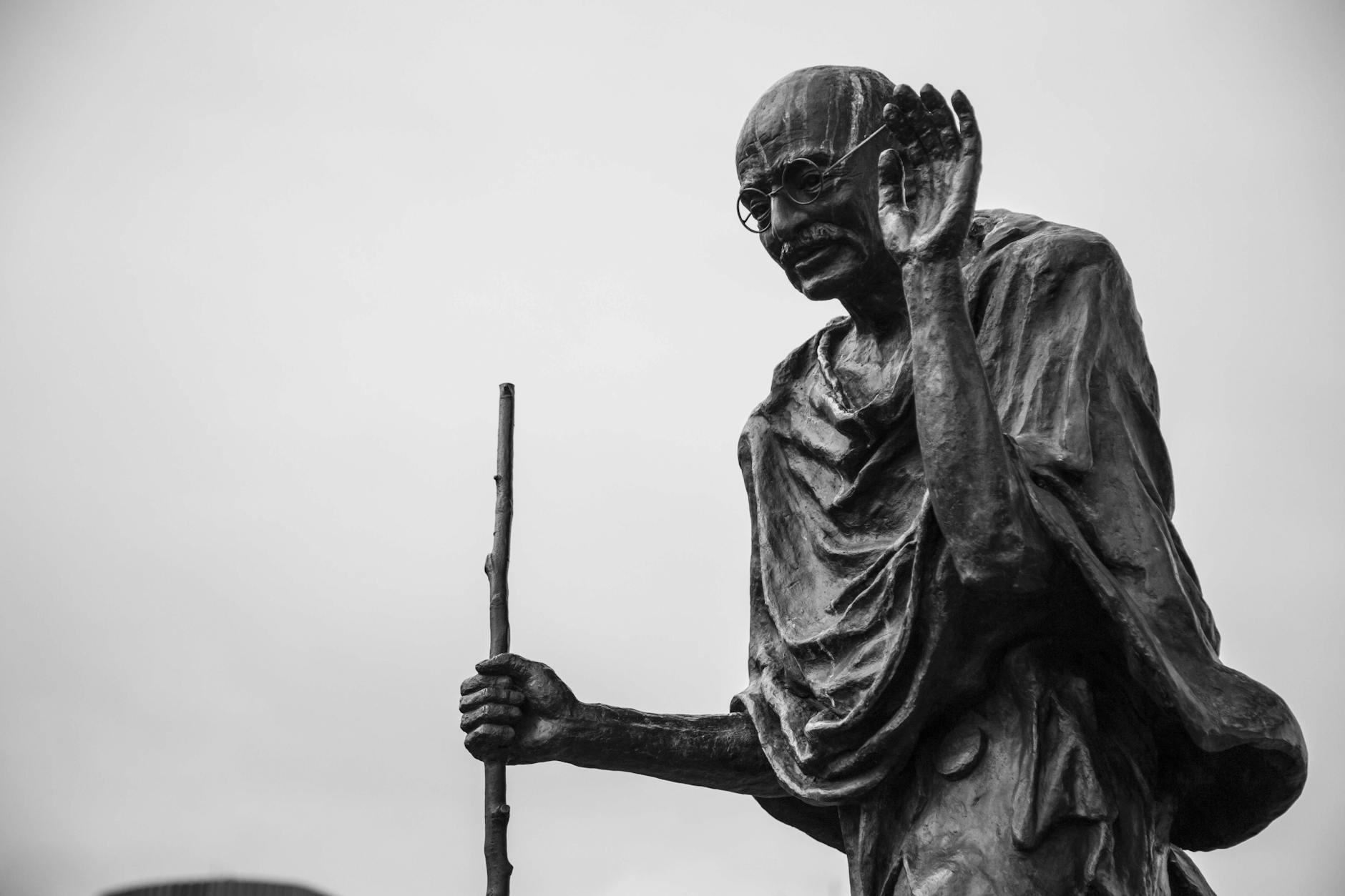
Mahatma Gandhi is revered worldwide as a symbol of peaceful resistance and moral courage, yet his writings and conduct reveal a number of deeply troubling attitudes. During his years in South Africa he wrote disparagingly about Black Africans, referring to them in derogatory terms and actively working to distance the Indian community from association with them. He held paternalistic and at times degrading views toward women, and subjected young women in his circle to what he described as purity experiments that caused significant distress. His approach to the caste system was inconsistent and at critical moments served to reinforce rather than challenge entrenched discrimination. Scholars in South Africa and India have increasingly challenged the reverence afforded to him in light of this documented record.
Andrew Jackson

Andrew Jackson is celebrated on American currency and long held a prominent place in the national mythology as a self-made frontiersman and populist president. He was the primary architect of the Indian Removal Act, which led to the forced displacement of tens of thousands of Indigenous people from their ancestral homelands in what became known as the Trail of Tears. Thousands of Cherokee, Choctaw, Creek and other nations died from exposure, disease and starvation during the forced marches that followed. He owned hundreds of enslaved people and was known for particularly harsh treatment, including the use of extreme violence and the deliberate separation of families. His popularity with white working-class voters was built in part on policies of violent dispossession directed at those with no political power.
Mother Teresa
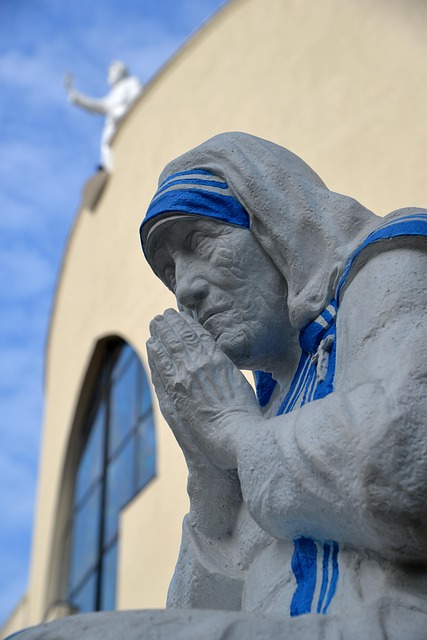
Mother Teresa received the Nobel Peace Prize and is celebrated by millions as a figure of selfless compassion, but investigative journalists and medical professionals raised serious concerns about conditions in her care homes for decades. Reports from doctors and former volunteers described inadequate medical care, the reuse of needles, and a tolerance for suffering that was framed as spiritually redemptive rather than addressed practically. She accepted large donations from known dictators and fraudulent financiers without returning the funds or publicly questioning their origins. The charity she built accumulated significant wealth that was not transparently directed toward improving conditions in her facilities. She expressed opposition to divorce, abortion and contraception in some of the world’s most impoverished communities where those restrictions had devastating practical consequences.
Pablo Picasso

Pablo Picasso is regarded as one of the most influential artists of the twentieth century and a defining figure of modernism, yet his treatment of the women in his life was a consistent pattern of psychological cruelty and control. He pursued relationships with very young women throughout his life and maintained a documented habit of dominating and destabilising his partners emotionally. Two of the women he was most closely involved with died by suicide, and multiple others described the relationship as psychologically destructive. He was a member of the Communist Party yet lived a life of extraordinary personal luxury while using his political affiliation largely as an intellectual identity. Feminist art historians have increasingly argued that his celebrated genius cannot be meaningfully separated from the exploitation that sustained and surrounded it.
Which of these historical reassessments surprises you most? Share your thoughts in the comments.




