
Turning thirty is one of life’s most meaningful milestones, and arriving at it with a solid set of life skills makes all the difference. These are not just practical abilities but the building blocks of confidence, independence, and self-respect. Whether you picked them up through experience, mentorship, or trial and error, mastering these skills before your third decade sets you up for a more grounded and capable adult life. Some of them will feel obvious once you learn them, and others might surprise you with just how much they matter.
Basic Budgeting

Understanding where your money goes each month is one of the most empowering financial habits you can develop. Tracking income and expenses helps you avoid overdrafts, reduce stress, and make smarter decisions about spending. A simple budget does not require complex software or financial expertise to be effective. Knowing your numbers puts you in control of your future in a way that very little else does.
Cooking a Meal

Being able to prepare a proper meal from scratch is a skill that pays off every single day. Home cooking saves money, supports better nutrition, and gives you the satisfaction of feeding yourself and the people you love. Starting with a handful of reliable recipes builds confidence that grows over time. Even mastering five or six solid dishes puts you in a much stronger position than relying entirely on takeout.
Changing a Tire

A flat tire on the side of the road is one of those situations where knowing what to do makes all the difference. Learning to safely jack up a car and swap out a damaged tire is a practical skill that requires only basic tools and a little practice. Many people reach adulthood without ever learning this, which leaves them vulnerable in moments of genuine inconvenience or danger. Spending an afternoon practicing in a driveway is time genuinely well spent.
Doing Laundry
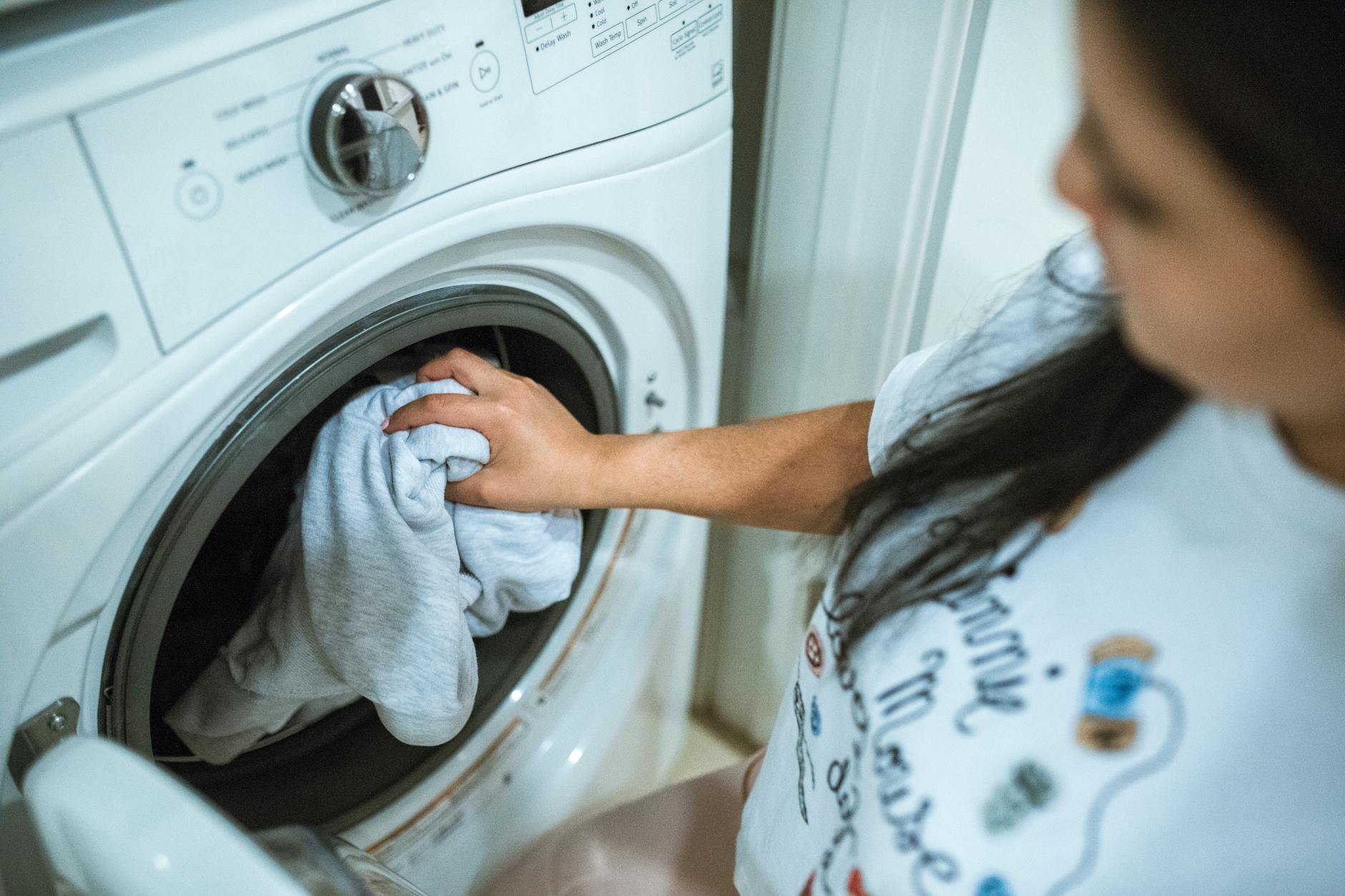
Knowing how to properly wash, dry, and care for your clothes extends their life and keeps you looking presentable. Understanding fabric care labels and the difference between hot and cold cycles prevents costly mistakes like shrinking wool or fading darks. Doing laundry regularly also builds a sense of routine and responsibility that bleeds into other areas of life. It is one of those unglamorous skills that quietly signals a high level of self-sufficiency.
First Aid Basics
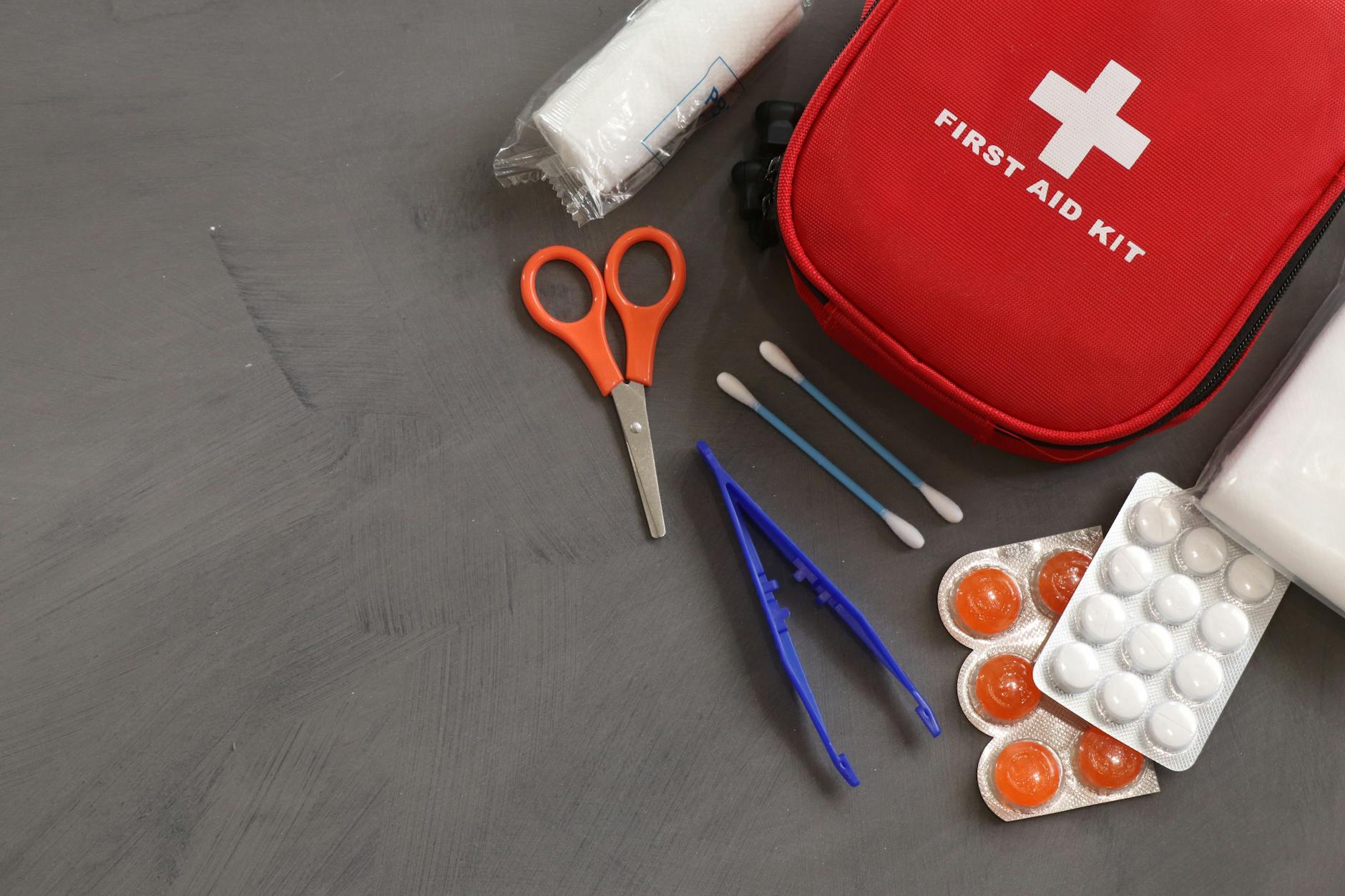
Knowing how to respond in a medical emergency is a skill that can genuinely save a life. Basic first aid covers things like treating a cut, recognizing signs of a serious allergic reaction, and performing CPR. Taking even a short certified course gives you the knowledge and confidence to act quickly when it matters most. Everyone around you benefits when you have this knowledge in your back pocket.
Setting Boundaries
Understanding how to communicate your limits to others is a cornerstone of emotional health and healthy relationships. Saying no without excessive guilt or lengthy explanation is a skill that takes practice but becomes easier with time. Boundaries are not walls meant to keep people out but clear signals of what you need to feel respected and safe. Getting comfortable with them before thirty means decades of healthier dynamics ahead.
Job Interview Skills

Knowing how to present yourself professionally in an interview setting is essential in a competitive job market. This includes researching a company in advance, answering behavioral questions clearly, and asking thoughtful questions at the end. Body language, tone, and preparation all contribute to making a strong impression. Treating every interview as a learning experience helps you refine your approach over time.
Swimming

Being a competent swimmer is both a practical safety skill and a gateway to a lifetime of physical activity. Drowning is one of the leading causes of accidental death globally, and the ability to stay afloat in water is something every adult should possess. Swimming also offers one of the most complete and low-impact forms of exercise available. Learning as an adult is entirely possible and absolutely worth the effort if you have not already.
Reading a Pay Stub

Understanding your pay stub means knowing exactly what you are being paid, what is being deducted, and why. Tax withholdings, superannuation contributions, and benefit deductions all appear on this document, and ignoring them can lead to financial confusion or errors going unnoticed. Being able to interpret this information gives you the ability to catch mistakes and advocate for yourself with an employer or payroll department. Financial literacy starts with understanding the money you earn.
Navigating Without GPS

The ability to read a map or navigate using street signs and landmarks is a skill that remains relevant even in the age of smartphones. Dead batteries, poor signal, and unfamiliar networks are all situations where basic navigation knowledge becomes critical. Understanding cardinal directions and how to orient yourself in an unfamiliar city builds spatial confidence that technology cannot fully replace. It is a quiet superpower that seasoned travelers rely on every day.
Managing Stress

Developing healthy strategies for managing stress is one of the most important investments you can make in your long-term wellbeing. Whether through exercise, breathwork, journaling, or creative outlets, having a personal toolkit for stress relief makes life’s harder moments more manageable. Ignoring stress or pushing through it without support tends to compound its effects over time. Knowing your personal triggers and how to respond to them is a sign of genuine emotional maturity.
Writing a Professional Email

Clear and professional written communication is a non-negotiable skill in virtually every career and many personal contexts. A well-written email is concise, polite, appropriately formal, and gets to the point without unnecessary filler. Knowing how to adjust your tone depending on the recipient and context sets you apart in professional environments. This is a skill that is easy to improve with a little attention and is worth developing consciously.
Basic Home Repairs
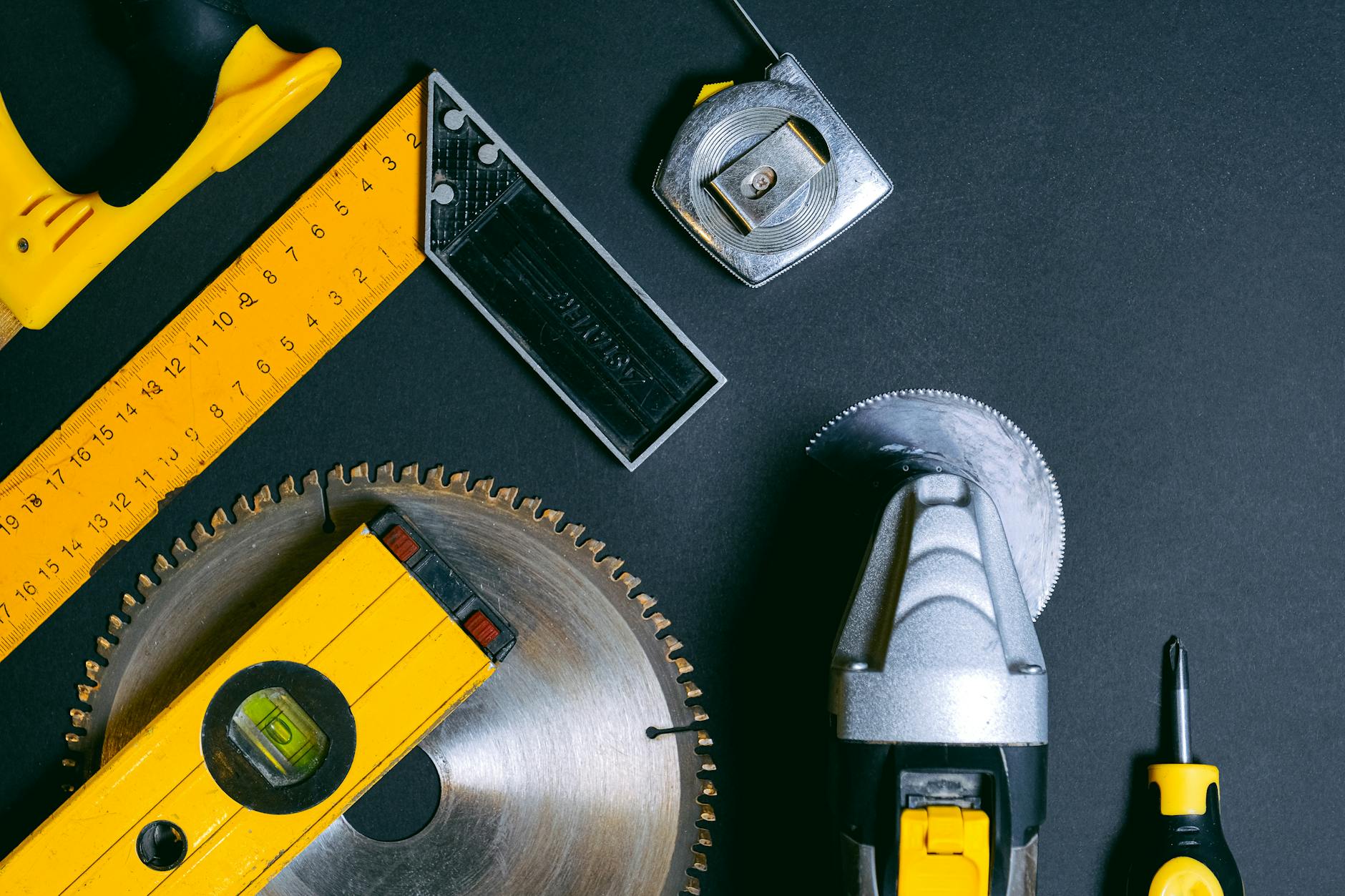
Being able to handle minor household repairs without calling a professional every time saves money and builds practical confidence. Hanging a shelf, fixing a leaky tap, patching a small hole in a wall, and unclogging a drain are all within reach of anyone willing to learn. Online tutorials and basic tool kits make getting started more accessible than ever before. These skills also reduce your dependence on landlords and contractors for issues that are genuinely manageable on your own.
Having a Difficult Conversation

Knowing how to raise a hard topic calmly and constructively is a skill that strengthens every relationship in your life. Whether it is addressing a conflict with a friend, discussing a concern with a partner, or pushing back on a colleague, delivering uncomfortable truths with care and clarity makes all the difference. Avoiding difficult conversations tends to create more problems than it solves. Practicing this skill before thirty means entering the most consequential years of your life better equipped.
Grocery Shopping on a Budget

Shopping for food in a way that is both nutritious and affordable requires a level of planning and awareness that many people underestimate. Meal planning, checking unit prices, buying seasonal produce, and avoiding impulse purchases all contribute to dramatically lower food bills. This skill connects directly to cooking ability and financial literacy, making it one of the most practical things you can master. A well-stocked kitchen built on a smart budget is one of adult life’s greatest everyday pleasures.
Time Management

Understanding how to allocate your hours effectively is one of the most transferable and impactful skills available to you. Prioritizing tasks, setting realistic deadlines, and knowing when to say no to commitments that overload your schedule all fall under this category. Poor time management is consistently linked to higher stress, lower productivity, and a pervasive sense of being behind. Developing a system that works for your lifestyle before thirty gives you a strong foundation for everything that follows.
Understanding a Lease
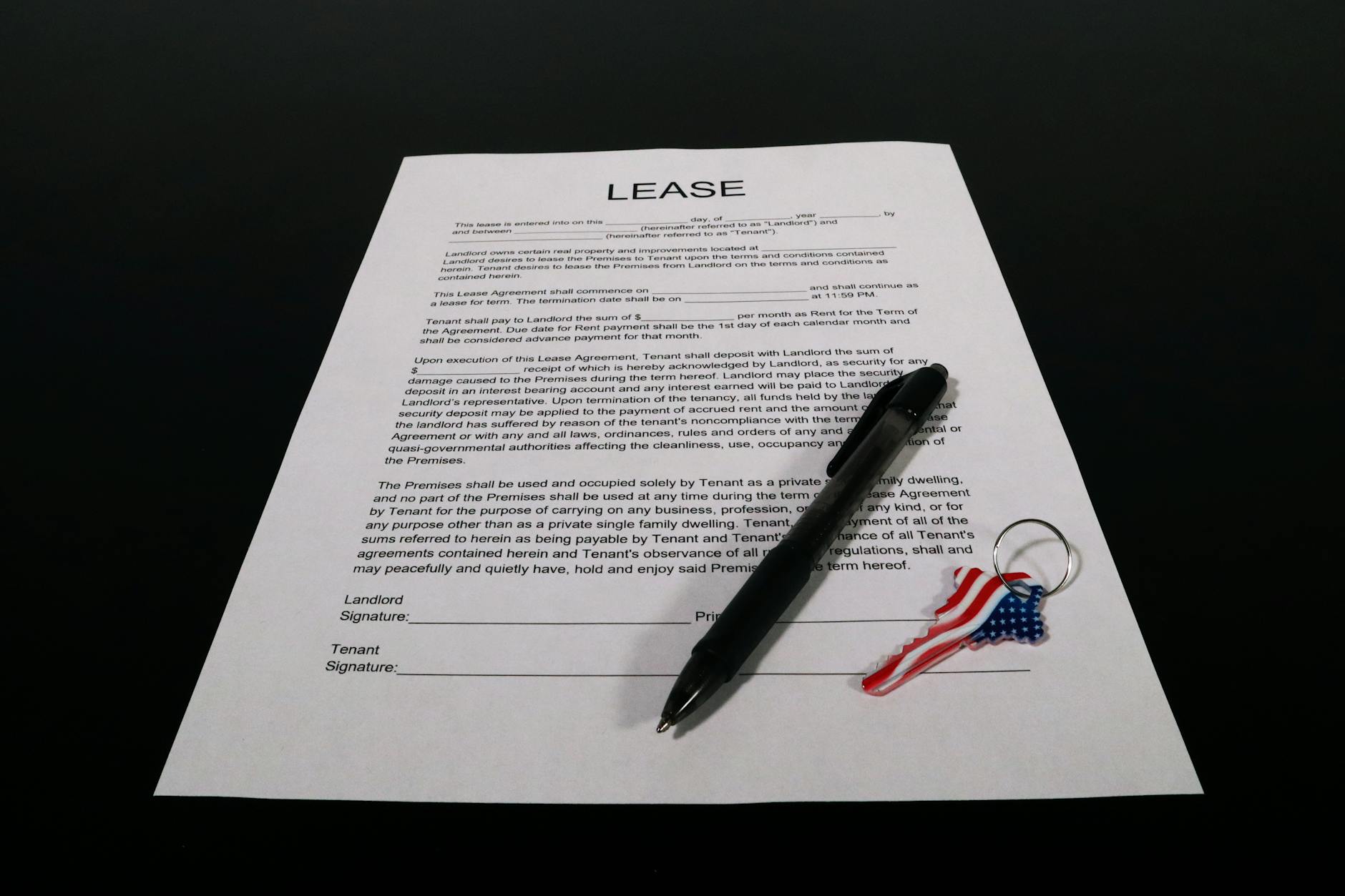
Knowing what you are signing when you enter a rental agreement protects you legally and financially. A residential lease outlines your rights and responsibilities as a tenant, the landlord’s obligations, and the terms under which you can be held liable. Reading it carefully before signing and asking questions about anything unclear is simply good practice. Many disputes between tenants and landlords stem from conditions that were in the lease all along and simply went unread.
Driving in Difficult Conditions

Driving in rain, fog, snow, or heavy traffic is a very different experience from routine fair-weather commuting. Understanding how to adjust speed, increase following distance, and avoid sudden braking in slippery or low-visibility conditions is genuinely life-saving knowledge. Many road accidents happen because drivers apply dry-road habits to conditions that require a completely different approach. Taking advanced driving courses or simply practicing deliberately in challenging conditions builds the reflexes and confidence you need.
Basic Sewing
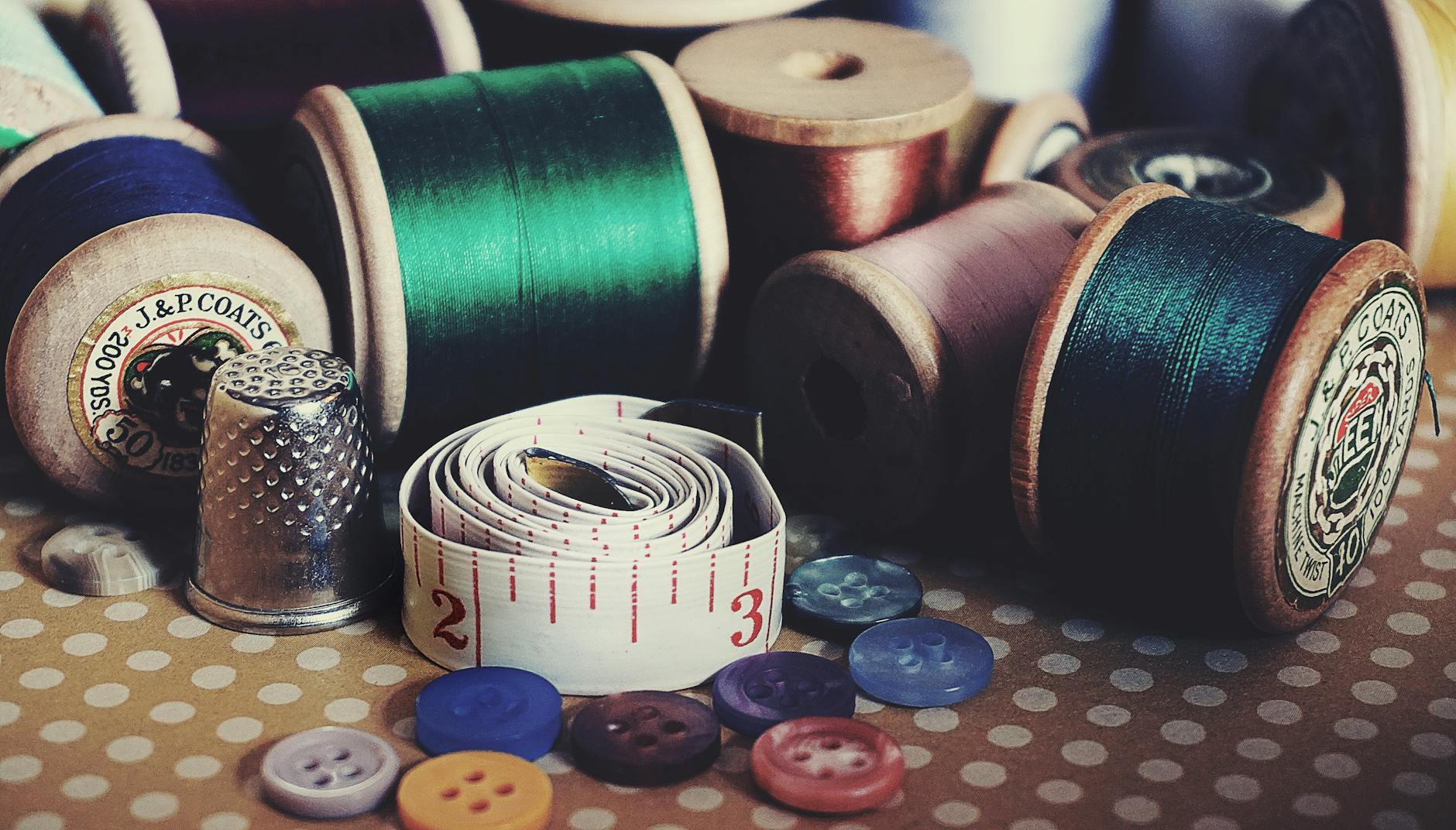
Being able to sew on a button, mend a hem, or repair a small tear extends the life of your wardrobe significantly. This skill takes very little time to learn and requires only a basic needle and thread to execute. It reduces waste, saves money on tailoring bills, and gives you a satisfying sense of self-reliance. Many people throw away perfectly good clothes over fixable issues that a few minutes of basic sewing would have resolved.
Saving for a Goal

Knowing how to set a financial goal and work toward it consistently is one of the most practically useful skills you can have. Whether saving for a trip, an emergency fund, or a major purchase, the habit of putting money aside regularly builds discipline and financial security over time. Automating savings removes the temptation to spend and makes progress feel effortless. Starting this habit before thirty gives compound interest and consistent practice decades to work in your favor.
Apologizing Sincerely

Knowing how to offer a genuine apology without deflecting blame or minimizing the other person’s experience is a mark of emotional intelligence. A real apology acknowledges what happened, takes responsibility, and communicates a commitment to doing better. It does not include qualifiers that shift the focus back to the person apologizing. This skill is fundamental to maintaining trust in every kind of relationship and becomes more valuable the older and more interconnected your life becomes.
Understanding Insurance
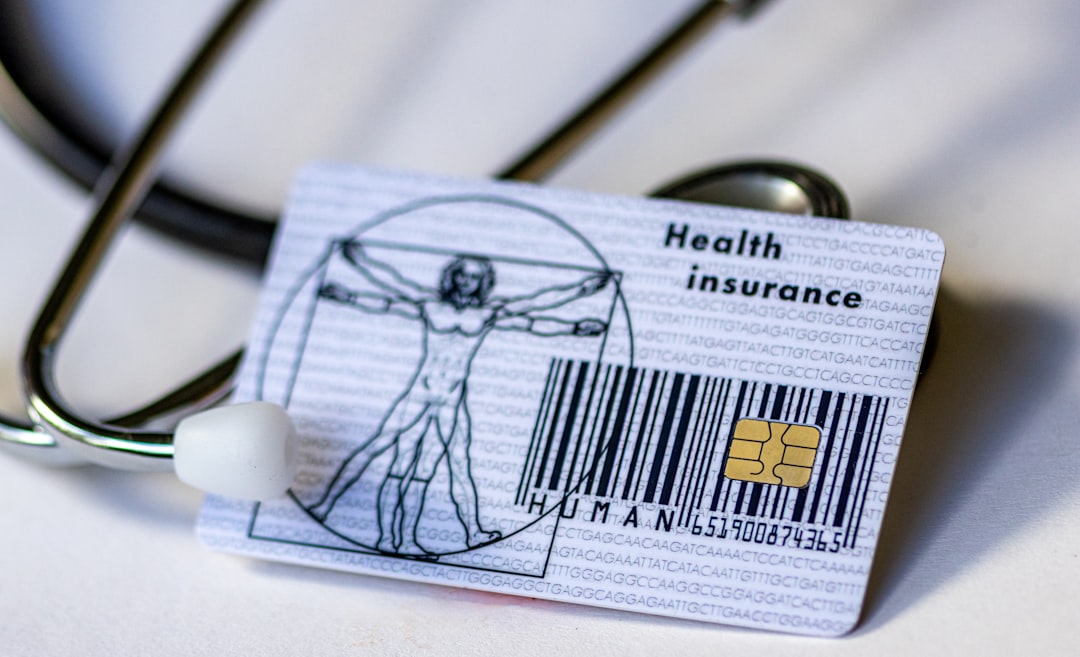
Knowing what types of insurance you need and what your policies actually cover is essential adult knowledge. Health, renters, car, and life insurance all serve different purposes and carry specific terms that directly affect you in a crisis. Reading policy documents, understanding deductibles and exclusions, and reviewing coverage regularly prevents unpleasant surprises at the worst possible moments. Being underinsured or uninformed is a risk that is entirely within your power to reduce.
Active Listening

The ability to listen attentively and with genuine focus is rarer than most people assume and more valuable than almost any conversational skill. Active listening means giving your full attention, resisting the urge to formulate your response while the other person is still speaking, and acknowledging what you have heard before responding. It builds trust, deepens understanding, and makes people feel genuinely respected. Developing this habit before thirty transforms both your personal and professional relationships in lasting ways.
Asking for Help

Knowing when and how to ask for help is a sign of self-awareness and strength, not weakness. Many people spend years struggling unnecessarily because asking for support feels like an admission of failure. Reaching out to a mentor, a colleague, a friend, or a professional when you are out of your depth leads to faster growth and better outcomes across every area of life. The most capable people in any field have all built their abilities on a foundation of help freely asked for and graciously accepted.
Knowing Your Own Values
Having a clear sense of what you genuinely believe in and what matters most to you is the compass that guides every major decision in your adult life. Values inform how you choose your career, your relationships, your lifestyle, and the causes you choose to support. Without this clarity, it is easy to drift into choices that look good from the outside but feel hollow from within. Spending time in honest reflection before thirty allows you to build a life that is authentically your own.
Which of these skills are you still working on? Share your thoughts in the comments.




