
Your immune system works around the clock to keep you healthy, but some of the foods sitting in your kitchen right now may be quietly undermining that effort. While most people focus on adding immune-boosting foods to their diet, fewer consider the damage being done by everyday staples that seem harmless on the surface. The connection between diet and immunity is well established, yet certain ingredients continue to fly under the radar as silent disruptors. Understanding which foods are working against your body is one of the most powerful steps you can take toward long-term health and resilience.
Refined Sugar

Excess sugar consumption has a direct and measurable impact on the ability of white blood cells to fight off pathogens. After consuming a large amount of sugar, immune function can remain suppressed for several hours, leaving the body more vulnerable during that window. Sugar also feeds harmful gut bacteria, which disrupts the microbial balance that plays a central role in immune regulation. Chronic high-sugar diets contribute to systemic inflammation, which places ongoing strain on the immune response. Reducing added sugars is one of the most impactful dietary changes a person can make for immune health.
Processed Meat

Hot dogs, deli slices, and packaged sausages contain a cocktail of preservatives, nitrates, and additives that place a significant burden on the immune system. These products are typically high in sodium, which in excess has been shown to impair the function of immune cells. The saturated fat content in many processed meats promotes inflammatory pathways throughout the body. Nitrate compounds found in these foods have been linked to oxidative stress, which degrades cellular immunity over time. Regular consumption creates a cumulative inflammatory environment that makes it harder for the body to mount a strong defense.
Margarine

Margarine was once promoted as a healthier alternative to butter, but its composition tells a more complicated story. Many varieties contain partially hydrogenated oils, a source of trans fats that are known to promote inflammation and suppress immune cell activity. Trans fats interfere with the production of prostaglandins, which are compounds that regulate the immune response. They also alter the structure of cell membranes, affecting how efficiently immune cells communicate and respond to threats. Despite reformulation efforts in recent years, many margarine products still contain ingredients that work against immune function.
Artificial Sweeteners
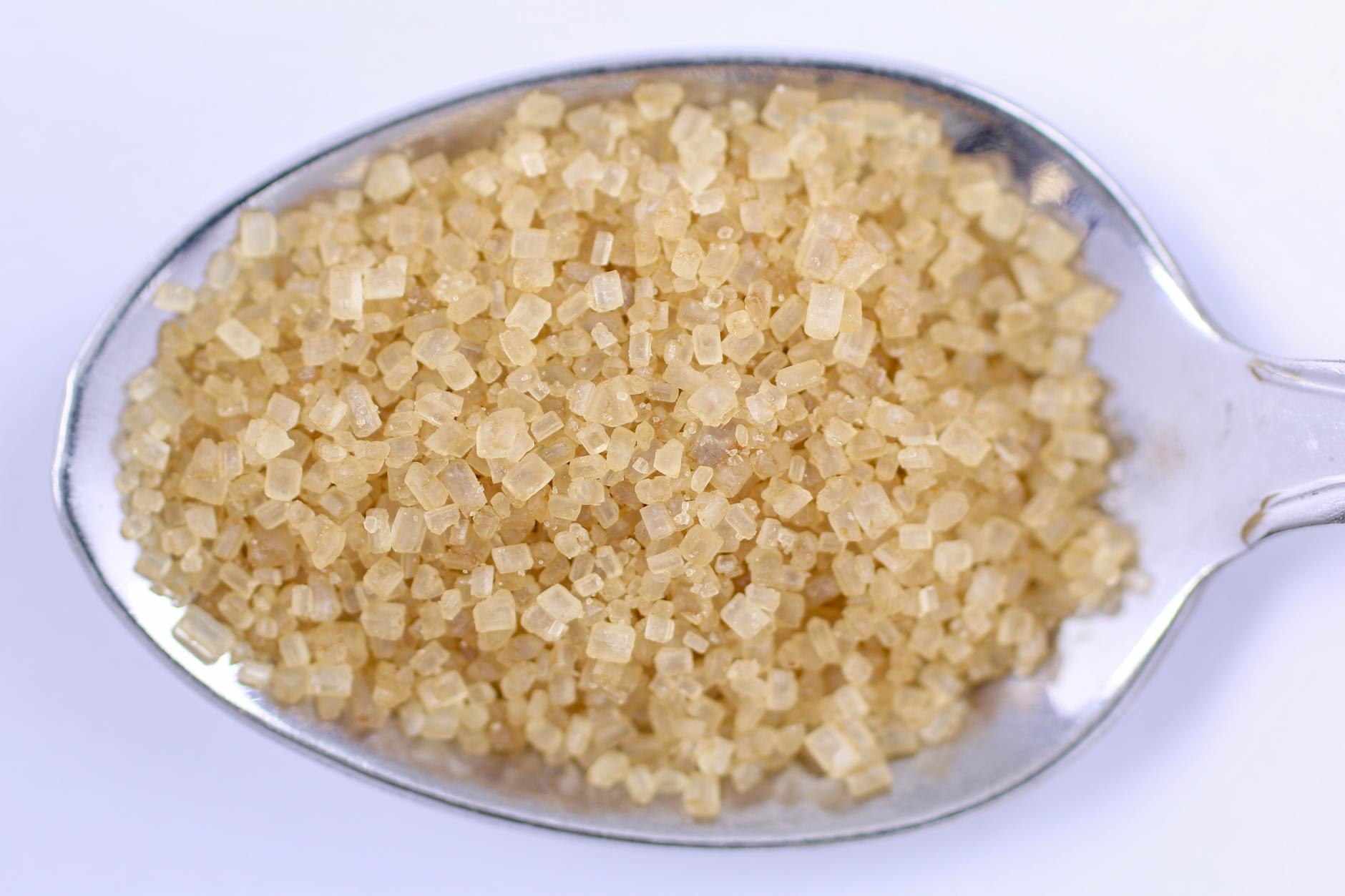
Sugar substitutes like aspartame, saccharin, and sucralose are marketed as a safe way to enjoy sweetness without the calories, but their effects on the gut microbiome raise serious concerns. Research has shown that several artificial sweeteners alter the composition of gut bacteria in ways that promote dysbiosis, a condition linked to weakened immunity. The gut houses approximately seventy percent of the immune system, making microbial balance critically important for overall defense. Some sweeteners have also been found to impair glucose tolerance, creating metabolic conditions that further strain immune function. The long-term impact of daily artificial sweetener consumption on immune health is an area of growing scientific concern.
Alcohol

Even moderate alcohol intake can interfere with the production and function of immune cells including T cells and B cells. Alcohol disrupts the gut lining, increasing intestinal permeability and allowing harmful substances to enter the bloodstream and trigger inflammatory responses. It also impairs the body’s ability to produce cytokines, the signaling proteins that coordinate the immune response during infection. Chronic consumption depletes key nutrients like zinc and vitamin B6, both of which are essential for healthy immune function. The liver, which plays a critical role in filtering immune threats, bears a significant burden under regular alcohol exposure.
Vegetable Oil

Highly refined vegetable oils such as corn oil, soybean oil, and sunflower oil are among the most commonly consumed fats in modern diets. These oils have an extremely high omega-6 to omega-3 ratio, which in excess promotes systemic inflammation rather than resolving it. Chronic inflammation is one of the most significant suppressors of immune function, reducing the body’s ability to respond appropriately to real threats. The refining process these oils undergo also strips them of antioxidants, leaving behind a product that is prone to oxidation both in the bottle and inside the body. Replacing these oils with olive oil or avocado oil is a straightforward way to reduce their inflammatory impact.
White Bread

White bread is made from refined flour that has been stripped of fiber, vitamins, and minerals during processing. Without fiber, it acts much like sugar in the body, causing rapid spikes in blood glucose that trigger inflammatory responses and suppress immune cell activity. The lack of prebiotic fiber means it does nothing to nourish the beneficial gut bacteria that are central to a robust immune system. Many commercial white bread products also contain additives and dough conditioners that introduce additional chemical burdens. Swapping white bread for whole grain or sourdough options provides the fiber and nutrients the immune system actually needs.
Fast Food

Fast food is engineered for palatability rather than nutritional value, and its immune consequences are significant. These meals are typically loaded with refined carbohydrates, trans fats, excess sodium, and artificial additives that collectively promote inflammation. Research has found that eating a diet high in fast food can trigger an aggressive immune response similar to that caused by a bacterial infection. Over time, this chronic activation desensitizes the immune system and reduces its capacity to respond effectively to genuine threats. The near-total absence of vitamins, antioxidants, and fiber in most fast food choices compounds the damage further.
Soda

Carbonated soft drinks are one of the most concentrated sources of added sugar in the modern diet, with a single can often containing more than the recommended daily limit. The fructose corn syrup commonly used in sodas promotes fatty liver and metabolic dysfunction, both of which have downstream effects on immune regulation. Phosphoric acid in cola drinks has been linked to reduced calcium absorption, affecting bone density and the functioning of immune cells that reside in bone marrow. Diet sodas carry their own risks through artificial sweeteners that disrupt gut microbiota. Replacing soda with water or herbal tea removes one of the most significant immune disruptors from the daily diet.
Microwave Popcorn

Microwave popcorn bags are lined with perfluorooctanoic acid, a chemical compound used to prevent grease from seeping through the packaging. This compound has been classified as a potential immune toxin, with studies linking it to reductions in antibody response and immune cell count. The artificial butter flavoring added to many varieties contains diacetyl, a compound associated with respiratory irritation and inflammation. High sodium levels in commercial microwave popcorn add further strain on the cardiovascular and immune systems. Air-popped popcorn with minimal seasoning is a far safer alternative for those who enjoy the snack.
Canned Soup

Canned soups are convenient but frequently contain alarmingly high levels of sodium, sometimes exceeding a full day’s recommended intake in a single serving. Excess sodium has been shown to activate inflammatory immune pathways and impair the function of regulatory immune cells. Many cans are lined with bisphenol A, a synthetic compound that has been found to interfere with immune cell signaling. The extended shelf-stable nature of canned soups requires preservatives that add chemical load without nutritional benefit. Choosing low-sodium versions or making soup from scratch gives far more control over the immune impact of this otherwise familiar staple.
Breakfast Cereal

Most commercially produced breakfast cereals are among the most heavily processed foods available on supermarket shelves. They are typically high in refined carbohydrates and added sugar, which create blood sugar fluctuations that directly affect immune cell performance. Many contain artificial colors and flavors linked to inflammatory responses, particularly in individuals with sensitivities. The fortification process that adds synthetic vitamins back after processing does not fully replicate the immune benefits of naturally occurring nutrients in whole foods. Choosing whole grain options with minimal added sugar is a meaningful step toward a more immune-supportive morning meal.
Candy

Candy delivers concentrated doses of sugar and artificial ingredients with virtually no nutritional value to offset the damage. The sugar rush triggers a measurable drop in the phagocytic activity of white blood cells, reducing the immune system’s ability to engulf and destroy pathogens. Artificial dyes found in many sweets have been linked to inflammatory responses and in some cases to immune-modulating effects. Gelatins and binding agents used in gummy candies are often derived from low-quality sources that offer no immune benefit. Even occasional candy consumption adds up over time, particularly when it displaces more nutrient-dense choices.
Ice Cream

Ice cream combines two significant immune disruptors in one serving, as it is simultaneously high in refined sugar and saturated fat. Saturated fat in large quantities promotes the production of pro-inflammatory cytokines that place the immune system in a state of chronic low-grade activation. The sugar content impairs white blood cell function in the short term, while the heavy cream base can also contribute to gut inflammation in individuals with any degree of dairy sensitivity. Commercial ice creams often contain stabilizers, emulsifiers, and artificial flavors that add additional chemical burden. Enjoying frozen treats made from whole fruit or coconut milk offers a far less disruptive alternative.
Agave Syrup

Agave syrup is widely perceived as a natural and healthy sweetener, but it contains a very high concentration of fructose, often higher than that found in high-fructose corn syrup. Excess fructose is processed primarily by the liver, and high intake is associated with fatty liver disease, elevated triglycerides, and metabolic dysfunction. These systemic imbalances create conditions that compromise immune efficiency and increase susceptibility to infection. Unlike glucose, fructose does not trigger satiety hormones effectively, making overconsumption easy. The natural origin of agave does not mitigate its metabolic impact, and using it in moderation or replacing it with raw honey is a healthier choice.
Flavored Yogurt

Plain yogurt is genuinely beneficial for immunity due to its live probiotic cultures, but flavored varieties are a different matter entirely. Most flavored yogurts contain substantial amounts of added sugar, which counteracts the probiotic benefits by feeding harmful gut bacteria and disrupting microbial balance. Artificial fruit flavors and colorings commonly found in these products add an inflammatory load that further undermines their apparent health positioning. Some brands add thickeners and stabilizers that alter the texture of the gut lining over time with regular consumption. Choosing plain full-fat yogurt and adding fresh fruit provides the probiotic benefit without the immune-suppressing side effects.
Energy Drinks

Energy drinks combine high doses of caffeine, sugar, and synthetic compounds like taurine and artificial B vitamins in a formulation that can significantly stress the body. The extreme caffeine content can disrupt sleep architecture, and sleep deprivation is one of the most potent suppressors of immune function known to researchers. The high sugar content causes the same inflammatory and immune-suppressive cascade seen with other sweetened beverages. Synthetic additives in energy drinks have been associated with cardiovascular stress and adrenal overactivation, both of which divert resources away from immune maintenance. Regular consumption of these drinks creates a physiological environment where the immune system is consistently under-resourced.
Fried Food

Frying food at high temperatures transforms otherwise neutral oils into sources of harmful compounds including acrylamide and advanced glycation end products. These compounds are strongly pro-inflammatory and have been linked to oxidative stress, which directly impairs immune cell function and longevity. The high fat content of most fried foods also slows digestion and promotes gut inflammation, disrupting the microbial environment that underpins immune regulation. Eating fried food frequently has been associated with increased markers of systemic inflammation in numerous population studies. Baking, steaming, or air-frying as cooking alternatives significantly reduces the immune burden associated with this preparation method.
White Rice
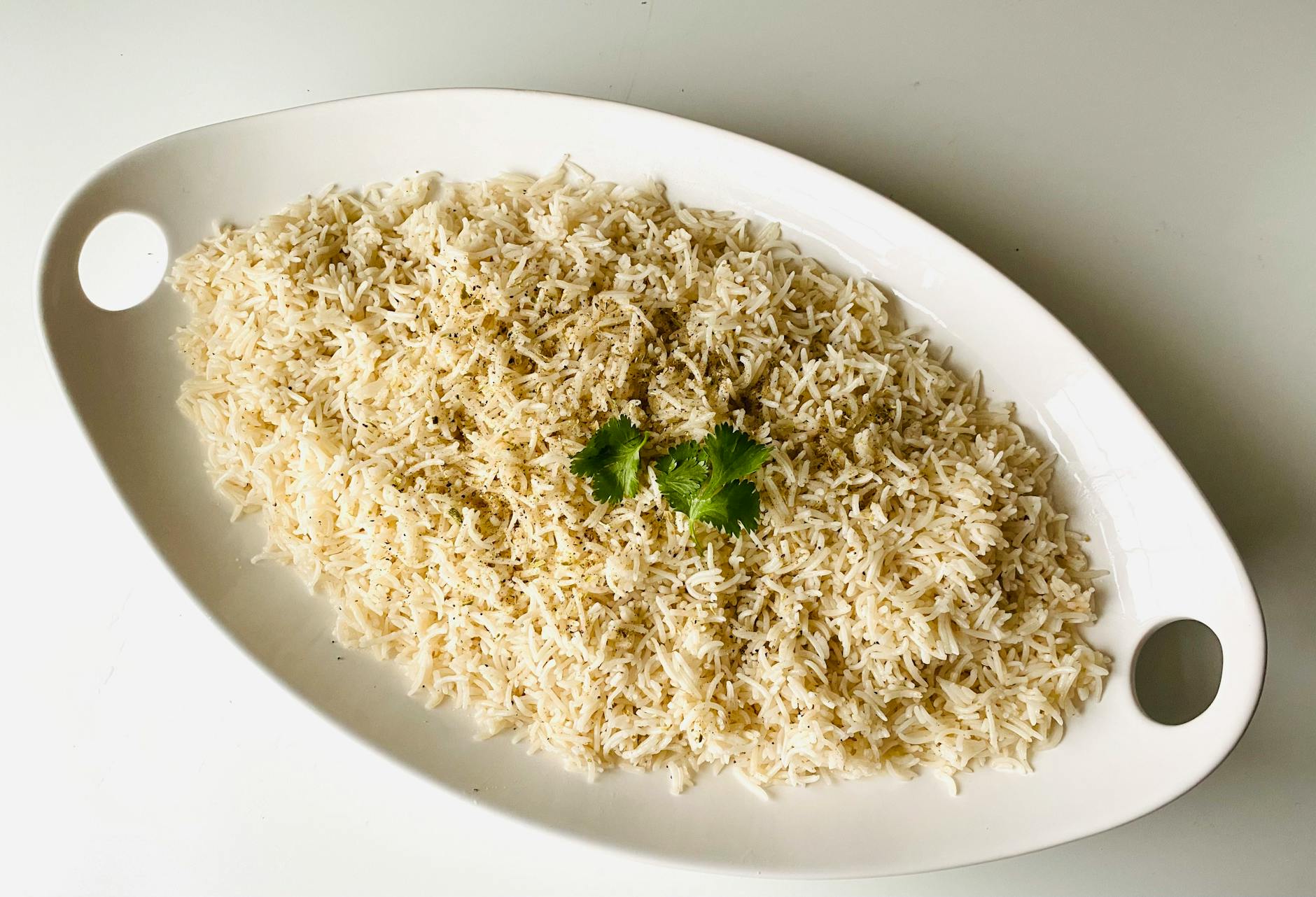
White rice undergoes heavy processing that removes the bran and germ layers, stripping away fiber, B vitamins, and minerals including zinc and magnesium that are essential for immune function. Like other refined carbohydrates, it causes rapid blood sugar spikes that trigger inflammatory responses and temporarily impair the activity of immune cells. The absence of fiber means white rice provides no prebiotic support for gut microbiota, which are central players in immune regulation. Over time, a diet heavy in refined grains contributes to insulin resistance and metabolic inflammation. Brown rice, quinoa, or other whole grains provide the same caloric satisfaction while actively supporting rather than undermining immune health.
Packaged Cookies

Packaged cookies are a concentrated source of refined flour, added sugar, and industrial fats, making them one of the more immune-damaging snack choices on most people’s lists. The combination of these three ingredients creates a potent inflammatory response that affects everything from gut health to white blood cell activity. Many commercial cookies contain palm oil or partially hydrogenated fats that introduce trans fat content even when labeling suggests otherwise. Artificial preservatives used to extend shelf life add further chemical burden without any nutritional compensation. The appeal of these products lies almost entirely in palatability rather than function, and their frequent consumption contributes to chronic immune suppression.
Flavored Coffee Drinks

Bottled and café-style flavored coffee drinks have become staples of modern daily routines, but many contain more added sugar than a can of soda. The sugar syrups, sweetened condensed milk, and flavored creamers used to create these beverages stack multiple inflammatory ingredients on top of each other. Artificial flavoring compounds found in many commercial creamers have been linked to respiratory and immune sensitivity in high-consumption individuals. Caffeine in excess also elevates cortisol levels, and chronically elevated cortisol is a well-documented suppressor of immune activity. Choosing plain black coffee or adding a small amount of whole milk and natural sweetener is a significantly less disruptive option.
Sports Drinks

Sports drinks were designed for athletes engaged in prolonged intense exercise, but they are widely consumed as everyday beverages by people who have not earned the electrolyte replacement they offer. The high sugar content in most commercial sports drinks creates the same immune-suppressive effects seen with other sweetened beverages, with very little benefit outside of genuine athletic recovery contexts. Artificial colors including synthetic dyes have been associated with inflammatory responses in research on immune reactivity. The sodium content, while helpful after extreme exertion, is excessive for sedentary or lightly active individuals and contributes to fluid retention and vascular stress. Water remains the most immune-neutral hydration choice for the vast majority of daily situations.
Potato Chips

Potato chips combine refined carbohydrates, excessive sodium, and oxidized vegetable oils in a single snack that hits multiple immune-disrupting pathways at once. The high-temperature frying process generates acrylamide, a compound that has been shown to interfere with immune cell communication. Sodium in the quantities found in a typical serving activates inflammatory immune signaling that, over time, reduces the precision of the body’s defensive response. Artificial flavors and seasoning blends often contain additives that add chemical burden without any nutritional offset. The combination of these factors makes potato chips one of the most consistently immune-suppressive snack foods available.
Fruit Juice

Fruit juice is widely perceived as a health food but is in practice one of the more concentrated sources of sugar in the average diet. The juicing process removes the fiber from whole fruit, leaving behind a high-fructose liquid that behaves metabolically much like soda. This rapid sugar delivery causes sharp blood glucose spikes that suppress white blood cell activity in the short term and promote inflammation with regular consumption. Commercially produced juices are often pasteurized in ways that destroy the limited micronutrient content that might otherwise justify their inclusion. Eating whole fruit instead preserves the fiber, slows sugar absorption, and provides a genuinely immune-supportive experience.
Frozen Pizza

Frozen pizza is a multi-layered source of immune-disrupting ingredients, combining refined white flour crust, high-sodium processed cheese, sugary tomato paste, and preserved meat toppings in a single meal. The refined carbohydrate base causes blood sugar elevation that impairs immune cell function, while the saturated fat from cheese and processed meats fuels pro-inflammatory pathways. High sodium levels activate inflammatory cytokine production and compromise the function of regulatory immune cells. Preservatives and stabilizers used to maintain texture and shelf stability add further chemical load. Occasional consumption is unlikely to cause lasting harm, but frequent reliance on frozen pizza creates a persistently inflammatory dietary pattern.
Candy Bars

Candy bars pack an extraordinary concentration of immune-damaging ingredients into a single compact serving, combining refined sugar, trans or saturated fats, artificial flavors, and in many cases refined grain components. The sugar content alone is sufficient to measurably suppress neutrophil activity, the immune cells responsible for first-line defense against bacteria and viruses. The fat composition of most candy bars promotes the kind of systemic low-grade inflammation that gradually erodes immune precision over time. Artificial emulsifiers found in the chocolate and filling layers have been shown in research to disturb gut microbiota composition. The occasional indulgence is unlikely to cause dramatic harm, but daily consumption maintains a state of mild immune suppression that adds up significantly.
Instant Noodles

Instant noodles are among the most sodium-dense foods in the modern pantry, with a single serving sometimes delivering double the recommended daily sodium allowance. This excess salt intake activates inflammatory immune responses and has been specifically linked to the impairment of regulatory T cells that normally prevent the immune system from overreacting. The refined noodle base offers no fiber, no meaningful vitamins, and no mineral support for immune function. Many packets contain flavor enhancers like monosodium glutamate that in high quantities can contribute to headaches, systemic stress, and inflammatory signaling. Fortified or whole grain noodle products with homemade broth represent a dramatically more immune-supportive alternative.
Bottled Salad Dressing

Store-bought salad dressings are frequently overlooked as a source of immune-disruptive ingredients, hidden behind the perception that they accompany vegetables. Many commercial dressings contain refined soybean oil or canola oil as their base, both of which have highly inflammatory omega-6 profiles. Added sugar, high-fructose corn syrup, and artificial flavor enhancers appear in a surprising number of dressings marketed as healthy or light. Emulsifiers such as polysorbate 80 and carboxymethylcellulose have been specifically studied for their effects on gut microbiota, with findings suggesting disruption to the microbial environment critical for immune defense. Making dressings at home with olive oil, vinegar, and fresh herbs eliminates these concerns entirely.
Gluten-Free Junk Food

Gluten-free labeling has become a powerful marketing signal that many consumers associate with health, but gluten-free processed products are not inherently better for immune function. To replicate the texture lost by removing gluten, manufacturers often increase the amounts of refined starch, sugar, and fat, creating products that are in some cases more inflammatory than their conventional counterparts. Many gluten-free cookies, breads, and snacks use rice flour or tapioca starch as their base, which have high glycemic indices that spike blood sugar rapidly. The absence of gluten does not eliminate the immune burden created by artificial additives, preservatives, and low fiber content. Whole food choices remain the most reliable foundation for immune health regardless of gluten status.
Processed Cheese

Processed cheese products like cheese slices, cheese spreads, and shelf-stable cheese snacks bear little nutritional resemblance to real aged cheese, despite their similar appearance and taste. These products are manufactured using cheese byproducts combined with emulsifying salts, artificial colorings, and preservatives that add significant inflammatory potential. The sodium content in processed cheese is disproportionately high even by dairy standards, contributing to vascular stress and immune activation. Emulsifying agents used in processing have been linked to gut microbiome disruption in studies examining food additive effects. Real fermented cheeses like cheddar, gouda, or parmesan in moderation are far superior options for those who enjoy dairy.
Diet Food Products
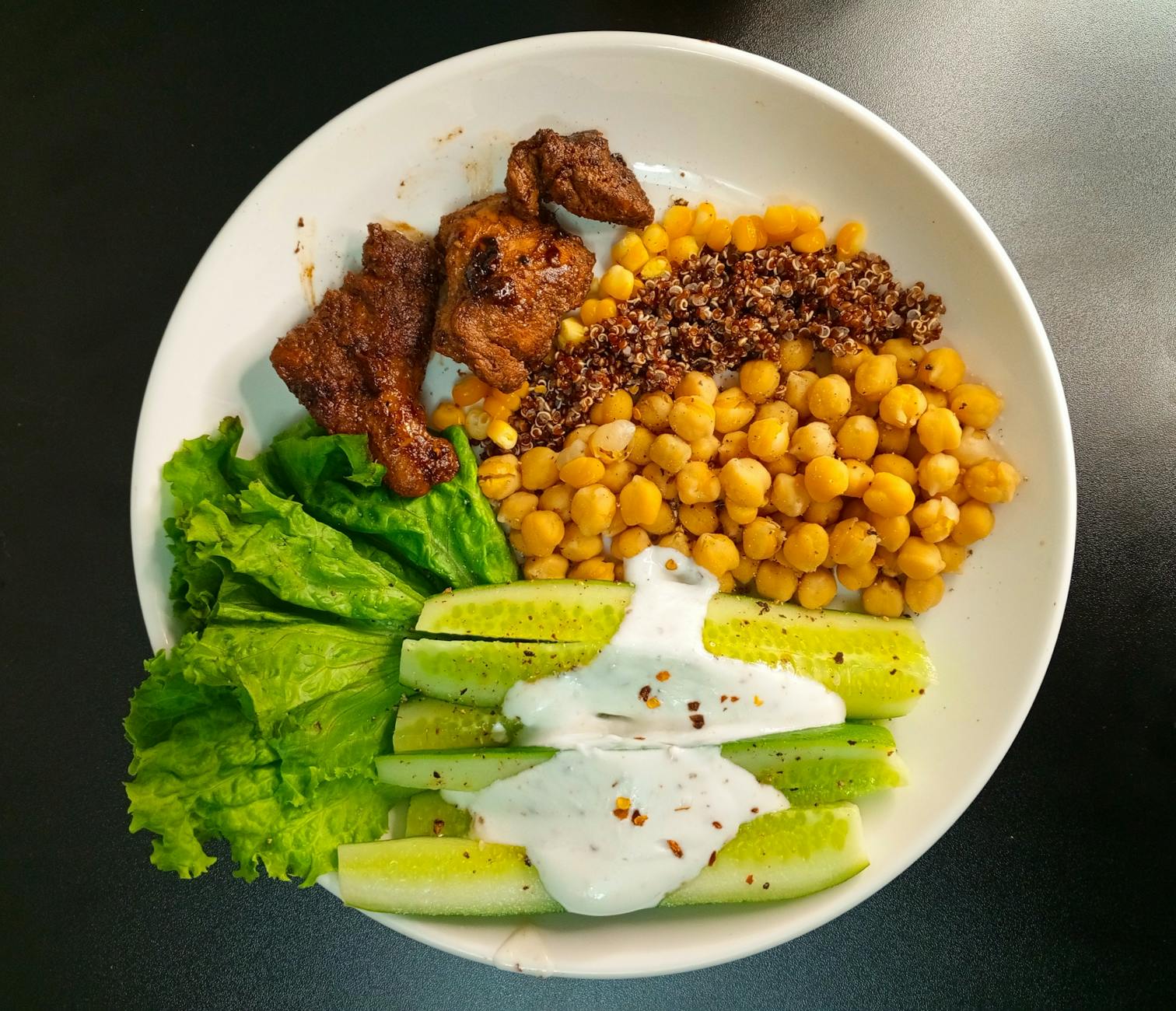
Low-calorie and fat-free diet products are often filled with artificial sweeteners, thickeners, and flavor enhancers to compensate for the removal of natural fats and sugars. The sweeteners used most commonly in these products disrupt gut microbiota composition, which directly undermines immune regulation given the gut’s central role in immune defense. Chemical thickeners like carrageenan have been associated with intestinal inflammation and permeability issues in research settings. The perception that these foods are healthy can lead to higher overall consumption, multiplying the immune impact of the individual additives they contain. Real whole foods eaten in appropriate portions consistently outperform diet-labeled alternatives on measures of metabolic and immune health.
Soy Sauce
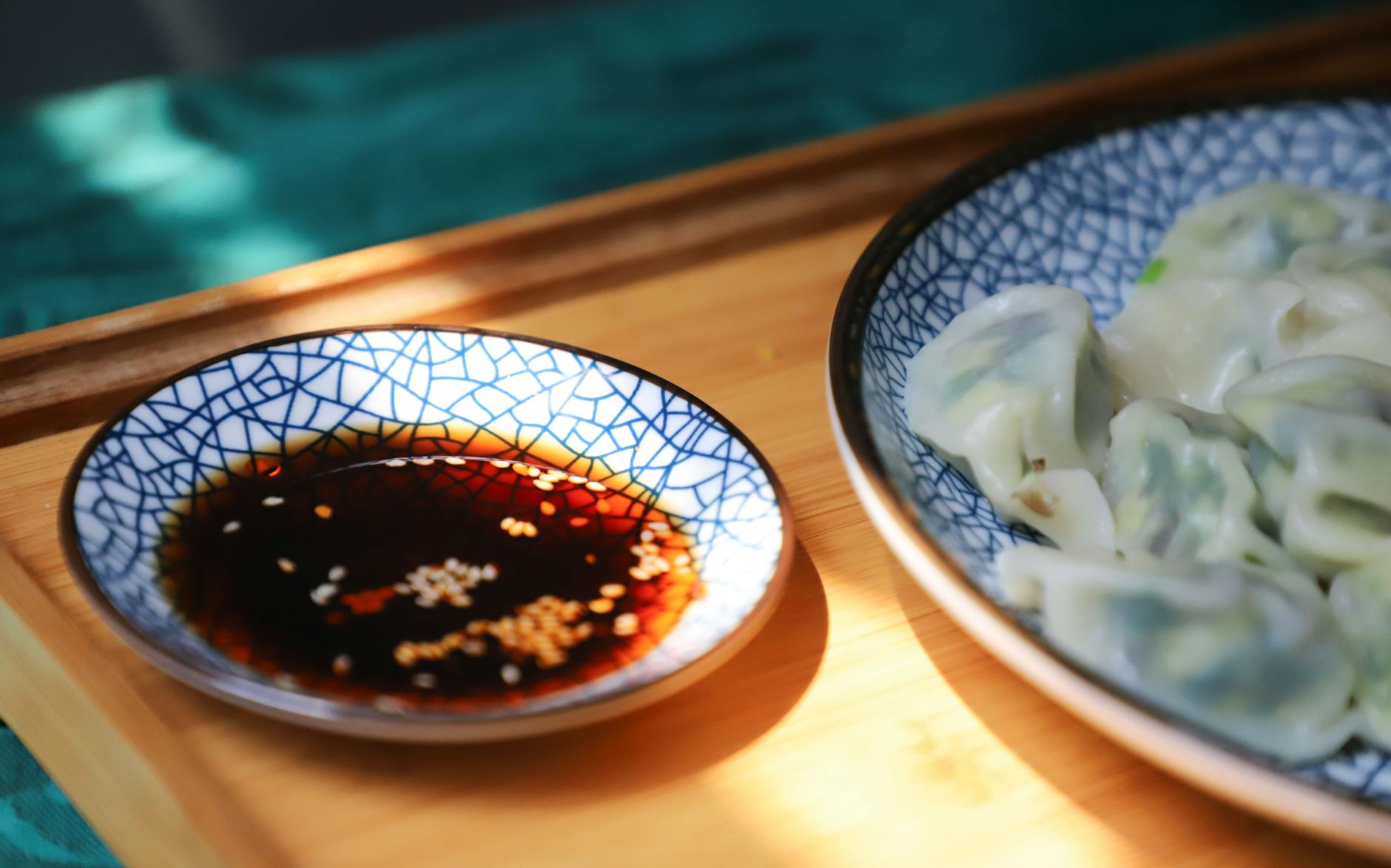
Soy sauce is used in small quantities as a condiment in many cuisines, but its sodium density makes overconsumption easier than most people realize. A single tablespoon of regular soy sauce contains close to forty percent of the daily recommended sodium intake, and many recipes and restaurant dishes use far more than a single tablespoon. Chronic high sodium intake activates pro-inflammatory immune pathways and has been specifically linked to impairment of regulatory immune cells in recent research. Most commercially produced soy sauce also contains additives and preservatives not found in traditionally fermented varieties. Using low-sodium tamari in smaller quantities or switching to coconut aminos reduces the immune burden significantly.
Flavored Crackers
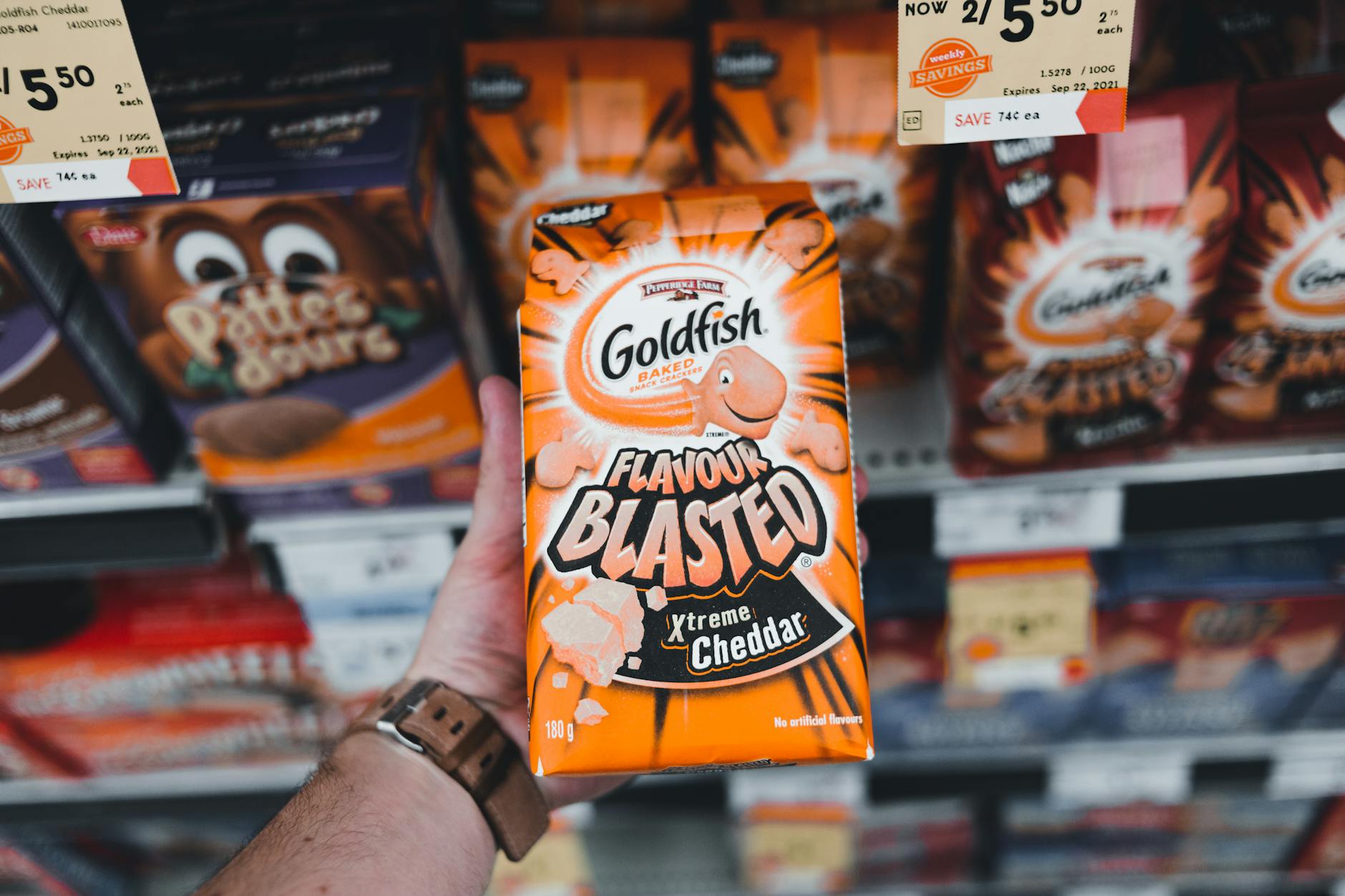
Flavored crackers occupy a comfortable middle ground between snacks and meals in many people’s daily routines, but their ingredient lists reveal a less benign reality. Most varieties are made from refined white flour that contributes to blood sugar elevation and provides no prebiotic fiber for gut immune support. Artificial flavors, yeast extracts, and flavor enhancers are commonly added to intensify palatability, and several of these compounds have been linked to inflammatory sensitivity. The oils used in most commercial crackers are highly refined vegetable oils with pro-inflammatory omega-6 profiles. Whole grain crackers with minimal ingredients and no artificial additives are a more immune-responsible substitute.
Microwave Meals
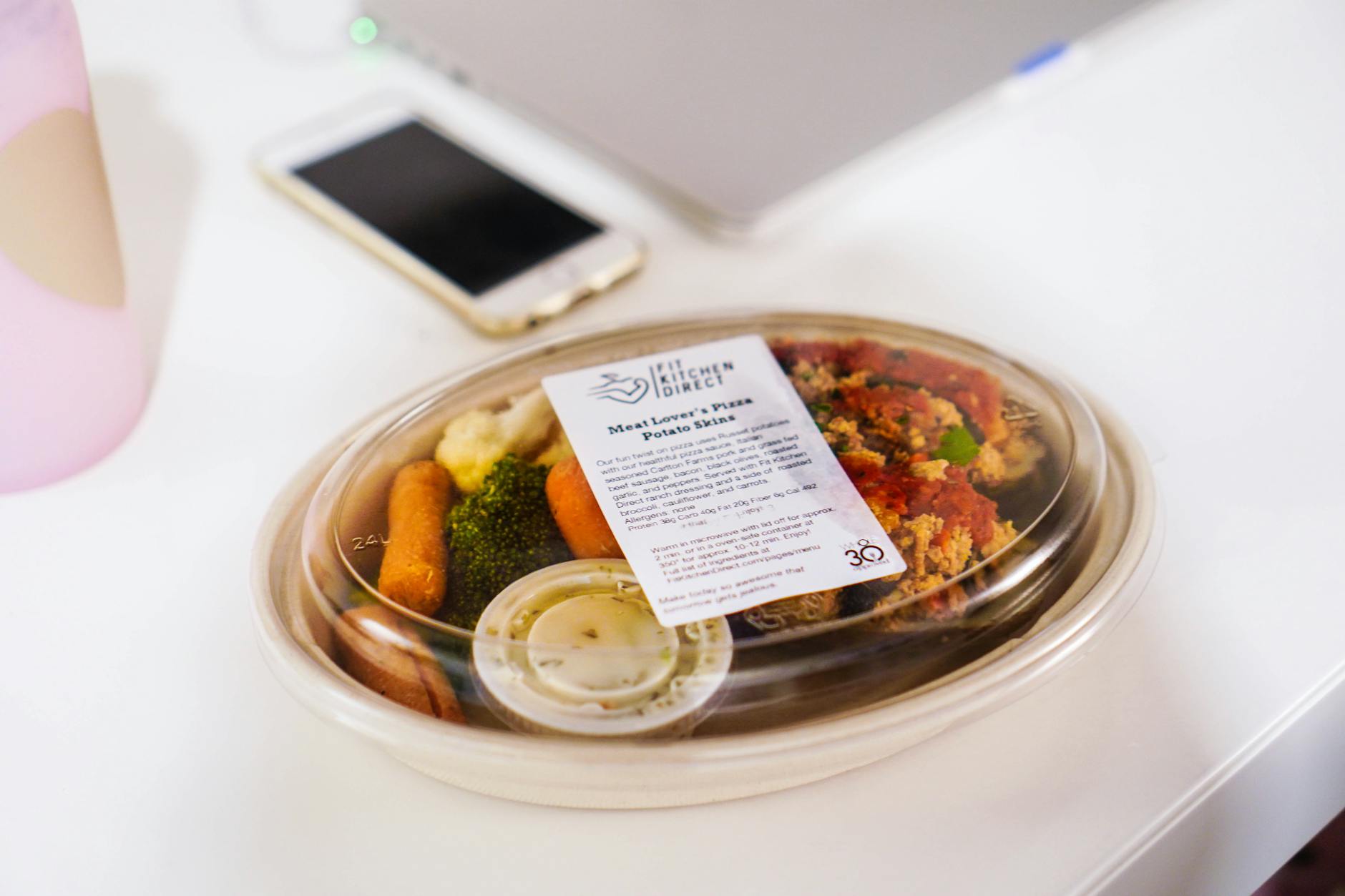
Frozen microwave meals are designed for convenience above all else, and the preservatives required to achieve their extended shelf life introduce a significant chemical burden with every serving. Most contain high amounts of sodium, refined carbohydrates, and low-quality fats that collectively activate inflammatory immune pathways with regular consumption. The nutritional content of vegetables and proteins included in these meals is degraded by industrial processing and freezing cycles before they ever reach a plate. Packaging materials used in some microwave meal containers have been shown to leach compounds including hormone-disrupting chemicals under heat, adding further concern. Batch cooking and freezing homemade meals achieves the same convenience without the immune costs.
Ketchup

Ketchup may seem like a harmless condiment, but commercially produced versions are surprisingly high in added sugar, with a single tablespoon often containing more sugar than a small cookie. The high-fructose corn syrup used in many standard ketchup formulations contributes to the same metabolic and immune-disrupting effects associated with other sugar-heavy products. Regular consumption adds up quietly across meals, particularly among those who use it generously on multiple foods throughout the day. Most commercial ketchups also contain preservatives and stabilizers that add low-level chemical burden without nutritional benefit. Making homemade tomato sauce or choosing versions with no added sugar and clean ingredients allows for the flavor without the immune compromise.
If any of these foods have surprised you on this list, share your thoughts in the comments.




