
So many people move through their mornings on autopilot, never stopping to consider how a handful of careless habits might be quietly sabotaging everything that follows. The way you begin your day has a powerful ripple effect on your energy, focus, mood, and productivity for hours to come. Some of the most damaging routines are also the most common, making them easy to overlook and hard to shake. This list breaks down the twenty morning habits most likely to derail your day before it even gets started.
Phone Scrolling

Reaching for your phone within the first few minutes of waking immediately floods your brain with information, notifications, and stimulation before it has had any time to ease into consciousness. This habit activates a stress response right at the start of the day, raising cortisol levels and setting an anxious, reactive tone. Your attention becomes scattered across other people’s agendas, news, and social media content before you have had a chance to form your own intentions. Studies in behavioral psychology consistently link early-morning screen exposure to reduced focus and lower mood throughout the day. Beginning the day with someone else’s content rather than your own thoughts is one of the most quietly harmful habits in modern life.
Snoozing

Hitting the snooze button feels like a small mercy, but it actually disrupts your sleep cycle rather than extending meaningful rest. Each additional snooze fragment pulls you back into an incomplete sleep stage, leaving you groggier than if you had simply gotten up the first time. This phenomenon is known as sleep inertia, and repeated snoozing intensifies it significantly. Your body receives conflicting signals about whether it is time to wake or rest, which confuses your internal clock over time. The cumulative effect is a foggy, sluggish start that can take hours to shake off.
Skipping Water

Your body loses a significant amount of water overnight through breathing and natural processes, arriving at morning in a mildly dehydrated state. Failing to rehydrate before reaching for coffee or food means your cells, brain, and digestive system are all operating below capacity. Dehydration at the cellular level contributes to fatigue, headaches, difficulty concentrating, and irritability. Many people mistake the sluggishness of dehydration for hunger or the need for caffeine, leading them further down an unhelpful path. Drinking a full glass of water within the first fifteen minutes of waking is one of the simplest and most impactful things you can do for your morning.
Rushed Breakfast

Eating in a hurry or standing over the sink while scrolling your phone prevents your digestive system from functioning as it should. When you eat under stress, your body diverts energy away from digestion, which can lead to bloating, discomfort, and energy crashes later in the morning. A hurried breakfast also tends to be less nutritious, relying on whatever is fastest rather than what would best fuel your body. Skipping mindful eating removes a natural opportunity to pause, breathe, and gather yourself before the demands of the day begin. Making time to sit down for even a short meal has measurable benefits for both digestion and mental clarity.
No Natural Light

Staying indoors in artificial or dim lighting after waking deprives your brain of the morning light signal it needs to fully suppress melatonin and boost alertness. Natural light exposure in the morning is one of the most powerful regulators of your circadian rhythm, affecting everything from mood to sleep quality that night. Without it, your internal clock stays confused, making it harder to feel truly awake in the morning or properly tired at bedtime. Even a few minutes near a bright window or a short walk outside makes a measurable difference to hormonal regulation. Blocking out natural light by keeping curtains drawn all morning is a small habit with outsized negative consequences.
Skipping Movement

A morning with zero physical activity misses a critical window for stimulating blood flow and waking up the musculoskeletal system after hours of stillness. Movement in the morning triggers the release of endorphins and dopamine, both of which have a direct impact on mood, motivation, and mental sharpness. Even five to ten minutes of stretching, walking, or light exercise can shift your physiological state meaningfully. Without any movement, stiffness and low energy tend to persist well into the day, making everything from sitting at a desk to engaging in conversation feel harder than it needs to. The body was designed to move in the morning, and denying it that signal has real consequences.
Negative Self-Talk
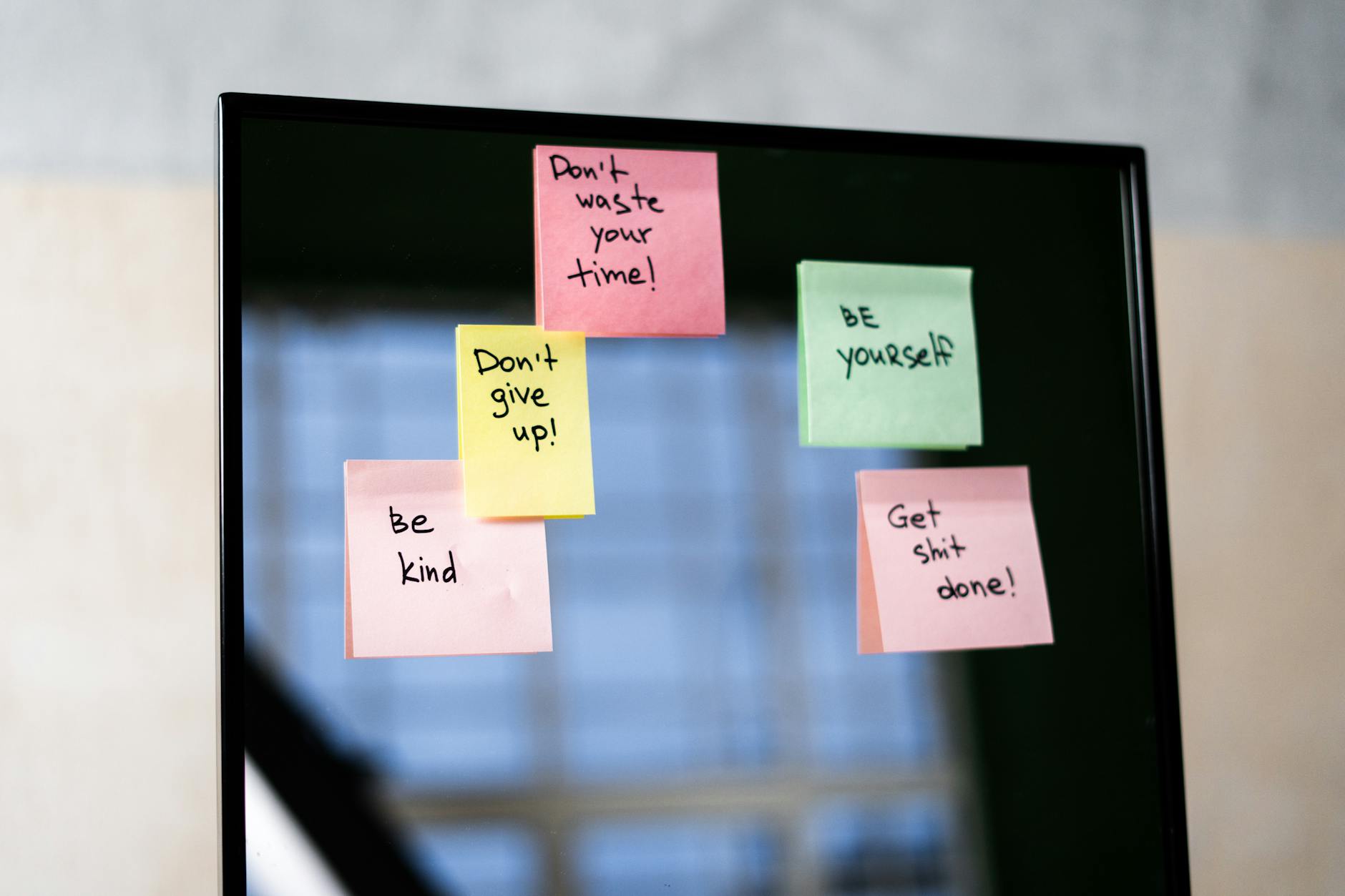
Beginning the day with critical inner dialogue sets a deeply unhelpful psychological tone that colors every interaction and decision that follows. Thoughts like feeling unprepared, unattractive, or behind before the day has even started activate the stress response and undermine confidence before any challenge has actually arrived. This kind of mental framing is cumulative, meaning repeated exposure to it reshapes how you interpret neutral events throughout the day. Research in cognitive behavioral psychology links habitual negative morning thoughts to lower resilience, higher anxiety, and reduced performance. The stories you tell yourself first thing in the morning are among the most powerful stories you tell all day.
Caffeine on Empty

Drinking coffee on an empty stomach before eating anything introduces a significant surge of cortisol and acid into a digestive system that has not yet been primed for it. This can cause stomach discomfort, acid reflux, and a spike-and-crash energy cycle that leaves you reaching for more caffeine by mid-morning. Coffee consumed before food also amplifies anxiety in many people, particularly those who are already prone to stress or nervous tension. The short-term alertness it provides tends to be followed by a pronounced slump that makes the second half of the morning considerably harder. Pairing caffeine with or after a small meal dramatically reduces these effects.
No Planning

Entering a new day without any sense of structure or intention leaves you reactive rather than proactive from the very first hour. Without a loose plan or set of priorities, your attention defaults to whatever is loudest or most urgent, which is rarely the most meaningful or productive use of your time. This lack of direction builds over the course of the day, often resulting in a sense of having been busy without having accomplished anything important. Taking even five minutes in the morning to identify two or three key intentions creates a sense of agency and purpose that changes how you move through the day. A morning without planning is an invitation for other people’s priorities to run your schedule.
Loud Alarms

Waking to a jarring, aggressive alarm sound triggers the fight-or-flight response, flooding your system with adrenaline before you are even fully conscious. This is a physiologically stressful way to begin the day, and it primes the nervous system for anxiety rather than calm alertness. The association between that alarm sound and the shock of waking can even create low-level dread the night before, affecting sleep quality. Gentler alternatives such as gradual light alarms or soft tonal sounds allow the brain to transition out of sleep more naturally and with considerably less stress. The first sensory experience of your day shapes the emotional and physiological baseline you carry into everything that follows.
Heavy Social Media

Spending more than a few minutes on social media first thing in the morning is one of the fastest ways to erode your sense of self-worth and direction before the day has begun. Constant exposure to curated highlights of other people’s lives activates social comparison, which research consistently links to decreased mood and motivation. The algorithm is designed to capture and hold attention indefinitely, meaning what begins as a quick check can easily consume thirty minutes or more. This time is lost from more restorative or intentional morning activities and leaves you feeling vaguely dissatisfied in a way that can be hard to trace. Social media is best reserved for a time of day when your sense of self and direction is already well established.
Skipping Breakfast

Missing the morning meal entirely deprives your brain and body of the glucose they need to perform at even a basic level of function. Cognitive tasks become harder, memory and concentration suffer, and mood tends to deteriorate well before lunch when the body has been running on empty since the night before. Skipping breakfast also makes people significantly more likely to overeat later in the day, disrupting metabolic rhythms in ways that affect energy levels for hours. The body’s hormonal response to going without food after an overnight fast can also elevate cortisol, adding to the stress load of the morning. Even a small, nutrient-dense meal is far more beneficial than nothing at all.
Checking Email

Opening your email inbox in the first moments of the morning immediately transfers control of your attention from your own priorities to those of everyone who has sent you a message. It establishes a reactive mindset and places you in service of other people’s agendas before you have had any time to establish your own. The mental load of seeing unread messages creates a low-grade anxiety that persists even after you close the app, occupying background processing space in your brain. Email is most productively handled in designated windows later in the day once your most important cognitive work is already underway. Making the inbox the first stop of the morning is a habit that quietly diminishes focus and autonomy for hours.
Poor Posture

Slouching over a phone or hunching at a desk immediately after waking reinforces muscular patterns that cause pain, tension, and fatigue throughout the rest of the day. The body spends the night in a relaxed, horizontal position and is particularly susceptible to postural habits formed in those first waking hours. Research in embodied cognition suggests that collapsed posture is also linked to lower mood, reduced confidence, and diminished energy. Taking a few minutes for upright stretching or deliberate posture awareness in the morning has a real effect on both physical comfort and psychological state. How you hold your body in the morning communicates something to your nervous system about what kind of day to expect.
Multitasking

Trying to do too many things simultaneously in the morning creates a cognitive load that fragments attention before the day has properly begun. When the brain is forced to switch rapidly between tasks, it depletes executive function resources early, leaving you with less mental stamina for complex work later in the day. Multitasking also generates a low-level sense of chaos and incompletion that lingers as background stress throughout the morning. Research in neuroscience consistently shows that what feels like multitasking is actually rapid task-switching, which is measurably less efficient than focused sequential work. A calmer, more single-focused morning produces better outcomes than a frantic one, even when the former involves accomplishing fewer things simultaneously.
Skipping Skincare

Neglecting a basic morning skincare routine means your skin is heading into the day without protection from environmental stressors like UV exposure, pollution, and dehydration. Beyond the physical effects, research on behavioral activation suggests that completing small, self-care rituals in the morning has a genuine positive effect on mood and self-perception. Skipping these steps entirely can also create a compounding cycle of skin concerns that require more effort to address later. A minimal routine that takes just a few minutes is enough to meaningfully protect and support skin health over time. Treating your skin as an afterthought in the morning has both physical and psychological consequences.
Overthinking

Ruminating on worries, to-do lists, or hypothetical problems during the first minutes of wakefulness creates a pattern of anxious thinking that can persist throughout the entire day. The morning brain is in a particularly impressionable state, making it more susceptible to mental loops that are difficult to break once they are established. This habit consumes energy that could be directed toward clarity and intentional action, leaving you feeling overwhelmed before any real challenge has materialized. Mindfulness practices and grounding techniques are specifically designed to interrupt this cycle at the source. Beginning the day with a settled, present mind is not a luxury but a skill that has measurable effects on daily functioning.
Unhealthy Snacking

Reaching for sugary snacks, pastries, or ultra-processed foods as a morning meal leads to a rapid spike in blood sugar followed by an equally sharp crash, often within an hour or two. This energy cycle is one of the most common contributors to mid-morning fatigue, irritability, and difficulty concentrating. Foods high in refined sugar and low in protein or fiber fail to provide any sustained fuel for the brain or body, regardless of how satisfying they feel in the moment. The hormonal aftermath of a high-sugar morning meal also affects hunger regulation for the rest of the day, creating a cycle of cravings that is difficult to break. What you eat in the morning has a longer metabolic reach than most people realize.
Negative News

Consuming distressing or conflict-heavy news content within the first thirty minutes of waking activates the stress response and creates a lens of threat and alarm through which the rest of the day gets filtered. Research on media consumption and mental health consistently shows that early-morning news exposure is linked to heightened anxiety, reduced empathy, and a more pessimistic outlook. This is not an argument for staying uninformed but rather for choosing when and how to engage with difficult content. A mind that has had time to settle and stabilize in the morning is far better equipped to process challenging information without being derailed by it. Protecting the first hour of your day from heavy news content is one of the most effective forms of emotional self-care available.
Bad Sleep Hygiene

Poor habits the night before make a bad morning almost inevitable, meaning what happens before you even wake up is already shaping your ability to have a productive day. Going to bed at irregular hours, using screens late into the night, and consuming caffeine or alcohol in the evening all disrupt the sleep architecture needed for genuine rest. Waking up after fragmented or insufficient sleep compromises memory consolidation, emotional regulation, and physical energy in ways that no morning routine can fully compensate for. The relationship between sleep and daytime performance is one of the most robustly supported findings in behavioral science. A truly good morning begins not with the alarm but with the decision you make about when and how you go to sleep the night before.
If any of these habits sound familiar, share which ones you are working on changing in the comments.




