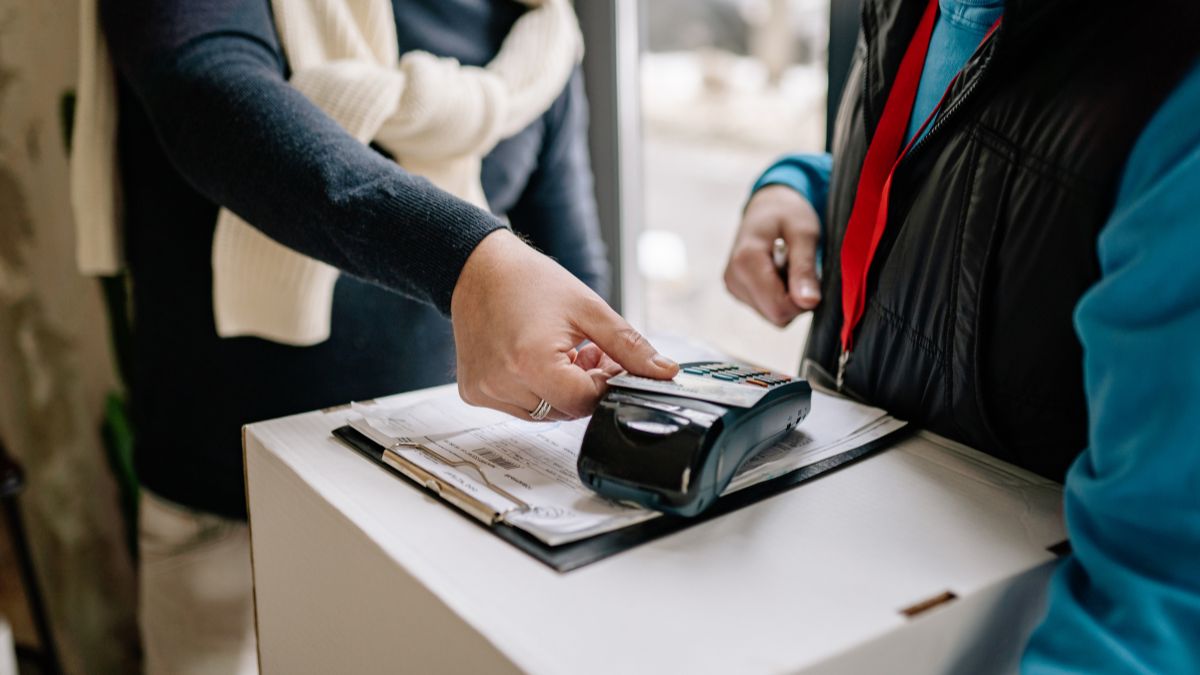
Using a debit card can feel convenient, but certain locations and situations put your account at serious financial risk. Unlike credit cards, debit transactions draw directly from your bank account, leaving you vulnerable to fraud and unauthorized withdrawals. Understanding where to avoid using your debit card is essential for protecting your finances and maintaining peace of mind. This guide highlights thirty places and situations where alternative payment methods should always take priority. Read on to discover the locations where your debit card does more harm than good.
Gas Stations
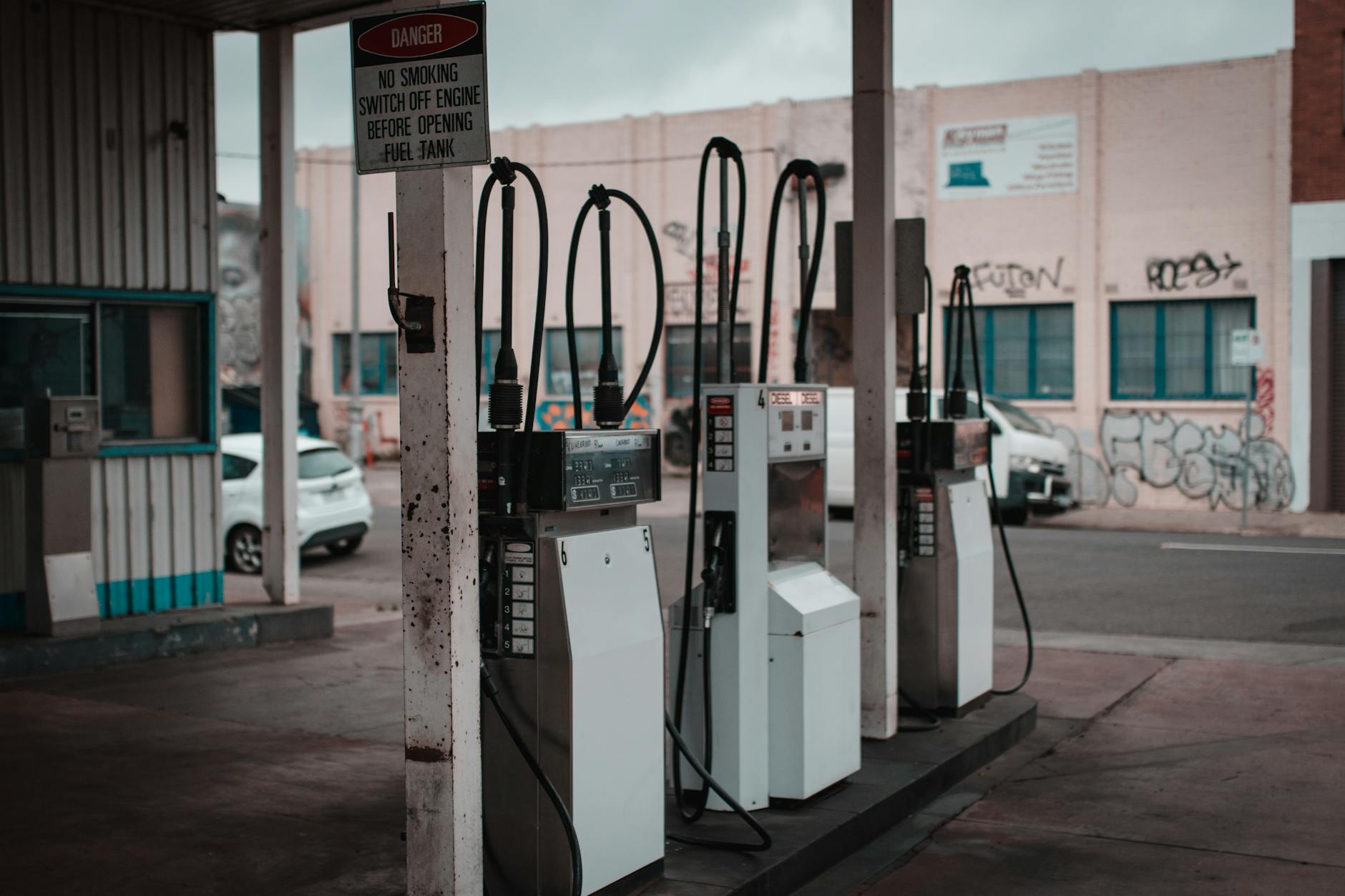
Fuel pumps are known hotspots for skimming devices that capture card information without your knowledge. Criminals install small readers over legitimate card slots to steal data from unsuspecting customers. Using your debit card at the pump means direct access to your checking account if a skimmer succeeds. Pay inside the station with cash or use a credit card instead to add a protective layer between fraudsters and your bank account. Gas station attendants can process cash payments safely while you watch the transaction occur.
Unfamiliar ATMs
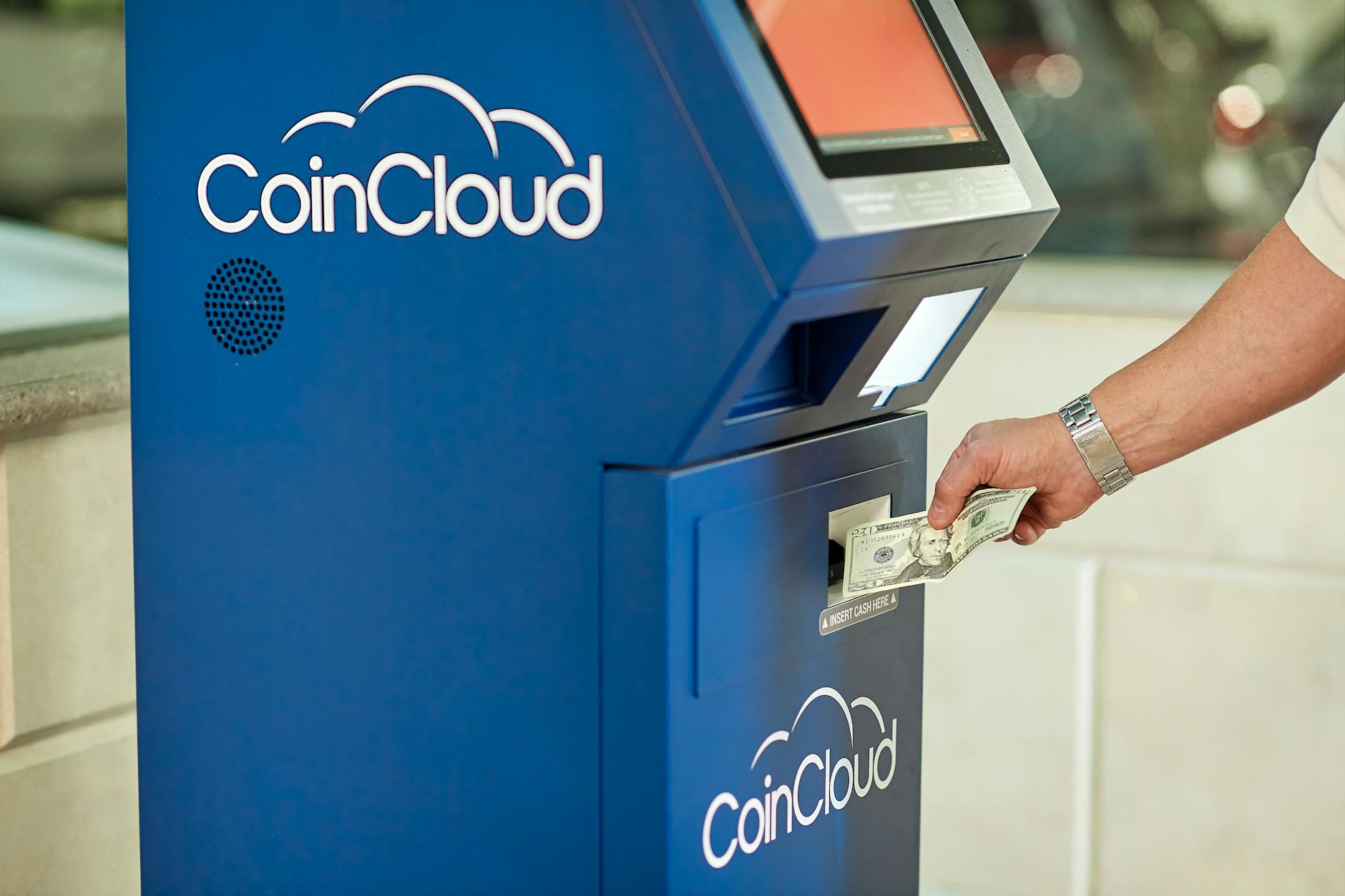
ATMs in remote locations, bars, or convenience stores often lack proper security monitoring and maintenance. Skimming devices are frequently installed on machines that receive less frequent inspections from the bank. Your PIN becomes visible to hidden cameras in poorly lit or isolated areas, compromising your entire account. Always use ATMs located inside your bank’s main branch or affiliated network locations for maximum security. Withdrawing cash beforehand at secure locations eliminates the need for risky ATM visits throughout your day.
Online Shopping Websites

Smaller e-commerce sites and unfamiliar retailers may lack encryption standards that protect your financial information. Your complete debit card details become vulnerable to data breaches that expose thousands of customer accounts simultaneously. Once compromised, fraudsters gain immediate access to your checking account rather than a limited credit line. Use credit cards for online purchases to benefit from fraud protection and dispute resolution processes. Major retailers with established security records still pose risks when your debit card is the payment method.
Public WiFi Transactions
Unencrypted WiFi networks allow hackers to intercept your card information as you make purchases or check balances. Coffee shops, airports, and libraries offer convenient internet but virtually no protection for financial transactions. Your banking credentials and card numbers travel openly through the airwaves where anyone with basic tools can capture them. Wait until you reach a secure home network before conducting any financial business or shopping online. Mobile data connections remain safer than public WiFi for sensitive payment information.
Subscription Services

Monthly billing through debit cards creates recurring access points that scammers can exploit repeatedly. If a subscription service’s system is compromised, fraudsters gain authorization to charge your account continuously. Canceling subscriptions becomes complicated when you discover unauthorized charges weeks or months later. Credit cards limit your liability for unauthorized recurring charges and offer easier dispute processes. Keeping your debit card away from subscription management protects your account from both legitimate service errors and criminal activity.
Hotel Front Desks
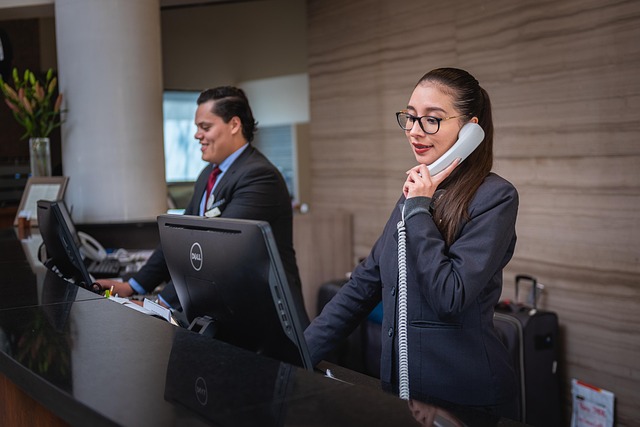
Hotels often place holds on debit cards that can deplete your available account balance for several days after checkout. These holds are intended to cover potential room charges and damages but create temporary financial strain. Your funds remain locked even after you’ve already paid in full, limiting access to your own money. Provide a credit card for the hold and pay the final bill with cash or another method instead. Hotels have no financial incentive to prioritize the inconvenience they cause to debit card users.
Car Rental Agencies

Rental companies process large pre-authorization holds that can freeze significant portions of your checking account balance. These holds sometimes remain pending for weeks even after you’ve returned the vehicle and settled all charges. Your debit account essentially becomes inaccessible while the rental company verifies there are no additional damages or fees. Credit cards handle these holds without impacting your immediate access to personal funds. Reserve rental vehicles using a credit card to maintain financial flexibility throughout your trip.
Restaurants and Bars
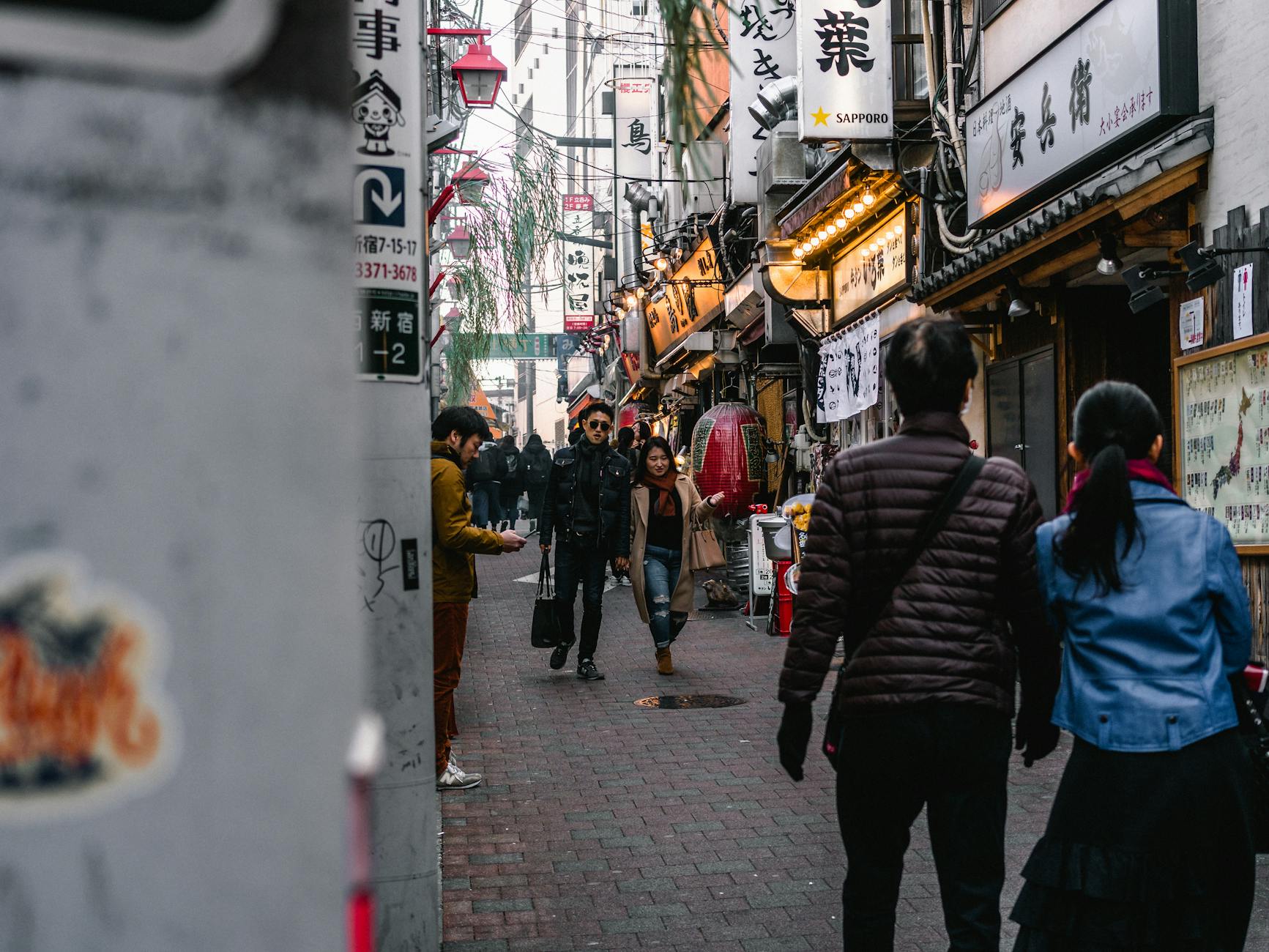
Waiting staff take your debit card away from your sight, creating opportunity for copying your card number or writing down your information. Point-of-sale systems in food service establishments are frequently targeted by hackers seeking card data from multiple customers. Tips added after the initial transaction give staff access to modify the final charge amount. Pay at the register with cash or hand your credit card directly to the cashier to maintain control. Sit-down establishments particularly pose risks since your card leaves your possession for extended periods.
Outdoor Markets and Festivals
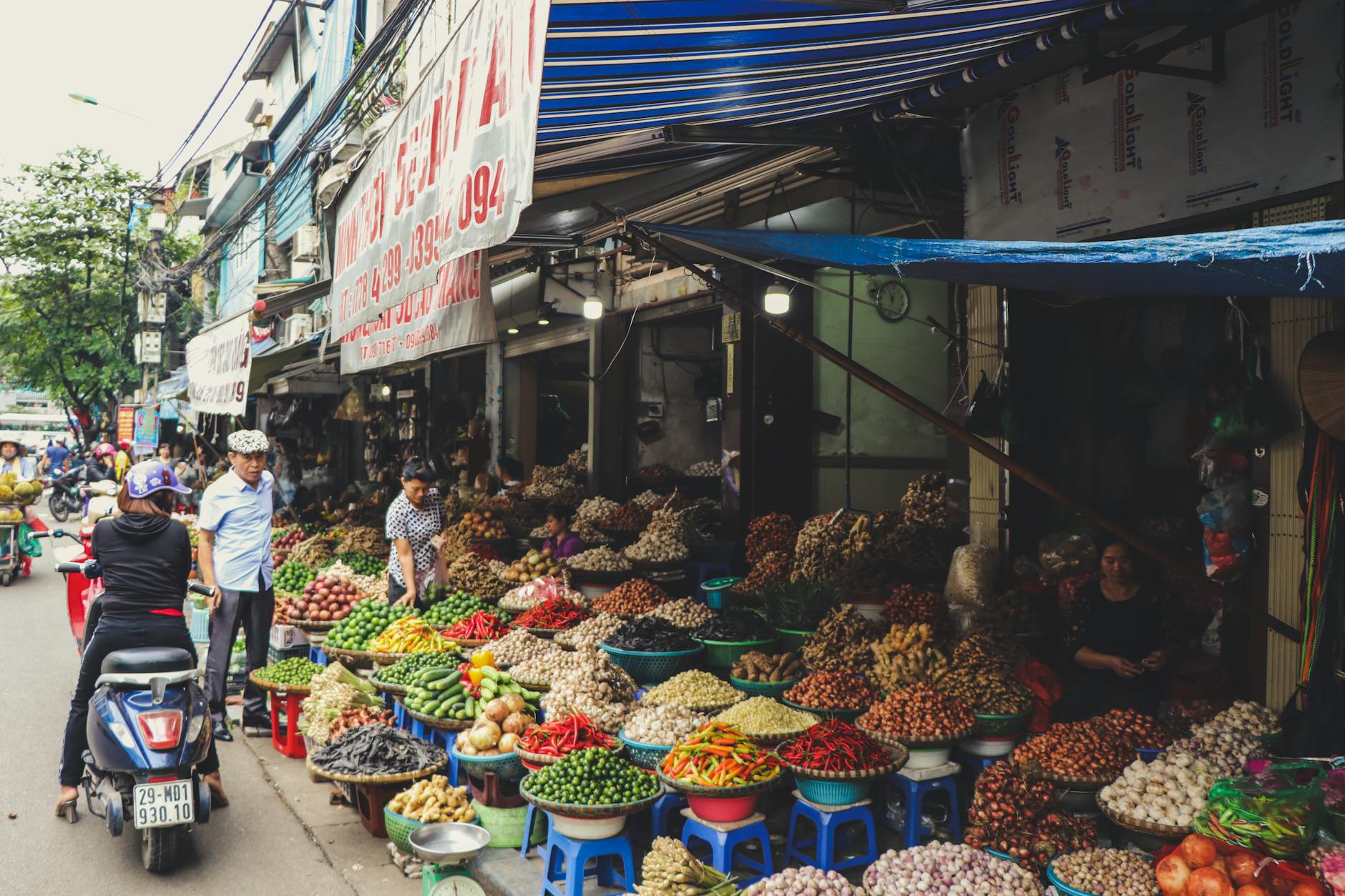
Temporary vendors and pop-up merchants often use portable card readers with minimal security infrastructure or fraud protection. No verification system exists to ensure these merchants are legitimate businesses or that they properly handle financial information. Your card data travels through unfamiliar equipment without encryption or PCI compliance standards. Cash remains the safest option at festivals, street markets, and outdoor events where vendors set up temporary stations. Portable card readers lack the security features of established retail locations with permanent infrastructure.
Concerts and Live Events

Venue concession stands and merchandise booths process high volumes of transactions with minimal security oversight. Staff working at these temporary stations may handle your debit card carelessly or use outdated payment systems. Large crowds create chaos that makes it easy for pickpockets to capture your card information or the card itself. Bring sufficient cash to cover concessions, tickets, and merchandise before entering the venue. Event venues prioritize speed over security when processing hundreds of transactions during performances.
Fitness Clubs and Gyms

Recurring membership charges provide ongoing access for fraudsters if they compromise your debit card information. Gym billing systems are notoriously problematic, with monthly charges continuing long after members cancel their memberships. Disputing unauthorized gym charges takes significantly longer with debit cards than with credit card fraud protection. Use a credit card to establish gym memberships and retain the ability to dispute charges if needed. Fitness facility billing represents one of the most common sources of debit card fraud among consumers.
Department Stores

Large retail chains experienced massive data breaches that compromised millions of debit card numbers stored in their systems. Your information remains vulnerable even when you’re careful at checkout since the breach may have occurred years earlier. Department stores are frequent targets for hackers seeking card data from their extensive customer databases. Pay with cash or credit cards at these locations to separate your checking account from retail transaction systems. Major retailers have repeatedly demonstrated their inability to protect customer financial information.
Fast Food Drive-Thrus

Drive-through attendants hold your debit card out of your sight while processing the transaction, creating opportunity for information copying. Minimal lighting and distracted staff reduce the likelihood of catching anyone writing down your card number. The hurried environment means you’re unlikely to closely monitor what happens to your card during the interaction. Pull forward and pay with cash inside the restaurant or use mobile payment applications instead. Drive-through operations make it nearly impossible to verify that your card remains secure throughout the transaction.
Pharmacies

Pharmacies collect sensitive health information alongside your financial data when you fill prescriptions and use your debit card. Employees with access to prescription records also have visibility into your payment information. Data breaches at pharmacy chains expose both your medical history and your bank account to unauthorized access. Use a credit card or cash when purchasing medications to compartmentalize your health information from your finances. Keeping medical records and financial data separate provides an additional layer of privacy protection.
Electronics Retailers
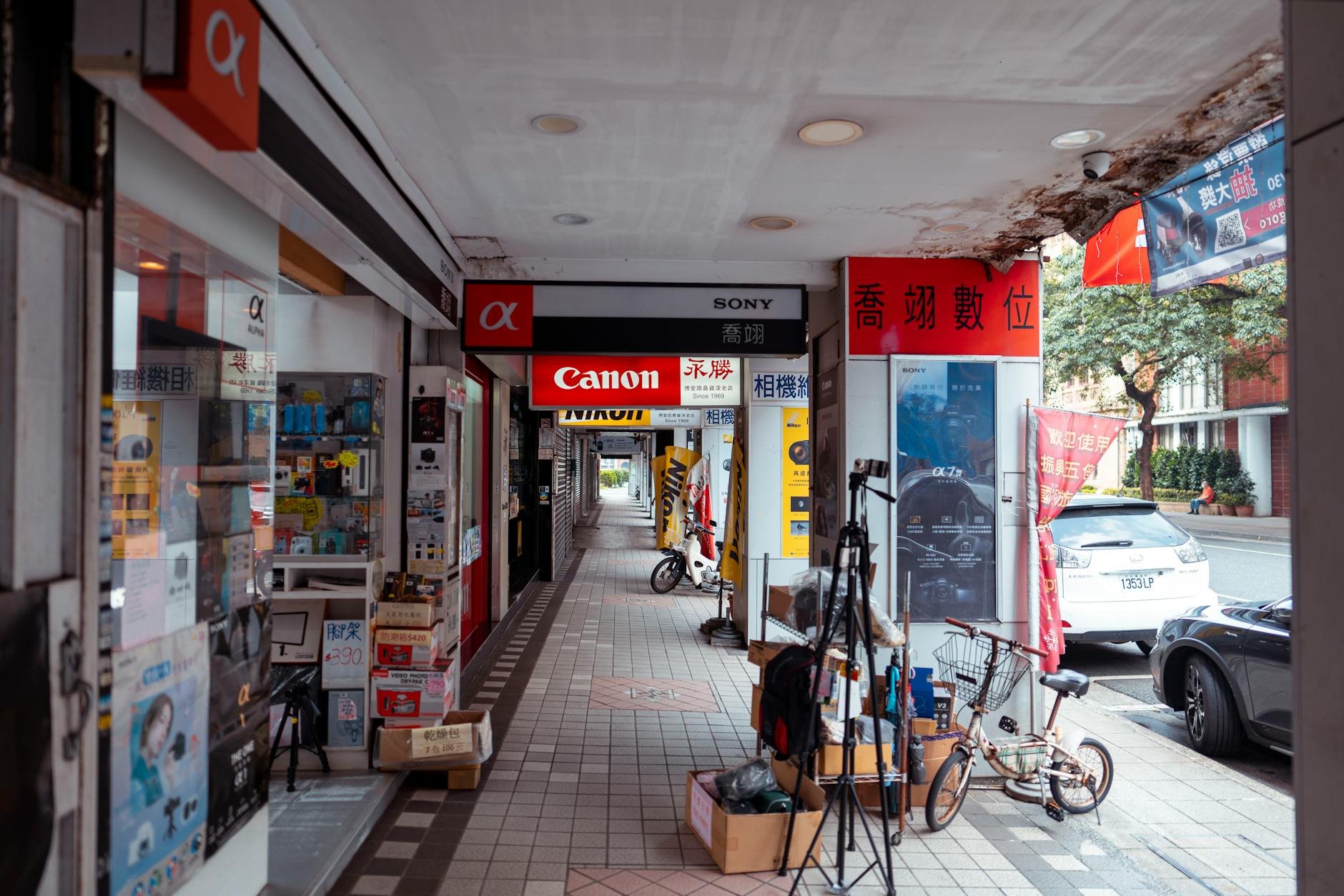
High-value merchandise makes electronics stores frequent targets for organized retail crime rings seeking customer card data. Employees may be compromised as insider threats who collect card information for criminal networks. The high-theft environment means security systems may be overwhelmed or less effective at protecting payment data. Pay with a credit card at electronics retailers to keep your checking account separate from high-risk retail locations. Premium electronics purchases warrant the additional protection that credit cards provide.
Secondhand and Thrift Stores
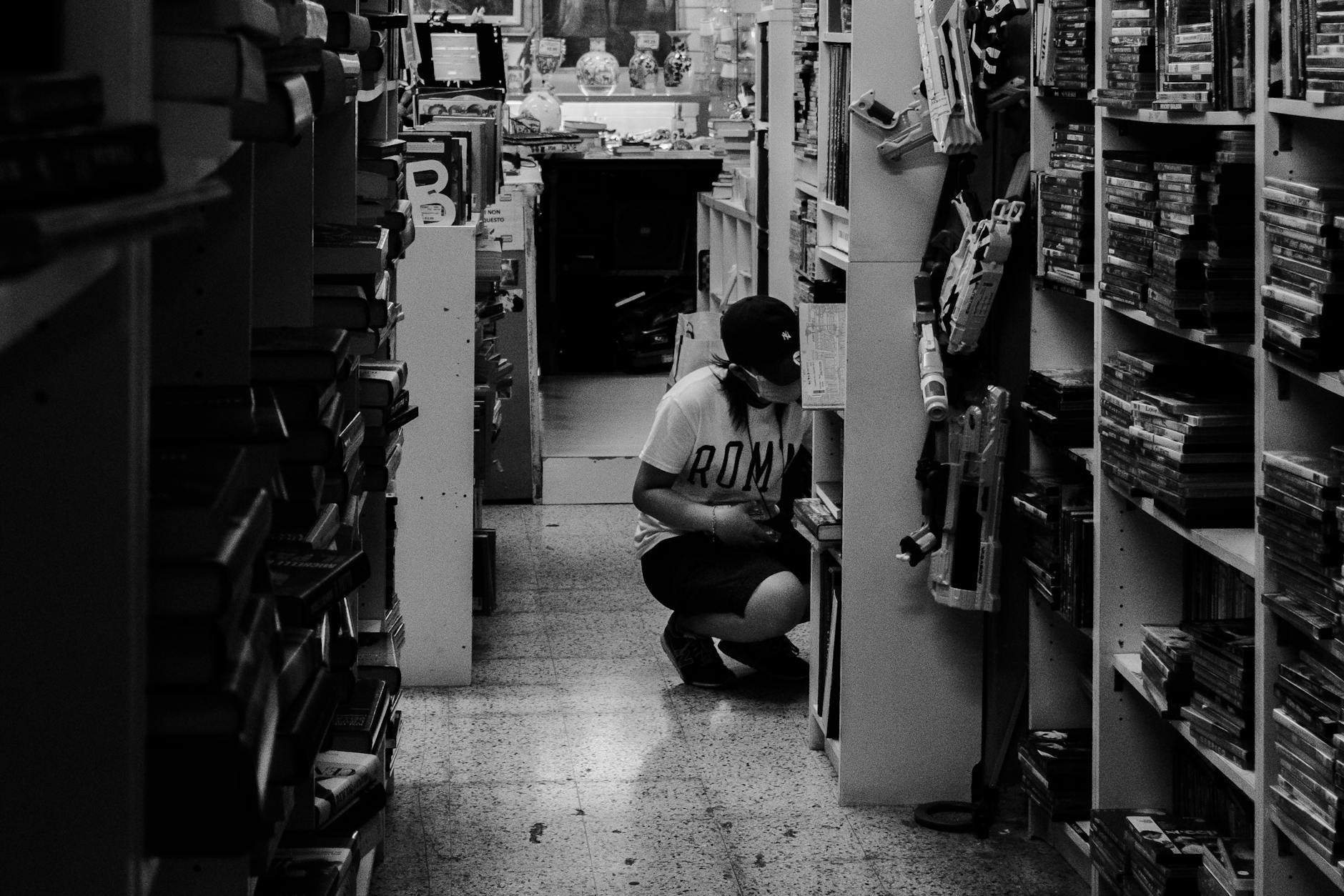
Used goods retailers often operate with minimal point-of-sale security and outdated payment processing systems. These locations may not meet modern security standards but still accept debit cards without concern for customer protection. Thrift store transactions blend with high-risk retail environments where fraud prevention receives minimal attention. Carry cash for thrift store and secondhand shopping to eliminate exposure at these locations entirely. Small retailers frequently lack the infrastructure needed to protect debit card information adequately.
Valet Parking Services
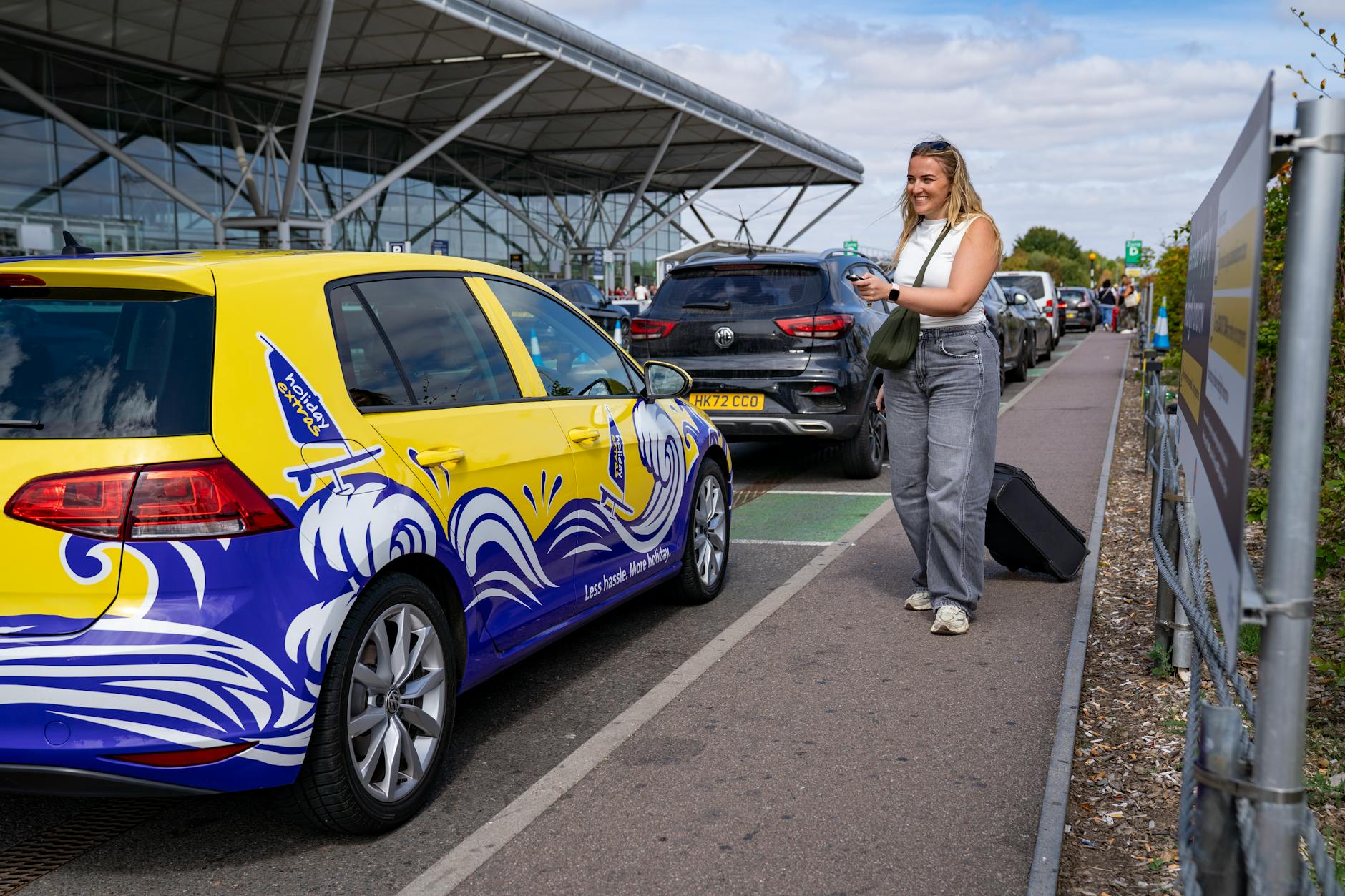
Valet attendants take your vehicle keys and your debit card simultaneously, gaining access to both your car and your financial information. Your card goes into a system where multiple employees may handle it without oversight or accountability. The transactional environment provides no verification that your card is being used only for parking fees. Pay with cash or a credit card directly to the valet service rather than handing over your debit card. Vehicle-related services represent a trust-based transaction where your financial security should remain paramount.
Laundromats and Self-Service Facilities

Coin-operated and card-activated laundromat machines are frequently compromised with skimming devices targeting user card information. These unattended machines receive minimal security monitoring and maintenance from proprietors. Your card data is captured and stored by equipment that lacks modern encryption or fraud protection standards. Bring quarters or use mobile payment apps specifically designed for laundromat transactions instead. Self-service facility card readers represent outdated technology ripe for criminal exploitation.
Parking Meters and Toll Roads
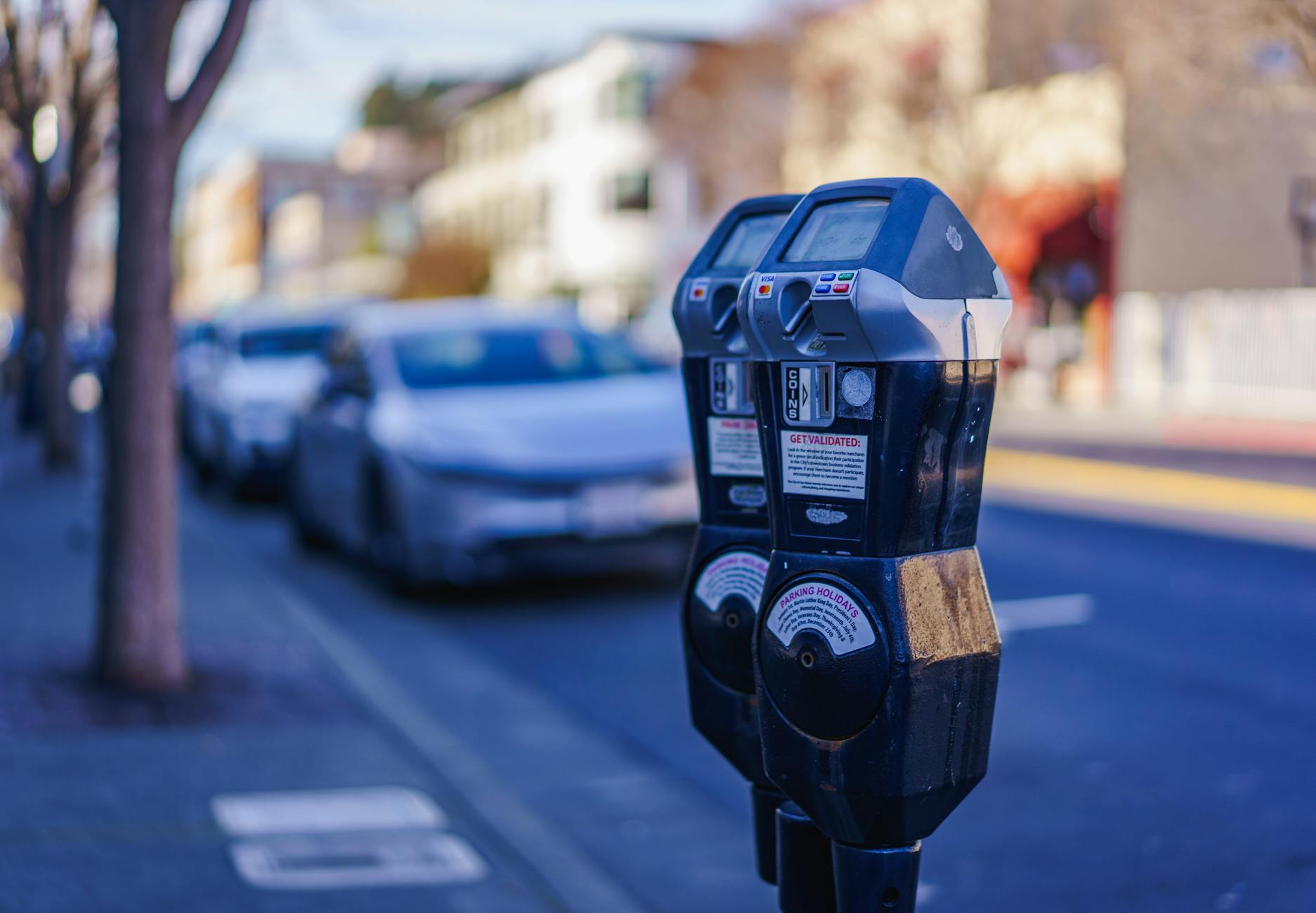
Outdoor payment systems like parking meters and toll plaza readers are vulnerable to skimming devices and information capture. Weather exposure and lack of maintenance increase the likelihood that security features have been compromised or removed. Your debit card information travels through systems with minimal encryption or fraud detection capabilities. Carry cash for parking and tolls or use credit cards that provide better fraud protection on these transactions. Mobile payment applications increasingly offer safer alternatives to inserting your debit card into outdoor readers.
Sketchy Corner Stores

Small convenience stores in high-crime areas may employ staff with criminal intent or negligent security practices. Payment systems in these locations often lack modern security updates and fraud detection features. Your debit card becomes vulnerable to both employee theft and criminal networks that target these establishments. Use cash for purchases at unfamiliar or questionable retail locations regardless of convenience. The potential savings in transaction fees never outweigh the risk of complete account compromise.
International ATMs
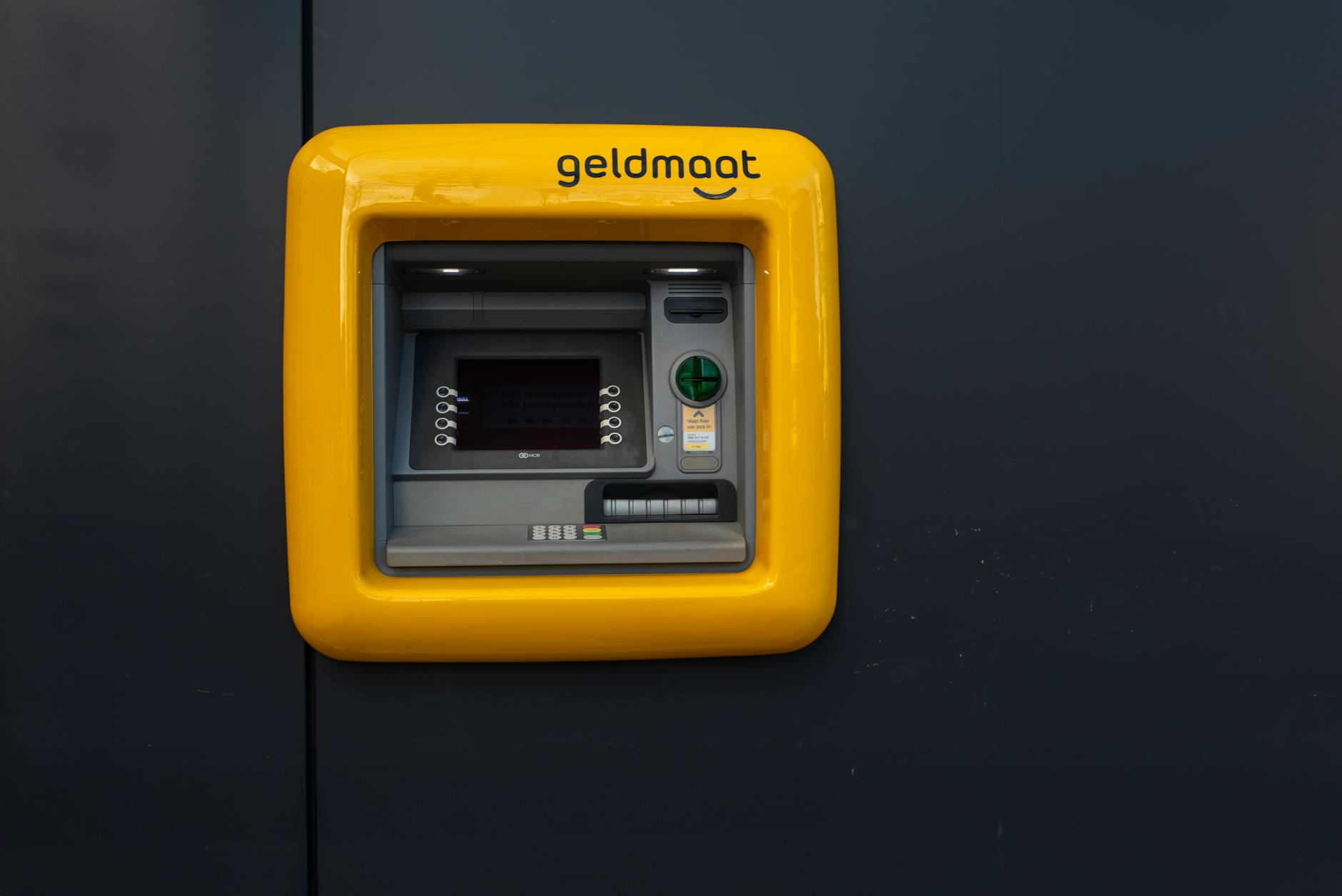
ATMs located in foreign countries often lack the security standards maintained by domestic banking systems. Your PIN becomes visible to observers in crowded markets or tourist areas where ATM theft is common. Currency conversion and international fraud rings specifically target travelers using ATMs in unfamiliar countries. Exchange currency at reputable banks or travel agencies before leaving your home country instead. International travel creates uniquely vulnerable situations where your debit card should remain in your wallet.
Crowded Public Transportation
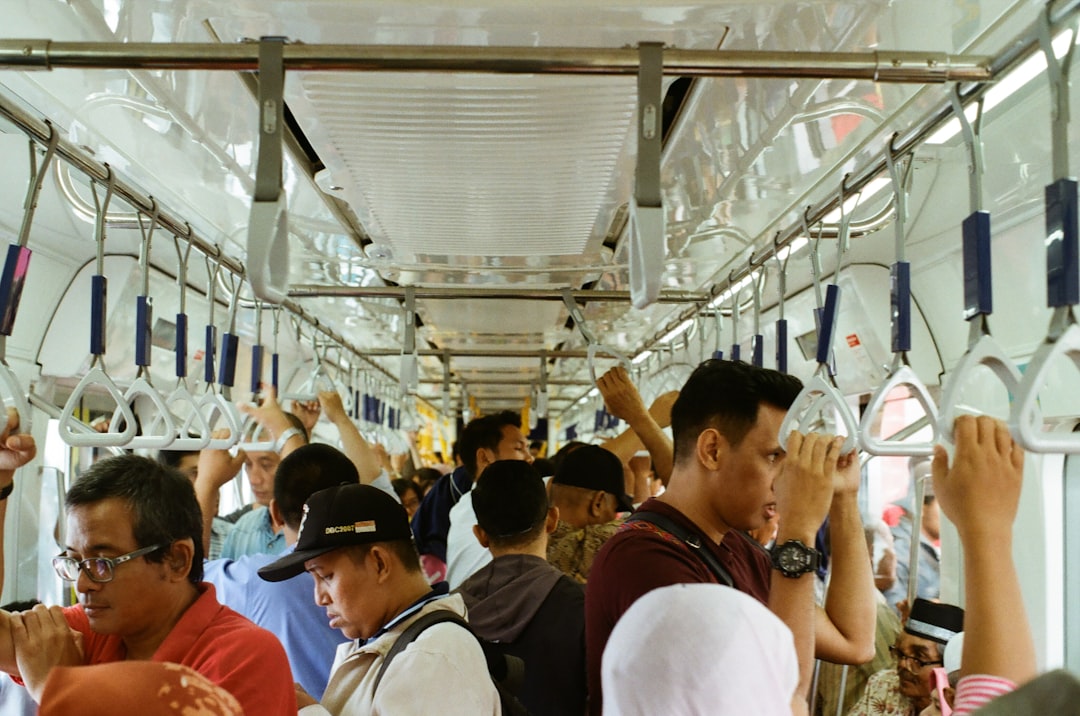
Pickpockets and card skimmers operate freely in subways, buses, and trains where crowds create distraction and opportunity. Your wallet becomes an easy target for theft when you’re focused on boarding or navigating transit systems. Card readers installed on turnstiles and payment gates may be compromised to capture transit payment information. Purchase transit passes with cash or credit cards rather than using your debit card at transit hubs. Public transportation environments combine physical theft risk with digital payment vulnerabilities.
Tourist Trap Restaurants

Restaurants in high-tourism areas employ staff who know most customers will never return or follow up on fraudulent charges. Your card goes out of sight to a location where employee turnover is high and security oversight is minimal. International tourists are specifically targeted by restaurant staff who understand language barriers complicate fraud disputes. Pay with cash at unfamiliar restaurants in tourist areas or use credit cards that limit your liability. Upscale dining establishments in residential areas present significantly lower fraud risk than tourist-focused venues.
Sketchy Repair Shops
Auto repair shops, computer repair services, and appliance repair facilities gain full access to your financial information during transactions. These small businesses may lack proper security protocols and training for handling sensitive payment data. Repair technicians with access to your debit card information can use it for personal purchases or sell it to fraudsters. Ask for an invoice and pay with a credit card or cash after services are completed rather than upfront. Service-based businesses pose inherent risks since payment often occurs after you’ve entrusted them with your valuables.
Bars and Nightclubs

Bartenders and servers in alcohol-serving establishments handle your debit card in high-volume environments with minimal oversight. Dark lighting and noise levels create ideal conditions for card information theft or unauthorized copying. Establishments focused on alcohol service prioritize speed over security when processing transactions. Carry cash to bars and nightclubs or bring a credit card in a secure location separate from your wallet. Alcohol-fueled environments increase both the risk of careless card handling and your own awareness limitations.
Casinos and Gambling Venues

Gambling establishments employ sophisticated thieves specifically trained to identify and exploit vulnerable customers using debit cards. The environment is designed to distract and disorient visitors while staff have access to your payment information. Casino employees understand that gambling customers often fail to notice fraudulent charges among large losses or wins. Credit cards with fraud protection and daily spending limits provide better safeguards in gambling environments. Casino transactions should never involve your primary checking account access.
Outdoor Sporting Events

Temporary concession stands and merchandise vendors at sporting events operate with minimal security infrastructure and accountability. Your card may be processed through multiple temporary point-of-sale systems lacking encryption or fraud detection. Large crowds and excited fans create opportunity for pickpockets and card skimmers to operate freely. Bring cash to sporting events to cover all purchases and avoid using your debit card at any vendor. Outdoor event environments combine crowds, distraction, and temporary vendors into a perfect fraud scenario.
Tourist Information Centers

Supposedly legitimate tourist services sometimes operate as fronts for identity theft and credit card fraud schemes. Staff may be trained to collect credit card information through seemingly official transactions or registrations. Your debit card information becomes captured in systems with no legitimate business purpose or security oversight. Rely on digital resources and official tourism websites rather than providing your card to information center staff. Tourism fraud specifically targets visitors who are unfamiliar with local services and payment practices.
Overseas Money Transfer Services
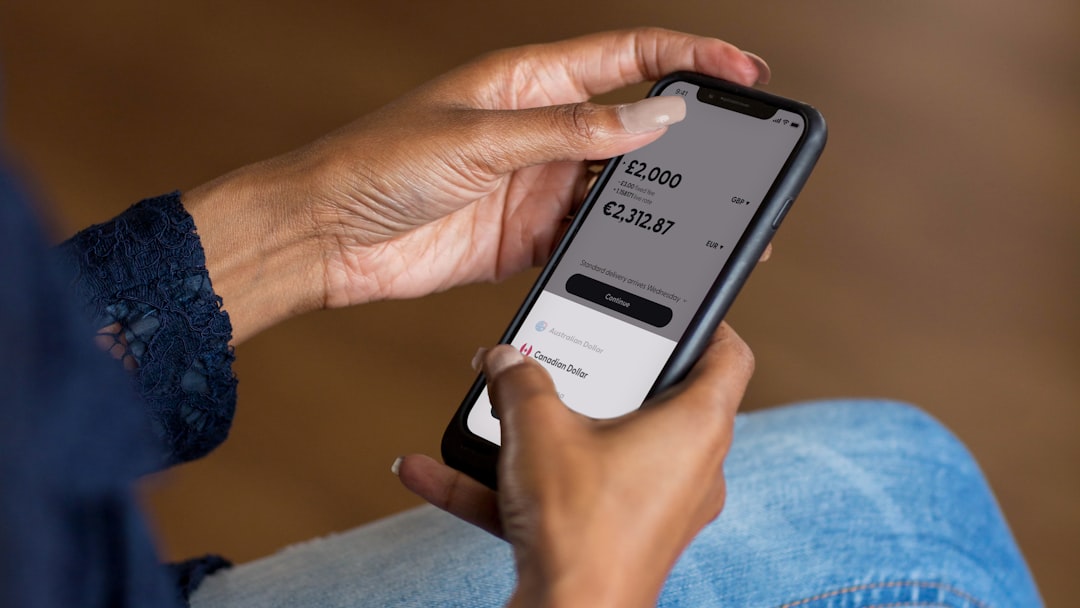
International money transfer businesses are frequently used by criminals to launder stolen funds and commit fraud. Your debit card information becomes visible to staff processing high volumes of cash and financial transactions. Money transfer outlets operate in loosely regulated environments where staff may prioritize fraud commissions over legitimate service. Use bank-to-bank transfers or well-known digital payment services instead of independent money transfer shops. Informal money transfer businesses lack the security standards and accountability of established financial institutions.
Discount Retail Chains
Discount retailers have experienced major data breaches affecting millions of debit cardholders’ accounts. These locations process high volumes of transactions making them attractive targets for organized fraud rings. The retail chains’ emphasis on low prices sometimes comes at the expense of payment security investment. Use credit cards or cash at discount retailers rather than exposing your checking account to these high-breach-risk environments. Major security incidents at discount chains suggest systemic vulnerabilities in their payment processing systems.
Which of these locations have you personally encountered issues with using your debit card, and what alternatives have you found most reliable in the comments?




