If you are planning a trip and trying to decide where to spend your money and time, the perspective of someone who has genuinely been almost everywhere on earth can be surprisingly useful. A traveler who visited 105 countries over the course of 12 years recently shared a brutally honest breakdown of his personal highs and lows on Reddit’s r/travel community, and the response has been significant. The post attracted considerable attention precisely because it was not a polished travel blog entry designed to promote destinations but an unfiltered opinion from someone who has seen enough of the world to make meaningful comparisons.
His post opened with characteristic self-awareness. “I visited 105 countries. Here is my ‘best of the best’ list, which probably no one cares about,” he wrote. He followed that with an acknowledgment of how these conversations typically go. “When people hear how many countries I have been to, they inevitably ask which ones are my favorites. I always tell them it is hard to simplify those kinds of questions, but I still hope this list might help people planning their 2026 trips.” His top picks for countries he would happily return to were Mexico, Vietnam, Japan, and Thailand, each of which he endorsed with the confidence of someone who has seen the alternatives.
The more provocative half of his post was the list of five countries he described as places he had visited once and found to be more than enough. Those five were Morocco, Bangladesh, Belize, El Salvador, and Mozambique. Several of those choices surprised other Reddit users, particularly Morocco and Bangladesh, which carry strong reputations as travel destinations and draw significant numbers of visitors each year. According to YouGov popularity data, Morocco ranks 75th globally in travel popularity, while Bangladesh sits at 123rd, Belize at 128th, El Salvador at 113th, and Mozambique at 147th.
When another commenter pressed him on his reasoning for including Belize and El Salvador, he offered a direct explanation without softening it. “Belize is too expensive for what it offers,” he said. “And El Salvador simply does not stand out compared to the neighboring countries. You see it once and that is enough.” The implication was not that either place is inherently bad, but that neither delivers an experience that justifies a return visit when weighed against everything else available in that region of the world. For Belize in particular, the cost-to-experience ratio was the deciding factor in his assessment.
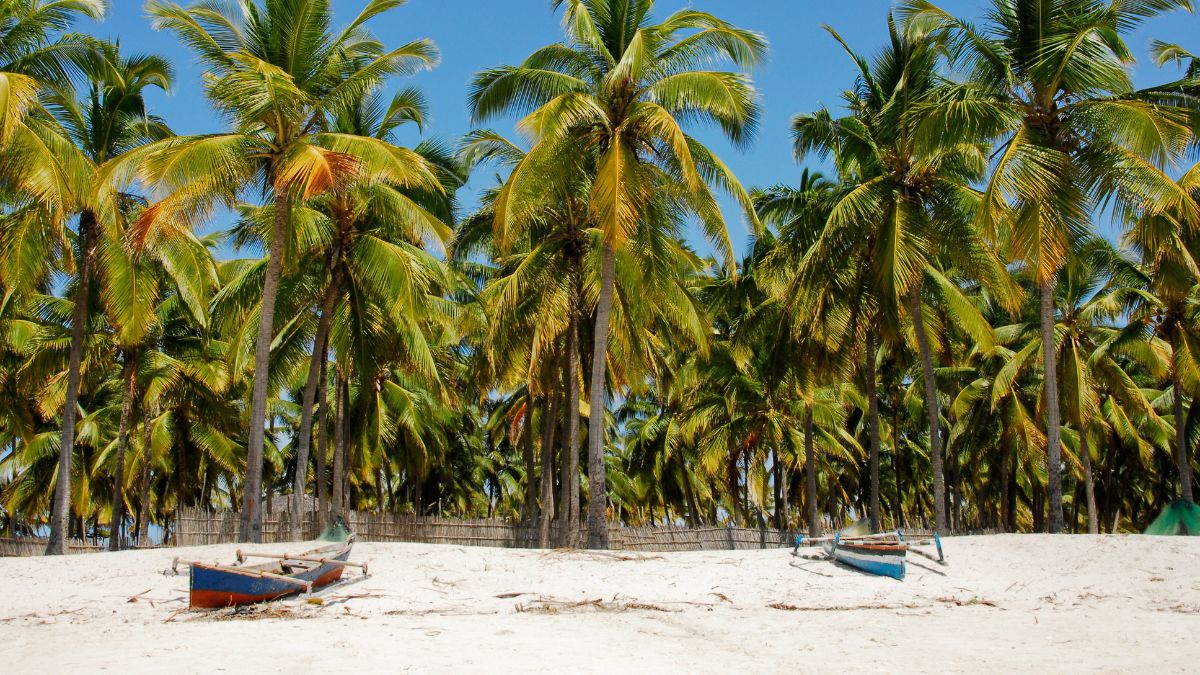
His reasoning for including Mozambique was somewhat different and touched on practical travel frustrations. He cited constant road checkpoints during long drives and what he described as deteriorating infrastructure as major drawbacks to the experience. He also noted that parts of the country carry genuine safety concerns and that he found local people in the areas he visited to be less welcoming than he had hoped. He was not entirely negative about Mozambique, conceding that the beaches were “halfway decent” and that certain spots offered good diving opportunities alongside rich marine life. But the overall experience did not add up to something he wished to repeat.
In contrast, the most interesting section of his post may have been his list of underrated countries that he felt genuinely exceeded expectations. He named Georgia, Oman, Ecuador, Namibia, and Taiwan as places that deserve far more attention than they typically receive from the traveling public. These choices drew widespread agreement in the comment section, with many experienced travelers nodding along at destinations they too had found to be unexpectedly rewarding. Georgia in particular has been gaining a devoted following among long-term travelers in recent years, celebrated for its food, wine, hospitality, and dramatic landscapes.
The post sparked broader conversation about how personal experience shapes travel opinions and how much context matters when evaluating a destination. A country’s appeal is shaped by countless variables, including when you visit, where you stay, who you travel with, what your budget is, how much you research beforehand, and what kind of traveler you are. Someone who prioritizes beaches and marine life will evaluate Mozambique very differently from someone who prioritizes cultural depth or logistical ease. The traveler’s list is one person’s honest record of 12 years of experience, not a universal verdict, and the Reddit community engaged with it accordingly.
Reddit’s r/travel community is one of the most active travel forums on the internet, with millions of members sharing trip reports, asking for advice, and debating destinations with the kind of frankness that tends to be harder to find in commercially produced travel content. Posts that offer opinionated, experience-based rankings tend to perform particularly well because they invite disagreement and personal comparison in a way that more neutral content does not. Travel opinions are inherently subjective, and that subjectivity is precisely what makes these threads compelling to read and participate in.
From a broader perspective, the experience of visiting a very large number of countries over many years tends to change a traveler’s relationship with destinations in fundamental ways. Early in a travel career, novelty itself carries significant weight, and almost everywhere feels exciting simply for being different. As the total number of countries visited grows, the ability to make comparative judgments sharpens, and the things that genuinely stand out become clearer by contrast. A traveler who has visited 105 countries is not reacting to novelty when they evaluate a place. They are drawing on a rich comparative framework built over more than a decade of firsthand experience.
Have you visited any of the countries on this traveler’s lists, and do his assessments match your own experience? Share your thoughts in the comments.




