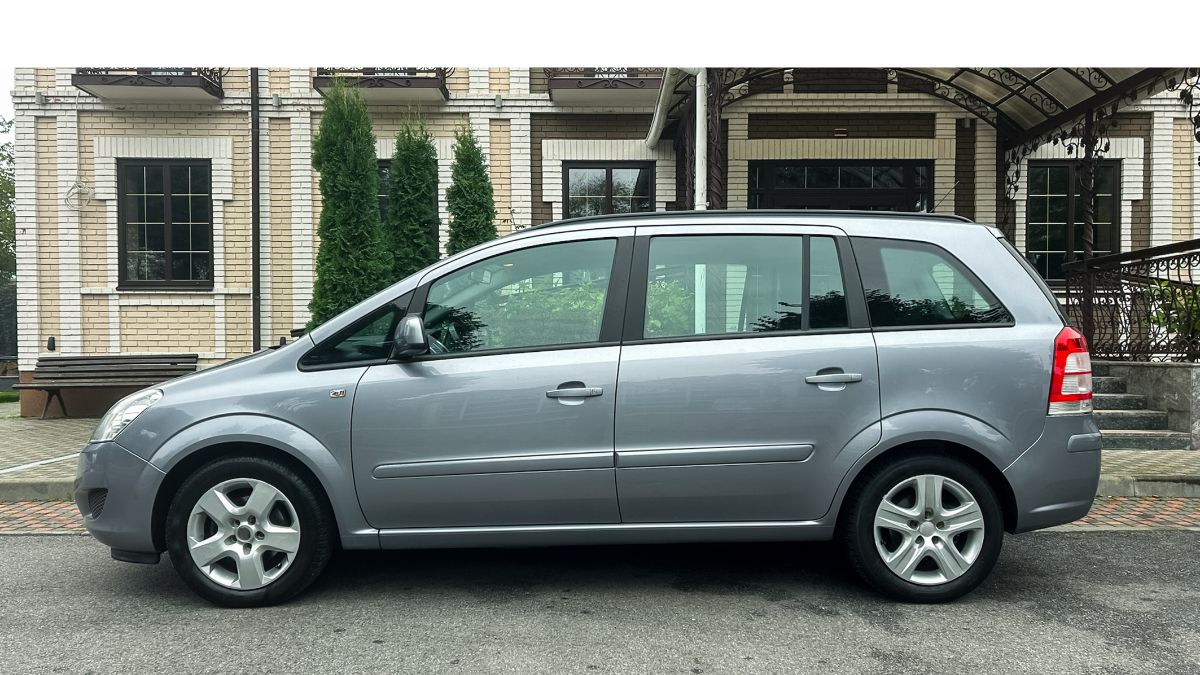
Leaving the wrong things in your car overnight can lead to theft, safety hazards, damaged belongings, and costly consequences you never saw coming. Many drivers underestimate how extreme temperature changes inside a parked vehicle can affect everyday items, turning an innocent oversight into a real problem. Whether your car sits in a driveway, a garage, or on a busy street, certain belongings simply do not belong inside it after dark. Knowing what to bring inside each night is one of the simplest and most effective habits you can build as a car owner.
Prescription Medication
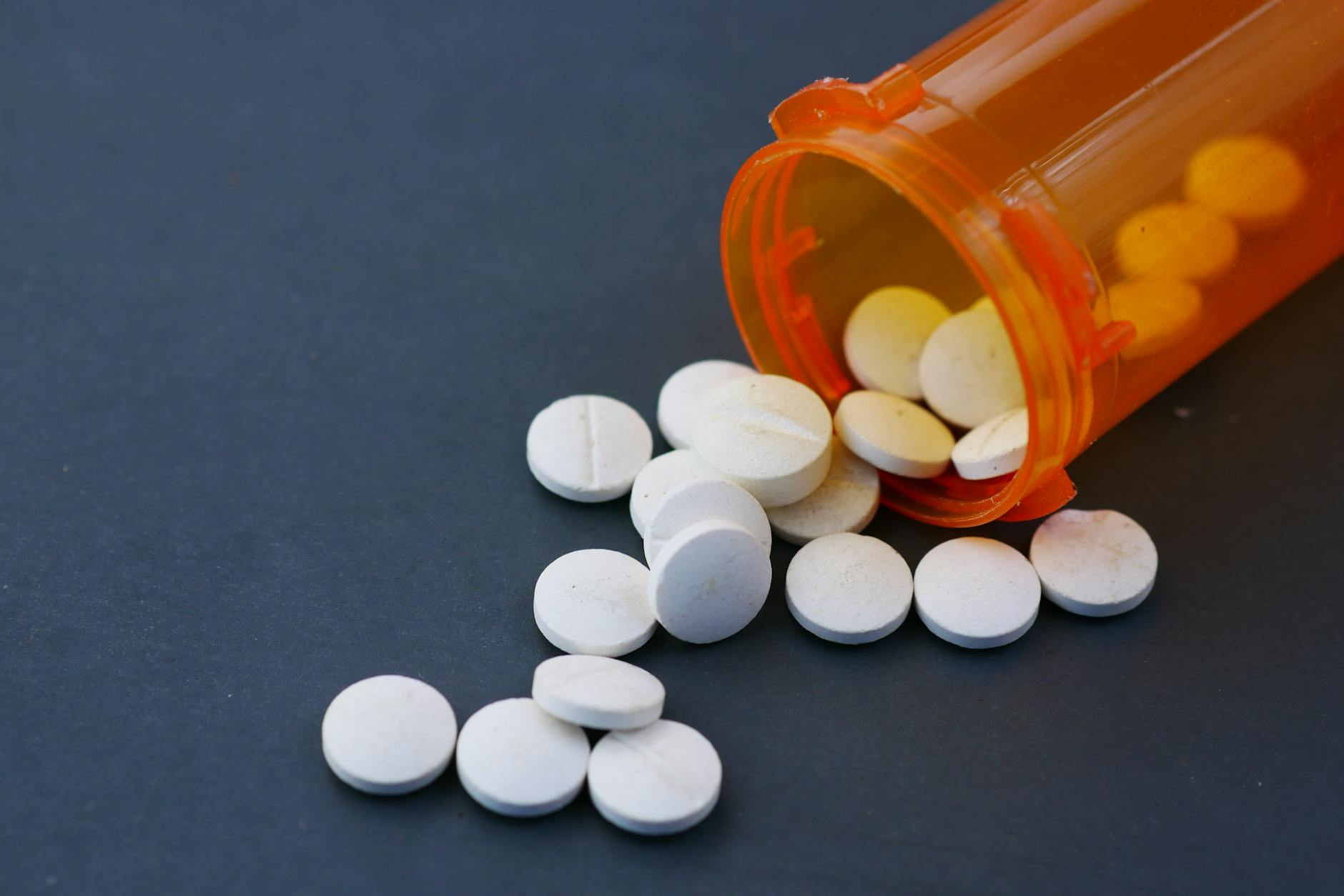
Most prescription medications are highly sensitive to temperature fluctuations and can degrade rapidly when exposed to the heat or cold inside a parked car. A vehicle left overnight can reach dangerously high temperatures in summer and near-freezing conditions in winter, both of which compromise drug efficacy. Medications that lose potency due to improper storage can fail to work as intended, which poses serious health risks. Beyond temperature concerns, leaving medications in a visible location inside your car makes them a prime target for opportunistic theft. Always transport prescriptions indoors as part of your nightly routine.
Laptop
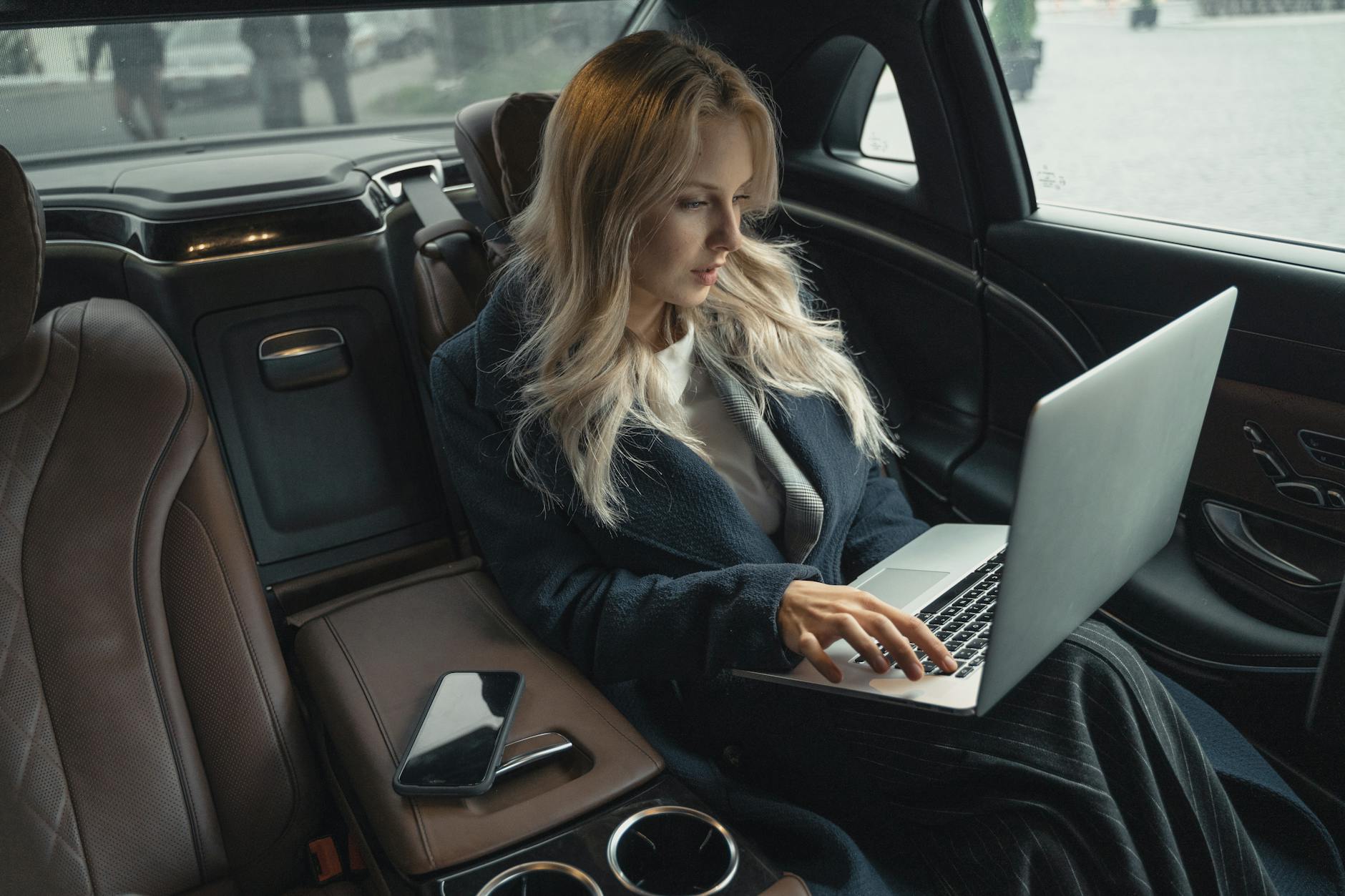
A laptop left overnight in a car is exposed to temperature extremes that can warp its casing, drain the battery, and damage the hard drive or internal components. Electronics are particularly vulnerable to condensation that forms when cold nights give way to warmer mornings, and moisture can cause irreversible internal damage. Beyond the physical risks, a laptop represents a highly attractive target for smash-and-grab thieves who scan parked cars for valuables. The cost of replacing a stolen or damaged laptop is significant, and the loss of data stored on the device can be even more disruptive. Keep your laptop with you or store it in a secure location indoors each night.
Passport
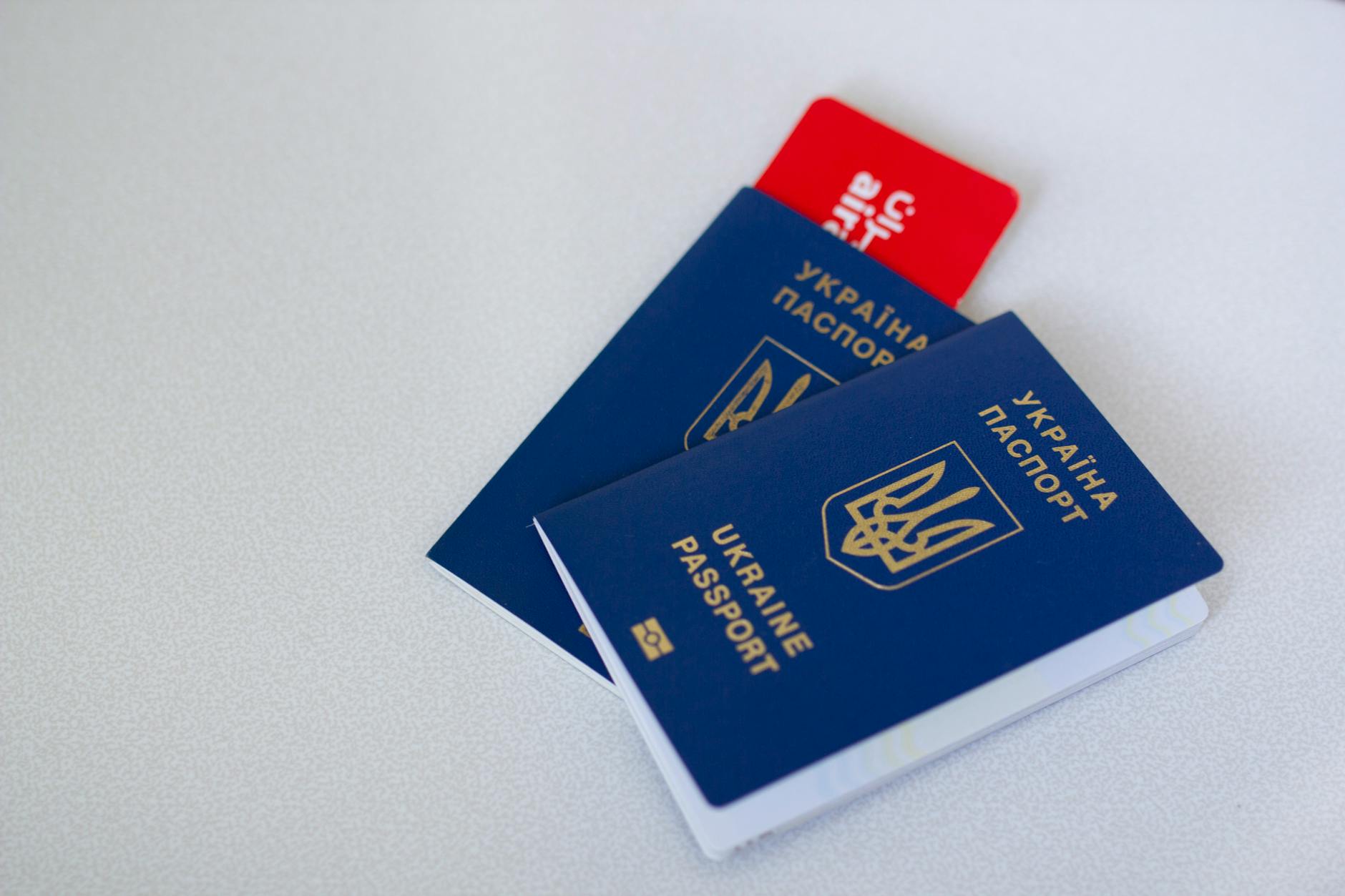
A passport is one of the most valuable and difficult-to-replace documents a person can own, making it a particularly risky item to leave unattended in a vehicle. Thieves who break into cars often specifically target bags, wallets, and documents that can be used for identity fraud or sold on the black market. Replacing a stolen passport involves a lengthy process with government offices and can interfere with upcoming travel plans. Temperature and humidity changes inside the car overnight can also cause physical damage to the document’s pages and embedded chips. Store your passport in a secure drawer or safe at home whenever it is not needed for immediate use.
Sunscreen

Sunscreen contains active chemical compounds that break down when exposed to high heat, significantly reducing its effectiveness even before the expiration date printed on the bottle. A car parked overnight and then exposed to morning sun can quickly reach temperatures that accelerate this degradation process. Using compromised sunscreen gives a false sense of protection, which can lead to serious sunburn or long-term skin damage. Aerosol sunscreen cans pose an additional hazard because they can build up pressure in heat and potentially rupture. Keep sunscreen stored at room temperature inside your home to maintain its protective properties.
Wallet
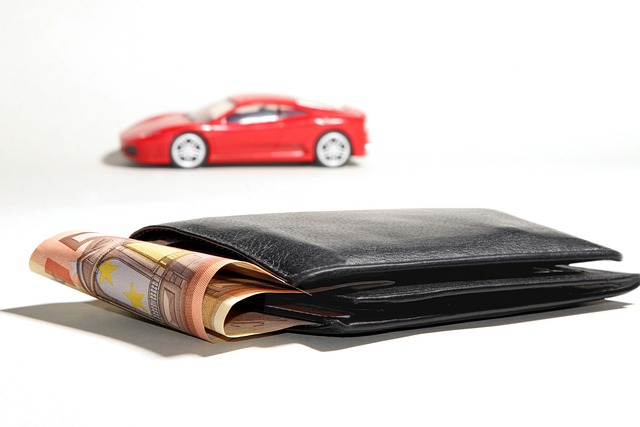
Leaving a wallet in your car overnight is an open invitation to theft, particularly in urban or high-traffic areas where opportunists actively look for valuables inside parked vehicles. Even a wallet tucked under a seat or hidden in a compartment can be discovered quickly by an experienced thief during a break-in. A stolen wallet typically means losing cash, credit cards, identification, and loyalty cards all at once, making recovery a lengthy and stressful process. Fraudulent charges can appear on your accounts within hours of a theft, complicating matters further. Make it a non-negotiable habit to take your wallet inside with you every single night.
Baby Formula
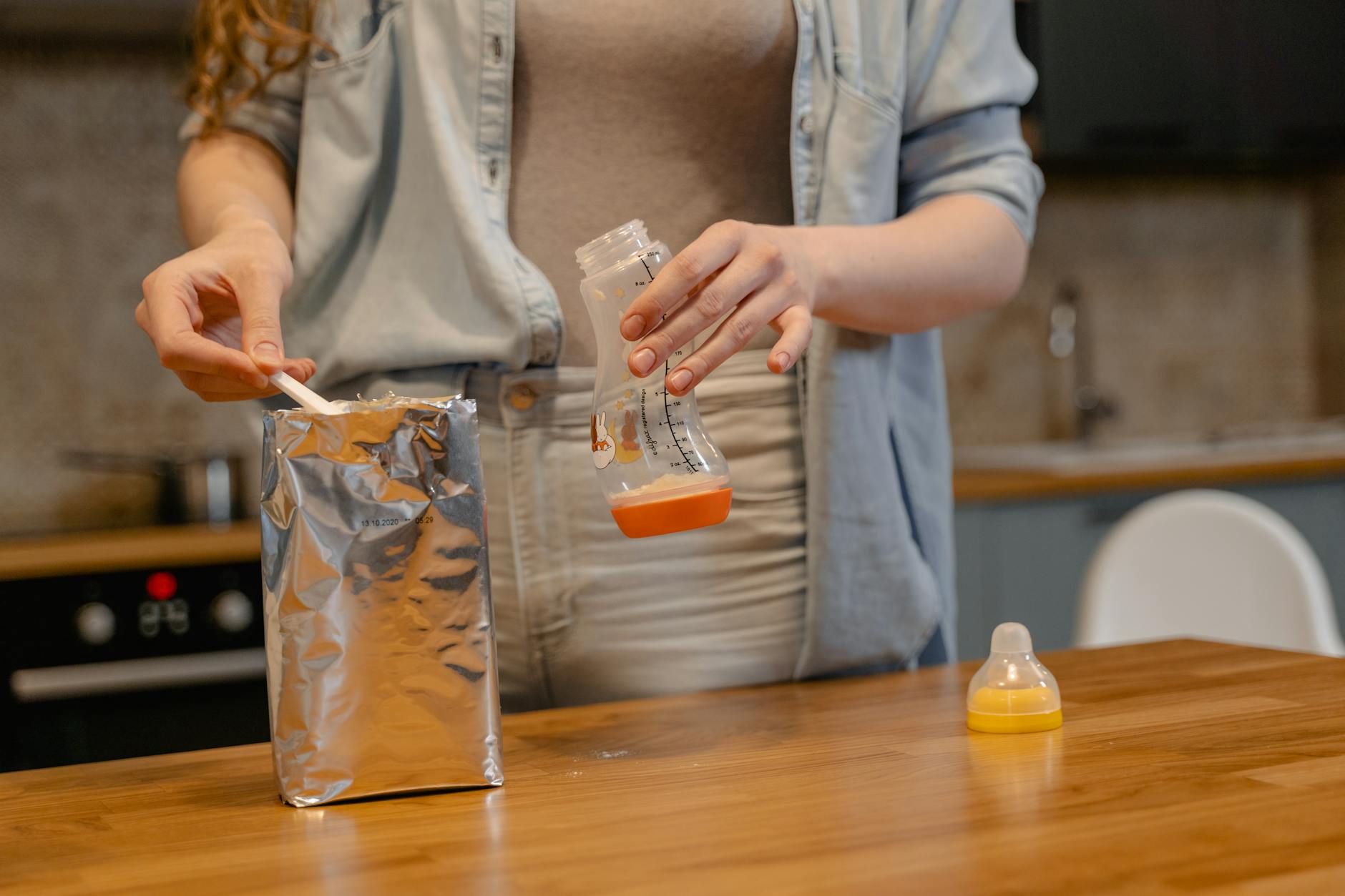
Infant formula is a temperature-sensitive product that can spoil or lose its nutritional integrity when stored in an environment subject to dramatic overnight temperature swings. Prepared liquid formula is especially vulnerable and should never be left at temperatures outside a safe refrigerated range for extended periods. Even sealed powdered formula can be compromised if exposed to moisture or excessive heat over time. Feeding a baby formula that has been improperly stored can lead to digestive issues or more serious health complications. Always transport formula indoors at the end of the day and follow storage guidelines carefully.
House Keys
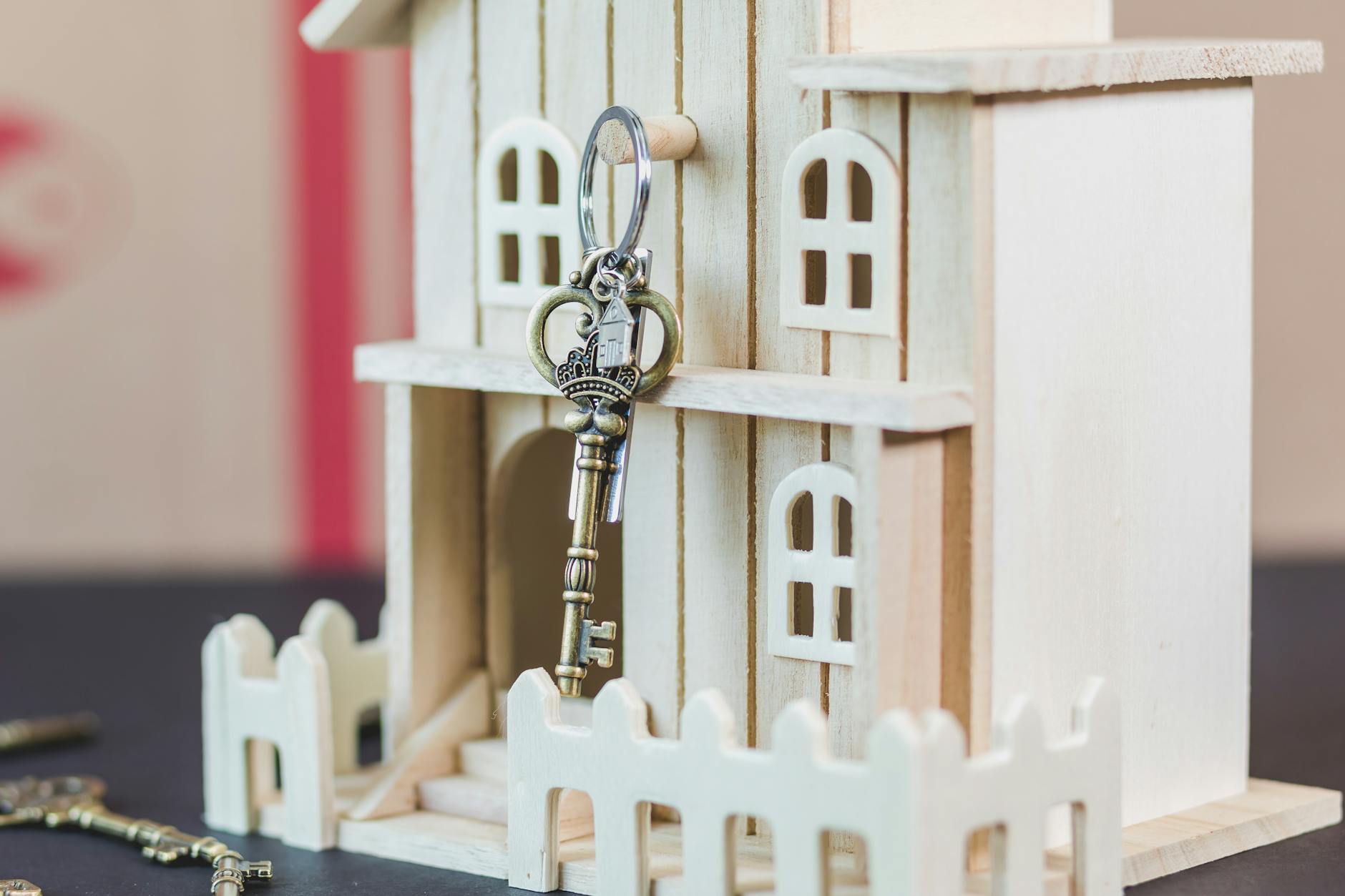
Leaving house keys in your car overnight creates a significant security vulnerability that extends well beyond the vehicle itself. If your car is broken into or stolen, a thief who finds your keys and any identifying mail or documents inside has essentially been handed access to your home. This combination dramatically escalates a vehicle theft into a potential home invasion situation. Even without other identifying information, car registration documents typically include a home address that could direct a thief directly to your front door. Always carry your house keys inside with you and keep them separate from your vehicle registration.
Aerosol Cans
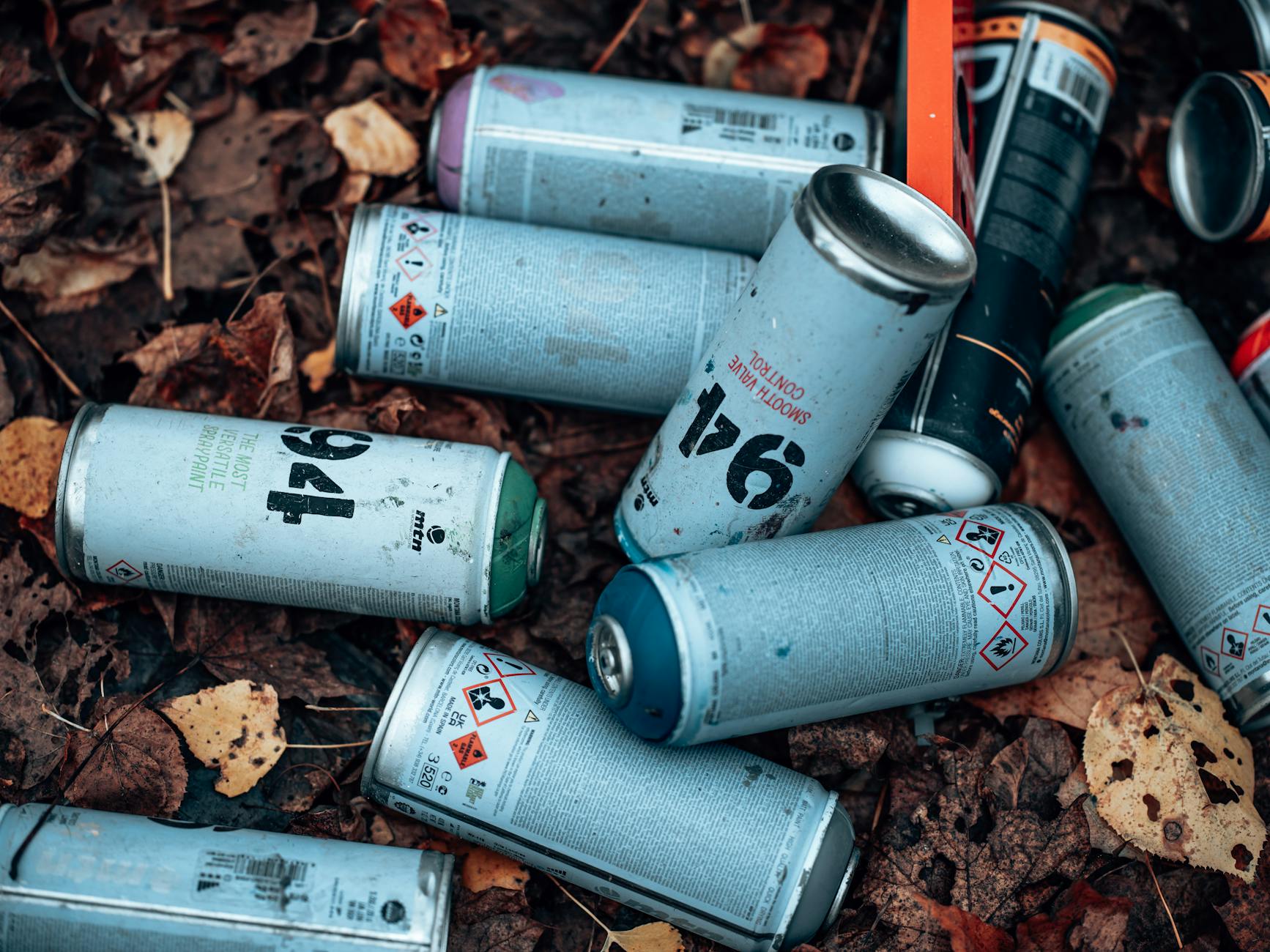
Aerosol cans of any kind including hairspray, cleaning products, and air fresheners are pressurized containers that become increasingly dangerous when exposed to heat. As temperatures inside a parked car climb overnight and into the following morning, the pressure inside these cans can exceed safe limits and result in rupture or explosion. Even during cooler months, temperature fluctuations can weaken the structural integrity of the can over repeated exposure. A ruptured aerosol can inside an enclosed vehicle can cause injury, significant interior damage, and potentially ignite a fire if the contents are flammable. No aerosol product is worth the risk of leaving it in your car.
Glasses
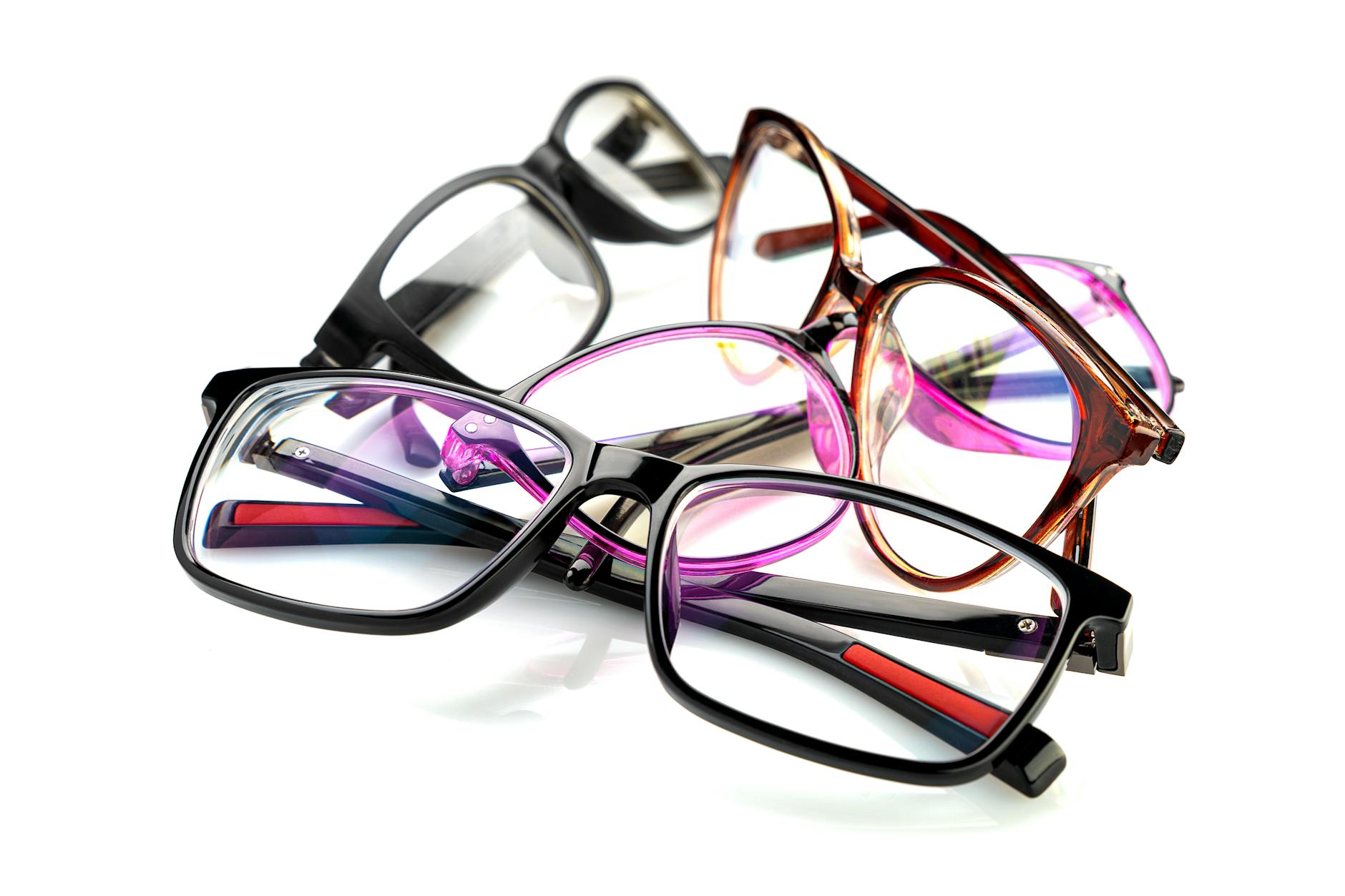
Eyeglasses and sunglasses left in a hot car overnight can suffer serious damage to their frames, lenses, and coatings. High temperatures cause certain frame materials to warp and bend out of shape, while lens coatings can bubble, peel, or crack when subjected to repeated heat exposure. Anti-reflective and UV-protective coatings are particularly susceptible to heat damage and may not be visible until the lenses are examined closely. Prescription glasses that have been warped by heat may no longer sit correctly on the face and can cause eye strain or discomfort. Store glasses in a hard case and bring them inside each night to preserve their condition and longevity.
Grocery Items
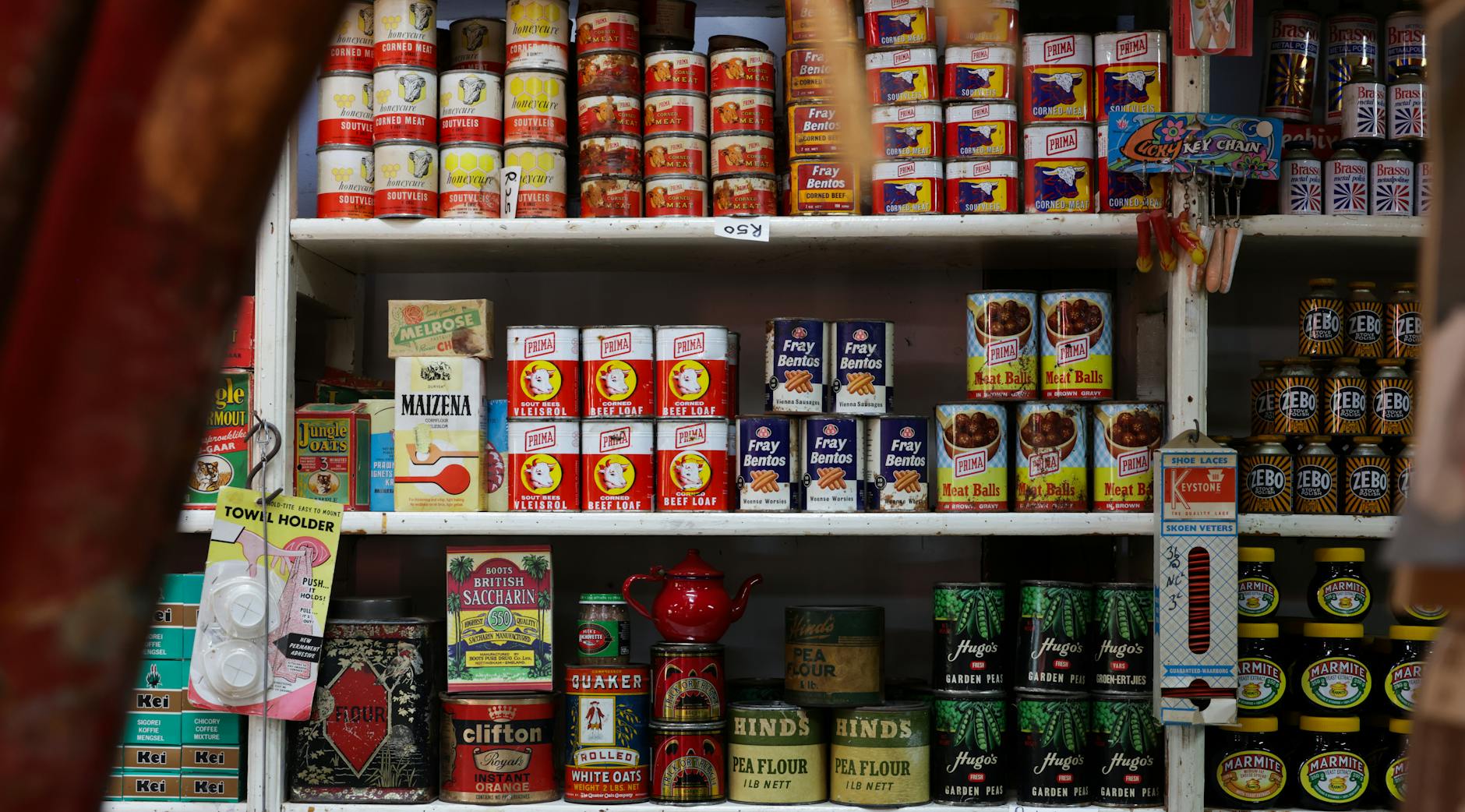
Perishable groceries left in a car overnight are a straightforward food safety hazard that can lead to bacterial growth and spoiled food that is unsafe to consume. Items like meat, dairy, eggs, and prepared foods enter the danger zone quickly when not refrigerated and should never be left in a vehicle for more than a short period. Even non-perishables like chocolate or bread can melt, spoil, or attract insects and rodents when left overnight. Forgotten grocery bags can also create unpleasant odors inside the car that are difficult to eliminate. Getting into the habit of bringing all bags inside immediately after returning home prevents waste and protects your health.
Phone Charger
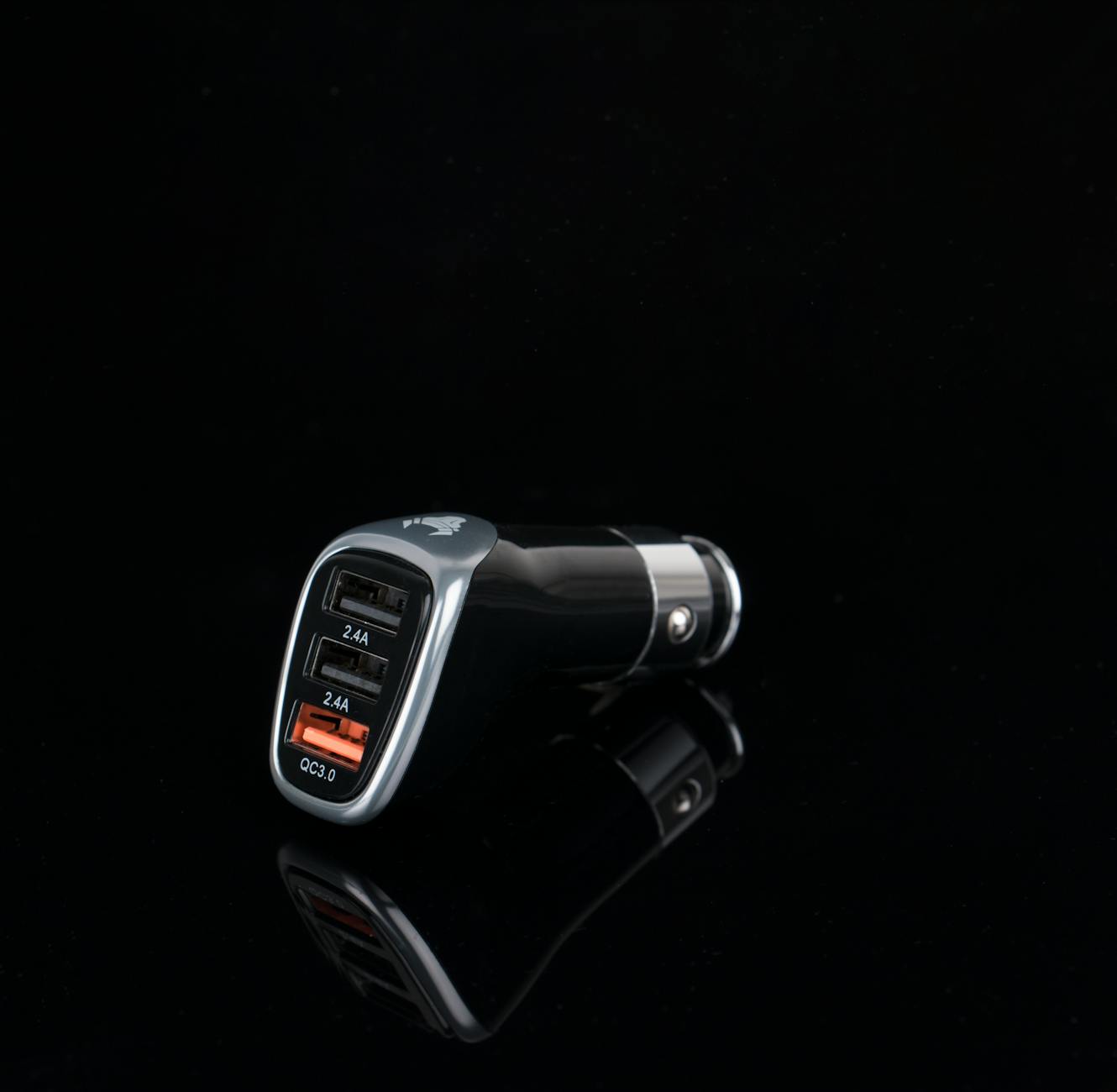
While a phone charger may seem like a low-value item, it is one of the most commonly stolen objects from parked vehicles because it is highly visible and easy to grab. Opportunistic thieves often target cars specifically looking for small electronics and accessories that can be quickly resold. Cables and chargers left plugged into ports also signal to passersby that other electronics may be present inside the vehicle. Repeated overnight exposure to cold temperatures can also degrade the quality of charging cables over time, causing them to crack or stop working efficiently. Bringing your charger inside each night costs nothing and saves you the frustration of a theft or a damaged cable.
Credit Cards
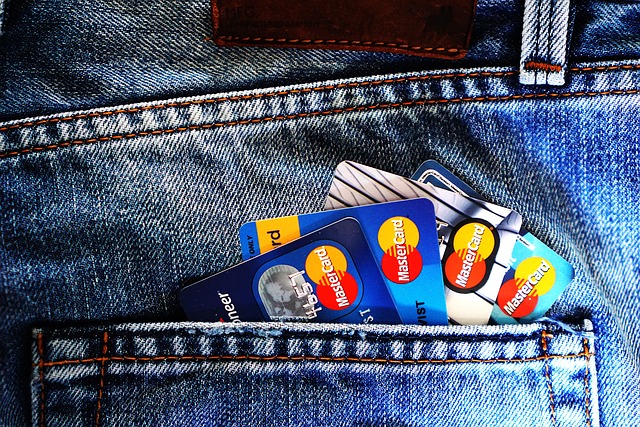
Credit cards left in a car overnight represent a direct financial risk in the event of a break-in, with potential for immediate unauthorized transactions before you even realize they are gone. Many thieves work quickly to make contactless or online purchases the moment a card is in their possession, making time a critical factor. Even a single card left loose in a cupholder or door pocket is enough to cause significant financial and personal disruption. Reporting a stolen card and disputing fraudulent charges takes time and can leave you without access to funds during the process. Always keep all payment cards on your person or secured indoors.
Firearms
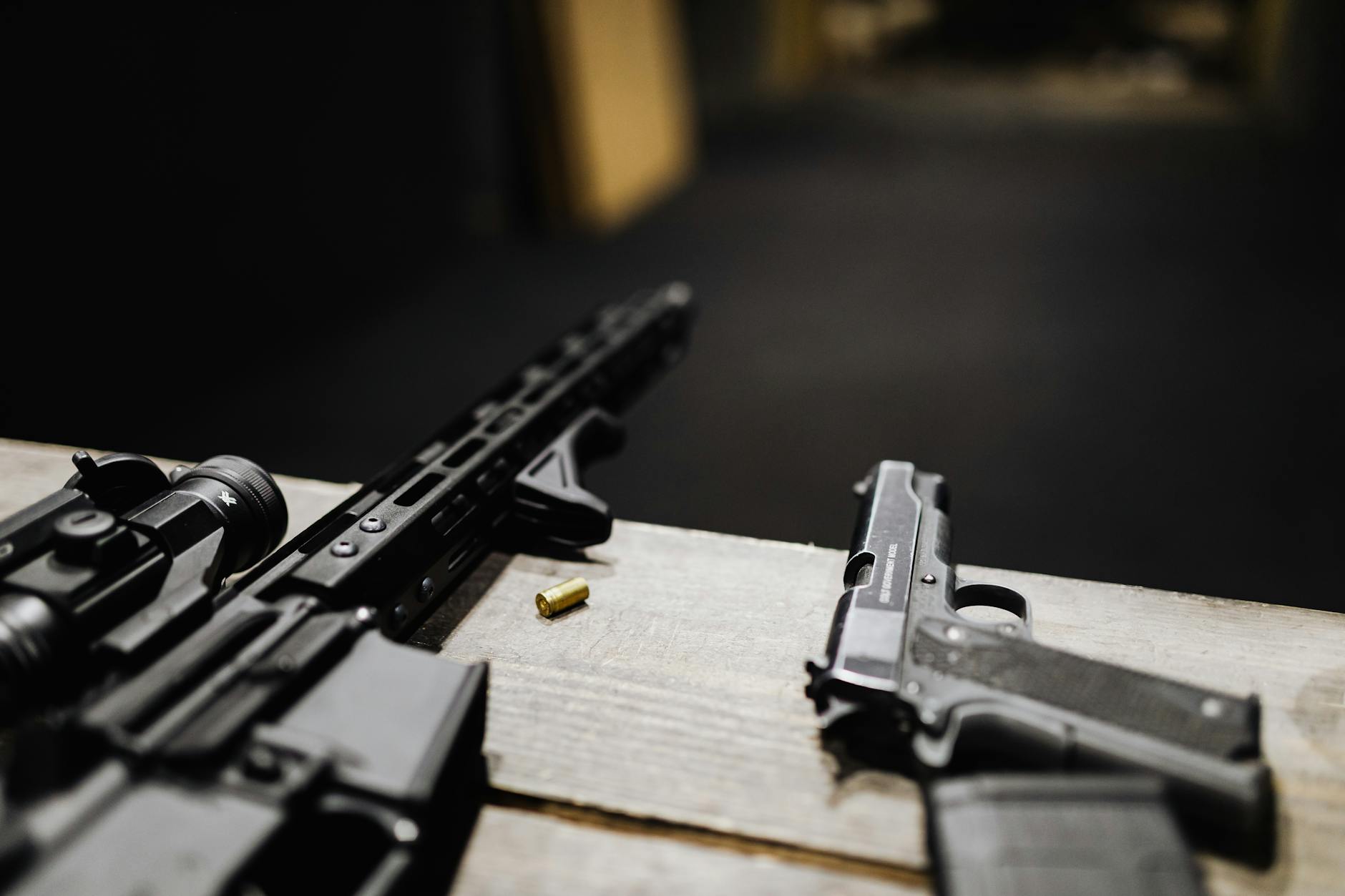
Leaving a firearm in an unattended vehicle overnight is both a serious safety risk and in many jurisdictions a legal liability. Cars are broken into regularly and a stolen firearm can quickly end up in dangerous hands with devastating consequences for communities. Even firearms stored in a locked glove compartment or center console are accessible to experienced thieves who know how to bypass basic car security. Gun owners have a legal and ethical responsibility to store their weapons securely and in compliance with local regulations at all times. A dedicated home gun safe is the only appropriate overnight storage solution for any firearm.
Important Documents
Documents such as Social Security cards, birth certificates, insurance papers, and financial statements contain sensitive personal information that should never be left in a vehicle. If these documents are stolen during a car break-in they can be used to commit identity theft and open fraudulent accounts in your name. The process of replacing official identity documents is time-consuming and often requires proving your identity through alternative means. Even non-sensitive paperwork left in a car can reveal personal details like your home address or daily schedule to someone with malicious intent. Sensitive documents should always be stored in a locked filing cabinet or fireproof safe inside your home.
Pets
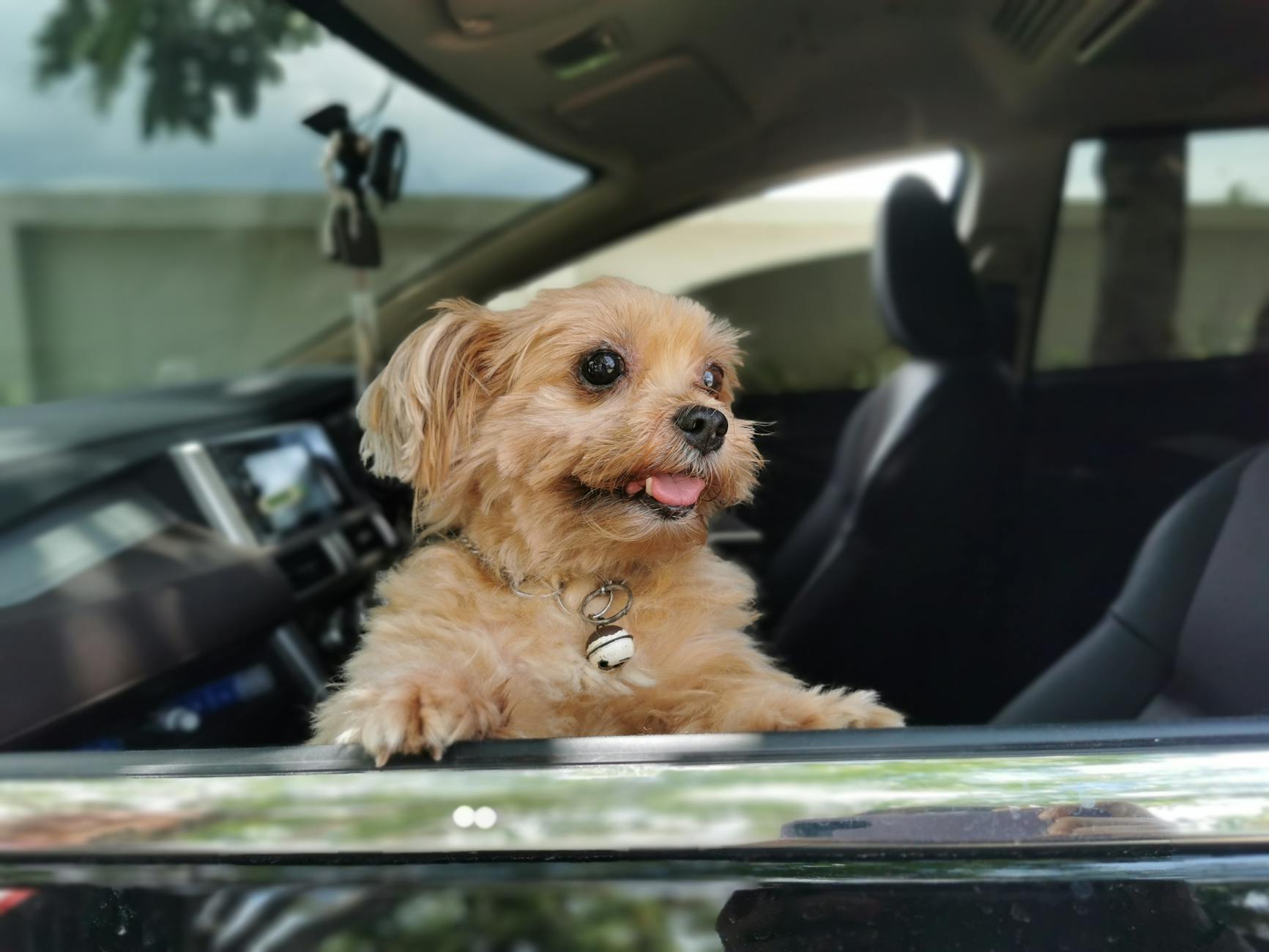
Leaving a pet in a car overnight is dangerous under virtually any weather condition and is illegal in many regions. In warm weather a parked car can become lethally hot within minutes, and nighttime temperatures in cooler months can drop to levels that cause hypothermia in animals. Pets left alone in vehicles also experience significant stress and anxiety and may injure themselves trying to escape or attract attention. A pet that makes noise overnight can also lead to noise complaints or concern from passersby and law enforcement. Animals should always sleep in a safe and comfortable environment inside the home.
Alcohol

Unopened bottles of alcohol left in a car overnight are a theft target and a potential safety hazard depending on the temperature and container type. Glass bottles are susceptible to cracking or shattering in freezing temperatures, leaving a mess and potentially damaging your vehicle’s interior. In many places it is also illegal to have open containers of alcohol in a vehicle and even sealed bottles may attract unwanted police attention if your car is involved in an incident. Alcohol purchased for personal or social use should be brought inside immediately to prevent both theft and accidental damage. Keeping your vehicle free of alcohol also helps ensure you are never in a legally ambiguous situation.
Portable Speakers
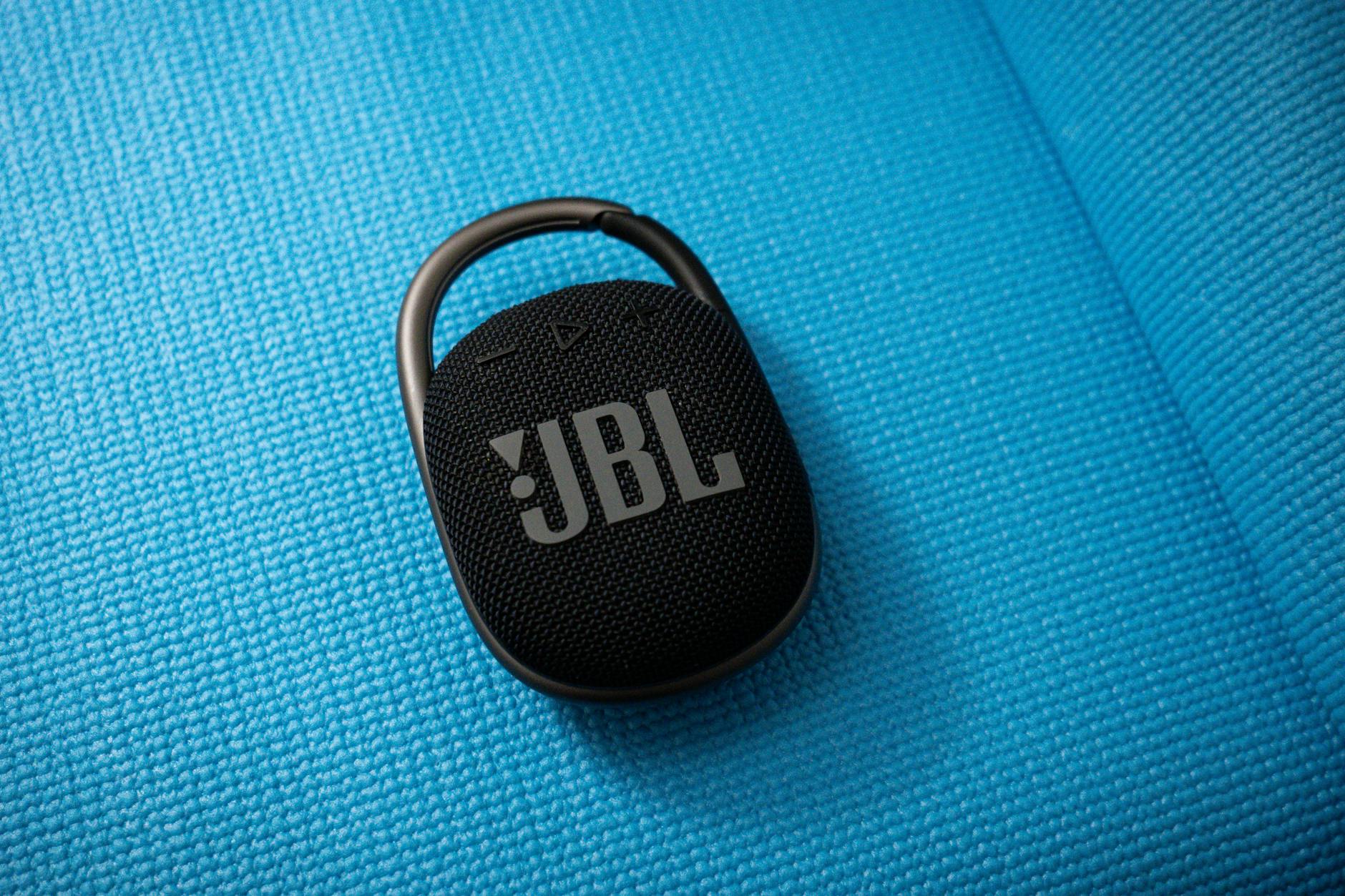
Portable speakers are among the most frequently stolen items from parked cars because they are compact, immediately visible, and easy to resell. Even placing a speaker inside a bag on the back seat does not eliminate the risk if the bag itself is visible through a window. The sound of a break-in is often all it takes for a thief to grab what they can within seconds, and a portable speaker is an obvious first target. Repeated exposure to overnight cold can also affect battery performance and reduce the overall lifespan of the device. Bring your speaker inside after every use to protect both your investment and your vehicle.
Power Banks
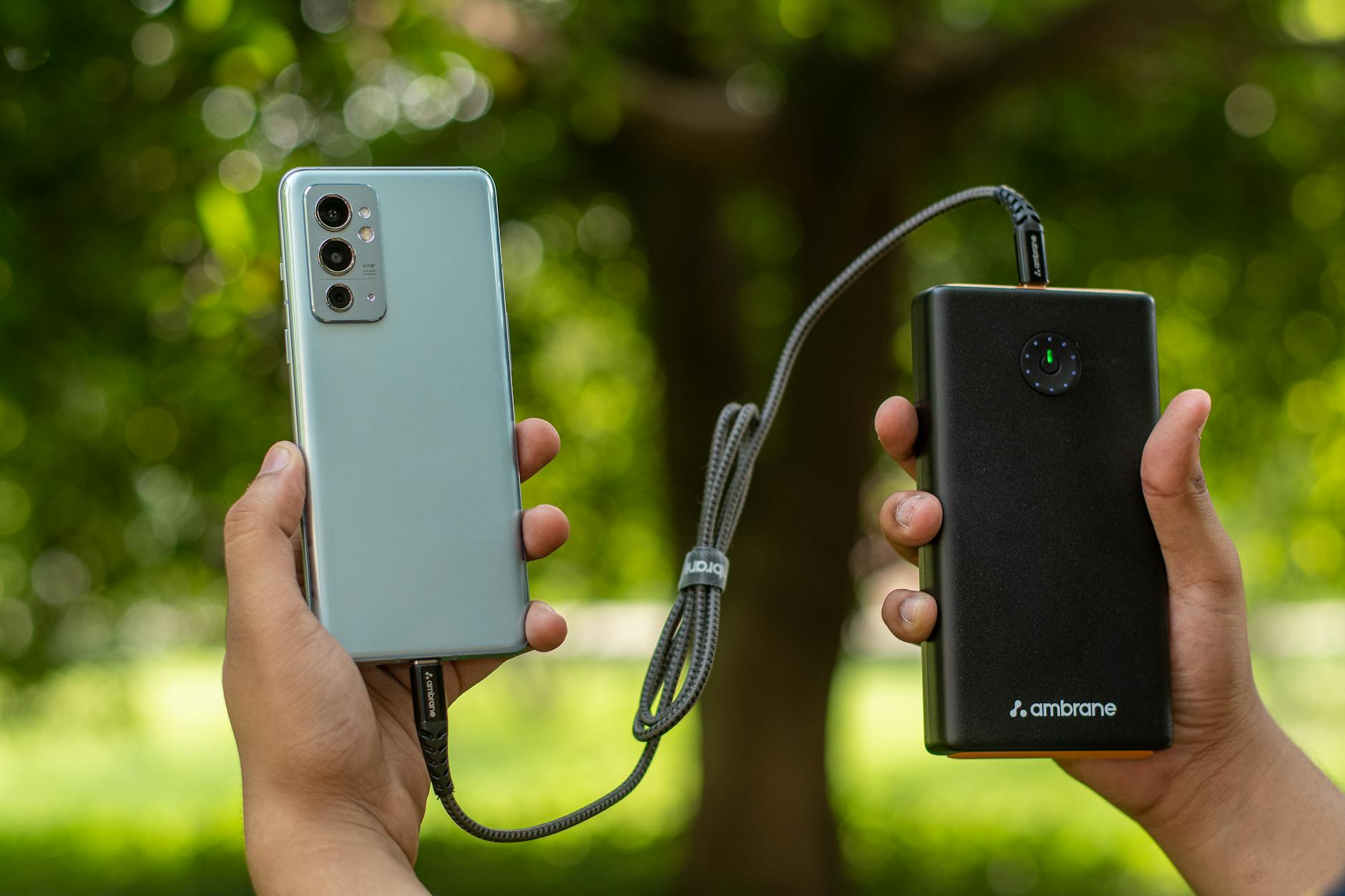
Power banks are small, lightweight, and expensive relative to their size which makes them an easy and appealing target for thieves scoping parked vehicles. Lithium-ion batteries found in portable chargers are also sensitive to extreme temperatures and can become damaged or even dangerous when stored in environments that fluctuate dramatically overnight. A power bank that has been exposed to freezing temperatures may deliver significantly reduced charging capacity or fail entirely. In rare cases thermal stress on lithium batteries can lead to swelling or leakage which poses a risk inside an enclosed car. Always bring power banks and charging accessories inside where they can be stored safely at room temperature.
Cash
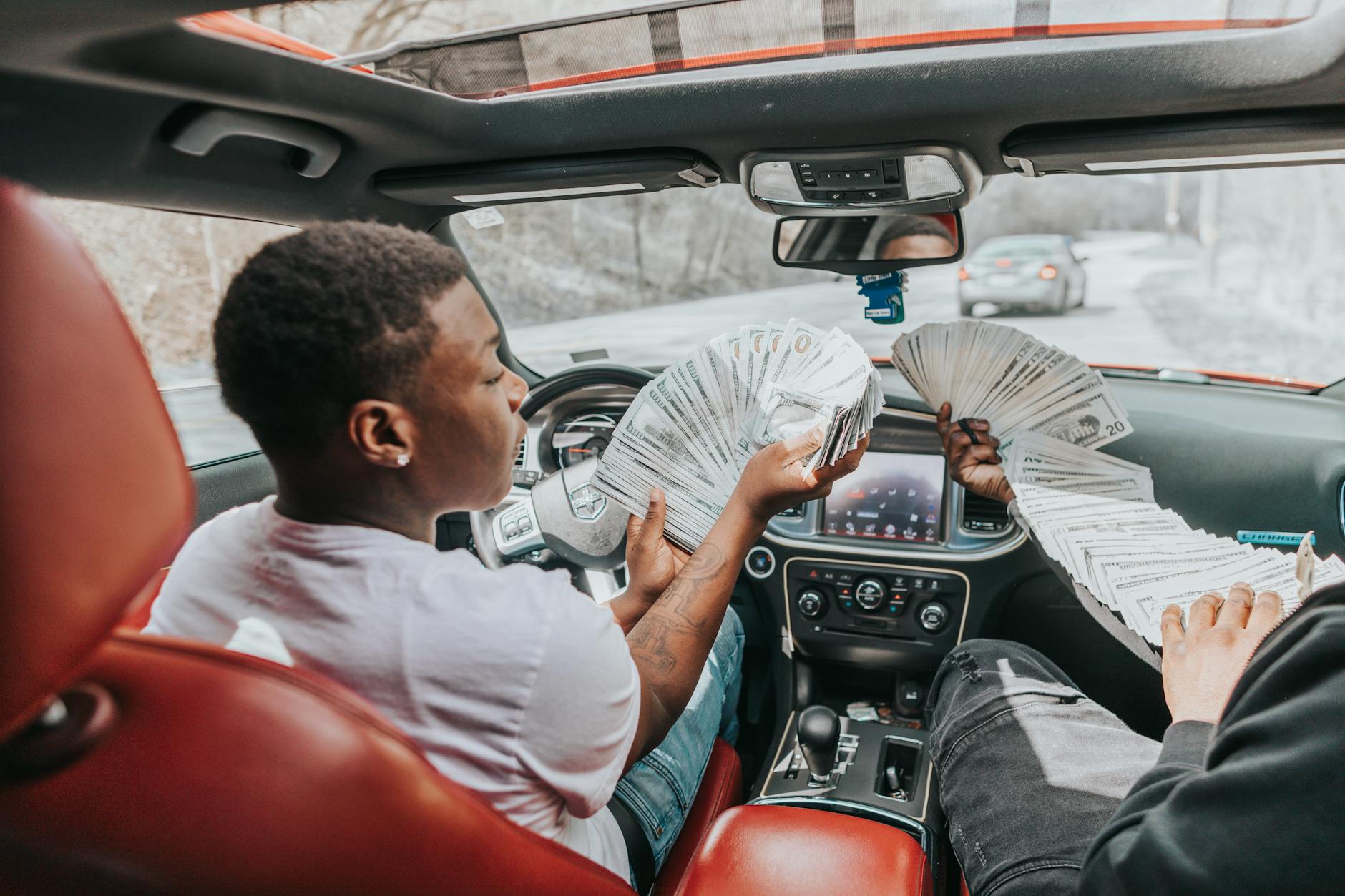
Cash left in a car overnight is a straightforward and immediate loss if your vehicle is broken into since unlike credit cards it cannot be cancelled, traced, or recovered. Even small amounts of visible cash in a cupholder or center console can motivate a thief to break a window worth far more than what was taken. Loose change may seem insignificant but combined with other items in plain view it raises the perceived value of what might be inside the car. Developing the habit of emptying your car of all cash each night also encourages you to do a general sweep for other valuables you may have forgotten. No amount of money is worth the cost of a broken window, damaged lock, or the stress that follows a vehicle break-in.
Spare Keys
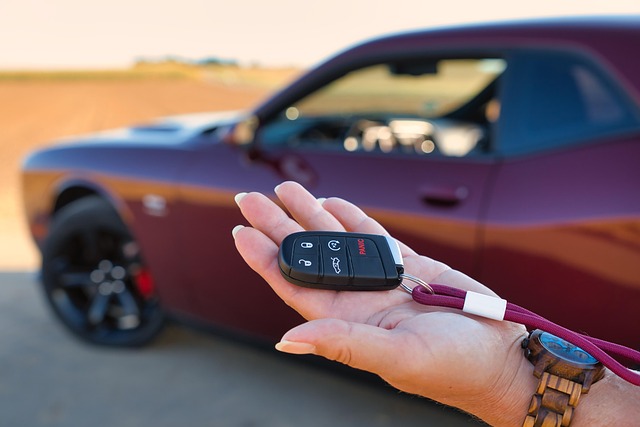
A spare key left in a car overnight is perhaps the most counterproductive thing a driver can do from a security standpoint. If a thief breaks into your vehicle and finds a spare key they immediately have the means to return at any time and simply drive away with your car without any need for additional tools or effort. Many drivers store spare keys out of convenience but forget that a break-in changes the entire calculus of what that spare key now enables. Vehicle theft is already a significant problem and leaving access tools inside is essentially removing one of the most important barriers. Keep all spare keys in a secure location at home and never leave them inside the vehicle under any circumstances.
Have any of these items surprised you or do you have other valuables you always make sure to bring inside? Share your experience in the comments.




