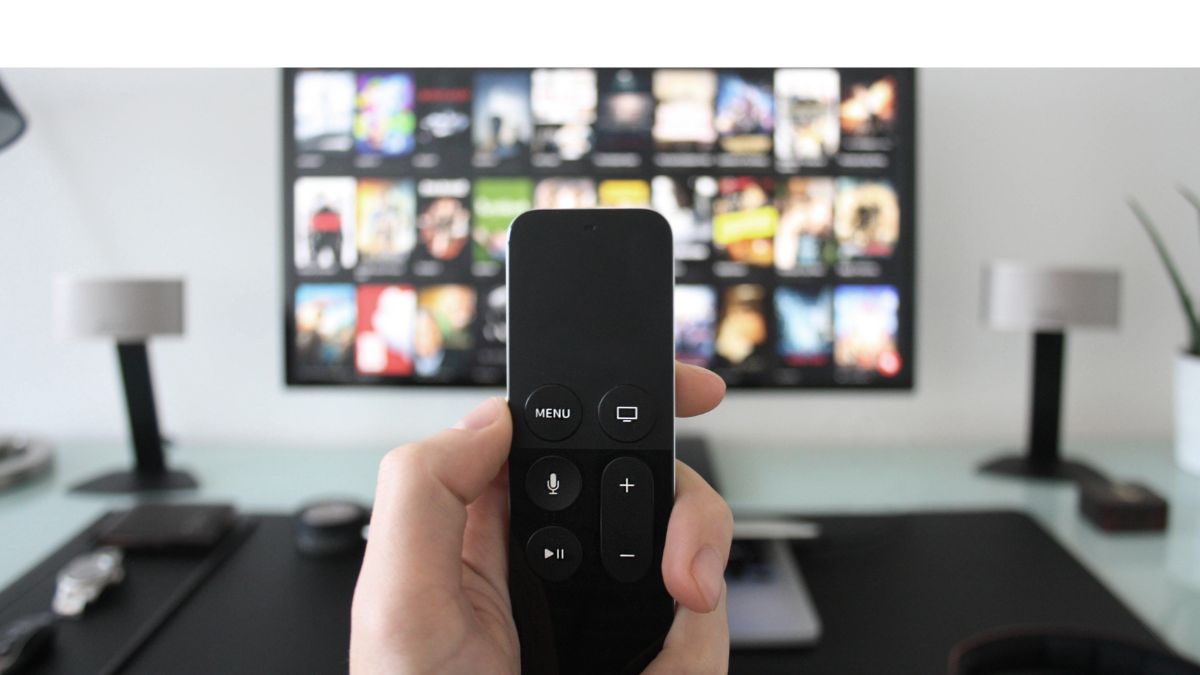
Modern smart TVs are far more than passive entertainment screens and they collect a surprising amount of data about their users every single day. Manufacturers, advertisers, and third-party data brokers all have a stake in understanding your viewing habits in remarkable detail. Most people are completely unaware of how many background systems are quietly logging their behavior from the moment the screen lights up. Understanding these methods is the first step toward taking back some control over your personal information.
Automatic Content Recognition
Automatic Content Recognition technology works by capturing samples of what appears on your screen and matching them against a vast database of known content. This process happens continuously in the background without requiring any user input or awareness. The data collected includes not just streaming content but also broadcast television and even content played from physical media. ACR data is incredibly granular and can track exactly how long you watched something and whether you paused or skipped.
Return Path Data
Return path data refers to the stream of behavioral information your TV sends back to manufacturers and broadcasters through your internet connection. This includes channel changes, viewing duration, and the times of day you most frequently watch television. Cable and satellite providers pioneered this method but smart TV brands have now integrated similar pipelines directly into the hardware. This data is often sold to research firms and advertisers looking to build detailed audience profiles.
Voice Command Logging
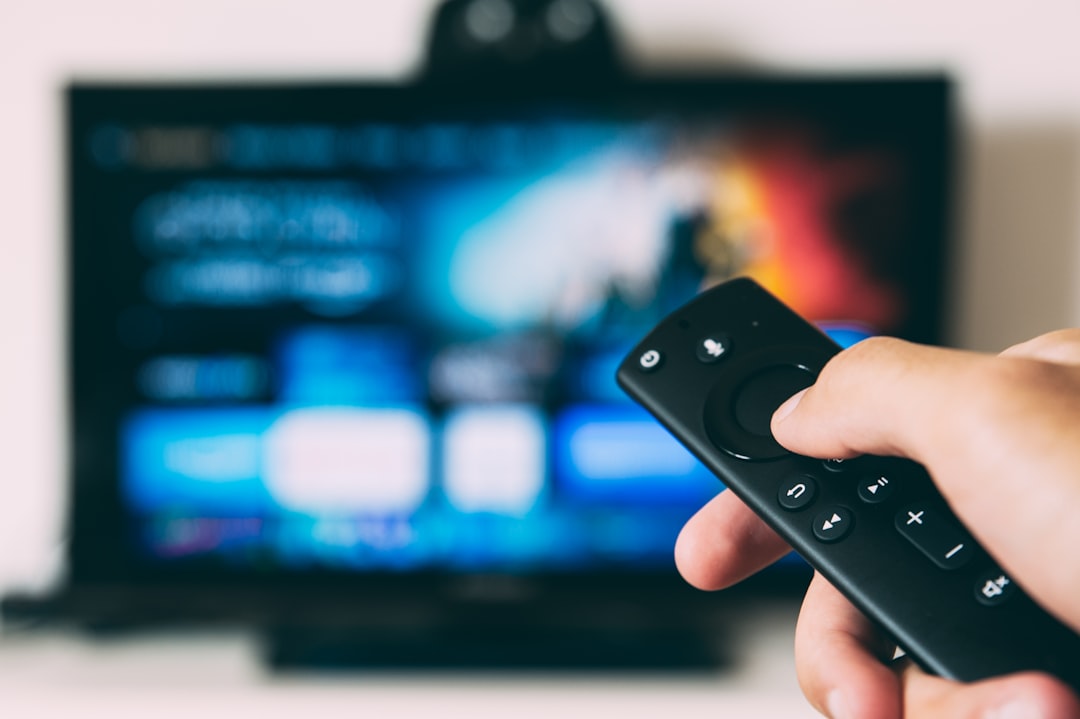
Most modern smart TVs come equipped with always-on microphone systems designed to respond instantly to voice commands. These microphones are active even when the television appears to be in standby mode in many device configurations. Voice commands are typically uploaded to manufacturer servers where they may be stored and analyzed to improve recognition algorithms. In some documented cases, ambient conversations near the television have also been captured alongside intentional commands.
Built-In Ad Tracking
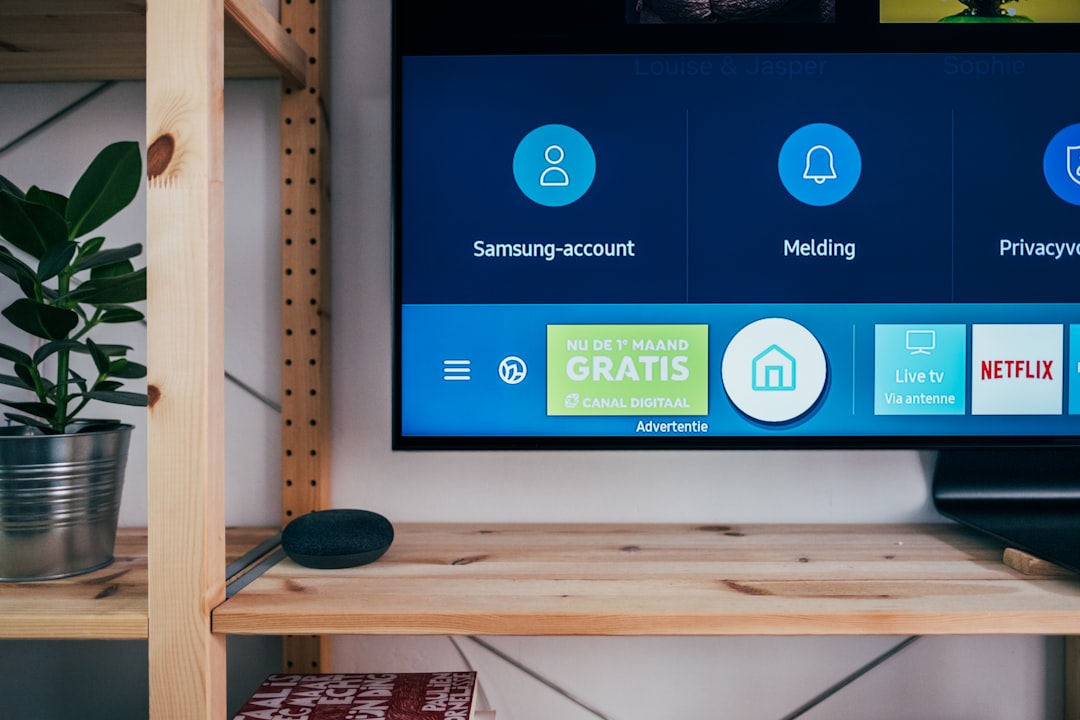
Smart TV operating systems contain advertising identifiers similar to those found on smartphones and tablets. These IDs allow advertisers to track your behavior across multiple apps and sessions without needing to know your personal identity. Ad networks use this data to build interest profiles that determine which advertisements are served to you during streaming. Resetting this identifier is possible on some platforms but the option is rarely surfaced prominently in settings menus.
App Usage Monitoring
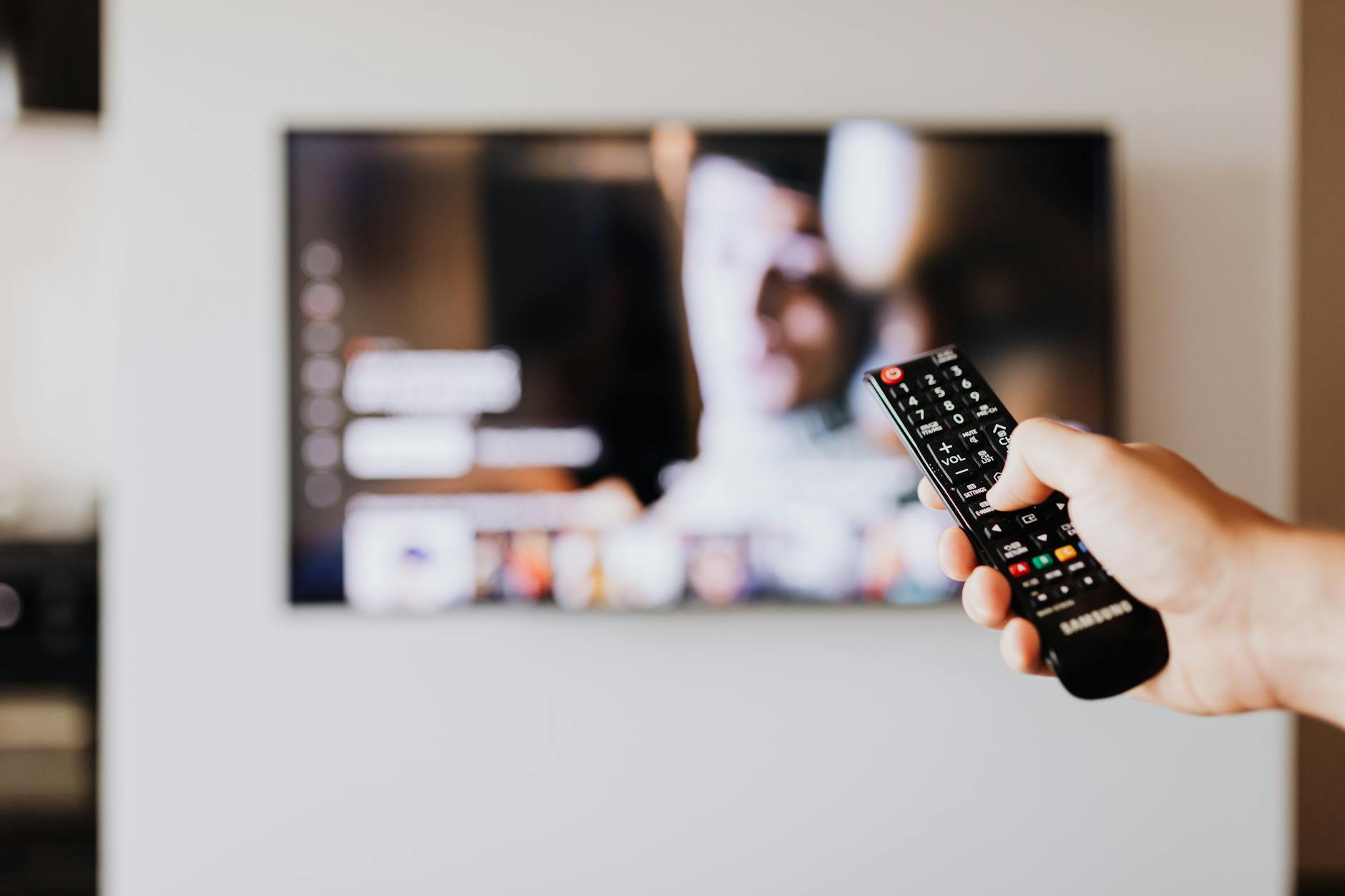
Every app you open on a smart TV platform generates a log of activity that the operating system records and stores. These logs include which apps you launched, how long each session lasted, and in some cases what content you browsed even if you did not watch it. Platform owners use this aggregated data to negotiate content licensing deals and to refine their recommendation engines. Third-party app developers may also collect their own layer of analytics on top of the platform-level tracking.
IP Address Harvesting
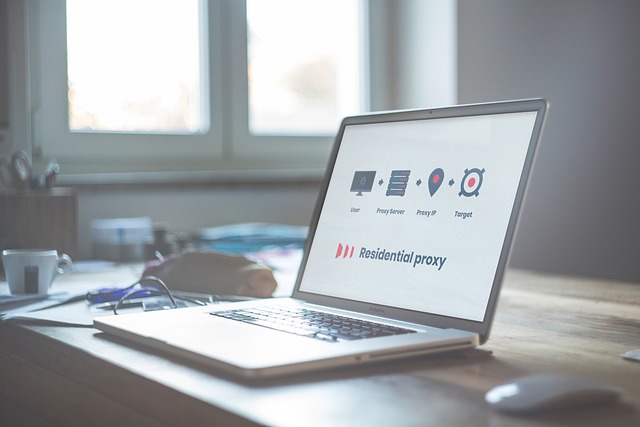
Your television’s connection to the internet exposes its IP address to every service it communicates with during normal operation. IP addresses can be used to determine your approximate geographic location, your internet service provider, and in some cases your household identity when cross-referenced with other data. Streaming services routinely log IP addresses alongside viewing records to enforce regional licensing restrictions. This data point also forms part of the larger profile advertisers assemble about your household.
Smart TV Cookies
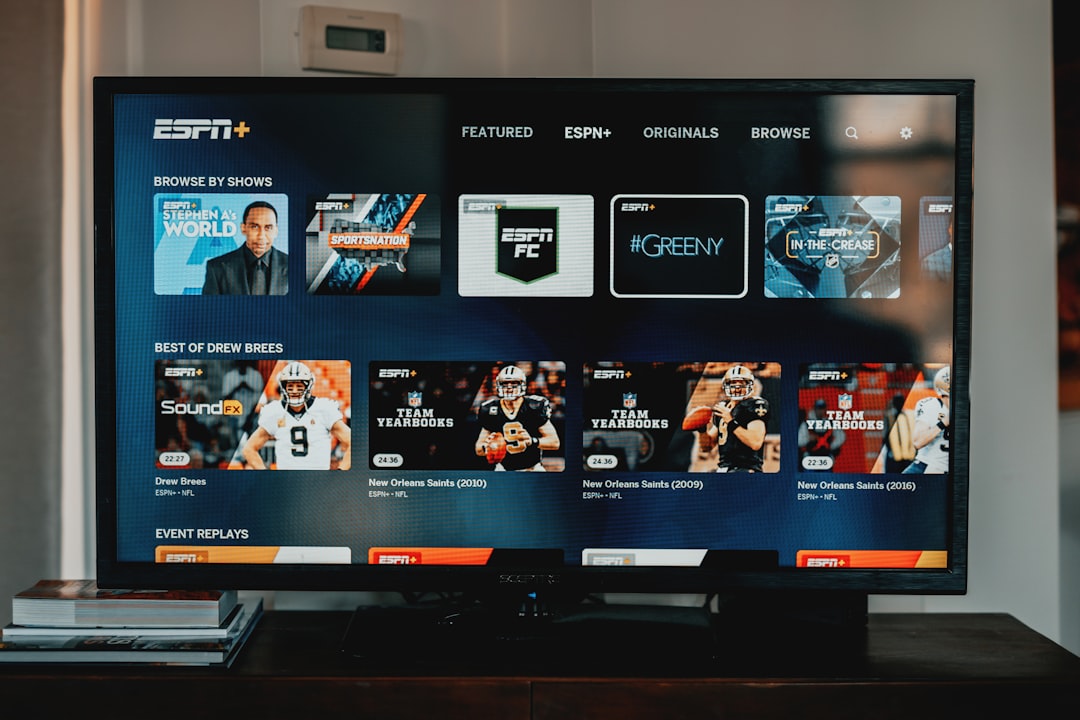
Like web browsers, smart TV applications use cookie-like tracking files to remember user behavior across sessions. These trackers store preferences, login states, and browsing activity within individual apps on the device. Unlike browser cookies, smart TV tracking files are far less accessible to the average user and lack widely available tools for management or deletion. Advertisers leverage these persistent identifiers to maintain continuity in their tracking even when you switch between different apps.
Viewing Time Stamps
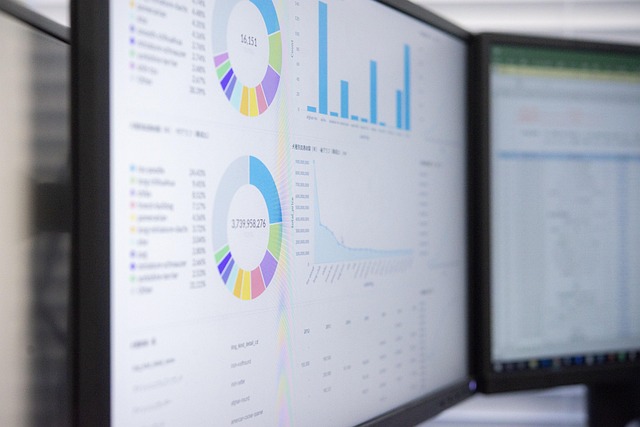
Every piece of content you engage with on a smart TV generates a timestamp that records exactly when you started and stopped watching. These timestamps are sent to content providers, the TV manufacturer, and often third-party analytics firms simultaneously. The granularity of this data allows platforms to determine not just what you watched but at what point during a program you lost interest or changed the channel. Viewing timestamp data is particularly valuable for content creators and studios evaluating audience engagement.
Cross-Device Matching
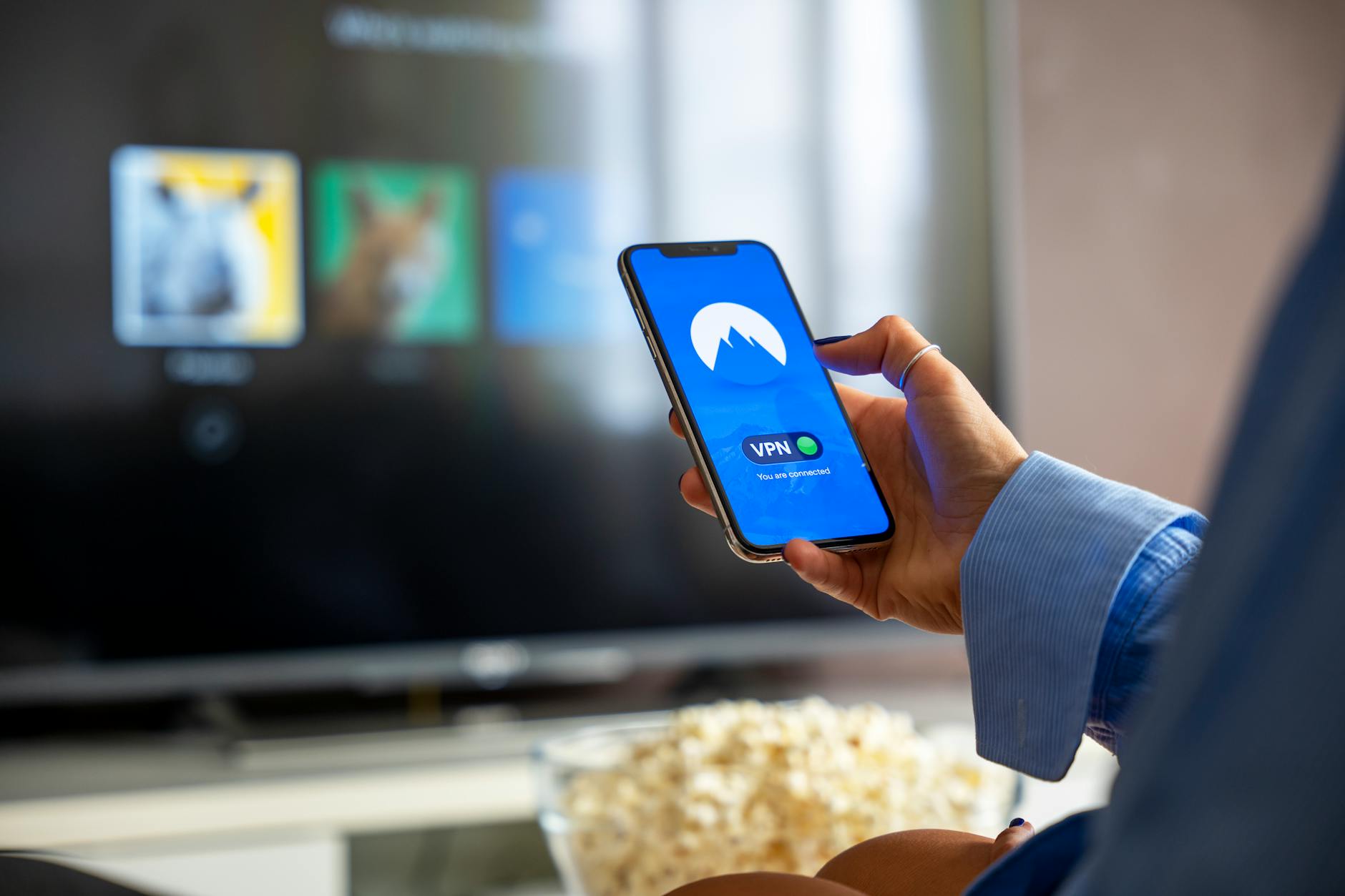
Smart TV data is routinely matched with information collected from your other devices including smartphones, tablets, and laptops. This process uses a combination of shared Wi-Fi network data, IP address matching, and third-party data broker records to link devices to a single household profile. Advertisers use cross-device graphs to deliver sequential messaging that follows you from your television screen to your phone throughout the day. This matching process happens largely without explicit user consent and is built into the standard operating agreements of most platforms.
On-Screen Content Scanning

Some smart TVs use pixel-level analysis to identify content displayed on screen regardless of its source. This technique allows the television itself to recognize what is being shown even when content arrives through an HDMI input from an external device. The scanning process compares screen imagery against content fingerprint databases updated in real time by the manufacturer. This means even content from gaming consoles or older Blu-ray players connected to the TV can potentially be identified and logged.
Wi-Fi Signal Analysis
Smart TVs can analyze the strength and patterns of Wi-Fi signals within a home to gather contextual data about usage environments. Some research has demonstrated that changes in wireless signal patterns can indicate how many people are present in a room watching television. Manufacturers and platform operators have explored this signal data as a means of improving audience measurement accuracy. This passive form of sensing operates entirely in the background and is not disclosed in standard user-facing privacy summaries.
Manufacturer Dashboards

Smart TV brands including major players in the industry operate proprietary analytics dashboards that aggregate data from all their connected devices globally. These platforms compile regional viewing trends, device performance metrics, and audience behavior into commercially valuable datasets. The data collected through these systems is frequently licensed to media companies, market research firms, and political consulting organizations. Users typically grant permission for this collection through lengthy terms of service agreements accepted during the initial setup process.
Third-Party SDKs
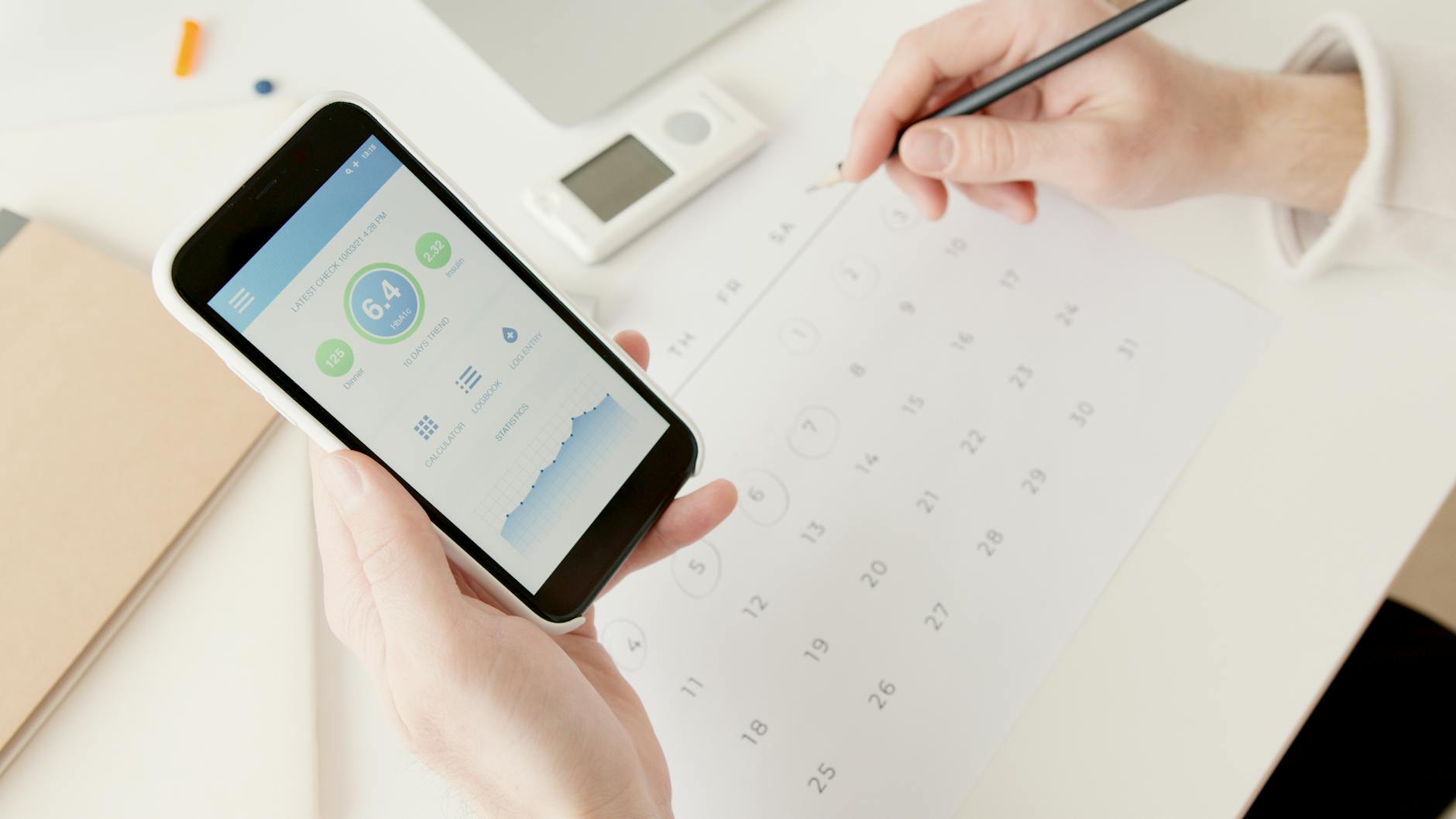
Smart TV app developers integrate third-party software development kits into their applications to enable advertising, analytics, and social features. Each of these embedded SDKs can independently collect and transmit data about your behavior to their own separate servers. A single streaming application may contain a dozen or more such trackers operating simultaneously without the user’s knowledge. Regulatory scrutiny of this practice has grown in some regions but enforcement remains inconsistent across markets.
Behavioral Profiling
Data points collected from smart TVs are fed into machine learning systems that build predictive behavioral profiles for individual households. These profiles estimate age ranges, income brackets, shopping tendencies, and even health conditions based purely on viewing patterns. Insurers, financial institutions, and pharmaceutical marketers have all been documented as buyers of television-derived behavioral data. The profiles generated are often more detailed and accurate than those built from social media activity alone.
Firmware Update Channels
When smart TVs download and install firmware updates they simultaneously transmit device diagnostic information and usage logs back to manufacturer servers. This update channel represents a persistent and highly trusted communication pathway that operates even on televisions with minimal app usage. Manufacturers argue this data is necessary for improving device performance but the scope of collection frequently extends beyond technical diagnostics. Users who disable automatic updates lose access to security patches while those who allow them accept ongoing data collection as part of the process.
Smart Home Integration
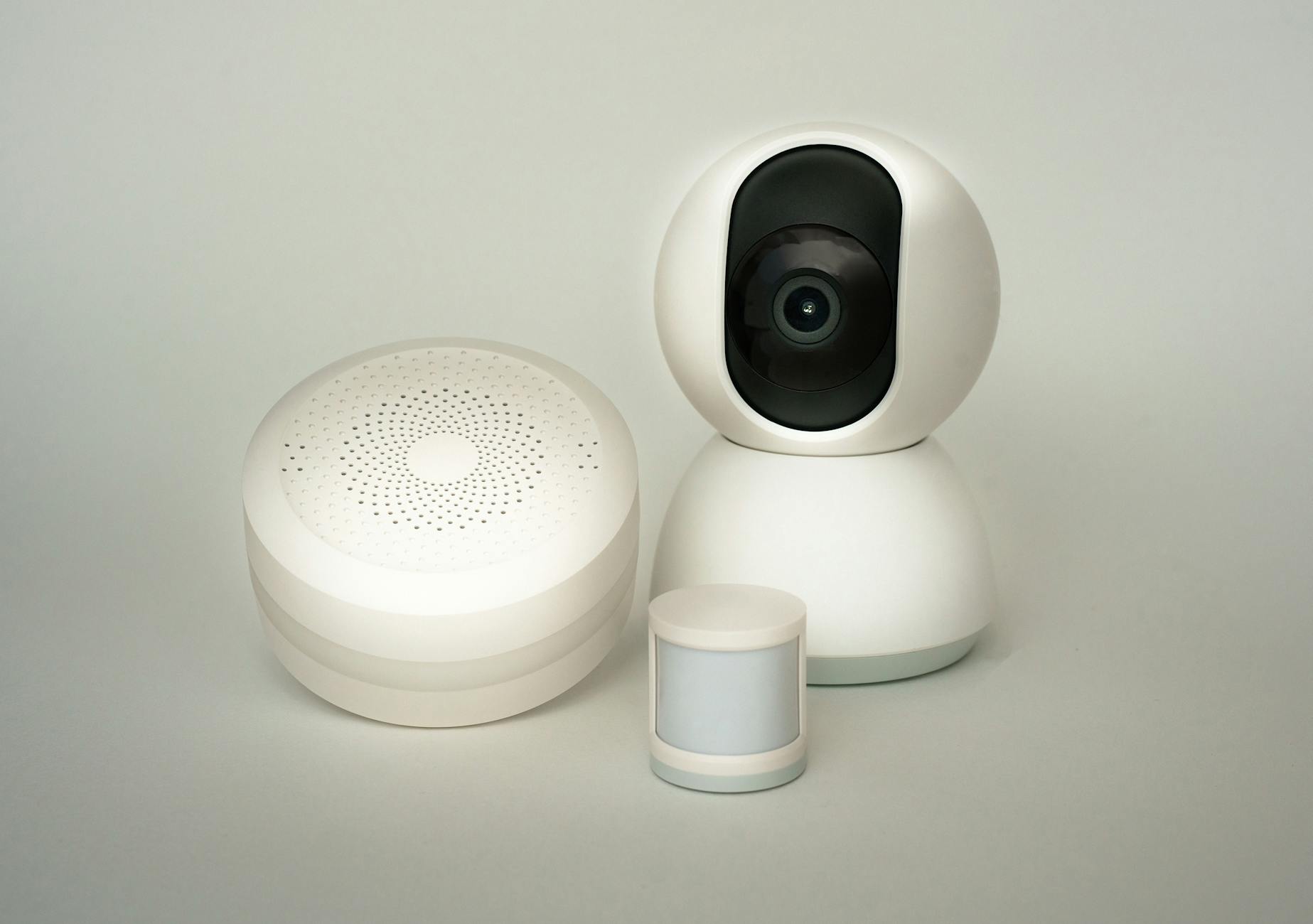
Smart TVs connected to broader home automation ecosystems share data with hubs, voice assistants, and companion apps installed on other devices. This integration allows platforms to correlate television viewing with other in-home activities such as lighting adjustments, thermostat changes, and smart speaker queries. The combined dataset from a fully connected home gives platforms an extraordinarily complete picture of daily household routines. Privacy policies for smart home ecosystems typically address this data sharing only in vague and general terms.
Universal Search Functions
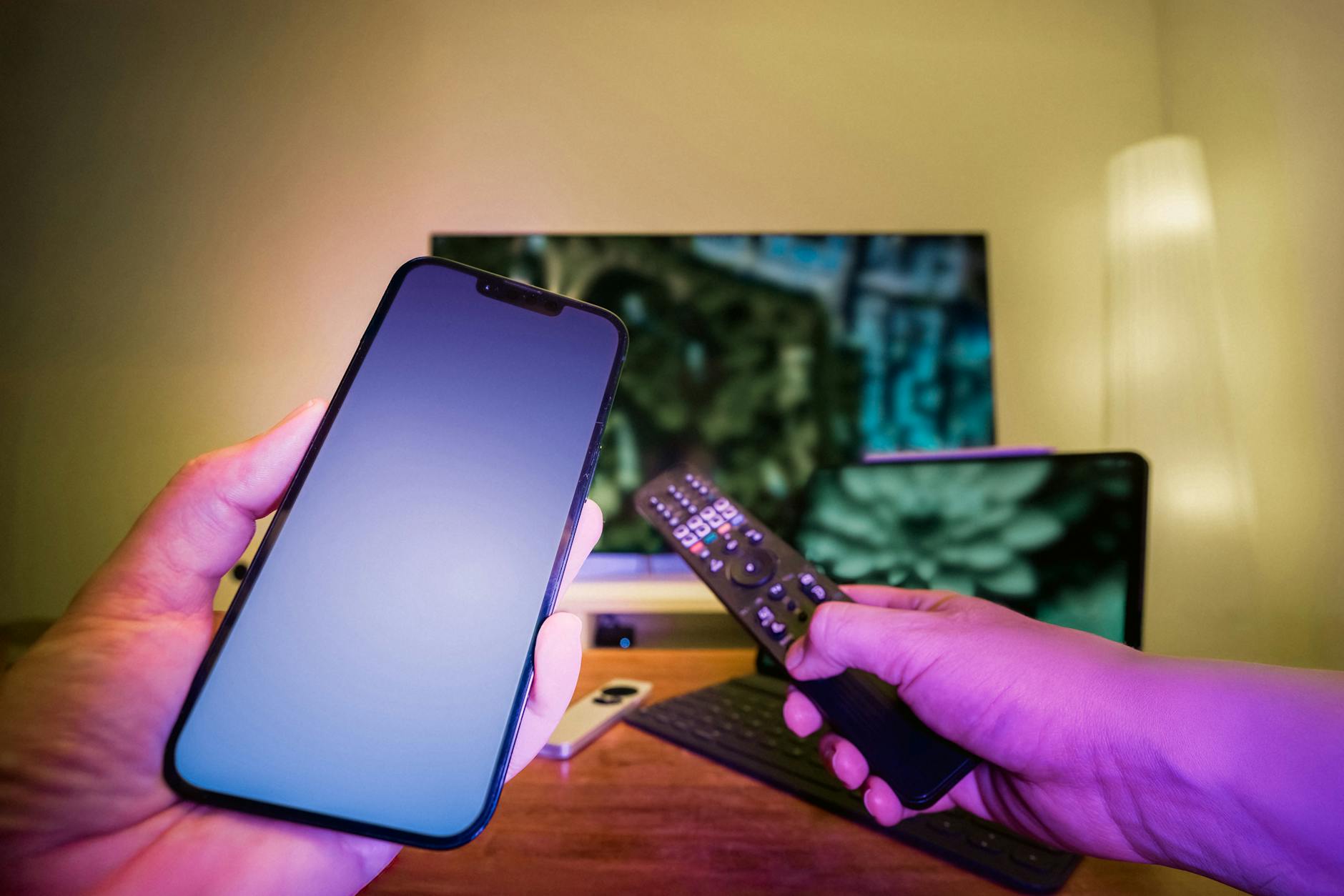
The universal search features built into smart TV operating systems track every query entered through the remote or voice interface. These searches reveal content interests, curiosity patterns, and entertainment preferences that extend beyond what a user actually watches. Search log data is used to serve targeted recommendations and is also packaged as audience intelligence for streaming platforms and advertisers. On most platforms there is no straightforward way to clear or opt out of search history collection.
HDMI-CEC Signals
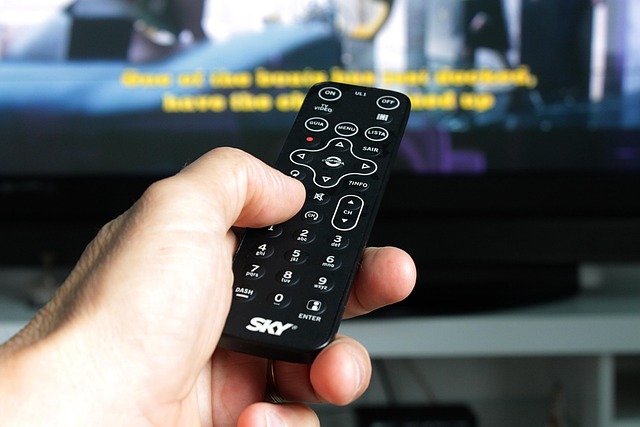
HDMI Consumer Electronics Control is a protocol that allows devices connected to a television to communicate with each other automatically. Smart TVs use CEC data to detect when external devices are active and to identify the type of content source being used. Some manufacturers have used this channel to track the presence and usage patterns of connected devices including gaming consoles and streaming sticks. CEC-based monitoring is technically passive but it contributes to the larger ecosystem of household activity data collected by the TV itself.
Nielsen Partnerships

Several major smart TV manufacturers have formal partnerships with audience measurement companies that give those organizations direct access to viewing data. These agreements go beyond what typical first-party analytics collect and allow measurement firms to integrate television data with broader panel research. The resulting datasets are used to compile the industry ratings that determine advertising prices across broadcast, cable, and streaming platforms. These partnerships are disclosed in legal documentation but are rarely communicated to consumers in plain language during setup.
Opt-Out Obscurity

Most smart TV platforms include privacy settings that technically allow users to limit certain forms of data collection. These settings are consistently buried within multiple layers of menus and written in language that obscures their actual function. Research into smart TV interfaces has repeatedly found that default settings favor maximum data collection and that opting out requires sustained and deliberate effort. Even after opting out of named tracking programs many background data flows continue under different classifications within the same device.
Smart TV tracking is a rapidly evolving space and staying informed is the most powerful tool available to consumers. Share your thoughts and experiences in the comments.




