Using a clothes dryer might seem simple, but skipping a few key steps can cost you more money, damage your laundry, and even create serious safety hazards. Appliance expert Matt Stevens, speaking for the British consumer group Which?, highlights several common mistakes people make when using their dryers, and offers practical tips that can help you protect both your clothes and your home.
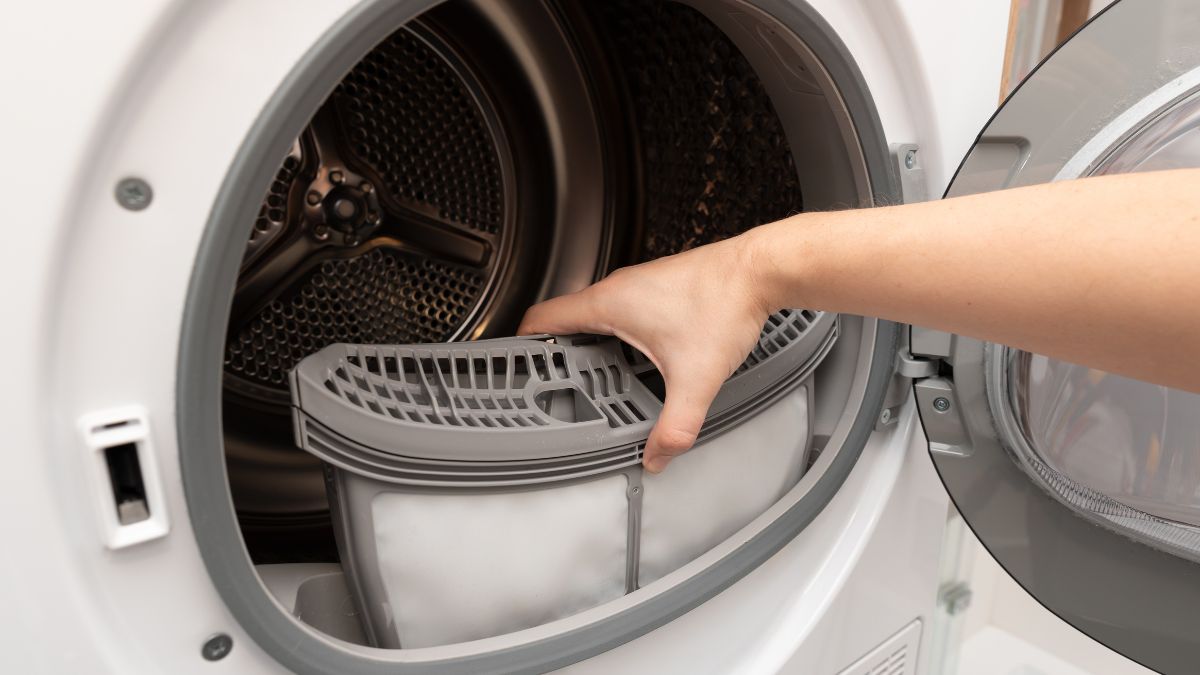
One of the most overlooked but important tasks is cleaning the lint filter. Stevens explains that the buildup of lint not only makes your dryer less efficient — increasing energy usage and costs — but also creates a significant fire risk because lint is highly flammable. Fire departments report that clogged filters are one of the leading causes of dryer‑related fires, so removing lint after every load and giving the filter a deeper clean regularly is essential.
Aside from the lint filter, it’s wise to clean the heat exchanger or condenser once a month if your model has one. Dirt and fluff trapped there can block airflow, forcing the machine to work harder and driving up energy use. This extra effort not only increases bills but also puts unnecessary strain on internal components, which can shorten the dryer’s lifespan.
Another common mistake is how people load the dryer. Starting a cycle with the drum only half full wastes energy, while overloading it prevents hot air from circulating properly and can leave clothes damp after the cycle ends. Stevens recommends leaving about 30 % of the drum empty so that air can move freely and items dry evenly. This advice is in line with general laundry tips that stress the importance of proper airflow and not stuffing the drum more than about two‑thirds full.
Not all fabrics belong in a dryer, and one big no‑no is wool. Unless you have a specialized model certified for drying wool, the high heat will shrink and distort the fibers, ruining the garment. Many household laundry guides also advise against putting delicate or sensitive items like silk, lace, or activewear in a conventional dryer, instead recommending gentle air drying for these garments.
Stevens also points out that choosing the cheapest dryer isn’t always the smartest decision. Basic ventilated or standard condenser dryers may cost less upfront, but they tend to use more energy and therefore become more expensive over time. Heat pump dryers, although pricier initially, can save an average household a significant amount on electricity bills each year thanks to their higher efficiency.
@whichuk Take a look at this before you tackle your next load of damp laundry – the five things our tumble dryer expert would never do when it comes to using his machine. #dryer #cleantok #laundryday #laundry #laundrytok ♬ original sound – Which?
Regular maintenance and thoughtful use can also help avoid other risks people might overlook. For example, experts warn that ignoring dryer vents can lead to blockages that pose fire risks, and placing heavy objects or flammable materials on top of the machine can create hazards or interfere with proper operation.
Drying clothes efficiently isn’t just about saving money; it’s about keeping your home safe, extending the lifespan of your garments, and avoiding unnecessary wear and tear. Taking a few extra minutes to clean and maintain your dryer can make a big difference in performance and safety.
Have you tried these dryer safety and efficiency tips and noticed a difference in your energy bills or clothes quality — share your experience in the comments.




