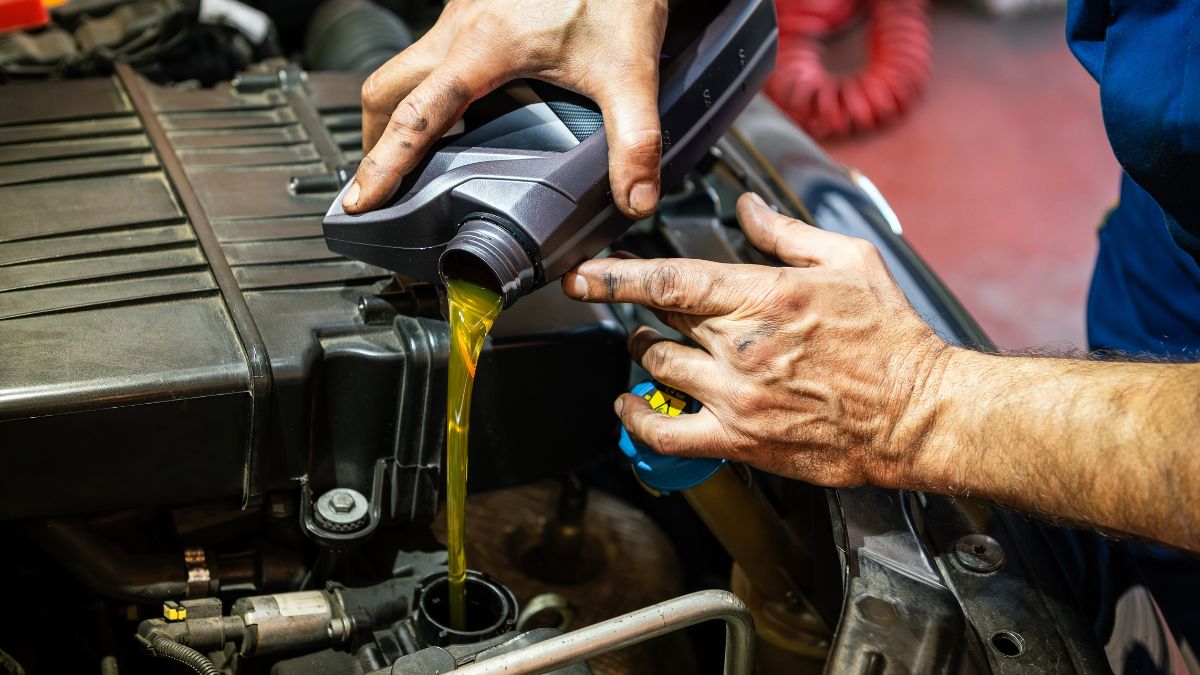
Getting your car serviced should feel straightforward, but for many drivers it turns into a frustrating experience of unclear pricing and unexpected charges. Mechanics perform an essential service, yet some take advantage of customers who lack technical knowledge about their vehicles. Knowing the warning signs of price gouging can save you hundreds of dollars over the course of your car’s life. These red flags appear across every type of repair shop and can affect drivers at any experience level. Whether you drive a compact sedan or a full-size truck, these telltale signs will help you recognize when something is not right with your bill.
Vague Estimates
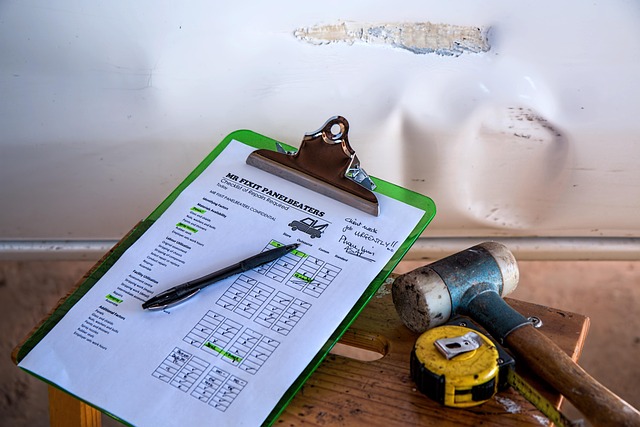
A reputable mechanic will always provide a written, itemized estimate before any work begins on your vehicle. When a shop gives you a rough number over the phone with no breakdown of parts or labor, that is a significant warning sign. Pricing should reflect specific parts at identifiable costs alongside a clear labor rate per hour. Vague language around pricing often gives dishonest shops room to inflate the final bill. Always ask for everything in writing before you hand over your keys.
Unnecessary Flushes

Fluid flushes are a common upsell tactic used by mechanics looking to add easy charges to a routine service visit. Transmission fluid, coolant, and power steering fluid all have manufacturer-recommended replacement intervals that many shops ignore in favor of pushing earlier service. Unless your vehicle is actually showing signs of fluid degradation or contamination, these flushes are rarely needed outside of the standard schedule. Checking your owner’s manual will tell you exactly when each flush is due. If a mechanic insists on multiple flushes during a basic oil change appointment, be skeptical.
Inflated Labor Hours
Labor is one of the easiest areas for a mechanic to pad a bill without a customer noticing. Industry-standard labor guides establish exactly how many hours a specific repair should take, and these figures are widely used by honest shops to generate fair quotes. When a bill reflects far more labor hours than the job typically requires, that is a strong indicator of price inflation. Ask your mechanic to explain the time estimate for any job that seems unusually lengthy. You can also look up standard repair times online before bringing your car in.
Parts Markups
Mechanics legitimately charge a markup on parts to cover ordering, handling, and warranty costs, but that markup has reasonable limits. A shop charging two or three times the retail price for a standard component like a brake pad or air filter is overcharging without justification. You can easily verify parts pricing through major auto parts retailers to establish a reasonable baseline before your appointment. Some shops also bill for premium or OEM parts while installing cheaper aftermarket alternatives. Requesting to see the original packaging of any installed parts is a reasonable and accepted practice.
Pressure Tactics
A mechanic who insists that you approve additional repairs immediately or risk catastrophic damage is using a classic pressure tactic. Legitimate safety concerns are always explained calmly with supporting evidence such as photos or a physical demonstration of the problem. When urgency is manufactured to prevent you from getting a second opinion, that is a red flag that should not be ignored. Honest shops understand that an informed customer is still a customer and will never rush you into an expensive decision. Trust your instincts if the energy around additional repairs feels more like a sales pitch than a safety briefing.
Recurring Problems
A vehicle that returns to the shop for the same problem repeatedly is a sign that the underlying issue was never properly diagnosed or repaired. Some unethical mechanics address symptoms rather than root causes intentionally, knowing the car will return and generate another service bill. A competent technician takes the time to identify the actual origin of a fault before recommending any course of action. If you find yourself paying for the same repair more than once within a short period, ask for a clear explanation of what specifically changed in the approach. Persistent problems after multiple visits warrant a second opinion from another shop.
Surprise Charges
An itemized invoice that includes charges you were never told about before or during the repair is a serious concern. Legitimate additional costs discovered mid-repair must be communicated to the customer before the work proceeds, and your approval is required. Shops that add fees for shop supplies, hazardous waste disposal, or miscellaneous handling without disclosing them upfront are operating outside of ethical billing practices. Many states and countries have consumer protection laws requiring authorization for charges above the original estimate. Review every line of your invoice carefully before making any payment.
Air Filter Upsells
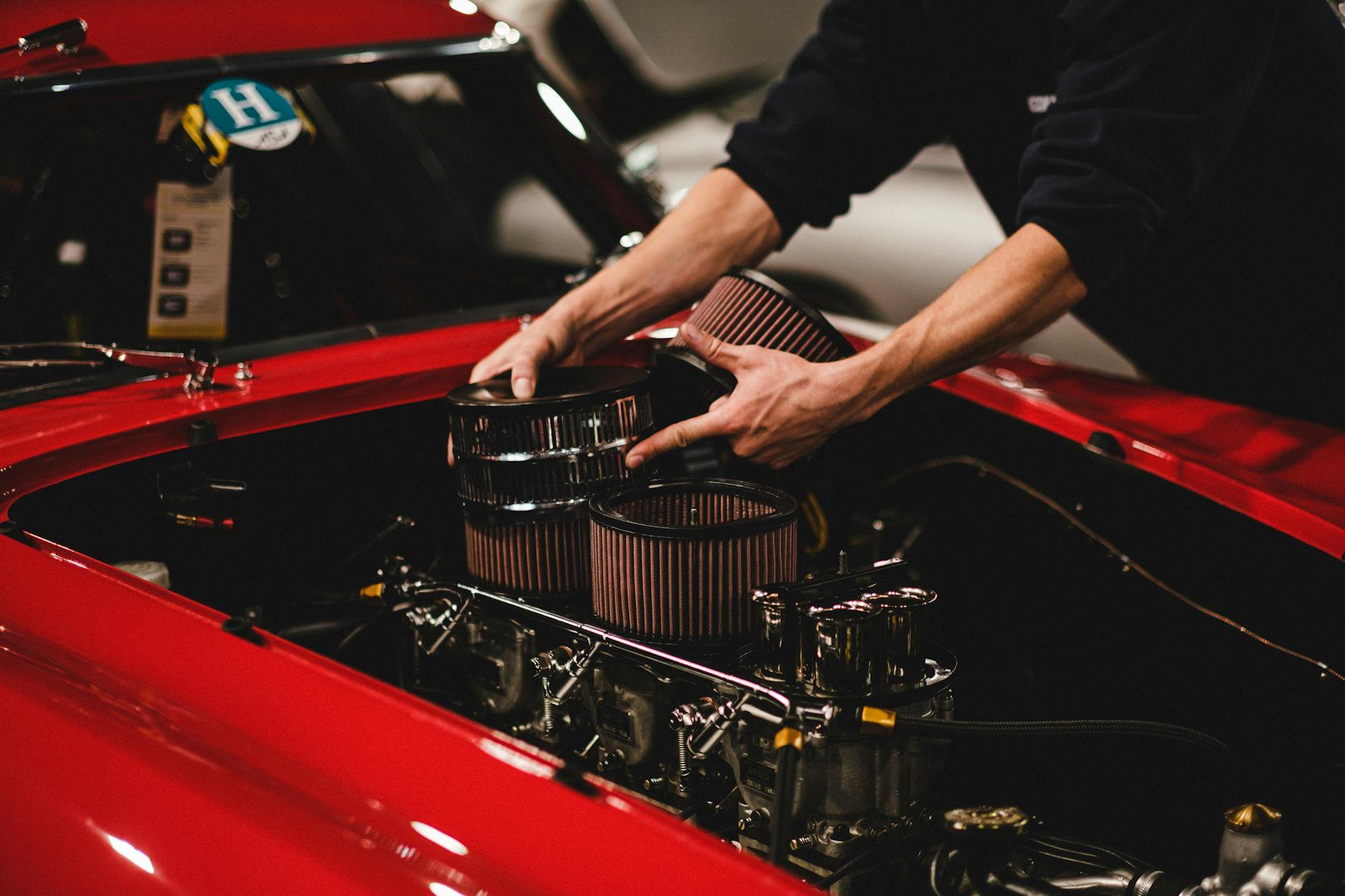
Recommending an air filter replacement is one of the oldest low-effort upsells in the automotive service industry. An engine air filter is inexpensive, easy to inspect, and simple enough for most car owners to replace themselves in minutes. Mechanics sometimes show customers a slightly dusty filter and present it as dangerously clogged to justify an inflated replacement charge. Checking the condition of your air filter before your appointment gives you the information needed to decline unnecessary replacements confidently. Cabin air filters are often subjected to the same upsell treatment during routine visits.
Unverifiable Damage
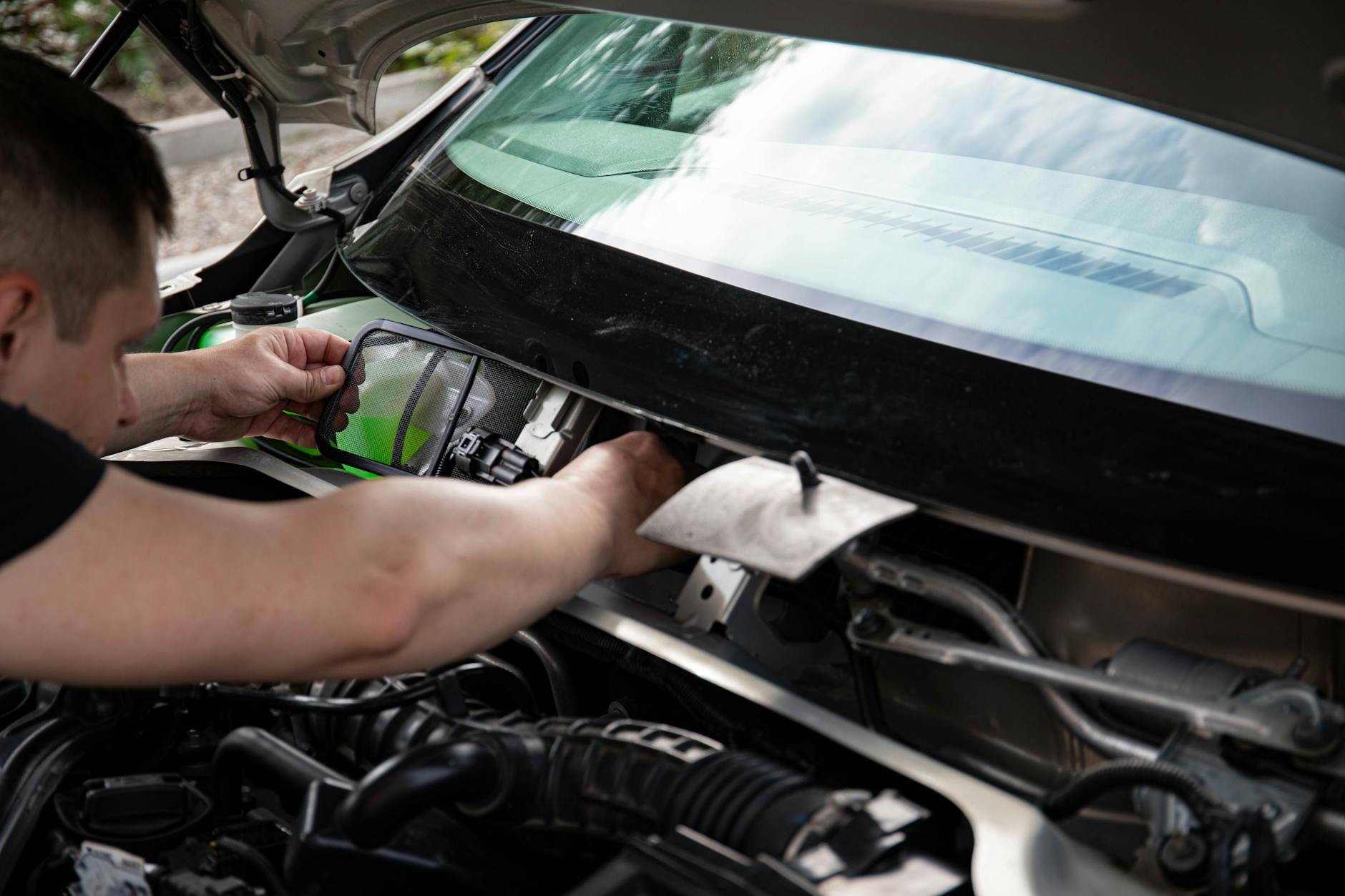
Mechanics who report finding new damage that conveniently requires expensive repairs on top of the original service should be approached with caution. A trustworthy shop will show you the damaged component in person or provide photographic documentation before recommending additional work. If a shop is unwilling or unable to show you physical evidence of a newly discovered problem, that is a strong warning sign. Getting a second opinion before approving any large unplanned repair is always a wise decision. You are entitled to have your vehicle inspected by another professional before committing to costly additional work.
Excessive Diagnostics

Diagnostic fees are a standard and legitimate part of modern vehicle service, but they can also be used as a revenue tool when applied excessively. Charging multiple separate diagnostic fees for what is clearly a single underlying issue inflates the bill without adding genuine value to the customer. A thorough initial diagnostic should capture all related fault codes and symptoms in one comprehensive assessment. Ask your mechanic to explain why multiple diagnostic charges appear on your invoice if you encounter this situation. Reasonable diagnostic fees reflect the actual time and technology used to identify the problem.
Warranty Dismissal

A mechanic who discourages you from using your manufacturer warranty or an existing extended warranty may be steering you toward unnecessary out-of-pocket spending. Many repairs covered under warranty are fully reimbursable at no cost to you, and a shop has no legitimate reason to talk you out of pursuing that coverage. Dealers and certified service centers are required to honor valid warranty claims and cannot refuse covered repairs. Always check your warranty documentation before approving any repair that falls within your coverage period. An honest mechanic will actively help you identify and use available warranty benefits.
Generic Parts Claims
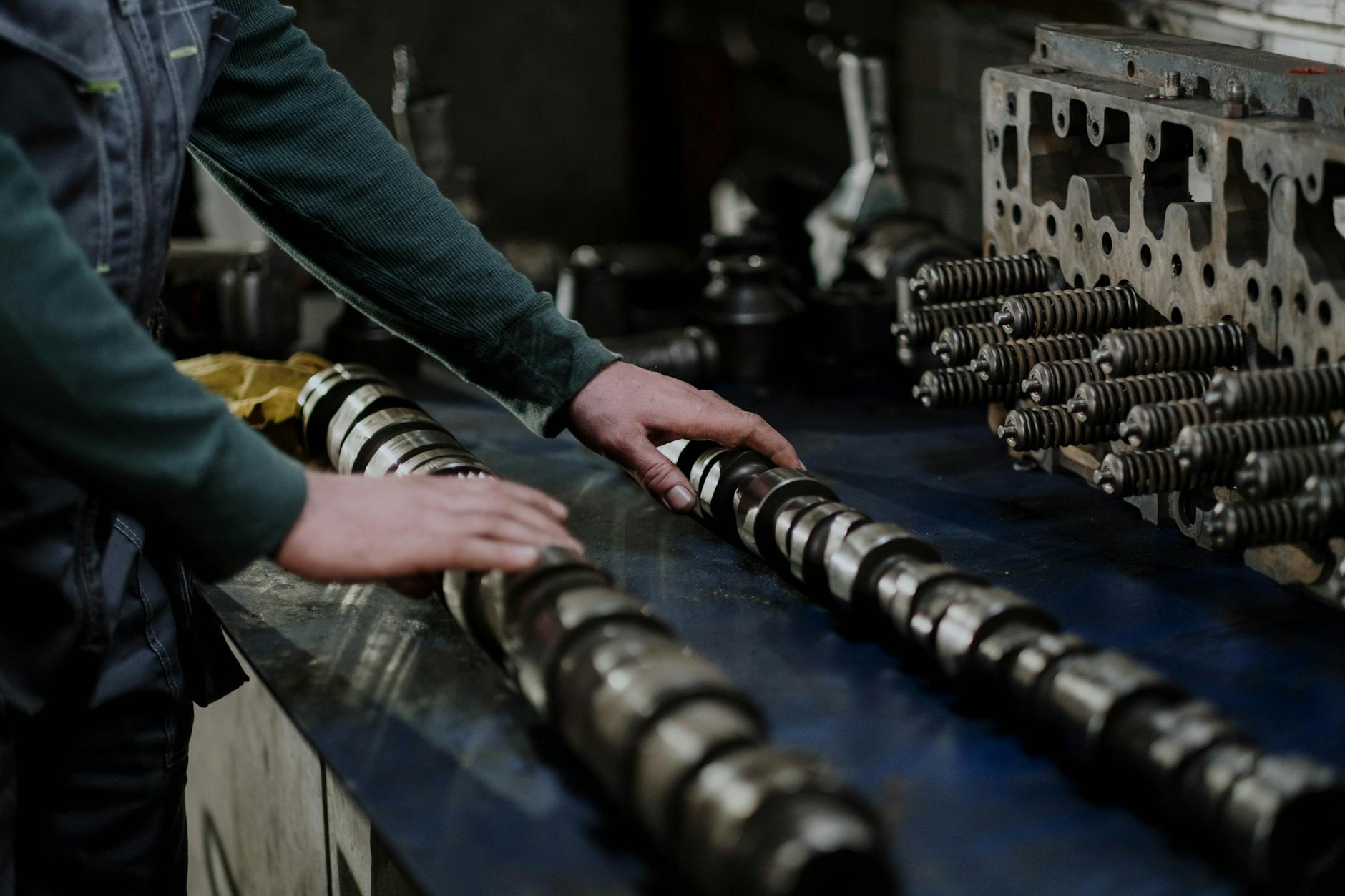
Some mechanics claim that a repair requires exclusive or hard-to-source parts to justify charging a premium price above what the market actually supports. Standard vehicles use components that are widely available through multiple suppliers at competitive prices. The claim that a part is rare or difficult to obtain for a common make and model is often exaggerated or entirely false. You can verify parts availability yourself through reputable auto parts websites in minutes. If a shop cannot explain why a standard part commands an unusual price, request documentation or seek a second quote.
Oil Change Extras
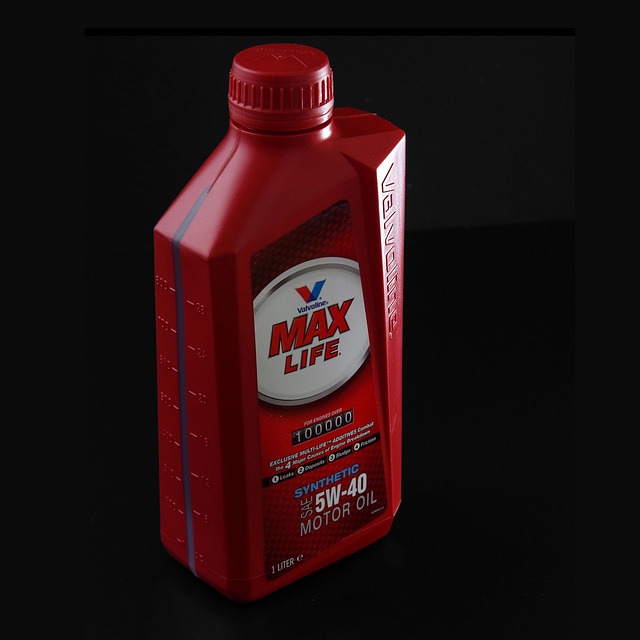
A basic oil change should include fresh oil, a new filter, and a standard multi-point inspection at a predictable and advertised price. Shops that routinely add charges for items like wiper fluid top-offs, tire pressure adjustments, or inspections that were never discussed are padding the bill. These small additions may seem minor individually but accumulate into a meaningful overcharge over multiple visits. Confirming exactly what is included in a service before it begins protects you from surprise line items. An oil change advertised at one price should not cost significantly more by the time you reach the register.
Same-Day Urgency
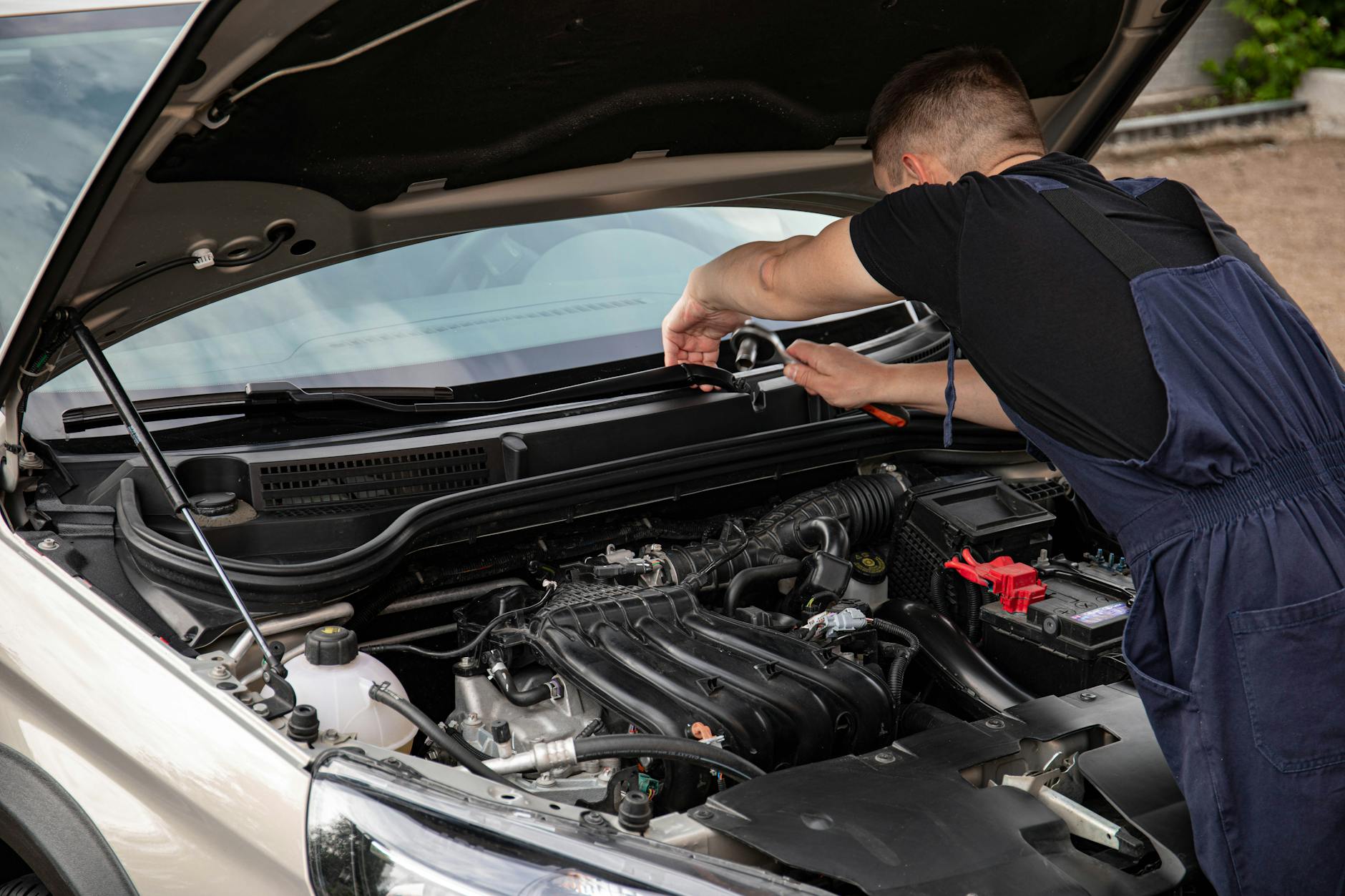
A mechanic who tells you a repair must be completed today or your car will not make it home is using urgency to limit your ability to comparison shop. While some safety issues genuinely require immediate attention, the majority of common repairs can be safely scheduled within a reasonable timeframe. This tactic is particularly common when a shop senses that a customer is uninformed about the severity of a specific fault. Taking time to research the issue and get a competing quote is always a reasonable response to an urgent recommendation. A shop that cannot explain exactly why a delay would be dangerous is likely overstating the risk.
Excessive Shop Fees
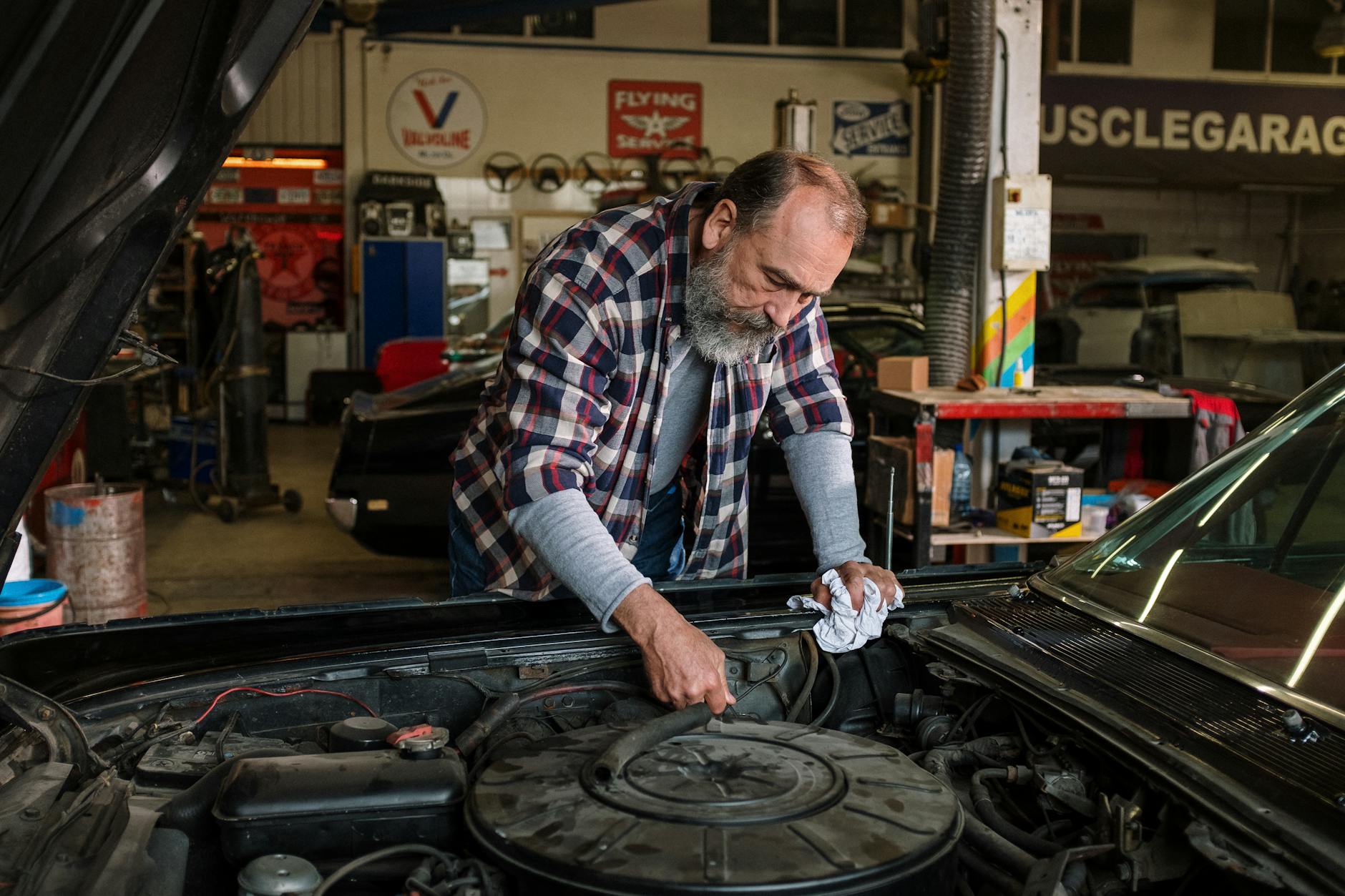
Shop supply fees and environmental disposal charges are legitimate parts of running an auto repair business, but they have reasonable boundaries. Fees exceeding ten to fifteen percent of the total labor cost are considered outside the normal range by most industry standards. Some shops apply these charges to every job regardless of whether hazardous materials or significant supplies were actually used. Asking for a breakdown of what specific supplies are included in a shop fee is a fair and reasonable request. Excessive blanket fees can add a surprising amount to the final total without reflecting any actual cost to the business.
Ignored Recalls
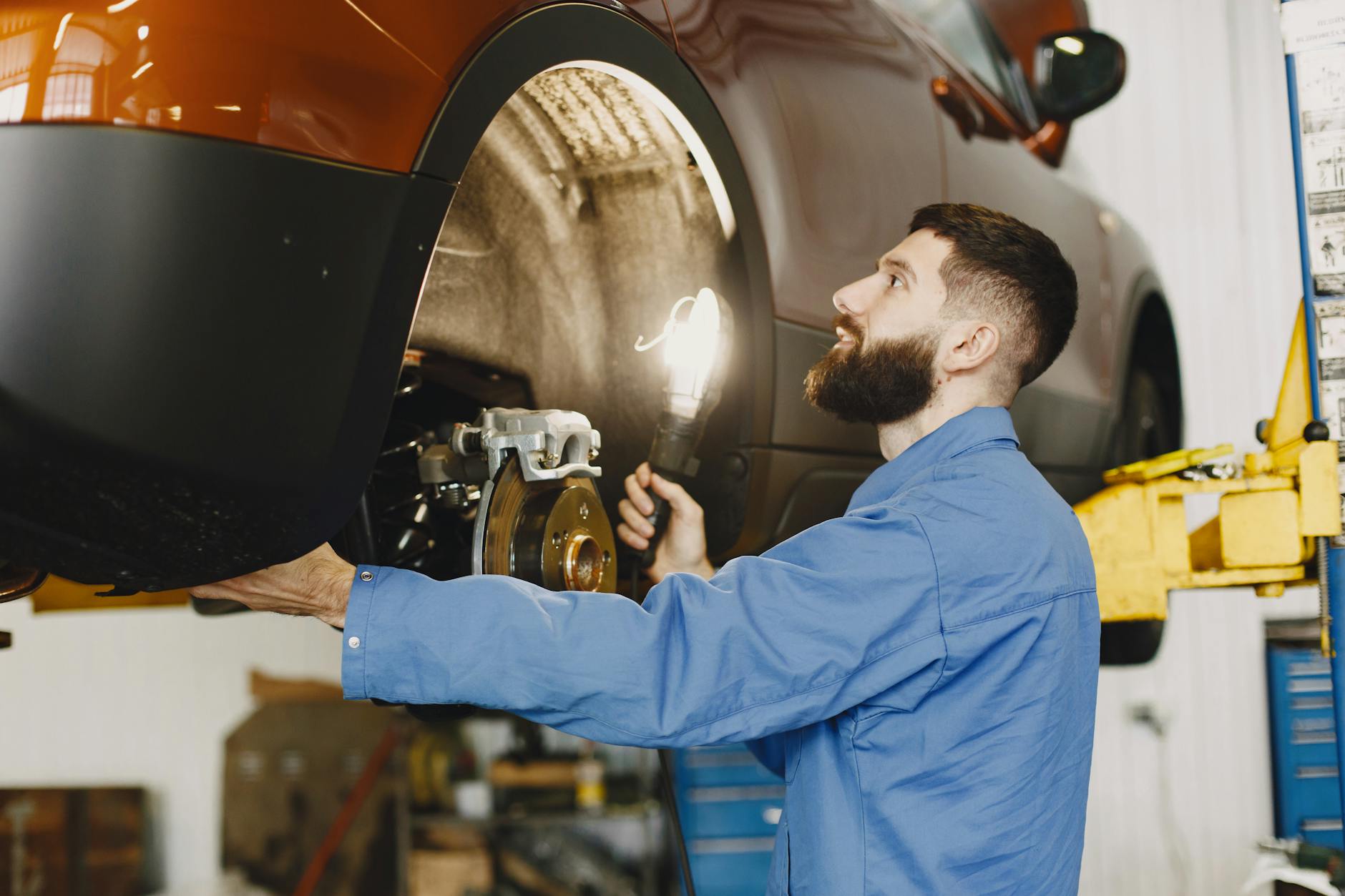
Active manufacturer recalls cover specific repairs at no cost to the vehicle owner and are the responsibility of the dealership network to perform. A mechanic who charges you for a repair that is already covered under an open recall is knowingly overcharging you. Checking your vehicle identification number on the official government recall database takes only a moment and costs nothing. Any open recalls should be addressed at an authorized dealership before you pay out of pocket for related repairs elsewhere. Mechanics who are unaware of or indifferent to active recalls are not serving your best interests as a customer.
Misdiagnosis Patterns
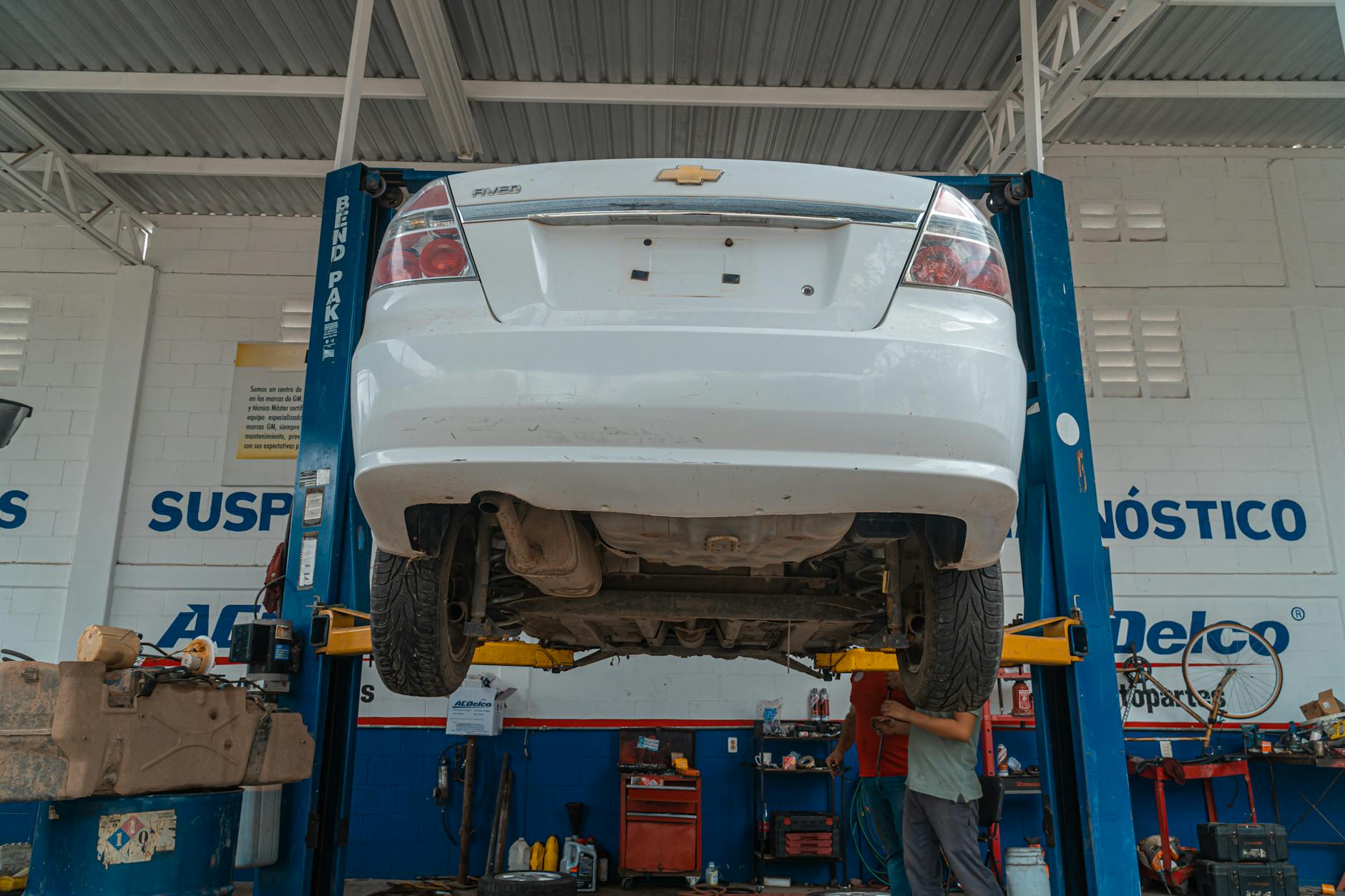
A shop that regularly misdiagnoses vehicle problems creates a cycle where customers pay for incorrect repairs before eventually addressing the real issue. Chronic misdiagnosis may reflect a lack of technical skill, outdated equipment, or a deliberate strategy to generate multiple service visits. Modern vehicles have sophisticated onboard diagnostic systems that make accurate fault identification more accessible than ever before. A shop that relies on guesswork rather than proper diagnostic tools is not providing the service quality that justifies any repair charge. Patterns of misdiagnosis across multiple visits are a strong signal to find a new mechanic.
Undisclosed Subcontracting
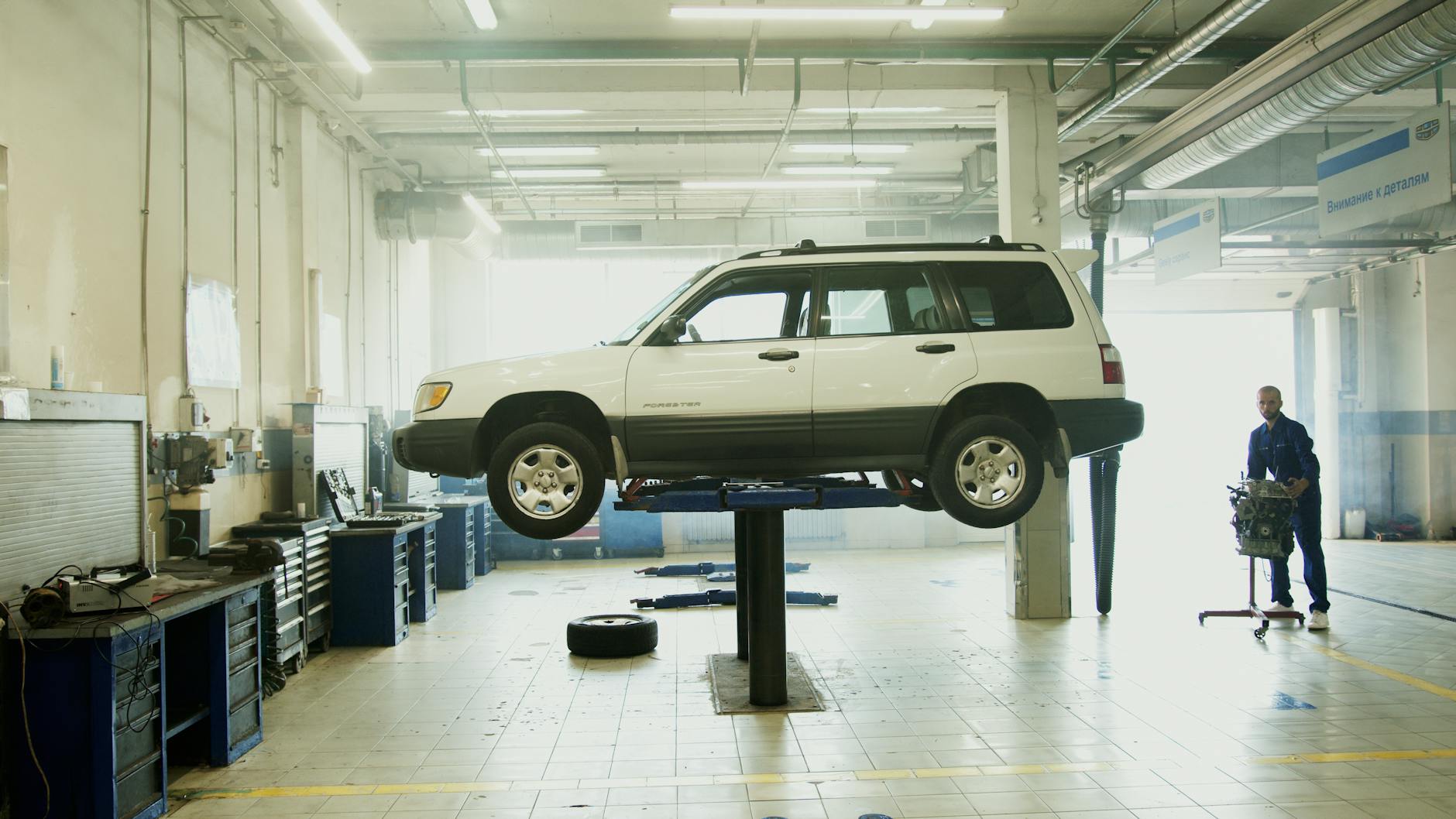
Some repair shops accept work they are not equipped to perform in-house and send vehicles to a third-party shop without informing the customer. You may end up paying the original shop’s marked-up rate on top of the subcontractor’s fee without any transparency about the arrangement. This practice is not inherently dishonest, but the lack of disclosure about who is actually performing your repair is a legitimate concern. Asking directly whether all work will be completed on-site by the shop’s own technicians is a reasonable question before leaving your vehicle. You deserve to know who is handling your car and why the work is being handled elsewhere.
Invoice Inconsistencies

A final invoice that does not match the original written estimate without any explanation or prior communication is a clear sign of improper billing. Differences between quoted and final prices require a specific reason tied to a documented change in the scope of work. Minor variations can be acceptable if they were communicated and approved in advance, but significant unexplained discrepancies are not. Comparing your estimate line by line against the final invoice before paying is one of the most effective ways to catch overcharging. Never feel pressured to pay an invoice that contains charges you do not recognize or were not informed about.
Dismissive Explanations
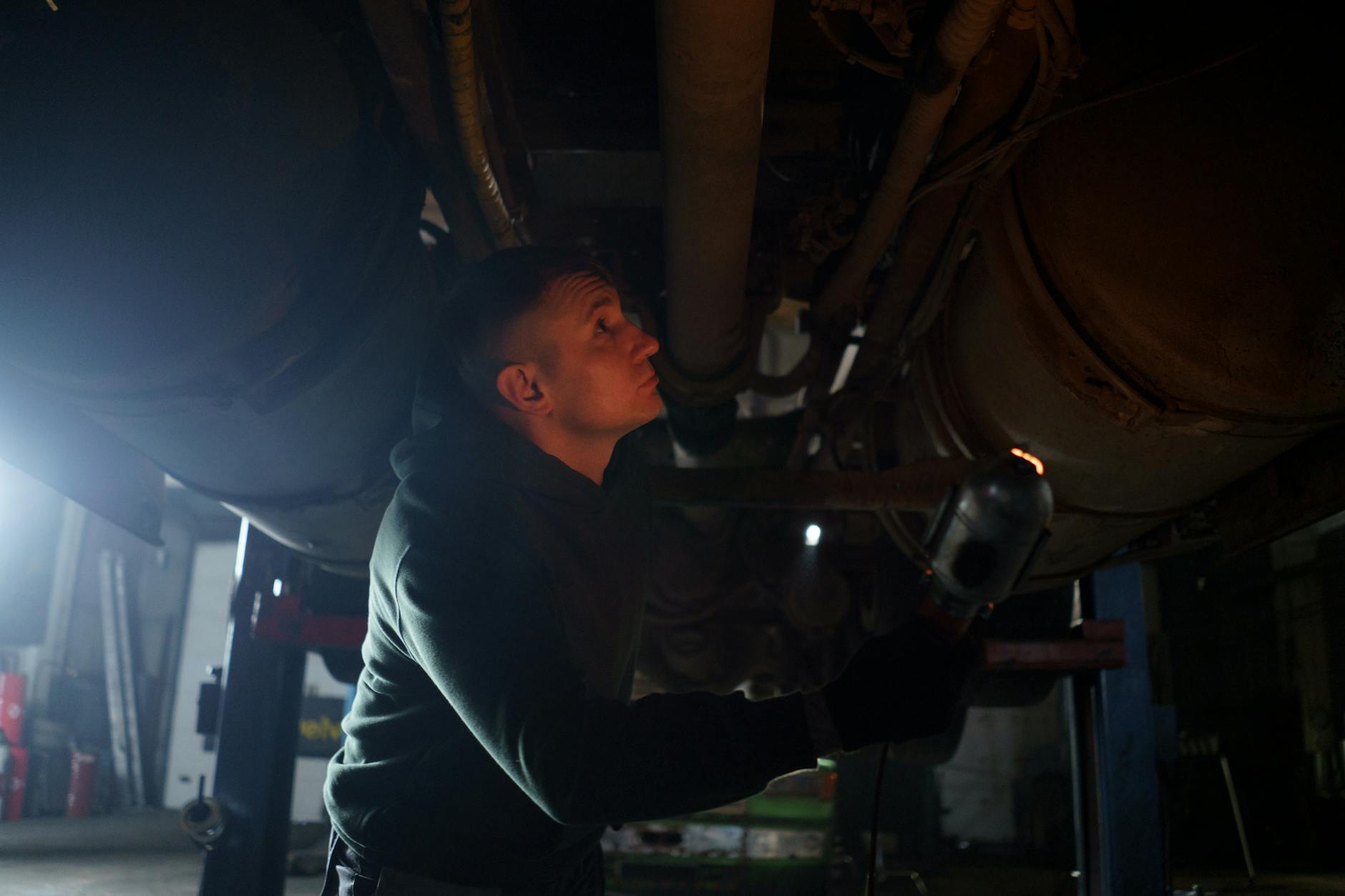
A mechanic who responds to your billing questions with technical jargon designed to confuse rather than inform is using knowledge as a barrier. Every customer is entitled to a clear and plain-language explanation of what was done, why it was done, and what each charge represents. Honest mechanics welcome questions because they are confident that their work and pricing will hold up to scrutiny. If you leave a repair shop feeling more confused about your bill than when you arrived, that is a red flag worth paying attention to. A good mechanic earns trust through transparency, not complexity.
If you have ever spotted any of these signs at your own repair shop, share your experience in the comments.




