Staying in a short-term rental can be a wonderful experience, but knowing where hidden recording devices are sometimes placed helps travelers protect their privacy. Security researchers and law enforcement agencies have identified a consistent set of locations that warrant a close inspection before unpacking. A quick sweep of the space takes only a few minutes and can make the difference between a relaxing stay and a serious violation of personal boundaries. This guide covers the thirty locations most commonly flagged by privacy experts and experienced travelers worldwide.
Smoke Detectors
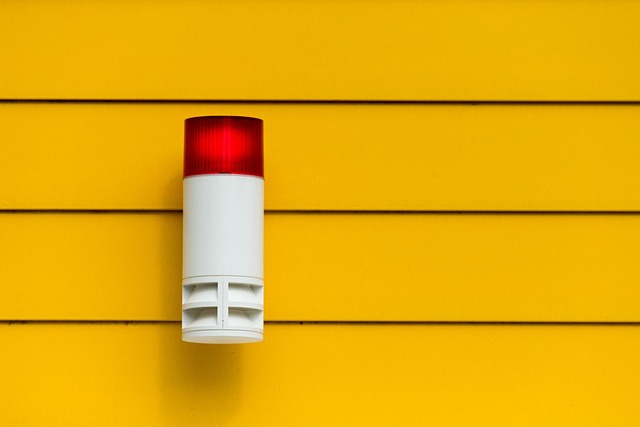
Smoke detectors mounted on ceilings offer a wide-angle view of an entire room, making them a frequently reported hiding spot for covert cameras. A legitimate smoke detector will have no small lens opening or unusual wiring running from it. Travelers should use a flashlight or phone torch to inspect the detector closely from multiple angles. Replacement smoke detectors purchased online can be modified versions designed specifically for concealment. If the detector appears newer or different from others in the property, that inconsistency alone is worth reporting to the platform.
Alarm Clocks
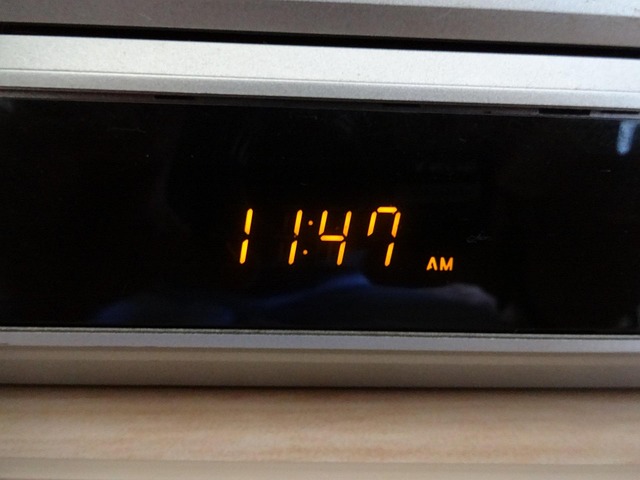
Bedside alarm clocks are among the most documented locations for hidden cameras found in rental properties. Their position on a nightstand gives any embedded lens a direct line of sight to the sleeping area. Many modified alarm clocks available for purchase already come with built-in cameras and Wi-Fi connectivity out of the box. Travelers should check for any small dark circles on the clock face that do not correspond to functional display features. Turning the clock to face the wall or placing it in a drawer is a reasonable precaution during a stay.
Air Purifiers

Freestanding air purifiers are increasingly flagged by privacy researchers due to their size, their placement in main living areas and their access to power outlets. A camera embedded inside an air purifier is difficult to detect without close physical inspection. The front grilles of many purifier models are deep enough to fully conceal a small lens. Travelers should look for any pinhole or reflective surface visible through the grille slats. Unplugging the device for the duration of the stay is an easy way to eliminate any potential risk.
Wall Outlets
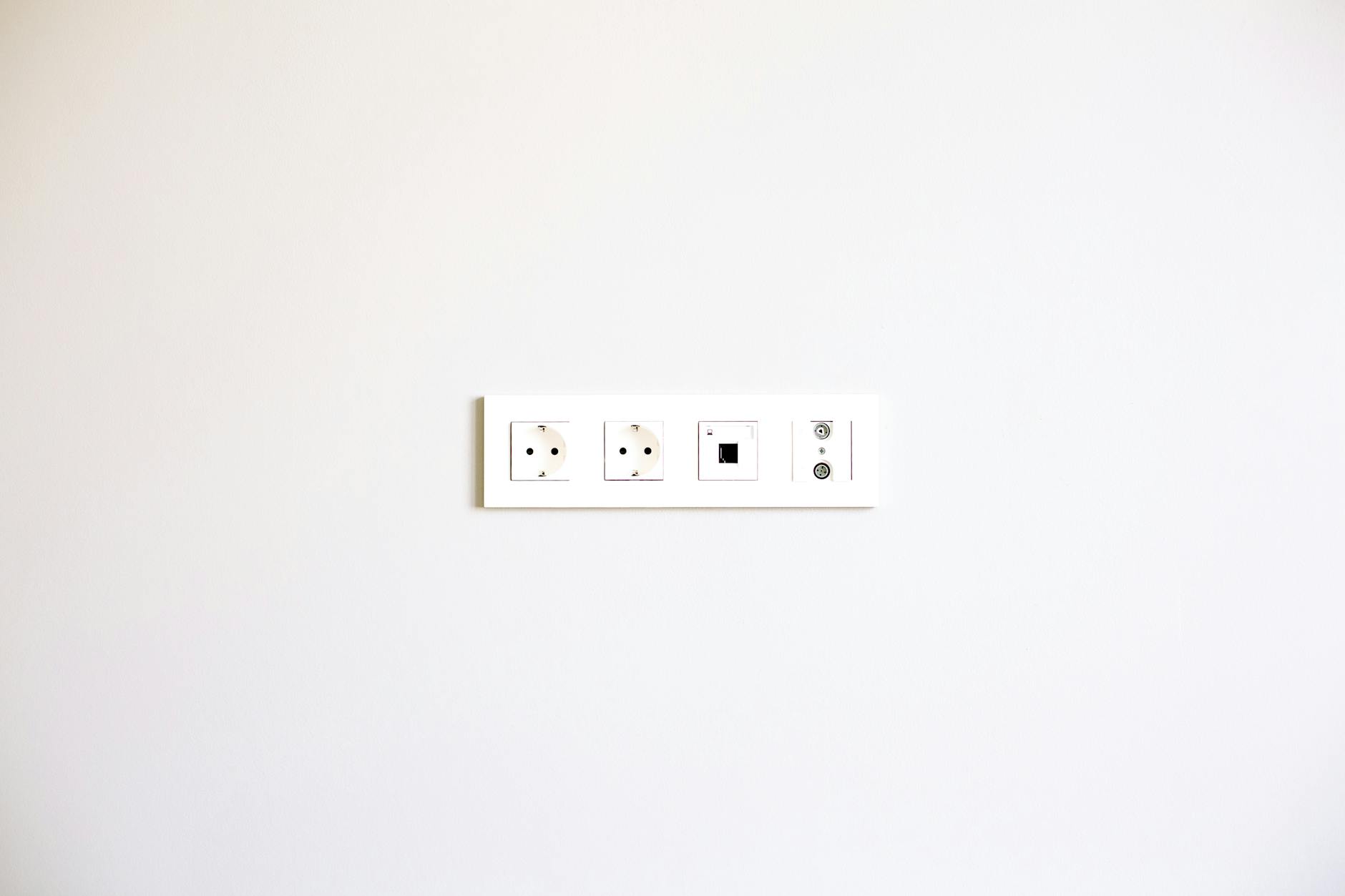
Standard electrical outlets and USB charging hubs with embedded cameras are commercially available online and look virtually identical to ordinary fittings. These devices are particularly deceptive because they have a functional purpose that explains their presence in any room. A tiny camera lens is typically positioned between the outlet slots or within a USB port housing. Travelers should examine every outlet in the bedroom and bathroom areas with a torch for any irregularity. Outlets that feel loose, look slightly off-center or have an unusual depth are worth flagging immediately.
Books
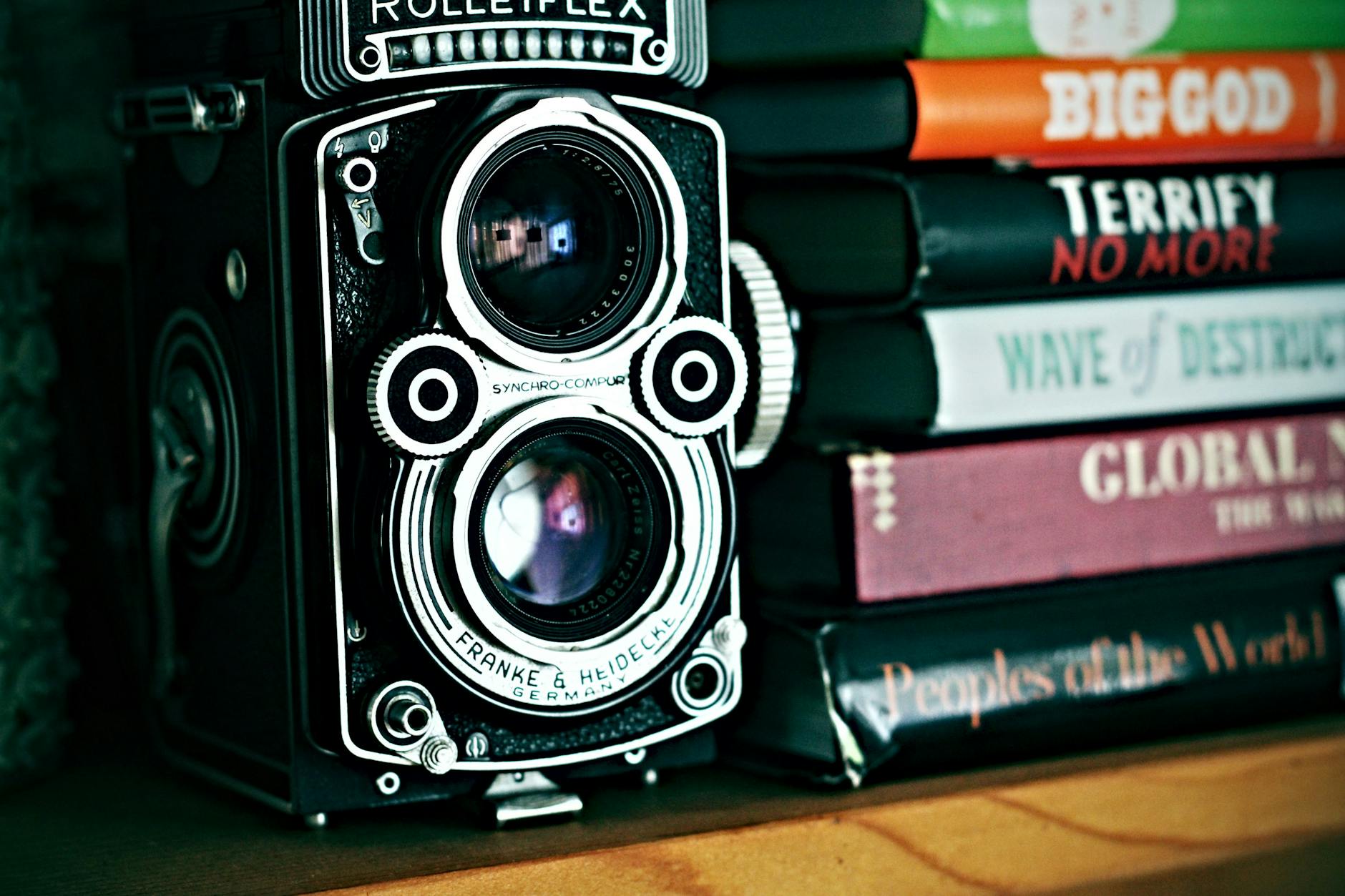
A row of books on a shelf is an innocuous sight in any rental property and provides easy cover for a small recording device placed between volumes. Travelers should look for books positioned with their spines facing inward or with unusual objects resting in front of them. A small camera can be concealed behind a hollowed-out book spine or slipped between two tightly packed volumes. The shelf height and its angle relative to sleeping or seating areas are key factors worth noting. Any book that appears to have been placed deliberately rather than stored naturally deserves a closer look.
Picture Frames
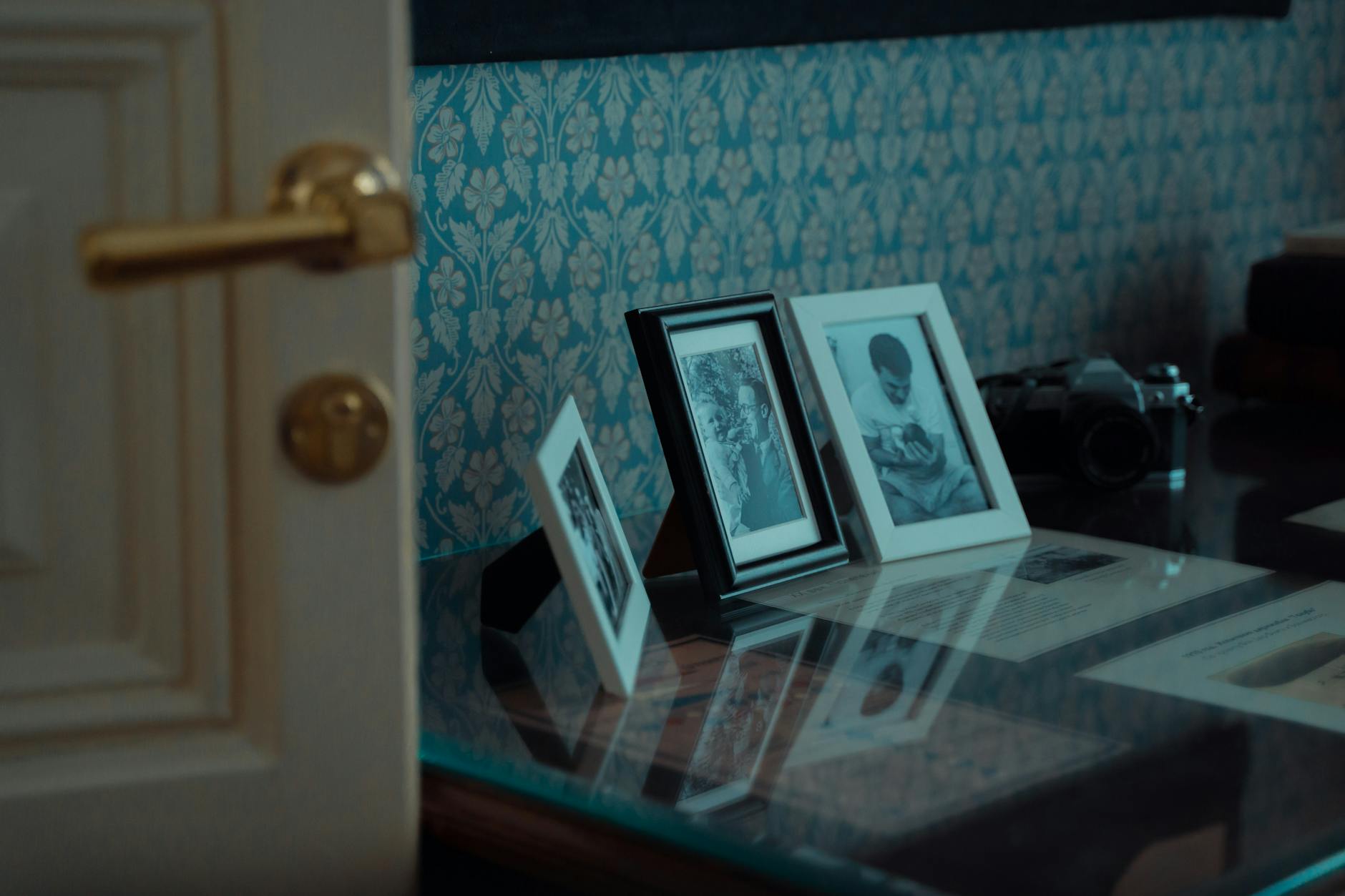
Framed pictures and wall art are stationary, face outward and are rarely moved by guests, making them an ideal location for a concealed lens. A pinhole camera can be fitted behind the glass of a frame with only a tiny opening required for operation. Travelers should tilt frames away from the wall and inspect the back for any wiring or attached devices. Frames positioned at eye level and angled slightly downward toward a bed or couch are particularly suspicious. Checking the edges of the frame for small dark circles or reflective points is a useful habit to develop.
Stuffed Animals
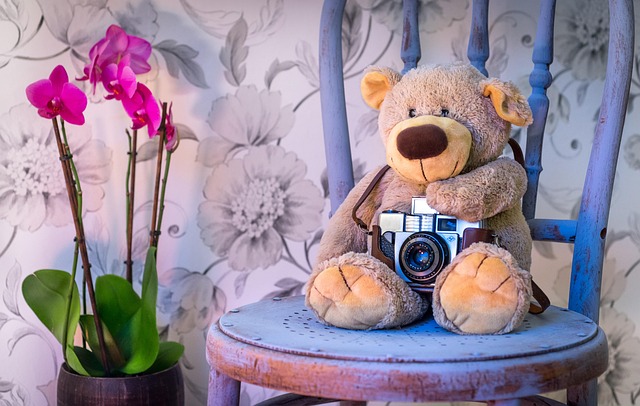
Plush toys and decorative stuffed animals found in rental properties have appeared in multiple documented cases involving hidden recording equipment. Their soft exteriors make it easy to conceal a camera module and battery pack within the filling. A small lens can be positioned behind a button eye or stitched into a seam with minimal visible alteration. Travelers with children may accept their presence without question, which is precisely what makes them effective as concealment objects. Any stuffed toy found in an adult bedroom or positioned facing the bed warrants immediate removal from the room.
Wi-Fi Routers
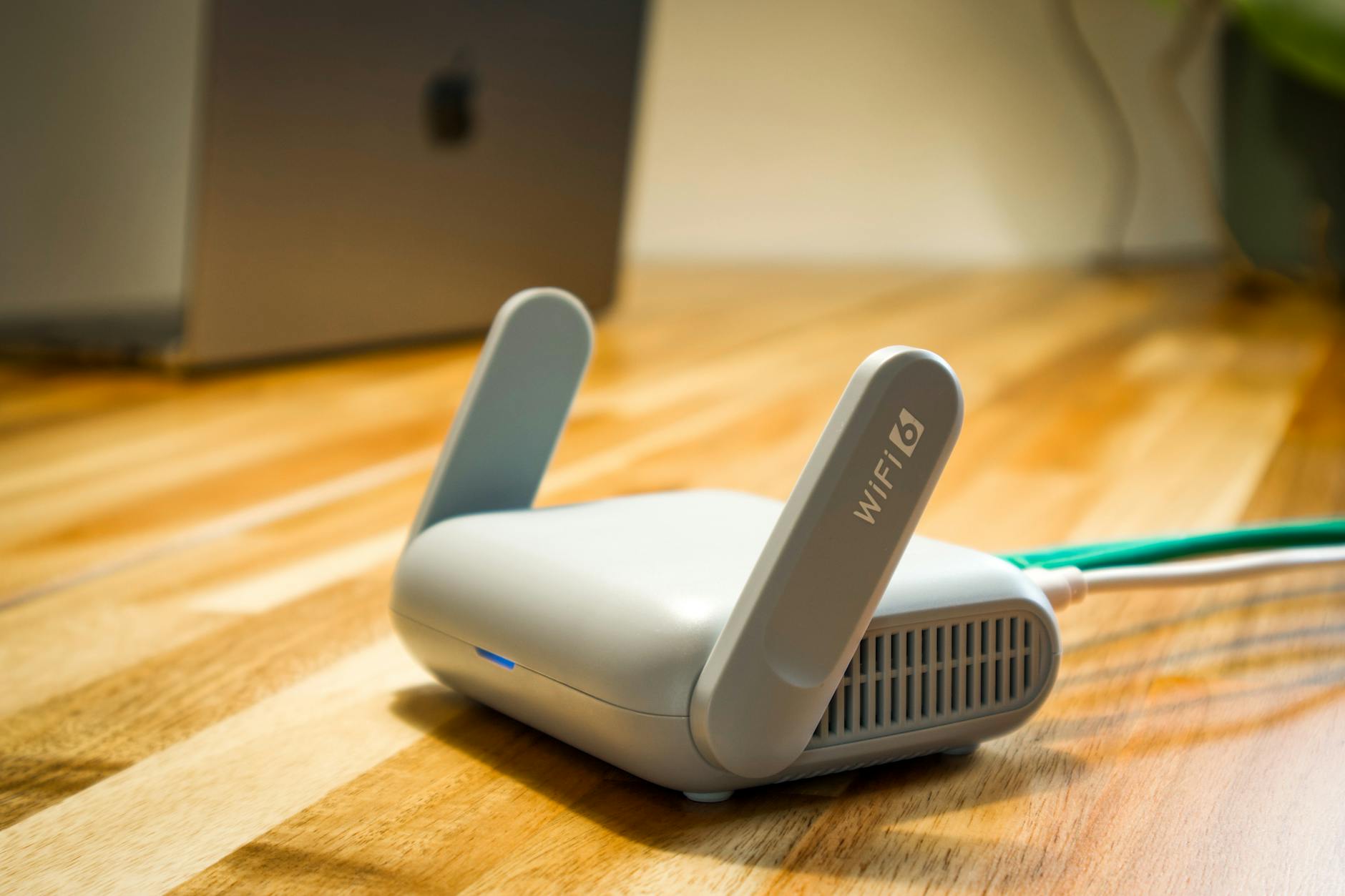
A property router can be configured to record network activity, stream footage or log device connections without any physical camera being present. Some modified router housings also contain embedded cameras pointing outward through ventilation slots. Travelers should examine the router for any lens openings that do not correspond to status lights or ventilation design. Checking the router’s default admin page can sometimes reveal unfamiliar connected devices or unusual traffic settings. Using a personal VPN throughout the stay adds a meaningful layer of protection against network-level surveillance.
Mirrors
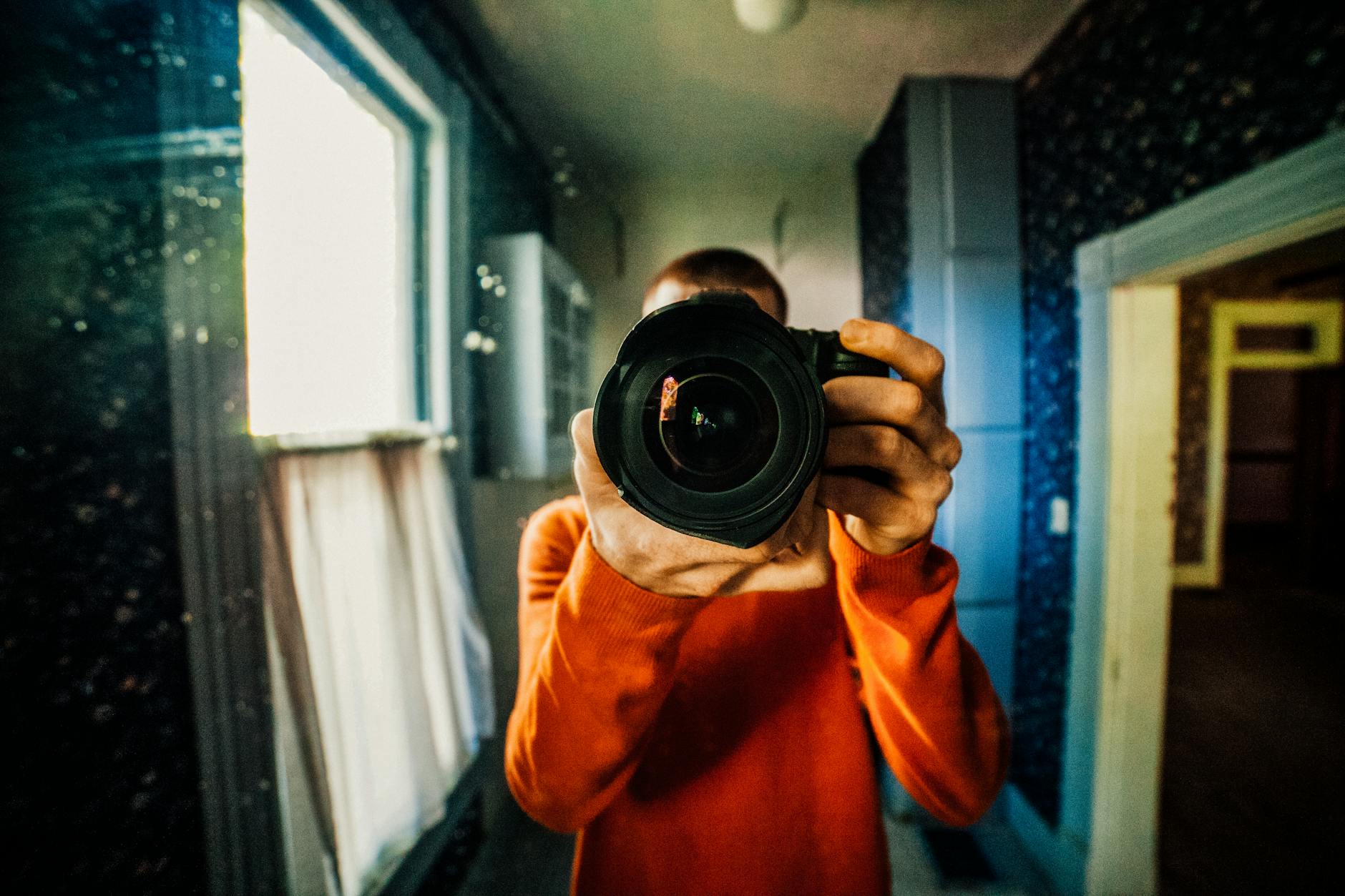
Two-way mirrors are a well-documented privacy risk in accommodation settings and can be identified using a simple fingertip test. Pressing a fingernail against the mirror surface will show a gap between the fingertip and its reflection in a standard mirror. If the reflection meets the fingertip directly with no visible gap, the mirror may allow viewing from behind. Travelers should also shine a torch against the mirror surface in a darkened room to check for a room or space visible through the glass. Any mirror in a bathroom or bedroom that is mounted on an interior wall with space behind it should be treated with caution.
Clocks
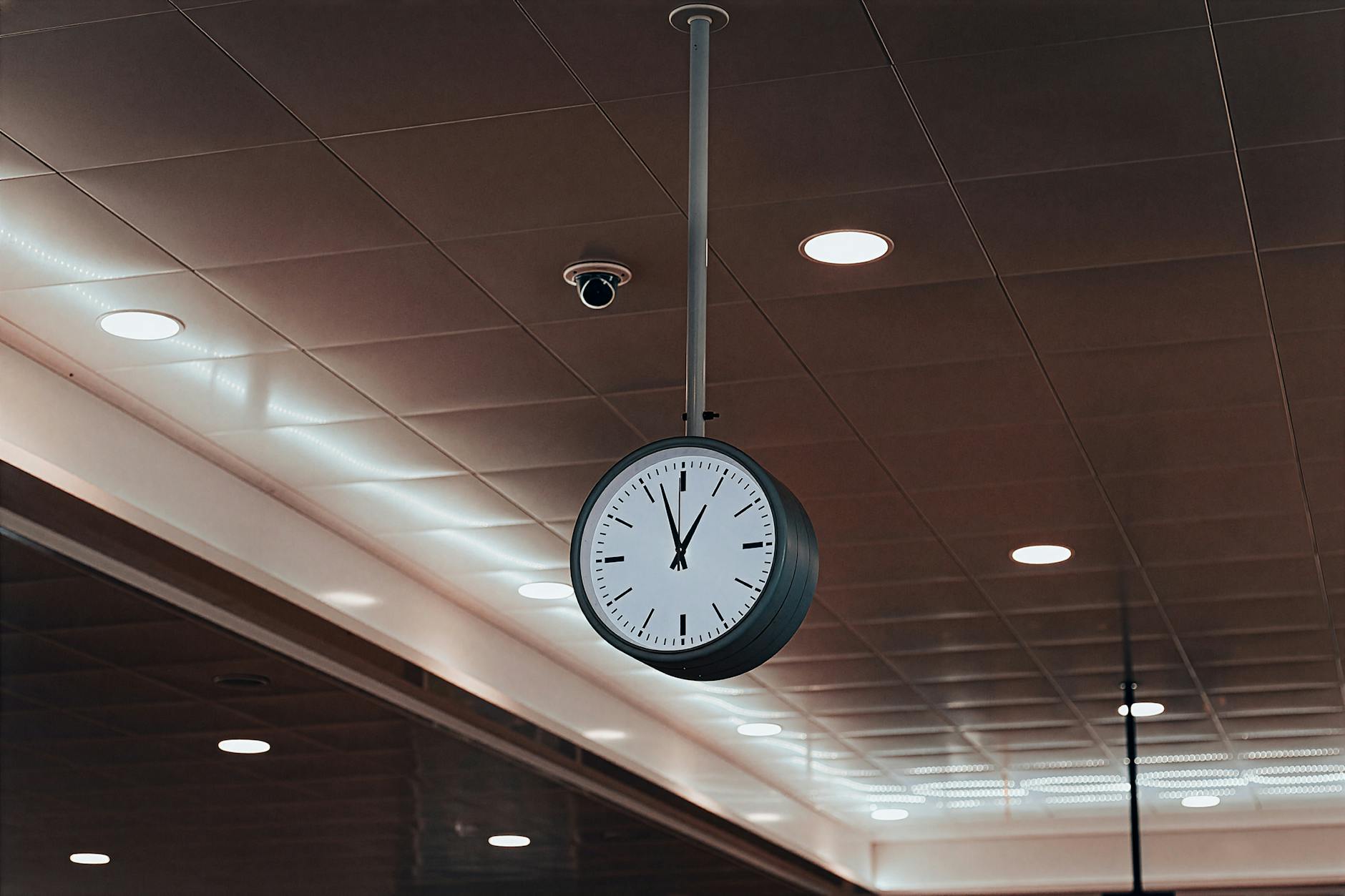
Wall-mounted clocks offer a fixed forward-facing position and constant power access when they use wired connections, making them a practical concealment option. Modified clock housings with embedded cameras are sold openly on consumer electronics platforms. The clock face provides natural cover for a pinhole lens positioned at its center or near the numeral markings. Travelers should look for any small circular openings that are inconsistent with the clock’s design. A wall clock positioned directly opposite a bed or seating area in a private room is worth examining more carefully than others.
Lamps
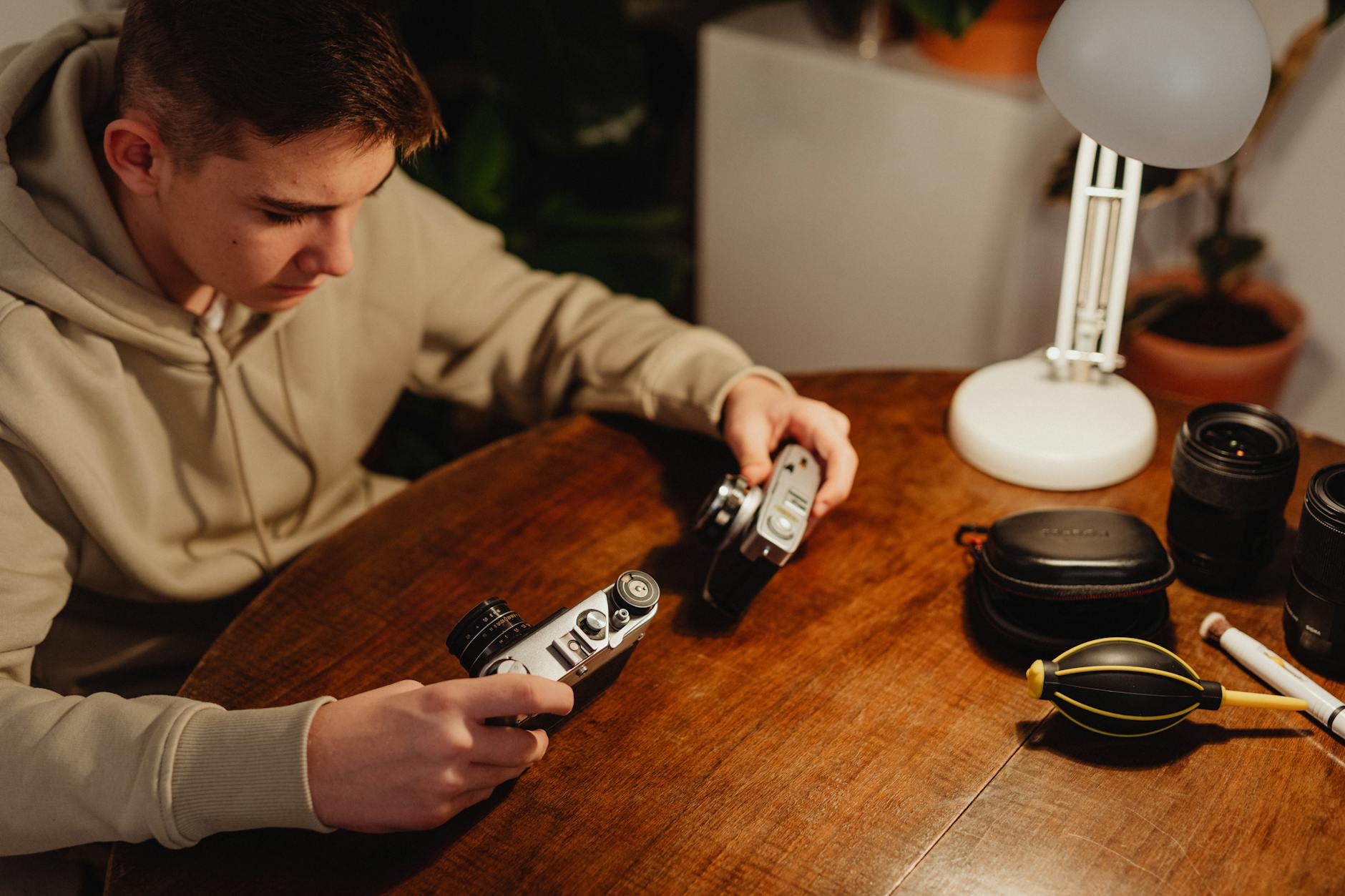
Table lamps and floor lamps require a power connection and remain stationary throughout a stay, providing consistent footage angles for any embedded device. A camera can be fitted inside the lamp base, within the shade frame or at the top of the column just beneath the shade. Modified lamps sold online often have hollow bases large enough to house a camera module and storage card. Travelers should tilt table lamps slightly and inspect the base cavity using a torch. Any lamp with an unusual weight, extra ventilation holes or non-standard wiring connections merits closer attention.
Thermostats
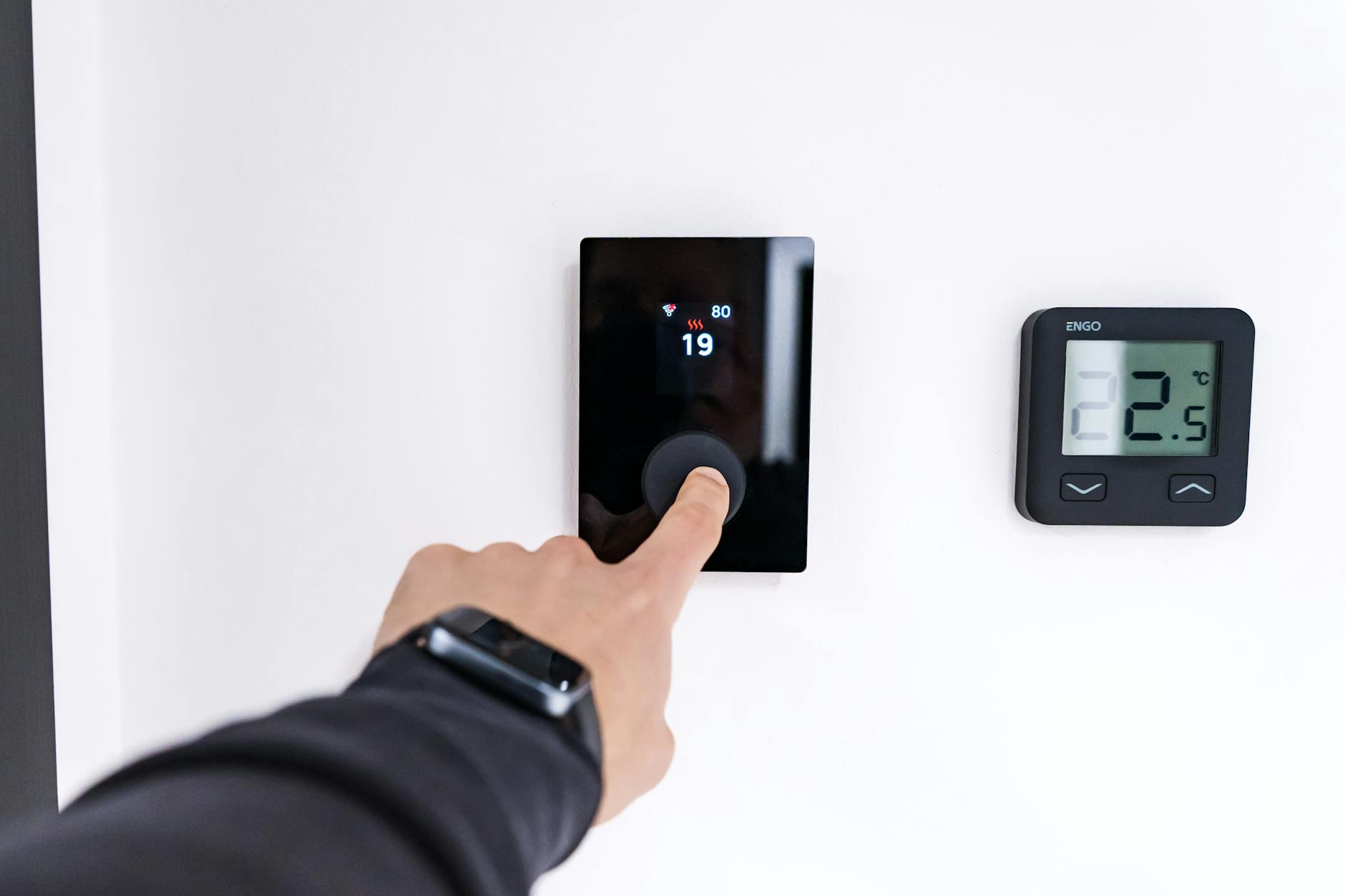
Smart thermostats and their older counterparts mount on walls at eye level, often in central hallway or living areas with sightlines across multiple rooms. Their small display panels and status lights provide effective cover for an equally small camera lens. Travelers should examine the thermostat face for any circular opening that does not correspond to a sensor or display feature. Aftermarket thermostat housings that accommodate cameras are available from the same suppliers that produce other covert devices. A thermostat that is positioned unusually or recently installed relative to the age of the property is worth noting.
Clothing Hooks
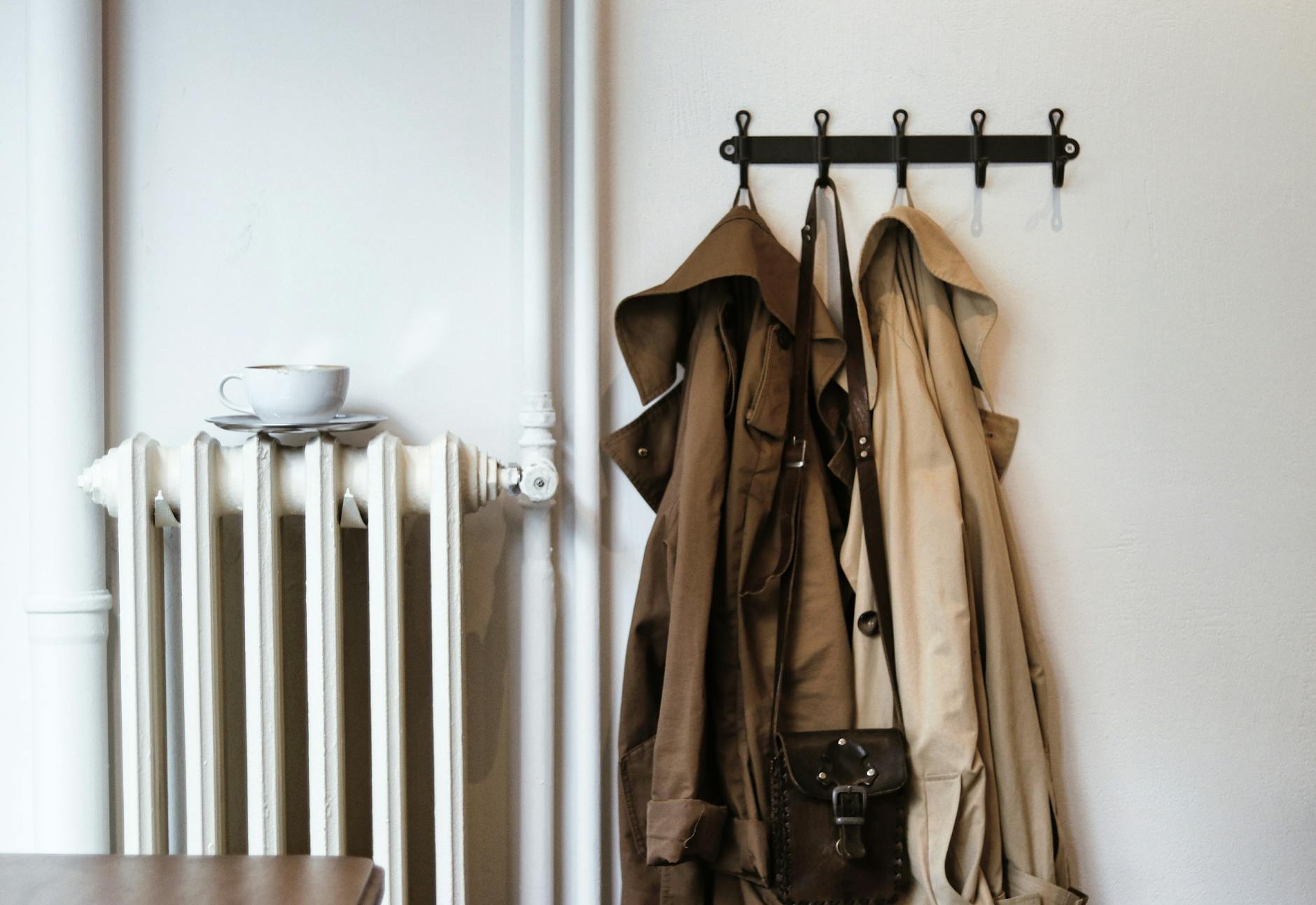
Door-mounted and wall-mounted clothing hooks have been used in several high-profile cases involving hidden cameras in bathrooms and changing areas. The hook itself provides a natural justification for the object’s presence while the camera is built into the mounting plate behind it. Travelers should unscrew or firmly press the backing plate of any hook to check for wiring or embedded components. A hook positioned at head height and angled slightly downward is consistent with a recording device rather than a functional hanger. Removing hooks from bathroom doors and walls during a stay is a straightforward precaution.
Potted Plants

Decorative plants placed around rental properties are rarely touched by guests and offer natural concealment within their foliage or pot structure. A small wireless camera can rest among leaves with only the lens visible from a specific angle. The soil surface of a potted plant can also conceal a device pointed upward or outward through a gap in the pot rim. Travelers should gently move foliage aside and inspect the pot interior with a torch, particularly in plants positioned in bedrooms or bathrooms. Any plant that appears recently watered or freshly arranged near a sleeping area is worth examining.
Air Vents
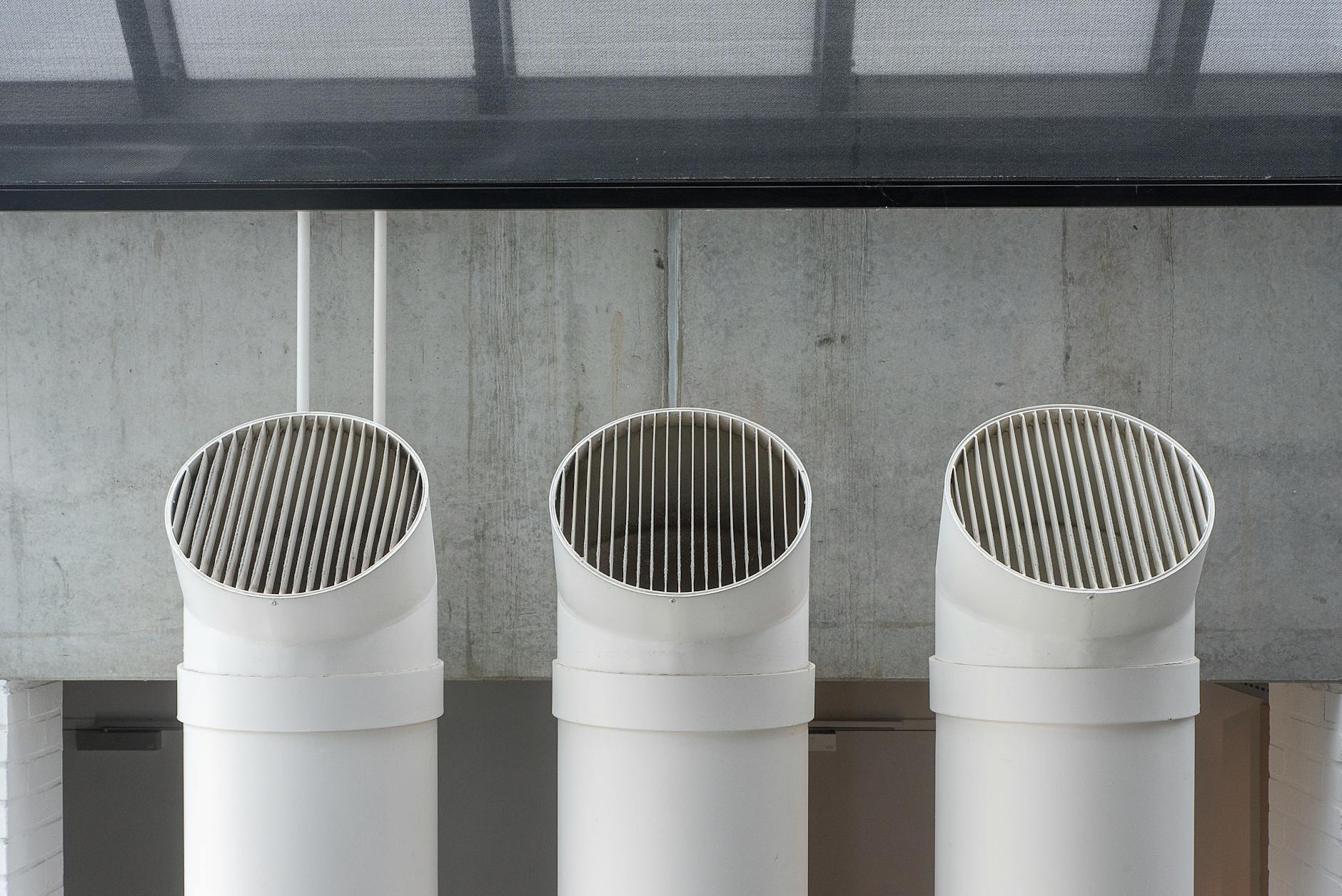
Ceiling and wall-mounted air vents provide a recessed space behind a grille that is rarely inspected by guests and difficult to access without tools. A small camera placed within a vent has a wide-angle view of the room below while remaining completely invisible from most positions. Travelers should use a torch to shine light through vent grilles and look for any reflective surface or lens within the duct opening. Vents positioned directly above beds or seating areas carry a higher level of concern than those in hallways or kitchens. Covering a vent temporarily with tape or paper is one way to address the concern during a stay.
Charging Pads
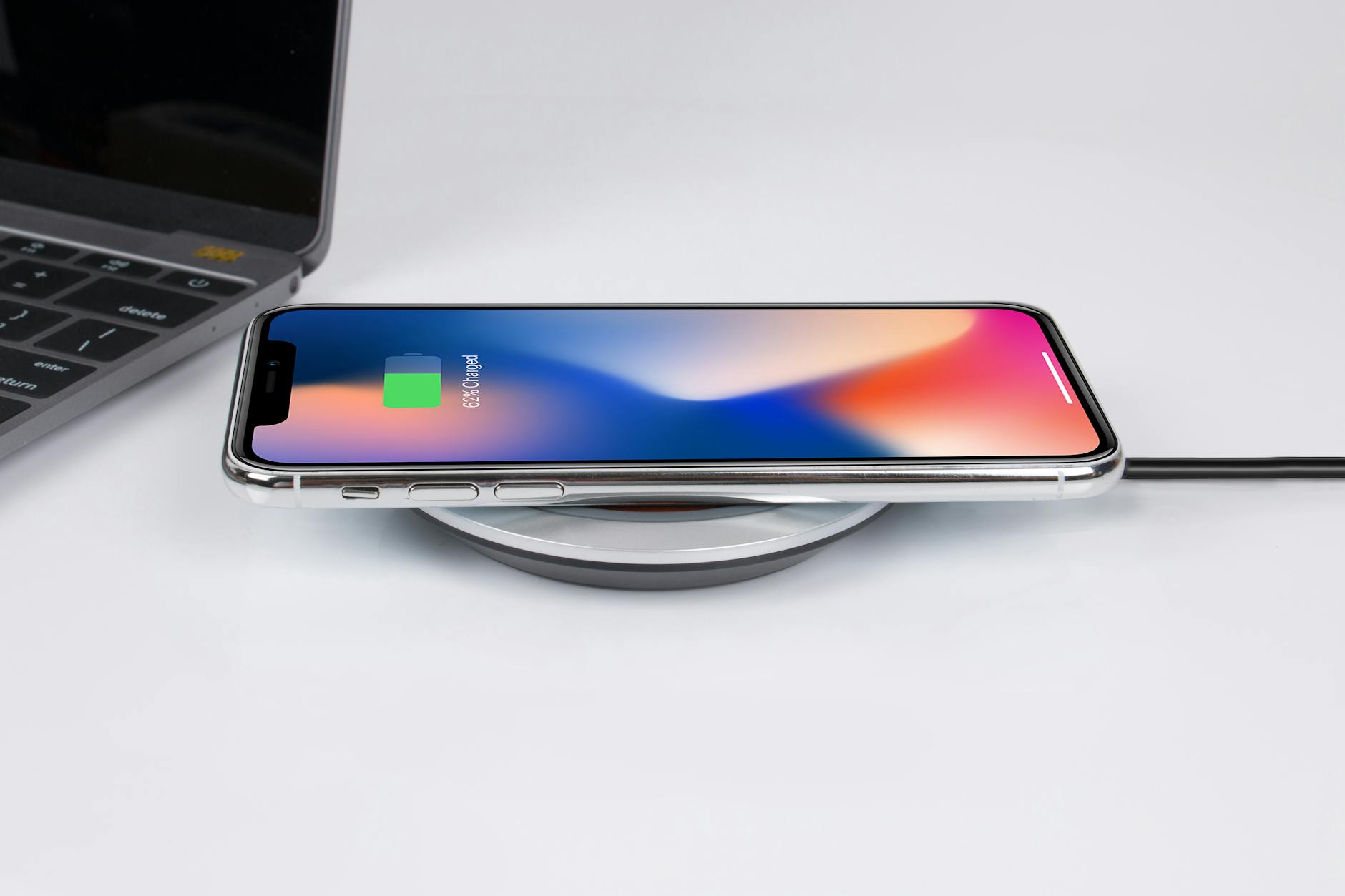
Wireless charging pads and multi-device charging stations are frequently left on bedside tables in modern rental properties and are accepted by guests as standard amenities. Modified charging pads with embedded cameras and wide-angle lenses are available from electronics retailers online. The flat surface and downward-facing design of some models allows a lens to be oriented upward toward the user. Travelers should flip charging pads over and inspect the underside and edges for any unusual openings. A charging pad that is fixed to a surface with adhesive rather than sitting freely is a notable irregularity.
Shower Heads
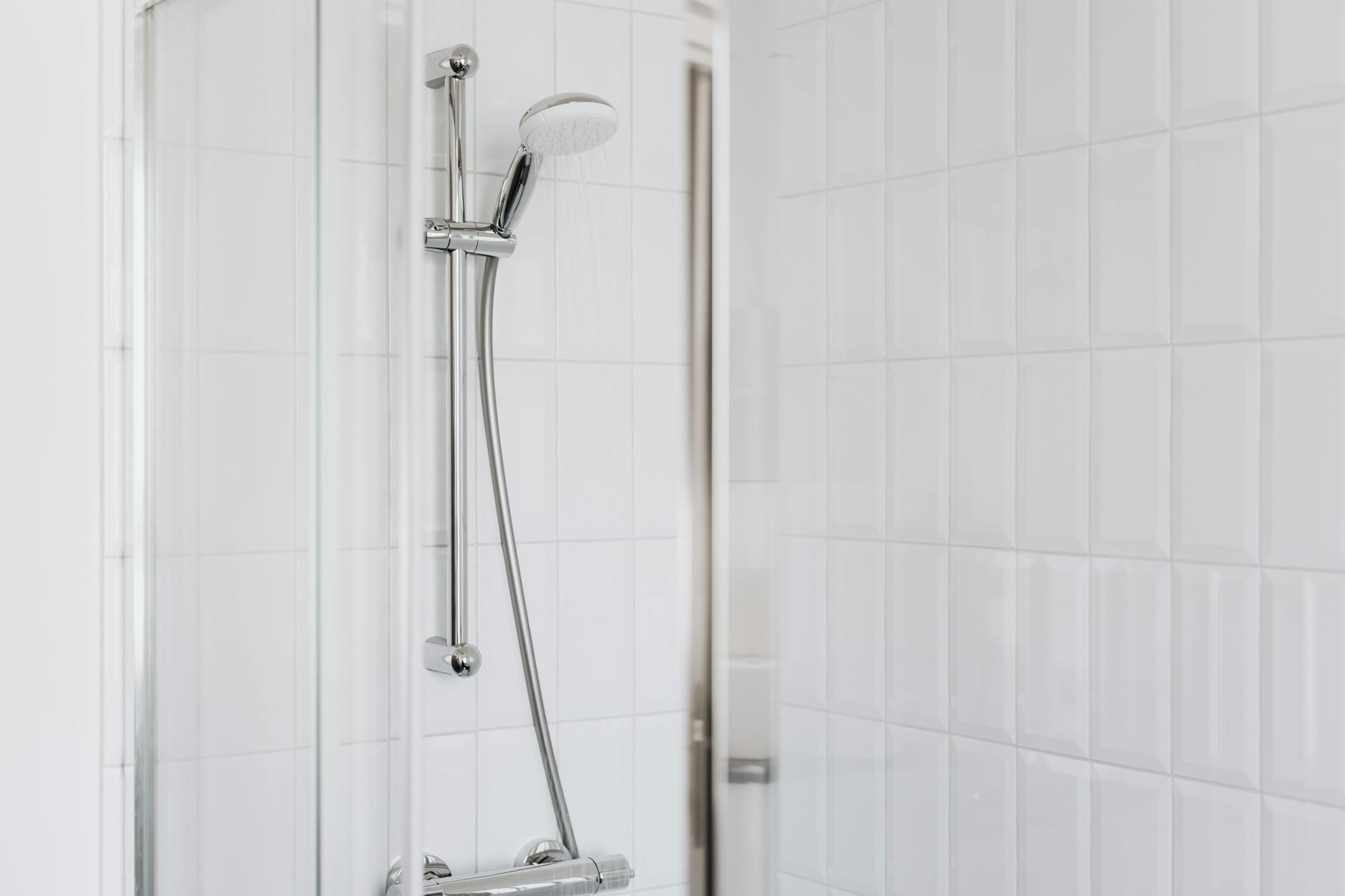
Shower head cameras represent one of the most serious documented privacy violations in short-term rental history and have led to criminal convictions in multiple countries. Some modified shower heads contain a camera module and battery pack inside their housing, positioned to face downward into the shower area. Travelers should unscrew or firmly twist the shower head and inspect the interior for any non-standard components. A shower head that has been recently replaced or that differs in style from the bathroom fixtures may indicate tampering. Running the shower briefly and observing the water flow pattern can also reveal abnormalities in the internal structure.
Television Sets

Smart televisions have built-in cameras and microphones in many models and can be accessed remotely if connected to a compromised network. Beyond the built-in hardware, external cameras can be mounted on or behind a television set to monitor the room when the screen is off. Travelers should check the rear of the television for any attached device that is not a standard cable or streaming dongle. Covering the built-in camera on a smart television with a small piece of tape is a widely recommended security practice. Disconnecting the television from the property Wi-Fi network through its settings menu can reduce the risk of remote access.
Bookshelves

Standalone bookshelves offer extensive surface area, natural clutter and multiple depth levels that make detecting a hidden device extremely difficult. A camera can be placed anywhere along a shelf behind a row of objects and angled toward a specific area of the room. Travelers should methodically move objects along each shelf and look for small devices, wiring or pinhole lenses hidden among the items. The back panel of a bookshelf itself can have a small hole drilled through it to allow a camera placed behind the unit to film the room. Bookshelves positioned in bedrooms or facing sleeping areas should receive the most thorough inspection.
Bathroom Tiles
Grout lines and tile surfaces in bathrooms can conceal micro cameras fitted into specially modified tiles or inserted into existing grout channels. A camera embedded within a tile is almost impossible to identify visually without the aid of a radio frequency detector. Travelers should pay close attention to any tile that appears slightly raised, cracked around the edges or inconsistent in texture compared to surrounding tiles. Running a fingertip along grout lines can sometimes reveal an unusual depression or hardened material inconsistent with standard grout. A radio frequency detector app on a smartphone can help identify active wireless signals originating from unusual locations.
Doorbells

Video doorbells are disclosed in most responsible listings, but undisclosed cameras embedded within doorbell housings or placed near entry points are a known concern. A standard video doorbell has a visible camera lens and status light that should be identifiable in the product design. Any doorbell that has been installed over an existing doorbell or that sits asymmetrically in its mounting bracket warrants closer inspection. Travelers should check the rental listing carefully to confirm whether a doorbell camera is disclosed and whether its stated purpose aligns with the listing description. A camera positioned near the front door but angled toward interior living spaces falls outside the scope of legitimate entry monitoring.
Ceiling Fans
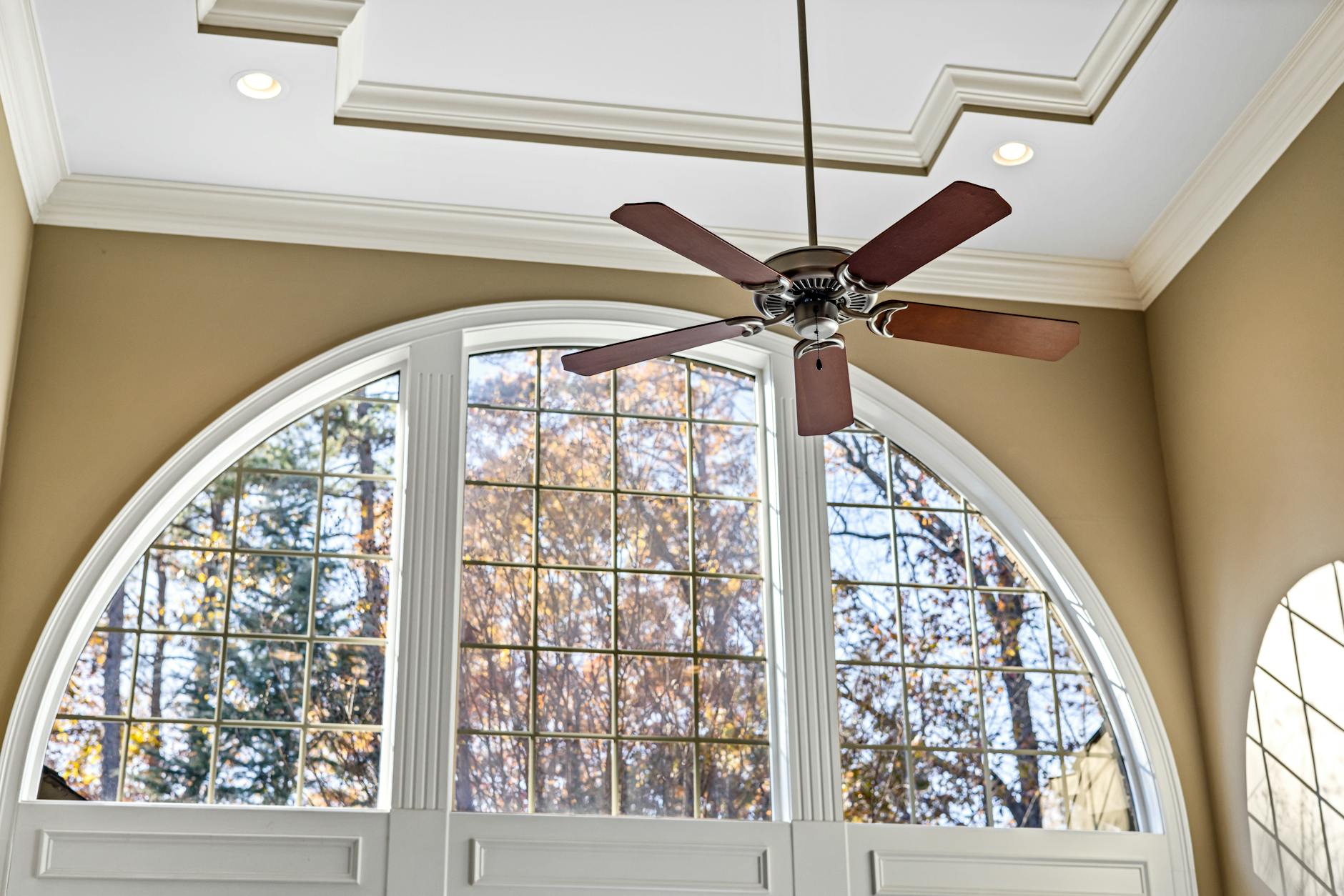
Ceiling fan housings are large enough to conceal a camera within the motor casing or light kit assembly, positioned to point downward toward the room below. A modified fan light kit with a built-in camera is commercially available in several consumer markets. Travelers should use a torch to inspect the central housing of any ceiling fan from below, looking for unusual openings or reflective surfaces. A fan that vibrates asymmetrically or has been recently installed relative to the apparent age of the property may have been tampered with. This is one location where a radio frequency or lens detector device provides a meaningful advantage over visual inspection alone.
Network Extenders
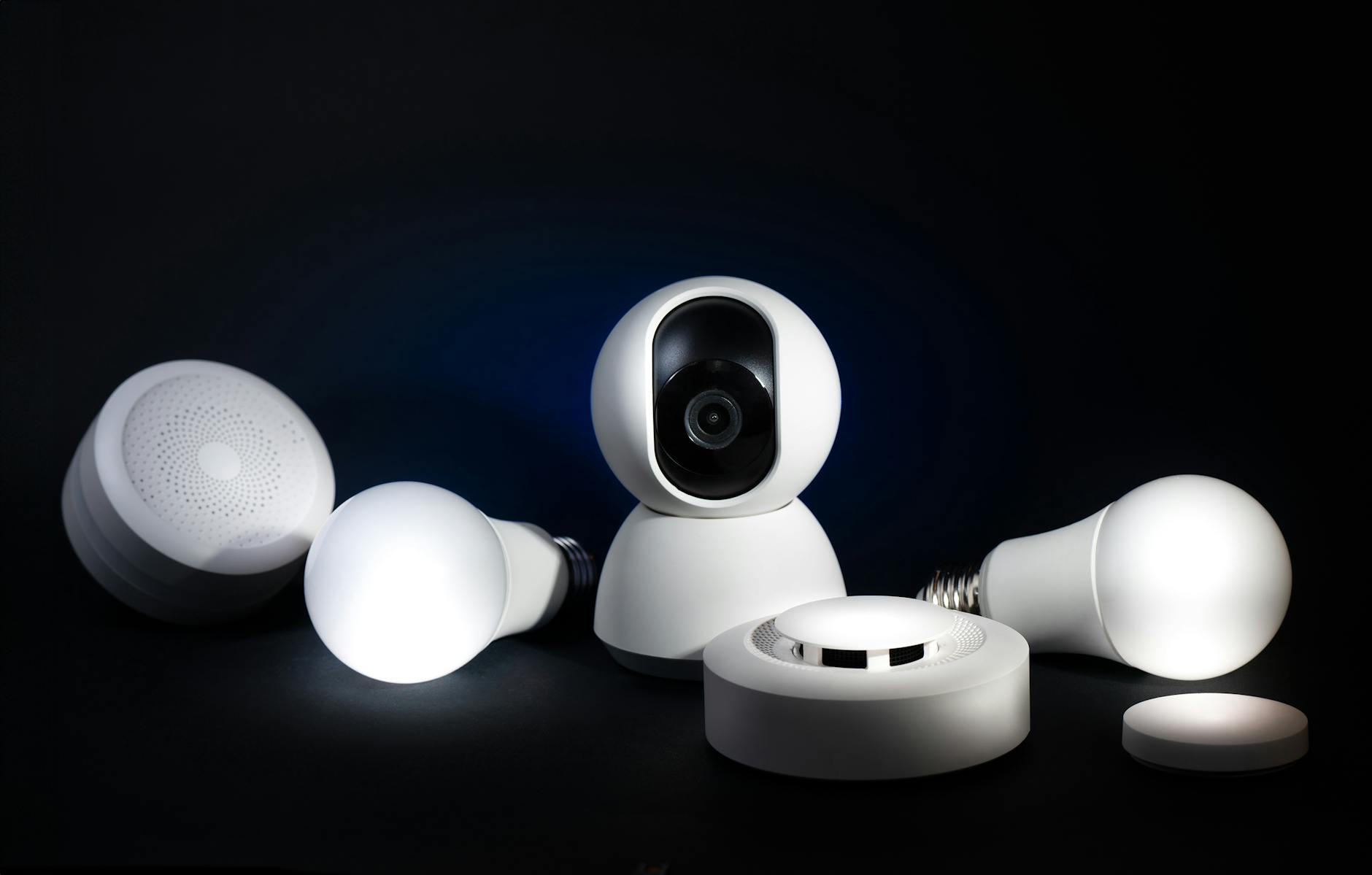
Wi-Fi range extenders and signal boosters plug directly into wall outlets and are a common sight in larger rental properties, making them an easy hiding spot for a recording device. Modified network extenders with embedded cameras are produced by several manufacturers and sold openly online. The device’s legitimate function provides a complete explanation for its presence that most guests will accept without question. Travelers should unplug any network extender and inspect it for unusual lens openings or non-standard ventilation patterns. Checking the device against its supposed model number online can confirm whether its external design matches the manufacturer’s official product photos.
Baby Monitors
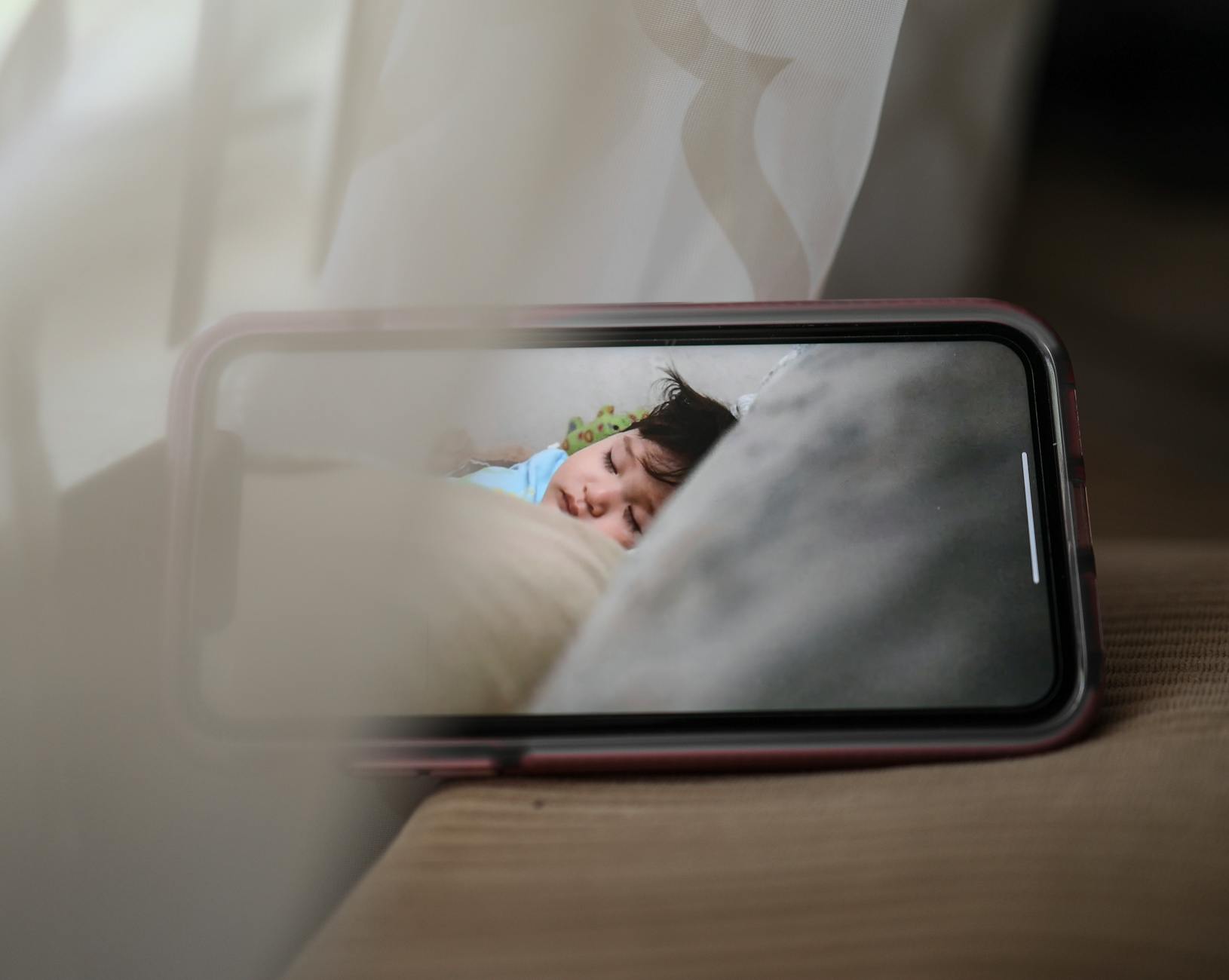
A baby monitor found in a property without children or in a room where its presence makes no contextual sense is a significant red flag for hidden surveillance. Legitimate baby monitors have recognizable designs and are typically sold in well-known retail packaging, while modified versions may appear generic or older. Travelers with no children should consider why any monitor-like device is present in their sleeping area. The camera component of a baby monitor has a detectable lens and often an infrared ring for night vision that is visible when viewed through a smartphone camera. Any such device found in a rental bedroom or bathroom should be photographed and reported to the rental platform immediately.
Coat Racks

Freestanding coat racks are placed near entry points in many rental properties and are used daily by guests without triggering any suspicion. A camera can be embedded within the finial at the top of the rack or within one of the hooks themselves, angled toward the main living area. The height and central placement of a coat rack often gives it a direct sightline to seating and sleeping areas deeper in the property. Travelers should inspect the top cap and each hook attachment point for any pinhole lens or wiring. A coat rack that is bolted to the floor or attached to a wall in a way that prevents easy movement is worth examining more carefully.
Electrical Panels
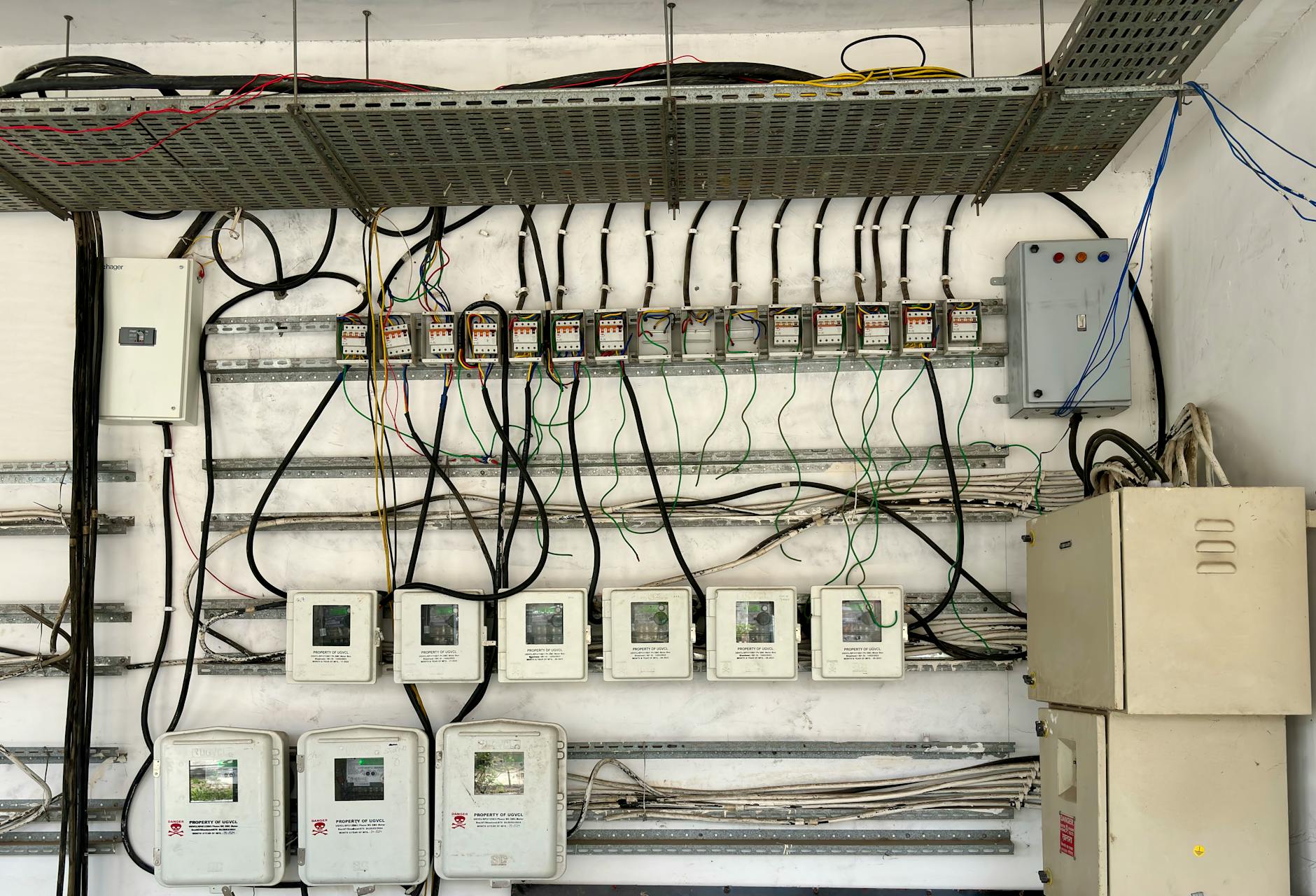
Electrical panels and fuse boxes mounted in hallways or utility areas contain enough internal depth to house a camera pointed outward through a small opening in the panel door. Guests rarely open or inspect these panels during a stay, making them an overlooked location during a privacy sweep. A small LED or lens visible near the panel latch or ventilation slot is a detail worth noting. Travelers should inspect the external surface of the panel door rather than opening the panel itself, as the camera would need a clear line of sight to an adjacent area. Any non-standard component visible on the outer panel face should be flagged to the rental platform.
Tissue Box Holders

Decorative tissue box holders made from wood, ceramic or fabric are everyday objects whose enclosed structure is sufficient to house a small camera and battery. A pinhole lens can be positioned on any face of the box holder and will be virtually invisible against a patterned or textured surface. Travelers should squeeze soft tissue holders and gently shake rigid ones to check for the weight and sound of an internal device. Any tissue holder that has been placed on a nightstand with its open side facing away from the tissues and toward the bed is positioned inconsistently with its function. Removing it to a closed cabinet or cupboard during the stay eliminates any concern.
Rental Artwork

Commissioned or printed artwork that appears generic and mass-produced is sometimes used as a mounting surface for concealed cameras in short-term rental properties. A small hole can be drilled through a canvas or print and a camera module glued directly behind it with no alteration visible from the front. Travelers should look at all artwork in bedrooms and bathrooms from an angle rather than straight on, which makes pinhole openings more visible against the surface. Any artwork that does not hang flush against the wall or that has visible wiring near its hanging point deserves closer inspection. Turning a suspicious piece to face the wall for the duration of the stay is an immediate and simple solution.
Decorative Figurines

Ceramic or resin figurines placed on shelves and surfaces around a rental are inconspicuous objects that can conceal a full camera module within their hollow interiors. Modified decorative items with embedded cameras are sold in many online marketplaces as novelty or security products. A figurine positioned to face a bed or bathroom entrance rather than arranged as part of a display is inconsistently placed for its stated decorative purpose. Travelers should pick up any figurine and feel for unusual weight distribution or a small opening in the base or face. Items that feel heavier than their size suggests may contain electronic components and warrant further inspection.
If you have ever discovered a hidden camera during a stay or have additional locations to add to this list, share your experience in the comments.




