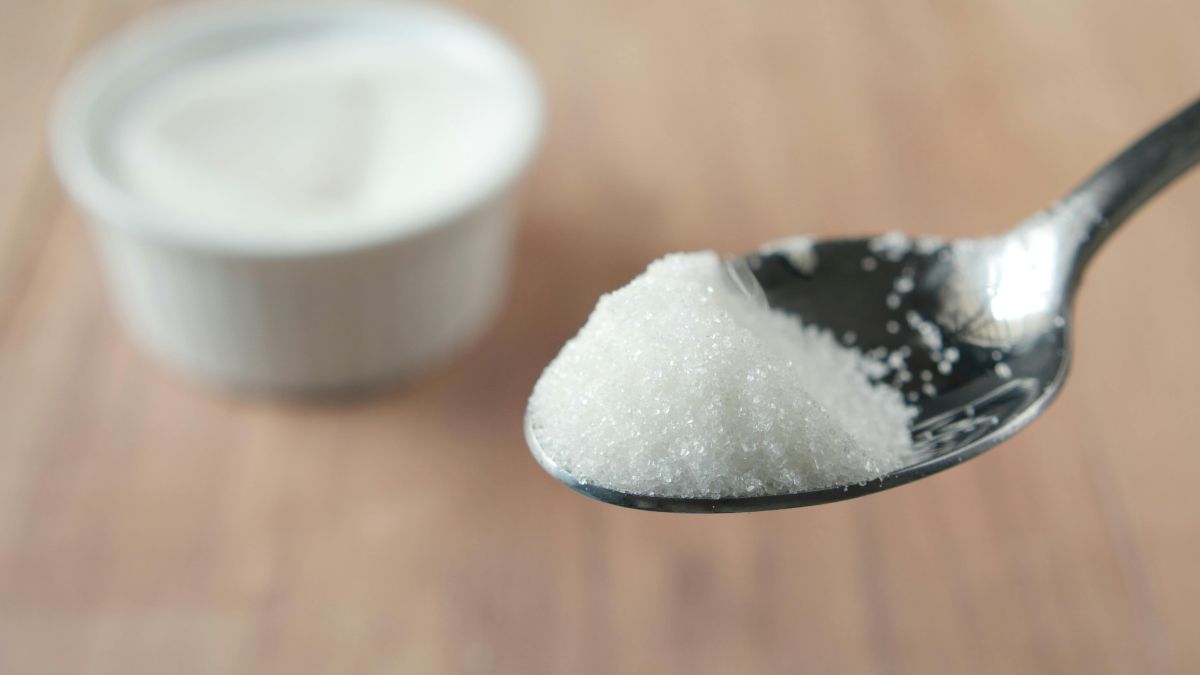
Many foods marketed as healthy choices are quietly loaded with sugar, making it surprisingly easy to consume far more than intended without realizing it. The wellness industry has perfected the art of using labels like “natural,” “organic,” and “low-fat” to create a health halo around products that are anything but innocent. Understanding which foods fall into this trap is one of the most important steps toward making genuinely informed dietary choices. The following items are among the most common offenders hiding in kitchens and grocery carts everywhere.
Flavored Yogurt
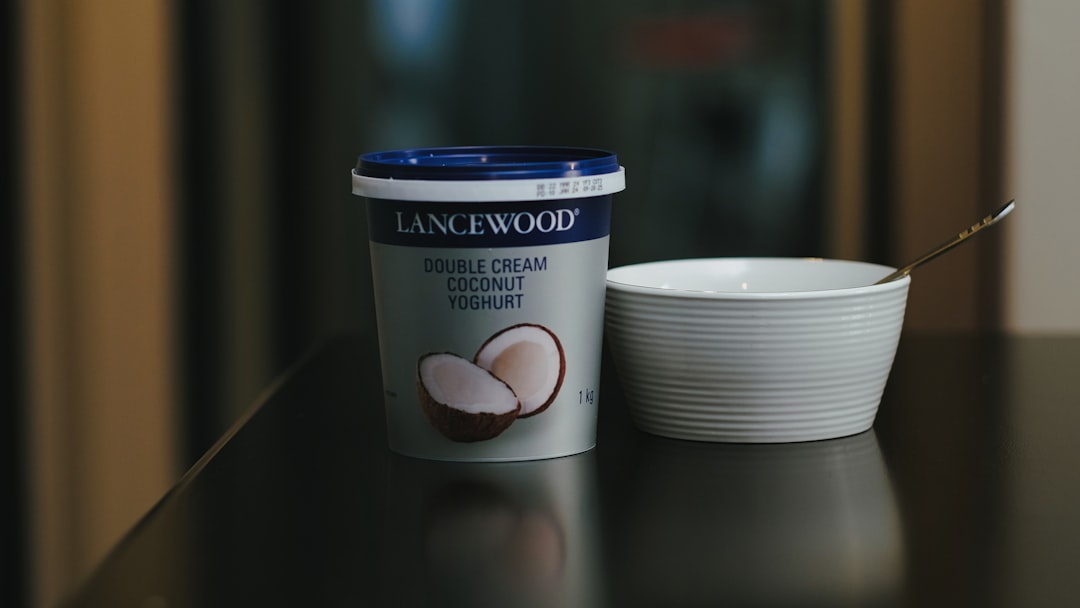
Most flavored yogurts contain as much sugar as a candy bar, with the sweetness coming from added syrups, fruit concentrates, and cane sugar. The creamy texture and fruit imagery on the packaging reinforce the impression that the product is wholesome and nutritious. Even varieties labeled “light” or “low-fat” typically compensate for reduced fat content with significantly higher sugar levels. Plain Greek yogurt is a far better alternative, allowing individuals to control exactly what goes into their bowl. The protein content in plain versions remains high without the unnecessary sugar burden.
Granola

Granola is widely regarded as a health food staple, but most commercial versions are held together with generous amounts of honey, maple syrup, and refined sugar. A standard serving size listed on the packaging is often much smaller than what people typically pour into a bowl. The oats, nuts, and seeds present in granola do offer genuine nutritional value, but these benefits are undermined by the sugar content surrounding them. Some brands include chocolate chips, dried fruit coatings, and flavored clusters that push the sugar count even higher. Reading the ingredient list carefully is essential before assuming any granola product is a smart choice.
Fruit Juice
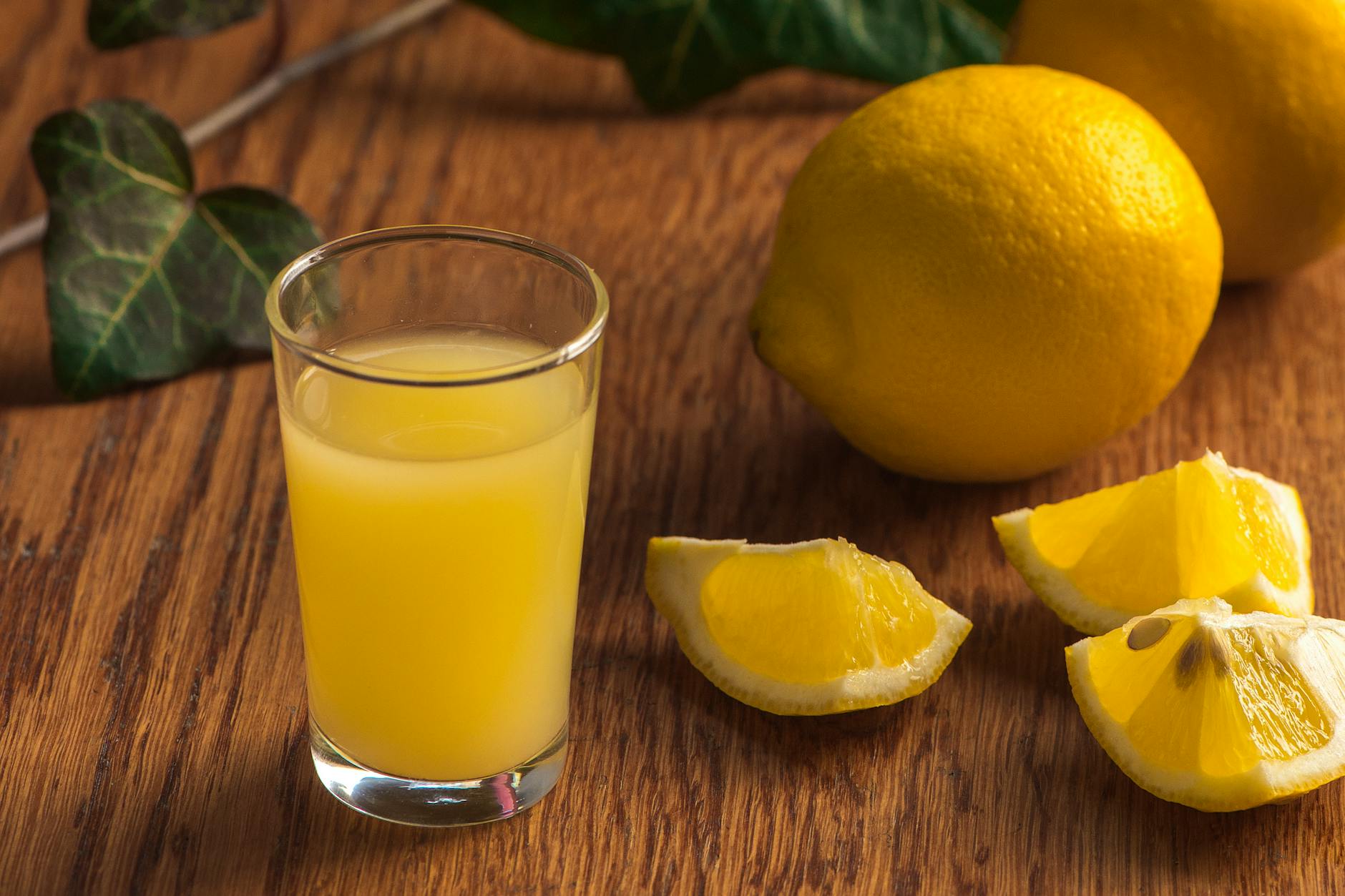
Fruit juice is frequently perceived as a direct equivalent to eating whole fruit, but the two are nutritionally very different. The juicing process removes the fiber that slows sugar absorption, leaving behind a concentrated liquid that can spike blood sugar rapidly. Even 100 percent pure fruit juice with no added sugars contains high levels of naturally occurring fructose. A single glass of orange juice can contain the sugar equivalent of several whole oranges, which most people would never eat in one sitting. Whole fruit is always the superior option when looking to satisfy a craving for something fruity.
Smoothies
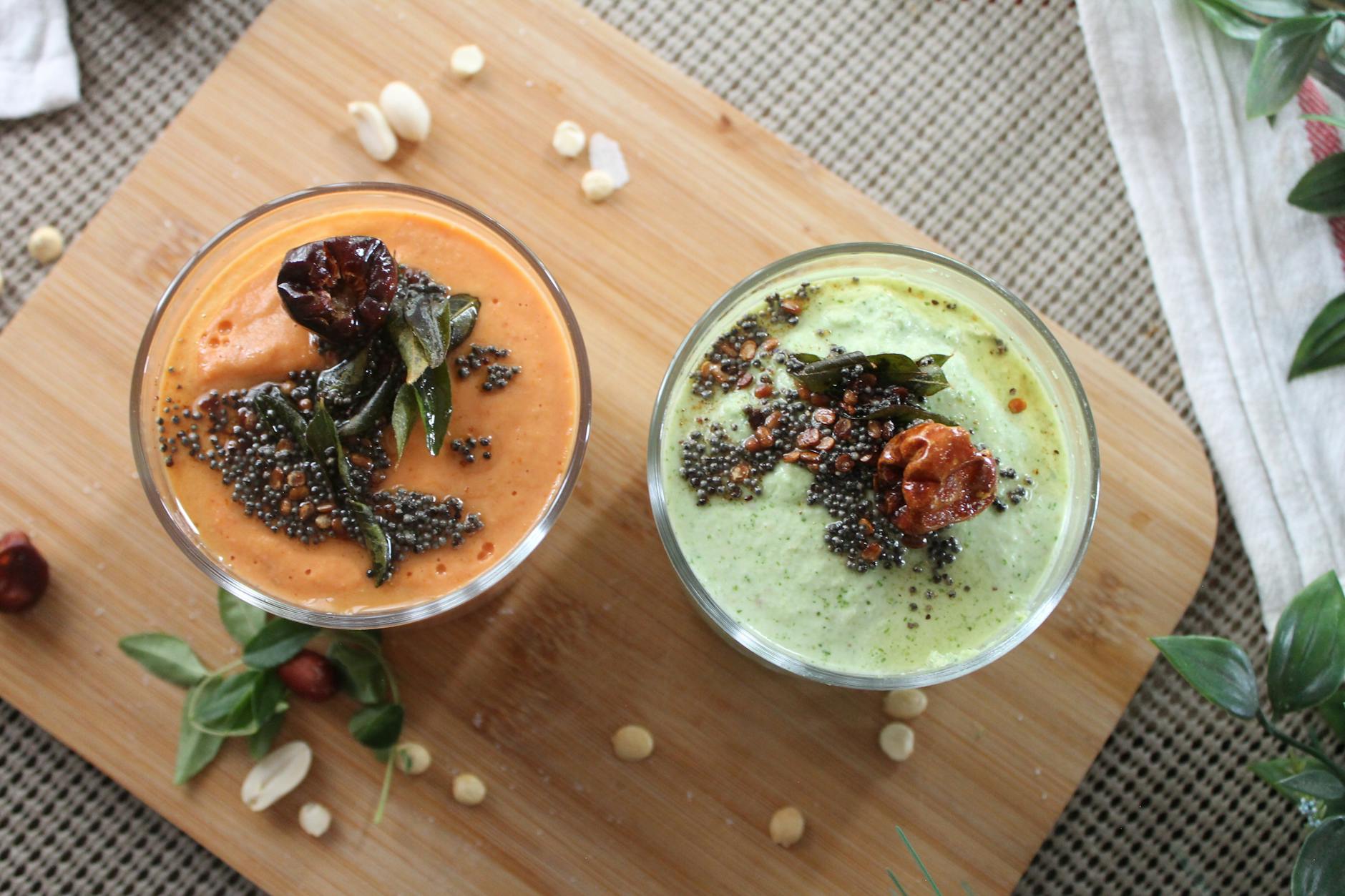
Pre-made and bottled smoothies sold in stores are often packed with fruit purees, sweetened yogurt, honey, and fruit juice bases that drive the sugar content extremely high. Even smoothies made at juice bars frequently contain multiple bananas, mangoes, and pineapple chunks that create a naturally high-sugar beverage. The blending process, like juicing, eliminates the chewing and fiber structure that helps regulate how quickly sugar enters the bloodstream. Many smoothies marketed as meal replacements contain as many calories and as much sugar as a dessert. Home preparation with leafy greens, limited fruit, and protein additions is the most effective way to keep a smoothie genuinely nutritious.
Trail Mix
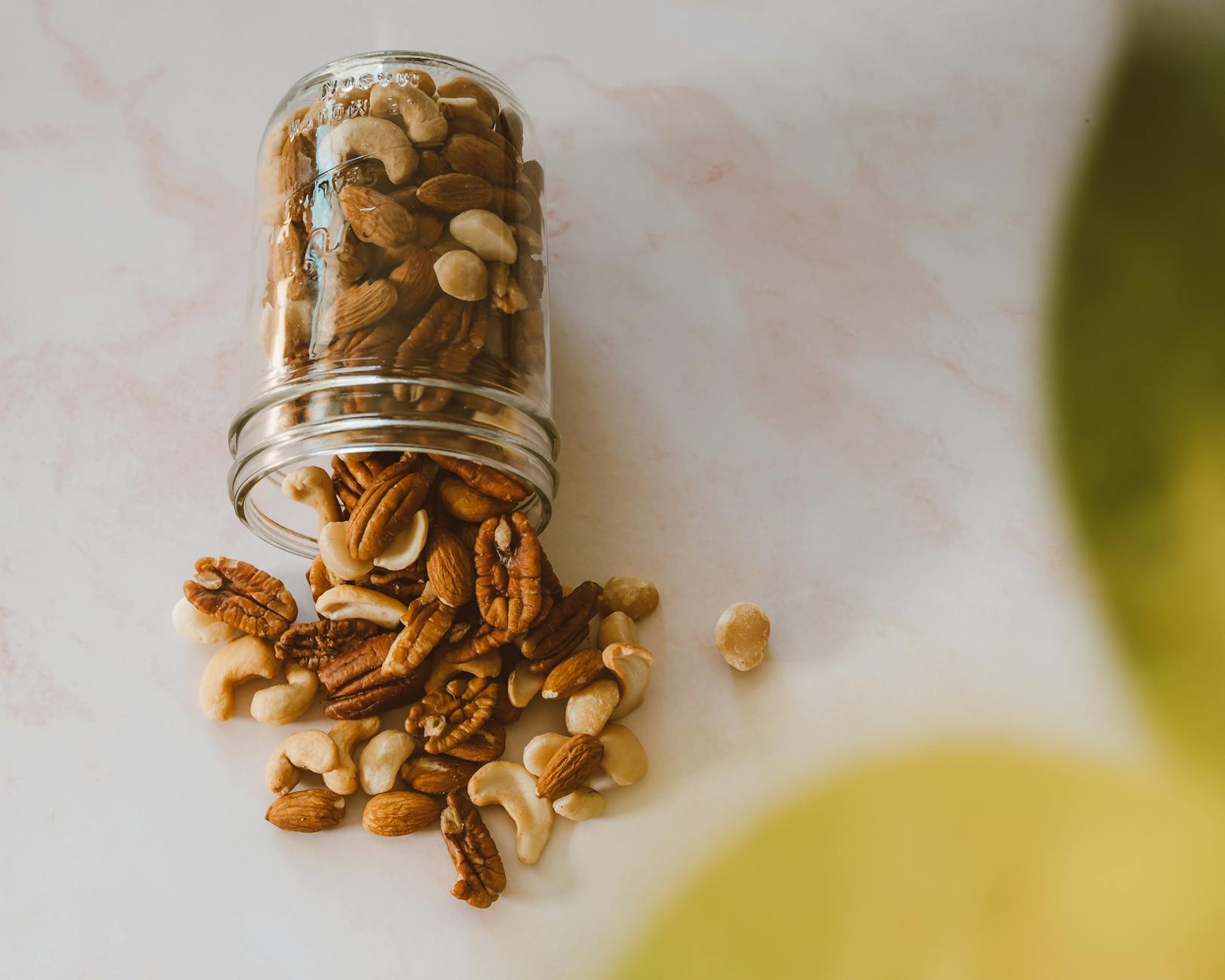
Trail mix has a longstanding reputation as a hiker’s energy food, but many store-bought versions are far removed from the original concept. Commercially prepared mixes often include candy-coated chocolate pieces, yogurt-covered raisins, sweetened cranberries, and honey-roasted nuts that collectively create a very sugary product. The combination of fat, salt, and sugar in these mixes makes them highly easy to overeat in a single sitting. Even the dried fruit components, which appear natural, are frequently coated with additional sugar to enhance sweetness and shelf appeal. A homemade version using plain nuts and seeds with a small amount of unsweetened dried fruit is a much better alternative.
Protein Bars
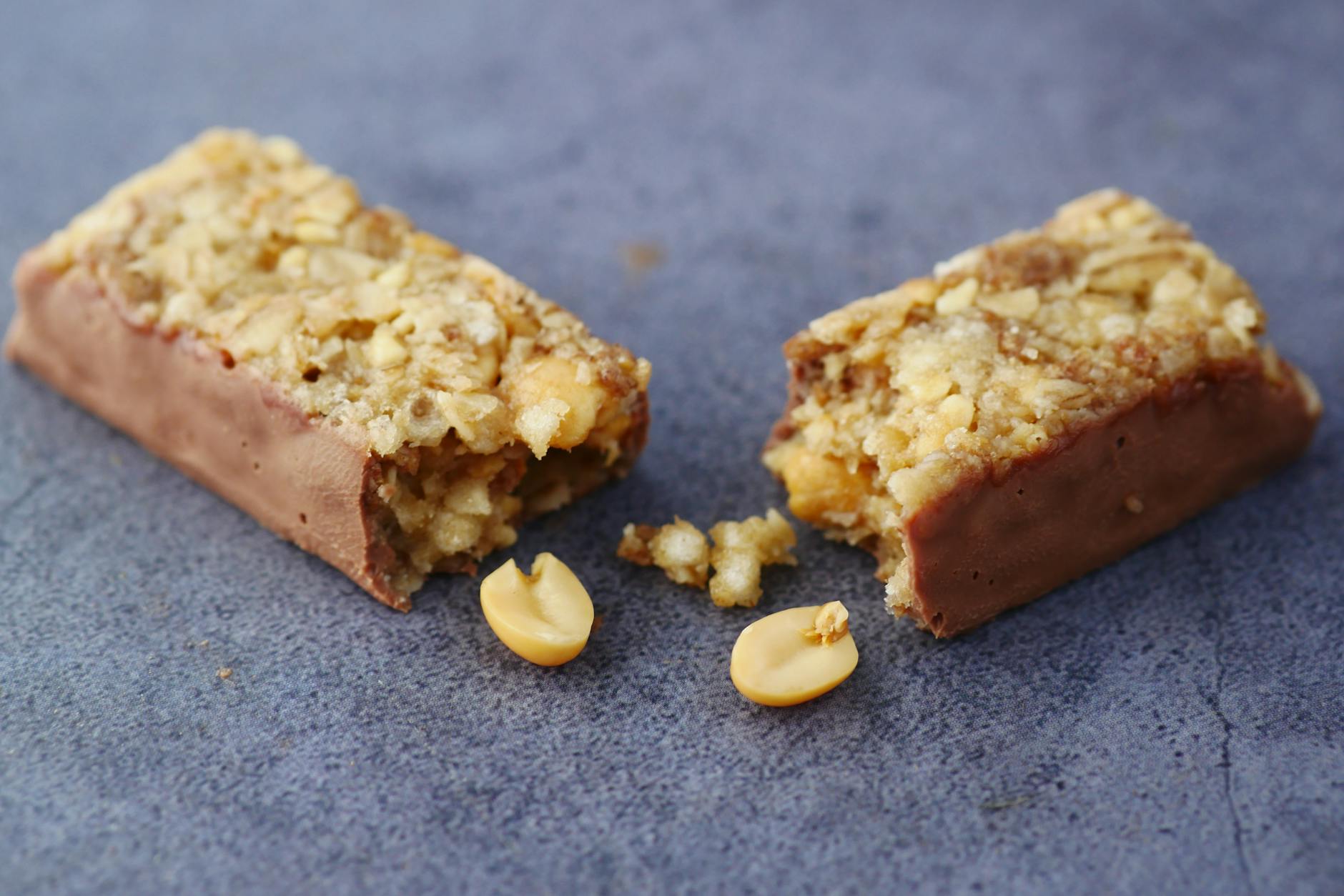
Protein bars are marketed heavily toward fitness-oriented consumers, yet many products on the market contain as much sugar as a standard chocolate bar. Manufacturers use sugar and sugar-adjacent ingredients like glucose syrup, maltodextrin, and fructose to improve taste and texture. The emphasis on protein content in marketing materials often distracts from a full evaluation of the ingredient list. Some bars contain upward of 25 grams of sugar per serving, which negates many of the benefits associated with post-workout nutrition. Checking both the total sugar content and the ingredient breakdown is essential when selecting a protein bar.
Energy Drinks
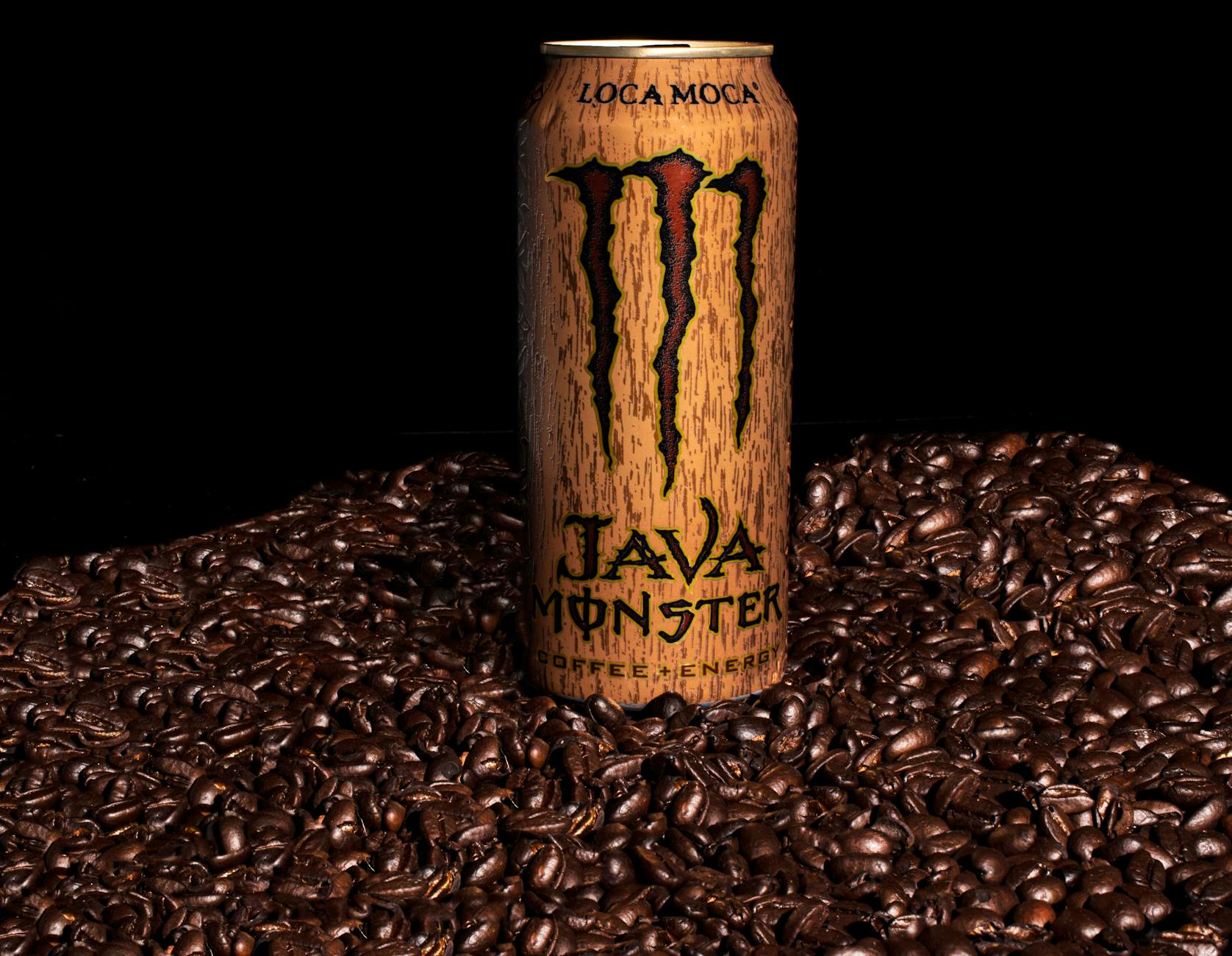
Many energy drinks are positioned as performance-enhancing and health-adjacent products, yet they routinely contain enormous quantities of sugar alongside their caffeine and vitamin content. A single can of a popular energy drink can contain more than 50 grams of sugar, far exceeding daily recommended limits in one serving. The addition of B vitamins and amino acids creates a functional appearance that distracts from the overwhelming sugar presence. Sugar-free versions exist, but these often rely on artificial sweeteners that come with their own set of concerns. The combination of stimulants and sugar in these beverages can create sharp energy spikes followed by significant crashes.
Flavored Oatmeal
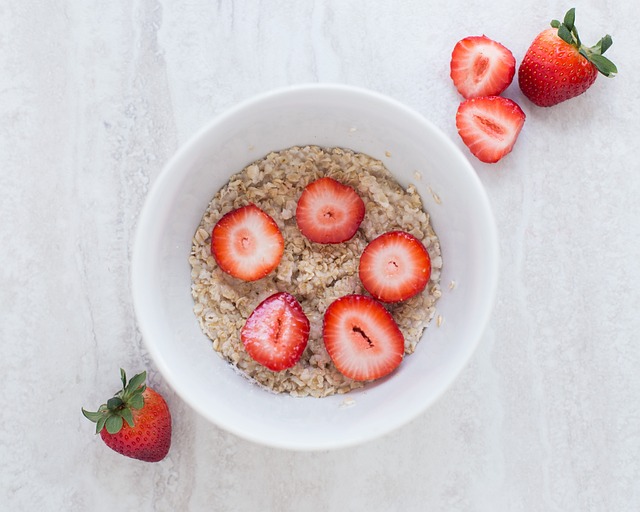
Instant and flavored oatmeal packets are marketed as a quick and nutritious breakfast option, but many varieties contain significant amounts of added sugar, artificial flavors, and sweetened fruit pieces. Flavors like maple brown sugar, apple cinnamon, and peaches and cream are particularly high in sugar content per serving. Plain oats are genuinely nutritious, but the flavored instant versions bear little resemblance to what a traditional bowl of oatmeal represents nutritionally. The convenience factor drives consumption of these sweetened packets, particularly among people who believe they are making a responsible breakfast choice. Cooking plain oats and adding a small amount of natural sweetener at home allows for full control over the final sugar content.
Salad Dressing
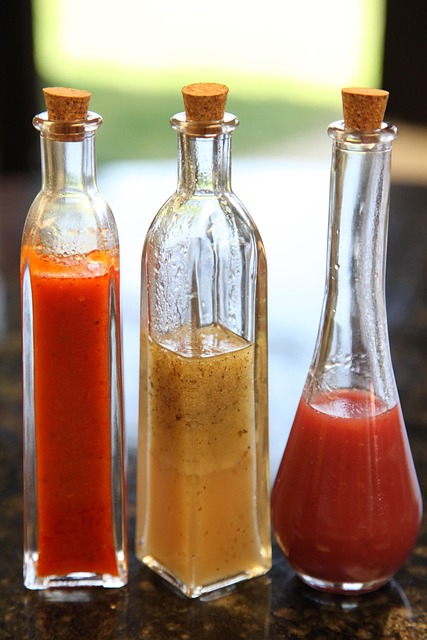
Bottled salad dressings, particularly low-fat varieties, are a frequent source of hidden sugar in an otherwise healthy meal. Manufacturers add sugar to compensate for the flavor lost when fat is removed, resulting in a product that undermines the nutritional value of the vegetables it accompanies. Sweet French, honey mustard, balsamic vinaigrette, and raspberry varieties are among the most sugar-heavy options available on supermarket shelves. A standard two-tablespoon serving can contain five or more grams of sugar, and most people pour considerably more than that onto a salad. Making a simple dressing at home with olive oil, acid, and herbs eliminates this hidden sugar source entirely.
Vitamin Water

Vitamin water and enhanced water beverages are packaged in a way that emphasizes their mineral and vitamin content, but the sugar present in most formulations is substantial. A standard bottle often contains multiple servings, meaning the full sugar content is significantly higher than what appears at first glance on the nutrition label. The addition of electrolytes and vitamins creates an impression of a functional health product, which obscures the fact that it is essentially sweetened water. Most people consume an entire bottle in one sitting rather than adhering to the suggested serving size. Plain water with naturally squeezed citrus or fresh herbs provides hydration without any of the unnecessary added sweetness.
Dried Fruit

Dried fruit is often treated as a naturally sweet and nutritious snack, and while it does retain many vitamins and minerals from the original fruit, the sugar concentration is dramatically higher than in fresh versions. Removing the water content from fruit means the natural sugars become highly concentrated in a much smaller volume. Many commercially produced dried fruits are additionally coated with sugar or fruit juice during processing to enhance flavor and appearance. Cranberries are among the most common examples, as they are naturally tart and require substantial sweetening to be palatable in dried form. Portion control is particularly important with dried fruit, as it is very easy to consume large quantities quickly.
Coconut Water

Coconut water has risen sharply in popularity as a natural sports drink alternative, and while it does contain electrolytes, it also comes with a meaningful amount of naturally occurring sugar. Flavored coconut water varieties add even more sugar on top of the baseline content, pushing some products into territory comparable to standard sports drinks. The tropical and natural branding of coconut water makes it easy to overlook the sugar content entirely. For individuals engaged in moderate daily activity rather than intense athletic training, plain water is a perfectly adequate hydration option. Those choosing coconut water should opt for unflavored, unsweetened versions and consume them in reasonable quantities.
Acai Bowls
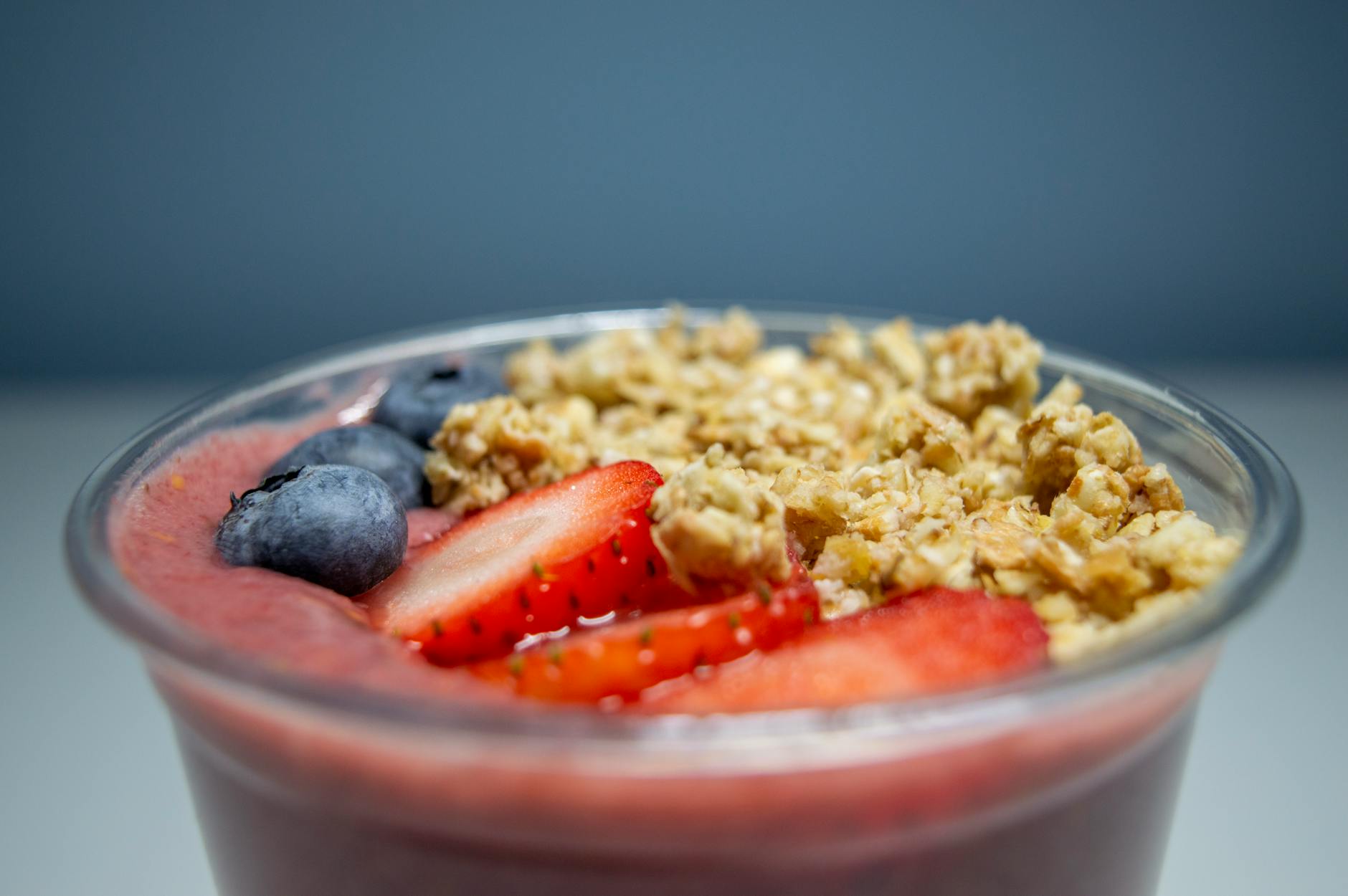
Acai bowls have become a popular menu item at health cafes, but the finished product is frequently far higher in sugar than it appears. The acai base itself is relatively low in sugar, but most bowls include sweetened acai blends, fruit juice, honey drizzles, sweetened granola, and multiple high-sugar toppings. A restaurant acai bowl can easily contain 50 to 70 grams of sugar by the time all components are added together. The visual presentation with fresh fruit and natural ingredients reinforces the perception of a wholesome meal. Building an acai bowl at home with unsweetened acai, plain yogurt, and minimal toppings is the best way to enjoy the dish without the sugar overload.
Kombucha

Kombucha is praised for its probiotic content and fermented character, but many commercial varieties contain significant added sugar used both during fermentation and afterward for flavoring. Fruit-flavored kombuchas in particular tend to have considerably higher sugar levels than plain varieties. The health messaging surrounding kombucha, which emphasizes gut health and wellness culture, can make it easy to overlook what the nutrition label actually says. Some brands have worked to reduce sugar content, but this is far from universal across the market. Checking the label carefully and opting for lower-sugar unflavored versions is the best approach for those seeking the probiotic benefits without the sugar.
Rice Cakes
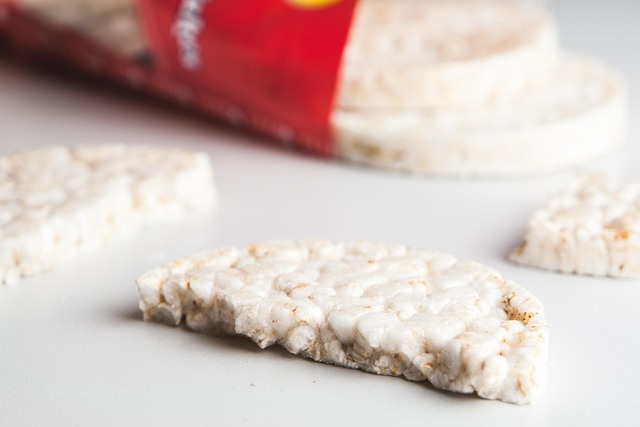
Rice cakes are a longtime staple of low-calorie snacking, and while plain versions are relatively neutral, flavored varieties like caramel, chocolate, and fruit punch contain added sugars that transform them into a less innocent snack. The light and airy texture of rice cakes creates a perception of lightness that extends to assumptions about their ingredient content. Even savory flavored versions occasionally contain sugar as a flavor enhancer in their seasoning coatings. The glycemic index of plain rice cakes is already quite high, and added sugars push the blood sugar impact even further. Plain rice cakes topped with nut butter or avocado represent a much more nutritionally balanced snacking option.
Ketchup
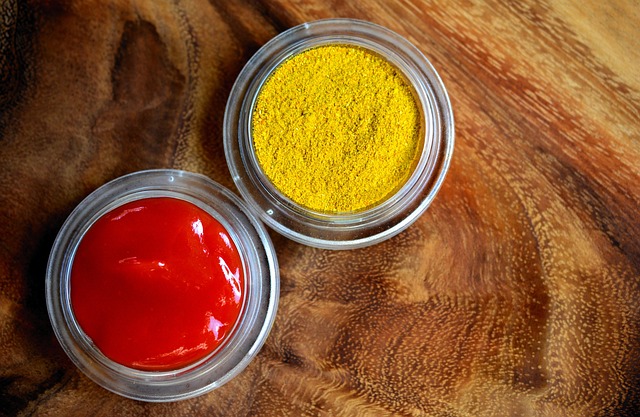
Ketchup is so deeply embedded in everyday eating habits that its sugar content often goes unexamined. A single tablespoon of standard ketchup contains around four grams of sugar, and most people use considerably more than one tablespoon per serving. The tomato base gives ketchup an implicit association with vegetables and nutritional value that overshadows what is actually a very sweet condiment. Sugar is typically listed among the top three or four ingredients in most commercially produced ketchup formulations. Mustard and hot sauces are generally much lower in sugar and can serve as flavorful alternatives in many culinary applications.
Sports Drinks

Sports drinks like those found in brightly colored bottles on gym shelves are designed to replenish electrolytes during vigorous physical activity, but for most everyday users they represent an unnecessary sugar intake. A standard 500ml bottle typically contains around 30 grams of sugar, which is appropriate for endurance athletes but excessive for someone doing a moderate workout or simply walking. The athletic imagery and association with professional sports create an impression that consuming these drinks is an inherently healthy behavior. Many gyms and fitness centers sell these beverages prominently, reinforcing their health associations even further. For the majority of people exercising at a moderate intensity, water is entirely sufficient for hydration and recovery.
Canned Soup

Many canned soups marketed as low-calorie or diet-friendly contain added sugars used to enhance flavor and balance acidity, particularly in tomato-based varieties. Tomato soup is one of the most commonly consumed canned soups and often contains a surprisingly high amount of added sugar per serving. Manufacturers include sugar to create a rounded, palatable flavor profile that compensates for the limitations of the canning process. Vegetable soups with sweet components like carrots, corn, and peas are also frequently sweetened beyond what the vegetables themselves contribute. Making soup from scratch at home gives complete control over ingredient quality and allows for the elimination of unnecessary sugar entirely.
Flavored Nuts

Plain nuts are among the most nutritious snacks available, providing healthy fats, protein, and a range of vitamins and minerals. Flavored nut varieties, however, including honey roasted, sweet and spicy, and chocolate-covered options, are coated with sugar-based seasonings that significantly alter their nutritional profile. The health associations of plain nuts tend to carry over to flavored versions in the minds of consumers, making it easy to justify eating a large portion. Even savory seasonings on nuts can include sugar as a background ingredient to round out the flavor. Sticking to plain, unsalted, or lightly salted nut varieties preserves the genuine health benefits without the added sweetness.
Nut Milks

Plant-based milks made from oats, almonds, coconuts, and cashews have become mainstream alternatives to dairy, but many commercially produced versions contain added sugar to improve their flavor and palatability. Vanilla-flavored and chocolate-flavored plant milks are the most obvious culprits, but even plain varieties from certain brands include cane sugar in the ingredient list. Oat milk in particular tends to have a naturally higher sugar content than other plant milks due to the starchy nature of oats and the enzymatic processing involved. Barista editions of nut milks designed for use in coffee drinks often contain additional sweeteners to balance the flavor when steamed. Selecting unsweetened versions labeled specifically as “no added sugar” is the most reliable way to enjoy plant-based milk without the hidden sweetness.
Breakfast Cereal
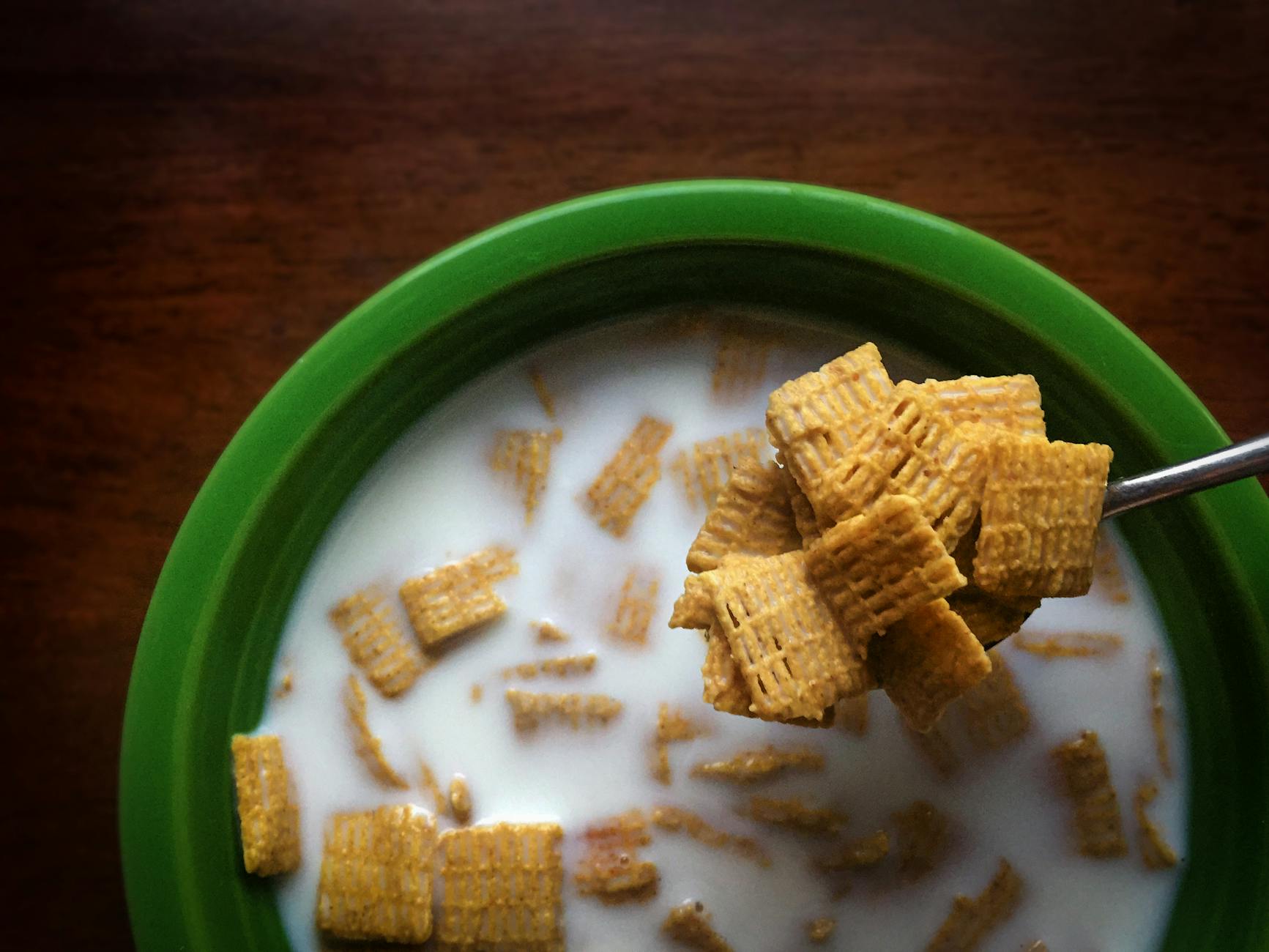
Even cereals that are not marketed to children often contain substantial quantities of added sugar per serving, frequently disguised through multiple forms of sweetener listed separately in the ingredients. Granola cereals, bran flakes with added fruit, and multigrain varieties are commonly assumed to be nutritionally responsible choices. The presence of whole grains, fiber, and fortified vitamins on the packaging draws attention away from the sugar content further down the label. Many people eat two to three times the listed serving size, which multiplies the already significant sugar intake considerably. Steel-cut oats, plain puffed grains, and unsweetened bran are among the few cereal options that can be consumed without significant concern about hidden sugar.
Flavored Coffee Drinks

Ready-to-drink coffee beverages sold in bottles and cans, as well as café drinks like flavored lattes and mochas, contain remarkable amounts of sugar that are often invisible to consumers who view coffee as a naturally low-calorie drink. A flavored latte from a popular coffee chain can contain upward of 40 grams of sugar when flavored syrups, sweetened milk, and toppings are included. Bottled frappuccinos and iced coffee drinks found in supermarkets similarly contain large quantities of sugar and cream. The caffeine content of these drinks can mask the sweetness somewhat, making it harder to notice the sugar quantity through taste alone. Plain espresso-based drinks with unsweetened milk alternatives are the most straightforward way to enjoy coffee without the hidden sugar accumulation.
Tomato Sauce

Jarred pasta sauces and tomato sauces are kitchen staples that many people assume are savory and sugar-free, but most commercial brands add sugar to balance the natural acidity of tomatoes and create a rounder flavor. Premium and organic versions are not exempt from this pattern, as sugar appears across price points and brand categories. A half-cup serving of pasta sauce can contain five to twelve grams of sugar depending on the brand and flavor variety. Sundried tomato, roasted red pepper, and arrabbiata flavors tend to be among the sweeter options on supermarket shelves. Making a simple homemade tomato sauce with canned tomatoes, garlic, and olive oil eliminates the added sugar entirely while producing a richer and more flavorful result.
Frozen Yogurt

Frozen yogurt has long been positioned as the health-conscious alternative to ice cream, with its probiotic associations and lower fat content being central to its marketing. However, most commercially available frozen yogurt contains very high levels of sugar, and the self-serve model encourages generous portions that amplify the intake further. Many of the toppings commonly paired with frozen yogurt, including fruit syrups, candy pieces, and sweetened granola, add additional sugar on top of an already significant base. The liveness and brightness of frozen yogurt shops reinforces positive health associations that are not entirely supported by the nutritional reality of the product. Plain Greek yogurt frozen at home with fruit and a small amount of honey is a far more nutritionally sound version of a cold, creamy treat.
Hummus

Plain hummus made from chickpeas, tahini, lemon, and garlic is a genuinely nutritious dip, but flavored commercial varieties including roasted red pepper, sundried tomato, and sweet varieties can contain meaningful amounts of added sugar. Pre-packaged flavored hummus products available in supermarkets often include sweeteners in their seasoning blends that do not appear obvious from the outside of the container. The general perception of hummus as a wholesome Mediterranean staple makes it an easy product to consume without scrutinizing the label. Serving sizes are also frequently underestimated, particularly when hummus is used as a sandwich spread or consumed as part of a grazing platter. Making hummus at home from scratch gives complete control over ingredients and eliminates the possibility of hidden added sugars.
Meal Replacement Shakes

Meal replacement shakes are designed for convenience and weight management, but many commercial formulas contain high levels of sugar to make them palatable as standalone meal substitutes. The balance between providing sufficient calories and creating a product that tastes appealing often leads manufacturers to lean heavily on sugar and artificial sweeteners. Chocolate and vanilla varieties are particularly sweet, and the flavoring required to make a shelf-stable powder taste like a satisfying meal typically requires significant sweetening. Some brands use sugar alcohols or artificial sweeteners as alternatives, but these come with their own digestive and health considerations. Evaluating the full nutritional profile of a meal replacement product rather than relying on its weight-loss messaging is critical before making it a dietary habit.
Balsamic Vinegar

Balsamic vinegar is widely used in health-conscious cooking as a flavorful dressing and marinade ingredient, but it contains naturally occurring sugars in fairly high concentrations relative to other vinegars. Aged and traditional varieties have a naturally sweet and syrupy character that reflects a higher sugar density. Balsamic glazes and reductions, which are concentrated forms used as finishing sauces, are even more sugar-dense and are often drizzled generously over dishes. The perception of vinegar as an acidic and therefore sugar-free condiment does not accurately reflect the nutritional profile of balsamic specifically. Apple cider vinegar and red wine vinegar are lower-sugar alternatives for everyday dressing and cooking applications.
Almond Butter

Natural almond butter made from only almonds is a nutritious source of healthy fat and protein, but many commercial almond butter products include added sugar, palm oil, and salt that significantly change the nutritional picture. Flavored varieties such as honey almond butter, chocolate almond butter, and maple-flavored spreads are particularly high in added sweeteners. The positive reputation of almonds as a health food tends to transfer to all products bearing the almond name, which makes careful label reading all the more important. Portion sizes also matter considerably, as even natural versions are calorie-dense and should be consumed in measured amounts. Choosing almond butter with almonds listed as the sole ingredient is the most reliable way to avoid hidden sugar.
Coleslaw

Pre-made coleslaw from delis, supermarkets, and fast-food chains is made with mayonnaise dressings and sweeteners that give it a characteristic sugary flavor that many consumers do not consciously notice. The vegetable base of cabbage and carrots creates an automatic association with healthy eating that can distract from what the dressing contains. Commercial coleslaw dressings frequently include sugar, high-fructose corn syrup, or sweetened vinegar mixtures to balance the acidity and richness of the sauce. Even vinegar-based coleslaws, which appear lighter and less indulgent, often contain significant sugar as a counterpoint to the sharpness of the vinegar. Making coleslaw at home with a simple dressing of apple cider vinegar, a small amount of natural sweetener, and herbs provides full control over the sugar content.
Sushi Rolls
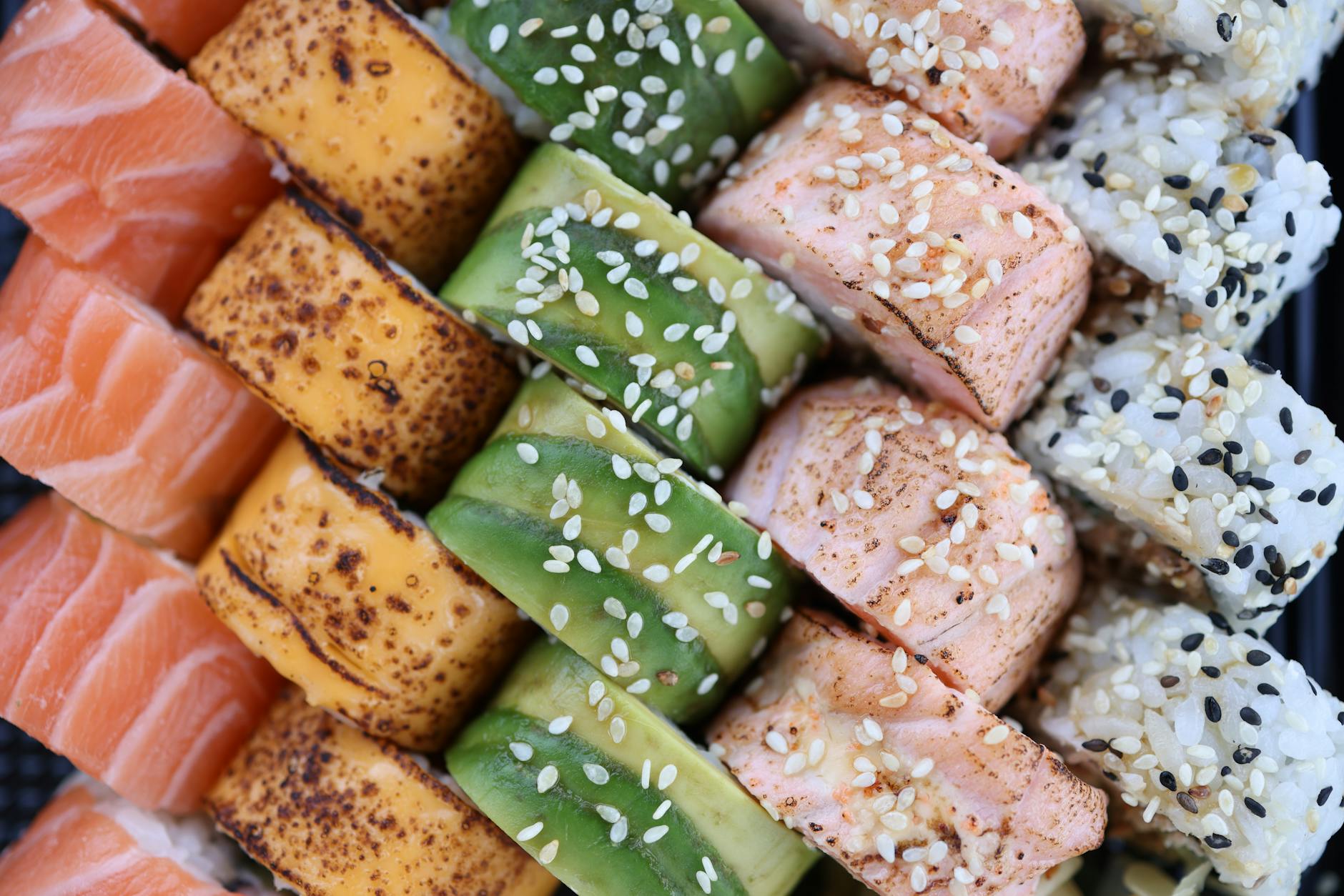
Sushi is broadly perceived as one of the healthiest restaurant meals available, but several components of standard sushi rolls contribute meaningfully to sugar intake. The seasoned rice used in sushi preparation is mixed with a combination of rice vinegar and sugar, meaning every roll contains a sweetened rice base regardless of the filling. Teriyaki sauces, sweet chili sauces, and unagi glaze used as toppings and fillings are heavily sweetened condiments that compound the sugar content further. Specialty rolls with tempura, cream cheese, and sweet sauces are particularly high in combined sugar and calorie content. Sashimi with plain steamed rice or simple nigiri without sweet sauces is the most nutritionally straightforward way to enjoy Japanese cuisine.
Peanut Butter

Much like almond butter, natural peanut butter containing only peanuts and salt is a genuinely nutritious food, but the most popular commercial peanut butter brands include added sugar and hydrogenated oils that change the product substantially. The iconic creamy texture of major commercial peanut butter brands is partly achieved through ingredient additions that are not present in natural versions. Reduced-fat peanut butter varieties typically compensate for the removed fat with increased sugar, making them nutritionally inferior to full-fat natural versions. Many people use peanut butter in ways that already include sweeteners, such as spreading it on toast with jam or blending it into smoothies with fruit, which amplifies the overall sugar consumption further. Selecting peanut butter with the shortest possible ingredient list is the simplest and most effective strategy for avoiding hidden sugar.
If you have spotted any of these sneaky sugar culprits in your own kitchen, share your experience and thoughts in the comments.




