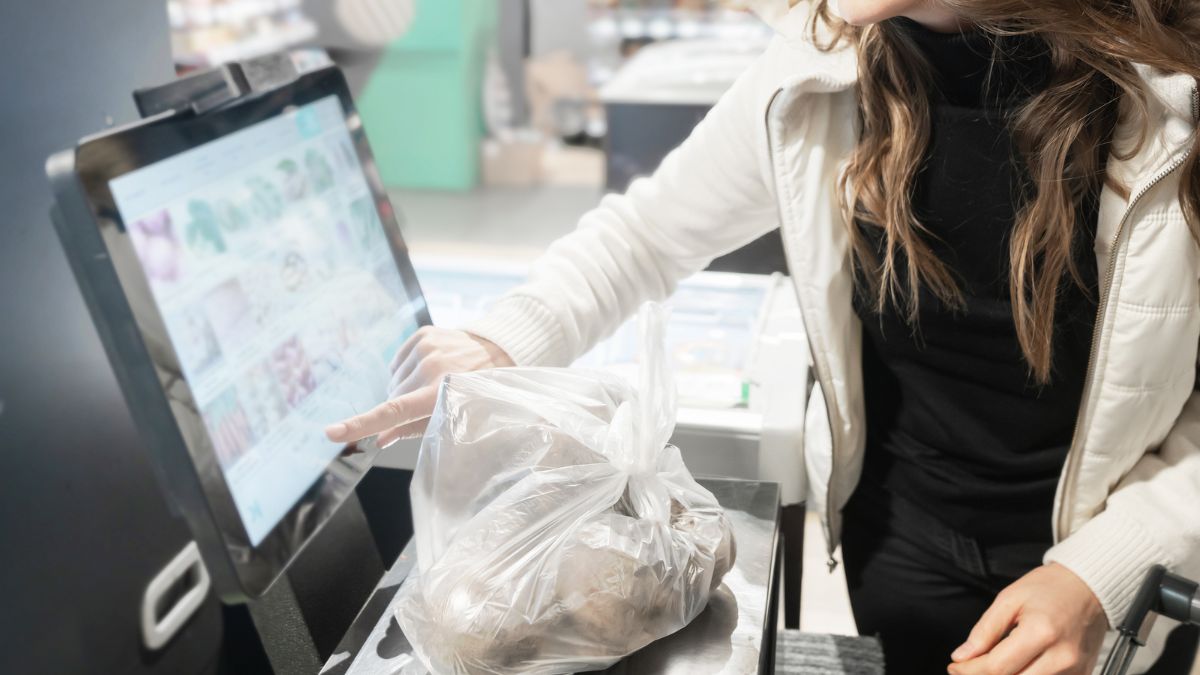
From the moment you step through a retailer’s doors or open a shopping app, a sophisticated web of data collection quietly springs into action. Stores today invest heavily in understanding consumer behavior, building detailed profiles that inform everything from product placement to personalized promotions. Many of these methods operate entirely in the background, invisible to the average shopper. Understanding how this tracking works is the first step toward making more intentional purchasing decisions.
Loyalty Cards
Retailers offer loyalty programs not primarily as a reward system but as a powerful mechanism for linking every purchase to a specific individual. Each time a card is scanned, the store records exactly what was bought, at what price, at what time, and how frequently. Over months and years this builds an extraordinarily detailed portrait of a customer’s habits and preferences. That data is then used to send targeted promotions designed to increase spending in categories where the customer already shows interest.
Store Wi-Fi
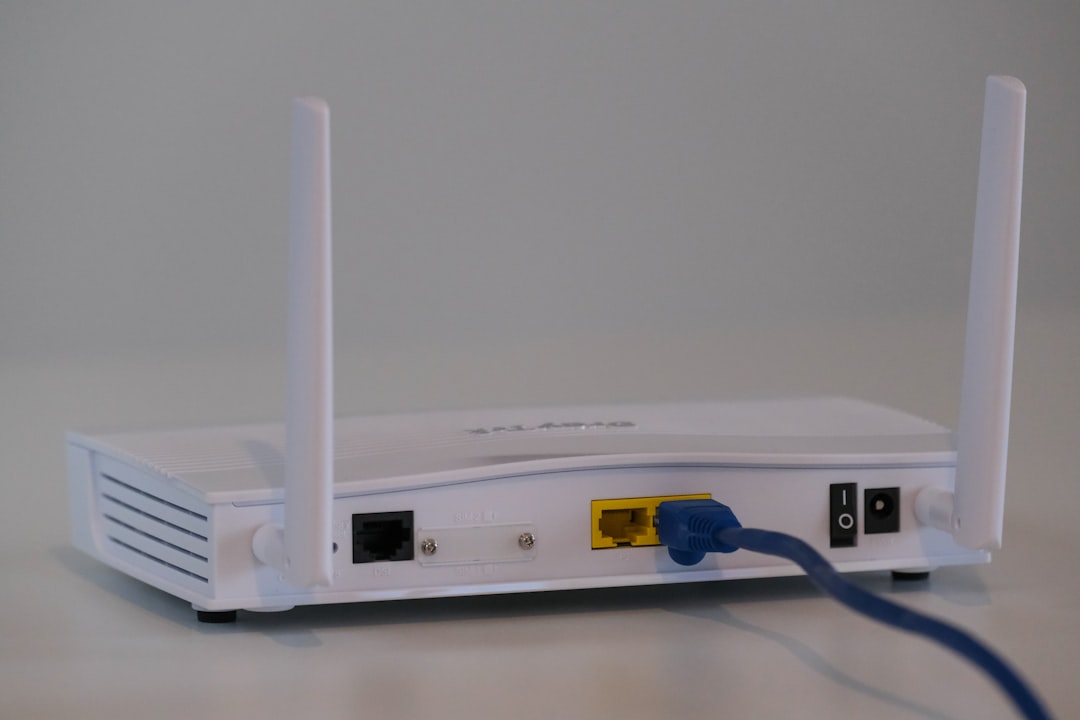
Free in-store Wi-Fi is rarely offered purely out of generosity toward shoppers. When a customer connects to the network, their device’s unique identifier is logged and their movement through the store can be passively monitored. Retailers use this data to understand which departments attract the most foot traffic and how long customers linger in specific areas. Repeat visits allow the system to recognize the same device over time, building a behavioral profile without the shopper ever creating an account.
Facial Recognition

An increasing number of large retailers have quietly installed facial recognition technology within their security camera networks. The software can identify returning customers, flag individuals on internal watchlists, and even estimate age and emotional state at the point of purchase. Some systems are integrated with loyalty databases to match faces to known customer profiles without any active participation from the shopper. Regulations around this practice vary widely by region, and disclosure is not always clearly communicated in-store.
Heat Mapping
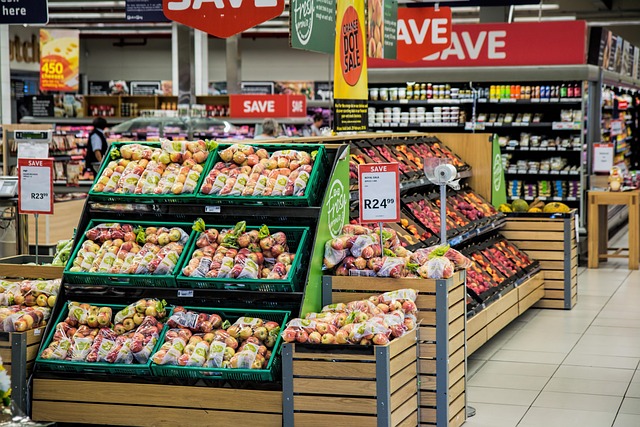
Retailers use anonymized movement data collected from cameras and sensors to generate detailed heat maps of store layouts. These visual diagrams show exactly where shoppers pause, which displays attract attention, and which aisles are consistently bypassed. The information directly influences decisions about product placement, promotional endcap positioning, and store redesigns. A category that receives high foot traffic but low conversion rates, for example, triggers immediate layout and merchandising adjustments.
Shelf Sensors
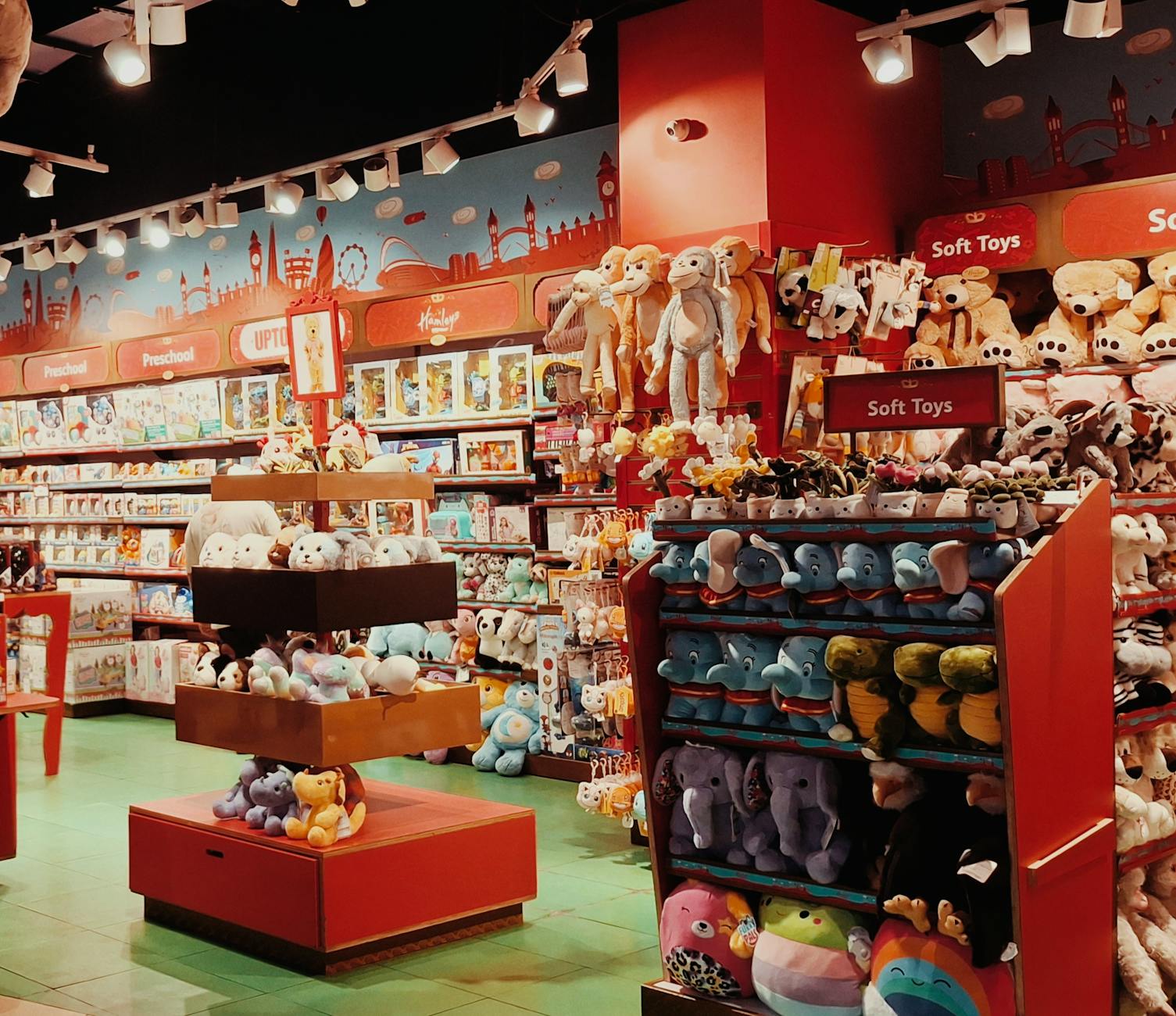
Smart shelves embedded with weight sensors and RFID technology track exactly which products are picked up and whether they are returned or placed in a cart. This granular interaction data goes far beyond simple sales figures, capturing the moment of consideration before a decision is made. Retailers can identify which products generate interest but fail to convert to purchases, which informs pricing strategy and packaging redesign. These sensors also feed real-time inventory data back to store management systems.
Browser Cookies

Every product page visited, every item added to a wishlist, and every abandoned cart on a retail website is logged through cookie tracking technology. These small data files stored in a shopper’s browser allow retailers to serve retargeted advertisements across entirely different websites and platforms. The persistence of this tracking means a product considered on Monday morning can appear in social media feeds throughout the rest of the week. Cookie data also feeds algorithms that determine which items are recommended during the next site visit.
Email Tracking

Retailers embed invisible tracking pixels inside promotional emails that activate the moment the message is opened. Beyond confirming an open, these pixels can record the time of the interaction, the device used, and the geographic location of the reader. Click behavior within the email is also tracked, revealing exactly which offers and product categories generate engagement. All of this feeds back into segmentation tools that refine future messaging and promotional timing for each individual subscriber.
Purchase Timing

The specific time and day of each transaction is recorded as a valuable behavioral data point by retailers across all formats. Patterns such as consistent weekend grocery shopping or late-night online browsing sessions are factored into targeted campaign scheduling. A customer who regularly shops on payday weekends, for instance, may receive promotions timed to appear on those precise days. This temporal profiling allows retailers to reach customers at moments of peak purchasing intent.
Return Behavior
Retailers meticulously track return history and use it to inform both risk assessments and marketing strategies. Customers who frequently return items in certain categories may be identified as high-consideration shoppers who respond well to detailed product information and reviews. Some retailers use return data to quietly flag accounts that show patterns associated with return fraud. More commonly the data is used to adjust product recommendations toward items with attributes that align with what a customer has historically chosen to keep.
App Permissions
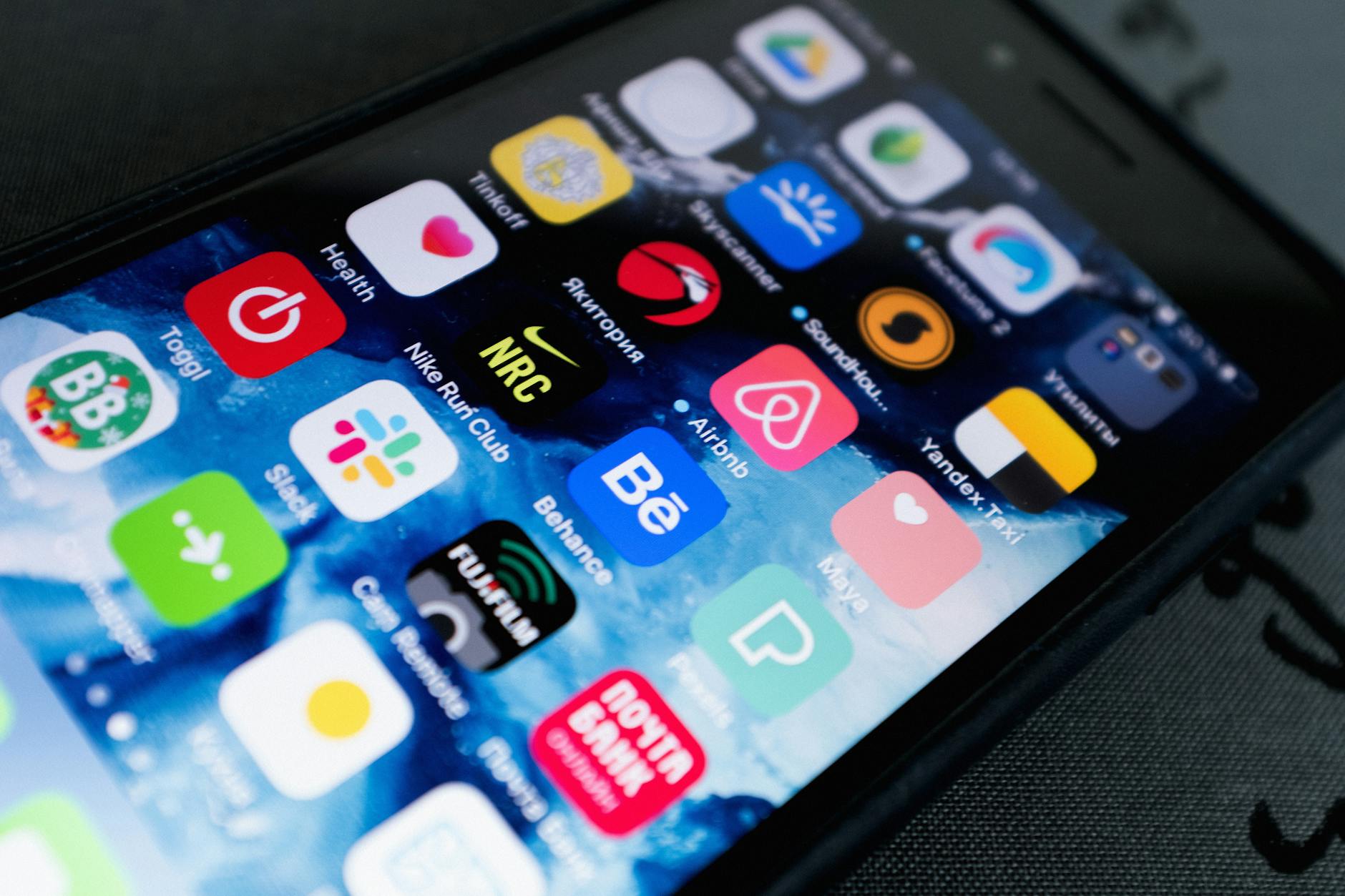
Retail apps routinely request access to location services, contacts, camera, and microphone under the umbrella of improving the shopping experience. Location permissions in particular allow retailers to send push notifications triggered by physical proximity to a store, a technique known as geofencing. Background location tracking can reveal which competitor stores a customer visits, providing competitive intelligence of significant value. The aggregated data collected through app permissions is frequently shared with third-party advertising networks.
Credit Card Data
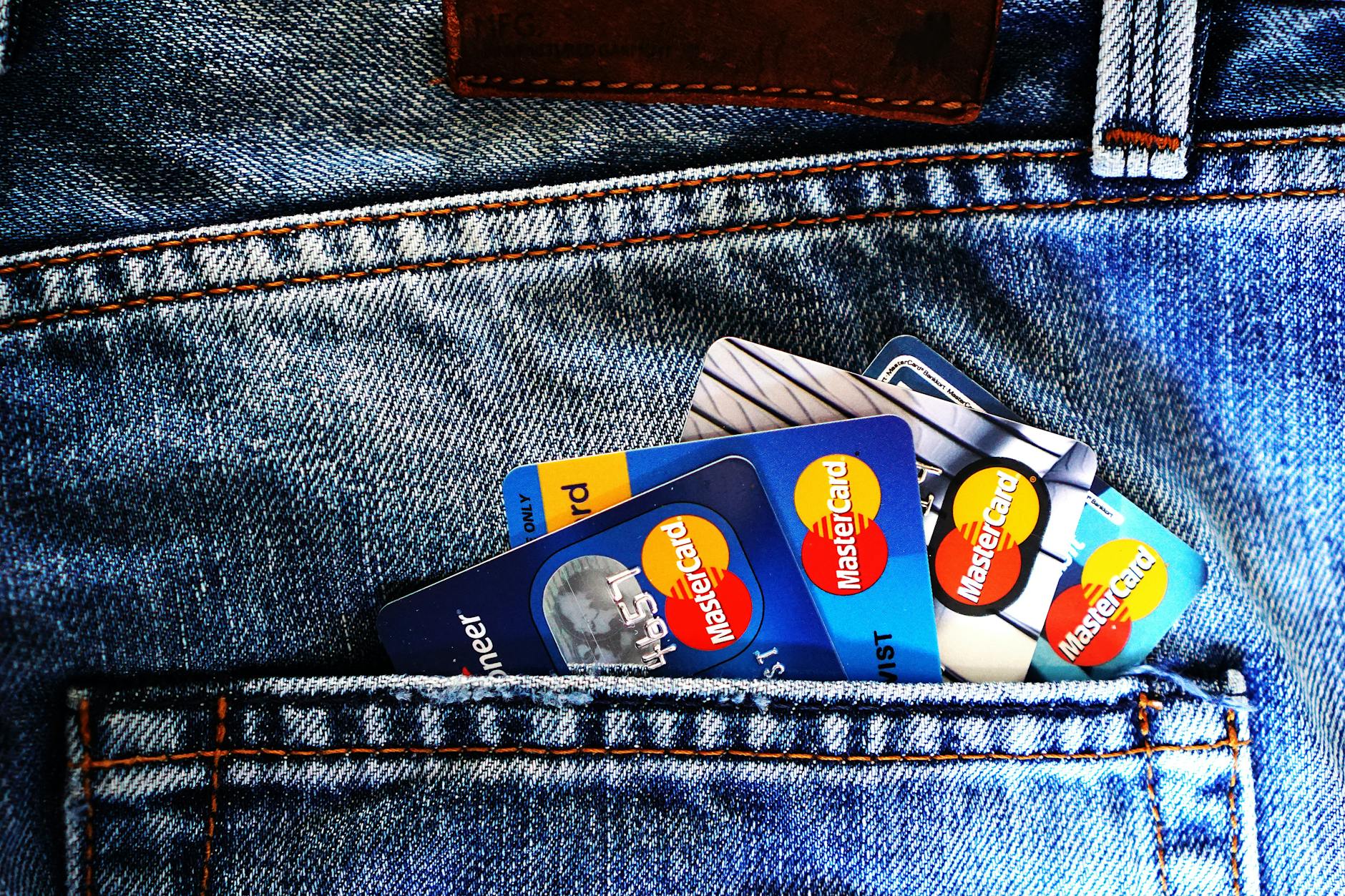
When a shopper pays with a credit or debit card, the transaction data passes through networks that are often shared with or sold to retail analytics firms. These firms aggregate purchase behavior across multiple retailers to construct a comprehensive spending profile far broader than any single store could generate independently. Card-linked offer programs take this a step further by explicitly attaching promotional rewards to specific cards in exchange for transaction visibility. Many cardholders accept these terms without fully reading the data-sharing provisions involved.
Social Listening
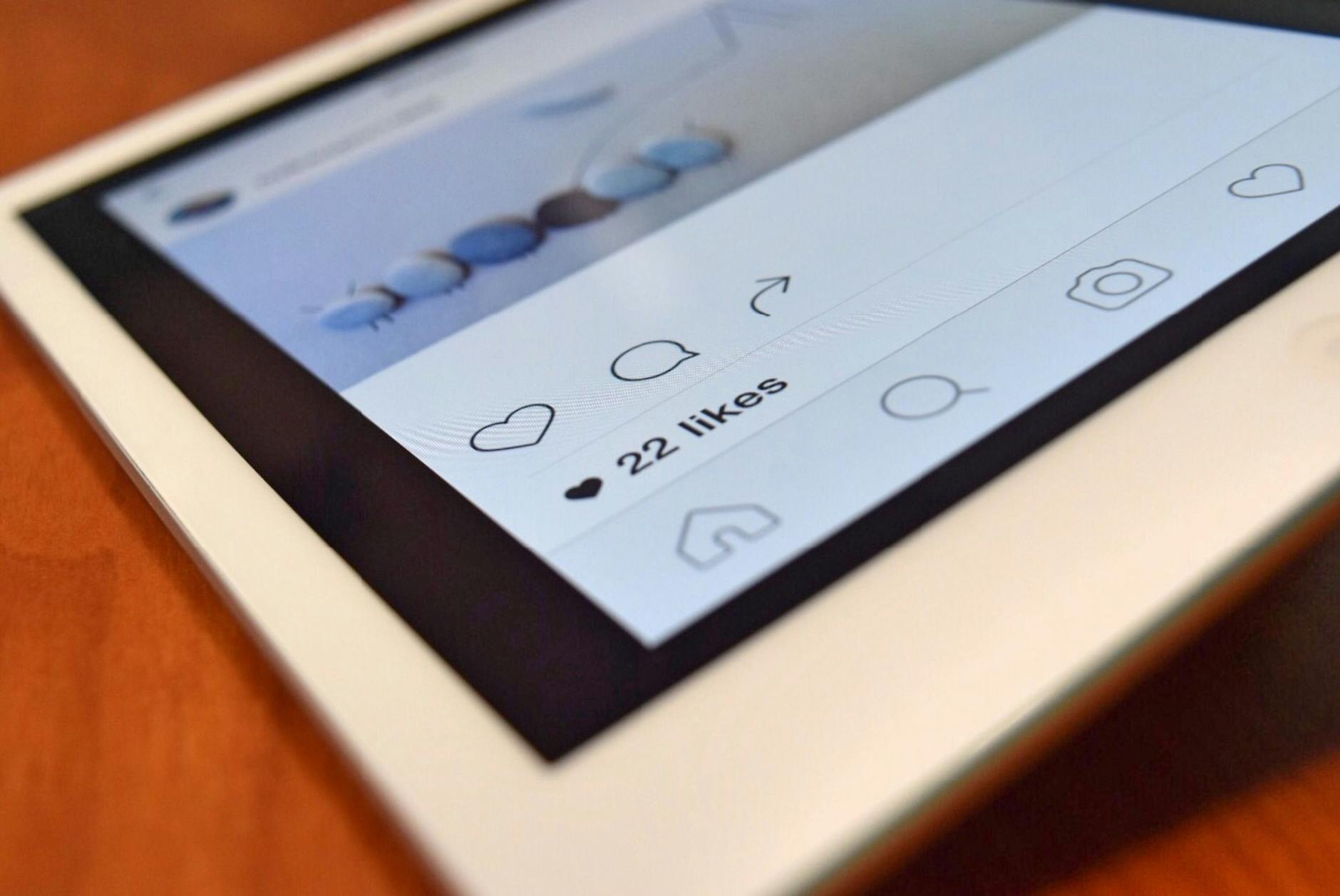
Major retailers invest in social media monitoring tools that track mentions of their brand, products, and competitors across public platforms. When customers discuss a purchase decision, complain about a product, or ask for recommendations online, that data is captured and analyzed at scale. Sentiment analysis software categorizes feedback and links it to broader consumer trend patterns. This intelligence informs product development decisions, promotional messaging, and even customer service response priorities.
Product Scanning
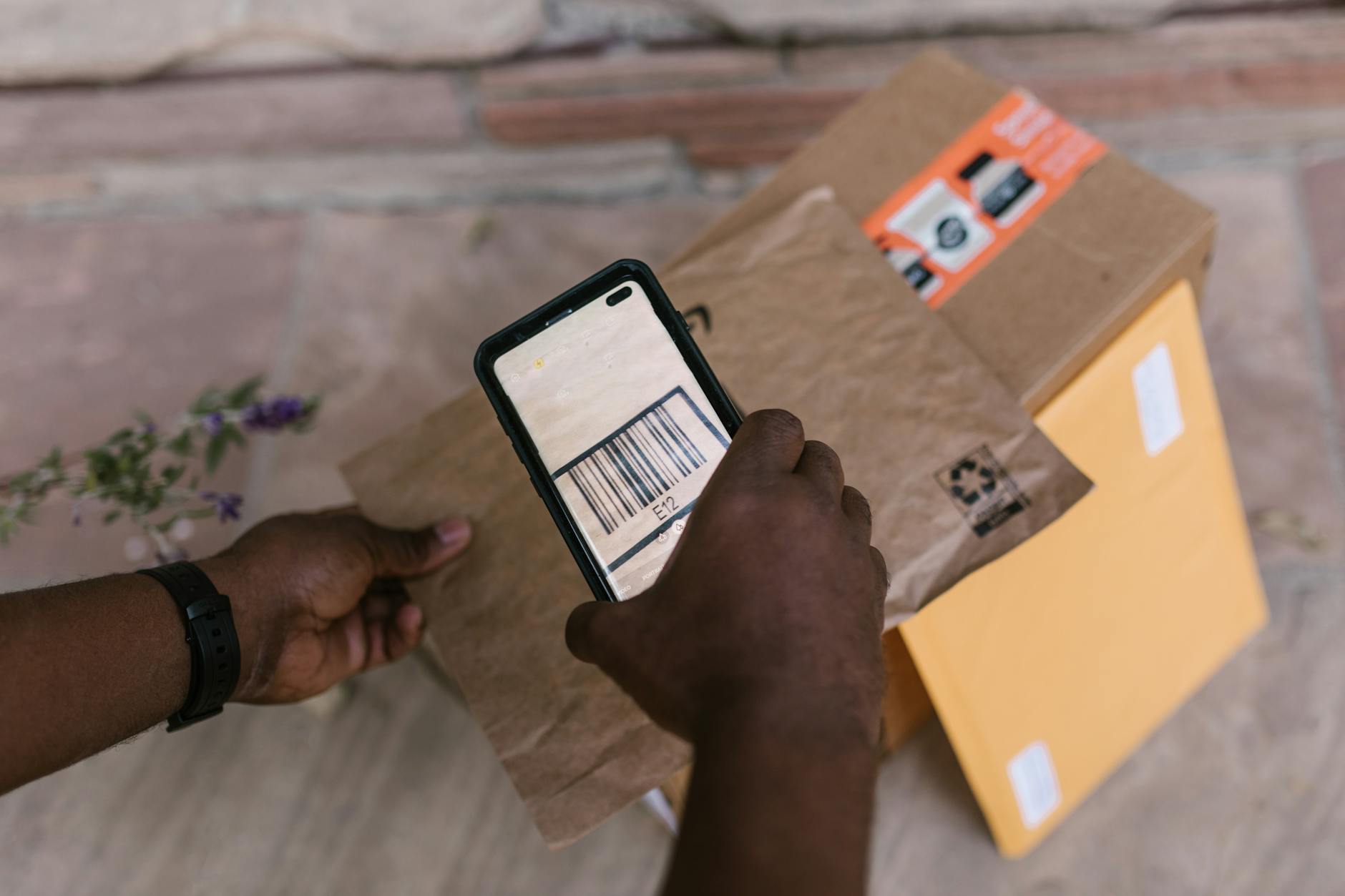
Many retail apps encourage customers to scan barcodes while shopping in-store, ostensibly to check prices or access product information. Each scan is recorded as a strong intent signal indicating that a specific shopper considered a specific product at a specific moment. This data is used to refine the recommendations that appear on the app’s home screen and in subsequent email campaigns. Retailers also use aggregate scanning data to measure which products generate curiosity before shelf selection, independent of actual sales figures.
Smart Carts
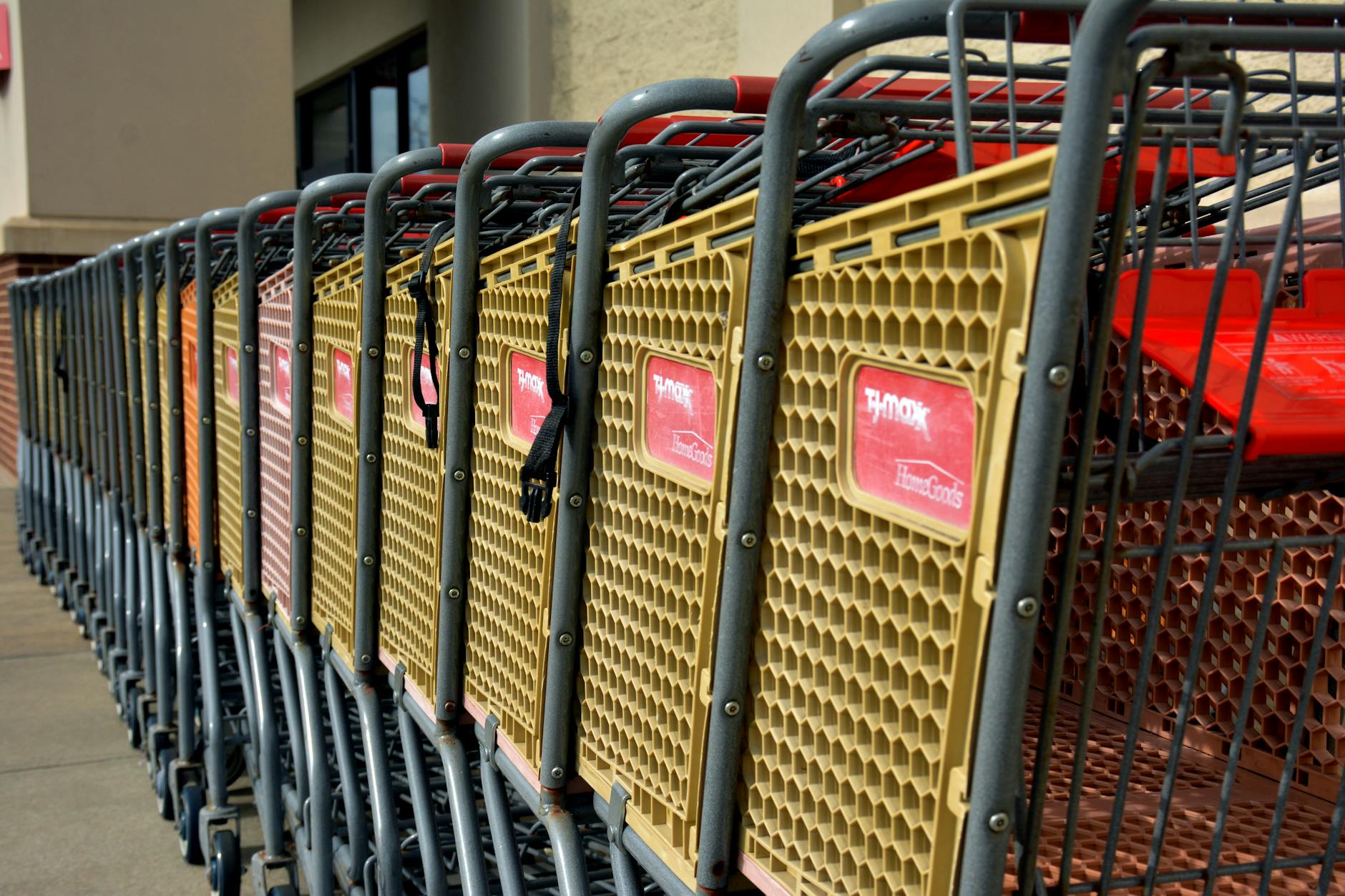
A growing number of retailers are rolling out shopping carts equipped with screens, cameras, and sensors that track items as they are placed inside. These carts are connected to the store’s inventory and loyalty systems, allowing real-time personalized offers to appear on the cart screen based on what is already in the basket. The camera technology can also capture data about which surrounding products the shopper examines during the trip. All interaction data from a smart cart session is stored and added to the individual’s cumulative purchase profile.
Receipt Analysis
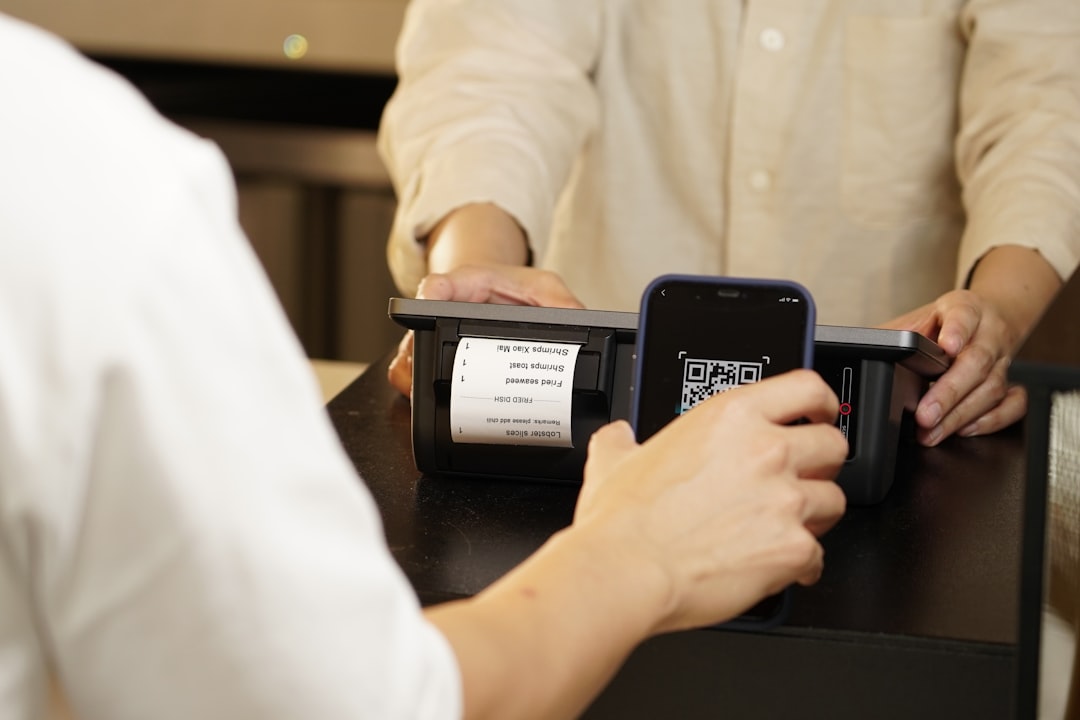
Digital receipts sent via email or app contain embedded tracking data that connects in-store purchases to online customer profiles. Retailers that offer receipt-scanning rewards programs gain visibility into purchases made at competing stores when customers voluntarily upload their receipts. Some programs use optical character recognition to extract detailed item-level data from paper receipts, building cross-retailer spending profiles with a high degree of accuracy. This holistic view of a shopper’s total spending behavior is considered among the most valuable datasets in modern retail analytics.
Have you noticed any of these tactics in action the next time you shop? Share your thoughts in the comments.




