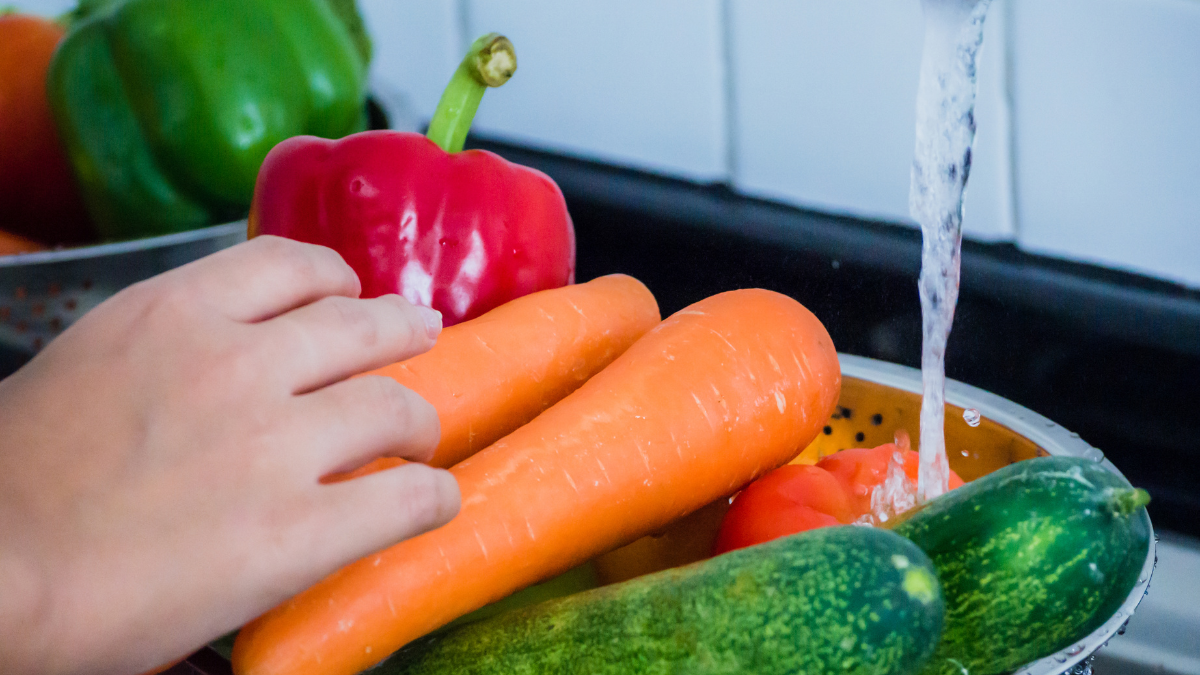
Fresh produce travels through multiple hands, storage facilities, and transportation systems before it ever reaches your kitchen. Bacteria, pesticide residues, and environmental contaminants can cling to surfaces in ways that are invisible to the naked eye. Rinsing food properly before preparation is one of the simplest and most effective steps you can take to protect your household’s health. The following foods are among the most important to wash without exception, no matter where they come from or how clean they appear.
Strawberries
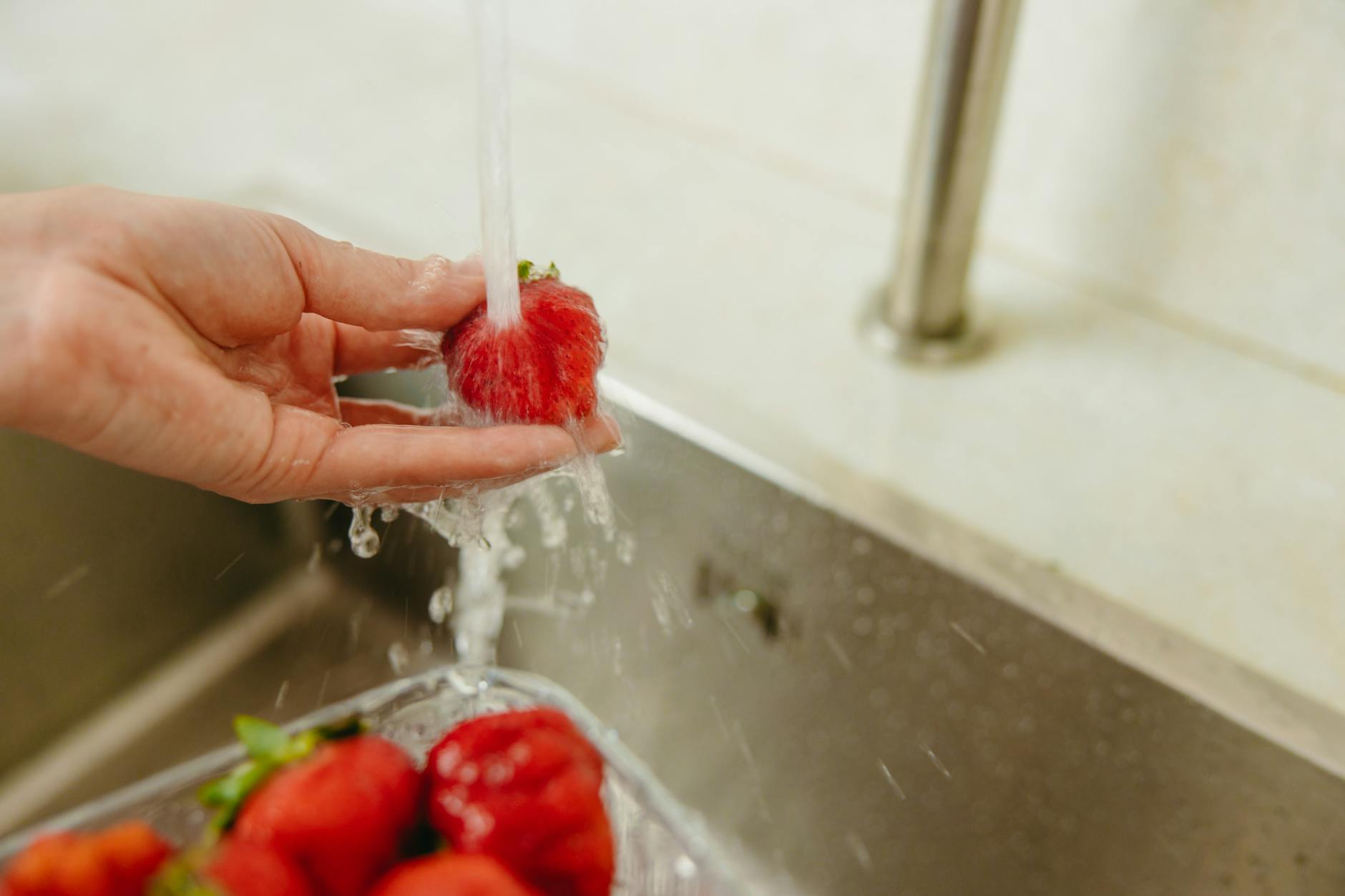
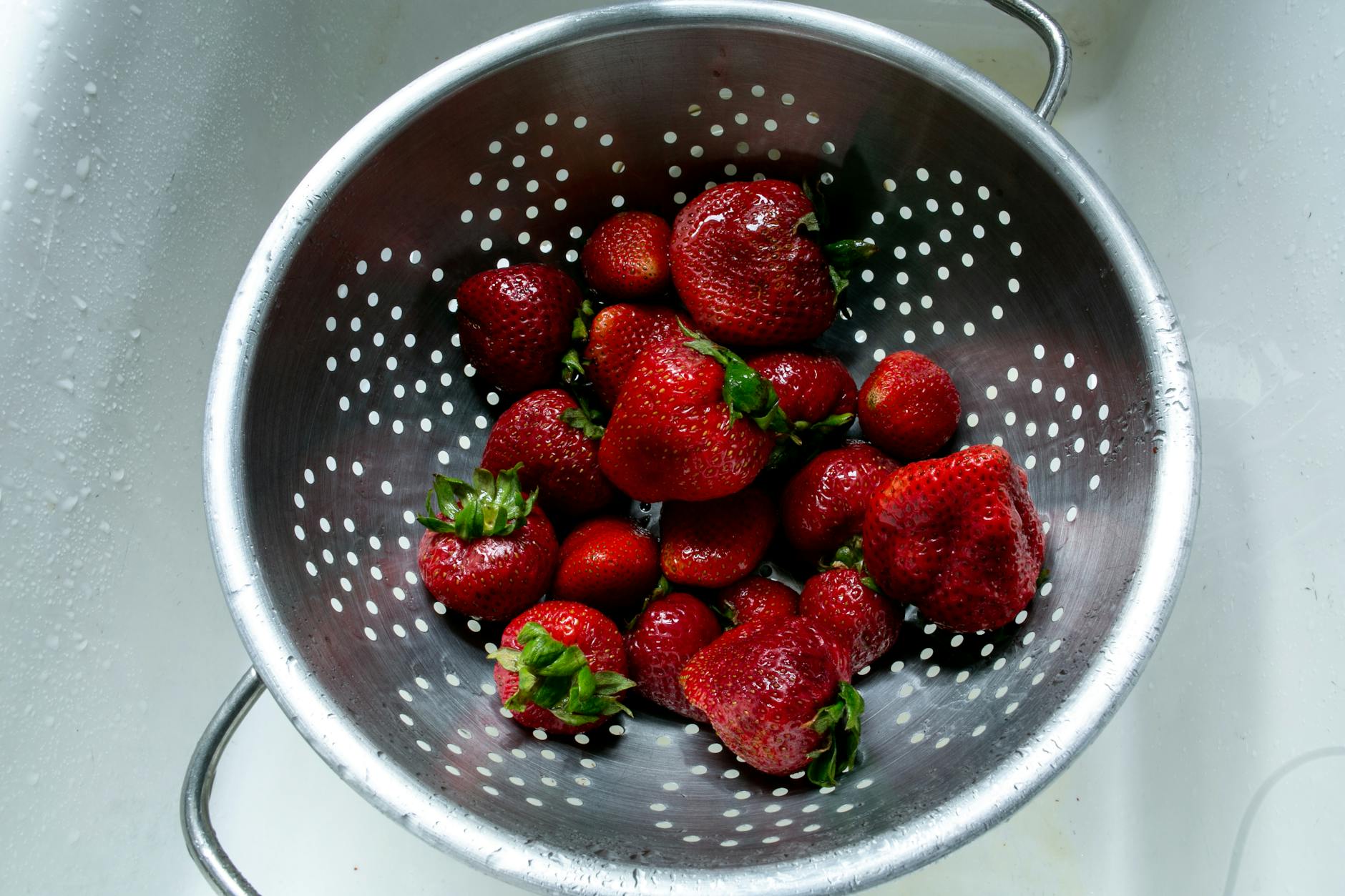
Strawberries have a textured, porous surface that traps pesticide residues and dirt with surprising efficiency. They are among the most heavily sprayed crops in conventional agriculture and consistently appear at the top of pesticide monitoring reports. A thorough rinse under cool running water just before eating helps remove surface contaminants without accelerating spoilage. Washing them too early can introduce moisture that speeds up mold growth, so timing matters. Pat them dry gently with a clean cloth after rinsing for best results.
Spinach
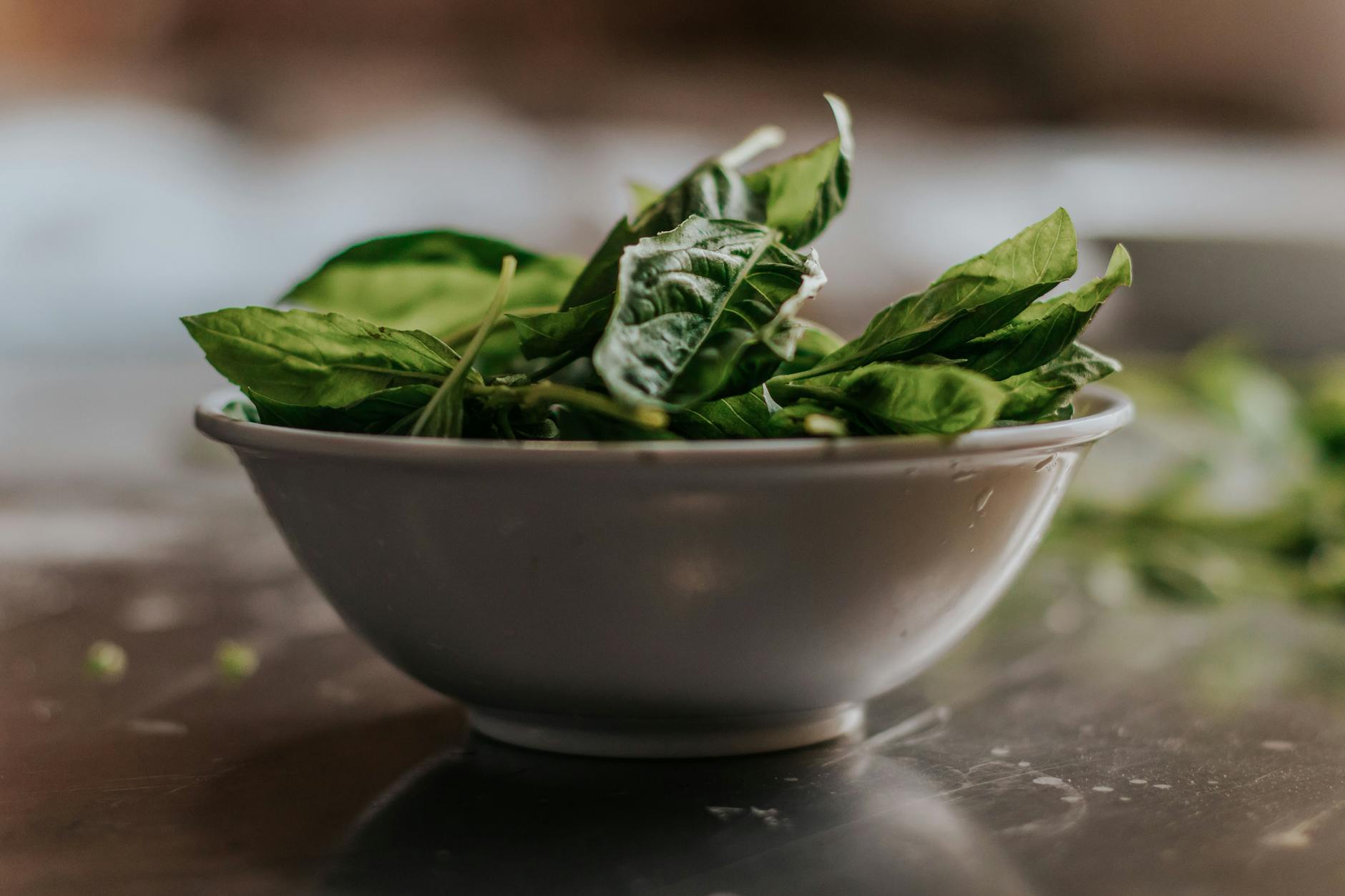
Spinach leaves grow close to the soil and collect dirt, sand, and microbial residues throughout their growth cycle. The flat, slightly wrinkled surface of each leaf creates numerous spots where bacteria and debris can hide. Multiple rinses in a colander under running water are often necessary to fully clean a fresh bunch. Bagged spinach labeled “pre-washed” still benefits from an additional rinse at home as studies have found contamination in ready-to-eat varieties. Drying the leaves with a salad spinner helps preserve texture for salads and cooked dishes.
Apples
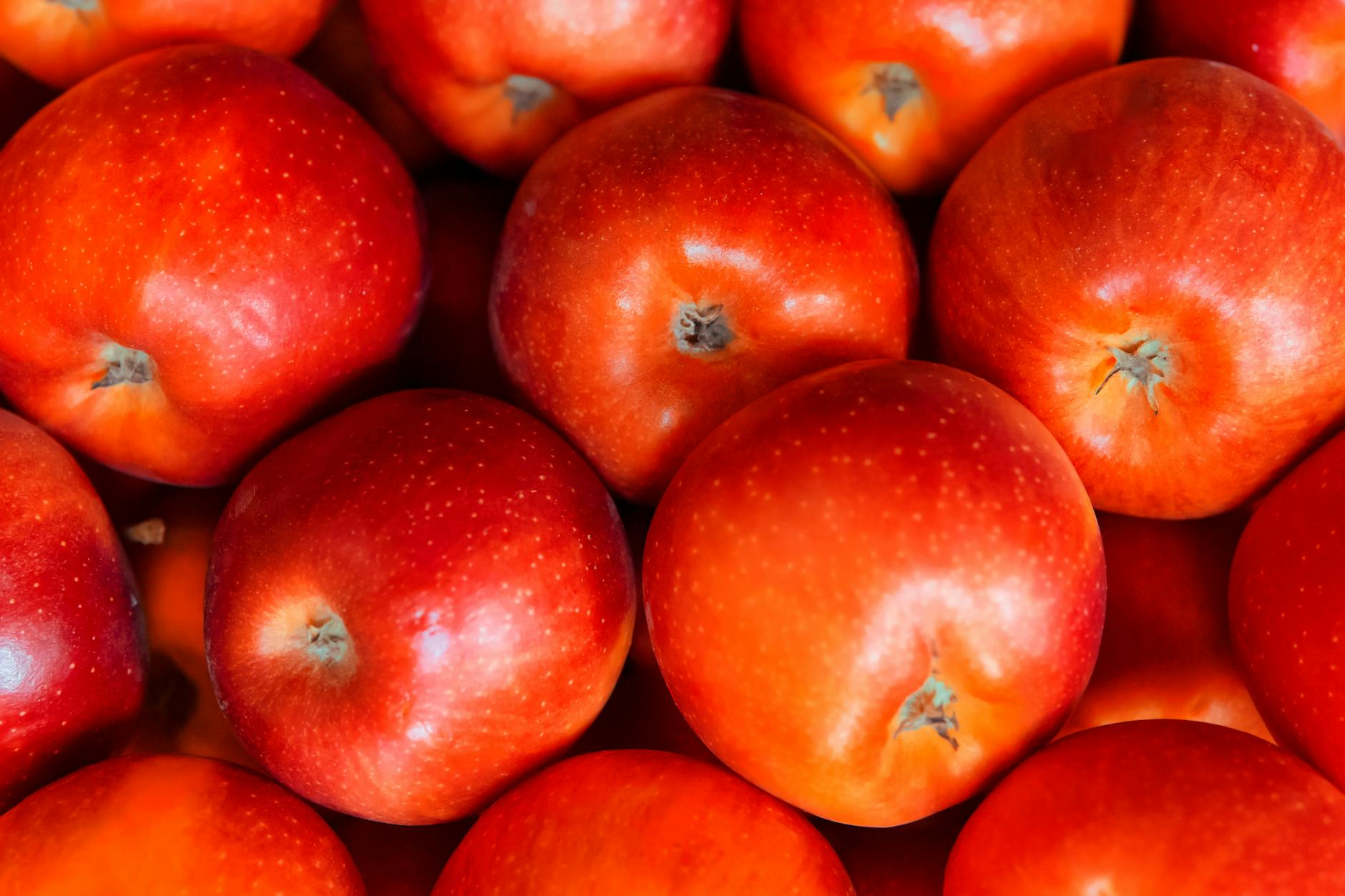
Apples are routinely coated with food-grade waxes after harvest to extend shelf life and enhance visual appeal in stores. These coatings can trap pesticide residues and environmental dust on the skin’s surface. Rubbing each apple firmly under warm running water for at least thirty seconds helps remove wax and surface contaminants effectively. A soft produce brush can improve cleaning results, particularly around the stem and base where residue tends to accumulate. Washing is important even when the skin will not be eaten, as cutting through an unwashed surface transfers bacteria to the flesh.
Grapes
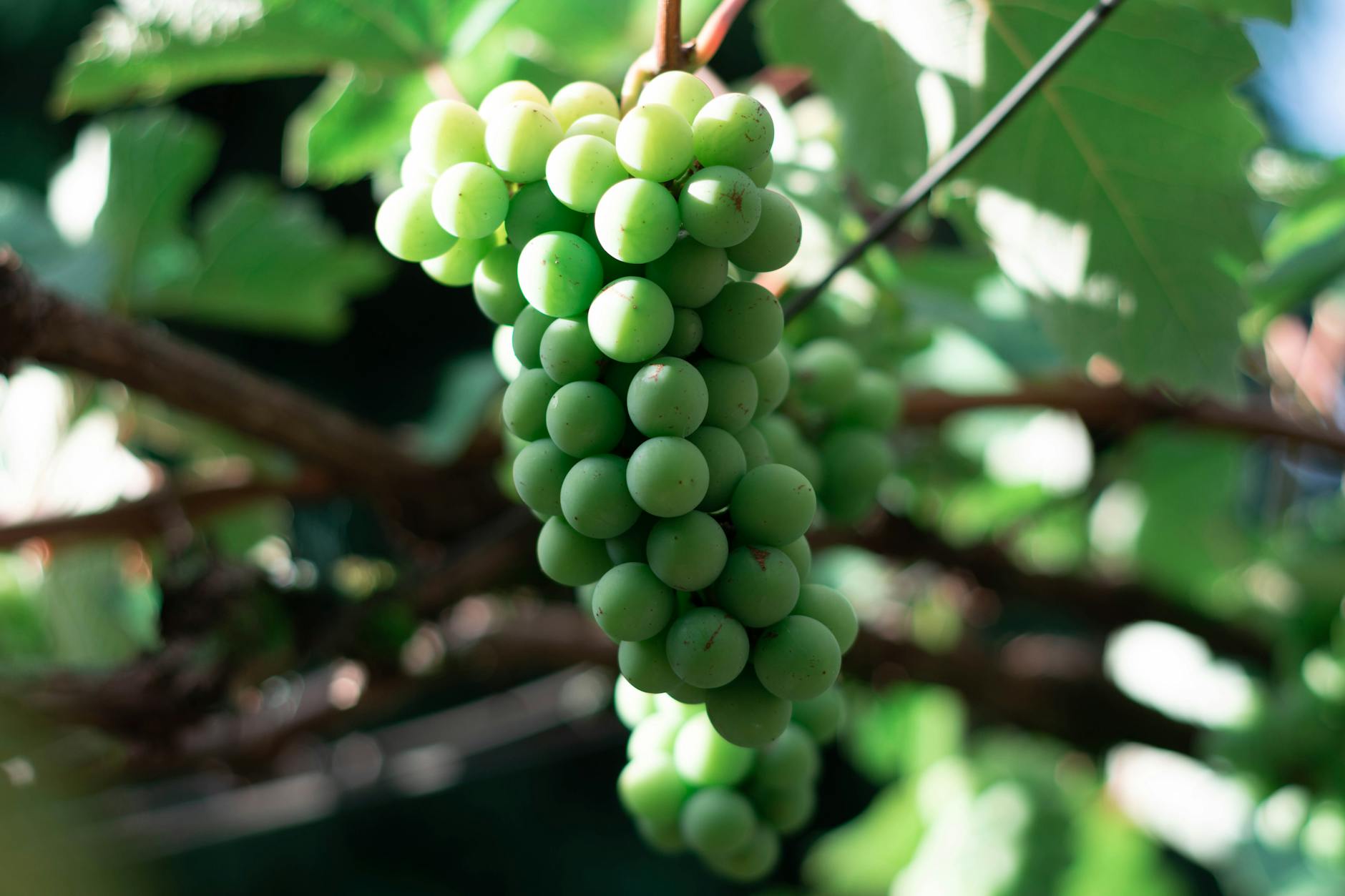
Grapes grow in dense clusters that create sheltered pockets where moisture, mold spores, and pesticide residue accumulate. They are another fruit that regularly appears on high-pesticide lists in food safety monitoring across multiple countries. Rinsing the entire bunch under cool running water while gently agitating the grapes helps dislodge surface residues. Soaking briefly in a water and baking soda solution has been shown in research to further reduce pesticide levels on the skin. Always wash grapes immediately before eating rather than before storing to prevent premature softening.
Bell Peppers
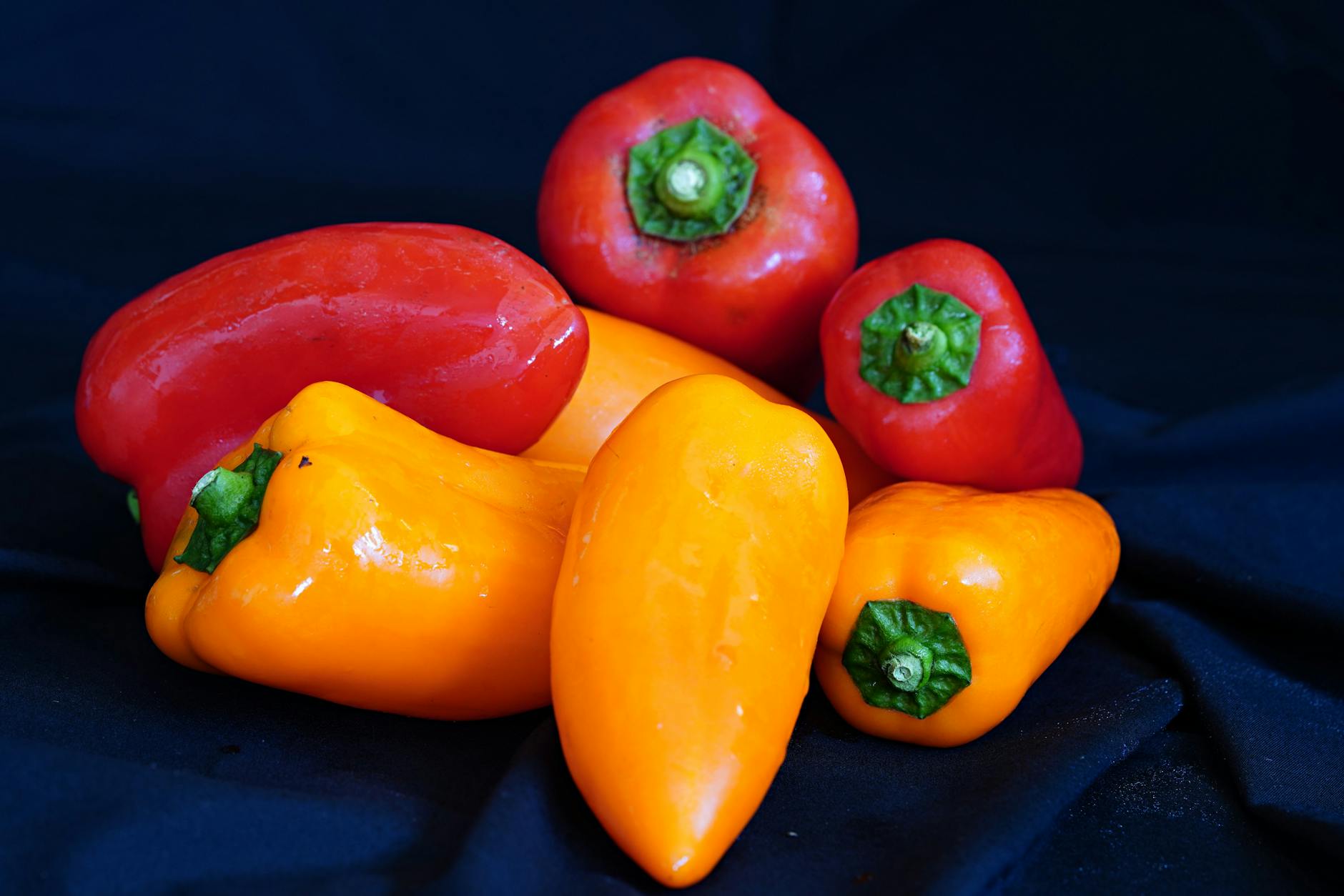
Bell peppers have a smooth, waxy surface that retains pesticide sprays applied during their growing period. Their curved shape and the area around the stem are particularly prone to collecting dirt and chemical residues. Rinsing under cool running water while rubbing the entire surface with clean hands is an effective baseline cleaning method. Produce brushes can be helpful around the ridges and stem cavity where buildup is most likely to concentrate. This applies to all color varieties as they share the same growing and harvesting conditions.
Cucumbers
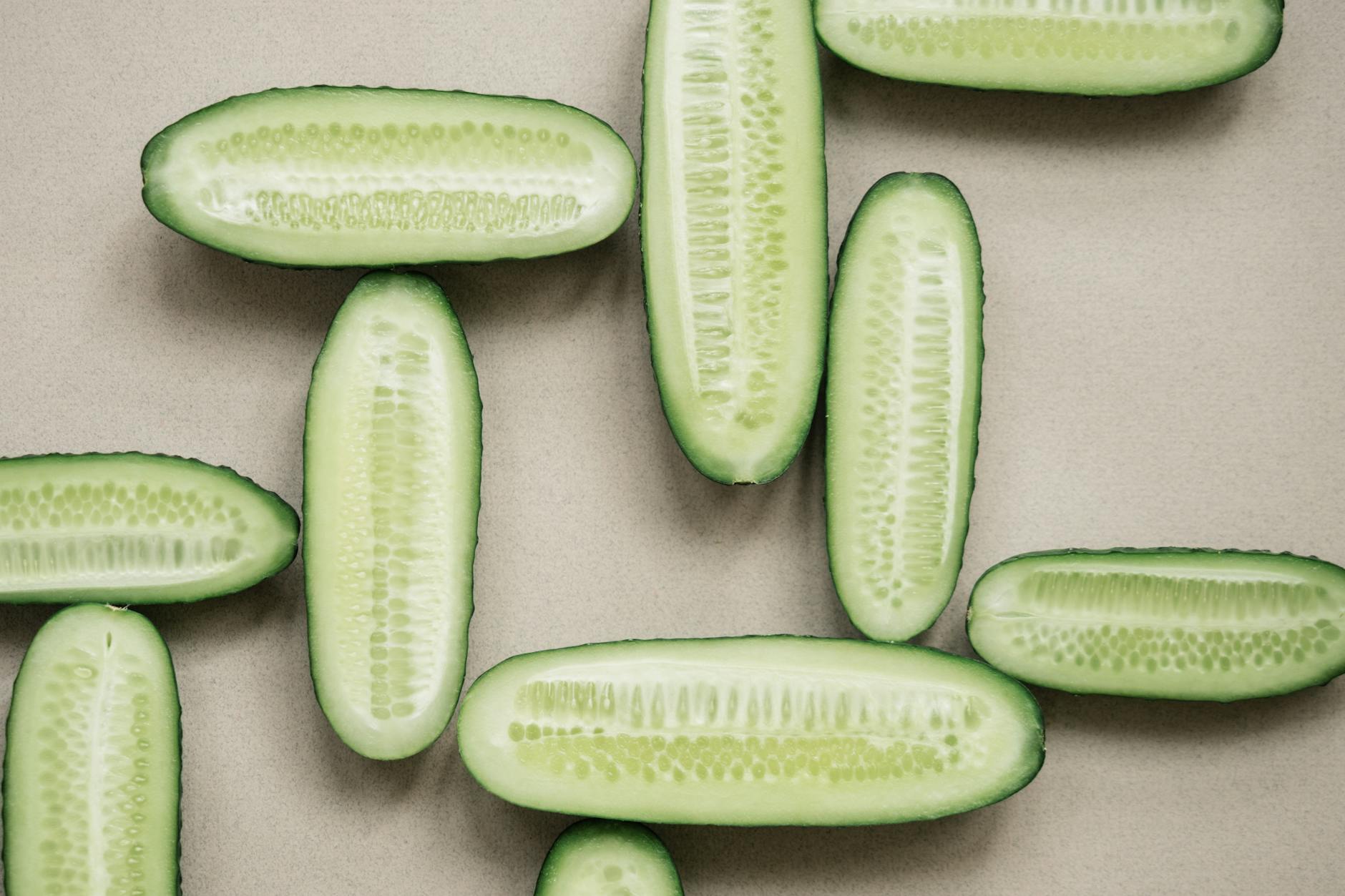
Commercially grown cucumbers are typically coated with a food-grade wax to preserve freshness during long-distance transportation. This coating can seal in pesticide residues and make a simple visual inspection entirely misleading as a cleanliness measure. Scrubbing cucumbers under running water with a firm produce brush removes wax and surface dirt more effectively than rinsing alone. Even organic cucumbers benefit from thorough washing due to potential soil contamination and handling during packaging. The skin is nutritious and worth retaining, making proper cleaning especially worthwhile.
Tomatoes
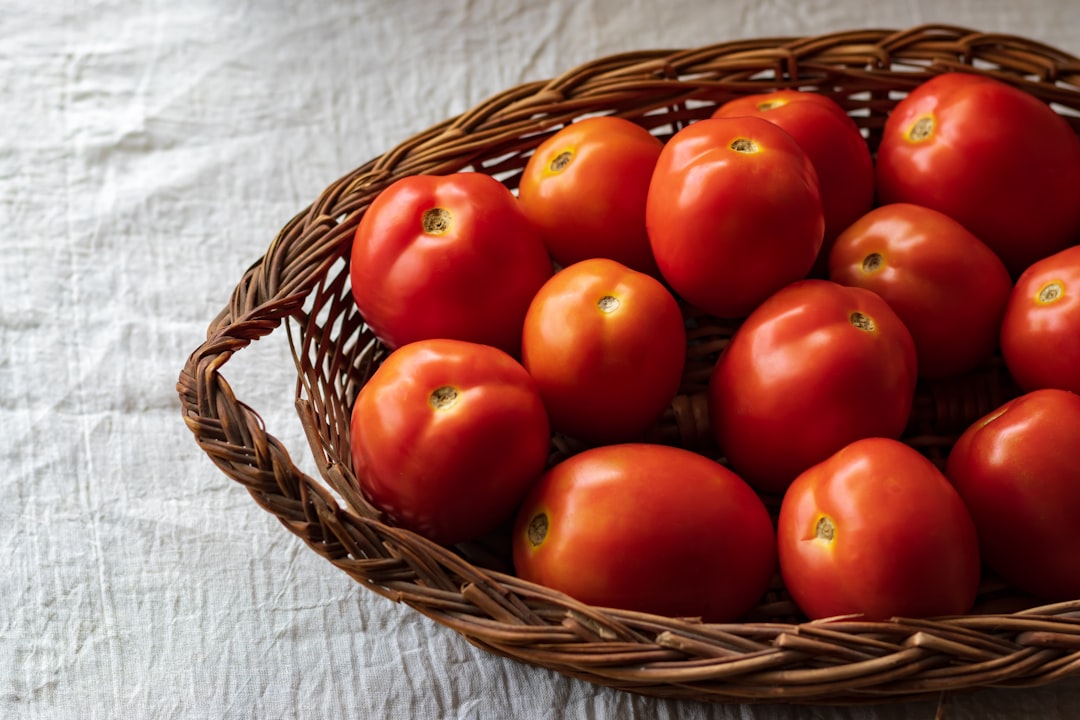
Tomatoes are handled extensively from the moment they are harvested through sorting, packing, and retail display. Their thin skin does not provide significant protection against surface bacteria introduced through contact and handling. Rinsing tomatoes under cool water while gently rubbing the surface removes the majority of harmful residues and microorganisms. The area around the stem should receive particular attention as dirt and bacteria tend to collect in that small indentation. This applies equally to cherry tomatoes, which should be rinsed in a colander as a group.
Lettuce
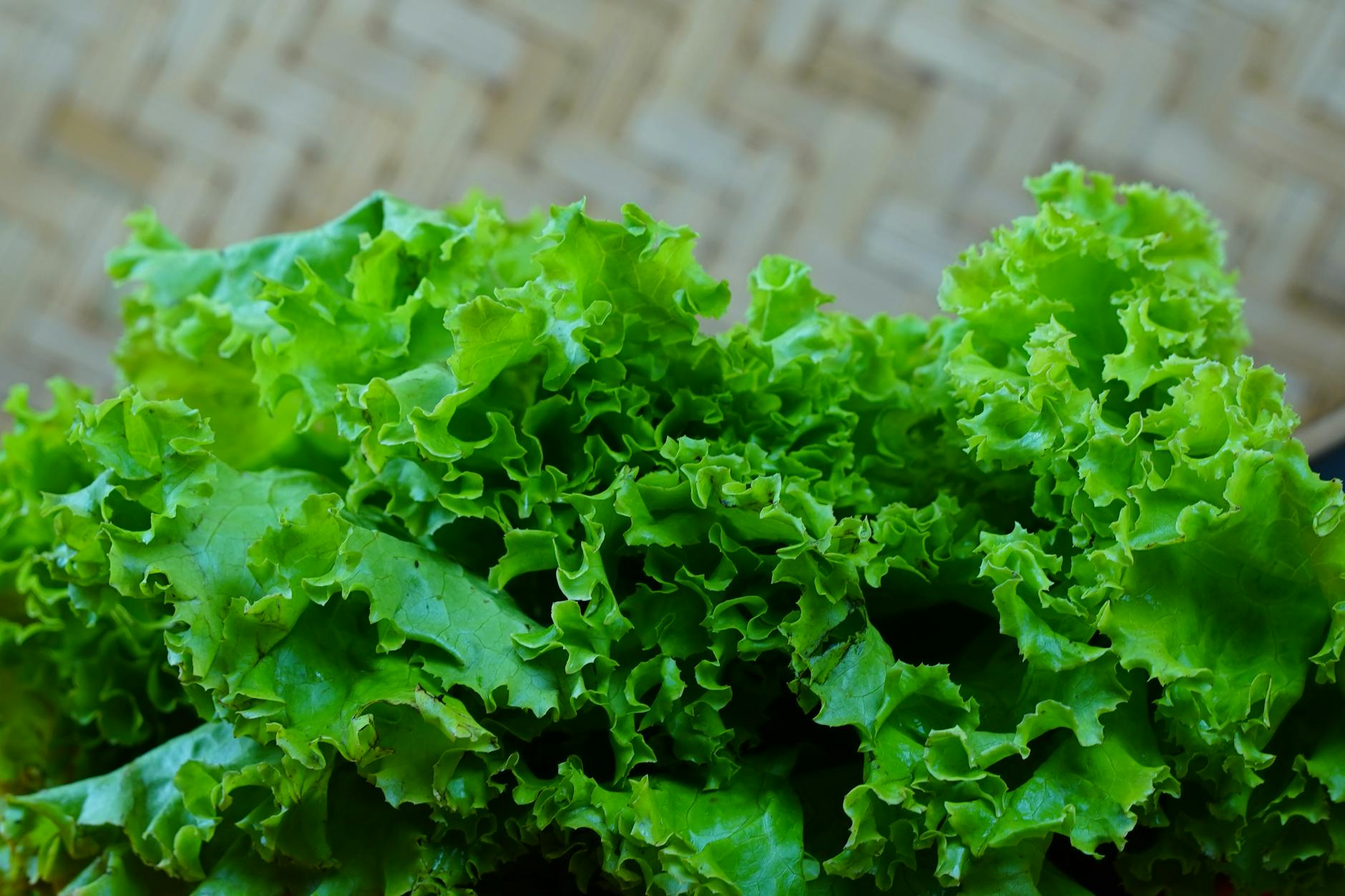
Loose-leaf lettuce varieties accumulate soil particles between their layers due to the way they grow directly from open ground. Even triple-washed bagged varieties can harbor residual bacteria such as E. coli and listeria according to food safety research. Separating individual leaves and rinsing each one under running water provides a more thorough clean than washing the whole head at once. A salad spinner removes excess water efficiently and helps dressings adhere better during preparation. Washing lettuce immediately before use preserves crispness and prevents the wilting that comes with premature moisture exposure.
Peaches
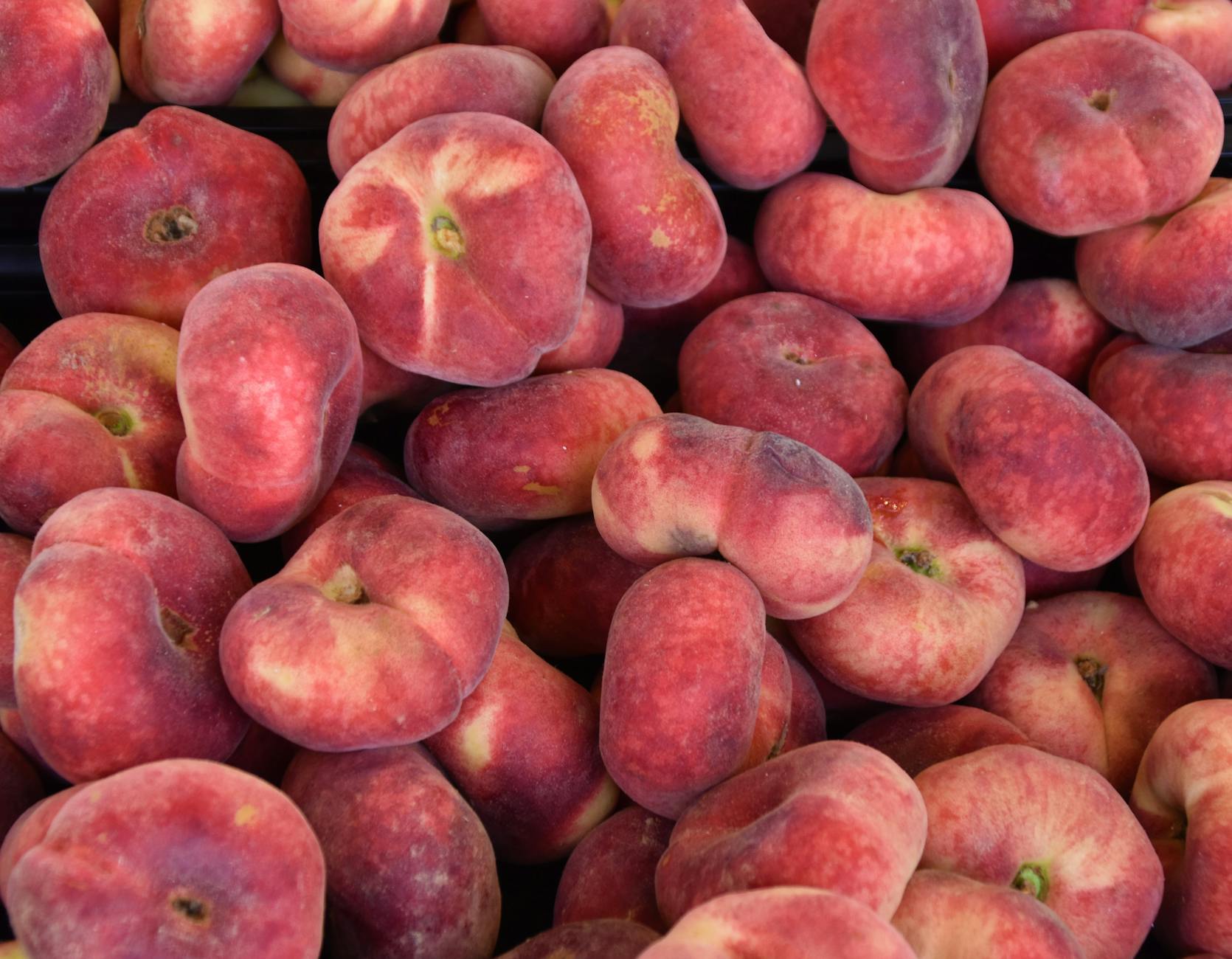
Peaches have a soft, fuzzy skin that acts almost like a filter, catching pesticide particles and environmental dust with high efficiency. They are one of the most pesticide-intensive tree fruits in conventional agricultural production. Rinsing under cool running water while gently rubbing the entire surface for at least twenty seconds removes the bulk of surface contaminants. A very soft brush can be used carefully on the skin without bruising the flesh. Organic peaches still require washing due to natural soil bacteria and handling residues present even on certified produce.
Celery
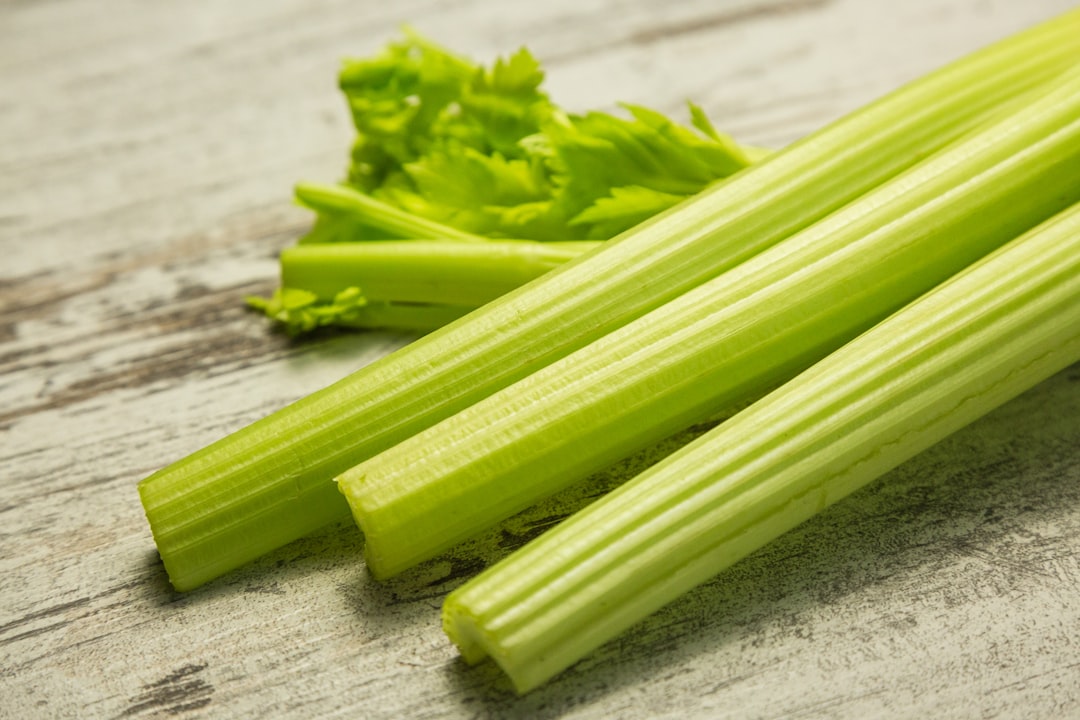
Celery stalks have deep ridges running along their length that provide ideal hiding places for soil, bacteria, and pesticide residue. It is consistently ranked among the vegetables with the highest pesticide detection rates in food monitoring programs worldwide. Separating individual stalks before washing allows water to reach the full surface area of each piece. Running each stalk under water while scrubbing gently with a produce brush is more effective than rinsing the whole bunch together. The leaves at the top should also be thoroughly rinsed as they are edible and frequently overlooked during washing.
Blueberries
Blueberries are small and delicate, which makes thorough washing feel unnecessary but actually makes it more important. Their clustered growing conditions and proximity to soil mean they are exposed to multiple sources of microbial contamination before harvest. Placing them in a colander and rinsing under a gentle stream of cool water while tossing lightly provides adequate surface cleaning. Soaking in a diluted vinegar solution for a few minutes before rinsing has been shown to reduce surface bacteria and mold spores effectively. Washing just before eating rather than before refrigeration keeps the berries firmer for longer.
Potatoes
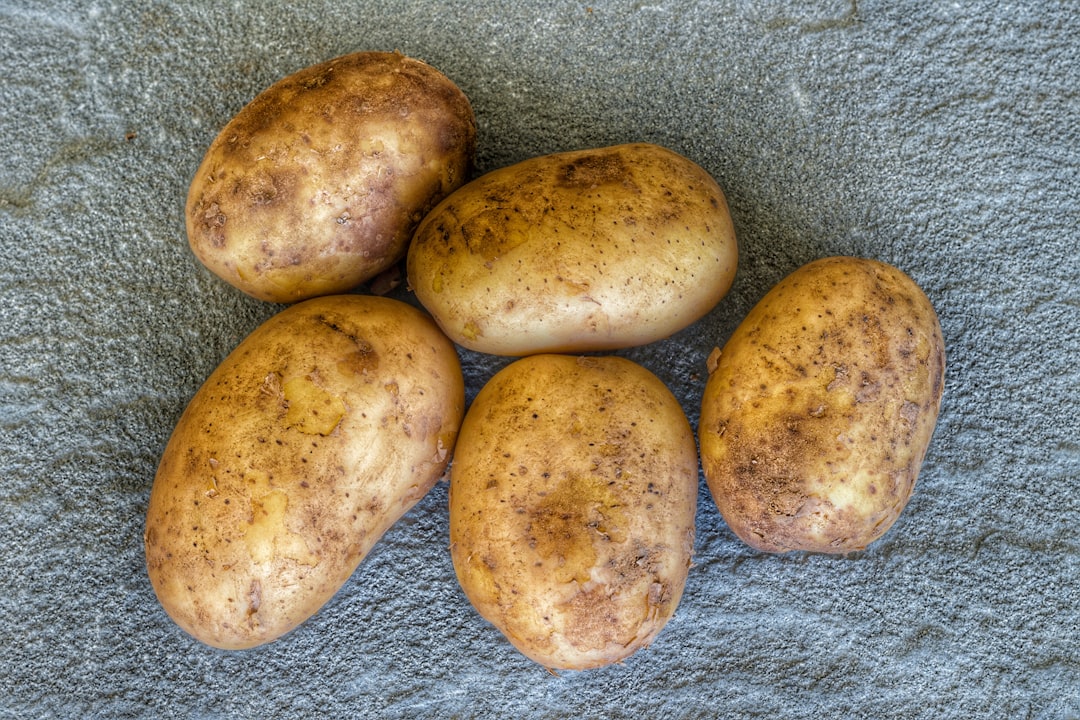
Potatoes grow entirely underground and arrive at the kitchen carrying significant amounts of soil on their surface. Even pre-washed commercial varieties retain enough residual dirt to warrant a second rinse before cooking. Scrubbing potatoes under running water with a firm brush removes embedded soil, particularly in the shallow eyes across the skin. This step is especially important when the skin will be eaten, as in roasted or boiled preparations where the peel is left intact. Washing also removes any remaining pesticide residues that soil-grown crops can absorb from treated ground.
Cherries
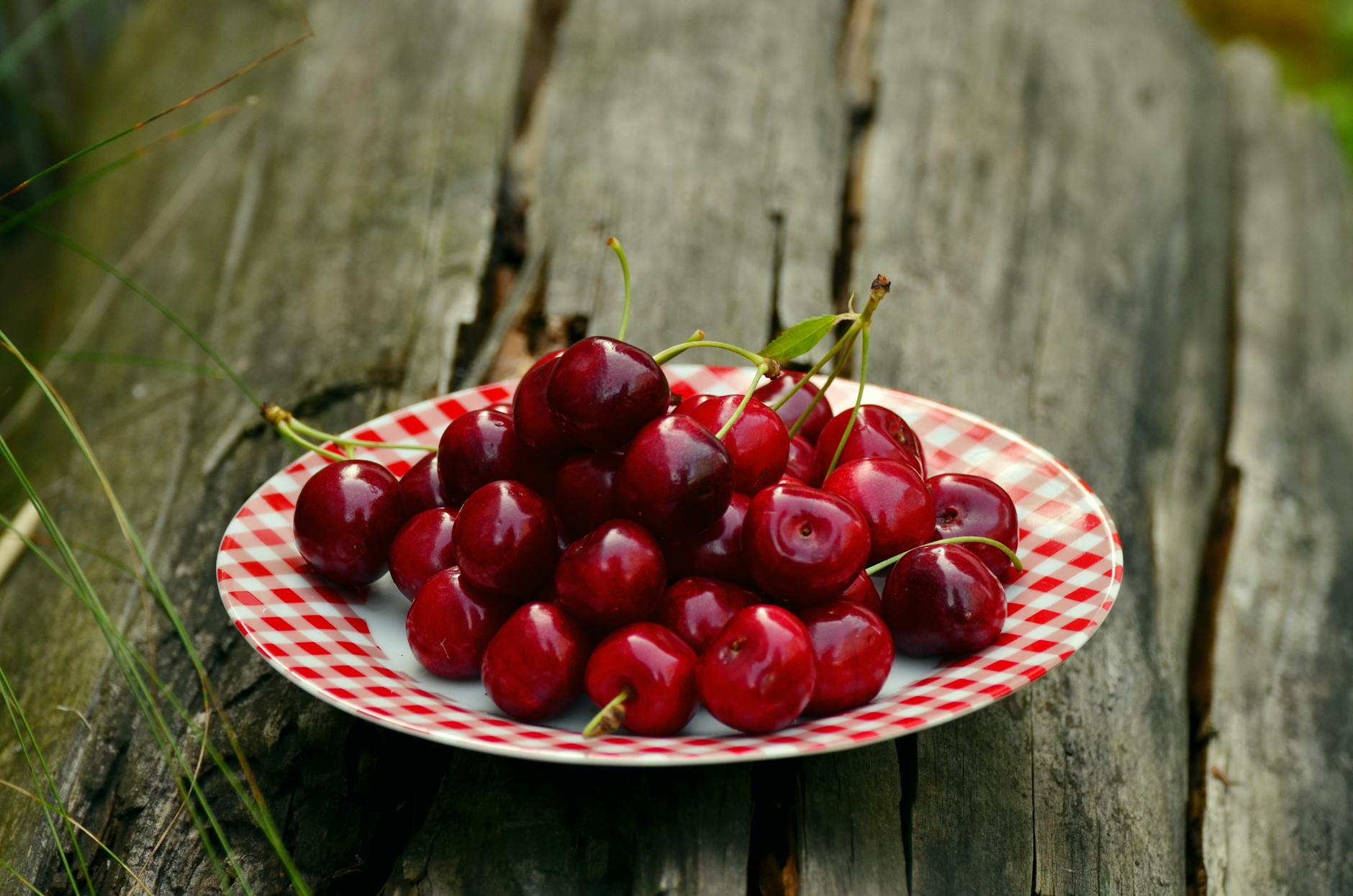
Cherries are harvested in large quantities and pass through shared machinery and multiple handling points that introduce bacterial contamination risk. Their smooth skin can carry pesticide residue that rinses off easily with the right approach. Placing cherries in a colander and rinsing under cool running water while moving them around ensures complete surface exposure. A gentle pat dry with a clean towel removes excess moisture that could dilute flavor or accelerate spoilage. Washing them in small batches rather than all at once allows for more thorough and even rinsing.
Kale
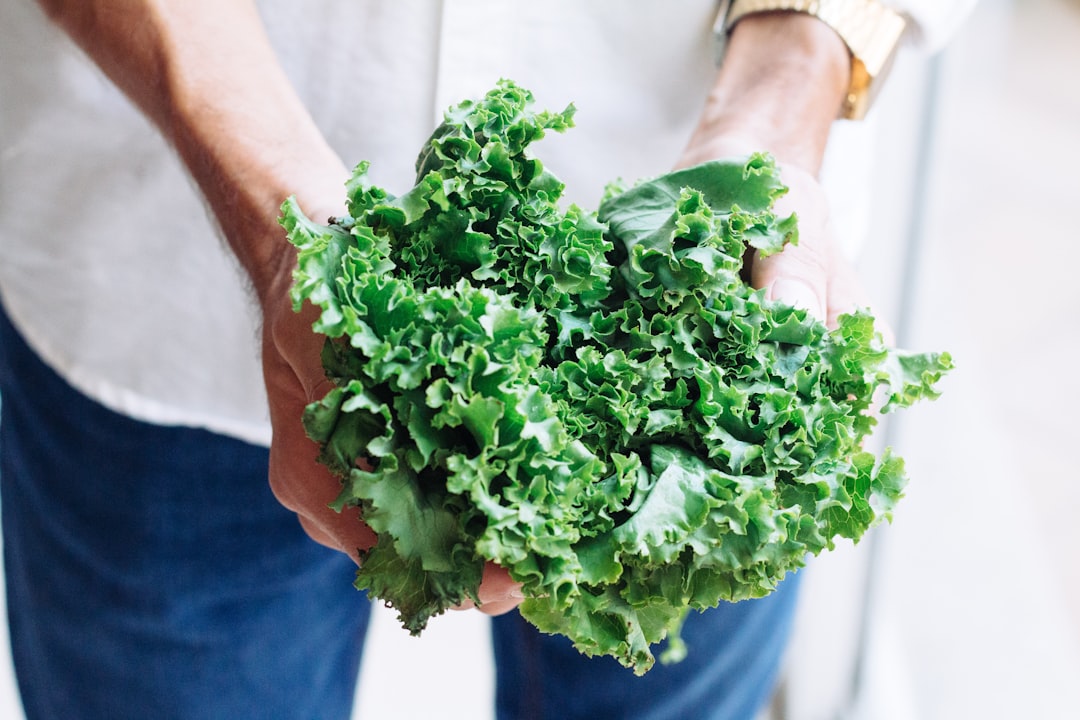
Kale has a rough, deeply textured leaf surface that is highly efficient at trapping soil, insects, and chemical residues during growth. It is often grown in outdoor conditions with significant soil contact throughout its development. Submerging kale leaves in a bowl of cool water and swishing vigorously helps dislodge debris from the textured surface. Rinsing again under running water after soaking ensures any loosened particles are fully removed. Removing the tough stems before washing allows better water access to the areas where contamination is most concentrated.
Mushrooms
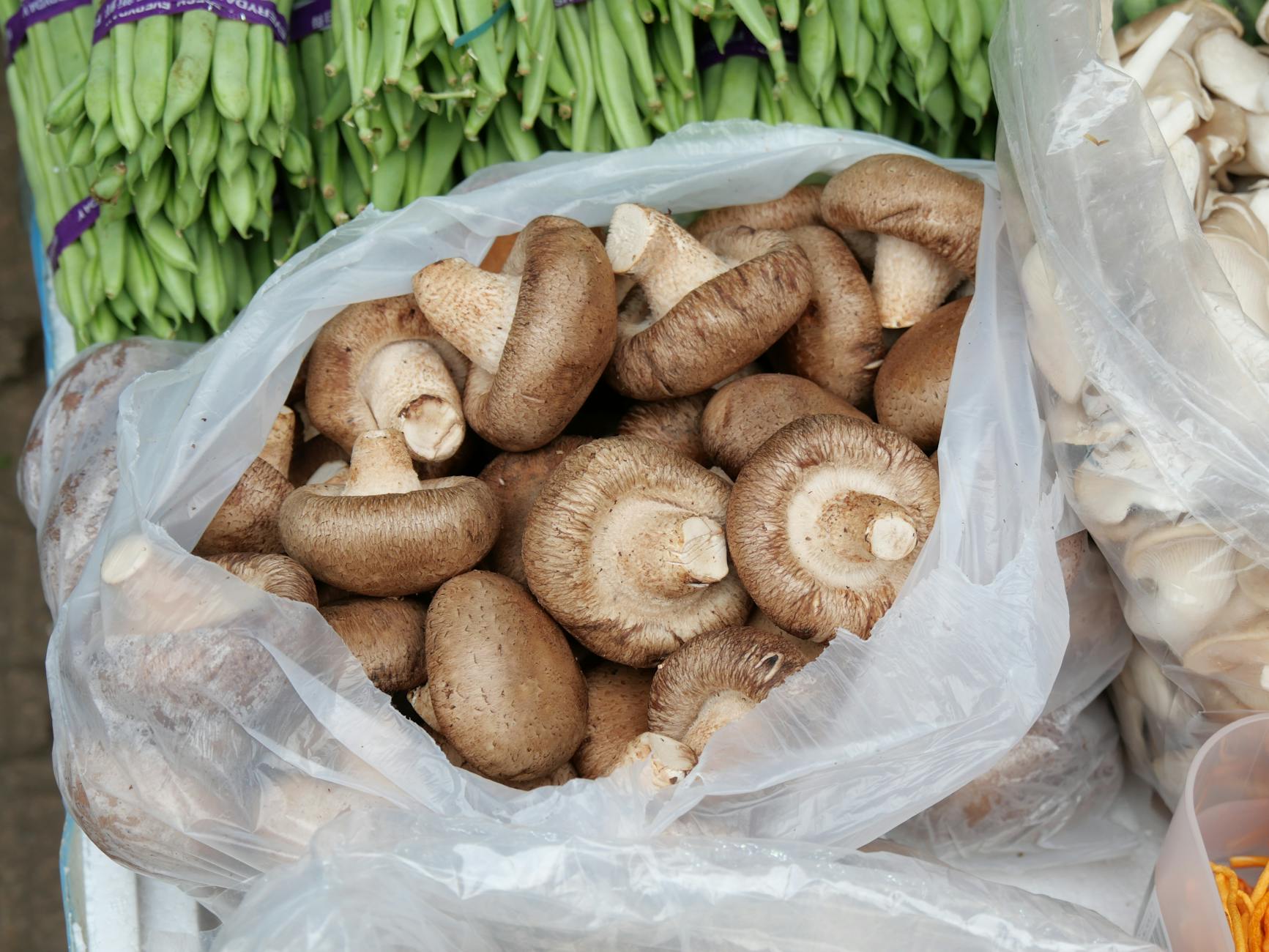
Mushrooms absorb water quickly, which makes many cooks reluctant to wash them but does not eliminate the need to clean them. They grow in substrate materials including compost and wood chips that introduce both soil and microbial contamination to their surfaces. A quick rinse under cool running water immediately before cooking followed by immediate drying with a paper towel is the most effective approach. Wiping each mushroom with a damp cloth is an alternative that limits water absorption while still removing dirt. Mushrooms should never be soaked as prolonged water exposure significantly affects their texture and flavor during cooking.
Raspberries
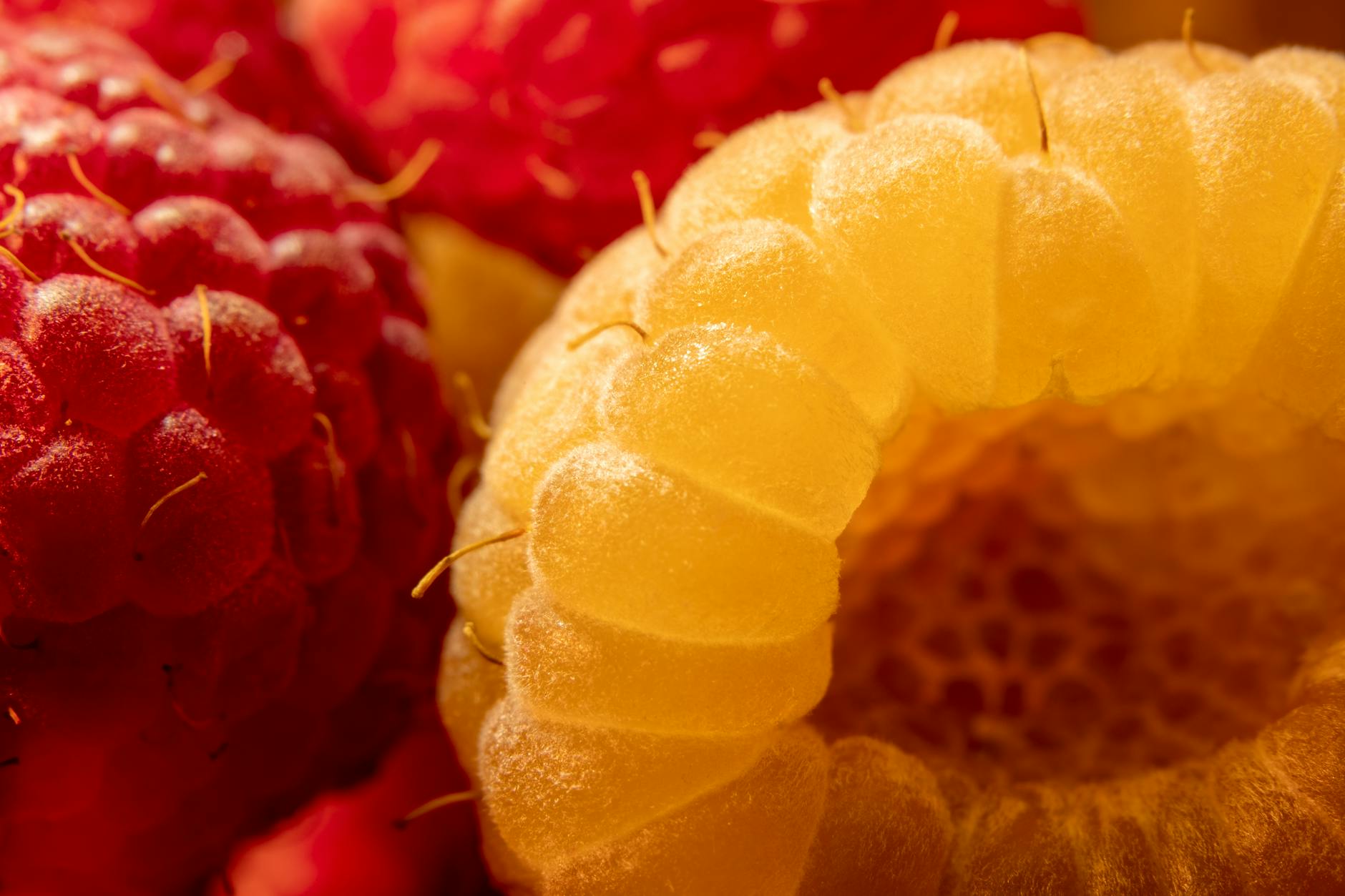
Raspberries have a hollow, deeply creviced structure that makes them exceptionally good at trapping pesticide residue and small insects. They are among the most delicate of all berries, requiring gentle handling during the washing process to prevent crushing. A light rinse in a fine mesh strainer under a slow stream of cool water is sufficient to clean them without damage. Washing should happen immediately before consumption rather than in advance as raspberries deteriorate rapidly once moisture is introduced. Their high pesticide detection rates in food safety testing make thorough washing a consistent priority.
Cantaloupe
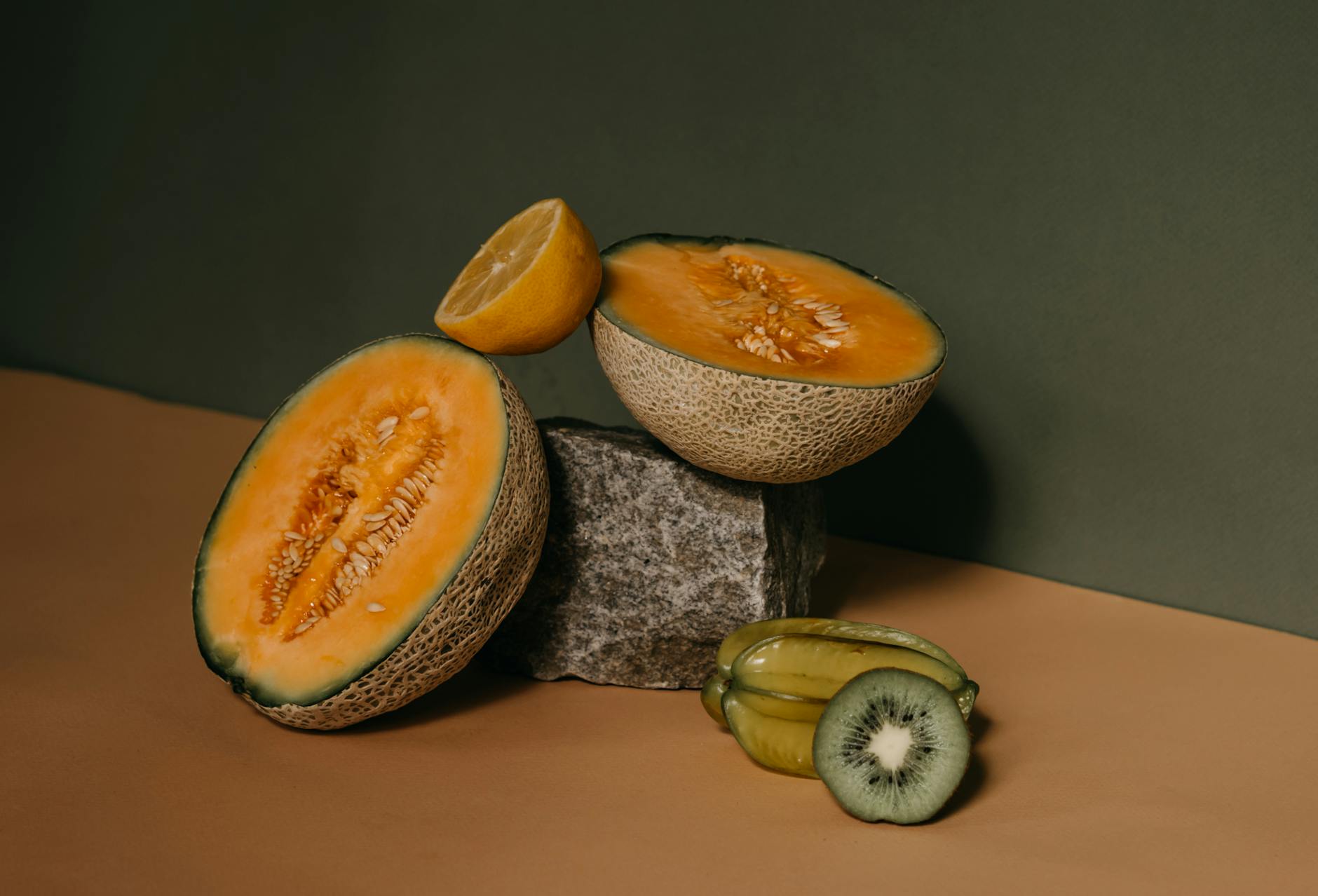
Cantaloupe carries a rough, netted skin that harbors bacteria in its deep surface texture with particular efficiency. Several significant foodborne illness outbreaks involving salmonella have been traced directly to contaminated cantaloupe rinds in recent decades. Because the knife passes through the skin before reaching the flesh during cutting, bacteria on the surface transfer directly to the edible interior. Scrubbing the entire rind under running water with a firm produce brush before cutting significantly reduces this cross-contamination risk. This washing step is non-negotiable regardless of whether the rind itself will be consumed.
Green Beans
Green beans are harvested by hand or machine and spend time in shared collection bins where cross-contamination between individual pods is common. Their smooth surface still retains pesticide residue from sprays applied during the growing season. Rinsing them in a colander under cool running water while tossing them by hand provides adequate surface exposure. Trimming the ends after washing rather than before keeps water from entering the pod and affecting texture. This straightforward step takes less than a minute and significantly reduces the microbial load present on the surface.
Broccoli
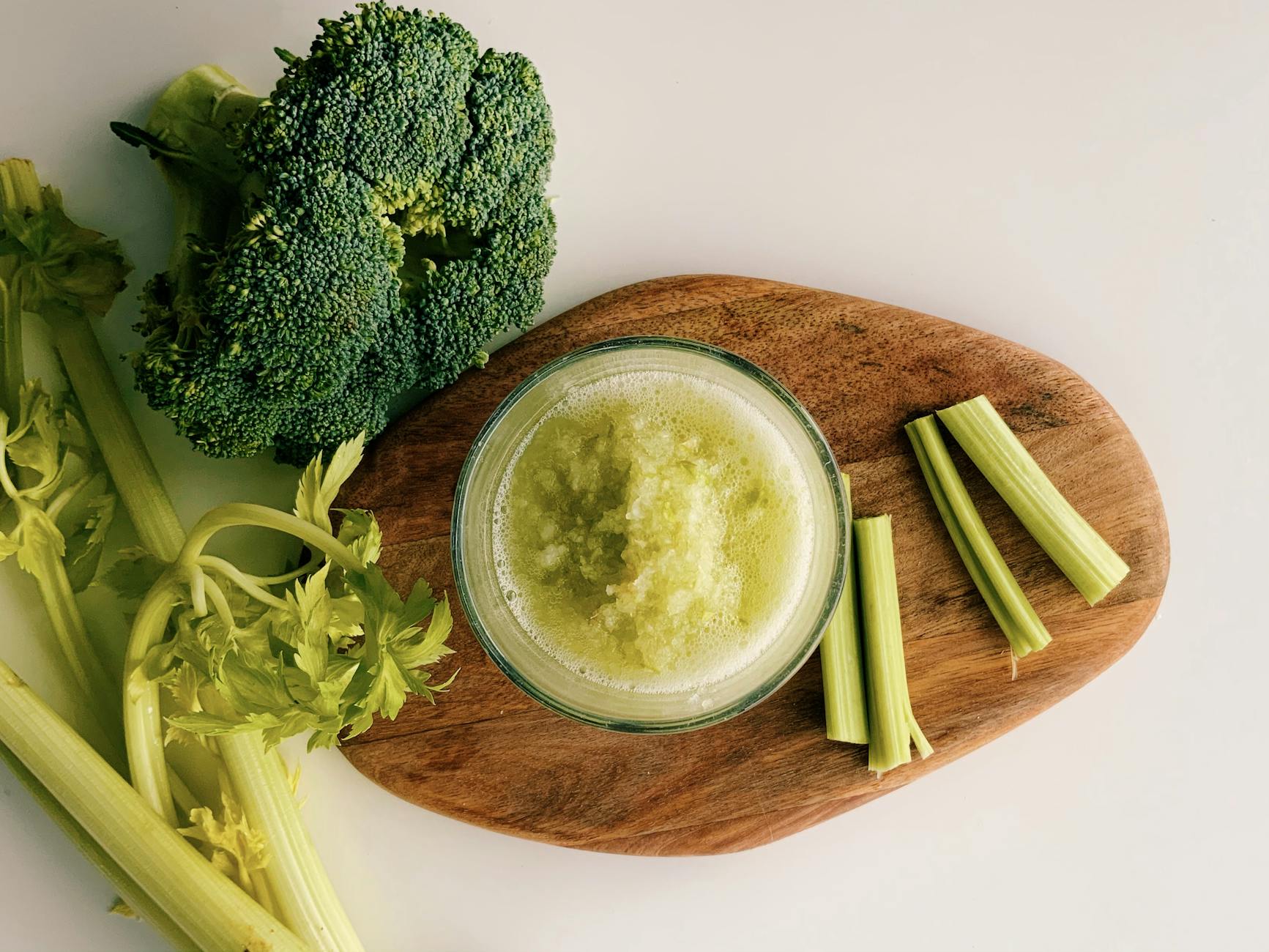
Broccoli has a dense, tightly packed flowering head that creates numerous small pockets where insects, dirt, and pesticide residue collect. Simply rinsing the surface is not sufficient as water does not naturally penetrate deep into the florets. Soaking a broccoli head in a bowl of cold salted water for several minutes draws out hidden insects and loosens embedded debris effectively. A thorough rinse under running water after soaking removes what the soak has dislodged. Breaking the head into individual florets before soaking maximizes water contact with all contaminated surfaces.
Avocados
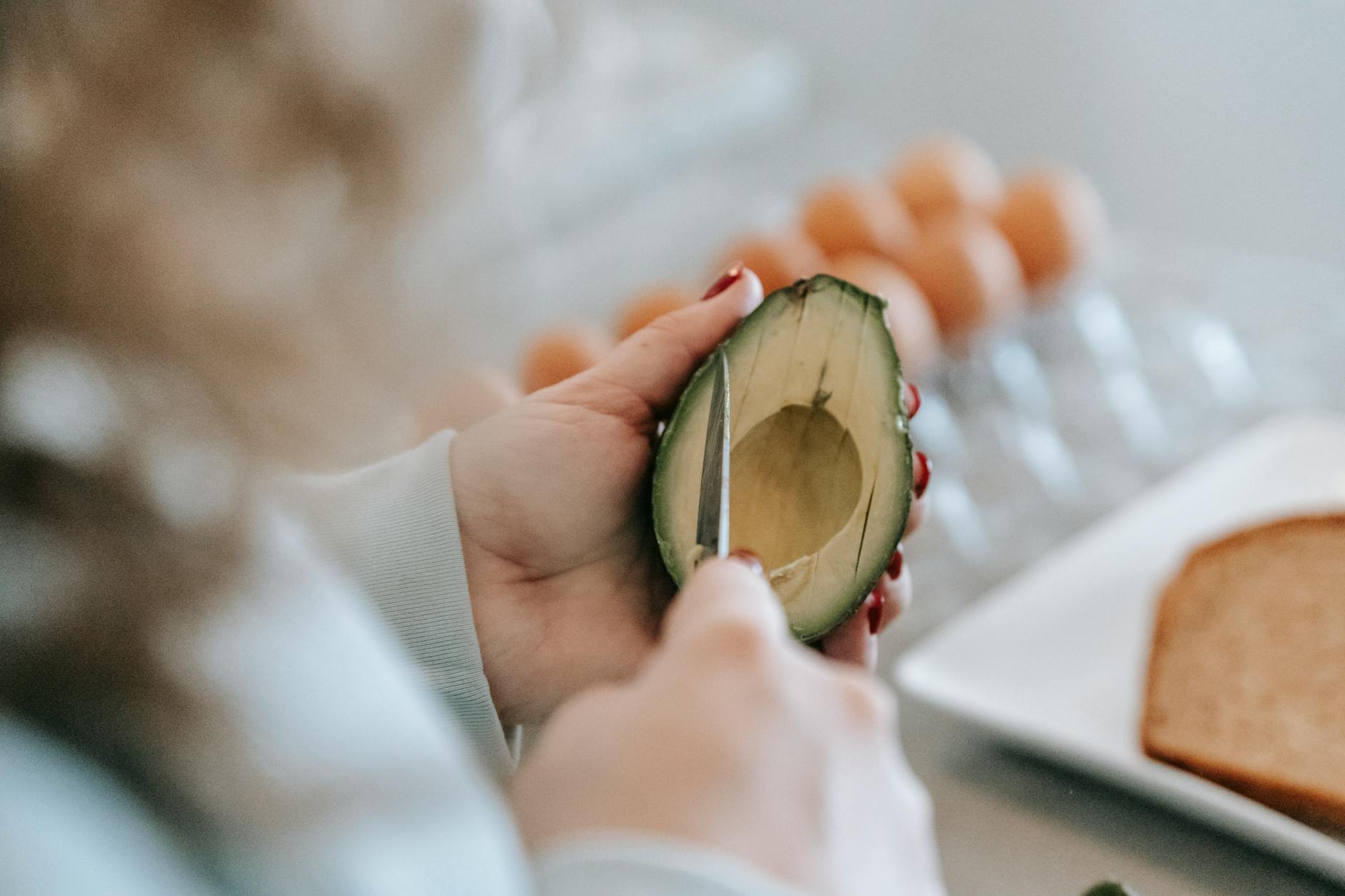
Avocados are frequently overlooked during kitchen washing routines because their thick outer skin is not eaten. Research published by the FDA found detectable listeria and salmonella bacteria on the surface of a notable percentage of avocados tested commercially. Because slicing into an avocado draws the knife blade through the skin and into the flesh, any surface contamination transfers directly to the edible interior. Scrubbing the entire skin under running water before cutting removes the bacteria that would otherwise travel inward. This takes only seconds and substantially reduces the risk associated with a food eaten frequently and often raw.
Leeks
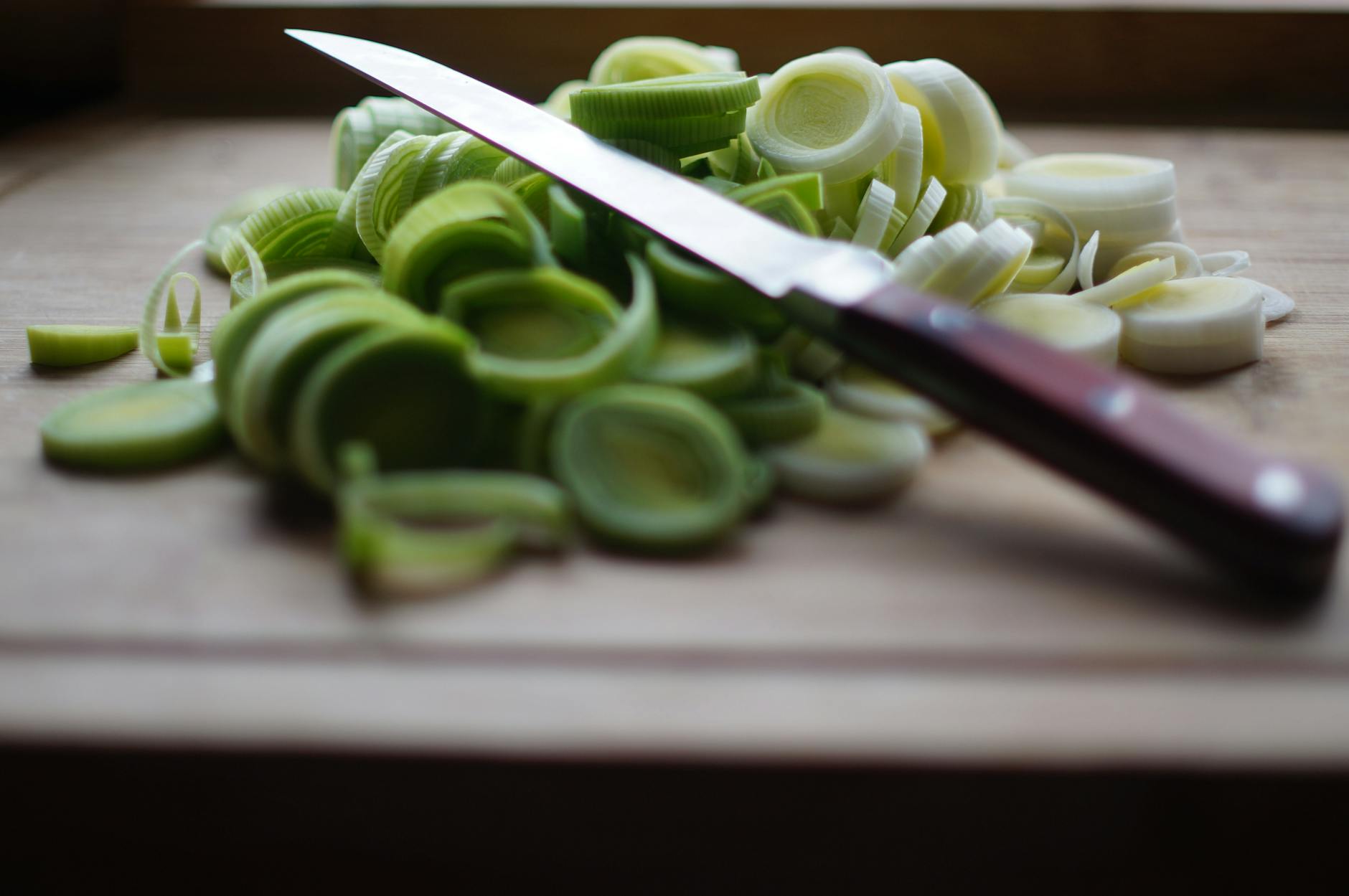
Leeks grow partially underground and trap significant amounts of soil between their tightly overlapping inner layers. The visible outer surface is only one part of the cleaning challenge as the interior holds the most concentrated dirt accumulation. Slicing leeks lengthwise before washing allows water to reach between the layers where debris is most deeply embedded. Submerging the cut leeks in a bowl of cold water and agitating them by hand is the most effective method for releasing trapped soil. Lifting the leeks out of the water rather than draining the bowl prevents already-loosened dirt from resettling on the vegetable.
Herbs
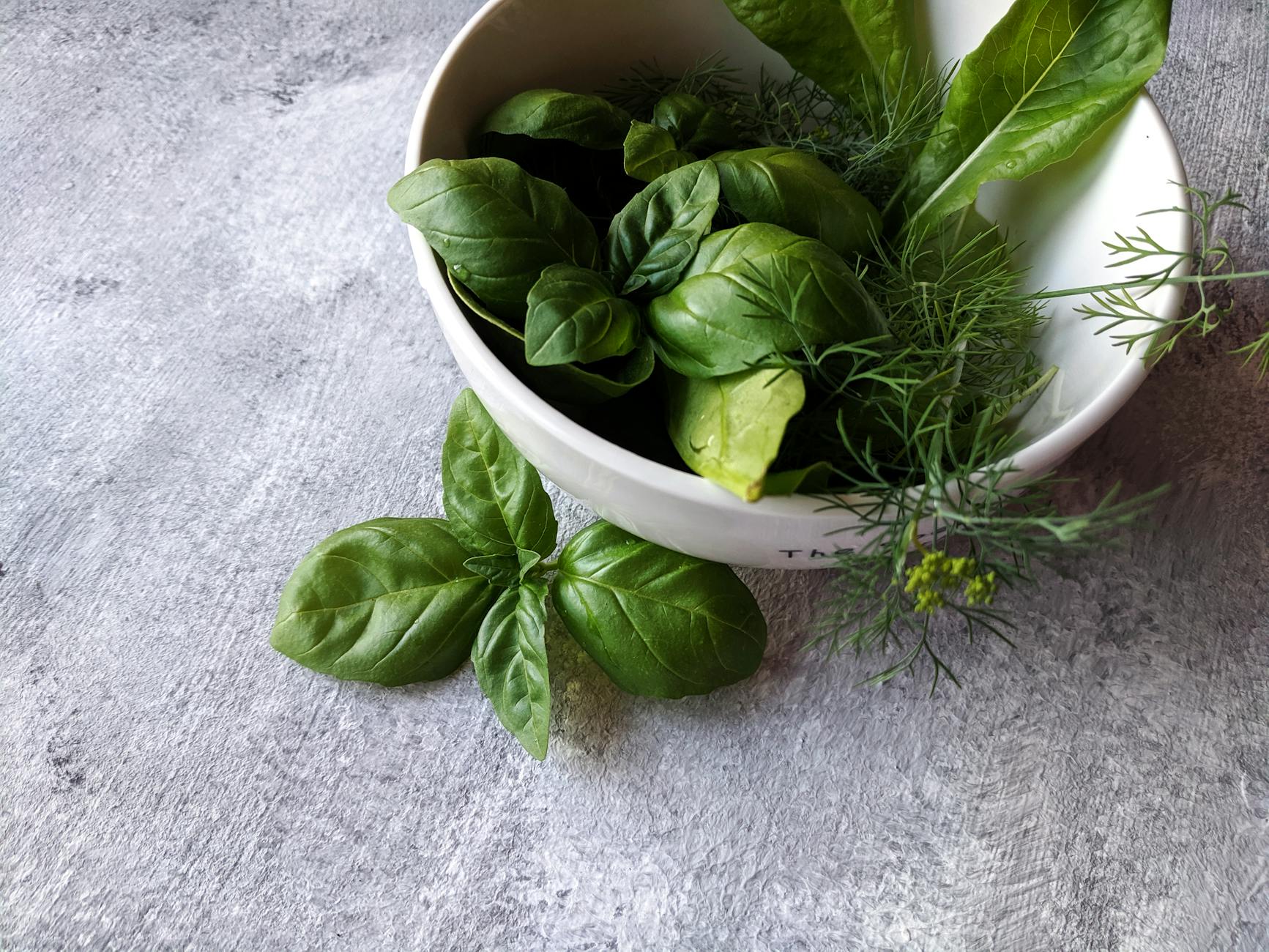
Fresh herbs including parsley, cilantro, mint, and basil are grown in outdoor conditions with close contact with soil and irrigation water. They pass through multiple stages of handling from harvest to retail display, introducing contamination at each step. Submerging a bunch of herbs in a bowl of cool water and gently swishing releases soil and debris from around the stems and leaves. A second rinse under running water after soaking ensures complete removal of any remaining particles. Spin drying or patting gently with a clean towel after washing preserves the delicate texture of the leaves for use in cooking or garnishing.
Pears

Pears are coated with a food-safe wax after harvest in the same way as apples, designed to slow moisture loss during storage and transportation. This wax layer can trap pesticide residues beneath its surface, making simple visual cleanliness an unreliable indicator of safety. Rubbing a pear under warm running water with clean hands for at least twenty to thirty seconds removes the majority of wax and surface contaminants. A soft produce brush used around the stem and base improves results in those more difficult areas. Washing remains important even when the skin will be peeled as knife contact transfers bacteria from the surface to the flesh.
Cauliflower
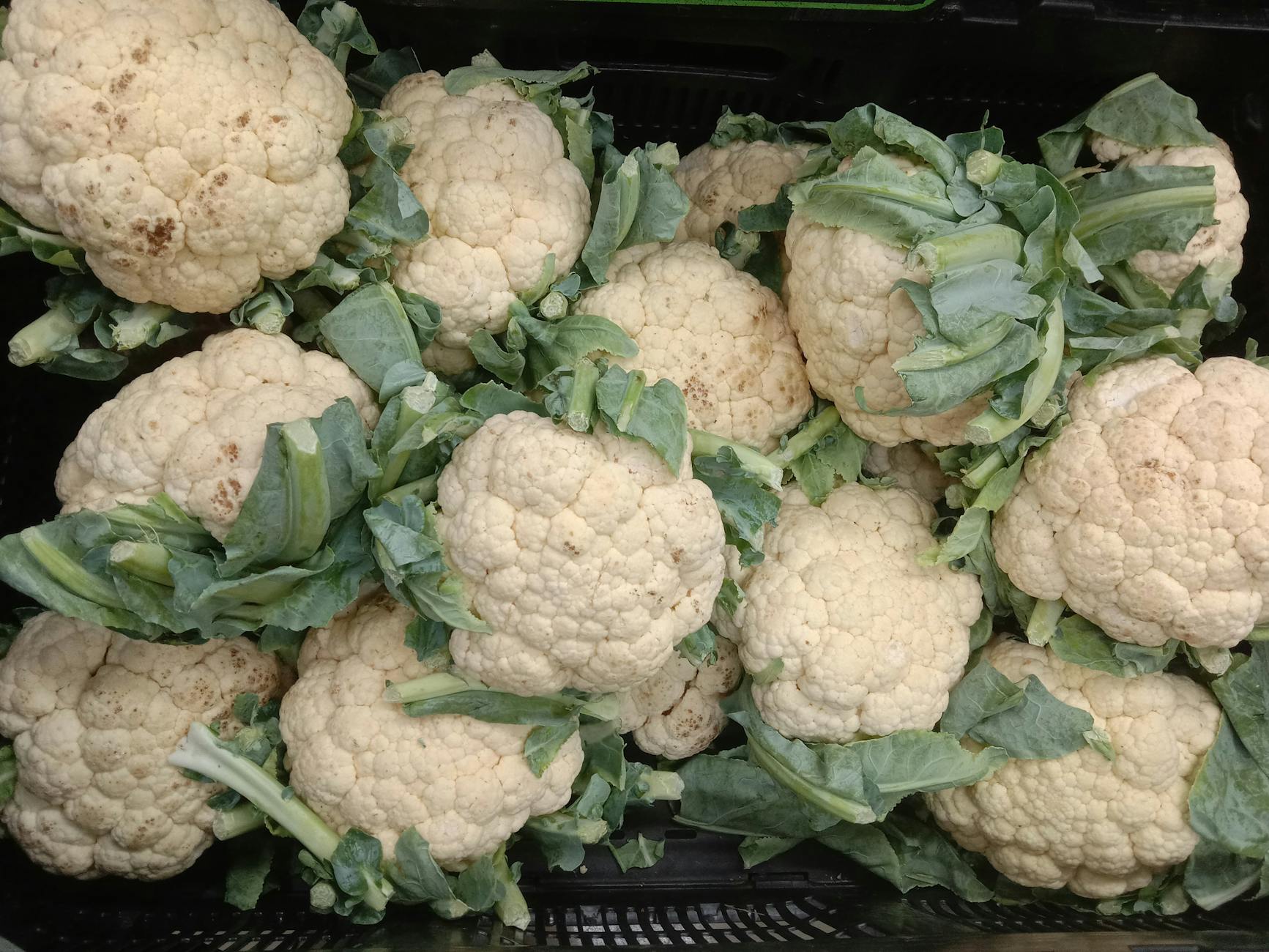
Cauliflower has a compact, curd-like head that traps debris and insects between its tightly pressed florets in a similar way to broccoli. Pesticide residue can accumulate across the entire surface of the head during the growing season. Soaking the whole head or separated florets in a bowl of cold salted water for five to ten minutes before rinsing is the most thorough cleaning method available at home. The salt solution draws out small insects that may have settled deep within the florets during growth. A final rinse under running water after soaking completes the cleaning process before cooking.
Melons
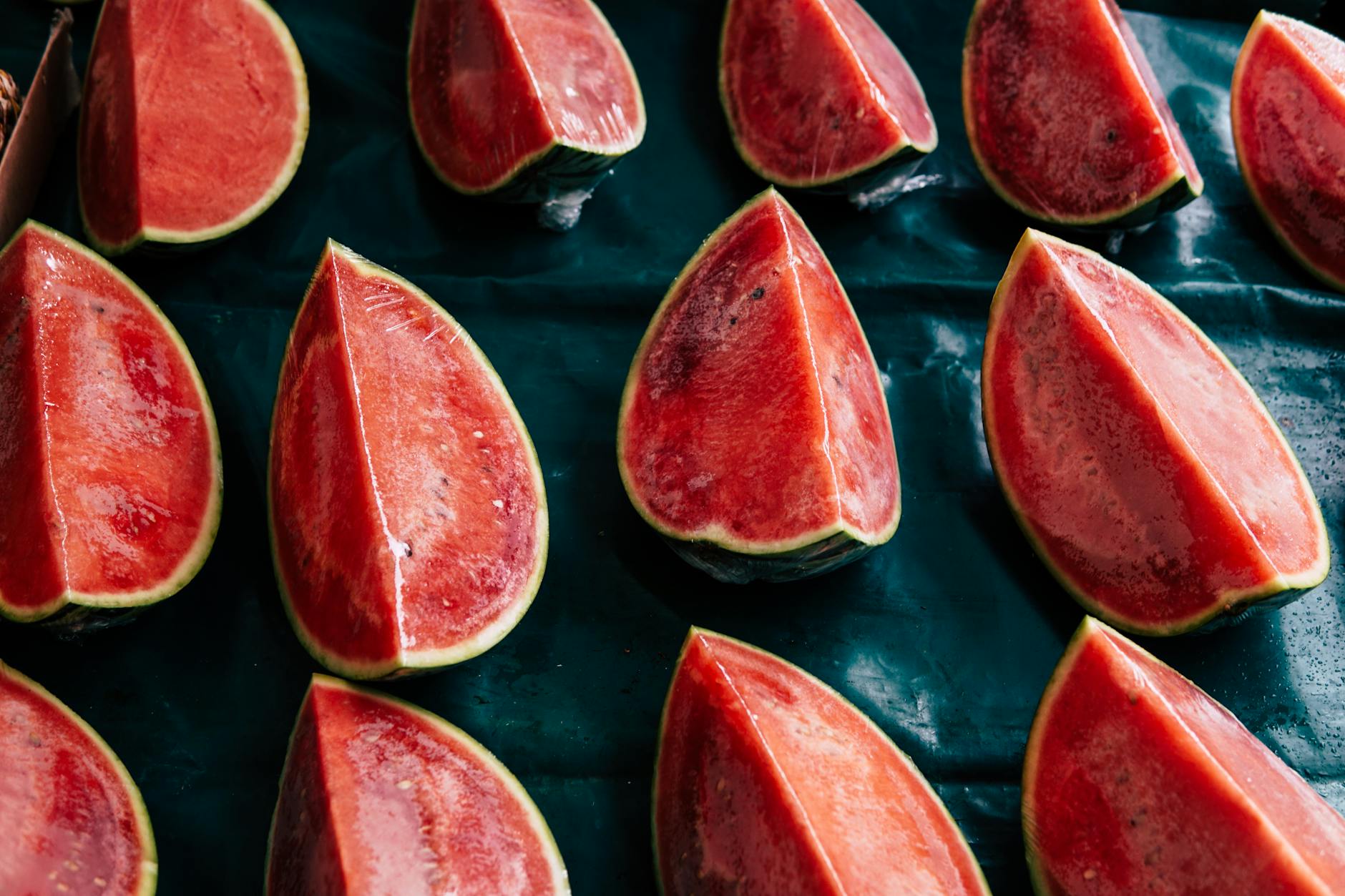
Melons including honeydew and watermelon share the same food safety concerns as cantaloupe due to their rough outer rinds. The exterior surface comes into contact with soil, agricultural water, and handling throughout growing, harvesting, and transportation. Bacteria present on the rind transfer to the flesh through the cutting knife during preparation, making surface washing critical before slicing. Scrubbing the entire rind under running water with a produce brush removes surface contaminants before the knife ever makes contact. This step protects the edible interior and is among the most impactful food safety habits in a home kitchen.
Cabbage
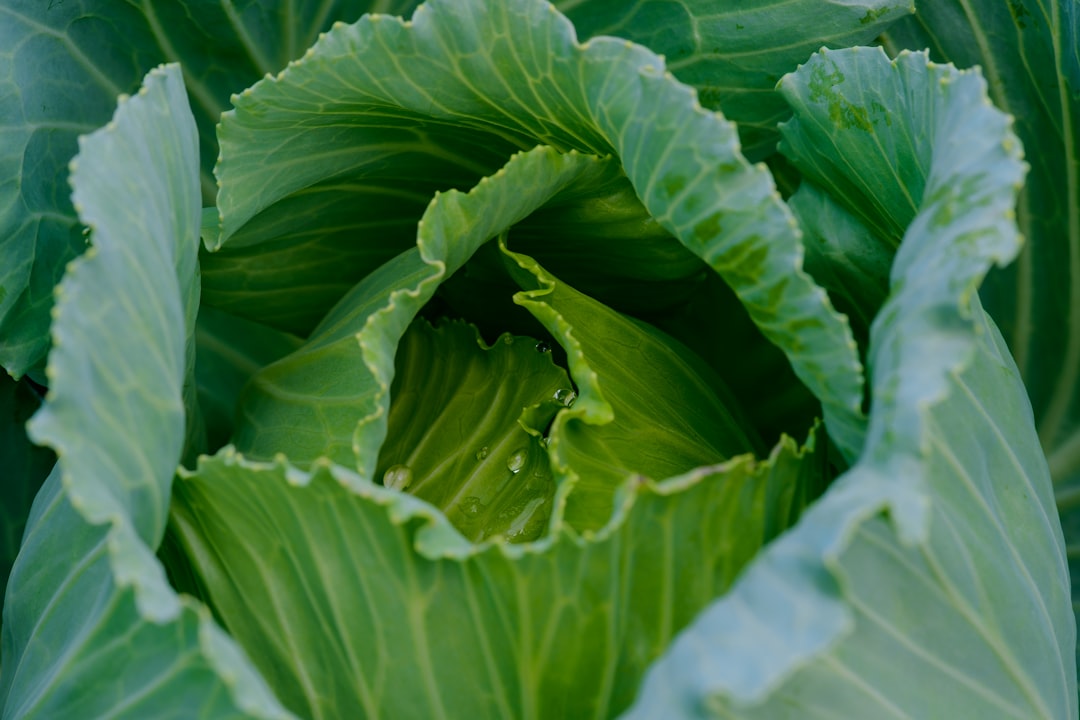
Cabbage outer leaves collect pesticide residues, road dust, and handling contamination during growing and distribution. While many cooks remove the outermost leaves, the layers beneath still benefit from thorough washing before use. Separating the individual leaves under cool running water allows complete surface contact that rinsing a whole head cannot provide. Shredded cabbage prepared for coleslaw or fermentation should be rinsed before cutting as the knife will carry surface bacteria into the interior layers. Washing removes the most accessible contamination and is an important first step regardless of how the cabbage will ultimately be prepared.
Zucchini
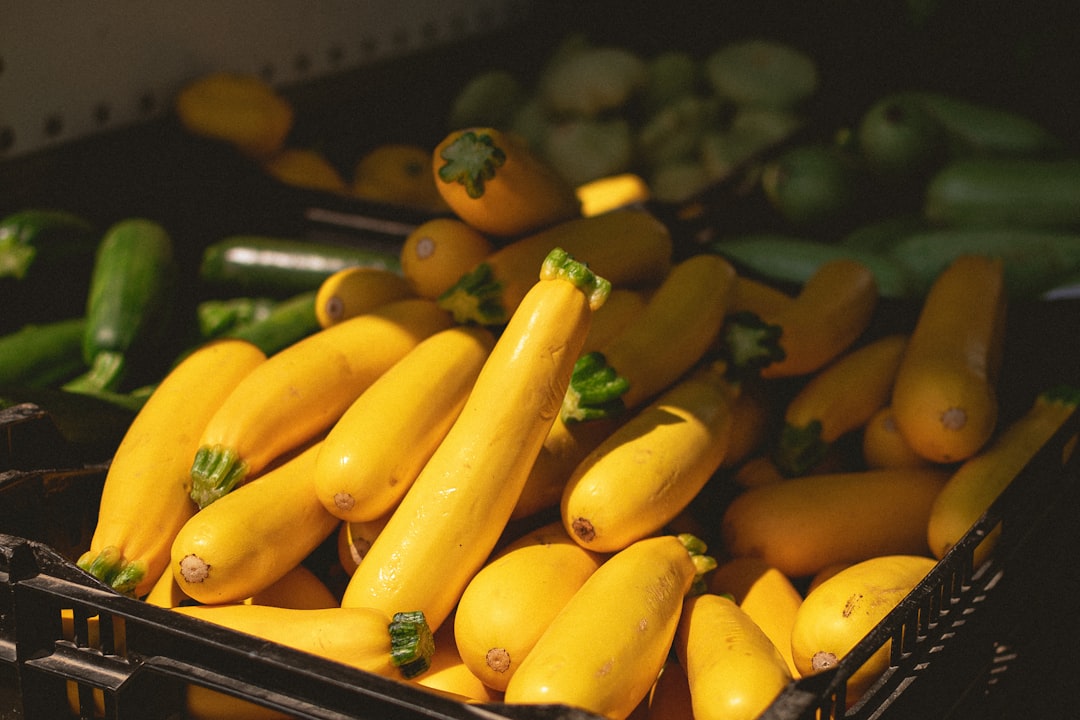
Zucchini has a smooth, thin skin with a subtle waxy surface texture that retains pesticide sprays applied during its growing period. It is handled extensively during harvest and packing as each fruit is inspected and sorted by hand before retail. Rinsing under cool running water while rubbing the entire surface including the stem end removes surface residues effectively. A soft brush can be useful for scrubbing the slight texture present on some varieties. Because zucchini skin is thin and commonly eaten, washing it carefully before cooking is particularly worthwhile.
Plums
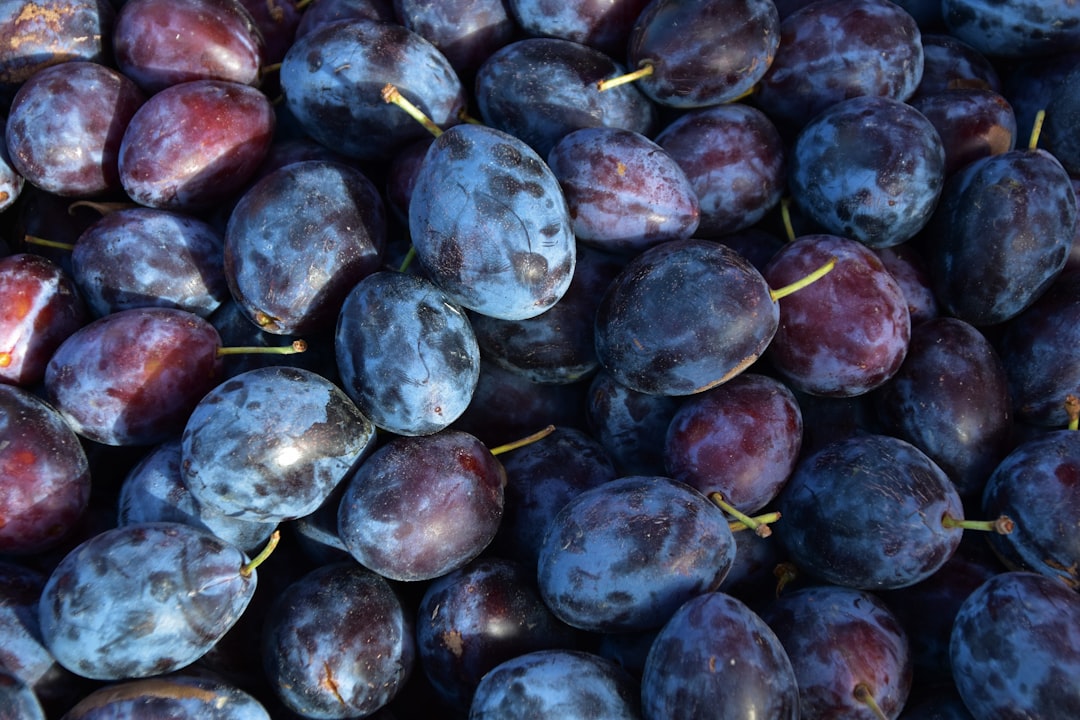
Plums have a naturally waxy outer coating called bloom that gives them their characteristic dusty appearance and helps retain moisture. This natural wax, while not harmful, can trap pesticide residues and environmental particles on the surface. Rinsing under cool running water while gently rubbing the skin removes both the bloom and any contaminants present beneath it. Plums should be washed immediately before eating rather than stored wet as moisture accelerates softening and surface deterioration. This applies to all varieties including Italian, red, and black plums regardless of where they are purchased.
Nectarines
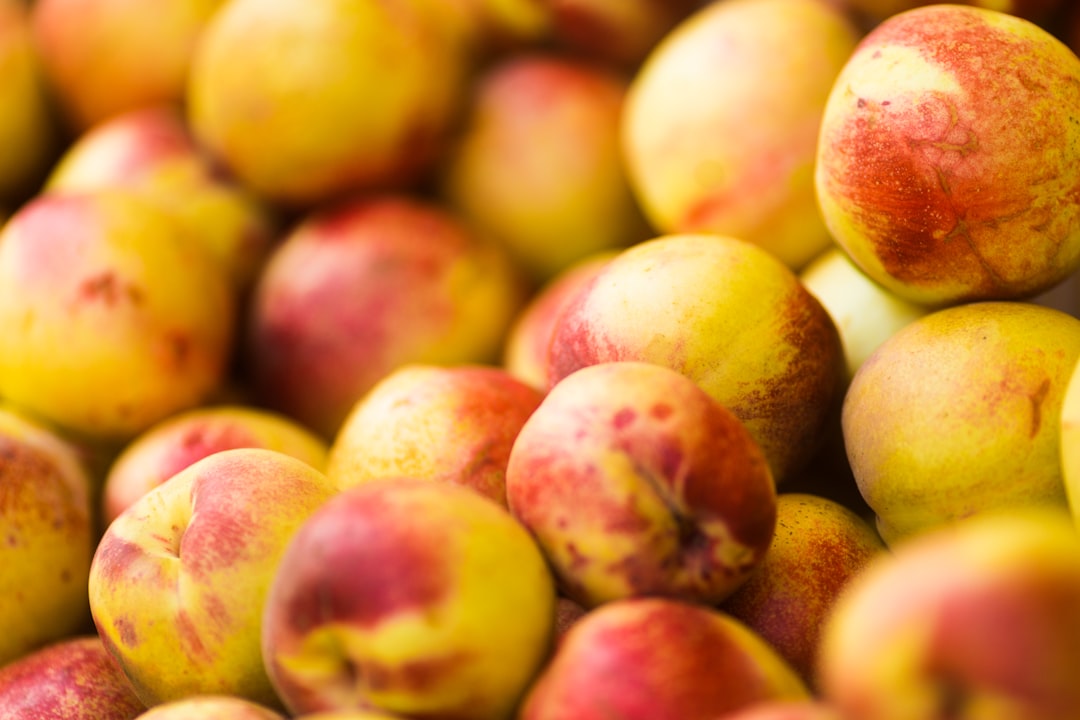
Nectarines share the same pesticide exposure profile as peaches due to their close botanical relationship and similar growing conditions. Their smooth skin, unlike the fuzzy surface of peaches, gives a false impression of cleanliness that does not reflect actual contamination levels. Rinsing under cool running water while rubbing with clean hands for at least twenty seconds removes the majority of surface residue. Nectarines appear frequently on high-pesticide produce lists, making washing a consistent and necessary step before eating. Patting dry before serving removes excess moisture and preserves the natural flavor of the skin.
Mangoes
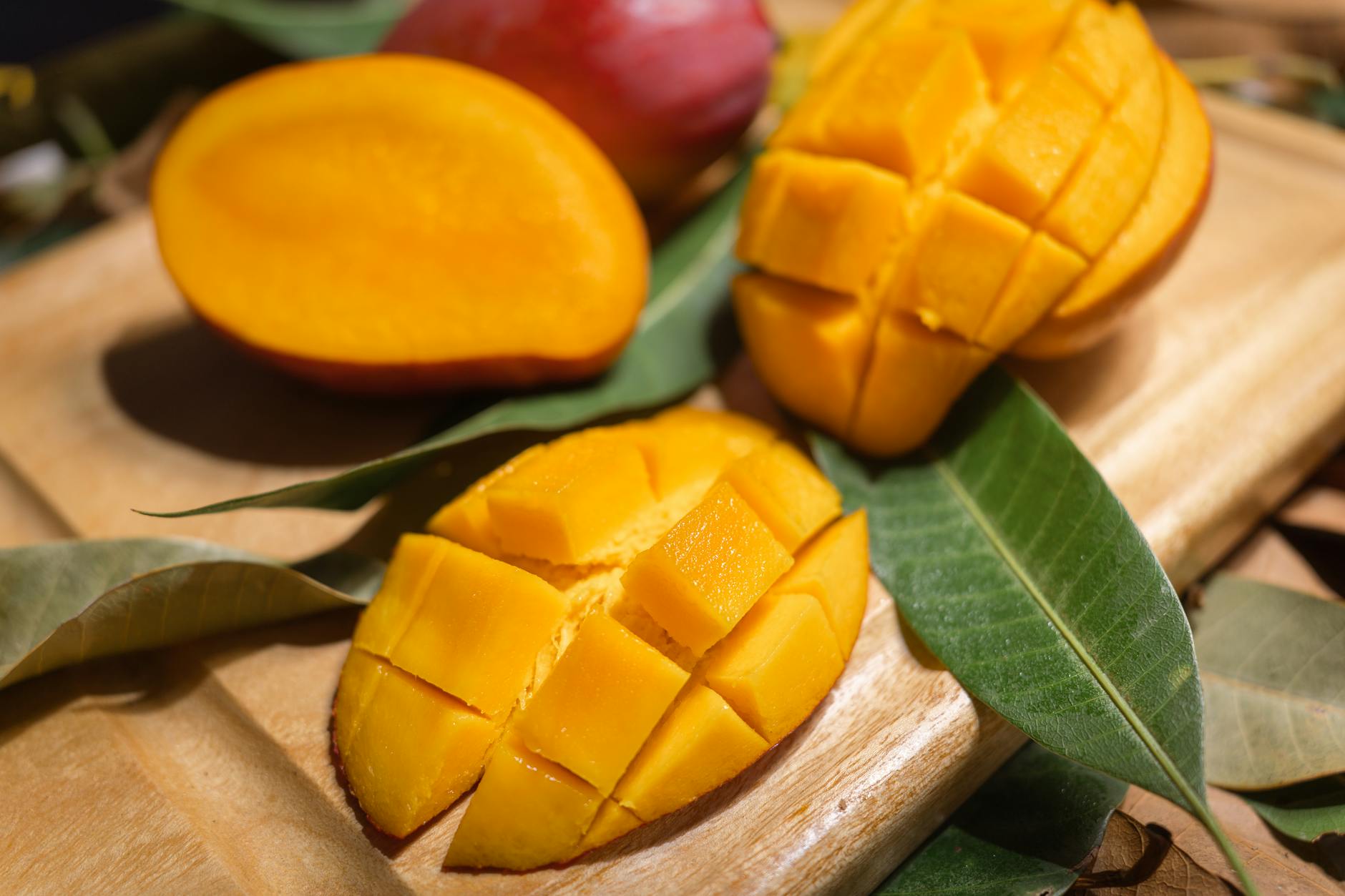
Mangoes are grown in tropical regions and travel long distances before reaching consumers in temperate markets, accumulating handling contamination throughout that journey. Their thick skin is not eaten but presents the same cross-contamination risk as other uncut fruits when a knife passes through the surface into the flesh. Washing the entire mango under running water while rubbing with hands or a soft brush removes bacteria from the outer skin before slicing. Urushiol, the same compound found in poison ivy, is present in mango skin and sap and can cause reactions in sensitive individuals who handle unwashed fruit. Washing reduces this risk as well as standard microbial contamination before preparation.
Share your own food washing habits and any tips you swear by in the comments.




