
Smart grocery shopping is one of the simplest ways to stretch a household budget without sacrificing quality or nutrition. Store-brand and generic products have improved dramatically over the decades and in many categories they are virtually identical to their name-brand counterparts. Manufacturers often produce both the premium label and the generic version in the same facility using the same formulations. Knowing which items to swap out can save hundreds of dollars annually with zero impact on meals or daily life. These are the grocery staples where buying generic is always the smarter move.
Baking Soda
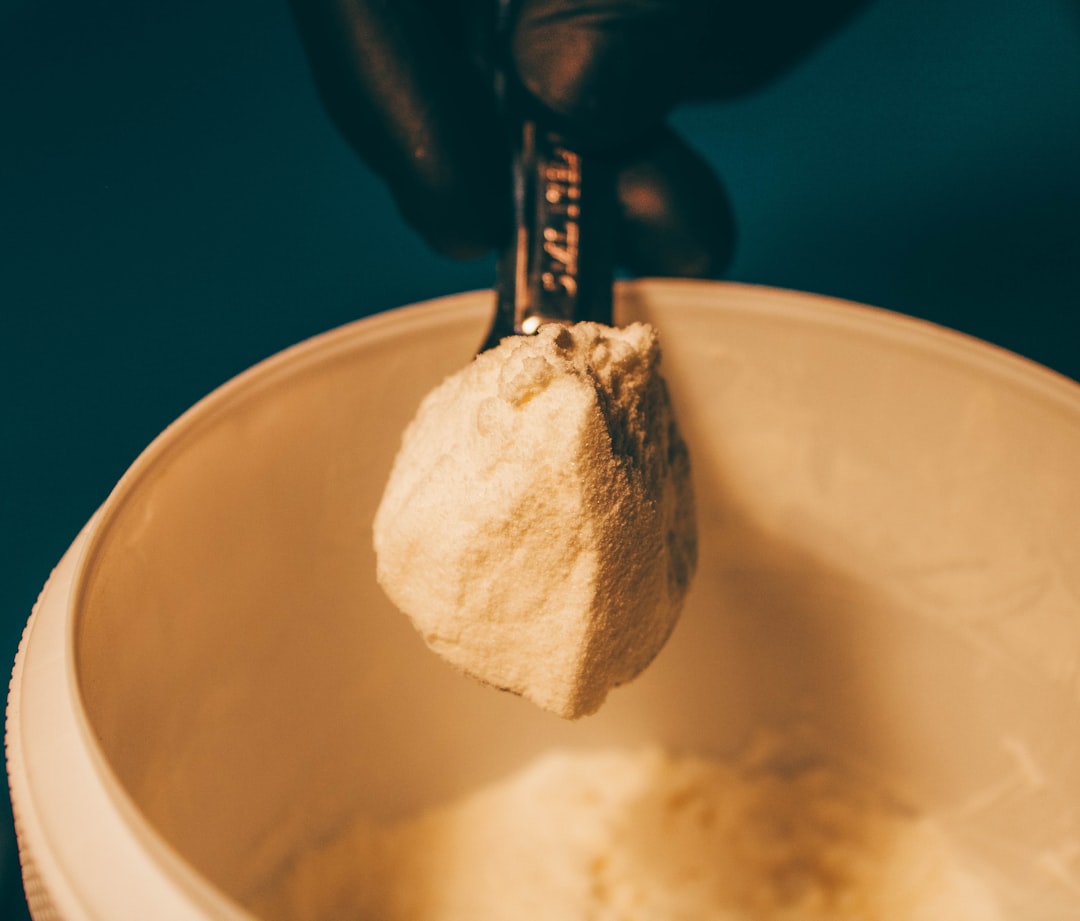
Baking soda is a single-ingredient product with no variation in formula regardless of the brand on the box. It is produced to a universal chemical standard so generic versions perform identically in recipes and household cleaning tasks. Name brands charge a significant premium purely for packaging and marketing recognition. Store-brand baking soda is widely available and costs a fraction of the price at virtually every major retailer.
Bottled Water

Water quality from major bottling facilities meets the same regulatory standards whether it carries a premium label or a store logo. Many large retailers source their generic water from the same regional suppliers used by national brands. The filtration and purification processes are standardized across the industry making brand distinctions largely cosmetic. Choosing the generic option delivers the same hydration at a meaningfully lower price per unit.
Ibuprofen

Over-the-counter pain relievers like ibuprofen are regulated by national health agencies to contain an identical active ingredient at the same dosage as name-brand versions. The generic formulation must meet the same efficacy and safety benchmarks before it can be sold. Pharmacies often stock their own label versions at half the cost of recognizable brands. Healthcare professionals consistently confirm that the therapeutic effect is no different between generic and branded options.
Olive Oil

Grocery store generic olive oils frequently pass blind taste tests against premium-branded competitors in culinary studies. The grading system for olive oil is regulated and standardized so an extra virgin label on a store brand meets the same legal definition as on a designer bottle. Everyday cooking applications such as sautéing and roasting show no perceptible quality difference based on brand. Buying generic allows home cooks to use olive oil generously without worrying about the cost.
Canned Tomatoes
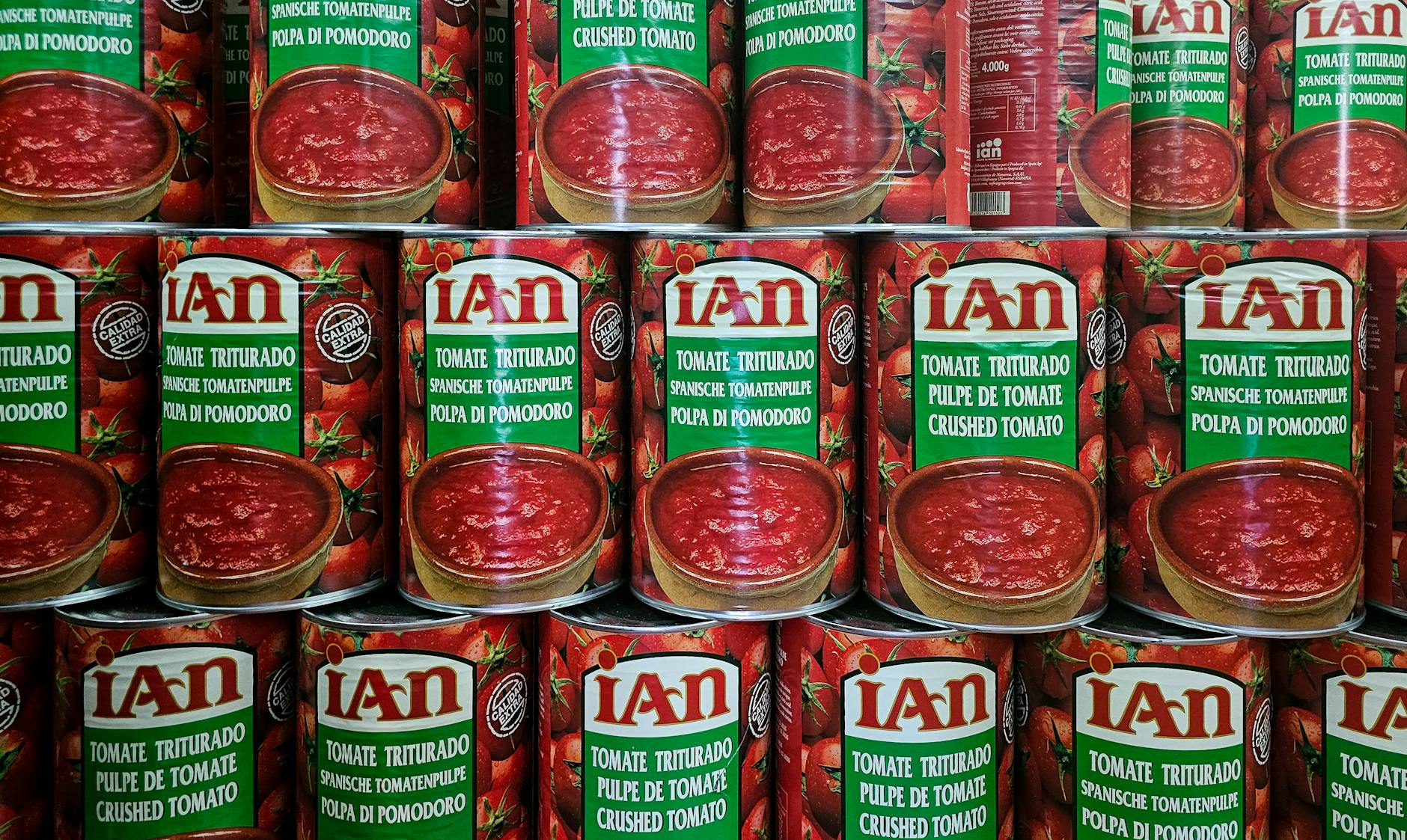
Canned tomatoes are one of the most thoroughly tested generic grocery items and consistently perform on par with name brands in cooking applications. The tomatoes are processed and packed at the peak of ripeness using equipment and methods that do not differ significantly between producers. Chefs and home cooks alike rely on canned tomatoes as a pantry workhorse where subtle branding distinctions are undetectable in finished sauces and soups. Opting for the store brand here is a straightforward decision with no culinary downside.
Rolled Oats

Oats are a commodity grain and the rolled oat produced under a store label is nutritionally equivalent to those sold under a famous breakfast brand. The fiber content protein levels and glycemic profile remain consistent because the product is essentially a single minimally processed ingredient. Packaging and marketing account for the majority of the price difference consumers see on shelves. Generic rolled oats are widely available in bulk formats which further increase the savings.
All-Purpose Flour
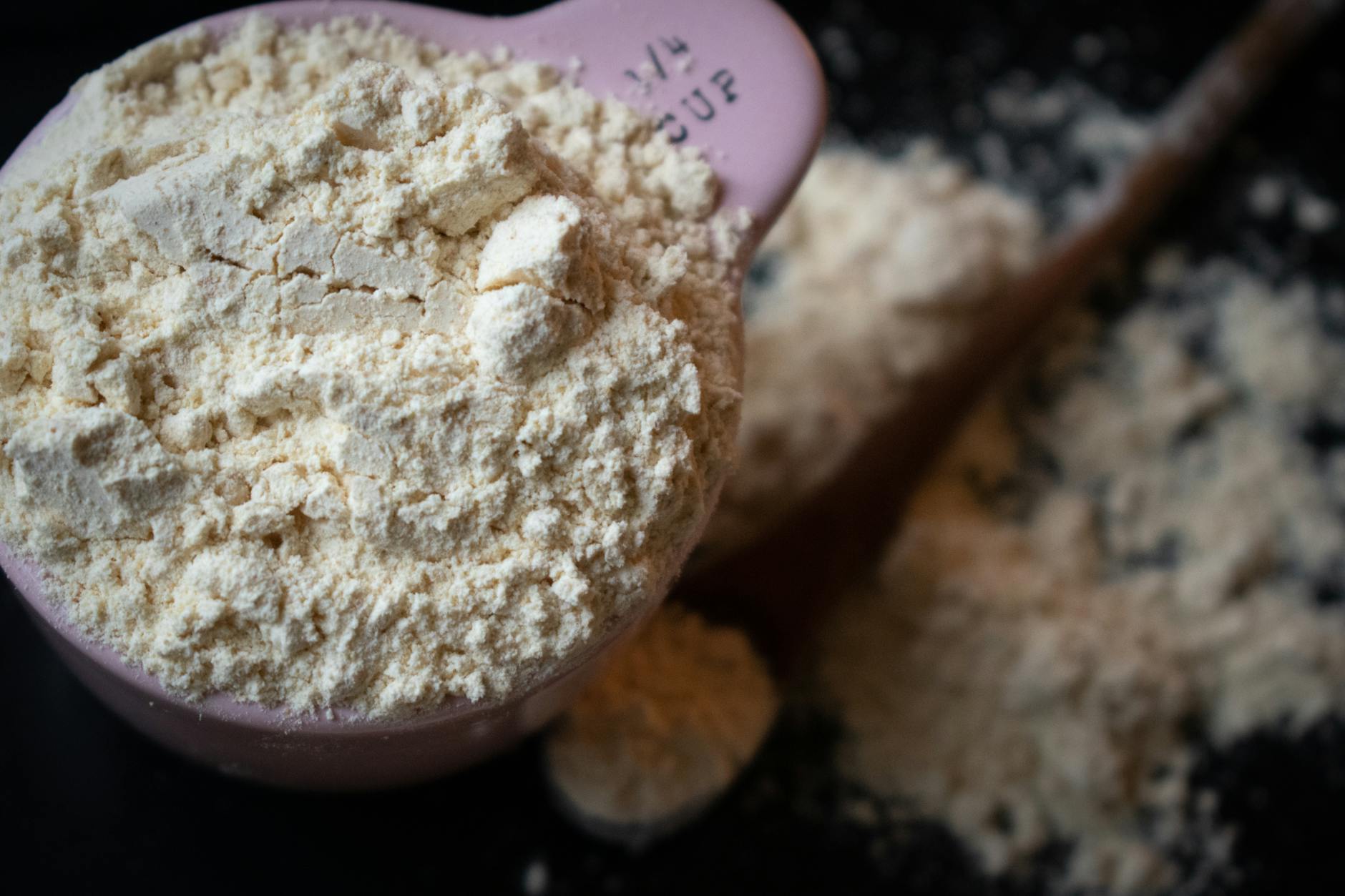
All-purpose flour is milled to a standard protein content range that applies across brands making the generic version suitable for the full range of baking applications. Professional bakeries frequently purchase unbranded flour in bulk because the chemistry of the product is what matters not the label. Home bakers will notice no difference in texture or rise when substituting a store brand in any standard recipe. The savings on flour accumulate quickly for households that bake regularly throughout the year.
Plastic Wrap

Plastic wrap is a manufactured product with a straightforward functional purpose and generic versions cling and seal just as effectively as premium-branded rolls. The core material is the same food-safe polyethylene used across the industry regardless of which company puts its name on the box. Name brands invest heavily in advertising that creates a perception of superiority that does not hold up in practical kitchen use. Switching to a store-brand roll is one of the easiest household swaps with immediate savings and no loss of utility.
Spices

Dried spices including paprika cumin oregano and garlic powder are agricultural products ground to standard culinary grades that do not change based on brand. The flavor compounds in a generic jar of cinnamon come from the same botanical source as those in a boutique spice brand sold at a markup. Freshness dating is the more meaningful quality indicator and store-brand spices turn over quickly enough in high-volume retailers to remain potent. Stocking a spice rack with generic options can cut that particular grocery expense significantly.
Bleach

Household bleach is a regulated cleaning and disinfecting chemical and generic versions contain the same active ingredient at the same concentration as national brands. Regulatory standards require that all bleach sold for household use meets consistent efficacy thresholds for sanitization. The difference in price between a store brand and a premium label reflects marketing spend rather than any functional distinction. Generic bleach is the straightforward choice for laundry and surface disinfection throughout the home.
Pasta

Dried pasta is made from semolina flour and water and the production process follows the same basic principles whether the box carries a famous Italian name or a supermarket logo. Cooking performance texture and taste in finished dishes are determined primarily by technique and sauce rather than the brand of the dried noodle. Generic pasta frequently originates from the same manufacturing regions as name-brand imports. Swapping to store-brand pasta across a household’s weekly use creates consistent savings with no impact on meal quality.
Baby Wipes
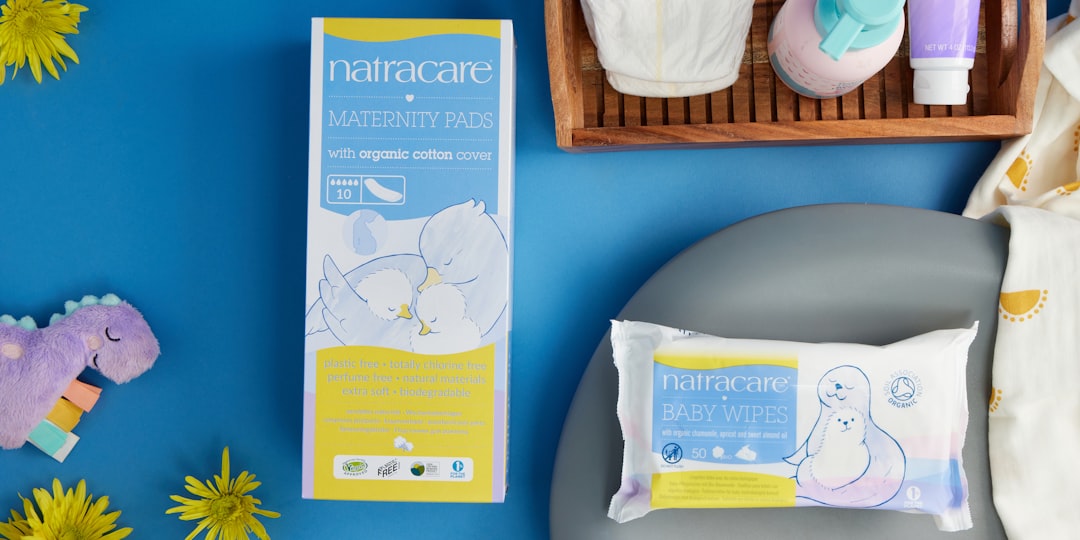
Baby wipes sold under generic or store labels meet the same dermatological safety standards as premium-branded options and are frequently made by the same contract manufacturers. The key attributes parents care about including moisture level thickness and fragrance-free formulation are available across price points. Pediatric guidance consistently focuses on ingredient lists rather than brand recognition when evaluating wipe safety. Families who use wipes in high volume will find that generic options represent some of the most impactful savings in their routine shopping.
Petroleum Jelly
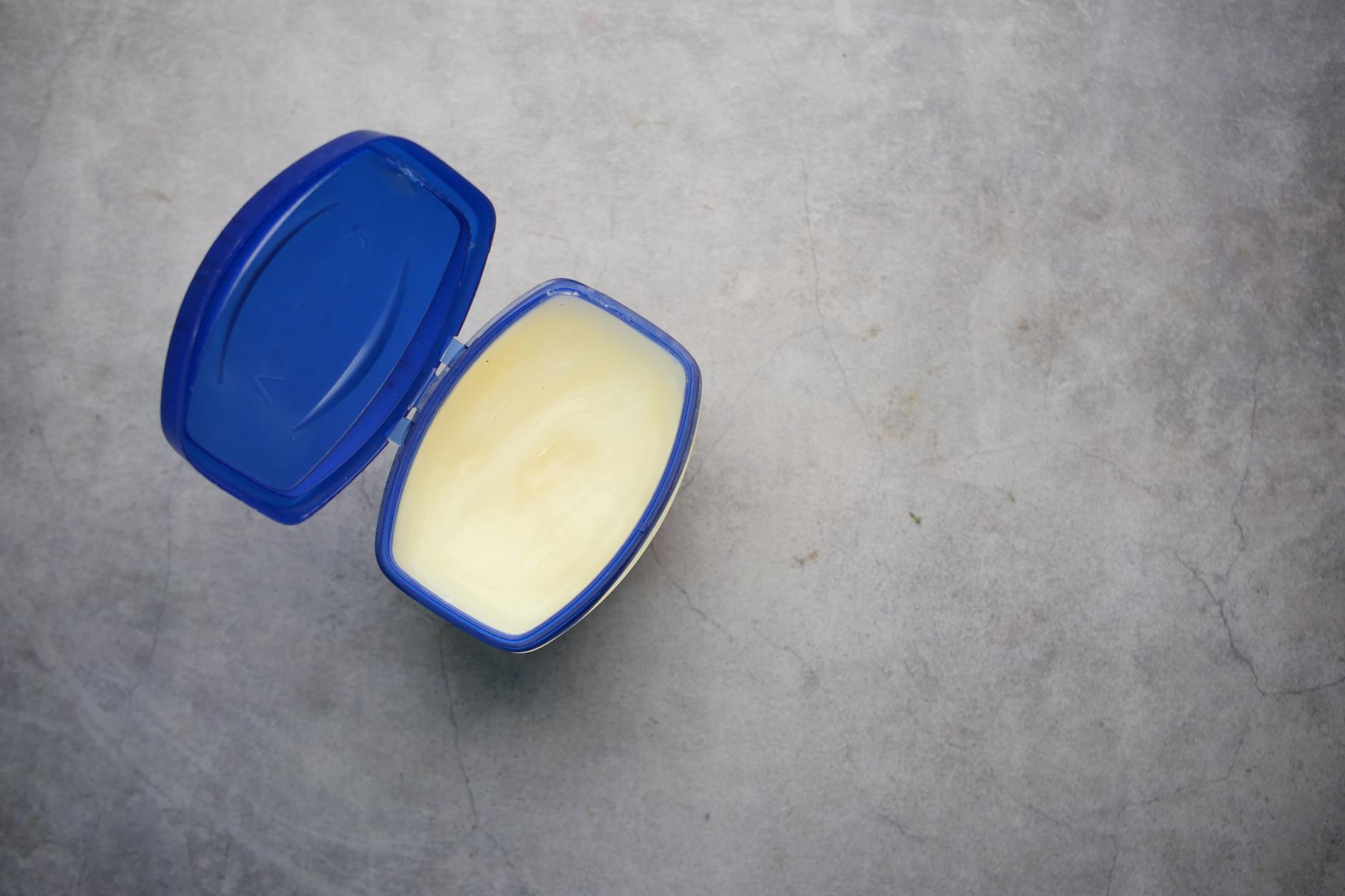
Petroleum jelly is a single-ingredient product standardized by pharmacopeial quality grades making the generic version chemically identical to the iconic branded original. It is used for skin barrier protection minor wound care and lip moisture and performs these functions equally regardless of which label is on the tub. The branded version commands a premium based on decades of consumer familiarity rather than any formulation advantage. Generic petroleum jelly is one of the most clear-cut swaps available in the pharmacy aisle.
Aluminum Foil

Aluminum foil is manufactured to standard thickness gauges for household use and store-brand versions meet the same practical requirements as premium rolls for roasting wrapping and freezing. The material is the same food-safe aluminum alloy across producers and the differences that brands advertise are rarely meaningful in everyday cooking. Heavy-duty generic options are widely available for tasks that require additional thickness. Switching to generic foil is a simple cost-cutting measure that requires no adjustment in how the product is used.
Club Soda

Club soda is carbonated water with a small amount of added minerals and the formula is consistent across producers because it follows a standard beverage industry specification. Generic and store-brand versions deliver the same effervescence and neutral taste suitable for cocktails cooking and casual drinking. Carbonation levels are comparable and any slight variation in mineral content has no noticeable impact on flavor or function. Buying generic club soda by the case is a reliable way to save on a pantry staple used regularly in many households.
Orange Juice

Not-from-concentrate and reconstituted orange juice sold under store labels is sourced from the same regional orange harvests and processed at facilities that supply both generic and branded products. Vitamin C content and pasteurization standards are regulated uniformly making the nutritional profile consistent across price points. Flavor differences between generic and name-brand OJ are subtle enough that most consumers cannot identify them in blind comparisons. Choosing the generic carton at breakfast is a small switch with a meaningful impact on the weekly grocery bill.
Dish Soap

Dish soap is a detergent product formulated to cut grease and the active surfactant chemistry in generic versions is comparable to that found in leading brands. Cleaning tests conducted by consumer organizations regularly show that store-brand dish soaps match branded competitors on grease removal and sudsing performance. Scent and color are cosmetic attributes that vary by preference rather than cleaning power. Generic dish soap is a practical everyday swap that reduces spending on a product used multiple times daily.
Vegetable Broth
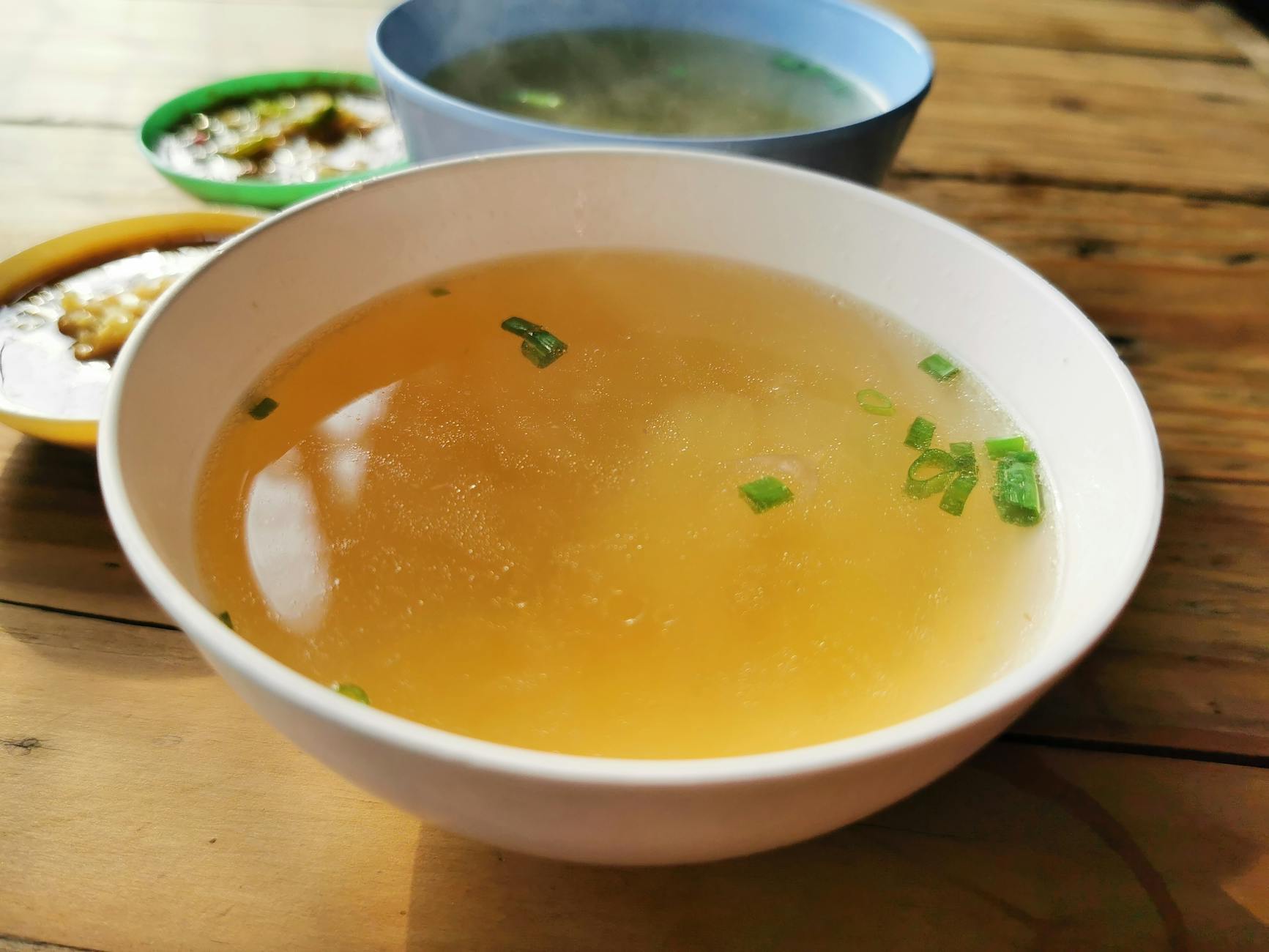
Vegetable broth sold under store labels is made from the same base ingredients including carrots onions and celery as premium organic-branded versions. Sodium content and flavor profiles are the meaningful variables to check on any carton and those figures appear clearly on the nutrition label regardless of brand. Generic broth performs identically in soups stews and grain cooking which are its primary culinary applications. The price difference between store-brand and name-brand broth adds up considerably for households that cook from scratch regularly.
Vinegar

White distilled vinegar and apple cider vinegar are produced by a fermentation process that results in a standardized acetic acid concentration whether the bottle carries a premium label or a store brand. The cleaning cooking and preserving applications of vinegar depend entirely on that concentration which is regulated and consistent. Generic vinegar is widely available in large economical containers that offer even greater value per use. There is no functional or culinary reason to pay more for a branded version of this pantry staple.
Hydrogen Peroxide

Hydrogen peroxide sold in pharmacies and grocery stores is a standardized three-percent solution regardless of brand making the generic version chemically identical to name-brand alternatives. It is used for wound care surface disinfection and laundry stain treatment and performs these tasks based entirely on its concentration rather than any brand-specific attribute. Regulatory frameworks ensure that all consumer-grade hydrogen peroxide meets the same purity standards before reaching store shelves. Generic hydrogen peroxide is one of the most straightforward swaps in the medicine cabinet or cleaning supply lineup.
Vegetable Oil

Vegetable oil refined from soybean canola or corn is a commodity product and the refining process produces a neutral-flavored oil with a consistent smoke point across generic and name-brand versions. Home cooks use it primarily for high-heat applications where subtle flavor differences are entirely eliminated. Nutrition labels across brands show comparable fat profiles for equivalent oil types making brand a non-factor in dietary terms. Buying generic vegetable oil in larger containers offers some of the best per-unit savings in the cooking aisle.
Maple Syrup

Pure maple syrup is graded by color and flavor intensity under a universal grading system that applies to all producers making the grade designation a more reliable quality indicator than brand name. A store-brand Grade A amber syrup delivers the same flavor profile and culinary performance as a premium artisanal label in the same grade. The syrup comes from the same regional maple harvests in North America regardless of what name appears on the bottle. Generic pure maple syrup is a genuinely equivalent product at a price point that makes a notable difference for families who use it regularly.
Paper Towels

Paper towels are evaluated on absorbency and durability and store-brand options have improved substantially in both areas making them competitive with heavily advertised national brands for most household tasks. The difference in performance only becomes relevant in extreme use cases that the average household rarely encounters. Generic multi-roll packs offer comparable sheet counts and thickness at a lower price per roll. Switching to store-brand paper towels is one of the simplest and most immediate ways to reduce recurring household spending.
Acetaminophen

Acetaminophen is a regulated pharmaceutical compound and the generic tablet sold under a pharmacy’s store label contains the exact same active ingredient at the same milligram dosage as the leading branded pain reliever. Bioequivalence is required by health regulators meaning the drug is absorbed and functions identically in the body. Generic acetaminophen is stocked in virtually every pharmacy and grocery store and costs significantly less per dose. Medical professionals routinely recommend the generic version as the practical and financially sensible choice for pain and fever management.
Share your favorite generic grocery swaps in the comments!




