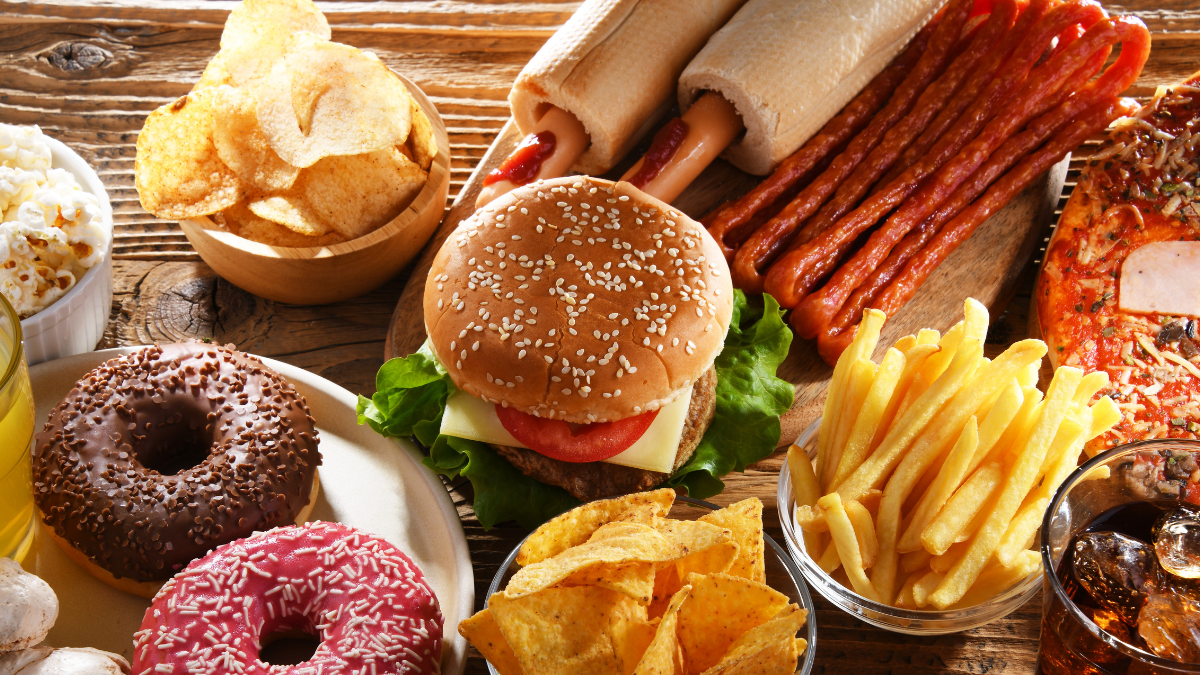
Heart health is one of the most researched areas of modern medicine, and cardiologists spend their careers studying exactly what damages the cardiovascular system over time. These physicians hold themselves to strict dietary standards precisely because they understand the long-term consequences of poor food choices better than anyone. The foods on this list are not simply considered unhealthy in a general sense but are specifically flagged by heart specialists as items they personally avoid. From hidden sodium to inflammatory fats, the reasoning behind each avoidance is grounded in clinical evidence and years of patient observation. Understanding what heart experts leave off their own plates is one of the most practical guides available for anyone serious about protecting their cardiovascular health.
Margarine

Margarine was once widely promoted as a heart-healthy alternative to butter, but that reputation has been largely dismantled by modern research. Many formulations still contain partially hydrogenated oils, which produce trans fats that directly raise LDL cholesterol while simultaneously lowering HDL cholesterol. This double effect on lipid profiles makes it one of the most mechanically harmful spreads available in a typical grocery store. Cardiologists who understand this biochemical process typically remove it from their kitchens entirely and opt for minimally processed whole food fats instead. The marketing around margarine has historically outpaced the science supporting its safety.
Deli Meats
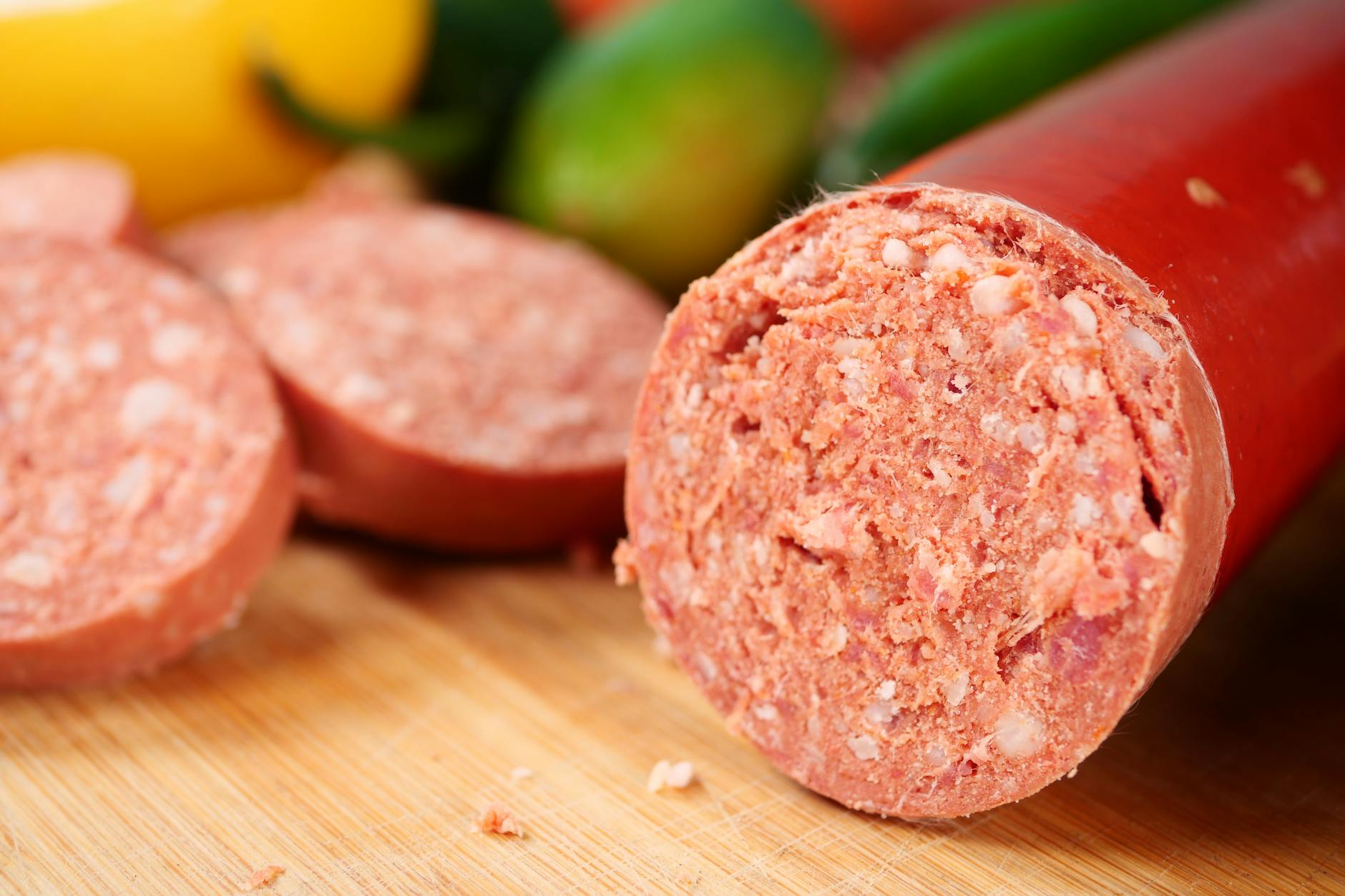
Processed deli meats such as bologna, salami, and packaged turkey slices carry exceptionally high sodium content even in small serving sizes. Regular consumption of these products has been linked in numerous studies to elevated blood pressure and increased arterial stiffness. Many varieties also contain nitrates and nitrites as preservatives, compounds associated with increased cardiovascular risk when consumed frequently over time. The convenience factor of deli meats makes them a popular choice for quick meals, but cardiologists recognize that the cumulative sodium load is simply too significant to justify. Even products labeled as low-fat versions tend to retain the problematic sodium and preservative content.
Canned Soup

Canned soup is one of the most sodium-dense foods found in an average pantry, with a single serving sometimes containing more than half the recommended daily sodium intake. Excess sodium causes the body to retain fluid, which raises blood volume and places additional pressure on the walls of the arteries. Cardiologists are particularly cautious about foods where sodium is invisible to the palate, as people rarely perceive soup as tasting as salty as it actually is. Many popular varieties also contain refined starches and added sugars that contribute to metabolic disruption beyond the sodium concern. The ease of preparation makes canned soup a dietary staple for millions of people who are unaware of the cardiovascular implications.
Frosted Cereals

Breakfast cereals marketed with colorful packaging and sweet flavors are typically loaded with refined sugar that spikes blood glucose rapidly first thing in the morning. This early glucose surge triggers an insulin response that can contribute to insulin resistance over time, a major risk factor for heart disease. Many frosted varieties also lack meaningful fiber, which means they offer very little of the cardiovascular protection that whole grains are known to provide. The fortified vitamins added to these cereals do not compensate for the metabolic damage caused by their high sugar content. Cardiologists tend to view these products as confectionery dressed up as nutrition rather than a genuine morning meal.
Packaged Pastries

Commercially produced pastries such as snack cakes, individually wrapped danishes, and convenience croissants are engineered for shelf stability using partially hydrogenated oils and high quantities of refined sugar. The combination of trans fats and simple carbohydrates creates a compounded cardiovascular risk that no single problematic ingredient could achieve on its own. These products are also calorie-dense while being nutritionally hollow, contributing to weight gain that places further strain on the heart. Unlike homemade baked goods where ingredient quality can be controlled, packaged pastries are formulated primarily for taste and longevity rather than health. Cardiologists view the ingredient lists on these items as a near-comprehensive checklist of what to avoid for arterial health.
Fast Food Burgers

Fast food burgers typically combine high-sodium sauces, refined white buns, processed cheese slices, and fatty beef patties into a single meal that challenges nearly every marker of cardiovascular health simultaneously. The saturated fat content in a standard fast food burger can approach or exceed the recommended daily limit in one sitting. Frequent consumption has been associated with elevated triglycerides, higher LDL cholesterol, and increased systemic inflammation. The portion sizes offered at most chains have grown significantly over the decades, amplifying the cardiovascular load per meal. Cardiologists are also particularly concerned about the oxidized fats produced during the high-heat cooking methods used in fast food preparation.
Flavored Yogurt

Flavored yogurts, particularly the low-fat varieties marketed as healthy choices, often contain as much added sugar as a small dessert. When fat is removed from yogurt during manufacturing, sugar is frequently added to compensate for the lost richness and palatability. This added sugar elevates triglyceride levels and contributes to the kind of chronic low-grade inflammation that underlies atherosclerosis. The probiotic benefits associated with yogurt are often real, but cardiologists argue they do not offset the cardiovascular cost of significant added sugar in each serving. Plain unsweetened yogurt is the version heart specialists tend to keep in their own refrigerators.
Energy Drinks

Energy drinks combine high doses of caffeine with large quantities of sugar and stimulant compounds such as taurine and guarana, creating a cardiovascular stress response that cardiologists consider genuinely dangerous. Documented cases of arrhythmia, elevated blood pressure, and in rare instances cardiac events have been linked to regular energy drink consumption. Even in healthy young adults, these beverages produce measurable changes in heart rhythm that concern electrophysiologists and general cardiologists alike. The marketing of these products to athletes and students implies performance enhancement while downplaying the stress they impose on cardiac tissue. Cardiologists are particularly alarmed by the trend of consuming multiple cans in a single session.
White Bread

White bread is produced from flour stripped of its bran and germ, removing the fiber and micronutrients that make whole grains protective for cardiovascular health. Without fiber to slow digestion, white bread is absorbed rapidly and causes pronounced spikes in blood sugar that contribute to insulin resistance over time. Chronic insulin resistance is one of the strongest dietary pathways toward metabolic syndrome, a cluster of conditions that dramatically elevates heart disease risk. Regular consumption has also been associated with higher levels of visceral fat, the abdominal fat most closely linked to cardiovascular outcomes. Cardiologists generally treat white bread not as a neutral staple but as a refined carbohydrate that mimics the metabolic impact of sugar.
Soda

Sugary carbonated beverages are among the most studied dietary contributors to cardiometabolic dysfunction, with consistent findings across decades of nutritional research. A single can of standard soda contains more added sugar than the American Heart Association recommends for an entire day. Regular consumption drives up triglyceride levels, promotes visceral fat accumulation, and has been independently associated with a higher risk of coronary artery disease. Diet sodas offer a lower calorie count but introduce artificial sweeteners whose long-term cardiovascular effects remain an active area of scientific concern. Cardiologists across specialties tend to view soda in any form as one of the easiest removals a patient can make for immediate cardiovascular benefit.
Microwave Popcorn

Microwave popcorn bags were historically lined with perfluorooctanoic acid, a chemical compound linked to lipid abnormalities and hormonal disruption, and many budget varieties still raise similar concerns. The butter flavoring used in many commercial microwave popcorn products contains diacetyl and very high sodium levels that accumulate quickly with regular snacking. Portion control is particularly difficult with this food because the aroma and convenience encourage consumption of an entire bag in a single sitting. While air-popped popcorn is considered a reasonable whole-grain snack, the microwave version transforms a benign base ingredient into a processed product with multiple cardiovascular concerns. Cardiologists often highlight this food as an example of how preparation method fundamentally changes a food’s health profile.
Fried Chicken

Fried chicken presents several overlapping cardiovascular risks that begin with the cooking oil and extend through the salt-heavy batter to the high saturated fat content of the skin. When oils are heated to the temperatures required for deep frying, they undergo oxidation and produce compounds that promote arterial inflammation. Regular consumption of deep-fried foods has been associated in large population studies with significantly higher rates of heart failure and coronary artery disease. The crispy skin on fried chicken is where the majority of the saturated fat and sodium concentrates, yet it is also the most palatable part of the dish for most consumers. Cardiologists tend to identify fried chicken as one of the foods where the gap between perceived indulgence and actual cardiovascular damage is most underestimated.
Potato Chips

Potato chips are a combination of refined starch, oxidized fats from high-temperature processing, and sodium levels that make overconsumption almost inevitable given how they are packaged and eaten. The acrylamide produced when starchy foods are cooked at extreme heat is a compound of ongoing concern in nutritional toxicology and cancer research, and cardiologists note its presence as an additional reason beyond the fat and salt content to limit chip consumption. Standard servings listed on chip packaging routinely underrepresent how much a person actually eats in one snacking session. The palatability engineering behind major chip brands is deliberately designed to override natural satiety signals, leading to consumption well beyond what the body requires. Cardiologists view the chip category as one where even occasional indulgence tends to become habitual due to the neurochemical reward these foods trigger.
Hot Dogs

Hot dogs are among the most heavily processed meat products available, containing mechanically separated animal tissue, added nitrates, excess sodium, and saturated fat in a combination that addresses nearly every cardiovascular risk factor simultaneously. Population studies consistently identify processed red meat as a significant independent predictor of heart disease mortality, and hot dogs represent this category at its most processed extreme. The cooking methods most commonly used for hot dogs, including grilling and boiling, do not reduce the intrinsic sodium or preservative content and in some cases introduce additional compounds through charring. A single standard hot dog can contain over 500 milligrams of sodium before any condiments are added, which represents a substantial portion of the recommended daily limit. Cardiologists frequently cite hot dogs when explaining to patients how processing transforms a food into something categorically different from its unprocessed ingredients.
Bottled Salad Dressings

Bottled salad dressings are one of the most effective ways to undermine an otherwise nutritious meal, introducing hidden sugar, sodium, and industrially processed seed oils into what appears to be a healthy choice. Many popular creamy dressings contain soybean or canola oil that has been refined using high-heat and chemical processes that alter the fatty acid structure in ways that promote inflammation. The serving sizes listed on dressing labels are consistently smaller than the amounts people actually pour, meaning the true sodium and calorie intake is routinely underestimated. Even vinaigrette-style dressings labeled as light or reduced-fat often compensate with added sugar to maintain palatability. Cardiologists tend to dress their own salads with simple olive oil and vinegar to avoid the hidden cardiovascular costs embedded in commercial formulations.
Bacon

Bacon occupies a unique position in dietary culture as a food that is simultaneously beloved and almost universally flagged by cardiologists as problematic for cardiovascular health. The high saturated fat and sodium content in bacon are compounding factors, but the nitrate preservatives used in most commercial varieties add an additional layer of concern related to arterial inflammation and blood pressure. Cooking bacon at high heat produces polycyclic aromatic hydrocarbons and heterocyclic amines, compounds associated with cellular damage that extends beyond the cardiovascular system. The portion size at which bacon becomes a meaningful contributor to daily sodium and saturated fat intake is surprisingly small. Cardiologists who advise patients on dietary modification frequently list bacon as a non-negotiable item to eliminate or reduce to genuine rarity.
Pizza

Commercial pizza combines refined white flour crust, high-sodium tomato sauce, saturated-fat-heavy cheese, and often processed meat toppings into a single food that activates multiple cardiovascular risk pathways at once. The cheese layer alone on a standard slice can deliver a significant portion of the recommended daily saturated fat intake, and most people consume more than one slice per sitting. Sodium levels in restaurant and frozen pizza are consistently flagged in dietary research as among the highest of any widely consumed meal. The glycemic impact of the refined crust adds a metabolic dimension to the cardiovascular concern, as blood sugar spikes following pizza consumption are well documented. Cardiologists who eat pizza tend to do so very occasionally and with significant modifications to the standard commercial formulation.
Flavored Coffee Drinks

Blended and flavored coffee beverages sold at major chains have evolved far beyond coffee into what are effectively desserts delivered in cup form, with some large sizes containing over 500 calories and more than 60 grams of sugar. The whipped cream, flavored syrups, and full-fat dairy components create a saturated fat and simple sugar load that would concern cardiologists regardless of the coffee base underneath. Consumed daily as part of a morning routine, these beverages contribute meaningfully to long-term triglyceride elevation and weight gain around the midsection. The caffeine content also interacts with the sugar load to produce pronounced cardiovascular stress responses in individuals with existing blood pressure concerns. Cardiologists who drink coffee typically consume it black or with modest amounts of unsweetened dairy to capture the documented benefits of caffeine without the sugar burden.
Table Salt

While salt is a fundamental mineral, the quantities in which it exists in modern diets and the additional discretionary use of the saltshaker at the table create chronic low-level hypertension in a significant portion of the population. Cardiologists are not merely concerned with dramatic sodium overconsumption but with the cumulative effect of consistently high intake over years and decades on arterial wall flexibility and kidney function. High blood pressure driven by sodium excess is one of the leading modifiable risk factors for stroke, heart failure, and coronary artery disease. The challenge with table salt specifically is that it is used reflexively and habituationally rather than consciously, meaning people often have little accurate sense of how much they are adding to their food. Cardiologists who have internalized these mechanisms tend to keep the saltshaker off the table entirely and season during cooking with restraint.
Granola Bars

Granola bars are marketed with imagery and language that positions them firmly in the health food category, but most commercial varieties contain added sugar levels comparable to candy bars of similar weight. The oats and nuts visible in the bar create a perception of wholesomeness that does not reflect the syrup, honey, or refined sugar binders that hold the ingredients together and dominate the glycemic profile. Some varieties also contain chocolate chips, yogurt coatings, or caramel additions that push the sugar content even higher while further blurring the line between snack and confection. Fiber content in many granola bars is lower than the packaging implies because the oats used are often rolled thin and lightly processed rather than kept in their most intact whole-grain form. Cardiologists view granola bars as a textbook case of health halo marketing obscuring a nutritional profile that does not support cardiovascular wellness.
Alcohol

The relationship between alcohol and heart health is one of the most publicly misunderstood areas of nutrition science, partly because moderate red wine consumption was once thought to confer cardiovascular protection. More recent and comprehensive research has substantially revised this view, with cardiologists increasingly treating alcohol as a net negative for cardiovascular health at virtually any consumption level. Regular alcohol intake raises triglycerides, contributes to hypertension, disrupts heart rhythm in ways that can precipitate atrial fibrillation, and adds empty calories that promote visceral fat accumulation. The social and cultural normalization of daily or near-daily drinking makes it difficult for patients to accurately self-report consumption, which further complicates the clinical picture for heart specialists. Cardiologists who once moderated their own consumption have in many cases eliminated it entirely as the evidence base against alcohol has strengthened.
Artificial Coffee Creamers

Artificial coffee creamers are a largely overlooked source of cardiovascular concern precisely because they are used in such small quantities per serving that the cumulative impact is rarely considered. Many liquid and powdered creamers are formulated with partially hydrogenated oils, high-fructose corn syrup, and a range of emulsifiers and stabilizers that do not belong in a cardiovascular-conscious diet. The trans fat content in products made with partially hydrogenated oils technically survives in foods that list zero grams per serving due to rounding rules that permit up to 0.5 grams to be reported as nothing. For someone adding creamer to multiple cups of coffee daily over years, that unreported trans fat accumulates into a clinically meaningful exposure. Cardiologists tend to find this particular food especially frustrating because its risks are so easily overlooked in the context of what feels like a trivial daily habit.
Frozen Dinners
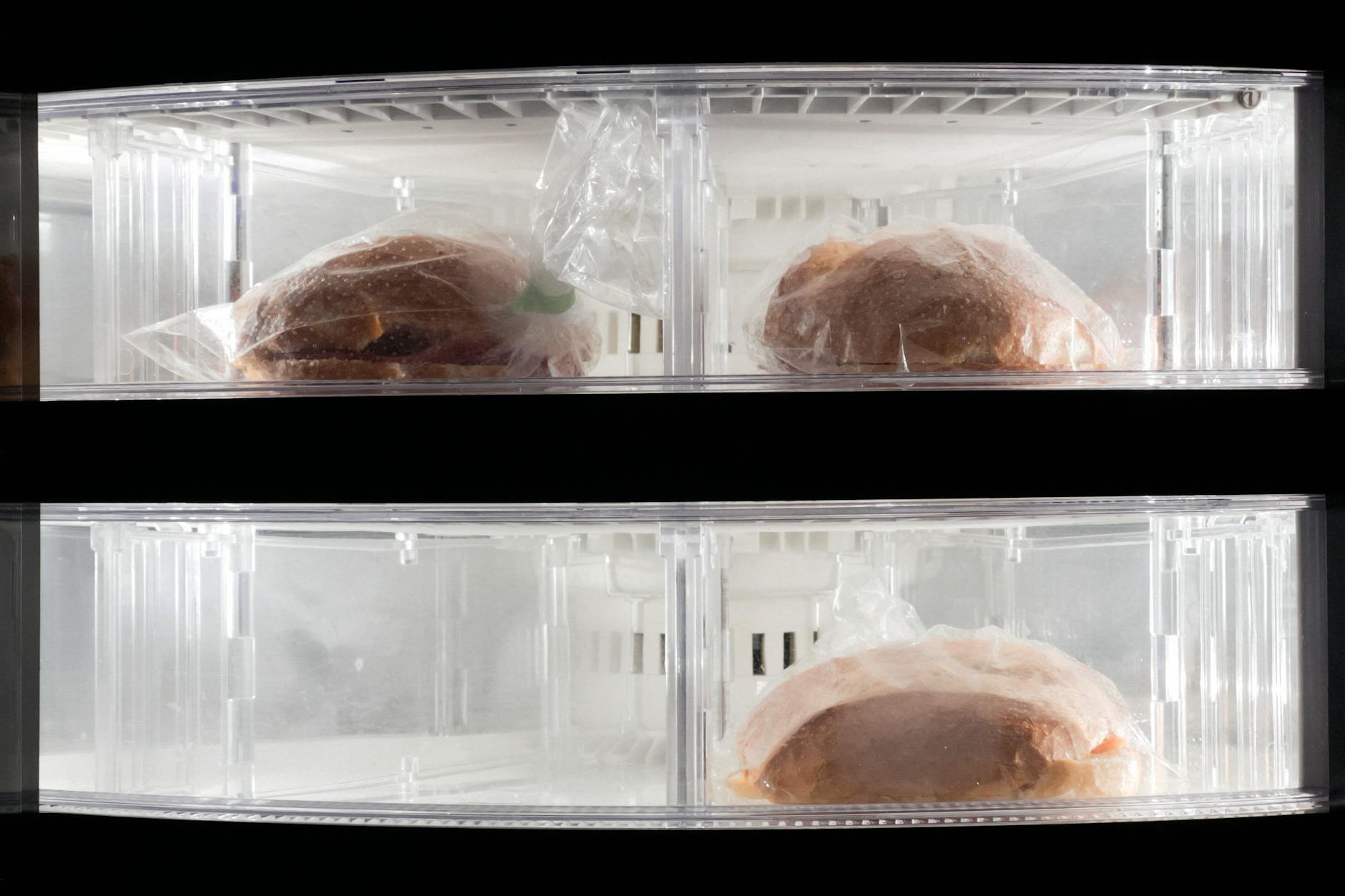
Frozen dinners are engineered for long shelf life and maximum palatability, two priorities that produce formulations with sodium levels, preservative loads, and refined carbohydrate content that cardiologists consistently flag as problematic. A single frozen dinner labeled as a healthy or lean option can still contain over 800 milligrams of sodium, approaching half the daily recommended limit in one meal. The vegetables included in frozen dinners are often cooked down, sauced, and salted to the point where their original nutritional contribution is substantially diminished. Portion sizes in frozen dinner packaging are calibrated by manufacturers rather than by any physiological measure of satiety, and many people find that a single package does not feel complete as a meal. Cardiologists view the frozen dinner category as one where the convenience proposition consistently comes at a cardiovascular cost that most consumers do not adequately factor into their dietary decisions.
Fruit Juice

Fruit juice occupies a complicated position in popular nutritional perception because it is derived from fruit and therefore carries a strong association with vitamins and natural wholesomeness. However, the juicing process strips out the dietary fiber that makes whole fruit a cardiovascular-supportive food, leaving a product that is essentially a high-sugar liquid with some micronutrient content. A standard glass of orange juice contains a comparable amount of sugar to a similar volume of soda, without the fiber that would otherwise moderate the glycemic impact. Fructose consumed in liquid form without fiber is processed by the liver in ways that promote triglyceride production and contribute to fatty liver development, both of which have direct cardiovascular implications. Cardiologists who want the nutritional benefits of fruit consistently recommend eating the whole fruit rather than drinking its extracted liquid.
Processed Cheese

Processed cheese products including individually wrapped slices, cheese spreads, and shelf-stable cheese sauces are manufactured using actual cheese as a base that is then emulsified with salts, oils, and additives to achieve a uniform texture and extended shelf life. The sodium content in processed cheese is substantially higher than in natural aged cheeses of similar flavor intensity. Phosphate additives used in processed cheese manufacturing are a specific concern cardiologists raise because elevated serum phosphate is associated with cardiovascular calcification and arterial stiffness. The fat profile of processed cheese tends toward higher saturated fat relative to its natural counterparts because the emulsification process allows for the incorporation of cheaper fat sources. Cardiologists who include cheese in their own diets typically select small amounts of high-quality aged natural cheese rather than any product that falls into the processed cheese category.
What foods have you personally cut out after learning more about heart health? Share your experience in the comments.




