
The food choices made each day have a far greater impact on cognitive function than most people realize. Certain widely consumed foods are linked to inflammation, oxidative stress, and structural changes in the brain that can impair memory and mental clarity over time. Research increasingly connects diet to the risk of cognitive decline and conditions like dementia. The following twenty foods are among the most harmful to long-term brain health, presented from the least to the most damaging based on the strength and consistency of scientific evidence.
Margarine

Margarine was once promoted as a healthier alternative to butter but contains partially hydrogenated oils that produce trans fats harmful to the brain. These artificial fats interfere with the cell membranes of neurons and disrupt communication between brain cells. Regular consumption has been associated with poorer memory performance in several population studies. Many commercial margarine brands still contain trace levels of trans fats even when labeled as trans-fat-free due to regulatory rounding allowances. Choosing whole food fat sources is a more supportive option for cognitive longevity.
Microwave Popcorn

Microwave popcorn bags are frequently lined with perfluorooctanoic acid, a chemical compound that has been flagged in neurological research for its potential to disrupt brain function. The artificial butter flavoring in many varieties contains diacetyl, a compound that can cross the blood-brain barrier and contribute to the buildup of amyloid plaques associated with Alzheimer’s disease. Consumed regularly, the high sodium content also contributes to poor vascular health that reduces blood flow to the brain. The combination of chemical exposure and processed ingredients makes this snack particularly problematic for cognitive health. Air-popped popcorn without artificial additives is a significantly safer alternative.
Fruit Juice

Commercially produced fruit juice is stripped of the dietary fiber found in whole fruit, leaving behind a concentrated source of fructose that floods the bloodstream rapidly. High fructose intake has been linked in animal and human studies to reduced synaptic plasticity, which is the brain’s ability to strengthen connections involved in learning and memory. The spike and crash in blood sugar caused by juice consumption can impair concentration and mental sharpness in the short term. Long-term high sugar diets correlate with shrinkage in the hippocampus, a brain region critical to memory formation. Eating whole fruit preserves the fiber that moderates sugar absorption and reduces neurological risk.
Soy Sauce

Soy sauce contains exceptionally high levels of sodium, with a single tablespoon often exceeding forty percent of the recommended daily sodium intake. Chronic high sodium consumption is associated with hypertension, which reduces cerebral blood flow and accelerates cognitive aging. Some traditionally brewed soy sauces also contain trace amounts of chloropropanols, compounds formed during processing that have raised concerns in toxicological research. The cumulative effect of regular high-sodium condiment use contributes to arterial stiffness that impairs oxygen and nutrient delivery to brain tissue. Low-sodium alternatives or reduced quantities can meaningfully lower this neurological risk.
Vegetable Oil

Refined vegetable oils including corn, sunflower, and soybean oil are extremely high in omega-6 polyunsaturated fatty acids that promote systemic inflammation when consumed in excess. Neuroinflammation is a key driver of cognitive decline and has been identified as a contributing factor in multiple neurodegenerative conditions. These oils oxidize easily when heated, producing aldehydes and other toxic byproducts that have been detected in brain tissue in research settings. The modern diet contains a dramatically imbalanced ratio of omega-6 to omega-3 fats largely due to widespread vegetable oil use in cooking and processed foods. Replacing these oils with cold-pressed olive oil or coconut oil provides a more brain-protective fat profile.
Canned Soup

Canned soups are among the highest-sodium packaged foods available in standard grocery stores, with many single servings containing over half the daily recommended sodium allowance. Sustained high blood pressure driven by excess sodium intake is one of the most well-documented contributors to vascular dementia and white matter lesions in the brain. Many canned soup varieties also contain monosodium glutamate and other flavor enhancers that some research suggests may have excitotoxic effects on neurons in large quantities. The lining of many cans still contains bisphenol A or its chemical analogs, which are endocrine-disrupting compounds with emerging links to neurological effects. Homemade soups prepared with low-sodium broth offer the same convenience with substantially lower cognitive risk.
White Rice
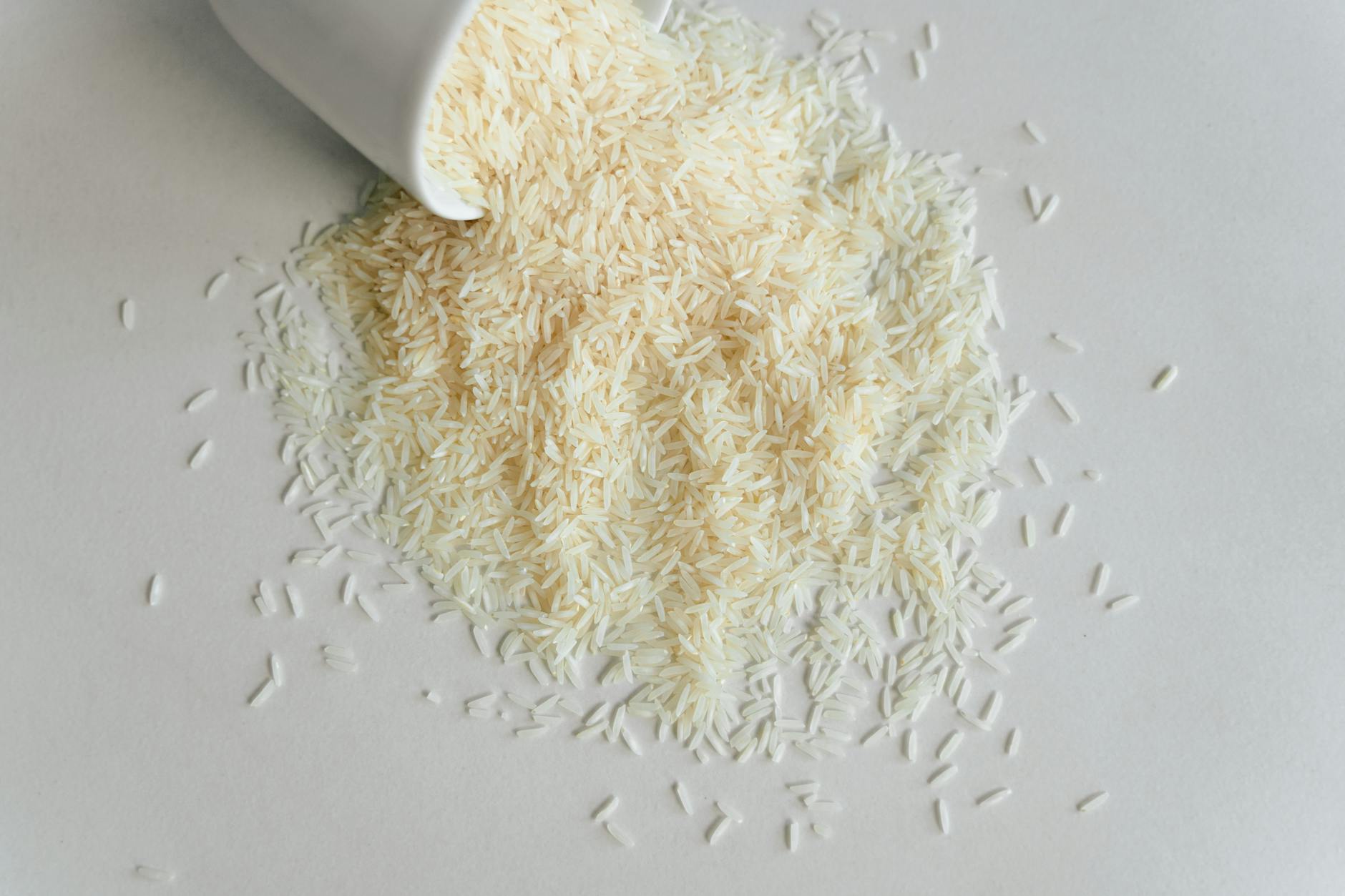
White rice is a refined grain that has been stripped of its bran and germ layers during processing, removing much of its fiber, B vitamins, and essential nutrients. Frequent consumption of refined grains causes repeated blood sugar spikes that trigger insulin resistance over time, a metabolic state strongly associated with increased Alzheimer’s disease risk. The brain relies on stable glucose metabolism for optimal function and is highly vulnerable to the disruptions caused by chronically elevated and then crashing blood sugar levels. Studies conducted in Asian populations with high white rice consumption have found correlations between intake frequency and poorer cognitive outcomes in older adults. Substituting brown rice or other whole grains preserves the nutritional value that supports neurological health.
Diet Soda

Diet sodas contain artificial sweeteners such as aspartame, sucralose, and acesulfame potassium that have raised significant concerns in neurological research despite containing no sugar. Aspartame breaks down into phenylalanine, methanol, and aspartic acid in the body, compounds that at elevated levels can interfere with neurotransmitter synthesis and brain signaling. A major long-term study found that individuals who consumed diet soda daily had nearly three times the risk of developing stroke and dementia compared to those who rarely consumed it. Artificial sweeteners also alter the gut microbiome in ways that disrupt the gut-brain axis, a communication pathway increasingly recognized as central to mental health and cognition. The absence of sugar does not make these beverages safe for long-term brain health.
Bottled Dressing

Commercially bottled salad dressings are a surprisingly significant source of refined oils, added sugars, and synthetic additives in the average diet. The refined oil base of most dressings contributes to the pro-inflammatory omega-6 imbalance that drives neuroinflammation over time. Many varieties contain high fructose corn syrup even in savory flavors, adding to the cumulative sugar burden that impairs insulin signaling in the brain. Preservatives such as calcium disodium EDTA and artificial colors found in some dressings have limited but notable associations with neurotoxic effects in research literature. Making dressings at home using olive oil and vinegar eliminates these risks while supporting cardiovascular and cognitive health simultaneously.
Flavored Yogurt

Flavored yogurts marketed as health foods frequently contain as much added sugar as a small candy bar, with many single-serving containers holding twenty or more grams of sugar. The probiotics present in yogurt do not offset the neurological harm of this sugar content, which contributes to chronic inflammation and insulin resistance. High sugar intake suppresses the production of brain-derived neurotrophic factor, a protein essential for the growth and maintenance of neurons and the formation of new memories. Some flavored varieties also contain artificial colors and synthetic flavor compounds that add unnecessary chemical load without nutritional benefit. Plain unsweetened yogurt delivers the gut health benefits of live cultures without the accompanying cognitive risks of added sugar.
Processed Cheese

Processed cheese products including slices, spreads, and nacho sauces are manufactured with emulsifying salts, artificial colors, and preservatives that distinguish them significantly from natural cheese. The high sodium content of processed cheese contributes to blood pressure elevation and reduced cerebrovascular health that accelerates brain aging. These products contain very high levels of saturated fat alongside inflammatory additives, a combination that research links to increased amyloid deposition in the brain. Some processed cheese products contain annatto, phosphate additives, and nisin that introduce additional chemical compounds with limited long-term neurological safety data. Natural aged cheeses consumed in moderation present a far lower risk profile for cognitive health.
White Bread

White bread is produced from highly refined flour that has been bleached and stripped of the fiber, minerals, and vitamins present in the original wheat grain. Its extremely high glycemic index triggers sharp insulin spikes that over time degrade the brain’s ability to regulate glucose metabolism, a process directly tied to the progression of Alzheimer’s disease. Research has described Alzheimer’s as a form of insulin resistance of the brain, making repeated glycemic spikes from foods like white bread particularly damaging over a lifetime. The fortification added back into white bread does not replicate the full nutritional complexity of whole grain alternatives. Choosing sourdough or whole grain bread provides slower glucose release and a wider array of brain-supporting micronutrients.
Fast Food

Fast food meals are typically engineered combinations of refined carbohydrates, trans fats, excessive sodium, and artificial additives that simultaneously attack multiple pillars of brain health. Regular fast food consumption has been directly linked in large cohort studies to smaller brain volume, particularly in regions associated with learning, memory, and emotional regulation. The high levels of advanced glycation end products formed during the high-heat cooking methods used in fast food preparation promote oxidative stress and neuroinflammation. A diet high in fast food has also been associated with depression and anxiety, conditions that are both causes and consequences of structural brain changes. The cumulative neurological burden of frequent fast food consumption is among the most well-documented in dietary neuroscience research.
Candy

Candy represents one of the most concentrated and nutritionally empty sources of refined sugar in the human diet, delivering rapid glucose floods with no accompanying fiber or nutrients to moderate absorption. The repeated blood sugar spikes and crashes caused by candy consumption impair short-term concentration and contribute to long-term insulin resistance in the brain. High sugar intake reduces levels of brain-derived neurotrophic factor, weakening the neuroplasticity that underlies learning capacity and memory retention. Many commercial candies also contain synthetic dyes such as Red 40 and Yellow 5 that have been examined in research for their potential effects on neurological function and behavior. The absence of any nutritional benefit combined with high neurological risk makes candy one of the most straightforward foods to minimize for cognitive protection.
Fried Foods

Fried foods generate high concentrations of acrylamide and advanced glycation end products during the cooking process, both of which have documented neurotoxic and pro-inflammatory properties. Studies examining long-term fried food consumption consistently find associations with accelerated cognitive decline, reduced memory performance, and higher rates of depression and anxiety. The combination of trans fats, oxidized oils, and high sodium present in most commercially fried foods creates a compounding burden on cerebrovascular health. Populations with diets high in fried food show measurably faster brain aging on neuroimaging compared to those following lower-fat whole food dietary patterns. Reducing fried food intake is one of the most impactful single dietary changes available for protecting long-term cognitive function.
Sugary Cereal

Breakfast cereals marketed to children and adults alike are frequently among the most sugar-dense packaged foods by weight, with some varieties containing more sugar per serving than dessert items. Starting the day with a high-sugar meal triggers an early blood sugar spike followed by a mid-morning crash that impairs focus, memory consolidation, and executive function during critical working hours. The refined grain base of most sugary cereals compounds this effect by providing additional rapidly digested carbohydrates with negligible nutritional value. Many varieties also contain BHT as a preservative, a compound that has shown mixed results in neurotoxicity research at high exposure levels. A protein-rich breakfast with whole food ingredients provides stable energy that demonstrably supports better cognitive performance throughout the morning.
Alcohol

Alcohol is a neurotoxin that crosses the blood-brain barrier and directly damages neurons, with chronic consumption causing measurable reductions in brain volume particularly in the frontal lobes and hippocampus. Even moderate regular alcohol intake has been linked in recent large-scale studies to structural brain changes and impaired memory function, challenging previous assumptions about safe consumption thresholds. Alcohol disrupts the production and regulation of key neurotransmitters including serotonin, dopamine, and glutamate, with lasting effects on mood, cognition, and impulse control. Thiamine deficiency commonly associated with heavy alcohol use can lead to Wernicke-Korsakoff syndrome, a severe neurological disorder characterized by profound memory impairment. The neurological evidence against regular alcohol consumption has become substantially stronger in recent years across multiple fields of medical research.
Artificial Sweeteners

Artificial sweeteners alter the composition and diversity of gut bacteria in ways that negatively affect the gut-brain axis, a bidirectional communication network central to mood regulation, inflammation control, and cognitive function. Research has found that sweeteners like saccharin and sucralose impair the brain’s ability to accurately gauge caloric intake, disrupting metabolic signaling in ways that extend beyond digestion. Aspartame in particular has been identified as a possible carcinogen by the World Health Organization and has been studied for its potential to increase oxidative stress markers in brain tissue. Regular consumption of artificial sweeteners has been associated in epidemiological research with higher rates of depression and anxiety, independent of the underlying conditions that may drive their use. The widespread presence of these compounds in low-calorie and diet products makes them among the most pervasive hidden risks to brain health in the modern food supply.
Added Sugar

Added sugar drives systemic and neuroinflammation through multiple simultaneous pathways including glycation, oxidative stress, and the dysregulation of insulin signaling throughout the body and brain. The hippocampus, the brain region most essential to forming and retrieving memories, is particularly vulnerable to the structural damage caused by chronically elevated blood glucose levels. High sugar intake suppresses brain-derived neurotrophic factor more dramatically than almost any other dietary variable, impairing neuroplasticity and reducing the brain’s capacity for repair and adaptation. Dietary patterns high in added sugar are among the strongest nutritional predictors of Alzheimer’s disease risk identified in current epidemiological research. The pervasive addition of sugar to processed foods across virtually every category makes conscious label reading an essential protective habit for anyone concerned with cognitive longevity.
Ultra-Processed Food

Ultra-processed foods represent the single most damaging dietary category for brain health because they combine nearly every individual risk factor into one ubiquitous and heavily marketed food group. A landmark study published in a major neurology journal found that replacing just ten percent of daily ultra-processed food intake with unprocessed alternatives was associated with a significant reduction in dementia risk. These products are formulated with industrial additives including emulsifiers, flavor enhancers, colorants, and preservatives that collectively disrupt gut microbiome balance, promote neuroinflammation, and impair the blood-brain barrier. The hyper-palatable nature of ultra-processed food is deliberately engineered to override satiety signals and drive overconsumption, creating dietary patterns that are difficult to modify despite awareness of their harm. No other food category has accumulated such consistent and convergent evidence across nutritional epidemiology, neuroscience, and clinical research for its capacity to accelerate cognitive decline.
What foods have you cut from your diet after noticing a difference in your mental clarity or memory? Share your experience in the comments.




