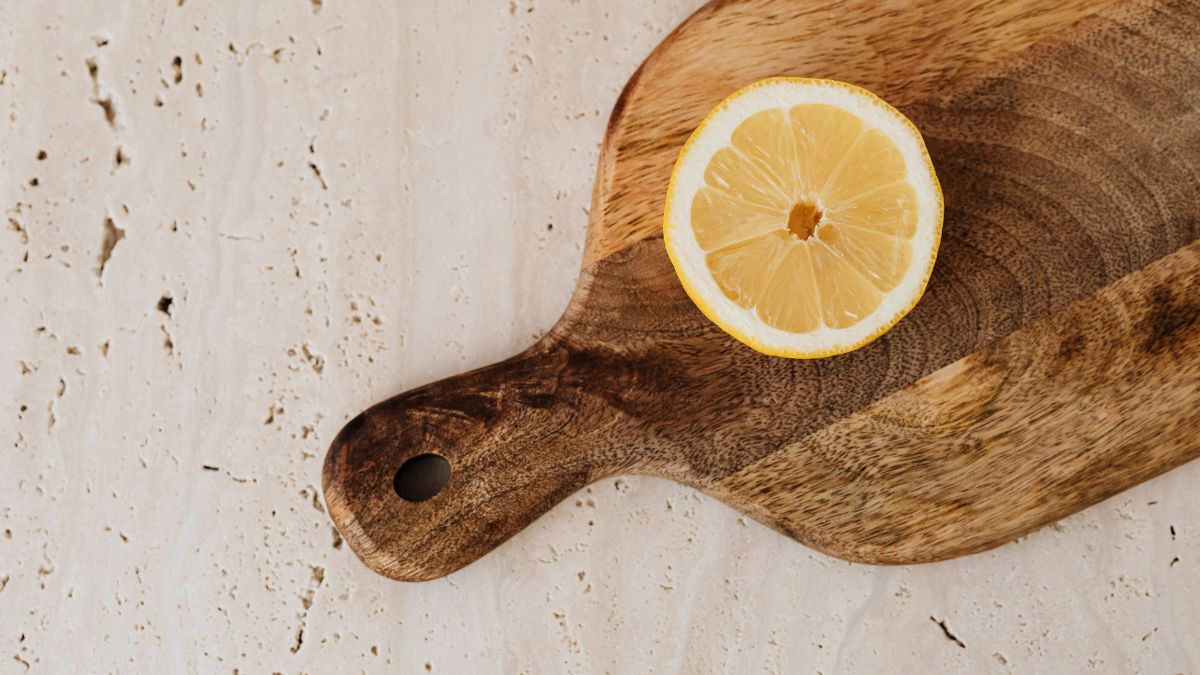
A quality wooden cutting board deserves proper care because it can stay in great shape for years and even last for decades with consistent attention. The routine relies on simple steps and one key product that most people can easily find without spending much. Many home cooks rely on this approach to keep their boards looking fresh and performing well over time. Treating the wood like a living material makes all the difference in preventing common problems.
Start with everyday cleaning right after use to remove food residue quickly. Wash the board under running water with a mild dish soap if needed for tougher spots then rinse thoroughly. Wipe it completely dry using a clean cloth instead of letting it sit flat on the counter. Never place it in the dishwasher since the heat and prolonged moisture cause serious damage. Stand the board upright or prop it up so air reaches every side evenly during drying.
Wood naturally absorbs liquids which leads to uneven expansion when one area stays wetter than another. That imbalance often results in warping cracking or deep grooves that ruin the surface. Keeping drying short and uniform protects the structure and extends the board’s life significantly. A quick thorough wipe-down after washing prevents most of these issues from developing.
Once a month give the board extra nourishment to maintain its condition. Apply a generous amount of food-grade mineral oil across the entire surface including the front back and all edges. Rub it in well with a clean cloth so the wood soaks it up completely. Let the board stand upright overnight to allow full absorption without any pooling. This step seals the pores and creates a barrier against future moisture.
Mineral oil stands out as the best choice for this task because it remains stable over time. Unlike olive vegetable or coconut oil which eventually turn rancid and leave bad smells trapped in the fibers mineral oil stays odorless and tasteless. It never oxidizes so the board continues to feel fresh even after repeated treatments. Regular application fills the wood’s pores and repels water juices from meat fruits or vegetables.
When the board receives this protective layer liquids bead up on the surface instead of soaking deep inside. Daily cleanup becomes much easier and more hygienic since bacteria and odors have less chance to linger. Treating the wood this way turns it into a reliable kitchen tool that improves with use rather than deteriorating. Consistency in these habits rewards you with a board that looks almost new for a very long time.
Share your own tips for keeping a wooden cutting board in top shape in the comments.




